Normal view

New Integrated PET Imaging Platform Quickly Identifies Clear Surgical Margins in Osteosarcoma Resection

2 June 2026 at 21:42

A groundbreaking advancement in the imaging and surgical treatment of osteosarcoma promises to revolutionize how this aggressive bone cancer is managed, offering hope for improved outcomes through cutting-edge precision technology. At the upcoming Society of Nuclear Medicine and Molecular Imaging (SNMMI) 2026 Annual Meeting, researchers from Peking University Cancer Hospital and Institute in Beijing will unveil an innovative integrated PET imaging platform capable of rapidly and accurately distinguishing malignant tumor tissue from healthy tissue during surgery. This novel system not only enhances real-time decision-making in the operating room but also enables precise assessment of surgical margins, a critical factor in fully eradicating tumors and minimizing recurrence.

Osteosarcoma, the most common primary malignant bone tumor affecting children and adolescents, represents a formidable clinical challenge. The current therapeutic standard combines aggressive chemotherapy with radical surgical excision. A paramount objective for surgeons is to remove the entire tumor with clear margins, as residual tumor cells within resection boundaries markedly increase the risk of local recurrence and negatively impact patient survival. However, delineating tumor margins intraoperatively with confidence remains difficult, frequently requiring surgeons to make empirical decisions based on visual and tactile feedback—methods insufficient for microscopic precision.

This clinical necessity spurred the development of a sophisticated multi-modal imaging platform engineered to overcome existing limitations. Central to the technology is the targeting of B7-H3, a transmembrane protein highly expressed in over 80% of osteosarcoma tumors. Recognizing this protein’s selective overexpression, researchers successfully synthesized a novel radiotracer, designated ^68Ga-B7H3-BCH, that selectively binds to B7-H3 molecules, enabling highly specific and sensitive detection of osteosarcoma lesions through PET imaging.

Preclinical assessments underscored the superior diagnostic capability of the ^68Ga-B7H3-BCH tracer, demonstrating marked improvements in lesion detection and tumor delineation compared to conventional radiotracers like ^18F-FDG. Encouraged by these findings, the research team architected an integrated imaging pipeline that synergizes ^68Ga-B7H3-BCH PET/CT scanning with a near-infrared (NIR) B7H3 fluorescent probe. This dual-modality approach facilitates comprehensive preoperative tumor staging and equips surgeons with real-time fluorescence visualization during tumor resection procedures.

During the surgical phase, the NIR fluorescent probe illuminates tumor borders with high spatial and temporal resolution, guiding surgeons to excise malignant tissues precisely while preserving as much healthy bone and surrounding structures as possible, which is vital for maintaining limb functionality. Following tumor removal, the platform incorporates a rapid pathological margin verification technique capable of providing conclusive margin status within 30 minutes, dramatically expediting what traditionally is a protracted pathological process and enhancing surgical confidence.

Mouse model studies exhibited robust uptake of the ^68Ga-B7H3-BCH tracer within osteosarcoma lesions and at tumor margins, correlating well with histopathological analysis and validating the tracer’s specificity. The combination of non-invasive, whole-body PET/CT imaging for systemic staging and intraoperative fluorescence for margin delineation embodies a truly personalized, closed-loop diagnostic and therapeutic strategy.

The implications of this integrated platform extend beyond mere imaging enhancements. It introduces a paradigm shift toward precision oncology in osteosarcoma, transitioning from empirical surgery followed by standard systemic chemotherapy to individualized treatment plans shaped by precise molecular and anatomical tumor information. Such tailoring is poised not only to improve local control rates but also to reduce unnecessary removal of healthy tissue, ultimately translating into better functional outcomes and quality of life for patients.

Bo Mei, PhD, the principal investigator spearheading this innovation, emphasized the urgent clinical need: “Orthopedic surgeons need a reliable, rapid method to accurately delineate tumor margins in real-time during osteosarcoma surgeries. Our integrated platform meets this challenge, redefining surgical oncology practices by incorporating molecular targeting and advanced imaging modalities.”

Although still at the investigational stage, early human feasibility studies employing the ^68Ga-B7H3-BCH platform have shown promising results. These pilot data demonstrate the platform’s potential to function effectively in clinical settings, marking a critical step toward regulatory approval and widespread adoption. Future efforts will focus on comprehensive prospective clinical trials to robustly establish safety, efficacy, and workflow integration within orthopedic oncology centers.

The technical innovation rests heavily on multimodal probe development, marrying the quantitative power of PET imaging with the exquisite real-time spatial resolution of fluorescence imaging. This combination overcomes intrinsic limitations of each modality when used in isolation—PET provides metabolic and molecular insights but is limited in spatial resolution and intraoperative applicability, while fluorescence enables visual guidance but lacks systemic diagnostic capability.

The platform’s rapid intraoperative margin assessment, with results available in less than half an hour, is a significant advance that replaces delayed histopathology consultation, allowing surgeons to adjust the extent of resection dynamically and immediately. By integrating molecular targeting, imaging, and pathology, this closed-loop diagnostic and therapeutic construct exemplifies next-generation precision medicine and theranostics.

This innovation also represents a promising template for other solid tumors exhibiting targetable biomarkers, suggesting broad applicability across oncology. The integration of molecularly specific PET tracers with intraoperative fluorescence guidance and rapid pathology verification embodies a comprehensive approach that can be adapted and refined for diverse malignancies beyond osteosarcoma.

As SNMMI 2026 unfolds, this pioneering work will undoubtedly attract attention from the nuclear medicine, surgical oncology, and molecular imaging communities. The researchers’ abstract, detailing the development and validation of the ^68Ga-B7H3-BCH PET/fluorescence multimodal probe and integrated imaging platform, underscores the convergence of technology and translational science, poised to enhance patient care profoundly.

This new frontier in osteosarcoma management showcases how targeted molecular imaging coupled with innovative surgical navigation can dramatically improve diagnostic accuracy, surgical precision, and ultimately patient prognosis. It exemplifies the power of integrating molecular biology, chemistry, imaging technology, and clinical expertise into a cohesive solution designed to address one of the most challenging pediatric cancers.

Subject of Research: Osteosarcoma, molecular imaging, surgical margin assessment, precision oncology
Article Title: An Integrated PET Imaging Platform for Real-Time Surgical Guidance and Accurate Margin Assessment in Osteosarcoma
News Publication Date: 2026 (presented at SNMMI Annual Meeting)
Web References: SNMMI 2026 Annual Meeting Abstract
Image Credits: Courtesy of SNMMI
Keywords: Osteosarcoma, B7-H3, PET Imaging, Molecular Imaging, Near-Infrared Fluorescence, Surgical Navigation, Radiotracer, Precision Medicine, Tumor Margin, Theranostics

New Study Reveals Wetland Loss Drives $10 Billion Surge in Residential Flood Insurance Claims

2 June 2026 at 19:59

In an era marked by escalating climate risks and intensifying hydrological extremes, a groundbreaking study recently published in Nature Water uncovers a startling economic consequence of wetland degradation across the United States. Environmental Defense Fund (EDF) researchers, including Jesse Gourevitch, Adam Gold, and Helena Garcia, present compelling evidence that the loss of wetlands upstream profoundly magnifies downstream riverine flood damages, leading to a staggering increase exceeding $10 billion in residential flood insurance claims since 1985. This study elucidates the crucial, yet often undervalued, role that wetlands play as natural infrastructures modulating flood risk.

Utilizing a spatially explicit, sub-watershed-level analysis, this research integrates hydrological modeling with socio-economic data, particularly insurance claim records from the National Flood Insurance Program (NFIP). By correlating changes in upstream wetland extent with the magnitude of downstream flood insurance payouts, the study isolates the impact of wetland loss on flood severity while controlling for confounding variables such as antecedent local precipitation and intrinsic flood exposure of affected properties. This methodological rigor allows for robust attribution of increased flood damages to wetland area reductions, advancing beyond prior assessments that predominantly offered qualitative or aggregate insights.

The quantification reveals that every hectare of wetland lost upstream corresponds to a 0.01% to 0.03% increase in residential flood claim payments downstream. While seemingly marginal per unit area, these increments aggregate to an unparalleled nationwide surge of $10.1 billion in NFIP claims, reflecting a 9% rise in flood-related payouts attributable to wetland decline over nearly four decades. Spatial variability is pronounced, with metropolitan Houston, southeastern Louisiana, and coastal Florida emerging as epicenters where wetland depletion translates into disproportionately amplified insurance costs, underscoring regional vulnerabilities rooted in both ecological and socio-economic factors.

A salient revelation of the study is the identification of wetland ecosystem services in measurable economic terms. In the top decile of sub-watersheds, each hectare of wetland conserves approximately $24,783 in residential flood damage annually. Astonishingly, the top one percentile of watersheds showcases values exceeding $301,268 per hectare, underscoring the immense protective benefits wetlands confer in critical hydrological contexts. This granular valuation equips policymakers and urban planners with concrete metrics to incorporate ecosystem services into infrastructural cost-benefit analyses and land-use decisions.

Beyond economic metrics, the research emphasizes equity dimensions of wetland loss impacts. Lower-income and predominantly non-white communities have disproportionately borne the brunt of amplified flood damages stemming from upstream wetland depletion. This intersectional insight highlights the urgency of integrating environmental justice considerations in conservation strategies and flood risk mitigation policies, ensuring vulnerable populations do not shoulder inequitable burdens of ecological degradation.

The scope of the study acknowledges limitations inherent in relying solely on NFIP data, which insures approximately 30% of total flood damages nationwide. By extrapolating to encompass uninsured losses and private insurance claims, the researchers estimate that the aggregate cost of flood damage attributable to historical wetland loss could exceed $33 billion since 1985. These figures starkly illustrate the expansive financial stakes tied to wetland conservation and restoration efforts, amplifying the imperative for proactive natural infrastructure management.

From a hydrological perspective, wetlands function analogously to sponges, absorbing substantial volumes of precipitation and surface runoff during storm events. This attenuation delays and diminishes flood peaks downstream, thereby mitigating property damage. Yet, persistent wetland conversion for development and agriculture continues apace, eroding these ecosystem services. The study’s findings make explicit the hidden costs of such land-use changes, reframing wetlands as critical assets whose depletion generates tangible, quantifiable economic consequences.

The authors also explore the policy implications of recent regulatory proposals, particularly the Trump Administration’s proposed revision to the federal “Waters of the United States” (WOTUS) definition. This redefinition threatens to exclude up to 91% of non-tidal wetlands from federal protection if they lack long-term surface water presence, potentially stripping vast tracts of wetlands from regulatory safeguards. The study estimates that these non-WOTUS wetlands, absent additional protection, provide flood mitigation services valued at approximately $177 billion for residential properties alone, signaling a profound risk of future unchecked losses in flood resilience.

Notably, the research underscores that the measured benefits of wetlands extend well beyond riverine flood mitigation for residences. Additional ecosystem services—such as biodiversity habitat, water quality enhancement, carbon sequestration, and recreational value—compound the societal benefits of wetland ecosystems. Including these factors would only magnify the economic imperative to preserve and restore wetlands as multifunctional landscapes vital to climate adaptation and environmental sustainability.

Consequently, this study delivers a clarion call to integrate wetland valuation comprehensively into federal and state decision-making frameworks. Whether informing benefit-cost analyses for infrastructure investments, refining flood insurance models to reflect natural flood defenses, or guiding targeted conservation financing through easements and acquisitions, the evidence-based quantification of wetlands’ flood risk reduction services is poised to reshape environmental governance paradigms.

As climate-induced flooding intensifies, and development strains hydrological systems, this pivotal research accentuates that restoring and protecting wetlands is neither a mere environmental ideal nor a marginal policy convenience. Instead, it constitutes a foundational strategy to curb economic losses, foster community resilience, and achieve equitable climate adaptation outcomes. The $10 billion increase in flood claims linked to wetland loss is an unequivocal economic signal—preserving nature’s infrastructure is essential for sustainable water resource management and disaster risk mitigation in the twenty-first century.

Subject of Research:
Article Title:
News Publication Date: June 1, 2026
Web References: https://www.nature.com/articles/s44221-026-00656-3
References: Environmental Defense Fund study published in Nature Water, June 2026
Image Credits:

Android Is Fighting Phone Scams With a New Feature to Prove Who’s Calling

2 June 2026 at 19:00
Available for Android 12 and later, the anti-scam feature is baked into Google Dialer, which sends a silent “confirmation signal” to ensure whoever’s calling you is who they appear to be.

Android Is Fighting Phone Scams With a New Feature to Prove Who’s Calling

2 June 2026 at 19:00
Available for Android 12 and later, the anti-scam feature is baked into Google Dialer, which sends a silent “confirmation signal” to ensure whoever’s calling you is who they appear to be.

Number of suspected Ebola cases falls by hundreds as testing ramps up

2 June 2026 at 18:10

The estimated size of the Ebola outbreak in the Democratic Republic of the Congo has fallen by hundreds of cases as outbreak response efforts have ramped up and increased testing has ruled out illnesses.

On Tuesday, a representative for the World Health Organization confirmed to Reuters that Congolese authorities are now reporting 437 cases in the DRC, including 321 confirmed cases and 116 suspected. That's a significant difference from the case count the WHO relayed Friday, which totaled 1,041 cases, including 135 confirmed cases and 906 suspected. Over the weekend, the director-general of the Africa Centres for Disease Control and Prevention, Jean Kaseya, also wrote in an op-ed that there were more than 1,100 suspected cases.

The number of deaths has also been lowered to 48 confirmed deaths. On Friday, the WHO had reported 241 deaths, including 18 confirmed and 223 suspected.

Read full article

Comments

© Getty | Jospin Mwisha

Number of suspected Ebola cases falls by hundreds as testing ramps up

2 June 2026 at 18:10

The estimated size of the Ebola outbreak in the Democratic Republic of the Congo has fallen by hundreds of cases as outbreak response efforts have ramped up and increased testing has ruled out illnesses.

On Tuesday, a representative for the World Health Organization confirmed to Reuters that Congolese authorities are now reporting 437 cases in the DRC, including 321 confirmed cases and 116 suspected. That's a significant difference from the case count the WHO relayed Friday, which totaled 1,041 cases, including 135 confirmed cases and 906 suspected. Over the weekend, the director-general of the Africa Centres for Disease Control and Prevention, Jean Kaseya, also wrote in an op-ed that there were more than 1,100 suspected cases.

The number of deaths has also been lowered to 48 confirmed deaths. On Friday, the WHO had reported 241 deaths, including 18 confirmed and 223 suspected.

Read full article

Comments

© Getty | Jospin Mwisha

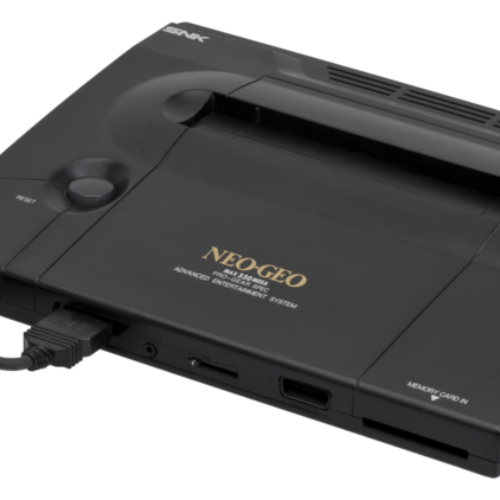
Why a Neo Geo port of Doom is functionally impossible

2 June 2026 at 17:19

Here at Ars, we've taken pleasure in reporting on versions of Doom that run on everything from wireless earbuds and printers to Windows' notepad.exe and even inside Doom itself. So when we hear that a piece of game-playing hardware from the '90s (or later) can't run Doom, our ears perk up.

That hardware is the Neo Geo, an early '90s game console that players of a certain age will remember for its eye-watering launch price and its relatively strong pixel-pushing power for the time. Despite that relative power, though, a fascinating new video from Modern Vintage Gamer argues that the Neo Geo's architecture makes it particularly ill-suited for a port of id's famously easy-to-port game.

At first glance, the Neo Geo seems like it should be up to the task of running Doom. The Motorola 68000 CPU inside the console is the same one powering the Commodore Amiga, which has seen quite a few homebrew Doom ports over the years.

Read full article

Comments

© Wikimedia

Why a Neo Geo port of Doom is functionally impossible

2 June 2026 at 17:19

Here at Ars, we've taken pleasure in reporting on versions of Doom that run on everything from wireless earbuds and printers to Windows' notepad.exe and even inside Doom itself. So when we hear that a piece of game-playing hardware from the '90s (or later) can't run Doom, our ears perk up.

That hardware is the Neo Geo, an early '90s game console that players of a certain age will remember for its eye-watering launch price and its relatively strong pixel-pushing power for the time. Despite that relative power, though, a fascinating new video from Modern Vintage Gamer argues that the Neo Geo's architecture makes it particularly ill-suited for a port of id's famously easy-to-port game.

At first glance, the Neo Geo seems like it should be up to the task of running Doom. The Motorola 68000 CPU inside the console is the same one powering the Commodore Amiga, which has seen quite a few homebrew Doom ports over the years.

Read full article

Comments

© Wikimedia

Rabbi Elhanan Beck | “Netanyahu is Amalek”

30 March 2026 at 04:23
Rabbi Elhanan Beck is a Jerusalem-born anti Zionist Jew who discusses with a Muslim reporter why he says that Netanyahu is Amalek. It is a discussion on Muslims and Jews peacefully coexisting in Palestine, the politics of the Zionist state and the religious beliefs of Torah Jews in regards to Israel.

March 19th 2026 is 1 Nissan 5786 | Israeli Rabbi Baruch Rosenblum Says the Jewish Messiah Will Be Announced Today

19 March 2026 at 10:03
Israeli Rabbi Baruch Rosenblum has just declared that the Jewish Messiah will be announced Thursday March 19th — the first day of Nissan on the Jewish calendar. PM Netanyahu agrees that he will be coming as a military leader to wipe out Amalek (Iran) but that it won't be this Thursday.

Israeli Persecution Casts Shadow Over Christmas in Haifa and West Bank

24 December 2025 at 23:57
Christmas celebrations across Palestine and inside Israel were marked by violence, repression and the enduring trauma of Israel's war on Gaza, as Palestinian Christian communities attempted to observe the holiday under siege, surveillance and occupation.

UK | Digital ID Commences, the Country Collapses

9 December 2025 at 03:24
The UK has initiated a digital ID system required for employment, paralleling increased online censorship through the Online "Safety" Act. Protests against these authoritarian measures are suppressed, warning of potential totalitarianism in Europe. The U.S. must resist similar oppression to safeguard free speech. Australia faces similar controls starting December 10, 2025.

Zionists Hate Christians and Muslims and Jews

15 October 2025 at 23:11
Zionist hate Christians! They hate Christians more than they hate Muslims. Only they use the Christian Zionists as tools to get US taxpayer money to fund the failed state of Israel. At the same time they hate all non-Jews and anti-Zionist Jews also.

Israeli Soldier Testifies Under Oath that on October 7th He was Ordered to Stand Down

9 October 2025 at 23:03
An Israeli soldier on guard duty on the Gaza fence testifies under oath that he was ordered to stand down on the morning of October 7, 2023. The attack was used as a pretext to destroy Gaza and eliminate the Palestinian resistance.

❌