Normal view

Carbon Dioxide Removal Must Outpace Solar Growth to Achieve Climate Goals

2 June 2026 at 19:56

Global Carbon Removal Efforts Face a Looming 5 Billion Tonne Challenge by 2050, Urgent Acceleration Needed

On June 2, 2026, experts unveiled the third edition of the State of Carbon Dioxide Removal (SoCDR) report, starkly highlighting a critical global shortfall in carbon dioxide removal (CDR) necessary to meet the ambitious 1.5°C climate stabilization goal. According to this landmark analysis, countries’ current climate commitments fall short by more than five billion tonnes of CO₂ annually by mid-century, underscoring the monumental task ahead. To bridge this gap, CDR initiatives must not only expand rapidly but do so at speeds rivaling the fastest clean energy transitions in history—such as the meteoric rise of solar power and electric vehicles.

While emissions reductions remain paramount in combating climate change, CDR assumes a crucial complementary role by addressing residual emissions that resist elimination through conventional decarbonization. The report emphasizes that for as long as any greenhouse gases enter the atmosphere, CDR technologies and natural processes will be indispensable for halting further warming. It also warns that deferring emissions cuts even by a decade could raise global temperatures by approximately 0.15°C, subsequently compounding the reliance and demand for CDR later this century.

Currently, Earth’s atmosphere sees approximately 2.2 billion tonnes of CO₂ removed each year through predominantly terrestrial means like forest restoration, while mechanical and mineral-based carbon capture technologies constitute a minuscule fraction, around 0.1%. Despite this small scale, novel CDR technologies are experiencing rapid growth with annual increases around 40%. Investments in CDR technology, research, and start-ups have rebounded recently, now representing roughly three percent of the broader climate technology investment landscape, showcasing renewed interest even amidst a general slowdown in climate financing.

Nevertheless, this burgeoning CDR landscape remains precarious. A significant concern is the stark gap between announced project capacities and actual operational delivery—with only about 20% of planned novel CDR capacity materializing. Dr. Morgan Edwards, lead author and assistant professor at University of Wisconsin-Madison, stresses the fragility of progress, noting the concentration of activity in select countries and approaches as a source of systemic vulnerability. This creates risks that local policy fluctuations or market shifts could cascade globally, undermining momentum.

The breadth of CDR techniques is vast, ranging from nature-based solutions like reforestation and soil carbon enhancements to engineered options such as bioenergy with carbon capture and storage (BECCS) and direct air carbon capture and storage (DACCS). The report details a wide cost spectrum—from under ten dollars to over a thousand dollars per tonne of CO₂ removed—highlighting the uncertain sustainable potentials for most methods, typically estimated conservatively at about one billion tonnes annually. Public awareness and acceptance remain nascent, and social license will depend heavily on equitable impact sharing and tangible co-benefits beyond carbon sequestration.

The window to decisively scale novel CDR approaches is closing fast, with the decade through 2030 identified as critical. Edwards emphasizes the urgent necessity not only for rapid capacity increases but also for validation of long-term carbon permanence and ancillary advantages like healthier soils and socioeconomic opportunities.

Oxford’s Steve Smith acknowledges promising advances: “The swift expansion of CDR technologies is noteworthy, with many projects promoting environmental co-benefits and value-added products alongside climate mitigation. This dual focus arises partly from the multifaceted gains possible and partly from insufficient financial incentives for the public good of atmospheric CO₂ removal.”

Absent accelerated emissions reductions and the establishment of stable, high-quality demand for reliable CDR, the existing gulf between ambitions and reality will only deepen, complicating and inflating the cost of achieving global climate targets. The report stresses that CDR is a vital but fragile pillar, requiring consistent policy support and financial backing.

The State of Carbon Dioxide Removal initiative is a pioneering global assessment, bringing together expertise from the University of Oxford, German Institute for International and Security Affairs, Potsdam Institute for Climate Impact Research, University of Wisconsin—Madison, and University of Maryland. It meticulously tracks CDR progress, identifies critical gaps, and provides evidence-driven insights for policymakers, investors, and the broader climate community.

Clarifications within the report emphasize fundamental distinctions between CDR and carbon capture and storage (CCS). For a method to qualify as CDR, it must remove CO₂ already present in the atmosphere. While some approaches utilize overlapping capture and storage infrastructure, CCS typically targets emissions directly from fossil fuel sources and industrial installations rather than atmospheric CO₂ extraction.

Several authors and experts contributing to the report underline the urgency and scale of the challenge. Oliver Geden of SWP notes that net-zero stabilization and even reversing atmospheric warming beyond 1.5°C hinges on massive, long-term CDR deployment. William Lamb of Potsdam emphasizes the substantial increase necessary beyond current pledges which largely depend on land-based approaches, with newer technologies still nascent.

Greg Nemet from University of Wisconsin – Madison highlights the fragility evident in the field, pointing to the significant proportion of canceled projects and the need for stable, long-term policy frameworks to sustain momentum. Jan Minx and Sabine Fuss of Potsdam focus on the innovation ecosystem, advocating a diversified, well-supported portfolio of CDR methods capable of addressing geographic and contextual variability while minimizing adverse tradeoffs related to land, water, and energy.

Matthew Gidden of University of Maryland encapsulates the consensus that gigatonne-scale CDR is indispensable alongside drastic emissions cuts and that proactive, timely deployment mitigates risks of higher future burdens caused by delays or climate surprises.

The report also features voices emphasizing real-world barriers and variability in progress. Candelaria Bergero and Carley Reynolds from University of Wisconsin and Potsdam respectively, warn of widening gaps with delayed action, necessitating even greater reliance on large-scale removal in the future. Franklyn Kanyako reveals operational difficulties in realizing planned capacity, while Friedemann Gruner acknowledges the wide-ranging uncertainties in costs, potentials, and scientific understanding that call for intensified research.

Kirsty Harrington of Oxford points to the disproportionate scale between established natural CDR and novel technologies, stressing the critical importance of rigorous carbon accounting to verify actual removals and climate benefits. Leona Tenkhoff of SWP highlights the discrepancy between countries’ net-zero ambitions and their insufficiently developed CDR strategies and demand frameworks.

Finally, the report stresses that no single technology or approach will suffice. Sabine Fuss advocates for a flexible, diverse portfolio of CDR techniques tailored to different contexts, maximizing sustainability and cost-effectiveness. Aaran Patel, advisory board member, draws attention to promising agronomic pathways such as biochar and enhanced rock weathering, which can deliver multiple co-benefits including improved soil health, increased crop yields, and new financing opportunities, especially for nations in the Global South.

The path ahead is challenging but critical. Scaling carbon dioxide removal at the scope and speed required demands unprecedented global cooperation, robust innovation, and long-term policy commitment – without which the formidable goal of limiting warming to 1.5°C may slip beyond reach.


Subject of Research: Carbon dioxide removal strategies and their role in climate change mitigation

Article Title: State of Carbon Dioxide Removal report

News Publication Date: 2-Jun-2026

Web References:

Keywords: Climate change, Carbon dioxide removal, Climate change mitigation, Carbon capture, Carbon sequestration, Anthropogenic climate change
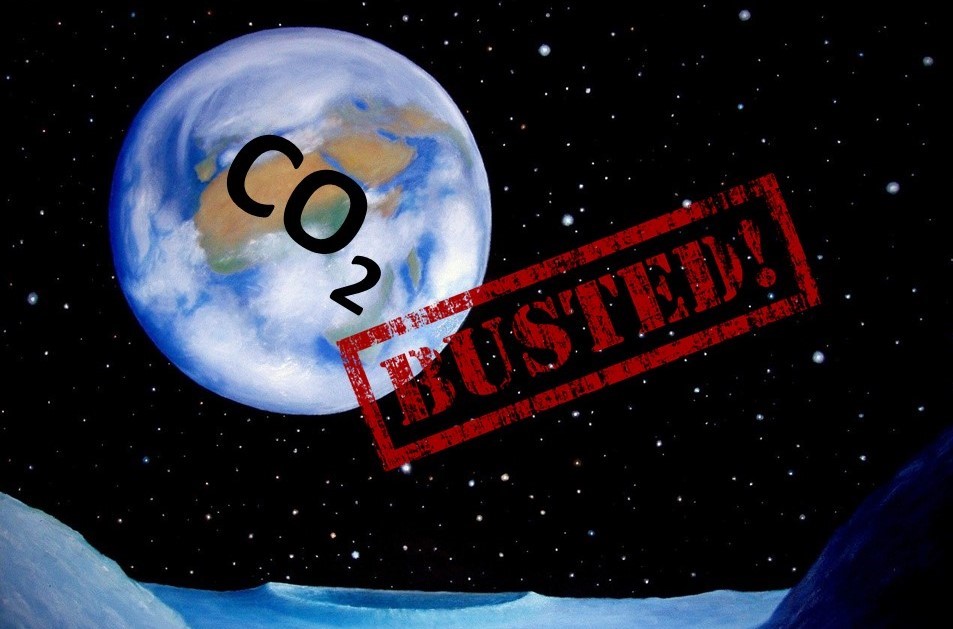
Before the Industrial Revolution the Atmospheric CO2 was Higher than the Claimed 280 ppm

16 May 2025 at 23:26
Recent measurements indicate a rise in atmospheric CO2, attributed to human activities by various "experts", despite claims that human contribution is minimal. Research by Dai Ato challenges the established pre-industrial CO2 level of 280 ppm, suggesting it’s underestimated and highlighting flaws in related climate studies, thus questioning current climate change assumptions.

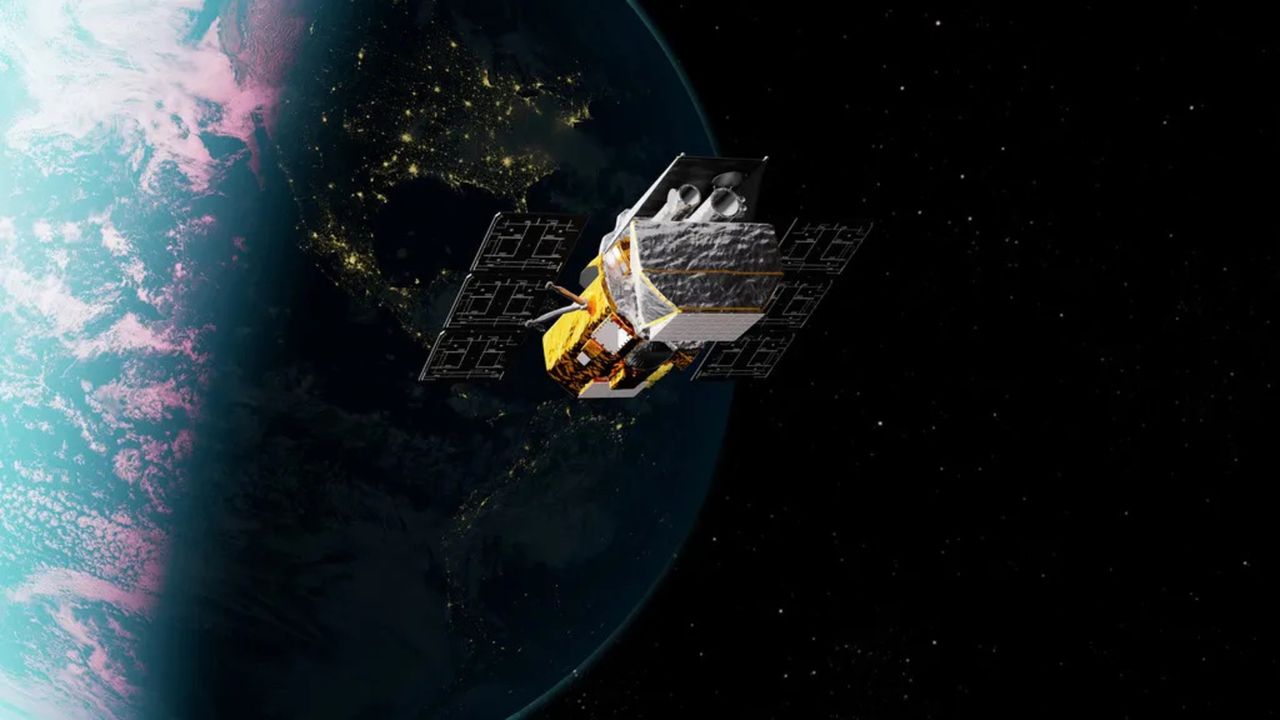
Satellites May Be Driving a Concerning New Form of Atmospheric Pollution, Experts Warn

15 May 2026 at 17:19


Satellites are creating a massive pollution problem, according to University College London researchers, who say the growing atmospheric carbon source has a 500 times greater climate impact than ground-based emissions, potentially blocking the Sun.

In a recent paper published in the journal Earth’s Future, researchers demonstrate that satellites are driving a significant rise in upper-atmosphere pollution, raising concerns related to the ongoing climate crisis. By the end of this decade, almost half of this pollution will come from satellite megaconstellations launched since 2019, the researchers claim.

Satellite Pollution

While satellites do emit some exhaust when they engage their thrusters, this is not the primary source of pollution they produce, according to the University College London researchers.

Instead, they point to rocket launches, as they generate a massive amount of carbon soot when discarded rocket bodies and dead satellites burn up on reentry into the Earth’s atmosphere. This carbon is particularly problematic, remaining in the upper atmosphere for an extended period and generating a 500-fold climate impact compared to ground emissions.

The team also investigated other forms of launch-related pollution, noting that chlorine released into the atmosphere by these launches harms the ozone layer, which blocks harmful UV rays; however, this impact is far less severe than the carbon soot. Even projecting out to 2029, the team seems confident that rocket launches, accounting for under a tenth of ozone depletion, and some organizations, such as Blue Origin, will be conducting launches that release no chlorine at all.

This is nonetheless important to monitor, they argue, as China’s space launches typically do release chlorine and are expected to grow in the coming years.

Satellite Reentry Carbon

Data for the research were sourced from satellite deployments and rock launches conducted between 2020 and 2022, which found that circulation patterns in the upper atmosphere move very slowly, allowing soot particles to linger for extended periods. In the lower atmosphere, rain and other weather systems remove such particles from car and factory exhaust much more rapidly. With this longer atmospheric life span, each particle in the upper atmosphere has a much greater impact on the environment.

Air pollution from launches and reentry is accumulating in the atmosphere at such a rate that by the end of the decade, it could block as much sunlight as artificial geoengineering projects aimed at reducing global warming. However, the actual cooling effect produced would likely be far below the expected temperature rise due to global warming over the same period, the study authors say.

“The space industry pollution is like a small-scale, unregulated geoengineering experiment that could have many unintended and serious environmental consequences,” said Professor Eloise Marais, the project’s leader and a researcher at UCL Geography. “Currently, the impact on the atmosphere is small, so we still have the chance to act early before it becomes a more serious issue that is harder to reverse or repair. So far, there has been limited effort to effectively regulate this type of pollution.”

The Pace Quickens

Their data indicates that megaconstellations, which the team sees as a significant concern, accounted for 35% of the climate impact of these events, and they expect this to grow to 42% by the end of the decade.

Recent years have seen exponential growth in satellites in near-Earth orbit, primarily driven by the rise of megaconstellations composed of hundreds of thousands of objects. The most well-known of these, SpaceX’s Starlink, accounts for 12,000 individual satellites. Megaconstellations are now consuming over half of the rocket fuel expended, as launches rose from just 114 a year in 2020 to 329 in 2025.

The researchers note that real-world megaconstellation launches between 2023 and 2025 have outpaced their projections based on 2020 to 2022 data, suggesting their predictions may actually underestimate the scale of the problem.

“The cooling effect from the reduction in sunlight that we calculate with our models may sound like a welcome change against the backdrop of global warming, but we need to be extremely cautious,” Professor Marais warned.

“Rocket launches are a unique source of pollution, injecting harmful chemicals directly into the upper layers of the atmosphere and contaminating Earth’s last remaining relatively pristine environment,” lead author Dr. Connor Barker, also with UCL Geography, noted.

“Though this soot’s impact on climate is currently much smaller than other industrial sources, its potency means we need to act before it causes irreparable harm,” Barker says.

The paper, “Radiative Forcing and Ozone Depletion of a Decade of Satellite Megaconstellation Missions,” appeared in Earth’s Future on May 14, 2026.

Ryan Whalen covers science and technology for The Debrief. He holds an MA in History and a Master of Library and Information Science with a certificate in Data Science. He can be contacted at ryan@thedebrief.org, and follow him on Twitter @mdntwvlf.

Hybrid Plasmonic Nanoantenna Boosts Biosensing Accuracy

1 June 2026 at 23:59

In a groundbreaking advancement poised to reshape the future of biosensing technology, researchers have unveiled a novel directional nanoantenna design crafted on a hybrid plasmonic waveguide platform. This latest theoretical exploration, led by AzimBeik, Moradi, and Abdipour, introduces a cutting-edge approach to nanoantenna architecture that uniquely integrates hybrid plasmonic waveguides, promising enhanced sensitivity and specificity in biosensing applications. The implications of such a design extend far beyond conventional scopes, potentially revolutionizing diagnostic devices and environmental monitoring systems through superior signal directionality and confinement.

At the core of this innovative design lies the synergy between plasmonic and dielectric waveguides, harnessing their complementary characteristics to engineer a device capable of exceptional electromagnetic field manipulation at the nanoscale. By leveraging the propagation of hybrid plasmonic modes within meticulously structured waveguides, the research delineates a route to achieving highly directional nanoantenna emissions. This directionality is pivotal, as it minimizes energy dissipation while maximizing interaction efficiency with target analytes—an advancement that could dramatically improve the performance of optical biosensors.

Traditional plasmonic nanoantennas have often been challenged by issues such as isotropic radiation patterns and substantial ohmic losses, limiting their effectiveness in precise sensing tasks. By integrating a hybrid waveguide approach, the design reported in this study mitigates these limitations through strategic confinement of electromagnetic energy within the hybrid mode regime. The interplay between metallic nanostructures and dielectric components orchestrates a guiding environment where plasmonic losses are curtailed yet the field localization remains intense, fostering heightened sensitivity and selectivity relevant to biosensor functionality.

The theoretical model posited in this research is underpinned by sophisticated computational methods that simulate electromagnetic behavior with unprecedented precision. Utilizing eigenmode analysis and finite-element method simulations, the researchers have characterized the nanoantenna’s resonant properties and radiation efficiency, demonstrating how mode hybridization governs the antenna’s directional emission. This meticulous theoretical framework not only corroborates the feasibility of the hybrid design but also sets a benchmark for optimizing nanoantenna parameters—such as length, width, and dielectric constants—to tailor device performance for specific biosensing targets.

Biosensing applications demand devices capable of operating in complex biological milieus with high fidelity. This nanoantenna’s architecture, featuring a hybrid plasmonic waveguide, provides a potent mechanism for enhancing signal-to-noise ratios by funneling electromagnetic energy precisely onto the sensing region. Such refined control over light-matter interactions at the nanoscale could trigger a leap forward in the detection of biomolecules, pathogens, or chemical agents, thereby augmenting early diagnosis capabilities and facilitating real-time environmental assessments.

One of the most striking outcomes elucidated by the authors is the directional radiation pattern achieved by the nanoantenna, which is markedly asymmetric compared to traditional designs. This anisotropy not only elevates the antenna’s operational efficiency but also introduces the possibility of multiplexed sensing modalities. Directional emission implies that signals can be spatially separated and detected with improved clarity, enabling simultaneous monitoring of multiple analytes or sensing zones without cross-talk. Such potential for multiplexing is particularly valuable in clinical diagnostics and high-throughput screening settings.

Furthermore, the exploitation of hybrid plasmonic waveguides serves a dual role by also enhancing the antenna’s bandwidth and tunability. The design permits dynamic adjustments of resonant frequencies through modifications in the waveguide geometry or material composition, a flexibility that is indispensable for adapting sensors to a wide spectrum of molecular targets. This tunability also paves the way for integration into lab-on-chip devices, where compactness and versatility are paramount.

A critical aspect extensively analyzed pertains to the interplay between the metallic nanoantenna and the dielectric environment, which profoundly influences the plasmonic mode confinement quality. The researchers elucidated how minute variations in the waveguide’s dielectric properties modulate the mode volume and propagation losses, thereby providing a controllable parameter space for device optimization. This insight underscores the importance of material science in the future design of plasmonic biosensors and signals avenues for employing emerging dielectric materials with low-loss profiles.

The theoretical framework additionally examines the compatibility of the nanoantenna design with prevailing fabrication technologies. The selected hybrid waveguide structure aligns well with existing nanofabrication methodologies, such as electron-beam lithography and focused ion beam milling, which bodes well for the experimental realization of the device. By anticipating practical constraints, the research anticipates swift translation from simulation to prototype, accelerating the pathway to real-world applications.

In addition to the finely tuned electromagnetic characteristics, the paper delves into the expected biological interface performance. Given the highly directional energy emission and tight field confinement, the nanoantenna is ideally suited for capturing weak biomolecular interactions, including those characteristic of early disease biomarkers or trace environmental toxins. Enhanced interaction cross-sections foresee improved limits of detection, a key determinant in the efficacy of any biosensor platform.

Another promising implication of this directional nanoantenna design is its potential synergy with surface-enhanced spectroscopies, particularly surface-enhanced Raman scattering (SERS). The highly localized electromagnetic fields associated with hybrid plasmonic modes can significantly amplify Raman signals from molecules adsorbed near the nanoantenna surface. This phenomenon could be exploited to develop ultra-sensitive spectroscopic biosensors capable of molecular fingerprinting with unparalleled resolution and accuracy.

The environmental stability of the hybrid plasmonic waveguide design is also touched upon, offering hope for robust sensor performance under diverse operating conditions. The incorporation of dielectric layers may mitigate corrosion and degradation issues commonly associated with pure metallic nanostructures in physiological or chemically aggressive environments. This enhanced durability is essential for practical deployment in field diagnostics and continuous monitoring systems.

Of particular note is the broad applicability of this design beyond biosensing, hinting at transformative impacts in areas such as optical communication, quantum photonics, and infrared detection. The fundamental principles of directional nanoantenna operation on hybrid plasmonic platforms could be tailored to facilitate highly integrated photonic circuits or enable efficient quantum emitter coupling, opening new frontiers in nanophotonics research.

Ultimately, the theoretical analysis presented by AzimBeik, Moradi, and Abdipour crystallizes a vision of next-generation biosensors that harness the best attributes of plasmonics and photonics. The directional nanoantenna based on a hybrid plasmonic waveguide encapsulates a convergence of precision engineering, material innovation, and theoretical rigor, promising a leap in sensitivity, selectivity, and functionality. This pioneering work sets a robust foundation for subsequent experimental validation and, eventually, commercial biosensor platforms that could transform healthcare and environmental monitoring landscapes.

As the scientific community continues to push boundaries in nanoscale device engineering, this study stands out for its comprehensive elucidation of the underlying physics governing hybrid plasmonic nanoantennas. By meticulously charting out the design parameters and performance metrics, the authors provide a valuable roadmap for researchers aiming to exploit plasmonics in practical biosensing solutions. Anticipated future research will likely explore integration strategies with microfluidics and electronics, driving toward compact, multiplexed, and real-time biosensing systems.

The avenue opened by this research represents a crucial juncture in the evolution of sensing technology, where interdisciplinary collaboration among physicists, materials scientists, and biotechnologists will be paramount. The theoretical insights revealed here lay down the proposed mechanisms for directional control and enhanced sensitivity that could redefine how biosensors are conceived and deployed worldwide.


Subject of Research: Directional nanoantenna design based on hybrid plasmonic waveguide for biosensing applications

Article Title: A directional nanoantenna design based on a hybrid plasmonic waveguide: theoretical analysis for biosensing applications

Article References:
AzimBeik, M., Moradi, G. & Abdipour, A. A directional nanoantenna design based on a hybrid plasmonic waveguide: theoretical analysis for biosensing applications. Sci Rep (2026). https://doi.org/10.1038/s41598-026-55026-6

Image Credits: AI Generated

In Brazil, a project paying farmers for forests is looking to scale up

Landowner Carlos Roberto Simonetti gets three harvests per year from the corn, soy and cotton plantations on his 17,000-hectare (about 42,000 acres) farm called Fazenda Natureza Feliz, or Happy Nature, in the Brazilian state of Mato Grosso. Over the course of four years, he would also get what he calls a fourth harvest, this time from the forested areas of his property, located where the Cerrado savanna meets the Amazon Rainforest. That’s because Simonetti would receive regular payments for protecting native vegetation beyond what the law requires, as part of a pilot project for payment for ecosystem services (PES) run by the Amazon Environmental Research Institute (IPAM), an NGO, in the states of Mato Grosso and Pará. The program, called CONSERV, gives landowners financial incentives to keep the forest standing even in areas which they are legally allowed to clear. The pilot project, which initially ran between 2020 and 2024 on 23 different properties, protected 20,707 hectares (about 51,170 acres) of land in the Cerrado and Amazon biomes with funding from the governments of Norway and The Netherlands. Ongoing contracts funded by Soft Commodities Forum members – agribusiness companies committed to preserving the Cerrado – are protecting a further 7,000 hectares (about 17,300 acres) in the states of Mato Grosso and Maranhão. IPAM is now seeking to scale up the program without relying on donations. The risk of legal deforestation The idea for CONSERV goes back to 2016, when an internal IPAM report calculated that around 1.5 million hectares (3.7…This article was originally published on Mongabay

BHP defies its own climate strategy to spend hundreds of millions on polluting diesel trucks in Pilbara

Exclusive: Mining giant says technology is not yet advanced enough to run a fully electrified fleet but experts say it is hooked on federal fuel tax credits

BHP has continued to spend hundreds of millions of dollars buying diesel trucks in the Pilbara despite internal documents suggesting it would increase emissions and be “misaligned” with its decarbonisation goals.

The mining giant is Australia’s biggest consumer of diesel and trucks are its biggest single source of diesel emissions. Replacing the fleet with battery-electric trucks is considered a critical step in the multinational’s efforts to decarbonise.

Continue reading...

© Composite: Guardian

© Composite: Guardian

© Composite: Guardian

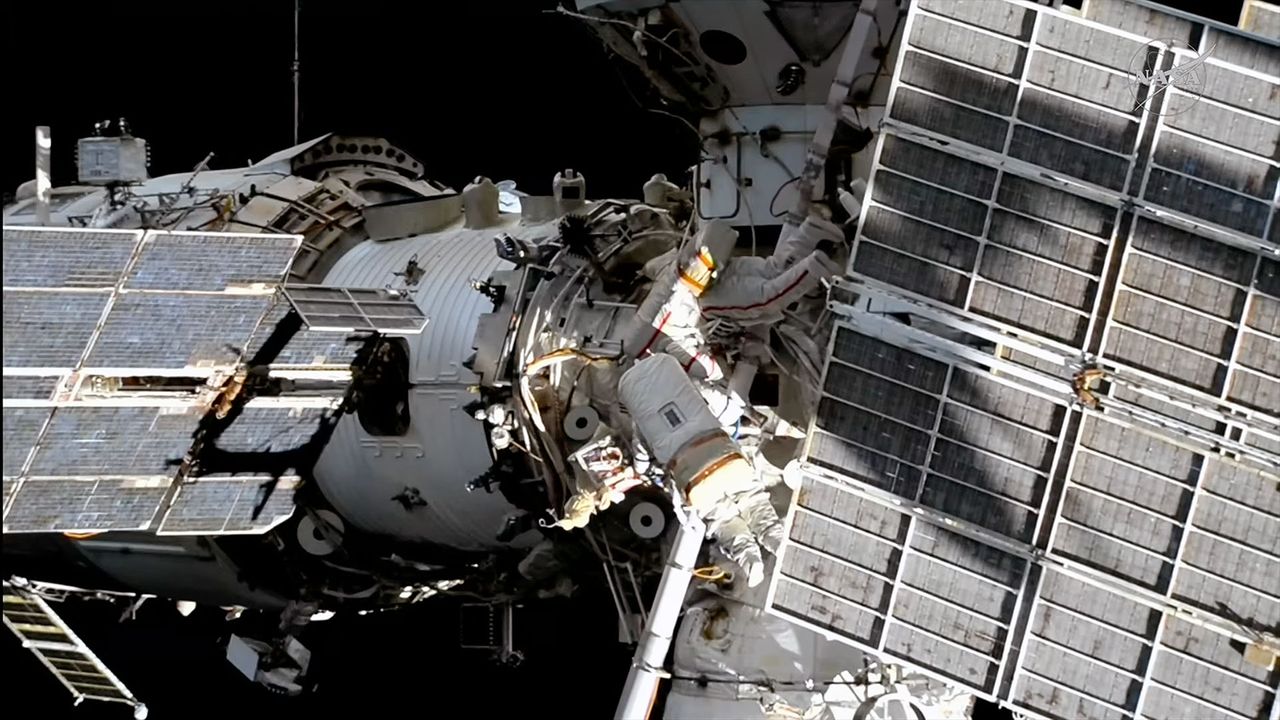
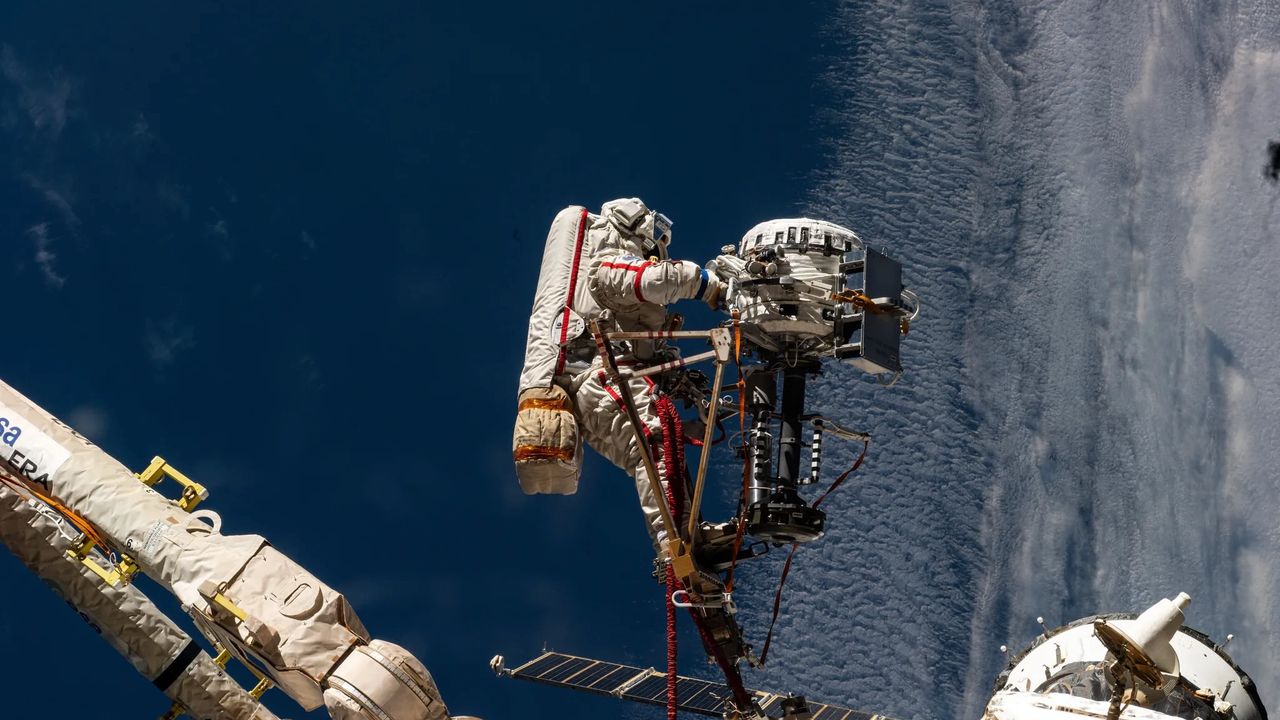
Russian cosmonauts install sun-watching telescope on ISS during 6-hour spacewalk

Russian cosmonauts Sergey Kud-Sverchkov and Sergei Mikaev worked to install and retrieve science experiments while on a spacewalk outside the International Space Station on Wednesday, May 27, 2026.

Russian cosmonauts install sun-watching telescope on ISS during 6-hour spacewalk

Russian cosmonauts Sergey Kud-Sverchkov and Sergei Mikaev worked to install and retrieve science experiments while on a spacewalk outside the International Space Station on Wednesday, May 27, 2026.

Scientists Ditched a Scary Climate Scenario. What Now?

While global warming is still a threat, the decision to back away from a worst-case outlook raises questions about whether some risks have been overstated.

© Apu Gomes/Agence France-Presse — Getty Images

A wildfire burning in the Simi Valley of California this month.

BHP ‘laughing’ at Australia’s key climate policy while pocketing hundreds of millions in tax breaks, Pocock says

Outrage as leaked documents reveal mining giant’s backsliding on commitments to slash emissions

The independent senator David Pocock says leaked BHP documents show that the mining giant is “laughing” at Australia’s key climate policy while pocketing hundreds of millions of dollars through a generous diesel tax break.

An exclusive investigation based on documents leaked to by the Guardian and the ABC show BHP has scrapped a project to significantly reduce global emissions, delayed vast renewables projects in the Pilbara and war-gamed options to push the electrification of its polluting diesel truck and train fleets into the next two decades.

Continue reading...

© Photograph: Lukas Coch/AAP

© Photograph: Lukas Coch/AAP

© Photograph: Lukas Coch/AAP

❌