Normal view

Moderna gets $50 million to develop mRNA Ebola vaccine against Bundibugyo

1 June 2026 at 21:58

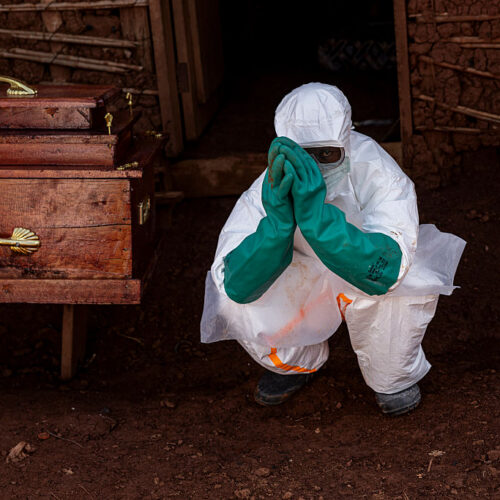
The global health organization Coalition for Epidemic Preparedness Innovations (CEPI) announced Monday that it will "urgently accelerate development" of three vaccine candidates against Bundibugyo ebolavirus (BDBV), pledging a little over $60 million in the effort to extinguish an outbreak currently raging out of control in the Democratic Republic of the Congo.

Under the plans, CEPI has committed up to $50 million to US-based Moderna for preclinical development and Phase 1 clinical testing of its mRNA-based BDBV vaccine candidate. The funding will simultaneously allow the company to ramp up manufacturing capabilities and ready large-scale Phase 2/3 trials in the event the vaccine makes it through early testing. The vaccine will use Moderna's mRNA vaccine platform that allowed for rapid development of a COVID-19 vaccine during the pandemic.

"[W]e believe our mRNA platform can play an important role in responding rapidly to emerging infectious disease threats," Moderna CEO Stéphane Bancel said in a statement Monday. " We will move with urgency and scientific rigor to support the response and help bring a potential vaccine closer to the communities that need it most."

Read full article

Comments

© Getty | GLODY MURHABAZI

Moderna gets $50 million to develop mRNA Ebola vaccine against Bundibugyo

1 June 2026 at 21:58

The global health organization Coalition for Epidemic Preparedness Innovations (CEPI) announced Monday that it will "urgently accelerate development" of three vaccine candidates against Bundibugyo ebolavirus (BDBV), pledging a little over $60 million in the effort to extinguish an outbreak currently raging out of control in the Democratic Republic of the Congo.

Under the plans, CEPI has committed up to $50 million to US-based Moderna for preclinical development and Phase 1 clinical testing of its mRNA-based BDBV vaccine candidate. The funding will simultaneously allow the company to ramp up manufacturing capabilities and ready large-scale Phase 2/3 trials in the event the vaccine makes it through early testing. The vaccine will use Moderna's mRNA vaccine platform that allowed for rapid development of a COVID-19 vaccine during the pandemic.

"[W]e believe our mRNA platform can play an important role in responding rapidly to emerging infectious disease threats," Moderna CEO Stéphane Bancel said in a statement Monday. " We will move with urgency and scientific rigor to support the response and help bring a potential vaccine closer to the communities that need it most."

Read full article

Comments

© Getty | GLODY MURHABAZI

These researchers would be in Africa fighting ebola—but Trump cut their funding

29 May 2026 at 11:30

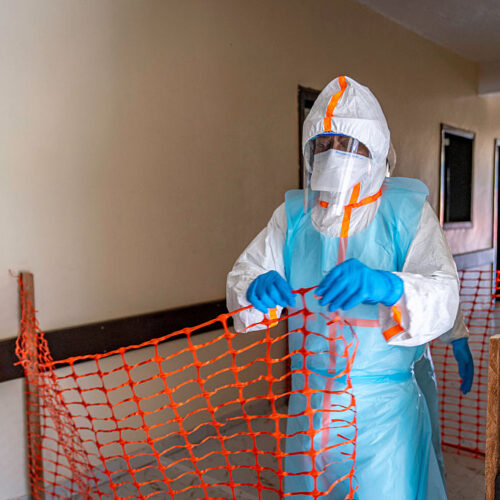
As the world struggles to contain the rapidly growing Ebola outbreak in the Democratic Republic of the Congo’s Ituri Province, a vital network of research centers has been unable to help on the ground. The reason: The Trump administration slashed its funding last year, in part due to conspiracy theories about the origins of COVID-19.

Established in 2020 by the National Institutes of Health, the Centers for Research in Emerging Infectious Diseases (CREID) Network was conducting research into viruses that emerge from wildlife and spill over to people, including the family of viruses that Ebola belongs to. The network operated 10 sites around the world where these types of disease outbreaks are likely to occur, including in Central and East Africa. (The network was also researching hantavirus, a disease that saw a recent rare outbreak on a cruise ship.)

NIH provided CREID with approximately $82 million in funding over five years, and its funding was up for renewal in 2025. But last June, the centers received a stop-work order stating that their research had been deemed “unsafe for Americans and not a good use of taxpayer funding,” and that the agency’s priorities no longer supported the network.

Read full article

Comments

© Michel Lunanga / Stringer

These researchers would be in Africa fighting ebola—but Trump cut their funding

29 May 2026 at 11:30

As the world struggles to contain the rapidly growing Ebola outbreak in the Democratic Republic of the Congo’s Ituri Province, a vital network of research centers has been unable to help on the ground. The reason: The Trump administration slashed its funding last year, in part due to conspiracy theories about the origins of COVID-19.

Established in 2020 by the National Institutes of Health, the Centers for Research in Emerging Infectious Diseases (CREID) Network was conducting research into viruses that emerge from wildlife and spill over to people, including the family of viruses that Ebola belongs to. The network operated 10 sites around the world where these types of disease outbreaks are likely to occur, including in Central and East Africa. (The network was also researching hantavirus, a disease that saw a recent rare outbreak on a cruise ship.)

NIH provided CREID with approximately $82 million in funding over five years, and its funding was up for renewal in 2025. But last June, the centers received a stop-work order stating that their research had been deemed “unsafe for Americans and not a good use of taxpayer funding,” and that the agency’s priorities no longer supported the network.

Read full article

Comments

© Michel Lunanga / Stringer

❌