Normal view

Received today — 3 June 2026 Interesting Engineering

New York seeks reactor developers to build gigawatt-scale nuclear power project

3 June 2026 at 14:07

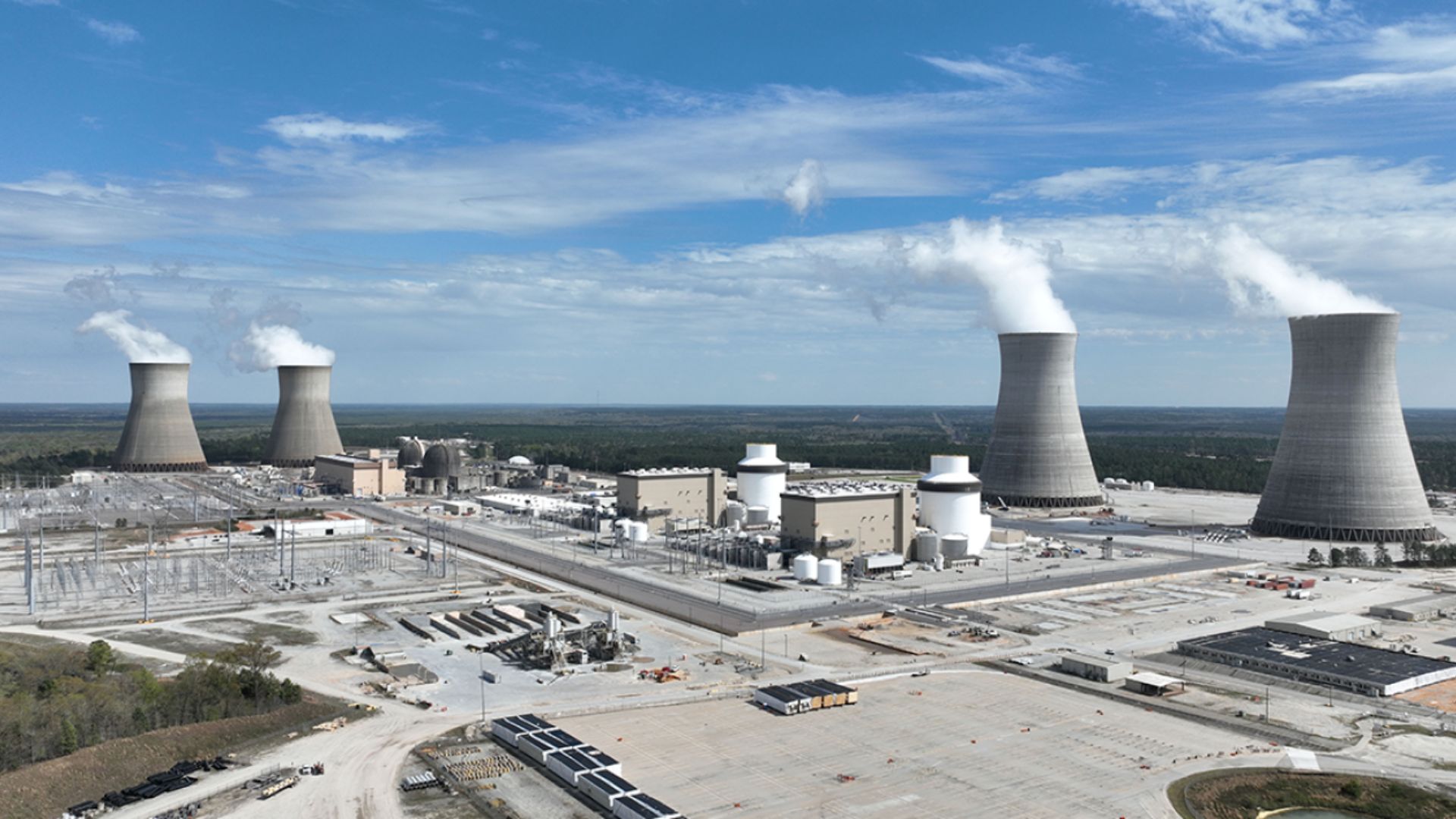
New York took a major step toward bringing new nuclear power generation to the state as the New York Power Authority (NYPA) launched a search for developers capable of delivering at least 1 gigawatt (GW) of advanced nuclear capacity in Upstate New York. NYPA also began accepting applications for $40 million in funding to help train a skilled workforce for future nuclear projects.

This step follows NYPA’s request for information last year and the responses from over 30 organizations. These included potential reactor developers, industry partners, and communities interested in hosting nuclear facilities.

Developers invited to compete for major nuclear project

On Monday, NYPA has released a Request for Qualifications (RFQ) to identify companies with the skills to design, build, and deliver advanced nuclear reactors capable of producing at least 1 GW of electricity. The authority is looking at two possible options. One is a large-scale reactor like the AP1000. The other focuses on small modular reactor technology, including designs such as the BWRX-300.

Companies that want to take part must present a practical plan for carrying out the project. Their proposals should cover technology readiness, site selection, permitting, construction timelines, estimated costs, ownership structures, and possible partnerships.

Only companies that pass the qualification stage will be invited to participate in the next Request for Proposal process, which could bring the project closer to construction.

Eligibility tied to construction timeline

NYPA said it will consider advanced Generation III+ and Generation IV reactor technologies, but only if these designs are already past the earliest development stages.

To qualify, the proposed technology must already be under construction or expected to reach the First Nuclear Concrete milestone by early next decade. The chosen reactor must also be able to generate more than 1 GW of electricity and start construction before 2033.

Meeting that timeline is considered important because it would help secure federal investment tax credits available through the Inflation Reduction Act.

The authority made clear that first-of-a-kind reactor concepts and micro modular reactors are not included in this effort. Bidders must also demonstrate experience with projects of this size. Submissions for the RFQ are due by June 26.

State seeks workers for future nuclear expansion

Alongside the developer solicitation, NYPA also started a separate Request for Applications focused on preparing the workforce.

The program invites eligible training providers in New York to apply for funding through the Nuclear Energy Workforce Training program. This effort aims to help people build the technical skills needed for future reactor construction, operations, and maintenance.

Applications for workforce funding are open until July 31. State leaders say workforce development is essential for New York, supporting new nuclear facilities and creating long-term jobs.

Nuclear remains key part of New York’s energy mix

Governor Kathy Hochul described the initiative as part of a larger plan to meet growing electricity needs while keeping the state’s clean energy goals on track. “Nearly a year ago, I called on the Power Authority to lay the groundwork for the next era of emissions-free power in New York as part of my all-of-the-above approach to energy,” Hochul said in a statement.

“The solicitations announced today will help ensure New York is poised to lead the nation in new nuclear development, that along with renewables, will provide needed power in the face of increasing demand to keep the lights on while helping keep costs down. By taking a proactive approach, we are preparing our state to take advantage of the opportunities associated with advanced nuclear, which will provide round-the-clock reliable clean energy while cultivating the partnerships needed to bring the project from concept to concrete.”

NYPA President and CEO Justin Driscoll stressed the importance of having reliable, carbon-free electricity.

“New York needs reliable, around-the-clock clean power to meet growing energy demand, sustain economic momentum, and achieve a clean energy economy,” Driscoll said. “These solicitations will help NYPA establish the roadmap for deploying the first new nuclear facility in New York in a generation that will deliver the dependable, emissions-free power we will rely on for decades to come.”

Nuclear power is already an important part of New York’s electricity system. Four reactors run by Constellation Energy now produce about 21.4 percent of the state’s electricity and about 41.6 percent of its carbon-free power. The nuclear fleet includes two reactors at Nine Mile Point, as well as the Ginna and FitzPatrick plants. The two reactors at Indian Point were shut down in 2020 and 2021, but there have been recent talks about their future.
Boeing’s Ghost Bat drone beats radar with ace-level stealth performance in test

3 June 2026 at 14:03

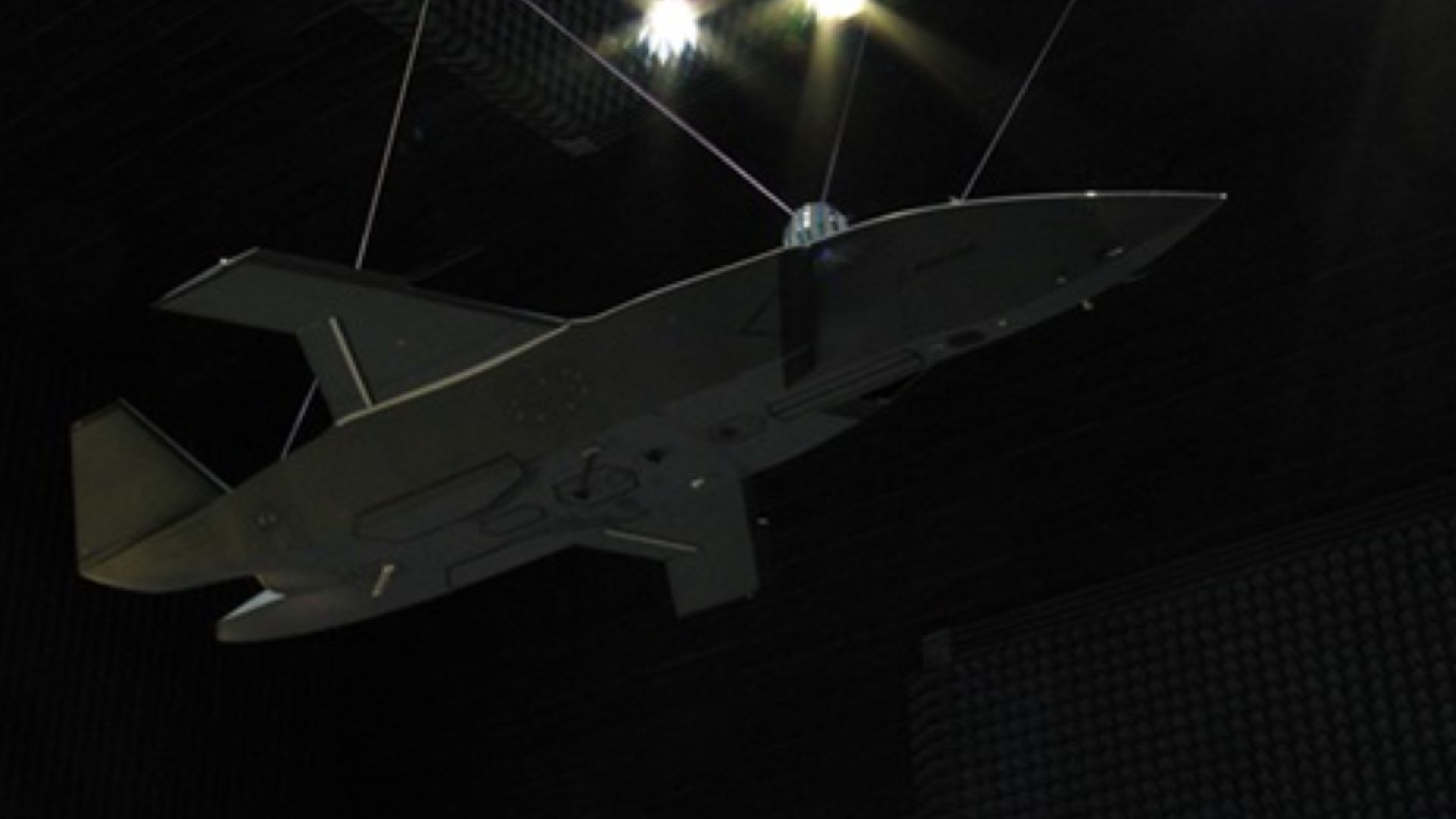
Boeing announced that its MQ-28 Ghost Bat combat aircraft has officially passed stealth performance tests. This marks another step forward as the aerospace firm works to expand the aircraft’s capabilities for future air combat.

The company said this achievement provides customers with clear proof of the aircraft’s ability to survive and avoid detection on complex battlefields. The MQ-28 is built to work with crewed military aircraft and to handle various missions while remaining hard to detect on radar.

Stealth capability reaches new milestone

The MQ-28 Ghost Bat was designed to support current fighter and surveillance aircraft by handling tasks such as intelligence gathering, electronic warfare, and boosting force strength. Boeing says the latest tests confirm the aircraft can stay hidden enough for missions in contested airspace.

According to the company, stealth is crucial in today’s military operations because it makes it harder for enemy radar to spot and track aircraft. This gives military forces more freedom to carry out missions in dangerous areas.

“The combination of a highly capable platform, stealth features, advanced autonomy and artificial intelligence provides unprecedented ability for air forces to extend their mission effectiveness and operational flexibility,” said Brad Thompson, Director for Phantom Works Australia.

Boeing also said that passing these tests shows the aircraft’s design is mature and boosts confidence in its ability to survive in combat.

Radar testing provides measurable data

A major part of the validation was Radar Cross Section (RCS) testing, which Boeing described as one of the primary methods for assessing an aircraft’s stealth characteristics.

The company ran RCS tests on the MQ-28 to get reliable performance data. It said this helps customers understand how easily the aircraft can be detected and judge how well it works in real missions.

The data also helps verify engineering models, support certifications, and guide buying decisions. It lets military planners develop tactics, countermeasures, and assess risks.

Boeing said the MQ-28’s radar cross-section makes it much harder for enemy radar to detect and target the aircraft from a distance. The company added that testing proved that its design, manufacturing, and materials are keeping radar visibility low.

Flight testing program continues to expand

Development of the Ghost Bat began in 2017, and it flew for the first time in 2021. Since then, it has completed over 150 flights and taken part in more complex demonstrations.

One of the program’s major achievements involved teaming two airborne MQ-28 aircraft and a digital aircraft with an E-7A Wedgetail during a mission against an airborne target. The MQ-28 has also operated from the Royal Australian Air Force base at Tindal, demonstrating its ability to operate from new locations.

The company said the program has improved multi-aircraft teamwork while keeping up daily flight operations during tests.

Autonomous combat demonstrations show growing capability

Besides stealth testing, Boeing has kept working on the MQ-28’s autonomous combat features.

The company reported the MQ-28 worked with both an E-7A Wedgetail and an F/A-18F Super Hornet during tests, where it autonomously engaged and shot down an airborne target. The aircraft also finished its first three international flight tests at Point Mugu, California.

Those tests were designed to validate autonomous operations while demonstrating rapid deployment and sustained operations from an allied base.

In another milestone, the MQ-28 autonomously used a Raytheon AIM-120 missile to destroy a simulated target.

Received yesterday — 2 June 2026 Interesting Engineering

Next-gen Eurofighter jet boasts 1,550 mph top speed and advanced AESA radar

2 June 2026 at 14:21

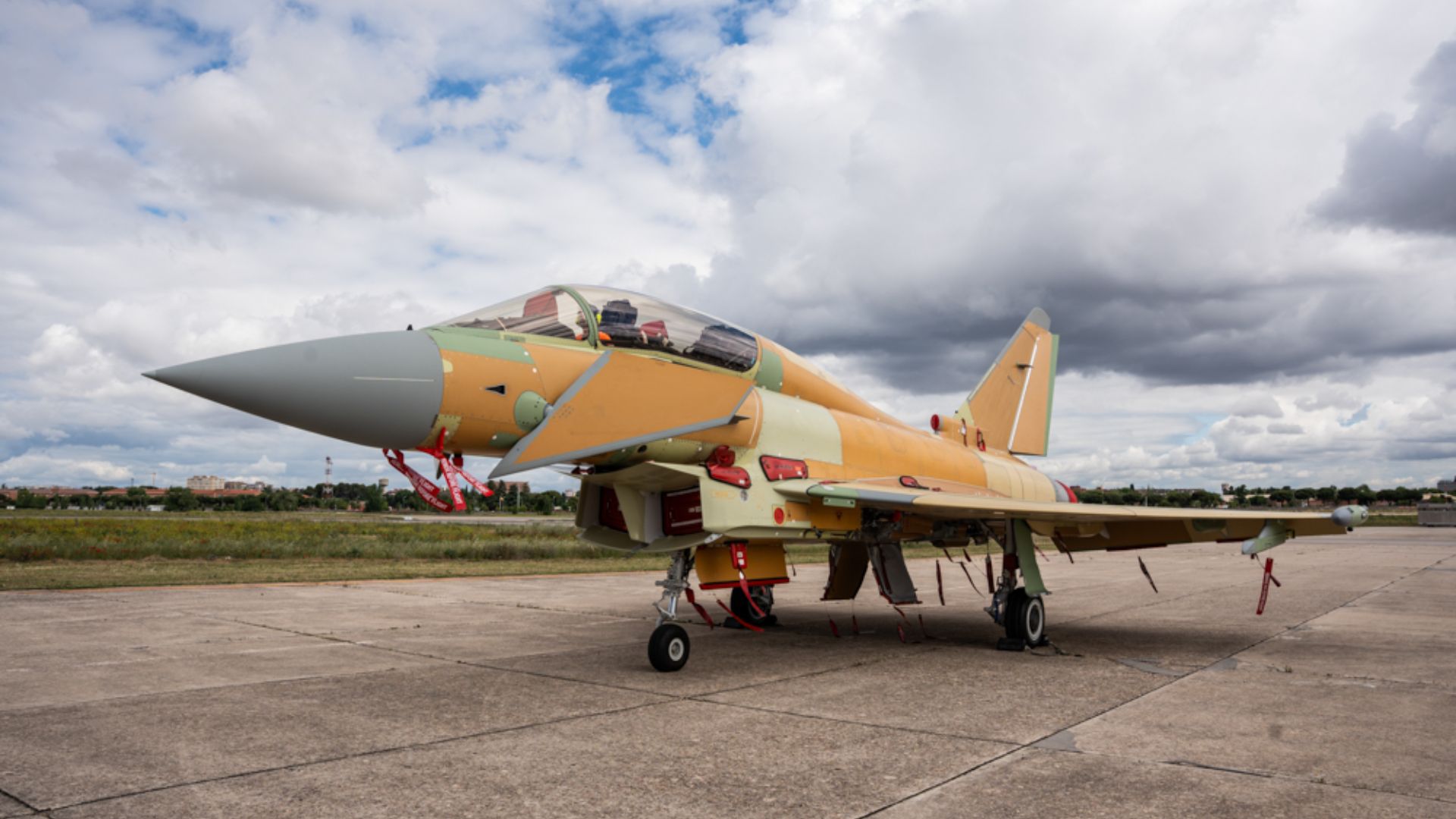
Spain has made significant progress in updating its air combat fleet. The first Eurofighter from the Halcon I program has left Airbus’ facility in Getafe, near Madrid. Airbus Defense and Space said on Monday that the jet is ready for engine testing and its first flight, bringing the Spanish Air Force closer to using its most advanced Eurofighter Typhoon yet.

This rollout marks the first jet from a 20-aircraft order Spain signed in June 2022. It is also the first Tranche 4 Eurofighter for Spain. Deliveries are set to start in 2026, but the Spanish Air Force Chief of Staff, General Francisco Braco Carbó, said the first three jets should join the fleet this year. The aircraft is capable of reaching a top speed of Mach 2.0, equivalent to roughly 1,550 mph (2,495 km/h).

Since 2003, Airbus’ Getafe site, about 9 miles (15 kilometers) south of Madrid, has built, tested, and delivered every Eurofighter for Spain.

New radar and missile systems boost combat capability

The Halcon I jets bring in new technology not seen on Spain’s earlier Eurofighters. The main upgrade is the E-Scan radar, an Active Electronically Scanned Array (AESA) system that replaces the older, mechanically rotating radar.

Unlike older radars, the AESA system uses many transmit-receive modules to electronically steer the radar beam, with no moving parts. This lets the fighter track several targets at once, quickly switch between air and ground missions, and lowers the chance of being detected by enemy electronic warfare.

The radar can also conduct electronic attacks against enemy sensors, giving the aircraft roles beyond traditional fighter missions.

Spain’s new jets will carry the Meteor missile, a ramjet-powered air-to-air weapon with a range of over 62 miles (100 kilometers). This missile can engage targets much farther away than the older AMRAAM used on previous Eurofighters. The jets will also have the Brimstone III precision missile for ground attacks.

⚡ The first #Eurofighter HALCON I for the @EjercitoAire has rolled out at our Getafe facilities in Madrid! 🇪🇸✈ Everything is ready for the first engine run and the maiden flight.

The 20 HALCON aircraft will be equipped with E-Scan (Electronically Scanned) radar, with… pic.twitter.com/dOdwK0UEiA

— Airbus Defence (@AirbusDefence) June 1, 2026

Replacing aging Hornets in a strategic region

The Halcon I jets will replace Spain’s aging F-18 Hornets at Gando Air Base in the Canary Islands. The islands are about 62 miles (100 kilometers) from northwest Africa and are one of NATO’s most important spots in the eastern Atlantic.

Jets at Gando monitor the airspace around the Canary Islands, guard the approaches to the Strait of Gibraltar, and watch over important Atlantic sea routes. Their location also puts them close to possible security issues from North Africa.

With the current Hornets nearing retirement, Spain’s military chose the new Eurofighters to keep strong air defense and quick response in the region.

Spain expands its long-term Eurofighter investment

Madrid has boosted its commitment to the Eurofighter program beyond the first Halcon I order. In December 2024, Spain signed a second deal for 25 more jets under the Halcon II program.

With both orders, Spain has bought 45 Eurofighters since 2022. When all are delivered, the Spanish Air Force should have a fleet of 115 Eurofighters.

Halcon II jets will have the same advanced E-Scan radar, Meteor missile support, and better connectivity as the Halcon I aircraft. Both types will keep replacing F-18s in Spain’s Eurofighter units.

The Tranche 4 version also brings better cockpit displays, improved electronic warfare, and works with both current and future Eurofighter weapons. It is powered by two Eurojet EJ200 engines, each making about 20,230 pounds (90 kilonewtons) of thrust with afterburner.

These engines give the Typhoon a key advantage: supercruise. The jet can fly at supersonic speeds without afterburners, saving fuel and extending its range. Few modern fighters have this feature, and the old F-18s cannot match it.

US Navy’s massive 9,100-ton nuclear-powered attack submarine nears return to fleet

2 June 2026 at 14:04

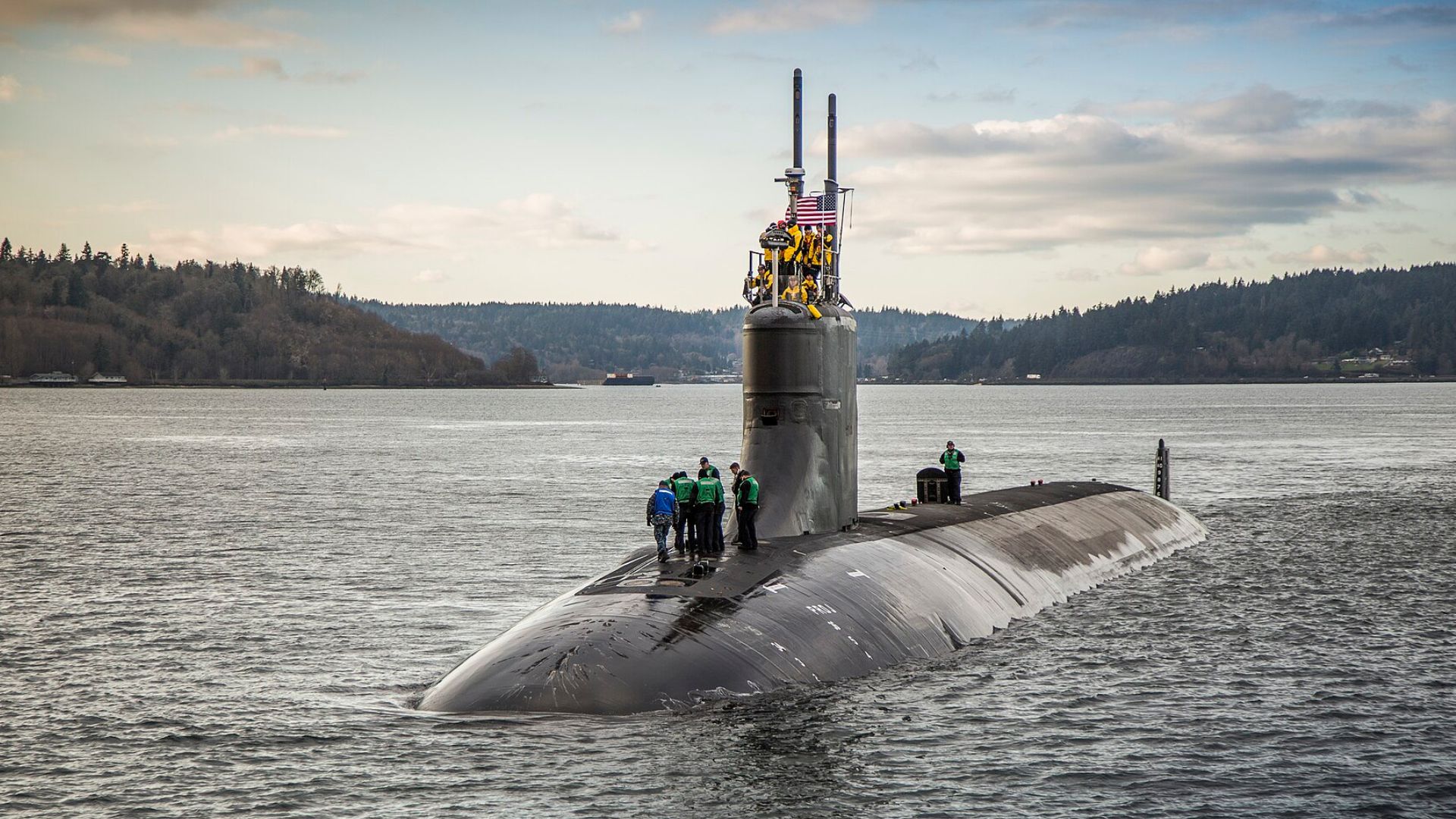
More than four years after a serious collision in the South China Sea, the nuclear-powered attack submarine USS Connecticut is preparing to return to active service. The U.S. Navy expects the Seawolf-class sub to be back in action by September, following major repairs that started after its 2021 accident.

However, even as the submarine heads back to sea, the Navy has already set a retirement target of 2031, according to the May 2026 US Navy Shipbuilding Plan.

USS Connecticut (SSN-22) was launched in Groton, Connecticut, on September 1, 1997, and entered service in December 1998. It was the second of just three Seawolf-class submarines built by General Dynamics Electric Boat.

Built during a changing era

The Seawolf program started during the Cold War, with plans to build 29 submarines to counter advanced Soviet threats. After the Soviet Union collapsed in 1991, those plans changed quickly. The Navy canceled most of the vessels under the program and switched to the less expensive Virginia-class submarines, which are still being built today.

Congress allowed a small number of Seawolf submarines to be built to keep U.S. submarine shipyards running during the transition. Even though only a few were built, the Seawolf class became known for its speed, stealth, and combat power. 

Collision that nearly ended in disaster

The submarine’s most serious incident occurred in October 2021 during a classified mission in the South China Sea. USS Connecticut struck an underwater seamount, forcing an emergency ascent and injuring 11 sailors.

A Navy investigation later found that the crew ran into several technical problems while trying to surface. The equipment that makes high-pressure air failed, and a backup trim pump overheated and briefly caught fire before it was put out.

The submarine eventually reached Guam and later headed to the U.S. West Coast. Investigators found additional damage, including a missing bow dome and rocks stuck in the ballast tanks.

The report concluded that the accident was preventable and resulted from failures in navigation planning and risk management. The submarine’s commanding officer was relieved of duty.

Years of repairs in dry dock

Since December 2021, USS Connecticut has remained at Puget Sound Naval Shipyard in Washington. The repair effort required a newly manufactured bow dome, a process that took more than three years.

The submarine’s long time out of service shows how hard it is to maintain these specialized vessels. Even though its nuclear engine was not damaged, fixing the submarine required a lot of structural repairs.

The Seawolf-class submarine is one of the Navy’s most advanced, weighing over 9,100 tons underwater and carrying a strong mix of torpedoes and other weapons.

Future submarines may borrow from Seawolf

The Navy plans to retire USS Connecticut in 2031, but some officials think that date might change since the submarine was out of service for years during repairs. Meanwhile, the Navy is working on its next-generation attack submarine, called SSN(X). The new design will be made to work with unmanned systems and advanced weapons.

Experts believe the qualities that made Seawolf famous remain highly relevant even today. As China grows its navy and autonomous technology becomes more important, many of the features first used in the Seawolf class could shape the next generation of American submarines.

❌