Login
Login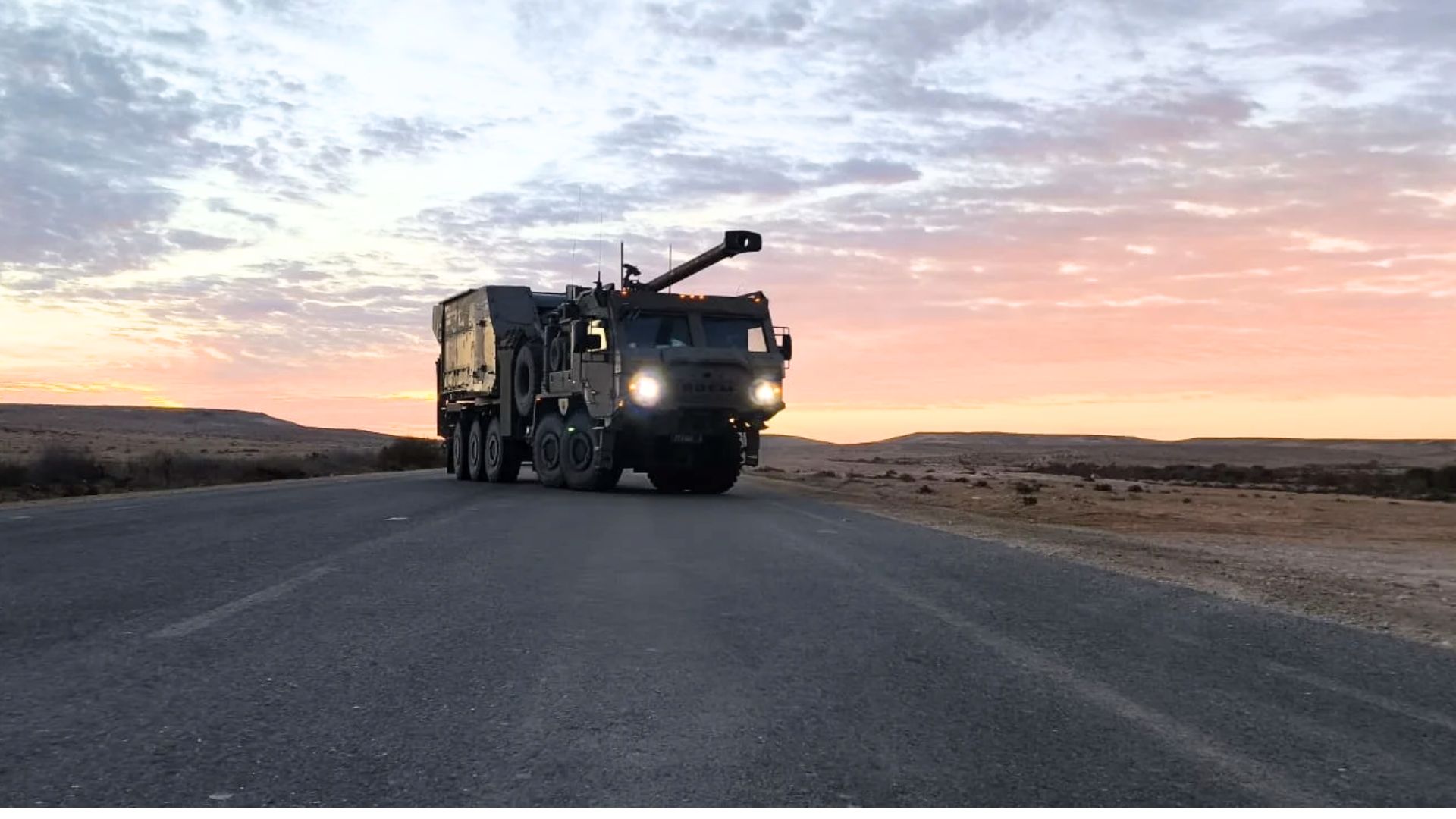

Tactical cannon from mobile, survivable platform to boost US Army’s firepower, battle superiority

A Texas-based company has taken a significant step to offer a new type of tactical cannon for the U.S. Army.
Elbit Systems of America and Anduril Industries have announced a strategic teaming agreement to offer the SIGMA Mobile Tactical Cannon for the U.S. Army’s Self-Propelled Howitzer Modernization program.
The teaming pairs Elbit America’s experience as a systems integrator and manufacturer of large ground vehicles with Anduril’s expertise in C5ISR, battle management and autonomy software, according to the announcement.
SIGMA will enable sustained fires from connected platform
The companies also revealed that they will provide an innovative, all-American solution for the U.S. Army, offering soldiers the edge on the future battlefield. SIGMA will enable sustained fires from a connected, mobile and survivable platform.
“We’re proud to team with Anduril to reduce network integration risk and accelerate fielding,” said Luke Savoie, president and CEO of Elbit America.
“Built in the U.S. with a fully domestic supply chain, SIGMA is a combat-proven system that provides the modernization and reliability the Army needs now.”
If awarded with the program, SIGMA’s communication with the U.S. fire control network and Army Command and Control systems will leverage Anduril’s unique capabilities and experience. Anduril will also integrate its Lattice software platform into future variants of SIGMA, unlocking autonomy, while further enhancing mobility and lethality, according to a press release.
Autonomy to deliver connected, software-defined mobile artillery solution
“On Team SIGMA, we’re providing expertise in software, edge compute and autonomy to deliver a connected, software-defined mobile artillery solution that will integrate seamlessly into existing Army Command and Control and fire control architectures,” said Michael Roder, managing director at Anduril.
“Excited to see Elbit Systems of America and Anduril Industries working together to manufacture a cutting-edge military vehicle right here in America. The men and women at Elbit America’s headquarters in Fort Worth are truly at the forefront in developing the capabilities to strengthen America’s warfighters and preserve America’s national security,” said U.S. Rep. Craig Goldman.
It’s also claimed that the SIGMA is the only U.S.-built wheeled howitzer, delivering American firepower with high mobility and a fully domestic supply chain. This unique capability supports readiness while strengthening the industrial base and bringing certainty
to modernization.
It was designed to provide highly mobile, long-range fire support while meeting the evolving requirements of modern military operations. The system combines a fully automated 155 mm artillery gun with a wheeled tactical vehicle platform, allowing it to move rapidly across different terrains and deploy quickly when needed.
One of the SIGMA system’s most significant features is its high degree of automation. The cannon is equipped with an automated loading and firing system that reduces the number of personnel required to operate it and enables a faster rate of fire. The system can carry a substantial onboard ammunition supply and is capable of firing multiple rounds per minute with high accuracy. Advanced fire-control technologies allow crews to receive targeting information, calculate firing solutions, and engage targets efficiently.