
Normal view

Received — 2 June 2026 Interesting Engineering

Finland’s world-first nuclear waste repository is built to last 100,000 years

2 June 2026 at 18:07

Finland is preparing to clear one of the final regulatory hurdles for what is expected to become the world’s first permanent deep geological repository for spent nuclear fuel, a project that could shape how countries manage nuclear waste for generations.

The Finnish Radiation and Nuclear Safety Authority (STUK) is scheduled to issue its final assessment of the Onkalo repository by the end of June, a decision that would pave the way for an operating license and bring the long-awaited facility significantly closer to accepting radioactive waste.

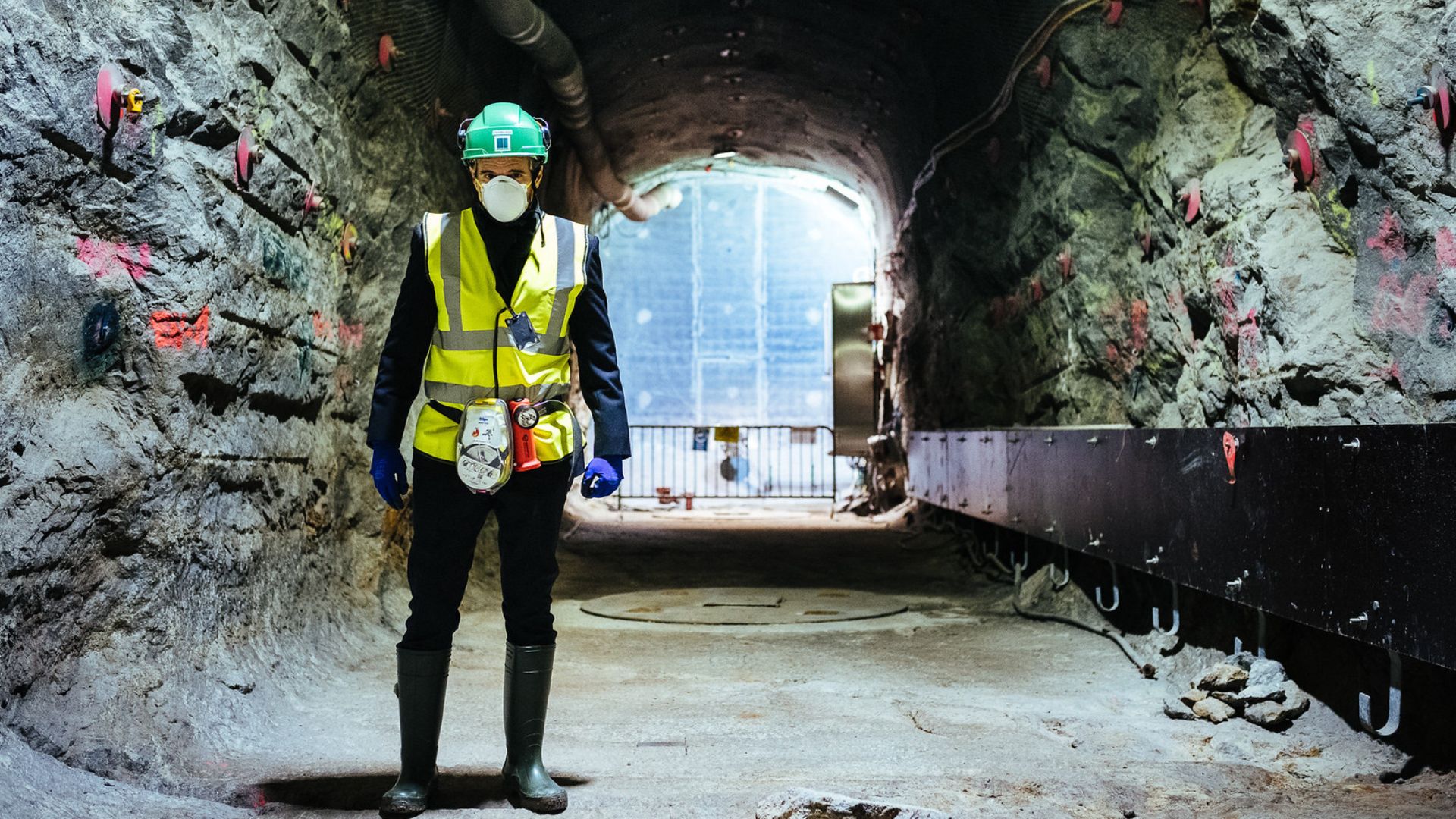
Located near the Olkiluoto nuclear power plant in Eurajoki, southwestern Finland, the repository has been carved 430 meters (about 1,400 feet) into 1.9-billion-year-old bedrock. If approved, it would become the first operational deep geological repository designed for the permanent disposal of spent nuclear fuel.

The project has attracted global attention because most countries with nuclear power programs still store spent fuel in temporary facilities while debating long-term disposal solutions.

“We hope we can start operations either at the end of this year or, most probably, at the beginning of next year,” Philippe Bordarier, chief executive of nuclear operator Teollisuuden Voima (TVO), told AFP.

A repository designed to last 100,000 years

Known as Onkalo, which translates to “cave” in Finnish, the facility is being developed by nuclear waste management company Posiva. Construction began in 2004, and the total cost is now estimated at around €1 billion ($1.16 billion).

The repository is designed to eventually store up to 6,500 tonnes of spent nuclear fuel generated by Finland’s five operating reactors. The waste will first be sealed inside corrosion-resistant copper canisters before being lowered into disposal holes drilled directly into the bedrock. Each canister will then be surrounded by bentonite clay, which acts as an additional protective barrier against water infiltration and radioactive release.

Once disposal tunnels are filled, they will be sealed with reinforced concrete structures. According to Posiva, the facility is designed to safely isolate radioactive material for at least 100,000 years.

The concept is based on the KBS-3 multi-barrier disposal method, originally developed in Sweden and widely regarded as one of the most advanced approaches to long-term nuclear waste storage.

Why the June decision matters

While the repository has been under development for decades, the upcoming STUK assessment represents the key regulatory milestone that could finally move the project from testing to operation.

According to Finland’s nuclear regulator, the review process has involved extensive evaluations of long-term safety, engineered barriers, operational procedures, and the performance of bentonite clay systems intended to prevent the spread of radioactive materials. STUK’s statement is now due by the end of June after several extensions to the review process.

Posiva has already completed major commissioning activities, including demonstrations of its fuel encapsulation plant and extensive operational testing using non-radioactive dummy fuel assemblies. The company describes itself as being on a “countdown” toward industrial-scale disposal operations.

A model the rest of the world is watching

The significance of Onkalo extends well beyond Finland. Countries including Sweden, France, Canada, the United States, and others have spent decades exploring deep geological repositories as the preferred solution for managing highly radioactive spent nuclear fuel. However, none has yet opened a commercial facility for permanent disposal.

Supporters argue that deep geological storage offers the safest known long-term solution because it combines engineered barriers with stable geological formations that can remain unchanged for hundreds of thousands of years.

Critics, including environmental groups, argue that no repository can be guaranteed safe over such immense timescales and that uncertainties remain regarding future geological changes and container corrosion.

For now, Finland appears poised to become the first nation to move from theory to reality. If STUK delivers a positive assessment this month and the operating license follows, Onkalo could begin receiving spent nuclear fuel as early as late 2026 or early 2027, marking a historic milestone in the global effort to solve one of nuclear energy’s most persistent challenges.
Brazil launches world-first engine built for ethanol-powered grid electricity

2 June 2026 at 17:05

Brazil has launched what is being described as the world’s first engine designed to run almost entirely on ethanol for large-scale thermal power generation, a project that could open a new pathway for using one of the country’s most abundant biofuels beyond transportation.

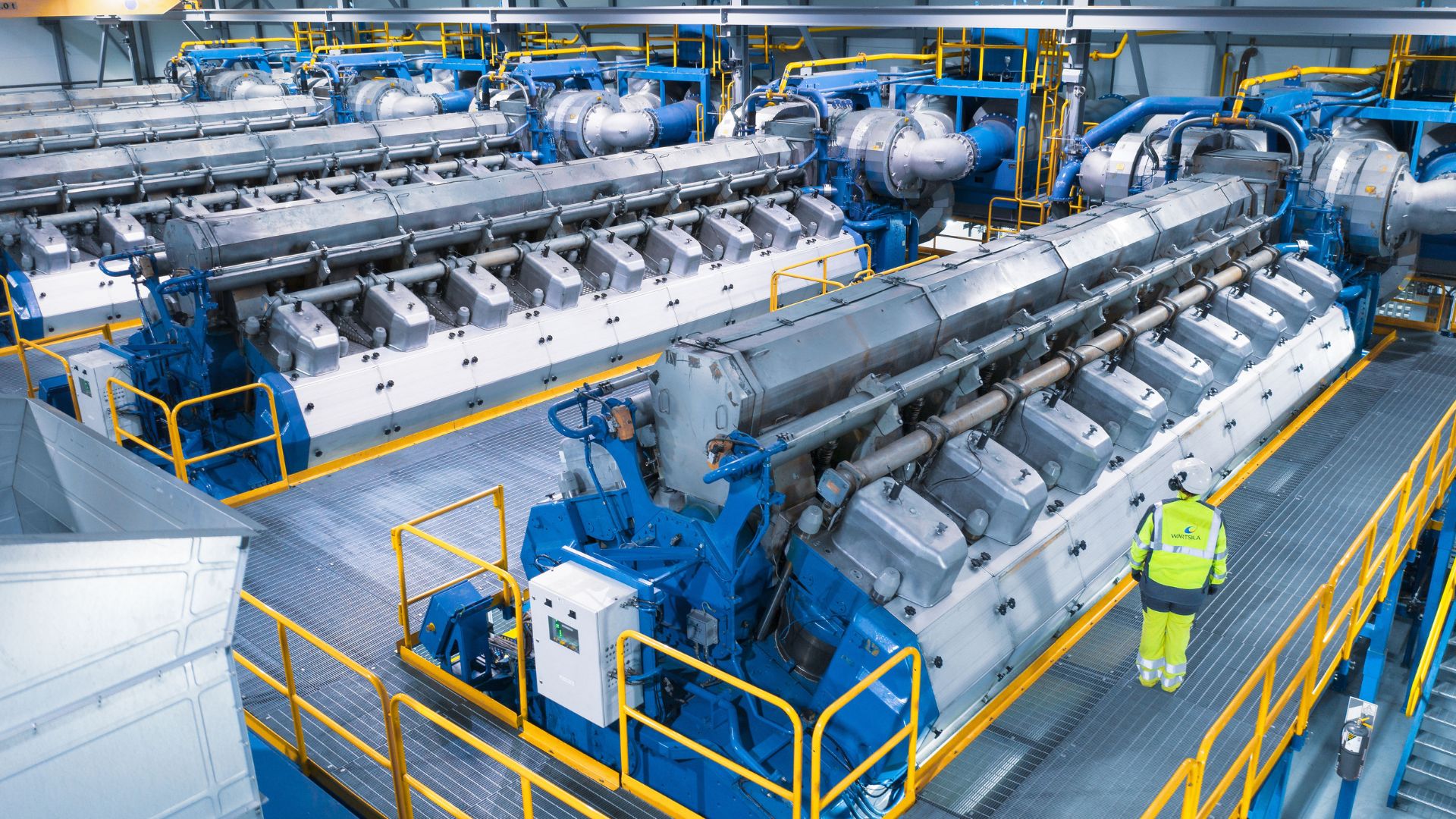
The milestone was marked at the Suape II power plant in Pernambuco, where energy company Suape Energia and Finnish technology firm Wärtsilä have completed the implementation phase of the Ethanol Project and are preparing for operational testing under real-world conditions. The initiative aims to demonstrate whether ethanol can serve as a viable fuel for dispatchable electricity generation while helping reduce emissions from the power sector.

While ethanol has been widely used in cars and trucks for decades, particularly in Brazil, it has rarely been deployed as a primary fuel for utility-scale electricity production. Supporters of the project believe that it could change if the technology proves technically and economically competitive.

Turning sugarcane into electricity

According to Suape Energia and Wärtsilä, the project uses a modified Wärtsilä 32M engine capable of operating on ethanol derived primarily from Brazilian sugarcane. The demonstration will involve thousands of hours of testing over the coming years, providing data on performance, reliability, emissions, and economics.

Brazil is uniquely positioned to test the concept. The country is the world’s largest producer and user of sugarcane ethanol and has spent decades building infrastructure for ethanol production, storage, and transportation. However, most of that fuel has traditionally been consumed in the transportation sector.

“Brazil is a world leader in ethanol production, but its potential use in electricity generation has up to now been overlooked,” Suape Energia technical director José Faustino Cândido said in comments previously released by Wärtsilä.

The project’s developers hope to show that ethanol can provide a source of dispatchable power, electricity that can be generated on demand, at a time when many countries are seeking ways to complement intermittent renewable energy sources such as wind and solar.

Why is ethanol power attracting attention

One of the biggest challenges facing modern power grids is balancing reliability with decarbonization. Solar panels only generate electricity when the sun shines, while wind turbines depend on weather conditions. Battery storage can help bridge some gaps, but long-duration energy storage remains expensive in many markets.

This has led utilities and policymakers to explore low-carbon fuels that can be stored and used whenever electricity demand rises. According to the International Energy Agency’s Net Zero Emissions scenario, global bioenergy generation is expected to expand significantly by 2030 as countries seek additional tools to reduce emissions while maintaining grid reliability. 

Wärtsilä has argued that biofuels such as ethanol could help fill that role because they are transportable, storable, and compatible with existing engine-based power generation technologies.

The company also notes that ethanol offers a potential advantage in countries such as Brazil, where large-scale production infrastructure already exists, and supply chains are well established.

A test case for Brazil’s energy transition

The project now enters its most important phase: proving the technology outside the laboratory. According to Suape Energia, the focus will shift toward validating power generation performance, demonstrating economic viability, and determining whether ethanol can become a practical option for future electricity systems.

Industry participants also see broader implications for Brazil’s sugarcane sector. If ethanol-powered electricity generation becomes commercially viable, it could create an additional market for one of the country’s most important agricultural products while strengthening domestic energy security.

Whether ethanol ultimately becomes a major power-generation fuel remains uncertain. However, the Pernambuco project represents one of the most ambitious attempts yet to move ethanol beyond transportation and into the electricity sector.

USS Herring submarine wreck identified 82 years after disappearing in World War II

2 June 2026 at 16:25

The U.S. Navy has officially confirmed the identity of a World War II submarine wreck discovered off the coast of Japan, solving a decades-old mystery surrounding the fate of USS Herring (SS-233), a vessel lost with all 83 crew members during combat operations in 1944.

The Naval History and Heritage Command (NHHC) announced that the wreck site, located near Matsuwa Island in the Kurile Islands chain, has been positively identified as USS Herring. The confirmation comes exactly 82 years after the submarine was lost on June 1, 1944, during its final wartime patrol.

Resting more than 300 feet (91 meters) below the surface, the submarine remains largely intact and sits upright on the seafloor. Investigators found visible battle damage around the conning tower and evidence of grounding at the bow, both of which closely match historical accounts of the vessel’s final engagement.

New analysis confirms long-suspected identity

According to the Naval History and Heritage Command, the identification was made using data collected by the Russian Geographic Society during expeditions conducted in 2017 and 2022. The information was subsequently analyzed by two American volunteer researchers and a Japanese researcher, whose findings enabled the Navy to formally confirm the wreck’s identity.

The wreck was first discovered in 2017 during a joint expedition by the Russian Geographic Society and the Russian military. Researchers at the time suspected it was USS Herring because of its location and general appearance, but a definitive identification had not yet been established.

A follow-up expedition returned to the site in 2022 to document the wreck and honor the crew. During that mission, participants placed a commemorative plaque at the site.

The submarine lies near Matsuwa Island, an isolated volcanic island located in the central Kurile chain between Japan and Russia’s Kamchatka Peninsula. During World War II, the Japanese heavily fortified the island and operated an air base there.

The submarine’s final battle

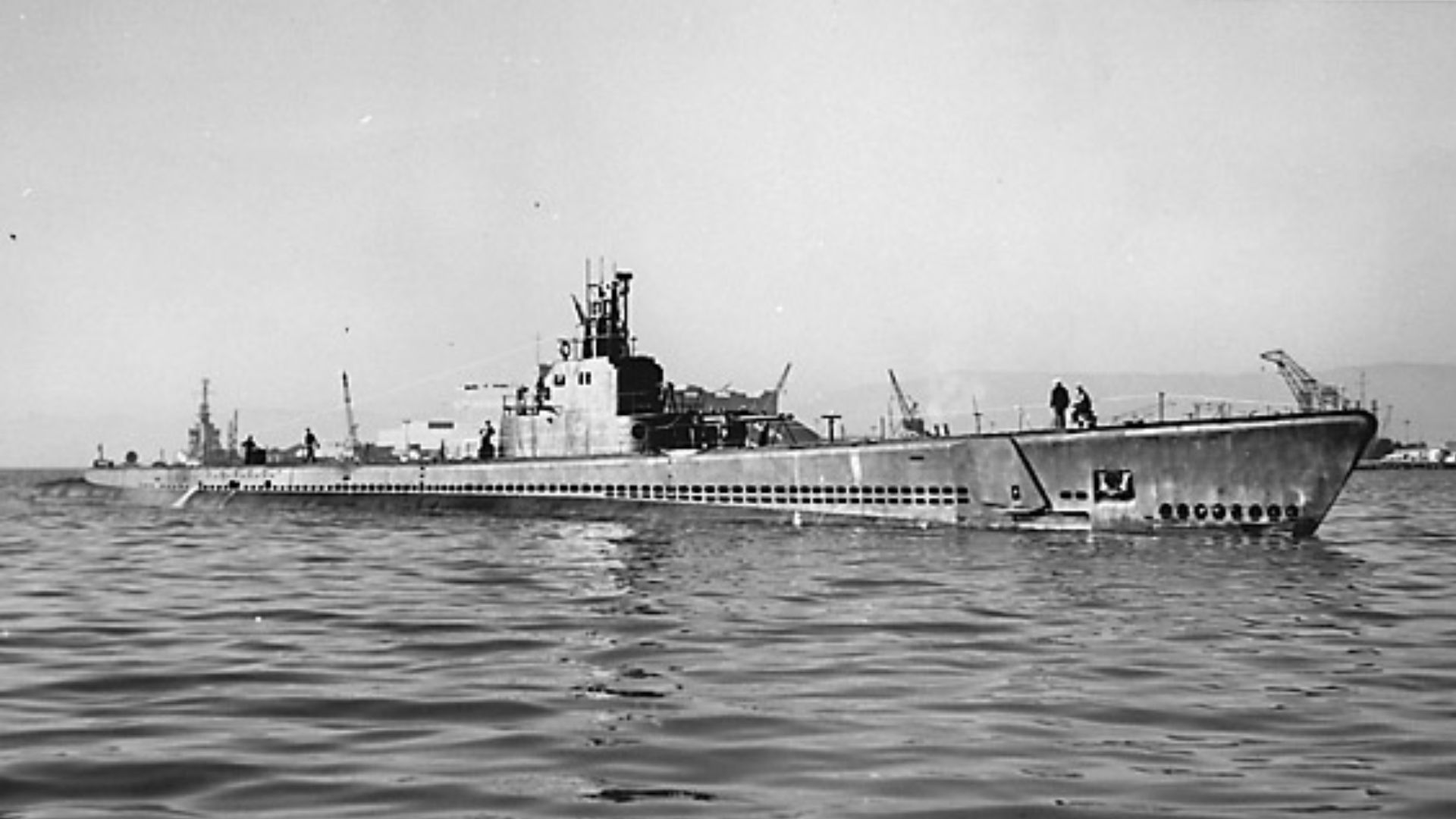
USS Herring was a Gato-class submarine launched in January 1942 and commissioned in May of the same year. Throughout the war, it conducted eight combat patrols across both the Atlantic and Pacific theaters.

By May 1944, Herring had departed Midway Atoll for its eighth and final patrol.

According to Navy records, the submarine sank two Japanese cargo vessels near Matsuwa Island before meeting with USS Barb on May 31 to coordinate patrol areas. It was the last confirmed contact with American forces.

In the early hours of June 1, Herring attacked again, sinking two additional Japanese cargo ships anchored near the island. Historical Japanese records indicate that shore batteries subsequently spotted the submarine after it apparently grounded while maneuvering near the coastline. Coastal artillery batteries opened fire and reportedly scored two direct hits on the submarine’s conning tower as it attempted to withdraw into fog cover.

The newly confirmed wreck appears to support that account. Researchers found damage consistent with artillery impacts near the conning tower as well as evidence that the vessel had run aground before sinking.

Meanwhile, sailors aboard USS Barb reported hearing distant explosions and depth-charge detonations during the same period, believing they may have been associated with an attack on Herring. The submarine never returned from patrol and was officially presumed lost after failing to report back to Midway in July 1944.

A protected war grave

USS Herring is credited with sinking seven enemy vessels during its wartime service and received multiple campaign awards, including the Asiatic-Pacific Campaign Medal and the World War II Victory Medal.

Today, the wreck is protected under U.S. law as a sunken military craft and remains under the jurisdiction of the Department of the Navy. Navy officials emphasized that the site represents the final resting place of 83 sailors who lost their lives during the war and should be treated as a war grave.

While non-intrusive research activities such as remote sensing and documentation are permitted, any action that could disturb the wreck requires authorization from the Naval History and Heritage Command.

More than eight decades after USS Herring disappeared beneath the Pacific, the confirmation of its location provides a clearer picture of the submarine’s final moments while ensuring that the crew’s sacrifice is permanently documented in the historical record.

❌