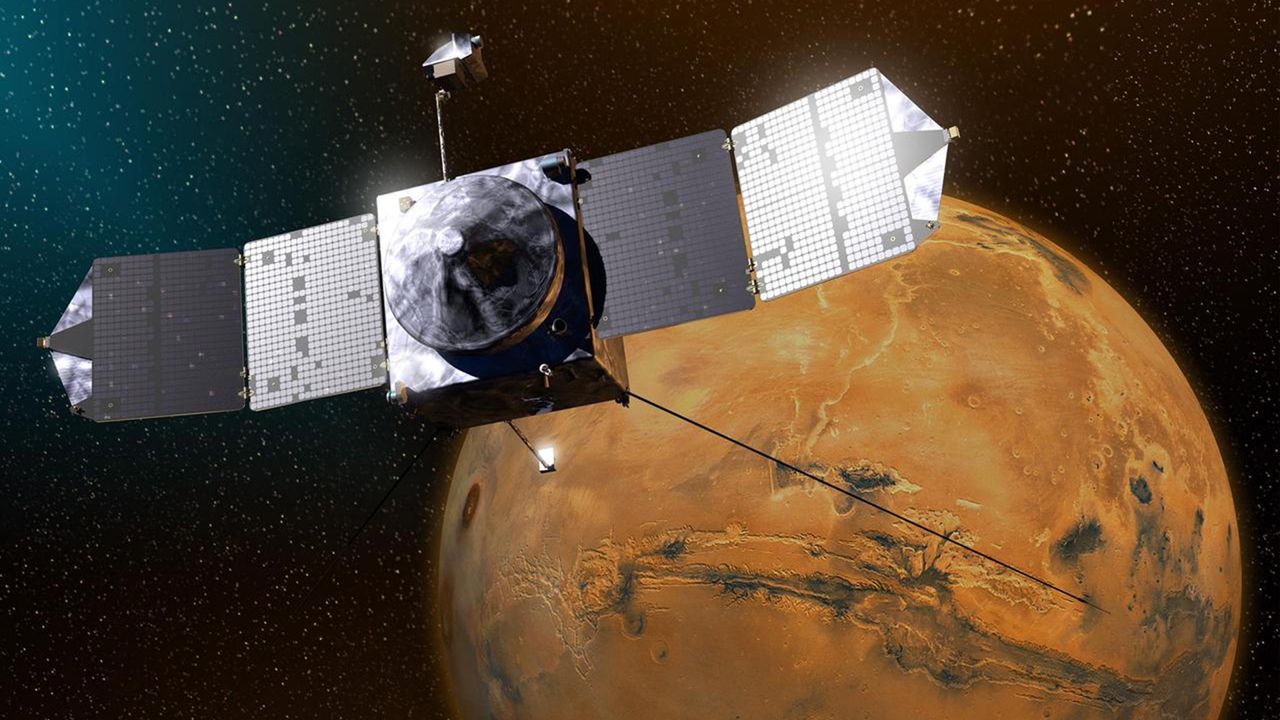
NASA has confirmed its MAVEN spacecraft is officially dead after losing contact with the probe in December. An anomaly in the probe's rotation speed led to an unexpected loss of power, though the exact cause remains unknown.
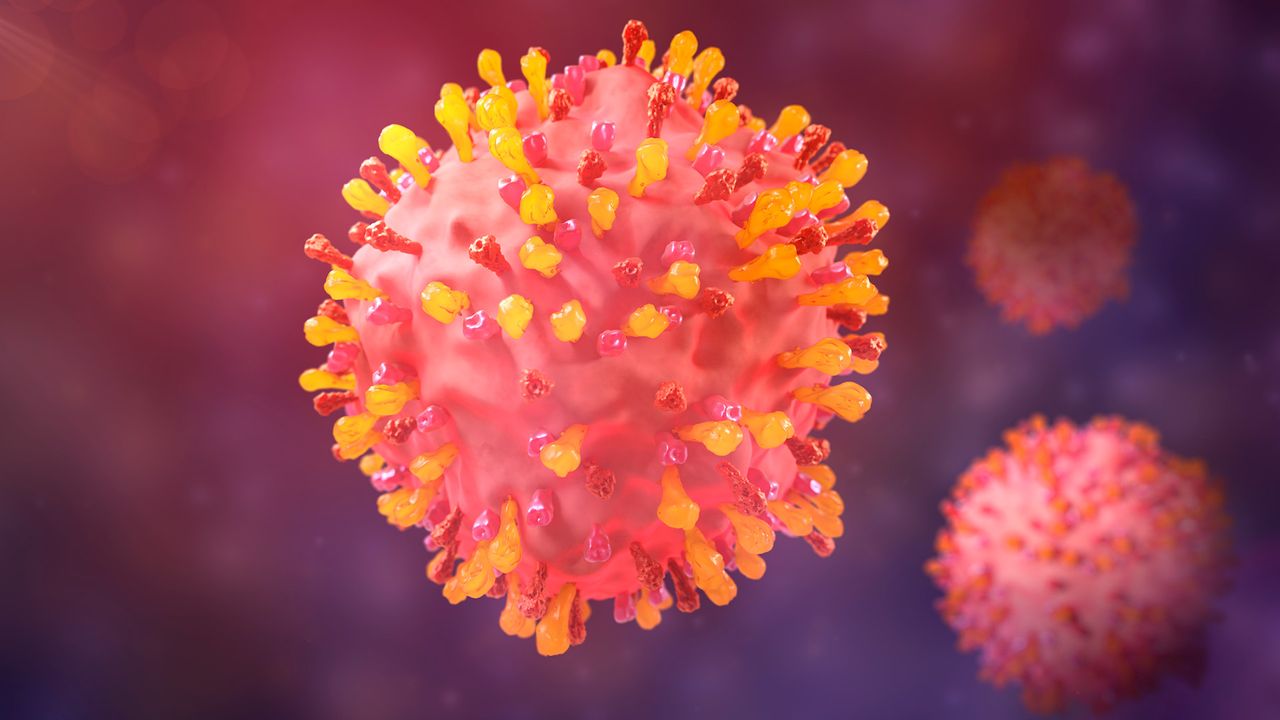
An arthritis drug reduces the amount of RSV in human respiratory cells, but experts say it's too early to say if it will actually treat the common infection.
Our telescope expert chose the Celestron NexStar 8SE as our best overall telescope, and now, with $200 off, it makes this versatile telescope excellent value for money ahead of Prime Day.
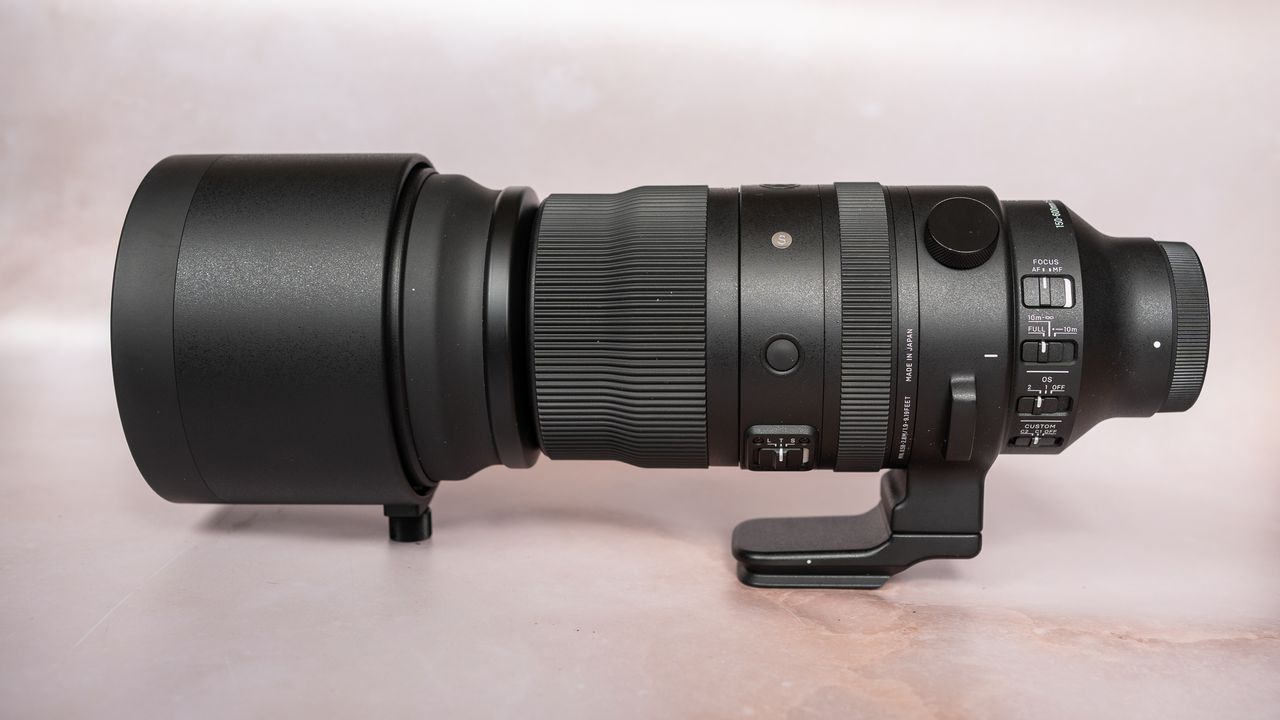
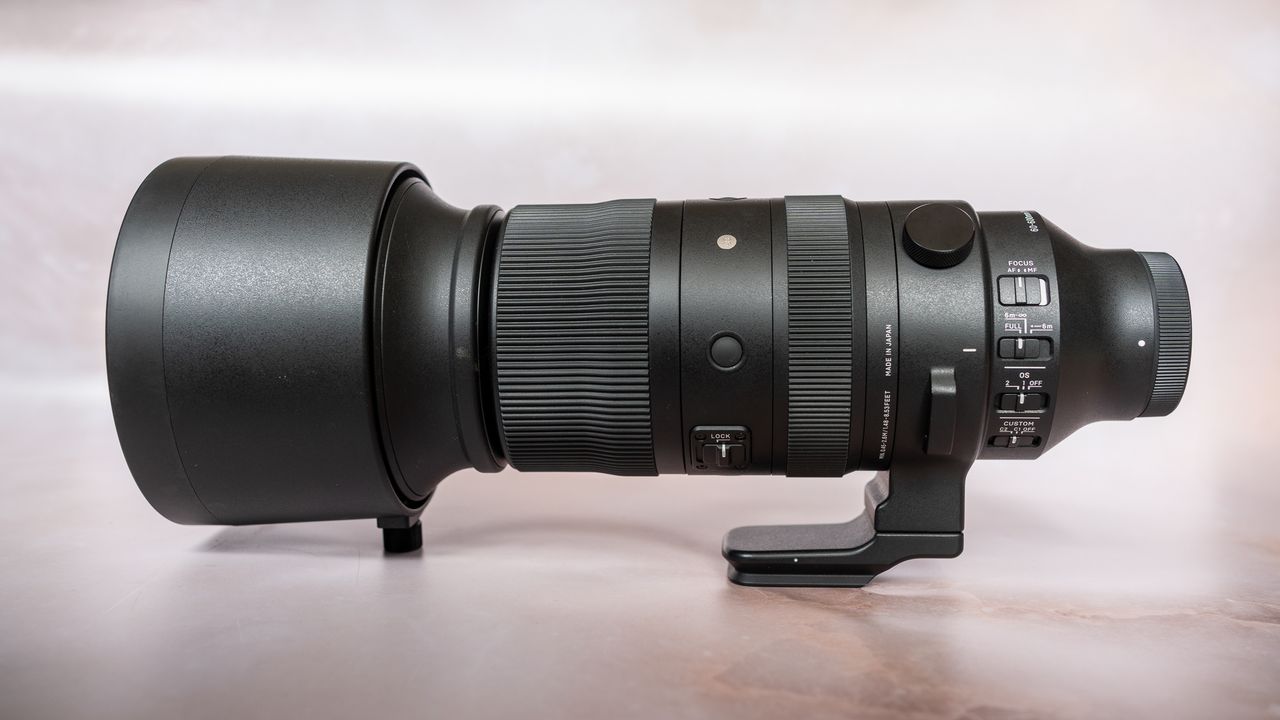
How does this third-party lens compare to the native Sony equivalent? We tested both to see whether it’s worth going native or whether you should save your money.
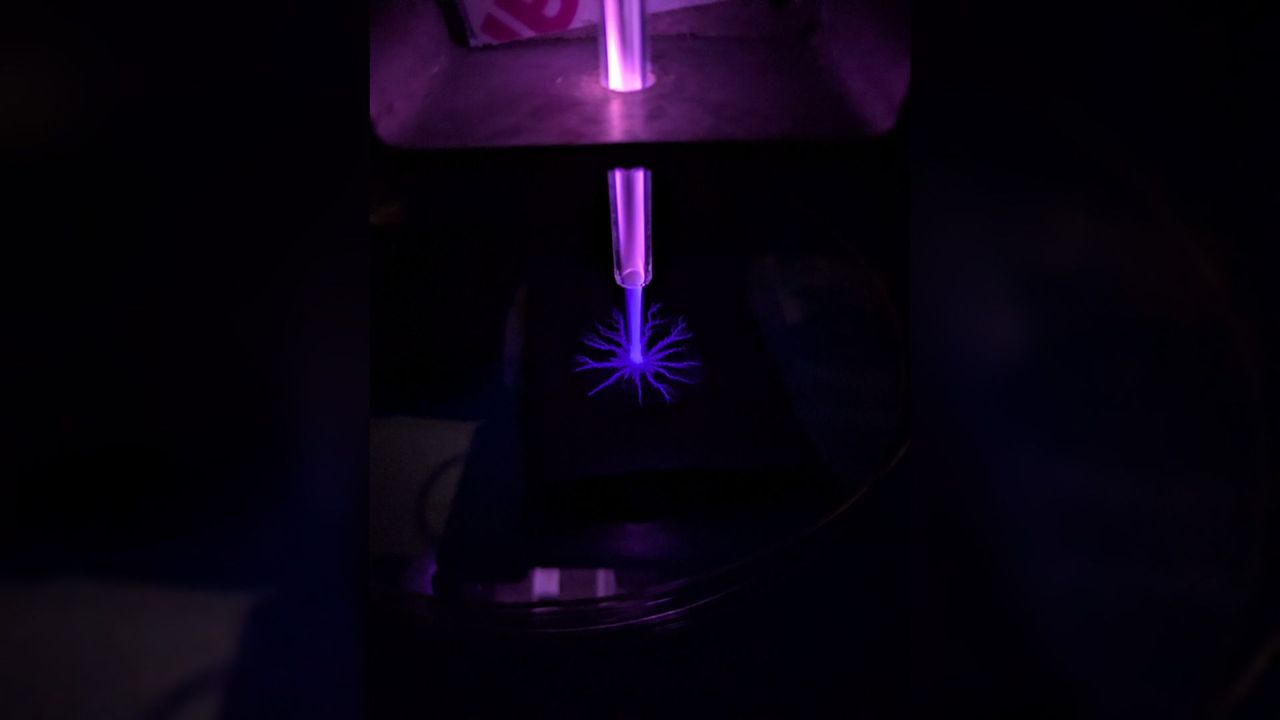
Physicists used quantum bits to achieve "perfect randomness" in a world-first experiment. The results of their research could strengthen cryptography and other security systems.
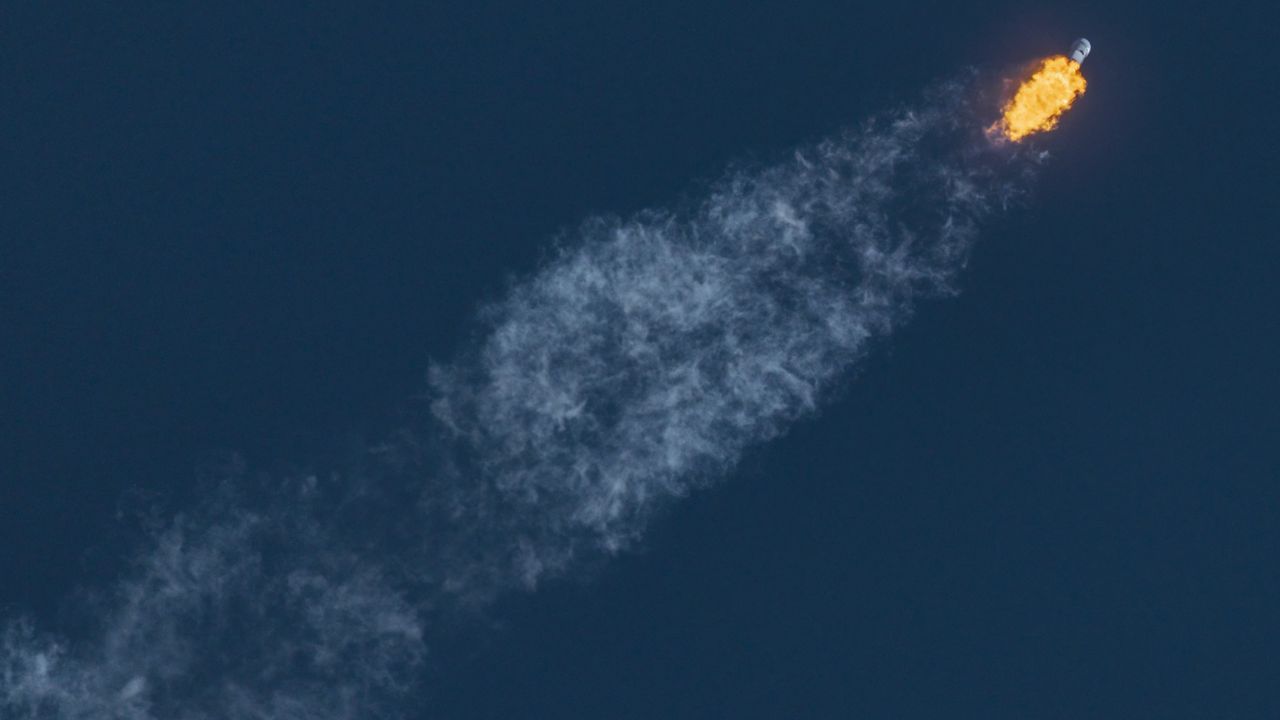
China's Long March 12B rocket has blasted off on its maiden voyage carrying more Qianfan "Thousand Sails" satellites, during a surprise launch for which there were reportedly no airspace notices.
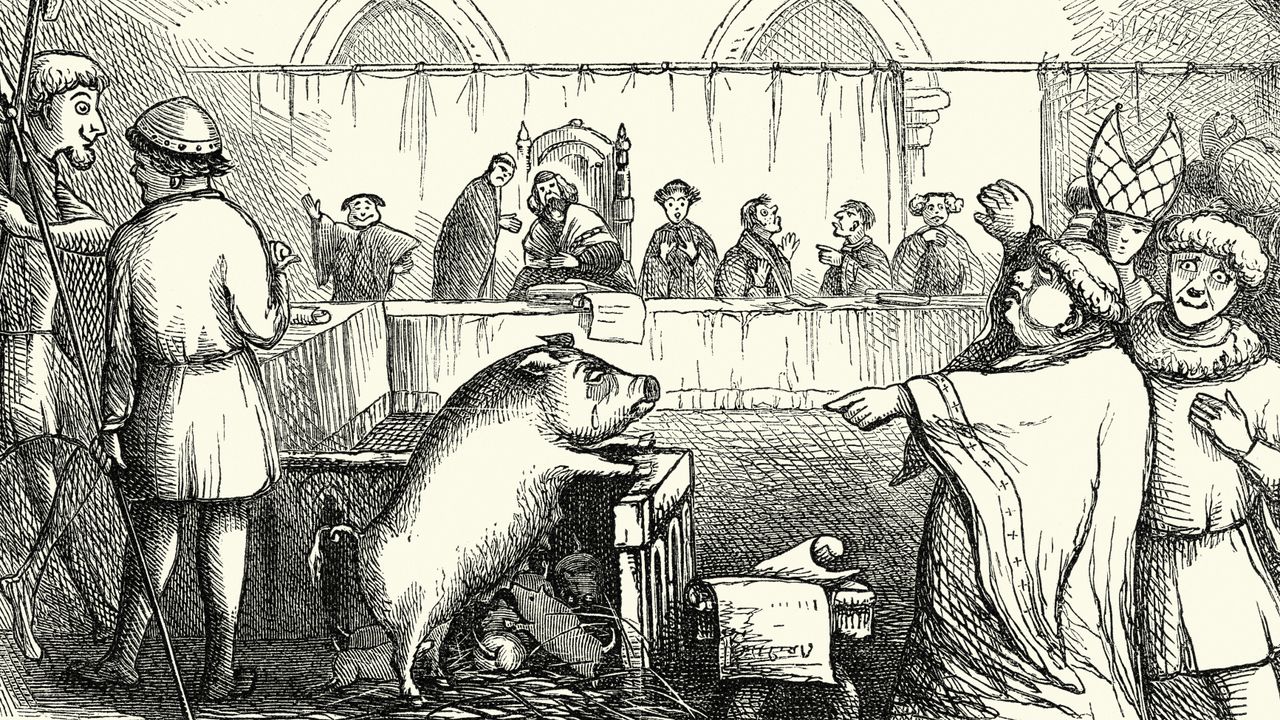
Animal trials took place across Europe from the Late Middle Ages until the end of the 18th century. In this excerpt from "Cats: A History", Rod Phillips explores this strange practice, and looks why cats appear to have been largely law-abiding.
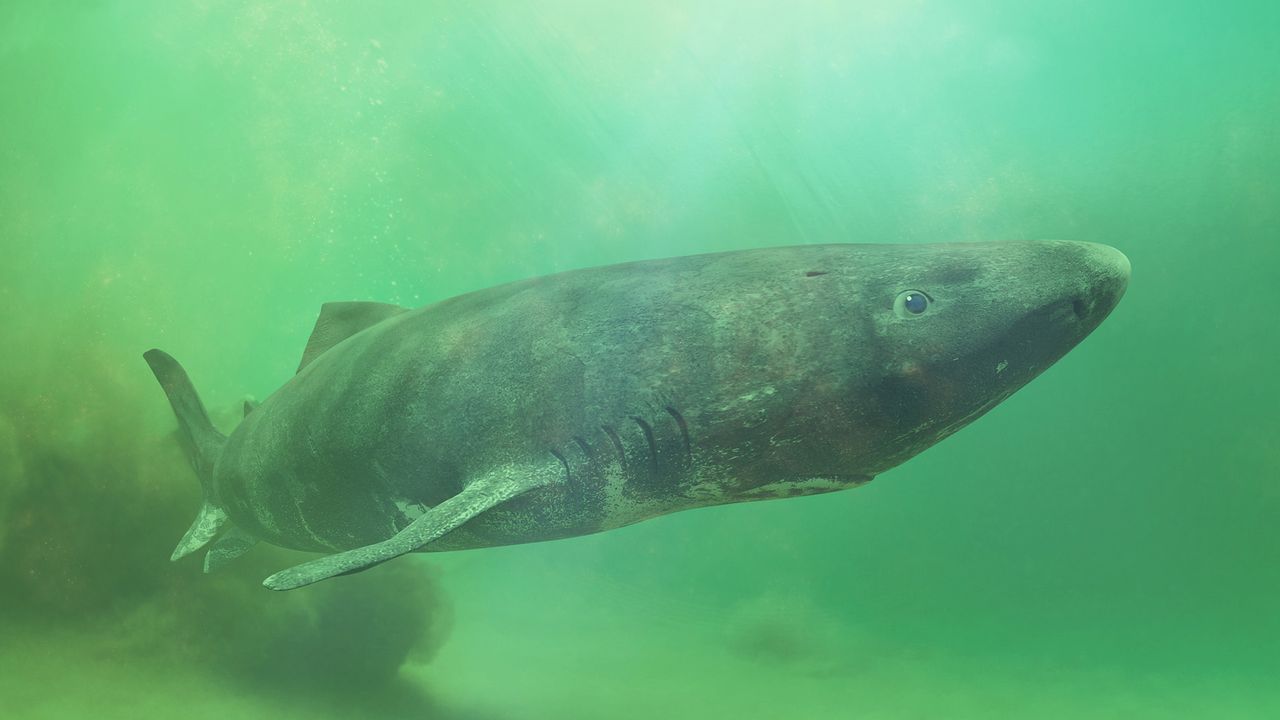
A genomic study of Greenland sharks, thought to be the longest-lived vertebrates on the planet, is hinting at the secrets to their epic lifespan and cancer resistance.
Amateur male soccer players had greater changes in certain blood markers associated with neural damage the harder and more frequently they headed balls.
The Euphrates River fueled the "cradle of civilization," and a new study reveals the waterway was born of two other ancient rivers around 3.6 million years ago.
In the book "Bitter Honey," writer and researcher Jennie Durant explores how industrial agriculture is destroying bees — and what can be done to stop them.

 Login
Login