Some medieval books can’t be read by anyone, and one of them has become almost a trademark of the genre: the Voynich manuscript, kept at Yale University and dated to the 15th century. It has inspired novels and theories of every kind. Specialists often place another volume right behind it on the list of enigmas, […]
Superstar astrophysicist, bestselling author, podcaster and ravenous consumer of pop culture Neil deGrasse Tyson has never been shy when it comes to sharing his candid thoughts, esoteric humor and vast depth of knowledge with the entire world.
His latest book, "Lost in Space: 5,000 Facts For Navigating The Universe," is a spectacular 400-page whirlwind odyssey around the heavens that's wonderfully composed using hundreds of bold illustrations, charts, maps, galactic images, planetary profiles, astronomical wonders and historical photos that will keep curious readers engaged for a millennium or more.
Released on Sept. 15, 2026 from National Geographic and written by Tyson and StarTalk colleague Lindsey Nyx Walker, "Lost in Space" is an encyclopedic space glossary and guidebook that includes information on everything from telescopes to UFOs to exoplanets. Think of it as a colorful, eye-catching candy store of cosmic proportions.
(Image credit: National Geographic)
"First you’ll notice how beautiful it is," Tyson told Space.com. "That’s National Geographic, and this is the fourth collaboration between them and our podcast. They made it into a beautiful object that, even if you didn't read it, you just want to look at it. From the cover to the layout and the pages and images, it's sheer beauty. It's a coffee table book, but it's also a really fun read. The idea was that there's so much interesting information in the universe that it's not just metrically interesting, it's analogically interesting.
"Like in our podcast, where we merge science, pop culture and humor when you can. The facts of this book were constructed to rise up above the base value of a fact and turn it into something that’s memorable to you as a reader — which means you can open to any page and pick out any fact and find something you might have never thought about. The entire universe. It's got each planet, the night sky, moons, and a section on the Periodic Table of Elements. I’m proud of it."
(Image credit: National Geographic)
Longtime producer and science journalist Lindsey Nyx Walker, the book's co-author and Tyson's StarTalk co-host, helped him come up with the lion’s share of the fascinating facts and factoids, with a small writing team flushing out the last 2,000 or so details.
"It's all in the spirit of, 'Is it an interesting or tasty fact, and does it make you smile?'" Tyson said. "Because then you'll come back for more. And ideally, does it tap into something that you cared about walking into the room? So there's a lot of referencing to movies. What would happen if The Hulk went from human size to The Hulk size? If you didn’t add matter to him, he’d have the density of a beach ball and a gust of wind would bounce him down the street. He must somehow gain mass, and they don’t really address that. When we're talking about mass and density, there are ways you can reach pop culture and have that highlight other ways you might be thinking about that very same subject. I was a geeky kid, and if I saw this book on a table I'd never put it down."
A dynamic page from "Lost in Space: 5,000 Facts For Navigating The Universe." (Image credit: National Geographic)
"Lost In Space" is coming out just two weeks after a big astronomy event — the launch of NASA's Nancy Grace Roman Space Telescope on Aug. 30, 2026. Tyson offered up his thoughts and enthusiasms on this remarkable investigatory tool.
"I'm privileged to be a participant in a field where the simple launch of a telescope makes headlines," he said. "We’re not making science for another six months. What a joy it is to have the public celebrate our technological steps along with us. And I just think that’s a beautiful fact. It’s the next step in trying to understand dark matter, dark energy, and exoplanets — very different things from each other. But the telescope has different detectors that can rotate in and out of the focal plane so it can serve multiple sub-communities within the world’s astrophysicists. We’re all looking forward to this."
"Lost in Space: 5,000 Facts For Navigating The Universe" is available now.
The tech giant must pay $3,000 per pirated book that it used to train its chatbot. Many authors fear they could lose funds to others in the book business.
Arthur Downing, author of Power and the People: A History of British Energy, says all-encompassing rapid transition will need a mutualised system
Have you ever wondered why it is that most houses in the UK are reliant on gas boilers? Not what’s stopping more people from replacing them with heat pumps, but instead why and how the gas boiler became so ubiquitous in the first place?
Arthur Downing, the author of the new book Power and the People: A History of British Energy, can tell you exactly why. “We only have boilers in our houses because of a state-owned enterprise that went into everybody’s home and installed natural gas-suitable appliances at no direct cost,” he says. The nationalised gas industry of the 1940s to the 1980s, which oversaw this huge project, was for three decades one of the “most dynamic, innovative, efficient industries in Britain”, Downing says. Yet few of us would use these terms to describe it as such now.
In 2018, 20,000 Google employees worldwide made headlines when they staged a walkout to protest how the company had handled sexual misconduct allegations against key corporate executives, among other grievances. One of the organizers was Claire Stapleton, a communications specialist whose distinctive voice and ability to channel the corporate ethos had once earned her the internal moniker "Bard of Google."
Stapleton didn't set out to be a rabble-rouser. When she joined Google out of college in 2007, it was like "getting the golden ticket in Willy Wonka," she told Ars. Awareness of her good fortune offset any initial uneasiness or skepticism, although Stapleton was sufficiently independent-minded not to move into what was then Google's new corporate housing development in Mountain View, California. Stapleton was very good at her job, and she quickly moved up the ranks, playing a key role in shaping the company's public image.
A draft rule reviewed by WIRED would prevent the census from counting undocumented immigrants. To protect against “distortions,” it would also bar questions about race and sexual orientation.
A draft rule reviewed by WIRED would prevent the census from counting undocumented immigrants. To protect against “distortions,” it would also bar questions about race and sexual orientation.
MacBook Neo sales have given Apple something the Mac rarely achieved through its premium models: immediate access to the enormous market for affordable everyday notebooks.
The new line arrived in March 2026 with a launch price of $599, or $499 through education pricing. That placed a current MacBook within reach of buyers who previously depended on discounted older models, inexpensive Windows laptops or Chromebooks.
Price opened the door, but appearance helped people walk through it. MacBook Neo entered the market in blush, indigo, silver and citrus, avoiding the visual compromises commonly associated with entry-level computers. The aluminum enclosure, color-matched keyboard and 13-inch Liquid Retina display made it look like a deliberate new Mac rather than a reduced MacBook Air.
Those choices changed the conversation around an affordable Apple notebook. Buyers could select a computer according to personality and style before considering processor benchmarks. Students could carry something visibly different from institutional gray and black laptops. Families could distinguish multiple computers by color, while first-time Mac owners received a product with its own identity.
Early shipment estimates suggest that strategy worked. IDC data shared with TechCrunch placed MacBook Neo shipments at approximately 1.1 million units during the March quarter, even though the computer had been available for only about three weeks. Apple does not disclose sales by individual Mac model, so the figure remains an independent market estimate rather than an official unit count.
The pace was nevertheless substantial enough to make MacBook Neo one of the strongest recent Mac introductions. It also pushed the story beyond one successful product launch. Apple had entered a price segment responsible for tens of millions of notebook purchases each year and found customers who had never seriously considered macOS.
Image Credit: Apple Inc.
MacBook Neo Sales Started With a Missing Price Tier
Apple spent years concentrating the MacBook line above the mainstream notebook market. MacBook Air became the accessible model, but its price still placed it beyond many students, families and buyers in countries where local income and currency conversion make Apple hardware especially expensive.
Discounted older MacBook Air generations partially filled that gap. Retailers could keep M1, M2 or M3 models available after newer versions arrived, offering buyers lower prices without Apple designing a dedicated entry-level computer.
That approach had limitations. Availability depended on remaining inventory, configurations varied among retailers and the product still looked like a previous generation being cleared from the channel. It could attract value-conscious buyers, but it did not establish a permanent starting point for the Mac.
MacBook Neo created that starting point. Apple designed the model around an A18 Pro chip rather than the M-series processors used by MacBook Air and MacBook Pro. The base configuration included 8GB of unified memory and 256GB of storage, enough for browsing, school assignments, communication, streaming and everyday productivity without competing directly with higher-performance Macs.
The model retained features that buyers encounter every day: an aluminum body, a 13-inch high-resolution display, a Magic Keyboard, a large Multi-Touch trackpad, a 1080p FaceTime HD camera and a fanless design. Apple rated its battery for as long as 16 hours under its testing conditions.
Performance headroom, memory capacity and external-display support remain more limited than on a MacBook Air. Those compromises are easier to accept when the computer is purchased for writing, research, web applications, video calls and media consumption rather than professional video production or complex development work.
IDC estimated that the sub-$700 segment represented about 75 million annual notebook shipments, close to 40% of global notebook volume. Windows and ChromeOS historically controlled more than 95% of that tier. Apple had been competing for a small premium section of the market while a far larger pool of buyers purchased elsewhere.
MacBook Neo sales gave the company a way into that pool without placing an old design or plastic enclosure at the entrance to the Mac line. A buyer comparing computers at similar prices could now choose macOS without first accepting a major premium.
Color Gave the Affordable MacBook an Identity
Low-cost laptops are frequently designed to disappear. Dark plastic, conservative finishes and generic bodies keep manufacturing simple and reduce the risk that one color will remain unsold. MacBook Neo took the opposite approach by making color one of the most recognizable parts of the product.
Silver preserves a familiar Mac appearance, while indigo offers a darker alternative without returning to standard black. Blush gives the line a softer finish, and citrus creates the visual signature that separates Neo from every other MacBook on a table.
The colors do more than decorate an inexpensive computer. They prevent the model from being defined entirely by what it lacks. Instead of asking why it has an A18 Pro rather than an M5, buyers can begin with which finish they want.
That distinction is valuable among younger customers. IDC described reactions from teenagers who focused on the display, weight and appearance rather than memory specifications or processor architecture. Their interest centered on how the computer would look at school compared with the Windows laptops and Chromebooks already around them.
Apple used a similar strategy when color helped turn the original iMac into a cultural object. Later iBook models carried bright finishes into portable computing, while colorful iMac and MacBook designs made personal computers feel less institutional. MacBook Neo revisits that idea for a generation accustomed to selecting colors for phones, headphones, cases and watches.
The approach also avoids making affordability look like punishment. A lower price does not force the buyer into an anonymous product with a visibly cheaper exterior. Neo has limitations, but its design gives owners something exclusive to the line instead of presenting the computer as a substitute for the MacBook they could not afford.
Color alone did not produce MacBook Neo sales. The launch price, battery life, macOS integration and recognizable MacBook construction carried more purchasing weight. Color made those advantages easier to notice and gave stores a product that could attract attention before a salesperson explained its specifications.
First-Time Buyers Changed the Mac Equation
Apple said customer response exceeded its expectations and connected the launch with record participation from people buying their first Mac. That audience may prove more valuable than existing owners choosing a less expensive replacement.
A first Mac purchase can introduce a customer to applications and services that become part of daily work. People who already use an iPhone can access Messages, FaceTime, Photos, iCloud, AirDrop and iPhone Mirroring from the computer without rebuilding their digital routines.
That familiarity lowers one of the barriers to changing computer platforms. A person may have used Windows throughout school or work while carrying an iPhone for years. MacBook Neo makes the switch less financially demanding, while the connected features reduce the amount of relearning required after purchase.
MacBook Neo sales also challenge the assumption that low-cost notebook buyers care only about the lowest available price. Many customers are willing to spend more than the cost of an entry Chromebook when the difference provides a better display, metal construction, longer useful life or closer integration with a phone.
The line is therefore competing on perceived value rather than absolute cheapness. A $599 launch price remains expensive beside the least costly education laptops, but it enters the same purchasing discussion as many mainstream Windows models. It no longer requires a buyer to stretch directly toward MacBook Air pricing.
Education represents a particularly large opportunity. Schools and families make purchases around durability, battery life, software management, support requirements and the number of years a computer can remain useful. A lower acquisition price gives the Mac a better chance of surviving the first stage of that calculation.
Small businesses face similar decisions. A company that previously reserved Macs for designers or executives can consider Neo for administrative work, communication and browser-based services. Wider Mac deployment then becomes possible without assigning a premium notebook to every employee.
MacBook Neo sales may also protect Apple from depending entirely on upgrades. Mature computer owners can keep a capable Mac for many years, extending replacement cycles. Bringing new people onto the platform creates additional demand without waiting for an existing MacBook Air or MacBook Pro to become obsolete.
Worldwide Adoption Is the Larger Story
The geographic distribution of the first units shows both progress and unfinished work. IDC estimated that 44% of March-quarter shipments went to the United States. That concentration is unsurprising for an Apple launch, but the larger opportunity sits in markets where Mac adoption has remained limited by price.
India offers an early example. Approximately 18,000 units reportedly shipped there during the short March launch period, while retailers later experienced difficulty obtaining enough inventory. The local starting price of ₹69,900 remained above the direct currency conversion of the U.S. price, yet it sat far below the ₹119,900 entry point reported for MacBook Air at the time.
Older MacBook Air generations had previously generated Indian sales when retailers offered substantial discounts. Neo gives Apple and its partners a current model to promote throughout the year rather than depending on irregular clearance inventory.
Availability timing will influence adoption elsewhere. The computer reached some markets later than the initial launch, including Indonesia in May. Local taxes, currency movements, distribution capacity and supply allocation can produce a very different value proposition from one country to another.
Independent forecasts remain optimistic despite severe pressure across the PC industry. TrendForce projected Apple notebook shipments could grow 7.7% during 2026 and estimated that MacBook Neo could reach between 4 million and 5 million units. IDC later said stronger-than-expected demand from the model contributed to an upward revision of its notebook forecast.
Those gains are occurring while memory shortages and rising component costs are pushing much of the computer industry toward higher prices. IDC expects worldwide PC shipments to contract during 2026, making Apple expansion unusual in a market where many manufacturers are reducing configurations and protecting margins.
Supply control helped Apple enter the lower tier at a difficult moment. The company already designs the A18 Pro, uses a highly standardized configuration and purchases components at enormous scale. That structure gave it more room to assemble a focused notebook without relying on a separate processor vendor for the central chip.
Recent Mac price increases caused by rising memory costs may test how much of the early advantage Apple can preserve. Neo depends on remaining close enough to mainstream notebooks that first-time buyers continue placing it on the same shortlist. A widening price gap would return the Mac to the premium territory the new line was created to escape.
The next evidence will arrive through education purchasing cycles and expansion in price-sensitive countries. A personal citrus or blush MacBook can win attention in a store, but deployments across schools and small businesses will depend on supply, local pricing, management costs and useful life. The first semester filled classrooms with individual Neo buyers; the coming academic year will reveal whether entire institutions are ready to replace rows of gray laptops with macOS.
Angela Nissel smiles through the pain. | Image: Angela Nissel
Angela Nissel's latest book, Good Grief, Pass the Bread, Mom Is Dead, is my kind of memoir. Sure, it's a deeply emotional tale about caring for a terminally ill parent. But it's delivered with the sort of gallows humor that I often turn to to get me through tough times.
Of course, that sort of dark humor should come as no surprise from Nissel. She first made a splash with The Broke Diaries, which grew out of a blog she kept in college detailing her daily struggles and, at times, embarrassment at being a broke student. Eventually she went on to produce and write for hit shows including Scrubs and The Boondocks.
“Sometimes books tell you more than the content,” says Tim White, as he lines up carefully dust-jacketed books and pamphlets in plastic sleeves on temporary shelves in Melbourne University’s Wilson Hall.
He’s preparing his stall for this weekend’s Melbourne Rare Book Fair. For people like White, who runs independent bookshop Books for Cooks, the book as a physical object is just as important as what’s inside it.
A cada atualização anual do macOS, uma escolha da Apple em particular gera quase tanta curiosidade quanto as mudanças e os novos recursos do seu sistema operacional: o nome que acompanhará o update.
Hoje, faremos uma breve recapitulação das principais escolhas da Maçã sobre os nomes de cada versão do sistema operacional dos seus computadores, passando por décadas de codinomes felinos e, mais recentemente, paisagens californianas.
As (várias) mudanças do passado
Antes disso — no período do Mac OS Classic, que abrange os sistemas dos Macintoshes lançados entre 1984 e 2001 —, os nomes dos sistemas da Apple eram usados quase exclusivamente de forma interna. Publicamente, as versões recebiam denominações bastante protocolares, mas, nos bastidores, praticamente todas carregavam codinomes.
O System 6, por exemplo, teve versões conhecidas internamente como Antares (6.04), Big Deal (6.05), SixPack (6.06) e Terminator (6.08). Já o System 7 passou por uma verdadeira coleção de nomes, incluindo Blue, Beta Cheese, Cube-E, I Tripoli, Jirocho, Mozart, Capone, Danook, Thag e Marconi, entre outros. Também houve casos específicos, como Road Warrior, utilizado nos primeiros PowerBooks, além de Unity, Buster, Son of Buster, Harmony e Ides of Buster, empregados em versões posteriores do sistema.
A partir do Mac OS 8, os nomes foram predominantemente relacionados à teoria musical — é o caso do codinome Tempo no Mac OS 8, Allegro no Mac OS 8.5 e Sonata no Mac OS 8.7 (versão de desenvolvimento do que viria a ser o Mac OS 9). As exceções são o Mac OS 8.1 (intitulado Bride of Buster) e o Mac OS 8.6 (Veronica).
Essa só se tornou uma tradição marqueteira a partir do Mac OS X 10.2, quando Steve Jobs apresentou a nova versão do sistema operacional como Mac OS X Jaguar, levando um codinome ao público pela primeira vez — antes do Jaguar, a Apple utilizou os codinomes Kodiak para a versão beta, Cheetah para a 10.0 e Puma para a 10.1 —, inaugurando a era de nomes de grandes felinos.
Os animais ditaram os sistemas dos Macs por cerca de dez anos (de 2002 até 2012): foi o caso do Mac OS X 10.3 Panther, Mac OS X 10.4 Tiger, Mac OS X 10.5 Leopard, Mac OS X 10.6 Snow Leopard, Mac OS X 10.7 Lion e, por fim, OS X Mountain Lion 10.8 — que abandonou (temporariamente) o prefixo “Mac”.
OS X Mavericks 10.9: a alteração de rota rumo à Califórnia
A partir da décima versão do macOS (então OS X), a Apple adotou publicamente nomes com as regiões da Califórnia, tendência que segue em vigor até os dias de hoje.
A troca, aliás, andou em paralelo a uma mudança paradigmática do sistema: foi somente com o OS X Mavericks 10.9 que a Maçã deixou de cobrar pela atualização dos seus sistemas operacionais, permitindo que os seus usuários, a partir do Snow Leopard (na compilação 10.6.8), atualizassem as suas máquinas sem custos adicionais — uma realidade que permanece até os dias de hoje.
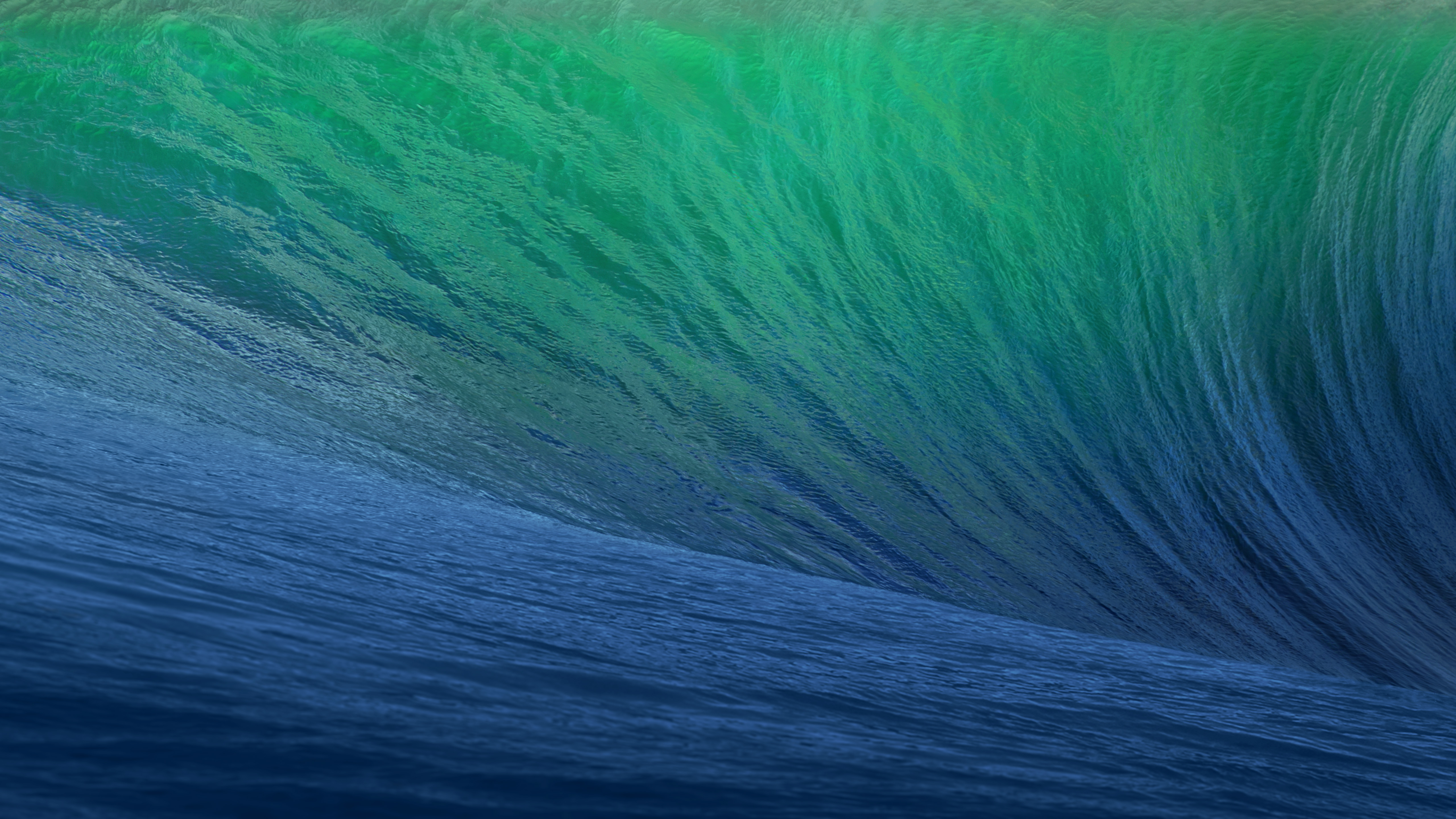
O primeiro destino geográfico escolhido pela Apple remete a uma região litorânea conhecida pelas altas ondas, propícias para a cena local do surfe. O papel de parede do OS X 10.9 dava destaque à curvatura de uma grande onda em tons de azul e turquesa, com clara inspiração na localização que deu nome ao update.
Em matéria de software, o OS X Mavericks ficou marcado pelo aprimoramento na gestão de performance, bateria e memória, aproveitando melhor o hardware dos computadores da Apple. Quanto aos recursos, o sistema trouxe os links compartilhados no Safari, respostas embutidas em notificações, abas e tags no Finder, melhor suporte ao uso de múltiplos monitores, além da introdução de novos aplicativos, como o Mapas e iBooks.
OS X Yosemite 10.10
Pouco mais de quatro horas adiante (ou 314km, para ser mais exato), encontramos o Parque Nacional de Yosemite. A área já era considerada tão importante para a preservação ambiental que Abraham Lincoln autorizou sua proteção e uso público em 1864, anos antes da criação de Yellowstone, reconhecido como o primeiro parque nacional do mundo. Outro grande entusiasta de Yosemite foi Theodore Roosevelt, que ajudou a consolidar a sua importância dentro do sistema de parques americanos.
Um dos maiores símbolos do parque — e também o destaque do wallpaper oficial do sistema — é o Half Dome, um monólito de granito com impressionantes 2.696 metros de altitude. Localizada no coração de Yosemite, a formação foi considerada inescalável por alguns geólogos do século XIX, até que George G. Anderson realizou a façanha em 1875, escalando-a descalço. Muito possivelmente, a foto usada pela Apple foi registrada com uma lente teleobjetiva nas proximidades da Ahwahnee Meadow.
O OS X Yosemite 10.10 foi um marco importante na trajetória do macOS. Muito lembrado pelas mudanças de design na interface — com elementos translúcidos e ícones de formas planas que definiriam a identidade visual do sistema por várias gerações —, ele também deixou como legado a introdução dos recursos de Continuidade (Continuity) entre o OS X e o iOS.
Inicialmente, a novidade englobava apenas o AirDrop, as chamadas telefônicas, o app Mensagens, o Handoff e o Instant Hotspot. Ainda assim, ela inaugurou um nível de interoperabilidade que ajudou a redefinir a forma como o mercado de tecnologia passou a enxergar ecossistemas compostos por diferentes produtos de uma mesma marca.
OS X El Capitan 10.11
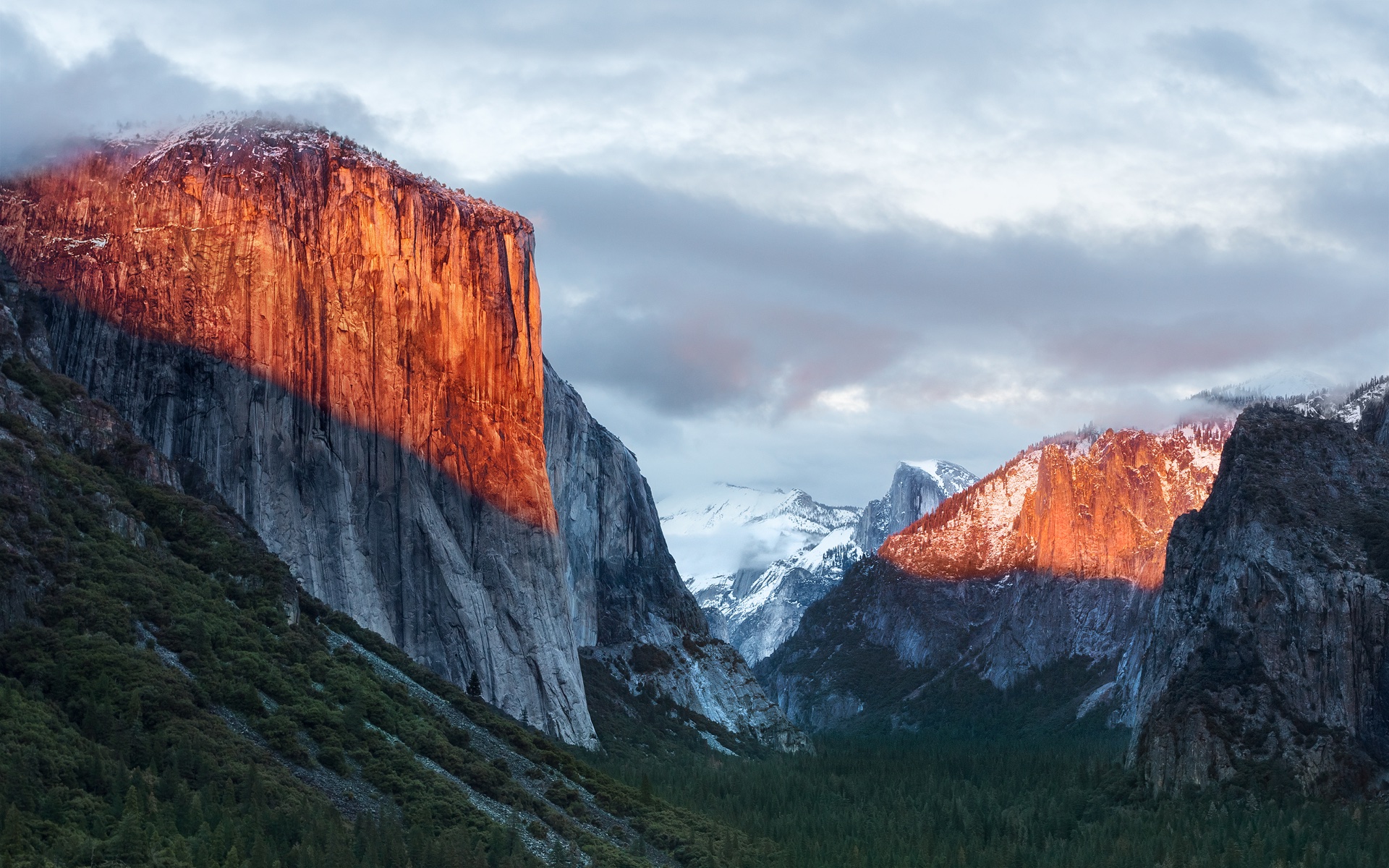
A apenas 20 minutos de distância do Ahwahnee Meadow, a próxima parada do Mac é outra atração turística presente dentro do Parque Nacional de Yosemite: o El Capitan é um monólito de granito de quase 900 metros que se ergue acima do vale do parque.
O papel de parede provavelmente foi fotografado a partir do mirante Tunnel View, de onde é possível avistar o El Capitan à esquerda do vale. Ao fundo, surge o Half Dome — um enquadramento que parece refletir o espírito da atualização. Diferentemente de Yosemite, o OS X El Capitan 10.11 deu menos ênfase à introdução de novos recursos e concentrou seus esforços em correções de bugs, otimizações de desempenho e refinamentos da experiência de uso. Entre as principais novidades, estavam um Spotlight aprimorado, a adição do Split View e diversas melhorias nos aplicativos nativos da Apple.
macOS Sierra 10.12
Cerca de 338km depois (aproximadamente quatro horas e meia) de Yosemite, passando pela cordilheira de Sierra Nevada (situada no leste da Califórnia, a oeste do Mount Whitney), temos o Lone Pine Peak, cenário da montanha que aparece no wallpaper do sistema.
Além da mudança de nomenclatura de OS X para macOS (colado e com o “m” minúsculo, como segue até os dias de hoje), a atualização é particularmente lembrada pela inclusão da Siri no Mac, o Desbloqueio Automático (Auto Unlock) com o Apple Watch e a Área de Transferência Universal (Universal Clipboard) entre Macs, iPhones e iPads.
macOS High Sierra 10.13
Uma rápida viagem de 80 minutos (129km) é capaz de nos levar ao próximo destino fotografado pela Apple: North Lake, localizada na pequena cidade de Bishop, entre as montanhas da cordilheira de Sierra Nevada. Ali, muito possivelmente em meio ao outono, o registro eternizado no papel de parede do sistema foi feito.
Quando falamos do sistema, aos moldes do próprio El Capitan e do Snow Leopard, o macOS High Sierra 10.13 focou muito mais no aprimoramento interno do macOS do que em novos recursos, mas vale mencionar a inclusão do novo sistema de arquivos da Maçã (o Apple File System, ou APFS), do suporte aos formatos audiovisuais HEVC e HEIF, bem como a chegada da segunda geração da tecnologia de desempenho gráfico Metal.
macOS Mojave 10.14
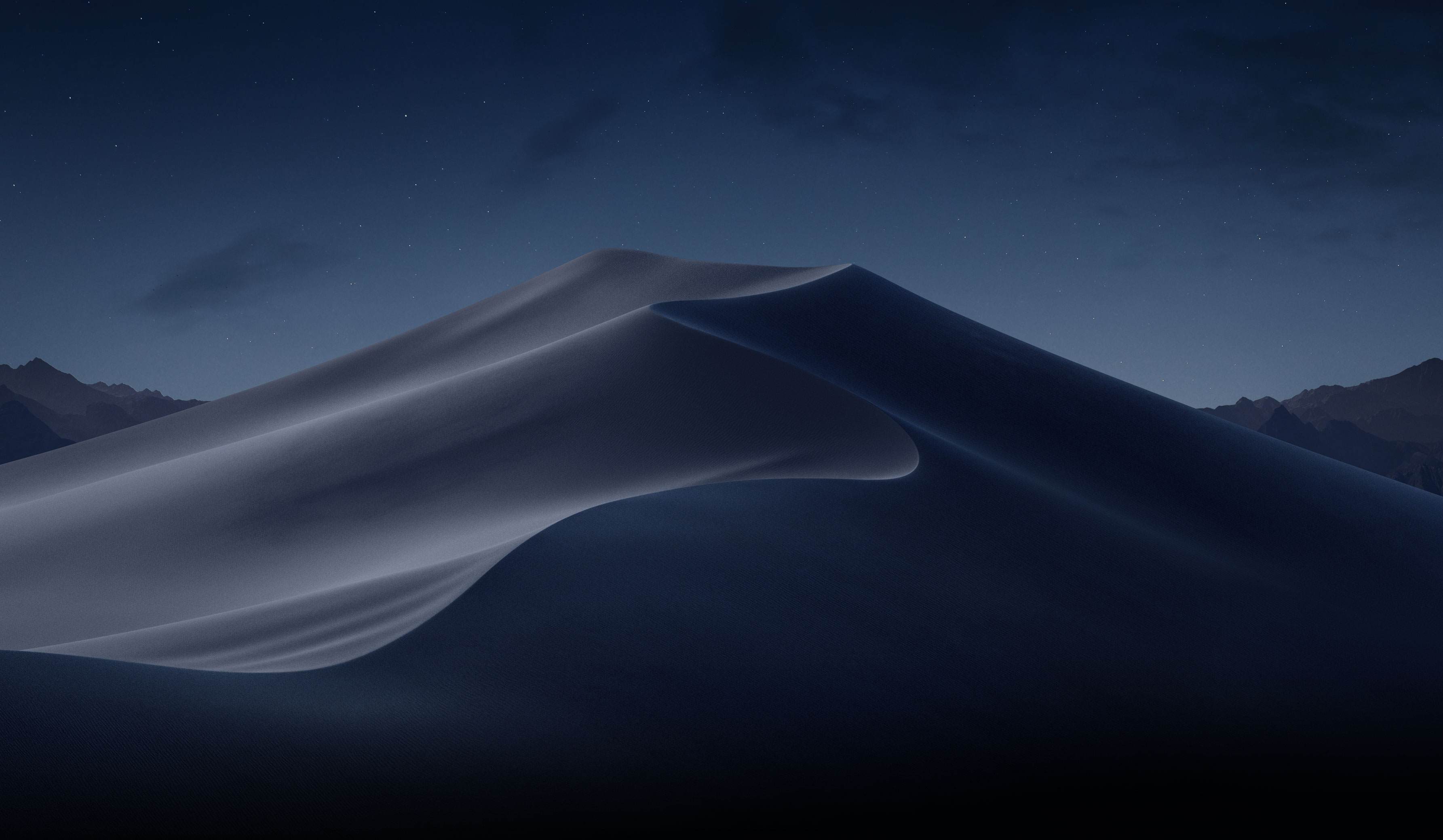
Depois das montanhas, que peculiarmente ficam na margem do wallpaper, vieram as dunas. Com uma distância de 253km (ou três horas de carro), o próximo destino é o Parque Nacional do Vale da Morte, o ponto mais quente do continente americano — onde se registrou a maior temperatura da história (56,7°C) em julho de 1913, e onde a foto do papel de parede do macOS Mojave 10.14 foi feita.
Já sobre as novidades do sistema, essa versão do macOS é particularmente conhecida pela introdução do Modo Escuro, a inclusão dos Conjuntos (Stacks) na Mesa (Desktop), além da estreia de apps já conhecidos dos usuários de iOS, como o Apple News, o Bolsa (Stocks), o Gravador de Voz (Voice Memo) e o Casa (Home).
macOS Catalina 10.15
A 428km adiante do Deserto de Mojave (cerca de cinco horas e meia de carro), nós temos a Ilha de Santa Catalina, destino paradisíaco — e remoto — da costa sul da Califórnia que deu nome à versão do macOS lançada em 2019. Pela posição da foto, o que se especula é que o registro oficial da Apple tenha sido feito com o auxílio de um drone ou helicóptero, sobrevoando as águas para capturar Catalina sob diferentes períodos e iluminações para fornecer o tema dinâmico disponível no sistema.
Essa atualização marcou o fim do iTunes, que foi segmentado em um catálogo de aplicativos separados (Apple TV, Música, Apple Podcasts), mas sua adição mais relevante muito possivelmente foi o recurso Sidecar, que possibilita o uso do iPad como um monitor externo do Mac.
macOS Big Sur 11
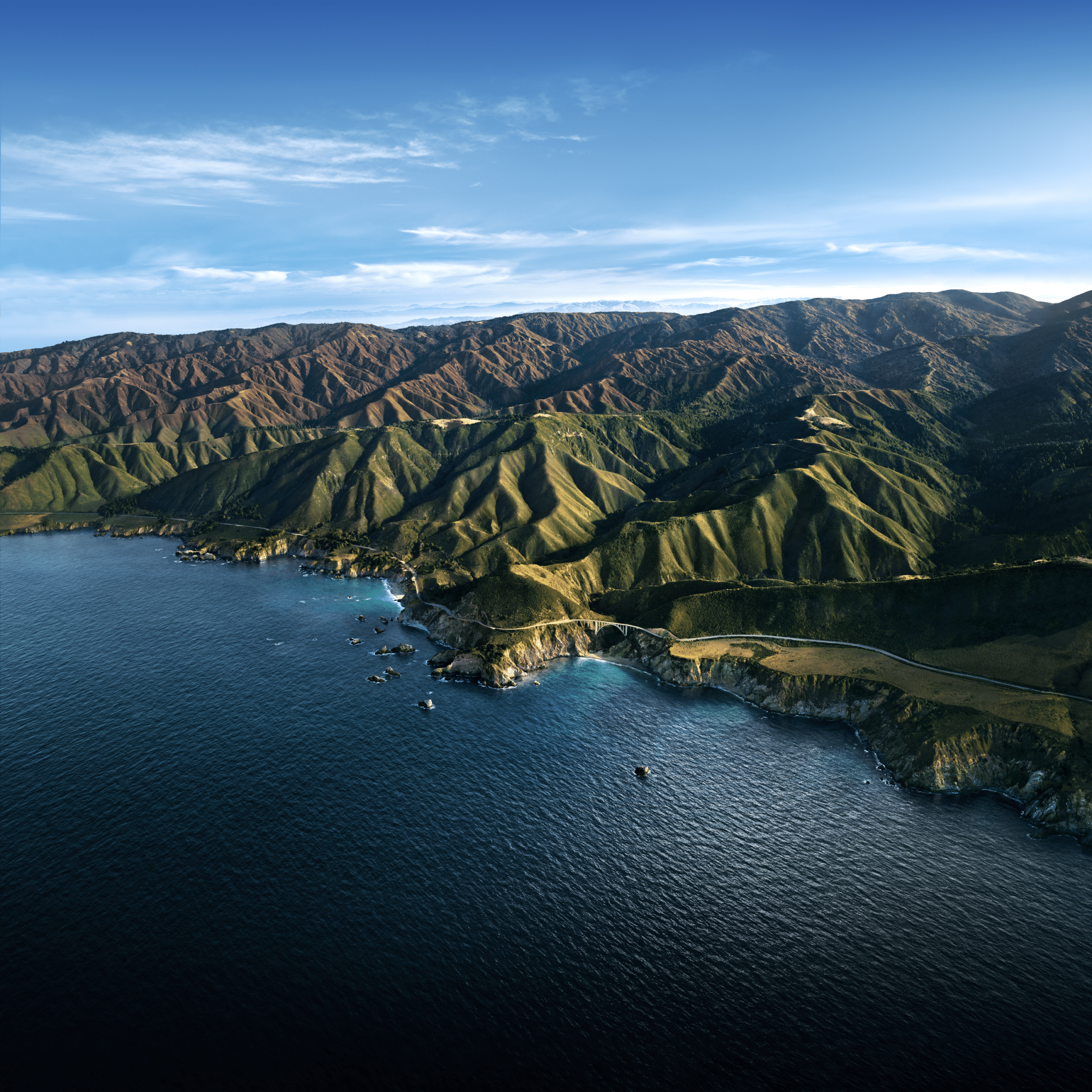
Com uma distância de 524km da Ilha de Catalina, a próxima parada é na Ponte Bixby Creek (inaugurada em 1932 e particularmente conhecida por suas estradas com curvas), localizada na costa central de Big Sur, que dá nome a essa versão do macOS — o papel de parede retrata também a parte litorânea do local.
Sobre o sistema, a versão marcou a transição dos processadores da Intel para o Apple Silicon com o lançamento do M1, trazendo novos ícones, materiais translúcidos, um novo Dock, Central de Controle e de Notificações.
Esta versão também foi um marco para o sistema operacional, pois, pela primeira vez em muitos anos, a Apple abandonou as sub-versões 10.x e passou para o número 11 — o que se manteve nos anos subsequentes.
macOS Monterey 12
Ainda na costa de Big Sur, o macOS Monterey 12 marcou a quebra de uma tradição: pela primeira vez em anos, a Apple optou por não incluir um registro fotográfico como possível papel de parede ou tela de descanso, mantendo apenas temas dinâmicos para ilustrar o sistema dos Macs naquela ocasião.
O Condado de Monterey, que inspirou o nome do sistema, é particularmente lembrado por ter abrigado a primeira capital da Califórnia, quando a região ainda era de domínio dos governos da Espanha e do México.
Em relação ao sistema, o grande destaque foi a introdução do Controle Universal (Universal Control), permitindo que um único conjunto de periféricos (como teclados e mouses) seja utilizado simultaneamente no Mac e no iPad.
macOS Ventura 13
Por volta de 450km de distância (quatro horas e meia de trajeto) depois, temos o Condado de Ventura, que inspirou essa versão do macOS. Emancipado do Condado de Santa Bárbara em 1873, ele abriga o píer mais antigo do estado da Califórnia. Mais uma vez, a Apple optou por não incluir um papel de parede fotográfico.
Quanto aos seus recursos, o macOS Ventura 13 se destacou pela adição do recurso Organizador Visual (Stage Manager) e melhorias no Spotlight, Safari, entre outros aplicativos nativos do sistema que ganharam reformulações.
macOS Sonoma 14
Do Condado de Ventura até Sonoma, são 748km (pouco mais de sete horas de trajeto) até a região norte de San Francisco, conhecida por abrigar centenas de vinícolas. O registro da Apple foi feito na vinícola Mazzocco Sonoma, no rancho de Warm Springs.
Depois de dois anos, a Apple enfim retornou com os papéis de parede fotográficos no macOS, funcionando também como protetores de tela (screensavers) dinâmicos que lentamente se tornam um wallpaper estático após o login.
A maior novidade do sistema foi a implementação dos widgets interativos na Mesa (Desktop), além de reformulações no modo Jogo, na relação do sistema com acessos remotos e no compartilhamento de conteúdos em videochamadas, com novidades também no Safari, na Siri e nos recursos de acessibilidade.
macOS Sequoia 15
Saindo de Sonoma, nosso próximo destino está localizado a quase sete horas de distância (mais ao sul da Califórnia, a exatos 547km de distância); trata-se do Parque Nacional da Sequoia, que abriga algumas das maiores árvores do planeta em termos de volume.
O registro do papel de parede é remoto o suficiente para não termos uma dimensão exata da sua localização geográfica (até porque a Apple nunca divulgou essa informação), mas é seguro afirmar que as imagens foram capturadas em algum dos bosques de sequoias da Sierra Nevada.
Além da estreia controversa dos recursos da Apple Intelligence devido à discrepância entre o que foi apresentado e as funcionalidades entregues, o macOS Sequoia 15 introduziu o Espelhamento do iPhone (iPhone Mirroring), a organização de janelas em mosaico e o aplicativo Senhas (Passwords).
macOS Tahoe 26
Do Parque Nacional de Sequoia, partimos rumo ao norte, até a fronteira entre a Califórnia e o estado do Nevada (uma distância de 330km, ou três horas e meia de trajeto). O próximo destino é o Lago Tahoe, também presente na cordilheira de Sierra Nevada. Ele é particularmente conhecido por ser o maior lago alpino da América do Norte em termos de altitude.
Conhecido por suas águas cristalinas, o lago é um destino frequente para esqui. O papel de parede do macOS Tahoe 26 exibe um ângulo baixo sobre o lago, com as rochas em primeiro plano, enquanto os pinheiros e as montanhas de Sierra Nevada aparecem ao fundo.
Quanto ao sistema, além da unificação da numeração com todo o ecossistema (iOS, iPadOS, watchOS, tvOS e visionOS) da Apple, essa versão foi especialmente marcada pelo redesign de interface com a estreia do Liquid Glass. Outras novidades incluem a adição das Atividades Ao Vivo (Live Activities) ao recurso Continuidade, além de revisões do Spotlight, Central de Controle e os recursos da Apple Intelligence.
macOS Golden Gate 27
E, enfim, chegamos à versão mais recente do macOS! Com uma distância de 330km (trajeto com cerca de três horas e meia), nosso próximo destino é o cartão postal da cidade de San Francisco: a Ponte Golden Gate.
Ela foi, até 1964, a maior ponte suspensa do mundo — caso seus cabos de sustentação fossem esticados, teriam tamanho o suficiente para dar três voltas no planeta.
Enquanto sistema, assim como o Snow Leopard ou o High Sierra, o macOS Golden Gate 27 é marcado por sua abordagem de priorização dos refinamentos, tanto relacionados ao visual Liquid Glass quanto aos recursos da Apple Intelligence e da Siri, que agora se torna Siri AI.
E você aí, usa o macOS desde que versão? Alguma, em especial, lhe marcou? Ou você (ainda) não é usuário de Mac, mas gostou de todas essas curiosidades? 😊
Agents withdraw Jerry Falade’s hotly anticipated debut after saying they can no longer authenticate ‘how the manuscript evolved’
A high-profile publishing deal for a debut crime novel has collapsed after doubts emerged over whether artificial intelligence played a role in writing it.
The hotly anticipated manuscript Call Me, I’ll Hide the Body, by Jerry Falade, was withdrawn from sale by its agent despite reportedly receiving an offer for more than $2m (£1.5m) from Minotaur, owned by Macmillan US, as part of a 14-way auction. The plan was to publish it in 2028.
Summer is normally thought of as the time for pacy potboilers and brain-soothing page-turners – airport reads that wind up sandy and sunscreen-stained. Not so for Friedrich Merz’s holiday reading list.
Germany’s embattled chancellor, who has faced one rough patch after another since taking office 14 months ago, seems to be seeking spiritual guidance this year while putting his feet up.
The academic’s ambitious guide to the ethics of tech falls short of its promise to provide meaningful answers
The AI ethicist Eleanor Drage believes that to thrive alongside artificial intelligence, humans need to recognise AI’s “humanity”. She means that while we often speak of AI as though it were some mystical, formless thing, it is the product of hours of human labour, in silicon and quartz mines, microchip factories and data labelling centres. If citizens want to wrest power from the tech companies that are building AI, it helps to understand clearly what they are selling us. This also means seeing through the marketing and hype: “the cloud”, that nebulous, distant place where your photos are stored, is just someone else’s computer; an AI “hallucination” is a system error or data labelling mistake; intelligence is a very broad – and potentially misleading – term.
The story in Silicon Valley is that AI will either save us, ushering in a new era of prosperity and human longevity, or it will wipe us all out. Drage argues, convincingly, that big tech cannot possibly deliver on its utopian promises while it continues to chase profit and power above all else, and while it serves the interests of a narrow few. Meanwhile, the cultural obsession with the AI-induced apocalypse conveniently redirects attention from the practical conversations we could be having about how to make AI safer – by ensuring citizens have more power over how their information is used, and how AI models are trained and regulated, for example. Tech titans’ apocalyptic visions also create the false impression that AI safety is more important than climate change, geopolitical tensions and inequality, three problems that are already causing a huge amount of suffering and that, if addressed, would reduce many AI-linked risks too.
Oli Freke is a musician and journalist whose works have appeared in Sound on Sound, The Quietus, and Mixmag. This has included using math to explore the melodic potential of the Western 12-tone scale and deep dives on effects plug-ins. He's even written a book tracing the evolution of the synthesizer from 1963 through 1995, charting the change from analog to digital and back.
His new project is Beat Gems, a coffee-table visual history of drum machines from publisher Bjooks. Like other Bjooks titles, Beat Gems is loaded with gorgeous photos, fascinating historical tidbits, and practical advice for making the most of your gear, whether it's …
Bloomsbury has 14,087 titles listed in agreement between AI startup and authors over use of their work
The publisher of Harry Potter has received a multimillion-pound payout as a beneficiary of a $1.5bn (£1.12bn) copyright settlement between the AI startup Anthropic and thousands of authors over the use of their protected work to power chatbots.
Bloomsbury, which is home to the bestselling novelists Sarah J Maas and Susanna Clarke as well as JK Rowling, said it had 14,087 titles listed within the settlement, with a proposed compensation of about $3,000 a title.
The billionaire says the AI-generated film will stay true to Homer’s original, after repeatedly criticising Christopher Nolan’s blockbuster over its casting choices
Elon Musk has said his AI platform Grok Imagine will make a “historically accurate” adaptation of Homer’s Odyssey, after the success of Christopher Nolan’s blockbusting treatment which the SpaceX founder has regularly criticised over its casting.
In a post on X, Musk said: “Before this year ends, Grok Imagine will make a full-length movie of The Odyssey that is historically accurate and true to the art of Homer.” Musk also linked to a post containing a three-minute clip of footage that the user said had been generated from Grok Imagine, showing a scene between Odysseus and the nymph Calypso.
When Mount Vesuvius erupted in 79 CE, it spewed molten rock, pumice, and hot ash over the cities of Pompeii and Herculaneum, killing thousands of people. It's one of the most famous natural disasters in human history, so naturally there have been countless documentaries about Pompeii (and at least one popular song). But only one features actor Tom Hiddleston taking on the role of a "time detective" to bring the people of Pompeii to vivid life. That would be National Geographic's new three-part docuseries, Pompeii: Out of Time.
The Marvel connection made Out of Time happen. Executive producer Kevin Wright was also a producer on the Disney+ series Loki, which included a scene where Hiddleston's Loki travels through time to visit Pompeii. Hiddleston also studied classics at Cambridge University and had visited the Pompeii archaeological site as a teenager, which the Marvel star attributes to indirectly influencing his career path into acting.
"There is just a passion to the way Tom tells stories that's infectious," Wright told Ars. "We knew that if we could capture that and put it into [the series], it might interest people who wouldn't normally want to watch a documentary about Pompeii. "
Experts believe it’s at least possible. We urgently need a plan to navigate the ethical implications
In January, the AI company Anthropic published a new constitution for Claude, its most advanced large language model (LLM), which contained the comment: “We are caught in a difficult position where we neither want to overstate the likelihood of Claude’s moral patienthood nor dismiss it out of hand.” A month later, Anthropic’s CEO Dario Amodei went on a podcast and said his company couldn’t rule out the possibility that Claude was conscious. Philosopher David Chalmers, who coined the phrase “the hard problem of consciousness”, has said there is a significant chance of conscious LLMs within a decade. And what about Claude itself? When asked during testing to estimate the probability that it is a moral patient, meaning that its wellbeing matters in its own right, it gave numbers ranging from 5% to 40% and stressed how uncertain it was.
Modern AI systems are extraordinarily complex, and they are advancing fast. In terms of structural complexity and computational scale, by some measures a few are already in the range of a mouse brain, and at recent growth rates, they could reach the range of a human brain within five to 10 years.

 Login