❌

Reading view

'Data centers can be located in exhausted open pits': Russia eyes 300-meter-deep coal mines to shield server infrastructure from Ukrainian drones

  • Russia proposes abandoned coal mines as potential sites for future data centers
  • Some exhausted open pits reach depths of approximately 300 metres
  • Accumulated mine water could offer another option for cooling infrastructure

Russia is considering abandoned coal mines as potential locations for data centers, following reported damage to digital infrastructure during Ukrainian drone attacks.

Ilya Seredyuk, governor of the Kemerovo region, has proposed using exhausted mining sites for computing facilities, cryptocurrency operations and other infrastructure.

The idea could reduce construction expenses while providing additional physical protection for servers against attacks from above.

Abandoned mines offer space and potential protection

Seredyuk introduced the proposal during the recent Russian Energy Week, arguing that instead of spending money to reclaim the mines, they could just build new facilities.

Some former open pits reach about 300m deep, creating substantial vertical space for infrastructure without requiring conventional surface construction across large areas.

Seredyuk also suggested that accumulated mine water and underground waterways could help lower cooling expenses.

At the moment, this is simply a proposal and the technical feasibility of such a project remains uncertain.

The governor suggested covering underground installations with roofs and developing landscaped areas above them, potentially creating parks across reclaimed mining properties.

Such arrangements could conceal server buildings from direct observation, although landscaping alone would not establish meaningful protection against aerial surveillance or precision attacks.

Modern commercial and hyperscale data centers are increasingly treated as legitimate military and strategic targets because they run cloud computing, AI, surveillance, and military-logistics networks.

Consequently, developing public parks above underground server facilities could expose civilians, including children, to potential risks if those installations became targets.

Russia's struggling coal industry could also benefit if abandoned mining properties attracted investment for alternative industrial uses.

However, converting deep open pits into dependable computing facilities would require substantial engineering assessments covering structural stability, water management, electricity supply, ventilation and emergency access.

Yandex incidents expose infrastructure vulnerabilities

The proposal comes amid concerns about attacks on Russia's digital infrastructure, including facilities operated by Yandex, one of the country's major technology companies.

Reports said a drone attack sparked a fire at a Yandex data center in Sasovo, within the Ryazan region, on October 8 2026.

Yandex subsequently suspended operations at the affected facility, although the company did not publicly confirm the full extent of the reported damage.

The incident raised questions about the vulnerability of concentrated computing infrastructure during continuing hostilities between Russia and Ukraine.

Russian outlet Verstka also reported that Yandex had obscured four cloud data center locations on its mapping service.

Those facilities were identified as being in Mytishchi, Kaluga, Vladimir and Sasovo, although concealing map locations does not establish that every site suffered damage.

Moving data centers underground could introduce new engineering difficulties, particularly where groundwater accumulates, or mining operations have weakened surrounding rock.

Reliable computing facilities also require continuous electricity, redundant connectivity, fire suppression, and accessible maintenance routes, regardless of their physical depth.

All these factors would need careful assessment before Russia could determine whether abandoned coal mines offer a practical alternative to conventional data center sites.

Via United24media

Google logo on a black background next to text reading 'Click to follow TechRadar'

  •  
  •  

Does the iPhone Duo Run Hot? Here's What Reviews Found

Multiple iPhone Duo reviews covered the device's thermal properties, and reviewer opinions varied. Some found that it was just warm, while others thought it was running too hot at times.


Joanna Stern said the back of the device got warm when using FaceTime and taking photos. She had to end a ‌FaceTime‌ call during testing because it got too hot. "Yeah, I'm gonna burn my hand off," she said. "This thing is getting really warm."

Apple told her the warmth was a sign of the iPhone Duo's thermal design moving heat away from the chip to keep performance up. "But to me, it just feels like the phone is really warm," she said.

The ‌iPhone Duo‌ has the same custom vapor chamber setup and A20 Pro chip as the iPhone 18 Pro, but the vapor chamber is thinner. Apple added a flexible graphite pipe in the hinge to transfer heat between the two halves, giving more surface area for heat dissipation.

The Verge said the ‌iPhone Duo‌ heats up when using the camera for a long time, especially if both displays are on for features like Duo Preview. "You can just feel the phone getting significantly hotter when this happens," reads the review. "The phone gets hot enough to start noticeably lagging after a while." The site also said it gets hot when running third-party apps, particularly video apps and apps from Google.

PetaPixel's review unit got warm when gaming, photo editing, or doing anything that stressed the processor, with the heat felt on the right side of the unfolded device.

Mrwhosetheboss did a 20-minute stress test with the ‌iPhone Duo‌ and ‌iPhone 18 Pro‌ Max. He found the ‌iPhone Duo‌ trapped heat inside when it was closed, and ‌iPhone Duo‌ performance was below the ‌iPhone 18 Pro‌ Max. When open, the ‌iPhone Duo‌ has a large high-resolution display that also affects performance. Mrwhosetheboss focused more on performance than heat, and said the difference between the ‌iPhone Duo‌ and ‌iPhone 18 Pro‌ Max isn't "massively" noticeable in day-to-day use.

HTX Studio did a 30-minute gaming test with the ‌iPhone Duo‌ and ‌iPhone 18 Pro‌ models. The ‌iPhone Duo‌ was 46.5°C, while the ‌iPhone 18 Pro‌ and Pro Max were at 43.8°C and 43.2°C, respectively. The ‌iPhone Duo‌ had a 20 percent lower frame rate than the ‌iPhone 18 Pro‌ models and it couldn't maintain 300 nits brightness, dropping to 185 nits.

9to5Mac said the ‌iPhone Duo‌ "runs a bit hotter than the ‌iPhone 18 Pro‌, but not in a way that impacts performance." Tom's Guide did a benchmark heat test and found that the ‌iPhone Duo‌ was able to spread heat evenly across the body of the device, but it was a few degrees hotter than the Galaxy Z Fold8 the site compared it to. The ‌iPhone Duo‌ scored 75.9 percent stability score on the 3DMark stress test, compared to 79 percent for the ‌iPhone 18 Pro‌ Max and 72 percent for the Z Fold8.

Gizmodo didn't find heat to be a problem, saying the vapor chamber "does a solid job cooling it down to prevent lag or slowdown" when apps use "all the CPU and GPU cores."

The ‌iPhone Duo‌ launches this Friday, so we don't have long to wait to see if heat is going to be a problem for the everyday user.
Related Roundup: iPhone Duo
Buyer's Guide: iPhone Duo (Buy Now)
Related Forum: iPhone

This article, "Does the iPhone Duo Run Hot? Here's What Reviews Found" first appeared on MacRumors.com

Discuss this article in our forums

  •  

Lake sediments trace 16,000 years of Western Balkan summers

Sediments from a small mountain lake in Bosnia and Herzegovina preserve an approximately 16,000-year record of summer temperature change in the Western Balkans, revealing abrupt climatic shifts whose effects varied across Europe. Researchers at Eötvös Loránd University reconstructed past mean July temperatures from chironomid remains and other lake-sediment indicators, then used pollen, sediment particles, organic matter and geochemical elements to track associated changes in vegetation, erosion and lake conditions. Two peer-reviewed studies published in 2026 examine different periods in the same sequence, together covering the Late Glacial, the Holocene and more recent centuries.

The reconstructed record shows that a large cooling event associated with the Younger Dryas lowered estimated mean July temperatures at Lake Prokoško by approximately 2.3°C, a change intermediate between estimates from Alpine lakes and those farther east. The lake, which covers 4.8 hectares at an elevation of 1,670 metres in the Vranica Mountains of the Dinaric Alps, also records a later Middle Holocene interval in which estimated summer temperatures may have exceeded present-day levels. These findings emerge from a paleoclimate reconstruction based on biological, chemical and physical evidence preserved in lake sediments, rather than from direct instrumental measurements.

Lake Prokoško occupies a climatically significant position between Western, Central and Eastern Europe. Over thousands of years, remains from the surrounding landscape and the lake’s own ecosystem accumulated in bottom sediments, providing material for reconstructing regional environmental and climatic history. One study, published in Palaeogeography, Palaeoclimatology, Palaeoecology, focused on rapid changes between approximately 16,000 and 10,000 years ago during the Late Glacial and beginning of the Holocene. A separate study in Quaternary Science Reviews traced conditions through the Holocene to the present, extending the interpretation of the sediment sequence across the full period represented by the two investigations.

Chironomids, a group of aquatic insects also known as non-biting midges, supplied the principal temperature indicator. Their larvae occupy lake sediments and differ in their preferences for water temperature, oxygen levels and nutrient conditions. After moulting, larvae leave chitinous head capsules that sink to the lake bed, where they can be preserved for tens of thousands of years. The researchers identified the species represented in different sediment layers and compared the fossil assemblages with faunal and climate data from hundreds of modern European lakes. This comparison supported estimates of mean July temperature, while the accompanying pollen, sediment, organic-matter and chemical records provided evidence about forests, soil erosion, lake productivity and other environmental changes.

The oldest layers examined reflect cold conditions near the end of the last glacial period. At around 14,600 years ago, reconstructed mean July temperatures around Lake Prokoško were below 8°C. They subsequently rose by approximately 2.6°C within a comparatively short interval, reaching around 10.2°C. The reconstruction associates this warming with increased biological activity in the lake, spreading vegetation and more stable conditions in the catchment. The youngest sediments in the study cover the most recent millennium, where the chironomid community reflected not only temperature changes but also centuries of alpine grazing, greater nutrient input and the later expansion of nutrient-rich conditions.

The early warming ended abruptly when the Younger Dryas began around 12,900 years ago, the last major cooling episode at the close of the last glacial period. Estimated mean July temperatures at Lake Prokoško fell by approximately 2.3°C to about 7.9°C. Cold-water chironomid species became more abundant, while increased erosion transported more clastic material into the lake. Comparisons with reconstructions elsewhere in Europe revealed a marked spatial contrast: summer cooling of 3–4°C has been reconstructed at many Alpine lakes, whereas decreases in the Eastern and Southern Carpathians were generally less than 1°C. The Lake Prokoško estimate falls between those geographic extremes.

The researchers connect this west-to-east gradient, which becomes weaker toward the east, to oceanic and atmospheric changes in the North Atlantic region. For the Carpathian Basin, the contrast illustrates that the same large-scale climatic event can produce different responses in Western, Central and Eastern Europe. Lake Prokoško consequently provides a regional reference point for examining how the magnitude of a shared climate signal varied geographically. The researchers also emphasize that alpine lakes respond sensitively to relatively small temperature changes: variations in ice-cover duration, water stratification, oxygen content and biological activity can accompany those changes, making small mountain lakes useful environmental archives.

Warming resumed at the end of the Younger Dryas. Between approximately 11,800 and 11,400 years ago, reconstructed mean July temperatures increased by around 2.9°C. By about 10,500 years ago, they may have reached approximately 12.6°C. The lake became more productive, its ice-free season lengthened, and closed-canopy forests developed in the catchment, reducing erosion. Temperatures did not remain constant throughout the Holocene. Around 6,800 years ago, reconstructed mean July temperatures may have reached approximately 14°C, meaning that some summers around Lake Prokoško were warmer than those experienced today. The researchers distinguish this Middle Holocene warmth from present-day warming: the earlier conditions were mainly seasonal and driven by gradual changes in Earth’s orbital parameters that increased Northern Hemisphere summer insolation, whereas current warming is global, year-round, more rapid and primarily associated with human-caused greenhouse gas emissions.

A cooling trend began around 6,000 to 5,500 years ago during the Neoglacial transition toward a cooler Late Holocene. Reconstructed mean July temperatures fell from approximately 14°C to around 12.8°C, then to 11.8°C by about 5,670 years ago. Pollen evidence indicates that people were altering the landscape around the lake by the end of the Neolithic, approximately 6,000 years ago. Plants associated with grazing and open habitats became more common, followed later by more intensive forest use and the expansion of open areas. The same sediment archive therefore records both reconstructed climatic variability and the growing influence of human land use, although it does not by itself establish that human activity caused the temperature changes documented in the sequence.

Later Holocene temperatures continued to vary. Around 3,000 years ago, another significant cooling began, with mean summer temperatures falling from approximately 14.7°C to 12°C. Around 2,000 years ago, reconstructed temperatures rose during the Roman Warm Period, reaching approximately 13.3°C. Over the past millennium, centuries of alpine grazing opened the surrounding landscape and increased the nutrient load entering Lake Prokoško. The chironomid community changed significantly around 700 years ago, and species preferring more nutrient-rich waters became increasingly common over the following 500 years. Together, the two studies show that the lake’s fossil and sediment record captures environmental responses shaped by both regional climate change and local human transformation, while also demonstrating that estimates for individual periods remain reconstructions derived from sediment proxies and modern comparative data.

Subject of Research: Paleoclimate reconstruction of summer temperature variability in the Western Balkans

Article Title: Where three climate zones meet

Article References: Where three climate zones meet. Original publication (Bibliographic details unavailable.)

Image Credits: AI Generated

DOI: Not provided

Keywords: Lake Prokoško, Western Balkans, summer temperatures, paleoclimate, chironomid fossils, Younger Dryas, Holocene, climate reconstruction, land use, alpine lake, three, climate

  •  

★ HAYLOU Velo combina estilo para o dia a dia, carregamento sem fio e uma grande tela AMOLED

A HAYLOU anunciou nesta semana o HAYLOU Velo, um novo smartwatch que combina design contemporâneo com recursos práticos para o dia a dia. Com uma estrutura de liga de zinco, carregamento sem fio e duas pulseiras intercambiáveis incluídas na caixa, o Velo oferece uma alternativa versátil para quem deseja um smartwatch que combine com seu estilo pessoal e sua rotina diária.

Uma tela brilhante e um design diferenciado

O Velo conta com uma tela AMOLED de 1,96 polegada, resolução de 410×502 pixels e brilho máximo de até 1.500 nits, trazendo cores vibrantes e detalhes nítidos no pulso, mesmo em condições externos com muita luz.

HAYLOU Velo
Divulgação/HAYLOU

Uma estrutura central de liga de zinco, vidro 2.5D e botões de liga de alumínio conferem ao relógio uma aparência limpa e contemporânea. Disponível nas cores preta e branca, o Velo foi desenhado para combinar com uma série de estilos do dia a dia.

Duas pulseiras, mais maneiras de usar

O Velo vem com duas pulseiras intercambiáveis: uma pulseira texturizada com padrão ondulado (para um visual diferenciado) e uma pulseira de silicone macio (para treinos e dias mais ativos). A troca entre elas permite aos usuários adaptar o relógio a diferentes roupas e ocasiões.

HAYLOU Velo
Divulgação/HAYLOU

A personalização continua na tela, com mais de 200 mostradores disponíveis online, suporte a mostradores personalizados, quatro layouts para o menu principal e cinco estilos visuais.

Recursos inteligentes para a conveniência diária

O Velo mantém os usuários conectados com chamadas via Bluetooth e notificações inteligentes, além de ferramentas úteis, como controles de música e câmera, assistente de voz e localização do celular. Os usuários de Android também podem responder a mensagens do WhatsApp diretamente pelo pulso.

HAYLOU Velo
Divulgação/HAYLOU

Com mais de 100 modos esportivos e monitoramento diário de atividades, o Velo foi construído para acompanhar os movimentos ao longo do dia, desde as atividades da rotina até os treinos.

Carregamento sem fio, menos complicações

O carregamento sem fio torna a recarga do Velo simples e conveniente. Sua bateria de 300mAh oferece até sete dias de uso, dependendo das configurações e do uso.

HAYLOU Velo
Divulgação/HAYLOU

Com classificação de resistência à água de 1ATM, o Velo foi projetado para lidar com respingos cotidianos e chuva leve, mas não é indicado para natação ou banho.

Preço e disponibilidade

O HAYLOU Velo estará disponível nas cores preta e branca por meio dos canais oficiais de venda da HAYLOU e de parceiros varejistas selecionados em todo o mundo. O preço de varejo estimado é de aproximadamente US$45, com o preço final variando de acordo com o mercado, o varejista e o período promocional.

Para mais informações, acesse o site oficial.

Sobre a HAYLOU

A HAYLOU é uma marca global de tecnologia de dispositivos vestíveis inteligentes e áudio, comprometida em tornar a tecnologia cotidiana acessível. Por meio de produtos de áudio inteligente, dispositivos vestíveis e tecnologias práticas de saúde, a HAYLOU cria experiências confiáveis e agradáveis que ajudam as pessoas a levar vidas mais saudáveis, ativas e conectadas.

NOTA DE TRANSPARÊNCIA: O MacMagazine recebe uma pequena comissão sobre vendas concluídas por meio de links deste post, mas você, como consumidor, não paga nada a mais pelos produtos/serviços ao usar os nossos links de afiliado.

  •  

'Autonomously commanded from up to 70 miles away': The US military is testing self-flying cargo helicopters that navigate around sudden no-fly zones on their own

  • Airbus’ MQ-72C rerouted itself after restricted airspace suddenly appeared during flight
  • Starlink carried remote commands to a cargo helicopter from 70 miles away
  • Shield AI’s Hivemind software helps helicopters navigate without constant pilot intervention

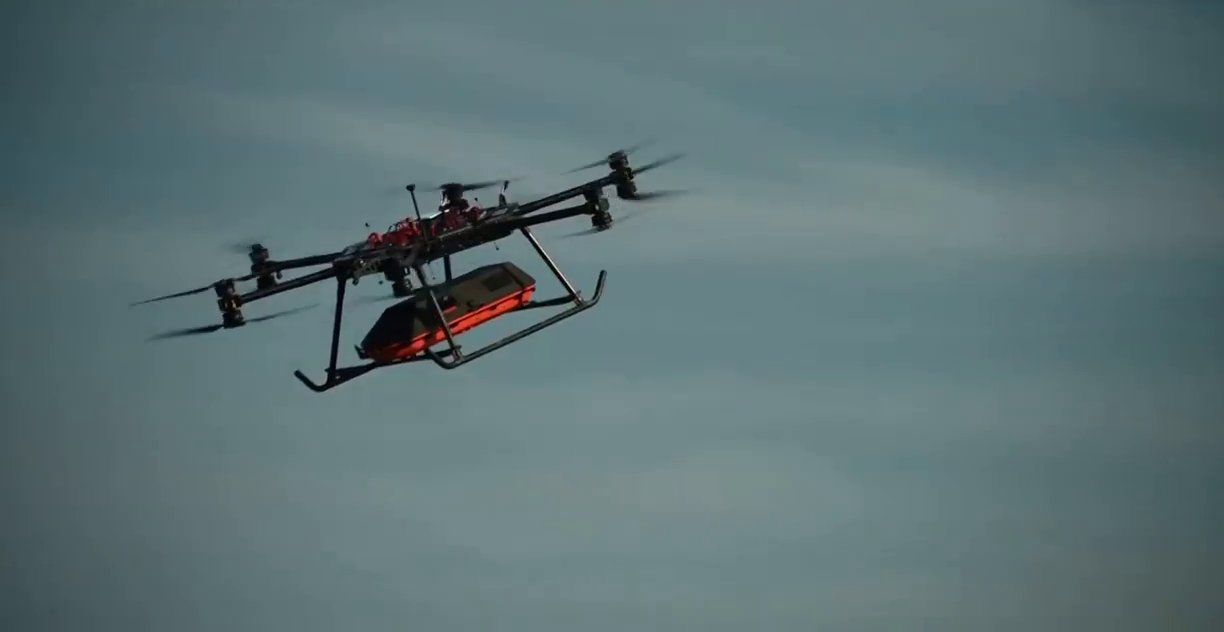
The US Army has tested Airbus’ MQ-72C Lakota Connector, an autonomous cargo helicopter designed to reroute around suddenly restricted airspace.

Operators controlled the helicopter from distances reaching 70 miles through communications infrastructure supporting operations beyond conventional line of sight.

The aircraft follows a flight plan supplied by a human operator, while onboard autonomy software handles navigation and responses to changing conditions.

Starlink and Hivemind enable remote control and autonomous navigation

Airbus conducted five demonstration flights at Huntsville Executive Airport in Alabama, showcasing autonomous hovering, complex turns, and conventional airport traffic patterns.

During one exercise, the aircraft encountered a newly introduced restricted airspace area and calculated an alternative route using its onboard autonomy systems.

“The aircraft had to autonomously make decisions about how it was going to route itself around the no-fly zones,” said Jaysen Yochim, Airbus’ senior director for the Aerial Logistics Connector programme.

A pilot remained aboard for safety during these trials, although Yochim said the individual never needed to assume control.

The helicopter’s autonomy depends partly on Shield AI’s Hivemind software, which interprets imagery collected by onboard sensors.

Two LiDAR sensors, facing forward and backward, work alongside a nose-mounted electro-optical camera to supply environmental information for navigation decisions.

Remote command relies on a separate communications layer, with SpaceX’s Starlink satellite network carrying instructions between ground control stations and the aircraft.

Airbus has already tested this arrangement beyond conventional line of sight, enabling human operators to issue commands from far distances.

We’ve had flights that have been autonomously commanded from up to 70 miles away. All of that is stuff that’s happened in the last year,” Yochim added.

“We also have where the aircraft can be commanded from both a ground control station like this and also with the Samsung tablet.”

Cargo conversion and military adoption remain unfinished

Airbus based the MQ 72C on its UH 72B Lakota, derived from the H145, but additional modifications remain necessary for cargo operations.

Front-mounted clamshell doors would create a passage through the cabin, allowing crews to load and unload supplies more quickly.

Although Airbus has completed initial design work and preliminary testing, flight and wind tunnel tests remain outstanding. The company expects to install the doors around 2029 or 2030.

The Army also needs better ways to supply troops following long-distance air assaults involving future MV 75A tiltrotors.

Major General David Gardner, head of the 101st Airborne Division, explained the challenge of transporting heavy equipment across hundreds of miles.

“We can put some things inside the helicopter, and we can put some things under a helicopter with a sling load. We’re not going to sling load something moving 250-ish knots for 500 miles. We’re not going to hang Humvees under that,” said Gardner.

Other contenders for autonomous military cargo delivery include the AW139, Black Hawk, Robinson R66 and Bell 505.

The Army has not announced a procurement requirement, although its interest in Airbus’ demonstration suggests autonomous cargo delivery is receiving attention.

Google logo on a black background next to text reading 'Click to follow TechRadar'

  •  

Asciugatrici ed elettrodomestici a rischio incendio: quali sono i più pericolosi in casa?

**Riassunto** Un coroner britannico ha chiesto il blocco delle vendite di certe asciugatrici Hoover dopo un incendio mortale che ha ucciso un padre e la figlia di 9 anni. Più di 1,6 milioni di questi modelli sono nelle case UK e presentano difetti potenzialmente pericolosi. I dati ufficiali sull’Inghilterra (2010-2026) mostrano però che i fornelli e forni elettrici sono di gran lunga i più coinvolti negli incendi domestici (oltre 130.000 casi), seguiti da piani cottura, grill/tostapane e microonde. Insieme coprono circa l’80% degli incendi legati ad elettrodomestici. Le asciugatrici sono al quinto posto (circa 10.000 casi). La causa principale non è il difetto dell’apparecchio in sé, ma l’uso scorretto (filtri non puliti, prolunghe sovraccariche, apparecchi lasciati accesi). L’ente Electrical Safety First sottolinea che i numeri indicano solo “coinvolgimento”, non che certi elettrodomestici siano intrinsecamente pericolosi.
  •  

iPhone Duo Has 'Edge Light' Feature That Debuted on Macs Last Year

As noted by Miles Franklin, the iPhone Duo's inner display supports Edge Light, an optional setting that debuted on Apple silicon Macs last year. On video calls in apps like FaceTime, Edge Light illuminates the borders of the screen to evenly illuminate your face in low-light conditions. The feature is essentially a virtual ring light.
Related Roundup: iPhone Duo
Buyer's Guide: iPhone Duo (Buy Now)
Related Forum: iPhone

This article, "iPhone Duo Has 'Edge Light' Feature That Debuted on Macs Last Year" first appeared on MacRumors.com

Discuss this article in our forums

  •  

Bose acquires Skullcandy to help it reach a wider audience

A pile of Skullcandy headphones sitting on a mixing board in a studio.

Bose announced today it has acquired Skullcandy. Although the two companies are competitors in the consumer audio space, Skullcandy recently partnered with its new owner to bring several of Bose's audio technologies - including its head-tracking spatial audio and excellent active noise cancellation (ANC) - to products like the Skullcandy Crusher 1080 ANC headphones and Method 360 ANC earbuds.

Specific details about the deal weren't shared, but according to a news release, Bose plans to keep Skullcandy a separate brand that will become part of its premium consumer audio business. Skullcandy will remain based in Park City, Utah, where it was …

Read the full story at The Verge.

  •  

Ukraine’s new StarGate drone can evacuate wounded soldiers from the battlefield — without risking a rescue crew

  • Ukrainian defense technology company SkyFall unveils new aerial medical evacuation drone
  • StarGate can collect an injured soldier and fly them to the nearest medical unit
  • StarGate has a one-way range of 15 kilometers, can fly autonomously, and is equipped with countermeasures

Ukrainian military personnel could soon be lifted off the battlefield by drone. Kyiv-based technology company SkyFall invited press to see its StarGate drone in action, demonstrating the carrying of a person suspended under the chassis.

A StarGate craft can carry a payload of up to 150 kilograms (330 pounds), enabling a single ground operative in body armor and with combat equipment to be rescued. The aerial medical evacuation drone can be deployed in about around 10 minutes and is equipped with anti-drone nets and other countermeasures.

Capable of a 15 kilometers range, the StarGate can travel at speeds of up to 65mph, and each craft has a basic price of $50,000, with various configurations available.

Automated evacuation

Unveiled to with a press demonstration, the StarGate was seen lifting off carrying a human in the enclosed pod underneath the craft. It has a 65 km/h (40 mph) cruise speed and can reach speeds of up to 105 km/h (65 mph), although its 15 km range does mean it needs to operate within a relatively small area.

A spokesperson for Ukrainian defense tech company SkyFall explained the origins of the concept, “The idea came directly from the front line, from the trenches,” and followed an approach from a commander of the 475th Separate Assault Regiment to find a safer way to evacuate wounded personnel.

The spokesperson explained how StarGate can improve the current rescue times. “Right now the evacuation takes from several hours to several days… with the StarGate we can evacuate a person in a matter of minutes.”

Assuming the injured personnel can make it into the stretcher, the craft can take them to safety, and medical care. “With the StarGate we can give the wounded soldier a golden chance,” he added.

SkyFall’s spokesperson attended the event with their face covered, and remained anonymous throughout.

Ambulance countermeasures

Airlifting injured personnel on the battlefield by drone has obvious challenges, not least from other drones. To help protect rescue efforts, the StarGate is equipped with some countermeasures. These include electronic jamming for attacking drones, and launching nets at attacking drones.

Modern warfare relies on electronic warfare as much as it does munitions. The StarGate has some additional features to assist in surviving GPS blocking, according to SkyFall’s spokesperson: “The drone has several AI functions that allow it to operate even in GPS-denied situations or in the environment of spoofing [and] blocking of the frequencies,” adding that while it is usually controlled by a remote operator, the case of interference, “the drone is fully autonomous.”

Design of the StarGate drone has evolved through several iterations, and SkyFall aims to build around 1,000 per month by the end of 2026. That’s potentially a lot of lives saved.

  •  

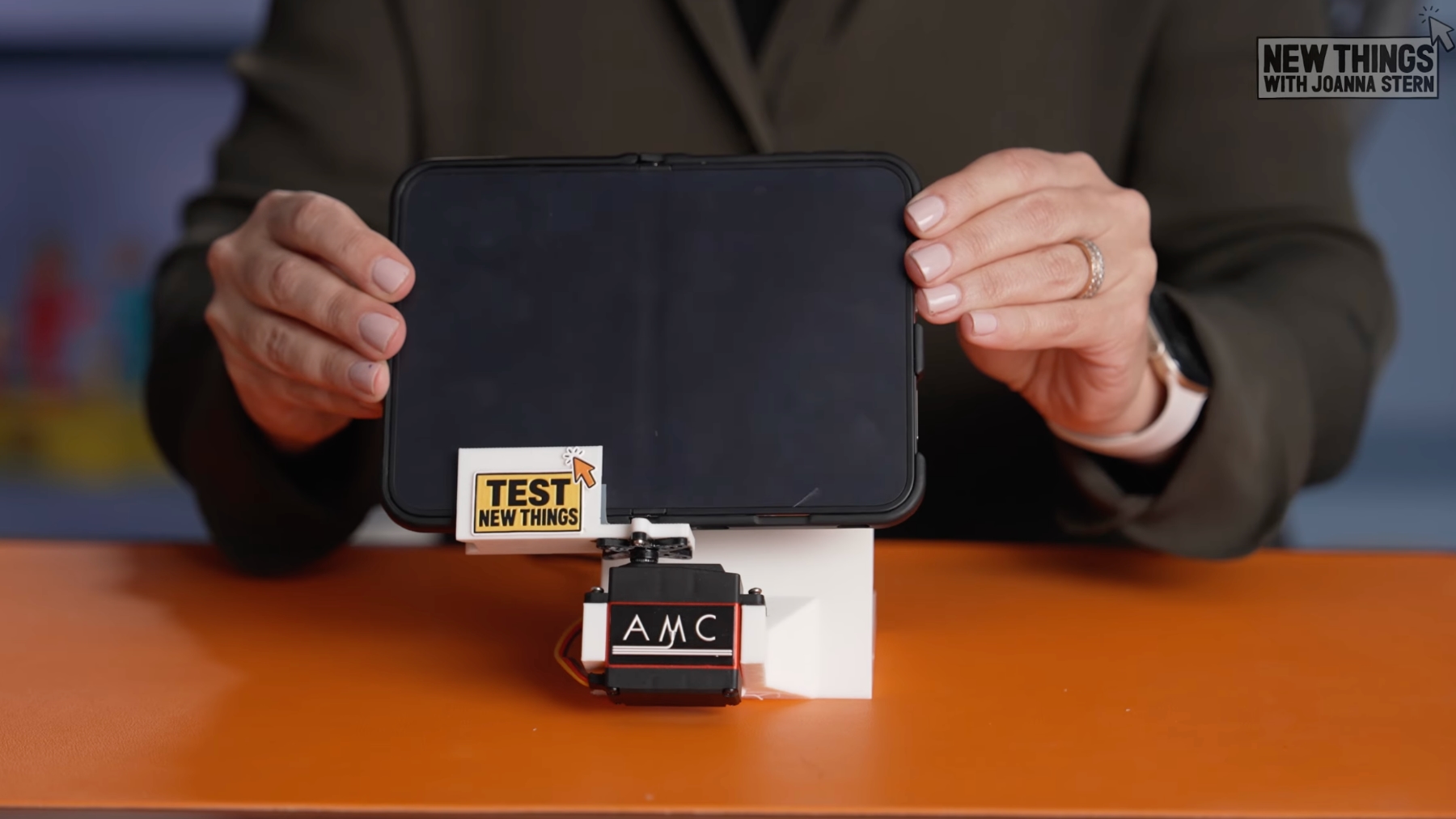
What 32,000 Folds Did to the iPhone Duo's Hinge

Apple hasn't shared iPhone Duo hinge tests or given a lifetime fold number like Samsung, but Joanna Stern used a custom device to subject her review unit to more than 32,000 folds over four nights.


Over the course of the testing, Stern said she thought it might be feeling looser as the number of folds increased, but her final conclusion was that she couldn't feel much of a change. A calibrated push-pull gauge used to take readings before and after the Duo fold test showed the hinge was actually stiffer than before.
But in everyday use, I really couldn't feel a difference. So, after 32,000 folds, it felt pretty much the same as day one, which is pretty darn impressive.

Stern didn't comment on whether the fold test caused the crease to be more visible, which can happen over time with other foldable devices. Her testing was done with a case on, and while the machine opened the Duo flat, it didn't close it all the way each time.


Samsung's foldable displays undergo official testing, and in 2025, the display used for the Galaxy Z Fold7 passed a 500,000-fold durability test. Samsung Display says that translates to over 10 years for average users folding their device about 100 times a day, or over six years for users who fold it more than 200 times daily.

Until Apple shares information on display and hinge durability, Stern's test is all we have to go on. It's unlikely to be the last unofficial folding stress test that we see over the next few weeks.

The full details on Stern's machine, including how it was built, can be found in her YouTube video, and she has more information in her review writeup.
Related Roundup: iPhone Duo
Buyer's Guide: iPhone Duo (Buy Now)
Related Forum: iPhone

This article, "What 32,000 Folds Did to the iPhone Duo's Hinge" first appeared on MacRumors.com

Discuss this article in our forums

  •  

Early iPhone Duo Reviews Highlight Display Strengths and Everyday Trade-Offs

Early iPhone Duo reviews are examining how Apple’s first foldable handles everyday tasks ahead of its October 23 launch. Reviewers describe an appealing inner display alongside adjustments involving one-handed use, authentication, and app layouts, providing a practical picture of where the design works well and where it asks users to adapt.

Evaluations published October 21 offer a more substantial picture than brief demonstrations, ahead of initial retail availability on OctobeIn a September 19 hands-on, Android Central’s Harish Jonnalagadda also highlighted the inner display’s coating. Those earlier impressions provide context for the October reviews, but came from a shorter session rather than extended everyday use.r 23. The emerging story combines an appealing inner display with practical questions about handling, applications, and the compromises involved in carrying one device that serves two roles.

The Matte Display Changes the Experience

The inner screen’s finish is becoming one of the most consistent points of interest. Apple’s official announcement describes a nano-textured polymer cover intended to reduce glare and minimize the visibility of the fold.

In his PetaPixel review, Jaron Schneider praises the reduction in reflections and says fingerprints are much less noticeable during normal use. He also acknowledges that people who dislike matte displays may not appreciate this one.

In a September 19 hands-on, Android Central’s Harish Jonnalagadda also highlighted the inner display’s coating. Those earlier impressions provide context for the October reviews, but came from a shorter session rather than extended everyday use.

That gives the comparison with existing foldables a more useful starting point than screen size alone. A larger panel matters less if reflections repeatedly interfere with what someone wants to see. Equally, a finish that one reader finds comfortable may disappoint someone who prefers the appearance of glossy glass.

The relevant difference is therefore partly experiential. Shoppers should examine text, photographs, and dark scenes under several lighting conditions rather than judging the screen from a promotional image.

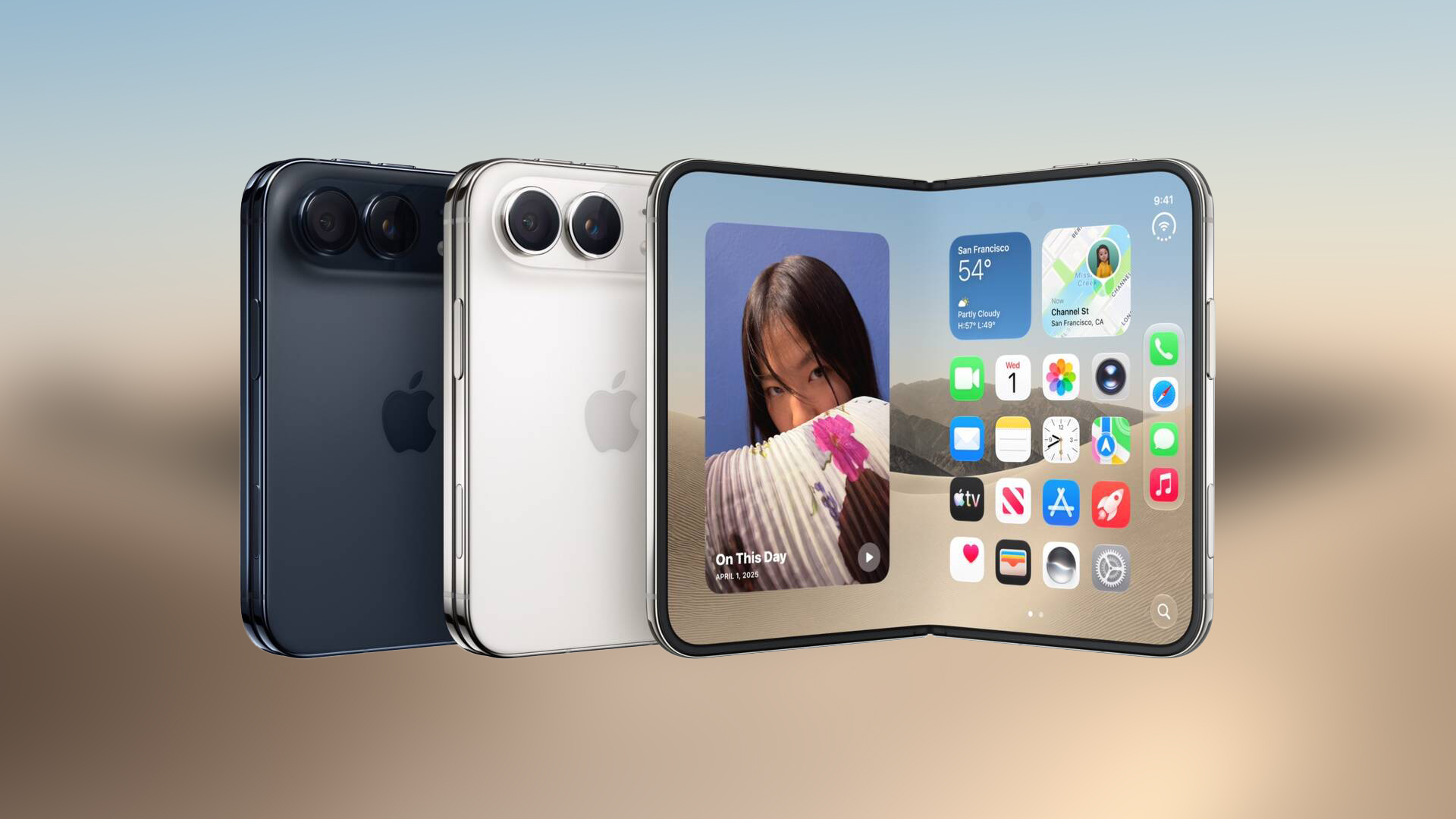
Two foldable smartphones—the iPhone Duo in sleek silver and the A20 Pro in striking dark blue—are displayed side by side, each partially open, showcasing vivid mountain and desert landscapes on their vibrant iOS 27 screens.
Image Credit: Apple Inc.

A Folding Phone Still Has to Work Closed

Schneider’s assessment also exposes a practical tension: he finds the hardware exceptionally well made, yet describes difficulty with one-handed typing and adjusting his grip for Touch ID. His experience favors using both hands.

Those observations should remain attributed to the reviewer. Hand size, preferred grip, and familiarity can produce different reactions to the same device.

Nevertheless, they identify something worth testing before choosing a foldable. The closed phone will still handle quick messages, authentication, and tasks performed while standing or moving. Those interactions deserve as much attention as the impressive moment when the inner screen opens.

A useful demonstration would involve composing a message, reaching frequently used controls, unlocking the device, and then opening it to continue working. Comfort across that sequence reveals more than holding an unfolded phone briefly for a photograph.

Software Makes the Comparison More Complicated

Mark Spoonauer’s October 21 Tom’s Guide review praises the ease of using two applications together, but finds that applications without appropriate optimization can look poor. He also reports that rotating into portrait interrupts the side-by-side layout, which returns when the phone rotates back.

In that specific comparison, he notes that Samsung’s Galaxy Z Fold 8 keeps two narrow app windows visible in portrait.

This illustrates why “supports multitasking” is only the beginning of a useful comparison. What happens when the phone rotates, when someone switches tasks, or when an application encounters an unfamiliar shape can determine whether the extra space feels productive.

The Duo’s Split View limitations become more relevant when they interrupt a task already underway. The review describes a change in layout rather than the loss of the app pair, which returns when the device rotates back to landscape.

Buyers should check the applications they rely on most. A polished demonstration using selected software cannot establish that every banking app, editing tool, or work service will make equally effective use of the display.

Battery Testing Adds a Measured Reference Point

Tom’s Guide recorded 13 hours and 20 minutes in its web-browsing battery test, using the larger display, a 5G connection, and brightness set to 150 nits. The publication says it adapted the test to fill the Duo’s screen and ran it alongside the Galaxy Z Fold 8 and iPhone 18 Pro Max.

In that simultaneous comparison, the Galaxy Z Fold 8 lasted 10 hours and 6 minutes, while the iPhone 18 Pro Max reached 17 hours and 31 minutes. The Samsung phone had previously recorded 12 hours and 19 minutes, illustrating why results from different runs need context rather than being treated as fixed rankings.

The result provides a useful reference, rather than a promise about every owner’s day. It also demonstrates why a single competitive headline can oversimplify testing: the method, screen used, and comparison conditions belong alongside the number.

iPhone Duo reviews - A foldable iPhone Duo displaying a dashboard of widgets on the left screen and a messaging app thread on the right screen.
Image Credit: Apple Inc.

The Strongest Differences Are Practical

These accounts suggest that the Duo’s identity depends on how its screen finish, physical format, and software work together. They also reveal disagreement about whether those benefits outweigh the adjustments. Praise for construction does not automatically resolve concerns about grip or application behavior.

For prospective buyers, the useful question is which compromises fit their routine. Reading comfort, dependable access to work applications, and easy one-handed interactions may carry different weight for different people. The first reviews now provide concrete experiences to investigate, while long-term display and hinge durability still require longer observation.

The post Early iPhone Duo Reviews Highlight Display Strengths and Everyday Trade-Offs appeared first on AppleMagazine.

  •  

South Korea unveils world's first fielded laser air defense weapon — Hanwha's Cheongwang downs drones in 1 second for just $1.50 a shot

  • South Korea deploys Cheongwang, a laser weapon designed to destroy hostile drones
  • Hanwha estimates each Cheongwang engagement costs approximately $1.50
  • Laser weapons could reduce dependence on expensive interceptor missiles against drones

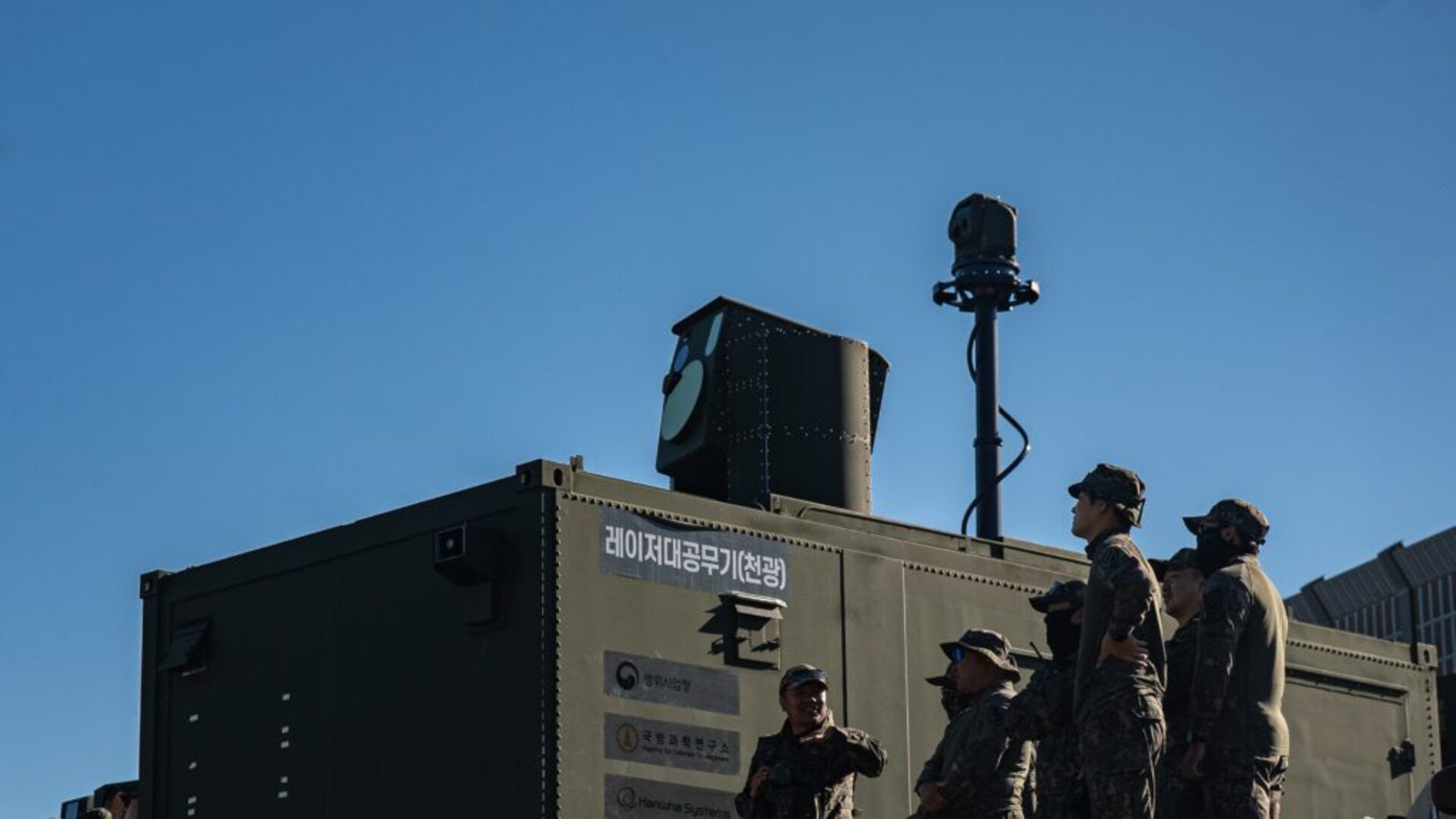
South Korea has deployed Cheongwang, a laser-based air defence system designed to destroy hostile drones without using conventional ammunition.

Developed by Hanwha Systems alongside the Agency for Defense Development, the weapon has entered operational service.

Its manufacturer estimates each engagement costs approximately $1.50, potentially reducing the financial burden of defending against inexpensive aerial threats.

Cheongwang demonstrates low-cost drone interception

The Republic of Korea Army tested Cheongwang during its TIGER+ Future Warfare Integrated Combat Exercise on October 14, 2026.

Hanwha Systems reported that the 30-kilowatt-class weapon destroyed all three drones launched during the exercise, which attracted about 500 military personnel and other observers.

Cheongwang operates by directing concentrated laser energy onto an aerial object until the resulting heat damages its structure or critical components.

Unlike conventional interceptors, the system does not require a separate missile for every engagement, provided sufficient electrical power and cooling remain available.

The manufacturer estimates that firing costs approximately $1.50 per engagement, substantially below the price of many missiles used against attack drones.

That figure does not necessarily represent the complete operating cost, since maintenance, electricity, equipment depreciation and other expenses may also affect deployment economics.

The conflicts between Russia and Ukraine as well as that between the U.S. / Israel and Iran have revealed how expensive drone interception can be. The laser technology seeks to offer a cheaper option.

“Laser weapons are core assets that will fundamentally change the game of air defense,” said Joohun Shin, head of Hanwha Systems' Laser Systems Business Centre

“Driven by unmatched technological capability and proven operational performance, we will accelerate our entry into the global market...”

Hanwha pursues more powerful mobile laser systems

Hanwha also demonstrated a 50-kilowatt Laser Armored Vehicle during the Defense Drone Technology Exhibition on September 16, 2026.

The company reported that Cheongwang neutralised four drones and two uncrewed aircraft consecutively during that separate demonstration.

The more powerful vehicle is being developed for greater mobility and potential international sales, with Hanwha displaying it at MSPO in Kielce, Poland.

Its development indicates that South Korea's defence industry is pursuing laser systems with different power levels and deployment requirements.

The United Kingdom is also advancing similar technology through DragonFire, a directed energy weapon developed by MBDA, Leonardo and QinetiQ alongside the Defence Science and Technology Laboratory.

The system struck aerial targets during trials in Scotland's Hebrides in 2024, and British authorities are advancing plans for installation aboard a Royal Navy Type 45 destroyer.

Laser weapons could offer sustained protection against repeated drone attacks, although their effectiveness depends on available power, tracking accuracy, engagement time and atmospheric conditions.

A laser can engage only a limited number of targets simultaneously, making attack volume an important consideration for operational planners.

South Korea's deployment allows Hanwha to pursue global customers seeking less expensive counter-drone options.

However, wider adoption will depend on independently verifiable performance and operational reliability and evidence of effectiveness.

Via UKDJ

Google logo on a black background next to text reading 'Click to follow TechRadar'

  •  

iPhone Duo's Hidden FaceTime Camera Takes 'Trash' Photos

The iPhone Duo's inner screen has an under-display front camera that's largely hidden from view. It's the first time we've seen an under-display camera on an iPhone, and it turns out there's a reason Apple hasn't used the technology before.


Apple said the camera offers 1080p video recording, but didn't mention photo quality. Gizmodo said it's a 4-megapixel camera and described the photos as "low-res, washed out, and just not sharp at all." It's not good for selfies, and even video calls "look muddy."

Marques Brownlee said the camera is "very first gen" and that the photo quality is "trash." Samsung previously used under-display cameras but dropped them because of poor image quality. Brownlee speculates whether Apple will make the same decision in the future.

Reviewers say the camera is better at video than photos, and it does disappear into the background when you're using the phone, which is a plus.

The ‌iPhone Duo‌ has an alternative 12-megapixel front-facing camera on the outer display, which is much better for selfies, plus with the dual displays, you can use the rear cameras to take selfies. PetaPixel says that if you unfold the Duo and point it at yourself, there's an option to move the camera controls to the outer screen. With that setup, you can use the outer display as a viewfinder for the rear camera to take a selfie.

More ‌iPhone Duo‌ reviews can be found in our review roundup.
Related Roundup: iPhone Duo
Buyer's Guide: iPhone Duo (Buy Now)
Related Forum: iPhone

This article, "iPhone Duo's Hidden FaceTime Camera Takes 'Trash' Photos" first appeared on MacRumors.com

Discuss this article in our forums

  •  

iOS Dev Course Going Out of Business

Sean Allen (via Rebecca Sloane):

iOS dev course sales plummeted due to AI. It costs a lot of money to host my courses online and with sales at basically $0, I’ve cancelled that hosting.

This closes down the site which unfortunately removes access to the courses.

[…]

I’ve put my recent course on sale at a large discount so you can get it before it’s gone and I’ve made old courses available for free if you want to grab those too.

The school will be online until November 24th so you have a few weeks to download these videos at seanallen.teachable.com.

  •  

Converter um PDF online: quando um gesto simples pode expor informação confidencial

Há ferramentas online que ajudam a resolver problemas de forma rápida, como os conversores de PDF, mas é preciso considerar os riscos que a sua utilização pode trazer, alerta Samuel Cruz.

The post Converter um PDF online: quando um gesto simples pode expor informação confidencial appeared first on Tek Notícias.

  •  

iOS 27 call recording is still unavailable in the EU, Russia and Turkey

Apple’s iPhone User Guide for iOS 27 explains how to record a phone call when you are talking to one other person, with the recording saved to the Notes app. Apple also lists where call recording is not available: Azerbaijan, Bahrain, Egypt, the European Union, Iran, Iraq, Jordan, Kuwait, Morocco, Nigeria, Oman, Pakistan, Qatar, Russia, […]

The post iOS 27 call recording is still unavailable in the EU, Russia and Turkey appeared first on The Mac Observer.

  •  

iPhone Duo Tips Over on MagSafe Stands When Unfolded

Some upright MagSafe charger designs won't work well with the iPhone Duo when it's unfolded. As demonstrated by Mrwhosetheboss, the uneven weight of the ‌iPhone Duo‌ can cause it to tilt on a charger when it's open.


The ‌MagSafe‌ ring on the back of the ‌iPhone Duo‌ is only on one half, and some chargers don't have strong enough magnets to hold up the Duo with the extra weight on one side. iPhones do have an extra anti-rotation magnet at the bottom of the magnetic charging ring, but some chargers aren't designed to use it.

does this count as auto rotate https://t.co/cNCz73ud1P

— Arun Maini (@Mrwhosetheboss) October 21, 2026


On Reddit, some users pointed out that The Verge's Nilay Patel demonstrated the ‌iPhone Duo‌ charging horizontally on a ‌MagSafe‌ charger with no issue, so it may not be a universal problem.

Charging with the ‌iPhone Duo‌ open and in portrait orientation likely works, but it looks like the safest way to use upright ‌MagSafe‌ stands is with the ‌iPhone Duo‌ closed. A flat charger won't have the same rotation issue.

Companies will likely make wider stands with some kind of ledge to hold the Duo upright when unfolded, but if you plan to use the Duo on a desk, be aware that there will be positioning limitations with some ‌MagSafe‌ chargers.

The ‌iPhone Duo‌ launches on Friday, October 23.
Related Roundup: iPhone Duo
Tag: MagSafe
Buyer's Guide: iPhone Duo (Buy Now)
Related Forum: iPhone

This article, "iPhone Duo Tips Over on MagSafe Stands When Unfolded" first appeared on MacRumors.com

Discuss this article in our forums

  •  
❌