❌

Reading view

Novel particle beam could challenge Einstein’s Theory of Gravity

Researchers at ETH Zurich and the Paul Scherrer Institute in Villigen, Switzerland, have produced a high-intensity beam of muonium atoms in a cold state, an experimental advance that could enable a direct test of whether gravity acts differently on second-generation matter. The peer-reviewed study in Nature Physics describes a new method for generating muonium in superfluid helium. The resulting atoms travel at similar speeds and almost parallel to one another, properties required for a future interferometer that would measure the tiny influence of gravity on muonium.

The study did not conduct that gravitational measurement or find evidence that gravity departs from its expected behavior for ordinary matter; it instead developed the beam source needed for the proposed test. The experiment is designed to examine the universality of free fall and the equivalence of gravitational and inertial mass, a cornerstone of Albert Einstein’s theory of gravitation. In ordinary matter, bodies fall at the same rate at a given point within a gravitational field, while the equivalence principle links gravitational mass with inertial mass.

According to the research team, this principle has so far been demonstrated only with ordinary matter or first-generation antimatter. Muonium is a neutral atom formed from a positively charged antimuon and a negatively charged electron, making it a second-generation probe. A gravity experiment with this exotic atom would test whether the equivalence continues to hold for particles outside the first generation.

Muonium has two characteristics that make it useful for this test: it is neutral, and it belongs to a heavier and less familiar generation of particles. A neutral object allows gravitational behavior to be studied without the weak gravitational signal being masked by stray electromagnetic fields, which can dominate the behavior of charged particles. At the same time, muonium is exceptionally difficult to produce and control.

Its constituent muon decays after only about 2.2 microseconds. Earlier sources generated muonium atoms that flew off in many directions at different speeds and were therefore unsuitable for the precision required in a gravity experiment. The researchers addressed this problem by creating a cold, intense and well-directed beam.

The antimuons were directed into a thin layer of superfluid helium that had been cooled close to absolute zero, at minus 273 degrees Celsius. Superfluid helium is a quantum fluid in which individual helium atoms lose their identity and in which impurities are not tolerated. Lead author Jesse Zhang said the researchers used the superfluid as an “atomic cannon,” exploiting the conversion of chemical potential into kinetic energy to propel the newly formed muonium atoms out of the liquid.

When an antimuon encounters a free electron in the superfluid helium, it forms a neutral muonium atom with positive chemical potential. The atom is forced out of the liquid, and as it reaches the surface, that chemical potential is converted into kinetic energy. The resulting boost sends the muonium vertically out of the helium.

Importantly, the atoms must move through the quantum liquid at a suitable speed without collisions, because excessive scattering would prevent them from reaching the surface within their very short lifetime. The high-intensity antimuon beam from PSI allows many muonium atoms to be generated for the planned experiments. Anna Soter, a professor of physics at ETH Zurich and member of the research team, said the cold state is what makes the proposed gravity experiment possible.

In this context, “cold” does not mean that the atoms are motionless; it means that they propagate at similar speeds and nearly parallel to one another. This improved control over direction and velocity is important because the planned instrument will use the wave properties of the atoms to create an interference pattern. A very small shift in that pattern caused by Earth’s gravitational pull would provide a measure of gravity’s effect on muonium.

The study establishes the upstream beam capability rather than reporting the result of that comparison. The next stage of the program is the development of a muonium interferometer. According to the researchers, they hoped to test the method for the first time with the atomic beam in the year of the announcement and, if that worked as expected, to carry out the actual gravity experiment two or three years later.

Those are planned milestones rather than completed measurements. If the interference pattern of muonium shifts differently from the pattern expected for ordinary matter, Soter said the result would be surprising and could, among other theoretical possibilities, point toward the existence of a fifth force. No fifth force has been proven, and the present work provides no evidence for one.

The team’s primary aim is to measure whether the equivalence between gravitational and inertial mass applies to a second-generation particle. Physics recognizes four fundamental interactions: gravity, electromagnetism, the strong interaction and the weak interaction. A fifth force has been proposed repeatedly, but it has never been established.

Soter emphasized that the researchers are open-minded about what the measurement may show while keeping the immediate objective focused on the first such test. The new beam is therefore an enabling experimental result, not a demonstration that Einstein’s theory has been challenged or overturned. Beyond the planned gravity measurement, the high-intensity muonium beam is expected to enable more precise laser-spectroscopy experiments.

These could allow muonium to be measured more accurately than in previous work and provide information about the muon’s mass and fundamental physical constants, which are stated goals of the research group. The same experimental source can thus serve two purposes: supplying a cold, directed beam for a gravitational comparison and providing a larger, better-controlled population of muonium for detailed spectroscopic study. The reported advance addresses a major technical obstacle while leaving the central scientific question unresolved.

A successful gravitational test will still require an interferometer capable of resolving a minuscule shift in an interference pattern while dealing with muonium’s short lifetime, beam quality and other sources of uncertainty. The study’s demonstrated result is the generation of a high-intensity, superthermal muonium beam in superfluid helium, with atoms emerging in the cold state needed for future work. Whether muonium falls exactly as expected for ordinary matter remains to be measured.

The beam nevertheless supplies the experimental foundation for testing gravitational universality in a second-generation particle, a comparison that had not previously been carried out with muonium.

Subject of Research: A cold muonium beam developed for future tests of gravitational universality and laser spectroscopy

Article Title: Novel particle beam could challenge Einstein’s Theory of Gravity

Article References: Novel particle beam could challenge Einstein’s Theory of Gravity. Original publication (Bibliographic details unavailable.)

Image Credits: AI Generated

DOI: Not provided

Keywords: muonium, muon beam, gravity, gravitational universality, equivalence principle, interferometry, superfluid helium, laser spectroscopy, ETH Zurich, Paul Scherrer Institute, Novel, particle
  •  

PLOS Issues Expression of Concern for Yangtze River Delta Study

The PLOS One editors have issued an expression of concern for a 2024 case study concerning the digital economy, innovation factor allocation and industrial structure transformation in China’s Yangtze River Delta city cluster. The notice, published on October 21, 2026, states that the article was identified as one of a series of submissions for which the journal has concerns about the integrity or reliability of the peer-review process. Readers are advised to interpret the original study with this issue in mind.

The notice does not report a new scientific finding, identify an error in the paper or evaluate the study’s scientific validity. According to the editors, PLOS did not assess the article’s integrity or scientific validity when following up on the matter. The expression of concern therefore records a concern about the circumstances surrounding peer review rather than announcing that the study’s data, methods or conclusions have been disproved. The editors also state that they have no concerns regarding the authors’ conduct during the peer-review process.

The affected article was published in PLOS One in 2024 under the title “Digital economy, innovation factor allocation and industrial structure transformation—A case study of the Yangtze River Delta city cluster in China.” The supplied notice does not provide the study’s findings, population details, analytical methods, model estimates, uncertainty measures or specific mechanisms linking the subjects named in the title. As a result, the notice does not support conclusions about the relationship between digital-economy development, innovation factors and industrial structure in the region, nor does it establish whether any reported association or causal effect is reliable.

For the wider research record, the immediate effect is that the 2024 article is accompanied by an editorial notice questioning the integrity or reliability of its peer-review process. The notice does not provide details about the submissions or explain the specific basis for the journal’s concerns. It also does not announce a correction, replacement analysis or revised conclusion. The central status of the paper’s scientific validity remains unevaluated in the supplied material, while the issue is sufficiently significant for PLOS One to advise readers to consider it when interpreting the study.

Subject of Research: A PLOS One expression of concern concerning peer-review reliability in a Yangtze River Delta regional-economy case study.

Article Title: Expression of Concern: Digital economy, innovation factor allocation and industrial structure transformation—A case study of the Yangtze River Delta city cluster in China

Article References: The PLOS One Editors (2026). Expression of Concern: Digital economy, innovation factor allocation and industrial structure transformation—A case study of the Yangtze River Delta city cluster in China. PLOS One, 21(10), e0360867. https://doi.org/10.1371/journal.pone.0360867

Image Credits: AI Generated

DOI: 10.1371/journal.pone.0360867

Keywords: PLOS One, expression of concern, peer review, research integrity, digital economy, innovation factors, industrial structure, Yangtze River Delta, China, Expression, Concern, Digital

  •  

Longitudinal airflow suppresses train power-arc drift at low pressure

Longitudinal airflow can sharply suppress the drifting and ablation of the electrical arc formed between a train’s pantograph and overhead contact wire, according to a modeling and experimental study of pantograph–catenary systems under low-pressure conditions. The researchers built a magnetohydrodynamic model that coupled electric, magnetic, thermal, fluid and arc-motion dynamics, then tested the method in a vacuum chamber with copper and carbon electrodes. In experiments conducted at atmospheric pressure, increasing the airflow to 45 metres per second reduced the measured arc drift height from 27.6 millimetres to zero and shortened the arc-root distance from 51.3 to 3.9 millimetres. The same airflow setting also produced progressively less carbon-electrode damage, supporting the proposal as a possible current-collection control method for railways operating at high altitude.

The need for such control arises because the pantograph–catenary system carries the electrical energy used by electric trains, while the stability of its contact strongly affects operating safety and efficiency. Lower atmospheric pressure presents a particularly difficult environment. The study notes that reduced air density and breakdown-field strength can lower the ignition threshold for pantograph–catenary arcs, increase their frequency and duration, and enlarge the region affected by arcing. Repeated arcing can cause irreversible high-temperature ablation and electrical wear on contact wires and pantograph strips. It can also generate broad-band electromagnetic interference that may affect onboard signalling and traction-control systems, with potential consequences including insulator flashover and disruption of the traction network. These background risks motivate efforts to understand and restrain the spatial movement of arcs in plateau environments.

Existing arc models include the Cassie and Mayr black-box approaches, which support analysis of interactions between arcs and traction-network circuits but do not represent an arc’s changing spatial shape. Magnetohydrodynamic models offer a more physical alternative by coupling electromagnetic, flow and thermal fields. Previous work represented crosswind effects on pantograph–catenary arcs and examined how decreasing pressure affects arc-root jumping, in which the root forms at a new location after the elongated column reaches a critical length. Other studies have shown that magnetic fields can stabilize welding and switching arcs. Airflow regulation, however, has been investigated more extensively in welding than in pantograph–catenary systems, whose dissimilar electrodes, high operating speed, open environment, changing electrode gap and constrained vehicle installation space make their arc dynamics more complicated.

The new model represents an arc initially 6 millimetres long and 2 millimetres in diameter between a copper anode and a carbon cathode. It includes the surrounding air, both electrodes and a central longitudinal-airflow channel beneath the copper electrode, including a 1.5-millimetre control-airflow inlet. A separate inlet represents train-induced airflow and was set to 40 metres per second. Calculations covered pressures of 101, 80 and 60 kilopascals, longitudinal airflow from zero to 80 metres per second and a total simulation time of 25 milliseconds. Air properties were adjusted with pressure, while the electrodes were assigned distinct densities, resistivities, thermal conductivities and heat capacities. The governing equations represented electrical potential and current, magnetic-vector potential, mass and momentum conservation, energy conservation, viscous dissipation, Joule heating and net volumetric radiation.

The calculations use several explicit simplifications. Arc ignition is omitted, and the plasma is treated as being in local thermodynamic equilibrium. Flow in the air and arc domains is assumed laminar and incompressible, while metal vapour generated by electrode evaporation and phase change is excluded. These assumptions make it possible to examine large-scale arc motion and temperature distribution but prevent the simulation from directly calculating electrode mass loss, crack width or crater area. Copper was assigned the anode and carbon the cathode; a Gaussian distribution represented current entering through the copper electrode, and the bottom of the carbon electrode was grounded. The air boundary was treated as magnetically insulated, and the initial temperatures were set to 300 kelvin for the air and electrodes and 5,000 kelvin for the arc domain. The experimental apparatus was separate from the numerical model and provided direct physical measurements of damage.

Without longitudinal airflow, the simulated arc passed through two stages. During the first 10 milliseconds, its column elongated continuously, bent under airflow influence, and developed greater drift height and arc-root distance. From 10 to 25 milliseconds, the column and root distance fluctuated through repeated shortening and elongation. The authors associate this behaviour with the electrical and mechanical limits of the arc: once a column reaches a critical length, the voltage and energy available between the electrodes may no longer sustain continuous burning, and a shorter path of lower resistance may form on the electrode surface. The resulting root “jump” shortened the column before airflow stretched it again. Arc development became faster and both drift height and root distance increased as pressure fell. Temperature briefly exceeded 10,000 kelvin and reached a maximum within roughly two to three milliseconds before fluctuating, while arc voltage rose as the column lengthened and resistance increased.

Longitudinal airflow changed these trajectories in the simulations. As speed increased, drift height, root distance and temperature all declined, with the greatest reductions occurring at lower airflow speeds before the curves began to level off. At 101 kilopascals, the calculated drift height fell from 37.5 millimetres without control airflow to zero at 45 metres per second, while root distance decreased from 57.3 to 3.7 millimetres and temperature dropped from 12,900 to 8,650 kelvin. The airflow needed to eliminate drift was 45, 40 and 35 metres per second at pressures of 101, 80 and 60 kilopascals, respectively; speeds required to bring root distance below 5 millimetres were 45, 40 and 30 metres per second. The authors attribute the stronger response at lower pressure to reduced plasma density, which weakens the arc’s inherent rigidity, Lorentz force and thermal buoyancy, allowing airflow load to become a more dominant influence on its motion.

The temperature response also revealed a practical plateau. The researchers defined the optimal airflow speed as the point after which increasing speed by 5 metres per second changes arc temperature by less than 3 per cent. At atmospheric pressure this occurred at 40 metres per second, compared with 30 metres per second at 60 kilopascals. The reported temperature reduction was 33.8 per cent at 101 kilopascals and 38.1 per cent at 60 kilopascals. Airflow strengthened convective heat removal, which lowered plasma temperature and, in turn, increased deionization and reduced Joule heating. Once thermal exchange approached saturation and the minimum temperature required for self-sustaining arc combustion was approached, further increases in speed produced little additional cooling. The model therefore indicates that the airflow speeds required for control decline as ambient pressure falls.

Laboratory testing used a vacuum chamber capable of controlling pressure with an accuracy of plus or minus 100 pascals, a constant-current supply rated from zero to 150 amperes, an arc igniter, a fan with continuously adjustable airflow from zero to 60 metres per second, a high-speed camera and an oscilloscope. Airflow at the electrode outlet was measured with an anemometer accurate to plus or minus 0.5 metres per second. The camera operated at 6,400 frames per second with an exposure of five microseconds, while each two-second arc test was repeated five times and the mean was reported. Tests at 101 kilopascals used airflow speeds of zero, 20, 30 and 45 metres per second. Without control airflow, high-speed images showed increasing arc drift. At 45 metres per second, drift was virtually absent during the final development phase and root distance was substantially shortened, with observed morphologies broadly consistent with the numerical results.

The experiments also found reductions in carbon-electrode ablation that increased with airflow speed. Microscopy showed shorter ablation areas, smaller craters and narrower crack propagation as the controlled airflow rose. The maximum crack width was 66.7 micrometres without airflow and decreased at higher speeds, while analytical weighing showed progressively less mass loss from the carbon electrode. The proposed mechanism is that stronger airflow promotes arc-root slippage, shortening the time the root remains at one point, while convective cooling lowers temperature and local energy density. These are experimental observations rather than direct outputs of the simulation: because the model omits electrode evaporation and metal-vapour transport, it cannot quantitatively predict ablation rates or near-electrode energy balances. The study therefore demonstrates reduced damage under its controlled laboratory conditions, not a complete first-principles calculation of all processes responsible for electrode wear or a proven field performance level in operating plateau railways.

Subject of Research: Experimental and numerical evaluation of airflow control of pantograph–catenary arcs at low pressure.

Article Title: Research on regulation method for suppression of pantograph-catenary arc by airflow in low-pressure environment

Article References: Xu, Z., Wang, S., Dong, K., & Gao, G. (2026). Research on regulation method for suppression of pantograph-catenary arc by airflow in low-pressure environment. iScience, 29(11), Article 117951. https://doi.org/10.1016/j.isci.2026.117951

Image Credits: AI Generated

DOI: 10.1016/j.isci.2026.117951

Keywords: pantograph–catenary systems, railway electrification, electric arcs, low-pressure environments, longitudinal airflow, magnetohydrodynamic modelling, electrode ablation, high-speed rail, plateau railways, arc suppression, Research, regulation

  •  

Survey links three capabilities with Indonesian welfare-data integration

A survey-based study of 246 village-level social welfare data operators found that business architecture, cross-organizational collaboration and technological readiness were positively and statistically significantly associated with perceived e-government integration impact in two Indonesian regencies. The research, focused on Gunung Kidul and Bangkalan, examined organizational, institutional, relational and technological capabilities associated with social welfare data integration. Governance and leadership and information policy did not show statistically significant direct relationships with perceived integration impact in the pooled sample.

The authors analyzed the survey with partial least squares structural equation modeling. In their framework, e-government integration impact, or EGII, represents perceived improvements in information, system and service quality, responsiveness and public trust. E-government integration scope, or EGIS, describes the breadth of integration across data, applications, electronic communication and knowledge-sharing processes.

EGII was strongly associated with EGIS, meaning that operators reporting more favorable perceived integration outcomes also tended to report broader integration. Because this was an observational analysis of survey responses, the results establish statistical relationships rather than causal effects. The findings identify three capabilities with significant direct relationships to EGII in the pooled model: business architecture, cross-organizational collaboration and technological readiness.

The evidence does not provide operational definitions for these constructs, but the results show that their measured levels were associated with respondents’ assessments of e-government integration outcomes. By contrast, governance and leadership and information policy had no statistically significant direct relationships with EGII in that analysis. This absence of a detected direct relationship does not establish that the two factors are unimportant or that they operate only through indirect pathways, because the supplied findings do not report such indirect effects.

A regency-based robustness analysis found that some relationships were sensitive to local implementation conditions. Significant differences between Gunung Kidul and Bangkan were reported for the technological-readiness-to-EGII relationship and the EGII-to-EGIS relationship. The geographic comparison therefore cautions against assuming that the same capability relationships apply uniformly across the two regencies, although it does not identify the specific local practices responsible for those differences.

Its direct contribution is to show which measured interoperability capabilities were associated with perceived integration impact in the surveyed population, alongside evidence that some relationships varied between the two regencies.

Subject of Research: Survey-based analysis of interoperability capabilities for social welfare data integration in two Indonesian regencies

Article Title: Determinants of E-government interoperability capabilities for social welfare data integration in Gunung Kidul and Bangkalan Regencies, Indonesia

Article References: Fikri, R., Purnomo, E. P., Pribadi, U., Mohamed, A. M., & Mohammad, N. B. (2026). Determinants of E-government interoperability capabilities for social welfare data integration in Gunung Kidul and Bangkalan Regencies, Indonesia. Discover Sustainability. https://doi.org/10.1007/s43621-026-04608-5

Image Credits: AI Generated

DOI: 10.1007/s43621-026-04608-5

Keywords: social welfare data, e-government, interoperability, Indonesia, PLS-SEM, technological readiness, cross-organizational collaboration, business architecture, digital governance, public services, Determinants, capabilities

  •  

Science on the Space Station with NASA Astronaut Jessica Watkins

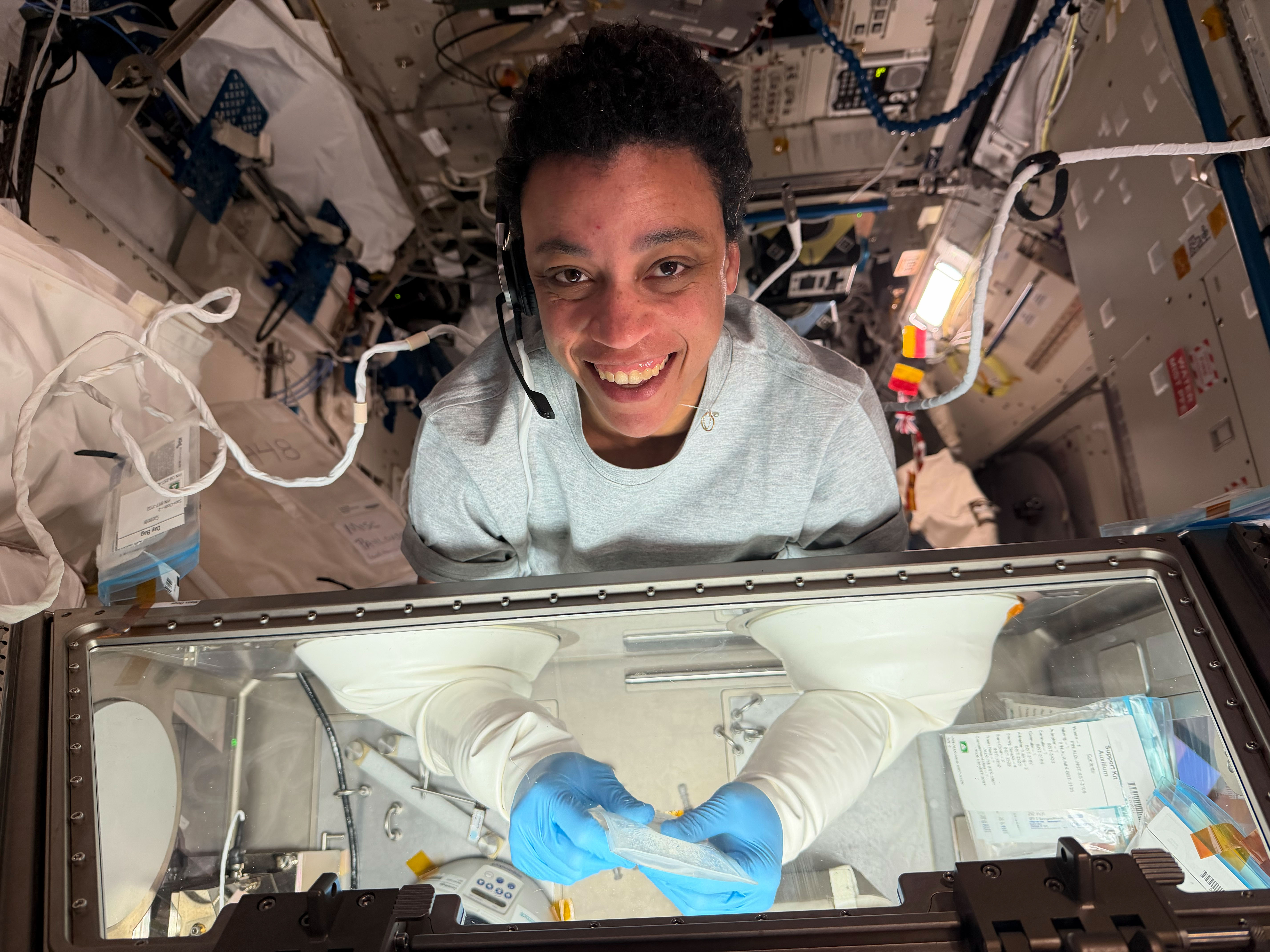
NASA astronaut Jessica Watkins looks up at the camera while doing a science experiment. Her arms and hands are inside a rectangular glovebox that we can see inside. Her arms are covered with the white gloves that are attached to the glovebox and she is wearing blue gloves.
NASA/Anil Menon

NASA astronaut and Expedition 75 flight engineer Jessica Watkins works inside the Kibo laboratory module’s Life Science Glovebox on Oct. 9, 2026, safely mixing living cell samples with a bioink and then filling a special cartridge with the cell‑ink mixture.

The advanced research operations were part of the InSPA‑Auxilium Bioprinter‑Cell Printing investigation, which explores 3D bioprinting cartilage tissue in microgravity of higher quality than that produced on Earth. Results may advance the ability to biomanufacture cartilage, benefiting patients on Earth and crew members on long‑duration space missions.

Image credit: NASA/Anil Menon

  •  

China Wrote The First GEO Rulebook After A TV Scandal – Western SEOs Should Take Notes

China's five-part GEO standard offers Western SEOs a practical framework for measuring AI visibility, evaluating vendors, and separating optimization from manipulation.

The post China Wrote The First GEO Rulebook After A TV Scandal – Western SEOs Should Take Notes appeared first on Search Engine Journal.

  •  

NASA’s SR-1 Freedom Advances with Progress on Nuclear Power Module

2 min read

Preparations for Next Moonwalk Simulations Underway (and Underwater)

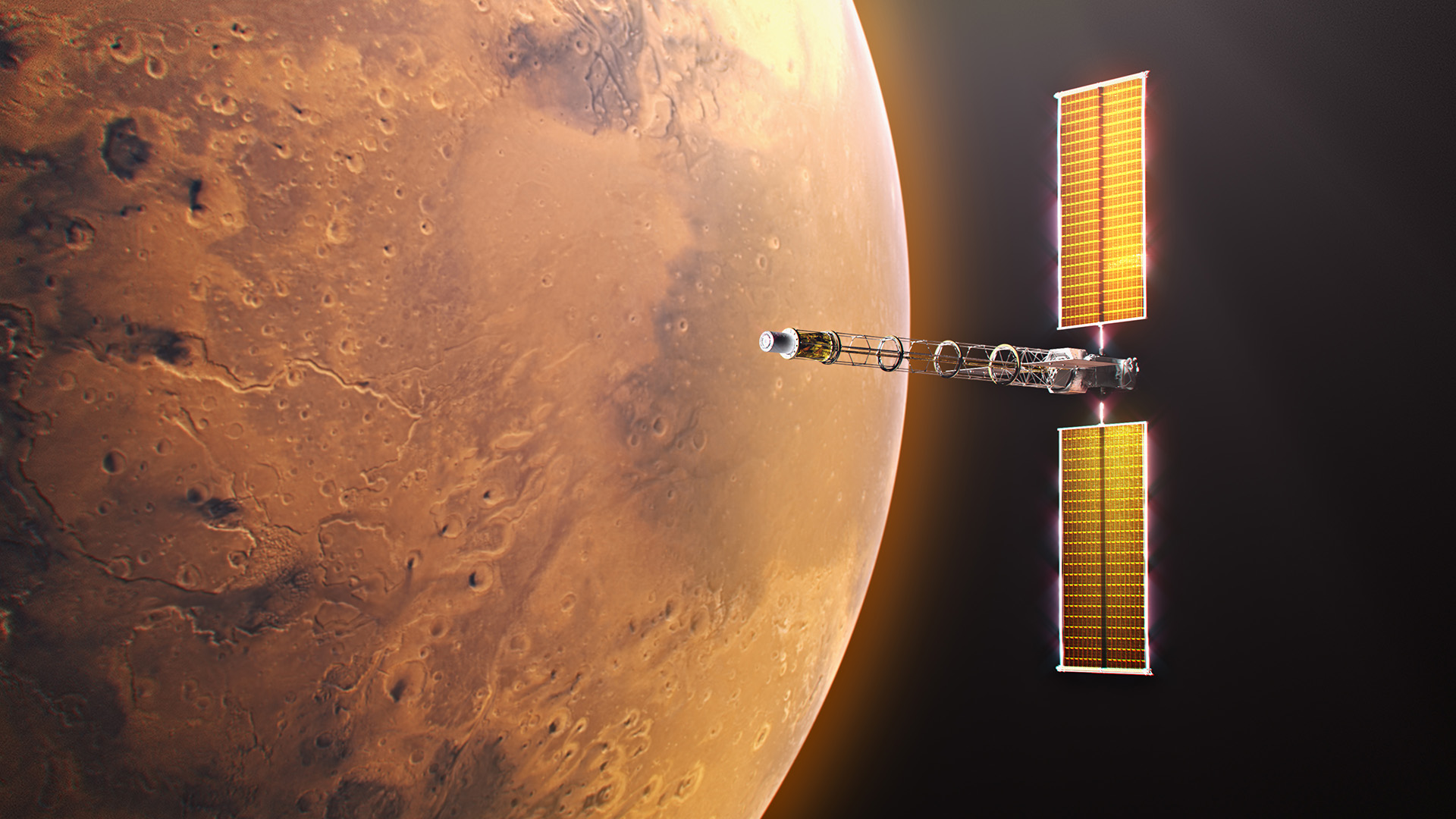
Digital illustration of the Space Reactor-1 (SR-1) Freedom spacecraft in orbit near Mars. The planet's red terrain fills the left half of the frame. On the right, the spacecraft is oriented horizontally, showcasing its central Power and Propulsion Element bus flanked by two tall, illuminated golden Roll-Out Solar Arrays. An elongated open-truss boom extends forward from the bus, ending at the cylindrical nuclear fission reactor and power conversion module.
Space Reactor-1 Freedom will be the first spacecraft ever to demonstrate fission power beyond Earth’s orbit, traveling to Mars to deliver a science payload called SkyFall.
NASA/Alberto Bertolin

Destined for Mars and beyond, NASA’s Space Reactor-1 (SR-1) Freedom will be humanity’s first fission-powered spacecraft to travel outside Earth’s orbit. Announced during NASA’s “Ignition” event, this mission will demonstrate nuclear electric propulsion in deep space, and progress is underway on its key element: the nuclear power module. To expedite development of the spacecraft, NASA and its partners have mutually agreed to key contract actions that will advance the SR‑1 Freedom mission. 

“These contract actions not only reduce technical risk and help us maintain momentum toward our 2028 launch, but they also strengthen collaboration across our partners,” said Steve Sinacore, SR-1 Freedom program director. “These actions keep SR‑1 Freedom on track and ensure we’re building the strongest possible foundation for NASA’s first fission‑powered voyage beyond Earth orbit while developing technology extensible to a vibrant space nuclear future.” 

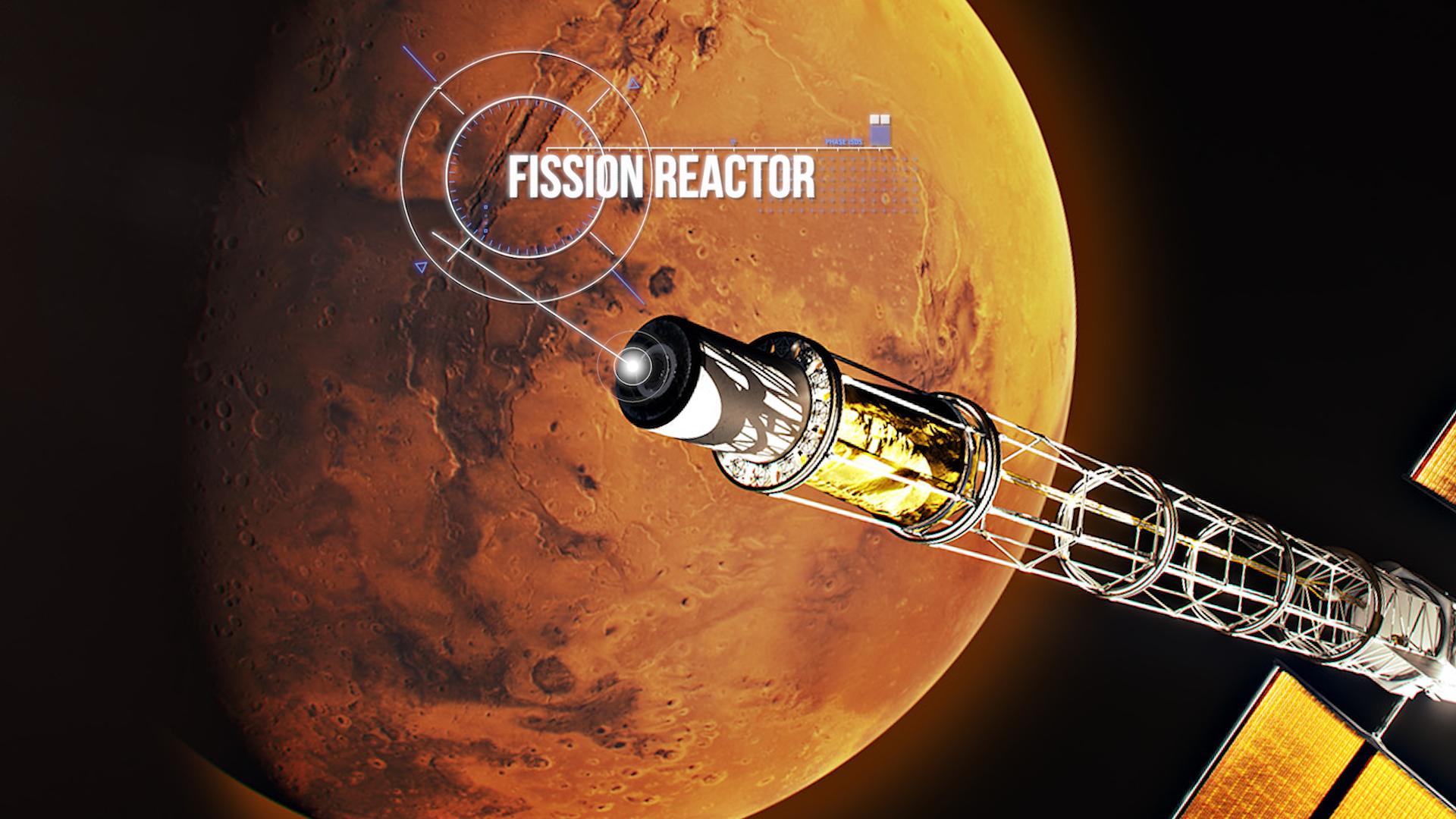
Digital illustration of the Space Reactor-1 Freedom (SR-1) spacecraft in deep space with the planet Mars filling the background. The spacecraft boom structure extends toward the planet, showing its power conversion assembly and solar panel, with a targeting graphic pointing to the fission reactor at its tip labeled 'FISSION REACTOR.'
Space Reactor-1 Freedom’s nuclear power module, located at the end of the spacecraft’s boom, consists of a reactor that generates heat through nuclear fission and a power conversion system that converts that heat into electricity to power systems and electric propulsion.
NASA/Alberto Bertolin

Sierra Lobo Inc. will provide the nuclear power module’s closed Brayton cycle power conversion system, which converts thermal energy from its fission reactor into electrical power needed for SR-1 Freedom’s nuclear electric propulsion demonstration. The work will be conducted under the Space Flight Systems Development and Operations Contract III, awarded in 2024, to support spaceflight hardware design, development, testing, and operations at NASA’s Glenn Research Center in Cleveland.

The power conversion system will be integrated with the fission reactor, which is being designed and developed by the Department of Energy (DOE)’s Idaho National Laboratory to complete the nuclear power module. NASA and DOE incorporate thorough safety standards throughout the design and development of the SR-1 Freedom spacecraft, including interagency safety reviews, continuous oversight by a NASA chief safety officer, regulatory compliance, and a rigorous safety design process focusing on hazards, failure tolerance, and nuclear safety. In addition, the nuclear reactor portion of SR-1 Freedom will remain inactive until the spacecraft leaves Earth orbit.

Launching in late 2028, SR‑1 Freedom will deliver the SkyFall science mission, a team of three Mars helicopters evolved from the Ingenuity design, to collect scientific data, demonstrate exploration zones, and identify potential water sources. The mission will pave the way for deep space exploration and next‑generation fission-powered systems designed to keep NASA’s Moon Base operating through periods of darkness and in locations where solar power alone is not sufficient.

For information about SR-1 Freedom, visit:

https://www.nasa.gov/mission/space-reactor-1-freedom/

  •  

Start-Up Claims to Use A.I.-Created Viruses to Treat a Patient

Certain viruses attack bacteria and can sometimes clear antibiotic-resistant infections. Researchers said they had tailored a virus to attack one patient’s illness.
  •  

Esquemas de phishing imitam Microsoft, Apple e Google para roubar dados e atacar computadores

Os cibercriminosos estão a explorar a confiança nas marcas tecnológicas mais conhecidas, com a Microsoft a concentrar já um em cada três ataques de phishing que imitam empresas. Apple, Google, LinkedIn e Amazon também estão no top das mais visadas.

The post Esquemas de phishing imitam Microsoft, Apple e Google para roubar dados e atacar computadores appeared first on Tek Notícias.

  •  

Latest Climate Report Warns of Major Upheaval to California Way of Life

The dire projections come from the state’s Climate Change Assessment, which analyzes the impacts of changing weather patterns on the nation’s most-populous state.
  •  
❌