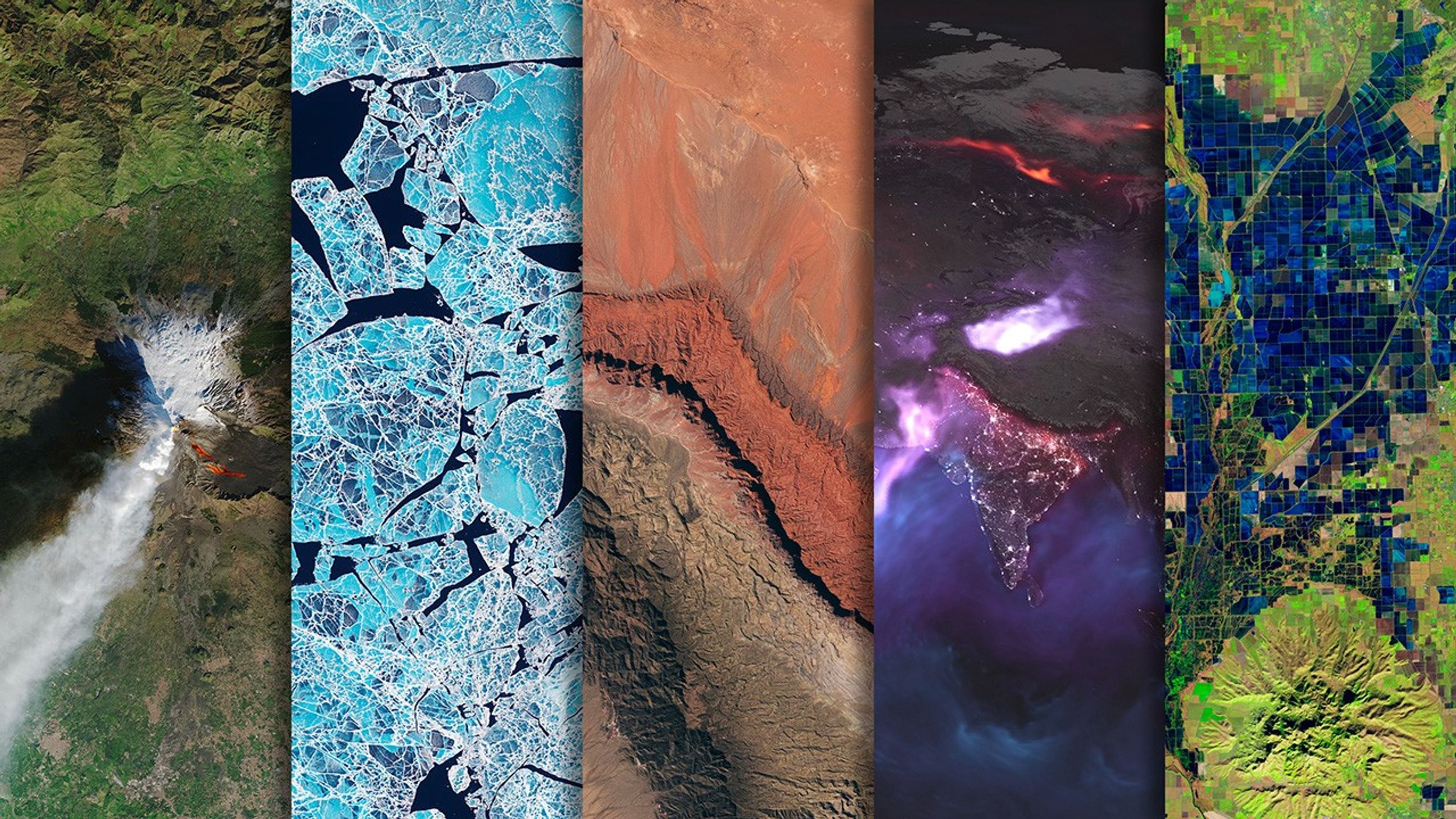
Across the stories today, a common thread emerges: the boundaries we once drew around “the environment” — between land and sea, sky and orbit, economy and ecology — keep dissolving, revealing how deeply intertwined these systems have become.
Start with the sky, in more ways than one. The US government’s confirmation that it has deployed a weapon in Earth’s orbit marks a genuine turning point, not just for defense policy but for how we think about the commons above our heads. Space has long been treated as neutral ground; now it’s becoming contested territory, raising quiet but urgent questions about debris, escalation, and what “environment” even means when it extends past the atmosphere. Meanwhile, back on solid ground, the UK’s climate advisers delivered a pointed message to Heathrow: a third runway cannot proceed unless airlines help pay for the emissions it would unleash, potentially through carbon removal costs. It’s a small but telling signal that growth and climate accounting are becoming inseparable in policy conversations — expansion is no longer a given, even for infrastructure long considered inevitable.
That tension between growth and limits runs through much of today’s coverage. A Guardian analysis found that the world’s twenty largest private equity firms back energy portfolios emitting more greenhouse gases than all but three countries on Earth — a stark reminder that climate accountability often hides behind layers of finance most people never see. In Venezuela, a US-backed push for “legitimate” mining and a new oil megadeal are drawing warnings from environmental and human rights groups who see familiar risks dressed in new language. And in Guinea-Bissau, industrial fishmeal factories are quietly hollowing out a food fish that coastal communities have relied on for generations. Behind the numbers are real communities adapting in real time — from Vietnamese fishers losing thousands of dollars per vessel to tangled plastic waste, to Dhaka residents like Yeasmin Begum, who has spent her life breathing the smoke of a landfill she never chose to live beside.
Yet alongside these pressures, the day’s coverage also points to growing momentum around resilience and repair. Ukrainians are turning to rooftop solar to keep homes running amid bombardment — a portrait of adaptation born from necessity. A Congolese NGO now co-manages a national reserve for the first time, a homegrown model of stewardship. Moon bears rescued from bile farms are stretching their limbs in Suffolk enclosures, and three wild dog brothers wandered 2,500 miles across Zambia in search of a mate, offering an unlikely note of hope for their species. Even Griffith Park’s mountain lion — photographed beneath the Hollywood sign — helped inspire the world’s largest wildlife crossing, proof that a single image can shift infrastructure decisions.
It’s a reminder that progress and pressure often arrive together. Some communities are innovating their way through crisis; others, like the land defenders now forming self-defense units amid rising violence, are simply trying to survive it. As Brazil’s upcoming election looms over the Amazon’s future, and Chief Raoni Metuktire — one of its most storied protectors — enters palliative care, the coming months may reveal whether today’s momentum toward stewardship can outpace the forces pulling the other way.
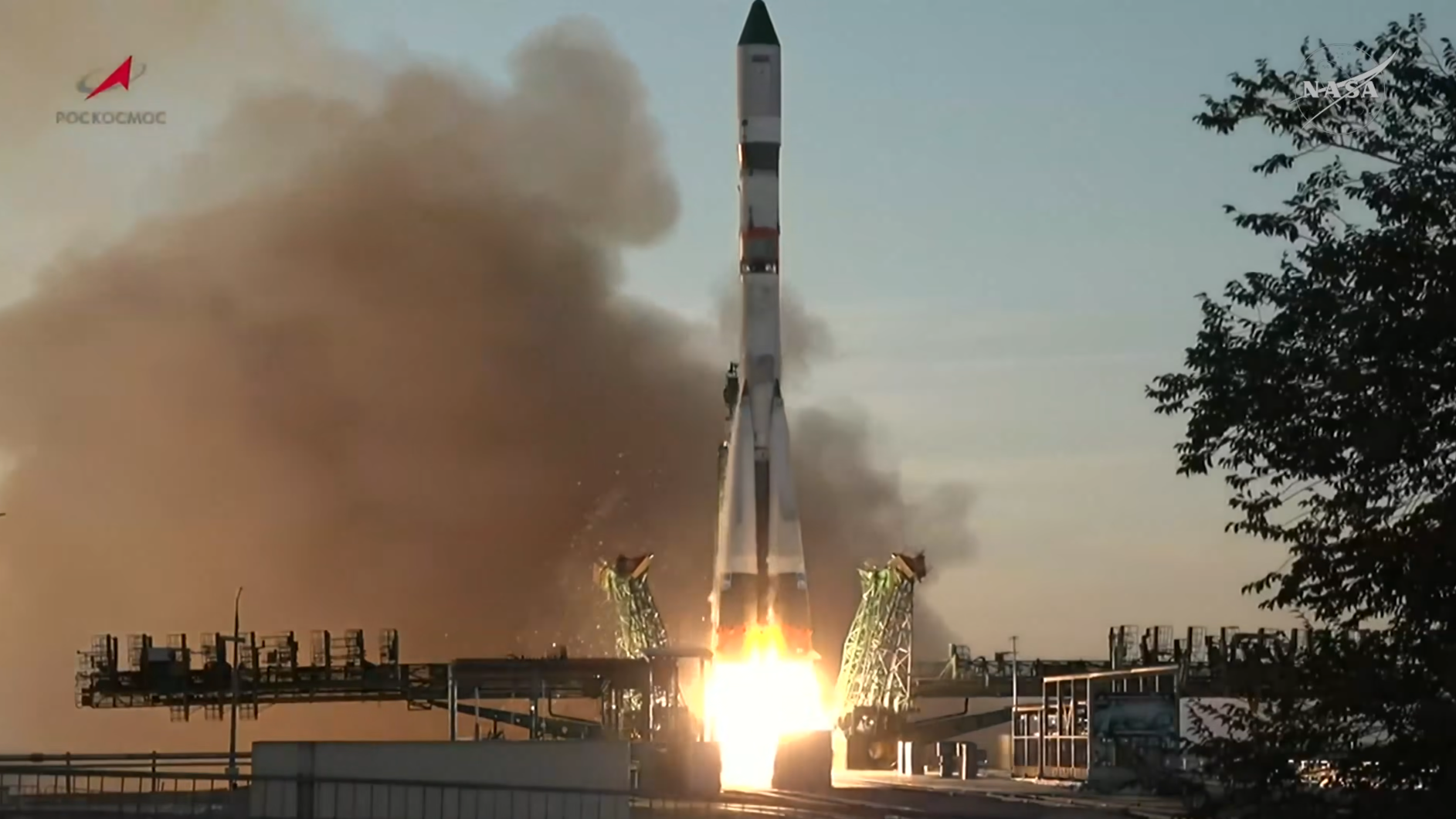
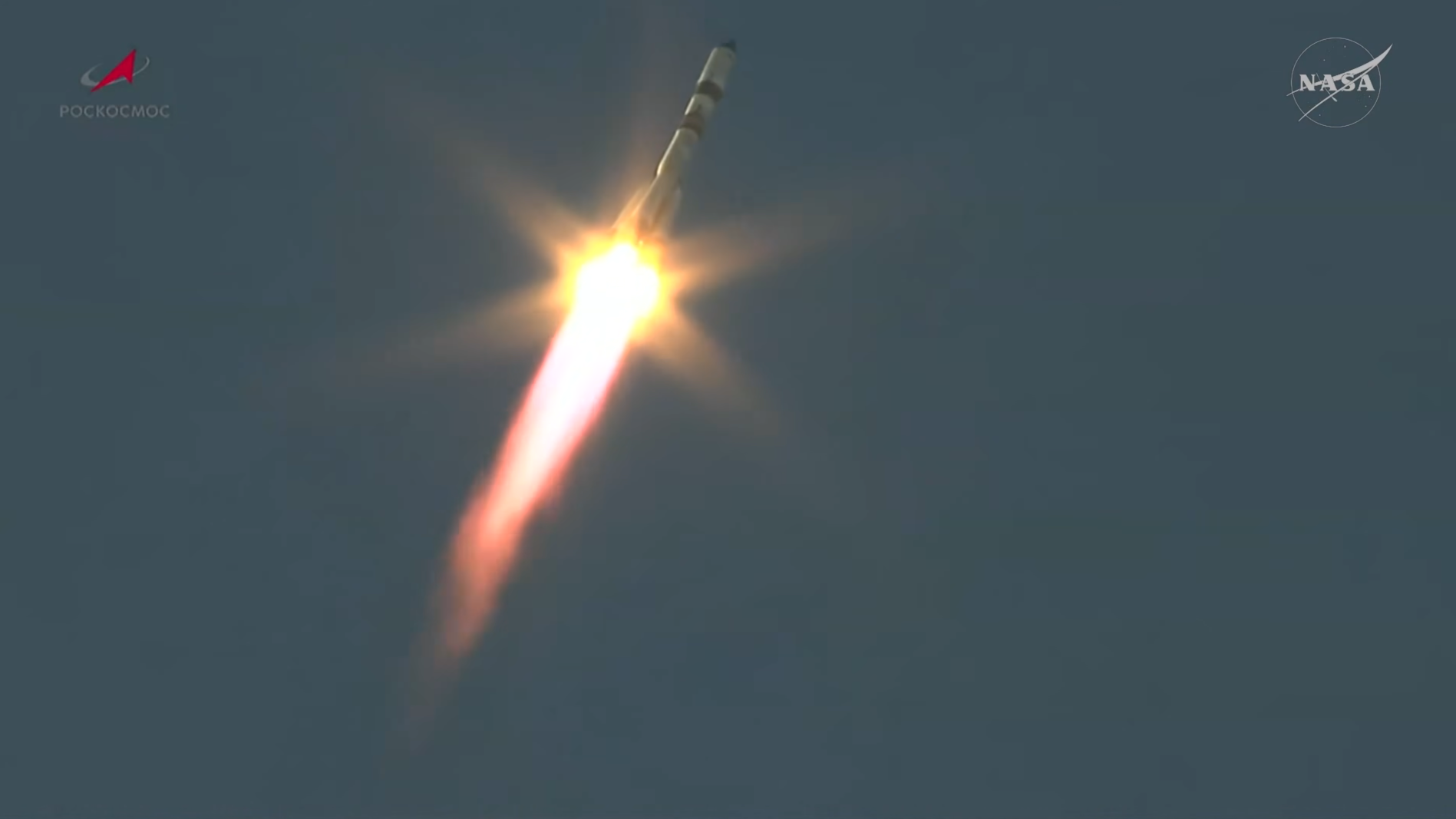
Russia launched a cargo mission toward the International Space Station today (Sept. 16), delivering the freighter spacecraft to orbit for a three-day rendezvous journey.
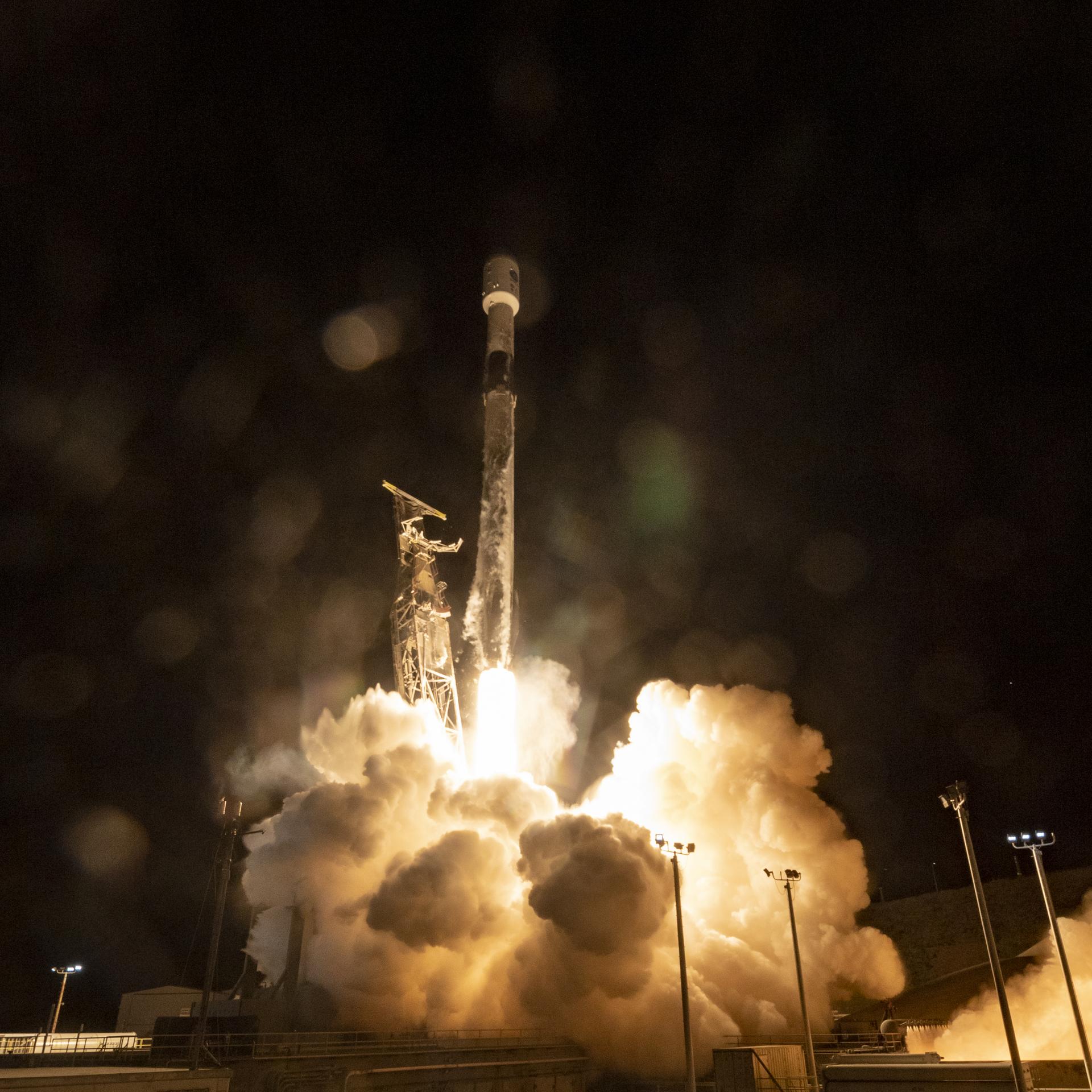
The robotic Progress 96 spacecraft lifted off atop a Soyuz rocket from the Russian-run Baikonur Cosmodrome in Kazakhstan today at 9:33a.m. EDT (1333 GMT).
From engine ignition through solar array deployment on the spacecraft, the Progress 96 launch was completely nominal. It was "a flawless launch," said NASA's Rob Navias during the mission's livestream this morning, with "an excellent climb to orbit by the Soyuz booster."
Roscosmos' Progress 96 cargo spacecraft launches from the Baikanour Cosmodrome on a Soyuz rocket on Sept. 16, 2026. (Image credit: NASA)
Progress 96 is loaded with about 3 tons of food, propellant and other supplies for the astronauts aboard the International Space Station (ISS). The freighter will deliver this cargo three days after launch, if all goes according to plan. You'll be able to watch rendezvous and docking activities when the time comes.
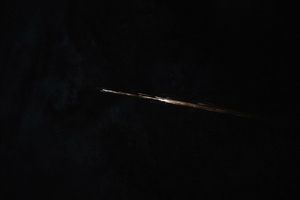
The freighter will remain docked to the orbiting lab for about five months. It will then be loaded up with trash and sent down to a fiery death in Earth's atmosphere over the Pacific Ocean.
The Progress 94 spacecraft met this fate on Sept. 7, departing from ISS' Poisk module to make room for Progress 96.
(Image credit: NASA)
Progress is one of four spacecraft that fly operational cargo missions to the ISS these days, along with Japan's HTV-X, SpaceX's Dragon capsule and Northrop Grumman's Cygnus. All but Dragon are expendable, burning up in our air when their time in orbit is up.
There are currently seven people living aboard the ISS — NASA astronauts Jack Hathaway, Jessica Meir and Anil Menon; the European Space Agency's Sophie Adenot, who last month became the first French woman ever to perform a spacewalk; and Pyotr Dubrov, Andrey Fedyaev and Anna Kikina of the Russian space agency Roscosmos.
Editor's note: This story was updated at 10 a.m. ET on Sept. 16 with news of successful launch.
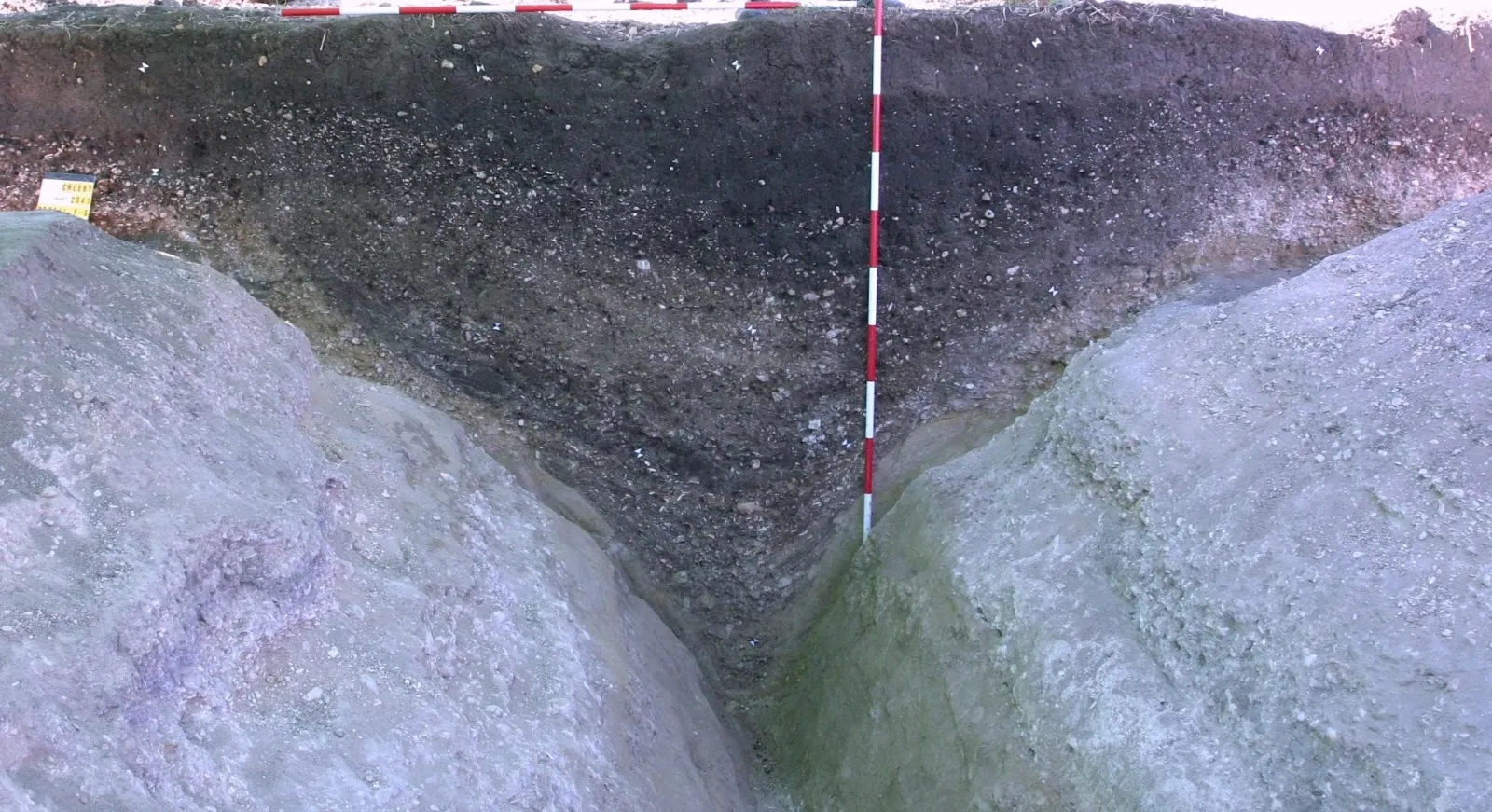
Twelve entrances opened onto the horizon at Chleby. The excavators link their directions to the Sun and Moon, raising questions about how people gathered there.
One of the inspirations for Jimi Hendrix’s iconic 1967 hit “Purple Haze” is said to be the sci-fi novelNight of Light, about a distant planet in a binary star system. Every seven years, the story goes, the stars bathe the planet in a bizarre purple radiance with the power to rearrange physical reality in profound and unexpected ways. The atmosphere’s purple glow, for instance, turned some people into trees and brought statues to life.
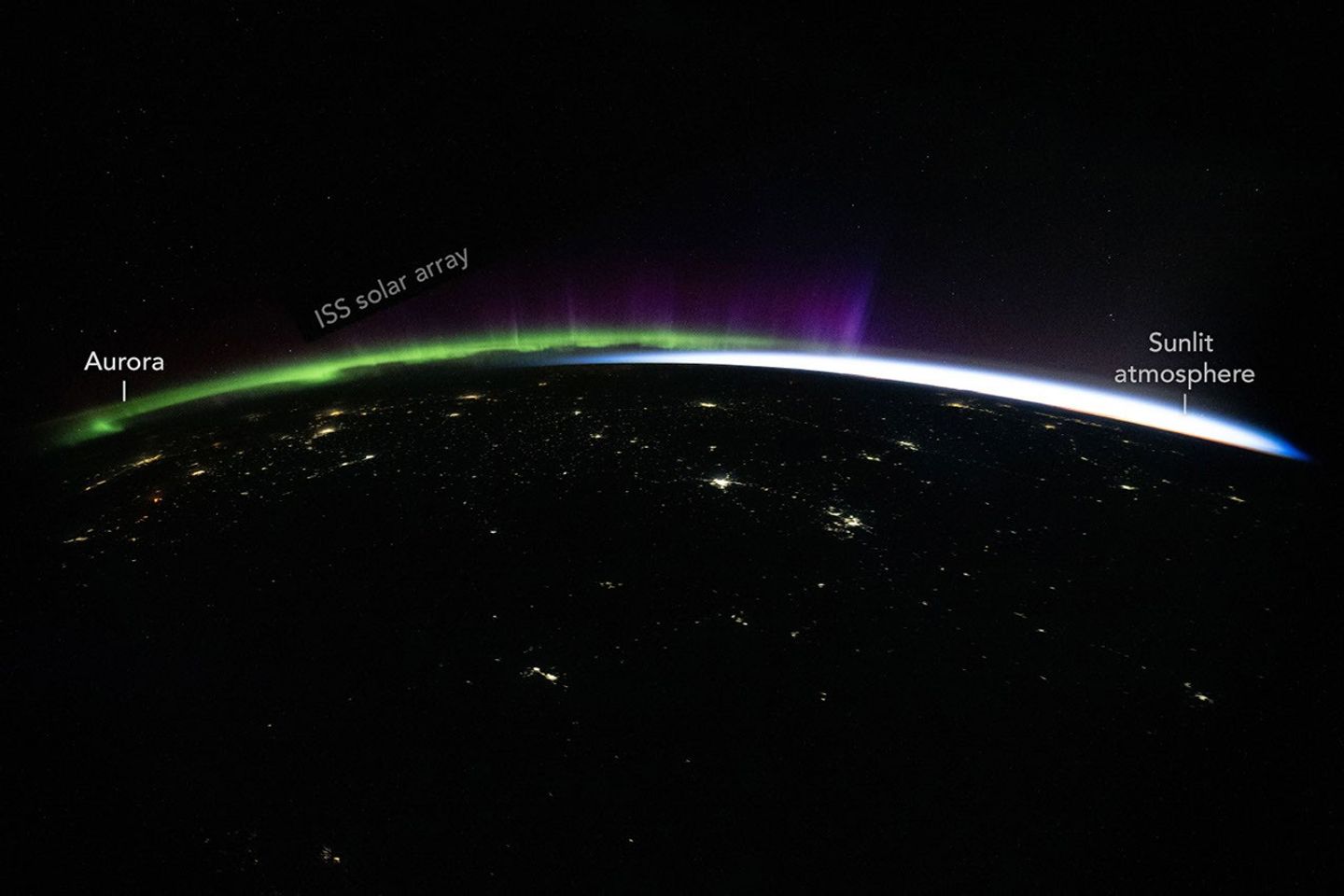
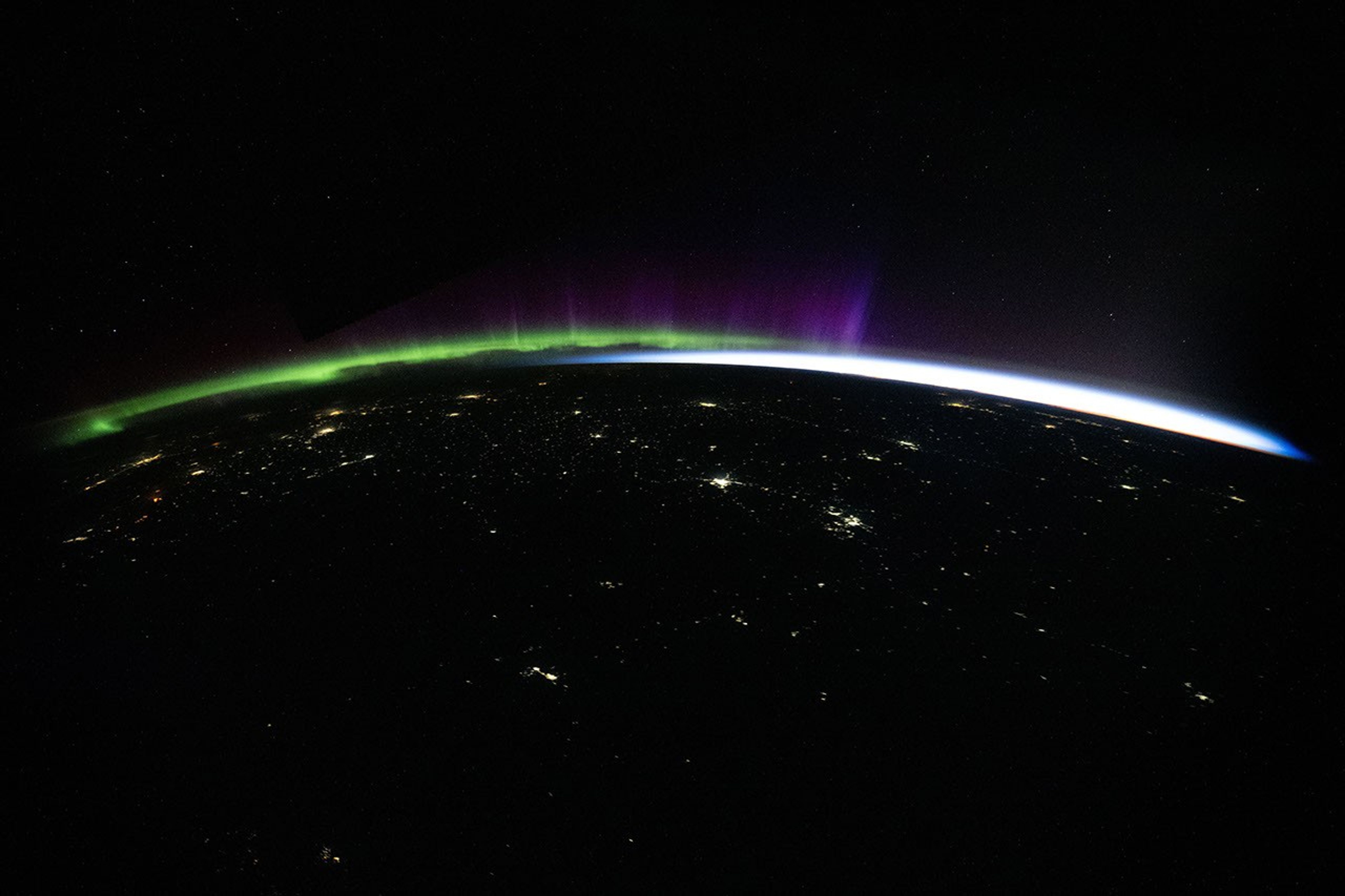
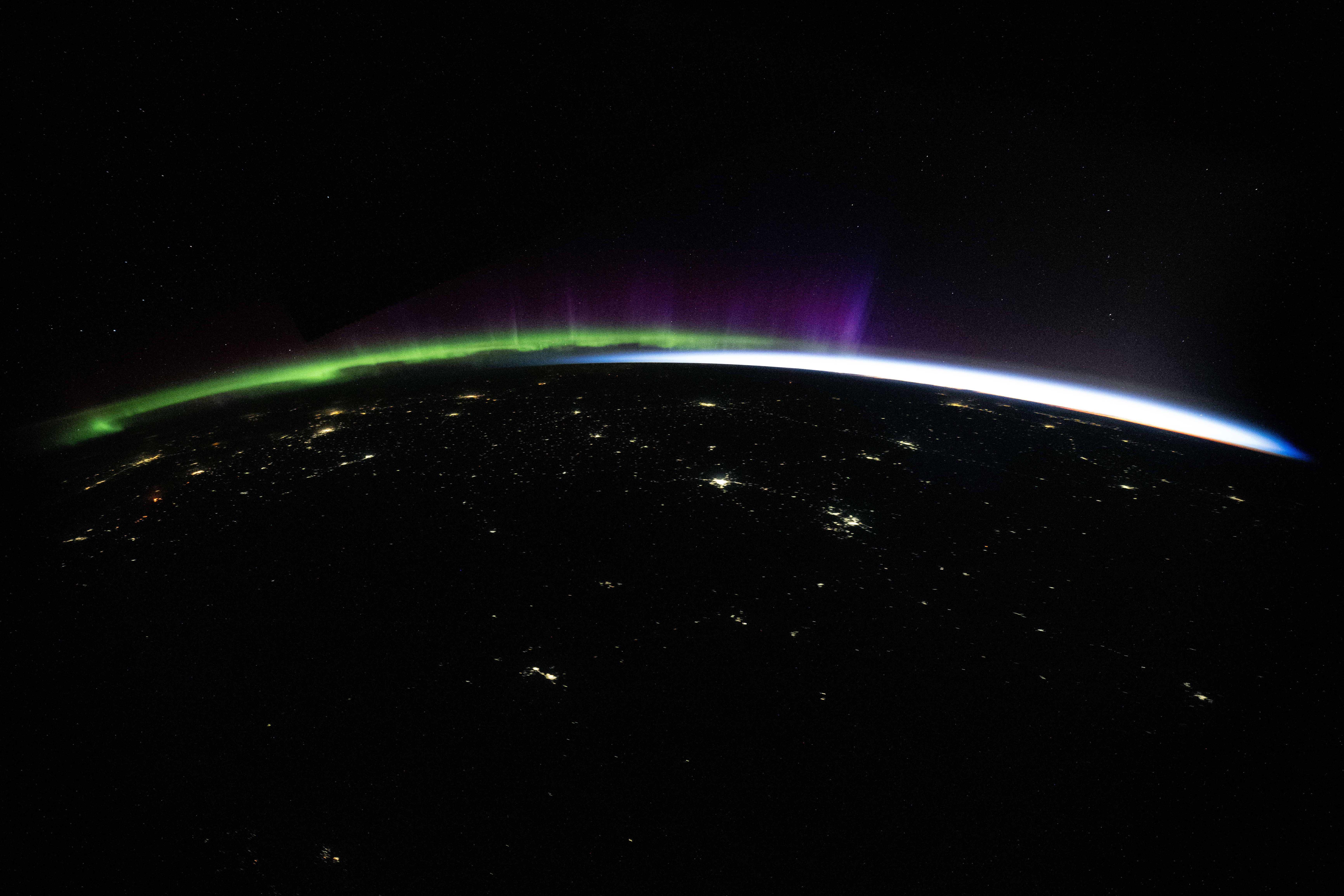
It’s perhaps fitting, then, for an astronaut on the International Space Station to invoke the iconic song after witnessing the aurora illuminate Earth’s atmosphere with ethereal greens, reds, and purples. Hendrix would have “rejoiced” at the “brilliant purple,” NASA astronaut Jessica Meir posted on September 8. It “makes me want to kiss the sky,” she added in a nod to the lyrics of the Hendrix song.
The photograph above is one of many that the astronauts took on September 7, 2026, as they orbited an atmosphere quivering with color. The station was at an altitude of 255 miles (411 kilometers) and above Kyrgyzstan when the photo was taken. Stacking several of the photos also yielded a long-exposure series in which the aurora’s green glow mingles with star trails, moonlight, passing satellites, and city lights in a dazzling jumble of illumination.
Aurora is the Latin word for “dawn” and also the name of the Roman goddess of the dawn. Its use in reference to the atmospheric phenomenon likely comes from Europeans living far from the Arctic Circle, who would have experienced the aurora as a faint red glow to the north, resembling the reddish glow in the east at dawn.
The colorful phenomenon typically starts when the Sun sends charged particles toward Earth through solar flares, coronal mass ejections (CMEs), or an active solar wind. These particles interact with the magnetosphere—the invisible, comet-shaped bubble of magnetic field lines surrounding the planet—compressing and changing the configuration of the magnetic field. In the process, some particles within the field are drawn into Earth’s upper atmosphere, where they excite nitrogen and oxygen atoms and molecules, causing them to release photons.
The colors of auroras are influenced by the type of gas involved and the altitude at which they occur in the atmosphere. Oxygen excited to different energy levels can produce green and red. Green occurs roughly between 60 and 120 miles (100 and 200 kilometers) altitude, and red occurs above 120 miles (200 kilometers). Excited nitrogen gas, from about 60 to 120 miles (100 to 200 kilometers), glows blue or pink depending on the type and energy of the particles it interacts with. Sometimes, the light emitted by gases can appear to mix, making the auroras seem purple, pink, or even white.
While auroras can occur any time of the year, astronauts are especially likely to enjoy the light shows in the spring and fall, around the equinoxes. That’s because the geometry of Earth’s magnetic field relative to the solar wind makes it especially favorable for transferring solar-wind energy into the magnetosphere, a phenomenon known as the Russell-McPherron effect.
This isn’t the only example of Jimi Hendrix’s music making an impression beyond Earth. A selection of Hendrix’s music touched down on the Moon in 2024 with the Odysseus lander. Another Hendrix song, “Voodoo Chile,” made the list of wake-up songs for STS-110, according to a report from NASA’s History Division.
Astronaut photographISS075-E-88592 was acquired on September 7, 2026, with a Nikon Z9 digital camera using a focal length of 15 millimeters. It is provided by the ISS Crew Earth Observations Facility and the Earth Science and Remote Sensing Unit at NASA Johnson Space Center. The image was taken by a member of the Expedition 75 crew. The image has been cropped and enhanced to improve contrast, and lens artifacts have been removed. The International Space Station Program supports the laboratory as part of the ISS National Lab to help astronauts take pictures of Earth that will be of the greatest value to scientists and the public, and to make those images freely available on the internet. Additional images taken by astronauts and cosmonauts can be viewed at the NASA/JSC Gateway to Astronaut Photography of Earth. Story by Adam Voiland.
Xiaomi is preparing to expand its smartwatch lineup with a smaller version of its latest wearable. The Mi Watch S5 41mm has been officially confirmed for release this month and is already available for pre-order through multiple sales channels.
The new model focuses on a more compact and refined design while retaining many of the smart health, fitness and connected features found on Xiaomi’s smartwatch platform. Its lightweight body and claimed 14-day battery life could make it an appealing option for users who want a smartwatch that can be worn comfortably throughout the day.
Mi Watch S5 41mm Gets a More Compact Design
The Mi Watch S5 41mm maintains a traditional watch-inspired appearance, giving the smaller model a relatively elegant and understated look.
According to Xiaomi, the watch weighs only about 36 grams and has a body thickness of approximately 0.99cm. The reduced dimensions should make it easier to wear for extended periods, particularly for users who prefer smaller watches rather than larger 46mm models.
The 41mm version also differs visually from its larger counterpart. Xiaomi has removed the minute-scale markings printed around the bezel, creating a cleaner appearance and helping distinguish the smaller model from the Mi Watch S5 46mm.
Health and Fitness Features Target Everyday Use
Beyond its compact design, Xiaomi is adding several health and lifestyle functions to the Mi Watch S5 41mm.
One notable feature is menstrual cycle tracking, which allows users to record and monitor relevant cycle information directly through the smartwatch. The device can also provide exercise recommendations designed to help users make more informed choices about their daily workouts.
The watch additionally supports dietary calorie management, giving users another way to track their activity and energy balance. An ultraviolet intensity indicator is also included, providing information about current UV conditions when users are outdoors.
These additions make the 41mm model more than simply a smaller version of the existing smartwatch. Xiaomi appears to be positioning it toward users who want a lightweight wearable with health and lifestyle functions built into the daily experience.
HyperOS 4 Connects the Watch to Xiaomi’s Ecosystem
The Mi Watch S5 41mm will run Xiaomi HyperOS 4, extending its role beyond basic fitness tracking.
Xiaomi says the smartwatch can interact with different parts of its connected ecosystem, including smart-home devices, vehicles and other compatible equipment. This means the watch is designed to function as another control point within Xiaomi’s broader ecosystem rather than operating as an isolated wearable.
As connected-device support continues to expand, this ecosystem integration could become one of the more important advantages for Xiaomi smartwatch owners who already use other compatible products.
Up to 14 Days of Battery Life
Battery endurance is another major selling point of the Mi Watch S5 41mm.
Xiaomi claims that the smartwatch can achieve up to 14 days of battery life under suitable usage conditions. If the real-world performance comes close to the advertised figure, users may be able to spend significantly less time charging the watch compared with many feature-heavy smartwatches.
Actual battery life will naturally vary depending on factors such as workout tracking, display settings, notifications, health monitoring and connected-device features.
Mi Watch S5 41mm Price and Availability
Xiaomi has confirmed that the Mi Watch S5 41mm will officially launch in September 2026, but the company has not yet disclosed its complete specifications or final pricing.
According to Xiaomi’s official announcement, the Mi Watch S5 41mm is scheduled to launch in September, with more details expected to be revealed before the release.
For comparison, the Mi Watch S5 46mm launched earlier this year with a starting price of 1,199 yuan. The smaller 41mm model is expected to appeal to a different group of users, particularly those looking for a lighter and more compact smartwatch.
More details about the Mi Watch S5 41mm, including its final price, configurations and availability, are expected to be announced closer to its official release.
What Makes the Mi Watch S5 41mm Different?
The Mi Watch S5 41mm takes a slightly different approach from the larger 46mm model. Instead of focusing primarily on size and hardware, Xiaomi is emphasizing wearing comfort, health features, ecosystem connectivity and long battery life.
At just around 36 grams, with a thickness of roughly 0.99cm and a claimed 14-day endurance, the new model could be a practical choice for users who want a smartwatch that remains comfortable during long periods of use.
Its combination of menstrual cycle tracking, fitness guidance, calorie management, UV information and HyperOS 4 connectivity also gives the watch a broader everyday role.
With the official launch now scheduled for this month, the Mi Watch S5 41mm is shaping up as a more compact alternative within Xiaomi’s latest smartwatch family.
Siri AI is beginning its public rollout as Apple transforms its familiar assistant into a substantially more conversational system built around personal context, onscreen awareness, web knowledge, and the ability to perform actions across apps.
The beta is available first in English on compatible devices running iOS 27, iPadOS 27, macOS 27, watchOS 27, and visionOS 27. French, Japanese, Korean, Portuguese, and Spanish support is scheduled for October. Availability remains more limited in some regions, with Siri AI initially unavailable on iPhone, iPad, and Apple Watch in the European Union and unavailable in China while Apple addresses regulatory requirements.
The release follows several years of gradual Apple Intelligence expansion, but Siri AI represents a more fundamental change. Instead of handling each request largely as an isolated command, the assistant can maintain conversations, find relevant personal information, understand what is displayed on a device, and combine those capabilities to complete multistep tasks.
Image Credit: Apple Inc.
Siri AI can connect personal context with app actions
The system can search across a user’s messages, email, photos, notes, and other information when responding to a request. Apple offers an example in which someone asks what a family member suggested doing during an upcoming visit. Siri can locate the relevant conversation, find a recipe previously sent by email, and then place the ingredients into a Reminders grocery list.
That combination of retrieval and action is central to the new design. Siri AI can draft an email, edit and share photos, create calendar events, manage reminders, control media, and perform other supported actions without requiring users to manually move information between applications.
Third-party apps can participate through Apple’s App Intents architecture. Existing integrations include tasks such as messaging through WhatsApp or playing an audiobook in Audible, with Apple also previewing deeper capabilities in applications including Microsoft Outlook, Notability, and Tripsy.
Onscreen awareness adds another layer. Siri can identify information currently visible on a device and act on it. Someone viewing a sports website, for example, can ask Siri to identify upcoming home games and add them to Calendar without manually copying dates.
Apple has also expanded Siri beyond voice. On iPhone, users can invoke the assistant with the side button, voice command, or by swiping down from Dynamic Island. On iPad and Mac, Siri AI is integrated into Spotlight, while systemwide context menus can send selected files, images, or text directly to the assistant.
Image Credit: Apple Inc.
Siri AI gets its own app and conversation history
Siri AI is no longer confined to a temporary interface that disappears once a request is complete.
Apple has introduced a dedicated Siri app where users can begin new conversations or revisit previous ones. Conversation history can sync privately through iCloud across iPhone, iPad, Mac, Apple Watch, and Apple Vision Pro, allowing a discussion started on one device to continue on another.
Follow-up questions can retain the context of an earlier answer, giving Siri a more conventional conversational interface for longer exchanges.
The assistant also has access to broad web knowledge for questions that cannot be answered through personal information or local device data. Apple says Siri can retrieve current information for topics ranging from sports results to travel planning and nearby businesses.
Visual Intelligence expands alongside the assistant. On iPhone, a dedicated Siri mode inside Camera can identify and respond to objects or information in front of the user. A concert poster, for example, can become the starting point for questions about performance times followed by the creation of Calendar events.
On iPad, Visual Intelligence is integrated with screenshots. Mac users can select content on their displays through a keyboard shortcut, while Vision Pro users can ask Siri about app windows or physical objects simply by looking at them.
Writing Tools are similarly integrated across the system. Siri can generate drafts, revise existing text from natural-language instructions, and provide writing suggestions. In Mail and Messages, Apple says it can take a user’s typical communication style with a particular recipient into account, including tone and punctuation patterns.
Image Credit: Apple Inc.
Siri AI runs across on-device and private cloud models
Siri AI is powered by a new generation of Apple Foundation Models developed in collaboration with Google using Gemini technology, marking a notable shift in Apple’s AI infrastructure.
The architecture divides processing between models running directly on the device and larger models operating through Private Cloud Compute. Apple says requests sent to Private Cloud Compute are processed without personal data being stored or made accessible to the company.
Core resources such as the Spotlight index and Apple’s App Toolbox can remain on-device, allowing Siri to retrieve local information and perform supported actions without sending every request to a remote server.
More capable devices can also use AFM Core Advanced, Apple’s highest-performance on-device model. It powers improvements including more expressive Siri voices and advanced systemwide dictation that automatically handles capitalization, punctuation, and formatting.
Compatibility varies by feature. Apple Intelligence supports iPhone 16 models and later, iPhone 15 Pro and Pro Max, M1 or later iPads and Macs, iPad mini with A17 Pro, Apple Vision Pro, and supported Apple Watch models when paired with a nearby Apple Intelligence-enabled iPhone.
AFM Core Advanced requires newer hardware, including iPhone Duo, the iPhone 18 Pro line, iPhone Air, iPhone 17 Pro models, qualifying M4 or later iPads with at least 12GB of unified memory, M3 or later Macs with at least 12GB, and Apple Vision Pro with M5.
Image Credit: Apple Inc.
Siri AI arrives with limits as Apple expands access
The initial Siri AI release remains explicitly labeled beta, and some of the surrounding Apple Intelligence features are scheduled for later updates.
Apple also confirms that features relying on server-side models can be subject to daily usage limits. That includes Siri AI, cloud-based photo editing, Image Playground, and AFM 3 Cloud models used through Shortcuts. Limits can vary depending on the feature, request complexity, system demand, and other factors.
Apple says expanded access to server-dependent features will eventually be available for a fee, introducing a future paid layer to parts of Apple Intelligence even as the core system remains integrated into supported devices.
Apple will also expand its intelligence capabilities on Apple Watch later in 2026. Planned Audio Intelligence features on Apple Watch Series 12 and Ultra 4 include Live Rewind, which can display text representing the previous 15 seconds of a conversation, and Siri Recap, which generates high-level summaries that can be reviewed later in the Siri app.
Those functions are designed around a hardware-isolated Secure Exclave on the S11 chip, with Apple saying raw audio is processed in isolation and immediately deleted rather than stored as recordings. Live Rewind and Siri Recap are scheduled to enter beta later in 2026, making the current Siri AI launch the beginning of a staged expansion rather than the final form of Apple’s new assistant.
Huawei's new Kirin 9050 Pro is being called its "most powerful" all-Chinese chip tech giant has ever made
Huawei is claiming a 55% density gain by 'folding' its chip in half and stacking it instead of shrinking the actual die
The chip still uses US hardware and foreign technology to manufacture, including ASML scanners and pre-2022 Applied Materials and Lam Research equipment
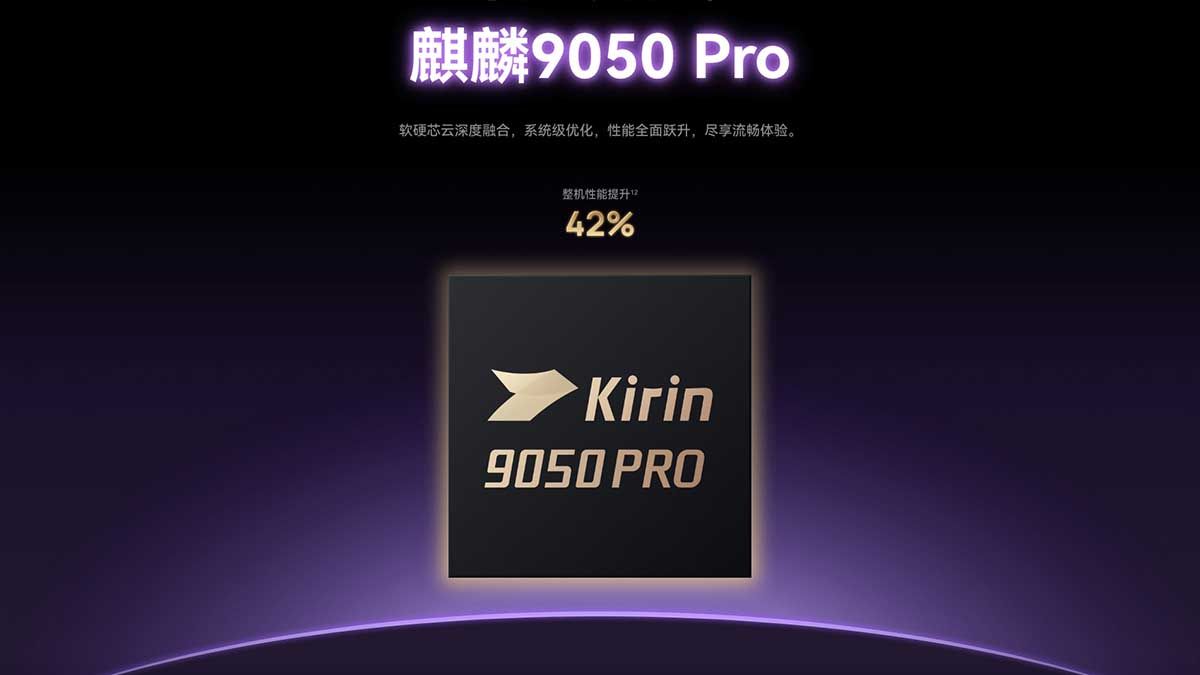
Huawei has introduced the Kirin 9050 Pro, a mobile processor that it says is fully free of American technology.
The chip powers the Mate XT 2, the third device in the company's tri-fold line, which starts at 19,999 yuan (~$2,980), and went on sale in China on September 12 2026.
The South China Morning Post noted Huawei is reducing reliance on advanced foreign semiconductor equipment, and this might be what the state-backed AI and chip giant wanted to highlight above all else, even as it refused to mention sanctions anywhere in its own press materials.
An impressive SoC that continues to indicate a shrinking technological gap
Richard Yu, chairman of Huawei's consumer business group, said on stage that the Kirin 9050 Pro is the company's "most powerful Kirin chip ever" and, based on the performance figures, touts a 42% overall improvement over the last-gen Mate XTs' Kirin 9020.
At the chip level, it claims 24% higher peak single-core and 52% better multi-core throughput against the Kirin 9030 Pro, plus a 142% jump in graphics rendering. The nine-core LinxiCore CPU peaks at 3.1GHz, the Maleoon GPU adds hardware ray tracing, and the Da Vinci NPU runs a 30-billion-parameter mixture-of-experts model on device.
The performance figures alone aren't the only interesting thing about Huawei's new silicon offering; the Kirin 9050 Pro is the first commercial silicon built on LogicFolding, a technique Huawei semiconductor chief He Tingbo presented at IEEE ISCAS in Shanghai in May and expanded on in a signed paper.
Rather than shrinking transistors, LogicFolding splits logic across two active silicon layers bonded face to face, with roughly 50 million vertical interconnects at a pitch of about 1.5 micrometers. Because signals travel shorter distances, Huawei says it could lower operating voltage while raising density.
However, all of these figures (including performance) come directly from Huawei, with no independent verification or peer-reviewed studies. More interestingly, while the Kirin is considerably less dependent on US or Western tech, it doesn't remove it from the equation entirely, and you still have to look closely at the bill of materials for receipts.
Huawei did not announce a process node for the Kirin 9050 Pro, and that silence has been deafening in more ways than one. SemiAnalysis tore down the predecessor in June 2026 and found SMIC's third-generation 7nm process, N+3, reaching about 113 million transistors per square millimeter with no extreme ultraviolet lithography anywhere in the flow.
SMIC's process, however, still leverages ASML immersion scanners. Bloomberg reported in 2024 that SMIC built the earlier Kirin 9000s using equipment acquired from Applied Materials and Lam Research before the October 2022 export rules closed that door, and the same is still in play here.
Despite this, Huawei has come a long way since its phones were declared America-free seven years ago. A UBS and Fomalhaut Techno Solutions analysis seen by the Wall Street Journal in late 2019 found the Mate 30 Pro contained no American parts, and Huawei cybersecurity officer John Suffolk told the paper that "all of our 5G is now America-free." The Kirin 990 inside that phone, however, was fabricated by TSMC on an EUV node.
Huawei's approach, backed by the Chinese state, to essentially rid itself of US influence in the fabrication end of the spectrum remains more of an ongoing struggle than one which it has already achieved, even as it continues to push ahead in certain disciplines and erode a performance gap that industry players earlier thought would take years longer than it is now projected to.
The landmark legislation, known as the Clarity Act, stalled in the Senate as Democrats raised concerns about President Trump’s personal investments in crypto.
The UN resolution to junk the Mercator projection of the globe – which makes Africa look small and Canada big – is nakedly political, says Professor James Alexander. No wonder the US opposed it.
Oracle began a new round of layoffs this week, sending early-morning termination emails to staff for the second time in six months.
The latest wave began Monday with affected staff being told, “After careful consideration of Oracle’s current business needs, we have made the decision to eliminate your role as part of a broader organizational change,” according to BusinessInsider. Termination was immediate.
That’s the same wording as in the previous wave of layoffs, which took place on March 31 and affected workers in the US, India, Canada, Mexico and Uruguay. In the 12 months to May 31, Oracle cut its global workforce from about 162,000 to about 141,000, a decline of roughly 13%.
Oracle has made no public statement confirming the latest round of job cuts, but in a regulatory filing days earlier the company said it had set aside a further $700 million for restructuring charges, bringing the total charges this year to roughly $2.8 billion.
What the new termination emails say
Staff receiving the latest termination emails were told termination and compensation details would follow by DocuSign, Business Insider wrote. An internal document reviewed by the publication said severance terms varied by role and region, and some teams facing double-digit percentage cuts.
Affected employees took to social media to vent.
Eric Brunson, a senior principal offensive security researcher at Oracle, described in a LinkedIn post how he had lost access to corporate communication tools before receiving any formal notice. “I woke up to not being able to log back into Slack,” he wrote. “No new emails or notification in email and I’m locked out of there. I was able to get ahold of my manager on LinkedIn and she confirmed.” Brunson said the timing fell two days before a scheduled RSU vesting date, adding, “Probably part of the plan.”
The filing that backs up the layoff accounts
While Oracle is not talking about the layoffs, its 10-Q quarterly report states that management approved and supplemented restructuring plans “to implement certain strategic measures and further improve operational efficiencies, including through the adoption and integration of artificial intelligence technologies across certain functions.” It adds that “subsequent to August 31, 2026, our management supplemented the 2026 Restructuring Plan by approximately $700 million to reflect additional actions that we expect to take.”
Oracle has already spent $1.97 billion of the $2.1 billion restructuring charges it originally budgeted, it reported.
Sanchit Vir Gogia, chief analyst at Greyhound Research, said the filing should be read carefully rather than as confirmation of a headcount. “The supplement is an estimate, not a bill,” he said, noting it raises the program’s estimated cost by about a third without committing Oracle to a timetable.
Gogia said the more significant shift is in the filing’s language rather than the dollar figure. Oracle’s August 2025 and February 2026 filings had described the plan as tied to “acquisitions and certain other operational activities.”
AI was named as a driver of restructuring for the first time in the Sept. 11 filing.
Why the headcount stays unconfirmed
Gogia said no verified figure exists yet for how many employees the September round affected.
He noted that 30,000 was a January forecast of the total 2026 program. Twenty-one thousand is the confirmed net decline in Oracle’s global workforce across the full fiscal year. A reported 3,000 job cuts in India on Sept. 1 remains unconfirmed by Oracle.
The $700 million restructuring supplement “cannot be divided into people,” Gogia said, since it covers termination benefits, contract termination costs and other exit costs across a program spanning multiple countries. “There is no solid headcount for the September round,” he said.
A pattern that began in March
Oracle’s first 2026 layoff wave began March 31, when the Revenue and Health Sciences unit, the SaaS and Virtual Operations Services group, and NetSuite’s India Development Centre saw some of the deepest reductions.
Figures published by Oracle for its fiscal year ending May 31, 2026, show research and development headcount fell from 50,000 to 43,000 employees during the year, sales and marketing fell from 31,000 to 25,000, and services fell from 37,000 to 34,000, according to Gogia’s analysis of the company’s own reporting.
International staff, at 92,000, saw a larger reduction than the 49,000-strong U.S. workforce, he said.
A marble inscription found in its original position at Hadrian’s Villa refers to a lightning strike attributed to Summanus—and the Roman ritual of making the place sacred.
Stanford University scientists say experiments on ancient Chinesestone tools, including 15,000-year-old hand axes, have solved a longstanding mystery about the critical technological transition from rudimentary hand tools to more versatile ground-edged tools, suggesting these new technologies enabled uses beyond food harvesting.
The research team behind the new analysis said the discovery of ground-edged sickles and knives in Neolithic North China, likely used for fiber production and harvesting, combined with their replica-based experiments, highlights the growing technological capabilities of the transition between Paleolithic and Neolithic peoples.
“The combined experimental and archaeological evidence from the site of Peiligang indicates that the emergence of ground-edged tools marked a significant step in technological specialization from the Late Pleistocene to the Early Holocene,” the researchers write in a paper detailing the work.
Mysterious Technological Transition Hidden in 15,000-Year-Old Stone Tools
According to lead author Ran Chen and colleagues, archaeologists widely regard ground-edged cutting tools like the modern sickle as “technological hallmarks of early agriculture in North China.” However, they note, the functional foundations of this advanced toolmaking capability “remain insufficiently tested.”
The research team also noted that most analyses of the transition from the Upper Paleolithic to the Early Neolithic (ca. 15,000–8,000 BP) in ancient China have viewed tools through “the lens of food production.”
“Within this framework, cutting tools, including early flakes and blades and later ground-edged sickles and knives, are often interpreted primarily as implements for harvesting cereals through cutting stems and leaves,” they explained.
The researchers said these earlier findings made them wonder whether this “food-focused perspective” could have led researchers to miss the broader range of plant resource exploitation possibilities in some of the 15,000-year-old stone tools previously discovered, prompting their replica-based experiments.
“The development of stone tool technology in North China provides a framework for reassessing this long-term relationship between plant use and technological change,” they explained.
Experiments Reveal Ground-Edged Tools Were Multifunctional Implements
To test their hypothesis, Chen and colleagues analyzed 140 stone artifacts previously collected from the Peiligang site in Henan Province, China. This included some 15,000-year-old Upper Paleolithic flaked stone tools and several more advanced Early Neolithic flaked and ground-edged stone tools.
Rather than test irreplaceable artifacts, the study authors created realistic experimental replicas.
A researcher demonstrates the use of an experimental sickle replica to harvest velvet leaf (Image Credit: Ran Chen).
Testing the effectiveness of the oldest, most rudimentary stone flake designs and the more technologically advanced ground-edged tools for harvesting seed-bearing grasses, the researchers found little measurable advantage between the two designs.
However, when the researchers compared the 15,000-year-old stone flake tools against ground-edged tools made thousands of years later, they found the more technologically advanced tools were “significantly more efficient at cutting thick-stemmed weeds and fiber-yielding plants.”
“Upper Paleolithic flaked tools were multifunctional implements used for processing diverse plant and animal materials, and Early Neolithic flakes continued to serve similarly flexible roles,” the study authors explain. “In contrast, Early Neolithic ground- edged tools show marked specialization in plant- related tasks.”
More Advanced Tools Emerged Through Broader Functional Demands
When discussing the experimental results, the team noted that their findings were supported by microfiber and starch residues found on some of the ancient tools, suggesting that “ground- edged sickles and knives were used not only for plant foods but also for harvesting and processing fibrous plants.”
“These findings indicate that ground- edged cutting tools emerged through broader functional demands, including fiber production, and potentially vegetation clearance, rather than cereal harvesting alone,” they explained.
Beyond the food-harvesting uses of ground-edged tools, Chen and colleagues said their identification of non-food plant labor like fiber production as an important driver of technological evolution and specialization “reframes the emergence of ground- edged tools as part of a broader technological and economic reorganization in early Holocene East Asia.”
“These findings identify nonfood plant work as an important contributor to the adoption of ground-edged cutting tools and show that tools conventionally linked to early agriculture were shaped by broader demands than food production alone,” they explained.
Finally, the study authors suggested that their analysis of 15,000-year-old Chinese stone tools could “invite renewed attention” to ancient fiber-based economies and nonfood plant use during forager–farmer transitions and in early farming societies beyond China.
Christopher Plain has spent the last six years as Associate News Editor and Head Science Reporter at The Debrief. Follow and connect with him on X, learn about his novels at plainfiction.com, or email him at christopher@thedebrief.org.

 Login