❌

Reading view

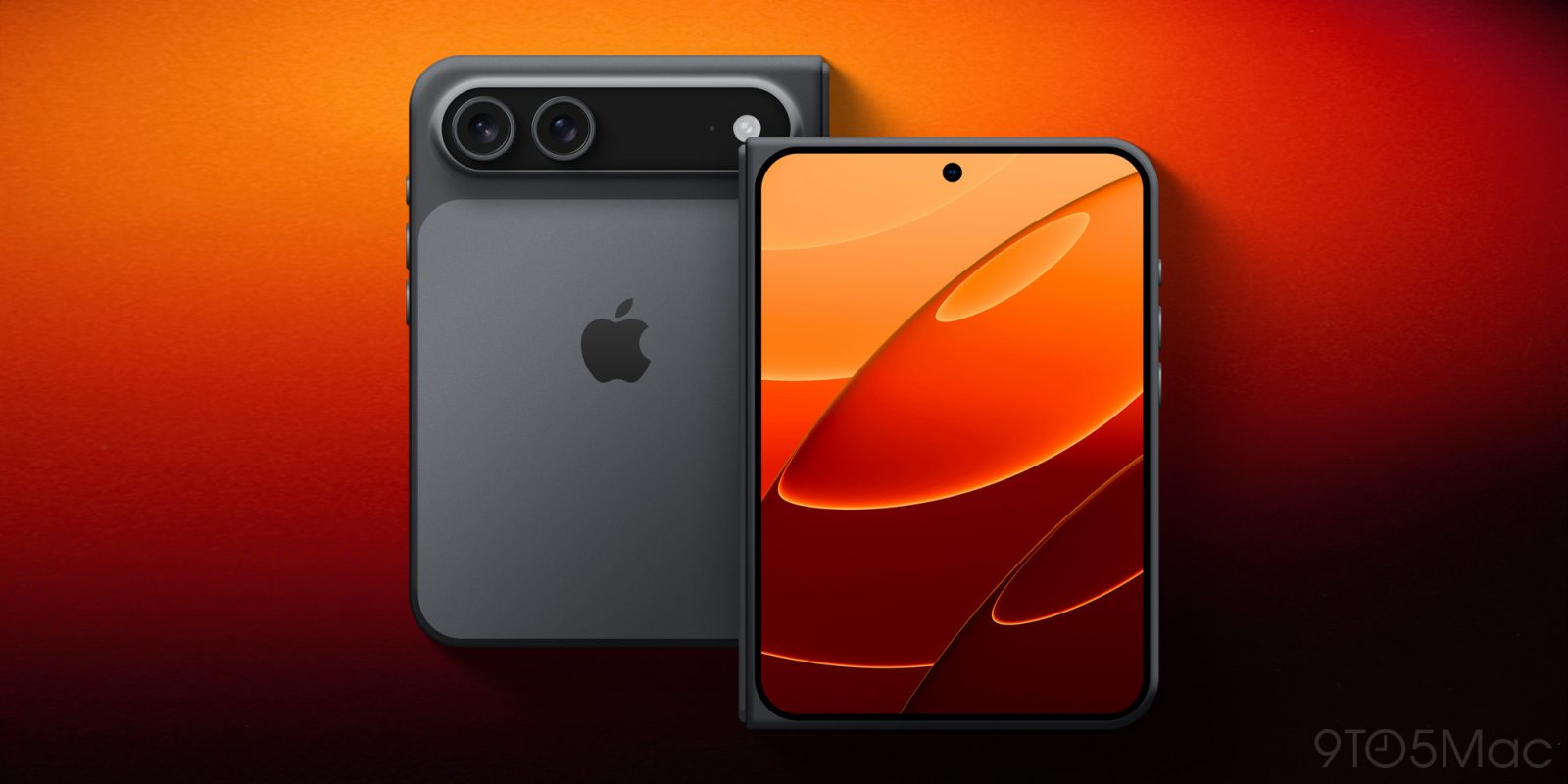
Here’s how iPhone Ultra’s form factor could compare to other Apple products

This month, Apple will be unveiling its first foldable iPhone – rumored to be called iPhone Ultra. It’s going to feature a 5.5-inch outer display and 7.6-inch inner display. In July, Samsung introduced the new Galaxy Z Fold 8 – and it comes with those same screen sizes.

Whether or not you believe Samsung only made this phone to preempt the iPhone Ultra is a different story – but one way or another, seeing the Galaxy Z Fold 8 gives us a great early idea of what iPhone Ultra will feel like in the real world.

more…
  •  

HomeKit Weekly: How I use Apple Home to keep tabs on my home during summer travels

As I write this article, I am about to head out for a quick trip up north, and when I hit the road, there are a few key types of gear of my smart home setup I fully rely on to keep things running smoothly. Just remember that you will need a dedicated Apple Home hub, like an Apple TV 4K or a HomePod, to access your devices remotely to take full advantage here.

  •  

Apple Podcasts Is a Perfect Match for CarPlay

Apple Podcasts runs within CarPlay, Apple’s in-car software platform for accessing compatible iPhone apps through a vehicle’s display and controls. CarPlay provides the driving environment, while Podcasts supplies the programs, episodes, library and playback features available inside it.

That combination suits a part of the day that often feels wasted. A commute may be too fragmented for reading or watching something, but it can provide enough uninterrupted time for a news briefing, interview, documentary series or comedy show.

Podcasts also give each journey a different character. The morning drive can offer information before work, while the return trip can provide lighter entertainment or continue a longer story. Drivers are free to choose whether the time should be useful, relaxing or simply less repetitive.

Apple Podcasts Fits Naturally Inside CarPlay

Apple Podcasts appears alongside other compatible audio apps when an iPhone connects to CarPlay. The vehicle display offers access to available episodes and essential controls without reproducing the complete iPhone interface on the dashboard.

The distinction is simple: Apple Podcasts does not create or power CarPlay. It is an audio app designed to operate within the wider CarPlay experience, which also handles navigation, calls, messages and other supported services.

CarPlay reduces podcast playback to the functions most appropriate in a vehicle. Drivers can use the Now Playing screen, CarPlay Dashboard, steering-wheel controls or buttons provided by the vehicle. Available commands can include playing, pausing, jumping back 15 seconds, moving forward 30 seconds and changing playback speed.

Siri provides another way to manage audio while keeping attention on the road. A driver can request a followed show, pause the current episode or continue listening without searching through the display. Support varies according to the vehicle and its controls, but the app remains connected to the iPhone rather than operating as a separate system installed by the automaker.

The interface is especially suitable for spoken audio. Songs can often continue without intervention, while a podcast listener may want to replay an explanation, skip part of an episode or resume a program interrupted earlier. CarPlay keeps those common controls accessible without placing the full Podcasts app in front of the driver.

Three devices display a talk show: a smartphone and tablet show a woman with long wavy hair speaking into a microphone, while another smartphone streams the apple podcasts video of a man with long hair playing guitar in a studio setting.
Image Credit: Apple Inc.

The Commute Becomes a Listening Window

A regular route creates a predictable amount of listening time. Someone with a 15-minute drive may prefer concise news, business updates or language lessons. A 40-minute journey provides room for detailed interviews, investigative reporting or serialized fiction.

Apple Podcasts includes programs covering education, technology, culture, history, sports, health and entertainment. The variety allows listeners to build different routines around the same drive rather than depending on one radio schedule or repeatedly hearing familiar music.

A morning episode can provide context for events likely to shape the working day. On the way home, comedy and conversational programs can create distance from work before the listener reaches the front door. Neither choice requires treating every available minute as a productivity exercise.

The format can also make traffic less frustrating. A delayed journey remains inconvenient, but an episode gives the driver something continuous to follow as the arrival time changes. Spoken stories can hold attention without asking the driver to look away from navigation or the road.

Apple Podcasts keeps longer programs useful even when they do not fit into one trip. Listening progress can synchronize across compatible devices using the same Apple Account, allowing an episode started at home to continue in the car or resume later on another device.

Preparation Makes CarPlay Listening Better

The safest podcast decision is usually the one made before the car starts moving. Apple Podcasts allows listeners to follow shows, download episodes and arrange a queue on the iPhone in advance. CarPlay can then concentrate on playback instead of discovery.

A prepared queue is useful when several episodes are planned for one journey. The next selection can begin automatically after the current program ends, removing the temptation to search through categories while driving. Listeners can combine a short briefing with a longer interview or place lighter material after a demanding program.

Downloads make the experience more reliable. Saved episodes can continue playing through areas with weak cellular coverage, including rural roads, tunnels and underground parking structures. Downloading through Wi-Fi can also prevent a long daily routine from consuming unnecessary mobile data.

Automatic downloads can keep recent episodes from followed shows ready for the next drive. Storage still requires attention, especially when subscriptions publish frequently, but played downloads can be removed automatically according to the selected Podcasts settings.

Playback speed provides another form of control. Faster playback can help a listener finish a familiar news format within a shorter trip, while normal or slower speeds may suit technical discussions, unfamiliar accents or narrative programs where delivery forms part of the experience.

Next Generation CarPlay Porsche

Listening Continues After the Car Stops

CarPlay does not create a separate podcast library inside the vehicle. It extends the listening activity already connected to the iPhone, preserving followed shows, saved programs and playback position when the drive ends.

That continuity prevents commute listening from becoming isolated. A listener can discover and prepare episodes on an iPhone, hear part of one through CarPlay and continue later on a Mac or another compatible device. Downloads remain stored on the device that received them, while supported library information and progress can synchronize through the Apple Account.

Commute length can eventually shape a personal programming schedule. A 12-minute daily news show may fit the morning route almost exactly, while a 45-minute interview can cover both directions with the remaining section ready for the following day. The queue can change with the calendar, leaving shorter episodes for busy mornings and deeper programs for the roads that provide enough time to hear them properly.

The post Apple Podcasts Is a Perfect Match for CarPlay appeared first on AppleMagazine.

  •  

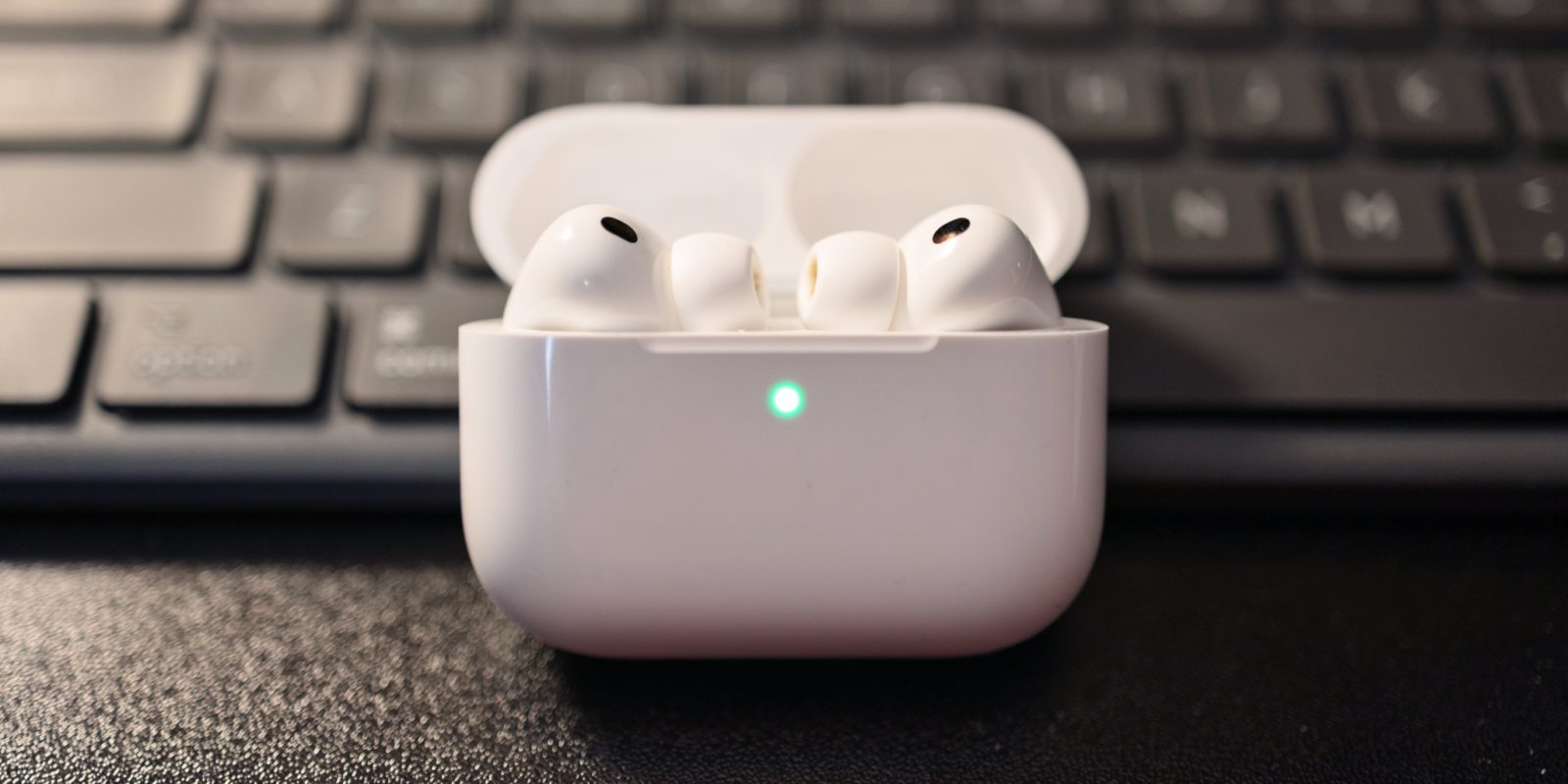
Apple’s rumored AirPods with cameras could potentially debut as soon as next month

Apple has been working on camera-equipped AirPods for quite some time, with Visual Intelligence at the forefront of the product. This product had initially been rumored for this year, then ended up getting pushed back to sometime next year.

However, there’s now a new chance that we end up seeing our first version of camera-equipped AirPods later this year anyways. Here’s why.

  •  

Xbox prices are increasing by up to €200 or £170

The black 1TB Xbox Series S console

When Microsoft announced its latest round of Xbox price bumps in June, it only gave US pricing. Now we know the pricing increases for the EU and UK, and they're dramatic. Depending on the model, Xbox prices are increasing by up to €200 or £170. The 1TB Xbox Series X with a disc drive is going up by over 30 percent from £499.99 / €599.99 to £669.99 / €799.99. The 512GB Xbox Series S is getting a price increase of over 43 percent, jumping from £299.99 / €349.99 to £429.99 / €499.99.

While other consoles have received price bumps as RAM and storage prices skyrocket due to demand from the AI industry, none have been quite as dramatic as Microso …

Read the full story at The Verge.

  •  

Solar powers record share of Britain’s electricity mix in July

Farms and rooftop panels contribute 14.4% to the grid – and figures reveal a surge in new installations

Solar energy supplied more power to Great Britain’s grid in July than in any previous month as households turned to rooftop panels to cut their energy bills.

Solar farms and rooftop panels provided 14.4% of the country’s electricity after some parts of the UK recorded almost twice the average sunshine hours for the time of year.

Continue reading...

© Photograph: Andrew Fox/Alamy

© Photograph: Andrew Fox/Alamy

© Photograph: Andrew Fox/Alamy

  •  

MacBook Air reportedly facing major supply shortages due to AI-driven memory crisis

The AI datacenter buildout around the US has wreaked havoc across the entire consumer electronics industry. All of this newly found high volume purchasing of high end HBM2 DRAM has shifted entire supply chains, making it incredibly difficult to come across consumer grade memory and storage.

SSDs and DDR5 RAM have shot up in price since the start of the year, and Apple finally had to adjust its pricing in late June – with everything becoming $100-400+ more across the board. Despite those price hikes, the company is still struggling to keep MacBook Air in stock.

  •  

DeepSeek V4 Flash-0731 Impresses Early Testers with Strong Performance-to-Cost Ratio Ahead of Pro Release

Igeekphone News August 1, 2026 – Chinese AI startup DeepSeek has officially released DeepSeek V4 Flash-0731, the first public version of its next-generation V4 model family. While the company has positioned the model as a lightweight offering, early benchmarks and community testing suggest it delivers performance that rivals significantly larger AI models, particularly when evaluated against its API pricing.

The release comes just ahead of the anticipated launch of DeepSeek V4 Pro, which is expected to arrive in early August alongside the company’s new Harness agent development tool.

Early Benchmarks Suggest Competitive Performance

According to DeepSeek’s published benchmark results, V4 Flash-0731 outperforms several competing open models, including GLM-5.2, while approaching the performance of premium proprietary models such as Claude Opus 4.8 in certain evaluation categories.

Since the model became available, developers and AI enthusiasts have conducted independent testing across coding, reasoning, and general-purpose tasks. While individual results vary depending on the benchmark and workload, early impressions generally align with DeepSeek’s official claims.

One notable aspect is the model’s efficiency. Despite reportedly using 284 billion parameters, V4 Flash-0731 is said to perform competitively against some much larger models built with trillion-parameter-scale architectures.

Price-to-Performance Emerges as a Key Strength

Much of the discussion surrounding V4 Flash-0731 has centered not only on its raw capabilities but also on its value proposition.

Community members have analyzed public benchmark rankings from Artificial Analysis, comparing major AI models based on two primary factors:

  • Performance scores
  • API pricing

The resulting comparisons illustrate a familiar trade-off in today’s AI market: higher-performing models typically come with higher operating costs. V4 Flash-0731, however, appears to occupy a favorable position by combining competitive benchmark results with relatively low pricing.

In these comparisons:

  • Models positioned below and to the right of V4 Flash-0731 generally offer either lower performance or higher cost.
  • Models that outperform V4 Flash-0731 typically do so at significantly higher API prices.

This positioning has led many observers to describe DeepSeek as offering one of the strongest performance-per-dollar ratios currently available.

Premium Models Still Lead at the Highest Tier

Although V4 Flash-0731 performs strongly for its class, the highest-end commercial AI models continue to maintain an advantage in absolute capability.

Community analyses frequently identify flagship offerings such as:

  • GPT-5.6 (higher reasoning modes)
  • Claude Opus series
  • Kimi K3
  • Other premium reasoning-focused models

These systems generally achieve superior benchmark scores when operating in their most advanced reasoning modes, though doing so often involves considerably higher inference costs.

As a result, DeepSeek appears to compete less on outright benchmark leadership and more on delivering high-end performance at a substantially lower operating cost.

V4 Pro Expected to Raise the Bar Further

Attention is now turning toward DeepSeek V4 Pro, which the company has confirmed will launch in early August.

According to reports circulating within the AI community, the Pro model is expected to feature:

  • A significantly larger architecture than V4 Flash-0731
  • Enhanced reasoning capabilities
  • Improved coding performance
  • Native integration with DeepSeek’s upcoming Harness agent platform

While DeepSeek has not officially disclosed the model’s full specifications, some reports suggest V4 Pro could be several times larger than the Flash version, potentially allowing it to compete more directly with today’s leading premium AI models.

Its actual capabilities, however, will only become clear once independent benchmarks and real-world testing become available.

A Continuous Update Strategy

The naming convention of V4 Flash-0731 also hints at DeepSeek’s evolving release strategy.

Instead of assigning entirely new model names, the company has adopted a date-based versioning system similar to that used for earlier DeepSeek releases. This approach suggests that V4 models may receive incremental updates on a regular basis, allowing performance improvements to be rolled out continuously rather than waiting for major annual releases.

Such an update cadence could enable DeepSeek to respond more rapidly to advances from competing AI developers in an increasingly competitive market.

Final Thoughts

The release of DeepSeek V4 Flash-0731 reinforces the company’s growing reputation as one of the most influential players in the open AI ecosystem. While it may not surpass every flagship proprietary model in raw benchmark performance, its combination of competitive capabilities, efficient architecture, and aggressive API pricing has attracted considerable attention from developers and enterprise users alike.

With DeepSeek V4 Pro expected to launch shortly—alongside new agent capabilities through the Harness platform—the company appears poised to strengthen its position further. Whether the upcoming Pro model can narrow the gap with the industry’s highest-performing AI systems remains to be seen, but early reactions to the V4 family suggest DeepSeek will remain a key competitor in the rapidly evolving global AI landscape.

The post DeepSeek V4 Flash-0731 Impresses Early Testers with Strong Performance-to-Cost Ratio Ahead of Pro Release appeared first on IGeeKphone China Phone, Tablet PC, VR, RC Drone News, Reviews.

  •  

Samsung Galaxy SmartTag 3 Leak Suggests New Rounded-Square Design Ahead of Expected Year-End Launch

Igeekphone News: August 2, 2026 – Samsung is reportedly preparing to introduce the Galaxy SmartTag 3, the next generation of its Bluetooth tracking accessory, with a redesigned appearance that aligns more closely with the company’s current hardware and software design language.

According to recent leaks, the upcoming smart tracker will feature an all-new rounded-square design, marking a significant departure from its predecessor while maintaining familiar functionality.

A Return to Samsung’s Family Design Language

Based on the leaked information, the Galaxy SmartTag 3 adopts a shape that sits between a square and a circle, featuring gently rounded corners that mirror the aesthetic of One UI app icons and Samsung’s latest wearable devices, including the Galaxy Watch 9.

The redesign represents another evolution in the SmartTag series’ appearance:

  • Galaxy SmartTag (1st generation): Rounded-square design
  • Galaxy SmartTag 2: Capsule-inspired shape with an integrated keyring opening
  • Galaxy SmartTag 3: Refined rounded-square design that emphasizes visual consistency across Samsung’s ecosystem

The updated design appears intended to create a more cohesive look alongside Samsung’s expanding portfolio of Galaxy devices.

Lanyard Hole May No Longer Be Built In

One notable change suggested by the leak is the apparent removal of the integrated lanyard or keyring hole found on the previous generation.

If accurate, users who want to attach the tracker to keys, backpacks, luggage, or other personal belongings may need to purchase a dedicated protective case or accessory with a built-in attachment point.

While this approach could improve the overall aesthetics of the device, it may reduce convenience for users who prefer attaching the tracker directly without additional accessories.

Physical Button Returns for Quick Controls

The leaked design also shows the return of a central physical button, continuing a feature introduced in earlier SmartTag models.

The button is expected to support multiple shortcuts, including:

  • Single press: Ring a connected Galaxy smartphone to help locate it nearby.
  • Double press: Trigger user-defined automation routines through Samsung’s Modes and Routines feature (formerly known as Bixby Routines).

This functionality allows the tracker to serve not only as a location device but also as a convenient smart home or productivity shortcut.

Expected Features

Although Samsung has yet to announce official specifications, the Galaxy SmartTag 3 is expected to retain the core technologies that power previous models, including:

  • Bluetooth connectivity
  • Ultra-Wideband (UWB) support for precise directional tracking (on compatible Galaxy devices)
  • Compatibility with Samsung’s SmartThings Find network
  • Dust and water resistance rated at IP67 or possibly IP68

Some reports also suggest the new tracker could adopt Bluetooth 6.0, potentially improving location accuracy, connection stability, and power efficiency. However, it remains unclear whether battery life will improve over the previous generation.

Expected Launch Timeline

Samsung has not officially confirmed the Galaxy SmartTag 3, but current reports suggest the accessory could debut before the end of 2026.

Industry observers expect it may launch alongside other upcoming Galaxy devices, including the rumored Galaxy S26 FE smartphone and the Galaxy Tab S12 tablet series, as part of Samsung’s year-end product lineup.

Final Thoughts

The leaked Galaxy SmartTag 3 appears to focus on refining Samsung’s existing smart tracking platform rather than introducing major functional changes. A redesigned rounded-square form factor, continued support for Bluetooth and UWB tracking, SmartThings Find integration, and programmable physical controls suggest Samsung is prioritizing design consistency and everyday usability.

If the reported specifications prove accurate, the Galaxy SmartTag 3 could become a compelling option for Galaxy users seeking a reliable item tracker that integrates seamlessly with Samsung’s broader ecosystem. More details, including pricing, battery performance, and regional availability, are expected to emerge closer to the product’s official launch.

The post Samsung Galaxy SmartTag 3 Leak Suggests New Rounded-Square Design Ahead of Expected Year-End Launch appeared first on IGeeKphone China Phone, Tablet PC, VR, RC Drone News, Reviews.

  •  

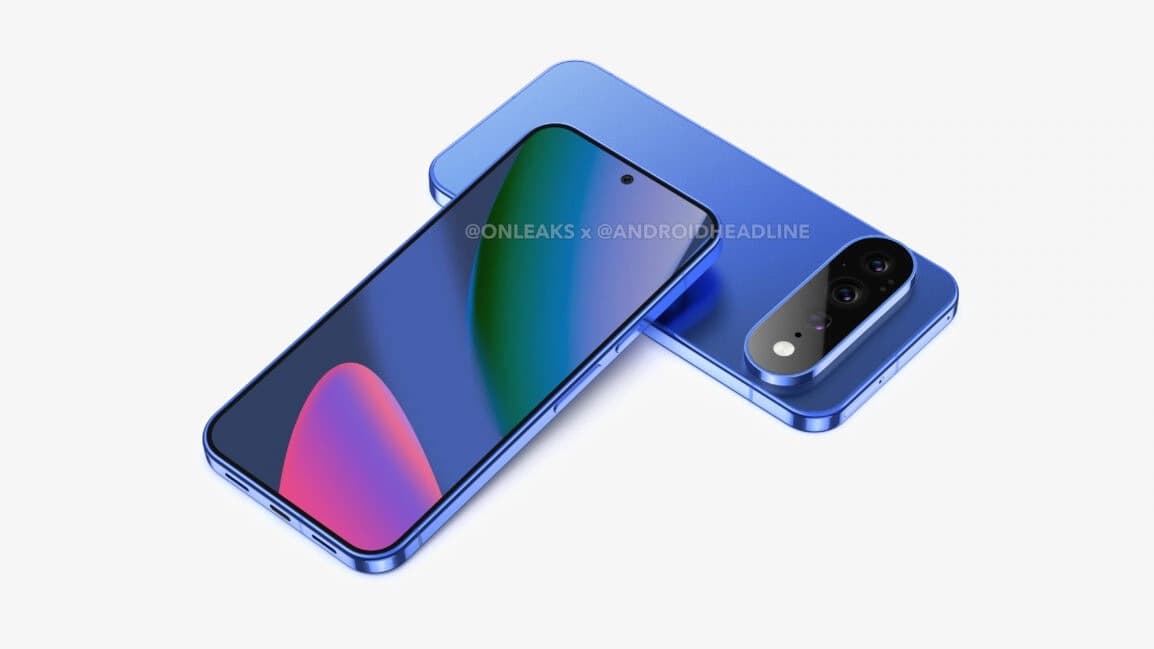
Google Pixel 11 Series Leak Reveals Full Specifications and Pricing for Pixel 11, Pixel 11 Pro, Pro XL, and Pro Fold

Igeekphone News August 2, 2026 – A comprehensive leak has revealed the complete specifications and pricing of Google’s upcoming Pixel 11 lineup ahead of its official launch. According to information obtained by Android Headlines, the new series will consist of four models: the Google Pixel 11, Pixel 11 Pro, Pixel 11 Pro XL, and Pixel 11 Pro Fold.

The leaked details cover display technology, cameras, battery capacities, storage configurations, and expected pricing for both the U.S. and European markets.

Google Pixel 11: Compact Flagship Starting at $899

The standard Pixel 11 will feature a 6.3-inch Actua OLED display with an adaptive 60Hz–120Hz refresh rate, 2424 × 1080 resolution, and peak brightness of 3,000 nits. The panel is protected by Corning Gorilla Glass Victus 2, making it the smallest device in the Pixel 11 family.

Performance

The handset is expected to be powered by Google’s new Tensor G6 processor alongside the Titan M3 security coprocessor.

Memory and storage options include:

  • 12GB RAM + 256GB storage
  • 16GB RAM + 512GB storage

Expandable storage is not supported.

Battery

The Pixel 11 is equipped with a 4,985mAh typical battery (4,840mAh minimum capacity) and supports:

  • 30W USB-C PPS wired charging
  • Qi2 wireless charging

Cameras

The rear camera system includes:

  • 48MP main camera (f/1.7)
  • 13MP ultra-wide camera (f/2.2)

Google is expected to offer up to 30x Super Res Zoom, while selfies are handled by a 10.5MP front-facing camera.
Additional Features

Other features include:

  • 5G connectivity
  • Under-display fingerprint sensor
  • Face Unlock
  • Dimensions: 152.8 × 72 × 8.6mm
  • Weight: 197g

Expected Price

  • United States: Starting at $899
  • Europe: Starting at €999

Google Pixel 11 Pro: LTPO Display and Professional Camera System

The Pixel 11 Pro retains the compact 6.3-inch form factor but upgrades to a Super Actua OLED LTPO display.

Display specifications include:

  • 1Hz–120Hz adaptive refresh rate
  • 2856 × 1280 resolution
  • 3,600 nits peak brightness
  • Gorilla Glass Victus 2 protection

Hardware

Like the standard model, the Pixel 11 Pro is powered by:

  • Google Tensor G6
  • Titan M3 security chip

Memory configurations include:

  • 12GB or 16GB RAM
  • 256GB or 512GB storage

Battery

The phone packs a 4,850mAh typical battery (4,707mAh minimum) with:

  • 30W USB-C PPS charging
  • Qi2 wireless charging

Triple-Camera Upgrade

Photography receives a major boost with:

  • 50MP main camera
  • 48MP ultra-wide camera
  • 48MP telephoto camera

The telephoto lens supports:

  • 5× optical zoom
  • Up to 120× Pro Zoom

Google is also expected to deliver “optical-quality” zoom at:

  • 0.5×
  • 1×
  • 2×
  • 5×
  • 10×

On the front, the Pixel 11 Pro features a 42MP selfie camera with a 103-degree field of view.

Other Specifications

  • 5G connectivity
  • Under-display fingerprint scanner
  • Face Unlock
  • Dimensions: 152.7 × 71.9 × 8.4mm
  • Weight: 204g

Expected Price

  • United States: $1,099
  • Europe: €1,199

Google Pixel 11 Pro XL: Larger Display, Bigger Battery, Faster Charging

For users seeking a larger flagship experience, the Pixel 11 Pro XL is expected to feature a 6.8-inch Super Actua OLED LTPO display with:

  • 1Hz–120Hz adaptive refresh rate
  • 2992 × 1344 resolution
  • 3,600 nits peak brightness
  • Gorilla Glass Victus 2 protection

The device continues Google’s flat-display design philosophy.

Performance

Powered by the Tensor G6, memory options include:

  • 12GB RAM
  • 16GB RAM

Storage configurations include:

  • 256GB
  • 512GB
  • 1TB

The higher-capacity storage variants are expected to include 16GB of RAM.

Battery and Charging

The Pro XL carries the largest battery in the lineup:

  • 5,115mAh typical capacity
  • 5,000mAh minimum capacity

Charging options include:

  • 45W wired charging
  • Qi2 wireless charging

Google is once again expected to omit a charger from the retail package.

Cameras

Camera hardware mirrors the Pixel 11 Pro:

  • 50MP primary sensor
  • 48MP ultra-wide camera with macro support
  • 48MP 5× telephoto lens
  • 42MP selfie camera

Additional Features

  • 5G
  • Under-display fingerprint sensor
  • Face Unlock
  • Dimensions: 162.7 × 76.5 × 8.5mm
  • Weight: 226g

Expected Price

  • United States: $1,299
  • Europe: €1,199

Google Pixel 11 Pro Fold: Google’s Next-Generation Foldable

The premium Pixel 11 Pro Fold is expected to build upon Google’s foldable smartphone lineup with refinements rather than major design changes.

Dual OLED Displays

The foldable features:

  • 8-inch internal OLED display
  • 6.4-inch external OLED display

Both panels support refresh rates up to 120Hz.

While detailed display specifications remain unavailable, the overall hardware is expected to closely resemble the previous-generation Pixel foldable.

Hardware

Inside, the device includes:

  • Tensor G6 processor
  • Titan M3 security chip

Configurations include:

  • 12GB or 16GB RAM
  • 256GB
  • 512GB
  • 1TB storage

No microSD card expansion is supported.

Battery

Battery specifications include:

  • 4,806mAh typical capacity
  • 4,658mAh minimum capacity

Charging support includes:

  • 30W USB-C PPS wired charging
  • Qi2 wireless charging

Google reportedly estimates that the device can reach 50% charge in approximately 30 minutes.

Camera System

The rear camera array consists of:

  • 48MP primary camera
  • 10.5MP ultra-wide camera with macro capability
  • 10.8MP telephoto camera with 5× optical zoom

Digital zoom reaches up to 30× Super Res Zoom.

Both the inner and outer displays feature 10MP selfie cameras with 87-degree fields of view.

Fingerprint Sensor Returns to the Side

Unlike the rest of the Pixel 11 lineup, the foldable is expected to continue using a side-mounted fingerprint sensor integrated into the power button. Face Unlock will also be supported.

Dimensions are reported as:

Folded

  • 155.2 × 76 × 10.1mm

Unfolded

  • 155.2 × 150.4 × 5mm

Weight: 239g

Expected Price

  • United States: $1,899
  • Europe: €1,999

Google Pixel 11 Series at a Glance

Model Display Processor Main Camera Battery Starting Price (US)
Pixel 11 6.3-inch Actua OLED, 120Hz Tensor G6 48MP + 13MP 4,985mAh $899
Pixel 11 Pro 6.3-inch LTPO OLED, 120Hz Tensor G6 50MP + 48MP + 48MP 4,850mAh $1,099
Pixel 11 Pro XL 6.8-inch LTPO OLED, 120Hz Tensor G6 50MP + 48MP + 48MP 5,115mAh $1,299
Pixel 11 Pro Fold 8-inch foldable OLED + 6.4-inch cover display Tensor G6 48MP + 10.5MP + 10.8MP 4,806mAh $1,899

Final Thoughts

If these leaked specifications prove accurate, the Google Pixel 11 series represents an incremental but meaningful evolution of Google’s flagship smartphone lineup. Across all four models, the Tensor G6 processor, Titan M3 security chip, Qi2 wireless charging, and high-brightness OLED displays form the foundation of the new generation.

The lineup also offers clear differentiation: the Pixel 11 targets users seeking a compact flagship, the Pixel 11 Pro enhances photography and display technology, the Pixel 11 Pro XL delivers Google’s largest conventional smartphone with faster charging, while the Pixel 11 Pro Fold continues the company’s push into the premium foldable segment.

Google has yet to officially confirm these specifications or prices, but the leak provides one of the most comprehensive previews of the Pixel 11 family to date ahead of its expected launch.

The post Google Pixel 11 Series Leak Reveals Full Specifications and Pricing for Pixel 11, Pixel 11 Pro, Pro XL, and Pro Fold appeared first on IGeeKphone China Phone, Tablet PC, VR, RC Drone News, Reviews.

  •  

Unseen Reality Launches URXR One Head-Mounted Display with Pancake Optics and 6DOF Tracking, Starting at $800

Igeekphone News August 8, 2026 – XR hardware company Unseen Reality has officially unveiled the URXR One, a lightweight head-mounted display designed to serve as a portable replacement for traditional monitors rather than a conventional virtual reality headset. The device is set to launch on Kickstarter on August 4, with an early-bird price of $800, while the expected retail price is $900. Shipments are scheduled to begin in mid-October 2026.

Designed as a Personal Display Instead of a VR Headset

Unlike most VR headsets that focus on immersive gaming or virtual environments, the URXR One is positioned as a wearable display for productivity, entertainment, and extended everyday use. The headset is optimized for displaying traditional 2D content, making it suitable for users who want a large virtual screen for work, media consumption, or multitasking.

According to Unseen Reality, the headset has been engineered for comfortable long-term wear and supports both 3 Degrees of Freedom (3DOF) and 6 Degrees of Freedom (6DOF) operating modes. Spatial tracking in 6DOF mode is enabled by a dual-camera SLAM (Simultaneous Localization and Mapping) system, allowing the virtual display to remain anchored in physical space as users move around.

Lightweight Design with Pancake Optics

One of the URXR One’s standout features is its remarkably lightweight construction. Weighing just 93 grams, the headset is significantly lighter than most standalone VR and mixed reality devices currently on the market.

The display system incorporates a Mini Pancake optical design, which helps reduce both size and weight while maintaining image clarity. The headset is equipped with:

  • Dual 1.03-inch Micro OLED displays
  • 2448 × 2064 resolution per eye
  • 90Hz refresh rate

These specifications are intended to deliver crisp visuals suitable for productivity applications, video streaming, and general computing.

Virtual Display Expands Up to 200 Inches

The URXR One enables users to create a virtual display that can scale from the approximate size of a laptop screen to as large as 200 inches, providing a flexible workspace without requiring a physical monitor.

This approach makes the device particularly attractive for mobile professionals, travelers, and users working in limited spaces who want a large-screen experience while maintaining portability.

External Device Required

Unlike standalone XR headsets equipped with onboard processors, the URXR One does not include an independent computing platform. Instead, it functions as an external display by connecting directly to compatible devices through a USB-C DisplayPort connection.

Users can pair the headset with laptops, PCs, tablets, or supported smartphones capable of video output over USB-C.

However, Unseen Reality notes that certain smartphones may not provide sufficient power or DisplayPort output through a single USB-C connection. For these devices, the company offers an optional URXR Power Hub, priced at $69, which supplies additional power and expands compatibility.

Pricing and Availability

The URXR One will be available through a Kickstarter crowdfunding campaign, offering:

  • Early-bird price: $800
  • Expected retail price: $900
  • Optional URXR Power Hub: $69

The company expects to begin shipping the headset to backers in mid-October 2026.

Final Thoughts

Rather than competing directly with immersive VR headsets, the Unseen Reality URXR One targets users looking for a lightweight, wearable personal display for productivity and media consumption. Its 93-gram design, Mini Pancake optics, dual Micro OLED displays, 90Hz refresh rate, and 6DOF spatial tracking distinguish it from traditional smart glasses while avoiding the bulk of many standalone XR devices.

If Unseen Reality delivers on its promises of comfort, display quality, and reliable spatial tracking, the URXR One could become an appealing option for professionals and enthusiasts seeking a portable large-screen experience without carrying a physical monitor.

The post Unseen Reality Launches URXR One Head-Mounted Display with Pancake Optics and 6DOF Tracking, Starting at $800 appeared first on IGeeKphone China Phone, Tablet PC, VR, RC Drone News, Reviews.

  •  

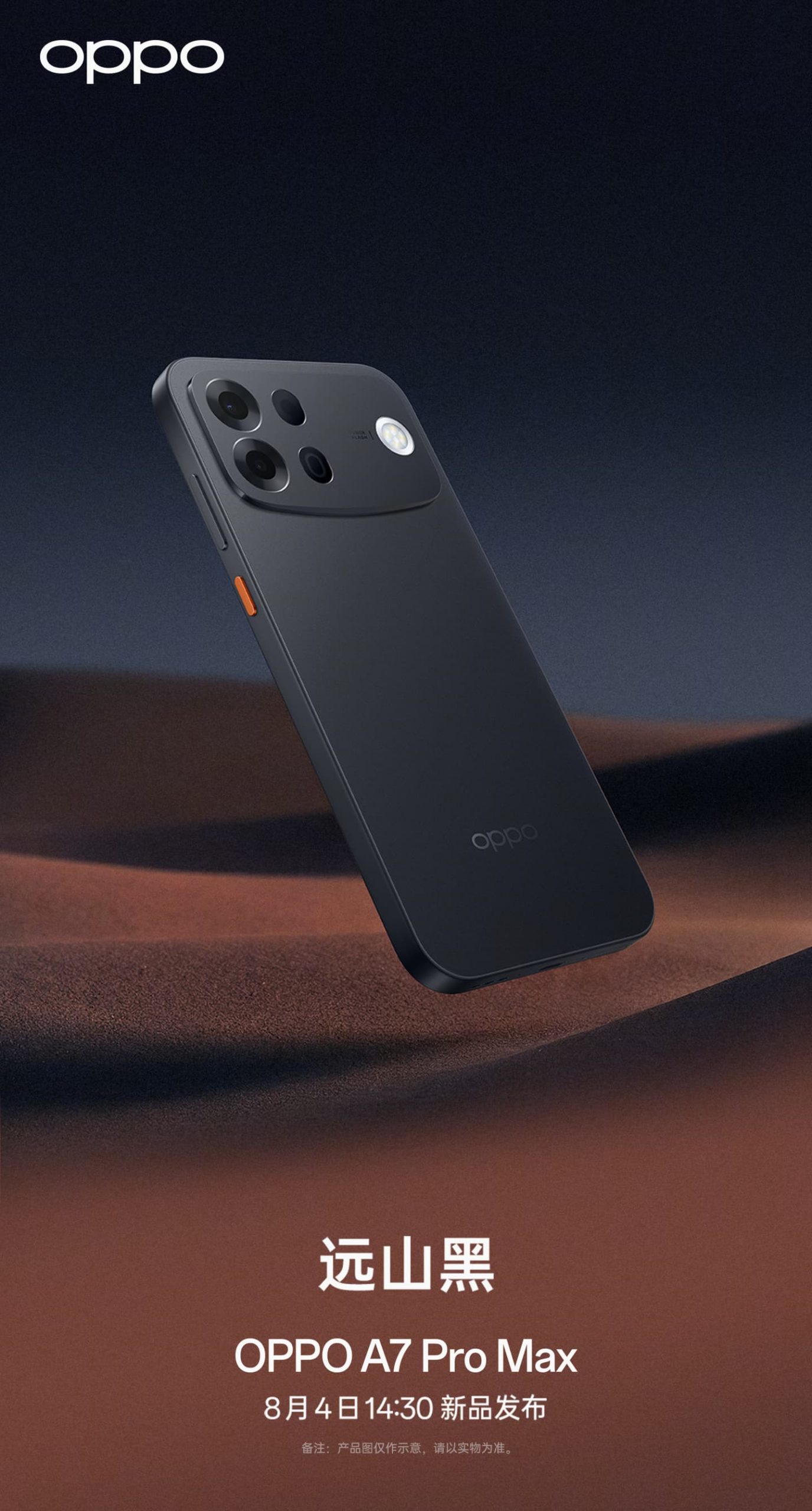
OPPO A7 Pro Max Confirmed to Launch on August 4 with 10,000mAh Battery, NFC, and Infrared Remote Control

Igeekphone August 2, 2026 – OPPO has officially confirmed that the OPPO A7 Pro Max will debut at 14:30 (China time) on August 4, while revealing several of the smartphone’s key features ahead of its launch. Positioned as a battery-focused mid-range device, the A7 Pro Max combines practical everyday functions with AI-powered security and connectivity features.

OPPO Highlights Practical AI and Everyday Convenience

Ahead of the official unveiling, OPPO showcased a number of features designed to improve daily usability and enhance device security. These include:

  • AI Face-Swapping Detection for identifying manipulated faces during video calls
  • Video Call Fraud Prevention powered by AI
  • Infrared Remote Control for controlling compatible home appliances
  • Super-Bright Flashlight mode
  • 300% Super Volume enhancement for louder audio output
  • Full-Scenario NFC for contactless payments and smart access
  • Intelligent Two-Wheeled Vehicle Connectivity, enabling integration with compatible electric scooters and bikes

These additions demonstrate OPPO’s growing emphasis on integrating AI capabilities into practical, real-world applications rather than focusing solely on performance improvements.

Massive 10,000mAh Battery Takes Center Stage

One of the biggest highlights of the OPPO A7 Pro Max is its 10,000mAh battery, making it one of the largest battery capacities available in a mainstream smartphone.

According to OPPO, battery testing conducted by the China Quality Certification Center (CQC) indicates that the battery maintains more than 95% of its rated usable capacity, suggesting high energy efficiency and reliable long-term performance.

The enormous battery is expected to provide extended usage for gaming, streaming, navigation, and productivity while reducing charging frequency.

Triple Color Options with Premium Styling

The OPPO A7 Pro Max will be available in three finishes:

  • Surfing the Waves
  • Front Orange Like Brocade
  • Distant Mountains Dark

The color palette combines vibrant and understated options, catering to a wide range of user preferences.

50MP Cameras with Ultra-Wide Photography

For photography, the smartphone features:

  • 50MP front camera
  • 50MP rear main camera
  • 100° ultra-wide-angle camera
  • Intelligent Burst Flash for improved low-light photography

The combination of high-resolution sensors and an ultra-wide camera is expected to deliver versatile shooting capabilities for landscapes, group photos, and everyday photography.

ColorOS 16 Optimized for Long-Term Performance

The OPPO A7 Pro Max ships with ColorOS 16, featuring extensive software optimization focused on long-term smoothness.

According to OPPO Labs:

  • The device successfully completed a 72-month smoothness and aging test
  • Up to 12 applications can switch seamlessly without noticeable lag
  • System startup memory usage has been reduced to 388MB
  • Memory consumption during operation has been optimized to approximately 1,413MB

These optimizations aim to deliver consistent performance over several years of daily use.

Snapdragon 4 Gen 5 Expected

Although OPPO has yet to officially confirm the processor, previous reports indicate that the A7 Pro Max is expected to be powered by Qualcomm’s Snapdragon 4 Gen 5 mobile platform. The chipset is likely to offer improved power efficiency, AI capabilities, and 5G connectivity while complementing the phone’s exceptionally large battery.

Final Thoughts

OPPO A7 Pro Max appears to prioritize endurance and practicality over flagship-level specifications. With its 10,000mAh battery, AI-powered fraud protection, full-featured NFC, infrared remote control, 50MP imaging system, and optimized ColorOS 16 experience, the device is positioned as an attractive option for users seeking long battery life and reliable everyday functionality.

More details, including global availability, pricing, and complete hardware specifications, are expected to be announced during OPPO’s official launch event on August 4, 2026.

The post OPPO A7 Pro Max Confirmed to Launch on August 4 with 10,000mAh Battery, NFC, and Infrared Remote Control appeared first on IGeeKphone China Phone, Tablet PC, VR, RC Drone News, Reviews.

  •  

Plan for Next Year's Total Solar Eclipse: August 2, 2027

The longest total solar eclipse visible from land until 2114 will sweep across Spain and North Africa on August 2, 2027. Here’s how to choose where to watch it.

The post Plan for Next Year's Total Solar Eclipse: August 2, 2027 appeared first on Sky & Telescope.

  •  

Stock market turmoil sheds stark light on the opaque AI economy

Investors scramble to make sense of a shock Chinese challenge to the dominance of western chipmakers

Even for the rollercoaster world of AI, last week was particularly volatile as investors scrambled to keep up with developments that threatened the dominance of the largest western chipmakers.

It began with a double whammy. On Monday, the Chinese memory chipmaker CXMT floated on the Shanghai stock market, soaring by 466% in value to 3.3tn yuan (£365bn).

Continue reading...

© Photograph: Bart van Overbeeke Fotografie/AS/Reuters

© Photograph: Bart van Overbeeke Fotografie/AS/Reuters

© Photograph: Bart van Overbeeke Fotografie/AS/Reuters

  •  

‘The language of Pokémon is universal’: why fans are still catching ‘em all after 30 years

As Pokémon Go celebrates its 10th anniversary, its devoted players explain how the game has created a vibrant intergenerational community spanning the globe

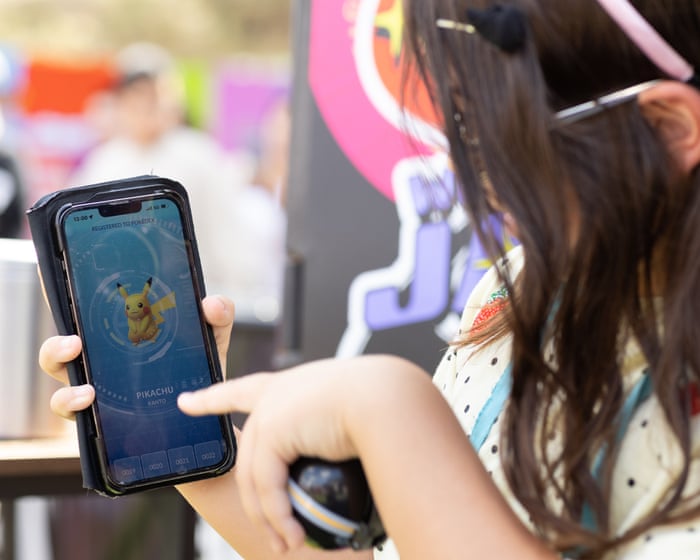
Most Pokémon obsessives count rare, absurdly expensive playing cards or pristine, fully boxed game cartridges that have survived decades in the attic among their most prized possessions. But for Mairead Ralph, her Pokémon-related crown jewel is a bit different. “Technically, it’s my husband!” she says.

The pair first locked eyes amid decks of Pokémon playing cards and Pokéballs at a fan event 16 years ago and the rest is history. Ralph was among hundreds of Pokémon fans who flocked to Shoreditch, east London, on Saturday afternoon for a pop-up celebrating the 10th anniversary of Pokémon Go, the massively successful augmented reality smartphone game that has seen millions of players physically venture to all corners of the earth to catch ’em all in person. In that spirit, the surrounding area was full of Pokéheads wandering the streets, their heads in their phones, seeking to catch exclusive Pokémon that had been released.

Continue reading...

© Photograph: Teri Pengilley/The Guardian

© Photograph: Teri Pengilley/The Guardian

© Photograph: Teri Pengilley/The Guardian

  •  
❌