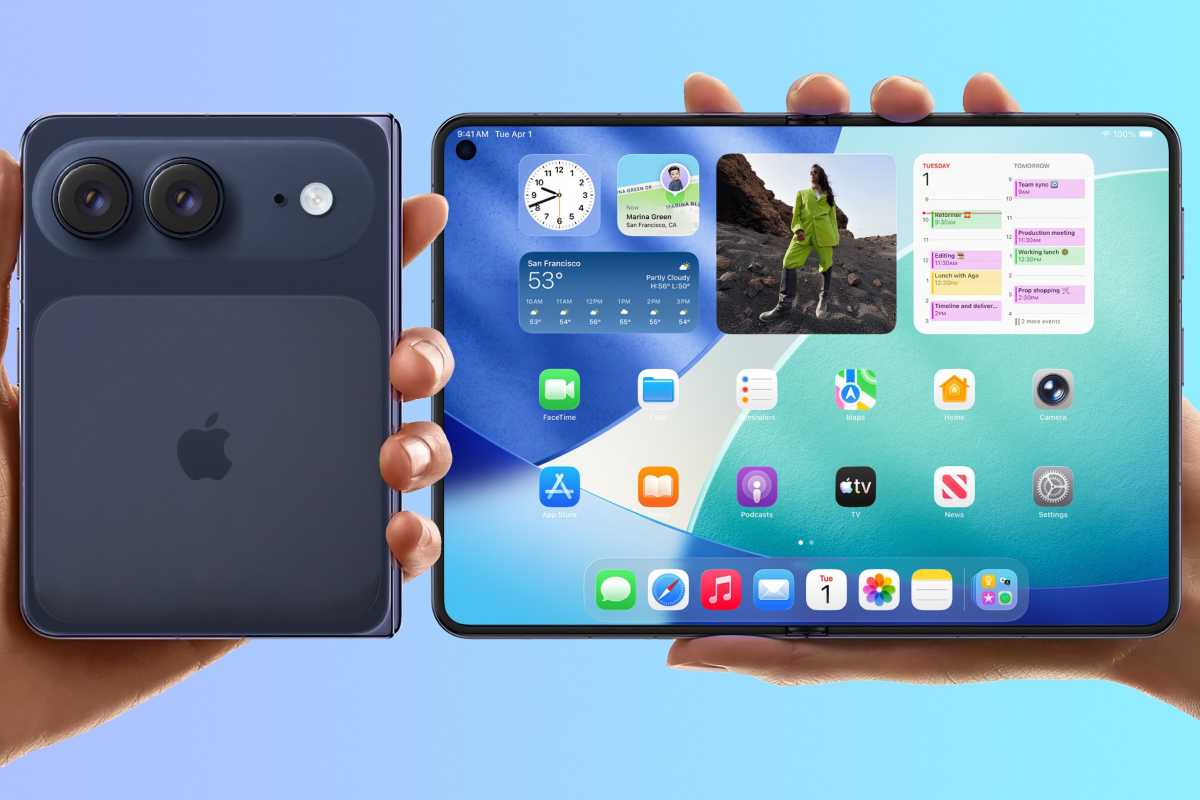
Desenvolvedores já podem instalar as quartas versões de teste do iOS 27 (compilação 24A5390f), iPadOS 27 (idem), macOS Golden Gate 27 (26A5388g), watchOS 27 (24R5325h), tvOS 27 (24J5325d) e visionOS 27 (24M5326g).
Além dos sistemas, também está disponível para desenvolvedores a quarta beta do Xcode 27 (compilação 27A5228h).
Os novos sistemas, anunciados na WWDC26, trarão novidades e diversas melhorias para iPhones, iPads, Macs, Apple Watches, Apple TVs e Vision Pros — conforme temos acompanhado e detalhado no apanhado de matérias abaixo.
Como de costume, nós estamos de olho para conferir as novidades incluídas com as novas betas e detalharemos tudo sobre elas por aqui, então continuem acompanhando!
A Apple disponibilizou hoje as Release Candidates (RCs) do iOS 26.6 (compilação 23G71), iPadOS 26.6 (idem), macOS Tahoe 26.6 (25G70), watchOS 26.6 (23U67), tvOS 26.6 (23L772), Software do HomePod 26.6 (idem) e visionOS 26.6 (23O770).
Também foram disponibilizadas hoje as sextas RCs do macOS Sonoma 14.8.8 (compilação 23J619) e do macOS Sequoia 15.7.8 (24G822).
É importante não confundir essas versões com os testes do iOS 27 e demais sistemas operacionais anunciados na WWDC26. Enquanto as versões 26.6 provavelmente sairão para todos já na semana que vem, os sistemas 27 só serão lançados lá para setembro.
De acordo com as notas de atualização, o update do iOS 26.6 inclui correções de erros, atualizações de segurança e otimiza a indexação do Spotlight para preparar o sistema para o iOS 27. Caso alguma outra novidade surja com essa última rodada de testes, avisaremos por aqui, é claro. 😉
A Copa do Mundo pode até ter acabado, mas o app Apple Sports segue ganhando novos recursos focados no esporte mais popular do planeta. A sua mais recente atualização (4.2), por exemplo, adiciona suporte a uma série de novas ligas de futebol, incluindo a tradicional Eredivisie, da Holanda.
Liberado hoje pela Maçã, o update torna possível acompanhar a temporada de equipes clássicas como AFC Ajax, PSV Eindhoven e Feyenoord Rotterdam, incluindo suas formações iniciais — algo que, de acordo com a companhia, também vale para “a maioria das ligas de futebol” presentes na ferramenta.
Além do “holandesão”, também chegaram ao Apple Sports a Primeira Liga da Bélgica, a Superliga da Dinamarca, a J1 League (do Japão), a Ekstraklasa (da Polônia), a Premiership (da Escócia) e a Superliga da Suíça.
Disponível no Brasil desde o início do ano, o Apple Sports é gratuito e pode ser instalado em iPhones com o iOS 18.0 ou mais recente. Além das principais ligas do futebol internacional (bem como outros esportes), ele também suporta a Série A do Campeonato Brasileiro.
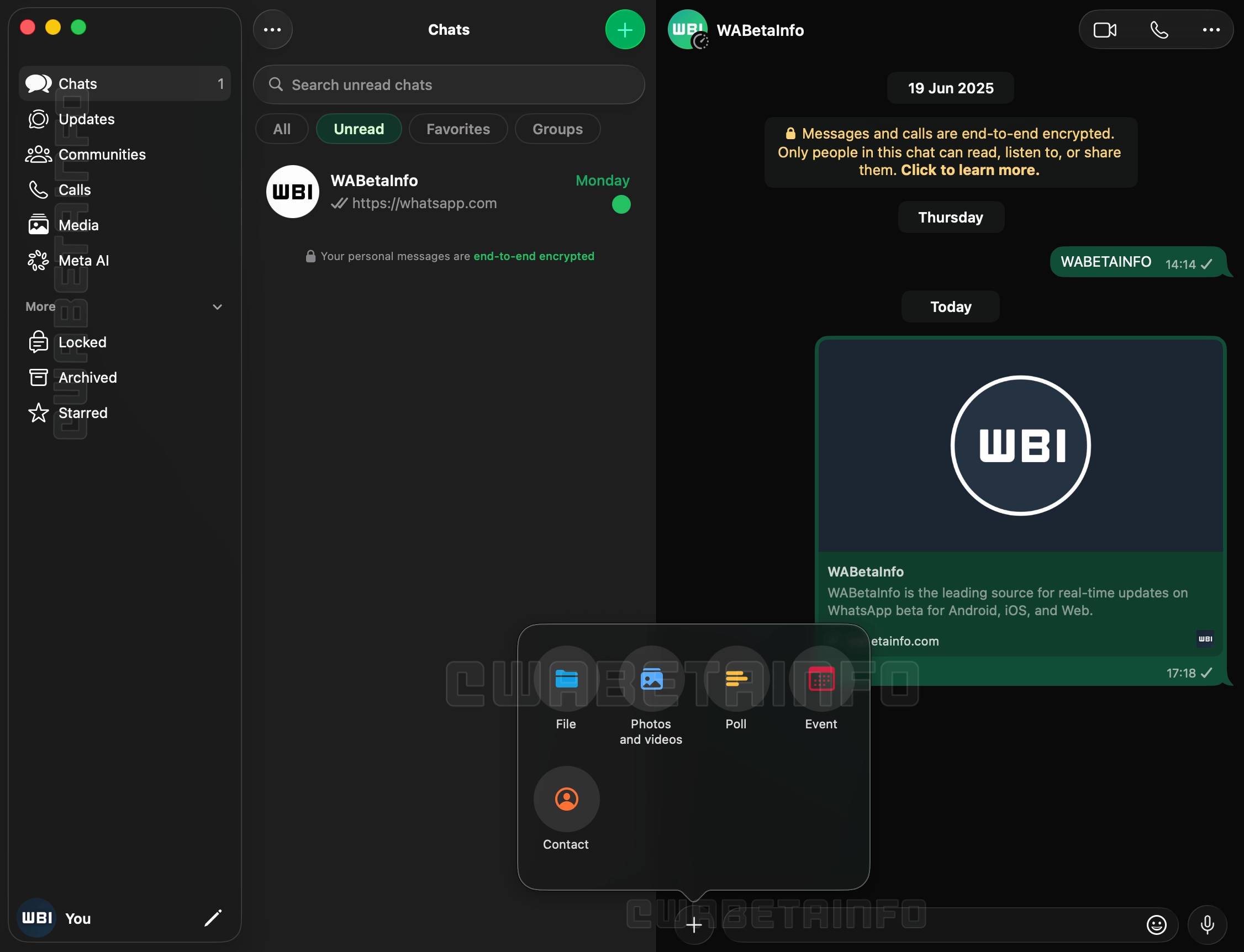
A nova versão, 26.27.73, além de contar com Liquid Glass, inclui uma nova barra lateral com textos que descrevem os ícones, abandonando a abordagem minimalista encontrada até então na versão de computador do mensageiro da Meta, e uma seção dedicada às Comunidades, que antes ficavam espalhadas pelo histórico de conversas do aplicativo.
Outra novidade é a adição do suporte às conversas trancadas, atualmente restritas aos iPhones e iPads. O acesso ao recurso no macOS, aos moldes da exigência do Face ID nos dispositivos móveis, também solicitará algum meio de autenticação para garantir a camada adicional de proteção, carro-chefe da funcionalidade.
Com essa atualização chegando para os usuários finais de maneira gradual nas próximas semanas, a disponibilização ampla da versão de Mac do WhatsApp (incluindo a versão da Mac App Store) conclui um trabalho de quase um ano unificando a linguagem visual do app no iOS, iPadOS e macOS.
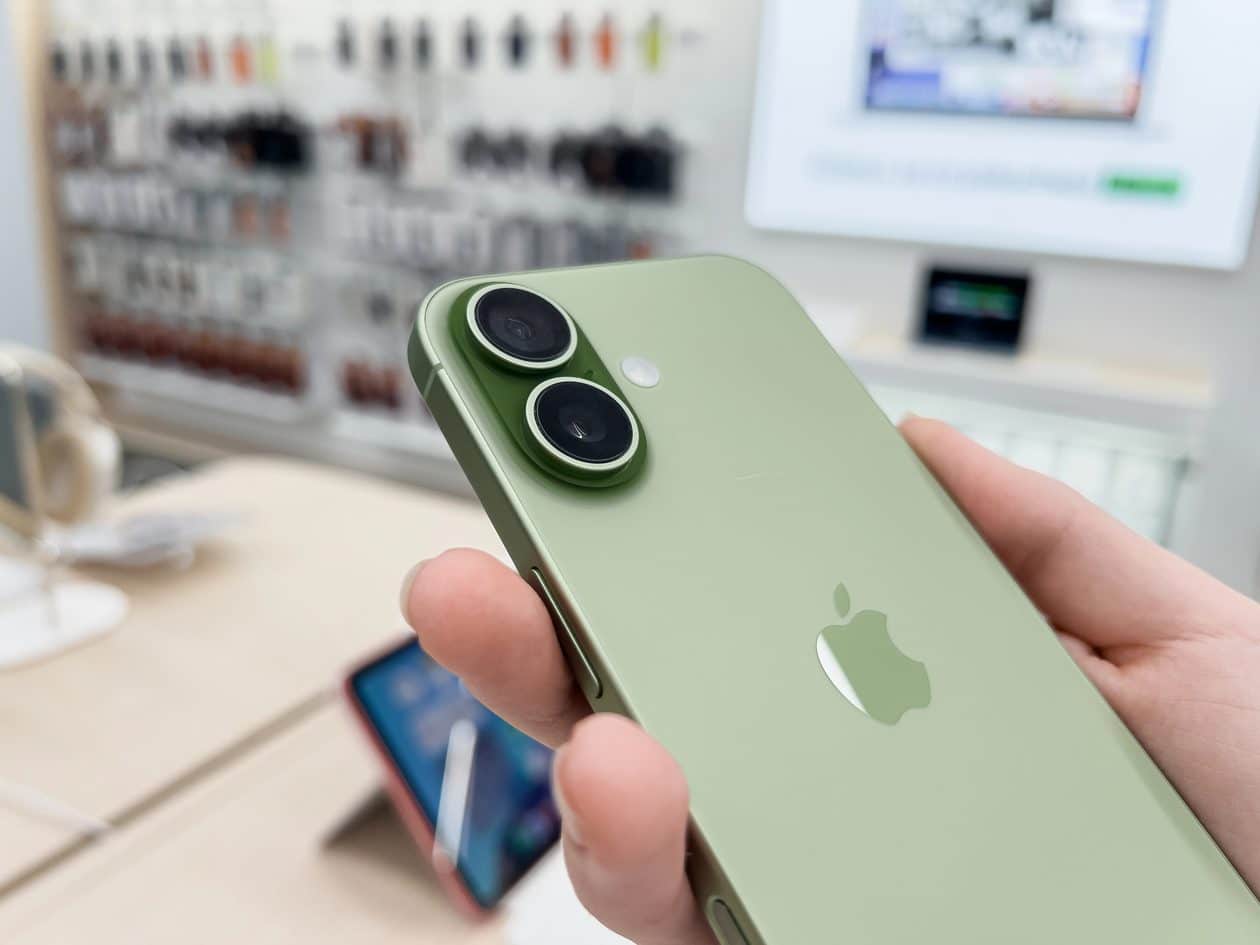
O iPhone 17 recebeu várias melhorias em relação ao seu antecessor, o que fez dele o smartphone perfeito para a grande maioria dos usuários que procura um telefone da Apple.
Entre as suas especificações técnicas, podemos destacar a tela Super Retina XDR de 6,3 polegadas com ProMotion (até 120Hz), o conjunto de duas câmeras (com um sistema Fusion de 48 megapixels nas duas lentes) e o processador A19, além da presença do Controle da Câmera (Camera Control) e do botão de Ação (Action Button).
Se levarmos em conta que o preço tabelado desse modelo aqui no Brasil é de R$9.499 nessa mesma modalidade de pagamento, estamos diante de um desconto de 25%.
Todos os descontos de promoções divulgadas pelo MacMagazine são calculados com base nos preços sugeridos pela Apple ou por outras fabricantes. Pode ser que um determinado produto seja comumente encontrado por valores inferiores em redes varejistas, mas a nossa base de comparação é sempre em cima das tabelas oficiais.
Se você não é louco, é claro que gosta de economizar. E, para isso, o MacMagazine tem diversas opções para ajudar você a conseguir comprar o seu produto Apple pagando menos!
NOTA DE TRANSPARÊNCIA: O MacMagazine recebe uma pequena comissão sobre vendas concluídas por meio de links deste post, mas você, como consumidor, não paga nada mais pelos produtos/serviços usando os nossos links de afiliado.
Há um tempo, mostramos por aqui como é simples aumentar a resolução de uma imagem contida em um quadro do Freeform, graças à função Super-resolução (Super Resolution) do Apple Creator Studio.
O que muita gente não sabe é que ela também pode ser usada em imagens que tiverem sido anexadas em documentos do Pages, em planilhas do Numbers ou em apresentações do Keynote.
Além de adicionar imagens e vídeos, os aplicativos Pages, Numbers e Keynote também permitem que você coloque formas — das mais simples às mais complexas, como formas geométricas, objetos e animais, por exemplo.
Além delas, o Apple Creator Studio permite que você gere uma forma do zero, com base em uma descrição que tiver adicionado no campo dedicado.
Veja como escolher ou gerar uma forma nesses apps! 😄
Como adicionar uma forma em documentos pelo iPhone/iPad
Acesse o documento desejado, toque no botão roxo (na parte superior) e no quinto ícone, da esquerda para a direita, a fim de abrir a área de formas.
Navegue pelas categorias para encontrar exatamente a que quiser usar no arquivo ou, se for um assinante do Apple Creator Studio, selecione “Gerar Forma” e siga os passos seguintes.
Como adicionar uma forma em documentos pelo Mac
Clique no documento desejado e no quarto ícone (da esquerda para a direita), na parte superior.
Escolha uma das formas mostradas na aba dedicada ou selecione “Gerar Forma” para criar uma do zero, com base numa descrição.
Seit Jahren hält sich Apple an einen vorhersehbaren Zeitplan für die Einführung neuer iPhone-Modelle und bringt im September jeweils neue iPhones auf den Markt – das Standardmodell und das Pro-Modell. Im Frühjahr bringt Apple häufig ein preisgünstigeres Modell auf den Markt: Früher waren dies die „SE“-iPhones, die vor zwei Jahren von den „e“-iPhones abgelöst wurden.
Das könnte sich mit der iPhone-18-Generation ändern. Zuverlässigsten Gerüchten zufolge wird Apple in diesem Jahr im Herbst das iPhone 18 Pro und Pro Max sowie ein teureres faltbares iPhone Ultra vorstellen, doch das iPhone 18 könnte erst später folgen.
Was können wir also vom iPhone 18 und 18e erwarten? Derzeit gibt es nur wenige Gerüchte, was allen voran daran liegt, dass die meisten spannenden Neuerungen zunächst im Herbst 2026 mit den Pro- und Ultra-Modellen eingeführt werden.
Im Folgenden finden Sie eine Zusammenfassung dessen, was wir bisher über das normale iPhone 18 und das iPhone 18e gehört haben, basierend auf den neuesten und zuverlässigsten Gerüchten, Analystenberichten und durchgesickerten Informationen sowie historischen Präzedenzfällen.
Wann kommen das iPhone 18 und das iPhone 18e auf den Markt?
Das iPhone 18 wird auf das Frühjahr verschoben
Das iPhone 18e kommt im Frühjahr 2027 auf den Markt
Während Apple seine Standard- und High-End-iPhone-Modelle seit der Einführung des ersten Pro-Modells im Jahr 2019 stets gleichzeitig auf den Markt gebracht hat, hat es den Anschein, dass es dieses Jahr anders wird. Während die Pro-Modelle wie gehabt im Herbst auf den Markt kommen werden, soll Apple die Markteinführung des iPhone 18 voraussichtlich auf das Frühjahr 2027 verschieben, wodurch das iPhone 17 zum ersten Mal volle 18 Monate lang im Handel erhältlich sein wird.
Wenn Sie also ein iPhone 17 direkt bei Markteinführung gekauft haben und schon jetzt ein Upgrade in Betracht ziehen, müssen Sie sich entweder ein iPhone 18 Pro zulegen oder bis März oder April warten, wenn Apple voraussichtlich ein zweites iPhone-Event veranstalten wird.
Wir gehen zudem davon aus, dass Apple das iPhone 18e zum selben Zeitpunkt auf den Markt bringt.
Welche technischen Daten werden das iPhone 18 und das iPhone 18e haben?
A20-Prozessor
9 GB RAM
C2-Modem
Während das iPhone 18 Pro und das Ultra mit ziemlicher Sicherheit einen neuen A20-Pro-Chip verwenden werden, wird eine weniger leistungsstarke Version das Herzstück des iPhone 18 und des 18e bilden. Der A20-Prozessor dürfte – genau wie der A20 Pro – im 2-nm-Verfahren von TSMC gefertigt werden.
Wir erwarten eine 6-Kern-CPU, ähnlich der im A19, nur etwas schneller. Die GPU wird wahrscheinlich fünf Kerne umfassen, wobei beim iPhone 18e möglicherweise ein Kern deaktiviert ist. Wie beim A20 Pro gehen wir davon aus, dass eine der größten Leistungssteigerungen die Neural Engine sein könnte. Denn KI ist mittlerweile für die gesamte Technologiebranche, einschließlich Apple, so wichtig, dass man hier auf Leistungssteigerungen setzen wird.
Beim Arbeitsspeicher (RAM) wird es etwas knifflig. Der A20 Pro wird wahrscheinlich über 12 GB RAM verfügen, der A20 hingegen vermutlich über weniger. Sowohl die RAM-Kapazität als auch die Speicherbandbreite sind für die Ausführung fortschrittlicher KI-Modelle essenziell, weshalb es nachvollziehbar ist, dass Apple alle seine neuen Smartphones mit mehr RAM ausstatten möchte. Andererseits hat eine weltweite Verknappung, verursacht durch den Ausbau von KI-Rechenzentren, RAM extrem verteuert.
Der Analyst Ming-Chi Kuo geht davon aus, dass das iPhone 18 und das 18e über 9 GB RAM verfügen werden (6 Chips à 1,5 GB) – eine ungewöhnliche Konfiguration, die bedeuten könnte, dass einige KI-Funktionen auf diesen Geräten einfach nicht verfügbar sein werden. Dies wäre besonders hinderlich für die Unterstützung fortschrittlicher Funktionen in zukünftigen iOS-Versionen. Angesichts der aktuellen RAM-Preise könnte Apple jedoch gezwungen sein, sich für eine 9-GB-Konfiguration zu entscheiden.
Ansonsten gehen wir davon aus, dass das iPhone 18 und das iPhone 18e das kommende C2-Mobilfunkmodem von Apple verwenden werden. Während es in den USA ungewiss ist, ob das Modem mmWave unterstützen wird, ist diese Technologie in Europa für Privatkunden weitestgehend irrelevant. Wir rechnen jedoch zumindest mit besseren 5G-Verbindungen und einer höheren Energieeffizienz sowie möglicherweise 5G über Satellit. Was WLAN und Bluetooth angeht, besteht für Apple kaum Bedarf, über den N1-Chip hinauszugehen, der WLAN 7 und Bluetooth 6 unterstützt.
Werden die Kameras des iPhone 18 und 18e verbessert?
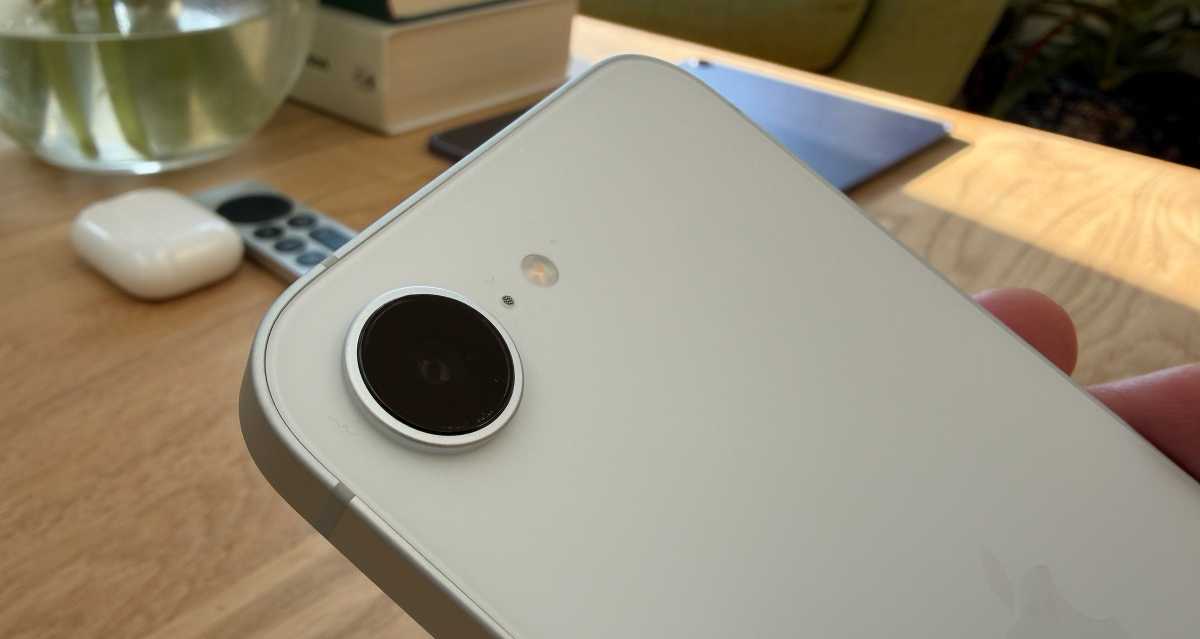
Kamera des iPhone 17e.
David Price / Foundry
24-MP-Selfie-Kameras
Einzelne Hauptkamera beim 18e
Überarbeitete Kamerasteuerungstaste
Vor der Markteinführung der iPhone-17-Generation gab es Gerüchte, dass die Frontkamera möglicherweise auf 24 Megapixel aufgestockt werden könnte. Auch wenn sich diese Gerüchte nicht bewahrheitet haben, sind sie dieses Jahr im Kontext der iPhone-18-Reihe wieder aufgekommen. Aktuellen Berichten auf Weibo und anderen Plattformen zufolge soll die gesamte iPhone-18-Reihe, einschließlich des Ultra und des Air 2, mit 24-Megapixel-Frontkameras ausgestattet sein.
Was die Hauptkameras betrifft, gibt es bislang nicht viele Informationen. Man kann mit ziemlicher Sicherheit davon ausgehen, dass beide Modelle über eine 48-MP-Weitwinkelkamera verfügen werden, wobei das iPhone 18 zusätzlich eine 48-MP-Ultraweitwinkelkamera besitzen dürfte.
Die Kamerasteuerungstaste des iPhone 18 soll laut dem Weibo-Account „Instant Digital“ einfacher gestaltet sein und lediglich über Druckempfindlichkeit verfügen, jedoch keine kapazitiven Sensoren. Das iPhone 18e wird voraussichtlich weiterhin keine Kamerasteuerungstaste haben.
Wird das iPhone 18e ein Display-Upgrade erhalten?
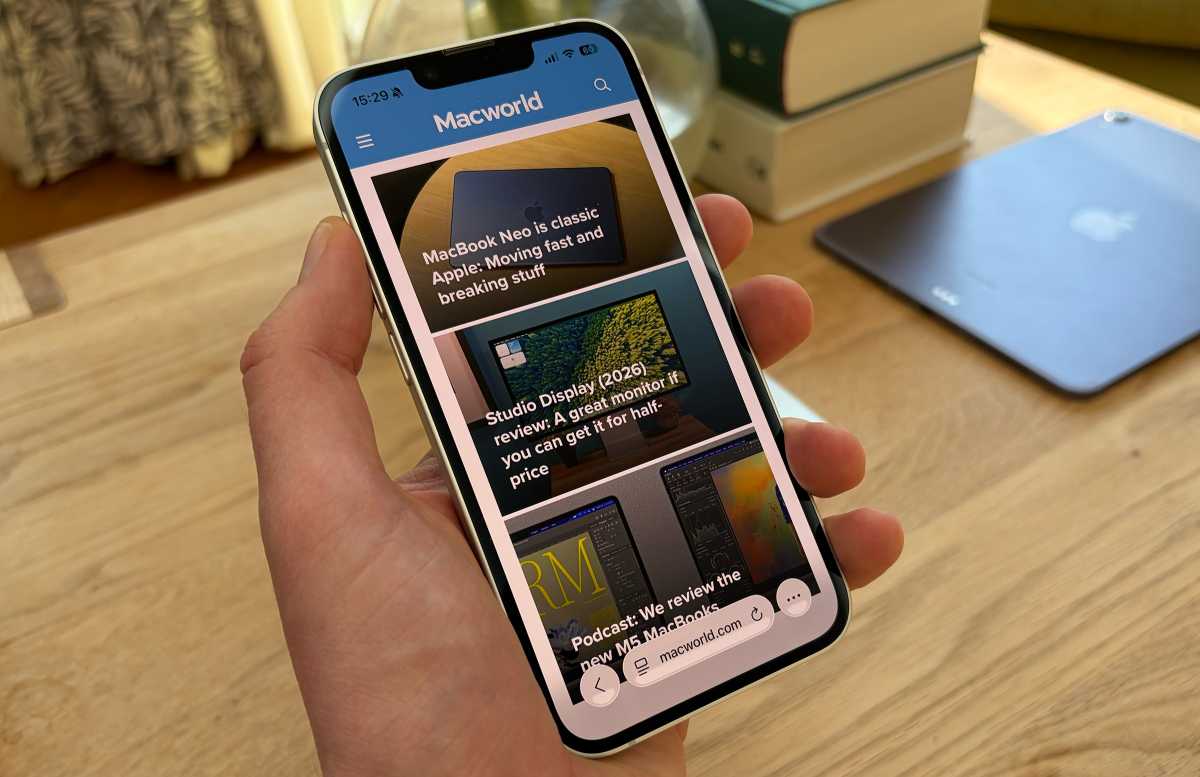
Display des iPhone 17e.
David Price / Foundry
„Dynamic Island“ beim iPhone 18e
Gleiches Display für das iPhone 18
Das iPhone 18 wird voraussichtlich über dasselbe Display wie das iPhone 17 verfügen, mit einer maximalen Helligkeit von 1.000 cd/m² (SDR), Spitzenwerten von bis zu 1.600 cd/m² (HDR) und einer Helligkeitssteigerung auf bis zu 3.000 cd/m² im Freien.
Wir gehen jedoch davon aus, dass das iPhone 18e ein verbessertes Display erhalten wird. Denn der Bildschirm des iPhone 17e ist relativ veraltet und nach heutigen Maßstäben nicht besonders hell; zudem verfügt es lediglich über die Notch-Aussparung, nicht jedoch über die Dynamic Island. Das iPhone 18e dürfte daher ein neueres Display mit Dynamic Island erhalten. Vermutlich auf dem Niveau des iPhone 15, das eine maximale Helligkeit im Freien von 2.000 cd/m² aufwies.
Wie viel werden das iPhone 18 und das 18e kosten?
In der Technikwelt ist alles teurer geworden – bedingt durch Speicherknappheit, die durch den endlosen Bedarf an immer mehr und immer größeren KI-Rechenzentren angeheizt wird. Apple hat kürzlich die Preise für fast alle Macs und iPads sowie sogar für ältere Geräte wie den Homepod und das Apple TV angehoben. Das iPhone blieb davon verschont, doch wir gehen davon aus, dass die neuen iPhones in diesem Herbst Preise haben werden, die mindestens 50 bis 100 Euro höher liegen als in der Vergangenheit. Und das dürfte sich auch auf die Neuerscheinungen im Frühjahr auswirken.
Das bedeutet, dass das iPhone 18 bei 999 Euro oder gar 1.049 Euro starten könnte und das iPhone 18e bei 749 oder 799 Euro. Da es sich hierbei jedoch um die preisgünstigeren Modelle von Apple handelt, ist es möglich, dass Apple die Preise für die Pro-Modelle erhöht, die für das iPhone 18 und 18e jedoch auf dem aktuellen Niveau belässt.
Sie sollten niemals der Erste in der Schlange sein, wenn ein völlig neues Apple-Produkt auf den Markt kommt. Nicht im wörtlichen Sinne – obwohl sich diese Leute wirklich ohne triftigen Grund die Mühe machen –, sondern im Sinne der Produktgeneration. Es ist fast immer klüger, ein oder zwei Jahre zu warten.
Ein Original-iPhone zu besitzen, war ein Vergnügen, wenn man damit prahlen wollte. Ich erinnere mich gerne an die ungewohnte Aufmerksamkeit, die mir zuteilwurde, als ich es im Urlaub mit mir herumtrug. Als mittelfristiges Wertversprechen war es jedoch objektiv gesehen eine schlechte Idee: ein mutiger und wegweisender Anfang, der jedoch innerhalb weniger Jahre nach der Markteinführung durch die Hinzufügung von 3G und GPS (iPhone 3G), einer besseren Kamera und allgemeiner Leistungssteigerung (iPhone 3GS), Facetime und einem deutlich schärferen Bildschirm (iPhone 4) sowie zahlreicher weiterer Hardware- und Software-Upgrades im Laufe der Zeit entwertet wurde. Und das alles ohne nennenswerte Preiserhöhung. Dasselbe gilt für den iPod, das iPad und das Macbook Air – Sie verstehen, worauf ich hinauswill.
Wer die Einführung des iPhones im Jahr 2007 miterlebt hat, dürfte einige Ähnlichkeiten bemerkt haben, als das iPhone Air im vergangenen Jahr auf den Markt kam. Es herrschte ein ähnlich starkes Gefühl der Ehrfurcht, die Vorstellung, dass nichts mehr so sein würde wie zuvor: Normale Handys, so spekulierten Kritiker, könnten für jeden, der ein Air in der Hand gehalten und dessen wundersame Schlankheit bestaunt hat, für immer inakzeptabel sein.
Zugegebenermaßen gab es deutlich mehr Kritik an den Hardware-Einschränkungen (nämlich der Akku- und Kameraleistung), doch scharfsinnige Beobachter werden erkannt haben, dass das iPhone Air – genau wie sein gefeierter Ahn – in den nachfolgenden Generationen wahrscheinlich zahlreiche Möglichkeiten zur Verbesserung bieten würde.
Der allgemeine Konsens lautet, dass Apple in diesem Herbst kein neues Air auf den Markt bringen wird. Im September werden zwei Premium-iPhones (das 18 Pro und das 18 Pro Max) sowie ein Super-Premium-Modell in Form des faltbaren iPhone Ultra auf den Markt kommen. Angesichts der jüngsten Preiserhöhungen bei den iPad- und Mac-Produktreihen von Apple dürften dies kostspielige Geräte sein.
Rechnen Sie damit, dass das iPhone Ultra zwar beeindruckend, aber nicht frei von Mängeln sein wird.
Foundry
Das Air 2 wird zwar im Frühjahr 2027 das Premium-Modell seiner eigenen Mini-Generation sein und zweifellos mehr kosten als das iPhone 18 sowie deutlich mehr als das 18e, doch im Vergleich zu den Modellen von Ende 2026 dürfte es erschwinglich erscheinen: Apples Preis liegt derzeit 100 Euro unter dem des 17 Pro (jeweils die Basismodelle), und diese Differenz könnte sich vergrößern, sobald die Preiserhöhungen greifen. Gleichzeitig wird es dank seines futuristischen Designs und der – wie es zunehmend den Anschein hat – klassischen Verbesserungen der zweiten Generation weitaus attraktiver wirken als die normalgroßen Modelle, mit denen es auf den Markt kommen wird.
Falls Sie die Kameraleistung des Air als nicht optimal empfunden haben, haben Sie Glück: Fast alle Experten sind sich einig, dass das Air 2 auf der Rückseite ein zweites Kameraobjektiv erhalten wird, ein 48-MP-Ultraweitwinkelobjektiv. Falls Sie sich über die Akkulaufzeit beschwert haben, wird es Sie freuen, zu hören, dass deren Kapazität nun voraussichtlich um 11 Prozent steigen wird.
Apple hat die beiden größten Probleme des ursprünglichen Produkts erkannt und beide behoben, wodurch das Air 2 zum besten Nachfolger des Unternehmens seit der Apple Watch Series 2 wird, die die Mängel ihres Vorgängers in Bezug auf GPS, Wasserdichtigkeit, Geschwindigkeit und Akkulaufzeit in einem einzigen Generationssprung beseitigte.
Wo bleibt da das iPhone Ultra? Genau in derselben „Limbo“-Situation der ersten Generation, in der das iPhone Air seit 2025 steckt. Einerseits hat Apple keine Erfahrung mit der Herstellung und Markteinführung eines faltbaren Smartphones; andererseits weiß das Unternehmen, dass Prominente, Technik-Angeber und Early Adopters seinen ersten Versuch in dieser Kategorie ohnehin kaufen werden.
Rechnet man noch die Notwendigkeit hinzu, im folgenden Jahr eine verbesserte Version auf den Markt zu bringen, hat man die perfekte Formel für einen mangelhaften Proof of Concept. Es ist noch viel zu früh, um zu sagen, ob das Ultra ein gutes Smartphone sein wird oder nicht – es könnte durchaus ein kommerziell gefeierter Kassenschlager werden –, aber wir können mit einiger Sicherheit sagen, dass das schlechteste Ultra, das man kaufen kann, das erste sein wird.
Der Verkaufsschlager dieser Generation dürfte natürlich – aus offensichtlichen Gründen der Lebenshaltungskosten – entweder das iPhone 18 oder das 18e sein. Doch ich glaube, dass das unscheinbare Air 2 – das von den günstigeren Modellen preislich unterboten, vom Ultra in den Schatten gestellt und von der durchwachsenen Resonanz auf seinen Vorgänger verfolgt wird – der unterschätzte Star der iPhone-18-Generation sein könnte.
Lesen Sie sich die Testberichte zum Air 1 noch einmal durch. Die meisten sind sich einig, dass dies der Formfaktor der Zukunft ist; er war 2025 einfach noch nicht ausgereift. Zu jenem Zeitpunkt seiner Entwicklung wies das Air zu viele Mängel auf, um den Mainstream zu erreichen. Allem Anschein nach wird dies 2027 nicht mehr der Fall sein.
Apple has quietly shut down a popular workaround that let customers finance new iPhones through T-Mobile or Verizon while still receiving fully unlocked devices.
For years, savvy buyers exploited a quirk in Apple’s sales process. They could stack generous carrier promotions — like massive trade-in credits or bill credits — on installment financing through Apple’s website or stores, and walk away with an iPhone that was carrier-unlocked from day one. This allowed them to use the phone on any network, switch carriers mid-contract, insert international eSIMs while traveling, or even resell the device at a premium before paying it off.
That loophole is now closed for T-Mobile and Verizon customers. Starting recently, any iPhone financed through these carriers’ installment plans will remain locked to the carrier until the balance is paid in full. This brings T-Mobile and Verizon in line with AT&T’s long-standing policy.
How the Loophole Worked
Carriers frequently offer deep discounts to attract customers, such as $1,100 off select iPhone models. Previously:
• AT&T-financed phones bought via Apple were locked.
• T-Mobile and Verizon versions were delivered unlocked, even when financed through their respective Equipment Installment Plans or Device Payment Programs.
Buyers took full advantage by financing through Apple’s site, claiming the carrier promo, and ending up with a flexible, unlocked flagship phone. Some used it to jump ship to cheaper MVNOs, while others flipped the devices for profit.
Apple made the change without fanfare or press release. It was first spotted by users on Reddit’s r/tmobile subreddit and confirmed via an updated FAQ on Apple’s iPhone purchase pages. The new language states clearly:
“If you choose to finance an iPhone through the AT&T Installment Plan, T-Mobile Equipment Installment Plan, or Verizon Device Payment Program, your iPhone will be locked to the carrier until paid in full.”
Why Apple Made the Change
Apple has offered no official explanation. However, the timing suggests it was responding to abuse of the system—particularly resale of subsidized but unlocked phones. The change also likely pleases carriers, who want to ensure customers remain committed during promotional periods and installment terms.
Note for current buyers: There may be a temporary mismatch. Some checkout flows still indicate T-Mobile and Verizon phones as unlocked. Always double-check the fine print before completing a purchase.
Workarounds That Still Work
The policy shift only affects carrier-financed devices. You can still get an unlocked iPhone immediately by:
• Buying it outright (no financing).
• Financing through Apple Card Monthly Installments — these remain unlocked from activation.
• Purchasing directly from third-party retailers or carriers with full upfront payment.
Once a carrier-financed phone is paid off, it will unlock automatically per standard carrier policy.
MacDailyNews Take: This update reflects Apple’s ongoing efforts to balance customer flexibility with carrier partnerships in a competitive wireless market. If you’re planning an upgrade soon, review your financing options carefully to avoid surprises.
Please help support MacDailyNews — and enjoy subscriber-only articles, comments, chat, and more — by subscribing to our Substack: macdailynews.substack.com. Thank you!
Tired of clunky email triage on your iPhone? Avec’s swipe-based interface lets you quickly sort important messages from noise, using AI to prioritize what matters. It’s Gmail-only and iPhone-only for now, but IMAP support is promised and a desktop version is coming.
iPhone 17 Pro and Pro Max feature a thermal management system that includes an Apple-designed vapor chamber, delivering exceptional performance.
Apple has significantly boosted its orders for vapor chamber cooling systems, primarily to support production of its highly anticipated first foldable iPhone, according to a Chinese supply chain leaker. The move also points to advanced thermal management in the company’s upcoming Twentieth Anniversary iPhone slated for 2027.
The information comes from the Weibo account “Fixed Focus Digital,” a source that has previously shared details about Apple’s foldable device. The increased orders will first go toward manufacturing the book-style foldable iPhone, internally referred to as the “iPhone Ultra,” which is on track for a September 2026 debut alongside the iPhone 18 Pro lineup.
Apple has reportedly instructed suppliers to prepare around 10 million units of the foldable iPhone for 2026, an increase from earlier projections of 7–8 million. This ramp-up signals strong confidence in the device’s production readiness despite the complexities of its folding mechanism.
Advanced Cooling for a Challenging Form Factor
Fixed Focus Digital previously indicated that the foldable iPhone would feature “impressive” vapor chamber cooling, with Apple “going all out” on its thermal design. This makes sense given the device’s expected thin profile when unfolded (rumored around 4.5–5mm) and the space constraints of a foldable chassis, which could limit traditional heat dissipation options.
Apple first introduced vapor chamber technology in the iPhone 17 Pro models last year. The system uses a small amount of deionized water to efficiently transfer heat away from the powerful A-series chip and spread it across the device’s aluminum frame, helping sustain high performance without thermal throttling.
The same cooling approach is now expected to extend to the foldable iPhone Ultra and potentially the 2027 anniversary iPhones, which are rumored to feature dramatic edge-to-edge displays with glass curving around all four sides for a nearly borderless look.
Broader Context and Timeline
The foldable iPhone is expected to include a 7.8-inch inner display, a 5.5-inch cover screen, an A20 chip, and a Touch ID power button, with pricing likely starting near $2,000. Recent reports confirm that mass production is underway, with key components like OLED panels already in production at Samsung Display.
Meanwhile, Apple’s 20th-anniversary iPhones are planned for two sizes similar to the iPhone 18 Pro models. These devices could mark a major redesign, potentially returning to an all-glass enclosure.
MacDailyNews Take: This latest leak aligns with Apple’s aggressive push into new form factors while maintaining the performance and reliability standards users expect from its flagship devices. As the September launch approaches, more details on the iPhone Ultra’s final specifications are likely to emerge from the supply chain.
Please help support MacDailyNews — and enjoy subscriber-only articles, comments, chat, and more — by subscribing to our Substack: macdailynews.substack.com. Thank you!
Now that the public beta for iOS 27 is available, even more iPhone and iPad users are going to be interested in experiencing the new operating systems while they’re under active development. And there’s good reason for this, iOS 27 and iPadOS 27 are both shaping up to be notable improvements to the operating systems, ... Read More
Apple has released the first public beta of iOS 27, giving eager iPhone users an early look at the year’s most significant software update. Launched on July 13, 2026, the beta introduces a vastly improved Siri powered by Apple Intelligence, along with speed enhancements, refined visuals, and thoughtful updates to everyday features.
How to Install the iOS 27 Public Beta
Joining the beta is straightforward and free through Apple’s Beta Software Program — no developer account required.
Back up your iPhone first (via iCloud or a computer), as betas can bring bugs, battery drain, or app issues.
Visit beta.apple.com, sign in with your Apple ID, and enroll.
On your iPhone, go to Settings > General > Software Update > Beta Updates.
Select iOS 27 Public Beta.
Return to the Software Update screen and tap Update Now when available.
Apple recommends testing on a secondary device. iOS 27 supports iPhone 11 and newer models (including SE 2nd generation and later). Full Apple Intelligence features, including advanced Siri AI, require iPhone 15 Pro or newer.
Siri AI Steals the Spotlight
The biggest highlight is the complete overhaul of Siri, now rebuilt as Siri AI on the next-generation Apple Intelligence foundation. It supports natural, ongoing conversations, understands on-screen content, searches your personal data across apps like Mail, Messages, Notes, and Calendar, and performs actions within apps.
• Responses appear in the Dynamic Island; pull down for full conversation view.
• A new standalone Siri app stores conversation history (synced privately via iCloud).
• Camera integration adds a Visual Intelligence mode for tasks like turning barcodes into Wallet passes or importing events from flyers.
• New voice controls let you adjust pace and expressivity.
Siri AI starts with select English variants and is unavailable in the EU at launch. Some advanced features need the latest flagship iPhones.
Apple Intelligence Expands Across Apps
Beyond Siri, Apple Intelligence brings smarter tools to several core apps:
• Safari: Auto-organizes tabs by topic, groups bookmarks and Reading List items, offers “Notify Me” for stock alerts or page changes, and can generate custom extensions from natural language prompts.
• Photos: New Clean Up for complex objects, Extend to generate content beyond frame edges, and Spatial Reframing to adjust perspective post-capture.
• Passwords: Automatically updates weak or compromised passwords with Live Activity progress.
• Shortcuts: Build automations from plain-language descriptions.
• Additional perks include Call Context in Phone, photorealistic image generation in Image Playground, and natural-language Calendar editing.
Liquid Glass Gets More Customizable
iOS 27 refines last year’s Liquid Glass design for better clarity and flexibility. Controls better diffuse backgrounds, with improved contrast for readability. The standout new feature is a customization slider in Settings > Appearance that adjusts tint and translucency system-wide, from ultra-clear to fully opaque.
Performance Upgrades for All iPhones
Apple promises noticeable speed gains even on older devices:
• Apps launch up to 30% faster.
• AirDrop transfers up to 80% faster.
• New Photos captures appear up to 70% faster.
Optimizations to the CPU scheduler benefit iPhone 11 and newer. Expect smoother unlocking, navigation, scrolling, and better network switching. Search in Spotlight, Photos, and Mail has also been rebuilt.
Redesigned Screen Time and Enhanced Child Safety
Parents get a major upgrade with a clearer dashboard, one-tap controls, category-based Time Allowances, and flexible Schedules (school days, evenings, weekends). New Ask to Browse extends permissions to websites, while Communication Safety now flags gore and violence in addition to nudity. Full features require all Family Sharing devices on iOS 27.
Other Notable Features
• Messages: Background media sending and consolidated Tapback notifications.
• Photos: Full-resolution Shared Albums, cross-platform support, keywords, star ratings, and custom slideshows.
• Save any video frame as a photo.
• Independent alarm volume control.
• Extra-large widgets that fill entire Home Screen pages.
• AirPods custom equalizer.
• Direct GymKit connections and improved FaceTime/Home features on supported hardware.
MacDailyNews Take: The public beta will evolve through the summer, with the final release expected this fall alongside new iPhones. Users can report issues via the Feedback Assistant app.
Currently, iOS 27 public beta feels like a polished, user-focused OS that meaningfully advances AI capabilities while making the iPhone faster and more enjoyable for everyone. Early testers should proceed with caution, but will in most cases likely be impressed by the refinements already in place. Again, use a secondary device for testing iOS 27 public beta.
Please help support MacDailyNews — and enjoy subscriber-only articles, comments, chat, and more — by subscribing to our Substack: macdailynews.substack.com. Thank you!
In a challenging quarter for the global smartphone industry, Apple has once again demonstrated why the iPhone remains a powerhouse brand. According to recent data from IDC, while overall smartphone shipments tumbled, Apple’s shipments surged—highlighting the company’s strategic resilience in the face of rising costs and weakening demand.
The Broader Market Struggles
The second quarter of 2026 was tough for the smartphone sector. Globally, shipments fell 6.7% year-over-year to approximately 277.5 million units, marking the second consecutive quarter of decline. In China—the world’s largest smartphone market—shipments dropped 4.3% to 66 million units, extending a streak of five straight quarterly declines.
A key culprit? The ongoing memory crisis. DRAM and NAND flash costs have skyrocketed (up nearly 300% in some cases), squeezing manufacturers who rely heavily on low-end devices. Many Android vendors responded by raising prices or trimming budget models, which discouraged consumers from upgrading. Government subsidies that previously propped up demand also began to fade.
This created a polarized market: low-end segments contracted sharply, while premium players with stronger supply chains and brand power pulled ahead.
Apple’s Standout Performance
Against this backdrop, Apple shone brightly. In China, iPhone shipments grew a remarkable 24.4% year-over-year, boosting Apple’s market share to 18.1% (second place behind Huawei). Globally, reports indicate Apple achieved its strongest-ever Q2 for iPhone shipments, with growth in the range of 3-24% depending on the source, pushing its worldwide share toward record highs around 20%.
Why the success? Several factors converged:
• Price Stability: While competitors hiked prices due to component costs, Apple held steady. This gave hesitant buyers a compelling reason to purchase rather than delay.
• Strong Demand for iPhone 17 Series: Early signaling of potential future price increases encouraged preemptive buying. The latest lineup delivered one of Apple’s strongest refresh cycles.
• Premium Positioning: Apple’s focus on high-end devices insulated it from the low-end crunch. Memory costs represent a smaller portion of its bill of materials, and its locked-in supply chain provided an edge.
• Brand Loyalty and Promotions: In China, targeted discounts and promotions (especially ahead of the 618 shopping festival) amplified momentum, even as the overall market softened.
IDC analysts noted that Huawei and Apple were the only major vendors posting growth in China, thanks to holding prices while others raised theirs. Arthur Guo, Senior Analyst at IDC China, highlighted how this dynamic gave buyers a “reason to go ahead and purchase.”
What This Means for the Industry
The memory crisis is accelerating a two-tier market. Premium brands like Apple and Samsung are expanding share by leveraging scale, supply security, and desirable features. Mid- and low-tier vendors face painful adjustments—shifting toward higher-margin models while struggling to convince price-sensitive buyers to pay more.
For Apple, this isn’t just survival, it’s dominance. With iPhone shipments hitting record Q2 levels amid a downturn, the company is well-positioned for the rest of 2026. Analysts project Apple’s full-year market share could reach a historic 22%.
MacDailyNews Take: Challenges remain, of course. Cost pressures could intensify later in the year, and competition (especially from Huawei in China) is fierce. Yet Apple’s ability to thrive where others falter underscores a timeless truth in tech: premium experiences, strong ecosystems, and smart pricing win loyal customers, even in tough times.
As the smartphone market navigates this memory-induced turbulence, Apple’s iPhone success story offers a masterclass in resilience. For investors, fans, and competitors alike, it’s a reminder that not all phones are created equal.
Please help support MacDailyNews — and enjoy subscriber-only articles, comments, chat, and more — by subscribing to our Substack: macdailynews.substack.com. Thank you!
Apple has launched the public beta program for iOS 27, making the upcoming iPhone operating system available as a beta to all interested users. Beta system software tends to be buggier and less refined than final versions, and is generally best reserved for advanced users, but the public beta is fairly stable, and made available ... Read More
The global smartphone market faced significant headwinds in the second quarter of 2026, with shipments slumping to the lowest Q2 level in 13 years due to a deepening memory chip crisis. According to Counterpoint Research, overall shipments declined sharply year-over-year. Yet Apple stood out as a bright spot, bucking the trend with resilient demand for its premium iPhone lineup.
Apple’s Strong Performance in a Challenging Market
Apple’s iPhone shipments grew by approximately 3% year-over-year in Q2 2026, even as the broader market contracted by around 11%. This growth propelled Apple to a record 20% global market share for the quarter. Key factors included:
• Sustained consumer demand for the iPhone 17 series and other premium models.
• Apple’s strategy of keeping prices stable despite rising component costs, unlike many competitors who faced pressure from the memory shortage.
• Strong performance in key regions, supported by promotions and trade-in programs.
This marks a notable achievement for Apple, highlighting the enduring appeal of its ecosystem and product quality in an environment where many Android vendors struggled with higher bill-of-materials costs and softer demand.
Top 5 Smartphone Brands Global Sell-in Shipment Share (Preliminary Data) Source: Counterpoint Research’s preliminary Market Monitor report (based on sell-in). Notes: OPPO includes OnePlus and realme. Percentage totals may not add up to 100% due to rounding.
Broader Market Context: The Memory Crisis Takes Its Toll
The memory chip shortage has ripple effects across the industry, leading vendors to adjust shipment plans and pass on higher costs. Global shipments hit multi-year lows for a Q2 period, reflecting cautious buying from both consumers and supply chains. While some brands saw sequential improvements through promotions (e.g., during China’s 618 festival), year-over-year declines dominated for most players.
Apple’s ability to maintain pricing power and grow shipments underscores its premium positioning, which has helped it capture higher revenue shares even in softer quarters.
What This Means for the Industry and Consumers
• For Apple: Hitting a record 20% share reinforces its leadership in the premium segment. With innovations like advanced AI features and consistent ecosystem updates, the company continues to attract loyal users and convert new ones, particularly in emerging markets.
• For Competitors: Brands reliant on mid-range and budget devices face tougher conditions. The memory crunch may lead to further consolidation or shifts toward value-oriented strategies.
• For Consumers: Expect continued pressure on prices in the short term, but Apple’s stable pricing offers a relative value proposition. Trade-ins and promotions could become even more important for upgrades.
MacDailyNews Take: As the memory crisis persists into late 2026 and potentially beyond, analysts will watch how Apple sustains its momentum—especially with the upcoming iPhone 18 cycle on the horizon. The company’s focus on software optimization, services growth, and selective hardware advancements positions it well to navigate challenges.
This Q2 result isn’t just a bright spot in a down market, it’s a testament to Apple’s strategic resilience. In an industry grappling with supply constraints, premium differentiation continues to pay off!
Please help support MacDailyNews — and enjoy subscriber-only articles, comments, chat, and more — by subscribing to our Substack: macdailynews.substack.com. Thank you!
3D render claiming to depict Apple’s first foldable iPhone (image: Jon Prosser)
Apple’s highly anticipated iPhone Ultra — the company’s first foldable smartphone — is generating significant buzz as its expected September launch approaches. A fresh leak shared today provides new details on the device’s battery specifications, offering a clearer picture of how Apple plans to power its ambitious foldable design.
According to a Weibo post from well-known leaker Digital Chat Station, Apple’s battery supplier has submitted regulatory filings for two battery cells rated at 1,921mAh and 2,962mAh. Combined, these cells deliver a total capacity of 4,883mAh. This dual-cell configuration aligns with common designs in existing foldable phones, where separate batteries are typically placed in the two halves of the device to optimize weight distribution and space.
For context, this capacity positions the iPhone Ultra competitively against current foldables:
• Samsung Galaxy Z Fold7: 4,400mAh total
• Google Pixel 10 Pro Fold: 5,015mAh
• Previous-generation Pixel 9 Pro Fold: 4,650mAh
While the iPhone Ultra’s total capacity falls between the Galaxy Z Fold7 and the latest Pixel Fold, real-world battery life will depend on numerous factors beyond raw mAh ratings. These include the efficiency of Apple’s custom silicon, the power demands of the foldable display (both when folded and unfolded), software optimizations in iOS, and overall device thickness and weight.
How It Compares to the Rest of the iPhone 18 Lineup
The same leak ecosystem has also revealed projected battery sizes for the standard iPhone 18 models, giving a broader view of Apple’s 2026 iPhone strategy:
• iPhone 18 Pro: ~4,288mAh (eSIM) or 4,056mAh (physical SIM) — modest gains over the iPhone 17 Pro
• iPhone 18 Pro Max: ~5,567mAh (eSIM) or 5,391mAh (physical SIM) — significantly larger than previous Pro Max models
• iPhone Ultra: 4,883mAh
The iPhone Ultra’s battery is notably smaller than the Pro Max’s, which makes sense given the engineering constraints of a foldable chassis. Apple is expected to prioritize thinness, durability of the hinge, and balanced weight over maximizing capacity.
Battery capacity represents just one piece of the puzzle. The iPhone Ultra’s unique form factor — featuring a large unfolded display — could introduce new power-management challenges and opportunities. Apple has a strong track record of delivering excellent battery life through tight hardware-software integration, so the final endurance figures may outperform what the raw numbers suggest.
MacDailyNews Take: The iPhone Ultra is rumored to launch alongside the iPhone 18 series in September 2026. While leaks continue to provide tantalizing details, official confirmation of specs, pricing, and real-world performance will only come from Apple itself at the launch event. Until then, the iPhone Ultra remains one of the most exciting product developments in Apple’s recent history!
Please help support MacDailyNews — and enjoy subscriber-only articles, comments, chat, and more — by subscribing to our Substack: macdailynews.substack.com. Thank you!
Apple has released iOS 27 beta 3 for iPhone users who are participating in the beta testing program. iPadOS 27 beta 3 is also available for iPad based beta testers. iOS 27 and iPadOS have an emphasis on performance, with improvements to general system performance, a slider for adjusting Liquid Glass intensity to the appearance, ... Read More

 Login