❌

Reading view

Astronomers Thrilled After Discovering Best Spot Yet to Look for Alien Life

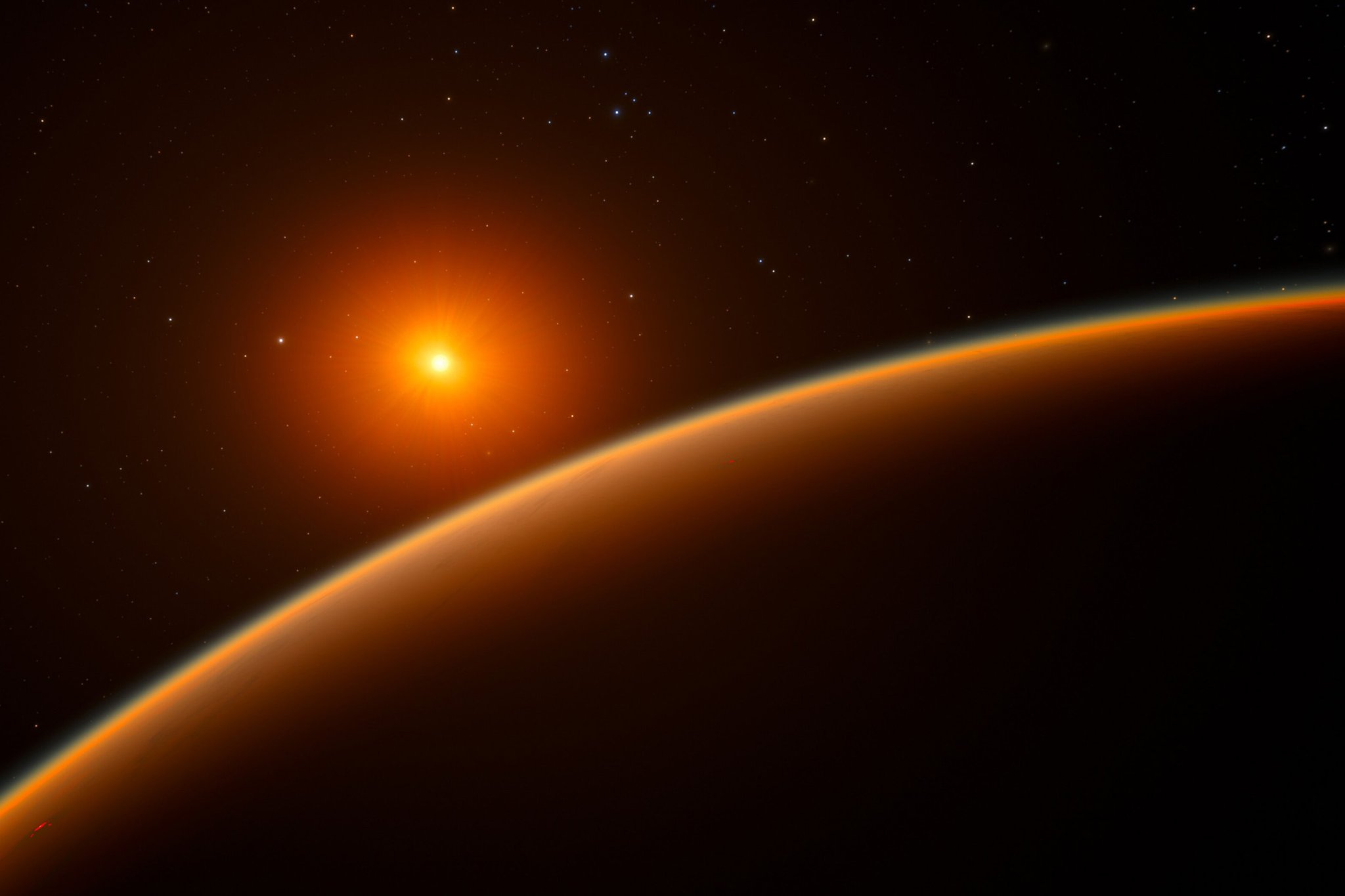
If there’s extraterrestrial life anywhere in the galaxy, chances are, it could be on LHS 1140b.

Astronomers have found that the exoplanet 48 light years away is spewing helium into space, a strong sign that it harbors a robust atmosphere, they reported in a new study published in the journal Science.

And that’s not all: it’s also a rocky world like our own, and orbits within its star’s habitable zone, the region around a star where a planet can maintain liquid — and possibly life-harboring — water on its surface.

If their findings are borne out, then it’s the first ever Earth-like exoplanet we’ve seen with an atmosphere stable enough to support life — and could vindicate the belief that there’s a whole host of similar planets out there, rather than our own being a rare anomaly in the cosmos.

“When there’s one, there’s more in exoplanets,” Sara Seager, an astrophysicist at MIT who was not involved in the study, told the New York Times. “Hopefully this is the start of something new.”

“At this point, we have absolutely no evidence for life on the planet,” lead author Collin Cherubim, a planetary scientist at Harvard University, added to the newspaper. “But we think all of the really important, essential ingredients are there.”

Spotting exoplanets is rare. While we have catalogued millions of stars, we have only confirmed around 6,000 worlds outside our solar system. Finding ones with an atmosphere is even rarer, since their signals are faint compared to the light of the planet’s star. In many cases, the planets with atmospheres are gas giants, which are unlikely to support life.

A key detail is that LHS 1140b orbits a red dwarf. Planets around red dwarfs are easier to spot because the diminutive stars are fainter, meaning it’s more noticeable when a planet passes in front of them. But since they emit less heat, a potentially habitable planet needs to orbit much closer to to them than we do our Sun. That could be a problem because red dwarfs are believed to be highly volatile. A closely orbiting planet would be in danger of being battered by solar flares and other powerful outbursts, which could strip it of its atmosphere and sterilize developing lifeforms.

The astronomers, however, found that LHS 1140b has a helium-rich atmosphere despite being — or because it’s in — the star’s habitable zone, demonstrating that the volatility of red dwarfs may not be as much as a problem as once thought (though this one appears to be less active than its cousins). They used a theoretical computer model of exoplanet atmosphere evolution that tracked how lighter elements like hydrogen and helium would be ejected by the outbursts of its host star, Science explained. When they applied it to LHS 1140b, which was first discovered in 2017, it predicted that its upper atmosphere would be dominated by helium, a promising sign that it’s capable of supporting life.

“Twenty years ago we wondered whether other terrestrial-type planets even existed,” Robin Wordsworth, a professor of earth and planetary sciences at Harvard, said in a statement about the work. “Then we learned they’re common, and found some in the habitable zone.”

“The next question was whether any of them had managed to keep an atmosphere,” he added. “Now we know at least one has.”

More on space: Scientists Say They’ve Identified an Earth-Like Planet Right Next Door

The post Astronomers Thrilled After Discovering Best Spot Yet to Look for Alien Life appeared first on Futurism.

  •  

“A Major Milestone in the Search for Life on Other Planets”: First Ever Detection of an Atmosphere Around an Earth-Like, Habitable Zone Rocky Exoplanet

An international research team led by Harvard scientists has announced the first-ever detection of an atmosphere on an Earth-like rocky exoplanet, LHS 1140 b, orbiting within its star’s habitable zone, only 48 light-years away.

The researchers behind the historic discovery, which they are calling “a major milestone in the search for life on other planets,” said the detection of an atmosphere on an Earth-like rocky exoplanet offers the strongest evidence to date that worlds with similar compositions and temperatures to Earth that are also capable of supporting life could exist beyond our solar system.

Models Predicted First Earth-like Rocky Habitable Zone Exoplanet Atmosphere

In a statement announcing the detection of an atmosphere around a habitable-zone rocky exoplanet, the discovery was motivated by theoretical predictions suggesting that LHS 1140 b may contain an atmosphere. The planet was even more tantalizing because its orbit around its host red dwarf star allows for liquid water on its surface, a key ingredient for life as we know it.

Although thousands of exoplanets have been confirmed since 1995, including habitable-zone rocky worlds similar in size and composition to Earth, the team notes that determining whether any of these potential Earth analogs maintain an atmosphere. Like water, an atmosphere is considered a likely necessity for life to emerge.

“An atmosphere is essential for a planet to support life as we know it,” explained Collin Cherubim, the lead author of a study detailing the findings, who recently earned his Ph.D. in Earth and Planetary Sciences from Harvard University.

Robin Wordsworth, the Gordon McKay Professor of Environmental Science and Engineering and Professor of Earth and Planetary Sciences at Harvard, said that as recently as twenty years ago, astronomers still didn’t know if other, terrestrial-type planets “even existed.” However, he explained, they quickly found that this type of planet was common, including some orbiting within their star’s habitable zone.

“The next question was whether any of them had managed to keep an atmosphere,” the professor added.

Infrared Observations Confirm Historic First  

Before performing any direct observations, the team used computer models to predict what they might find on LHS 1140 b. As noted, those models predicted an upper atmosphere rich in helium. The models also suggested that the atmospheric helium was slowly escaping into space.

To test the model’s predictions, Cherubim and colleagues gained access to the Warm Infrared Echelle (WINERED) Spectrograph on the Magellan Observatory in Chile. The team noted that this powerful telescope allowed them to observe an alignment of LHS 1140 b and another planet transiting its star “on the same night.”

When analyzing the data, the team found that one of the planets appeared to lack any measurable atmosphere. However, as their models had predicted, helium was actively escaping from LHS 1140 b. The finding confirmed that this rocky exoplanet orbiting within its star’s habitable zone was actively maintaining an atmosphere.

David Charbonneau, the head of the Harvard Department of Astronomy and an astronomer at the Center for Astrophysics | Harvard & Smithsonian, and Cherubim’s co-advisor with Wordsworth, was initially skeptical because the entire concept was based on a mathematical prediction of a phenomenon astronomers had never witnessed directly. However, Professor Charbonneau ended up praising the student’s determination and follow-through, which led to the historic detection.

“Collin analyzed the planets we knew about and predicted that this one would have a helium atmosphere,” Charbonneau said. “Then he organized telescope time, got the data, and the detection was statistically rock solid.”

“Hopefully it’s just the First of Many More Observations to Come”

When discussing the implications of the findings, Cherubim noted that “this is the first time anyone has found an atmosphere on a rocky planet in the habitable zone of another star.” Professor Wordsworth agreed, once again noting that until now, planets in these categories with atmospheres had been purely theoretical.

“Now we know at least one has,” the professor said.

The data also suggest that LHS 1140 b’s atmosphere has likely survived for more than three billion years, roughly three-quarters of Earth’s existence. This durability makes LHS 1140 b an excellent candidate for future exoplanet atmosphere studies.

More broadly, the team said that using ground-based observatories to search for escaping gases, such as the helium detected leaving LHS 1140 b, “may become an important tool for studying atmospheres on rocky exoplanets.” They also note the potential value of atmospheric detection for astrobiologists searching for signs of life in the cosmos.

As for Cherubim, he plans on following up his historic discovery with a more detailed analysis of the planet’s atmospheric composition. He also said he would like to investigate the possible presence of surface oceans or other planetary characteristics typically associated with habitability and life. The entire team also said they would like to use Cherubim’s model to search for similar Earth-like, habitable-zone rocky exoplanets.

“This has been a model validation, and hopefully it’s just the first of many more observations to come,” Cherubim said.

The study, “Helium escaping from the atmosphere of a nearby rocky exoplanet orbiting in a habitable zone,” was published in Science.

Christopher Plain is a Science Fiction and Fantasy novelist and Head Science Writer at The Debrief. Follow and connect with him on X, learn about his books at plainfiction.com, or email him directly at christopher@thedebrief.org.

  •  

“This Upper Limit is an Illusion”: NASA Study Warns There May Be “No Limit” to How Solar Storms Impact Earth 

Our modern society depends heavily on communications and power networks that are highly susceptible to interference from solar storms, making these volatile space weather events a paramount concern for scientists.

Now, it turns out there may be more to fear than previously realized. Scientists are discovering that there may be no ceiling to the devastating effects solar storms may have on Earth, overturning what little sense of security may exist as a mere mathematical anomaly.

In a recent paper published in Nature, a NASA-led team discovered that the potential impact of solar storms on our technological infrastructure could be substantially more severe than currently recognized.

Solar Storms Reconsidered

According to new research, any past limitations perceived regarding the impact of solar storms on our planet are purely an illusion, which arises from imprecise data collection.

Previous observations of electric currents in the Earth’s upper atmosphere during solar storm events suggested a ceiling to how far they could increase. Yet the new paper claims that uncertainties in solar wind data are falsely giving rise to this idea.

The researchers say that the distance of the spacecraft taking solar wind measurements is the issue. Those spacecraft are millions of miles closer to the Sun than the Earth is, meaning that by the time those winds reach Earth, they have weakened considerably. Additionally, instrument error and the effects of the local plasma and field conditions all come into play.

All this, the researchers say, creates a mismatch between the measured strength of the wind and its effects on our planet’s electrical currents.

Correcting For Distance

The new findings contain one significant difference from existing research: they relied on observation platforms much closer to Earth to collect data, which included spacecraft such as NASA’s MMS and THEMIS.

Launched in 2007, THEMIS consists of five satellites that target the Earth, rather than the Sun, to study our planet’s magnetosphere and auroras. MMS consists of four spacecraft that also study the Earth’s magnetosphere.

Existing charts show the impact of solar winds on Earth leveling off at a certain threshold, which scientists had believed was the maximum saturation possible. However, in new solar wind strength data collected much closer to Earth, more accurately reflecting power at the time of impact, this saturation point disappeared. Instead, this data revealed that there is no ceiling on how heavily solar storms can charge the Earth’s electrical currents.

Solar Storm Impacts

Another crucial element in the NASA-led research is the statistical concept of regression to the mean, which holds that extreme measurements often change as more data come in. In this case, as more data on solar storm impacts on Earth recorded from various distances were collected, the plating effect disappeared. The authors note that similar effects occur in other areas of research, such as climate studies and chronic medical pain.

These new findings present a major challenge to our understanding of space weather. Scientists will now need to conduct many further observations to determine if any such ceiling exists. The threat to our infrastructure may be severe, as satellite communication underpins our modern society, not to mention the power grid, which keeps our world running.

For now, NASA continues to monitor solar storms to prepare for their potentially dangerous effects on our infrastructure, and in light of the new research, the potential for future challenges ahead may be greater than previously realized.

The paper, “Regression to the Mean Can Explain Saturation of Geomagnetic Storms,” appeared in Nature on July 15, 2026.

Ryan Whalen covers science and technology for The Debrief. He holds an MA in History and a Master of Library and Information Science with a certificate in Data Science. He can be contacted at ryan@thedebrief.org, and follow him on Twitter @mdntwvlf.

  •  

Astronomers Uncovered a Hidden Bubble Inside the Orion Nebula

A key component of the Orion Nebula had escaped detection by astronomers until now, according to a new study in Astronomy & Astrophysics.

An international team led by Juan Diego Soler at the University of Vienna used two of the world’s most advanced radio telescopes to map neutral atomic hydrogen gas across the nebula’s outer shell at unprecedented resolution. The new maps provide a clearer view of the celestial feature, and reveal a previously uncatalogued second bubble—a shell with much less mass than earlier estimates—and a four-light-year filament of gas extending from the structure.

The Orion Nebula’s Miscalculated Bubble

Neutral hydrogen emits a faint radio signal at a wavelength of 21 centimeters, making it possible to trace otherwise invisible gas between the stars. Soler’s team solved this by combining data from the Karl G. Jansky Very Large Array in New Mexico and the FAST telescope in China. The VLA provided high resolution, while FAST picked up faint, widespread signals. Together, they produced the first detailed hydrogen map of the extended Orion Nebula, at the same scale as earlier ionized carbon maps.

Earlier calculations based on ionized carbon estimated that the front half of the shell was about 1,100 times the mass of our Sun. The hydrogen observations paint a different picture, suggesting the shell actually weighs in at closer to 100 solar masses. “Measuring mass is fundamental,” Soler said, “because it tells us about the efficiency of these newly formed stars shaping their environment with wind and radiation.”

A shell with only a tenth of the previously assumed mass significantly alters calculations of how efficiently newly formed stars shape their environment. The researchers note that molecular hydrogen, which is not detected in either the hydrogen or carbon data, may account for some of the missing mass.

A Second Bubble

The hydrogen maps also revealed an uneven distribution of gas, indicating a second, smaller cavity within the main shell. The team searched catalogs of known stars and young stellar objects in the region but found no candidate at the bubble’s center. The source responsible for creating the cavity may not be the type of object included in current catalogs.

Daniel Seifried at the University of Cologne, a co-author on the study, pointed to what that means for the models astronomers build to explain regions like this one. “These stunning observations serve as a reference for many modern astrophysical simulations investigating the evolution of gas and stars in the Milky Way. These are the kind of images that challenge the theoretical models and numerical simulations that we use to understand how massive stars affect their immediate surroundings.”

Previous models generally treated Orion’s shell as the product of a single expanding bubble. The discovery of a second cavity, with no obvious source at its center, instead suggests the nebula was shaped by multiple episodes of stellar feedback.

An Unexpected Filament

The new maps also uncovered a filament of hydrogen extending about four light-years from the shell’s western edge. Previous carbon-based observations saw only the base of this structure. The filament contains about 80 solar masses of hydrogen and does not appear to be associated with any known group of young stars. Its origin is unclear; it could be gas leaking through a weak spot in the shell or a leftover from the original cloud that existed before the bubble formed.

Claire Murray of the Space Telescope Science Institute, another co-author, framed the discovery within the broader push behind the observations. “This study is an exciting demonstration of the power of the latest-generation radio telescopes to uncover new pieces to the star formation puzzle.” Despite being one of the galaxy’s most extensively studied star-forming regions, the Orion Nebula continues to reveal discoveries.

This survey is the first scientific result from the NeAtHood project, which aims to map atomic hydrogen across nearby star-forming regions accessible to the VLA and FAST telescopes. Soler and his colleagues now plan to apply the same approach to additional targets. “Orion is only the beginning. Our newly developed methods show how future interferometers will reveal the hidden structure and dynamics of the interstellar medium—even in regions that astronomers already believed they understood well,” Soler explained.

If one of the sky’s best-studied star-forming regions still contains hidden structures, other nearby nebulae may prove equally surprising as the NeAtHood survey expands.

Austin Burgess is a writer and researcher with a background in sales, marketing, and data analytics. He holds an MBA, a Bachelor of Science in Business Administration, and a data analytics certification. His work focuses on breaking scientific developments, with an emphasis on emerging biology, cognitive neuroscience, and archaeological discoveries.

  •  

The Propellantless Spacecraft Technologies That Could Help Us Reach the Stars

Soyuz FG Rocket Launch From Gagarin’s Start Baikonur CosmodromeFuture spacecraft may travel farther by drawing momentum from planets, sunlight, and the solar wind instead of onboard fuel. Every conventional rocket faces the same problem: it must carry the material that propels it. Since Konstantin Tsiolkovsky described the rocket equation in 1903, spacecraft have burned fuel and expelled it backward to move forward under [...]
  •  

New Black Hole Theory Solves a 50-Year-Old Problem

Growing Black HoleScientists may have found a more realistic set of thermodynamic rules for black holes that never stop changing. Black holes are among the most extreme objects known in the universe. They compress enormous amounts of mass into remarkably small regions, creating gravitational fields so powerful that nothing, not even light, can escape once it crosses [...]
  •  

China’s Tianwen-1 Captures Rare Close-Up Images of Interstellar Comet 3I/ATLAS

Artist’s Impression of 3IATLAS Passing the SunChina’s Tianwen-1 orbiter caught a rare glimpse of 3I/ATLAS as it swept past Mars, revealing the hazy coma and tail of a comet born beyond our solar system. The interstellar object known as 3I/ATLAS just flew past Mars, and China’s Tianwen-1 mission managed to snap some pics with its high-resolution camera. According to the China [...]
  •  

You’ll Never Guess What Tasty Molecule Astronomers Just Detected In Space

Outer space: it’s cold, it’s dark, it’s mostly empty. And it’s occasionally very sweet.

Astronomers peering into the heart of our galaxy have spotted traces of erythrulose, the same kind of sugar that’s found in raspberries, kiwis, and other fruits, speckled in a giant gas cloud.

The delectable discovery, detailed in a new study published in the journal Nature Astronomy, is the first time sugar, a key ingredient for life, has been detected in interstellar space.

The detection “tells us that these sugars are more common than we previously thought,” study lead author Izaskun Jiménez-Serra, an astrochemist at Spain’s Centre for Astrobiology, told The Guardian. “It opens the possibility for life to develop on other worlds in a similar fashion to what it did on Earth.”

Sugar’s origins on Earth remain a mystery. Ribose and glucose have been found on asteroids, and some scientists believe that, like water, the compound was first brought here by wayward space rocks that crashed into our planet.

But where are these sugars forming in space? One likely culprit is molecular clouds, the dense regions of the gas and dust that make up the universe’s interstellar medium. These clouds can act as a “chemical factory,” the researchers wrote, fusing disparate atoms together to form more complex substances, with more than 340 molecules having been detected in the interstellar medium so far.

To carry out their saccharine search, the researchers used two radio telescopes in Spain to peer into a molecular cloud near the center of the Milky Way. Where earlier searches would have struggled to make sense of all the noise coming out of the highly dense region, theirs was — quite literally — laser-focused. Another team recently developed a way to recreate sugar’s light signature in space when vaporized with a laser, Scientific American noted, and this allowed them to narrow their focus.

What they found was unexpected. The cloud was swimming in erythrulose, which is made of four carbon atoms. But there were almost no signs of sugars made from three carbon atoms, SciAm explained, cutting against the prevailing belief that sugars gradually formed by adding one carbon atom at a time. This led the team to suspect that the four-carbon sugar was formed by two other organic molecules that each contain a carbon pair.

It’s a major boon for astrobiology. Sugars like ribose and deoxyribose form the backbone of RNA and DNA. And erythrulose in particular can form ribonucleotides, the building blocks of RNA. In all, they estimated that up to 50 million tons of erythrulose could have rained down on Earth while life was still in its primordial age.

 “To have suffered this kind of rain of organics, I think that seems to have been a key step,” Jiménez-Serra told The Guardian. “That material could have contributed to prebiotic soups where the first biomolecules were synthesized.”

More on space: Scientists Say They’ve Identified an Earth-Like Planet Right Next Door

The post You’ll Never Guess What Tasty Molecule Astronomers Just Detected In Space appeared first on Futurism.

  •  

Alien World Chemistry Found Inside Meteorite That Struck New Jersey Home

Researchers say a meteorite that crashed through the roof of a Hillsborough, New Jersey, home in 2024 contains unusually pristine evidence of salty fluids and organic chemistry from near the surface of a primitive asteroid. "A forensic study of the fragments revealed that they contained preserved bits from near the surface of a primitive asteroid, where it experienced concentrated salty fluids -- a process not previously known from this type of protoplanet world," said lead author and meteor astronomer Peter Jenniskens of the SETI Institute and NASA's Ames Research Center in California's Silicon Valley. Phys.org reports: According to paper co-author Mike Zolensky, a meteoriticist at NASA's Johnson Space Center in Houston, analysis of the Hillsborough meteorite found fragments that were more extensively altered by water on the meteorite's parent asteroid than is typically seen in CM2 carbonaceous chondrites. The analysis classified the specimen as a CM1/2 carbonaceous chondrite, an intermediate classification between petrographic types CM1 and CM2. [...] Zolensky and colleague JangMi Han found small salt-rich CM1 fragments within the Hillsborough meteorite, suggesting they originated from a near-surface region of the parent asteroid where liquid water evaporated and concentrated salts. They are now working to identify the salt minerals for comparison with similar phases found among samples returned to Earth from asteroids Ryugu and Bennu. The high concentration of salt in briny fluids can potentially create molecules crucial to life on Earth. Brines allow phosphate to remain in solution and can catalyze chemical reactions between organics and precipitate minerals. "Isotope studies of carbon and nitrogen suggest that primitive carbonaceous chondrites, including CM types, delivered organic matter to the early Earth," said cosmochemist Queenie Chan of Royal Holloway University of London, England, and biogeochemist Nana Ogawa of the Biogeochemistry Research Center at the Japan Agency for Marine-Earth Science and Technology. "The Hillsborough meteorite contained 1.8% by weight of carbon and 0.07% of nitrogen, and had carbon and nitrogen isotopes typical for CM-type meteorites." The meteorite contained a wide variety of soluble organic compounds, and its compositional range confirms that the Hillsborough meteorite was more altered by water than most other CM-type meteorites. "A high fraction of compounds were the product of organic chemistry with minerals," said organic mass spectrometry specialist Phil Schmitt-Kopplin of Technical University Munich. "We do not know if these magnesium organic compounds were contributed by brine chemistry or were simply left over from earlier impact shock processes." In living organisms, organometallic compounds are found in blood and used in photosynthesis. Among the soluble organic compounds were many amino acids, similar to those found in more moderately altered CM2 chondrites. Astrobiologist Danny Glavin of NASA's Goddard Space Flight Center in Greenbelt, Maryland, and his team in Goddard's Astrobiology Analytical Lab concluded that the delivery of amino acids, carboxylic acids and other soluble organic molecules by CM-type bodies may have contributed to the prebiotic organic inventory that preceded the emergence of life on Earth. Their analysis suggests the complex distribution of amino acids observed in the Hillsborough meteorite formed within the parent body, likely assisted by brine fluid chemistry. The findings have been published in the journal Science Advances.

Read more of this story at Slashdot.

  •  

SpaceX Eager to Support the Pentagon’s Lethal AI Models

After years of being engaged, it looks like SpaceX and the Pentagon are finally ready to send out save-the-dates.

On Friday, the Wall Street Journal reported that Elon Musk’s formerly-just-rockets company is now in talks with the Department of Defense over providing the military access to its data-center capacity for running AI models, tying the knot on their already close relationship.

People familiar with the matter told the newspaper that the arrangement could cost the Pentagon billions of dollars, but stressed the talks are ongoing and could fall apart.

Computing power is a precious commodity during this ever-raging AI boom, and SpaceX has it in spades. Musk has rapidly built data centers in Memphis, Tennessee and a lot of that capacity hasn’t been tapped into, with Bloomberg reporting that his AI startup xAI is only using 11 percent of its total computing power.

Selling this excess compute would help generate the company some much needed revenue, even if it directly benefits its rivals. SpaceX has struggled to be profitable, losing $5 billion last year. And xAI, which was folded into SpaceX before its IPO last month, burned through $6.4 billion over the same period. All the while, Musk has struggled to sell his Grok chatbot to businesses, as its capabilities lag behind leaders like Anthropic and ChatGPT.

The real story, though, is the deepening ties between Musk’s business empire and the Pentagon, which goes way back. SpaceX has worked with the military to deploy a secretive network of spy satellites, for example, and also had a small contract to experiment with building a rocket that could deliver military cargo across the globe.

Those collaborations have gotten way bigger in the past year. In May, it won a $2.29 billion Space Force contract to build a network of satellites that could function as a military internet service, connecting weapon systems across the globe. That same month, it was awarded an even larger $4.16 billion contract to provide the technology to build a system that can track missiles and aircraft from orbit.

To be clear, Musk’s companies are far from the only tech leaders to be getting in bed with the Pentagon. Amazon, Google, Microsoft and Oracle all have similar deals for providing cloud computing capacity to the military, as well as for providing their AI models, the WSJ noted.

But it’s a particularly hypocritical road to be going down for Musk. When Musk cut off Starlink satellite access to the Ukrainian forces in 2023, he reasoned that he didn’t want SpaceX to be “explicitly complicit in a major act of war and conflict escalation.” Fast forward to this June, when a Pentagon official bragged that the military used Grok to fire 2,000 missiles at Iran during Operation Epic Fury, sparking a war that killed thousands of civilians in the country.

More on SpaceX: SpaceX’s Shares Tank After Starship Fails to Launch

The post SpaceX Eager to Support the Pentagon’s Lethal AI Models appeared first on Futurism.

  •  

Establishing a VTE Risk Score for Astronauts Algorithm

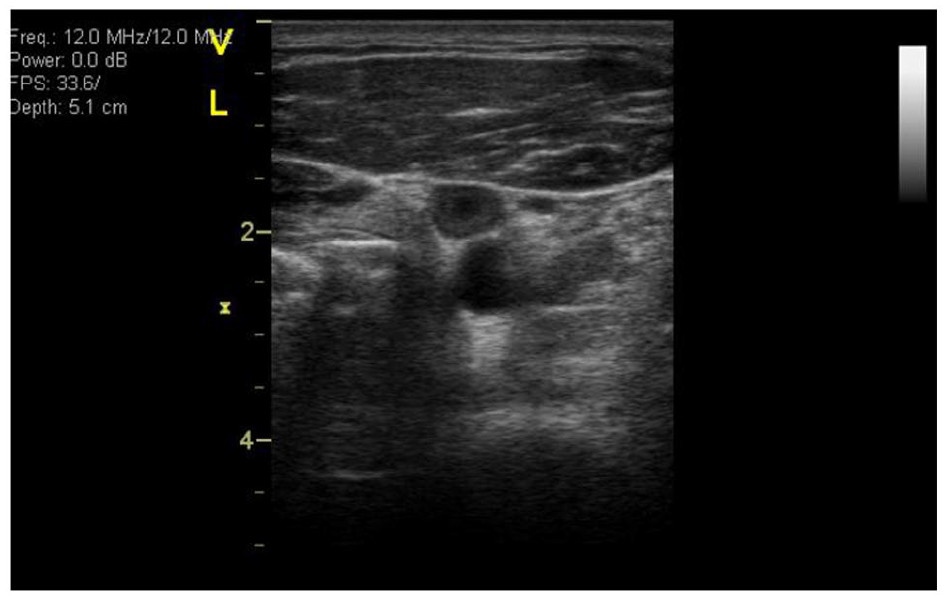
Spontaneous echo contrast (SEC) grade 3 with peripheral echogenicity.
NASA/Pavela

In April 2026, NASA’s Office of the Chief Health and Medical Officer (OCHMO) initiated a working group to review updated VTE case information, additional data gathered revealing altered blood flow status within a cohort of astronauts, and discuss progress of research and clinical activities intended to mitigate the risk of VTE during spaceflight with new evidence-based clinical practice recommendations.

Recommendations

The following is a summary of the working group’s recommendations:

  • The working group’s conclusions emphasized that stasis in the left internal jugular vein (IJV) is consistently viewed as a dominant risk factor for VTE in microgravity, though there is active debate regarding the relative contributions of slow qualitative flow, endothelial factors and/or retrograde flow.
  • Limitations of current in-flight ultrasound capabilities to accurately measure stasis/slow flow was cited as a concern, especially if using only stasis as a factor for indicating the need for prophylaxis.
  • Additional review of assessing stasis with ultrasound in-flight was recommended.
  • After reviewing the risk factors, additional discussions following the working group led to the majority of the panel agreeing that stasis and retrograde flow warranted use of prophylaxis.
  • The working group also recommended assessing all other risk factors other than stasis to also determine when prophylaxis is warranted.
  • Based on a literature review and summary of the panel contributions, a VTE Risk Score for Astronauts Algorithm was developed, which includes providing anticoagulation prophylaxis for stasis alone, or a combination of other thrombosis risk factors that are weighted by terrestrial literature.

Risk of Venous Thromboembolism During Spaceflight

NASA initially formed a working group in October 2024 after diagnosing venous thromboembolisms (VTEs) in astronauts during ISS missions. Experts reviewed case data, updated Clinical Practice Guidelines, and examined possible causes.

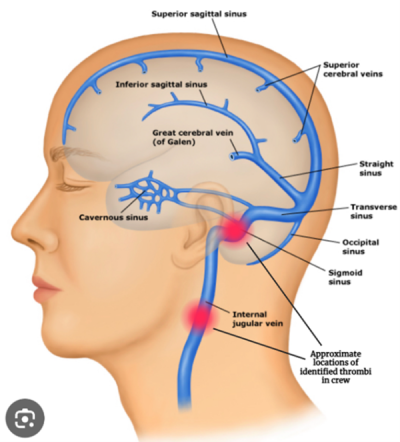
Approximate location of identified thrombi in crewmembers.
Source: Modified from Cerebral Sinus Venous Thrombosis – University of Colorado Denver

The post Establishing a VTE Risk Score for Astronauts Algorithm appeared first on NASA Science.

  •  

Google-backed satellites for wildfire detection launch as smoke chokes US, Canada

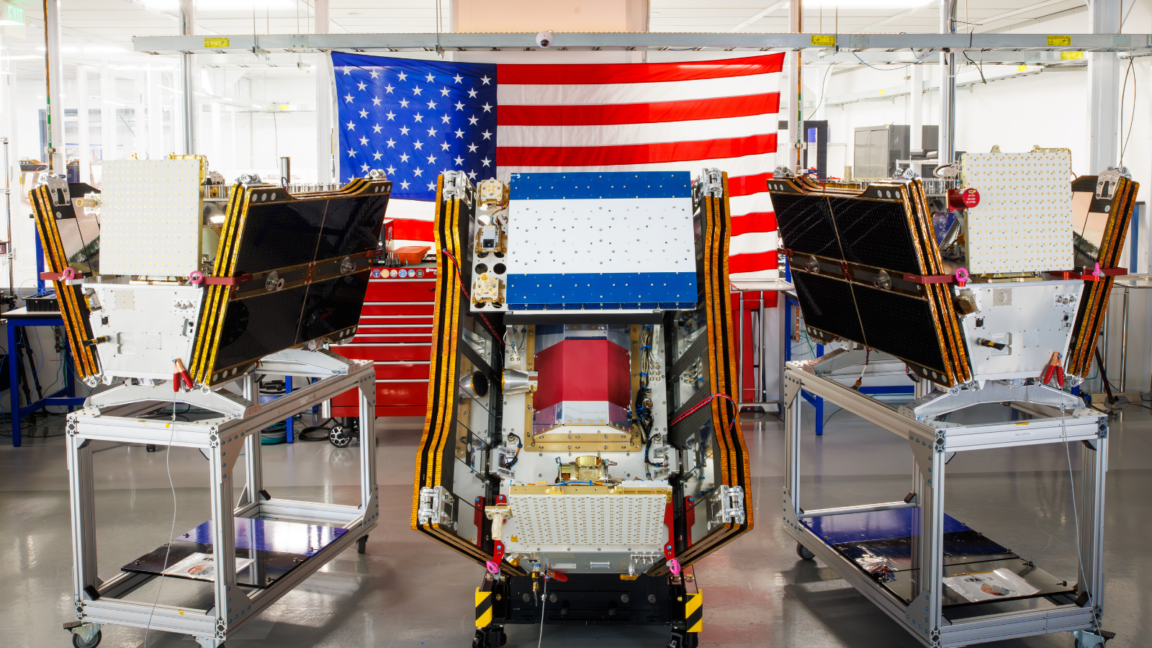
As smoke from hundreds of burning wildfires spread across Canada and the United States, the first three operational satellites in the Google-backed FireSat program successfully launched into orbit. The satellites will begin providing wildfire detection capable of spotting even small fires in the United States, Australia, and Europe before the end of the year.

The launch of the microsatellites aboard a SpaceX Falcon 9 rocket from Vandenberg Space Force Base in California on July 7, 2026 marks a transition to “initial operational capability” for the FireSat constellation managed by the nonprofit Earth Fire Alliance. After a three-month testing period, the three satellites will begin actively providing data to fire agencies while covering every fire-prone region on Earth at least twice per day.

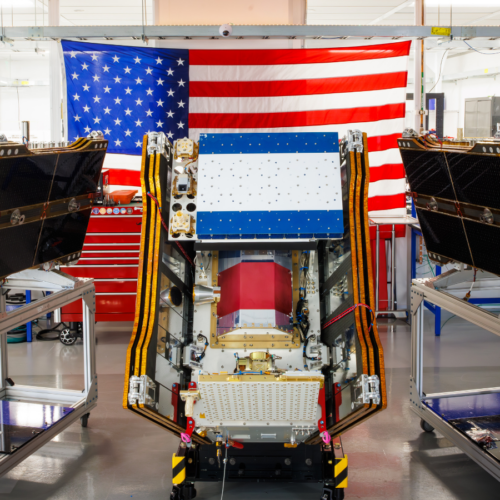
FireSat represents the first satellite constellation purpose-built for detecting wildfires, including spotting smaller fires that other satellites may miss. The satellites were designed by California-based satellite manufacturer Muon Space and have received over $15 million from Google to support initial deployment. Other notable financial supporters include the Bezos Earth Fund that committed $26 million.

Read full article

Comments

© Muon Space

  •  

The Pentagon's Space Development Agency hasn't moved as fast as anyone would like

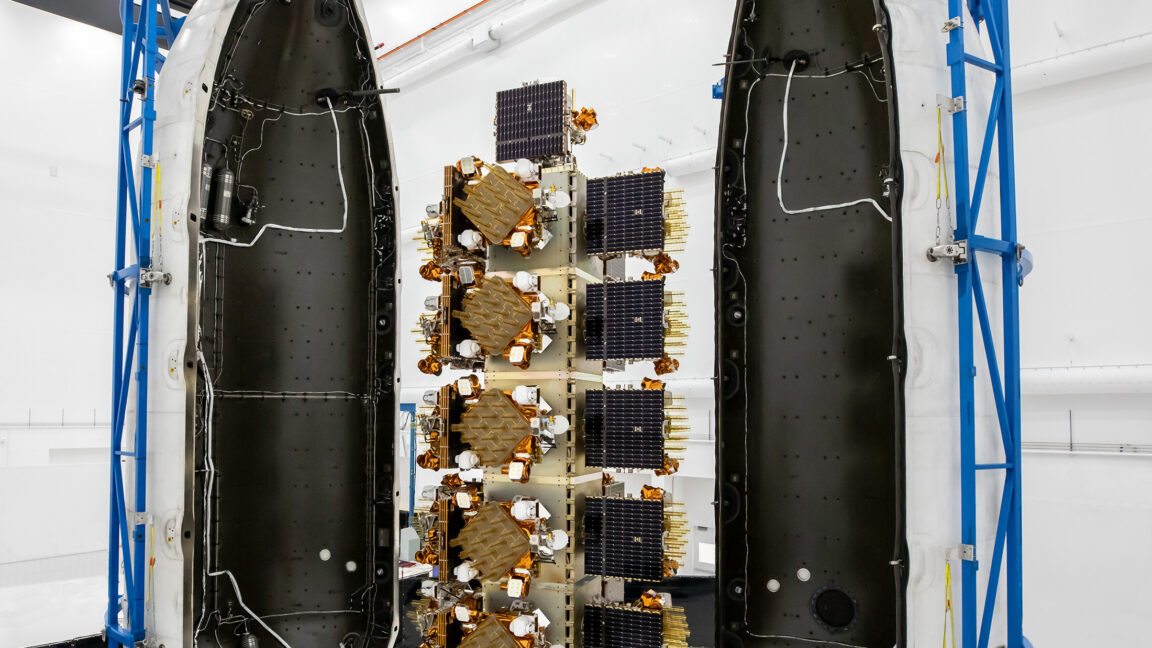
The Space Development Agency was established in 2019 to help speed up the deployment of US military space systems by sidestepping the Pentagon's traditional sluggish bureaucracy.

Seven years later, SDA is finally launching its first batches of operational satellites, just as the Pentagon plans to shutter the semi-autonomous agency and fold it back into the Space Force's procurement pipeline, newly reorganized under several program acquisition executives in a bid to streamline weapons buying.

SDA's fate is not a surprise, and lawmakers in both houses of Congress have backed the agency's closure in drafts of this year's National Defense Authorization Act.

Read full article

Comments

© SpaceX

  •  

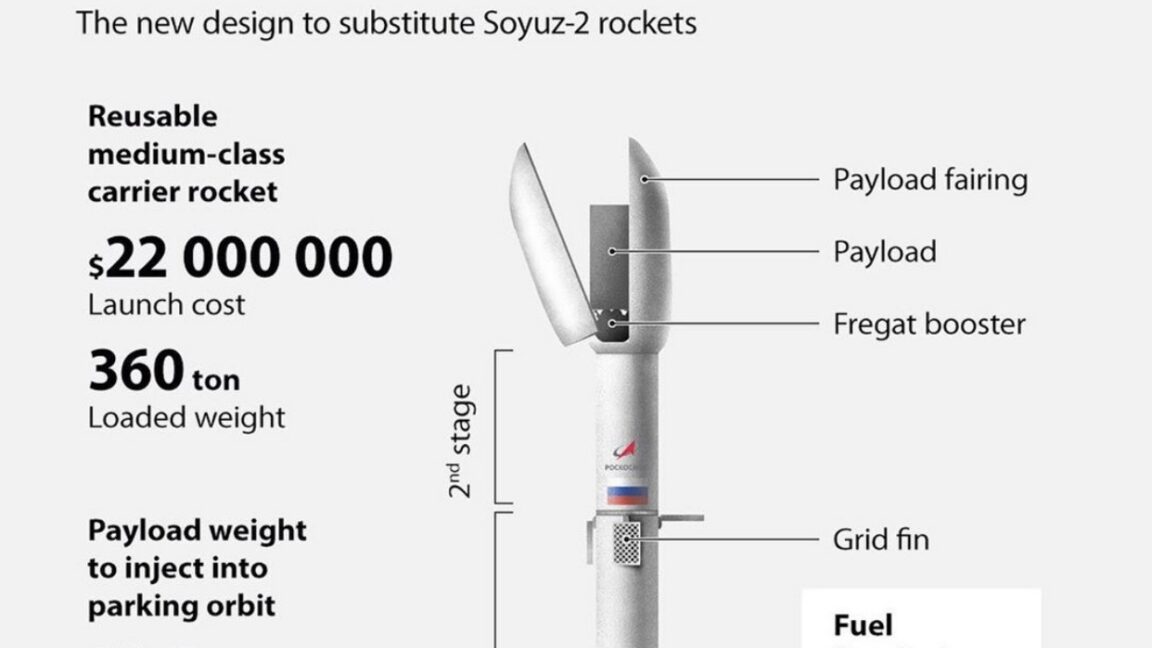
Will Russia's answer to the Falcon 9 rocket ever take flight?

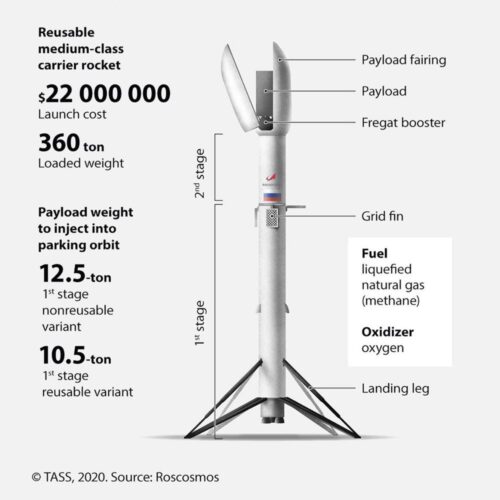
Everyone seems to be launching and landing rockets these days.

Last week, China joined the club of countries that have launched an orbital mission and brought its booster safely back to Earth, which is just the beginning of public and private ventures in that country aggressively pushing into rocket reuse. Also in Asia, Japan's space agency has been conducting hop tests, and Honda recently performed vertical reuse tests.

In the United States, of course, SpaceX launches and lands reusable rockets every few days. Blue Origin, although its New Glenn booster is temporarily grounded, has also demonstrated the ability to both land and re-launch a large orbital booster. Other US companies, including Stoke Space, Rocket Lab, and Relativity Space, are all making credible progress toward partially or fully reusable rockets.

Read full article

Comments

© GK Launch Services

  •  

Can You See It? This Stealth Drone Deploys a Human Perception “Hack” to Become Nearly Invisible to the Eye

An innovative new drone dubbed the “Phantom Twist” can seemingly disappear from view, in a major new robotics advancement offering a close-to-invisible aerial platform.

Its name describes the drone’s rapid spinning motion, which rotates 25 times per second—too fast for the human eye to resolve—thereby acting as a sort of cloak shielding it from visible detection.

The Northwestern University engineering team behind the Phantom Twist revealed their drone during a recent talk at the Sydney, Australia, Robotics: Science and Systems 2026 conference on July 16.

Stealth Drones

“Most efforts to hide drones focus on making them look like their surroundings,” said Northwestern’s Michael Rubenstein, who led the work. “Instead, we asked whether we could design the drone itself around the way humans perceive motion. This idea of low visibility through persistent motion is something few people have explored.”

invisible drone
The Phantom Twist drone’s unique rotation renders it almost invisible when in flight (Image Credit: Northwestern University)

Hiding drones is not a new idea. Other engineers have attempted a variety of techniques, including camouflage, transparent materials, and light-bending to obscure the presence of drones and robots. However, all of those focused on the material the drone’s exterior was constructed from, allowing it to blend into the background. The Northwestern team’s innovation was in how the object moves.

To our eyes, fan blades disappear because they are moving so fast that our eyes cannot track them. The “motion blur” created at these speeds allows the Phantom Twist to almost disappear, leaving only a faint apparition perceptible to the eye. 

Nature Drones

While several military applications are immediately obvious, the team instead says their work could be useful in developing noninvasive wildlife and environmental monitoring. Loud drones can scare wildlife, disrupting them as they scatter, but by blending in, the Phantom Twist could capture a much more accurate picture of natural behaviors.

Their perception-based design eschews the traditional quadcopter design for a single propeller, with a body that spins in the opposite direction, creating the optical illusion that the drone essentially disappears.

Phantom Twist invisible drone
As it spins, the Phantom Twist’s movements become virtually invisible to the human eye (Image Credit: Northwestern University)

“For a typical quadrotor drone, the propellers are spinning, but the robot is stationary,” Rubenstein said. “So, you still see its body. For our drone, the whole thing is rotating, so there are no stationary parts.”

Creating the Phantom Twist

Using AI and optimization algorithms, the Northwestern team began by generating 20,000 different arrangements of a drone’s propeller, motor, circuit board, and other necessary components. Eventually, the algorithm landed on the most promising configurations, after which the researchers simulated and superimposed them onto real-world backgrounds. 

Another computer model mimicked human perception, allowing the engineers to assign a perception score for how visible each design would be to human eyes. An algorithm then optimized those designs by moving components to minimize the visibility score even further.

“The design process was fully automated,” Rubenstein said. “Then, when we were confident that a drone met all our criteria, we built it.”

A Revised Drone

The key feature of this design is that the individual components are at such varying heights and angles that they do not overlap as it spins, maximizing the motion-blur effect and creating the appearance of a faint cloud rather than a solid object.

“The human eye takes time to accumulate signals, roughly analogous to the exposure time of a camera,” said Alexander, an expert in computer vision. “When an object spins quickly, we perceive it as blurring out and losing distinct features. Because this new drone is almost entirely transparent, its few opaque components are visually averaged with the background for an overall appearance of a slight haze.”

Currently impeding the drone from being even more imperceptible to the eye are the wires and support rods that remain visible, as well as the engine noise it produces, which is readily discernible. Going forward, the team plans to continue improving Phantom Twist in future iterations to incorporate more transparent materials and reduce the noise it produces.

Ryan Whalen covers science and technology for The Debrief. He holds an MA in History and a Master of Library and Information Science with a certificate in Data Science. He can be contacted at ryan@thedebrief.org, and follow him on Twitter @mdntwvlf.

  •  

No Sample-Return Required? Scientists Demonstrate Extraterrestrial Biosignature Detection Method Using the Mars Rover’s Existing Instruments

An international team of researchers has demonstrated a new biosignature detection method for distinguishing between abiotic and biotic apatite mineral samples on Mars using instruments already aboard the Perseverance Rover, rather than returning samples to Earth.

The team said their mineral-based biosignature detection approach was successful in identifying samples with nearly 98% accuracy and allows for “deeper time” searches for signs of life, given the longer-lasting nature of minerals compared to biological materials. They also suggest their approach could broaden the capabilities of upcoming rover and life-hunting missions without adding new tools or sensors.

Advantages of a Mineral-Based Approach for Hunting Biosignatures

In a study detailing the team’s technique, Robert M. Hazen from the Carnegie Institution for Science and colleagues explained that searching for life and biosignatures beyond Earth “is a central objective of astrobiology.” They also note that this research is complemented by studies exploring the origin and early evolution of terrestrial life. Still, they add, although identifying biosignatures remains a key challenge, “robust mineral biosignatures remain limited.”

For example, most proposed biosignature missions focus on organic molecules or searching for fossils preserved in sedimentary environments or aquatic environments, including the subsurface oceans of some of the solar system’s moons. However, there are few, if any, proposed missions searching for signs of life preserved in mineral records, which the team notes “can retain records of biological activity over much longer geological timescales”

On Mars, NASA’s Perseverance rover has meticulously collected soil and rock samples deemed most likely to contain biosignatures. However, efforts to send a future sample-return mission to the red planet to retrieve samples are currently stalled and may never be completed.

According to the study authors, there are flight-ready instruments “already deployed on the “Perseverance” rover and planned for deployment on the “Rosalind Franklin” rover capable of searching for signs of life in place rather than returning the samples to labs on Earth. However, they add, “to fully exploit these mission-limited yet information-rich tools, it is essential to efficiently extract as much diagnostic value as possible from the data they generate.”

To search for mineral-based biosignatures, the team focused its research on Raman spectroscopy.

Using Instruments Already Aboard Mars Rovers to Search for Life

“Raman spectroscopy is particularly attractive because it provides bond-specific information on crystal structure and chemical substitution in a nondestructive manner,” they explain.

The team also notes that the Raman spectra acquired by the rover’s instruments “are highly comparable to those obtained under laboratory conditions,” increasing the robustness of any possible life signal.

“This consistency enables direct translation of laboratory reference datasets to planetary environments,” they write.

However, they add, Raman spectra from natural geological samples are often complex, including “overlapping vibrational modes, heterogeneous backgrounds, and chemistry-dependent band shifts.” Until now, this complexity has made interpreting samples based on individual spectral peaks or qualitative inspection inherently challenging.

“Identifying reliable biosignatures that can be detected by flight-ready instruments, such as Raman spectroscopy, remains a central challenge in astrobiology,” the researchers explain. “Developing robust mineralogical indicators of life therefore represents a critical and complementary approach for planetary exploration.”

Approach Distinguishes Abiotic and Biotic Features

To test their approach, the team focused on the mineral apatite. A ubiquitous phosphate, the team notes that apatite can be found “in terrestrial and extraterrestrial environments.” Although apatite is a major component of biological formations such as teeth and bones, it also forms naturally, providing an opportunity to search for biosignatures over much longer timescales if scientists can differentiate the two.

“Here, we integrate Raman spectroscopy with interpretable machine learning to distinguish biotic from abiotic apatite, a ubiquitous phosphate mineral in terrestrial and extraterrestrial environments,” the researchers write.

First, Hazen and colleagues compiled 331 Raman spectra samples. Critically, they included only specimens with known origin attributes: biogenic, abiogenic, or synthetic.

Next, they used this data to extract 21 “band-resolved features.” This was accomplished by training a random forest classifier to identify the “most diagnostic” features of each sample.

“Determining the origin of a sample involves assessing multiple independently varying features of a Raman spectrum, including band positions, widths, and relative intensities, the type of multivariate analysis well suited to machine learning,” the study authors explain.

After some comparative analysis, the team ultimately determined that a sample’s carbonate band and the width of the dominant phosphate band, “reflecting chemical composition and crystal structure, respectively,” were the strongest indicators of biological, natural, or synthetic origin.

After using their method to check the 311 samples, the team said the model successfully  distinguished biotic from abiotic apatite “with classification accuracy exceeding 96%.” In fact, the team reported that their mineral-based biosignature detection method misidentified only one biotic apatite sample as abiotic and one abiotic sample as biological.

“Here, we show that biologically formed apatite can be distinguished from abiotic counterparts using interpretable machine learning applied to Raman spectra,” the study authors write.

Life Detection Across Diverse Planetary Environments

When discussing the potential implications of their new mineral-based biosignature detection approach, the team noted that their findings establish a “broadly applicable and mission-relevant strategy for deep-time archives and future planetary missions.” More broadly, the researchers note that their findings highlight the “growing importance of combining flight-ready analytical instruments with AI” to fully leverage datasets already captured by Mars rovers and other “in situ” planetary missions.

“As planetary exploration increasingly shifts toward autonomous decision-making and target selection, the integration of interpretable AI with mineralogical biosignatures offers a powerful and extensible framework,” they write.

Beyond mineral-based biosignature detection strategies, the research team notes that future life hunting missions will “increasingly rely on the joint interpretation of mineralogical and organic spectroscopic signatures.” These include on-board py-GC-MS measurements, infrared spectroscopy, luminescence, laser-induced breakdown spectroscopy, X-ray fluorescence, and “other analytic methods.”

Future approaches will increasingly rely on AI to analyze these disparate datasets, which the authors note will allow for biologically mediated patterns to be distinguished from natural or synthetic backgrounds “in a physically and chemically consistent manner.”

“In this context, such an integrative and interpretable framework provides a pathway toward autonomous, mechanism-informed life detection across diverse planetary environments, advancing the broader goals of planetary science in understanding habitability, biosignature preservation, and the coevolution of geology and biology,” the authors conclude.

The study “Mineral biosignature identification from Raman spectroscopy using machine learning” was published in PNAS Nexus. 

Christopher Plain is a Science Fiction and Fantasy novelist and Head Science Writer at The Debrief. Follow and connect with him on X, learn about his books at plainfiction.com, or email him directly at christopher@thedebrief.org.

  •  

Rocket Report: India's Vikram-1 nears debut flight; AST to become rocket company?

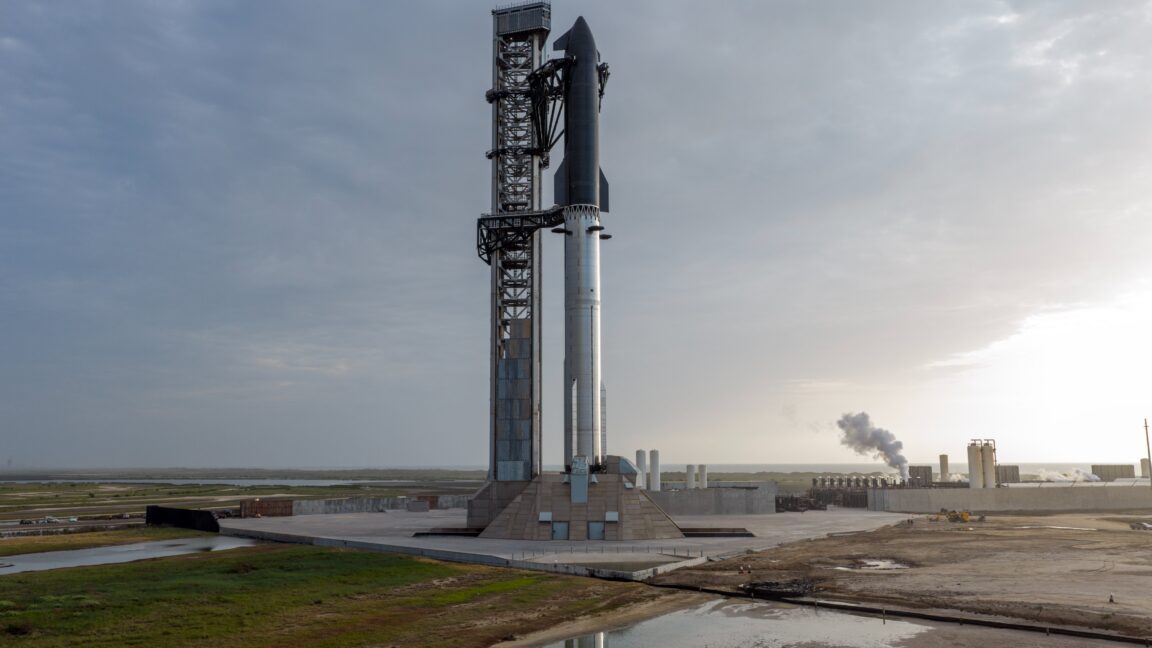
Welcome to Edition 9.03 of the Rocket Report! SpaceX counted down all the way to T-0 on Thursday evening in South Texas before a handful of Raptor engines decided not to light at ignition of the rocket. It is not clear whether the vehicle can be worked on at the pad, or whether Starship will need to be de-stacked before this can occur. In any case, a few days delay beats a significant issue in flight.

As always, we welcome reader submissions, and if you don't want to miss an issue, please subscribe using the box below (the form will not appear on AMP-enabled versions of the site). Each report will include information on small-, medium-, and heavy-lift rockets as well as a quick look ahead at the next three launches on the calendar.

Vikram-1 rocket gets a launch date. The debut launch attempt by Skyroot Aerospace of its Vikram-1 rocket is now set for July 18, at 11:30 am local time in India. This will be the first time a commercial rocket developed in India attempts to reach orbit. Designed to carry small satellites weighing up to 350 kg to low-Earth orbit, Vikram-1 is targeting a 450 km orbit at a 60-degree inclination.

Read full article

Comments

© SpaceX

  •  
❌