❌

Reading view

Acapulco Leads Imagen Awards With 13 Nominations

Acapulco Imagen Awards recognition has given Apple TV’s bilingual comedy one more victory after its fourth and final season. The series leads the 41st Annual Imagen Awards with 13 nominations, placing its cast, directors, music team and production among the year’s most celebrated examples of Latino creative work.

The Imagen Foundation announced the nominations Thursday as part of its annual program recognizing Latino talent and representation across film, television, music, documentaries and digital media. Acapulco received more nominations than any other series, including recognition for Best Comedy Series and multiple acting and directing performances.

The awards organization also announced that actor, filmmaker, producer and musician Andy Garcia will receive its Lifetime Achievement Award. Garcia is separately nominated for his supporting performance in Landman, giving the ceremony another connection between a career-spanning honor and current screen work.

For Apple TV, the nominations extend the life of a series that completed its run in September 2025. Acapulco may have checked out of Las Colinas, but the Imagen Awards are giving the resort one more crowded week.

Acapulco Imagen Awards Reach Across the Production

The 13 nominations show how widely the Imagen Foundation recognized the series rather than concentrating only on its lead actors.

Acapulco is nominated for Best Comedy Series, while Oscar Almengor and Santiago Limón both received Best Director nominations. Javier Nuño and Joe Rodríguez were recognized for Best Music Supervision for Film or Television.

Enrique Arrizon and Camila Perez are both nominated in the Best Actor — Comedy category. Although the category name uses “Actor,” the Imagen Foundation placed performers of different genders together in the 2026 comedy field.

The supporting categories gave Acapulco an especially strong presence. Eugenio Derbez, Fernando Carsa, Carlos Corona and Cristo Fernández received Best Supporting Actor — Comedy nominations. Vanessa Bauche and Keyla Monterroso Mejia are nominated for Best Supporting Actress — Comedy.

That distribution reflects the ensemble structure that allowed Acapulco to run for four seasons. The series used Máximo Gallardo’s memories as its entry point, but Las Colinas worked because the hotel was filled with characters whose ambitions, friendships and disasters could carry stories of their own.

The show’s visual identity often received attention first. Its bright colors, resort setting and polished 1980s design made it easy to recognize within seconds. The Imagen nominations reach beyond that appearance and recognize the performances, direction and music that gave the setting its emotional rhythm.

Samantha Orozco and Enrique Arrizon in Acapulco
Image Credit: Apple Inc.

A Final Season That Kept the Ensemble Moving

The fourth season returned to Las Colinas with two connected timelines. In the present day, Máximo worked to restore the hotel before its reopening. In 1986, his younger self tried to protect Las Colinas after a competing resort claimed the top position in Acapulco’s annual hotel rankings.

That structure allowed the series to close the distance between the ambitious young employee played by Arrizon and the successful older man played by Derbez. The final episodes had to complete character relationships, resolve the hotel’s future and explain how youthful choices shaped the life Máximo later built.

The Imagen nominations suggest the final season avoided becoming a farewell built only around nostalgia. Its actors remained competitive across several categories, and both nominated directors received recognition for guiding individual parts of the closing chapter.

Acapulco also maintained its bilingual identity throughout the run. English and Spanish were not treated as occasional flavor or a translation exercise. They reflected the characters, workplace and cultural setting. That helped the series reach an international audience without removing the Mexican identity at its center.

For Apple TV, that combination provided a comedy that could travel globally while remaining tied to a specific place and community.

Apple TV Earns Recognition Beyond One Series

Acapulco delivered Apple TV’s largest Imagen Awards presence, but it was not the service’s only nominated production.

Pluribus received a nomination for Best Drama Series, while Carlos-Manuel Vesga was nominated for Best Supporting Actor — Drama. The Morning Show earned nominations for director Miguel Arteta and supporting actor Nestor Carbonell.

Peter Dager of Stick joined Carbonell in the supporting comedy category, while Mariana Treviño received a Best Supporting Actress — Comedy nomination for the same series. Isabella Gomez was recognized for Shrinking, and Aimee Carrero received a nomination for Your Friends & Neighbors.

Apple’s animated series also appeared in the youth category, with WondLa and Wonder Pets: In the City both nominated for Best Youth Programming. Harvey Guillén received a Best Voice-Over Actor nomination for Shape Island.

The broader list reinforces Apple TV’s ability to attract Latino performers and creators across genres rather than through one designated cultural title. Drama, workplace comedy, animation and mystery all contributed to the service’s presence.

Acapulco remains the centerpiece because its 13 nominations represent recognition of an entire production, not a single breakout performance.

Enrique Arrizon in Acapulco
Image Credit: Apple Inc.

Andy Garcia Receives a Career Honor

Andy Garcia’s Lifetime Achievement Award gives the ceremony a different scale. His career has moved through major studio films, independent productions, television, directing, producing and music over several decades.

Garcia became widely known through films including The Untouchables, Internal Affairs, The Godfather Part III and Ocean’s Eleven. His performance as Vincent Mancini in The Godfather Part III earned him an Academy Award nomination, while later roles allowed him to move between crime drama, comedy, family stories and television.

His Imagen recognition also reflects a career shaped by Cuban American identity without limiting him to one type of role. Garcia has frequently spoken about cultural representation, creative ownership and the difficulty of bringing Latino-centered stories through the traditional Hollywood system.

The Lifetime Achievement Award arrives while Garcia remains active rather than functioning as a retirement tribute. His nomination for Landman places him directly inside the current awards field he is being asked to help represent.

That combination suits the Imagen Foundation’s mission. The honor recognizes longevity, but it also connects Garcia’s career with the actors, directors and producers building the next generation of Latino entertainment.

A Strong Farewell for Las Colinas

Acapulco ended after four seasons, which makes the scale of its Imagen recognition especially satisfying. The series did not need a fifth season announcement to extend its cultural presence. Its final production year generated enough work to lead an entire awards field.

The show also leaves Apple TV with a useful model for international programming. Acapulco was local without being narrow, bilingual without turning language into a gimmick and colorful without allowing its visual style to replace character development.

Its 13 nominations cover the exact areas that sustained that model: acting, direction, music and the series as a whole. The result is less like one last souvenir from Las Colinas and more like a full luggage cart.

Winners of the 41st Annual Imagen Awards will be announced during the ceremony in August. Acapulco will arrive with the largest number of chances, while Andy Garcia receives an honor that extends far beyond one performance or season.

The hotel may have closed its final television chapter, but the Imagen Awards have found 13 reasons to reopen the doors.

The post Acapulco Leads Imagen Awards With 13 Nominations appeared first on AppleMagazine.
  •  

ARK Augmented Reality Could Build Apple’s Knowledge Layer

ARK augmented reality describes a form of spatial interaction in which artificial intelligence does more than place digital objects in the physical world. It uses knowledge from foundation models to understand unfamiliar scenes, generate useful information and adapt its response to the person, task and environment.

The concept comes from a 2023 research paper titled “ArK: Augmented Reality with Knowledge Interactive Emergent Ability.” Its authors proposed a system that transfers knowledge from large foundation models into new physical and virtual environments. Instead of training an AI agent separately for every room, object or activity, ArK uses existing knowledge memory to interpret what it sees and generate appropriate 2D or 3D content.

Traditional augmented reality places information over reality. ARK augmented reality tries to understand reality before deciding what should appear.

That distinction creates a compelling direction for Apple. Vision Pro already blends digital content with physical space. Apple Intelligence adds language, image understanding and personal context. Visual Intelligence lets users look at objects, text and scenes before asking for information. Siri AI adds a conversational layer. ARKit, RealityKit and visionOS provide the spatial foundation.

Apple now has many of the components required to build a knowledge layer over the physical world.

ARK Augmented Reality Goes Beyond Digital Overlays

Most familiar augmented reality experiences are relatively fixed. A furniture app places a digital sofa in a room. A navigation app displays arrows over a street. A museum app identifies an artwork. A repair app shows where a component belongs.

These experiences can be useful, but they usually depend on predefined content and rules. The system recognizes a known object or location, then presents prepared information.

ARK augmented reality proposes something more adaptive. A knowledge-enabled system could enter an unfamiliar environment, interpret what is present and generate assistance based on a broader understanding of objects, relationships and possible actions.

A user looking at a complicated electrical panel would not only see labels. The system could identify the panel type, explain the purpose of each section, compare the arrangement with standard configurations and warn the user not to touch dangerous components.

A student examining a machine could ask how it works and receive a spatial explanation attached to its real parts. A surgeon could review anatomical information positioned around a medical model. A technician could receive repair guidance even when the exact equipment had not been included in a previous training dataset.

The display becomes less like a floating screen and more like an informed interpretation of the environment.

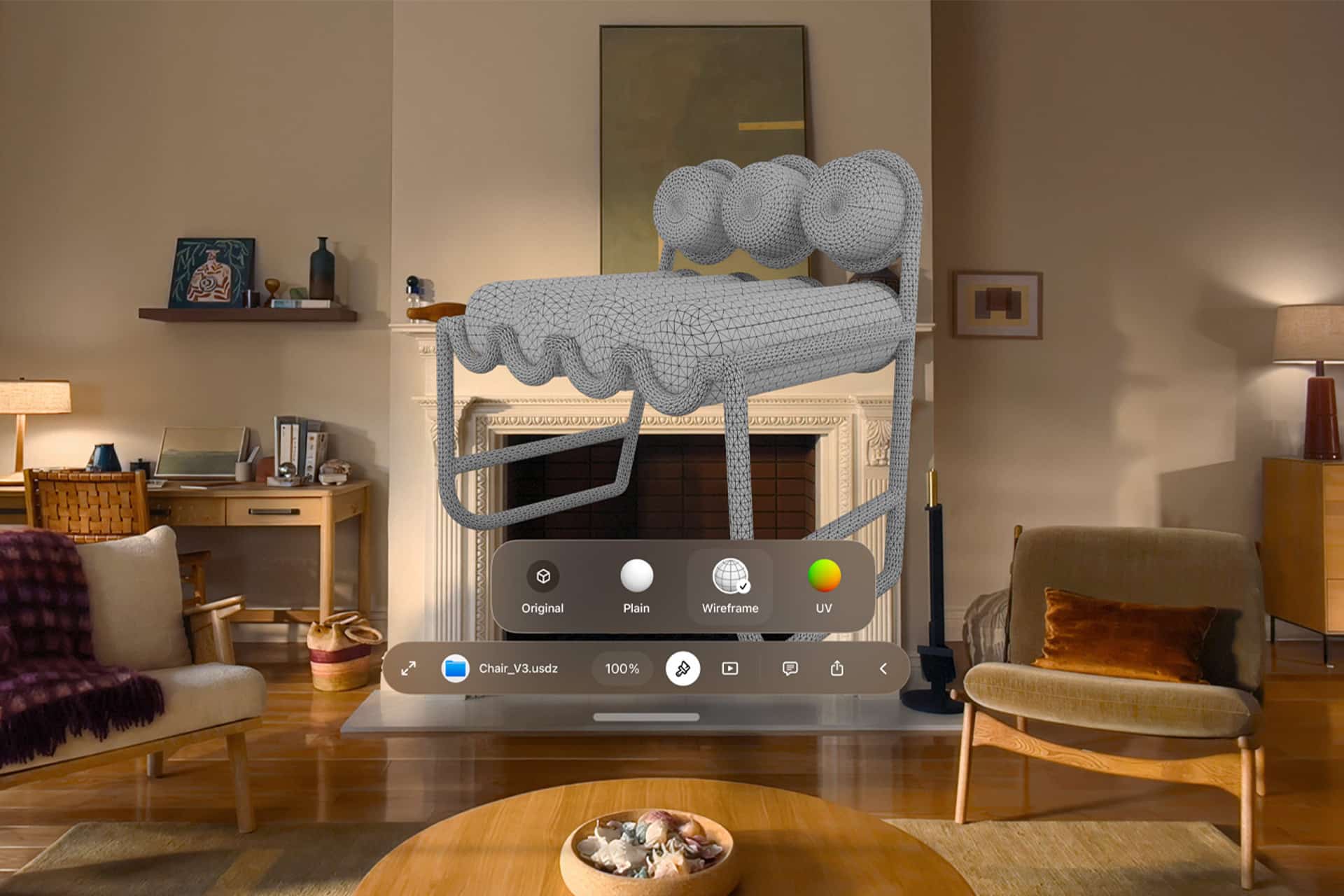
A cozy living room with a digital interface on Apple Vision Pro displaying a 3D wireframe chair design, superimposed in front of a fireplace and surrounded by modern furniture and warm lighting.
Image Credit: Apple Inc.

Why Apple Is Positioned to Build It

Apple’s advantage would not come from inventing every part of ARK augmented reality. It would come from combining hardware, software, artificial intelligence and personal context into one controlled ecosystem.

Vision Pro already understands rooms, surfaces, hands, eyes and objects well enough to place digital content convincingly in physical space. Its cameras and sensors continuously map the environment while visionOS manages windows, volumes and immersive experiences.

Apple Intelligence provides another layer. Foundation models can interpret language, summarize information, generate content and connect requests with app actions. Visual Intelligence can identify text, images and real-world objects. Siri AI can act as the conversational interface.

The Apple ecosystem also provides personal context that a generic AR platform may not have. Calendar knows the user’s schedule. Maps understands location. Photos contains visual history. Notes and Mail hold project information. Health contains personal trends. Home understands rooms, accessories and automations.

An Apple-built knowledge layer could combine the environment in front of the user with the information already available across trusted devices and apps.

A person preparing for a meeting could look at a conference room and see the agenda, participant names and relevant documents arranged around the table. A traveler could look across a train station and receive directions connected to the correct platform, departure time and digital ticket. A homeowner could examine a room and see live information from temperature, air-quality and energy sensors.

The physical environment becomes the interface.

Vision Pro Is the Laboratory

Vision Pro is the obvious development platform for this idea because it already offers the cameras, displays, sensors and processing required for advanced spatial understanding. Its size and price limit broad adoption, but those same characteristics allow Apple and developers to test experiences that would be harder to build first on lightweight glasses.

ARK augmented reality on Vision Pro could become especially useful in enterprise environments. Apple already promotes the headset for employee training, product design, field service, collaboration and specialized visualization.

A worker could enter an unfamiliar facility and receive contextual instructions attached to real equipment. An engineer could inspect a physical prototype while design changes, performance data and maintenance history appear around it. A new employee could learn a workflow through spatial guidance generated from company manuals and operational knowledge.

The system would not need to display every available fact. It would need to understand which information fits the current task.

That is where AI knowledge becomes more valuable than a traditional AR overlay. Too much information can be as disruptive as too little. A strong system should filter, prioritize and explain rather than cover the room with floating labels.

ARK augmented reality - A modern living room with visionOS virtual reality overlays displays an online store page for a red stool, alongside a 3D modeling preview of the stool positioned on the floor near a fireplace and sleek, modern chair.

The iPhone Could Bring ARK to More People

Vision Pro may be the development environment, but iPhone could provide the scale. The iPhone already combines cameras, LiDAR on Pro models, location, motion sensing, Visual Intelligence and Apple Intelligence.

An iPhone-based ARK experience would be less continuous because users would need to hold up the device. It could still deliver useful knowledge interaction without requiring a headset.

A user could point the camera at a plant and receive care guidance based on its species, visible condition, local weather and placement in the room. Someone assembling furniture could receive generated guidance positioned over the actual parts. A shopper could compare products by looking at them rather than manually searching for each model.

The difference from ordinary visual search would be interaction. The user could ask follow-up questions, change the goal and let the system update the visual guidance.

Future glasses could eventually make the experience persistent. The iPhone would help Apple develop the intelligence, privacy controls and app ecosystem before lightweight eyewear becomes ready.

A World That Explains Itself

The most ambitious version of ARK augmented reality is a world in which information is attached to objects, places and situations only when requested or needed.

A city could become understandable without searching through maps, review sites and separate transit apps. Buildings could reveal history. Streets could explain temporary closures. Restaurants could surface reservations, dietary options and accessibility details. Public transport could show the correct entrance and platform.

Inside a home, Apple’s knowledge layer could explain energy use, identify maintenance problems and guide repairs. In a classroom, physical models could become interactive lessons. In healthcare, patients could receive visual instructions for approved home procedures or medication devices.

The experience would depend on context rather than menus. The user looks, asks and receives information positioned where it belongs.

This is the transition from augmented reality as decoration to augmented reality as understanding.

Privacy Will Decide Whether It Works

A knowledge layer capable of understanding the physical world also creates serious privacy questions. The system may see homes, workplaces, documents, faces, screens and private conversations. The more context it receives, the more useful it becomes. The same access can also make it invasive.

Apple’s privacy architecture could become one of its strongest advantages. On-device processing would allow some scene understanding without sending continuous camera feeds to external servers. Private Cloud Compute could handle more complex requests while preserving stricter controls than an ordinary cloud AI service.

Apple would also need visible controls over what is analyzed, remembered and shared. A user should know when the system is interpreting the environment and whether information is temporary or retained. Workplaces and public spaces would need rules for recording, identification and sensitive data.

ARK augmented reality cannot become socially acceptable if people feel that nearby devices are constantly cataloging them.

The successful version would behave less like surveillance and more like intentional assistance. The user asks for understanding. The system processes only what is needed. The knowledge disappears when the task ends unless the user chooses to save it.

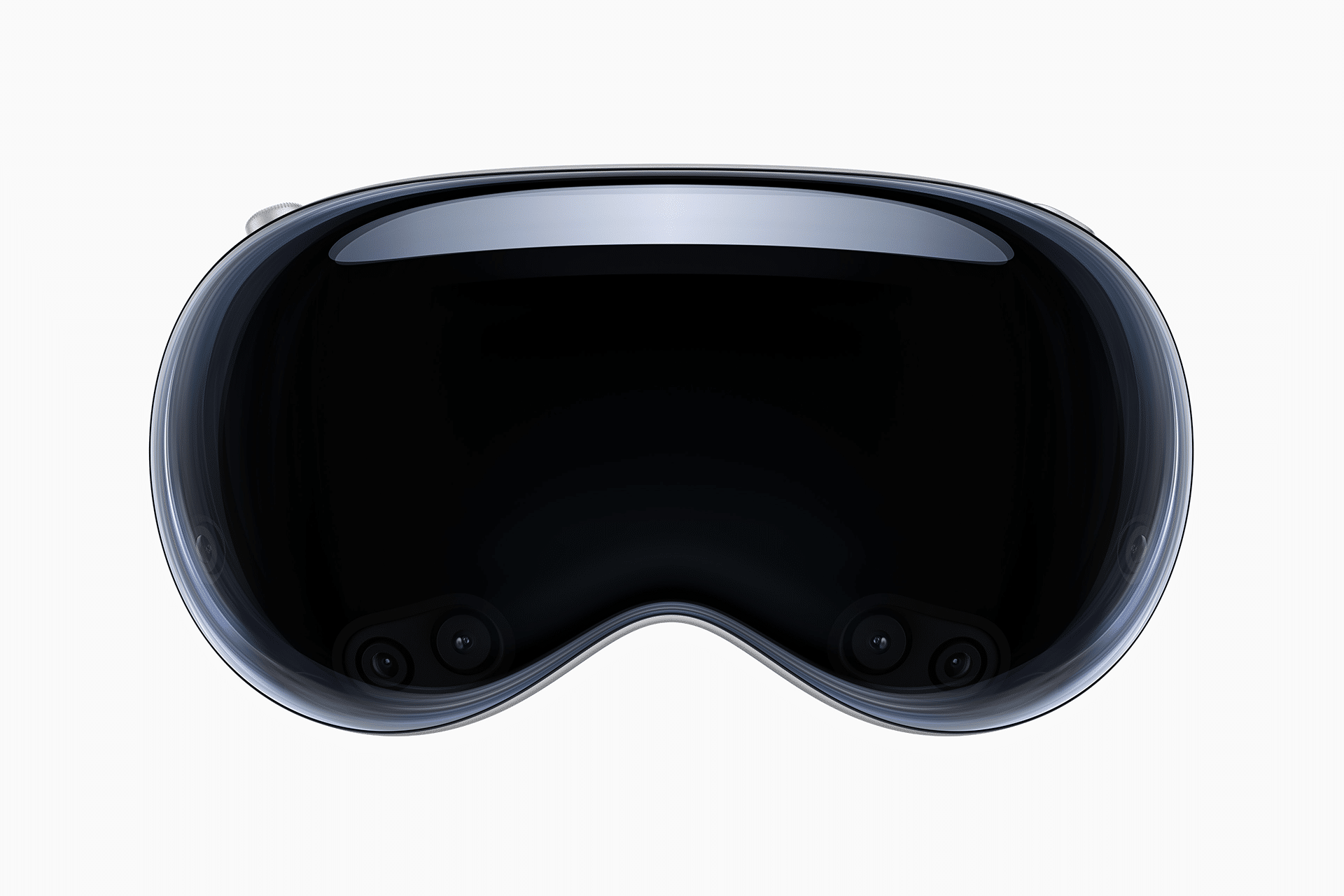
A sleek, black, futuristic virtual reality headset with a smooth, curved design and reflective surface—perfect for exploring the latest Betas—viewed from the front against a white background.
Image Credit: Apple Inc.

Developers Could Build Knowledge Worlds

Apple would not need to create every knowledge experience itself. visionOS, ARKit, RealityKit and App Intents could let developers connect specialized knowledge with physical environments.

A medical company could build guidance for approved equipment. A manufacturer could create spatial maintenance systems. A university could attach interactive explanations to laboratories and museums. A retailer could create product comparisons based on inventory and customer preferences.

Apple could provide the shared intelligence layer: scene understanding, object recognition, language interaction, privacy permissions and spatial presentation. Developers would provide the trusted domain knowledge.

This division would be essential. General AI can explain many things, but professional environments require verified information. A generated answer about a historical building has different consequences from an answer about industrial machinery or medical treatment.

Apple’s platform could distinguish between general knowledge and certified domain sources, allowing users to see where information comes from before acting.

From Spatial Computing to Contextual Computing

Apple describes Vision Pro as a spatial computer because digital content can occupy physical space. ARK augmented reality suggests the next progression: contextual computing.

A spatial computer knows where digital content is placed. A contextual computer understands why the content is useful in that location, what the user is trying to accomplish and which knowledge should appear.

That would connect several Apple strategies that currently look separate. Vision Pro supplies spatial awareness. Apple Intelligence supplies reasoning and generation. Siri AI supplies conversation. Visual Intelligence supplies real-world understanding. The ecosystem supplies personal context.

Together, they could create a system that does not wait for users to open the correct app and search through the correct menu. The environment itself becomes the starting point.

Apple’s opportunity is to make that interaction restrained rather than overwhelming. The company does not need to cover reality with digital noise. It can use design, privacy and contextual intelligence to make information appear only when it improves the moment.

ARK augmented reality offers a useful description of that future. Reality remains visible. Knowledge becomes interactive. The computer begins to understand the world in front of the user instead of asking the user to translate everything into a search box.

The post ARK Augmented Reality Could Build Apple’s Knowledge Layer appeared first on AppleMagazine.
  •  

PrismML AI 93% Compression Could Give Siri a Major Boost

PrismML AI compression could give Apple a way to place far more capable artificial intelligence directly inside the iPhone. The Caltech spinout says it reduced a 27-billion-parameter model from approximately 54GB to less than 4GB, small enough to run locally on an iPhone 17 Pro.

That represents a reduction of about 93%, but the more useful number may be memory efficiency. PrismML says its technology can use up to 15 times less memory than conventional versions of the same model. Apple has reportedly held early discussions with the startup about possible uses for the technology.

Neither company has announced a partnership, acquisition or product plan. PrismML’s claims also need to be judged through independent testing, sustained performance and the compromises introduced by heavy compression. Even so, the demonstration points directly at one of Apple’s largest AI challenges: fitting stronger models inside devices without destroying battery life, consuming too much memory or sending every complex request to the cloud.

PrismML AI Compression Changes the Size Problem

Large AI models are difficult to run on phones because their parameters require substantial storage and working memory. A standard model may perform well in a data center equipped with powerful accelerators, large memory pools and constant electricity, then become impractical inside a device designed to last all day on one battery.

PrismML approaches that problem by representing model weights with far fewer bits. The startup has developed what it calls Bonsai models, including 1-bit versions designed to preserve much of the original model’s capability while sharply reducing size and energy use.

The reported iPhone demonstration used a compressed version of Alibaba’s Qwen model with 27 billion parameters. That is far larger than the compact language models normally associated with smartphones. Running it locally suggests that model size may no longer be controlled only by the number of parameters. How efficiently those parameters are represented becomes just as relevant.

Compression is not new. Developers already use quantization, pruning and other methods to make models smaller. PrismML’s claim is that its approach pushes that process much further while retaining useful reasoning and language performance.

That claim is exactly why Apple would be interested.

Why Siri AI Needs Smaller Models

Apple’s AI strategy depends on dividing work between the device and the cloud. Simpler Apple Intelligence requests can run locally, while more demanding tasks may move to Private Cloud Compute. That hybrid structure allows Apple to offer stronger capabilities without forcing the iPhone to carry every model it may ever need.

The cloud layer, however, introduces cost, latency and availability requirements. A request must leave the device, reach a server, be processed and return. Apple has designed Private Cloud Compute around strong privacy protections, but local processing remains faster and easier to explain.

A larger on-device model could improve Siri AI’s language understanding, reasoning and ability to complete multi-step tasks without a network connection. It could also reduce the number of requests sent to Apple’s servers.

That does not mean cloud processing would disappear. Server models can remain larger and support especially demanding requests. PrismML AI compression could instead move the dividing line. Tasks that currently need Private Cloud Compute might become possible directly on a future iPhone.

The benefits could include quicker responses, stronger offline operation and less server demand as Apple Intelligence reaches more users.

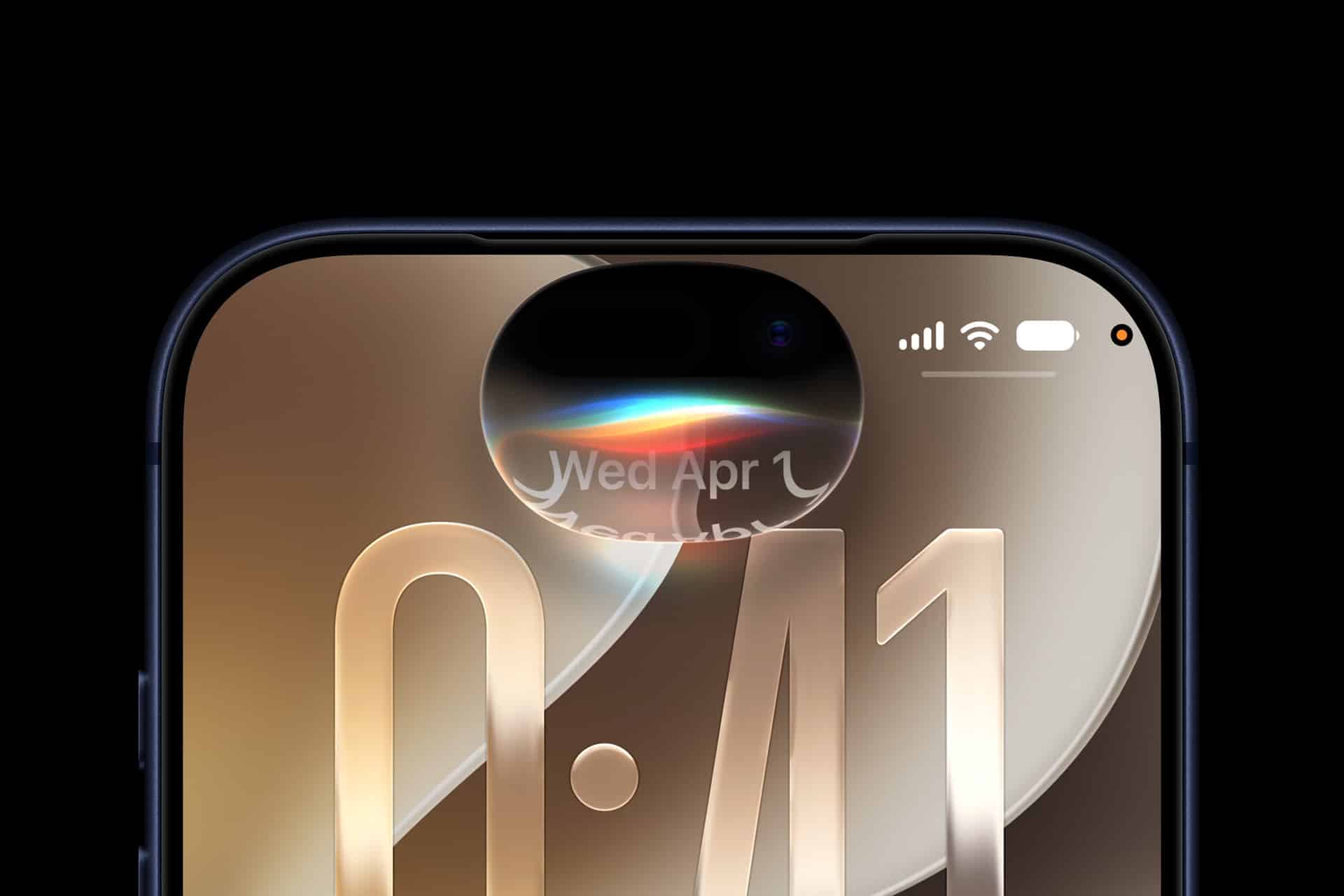
Close-up of a smartphone screen displaying the time 0:41, with Siri AI showcased in the dynamic island at the top, rainbow-like light effect glowing, and battery, Wi-Fi, and signal icons visible in the corner.
Image Credit: Apple Inc.

Privacy Fits Apple’s Preferred Direction

On-device processing has always been central to Apple’s AI positioning. Personal information can remain on the iPhone rather than moving through a conventional cloud service. The device can interpret a request, use local context and produce an answer without exposing the underlying data beyond the hardware.

A model capable of handling more work locally would reinforce that approach. Siri AI could potentially understand messages, notes, schedules or onscreen content while reducing the need to transfer information elsewhere.

Apple already uses Private Cloud Compute when local processing is insufficient, and the company has built significant safeguards around that system. Yet every task completed on the iPhone removes one additional processing step.

Privacy is not the only advantage. Local models can continue operating when connectivity is poor or unavailable. That could help Siri AI during flights, rural travel, crowded events or other situations where cloud access becomes unreliable.

A capable offline assistant would also feel more like part of the operating system and less like a remote service accessed through an interface.

The iPhone Still Has Physical Limits

Shrinking a model to less than 4GB does not automatically make it ideal for everyday iPhone use. The model must also run quickly enough, avoid excessive heat and leave enough memory for iOS and active apps.

A technical demonstration may complete tasks successfully while consuming more energy or time than users would accept from Siri. Apple would need to optimize the model for its Neural Engine, memory architecture and software frameworks rather than simply loading PrismML’s existing build onto every supported device.

Storage is another consideration. A model occupying several gigabytes would compete with apps, photos, offline media and system files. Apple could reserve more storage for intelligence features, deliver models selectively or use several specialized models instead of one large general system.

Battery use may create the hardest constraint. An AI model can fit in memory and still require too much sustained computation for frequent mobile use. The ideal system needs to be small, fast and efficient enough to disappear into normal iPhone behavior.

Apple’s chip design gives it an advantage here. The company controls the processor, Neural Engine, operating system and AI software stack. PrismML could provide the compression technique while Apple handles the deeper hardware integration.

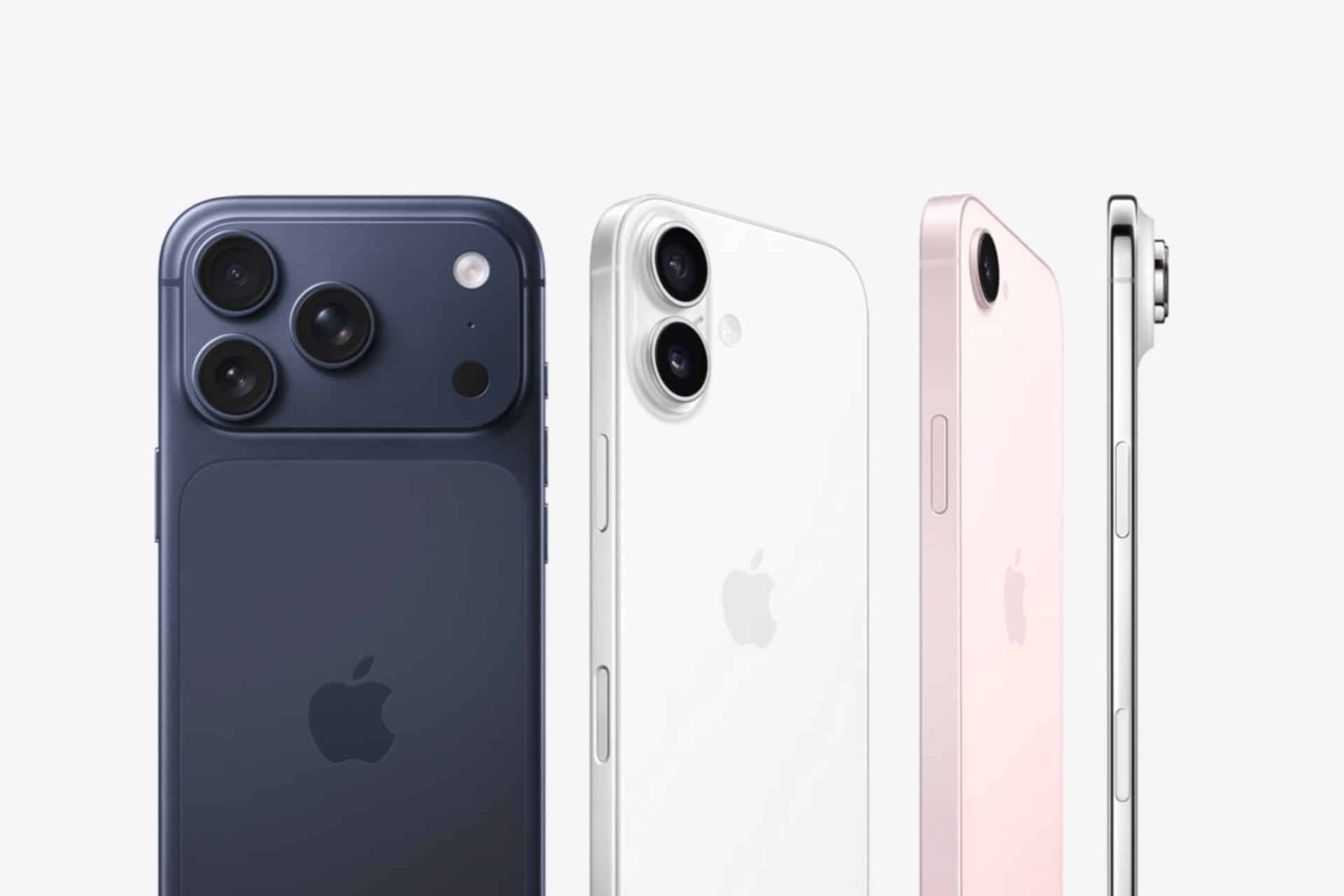
Four Apple iPhones in different colors—dark blue, white, pink, and silver—are shown from the back and side, highlighting their camera designs and sleek edges against a light background, alongside the Apple Watch Find Devices feature.
Image Credit: Apple Inc.

Better AI Without Replacing the Cloud

The strongest use of PrismML’s technology may not be putting one enormous model on every iPhone. Apple could use compression across a family of models designed for different devices and tasks.

A smaller model could handle routine language requests. A more capable local model could be downloaded only to recent Pro devices with sufficient memory. Specialized models could support writing, image generation, app actions or Visual Intelligence. Private Cloud Compute could remain available when the request exceeds local capability.

That would give Apple more flexibility than an all-local or all-cloud design. Each device could carry the intelligence appropriate for its chip, memory and battery capacity.

The approach could also help Macs, iPads and future home products. A compressed model may run more comfortably on a MacBook Air, HomePod or smart home hub without requiring constant server access. Apple could scale the same intelligence foundation across products while adjusting model size to the hardware.

This is especially relevant as Siri AI moves beyond answering questions. App actions, personal context and ambient smart home control require intelligence that remains available throughout the day. Lower memory and energy requirements could make those experiences more practical.

Compression Always Includes Trade-Offs

A 93% reduction is a striking headline, but compression can affect output quality. A smaller representation may lose precision, weaken reasoning or struggle with uncommon information. The real test is not whether the model runs. It is whether it performs well enough across the tasks Apple expects Siri AI to handle.

PrismML says its technology preserves strong performance compared with full-precision models. Apple would still need extensive evaluation across languages, safety categories, tool use and personal-assistant scenarios.

Reliability is especially sensitive for an operating-system assistant. A model used for casual brainstorming can tolerate occasional weakness. A model handling messages, appointments, directions or app actions needs a higher level of consistency.

Apple may therefore use aggressive compression selectively. Some tasks can accept a smaller model, while others may remain on a higher-quality server model. The user would not need to know which model is active as long as the response remains fast and dependable.

A black background with a glowing sphere in the center, featuring colorful light waves—red, orange, blue, and green—swirling horizontally inside the sphere, evoking a futuristic Siri AI interface.
Image Credit: Apple Inc.

Apple Wants the Technology, Not Necessarily the Company

Reports indicate Apple has spoken with PrismML, but early conversations can lead in several directions. Apple could license the startup’s technology, work on a technical integration, hire members of the team or explore an acquisition.

The company has a long history of purchasing smaller firms for specialized technology and engineering talent. Model compression would fit that pattern because it supports Apple’s existing AI strategy rather than creating a separate consumer product.

PrismML could also remain independent and provide its tools to multiple hardware companies. Its technology has potential uses across phones, computers, robotics, vehicles and industrial equipment where cloud access is expensive or unreliable.

Apple’s interest alone gives the startup attention. The larger significance is that efficient models are becoming as valuable as larger ones. The AI industry spent years treating scale as the primary route to improvement. Mobile computing forces a different question: how much intelligence can fit inside the power and memory limits of one personal device?

A Smaller Model Could Make Siri Feel Larger

Apple does not need to place the biggest available model on an iPhone. It needs a model capable enough to improve the interactions users repeat every day.

PrismML AI compression could help Siri understand more context, complete more requests locally and respond without waiting for a server. It could strengthen Apple’s privacy argument while reducing the infrastructure load created by millions of AI-enabled devices.

The technology remains early, and a startup demonstration is not the same as a shipping Apple feature. The 93% figure will mean little if quality, battery life or speed suffer under daily use.

But the direction fits Apple unusually well. The company has spent years designing smaller, more efficient hardware systems that perform beyond their apparent limits. PrismML is proposing a similar strategy for AI models.

If the startup’s claims hold up, the next major Siri improvement may not come from sending a larger model into the cloud. It may come from fitting one into the iPhone without making the iPhone feel the weight.

The post PrismML AI 93% Compression Could Give Siri a Major Boost appeared first on AppleMagazine.
  •  

AppleCare+ Pricing Rises for Mac and iPad

AppleCare+ pricing has gone up for new Mac and iPad customers, adding another small cost increase to the Apple ownership equation. According to Bloomberg, Apple has raised monthly and annual AppleCare+ rates for new Mac and iPad plans, with the change applying to new coverage rather than existing plans already active on customer devices.

The increase is modest on paper. Reports indicate Apple has raised monthly AppleCare+ rates by 50 cents and annual plans by $5 for affected Mac and iPad products. For example, AppleCare+ for the 13-inch MacBook Air is now listed at $7.99 per month or $79.99 per year, up from $7.49 per month and $74.99 per year. The Mac mini now starts at $4.49 per month or $44.99 per year, while the 16-inch MacBook Pro costs $15.99 per month or $159.99 per year.

The numbers are not dramatic alone. The context is harder for buyers. Mac and iPad prices have already been under pressure from component costs, financing changes and longer upgrade cycles. AppleCare+ is optional, but for many customers buying expensive laptops and tablets, it is part of the real purchase price.

AppleCare+ Pricing Adds to the Ownership Cost

AppleCare+ pricing is one of those costs many buyers do not fully consider until checkout. The device price gets attention first. Then come storage upgrades, cellular connectivity, keyboard accessories, Apple Pencil, taxes, financing, software subscriptions and protection coverage.

For a MacBook Air, an extra 50 cents per month may not change the decision. For a MacBook Pro, iPad Pro or a family buying multiple devices, the increases add up over time. Annual plans rising by $5 also signal that Apple is comfortable nudging protection costs higher even when the change is small enough to avoid a major backlash.

AppleCare+ remains valuable for users who carry devices daily or depend on them for work. Macs and iPads are portable, expensive and often used in places where accidents happen: classrooms, coffee shops, airports, offices, studios, kitchens and family rooms. A cracked iPad screen or damaged MacBook display can be expensive without coverage.

Apple’s pitch is convenience as much as insurance. AppleCare+ includes priority support, battery service when capacity drops below Apple’s threshold, and reduced service fees for accidental damage. For iPad, AppleCare+ can also cover Apple-branded keyboard accessories and Apple Pencil damage under service-fee terms.

That makes the plan attractive. It also makes the higher price easier for Apple to defend.

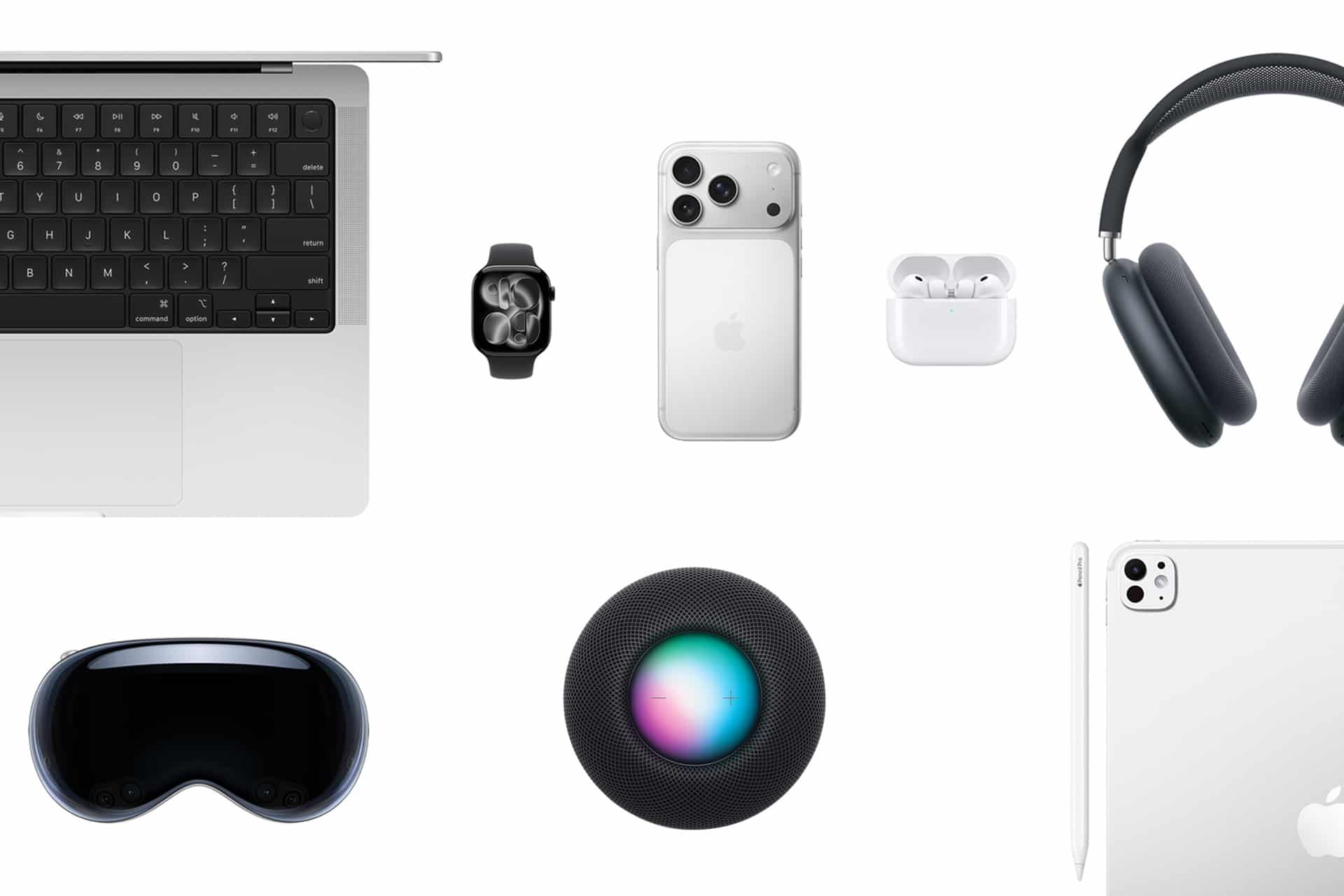
A flat lay of Apple active devices on a white background, including a MacBook, Apple Watch, iPhone, AirPods, AirPods Max headphones, HomePod, iPad, and Apple Vision Pro headset.
Image Credit: Apple Inc.

New Customers Feel the Change First

The latest increase applies to new Mac and iPad AppleCare+ customers. Existing customers with active plans are not the immediate target of the reported change. That distinction helps Apple avoid angering subscribers who already signed up at previous rates, while still lifting revenue from new device buyers.

This approach fits Apple’s broader shift toward recurring coverage. Apple has been moving AppleCare+ further into monthly and annual subscription-style plans, with AppleCare One offering a bundled option for multiple products. The protection plan is no longer only a one-time add-on at purchase. It is increasingly part of Apple’s services layer.

That matters because Apple’s services business depends on recurring payments. AppleCare+ may not get the same attention as iCloud, Apple Music or Apple TV, but it is another way Apple extends the customer relationship beyond the hardware sale. A Mac or iPad purchase becomes not only a device transaction, but also a support and repair subscription.

The price increase strengthens that pattern. A small rise across a large base of new buyers can support services revenue without changing the product lineup.

Mac Buyers Should Compare Plans

Mac buyers now have more reason to compare AppleCare+ options before adding coverage. Apple’s Mac plans vary by model because repair risk and device cost vary. A Mac mini plan starts lower because the device is stationary and less likely to face drops or screen damage. A 16-inch MacBook Pro costs more because it is a high-value portable machine with expensive components.

For a buyer choosing a MacBook Air, AppleCare+ may be easier to justify if the laptop travels daily. Students, journalists, consultants, photographers, editors and business travelers are more exposed to accidental damage than someone who leaves a Mac mini on a desk.

For MacBook Pro buyers, the decision often depends on work dependency. If the Mac is the primary income tool, AppleCare+ can be less about repair math and more about reducing downtime. Access to Apple support and lower repair costs can be worth the subscription if the device is central to daily work.

Still, users should compare the plan cost with their own risk. A careful desktop Mac user may not need the same coverage as a frequent traveler. AppleCare+ is useful, but it should not be automatic for every buyer.

iPad Buyers Face a Different Calculation

iPad AppleCare+ has its own logic because iPads are more physically exposed than Macs in many homes. They are passed between family members, used by children, carried around the house, taken to school, placed in bags and paired with accessories that raise the total cost of ownership.

For iPad Pro and iPad Air buyers, AppleCare+ can make sense because screen repairs and accessory damage can be costly. Apple’s current AppleCare+ terms for iPad include service fees for screen damage, other accidental damage and covered accessories. That can make the plan appealing for users who buy Magic Keyboard, Apple Pencil Pro or a high-end iPad Pro.

The decision becomes more complicated for entry-level iPad buyers. A lower-cost iPad may not justify years of coverage for every user, especially if it stays mostly at home. Families, however, may see the protection differently. An iPad used by children faces more risk than a laptop used carefully by one adult.

The new pricing does not change the core question. It makes the answer slightly more expensive.

AppleCare | Apple Warranty Check: The image features a logo with a red apple symbol and a leaf on top, associated with Apple Inc. Below the logo, the text reads "AppleCare+ Products" on a square white background. The backdrop is draped with soft white fabric.
AppleCare Products | Warranty Check

AppleCare One Becomes More Relevant

AppleCare One gives Apple another way to soften individual plan increases. The bundle starts at $19.99 per month for up to three eligible products, with additional devices available for $5.99 per month each. It includes AppleCare+ benefits and adds theft and loss coverage for eligible iPhone, iPad and Apple Watch products.

For users with only one Mac or one iPad, AppleCare One may not be the best fit. For users with multiple devices, it can become more attractive as individual plans rise. A person with an iPhone, iPad and Mac may compare three separate AppleCare+ plans against the bundle and find the monthly difference easier to justify.

That is likely part of the strategy. Apple can raise individual plan prices modestly while giving heavier ecosystem users a bundled option. The company has used similar logic across services with Apple One, where the value increases as users subscribe to more Apple products.

The same principle now applies to protection. The deeper a customer is inside Apple’s hardware ecosystem, the easier it becomes to turn support coverage into a monthly bundle.

Small Increase, Larger Signal

AppleCare+ pricing increases may be small, but they arrive during a period when Apple is asking customers to absorb more costs across the ecosystem. Device prices, component pressure, cellular financing, AI hardware demands and service subscriptions all affect the total ownership picture.

The AppleCare+ change fits that pattern. Apple is not dramatically changing the service. It is raising the price slightly while keeping the value proposition intact: lower repair costs, battery service, accidental damage coverage and Apple support.

For buyers, the best response is not panic. It is math. Compare the plan price with the device cost, repair risk, usage pattern and whether multiple Apple products would make AppleCare One more efficient. Someone buying a MacBook Pro for travel may want the protection. Someone buying a Mac mini for a desk may not. A family iPad may be a stronger candidate than a carefully handled personal tablet.

AppleCare+ remains a useful safety net. It is just a slightly more expensive one for new Mac and iPad buyers, and that makes the real cost of the device a little higher than the number on the product page.

The post AppleCare+ Pricing Rises for Mac and iPad appeared first on AppleMagazine.
  •  

Apple Updates Creator Studio Apps

Source: Apple.

Source: Apple.

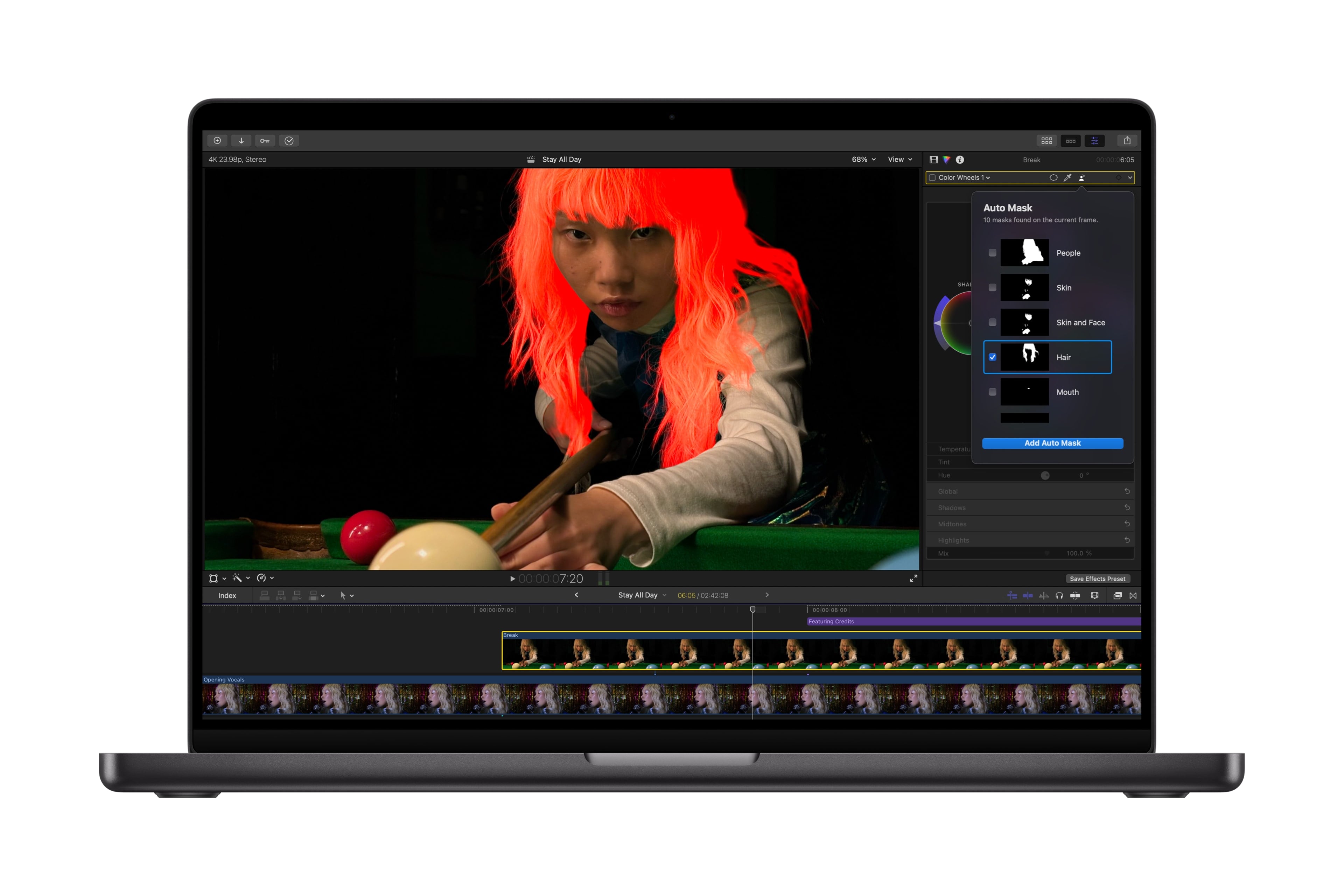
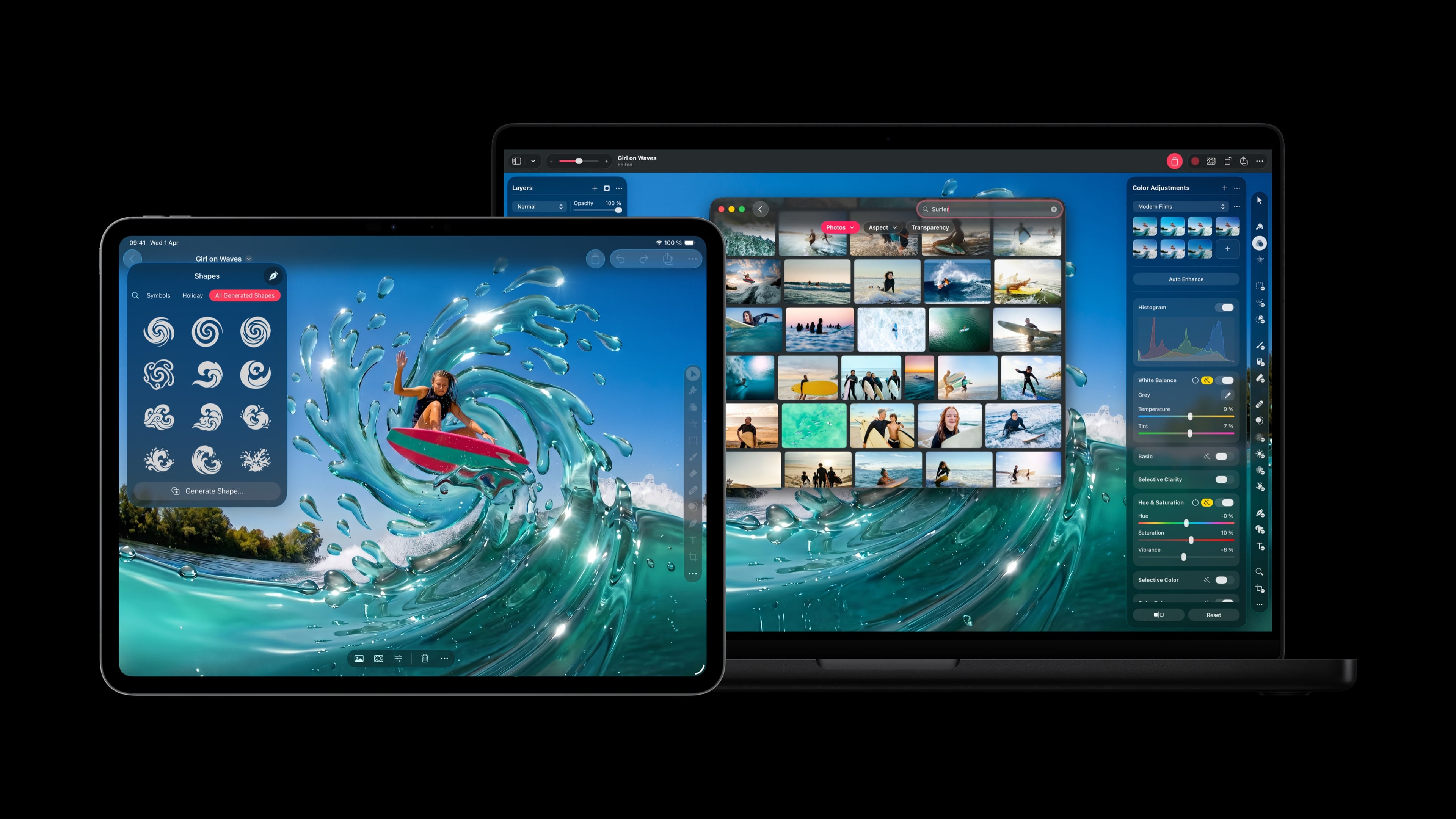
Today, Apple released an update to its Creator Studio subscription with new features across many of the suite’s apps.

Pixelmator Pro now integrates more deeply with Creator Studio’s other apps. While working in Keynote, Pages, and Numbers, you can open an image directly in Pixelmator Pro, edit it, and save the changes back to the source app’s document. On the Mac, Final Cut Pro can now send individual frames to Pixelmator Pro, making thumbnail creation simpler.

Final Cut Pro is also adding a set of Creator Themes with multiple aspect ratios, dynamic titles, and customizable backgrounds. Plus, users now have more control over the design of captions generated on-device using AI. On the Mac, Auto Mask lets you isolate certain parts of footage for editing, and Match Color reproduces colors more accurately.

Source: Apple.

Source: Apple.

For Logic Pro users, today’s update includes improvements to Chord ID, a new Producer Project from Khris Riddick-Tynes, a new sound pack, and an expansion of Beat Breaker.

Final Cut Camera for the iPhone and iPad has been updated with support for Clean HDMI Out, more flexible ProRes support, and disabling of digital zoom. Motion now supports vector graphics, and Compressor gains Vision Pro features, while Freeform gains shape creation, opening images in Pixelmator Pro, a Dark Mode, folders, and drawing on the Mac. Plus, Pages, Keynote, and Numbers each added a handful of new features.

Creator Studio debuted just six months ago, so it’s good to see it already being updated with meaningful features. Creator Studio costs $12.99/month or $129/year. More information is available in Apple’s press release here.

  •  

Apple Raises iPhone Prices in Japan

After raising prices on all Macs and iPads worldwide last month, Apple has now increased the price of iPhone models in Japan.


As spotted by the Spanish blog iPhoneros, the iPhone 16, iPhone 17e, iPhone 17, iPhone Air, iPhone 17 Pro, and iPhone 17 Pro Max all received price increases on Apple's online store in Japan today. Prices increased by up to 11%.


Model Previous Price New Price Increase
iPhone 17 Pro Max ¥194,800 ¥214,800 10.3%
iPhone 17 Pro ¥179,800 ¥194,800 8.3%
iPhone Air ¥159,800 ¥177,800 11.3%
iPhone 17 ¥129,800 ¥142,800 10%
iPhone 17e ¥99,800 ¥107,800 8%
iPhone 16 ¥114,800 ¥124,800 8.7%


Apple attributed the Mac and iPad price increases last month to the ongoing memory chip shortage, which has driven up chip prices. In this case, however, the increases are likely due to the Japanese yen's depreciation against the U.S. dollar over the past year.

Apple did not raise iPhone prices today in the U.S. or any other countries that we checked.

Apple also raised the prices of iCloud+ and Apple Music plans in many countries today, including Japan, so price increases are a theme this Friday.
Tag: Japan
Related Forum: iPhone

This article, "Apple Raises iPhone Prices in Japan" first appeared on MacRumors.com

Discuss this article in our forums

  •  

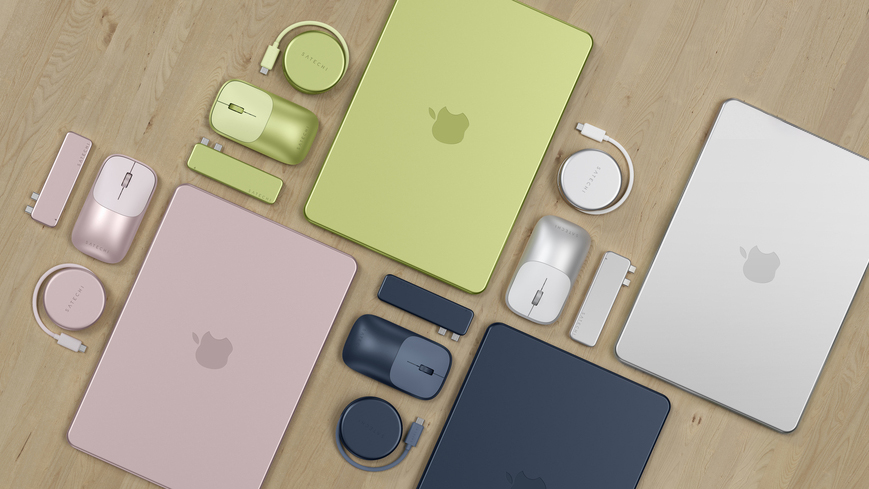
MacRumors Giveaway: Win a MacBook Neo Plus Color-Matched Satechi Accessories

For this week's giveaway, we've teamed up with Satechi to offer MacRumors readers a chance to win a MacBook Neo and a set of color-matched MacBook Neo accessories to go along with it. A second-place winner will also get a set of Satechi's new accessories.


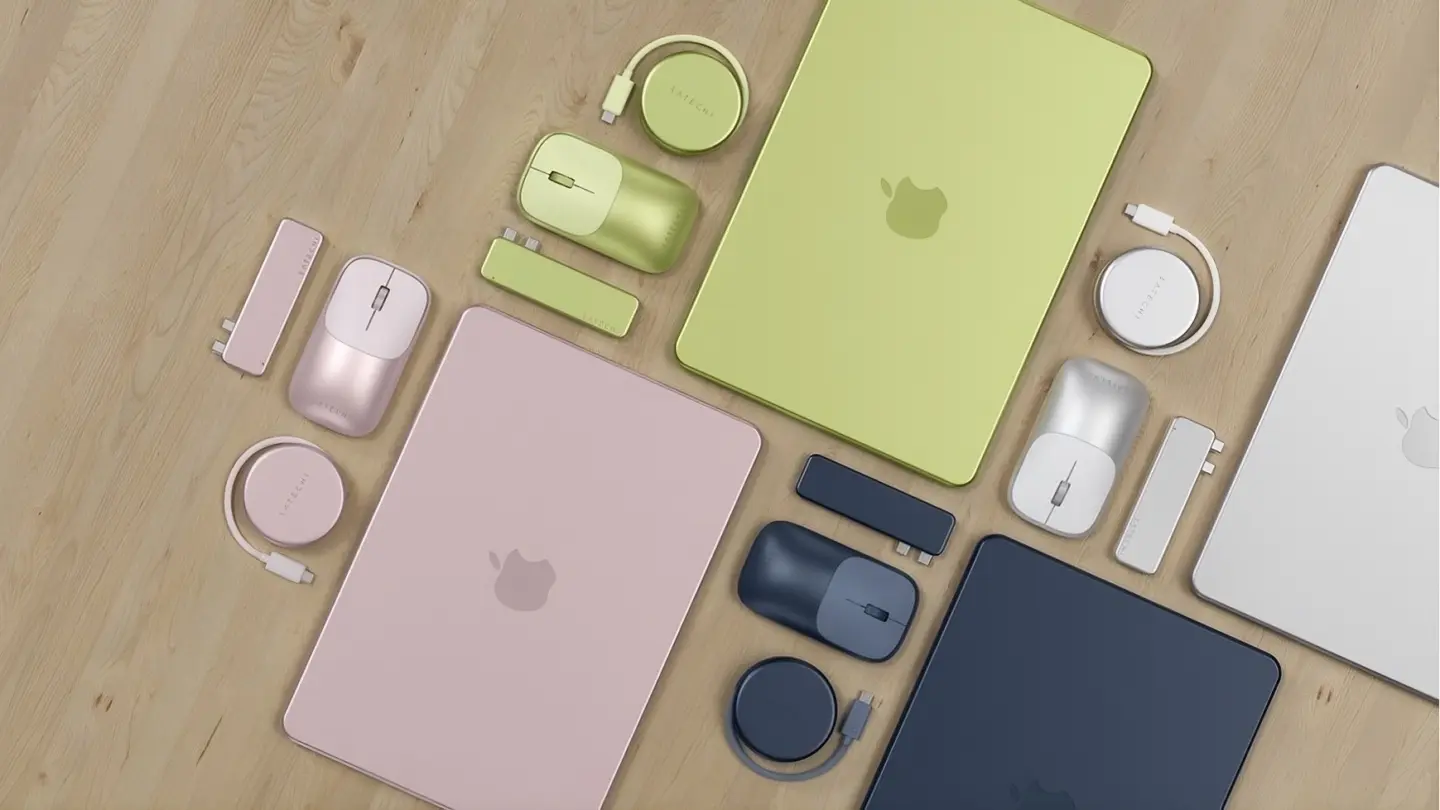
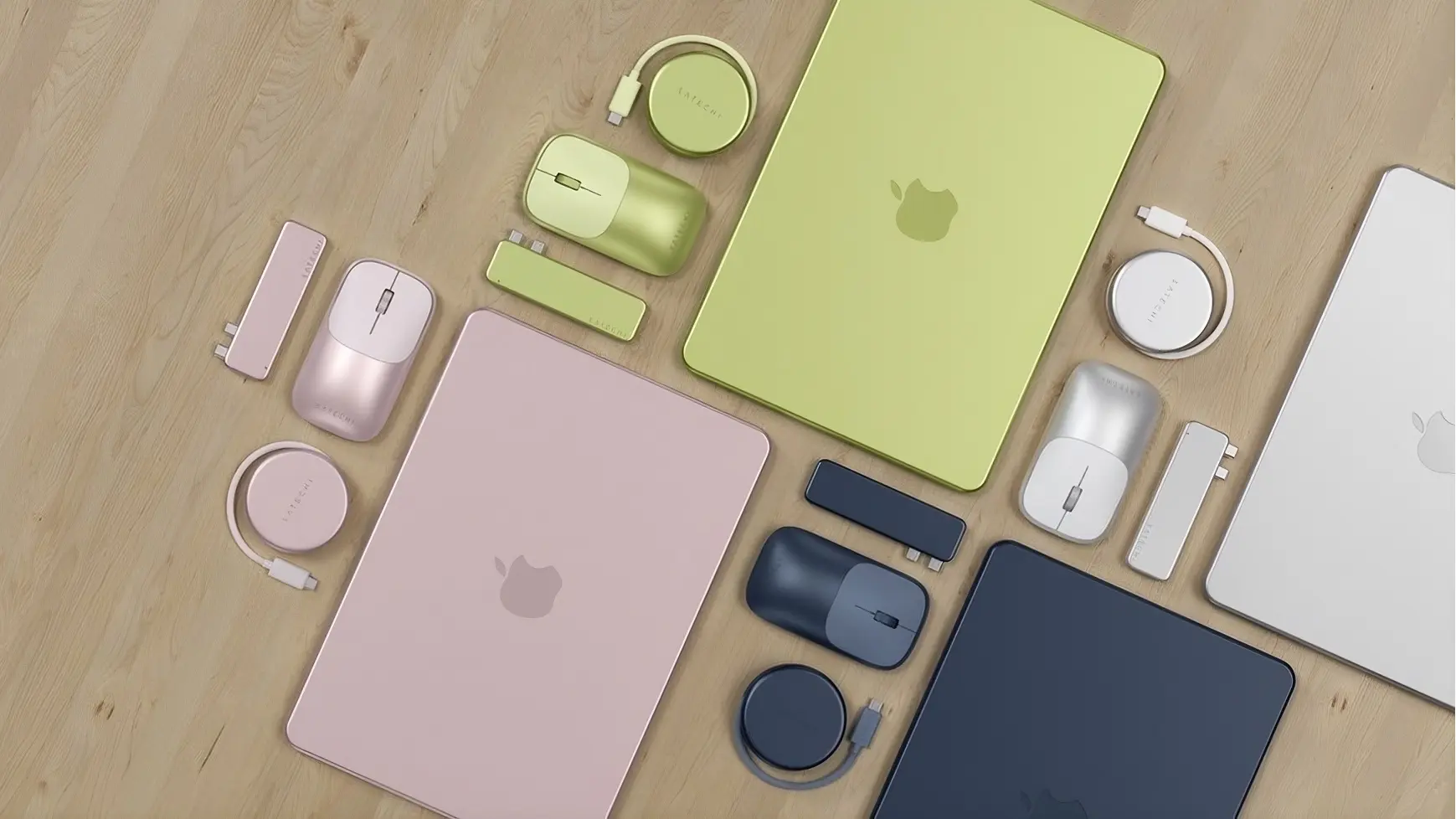
The MacBook Neo collection includes the $45 OntheGo 5-in–1 Multiport Adapter, the $45 USB-C Snap Hub, and the $30 Slim EX Wireless Mouse. All of the accessories come in Citrus, Blush, Indigo, and Silver to match the ‌MacBook Neo‌ color options.


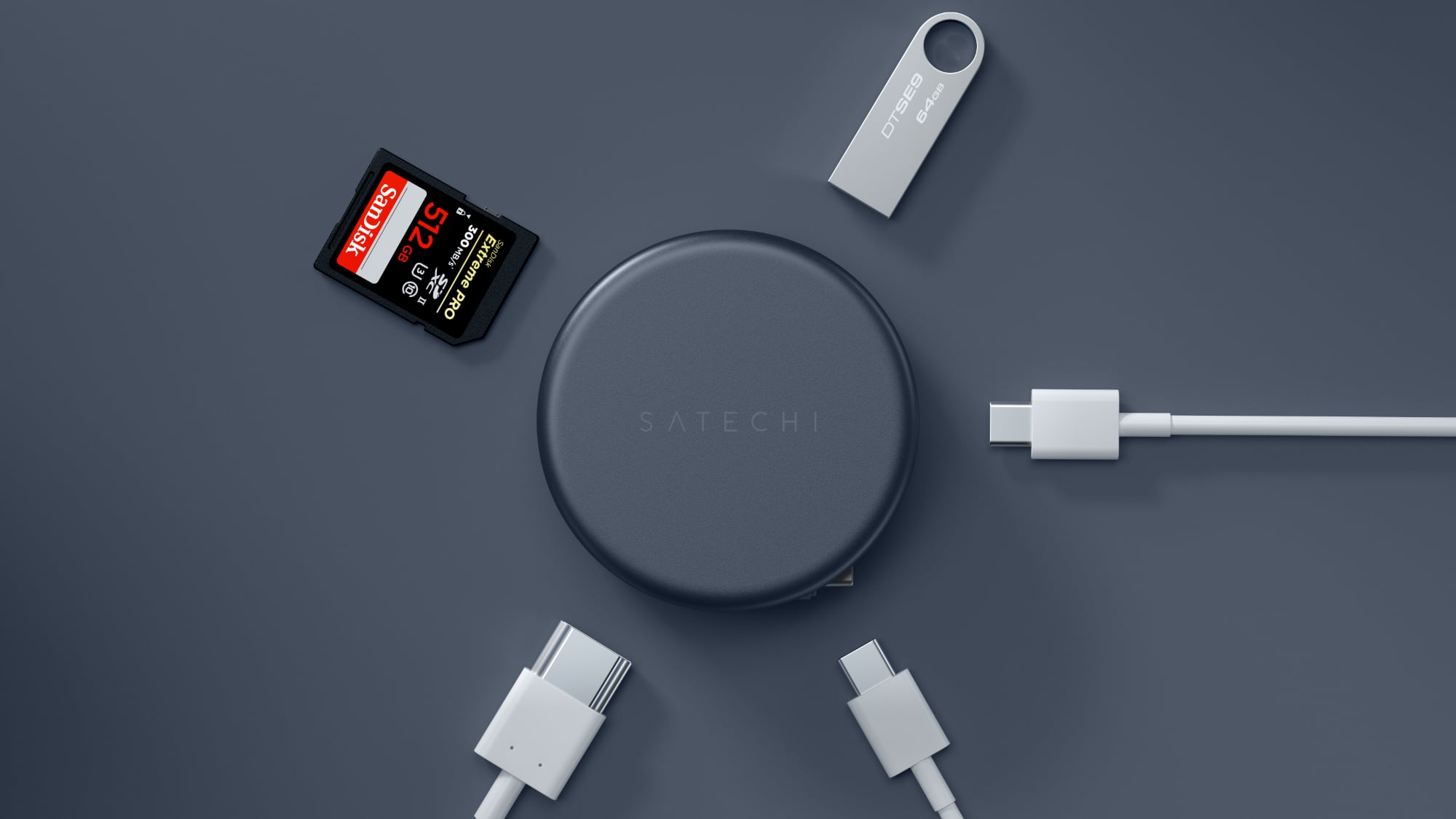
Satechi's OntheGo 5-in–1 Multiport Adapter plugs into the USB-C port on the ‌MacBook Neo‌ and adds five additional ports. It has two USB-C ports, a 5Gb/s USB-A port, an HDMI port that supports up to a 4K 60Hz external display, and an SD card slot. One of the USB-C ports offers 60W passthrough charging and the other supports 5Gb/s data transfer speeds.

An included magnet lets it attach to a MagSafe iPhone or to the lid of the MacBook with a 3M adhesive magnet mount ring. The matching built-in USB-C cable is braided for durability, and it rolls up into the adapter, making it a compact travel option. It measures 2.57 inches in diameter and it's 0.87 inches thick.


Satechi's USB-C Snap Hub also adds ports, but it has a different design. It plugs into both of the ‌MacBook Neo‌ USB-C ports, expanding them into six connections. There are two USB-C ports, an HDMI port that supports a 4K 60Hz display, a 5Gb/s USB-A port, an SD card slot, and a microSD card slot. One USB-C port supports 45W passthrough charging, and the other offers 5Gb/s data transfer speeds.


The hub fits flush to the side of the ‌MacBook Neo‌, and it has a dual-material design. The top is an anodized aluminum that matches the ‌MacBook Neo‌'s body, while the base is a soft-touch ABS plastic meant to match the keyboard finish.


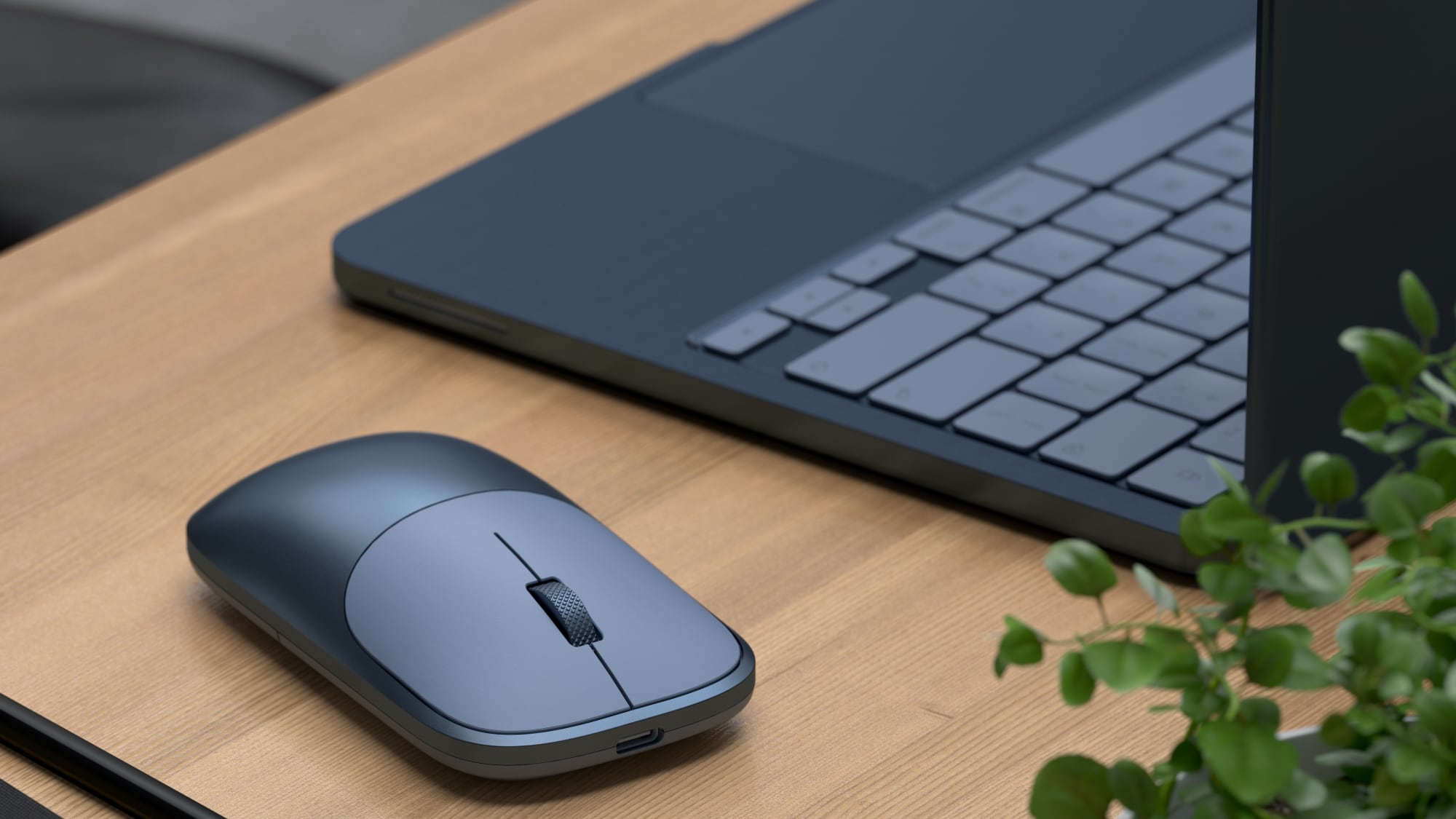
Satechi's Slim EX Wireless Mouse completes the collection, and it's made from color-matched aluminum. The mouse supports two Bluetooth channels and a 2.4GHz wireless connection, and it is able to work across macOS, iPadOS, Windows, and Android. It features quiet click switches and a precision-machined scroll wheel, plus there is a USB-C rechargeable, user-replaceable battery for longevity.


We have a ‌MacBook Neo‌ and a Satechi accessory set to go along with it for one lucky MacRumors reader, and a second winner will get the ‌MacBook Neo‌ accessory kit. To enter to win, use the widget below and enter an email address. Email addresses will be used solely for contact purposes to reach the winner(s) and send the prize(s). You can earn additional entries by subscribing to our weekly newsletter, subscribing to our YouTube channel, following us on Twitter, following us on Instagram, following us on Threads, or visiting the MacRumors Facebook page.

Due to the complexities of international laws regarding giveaways, only U.S. residents who are 18 years or older, UK residents who are 18 years or older, and Canadian residents who have reached the age of majority in their province or territory are eligible to enter. All federal, state, provincial, and/or local taxes, fees, and surcharges are the sole responsibility of the prize winner. To offer feedback or get more information on the giveaway restrictions, please refer to our Site Feedback section, as that is where discussion of the rules will be redirected.

The contest will run from today (July 17) at 9:00 a.m. Pacific Time through 9:00 a.m. Pacific Time on July 24. The winner will be chosen randomly on or shortly after July 24 and will be contacted by email. The winner will have 48 hours to respond and provide a shipping address before a new winner is chosen.
Related Roundup: MacBook Neo
Buyer's Guide: MacBook Neo (Buy Now)
Related Forum: MacBook Neo

This article, "MacRumors Giveaway: Win a MacBook Neo Plus Color-Matched Satechi Accessories" first appeared on MacRumors.com

Discuss this article in our forums

  •  
❌