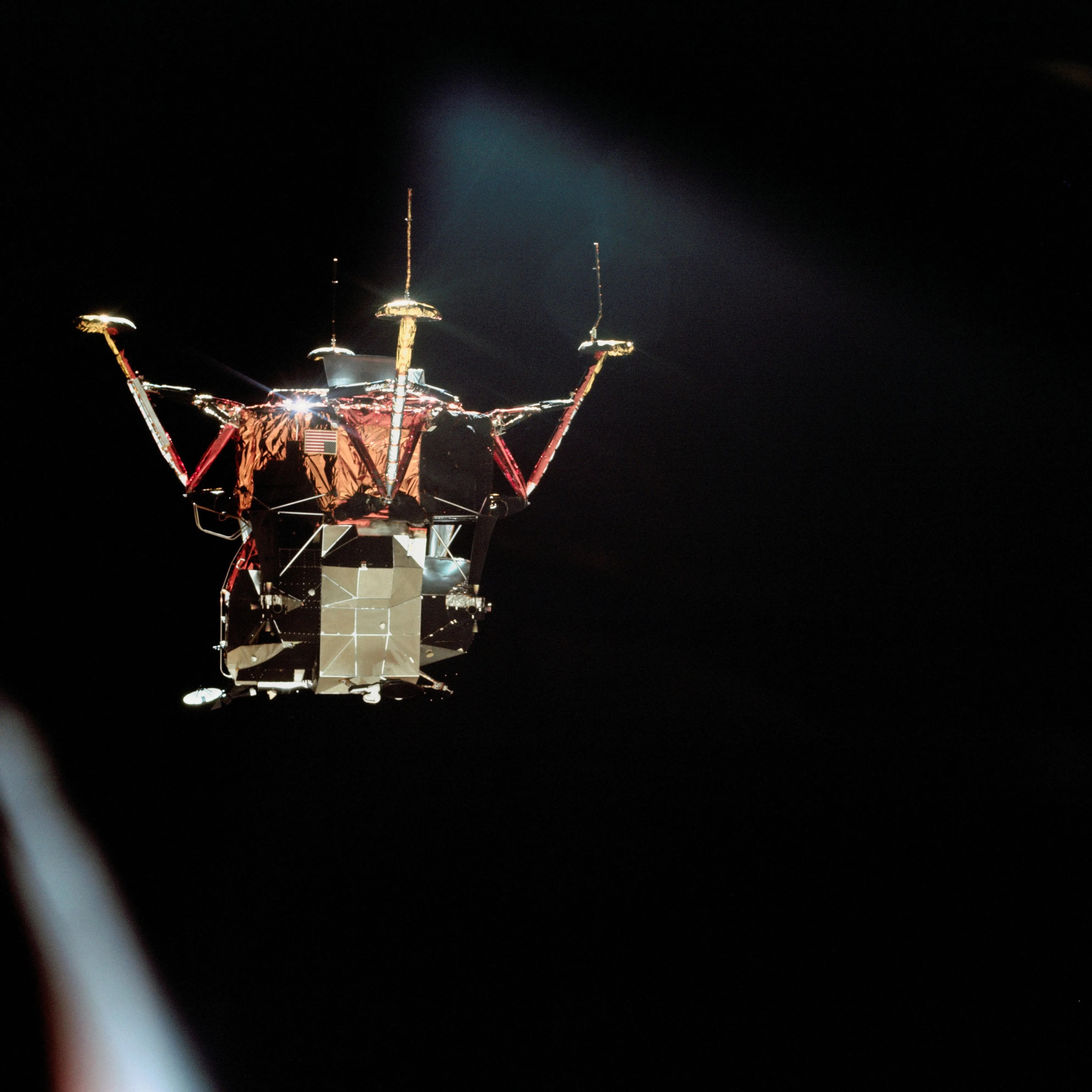
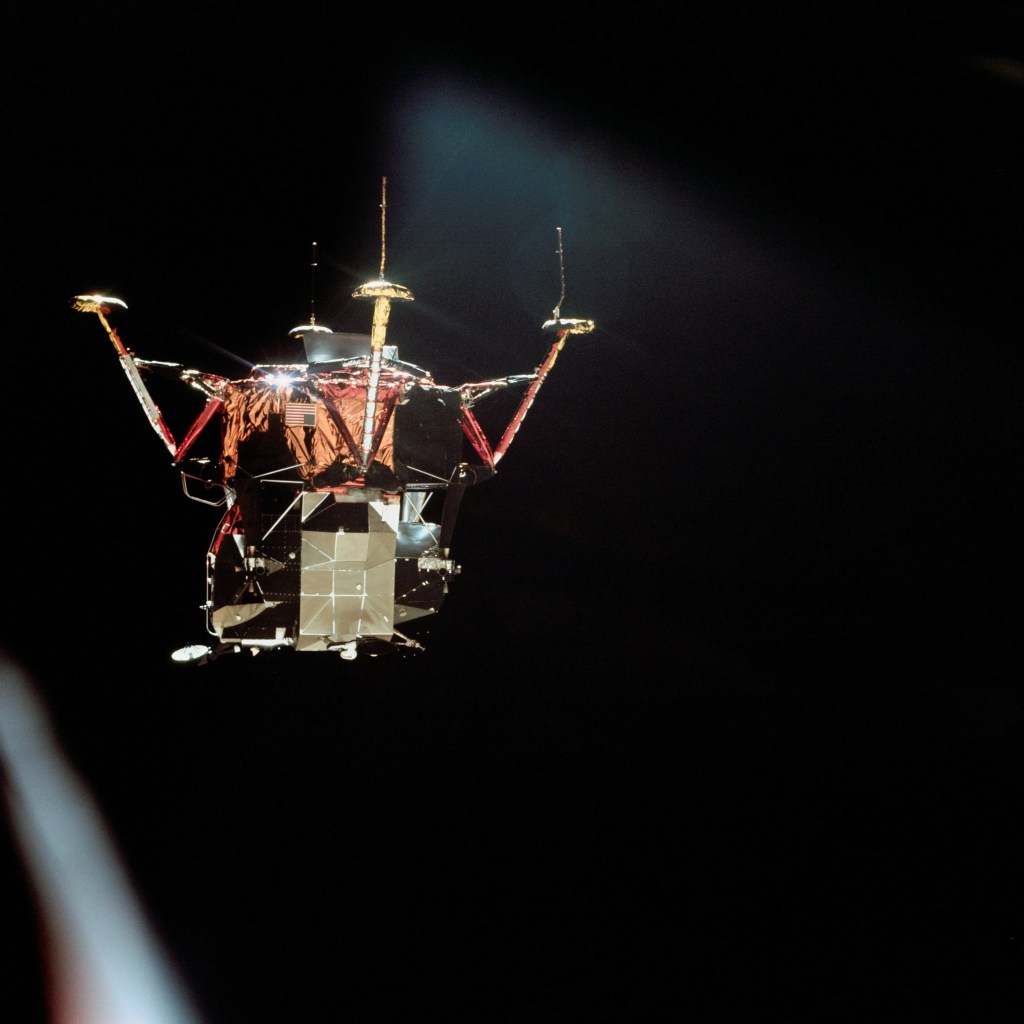
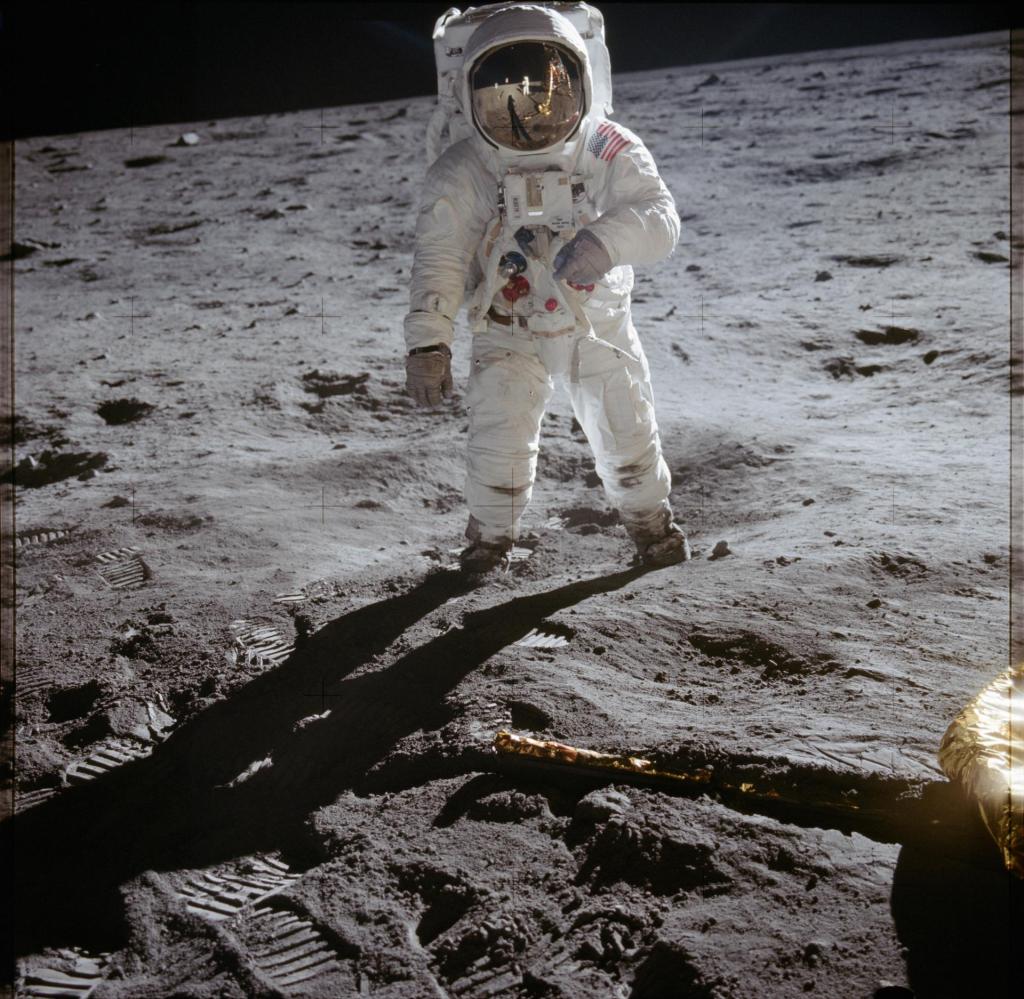
The Apollo Guidance Computer was crucial for the success of the 1969 Moon landing, operating effectively despite its limited technology. Today, Moon landing efforts face challenges but to do so again the U.S. needs to re-engineer new designs using new technology. NASA cannot just turn the clock back 60 years.
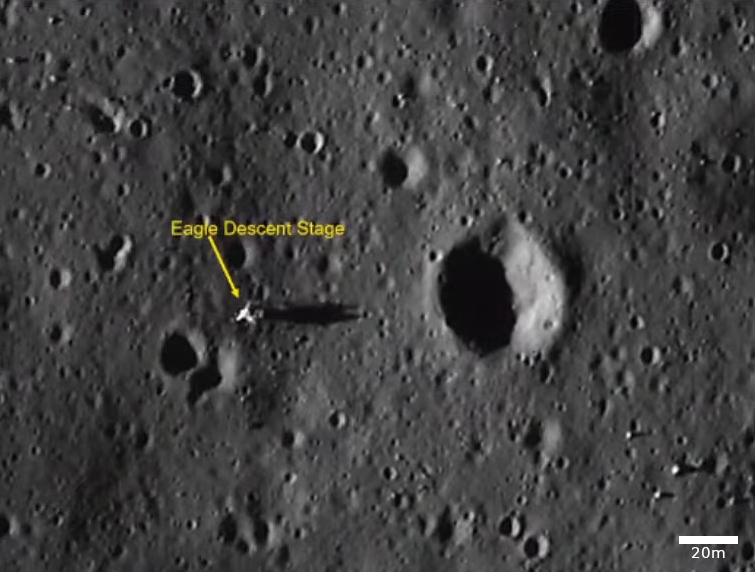
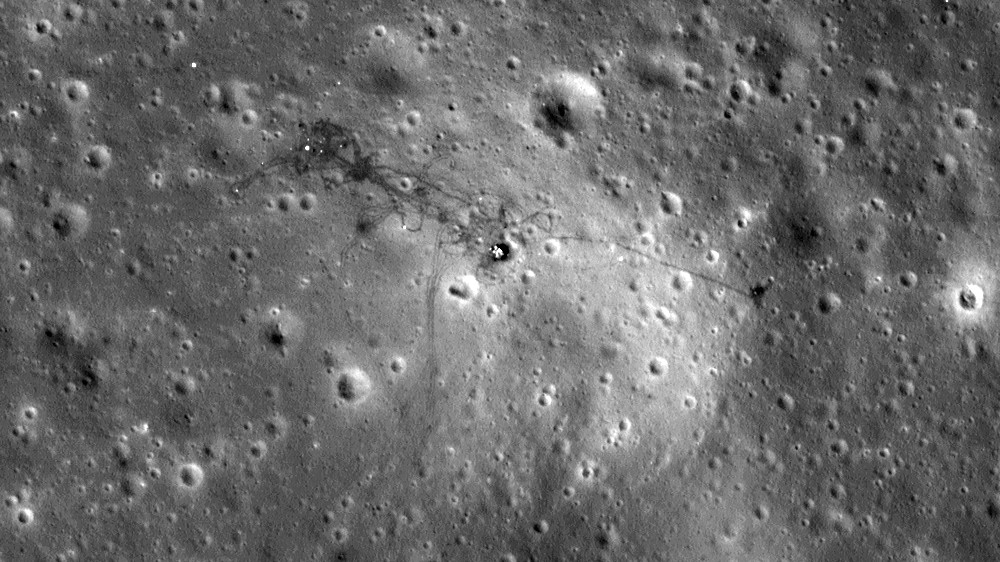
Many "Moon Landing Hoax" proponents dismiss any pictures from NASA which clearly show Apollo Moon landing sites, taken by the lunar orbiter spacecraft. Also we have clear images from India’s ISRO lunar orbiter. But we can’t resolve the Apollo Lunar Module descent stages with Earth-based telescopes because of the limitations of the physics involved.
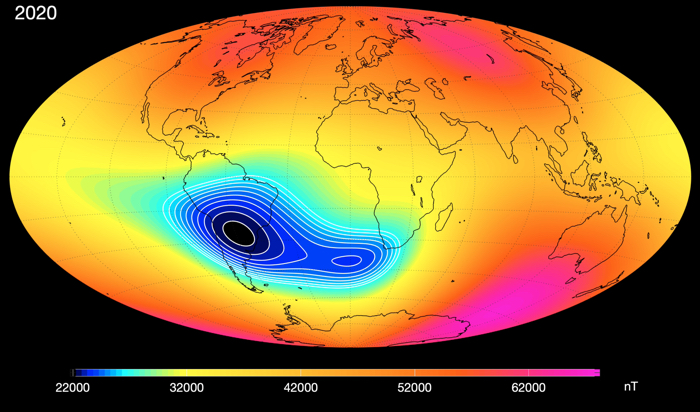
Recent satellite data indicate that the South Atlantic Anomaly in Earth's magnetic field is potentially splitting into two anomalies. This phenomenon, attributed to disturbances in the outer core, threatens the planet's magnetic shielding. This supports a young Earth perspective based on evidence of total energy decay from the magnetic field.
NASA is holding a news conference on Wednesday, January 18th to announce its next steps for the Sustainable Flight Demonstrator project. The project aims to develop a new generation of lower-emission single-aisle airliners and to validate green technologies related to the project. The conference will be led by NASA Administrator Bill Nelson and other agency […]
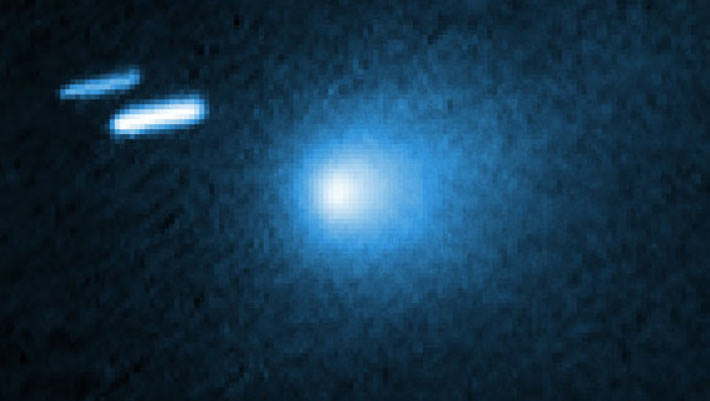
Using the spectral data from the Mid-Infrared Instrument (MIRI) onboard the NASA/ESA/CSA James Webb Space Telescope, astronomers have detected methane on 3I/ATLAS.

 Login