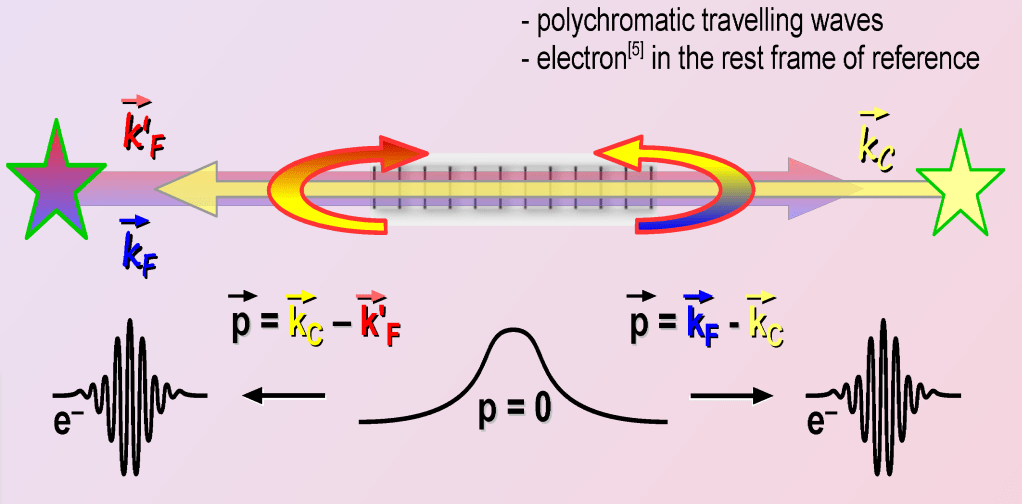
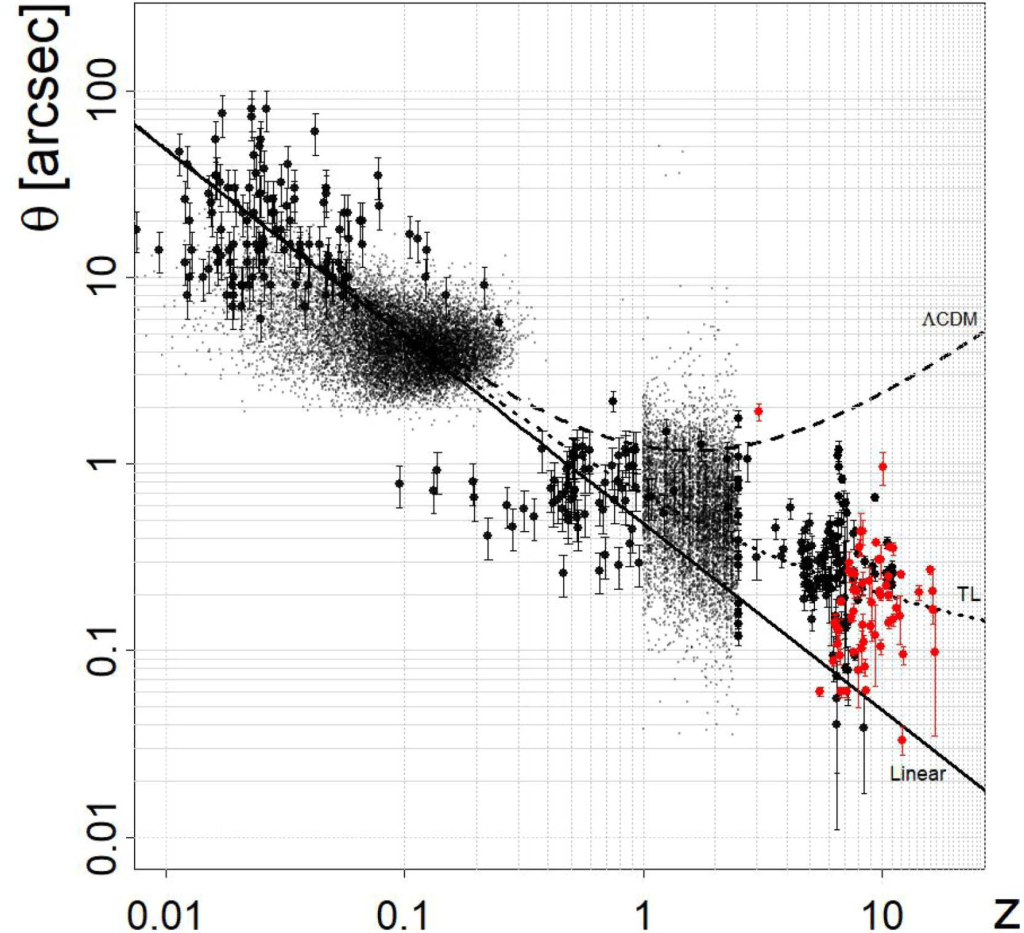
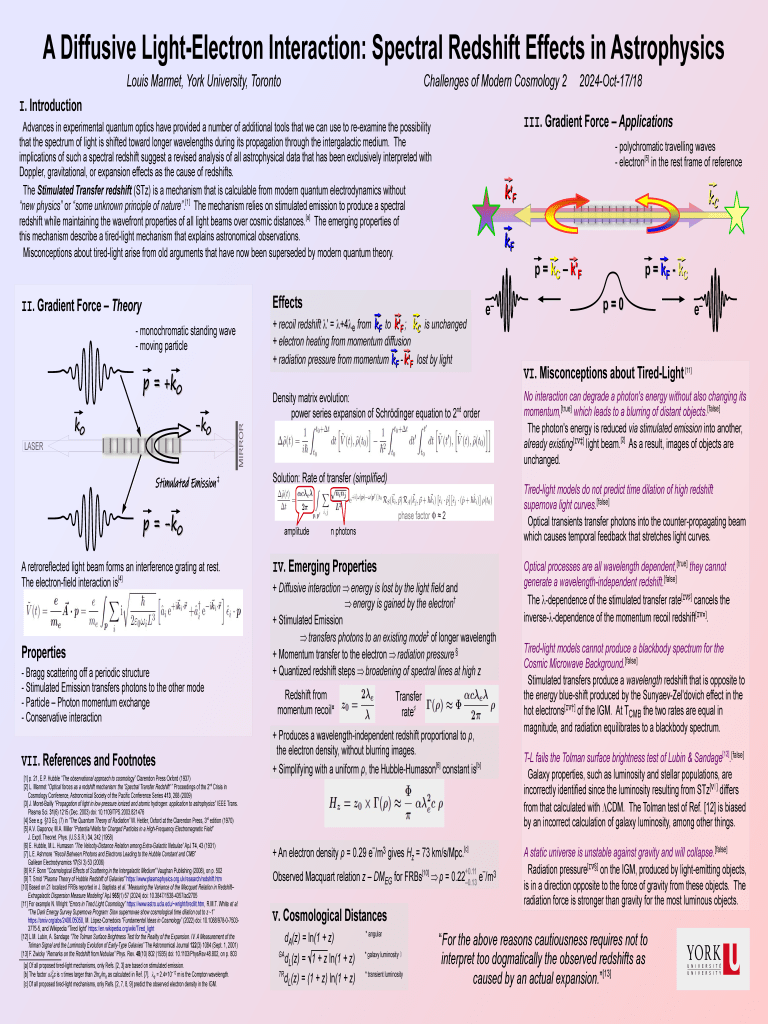
Stimulated Transfer redshift, a newly discovered phenomenon predicted by quantum electrodynamics, results in electron heating and a redshift of light from distant galaxies. The mechanism not only explains the extreme heating of the solar corona, but also provides an alternative explanation for astronomical redshifts without invoking an expanding universe.
The exploration of time measurement emphasizes the Earth's rotation as a historical clock, defining the 24-hour day. The development of mechanical clocks, notably John Harrison's marine chronometers, advanced navigation. Time's definition evolved from an Earth-centric model to atomic standards, although fundamental concepts of time remain abstract and intrinsic to the universe's creation.
I presented on the subject of problems for the big bang on the YouTube channel Standing for Truth Ministries. I discussed the most common problems the big bang theory has, the contradictions, fudge factors and failures.
Extraterrestrial life has been searched for without success, and now a new method is suggested. I participated in an interview on the David Rives Genesis Science Report about this new search method, which examines similarities among clustered planets, suggesting terraforming has occurred.
How much of cosmology is fiction? What are the fudge factors. How much is being fudged. Are there insurmountable problems with our current model of big bang cosmology?
The biblical Tower of Babel, with its message of human pride and language confusion, is being built again but this time in the digital realm within a technocratic society. The global oligarchs are using AI to integrate all humans into the Internet of Bodies but do not comply.
The Search for Extra-Terrestrial Intelligence (SETI) program has yielded no evidence of intelligent life beyond Earth, raising questions about life’s uniqueness to our planet. Critics claim SETI lacks empirical support and resembles ufology. The author argues that life is a divine creation, asserting evolution cannot account for life's origin or complexity.
A research paper proposes that advanced alien civilizations might be terraforming planets and spreading life through panspermia. It suggests that similarities among clustered planets could indicate extraterrestrial life, while acknowledging the challenges in detecting such life. This approach sidesteps the fundamental questions of life's origins.
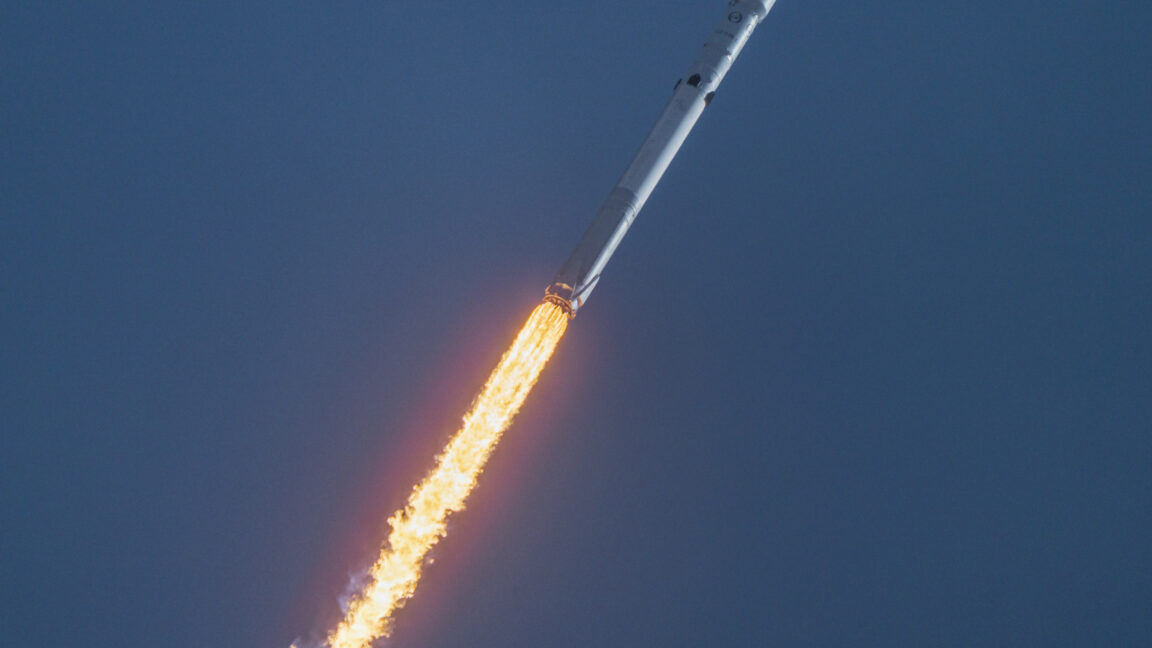
The race to field China's first reusable launch vehicle is far less predictable than a similar competition that played out in the United States a decade ago.
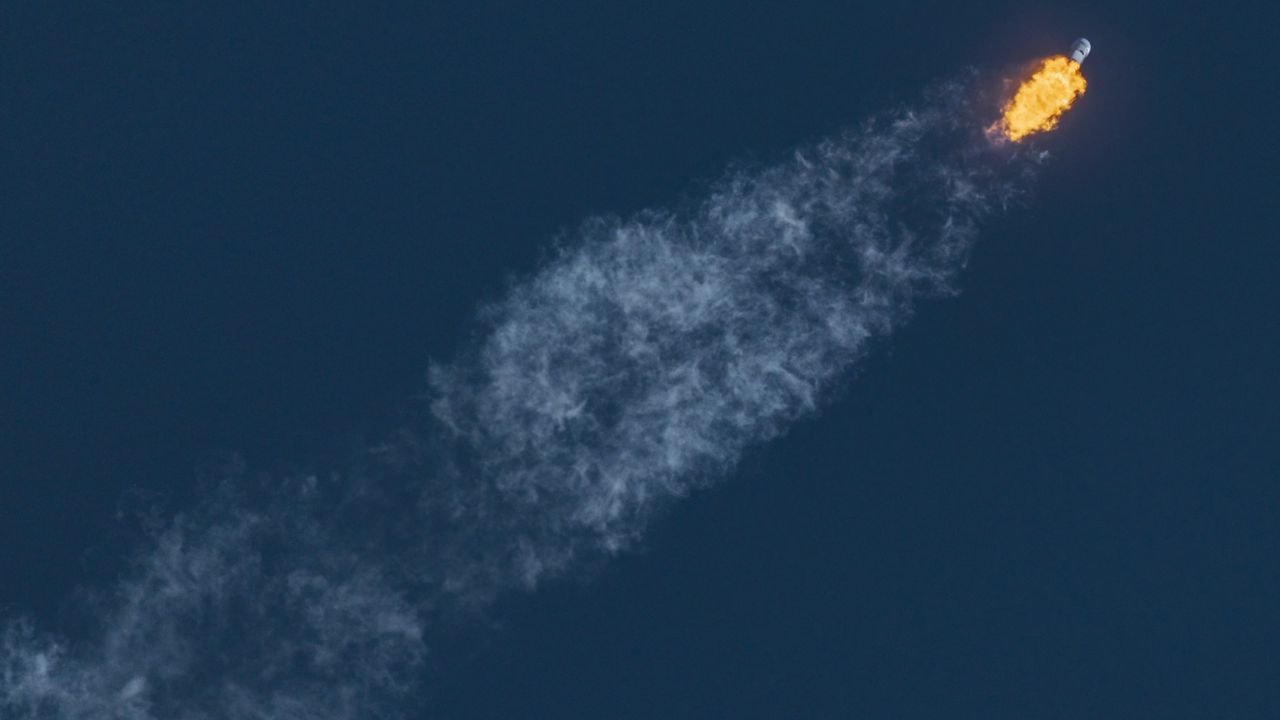
There was never any real question of which company would develop and demonstrate the first reusable orbital-class rocket in the United States. SpaceX landed a Falcon 9 booster for the first time in 2015, and a little more than a year later, it launched it back into space. It took nearly 10 years for anyone else to do the same. Blue Origin celebrated its first orbital-class booster landing last November with the successful recovery of one of its New Glenn boosters, followed by a relaunch of the same rocket in April.
In China, several companies and state-owned enterprises have a realistic shot at landing an orbital-class booster stage this year. For a time, it seemed like China's new crop of privately funded launch companies might have the advantage in accomplishing the first landing of an orbital-class booster. But Monday's launch of China's Long March 12B rocket, backed by the nearly unrestricted resources of the country's vast state-owned aerospace enterprise, suggests the industry's legacy players may now have a leg up.
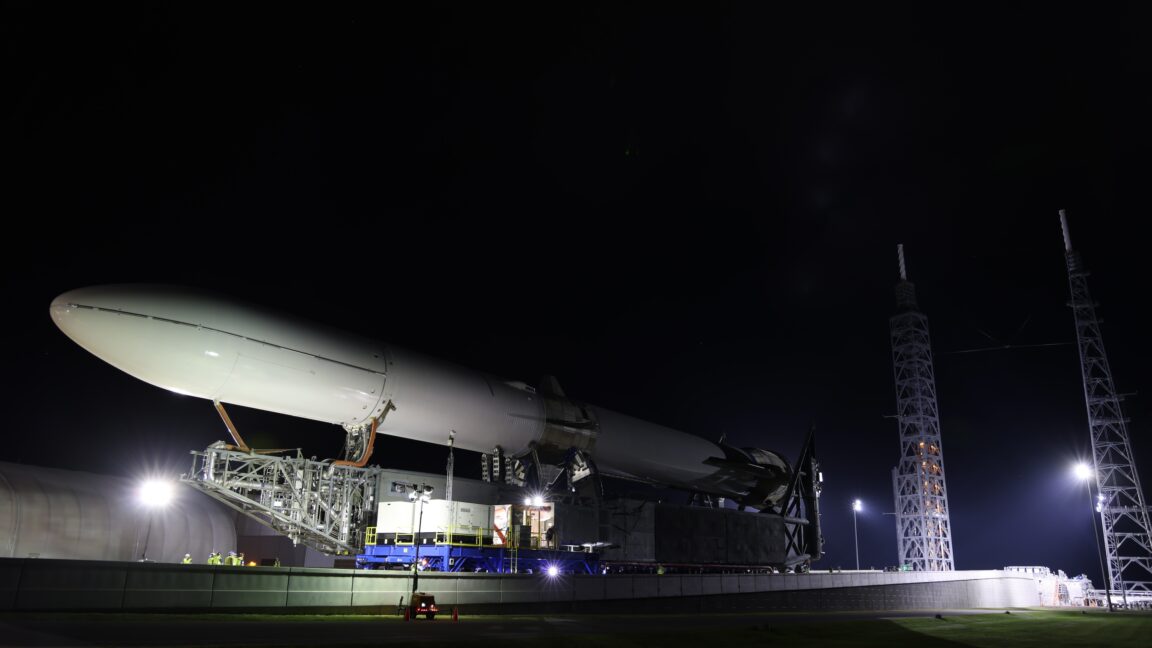
The chief executive of Blue Origin, whose large New Glenn rocket exploded spectacularly less than a week ago at the company's launch site in Florida, vowed Monday night that the company would launch again before the end of 2026.
Writing on the social media site X, Blue Origin's Dave Limp said the company had been able to complete a preliminary survey of the LC-36A launch site.
"Now that we’ve had access to the pad and integration facility, we can share a bit of good news," Limp said. "The propellant farm, oxygen, liquid hydrogen and LNG tanks are all in good shape. This is good luck because these are very long lead items. The water tower is also good."
Paris, France – May 2026 – The 2nd edition of Novaspace’s Space Situational Awareness (SSA) report points to a pivotal decade ahead, with cumulative global spending projected to reach $61 […]
China's Long March 12B rocket has blasted off on its maiden voyage carrying more Qianfan "Thousand Sails" satellites, during a surprise launch for which there were reportedly no airspace notices.
NASA’s Parker Solar Probe captured the first visible light images of Venus from space. The images, taken during two recent flybys, show a faint glow from the surface, revealing features like continents, plains, and plateaus. The images could help scientists learn about Venus’s geology and mineral make-up and understand why it became inhospitable while Earth […]
NASA is holding a news conference on Wednesday, January 18th to announce its next steps for the Sustainable Flight Demonstrator project. The project aims to develop a new generation of lower-emission single-aisle airliners and to validate green technologies related to the project. The conference will be led by NASA Administrator Bill Nelson and other agency […]
The U.K. government is exploring sending British astronaut John McFall to Vast’s planned Haven-1 space station in a mission it says could make him the first person with a physical disability to live in orbit.
Impulse Space has raised $500 million to expand production of orbital transfer vehicles and other spacecraft to support growing commercial and government demand.
Getting around space, as it turns out, is kind of a big deal.
On Tuesday, Impulse Space, a company dedicated to improving space mobility, announced it has raised $500 million in Series D funding. Since it was founded five years ago by SpaceX veteran Tom Mueller, the company has now raised more than $1 billion.
"Timing is everything," Mueller said in an interview about the new round of funding. By this, he means the company has found its way into a lot of markets.

 Login



















 A magnetic relationship.