Login

Learn About Neptune's 14 Moons

© Stocktrek Images / Getty Images

© Stocktrek Images / Getty Images
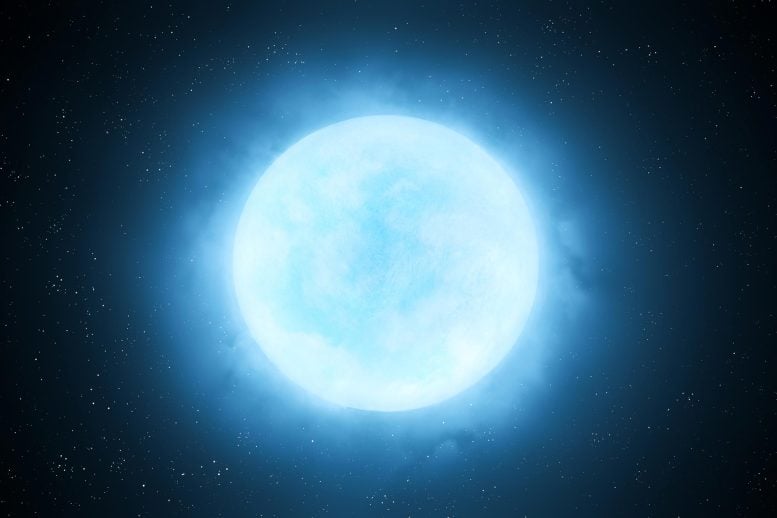 Researchers say the isolated white dwarfs Gandalf and Moon-Sized define a new class of stellar remnant because they share five traits, including X-ray emission. Across the immense scale of the Universe, a single unusual object can prompt astronomers to look for others like it, sometimes leading to the recognition of an entirely new class of [...]
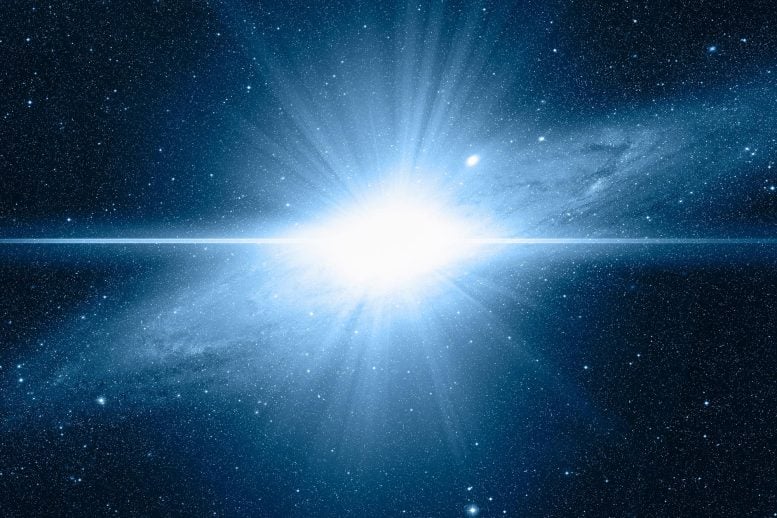 A new method could improve cosmology research by analyzing supernovae together with the galaxies that host them. An international collaboration led by scientists at the Institute of Cosmos Sciences of the University of Barcelona (ICCUB) has created a new approach that may sharpen what researchers can learn about how the Universe expands and what dark [...]
If Earth disappeared instantaneously, the first thing that would not happen is a crash. The Moon is not “hanging” over Earth. It is in constant free fall, moving sideways fast enough that Earth’s gravity bends its path into a closed orbit. The Moon orbits Earth in the prograde direction. It completes one revolution relative to […]
The post If Earth Vanishes What Happens to the Moon? appeared first on Curiosmos.

In the 1960s, two organizations were formed for cooperation around a European presence in space: the European Space Research Organization, which focused on scientific research, and the European Launcher Development Organization, which concentrated on engineering launch systems. By the end of the decade, however, dissatisfaction was growing with this split structure, and in 1968, theContinue reading "May 31, 1975: ESA begins operations"
The post May 31, 1975: ESA begins operations appeared first on Astronomy Magazine.
Harry Clement Stubbs – perhaps better known by his penname, Hal Clement – was born near Boston on May 30, 1922. Stubbs earned a B.S. in astronomy from Harvard University in 1943, followed by master’s degrees in chemistry and education. After military service in the Army Air Corps in World War II, he began workContinue reading "May 30, 1922: The birth of Harry Clement Stubbs"
The post May 30, 1922: The birth of Harry Clement Stubbs appeared first on Astronomy Magazine.
One of the most important eclipses in history happened in 1919. This particular eclipse cut a path across South America and the Atlantic Ocean, and landed on the west coast of Africa. Waiting on the island of Principe, in the Gulf of Guinea off the west coast of Africa, was a team of astronomers armedContinue reading "May 29, 1919: History’s most important eclipse"
The post May 29, 1919: History’s most important eclipse appeared first on Astronomy Magazine.
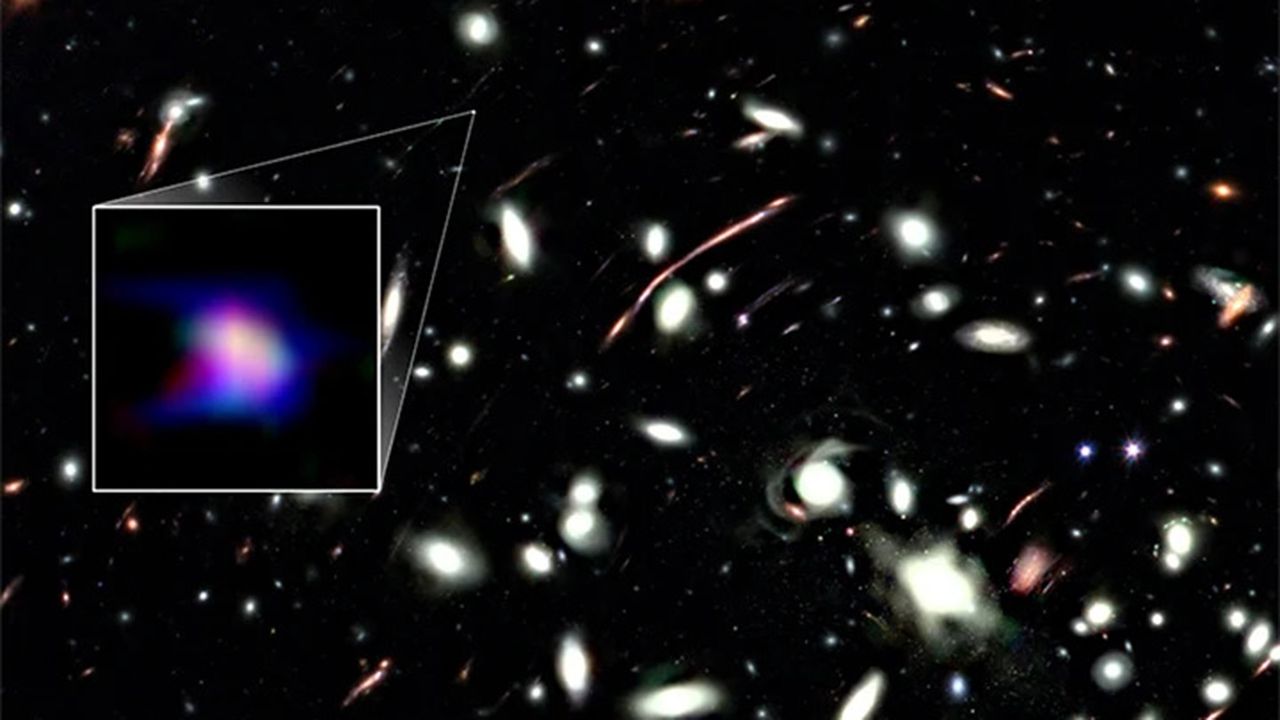
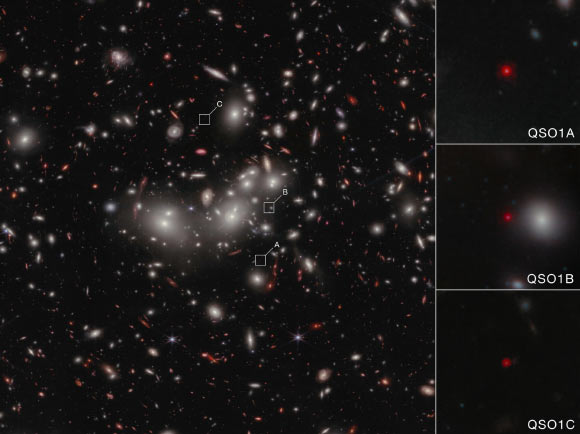
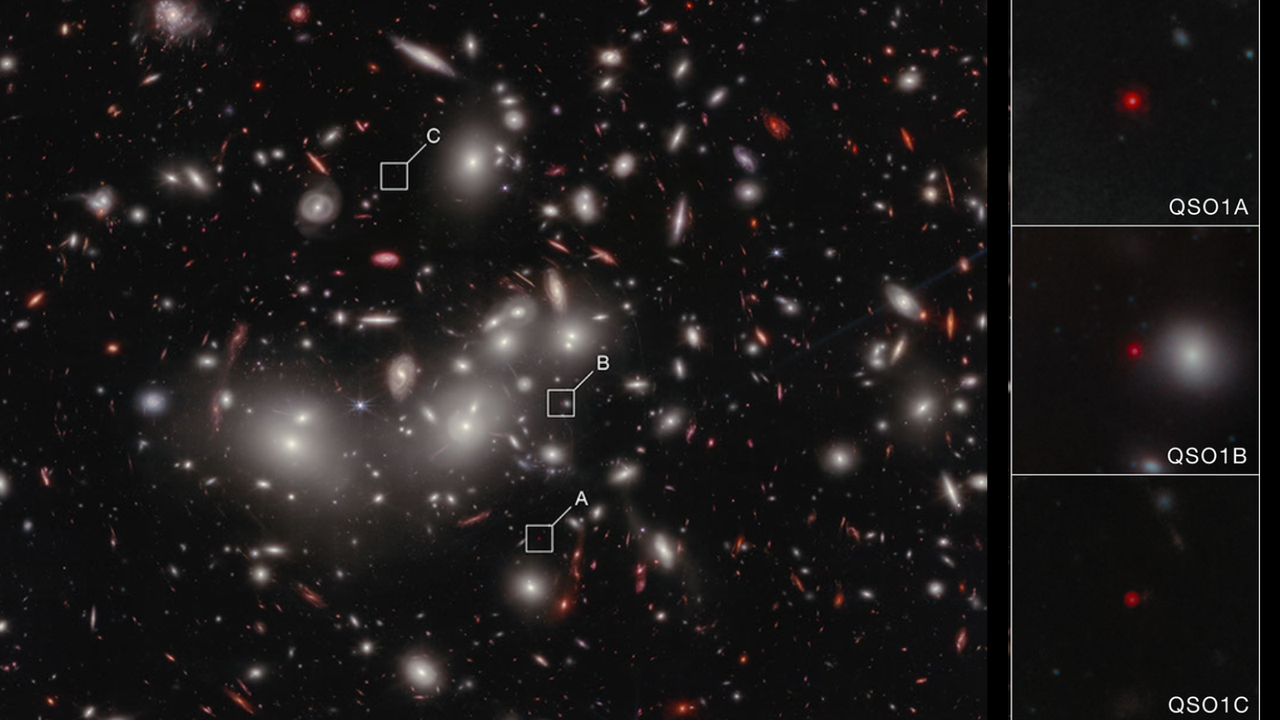
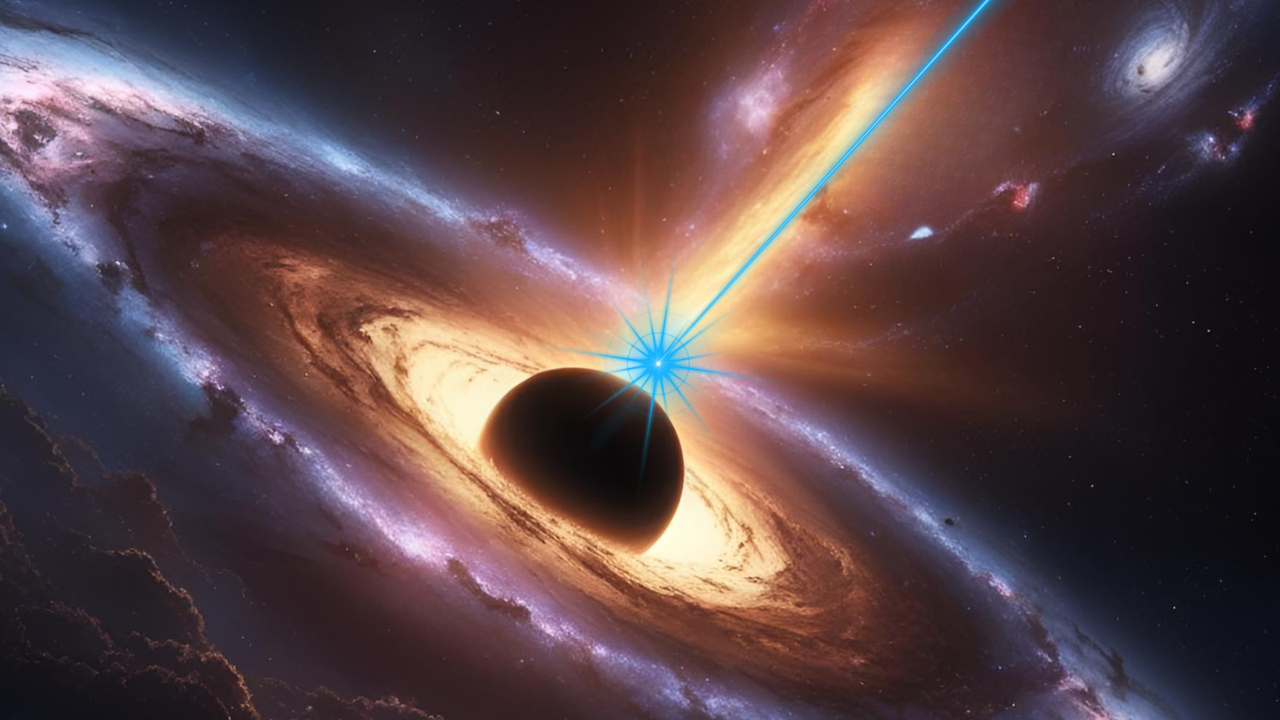
Astronomers using the NASA/ESA/CSA James Webb Space Telescope have found an enormous black hole in the early Universe that appears to predate its own host galaxy, raising fresh questions about how the cosmos’ first supermassive monsters were born.
The post Webb Spots Supermassive Black Hole Older Than Its Home Galaxy appeared first on Sci.News: Breaking Science News.

Mathematicians from University College London and the University of California, Davis, have published a mathematical proof that the Universe’s accelerating expansion can be explained without dark energy, dealing a serious blow to the Lambda-cold dark matter model.
The post Is Dark Energy Unnecessary? Mathematicians Challenge Standard Cosmological Model of Universe appeared first on Sci.News: Breaking Science News.