❌

Reading view

Scientists Develop “Pizza Model” to Reveal Hidden Links in Complex Networks

Networks shape much of the world around us. Friendships form social networks, computers connect through the internet, brain regions communicate with one another, and countries are linked through trade. However, scientists often face two major difficulties when studying these systems. They may see only part of a network, and they must decide whether an apparent […]

The post Scientists Develop “Pizza Model” to Reveal Hidden Links in Complex Networks appeared first on Knowridge Science Report.

  •  

How chimps teach their kids tool tricks

Chimpanzees are known to use rudimentary tools when foraging for food. According to a new paper in the journal Frontiers in Psychology, this learned behavior is passed down from adults to offspring through social learning. Specifically, adult chimps deliberately model the behavior, then turn their tools over to the youngsters so they can mimic the same motions.

"Receiving food and tools from experienced individuals, which we call food or tool transfer, may help chimpanzees learn to use technology to extract foods that are difficult to access,” said co-author Andreu Sánchez-Megías, a graduate student at the University of Barcelona and the Jane Goodall Institute Spain in Senegal. “Tool transfers thus appear to be a form of teaching, together with observation and supervised practice. It appears that mothers are the main models and teachers for young chimpanzees in this manner.”

As we have previously reported, tool use was once thought to be one of the defining features of humans, although Charles Darwin observed chimpanzees using stones to crack nuts in 1871. In 1960, the late primatologist Jane Goodall observed a chimp named David Greybeard bend a twig, strip off the leaves, and use it to spoon termites out of a nest and into his mouth. When he learned of the behavior, Goodall's mentor, Louis Leakey, famously observed, “Now we must redefine ‘tool,’ redefine ‘man,’ or accept chimpanzees as humans.” Since then, chimps have been observed making sponges out of leaves to soak up liquids, shaping sticks to collect algae, and sharpening rudimentary spears for hunting.

Read full article

Comments

© Jane Goodall Institute Spain in Senegal

  •  

Mathematician Says Relationships Have a Critical Threshold—and Crossing It Can Predict When Love Falls Apart

Equations once used to predict whether populations of rabbits would boom, stabilize, or collapse are now being applied to something potentially even more complicated: romantic relationships.

According to mathematician Laurent Pujo-Menjouet of Claude Bernard University Lyon 1, the forces that determine whether a couple survives life’s inevitable stresses can be studied much like other complex systems. Attraction can strengthen or fade, outside pressures can push a relationship away from stability, and perhaps most importantly, there may be a critical mathematical threshold beyond which recovery becomes increasingly difficult.

In his new book, Love! Valour! Equations! The Mathematics of the Couple, published by CRC Press, Pujo-Menjouet draws on mathematical ecology, psychology, literature, and even film to explore why some couples weather years of conflict, stress, children, illness, and financial hardship while others gradually drift apart.

The goal isn’t to produce an equation that predicts who will fall in love with whom. Instead, Pujo-Menjouet treats relationships as dynamical systems—systems that change over time, respond to disturbances, and can move toward either stability or decline.

“There is no mysterious enchantment or magic potion. By now, that would be known,” Pujo-Menjouet writes in the book, which draws on mathematics, psychology, literature, and film. “Is all hope lost then? Certainly not. That is precisely where everything becomes interesting.”

From Rabbits to Relationships

The mathematical models Pujo-Menjouet uses originated in ecology. His work uses Malthusian growth models and the Lotka-Volterra equations, originally developed to describe population dynamics in animals such as rabbits. He also studies the Allee effect, a phenomenon that explains how populations struggle to recover if they drop below a particular size.

Pujo-Menjouet adapts these concepts to relationships, using the idea of a critical threshold to examine when a couple may become increasingly vulnerable to separation. He also draws on the research of psychologist John Gottman, who showed that relationship behaviors can be quantified as data.

“Just as we can predict population growth or endangered species, we can model the evolution of feelings within a couple,” Pujo-Menjouet explains. “We’re not trying to predict who you’ll fall in love with, we’re trying to understand why some couples remain stable despite life’s inevitable shocks while others slowly drift apart.”

A Threshold for Falling Apart

The basic idea is simple: a relationship may have a critical threshold, or minimum level of stability needed to keep the bond intact. Pujo-Menjouet’s model considers three main forces: mutual attraction, the gradual weakening of feelings over time, and each partner’s emotional response to the other.

“If your feelings fall below this threshold and stay there, the mathematics predicts an inevitable decline toward separation,” Pujo-Menjouet says. “However, understanding this threshold gives couples a powerful tool: they can recognize danger zones and take corrective action.”

These models emphasize how couples recover from drifting apart. The key question is not whether couples experience conflict, but whether they have the resilience to restore balance afterward.

“Life will always send its wolves: stress, illness, work, children, financial difficulties,” Pujo-Menjouet says, “mathematics helps us understand how to build the brick house rather than the straw one.”

Could AI Become Love’s Early-Warning System?

Researchers such as Pujo-Menjouet are considering whether they could combine these mathematical models with artificial intelligence to create an early-warning system for relationships. Such a system could detect the signs of instability before they become apparent to the people involved.

Pujo-Menjouet compares this method to a GPS for relationships, showing where a couple currently is, where its dynamics may be heading, and the various ways they could arrive at a healthier place. Although the models don’t decide who somebody will love, they can help explain how relationships evolve and what actions might help couples maintain their connection. Early detection of problems would allow partners to make changes before reaching a stage where recovery becomes unlikely.

Why Love Resists a Formula

Pujo-Menjouet admits that present-day mathematical models have limitations. Most of these models are based on data from Western relationships. In contrast, the factors that impact whether a relationship succeeds or fails can differ from one culture, religion, or generation to another. He points out that the model must account for additional factors to be applicable everywhere.

Human behavior also introduces unpredictability that mathematical models cannot fully account for. People can change their habits, strengthen their commitment, seek therapy, or otherwise alter the dynamics of a relationship in ways the equations cannot anticipate. The equations identify tendencies rather than determine an unavoidable outcome.

“Mathematics can illuminate patterns and provide guidance,” Pujo-Menjouet says, “but ultimately, the success of a relationship depends on two people choosing, every day, to nurture their connection. The equations can show you the path, but you still have to walk it together.”

Austin Burgess is a writer and researcher with a background in sales, marketing, and data analytics. He holds an MBA, a Bachelor of Science in Business Administration, and a data analytics certification. His work focuses on breaking scientific developments, with an emphasis on emerging biology, cognitive neuroscience, and archaeological discoveries.

  •  

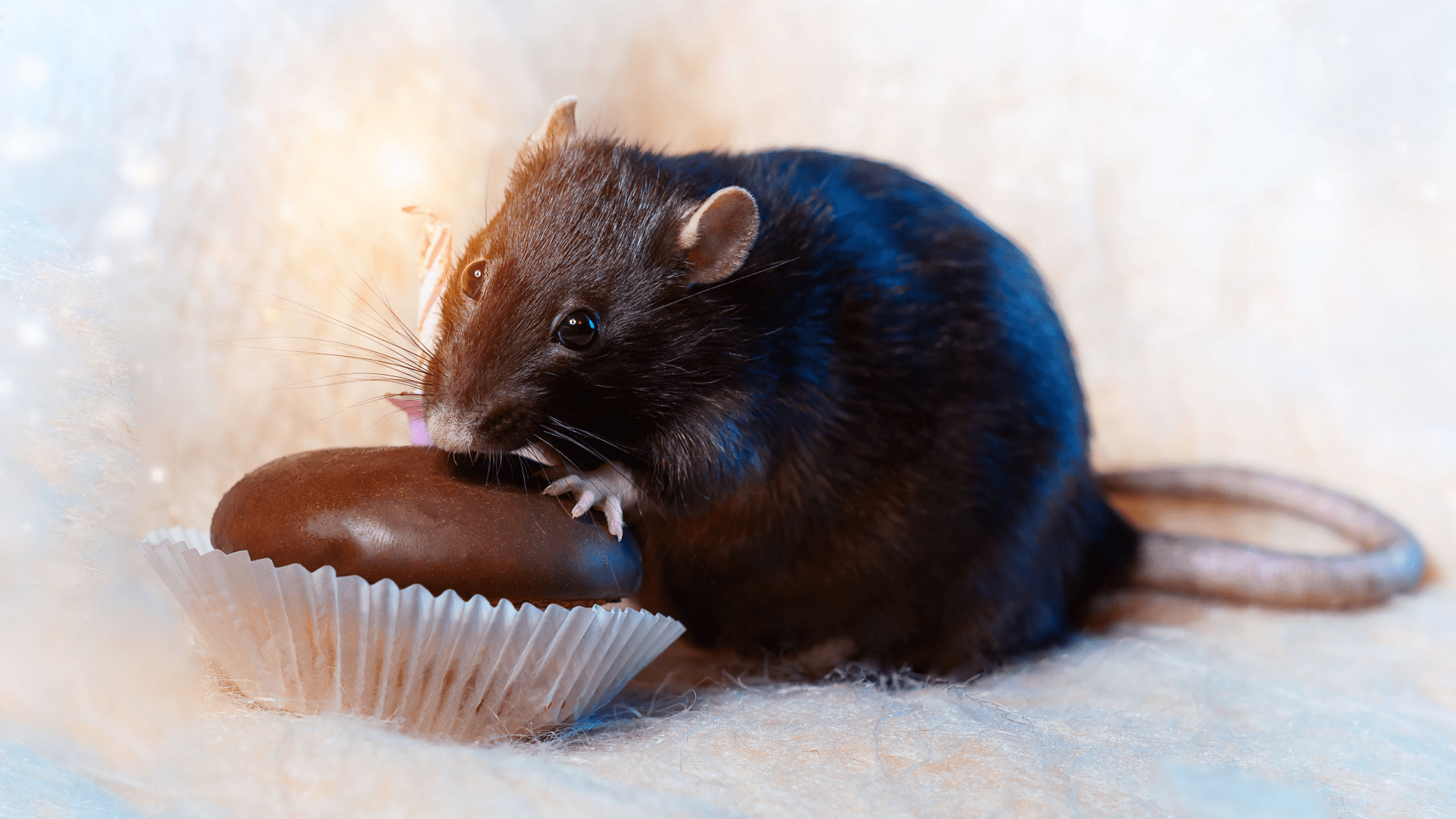
Rats make an ultrasonic sound when they eat chocolate

There’s nothing better than sinking your teeth into a sweet, creamy chocolate bar. Rats think so, too—and they may announce their chocolate-infused joy to the world at ultrasonic frequencies. 

Researchers have previously linked ultrasonic rat vocalizations with different emotional and motivational states in the animals, such as in reaction to rewarding stimuli. For example, the rodents vocalize in this way when eating something sweet. 

Now, a team of researchers in Japan have discovered that rats emit a particular ultrasonic vocalization while eating chocolate. Their findings are detailed in a study recently published in the journal eNeuro.

To come to this conclusion, the researchers compared ultrasonic vocalizations that rats emitted when they had access to chocolate, with those they made when they didn’t have access to the candy. The team also compared them with a chocolate-free control group of rats. Researchers then used AI to analyze the vocalizations’ acoustic features, identifying a distinct ultrasonic vocalization—officially 40 kHz inverted-U—strongly associated with chocolate snacking. 

“When rats eat something delicious such as chocolate, they emit a distinct ultrasonic call that humans cannot hear,” Koshi Murata, a study co-author and researcher at the University of Fukui, said in a statement. “This call drops sharply when the brain’s opioid ‘pleasure’ system is blocked. This suggests that rats may be vocally expressing the enjoyment of eating, offering a new window into whether animals experience pleasure as we do.”

To see if this distinct vocalization was related to the tastiness of food or just eating in general, Murata and colleagues compared chocolate-eating vocalizations with the sounds the rats produced while eating regular food. And while the rats ate similar amounts of both, they emitted significantly more 40 kHz inverted-U USVs while eating chocolate. 

In a separate food-choice test, the rats also demonstrated an obvious preference for chocolate: 15 out of 16 rats picked chocolate over the regular food (and can we blame them?). In two experiments, researchers also found that the vast majority of 40 kHz inverted-U USVs were emitted within one second of a feeding event. 

“Our discovery suggests that animal vocalizations could serve as a real-time, non-invasive readout of internal emotional states—specifically, how much an animal is enjoying its food,” said Murata. “Such a tool would allow researchers to measure ‘pleasure’ more directly than current methods permit, and could accelerate research into the brain mechanisms that generate positive emotions.” 

Understanding more about how the brain processes rewarding experiences could shed light on behaviors like overeating, as well as conditions like anhedonia, or the inability to feel pleasure and a common symptom of depression.

The post Rats make an ultrasonic sound when they eat chocolate appeared first on Popular Science.

  •  

Smart elephants can look before they leap

Like humans, elephants are famously social creatures. But unlike teenage humans, Asian elephants (Elephas maximus) can think before they act.

Scientists in Thailand discovered this after 16 Asian elephants at the country’s National Elephant Institute successfully participated in a detour test. In this sort of challenge, the animal has to resist an obvious but ineffective strategy (an impulse) to get a treat and follow an effective but indirect alternative—an ability called inhibitory control. 

“Although we are beginning to understand how intelligent elephants are, we still know very little about their capacity for inhibitory control,” Sydney Hope, a postdoctoral researcher at Hunter College in New York, tells Popular Science. “Understanding elephant inhibitory control will help us understand how this aspect of cognition may have evolved across species, including humans. It will also help us understand how elephants may cope with environmental—including anthropogenic—changes.”

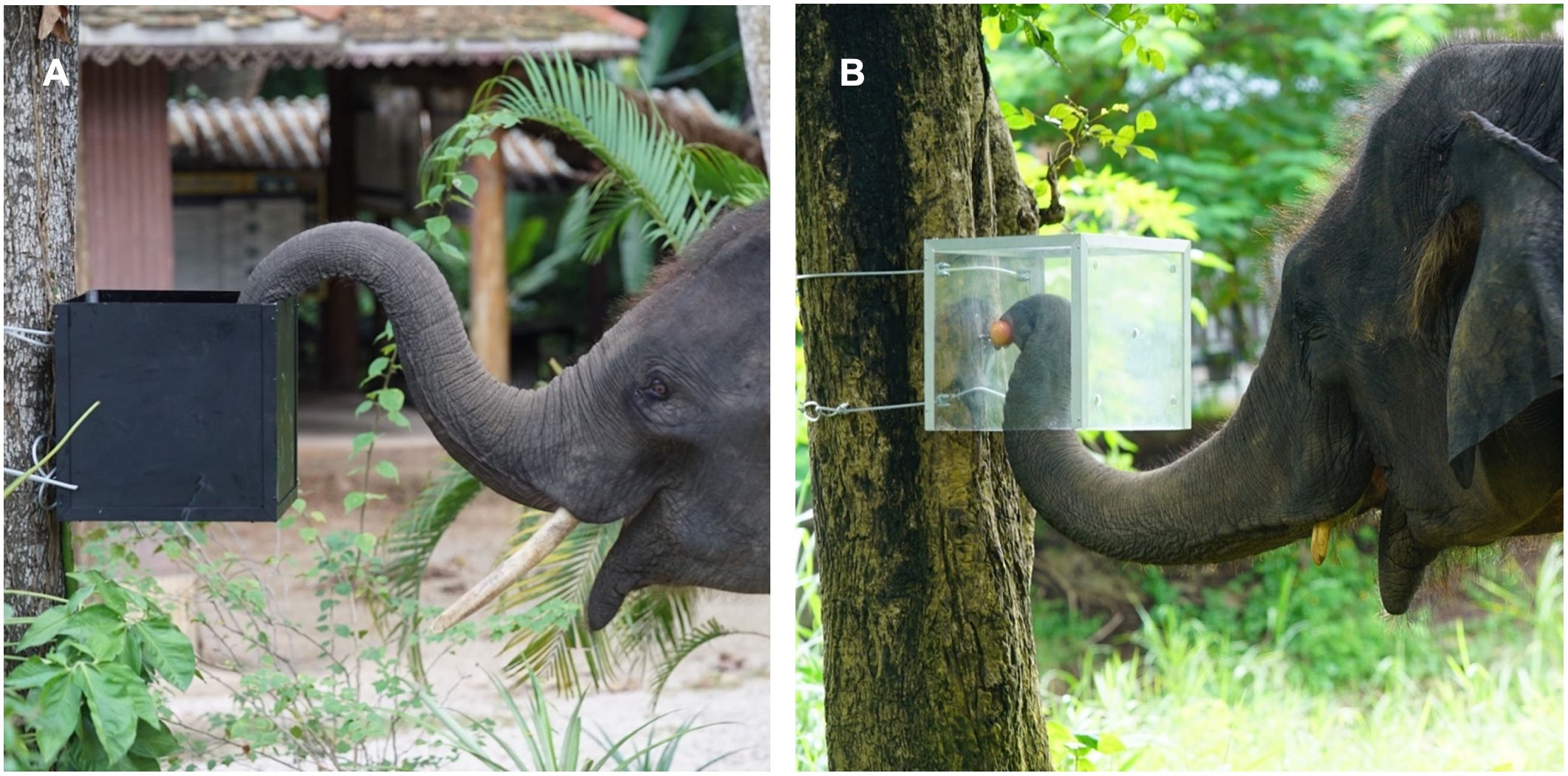
Experiment Setup. (A) An elephant enters the “over” opening to gain access to food in a familiarization trial. (B) An elephant enters the “under” opening to gain access to food (apple) in a test trial. Photos were cropped to remove extraneous background material; the left image was mirrored. Image: Photos by Sangpa Dittakul/Hope et al., 2026, PLOS One, CC-BY 4.0.

In their new study published today in the journal PLOS One, Hope and her colleagues presented Asian elephants with a transparent box filled with fruit. The box also had small holes, so that the elephants could see and smell the goodies inside. The temptation here was to reach directly through the barrier, whose holes were presumably too small for the elephants’ trunk to fit through. The elephants could consistently resist this impulse, and instead used an opening on the side of the box, as they had previously been taught to do. 

In a second version of the trial, the researchers rotated the box. Initially, the elephants gave in to the urge to reach for where the opening used to be, but then rapidly amended their behavior. This fix came slower in older elephants. That’s potentially because of cognitive decline with age, though the team says that further research is necessary on this point. 

More broadly, the study shows that elephants are able to resist an impulsive, ineffective action (like reaching through a perforated, transparent barrier or continuing a no longer successful approach) in favor of e indirect effective behaviors, even if they must change a previously effective strategy. And they’re in good company—inhibitory control is important for humans’ and other animals’ decision-making and cognitive flexibility. For elephants, it might play a significant role in their famous problem-solving and socializing capabilities, according to the researchers. 

“These results may also help conservation efforts,” Hope points out. “One major threat to Asian elephants is human-elephant conflict, often occurring when elephants navigate around barriers (e.g., electric fences) to enter agricultural lands. Understanding how elephants detour around barriers in controlled experiments may help with developing new techniques to mitigate conflict.”

The post Smart elephants can look before they leap appeared first on Popular Science.

  •  

Classic sitcom ‘Friends’ helps grad student endure 104 brain scans

The science of getting Z’s has progressed rapidly in recent years. A growing body of research links poor sleep to increased risk of cognitive decline, a higher likelihood of Alzheimer’s disease, and even greater chances of developing heart problems. At the same time, wearables, like smart rings and watches, are transforming the way everyday people view sleep, turning their resting hours into rich datasets to pore over, sometimes to unhealthy obsessive levels. 

What’s still less understood, is how the subtle, everyday fluctuations in sleep quality that come from simply living a normal life can alter brain chemistry. People don’t live in controlled lab settings, and even the most avid bio-optimizer still has nights where quality sleep takes a backseat. Actually understanding how someone’s day-to-day sleep patterns affect their brain chemistry would require putting them in an MRI machine and collecting data over and over again, over long stretches of time to get a more holistic view. 

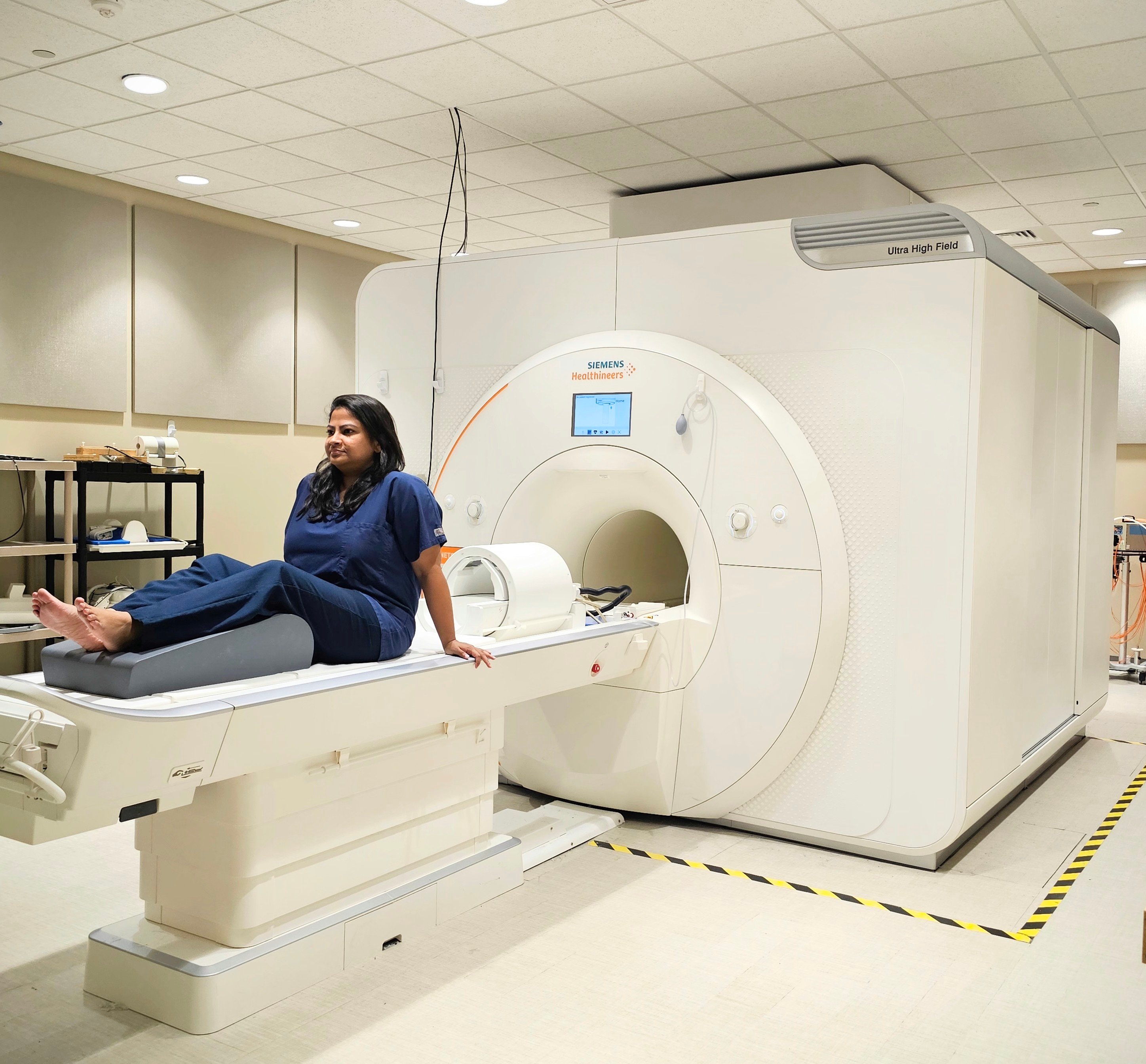
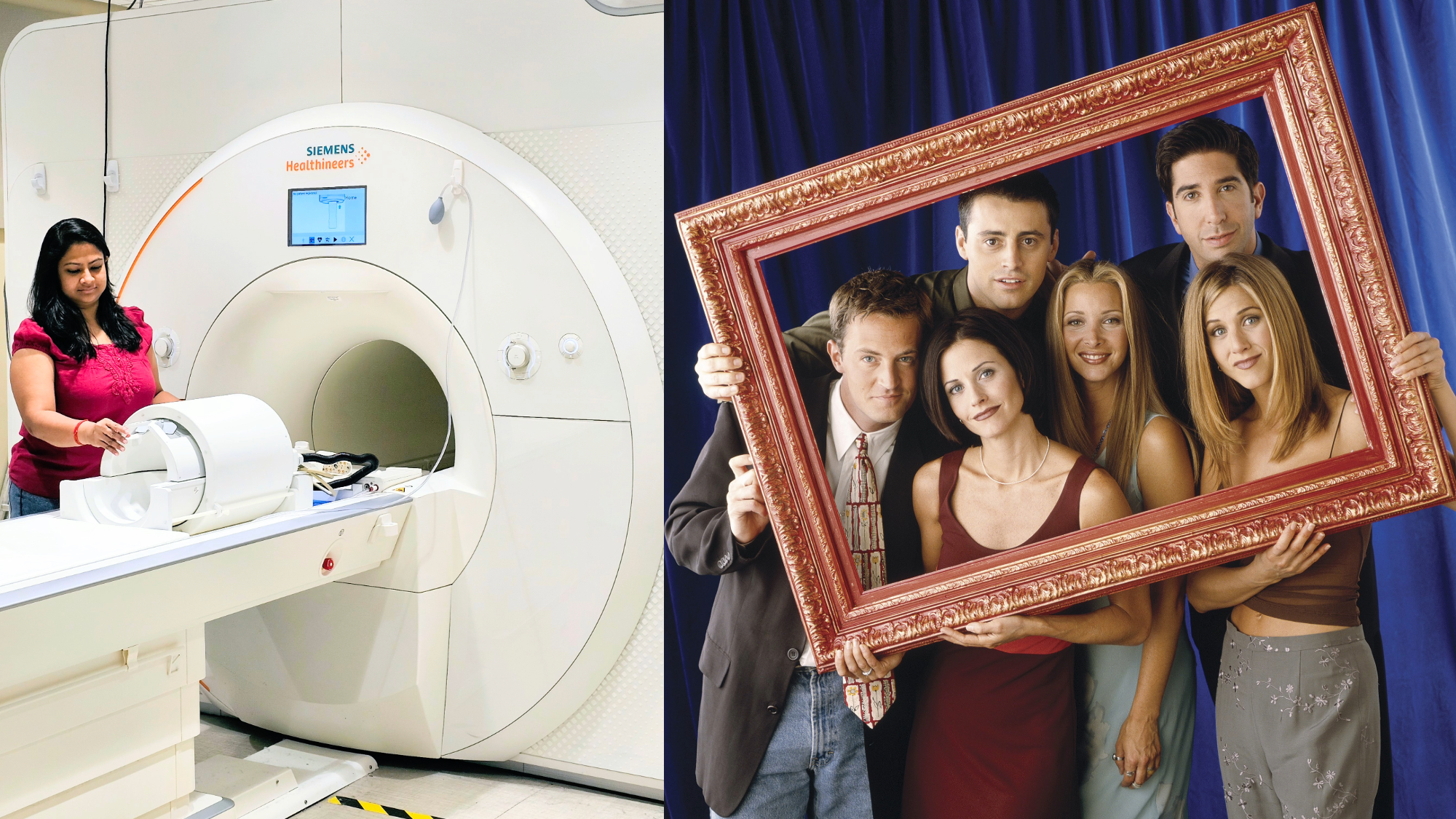
That’s exactly what Auburn University electrical and computer engineering graduate student Joshita Majumdar signed up for. Over 76 weeks, Majumdar slipped into the university’s 7-Tesla MRI scanner 104 times. That’s a level of commitment that would make even a stalwart Zen meditator fidget with frustrated boredom. Thankfully, Majumdar had a special companion to accompany her during the loud, cramped, 90-minute sessions: the hit television sitcom Friends.

a woman wearing blue scrubs sits outside of an MRI machiene
Over 76 weeks, Joshita Majumdar went into Auburn University’s  7-Tesla MRI scanner 104 times. Image: Joshita Majumdar/Auburn University.

Majumdar recalls how a screen in the machine would cycle through four 10-minute videos of the staple from the 90’s and early 2000’s, each made up of several different scenes clipped together. The idea was twofold. Majumdar needed something playing during the sessions that would keep her from getting bored, and Friends just happens to be her self-described “guilty pleasure.” It was also one of the first shows she connected with as an international student adjusting to her early days in the United States, so some scenes strike particularly nostalgic, emotional notes. And like any great sitcom, Friends runs the gamut from numbing brain-rot to tear-jerking sentimentality. That’s potentially a great backdrop for a study analyzing changes in brain chemistry.  

“If you’re happy, you watch Friends. If you’re sad, you watch Friends,” Majumdar tells Popular Science. “So all times [are] a good time to watch Friends, right?”

Past studies have looked at the way sleep variability affects brain chemistry, but many of those involve intentionally depriving the subject of sleep. This longer-term approach takes a more subtle approach that should better reflect the nuances of everyday life. 

“This is a person living her life, going through normal ups and downs and we are seeing how brain chemistry responds to that,” Majumdar’s advisor and Auburn University Electrical and Computer Engineering Professor Gopikrishna Deshpande said.  “That’s what makes this dataset so powerful. It’s not artificial. It’s not forced. It’s real.”

The journey to 104 brain scans 

Majumdar grew up in Kolkata, West Bengal, India, and moved to the U.S. in 2016 to pursue a master’s degree in engineering at the University of Georgia, with an emphasis on mechanical engineering. Early on, she became interested in how different environmental factors affect brain function. And while she was busy pushing forward with her rigorous academic work, she also dealt with occasional homesickness, living in a new country thousands of miles away from friends and relatives. 

Around that same time, Majumdar says she started watching Friends to see what all the fuss was about. People around her seemed obsessed with the show, but she hadn’t seen it, and initially didn’t really understand the hype. Eventually, she went back to the show with fresh eyes and everything clicked. The sarcastic Chandler Bing (Matthew Perry) and affable actor Joey Tribbiani (Matt LeBlanc) are among her favorite characters.

“I gave it another try, and then I was like, oh no, this is fun,” Majumdar said. “And then it became a guilty pleasure.” 

When it came time to pick a test subject for this new, lengthy MRI study, Majumdar says Dr. Deshpande asked her if she’d be up for volunteering. Majumdar has some experience with MRI machines from past projects, enough to know that she wasn’t prohibitively claustrophobic or bothered by the machine’s loud industrial noises. Still, nothing she’d done before this could compare to the endurance and commitment it would take to see this through. The team decided not to commit to a set number of scans at the onset, and took it day by day to see how much the grad student could handle. 

“We said, like, ‘Okay, we’ll take one day at a time, one week at a time, and see how far we can pull it through,” Majumdar explained. 

Don’t sleep on Friends  

Majumdar was the one who pitched playing Friends episodes in the machine. She compiled four 10-minute videos, each made up of different scenes from various episodes. The material ran the gamut in tone, with the goal of eliciting a range of brain responses. One particularly strategic choice was to include clips of episodes aired around Thanksgiving. These fan-favorites tend lean heavily on themes of family, friendship, and camaraderie. Friends, in other words, was meant to roughly simulate the backdrop for Majumdar’s everyday life brain state. 

“In a task-based MRI, we are giving a particular stimulus, so we kind of have an idea what we are trying to activate in the brain,”  Majumdar said. “But in a naturalistic run, it’’s kind of like you’re putting yourself into a real-world situation.” 

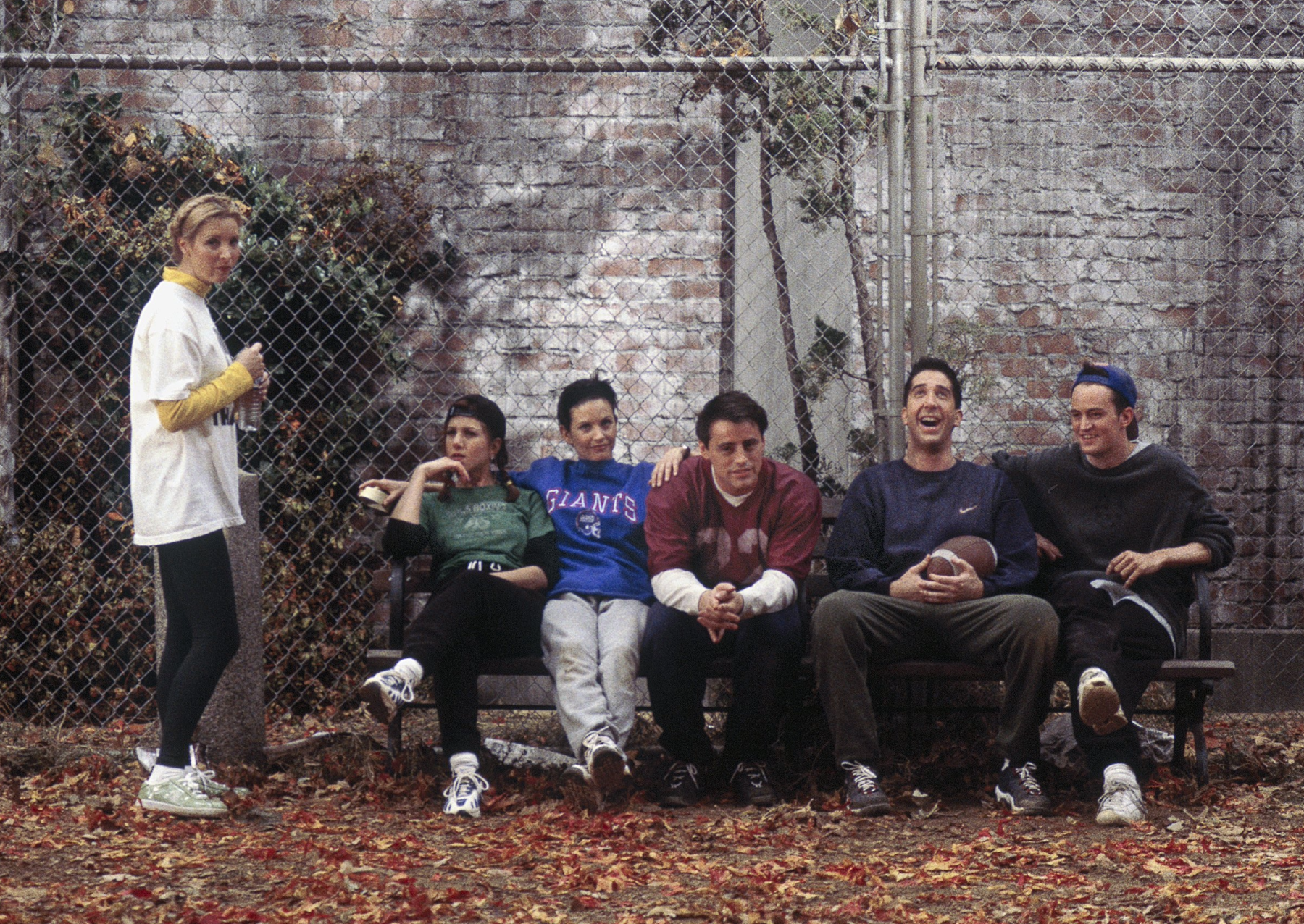
a still image from an episode of the show friends. a woman with blonde hair stands next to a bench while a woman with a black hat and green shirt, woman with a blue new york giants sweatshirt, man with a red jersey, man with a blue sweatshirt, and man with a black sweatshirt and blue hat on backwards sit on a bench above fall leaves
“The One with the Football” (Season 3, Episode 9) is one of 10 Thanksgiving episodes of Friends. Pictured (left to right) Lisa Kudrow as Phoebe Buffay, Jennifer Aniston as Rachel Green, Courteney Cox Arquette as Monica Geller, Matt LeBlanc as Joey Tribbiani, David Schwimmer as Ross Geller, and Matthew Perry as Chandler Bing. The show ran from 1994 to 2004. Image: Gary Null/NBCU Photo Bank.

But that wasn’t all. Every session, the team would also play a roughly four-minute music video to the song “Love You Zindagi,” from the 2016 Bollywood film Dear Zindagi. Similar to the Thanksgiving episodes, this video was thoughtfully selected for its depiction of friends and family. It also helps remind Majumdar of home. 

“I have left my friends and family back in India,” Majumdar said. “So depending upon what my emotions are on that day, I used to really connect to it differently each day.”

Majumdar and her colleagues quickly settled into a routine for their MRI odyssey. She would come to the university’s neuroimaging center on Tuesdays and Thursdays, typically around 7:30 in the evening. She had the choice of that later time slot or first thing in the morning, but chose the former because she says she isn’t really a morning person. That choice came with some trade-offs, though. 

Early on, she discovered that eating a meal immediately before entering the machine made her feel dizzy. After one fraught experience, she made a point of giving herself a gap of 90 minutes to two hours after eating before going into the scanner. Coming in later at night, especially after a long day of PhD work, also meant she sometimes had to fight the urge to fall asleep. Even though she was stuck in the machine for 90 minutes at a time, the tests required that she keep her eyes open for the vast majority of it. That struggle is partly what makes subsequent findings all the more interesting. 

“Sometimes I was a little bit sleepy, but that’s part of it,” Majumdar said. “And that’s the thing that we wanted to bring out through this research: that you are in a very natural setting. You’re not in a kind of a forced experiment where you are either sleep-deprived or put under some conditions that might evoke a different brain response. We really wanted to look at the real-world condition where I’m just living my life, and in parallel I’m getting scanned and seeing how the brain chemistry responds to it.”

In addition to sitting in the MRI machine, Majumdar logged everything she ate and wore a sleep-tracking ring. With all of that data, the team was able to match each night’s sleep metrics with the next day’s scan and compare patterns over time. Though there’s still data being combed through, they’ve already found an important connection: across the 104 sessions collected over 76 weeks, nights with less deep sleep and more light sleep tended to be followed by higher glutamate levels the next day. Glutamate is an amino acid that acts as a kind of chemical messenger in the brain. In a previous university blog post, Majumdar compared this finding to the brain flushing out byproducts that build up during active, wakeful moments, allowing for a more restful night’s sleep.

“You wake up with a fresh mind,” she said. “But if that process is blocked, it’s going to hamper you the next day.”

Joshita Majumdar (right) a graduate student in the Department of Electrical and Computer Engineering, and Gopikrishna Deshpande (left), the Godbold Professor in the Department of Electrical and Computer Engineering, used equipment at the Auburn University Neuroimaging Center, including the 7-Tesla MRI scanner, to study glutamate levels in the brain. Image: Auburn University.

But is she sick of sipping coffee at Central Perk?

Majumdar’s work in this area has only just begun. Moving forward, she and her colleagues hope to bring on more study participants  to make the dataset even richer, though they’ll likely make adjustments so that each participant doesn’t have to go in for scans quite as often as she did. 

Eventually, she says she also hopes to use AI and other tools to try and extract the feelings and emotions experienced during those MRI sessions (and during certain Friends’ moments) to get a better sense of what’s happening in the brain when certain feelings are evoked. 

Miraculously, even after watching the show in a cramped, rumbling tube for 18 months, Majumdar says she still isn’t sick of Friends. When asked if she can still watch the silly sitcom without getting bored, Majumdar responds with an emphatic, 

“Yes, definitely.”

The post Classic sitcom ‘Friends’ helps grad student endure 104 brain scans appeared first on Popular Science.

  •  

Inside the Mind of a Billionaire Cheater: “At His Level of Wealth, Societal Ethics No Longer Register”

Almost exactly one year ago, investigative journalist Pablo Torre, host of the Pablo Torre Finds Out podcast, exposed alleged efforts by Los Angeles Clippers billionaire owner Steve Ballmer (a former Microsoft Executive) to circumvent the NBA’s collective bargaining agreement by funneling undisclosed millions of dollars to All-Star player Kawhi Leonard.

Now, the league’s year-long investigation has concluded, revealing even more violations than the Pulitzer Prize– and Edward R. Murrow Award-winning podcast series uncovered over more than a dozen episodes.

The investigation’s conclusion also saw league Commissioner Adam Silver levy drastic punishments, including the loss of five future draft picks and suspensions for Ballmer and others in upper management. The team also received a league-record $30 million fine.

As the fallout from the historic cheating scandal and threats of legal action from the team owner continue to make headlines, The Debrief asked experts to help explain the mindset and decision-making of people like Ballmer, who operate in the rare universe of someone reportedly worth over $140 billion.

Decision Making at the Top

To understand how such a wealthy and successful individual could break the rules as brazenly as the 35-page public report from investigating law firm Wachtel, Lipton, Rosen, and Katz lays out, The Debrief asked Patrick Vishy, a behavioral finance educator specializing in decision-making and risk perception for high-level investors and traders, to offer some insight.

“People at the $100 billion level like Steve don’t see risk the same way we do, because survival is no longer on the table,” Vishy explained. “It now becomes a scoreboard amongst his industry peers.”

The high finance educator also suggested that many of Balmer’s fellow owners likely “respected the creativity behind his rule-breaking.” However, Vishy noted, they were likely less enthusiastic about “how he allowed himself to get caught.”

Although the No Nonsense Courses finance educator does not have a psychology background, he did point to two well-documented ‘internal reasons’ why he believes that “Steve in particular is bending the rules the way he has and will probably continue to.”

Invincibility Bias

The first is a concept the educator called “Invincibility Bias.” A search of relevant psychological documentation found that this bias, which is more often referred to as an “invulnerability bias,” is typically associated with the normal teenage developmental idea of being immortal or invulnerable to danger.

In a November 2025 story for Psychology Today, Dr. Su Yeong Kim, Ph.D., described invulnerability bias in teens as “the quiet conviction that ‘nothing bad will happen to me.’”

“This mindset differs from confidence, which acknowledges risk but trusts in one’s ability to handle it,” Dr. Kim explained. “Invulnerability, by contrast, denies risk altogether.”

Although the Clippers owner is well past his teenage years, Vishy told The Debrief that it is not uncommon to encounter this mindset in extremely high-net-worth individuals like Ballmer.

“When somebody takes asymmetrical risks for decades and constantly wins, their brain internalizes the belief that standard rules are meant for others, not them, and they can engineer their way out of any consequence,” the finance educator explained.

The Level Playing Field Fallacy

The second mechanism Vishy suggested that may have affected Balmer’s decisions to cheat is called “The Level Playing Field Fallacy.” While most online citations say the concept originated in sports, its primary modern use appears to be in finance.

When explaining how it applies to this situation involving both worlds, Vishy told The Debrief that “Steve can reasonably assume rival team owners are bending the rules as well and does not want to put himself at such a voluntary disadvantage by being 100% clean.”

As a matter of fact, Vishy added, for someone at Ballmer’s level of success, “it would seem absurd even.”

“At his level of wealth, societal ethics no longer register as a meaningful constraint,” the finance educator explained. “His competitive drive won’t allow him to constantly play from behind like that.”

“These two things lead to ego-driven moral disengagement,” Vishy added. “When you’re used to being the smartest guy in the room, the inner monologue regarding internal ethics shifts from ‘Is this allowed?’ to ‘Is this necessary for my goal?’ plain and simple.”

Why Do Subordinates Go Along?

A thorough examination of the Wachtel report reveals more than a single, uber-wealthy individual deciding that the rules don’t apply to him and that everyone else is cheating, so why shouldn’t he? Instead, the year-long investigation uncovered several cases of fraud involving at least four outside companies and a handful of top Clippers executives all working in concert to facilitate the deception.

While the financial motivations for companies trying to win contracts or unscrupulous agents like Kawhi’s notorious “Uncle Dennis” (who the league has banned for five years as part of its ruling) seem relatively straightforward, the mindset of high-level Clippers employees is not as clear.

According to the investigation’s findings, several Clippers higher-ups, including the team’s President of Business Affairs, Gillian Zucker, and LA’s President of Basketball Operations, Lawrence Frank, not only repeatedly and blatantly violated the league’s salary cap circumvention rules, but also preemptively constructed a series of cover stories just in case a future investigation ever took place.

After a 12-month suspension for Zucker and a 6-month suspension for Frank, The Debrief contacted Giulia P. Davis, a 15-year management consulting veteran and former equity partner who works with Fortune 500 clients to understand the “go along” mindset that may have permeated the entire organization.

The People Involved Often Don’t Experience Themselves as Breaking the Rules

According to the Founder of Mycelia Therapy, the reasons people working under a Steve Ballmer-type go along with rule-breaking behaviors often go beyond a simple fear of losing their jobs. Instead, Davis explained without directly addressing the Clippers fiasco, “there’s a pattern I find interesting in situations like this.”

“The people involved often don’t experience themselves as breaking the rules,” the Licensed Marriage and Family Therapist (LMFT) told The Debrief. “They believe they’ve found a way to work within them.”

As an example, the veteran management consultant pointed to the language used by individuals who find themselves in these situations

“The defense is often not ‘we didn’t do this,’ but ‘what we did was legal,’ Davis explained.

How People Convince Themselves that They Are Not a Rule Breaker

When exploring potential motivations for high-level subordinates, Davis also told The Debrief that people who go along with bad behavior at these levels don’t always start out with improper intentions. Instead, the therapist noted, advisors, lawyers, and outside consultants “will sometimes come into an organization looking for solutions.”

“While saying no might not be their ultimate goal, they must determine whether something can work,” she explained.

The finance world veteran also noted that simple inertia and lack of consequences can lead to a more permissive mentality.

“When all of those people in the room are going to get paid regardless of what happens, it’s quite surprising how easily one can lose sight of a much larger issue,” Davis explained, adding, “that’s why I believe the primary issue might be systemic (i.e., structural), not solely due to the individual’s nature.”

For example, Davis said it is possible for someone in a leadership or ownership position like Ballmer to “develop a culture within which all individuals technically comply with their respective roles, yet no member of the organization will have sufficient separation or motivation to say, ‘I did my job, but in doing so, I defeated the intent of this policy.’”

“It is that point in the decision-making process where ego appears,” Davis said.

“In other words, once you see yourself as being a person who follows the rules, it is far easier for you to deny your own admission, as you are now defending a personal identity,” Davis concluded. 

Christopher Plain has spent the last six years as Associate News Editor and Head Science Reporter at The Debrief. Follow and connect with him on X, learn about his novels at plainfiction.com, or email him at christopher@thedebrief.org.

  •  

Did Ancient Campfires “Reprogram” the Human Brain with Flickering Light and Red Wavelengths?

A University of St. Andrews-led research team has proposed that the red wavelengths of flickering light emitted by early human ancestors’ campfires helped reprogram the human brain to boost social and verbal communication, leading to modern language and storytelling behaviors found only in humans.

The team, which included researchers from Dartmouth College, said the study builds on earlier theories linking fire and language to the extra hours it added to the day.

However, their findings suggest that the biological changes caused by fire use may have enabled complex language as much as fire-associated behavioral changes, accelerating the evolution of verbal communication away from the ape-like systems still used by modern apes toward more complex, “uniquely human” interactions.

Researchers Wondered if Firelight Reprogrammed the Human Brain

Catherine Hobaiter, a Professor of the School of Psychology and Neuroscience at the University of St Andrews and the lead author of a paper detailing the team’s idea, said she has always been fascinated by the origins of language.

“What was the first word?” the professor asked. “The first story?”

Unfortunately, Professor Hobaiter noted, many questions about the origin of humanity’s complex and diverse forms of verbal communication remain unanswered.

Some earlier research has explored a possible link between the first spoken words and the advent of controlled fire use. However, the team notes that most studies have focused primarily on the extra hours of practical light added to the end of each day.

Curious whether other biological mechanisms also contributed to the evolution of language and complex storytelling behavior, Professor Hobaiter and colleagues examined the effects of sitting around a campfire to see whether the emitted light could reprogram the human brain.

Potential Effects of Red Wavelengths and Flickering Lights

First, the team noted that one potential catalyst emitted by firelight that could help reprogram the human brain for complex language is the color of the light wavelengths emitted by campfires. Specifically, Hobaiter and colleagues noted that campfire light emits almost no blue wavelengths but instead mostly in the visible red spectrum.

Many modern studies have focused on the potentially adverse effects of exposure to blue light wavelengths from modern technology on sleep patterns and overall health. Conversely, the paper’s authors described the red wavelengths emitted from fire as ‘uniquely suited’ for human socializing, “allowing an extension to the day without negatively impacting sleep.”

Another component of firelight the study authors suggest could have reprogrammed the human brain for speech is the way a campfire behaves. Unlike a modern, steady light source, the authors noted that firelight “flickers.”

Hobaiter and colleagues said that neurons in the human brain synchronize firing patterns with external flickering lights. For example, flickering lights in movies and TV shows often come with warnings against possible neurological effects on vulnerable viewers. The research team said this mechanism might also help synchronize the behavior of those seated around the campfire, resulting in a much deeper feeling of connection.

Finally, the researchers noted that firelight emits infrared wavelengths, which may have also contributed to helping firelight reprogram the human brain for complex verbal communication.

Are We the Storytelling Ape?

When discussing the potential impact of their proposal, study co-author Nathaniel Dominy, the Charles Hansen Professor of Anthropology at Dartmouth College, said many of the chemical properties have been well researched. However, Professor Dominy also notes that understanding the properties of light that capture our attention and focus, thereby instilling “harmony and cooperation,” has received far less attention.

“Measuring these features is an exciting part of this project,” the study author added.

Professor Hobaiter agreed, while also noting the conundrum scientists face when explaining why humans speak, when “decades of research with other species has shown us that you don’t need language to learn from each other, to organize where and when to forage, to learn cultural knowledge about tools and songs, to co-ordinate hunting, or navigate social politics.”

“While other species share all these skills, there is a fundamental puzzle: we struggle to find evidence of key differences between human and ape communication,” Professor Hobaiter explained. “And yet, we are surrounded by evidence of human distinctiveness. For all their incredible, rich communication and cultures, no other ape is inventing algebra, writing King Lear, or heading out into interstellar space.”

“So, it’s especially exciting to be able to generate testable predictions, to be able to ask if, at the end of the day, we are the storytelling ape,” the professor added.

The paper “Firelight and the Origins of Spoken Language” was published in Proceedings of the Royal Society. 

Christopher Plain has spent the last six years as Associate News Editor and Head Science Reporter at The Debrief. Follow and connect with him on X, learn about his novels at plainfiction.com, or email him at christopher@thedebrief.org.

  •  

Meet the 2026 Ig Nobel Prize winners

It's that time of year again, when we learn which lucky scientists are among the winners of the Ig Nobel Prizes. This year, the prizes honor research on designing the perfect splash-free urinal; using mosquito proboscises to "necroprint" tiny nozzles; studying composition rates of buried cotton underwear; and the aerodynamics of a healthy nose-blow, among other highlights.

Established in 1991, the Ig Nobels are a good-natured parody of the Nobel Prizes; they honor “achievements that first make people laugh and then make them think.” The unapologetically campy awards ceremony features miniature operas, scientific demos, and "24/7 lectures," whereby experts must explain their work twice: once in 24 seconds and the second in just seven words.

Acceptance speeches are limited to 60 seconds. And as the motto implies, the research being honored might seem ridiculous at first glance, but that doesn’t mean it’s devoid of scientific merit. In the weeks following the ceremony, the winners will also give free public talks, which will be posted on the Improbable Research website.

Read full article

Comments

© YouTube/Improbable Research

  •  

Study: Night Owls Face Higher Mental Health Risks Tied to Work-Life Balance

Weekend recovery sleep doesn’t prevent weight gain or reduce insulin sensitivity. Image credit: Wok & Apix.

In a study of 2,266 workers in Finland, evening-type people, or night owls, were up to three times more likely to be treated for depression or anxiety than morning types, with poor work-life balance identified as a key contributing factor.

The post Study: Night Owls Face Higher Mental Health Risks Tied to Work-Life Balance appeared first on Sci.News: Breaking Science News.

  •  

Experiments Show Color-Enriched White Light Can Affect Whether a Room Feels Hot or Cold

Experiments by Penn State University researchers have shown that enriched white light that includes “invisible” blue and red wavelengths can directly affect a person’s perception of indoor temperature, including making a warm room feel more than one degree Fahrenheit cooler.

In future efforts, the Penn State team said they will explore the effect on different populations and in different environments, including under extreme hot and cold conditions. They also plan to evaluate the potential for incorporating color-enriched white lighting in real-world buildings where it may improve comfort and reduce energy use.

Enriched White Light Theory Builds on Previous Colored Light Discovery

According to a statement announcing the research, some previous studies have demonstrated that colored lighting can influence how hot or cold a room feels. For example, subjects in a previous study rated a room as warmer than it was when exposed to red light. Conversely, subjects described rooms bathed in blue light as feeling cooler.

However, the Penn State team notes, implementing red and blue lighting in most working spaces is impractical. Still, they wondered whether they could use the phenomenon to reduce the perception of heat or cold, thereby lowering energy costs for environmental control systems.

‘‘We wanted to understand whether lighting can widen people’s thermal comfort zone,” explained Penn State professor of architectural engineering and the principal investigator of the published study detailing the team’s findings. Julian Wang. “If it can, even a modest shift in perceived temperature can translate into substantial cumulative energy savings over time.’’

Due to the impracticality of colored lighting, the team explored the possibility of enriching the white light already used in office spaces and classrooms with red or blue wavelengths without affecting visibility

‘‘The novelty of this study is that we used white light that looks identical to the human eye but has a different spectral composition,’’ Wang explained.

Tests Reveal Temperature Perception Effect of Red and Blue Wavelengths

Instead of placing color-enriched white lights in actual offices, the team performed a series of experiments in a controlled indoor environment meant to simulate a typical office cubicle on the Penn State campus.

First, Wang and colleagues recruited five men and five women aged 18 to 35. Next, they placed each participant in the simulated office cubicle at an ambient air temperature of 76°F, then gradually increased and decreased the room’s air temperature in varying cycles.

To evaluate the effect of light on participants’ temperature perception, each subject was exposed to white light enriched with either blue short-wave light or red long-wave light. Critically, the lights appeared identical.  Wang said that keeping the light appearance the same “allowed us to evaluate whether the response was driven by the spectral composition of the light, rather than by people’s perception of color.”

Throughout the entire process, the researchers monitored the participants’ thermal sensation and apparent comfort. The researchers also monitored the participants’ behavior.

As in previous studies, the color of the light waves appeared to have an effect even though they were effectively imperceptible to the participants. For example, when the participants were exposed to the blue-enriched white light, the researchers said, “they felt cool enough to tolerate air temperatures about 1.3 F warmer.” Conversely, when the participants were exposed to red-enriched white light, they felt warmer.

When discussing the results, Wang said the most critical point is that subtle color-enrichment differences hidden within ordinary white light can produce effects similar to pure-color lights without adversely affecting the work environment. Such effects could translate into real reductions in energy usage.

From Office Space to Space Habitats

In the future, Wang and colleagues plan to test the effect of color-enriched white light on a more diverse set of volunteers, including across more age groups.

‘‘The next step is to do research in a larger and more diverse population to determine whether these effects extend beyond young adults and could be applied globally,” Wang said.

The Penn State team also plans to investigate the temperature-sensation-altering effects of color-enriched light in combination with other factors, such as sound, window views, and visual patterns. The team said they may also explore the effect of color-enriched light in more extreme conditions to “evaluate how they could be incorporated into real-world buildings to improve comfort while reducing energy use.”

‘‘Our long-term goal is to expand people’s multi-domain interactions, and if successful, this approach could improve comfort and human performance while reducing energy use in buildings, from homes and offices to space habitats,” Wang said, adding that ‘‘this is just one of our starting points.”

The study “Effects of metameric light on human subjective and behavioral thermal responses in daytime transient thermal environments” was published in Energy and Buildings.

Christopher Plain is a Science Fiction and Fantasy novelist and has spent the last six years as Associate News Editor and Head Science Writer at The Debrief. Follow and connect with him on X, learn about his books at plainfiction.com, or email him at christopher@thedebrief.org.

  •  

Major Study Finds Hidden Order in the Psychedelic Brain That Challenges What We Thought About Psilocybin

Psychedelic drugs are often described as throwing the brain into a state where the usual rules begin to break down. Under psilocybin, neural networks that normally organize perception, thought, and our sense of self loosen, blurring the boundaries between the mind and what we perceive as reality.

Close your eyes, and colors and shapes may appear from nowhere. Music can feel almost physical. Even the familiar boundary between where the self ends and the rest of the world seemingly begins to melt away.

From the outside, this altered state can look a lot like a neurological disorder—a brain becoming less synchronized, less structured, and increasingly chaotic.

But a major new brain-imaging study suggests an unexpected order may be hidden within that apparent chaos. Rather than simply scrambling the brain, psilocybin appears to reorganize its activity, making it unusually sensitive to what a person is experiencing in the moment.

Published in Nature, the study used functional magnetic resonance imaging (fMRI), electroencephalography (EEG), and machine learning to examine 62 adults before and after receiving psilocybin.

Researchers say their results uncover a previously hidden form of organization within the psychedelic brain that helps explain why setting and subjective experience can have such a powerful influence on the psychological effects of psychedelics.

“Under psilocybin, brain networks that help us process our inner world and the world around us became less distinct, but reorganized into patterns that reflected what people were experiencing,” lead author and Research Fellow at the Turner Institute for Brain and Mental Health in the Monash School of Psychological Sciences, Dr Devon Stoliker, said in a statement. “We uncovered hidden order within that disruption.”

Past studies have shown that psychedelics disrupt the brain’s usual organization. Psilocybin acts primarily on serotonin 5-HT2A receptors, reshaping communication between sensory regions and higher-level networks involved in cognition, perception, and our sense of self. Researchers have frequently characterized the resulting brain state as more entropic, desynchronized, and disordered.

The new study does not necessarily contradict those findings. Instead, it suggests conventional measurements may have been missing another layer of organization unfolding over time.

Participants, none of whom had previously used psychedelics, underwent both fMRI and EEG while experiencing four different conditions: resting with their eyes closed, guided meditation, listening to music, and watching a silent movie of moving clouds. Researchers recorded their brain activity during a baseline session and again after participants received a 19-milligram dose of psilocybin.

Standard brain-imaging measurements initially produced results consistent with previous psychedelic research. Psilocybin reduced the degree to which the brain remained divided into distinct functional networks. During eyes-closed conditions, connectivity between sensory areas and the wider brain decreased while integration involving associative regions increased.

One especially intriguing change involved the difference between eyes open and eyes closed. Normally, those states produce clearly distinguishable patterns of brain connectivity.

Under psilocybin, however, that distinction narrowed dramatically. In the visual network, the gap in global functional connectivity between eyes-open and eyes-closed conditions fell by 85 percent.

EEG measurements independently showed a similar convergence. Alpha-band activity, normally associated with suppressing visual information while the eyes are closed, decreased under psilocybin, while brain-wide signal complexity increased. Because the effect appeared using two different methods of measuring brain activity, the researchers argue that psychedelic-induced changes in blood flow cannot simply explain it.

Researchers also used machine-learning techniques to follow changes in brain activity over time. Instead of becoming increasingly random, the brain activity of participants experiencing stronger psychedelic effects formed tighter, more clearly distinguishable patterns corresponding to whether they were resting, meditating, listening to music, or watching the movie.

In other words, as the psychedelic experience intensified, researchers became better able to identify what participants were doing simply from the structure of their brain activity. That is essentially the opposite of what would be expected if psilocybin were merely introducing neural noise.

“This shows that context is not just background to the psychedelic experience,” co-author and researcher at the Turner Institute for Brain and Mental Health in the Monash School of Psychological Sciences,  Dr. Adeel Razi, explained. “What a person is doing and focusing on shapes how their brain responds.”

The effect was particularly strong among people reporting positive experiences involving unity, bliss, self-dissolution, and the disappearance of boundaries between themselves and their surroundings. It was weaker for purely sensory or hallucinatory effects and largely absent for negative experiences, such as anxiety or impaired cognition.

Researchers call this phenomenon “context alignment” and describe the corresponding subjective experience as “embeddedness.”

Embeddedness differs subtly from simply feeling connected to something. The researchers use the term to describe an experience in which the distinction itself begins disappearing—a feeling that the person is continuous with, rather than separate from, the surrounding environment.

Two brain systems appeared especially important. The default mode network, heavily involved in internally directed and self-referential processing, and the visual network, representing the opposite end of a broad gradient toward externally directed sensory processing. Together, changes in these systems accounted for nearly half of the machine-learning model’s improvement in distinguishing different contexts under psilocybin.

Those findings could influence psilocybin and psychedelic-assisted therapy, where a person’s mental state and surrounding environment have long been considered important.

Half of the participants later ranked their psilocybin session among the most meaningful experiences of their lives. One month later, the group also showed improvements in measures of personal meaning, acceptance of death, and bond with nature, although there was considerable variation between individuals.

However, the findings also come with important caveats. The study involved healthy volunteers rather than patients being treated for psychiatric disorders, meaning the results do not establish whether “embeddedness” itself contributes to the therapeutic benefits reported in clinical psychedelic research. Participants also knew they were receiving psilocybin.

While the researchers identified machine-learning signatures associated with subjective experience and subsequent psychological changes, they acknowledge that additional research is needed to determine whether those patterns hold across populations.

Nevertheless, the results present a different way of thinking about what psychedelics do to the brain. Psilocybin may loosen ordinary neural boundaries without eliminating organization. Beneath what looks like disorder when averaged across time, the brain may actually be reorganizing itself around the person’s immediate experience.

“Until now, brain-imaging studies have mainly told us what happens on average across a group. Using artificial intelligence, we could measure this reorganization in each person,” Dr. Razi notes. “If translated to patients, this could eventually help clinicians understand how someone is responding and predict who is most likely to benefit.”

The recent study, “Psychedelics Align Brain Activity with Context,” appeared in the journal Nature.

Tim McMillan is a retired law enforcement executive, investigative reporter and co-founder of The Debrief. His writing typically focuses on defense, national security, the Intelligence Community and topics related to psychology. You can follow Tim on Twitter: @LtTimMcMillan.  Tim can be reached by email: tim@thedebrief.org or through encrypted email: LtTimMcMillan@protonmail.com 

  •  

Dunning Kruger Effect Wrong, Scientists Claim

The dumber you are, the more certain you are that you aren't. That's the Dunning-Kruger effect, and it's been used to explain everything from bad politicians to the state of social media. Now psychologists have gone back to the biggest dataset we have and come out with the opposite conclusion. But there's a reason both sides can look at the same dots and see the opposite thing. Let's take a look.

  •  

Study Finds Nightmares Connected to PTSD are Reduced or Completely Eliminated by THC from Cannabis

Researchers at Charité – Universitätsmedizin Berlin have demonstrated the potential for using THC, the psychoactive component in cannabis, to treat or even eliminate debilitating nightmares associated with post-traumatic stress disorder (PTSD).

The researchers behind the findings said that THC did not reduce other PTSD symptoms, such as the condition’s severity or depression. However, they plan to further explore its ability to treat nightmares, including the potential safety and efficacy associated with long-term use.

PTSD Nightmares Cause Sleep Deprivation and Fear of Going to Sleep

According to a statement from the Charité team, people who survive or witness extreme experiences such as abuse, war, disasters, or other acts of violence can become overwhelmed and unable to consciously process their experience. As a result, many experience what researchers term an “echo,” where the subconscious tries to process the trauma. The more common term for the experience is post-traumatic stress disorder, or PTSD.

People suffering from this condition often report nightmares as one of the most persistent and debilitating symptoms. Along with the horror associated with continuously reliving their traumas, sometimes on a nightly basis, sufferers also experience severe sleep deprivation. These problems are then compounded by a fear of going to sleep and experiencing nightmares repeatedly.

Attempts to treat PTSD related nightmares have found mixed results. For example, some doctors have prescribed antidepressants or blood pressure-lowering medications to treat the symptoms. However, the research team notes that pharmacological treatments are only partially effective, and “often fail to adequately relieve” PTSD-related nightmares.

There is one medication specifically approved for treating PTSD-induced nightmares. However, the team notes, it is not yet widely available, including in Germany where the study was performed. 

Exploring Alternative Treatments

To explore alternative treatment solutions, Prof. Stefan Röpke, who conducts research on trauma-related disorders at the Department of Psychiatry and Neurosciences on the Benjamin Franklin Campus of Charité, and colleagues designed experiments around tetrahydrocannabinol, or THC.

Although widely used for recreational purposes, cannabis has shown some promise for treating a wide variety of medical and psychological conditions. Still, until recently, the drug’s legal status has limited its medical applications, offering researchers a potentially untapped source of PTSD nightmare relief.

For this study, Professor Röpke and colleagues were interested in THC’s established interactions with the human body’s endocannabinoid system. That’s because this system plays a role in sleep regulation, stress, and the processing of emotional memories.

For example, the professor explained, some evidence suggests that THC reduces activity during REM sleep. Known as the dream state, REM sleep is an intense dream phase during which “the brain processes experiences and regulates emotions.

“THC reduces dream activity and thereby alleviates nocturnal stress responses,” the professor explained.

More Than a Third Report Complete Elimination of Nightmares

To start, the team enlisted more than 170 study participants. Critically, all participants suffered from PTSD and intense nightmares, resulting in sleep deprivation and a fear of going to sleep. Instead of smoking cannabis, the researchers administered a form of cannabis-derived THC drops called Dronabinol. As a legal medication, this form of THC is considered clinically safe.

During the ten-week study period, each participant was instructed to take the drops before bedtime. Half of the participants received THC drops, while the others received cannabis-flavored placebo drops. To maintain double-blind study integrity, neither the participants nor the researchers knew who received which treatment.

After the trial period finished, the researchers discovered several positive results. Most notably, the THC group reported a significant decrease in nightmares compared to the placebo group.

According to the study authors, when ranking a participant’s “nightmare burden” on a scale of zero to eight points, participants’ scores dropped by an average of 3.7 points. For comparison, the placebo group experienced an average drop of 2.2 points.

Perhaps even more significant, Professor Röpke said that “more than a third” of the THC patients reported a complete absence of nightmares after the ten-week period concluded. The professor also noted that 21 percent of the study participants reported that their nightmare burden had been at least cut in half. Finally, the professor said that five out of six study participants in the THC group “felt their health had markedly improved.”

Exploring the Safety and Efficacy of Long-Term THC Use

Although the study results offer some possible hope for relief from nightmares and improved sleep, the researchers said the THC treatments did not affect all PTSD symptoms. For example, they observed that a participant’s PTSD severity and any accompanying depression “did not change conclusively.”

No severe side effects were reported by the THC group. However, the researchers did observe some minor complaints, such as headaches, dizziness, or increased appetite. Participants did not report any withdrawal symptoms after the cessation of the treatment period.

Moving forward, the team will explore the safety and effectiveness of long-term nightly THC treatments. They also hope to explore whether patients develop a tolerance to THC’s nightmare-abating effects over time.

The study “Dronabinol for nightmares in post-traumatic stress disorder: a randomized controlled trial” was published in Nature Medicine.

Christopher Plain is a Science Fiction and Fantasy novelist and has spent the last six years as Associate News Editor and Head Science Writer at The Debrief. Follow and connect with him on X, learn about his books at plainfiction.com, or email him at christopher@thedebrief.org

  •  

Moving Cat Indoors is Easier than Owners Expect: Study

The owner experiences of transitioning cats indoors suggest that, for most owners and cats, a transition to indoor cat management is manageable and worthwhile. Image credit: Natali Anderson.

Moving a free-roaming cat indoors for good is a decision many owners approach with dread: guilt over confining a former outdoor explorer, worry about litter boxes and scratched furniture, and doubts about whether the cat will ever adjust.

The post Moving Cat Indoors is Easier than Owners Expect: Study appeared first on Sci.News: Breaking Science News.

  •  

More Testosterone Won’t Make a Better Soldier or a Tougher Man—Aggression and Strength Drive T Levels, Not the Other Way Around

Defense Secretary Pete Hegseth is requiring service members to screen for low testosterone levels. Ironically, the military lifestyle itself is more likely to lower T levels.

The post More Testosterone Won’t Make a Better Soldier or a Tougher Man—Aggression and Strength Drive T Levels, Not the Other Way Around appeared first on Nautilus.

  •  
❌