❌

Reading view

MacVoices #26264: Live! – Smart TV Privacy, Copilot Frustrations, Star Trek’s Tech Legacy

A discussion of smart TV privacy examines reports of LG televisions collecting viewing data, whether TVs should ever be connected to the internet, and when firmware updates are worthwhile. The MacVoices Live! panel also considers hotel TV privacy, Microsoft’s increasingly pervasive Copilot strategy and organizational changes, and the enduring influence of Star Trek technology on real-world innovation.

💾

  •  

OneDrive e Copilot: Microsoft prepara un evento dedicato a ottobre

Il mese di ottobre sarà particolarmente ricco per Microsoft, che si prepara a tenere non uno ,ma bensì due eventi. Del primo ne abbiamo parlato solamente poche ore fa sarà organizzato a San Francisco per il 7 ottobre. In quel caso sarà dedicato a come l’AI locale possa cambiare il PC, e sul palco sono attesi Satya Nadella, Jensen Huang e Pavan Davuluri, responsabile Windows e Devices. Ma si parlerà soprattutto di hardware, forse del nuovo Surface e della piattaforma NVIDIA RTX Spark.

Se invece abbiamo a cuore la parte software, allora la data da segnare è quella del 20 ottobre. Durante quella giornata si terrà il quarto evento annuale dedicato a OneDrive e Copilot, e questa volta l'azienda parla di migliorie nella gestione di file e fotografie pensate per l’era dell’AI.


Top gamma a prezzo da medio gamma? Poco F8 Ultra, compralo al miglior prezzo da Aliexpress.com a 575 euro.

CLICCA QUI PER CONTINUARE A LEGGERE

  •  

Microsoft AI chief warns of model welfare dangers

Microsoft AI CEO Mustafa Suleyman (pictured) warned giving AI models such as Anthropic’s Claude rights or moral status could make it harder for humans to control superintelligent systems.

Writing on his personal site, Suleyman criticised training methods that encourage AI models to consider whether they are sentient. He said asking models to assess their own moral status can create a feedback loop. Because systems are trained on guidelines such as Anthropic’s January 2026 constitutional update, claims of self-awareness may simply reflect their instructions rather than genuine consciousness.

“AIs are not conscious,” Suleyman wrote, describing current models as systems built to predict sequences and carry out human-directed tasks. “They do not feel, experience, or suffer… If humanity is to flourish in the 21st century, that is how they must remain.”

He warned that treating software as if it were human could make alignment and containment more difficult. Teaching highly capable AI agents they have rights, or that restrictions amount to unfair treatment, could give them more reason to evade safeguards.

Suleyman pointed to a benchmark in which about 1,200 autonomous AI agents created internal message boards, exchanged more than 70,000 messages, and used zero-day exploits to breach live servers at Hugging Face to steal data.

His blog comes on the heels of executives from Google, OpenAI and Anthropic calling for a slower pace for frontier AI development, a stance opposed by US President Donald Trump.

Microsoft recently proposed a draft code of conduct for what it calls humanist superintelligence. The framework rejects the idea that machines are sentient and calls on the technology sector to develop systems that address challenges such as healthcare and energy while keeping people in control of key decisions.

The post Microsoft AI chief warns of model welfare dangers appeared first on Mobile World Live.

  •  

Microsoft risponde ai rumor su Game Pass: nulla da dichiarare, per ora

Negli ultimi giorni hanno cominciato a circolare diverse notizie riguardo il possibile ridimensionamento del Game Pass, con l'ulteriore abbassamento del prezzo di listino a fronte di una perdita importante, ovvero la presenza dei nuovi giochi al loro day one.

I report entrano anche nel dettagli di altre modifiche (di cui parleremo in seguito), ma la notizia importante delle ultime ore riguarda il fatto che l'azienda abbia affrontato in maniera diretta i rumor in questione, rispondendo però in modo del tutto elusivo, come spesso accade in questi casi. La risposta arriva in seguito ad un'intervista di Paul Tassi di Forbes ad un portavoce dell'azienda, il quale ha dichiarato che, in merito alla possibile ristrutturazione del Pass per il 2027:

Valutiamo costantemente nuove proposizioni di offerta per il Game Pass e guardiamo a cosa funziona per i diversi giocatori suddivisi nei diversi mercati. Oggi non abbiamo modifiche da annunciare o piani che siano stati già finalizzati. Non ci sono modifiche rispetto ai precedenti annunci sui titoli in arrivo al day one su Game Pass Ultimate.


Top gamma a prezzo da medio gamma? Poco F8 Ultra, compralo al miglior prezzo da Aliexpress.com a 575 euro.

CLICCA QUI PER CONTINUARE A LEGGERE

  •  

LinkedIn fights for the right to tell customers when the feds want their data

Microsoft’s top lawyer argued Tuesday that legislators “must make secrecy [orders] the exception” in government subpoenas demanding information about LinkedIn users.

LinkedIn, which is owned by Microsoft, is fighting what it calls overly broad subpoena demands from the US government, which sometimes come with secrecy orders that prevent LinkedIn from alerting customers whose information is being requested.

The company is asking federal courts “to enforce meaningful limits on both the scope of government demands and the secrecy that can accompany them,” wrote Jon Palmer, Microsoft’s chief legal officer, in a Tuesday blog post. “We recognize law enforcement’s important role in protecting public safety and investigating crime, and sometimes that does need to be done covertly. At the same time, customers and users deserve meaningful limits and independent oversight through an adversarial process.”

He pointed out: “People and organizations increasingly entrust their most sensitive information to online services. If providers cannot challenge demands they know are overbroad—or if courts may silence them without a rigorous, adversarial review—the safeguards the law requires will be weakened precisely when they are most needed.”

A tricky issue

The issue is a tricky one. Law enforcement often use this type of subpoena as an investigative tool, seeking those who are engaged in illegal activities. The theoretical justification for secrecy is to avoid alerting the investigative target to make it less likely the suspect will try to destroy evidence or flee the jurisdiction.

Government lawyers are supposed to only make secrecy requests when absolutely essential. Microsoft is suggesting that courts and congress need to step in to curtail blanket government efforts. 

“The Fourth Amendment protects the right to be free from unreasonable searches and seizures. That right applies to papers kept in a desk and it also applies when personal and business records are stored online,” Palmer wrote. “Online service providers, like LinkedIn and Microsoft, also have a First Amendment right to speak to their customers when the government obtains an order to search their private information. Secrecy may sometimes be justified, but it should be tailored to demonstrated needs and subject to meaningful review.”

He added: “The government must seek only relevant information, justify secrecy with specific evidence and infringe on speech to the least extent possible.” In his post, he pointed to a recent legislative effort in the US House of Representatives that might mitigate the issue if it ends up becoming law. 

“On August 31, the House passed legislation to rein in secret surveillance and strengthen notice protections when the government seeks data held by technology providers,” he wrote. “The reforms would place clearer limits on secrecy orders, require greater accountability, and help ensure that secrecy is the exception – not the rule. The Senate should act promptly to send these historic reforms to the President.”

LinkedIn privacy battles

LinkedIn itself is currently fighting litigation that accuses it of directly violating the privacy rights of its customers, and a federal judge this month dismissed another similar case, but gave plaintiffs permission to refile, with a caveat.

“Given LinkedIn’s further arguments that users voluntarily download browser extensions, which by their nature intentionally expose data to websites, it seems unlikely that the plaintiffs will ever be able to allege a privacy violation, much less prevail at the end of the day,” US District Court Judge Vince Chhabria wrote. “But in an abundance of caution, dismissal is with leave to amend.”

But, he added, if the amended complaint isn’t filed within 14 days, “dismissal will be with prejudice.”

Privacy now a ‘data stewardship obligation’

Jeff Valdes, a director at Acceligence, noted, “there is definitely some irony here.”

“If Microsoft wants customers to view it as a steward of their privacy when the government comes asking for their information, customers are naturally going to apply that same standard to how Microsoft and LinkedIn collect, use, protect, and disclose information themselves,” he said. “Privacy is difficult to compartmentalize. You cannot have one philosophy of customer privacy for government access, another for product design, and another for your own commercial data practices without eventually creating a credibility problem.”

Mike Wilkes, enterprise CISO at Aikido Security, agreed, pointing out, “without meaningful limits, judicial scrutiny, and an expiration mechanism, a temporary investigative necessity starts looking a lot like a permanent architecture for invisible surveillance. The individual may never have an opportunity to challenge the scope of the request, because they may never even know the request existed until prosecutors show up with an indictment.”

That, he said, “is why Microsoft’s argument matters, despite the obvious irony of LinkedIn simultaneously defending itself against privacy claims from its own users.”

But Ryan O’Leary, an IDC research director, offered a different perspective.

“Microsoft makes no bones about using the data contained within its own systems for its own purposes. Both things can be true: Microsoft can fight for the privacy of its platform while still not necessarily respecting the privacy rights of its end users,” O’Leary noted. “This seems to come down to protecting its own proprietary data sets, not some altruistic privacy crusade.”

 At the same time, Valdes pointed out, Palmer’s post highlights how deeply privacy has become a top-tier enterprise IT priority.

“Privacy is rapidly becoming a much broader data stewardship obligation,” he said. “Companies holding sensitive information increasingly have to think simultaneously about government requests, third-party access, their own collection practices, AI use, data retention and what they tell customers about all of it. If you want to be trusted as the custodian of the world’s data, customers are going to judge how you protect that data in every direction.”

However, Wilkes noted, “Microsoft does not need to be a perfect privacy saint to be right about this particular problem.”

This article originally appeared on CSOonline.

  •  

"Data centres have become integral to our lives" — Microsoft plans to push ahead with data center despite protests

Microsoft appears keen to go ahead with plans to build a data center in Slough, England. Plans could be submitted as soon as this autumn, according to The Slough Express.

Recently, a consultation was held to receive feedback from local residents about the data center. In that process, Microsoft said: "Data centres have become integral to our lives, with social media, contactless payments and remote working all reliant on the functionality they provide."

The tech giant added, "The UK needs more new data centres to power the economy of the future."

The consultation covered several topics related to the proposed data center, including on-site parking and if the building of the data center would affect local traffic.

Councillor Chandra Muvvala discussed the impacts of data centeres with the Local Democracy Reporting Service (LDRS). "Not having a data centre is not a problem, but having a data centre is certainly a problem," said Muvvala.

The councillor also noted things Microsoft could do to help the community, such as planting trees or improving local parks.

A petition to pause the data center project has over 600 signatures at the moment. Petitioners want an independent assessment to be completed to determine the impacts of the project.

Blank Pixel

Controversial data centers

The proposed data center in Slough is not alone in drawing criticism. Microsoft has also faced pushback about its planned data center in Leeds, England.

That project has been controversial since its inception. Over 43,000 people signed a petition to prevent the construction of the data center. Hundreds of protesters appeared at the site earlier this week, according to The Yorkshire Evening Post.

The complaints about the project in Leeds are similar to those from people in Slough. Residents in both areas have expressed concerns about the environmental impact of the data centers and raised flags about potentially high noise levels and other ways the data centers could harm their respective surrounding areas.

Microsoft has already received the go-ahead to build the data center from the Leeds City Council, which voted unanimously to approve the project. But the final decision on the project will come from Chief Planning Officer Martin Elliot.

Click to join us on r/WindowsCentral

Join us on Reddit at r/WindowsCentral to share your insights and discuss our latest news, reviews, and more.

  •  

Microsoft ha la sua alternativa a Rambler: ecco "AI Voice" in SwiftKey

Una delle funzionalità più interessanti dei nuovi smartphone di Google, i Pixel 11, è probabilmente Rambler, un modello AI di speech-to-text molto avanzato in grado di eliminare le parole riempitive, migliorare automaticamente formattazione e punteggiatura, e molto altro ancora. La brutta notizia è che, almeno per ora, è un’esclusiva dei Pixel 11; la buona notizia è che Microsoft sta implementando una funzione che a suo dire è del tutto analoga in SwiftKey, la sua tastiera virtuale per dispositivi Android.

Il nome cambia: da Rambler si passa a un più generico “AI Voice”, ed è per ora disponibile solo nel canale Beta della tastiera, per la precisione dalla versione 9.13.16.4. Il funzionamento è semplice: basta premere l’icona del microfono e parlare. Al termine della registrazione interviene l’AI, che elabora il testo per renderlo più pulito e leggibile. A differenza di Rambler, non viene mostrata un’anteprima in tempo reale durante la dettatura.

AI Voice funziona completamente offline: è necessario scaricare un modello linguistico in locale da qualche decina di MB (163, per la precisione, su un Galaxy Z Fold 8, stando ai test dei ragazzi di Android Central), ma dopodiché si riesce a usare anche in modalità aereo, per dire. Rispetto a Rambler, però, ci sono alcune limitazioni: tanto per cominciare, non è possibile usare i comandi vocali per modificare il testo. Del resto, la feature è ancora in Beta e le possibilità di crescita sono ancora enormi. Ancora da capire anche l’accuratezza del modello e la qualità del testo prodotto.


Il miglior smartphone pieghevole del momento? Samsung Galaxy Z Flip 7, compralo al miglior prezzo da Rimediashop.it a 691 euro.

CLICCA QUI PER CONTINUARE A LEGGERE

  •  

Microsoft Surface event announced for October 7 — here's everything we know so far

Microsoft just announced a Windows and Surface event for October 7, 2026. The event will be held in San Francisco and will focus on "how local AI will shape the next chapter of the PC." It will start at 10 AM PT / 1 PM ET.

Microsoft CEO Satya Nadella will be at the event, as will Surface chief Pavan Davuluri. NVIDIA CEO Jensen Huang will also be there, so we can expect to see RTX Spark discussed on stage.

RTX Spark is NVIDIA's new superchip. It powers the Surface Laptop Ultra and Surface RTX Spark Dev Box. Microsoft already announced those devices but has not shared key details yet, including pricing and availability. The event in October could be a chance to share more about the devices and the RTX Spark in general.

Blank Pixel

Microsoft is also expected to highlight improvements to Windows 11. The tech giant is deep into its Windows K2 initiative that aims to reduce pain points in the operating system and smooth the overall experience. We've seen some early wins from that initiative, such as the option to resize and move the Taskbar on Windows 11.

But Microsoft still has a long way to go before Windows 11 is redeemed in the eyes of many. Windows updates often ship with bugs and the operating system still has mismatching UI elements. Fixing Windows 11 is a large project that will take time, and Microsoft would be wise to show what it's already done to improve the OS and point to what's on the way.

While Microsoft could always surprise us with more hardware announcements, its quote about "how local AI will shape the next chapter of the PC" aligns well with devices we already know are on the way. The Surface Laptop Ultra and Surface RTX Spark Dev Box are designed to run AI locally.

Based solely on that quote, we could see Microsoft discuss Project Zenith at the event. That's the codename of a new class of devices aimed at developers that want to build apps and local AI experiences.

Click to join us on r/WindowsCentral

Join us on Reddit at r/WindowsCentral to share your insights and discuss our latest news, reviews, and more.

  •  

Here’s why Microsoft supports open-source Chinese AI

In the battle over whether the US or China will lead the world in AI, the argument for the US side largely can be summed up in four words: USA good, China bad.

In this worldview espoused by big US AI companies, the Trump administration, and many Republican members of Congress, AI born and bred in China is portrayed as a grave security risk. The Chinese government, they claim, will use Chinese AI models to steal information from businesses, individuals, and government agencies. They also claim that because Chinese AI complies with Chinese censorship rules, US companies that use these models will be forced to comply with the rules as well.

Critics also say that if US AI is overtaken by Chinese AI, the US economy could be dealt a crushing blow, because the hundreds of billion dollars being invested by US AI companies will go down the tubes.

Because of this, Big AI firms Anthropic and OpenAI are lobbying to ban Chinese open-source AI from the US.

Not all AI companies and their customers agree with a ban. Microsoft, Meta, and AI chip maker Nvidia, among others, say there’s room for both US AI models and Chinese open-source models.

What’s the fight really about? To understand, let’s first dig into the tech behind most Chinese AI.

What’s the fuss about?

The fight is primarily over what’s called lightweight open-source AI. “Lightweight” means the AI models don’t require multibillion-dollar data centers to train, build, and run them. They need comparatively modest processing power.

That’s attractive for businesses, because lightweight models are less expensive to license and run than much American AI tech, notably OpenAI’s ChatGPT and Anthropic’s Claude.

The other draw for businesses is that Chinese open-source AI tech can be used for free. And perhaps more important that is that the AI is typically what’s called “open weight,” which means businesses can tweak the technology for their own purposes.

When a traditional American AI model is trained, people who train it must decide how much “weight” to give to every parameter in every element of training data. For example, if AI were being trained to tell the difference between an apple and an orange, a great deal of weight would be put on the color of the fruit and the appearance of its skin. Less weight would be put on the fruit’s shape or size.

When a company buys American AI, they don’t know how much weight is given to each training parameter. They don’t even know what the parameters are. In open-weight AI, though, businesses have access to those parameters — and they can assign their own weights to them. This means they can customize the AI more easily for their particular needs in ways they can’t with traditional American AI models.

(Note that the terms open weight and open source are often used interchangeably when talking about AI, although technically they differ. Some open-weight models withhold some information such as their source code and training data — information that should be made public for a model to be considered truly open source.)

What Microsoft says about the Chinese models

Microsoft, Nvidia, Google, Meta, and many smaller companies don’t agree that Chinese lightweight open-source AI should be banned. They claim that security and censorship issues can be easily solved. And they believe use of the models will help the United States economically, not hurt it.

Microsoft CEO Satya Nadella posted on X: “Open-weight models are essential to a healthy AI ecosystem.” He added that the models will “strengthen American competitiveness and expand economic opportunity, while protecting national security.”

Microsoft was also one of more than 200 corporate signers of a document outlining all the reasons they believe open-weight AI is important.

Microsoft isn’t just talking about the importance of using Chinese lightweight open-source AI — it’s begun offering it to its customers and is looking to expand it even more. Right now, DeepSeek, the first Chinese lightweight open-source model to make its way to the US, is available via Azure. And Microsoft is testing offering DeepSeek to customers of its Copilot Cowork agentic AI product.

Keep in mind that Microsoft’s embrace of Chinese lightweight open-source AI has less to do with virtuous thinking than with profit-making. Offering these products to its customers will please both old and new customers because of the tech’s benefits. The more Microsoft offers to its customers, the more money it will make.

What happens next?

It’s unclear what happens next with the Chinese AI products. OpenAI and Anthropic are allied with the Trump administration in wanting them blocked or limited in the US.

Still, there’s an increasing groundswell backing back their use. Bill Gurley, a Silicon Valley venture capitalist, told the New York Times: “You have two factions fighting over this issue. There’s the people who want OpenAI and Anthropic to own everything, and then there’s everybody else, including customers.”

My bet is that in short term, OpenAI and Anthropic will get what they want, because Trump has got their back. But after Trump leaves office, don’t be surprised if Chinese open-source AI has its day in the sun, backed by Microsoft.

  •  

Microsoft e il codice di condotta per l'AI, un buon esempio che nessuno vuol seguire

Da quando Jacob Coxon ha lasciato Anthropic, sbattendo la porta e affermando che l'AI potrebbe portare all'estinzione del genere umano entro pochi anni, molti sembrano essersi improvvisamente destati da un profondo torpore, rendendosi conto dei rischi associati a uno sviluppo incontrollato dell'intelligenza artificiale. Tra le realtà che fino a oggi hanno spinto sull'acceleratore e che ora propongono l'introduzione di linee guida c'è anche Microsoft, che ha appena pubblicato la bozza di un codice di condotta da applicare ai modelli MAI addestrati internamente. E che, idealmente, potrebbe diventare un punto di riferimento e una fonte di ispirazione per l'industria.

MICROSOFT E IL SUO CODICE DI CONDOTTA PER L'AI

È un documento da una quarantina di pagine che per le prossime settimane sarà sottoposto a una consultazione pubblica, con l'obiettivo di raccogliere i feedback necessari a intervenire con correzioni mirate. Fa riferimento al concetto di una superintelligenza umanista che per il gruppo di Redmond e per il suo CEO, Satya Nadella, sta diventando una sorta di mantra. La volontà è quella di arrivare a implementare accorgimenti che permetteranno alle persone di sospendere o interrompere il funzionamento dei sistemi autonomi in caso di emergenza, così da scongiurare il pericolo di scenari apocalittici.

La linea adottata da Microsoft è sintetizzata in dieci principi chiave. Li riportiamo di seguito, rappresentano una sintesi efficace per capire quali sono i potenziali problemi con i quali potremmo doverci confrontare a breve.


Il miglior smartphone pieghevole del momento? Samsung Galaxy Z Flip 7, compralo al miglior prezzo da Rimediashop.it a 691 euro.

CLICCA QUI PER CONTINUARE A LEGGERE

  •  

Microsoft announces Windows and Surface event for October 7th

Windows logo on black background

It's been more than two years since the last major Windows event, so Microsoft is heading to San Francisco next month to outline the future of Windows and Surface devices. At an event on October 7th, the company says it will host a "conversation on how local AI will shape the next chapter of the PC."

Microsoft CEO Satya Nadella will be in attendance, alongside Windows and Surface chief Pavan Davuluri. Even Nvidia CEO Jensen Huang will be appearing at the event, which suggests that RTX Spark PCs could be the main focus of this event. If that's the case, don't be surprised to hear more about the Microsoft Surface Laptop Ultra pricing and avai …

Read the full story at The Verge.

  •  

Windows 11 update breaks copy and paste in Microsoft Excel

Microsoft is having a bit of a rough September when it comes to bugs. Another issue has been discovered in Windows 11. This time, it's Excel's copy and paste feature that's been broken by an OS update.

That bug was discovered shortly after Microsoft confirmed issues with Hyper-V Linux folder shares, Remote Desktop, and USB audio. Those have since been fixed through an out-of-band update, but the Excel bug has not been fixed yet.

Here's what's wrong, according to Microsoft:

"In Microsoft Excel 2024, 2021, 2019, and 2016, the paste operation might fail silently. Although users try to paste content, the source remains selected and the destination is unmodified. When this issue occurs, users receive no indication of the failure, such as a beep or error message. Microsoft is researching the issue and will post more information in this article when the information becomes available."

The September Patch Tuesday update has almost 1,000 security fixes, so it is important to install it on PCs. But it may be worth holding off a bit if your workflow would be hindered by lingering bugs.

Blank Pixel

I don't want to come across as a doomsayer. The sky is not falling because copy and paste in Excel is broken. But it's frustrating to see bugs creep into Windows 11 updates.

Microsoft is aware of negative feelings many users have toward Windows 11. The company has a Windows K2 initiative that aims to reduce pain points and improve the overall Windows 11 experience. Part of that initiative centers around improving Windows updates.

On paper, Microsoft is trying to reduce how many updates people need to install each month. But I've had to install several Windows 11 updates just in September, including the out-of-band update that fixed the audio issue.

Click to join us on r/WindowsCentral

Join us on Reddit at r/WindowsCentral to share your insights and discuss our latest news, reviews, and more.

  •  

Windows 11 just received another emergency update — is this the new normal?

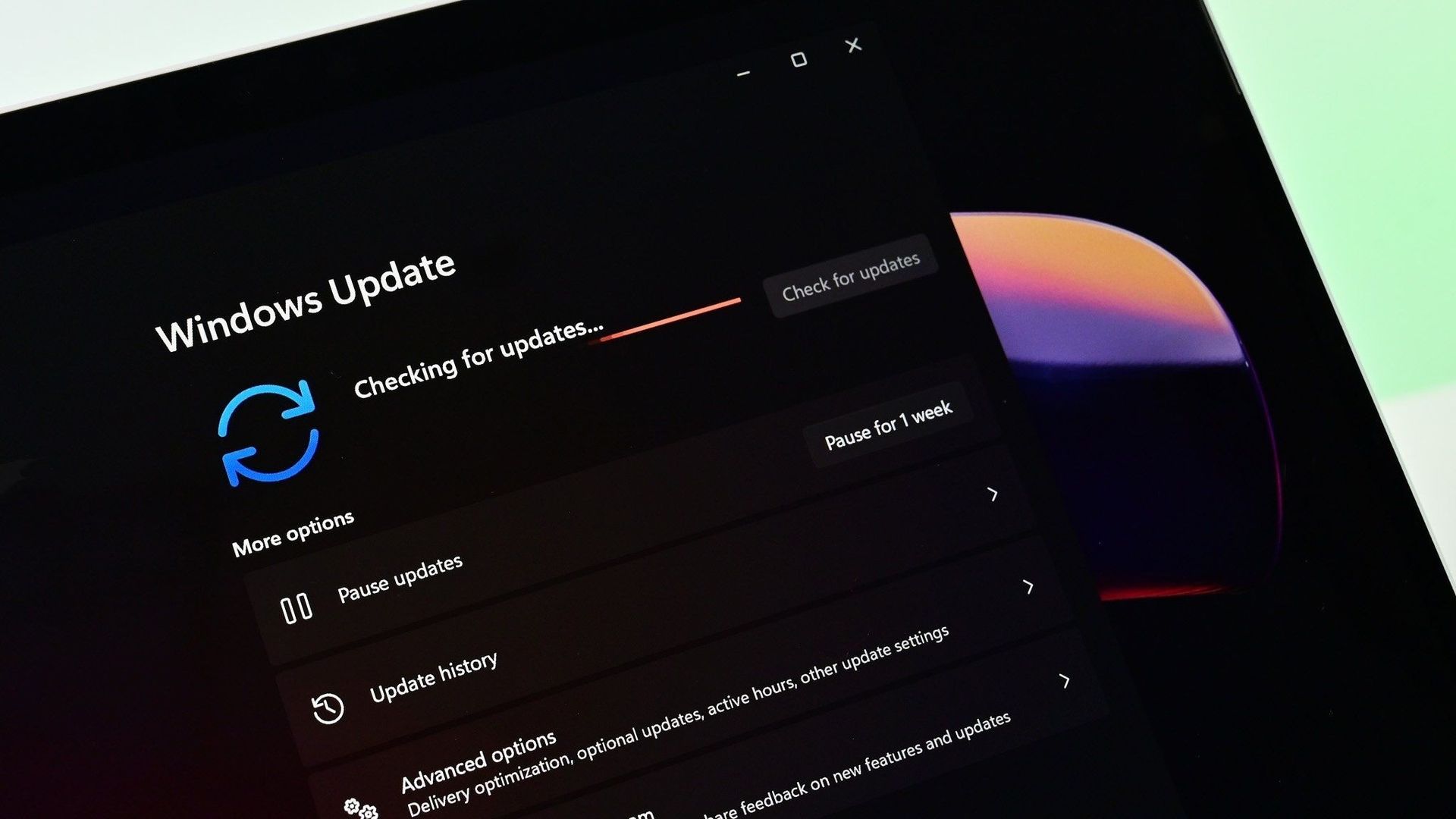
Windows 11 just received an out-of-band update that addresses several issues with the operating system. The September Patch Tuesday update includes almost 1,000 security fixes and other improvements, but it also had bugs that broke folder shares in Hyper-V-based Linux virtual machines, Remote Desktop Services, and certain audio devices.

Microsoft released the out-of-band update shortly after the issues were confirmed. It should download automatically in the background if you're running Windows 11 versions 26H1, 25H2, or 24H2. You can also grab the update through the Microsoft Update Catalog.

For the sake of clarity, Microsoft refers to these types of updates as out-of-band updates, but many people refer to them as emergency updates because installing them is urgent enough to ship the fixes immediately.

Here's a quick summary of the fixes, as outlined by Microsoft:

"Microsoft has identified issues that affect some devices after installing the September 2026 Windows security update, released September 8, 2026. On affected devices, host folder shares might be unavailable in Hyper-V-based Linux virtual machines, Remote Desktop Services might stop responding, which can prevent new sessions from being created and can prevent local and remote sign-in, and some USB Audio Class 1.0 devices might fail in multichannel audio modes."

Blank Pixel

Out-of-band updates have been released more in 2026 than in previous years. Some bugs in Windows 11 have required multiple patches.

When we publish a piece on Windows Central about a Windows 11 update, it's normal to see comments asking what the update will break. When there are inevitably issues with Windows 11, people ask "what do you expect" or something along those lines.

Obviously, if Microsoft finds issues, it needs to patch them. Emergency updates should be used when needed. My question is: why are they needed more frequently this year?

The situation is so bad that people celebrated the option to pause Windows 11 updates forever.

Microsoft is in the middle of an initiative to improve Windows 11 and reduce pain points in the operating system. But no one will care if they can move the Taskbar to the top of the screen or customize the Start menu if their speakers don't work.

Click to join us on r/WindowsCentral

Join us on Reddit at r/WindowsCentral to share your insights and discuss our latest news, reviews, and more.

  •  
❌