Through ROSES-25 A.14 Atmosphere NASA is soliciting proposals for data analysis and modeling of NASA supported airborne campaign data. NASA’s Earth Science Division has supported numerous airborne campaigns during the last few years, see Section 2 of the program element text.
A.14 Atmosphere required a mandatory Notice of Intent (NOI) to propose. Proposers who have not already submitted a compliant NOI are not eligible to submit a proposal.
ROSES-2025 Amendment 74 delays the due date for A.14 Atmosphere to December 2, 2026. Also, Section 4.3.3 “Use of Generative AI” now mentions a related NSPIRES cover page question on the use of AI. An updated FAQ has been posted under “Other Documents” on the NSPIRES page for this program element.
Preparations for Next Moonwalk Simulations Underway (and Underwater)
Water sloshing between the land and oceans shifts Earth’s center of mass relative to its geometric center. NASA scientists have developed a new technique using ultraprecise satellite tracking to estimate the displacement to within fractions of inches.
NASA’s Scientific Visualization Studio
Seasonal changes redistribute enough water around Earth to shift the planet’s center of mass back and forth by fractions of an inch relative to its geometric center. NASA scientists are on the case, tracking the oscillations because Earth’s center of mass is a crucial reference point for satellite navigation and elevation measurements.
A team, led by NASA’s Jet Propulsion Laboratory in Southern California, has proposed a way to calculate the seasonal swings with extreme precision. The technique and findings are detailed in a new study published in Geophysical Journal International. The authors paint a vivid picture of springtime thaws, churning oceans, and dense winter air shifting massive surface loads from season to season.
The study isn’t the first attempt to pin down Earth’s center of mass. Scientists over the decades have pioneered several space-based techniques to define and locate it. But it’s a moving goalpost. If Earth were a hard blue marble, its center of mass would simply overlap its geometric center. In reality, the planet is sloshing and sagging under the weight of water, ice, and air. Because of this, Earth’s center of mass continually swivels around its geometric center by as much as several millimeters.
NASA’s Space Geodesy Project currently uses a variety of space- and land-based techniques to track Earth’s center of mass (also called the geocenter) moving up and down and side to side. This animation traces the millimeter-scale motion from 1993 to 2017.
NASA’s Scientific Visualization Studio
How accurate are existing methods to measure the size of the swivel? The last two international estimates, made in 2017 and 2023, differ by 0.27 inches (7 millimeters), about the height of three stacked nickels. The difference is almost as large as the motion itself.
To reduce uncertainty, JPL geoscientist Donald Argus led the development of a new technique based on ultraprecise satellite tracking.
Driven by gravity, satellites naturally orbit Earth’s center of mass, as if bound by invisible tethers. Tiny changes in the distance between satellites and ground stations reflect Earth’s shifting center of mass.
Using satellites to locate Earth’s center of mass is not a new idea. In fact, dense metal satellites, launched in 1976 and 1992, are dedicated exclusively to this purpose. Resembling 900-pound (408-kilogram) disco balls, both Laser Geodynamics Satellites (LAGEOS 1 and 2) are studded with reflective prisms and tracked with laser precision via ground stations globally distributed across more than 20 countries.
However, one limitation of satellite laser ranging is the uneven distribution of ground stations around Earth. The new technique improves accuracy in two ways: It adds GPS tracking into the mix along with orbital data from several satellites in low Earth orbit to provide a diverse array of targets. And it considers how the weight of water and ice deforms Earth’s crust, taking ground stations along for the ride.
The technique was developed by Argus along with researchers from JPL’s satellite orbit determination team, the University of Nevada, University of Montana, and the Helmholtz Centre for Geosciences in Germany.
“We’re now estimating the size of the movement of Earth’s mass center back and forth each year to be about half of what we believed it to be eight years ago,” said Argus. “Our findings suggest that the mass of Earth’s water and air moving between the hemisphere is smaller than previously thought.”
Felix Landerer, one of the study’s coauthors at JPL, noted that “while these movements might appear tiny, our modern world relies on extremely accurate positioning measurements. By unraveling and understanding the mechanisms that change reference systems, we can build better reference systems that ultimately benefit mapping and navigation — from global shipping logistics to precision agriculture.”
What they found
The study authors tracked Earth’s center of mass oscillating seasonally and attributed the cause to three categories: oceans, atmosphere, and continental water (made up of land ice, snow, lake and river water, soil moisture, and groundwater).
They found that snow accumulation in North America and Eurasia reaches a maximum in March and shifts Earth’s center of mass about 3 millimeters toward the North Pole. A month later, in April, rainwater in the Amazon River basin peaks at 2,400 gigatons, swinging Earth’s center of mass 2.2 millimeters toward South America. Monsoon water in southeast Asia attains a maximum of 600 gigatons six months later in November, adding slightly to the annual oscillation.
Between August and October, the oceans swell with meltwater and rain, and Earth’s center of mass shifts toward the South Pacific Ocean. The Pacific Ocean is so large that mass changes there overshadow the loss or gain in other oceans, though seasonal dynamics in the Mediterranean, Red, North, Baltic, and Barents seas all help shift Earth’s center of mass in their own small way.
The researchers used a model developed by the European Centre for Medium-Range Weather Forecasts to estimate how atmospheric changes affect Earth’s center of mass throughout the seasons. They found that cold, dense, winter air helps tip the scales over Arabia, Asia, and northern Africa around Dec. 21 each year, and over South America and South Africa around June 21.
The mass calculations in the study are consistent with observations made by the Gravity Recovery and Climate Experiment Follow-On (GRACE-FO) mission. Launched in 2018, the mission is made up of twin satellites that map monthly fluctuations in Earth’s gravitational pull due primarily to the mass movement of water above and below ground. The two satellites fly in precise formation, and when the lead satellite passes over a dense body, like a swollen river basin, the extra gravitational tug changes the distance between its twin by a small but measurable amount.
The GRACE-FO mission is a joint partnership between NASA and the German Research Centre for Geosciences (GFZ). The next-generation GRACE-Continuity (GRACE-C) mission is targeting a launch in late 2028 to extend the nearly 25-year GRACE-series data record.
Every spring, Europe’s forests are showered with far more than rain. Wind-pollinated trees release staggering quantities of pollen into the atmosphere, and much of it eventually settles on leaves, branches and the forest floor. New research now shows that this pollen is not merely biological debris — it is a measurable, taxon-specific driver of nutrient fluxes in the water that drips through forest canopies, a flow scientists call throughfall. The findings, published in Environmental Monitoring and Assessment, provide the first continental-scale evidence directly linking pollen deposition to forest water chemistry, and they suggest that decades of forest monitoring may have been quietly misattributing a slice of nutrient input to other sources.
The study was carried out by a large international team led by Elena Gottardini of the Fondazione Edmund Mach in Italy, working within the ICP Forests programme, a pan-European network that monitors air pollution effects on forests. The researchers analysed throughfall samples collected in 2018 from 60 intensive monitoring plots — known as Level II plots — across eight countries: Belgium, Finland, France, Germany, Italy, Norway, Switzerland and the United Kingdom. The plots ranged in altitude from 14 to 1,900 metres above sea level and were dominated by six tree genera: Abies, Fagus, Larix, Picea, Pinus and Quercus. In total, 196 throughfall samples were collected between February and July, covering the early vegetative season when most European trees flower.
The innovation of the study lies in its methodology. Rather than inferring pollen inputs from nearby aerobiological samplers, the team examined the very same water samples that were being chemically analysed. A known quantity of water from each sample was filtered through a 5-micrometre cellulose nitrate mesh, and a calibrated number of 10-micrometre polystyrene-divinylbenzene microspheres — roughly 155,000 per sample — were added as a counting standard. The filters were then dissolved in acetone, centrifuged, and the resulting pellet embedded in fuchsin jelly on microscope slides. Trained analysts identified and counted pollen grains under 400-times magnification, stopping when about 1 percent of the added microspheres had been counted. From these counts, the team calculated pollen deposition rates in grains per square metre per day, correcting for filtered volume, throughfall quantity and sampling duration.
The results were striking. Fifty-three pollen taxa were identified across the samples, with woody species accounting for 98 percent of all grains. Four genera — Pinus, Picea, Fagus and Quercus — together made up 91.4 percent of the total. Pine pollen alone represented more than half of everything collected, a dominance the researchers attribute to the buoyant air sacs on pine grains, which allow them to travel enormous distances from both local and distant sources. In beech, spruce and pine stands, the pollen of the dominant genus itself prevailed, making up 49.7, 59.1 and 84.3 percent of the local pollen spectrum respectively. In oak stands, oak pollen ranked second at 26.9 percent, behind pine. Data from fir and larch stands were excluded because sampling there did not align with those genera’s flowering periods.
By combining the measured pollen curves with published flowering phenology, the team defined main pollen seasons for each genus. Beech and oak flowering spanned April and May, with beech peaking in the last week of April and oak showing a double peak at weeks 19 and 23, likely reflecting multiple oak species flowering at slightly different times across the wide latitudinal and altitudinal spread of plots. Spruce pollen peaked around weeks 19 to 20, while pine peaked at week 19 with a secondary pulse at week 22. Overall, 57 percent of the throughfall samples fell within their stand’s flowering period for at least half of their collection window, providing a robust temporal overlap between pollen deposition and water chemistry measurements.
The chemical analysis, conducted at the Research Institute for Nature and Forest laboratory in Belgium, quantified major ions including potassium, calcium, magnesium, sodium, chloride, phosphate, sulphate, nitrate, nitrite and ammonium using ion chromatography, alongside total dissolved nitrogen and non-purgeable organic carbon measured on a TOC/TN analyser. Linear mixed-effects models then tested whether pollen deposition rates could predict the flux of these compounds, with plot identity included as a random effect and autocorrelation between repeated samples explicitly modelled.
The answer was a clear yes. Every statistically significant association between pollen and throughfall chemistry was positive, meaning more pollen corresponded to more nutrients reaching the forest floor. Potassium emerged as the star player: its flux was significantly explained by pollen from all four main genera, with pollen accounting for an average of 33 percent of the variance. This makes biochemical sense, because potassium is one of the predominant ions in pollen grains, and pollen washed from flowers and crowns by rain or deposited dry is a direct source of the ion during the flowering season — an idea first proposed decades ago but never confirmed at this scale. The strongest single relationships involved oak pollen, which explained 77.8 percent of the variance in ammonium fluxes and 55 percent in total dissolved nitrogen.
Broadleaved and coniferous pollen left different chemical fingerprints. Beech and oak pollen together significantly explained fluxes of non-purgeable organic carbon, dissolved organic nitrogen, total dissolved nitrogen, ammonium and magnesium, while the combined pollen of pine and spruce was linked with every measured compound except phosphate. Intriguingly, broadleaved pollen showed a weak negative association with nitrate fluxes. The authors urge caution in interpreting this pattern, since several non-exclusive mechanisms could be at play. Laboratory experiments have shown that pollen and its associated microbiota can transform extracellular nitrate into nitrite and nitrous oxide, an effect pronounced in beech and oak but weak or absent in pine and spruce. Canopy uptake of nitrogen and coincidentally lower atmospheric deposition during broadleaf flowering are also possible explanations that this single-year study cannot disentangle.
The dissolved organic carbon carried in throughfall also differed by forest type. Specific ultraviolet absorbance at 254 nanometres, a proxy for aromatic and recalcitrant carbon, was highest in spruce stands, whose needles release lignin derivatives and tannins. The humification index was significantly higher in oak throughfall, reflecting more decomposed, humic organic matter. Most revealing was the fluorescence index, which distinguishes microbial from plant-derived organic matter: beech and oak samples had significantly higher values, with medians near 1.9, than pine and spruce samples, which sat near 1.7. Values above 1.9 typically indicate microbially processed carbon, and the elevated readings under broadleaves suggest microbes play a larger role in transforming pollen-derived carbon in those forests — hinting that pollen inputs feed not just trees but entire soil microbial food webs.
For the authors, the implications reach well beyond academic curiosity. Routine throughfall monitoring has historically ignored pollen as a variable, meaning that chemical enrichment previously attributed solely to canopy leaching or atmospheric deposition may in fact be partly pollenic. As climate change pushes flowering earlier and increases airborne pollen amounts across arboreal taxa, these hidden inputs could grow. Masting behaviour in beech and oak — the episodic, synchronized production of enormous seed and pollen crops — introduces strong year-to-year variability that any nutrient budget must now reckon with.
The researchers acknowledge the limitations of a one-year, correlative dataset and call for multi-year studies incorporating canopy architecture, stand age, phenology and insect infestations, as well as stable isotope tracing or controlled exclusion experiments to nail down mechanisms. Still, the message is clear: pollen is not just about reproduction, or even allergies. It is a seasonal fertiliser delivered from the sky, and forests have been banking on it all along. Incorporating pollen surveys into long-term forest observation networks, the team argues, will be essential for accurate nutrient budgets in a changing climate.
Subject of Research: The influence of deposited tree pollen on the nutrient composition of throughfall in European forests
Article Title: Deposited pollen from dominant tree genera drives nutrient composition of throughfall in European forests
Article References: Gottardini, E., Cristofolini, F., Cristofori, A., Vanguelova, E., Thimonier, A., Clarke, N., Wachtveitl, L., Ukonmaanaho, L., Lindroos, A.-J., Nicolas, M., Limić, I., Boeckx, P., Bodé, S., Bauters, M., & Verstraeten, A. (2026). Deposited pollen from dominant tree genera drives nutrient composition of throughfall in European forests. Environmental Monitoring and Assessment, 198(10), Article 1053. https://doi.org/10.1007/s10661-026-15883-0
Researchers in Brazil have demonstrated that a hybrid advanced oxidation process can transform pharmaceutical-laden wastewater into an effluent that is dramatically safer for plants, earthworms, onion root cells, and beneficial microorganisms, offering a rigorous ecotoxicological case for reusing treated sewage in agriculture. The study, published in Environmental Science and Pollution Research, addresses a long-standing blind spot in water treatment: proving that a chemically “clean” effluent is also biologically compatible.
Conventional wastewater treatment plants were never designed to strip out recalcitrant organic micropollutants such as pharmaceuticals, and trace amounts routinely slip through into receiving waters. Advanced oxidation processes (AOPs) attack these stubborn compounds by generating highly reactive free radicals that fragment contaminant molecules. But chemical degradation alone does not guarantee safety. As contaminants break down, they spawn transformation products (TPs) that can, in some cases, be as toxic as—or more toxic than—the parent compounds. The research team, led by Lucas Gustavo da Costa and Alam Gustavo Trovó of the Federal University of Uberlândia, together with collaborators at the Oswaldo Cruz Institute, set out to answer a deceptively simple question: does measurable chemical removal of micropollutants actually translate into reduced biological harm?
The centerpiece of their work is the H₂O₂/S₂O₈²⁻/UVC process, a hybrid system that combines hydrogen peroxide and persulfate with short-wave ultraviolet C radiation. UVC photons cleave both oxidants simultaneously, generating hydroxyl radicals (HO•) and sulfate radicals (SO₄•⁻) in the same reaction volume. This dual-radical strategy outperforms systems relying on either oxidant alone, or on peroxymonosulfate (HSO₅⁻), which is costlier and demands more energy for activation. The hybrid route also resists interference from inorganic species commonly found in real effluents, making it an economically attractive candidate for deployment at full-scale treatment plants. The process had already been chemically optimized in the team’s earlier work using multivariate mixture design and rotatable central composite design experiments; the new study is its first integrated biological stress test.
The experiments used real municipal effluent from a wastewater treatment plant in Uberlândia, Minas Gerais, sampled after the plant’s final tertiary treatment stage of coagulation-flocculation with ferric chloride and flotation. The effluent was enriched with three pharmaceuticals representing different therapeutic classes: colchicine (COL, an antimitotic agent), nitazoxanide (NTZ, an antiparasitic), and sulfamethoxazole (SMX, a widely detected antibiotic), each at 325 nmol L⁻¹—equivalent to 130, 100, and 82 micrograms per liter, respectively. That concentration was deliberately chosen as high enough for direct HPLC–DAD analysis without preconcentration, yet low enough to be environmentally representative. Treatment was carried out in an amber glass reactor irradiated by two 8-watt UVC mercury lamps emitting at 254 nm, with a measured irradiance of 4.9 W m⁻². Residual oxidants were neutralized with sodium thiosulfate before any biological testing, ensuring that observed effects could not be attributed to leftover peroxide chemistry.
The ecotoxicological battery spanned multiple trophic levels and levels of biological organization. Oxidative stress was assessed in the earthworm Eisenia andrei by measuring malondialdehyde (MDA), a marker of lipid peroxidation, and protein carbonylation, an irreversible oxidative modification of proteins. Phytotoxicity was evaluated using lettuce (Lactuca sativa) seeds and a growth index combining germination rate and root elongation. Cytotoxicity and genotoxicity were quantified in onion (Allium cepa) root meristems through the mitotic index and the frequency of chromosomal and nuclear aberrations—micronuclei, chromosome breaks, stickiness, bridges, and nuclear buds—across 5,000 cells per sample. Finally, growth inhibition was tested in two environmentally relevant microbes: Azospirillum brasilense, a plant growth-promoting bacterium used in soybean cultivation, and Saccharomyces cerevisiae, a yeast that persists in soils and fermentative niches.
The untreated enriched effluent told a worrying story. It exhibited substantial genotoxicity in onion cells—21%, approaching the 24% seen with the positive control, methyl methanesulfonate—and severe phytotoxicity, with lettuce growth indices far below the 80% threshold that signals absence of toxicity. Even the unspiked effluent itself suppressed lettuce growth, achieving a growth index of only 47%, evidence that bioactive compounds survive conventional treatment. In earthworms, individual aqueous solutions of NTZ and SMX raised MDA levels by 37.2% and 23.5% respectively, while the three-compound mixture increased lipid peroxidation by 38.0%, pointing to additive or synergistic oxidative stress mechanisms involving reactive oxygen species and Fenton-type chemistry within cells.
The picture changed decisively after oxidation. Following 10 minutes of UVC-driven treatment—the point at which 80% chemical degradation had been achieved, matching the minimum removal target proposed in the European Union’s COM(2022)541 directive—genotoxicity fell to 10%, and after 20 minutes, corresponding to the limit of quantification for the parent compounds, it dropped further to 6%, a statistically significant reduction. The plant growth index climbed above 80%, crossing from toxic territory into biocompatibility. The mitotic index in onion cells remained statistically indistinguishable from the deionized-water control (around 39–40% versus 40%), demonstrating that the process generated no cytotoxic byproducts capable of arresting cell division. And crucially for agricultural applications, neither the treated effluent nor its transformation products inhibited growth of A. brasilense or S. cerevisiae.
The mechanistic details are instructive. In the untreated enriched effluent, micronuclei—membrane-bound DNA fragments expelled from the nucleus during flawed cell division—were among the most frequent aberrations, indicating clastogenic and aneugenic damage. Colchicine exposure predictably produced C-metaphase accumulation, a signature of its tubulin-binding, spindle-disrupting mechanism first described in Allium nearly a century ago. SMX depressed the mitotic index and induced chromosomal damage, consistent with prior findings in Vicia faba. NTZ, whose genotoxicity had never before been reported, produced chromosome breaks, stickiness, and nuclear buds. After oxidation, the overall aberration burden fell sharply, particularly micronuclei and stickiness, although a few bridges and polyploid cells persisted even at 20 minutes—a reminder that some transformation products or resistant residuals may linger.
The microbial results came with a subtlety. Reduced A. brasilense growth after treatment initially looked like a red flag, but the team attributes it to depletion of assimilable organic matter, which serves as radical scavenger during oxidation and as a nutrient source afterward—not to toxicity. The negative control likewise grew slowly. This distinction matters because AOPs are designed to mineralize organic carbon, and a nutrient-poorer medium should not be misread as a more toxic one. For S. cerevisiae, no inhibition occurred at any stage of treatment, although NTZ alone significantly depressed yeast optical density, reinforcing the compound’s cell-cycle interference potential even at nanomolar-scale exposures.
The study’s broader significance lies in its methodological stance. By adopting an “effect-driven approach,” the team evaluated the toxicity of whole reaction mixtures without needing to isolate and identify individual transformation products—an impractical task given that many degradation byproducts are not commercially available. Their findings align with a growing consensus that treatment efficacy must be judged not merely by parent-compound removal but by the nature and reactivity of the resulting transformation products. Biochemical biomarkers such as MDA and protein carbonylation detected sublethal disturbances that mortality-based endpoints would have missed entirely, providing early warnings of cellular distress at environmentally relevant concentrations.
One caveat deserves attention: while lipid peroxidation declined after treatment, protein carbonylation rose slightly—1.05-fold above control—suggesting some transformation products may still provoke protein oxidation even as lipid damage subsides. The authors flag this discrepancy and call for future identification of the specific TPs responsible, alongside expanded organism panels, longer-term exposure studies, and pilot-scale validation across different environmental matrices.
The regulatory context sharpens the urgency. The EU’s proposed urban wastewater treatment directive mandates at least 80% removal of specified organic micropollutants and microbiological control for agricultural reuse, yet it conspicuously omits eco-compatibility assessment of the treated water itself. This study supplies exactly that missing dimension, showing that a process satisfying the chemical benchmark also delivers measurable biological benefit—lower genotoxicity, restored plant growth, intact cell division, and unharmed beneficial microbes. As water scarcity intensifies globally and reuse becomes less optional, the Brazilian team’s integrated bioassay framework offers a template for ensuring that the water farmers irrigate with is not merely chemically compliant, but genuinely ecologically safe.
Subject of Research: Mitigation of micropollutant toxicity in treated wastewater using the H₂O₂/S₂O₈²⁻/UVC advanced oxidation process, assessed through integrated ecotoxicological bioassays for potential agricultural reuse.
Article Title: Mitigation of micropollutant toxicity in treated wastewater using the H2O2/S2O82−/UVC process: An ecotoxicological perspective for agricultural reuse
Article References: da Costa, L. G., dos Santos, G. M., Marson, E. O., de Lima, M. G. F., de Souza Bessa, M. A., Scarafiz, G., Junior, S. F. S., Saggioro, E. M., de Carvalho, S. R., de Siqueira Ferreira, A., Nilin, J., Neto, W. B., & Trovó, A. G. (2026). Mitigation of micropollutant toxicity in treated wastewater using the H2O2/S2O82−/UVC process: An ecotoxicological perspective for agricultural reuse. Environmental Science and Pollution Research. https://doi.org/10.1007/s11356-026-38218-5
In a development that could reshape how chemists recycle one of the most persistent classes of synthetic molecules ever made, researchers have reported a new catalytic strategy that strips fluorine atoms from perfluoroalkyl chains in a controlled, sequential fashion while installing a single boron group at the chain’s terminus. The work, published in Nature Communications, introduces what the authors call zipper polydefluorination-monoborylation, a transformation that walks down a perfluoroalkyl skeleton and removes multiple fluorine atoms in a stepwise cascade before capping the partially defluorinated product with a boron substituent. The achievement addresses a longstanding challenge in fluorine chemistry: while carbon-fluorine bonds are prized in materials and pharmaceuticals for their extraordinary stability, that same stability makes them notoriously difficult to break selectively, leaving chemists with few tools for converting perfluorinated waste streams into useful building blocks.
Perfluoroalkyl substances, often grouped under the umbrella of PFAS chemistry, owe their remarkable properties to the strength of the carbon-fluorine bond, which at roughly 485 kilojoules per mole in fully fluorinated chains ranks among the strongest single bonds that carbon forms. This bond strength, combined with the sheer electronegativity of fluorine, means that perfluoroalkyl groups resist oxidation, hydrolysis, and thermal degradation under nearly all conventional conditions. As a consequence, perfluorinated chains accumulate in the environment and resist standard degradation pathways, prompting intensive research into defluorination methods ranging from photocatalytic single-electron transfer to reductive hydrodefluorination with metal hydrides. Yet most existing approaches suffer from a common limitation: they either remove fluorine indiscriminately, collapsing the entire chain to a mixture of products, or they remove only a single fluorine atom, offering little control over the degree of defluorination. The new study demonstrates a way to achieve the best of both worlds, delivering multi-fluorine removal in a predictable pattern while simultaneously introducing a versatile functional handle.
The conceptual heart of the method lies in what the authors describe as a zipper mechanism. Rather than removing fluorine atoms at random positions along the chain, the reaction initiates at a defined site and then propagates along the perfluoroalkyl backbone one carbon at a time, much as a zipper opens tooth by tooth. At each step along the chain, a fluorine atom is expelled and replaced in sequence, with the reaction front advancing until a thermodynamic or kinetic stopping point is reached. The monoborylation component of the process ensures that once the zipper has run its course, the resulting olefinic or anionic intermediate is intercepted by a boron reagent, furnishing a product in which the boron group occupies a predictable position derived from the original perfluoroalkyl terminus. Organoboron compounds are among the most valuable intermediates in modern synthetic chemistry, serving as partners in Suzuki-Miyaura cross-coupling and as precursors to alcohols, amines, and halides, so their installation at a defluorination site effectively converts a chemical dead end into a synthetic launching pad.
Mechanistically, the transformation draws on the characteristic reactivity of organoboron reagents toward geminal difluoroalkenes, the partially defluorinated intermediates that arise when consecutive fluorine atoms are eliminated from a perfluoroalkyl chain. Perfluoroalkyl chains, when subjected to strong bases or reductive conditions, can undergo sequential beta-fluoride elimination events, each generating a more highly unsaturated species. The boron reagent in the reported system engages these unsaturated intermediates through addition pathways that install boron at the terminal carbon while generating a carbanionic center adjacent to the remaining difluoromethylene unit. That newly formed carbanion is perfectly positioned to expel another fluoride ion, regenerating an unsaturated handle one carbon further down the chain and setting up the next iteration of the cycle. This intimate coupling of borylation and defluorination is what gives the reaction its chain-walking character: each borylation event creates the conditions for the next defluorination event, and the process ripples along the chain until the fluorine reservoir is exhausted or the reagents are consumed.
The practical significance of the work becomes apparent when one considers the fate of the fluorine atoms themselves. In the zipper process, fluorine is released as fluoride ion, which under the reaction conditions is sequestered by silicon-containing trapping agents to form robust silicon-fluorine bonds. Fluorosilicates of this kind are stable, isolable, and, importantly, compatible with industrial processes for recycling fluorine back into hydrofluoric acid, the feedstock from which essentially all synthetic organofluorine compounds are made. In this sense, the method does more than transform perfluoroalkyl chains into borylated products; it also lays the groundwork for closing the fluorine cycle, recovering the fluorine content of persistent molecules in a form that can be fed back into the chemical economy. With global concern over PFAS contamination intensifying and regulatory pressure on fluorinated chemicals mounting, technologies that enable fluorine recovery rather than dilution into the environment carry considerable weight.
From a synthetic chemistry standpoint, the products of the reaction open multiple downstream avenues. Because the boron substituent is installed at a defined position on a partially fluorinated alkyl or alkenyl framework, the resulting molecules retain a programmable mixture of carbon-fluorine bonds and carbon-boron functionality. The remaining fluorine atoms can tune the lipophilicity, metabolic stability, and dipole moment of the scaffold, properties that are actively exploited in medicinal chemistry when designing fluorinated drug candidates. Meanwhile, the boron group serves as a convertible handle, allowing the defluorinated carbon center to be joined to aromatic rings through cross-coupling, oxidized to alcohols, or aminated in homologation reactions. In effect, the method converts a chemically inert perfluoroalkyl group, useful mainly as a passive coating or tail, into a functionalized partial-fluoro skeleton that can participate in the full toolkit of carbon-carbon and carbon-heteroatom bond formation.
The reported study also sheds light on the factors governing how far the zipper travels along a given chain. Chain length, the nature of the substituent anchoring the perfluoroalkyl group, and the stoichiometry of the base and boron reagent all influence the number of fluorine atoms removed and the distribution of products obtained. Through systematic variation of these parameters and careful analysis of the reaction mixtures by nuclear magnetic resonance spectroscopy and mass spectrometry, the authors map out the scope of the transformation across a range of perfluoroalkyl substrates, from short perfluoroethyl groups to longer chains approaching those found in commercial fluorosurfactants. Control experiments interrogating individual elementary steps support the proposed sequential elimination-addition mechanism and rule out alternative pathways involving radical fragmentation or random beta-scission, underscoring the unusually high degree of positional control the method achieves.
Beyond its immediate synthetic utility, the work contributes to a growing body of research aimed at taming the carbon-fluorine bond through the strategy of defluorinative functionalization. Over the past decade, chemists have developed an impressive repertoire of reactions that replace fluorine in perfluoroalkyl and fluoroarene substrates with groups ranging from hydrogen to sulfur, nitrogen, and carbon substituents. What distinguishes the zipper approach is its multiplicity and its directionality: instead of a single substitution event at a single site, the reaction performs many substitutions in a choreographed sequence along a chain, effectively treating the perfluoroalkyl group as a one-dimensional lattice to be patterned at will. This conceptual reframing, from defluorination as bond-breaking to defluorination as programmable editing, may inspire analogous strategies for other polyfluorinated motifs, including perfluoroarenes and perfluoropolyethers, two additional classes of highly persistent fluorinated materials.
Challenges remain before such chemistry can move from the laboratory bench to environmental remediation at scale. The reaction conditions reported rely on strong bases and moisture-sensitive boron reagents handled under inert atmosphere, and the substrates studied are discrete, soluble perfluoroalkyl compounds rather than the polymeric or adsorbed PFAS species that dominate environmental contamination. Scaling the chemistry will require sourcing boron reagents economically, managing the large quantities of fluoride generated, and integrating the transformation with upstream methods for extracting perfluoroalkyl pollutants from water and soil. Nevertheless, the demonstration that a perfluoroalkyl chain can be unzipped in a controlled manner, with fluorine captured in recyclable form and a valuable boron handle installed, establishes a credible chemical pathway toward defluorination that is both productive and selective, a combination that has eluded the field for decades.
As policymakers and scientists grapple with the legacy of fluorine chemistry, work of this kind illustrates a middle path between the wholesale abandonment of fluorinated molecules and their indefinite persistence in the biosphere. The fluorine atom confers properties that industry and medicine continue to depend upon, and the ability to disassemble fluorinated architectures on demand, recovering both the carbon skeleton as a functionalized building block and the fluorine content as a recyclable salt, points toward a more circular future for organofluorine chemistry. The zipper polydefluorination-monoborylation strategy reported in Nature Communications is an early but striking example of that vision made concrete at the molecular level, and it is likely to prompt rapid efforts to extend the concept across the breadth of persistent fluorinated chemicals.
Subject of Research: Controlled sequential defluorination of perfluoroalkyl chains coupled with terminal borylation (zipper polydefluorination-monoborylation)
Article Title: Zipper polydefluorination-monoborylation of perfluoroalkyl chains
Article References: Albers, S. L., Harzendorf, J. K., Deliaval, M., Köllmann, J., & Streuff, J. (2026). Zipper polydefluorination-monoborylation of perfluoroalkyl chains. Nature Communications, 17(1), Article 9502. https://doi.org/10.1038/s41467-026-77437-9
1,000 Museum Visitors Dive Into NASA Sea Level Science on World Ocean Day
Participants reach into an augmented reality sandbox, reshaping the terrain as projected contour lines and colors illustrate topographic features and elevation changes.
University of Georgia Marine Extension and Georgia Sea Grant
More than 1,000 visitors explored NASA sea level science firsthand during World Ocean Day at the University of Georgia Aquarium on Skidaway Island on June 6, 2026. The free event was supported by NASA’s Science Activation program through the Sea Level Education, Awareness, and Literacy (SEAL) project – a national effort that connects NASA sea level rise data with educators and coastal communities, particularly those historically underserved and already experiencing sea level impacts.
SEAL is a partnership between NASA and four NOAA Sea Grant programs working together to expand sea level rise understanding across U.S. coastal regions. By co-developing lesson plans, interactive activities, and place‑based learning experiences, SEAL helps educators engage learners with real NASA observations, models, and projections while strengthening community resilience to climate change.
During World Ocean Day, SEAL partners at Marine Extension and Georgia Sea Grant and the Coastal Equity and Resiliency Hub at Georgia Tech led hands‑on activities that brought sea level science to life. Visitors played the “Tumbling Tower” game, where removing blocks represents different community impacts from rising seas, and made “sea level friendship bracelets” that used colored glass beads to represent observed sea level rise along local coastlines.
The event also marked the debut of a new augmented reality sand box developed through SEAL. Guests shaped sand into coastal landscapes and watched NASA-informed sea level rise projections transform their creations in real time. Participants could experiment with resilience strategies, such as adding dunes or relocating homes, to see how adaptations might help communities prepare for future change.
Educators – formal, informal, home-based, and more – attending the event were able to take home four different SEAL lesson plans designed for both classrooms and informal learning settings. These materials help students explore sea level rise processes, modeling, variation, and impacts through NASA data and interactive STEM activities. SEAL aims to make all lesson plans developed through the project available online, but until then, please email Shannon Matzke to request digital copies.
“World Ocean Day is an annual tradition at the UGA Aquarium,” said Shannon Matzke, Marine Educator and Public Program Coordinator at UGA Marine Extension and Georgia Sea Grant. “With the support of NASA’s Science Activation program, this year’s event was free, which allowed us to reach more people and different audiences than we typically see. Incorporating SEAL activities made the day even more impactful for visitors – many of whom live in coastal communities already experiencing the effects of sea level rise.”
The SEAL project is supported by NASA cooperative agreement award number NNH21ZDA001N-SCIACT and is part of the NASA Science Activation Program portfolio, which connects learners with authentic NASA science experiences through partnerships with educators and community organizations.
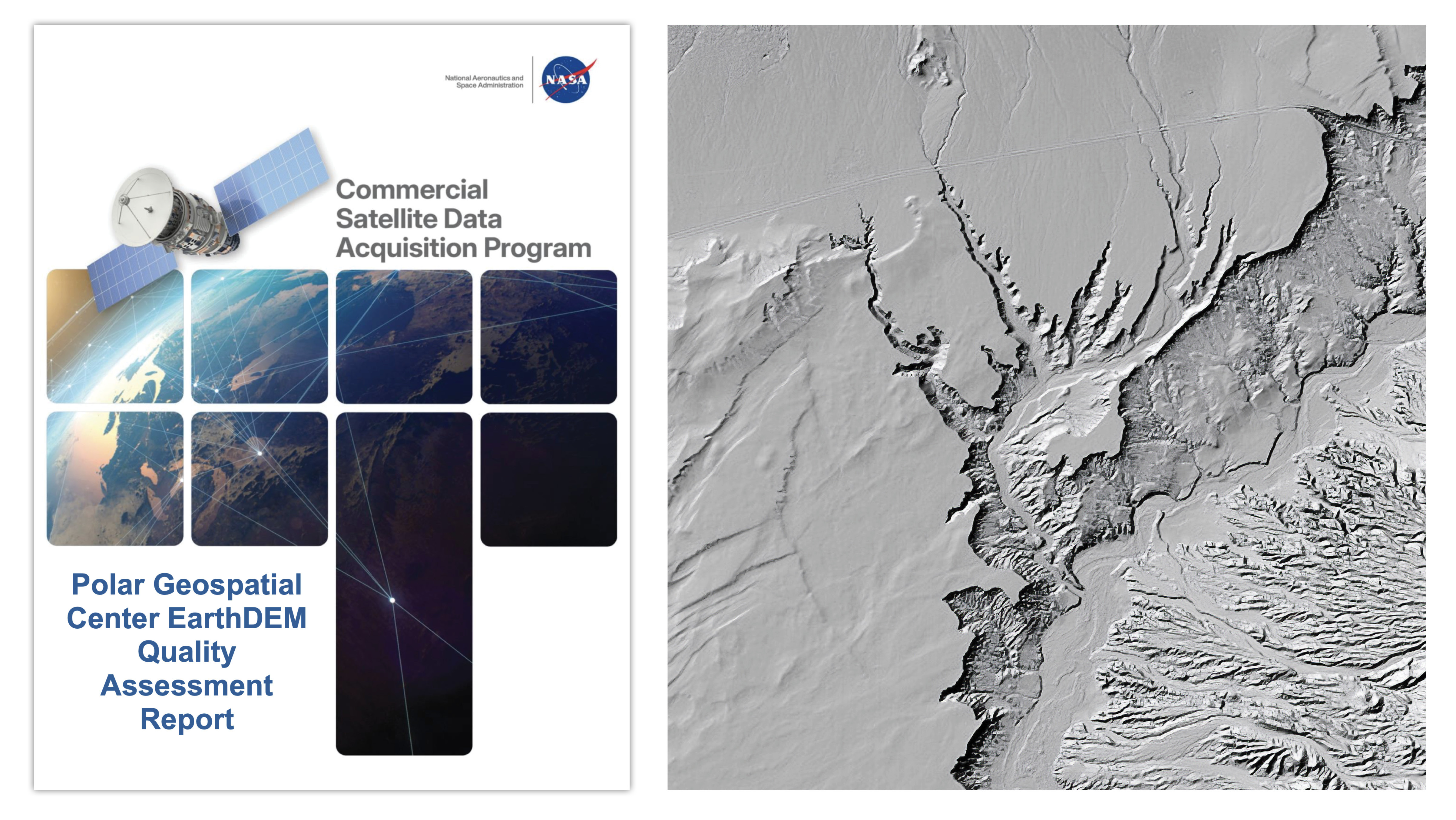
A new quality assessment report from NASA’s Commercial Satellite Data Acquisition (CSDA) program evaluates data from the Polar Geospatial Center’s (PGC) EarthDEM product. The results of the evaluation help inform NASA program management and the user community about the quality of commercial Digital Elevation Models (DEMs) for use in NASA science.
At left, the cover of the Commercial Satellite Data Acquisition programs’s recently released Polar Geospatial Center EarthDEM Quality Assessment Report. At right, a shaded relief rendering of EarthDEM data showing the Virgin River in Nevada. DEM derived from Vantor imagery.
Credit: NASA CSDA program/EarthDEM Project
Issued August 8, 2026, the CSDA Polar Geospatial Center EarthDEM Quality Assessment Reportwas conducted by NASA Digital Elevation Model (DEM) subject matter experts (SMEs) enlisted to evaluate the horizontal and vertical accuracy of two PGC EarthDEM1 (i.e., Digital Elevation Model) products: the center’s “Mosaic Tile” and “Strip” Digital Surface Models (DSMs).
To assess the vertical and horizontal accuracy of the EarthDEM Strip DSM and Mosaic Tile products over a variety of surface characteristics, the SMEs compared them to airborne lidar data samples from across the United States and Senegal. They found the horizontal accuracy of the EarthDEM products (Strip DSM: 0.5-meter (m) Root Mean Square Error Horizontal (RMSEH); Mosaic Tile: 0.3 m RMSEH) agreed with the specifications provided by the PGC and graded them “Excellent.” The vertical accuracy results of the EarthDEM Strip DSM (5.6 m Root Mean Square Error Vertical (RMSEV)) and the Mosaic Tile (4.9 m RMSEV) products varied by land cover type, with all land cover types exceeding the specification provided by the PGC (0.5 m RMSEV). Strip DSM vertical accuracy was found to vary from 4.6-6.8 m RMSEV depending on the cloud cover metadata field generated by the PGC. Given this variation, the vertical accuracy compliance for the EarthDEM products was graded as “Basic.”
Overall, the assessment report supports the use of EarthDEM data for NASA Earth science research and applications, as long as the data characteristics (e.g., vertical accuracy, poor cloud masking, missing surface features, data voids, etc.) are compatible with the specific science objectives and use cases.
The report also provides a Data Provider Documentation Review for the EarthDEM product that evaluated information from the PGC website, as well as a series of peer-reviewed publications by researchers at The Ohio State University’s Byrd Polar and Climate Research Center. (Only documents listed in this report were considered in the evaluation.) The report’s authors found that, overall, the EarthDEM product is “well documented,” with most information present within the product User Guide, a series of peer reviewed papers, or the PGC GitHub repository.
About the CSDA Program
The CSDA program was established to identify, evaluate, and acquire data from commercial sources that support the NASA Earth science research and application goals. NASA’s Earth Science Division recognizes the potential impact commercial satellite constellations may have in encouraging/enabling efficient approaches to advancing Earth System Science and applications development for societal benefit. Commercially acquired data may also provide a cost-effective means to augment and/or complement the suite of Earth observations acquired by NASA, other U.S. government agencies, and international partners.
1. According the authors of the report, “it should be noted that the PGC EarthDEM product is not technically a commercial product…. EarthDEM is a digital elevation dataset derived from imagery collected from the Vantor (formerly Maxar) fleet of optical satellites.”
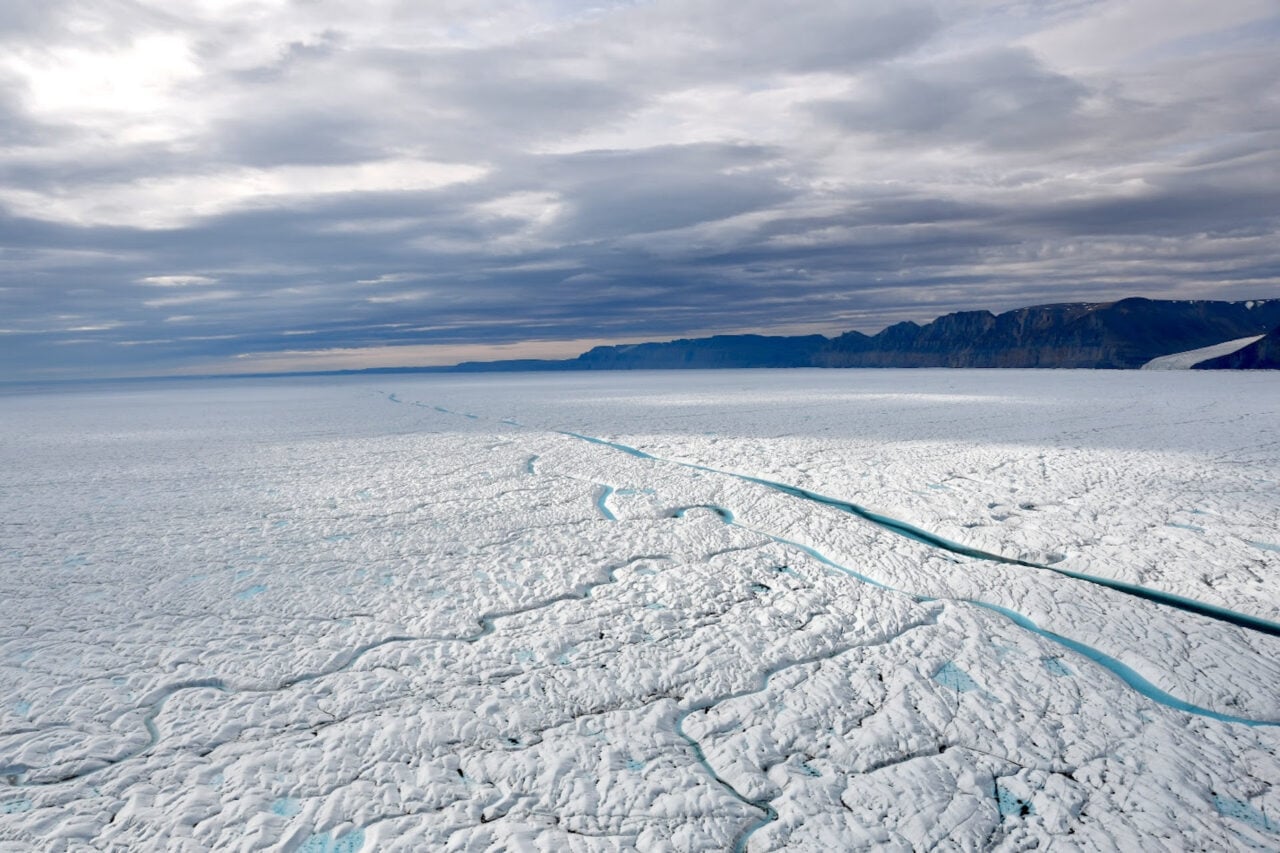
A climate shock that unfolded about 304 million years ago is offering scientists a dramatic warning about how quickly Earth’s climate system can amplify an initial temperature rise. During the Late Paleozoic Ice Age, a relatively modest increase in global temperatures appears to have triggered a much larger episode of warming, as methane released from thawing permafrost intensified the greenhouse effect. Researchers say the ancient event provides a powerful geological parallel for the climate changes occurring today.
The study, led by Le Yao of the Nanjing Institute of Geology and Paleontology with contributions from University of Cincinnati geosciences professor Thomas Algeo and international colleagues, examined a short-lived warming episode during Earth’s penultimate ice age. Their findings suggest that global sea surface temperatures eventually increased by more than 7 degrees Celsius, or approximately 12 degrees Fahrenheit. The rise was not necessarily caused by one enormous initial pulse of carbon. Instead, it may have developed through a chain reaction in which warming activated additional natural sources of greenhouse gases.
The Late Paleozoic Ice Age extended across a vast span of geological time, when large ice sheets covered parts of the supercontinent Gondwana. Although the planet was in an “icehouse” state, atmospheric carbon dioxide and methane still had the power to destabilize the climate. The newly analyzed warming event is particularly significant because it occurred under ice-age conditions rather than during an already warm greenhouse world. That makes it a valuable analog for the modern Earth, which still contains continent-scale ice masses in Greenland and Antarctica.
According to the researchers, the initial climate disturbance may have been linked to volcanic activity. Volcanic emissions can inject carbon dioxide and other gases into the atmosphere, where they absorb outgoing infrared radiation and prevent some heat from escaping into space. The warming may also have been assisted by changes in Earth’s orbit. Over long cycles, variations in orbital shape alter the distribution of sunlight across the planet, influencing the growth and retreat of ice sheets and changing the seasonal balance of solar energy.
At first, the additional carbon may have produced only a limited temperature increase. But once warming crossed a critical threshold, frozen ground in high-latitude regions began to thaw. Permafrost contains large quantities of organic carbon preserved in frozen soils. When that material becomes available to microbes, decomposition can release carbon dioxide and methane. Methane is especially powerful over shorter atmospheric timescales because, molecule for molecule, it absorbs considerably more infrared radiation than carbon dioxide, even though it remains in the atmosphere for less time.
This process can create a positive climate feedback. An initial warming causes permafrost to thaw, thawing releases greenhouse gases, and the additional gases produce further warming. That extra heat can accelerate more thawing, allowing the cycle to reinforce itself. The researchers describe the ancient event as a transient global warming episode in which a comparatively modest carbon release appears to have crossed a climatic tipping point and initiated much more extensive carbon emissions from natural reservoirs.
The geological timescale of the ancient warming is also central to the study’s relevance. Algeo said the temperature change unfolded over tens of thousands of years, with warming occurring at an average rate of roughly one-tenth of a degree Celsius per 1,000 years. Modern warming is progressing far more rapidly. Researchers have observed an increase of nearly 1 degree Celsius in global sea surface temperature over approximately the past century, a rate many times faster than the average change reconstructed for the ancient event.
The comparison does not mean that Earth is destined to repeat the precise conditions of 304 million years ago. Continents, ecosystems, atmospheric composition and ice-sheet geometry were all different in the Late Paleozoic. However, the physics of greenhouse warming and the existence of carbon feedbacks remain relevant. Ancient climate records reveal how a system that appears stable can respond nonlinearly when warming activates processes capable of releasing additional greenhouse gases.
The findings also place human history in a broader planetary context. All recorded human civilization has developed during the most recent ice age, despite the fact that the term can sound incompatible with today’s climate. In scientific usage, Earth remains in an ice age because substantial permanent ice sheets still exist in Greenland and Antarctica. The ancient warming episode matters precisely because it demonstrates that an ice age does not guarantee a permanently cold or stable climate. Even within an icehouse world, a small disturbance can trigger rapid and substantial changes when reinforcing feedbacks are engaged.
The research, published in the Proceedings of the National Academy of Sciences, underscores why scientists closely monitor permafrost, polar ice and other climate-sensitive carbon stores. The ancient record cannot provide an exact forecast of future warming, but it shows that Earth’s climate has repeatedly responded to carbon disturbances with amplifying feedbacks. As modern emissions continue to raise temperatures at an exceptional rate, the geological evidence offers a clear message: the danger lies not only in the carbon released directly by human activity, but also in the natural carbon sources that warming can unlock.
Subject of Research: Ancient global warming, permafrost methane feedbacks, and climate tipping points during the Late Paleozoic Ice Age
Article Title: A transient global warming event during Earth’s penultimate icehouse
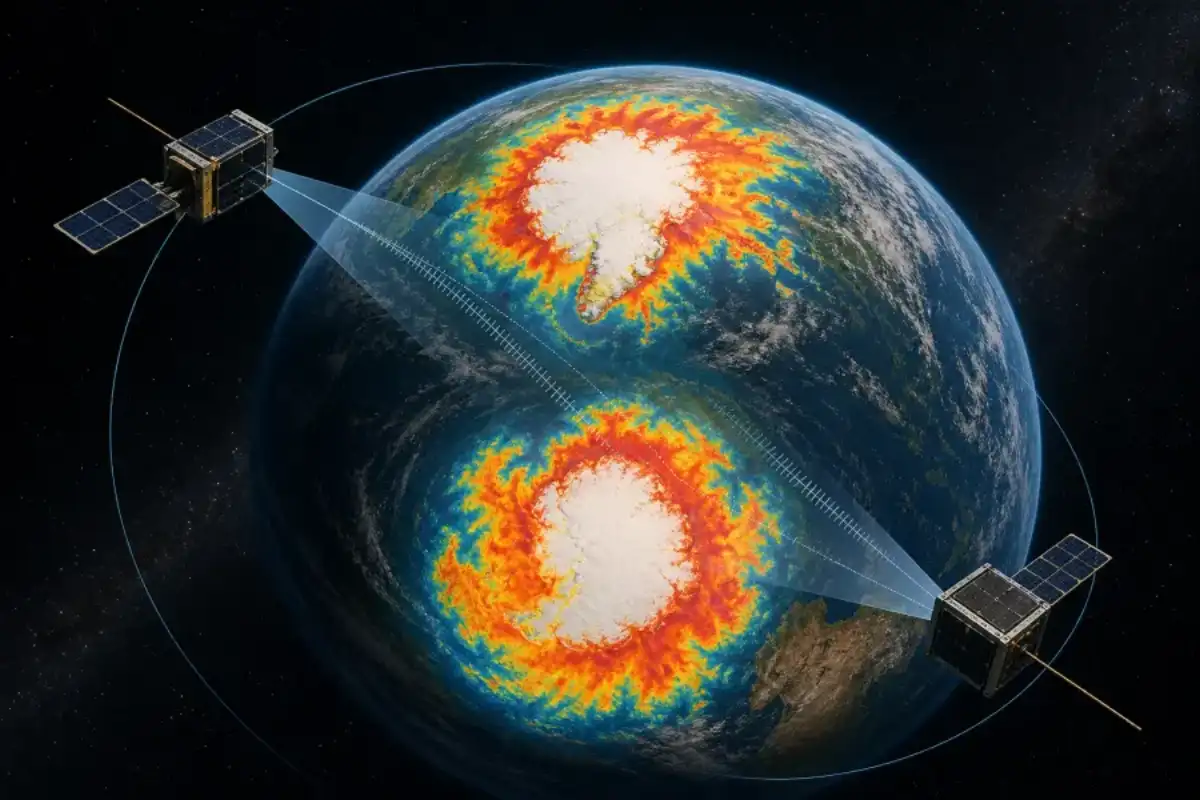
At Earth’s poles, much of the heat leaving the planet is invisible to human eyes. NASA’s two PREFIRE CubeSats are measuring that far-infrared energy directly, and a new animation built from two complete seasonal cycles shows just how differently the Arctic and Antarctic warm and cool. The Polar Radiant Energy in the Far-InfraRed Experiment began […]
Researchers used quartz from fossilized wood to trace how Europe developed. A polished piece of fossilized wood may look like little more than a decorative stone, yet the quartz inside it can preserve the history of an entire region for hundreds of millions of years. Geologist Dr. Steffen Trümper of the University of Münster and [...]
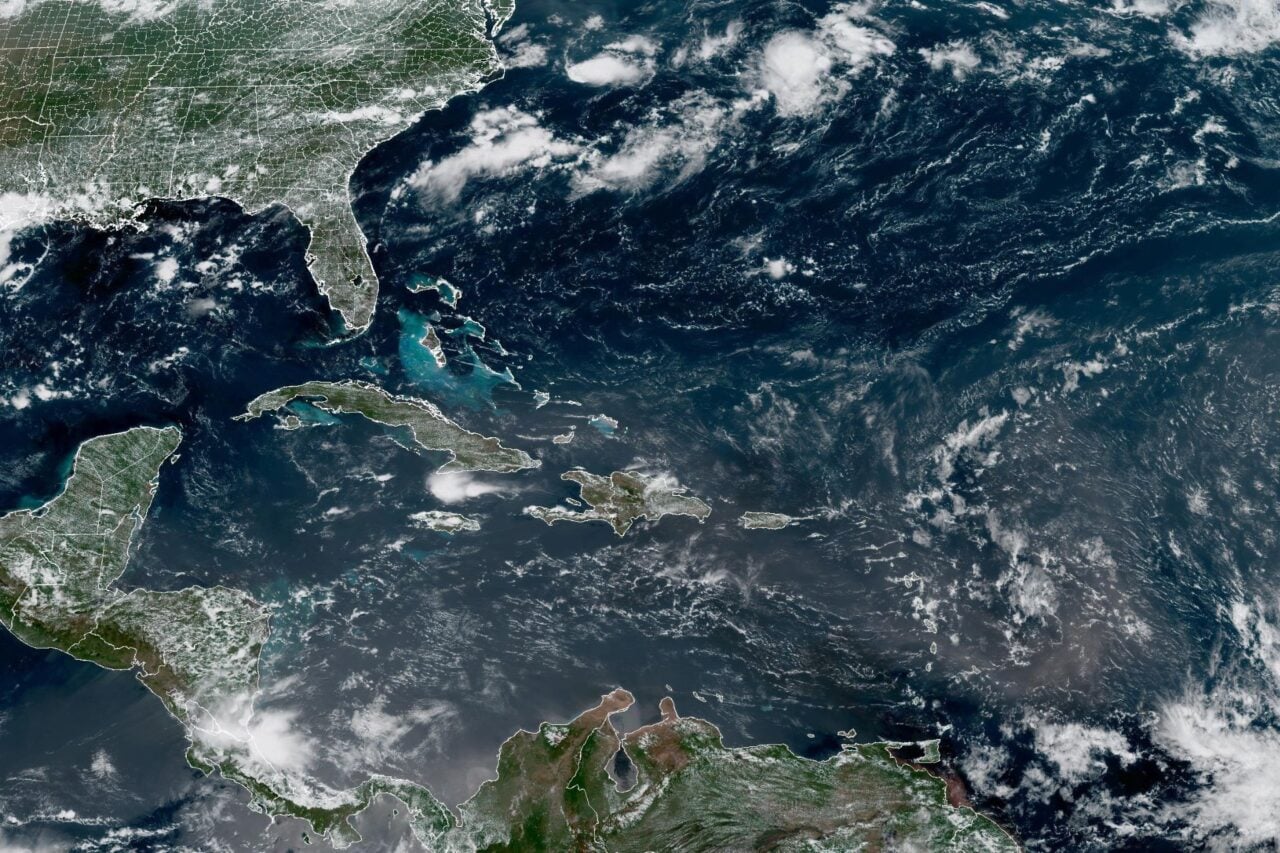
A newly published study reports that tropical cyclones were far more common during the Late Paleozoic Ice Age than many climate reconstructions have suggested. Led by Yan, Macarewich, Jiang, and colleagues, the work appears in Nature Communications (2026) and reframes how Earth’s cold interval coexisted with warm-water storm systems.
The researchers investigated geological signatures linked to extreme marine events, combining stratigraphic evidence with climate-model constraints. Their goal was to distinguish ordinary seasonal variability from the kind of widespread, repeated disturbances that characterize tropical cyclone belts.
A key technical advance in the study is the integration of paleoclimate boundary conditions with storm-resolving dynamical reasoning. Instead of treating cyclone activity as a simple function of temperature alone, the team considered large-scale patterns that govern where warm oceans can persist long enough to power rotating storms.
The results point to an expanded region of conditions favorable for cyclogenesis. Even though the planet was globally in an ice-age mode, ocean–atmosphere coupling—driven by uneven heat storage, changing circulation, and shifting storm tracks—likely enabled tropical systems to form across parts of the tropics more frequently than expected.
The authors describe “widespread” activity, implying that cyclone impacts were not limited to rare episodes. This interpretation aligns with the idea that cooling did not fully suppress tropical cyclone energetics; rather, it altered the geography and intensity distribution of storm-prone environments.
Using the preserved sedimentary record, the study connects storm activity to repeated depositional pulses. Those pulses, they argue, reflect basin-scale disturbance rather than local weather anomalies, strengthening the case for frequent tropical cyclone events during this interval.
From a broader perspective, the findings have implications for how we understand resilience and feedbacks in past climates. If cyclones continued to thrive under ice-age background states, then tropical extremes may persist through major global reorganizations.
The study’s viral potential is clear: it challenges an intuitive narrative that “ice ages mean calm tropics,” and replaces it with a more nuanced picture in which warm-water dynamics and circulation shifts can sustain storminess despite global cooling.
Below are the details available from the provided text:
Subject of Research: Tropical cyclone activity during the Late Paleozoic Ice Age.
Article Title: Widespread tropical cyclone activity during the Late Paleozoic Ice Age.
Article References: Yan, Q., Macarewich, S., Jiang, N. et al. Widespread tropical cyclone activity during the Late Paleozoic Ice Age. Nat Commun (2026). https://doi.org/10.1038/s41467-026-75609-1
Rising mantle temperatures and two heat surges may explain why some Hawaiian volcanoes grew exceptionally large. A 3500 km (2200 mile) trail of volcanoes records the Pacific plate’s slow passage over the Hawaiian hotspot. Instead of cooling through time as geologists have generally expected, the mantle plume beneath this chain appears to have warmed by [...]
 Login













 Researchers used quartz from fossilized wood to trace how Europe developed. A polished piece of fossilized wood may look like little more than a decorative stone, yet the quartz inside it can preserve the history of an entire region for hundreds of millions of years. Geologist Dr. Steffen Trümper of the University of Münster and [...]

 Rising mantle temperatures and two heat surges may explain why some Hawaiian volcanoes grew exceptionally large. A 3500 km (2200 mile) trail of volcanoes records the Pacific plate’s slow passage over the Hawaiian hotspot. Instead of cooling through time as geologists have generally expected, the mantle plume beneath this chain appears to have warmed by [...]