A whistleblower lawsuit in California is alleging millions of pounds of Driscoll's fruit containing non-compliant levels of pesticides and chemicals crossed the border into Canada, and the company tried to cover it up.
Paracetamol, ibuprofen, carbamazepine, diclofenac, and other pharmaceuticals are being found in the Baltic Sea. Researchers say changing how some medicines are prescribed, used, and disposed of could help reduce the flow.
The sewage sludge (biosolids) some farmers have applied to their fields for decades is contaminated with PFAS — with serious consequences for drinking water.
Le lancement récurrent de fusées soulève des questions sur les raisons empêchant une omniprésence technologique planétaire des spatioports. Cette problématique met notamment en lumière des paramètres physiques et géographiques clés au bon déroulement de tout décollage spatial.
Data center developers are manipulating the Environmental Protection Agency’s air pollution permitting process to avoid emission controls and scrutiny of their projects, environmental advocates allege.
Vitamines, fibres, minéraux, antioxydants : le brocoli a plus d’un atout nutritionnel, à l’instar des autres choux. À condition de choisir une cuisson douce, capable de préserver leurs nutriments.
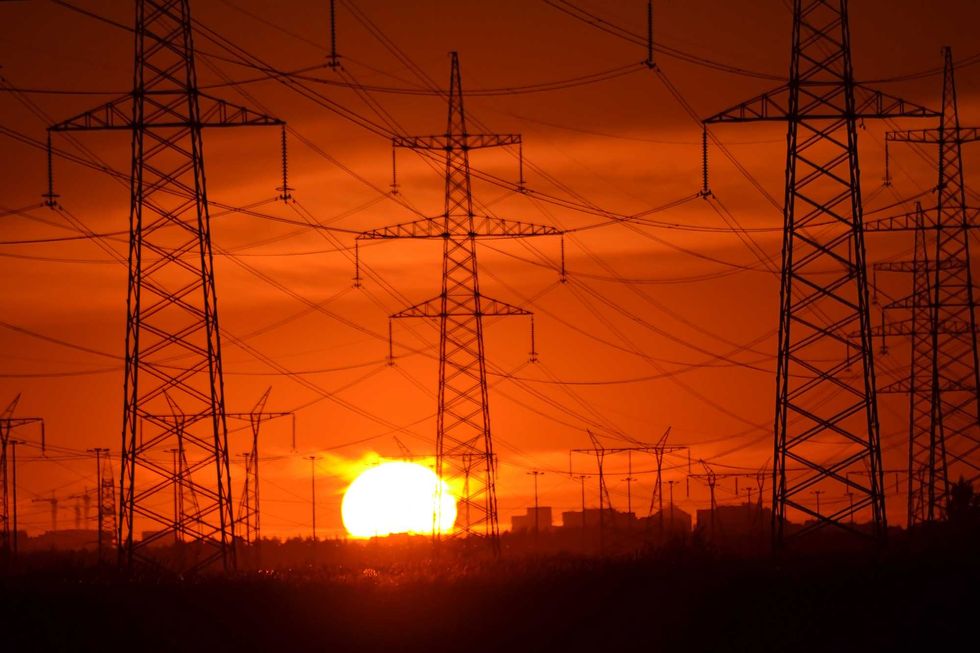
A recent study published inEnvironmental Research reported an association between exposure to electromagnetic radiation in Mexico City — particularly the extremely low frequency magnetic fields (ELF-MF) produced by power lines and household wiring — and children’s risk for developing central nervous system (CNS) tumors.
In short:
Residential exposure to ELF-MF (measured in bedrooms) above 0.4 μT was significantly associated with an increased risk of developing CNS tumors.
Prolonged use of a digital tablet (both with and without internet connection) also increased CNS tumor risk, particularly in children ages 6 - 10.
More than 5% of children in Mexico City were exposed to ELF-MF levels above 0.3 μT, higher than the global average for exposure.
Why this matters:
Everyday exposure to electromagnetic (EMF) radiation — emitted from power lines and electrical grid infrastructure like substations as well as everyday electronics such laptops, tablets and their charging systems — is steadily increasing in the modern world. While the public has some awareness that homes near high voltage powerlines create EMF exposure, fewer are aware that electronics like tablets, laptops, and phones also create EMF exposures in the body, especially when they are charging.
This study adds to the ever-growing body of science pointing to health risks from EMF exposure. The International Agency for Research on Cancer of the World Health Organization classified ELF-EMF magnetic fields as a “possible” human carcinogen in 2001, based largely on evidence linking residential exposure of 0.3 to 0.4 μT to childhood leukemia. More recent studies continue to show the association. Further, Kaiser Permanente studies report that prenatal ELF-EMF exposure was associated with increased miscarriage risk and also ADHD, obesity, and asthma in children. A review found industry-funded studies more often report “no effect.” When this bias is accounted for, strong evidence links EMF magnetic field exposure to adult leukemia, brain, and breast cancer.
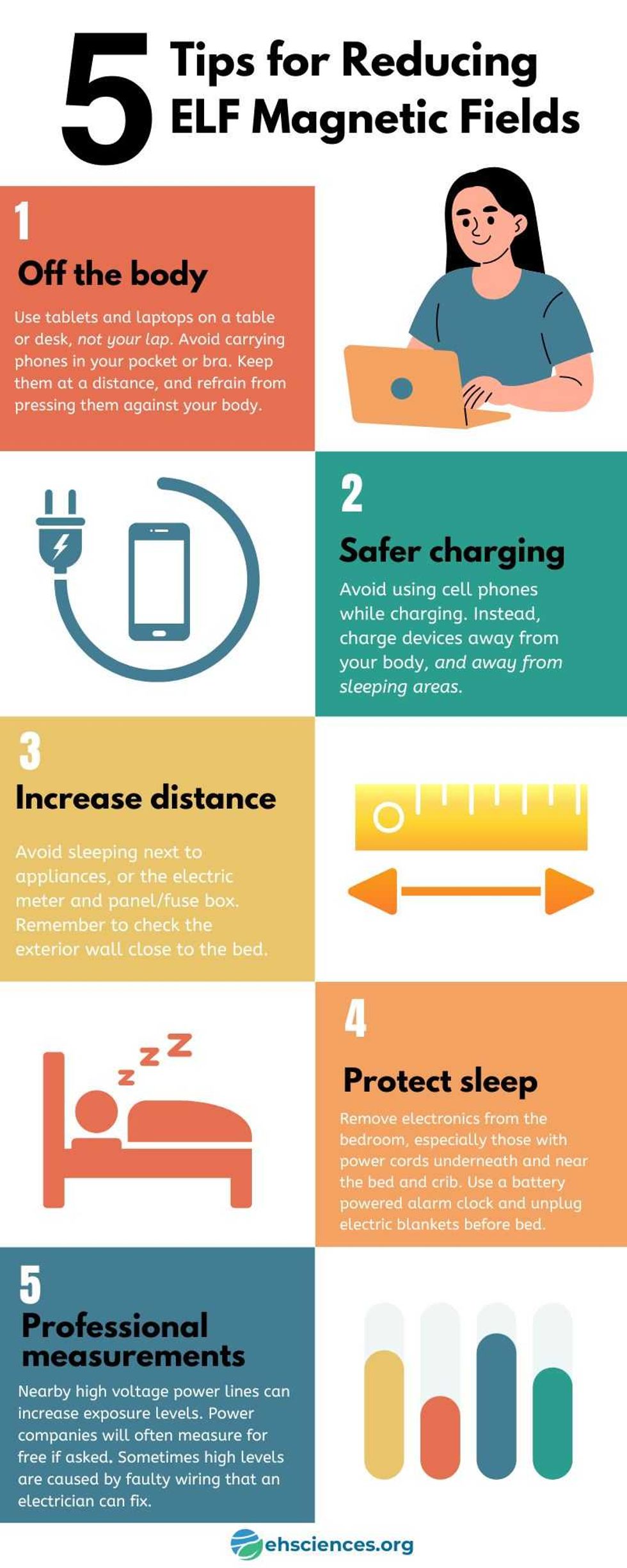
What you can do: On an individual level, you can easily reduce your daily exposures:
Relocate beds away from electrical panels
Use tablets and laptops on tables, not on laps
Charge phones and devices outside of the bedroom, not by the bed
Do not use a cell phone while it's charging
Unplug water beds and electric blankets before you get in bed
You can also measure the levels in your home with a basic milligauss meter in order to understand the EMF levels in your home.
Many countries limit ELF-MF exposure in homes and schools due to associations with childhood cancer. The Netherlands, as an example, is buying up homes with elevated levels from powerlines and substations. However, the U.S. has no federal safety limits, as the U.S. Environmental Protection Agency was defunded from EMF research in the 1990s. From a policy perspective, individuals can contact school boards, planning commissions, and utility regulators to request EMF measurements and advocate for risk mitigation siting policies for new schools, childcare centers, and residential developments.
A cancer-linked pesticide banned in more than 60 countries around the world contaminates an estimated 25% of river and stream miles in the lower 48 U.S. states, including many waterways used for drinking water, according to a new analysis.
The U.S. militarization of Guam has left its residents living with a legacy of pollution, environmental degradation, and cultural loss. Other Pacific islands may be next.
Panama’s center-right president called on world leaders to adopt a new non-binding treaty, building on his nation’s own national rights of nature laws.
A discussion of smart TV privacy examines reports of LG televisions collecting viewing data, whether TVs should ever be connected to the internet, and when firmware updates are worthwhile. The MacVoices Live! panel also considers hotel TV privacy, Microsoft’s increasingly pervasive Copilot strategy and organizational changes, and the enduring influence of Star Trek technology on real-world innovation.
Does banning smartphones and AI in schools actually improves learning? Should educators should focus on teaching responsible, effective use of technology or rely on existing methods? The MacVoices Live! panel looks at those issues and also considers how screens affect everyday social interactions. The subject of smart home hubs is becoming a hot topic. A […]
Millions of Americans live with high blood pressure, a condition that can quietly damage arteries and organs over time. Controlling it can involve medicines, exercise, weight management, and changes to what people eat. Sodium is one important part of the diet. Eating too much can raise blood pressure in many people, while potassium can help […]

 Login




















 See more