Cdiscount passe l’aspirateur sur le prix du iRobot Roomba Plus 505 pendant les French Days. Déjà soldé à 299,99 €, ce robot aspirateur laveur tombe à seulement 284,99 € avec le code COCORICO15.
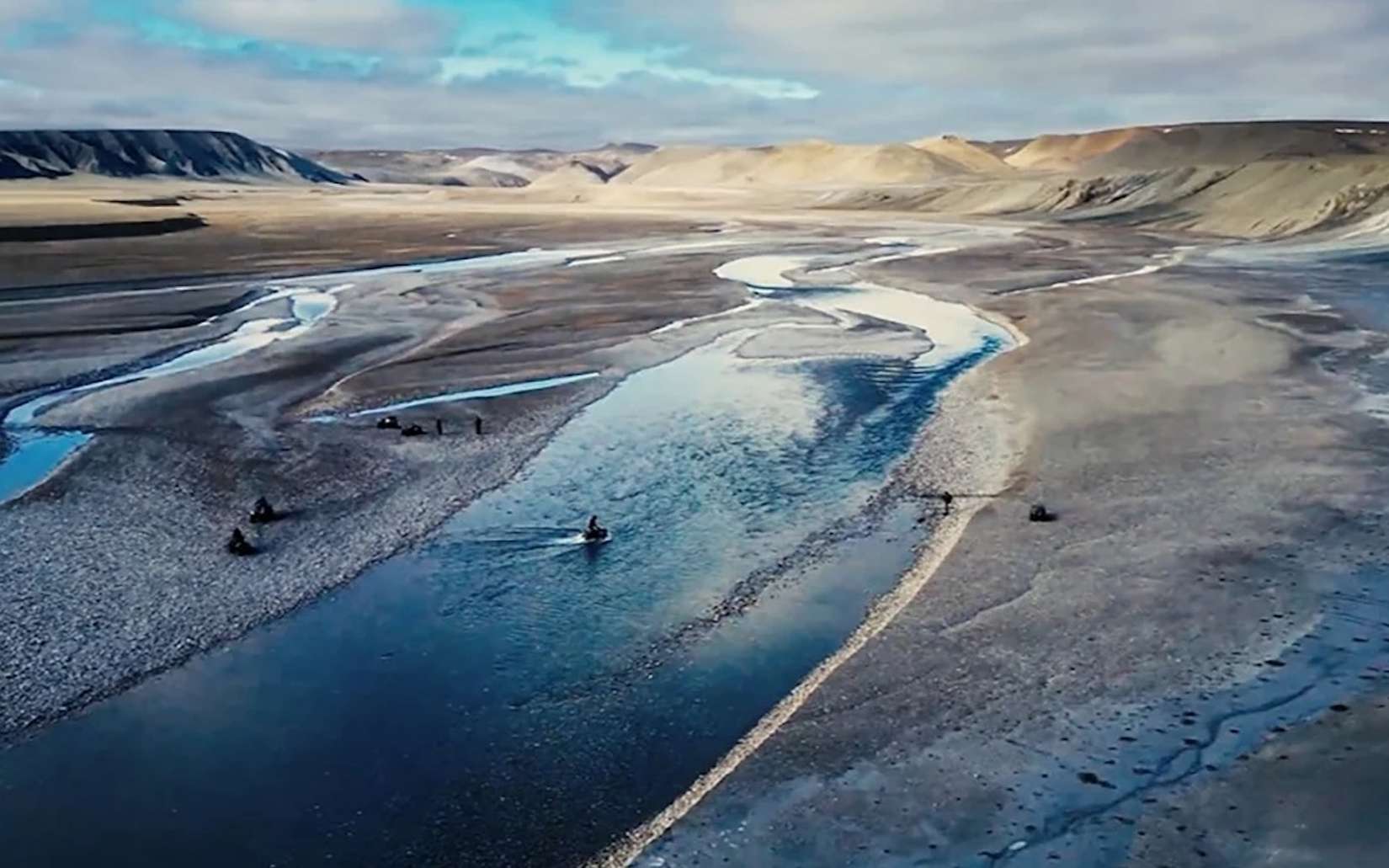
Dans le Haut-Arctique canadien, des chercheurs ont obtenu des résultats si inattendus qu’ils ont d’abord pensé à une erreur. Pourtant, expérience après expérience, le même phénomène s’est reproduit. Et il pourrait obliger les scientifiques à revoir la manière dont ils comprennent l’évolution des...
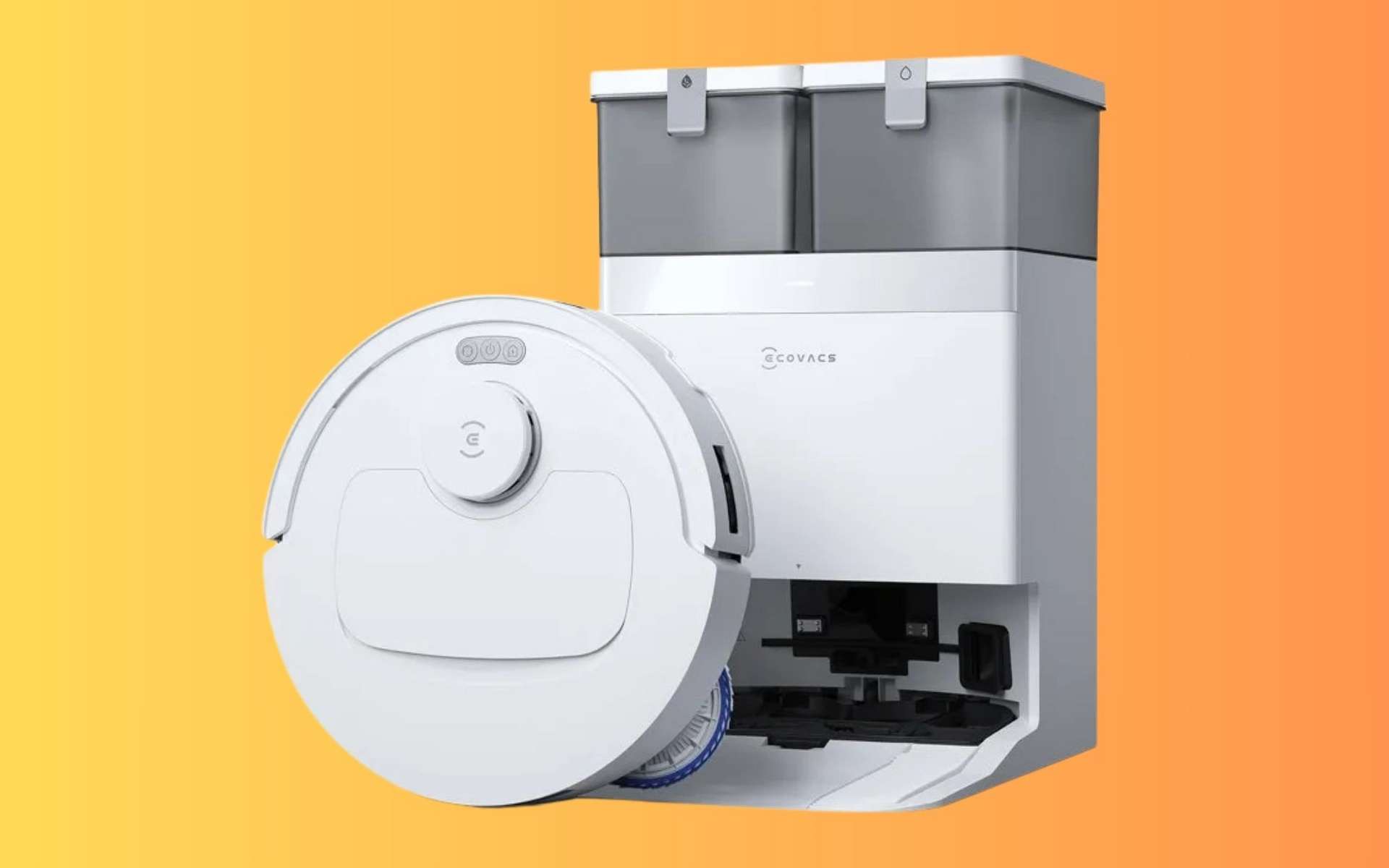
L’Ecovacs Deebot T30C Omni sort l’artillerie pour les French Days : le robot aspirateur laveur chute à 249,99 € chez Cdiscount, et même 234,99 € avec le code COCORICO15. À ce prix, la corvée de ménage peut sérieusement changer de camp.
Si una noche sin luna, lejos de cualquier ciudad, alguien mirase exactamente al punto del cielo opuesto al Sol —el llamado punto antisolar, ese lugar donde estaría el Sol si pudiera verse a través de la Tierra— podría distinguir una mancha ovalada, tenue, de entre 8 y 10 grados de diámetro. Para hacerse una idea […]
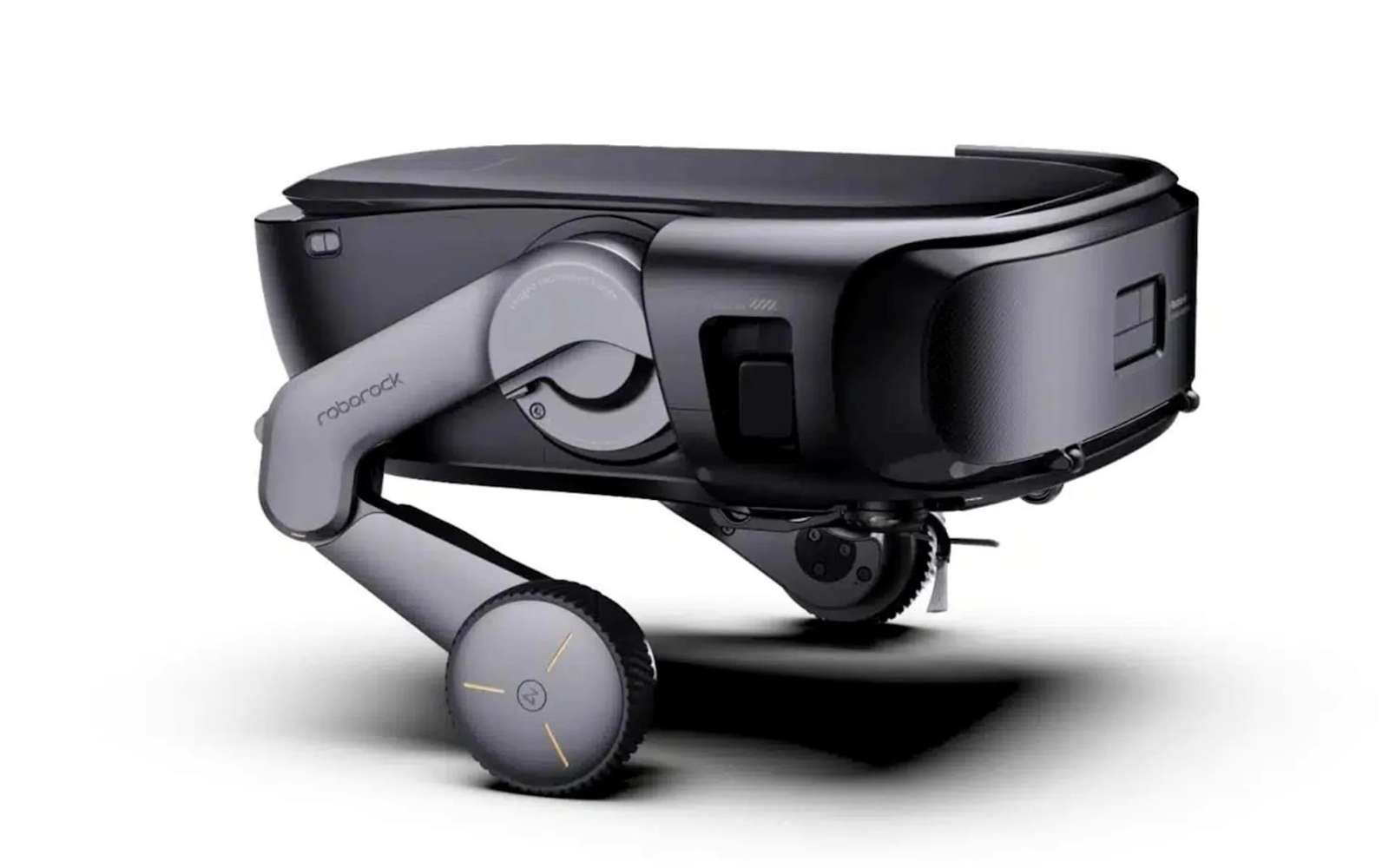
Roborock veut aller beaucoup plus loin que le traditionnel robot aspirateur qui tourne en rond dans le salon. À l’IFA 2026, le constructeur chinois présente le Saros Rover, un étonnant robot équipé de jambes articulées capable de franchir des escaliers. Une démonstration spectaculaire qui...
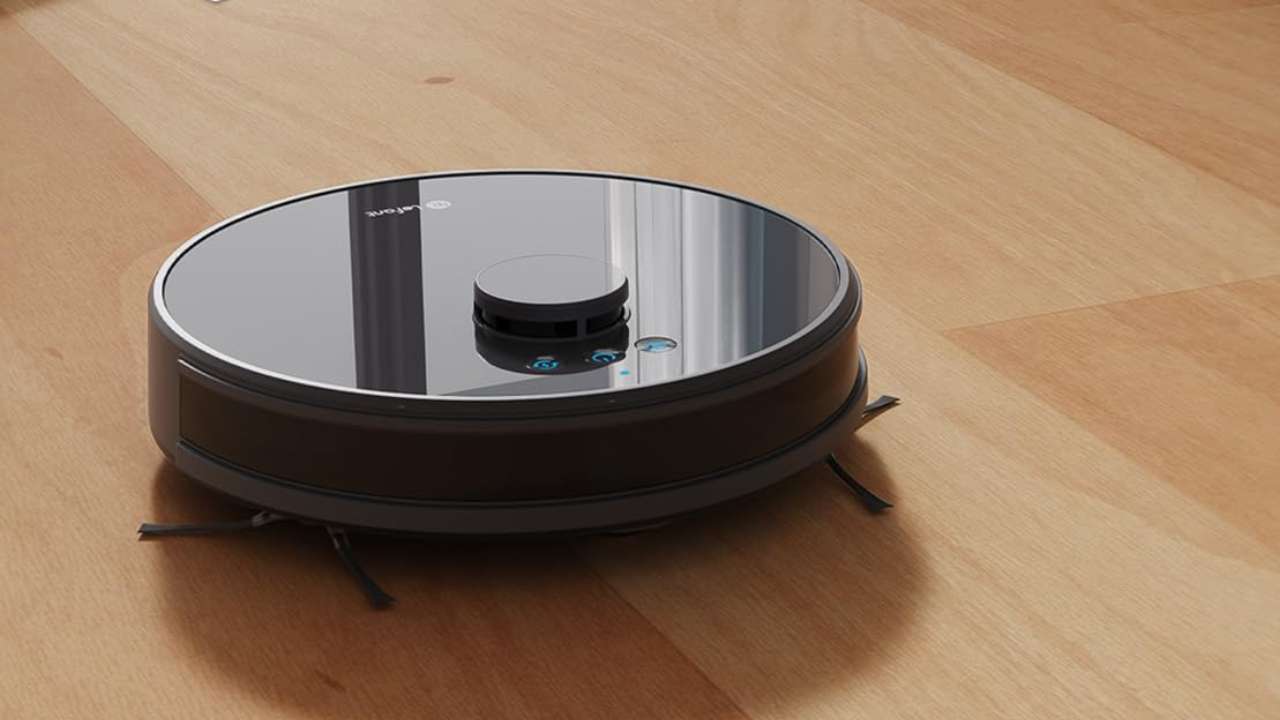
Le Lefant M1 associe aspiration et lavage des sols dans un même appareil, avec une navigation précise et une puissance d’aspiration annoncée à 5 500 Pa. Un équipement conçu pour faire gagner du temps sans sacrifier le résultat. Pour encore quelques heures, il s'affiche à -69 % sur Amazon,...
El 12 de agosto, la tarde se oscurecerá de golpe en las zonas donde el eclipse será total. Los científicos aprovecharán esos minutos para descubrir qué interpreta un insecto cuando el día parece terminar antes de tiempo.
Algunas estrellas parecerán estar donde no deberían durante el eclipse total del 12 de agosto. La diferencia será minúscula, pero detrás de ese desplazamiento se esconde una de las ideas más revolucionarias de la física.
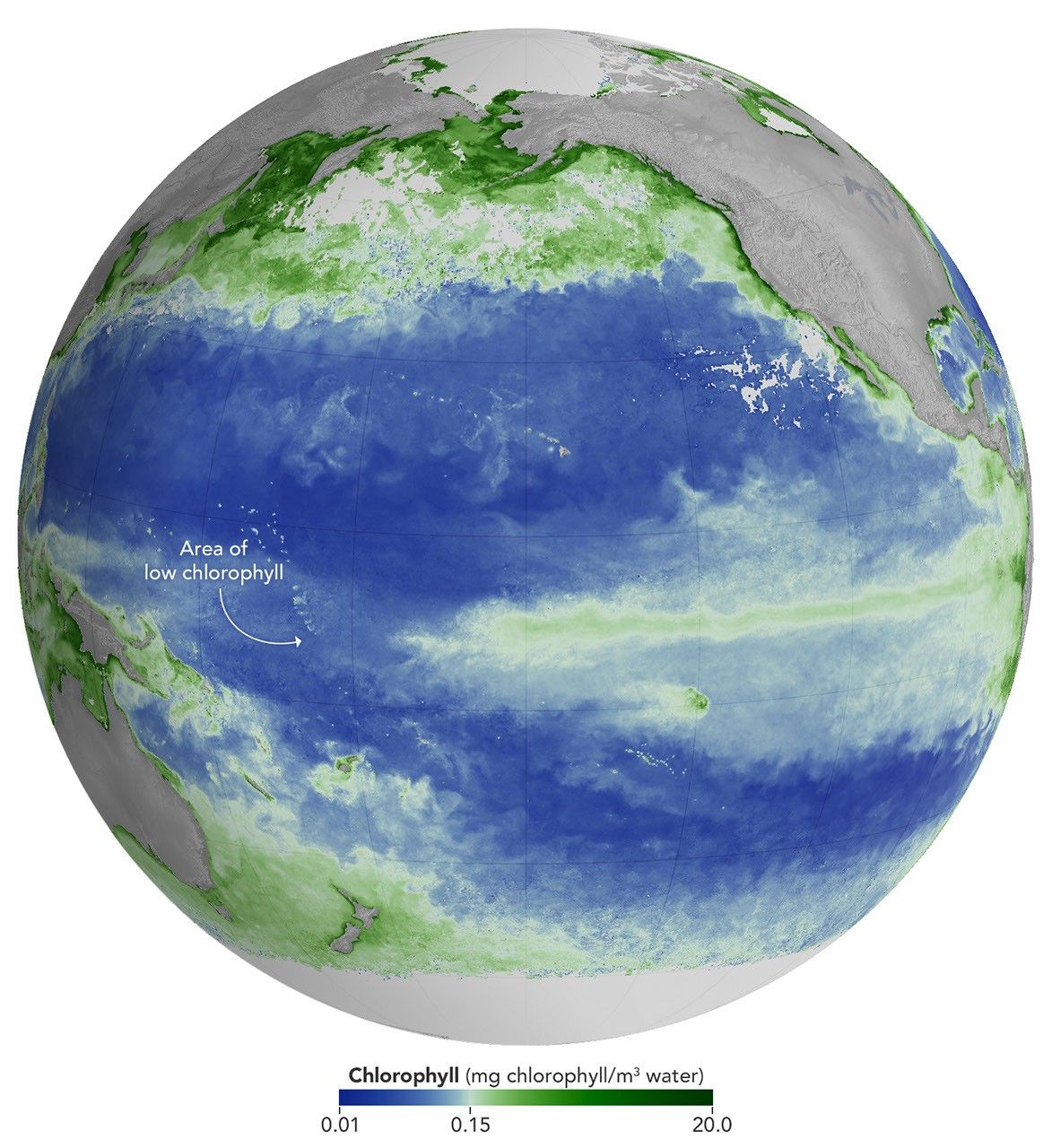
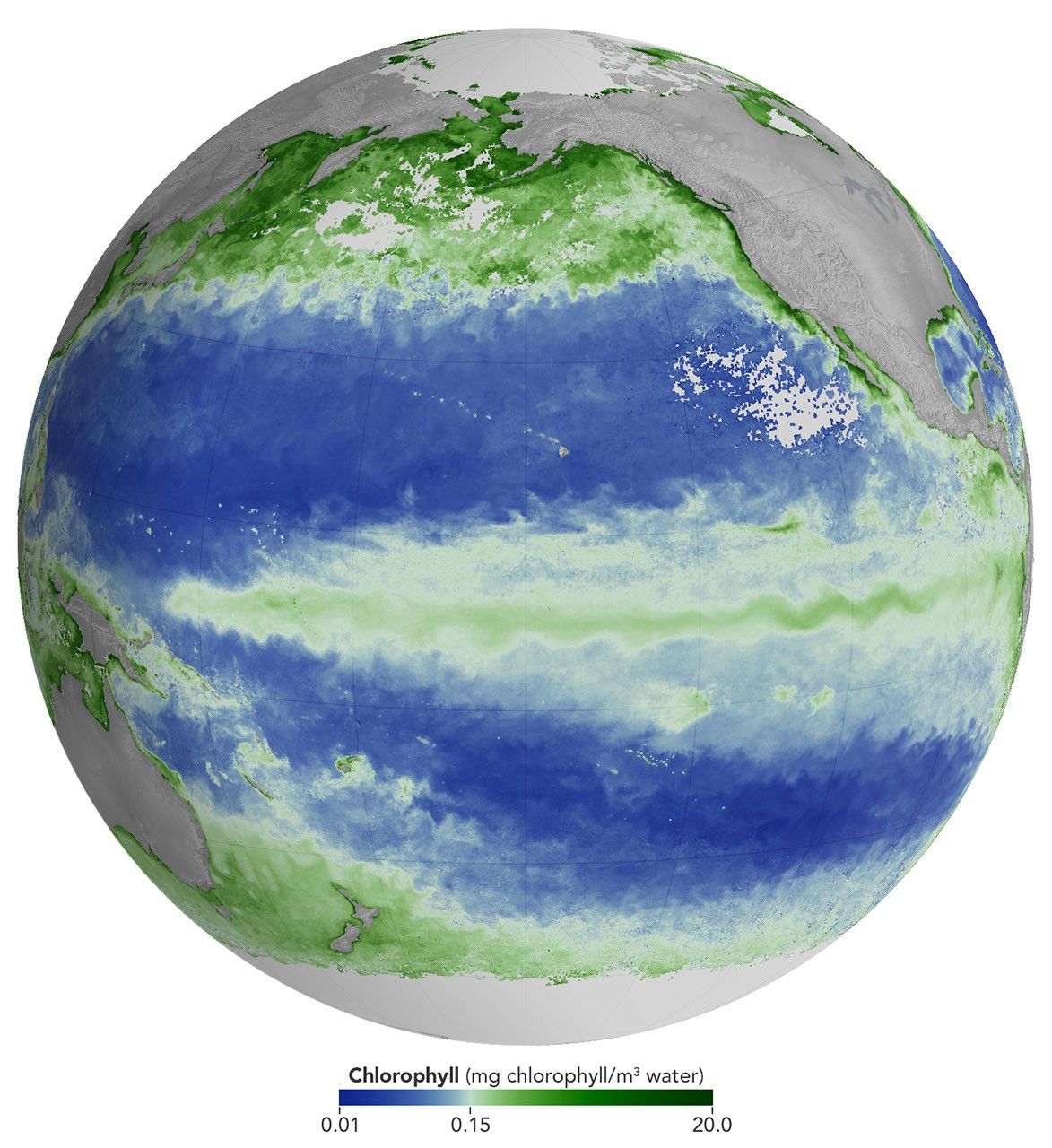
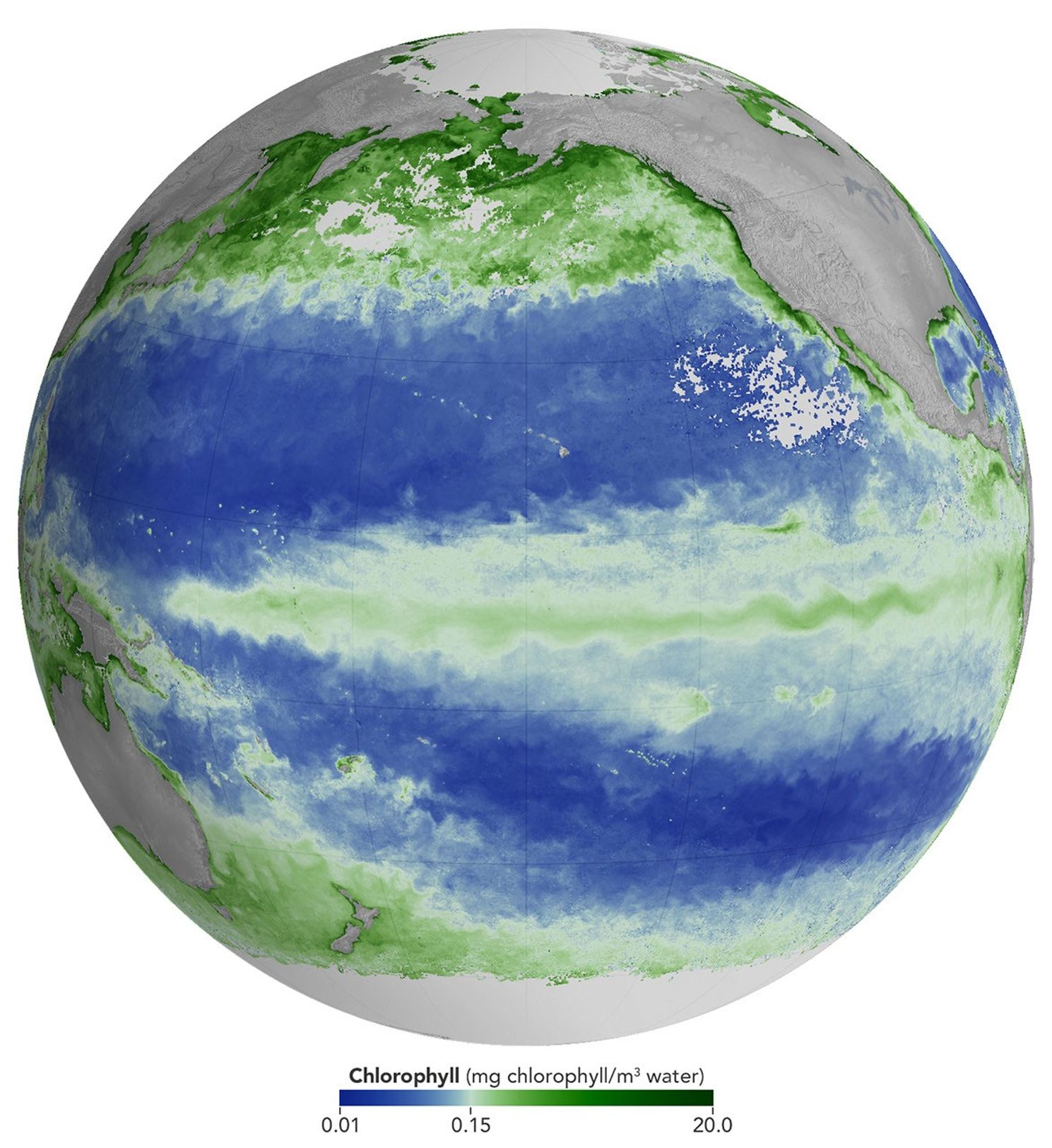
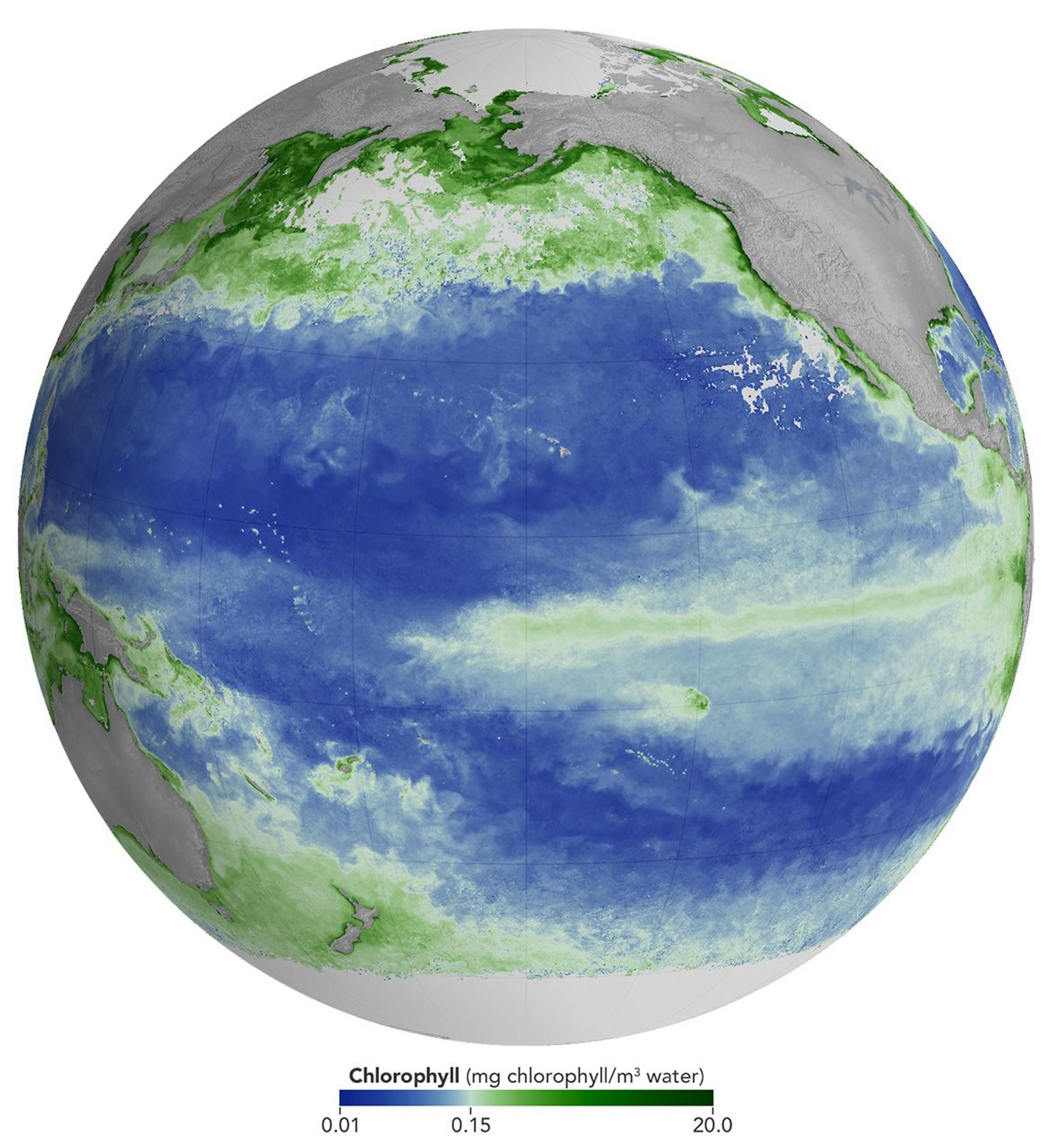
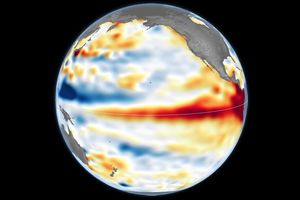
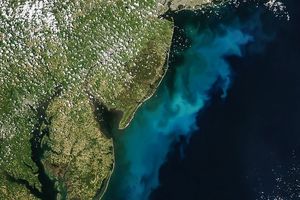
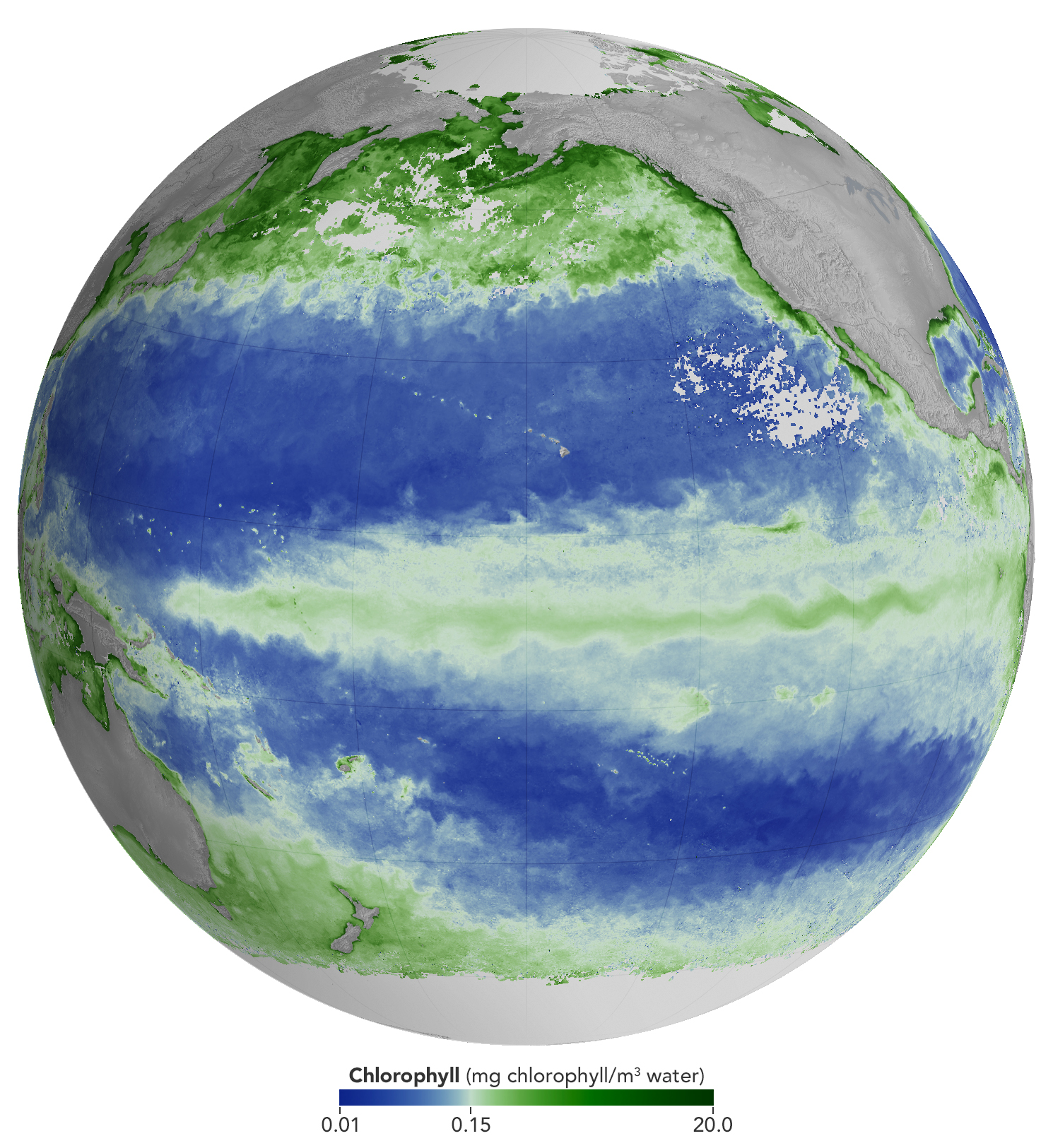
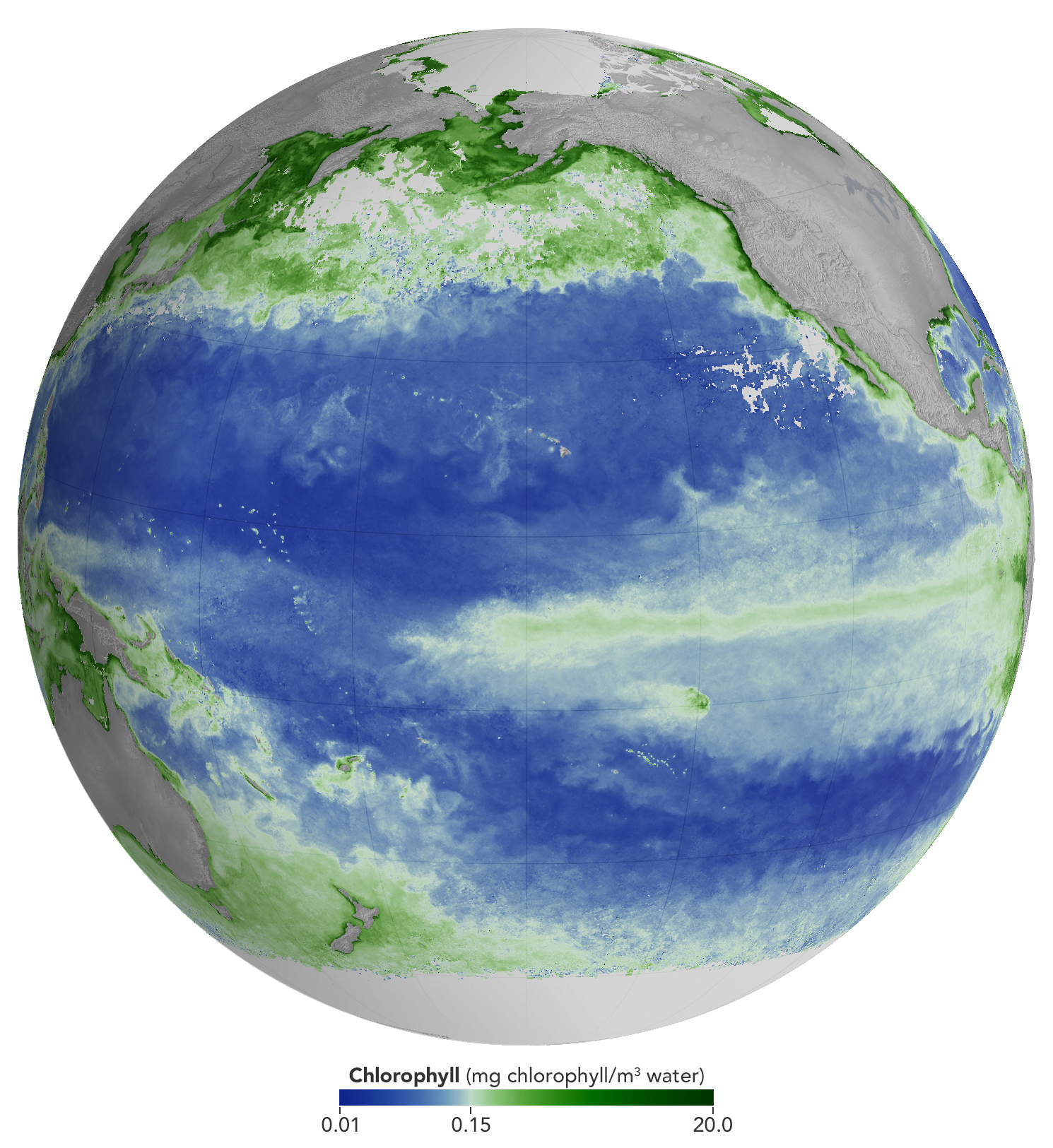
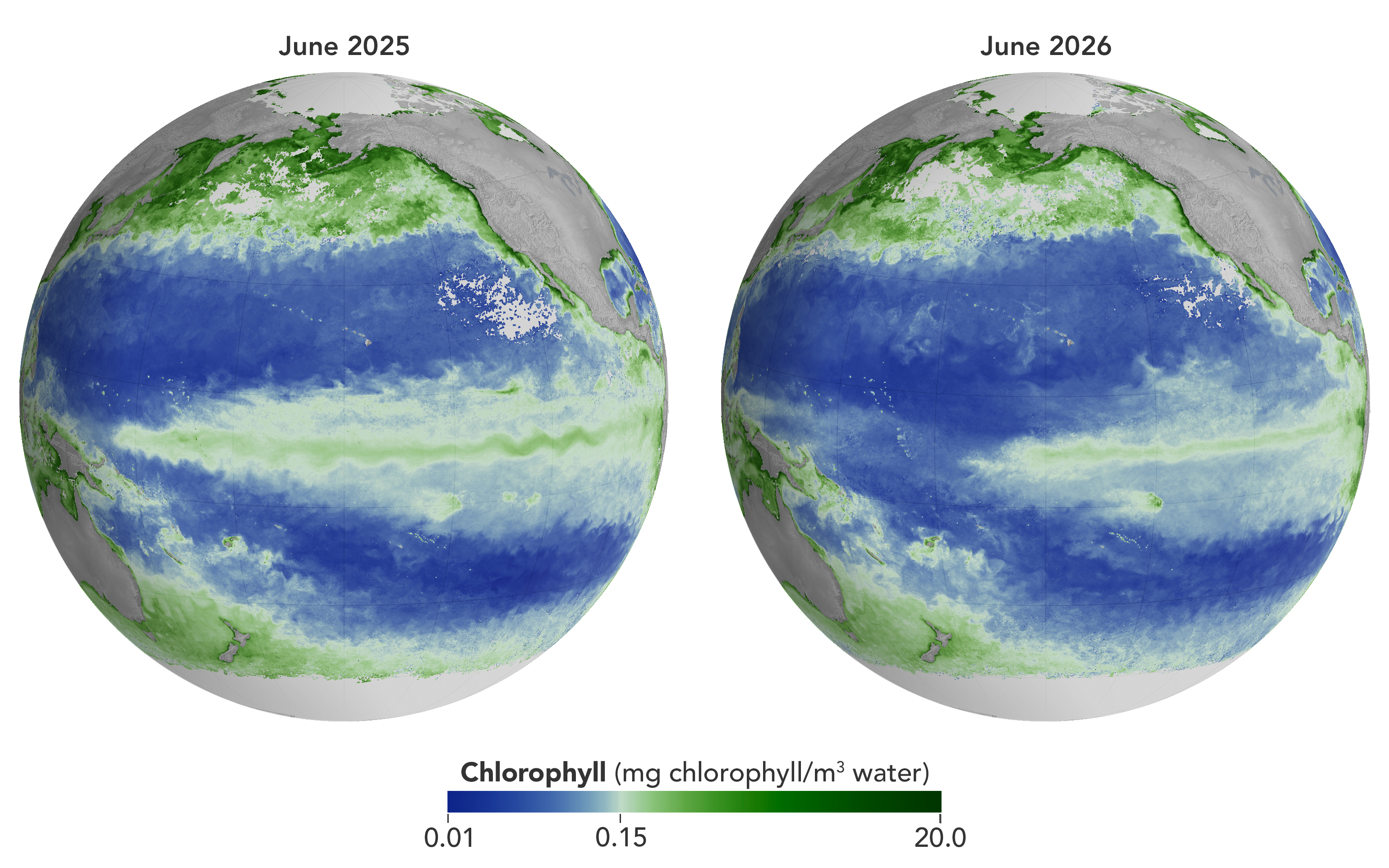
Concentrations of chlorophyll in the equatorial Pacific deviate from normal during El Niño events. These maps depict monthly average chlorophyll concentrations for June 2025 (left), under neutral conditions, and June 2026 (right), as El Niño was strengthening. Data come from the OCI (Ocean Color Instrument) on NASA’s PACE (Plankton, Aerosol, Cloud, ocean Ecosystem) satellite and are based on measurements of green and blue light from the ocean reflected back to the sensor. NASA Earth Observatory images by Michala Garrison.
As of June 2026, El Niño has officially arrived. This naturally recurring phenomenon is characterized by warmer-than-normal water temperatures in parts of the equatorial Pacific along with changes to atmospheric and oceanic circulation patterns. Its regional effects range from desert floods to delayed monsoons to shifts in where tropical cyclones are more likely to form.
NOAA’s Climate Prediction Center expects the current El Niño to continue to strengthen through the end of 2026, with a 97 percent chance of lasting through early Northern Hemisphere spring 2027. Even during El Niño’s early stages, satellites have observed characteristic changes along the equatorial Pacific, such as warmer-than-normal sea surface temperatures and higher-than-normal sea surface height.
Among the first ecological downstream effects are changes to the marine food web. The maps above show chlorophyll-a concentrations—the pigment present in most phytoplankton—as observed by the OCI (Ocean Color Instrument) on NASA’s PACE (Plankton, Aerosol, Cloud, ocean Ecosystem) satellite. In June 2025 (left), conditions were neutral, while in June 2026 (right), El Niño was strengthening.
The most noticeable difference appears in the central Pacific, around the equator due north of New Zealand: chlorophyll concentrations, an indication of phytoplankton abundance, are substantially lower in 2026. This change is expected, said Matthew Kehrli and Graham Trolley, oceanographers in the Ocean Ecology Laboratory at NASA’s Goddard Space Flight Center. That’s because during an El Niño, easterly equatorial trade winds weaken, the warm surface layer of the ocean extends deeper, and the upwelling of cool, nutrient-rich water that typically fuels phytoplankton growth is suppressed.
As the El Niño progresses, the scientists anticipate the differences in the central Pacific will become more pronounced. “This may manifest as a greater difference in values across the current region, as a broadening region of reduced surface chlorophyll-a concentration, or both, depending on the behavior of the equatorial trade winds,” they said.
Reductions in phytoplankton have ripple effects through the marine food web, including in coastal regions. Less food is available for zooplankton, as well as for fish, seabirds, and marine mammals. Peru’s anchovy fisheries have seen profound declines in catch during past El Niños, driven similarly by warmer surface waters, reduced upwelling, and lower phytoplankton abundance. In 2026, Peru’s Ministry of Production repeatedly suspended the fishery to safeguard the country’s main fishing resource. Pelicans have been seen venturing into Peruvian ports and urban areas in search of food.
Although the disruptions to marine life can be severe, a post-El Niño “chlorophyll rebound,” with higher-than-normal concentrations in the equatorial Pacific, can occur. Research suggests that higher iron concentrations delivered in ocean currents, as well as dust arriving from drier land in parts of Central and South America, help fuel the resurgence—a rebound that doesn’t require a follow-on La Niña. La Niña, which often follows El Niño events, can also produce elevated chlorophyll concentrations. A strong La Niña in 1998–1999 set off a large phytoplankton bloom in the eastern Pacific and a dramatic increase in fish populations.
Scientists have new tools available for studying this sort of variability. The PACE mission launched in February 2024, making this the first complete El Niño event for which the satellite will gather global, near-daily hyperspectral measurements. “The scientific community will be able to observe the 2026 El Niño with data across more wavelengths of light than ever before,” Kehrli and Trolley said.
To better understand effects on life in the ocean, researchers hope to use PACE data to gauge the responses of specific phytoplankton communities to El Niño. And the possibilities extend beyond the marine realm, the scientists note. PACE’s sensors can measure plant pigment composition on land and clouds and aerosols in the atmosphere, all of which are influenced by El Niño.
Quem estiver em Portugal nesta quarta-feira, 12 de agosto, terá a oportunidade de testemunhar o primeiro eclipse solar total desde 1912, com previsão de repetição do feito somente daqui a 118 anos, em 2144.
A sua raridade, além da sazonalidade, está especialmente no percentual de visibilidade do fenômeno em todo o país, que varia de 92% a 100%. Para quem quiser ver o eclipse em sua totalidade, será necessário visitar o Parque Natural de Montesinho, no concelho de Bragança.
Caso também seja do seu interesse registrar esse momento histórico, existem algumas coisas importantes a se observar e algumas alternativas, a depender do que você pretende fotografar exatamente.
Antes de qualquer dica tecnológica, é importante se certificar de que a sua visão estará protegida: recomenda-se o uso de óculos de eclipse com certificação ISO 12312-2, que serão distribuídos gratuitamente pela ZEISS em parceria com a rede de óticas Club da Visão, mediante cadastro e enquanto durarem os estoques (que, aparentemente, já esgotaram-se).
Depois, vale observar as janelas de horário do eclipse:
Início: entre 18h30 e 18h40;
Pico: entre 19h30 e 19h40;
Fim: entre 20h20 e 20h30.
Fotografia: câmera DSLR/mirrorless ou iPhone?
Caso você opte por fotografar o evento, existem duas opções de mais fácil acesso: uma câmera digital ou o seu iPhone. Em ambos os casos, há uma série de poréns.
Sobre DSLRs e mirrorless, vale adquirir um filtro solar para a sua lente, considerando a sensibilidade do sensor à exposição ao sol, que pode acarretar uma danificação irreversível — dada a quantidade de entrada de luz. Recomenda-se fixar a abertura entre ƒ/8 e ƒ/16, com a velocidade do obturador ajustada entre 1/1000 e 1/4, de acordo com as especificações da sua câmera.
Já o iPhone, dado o tamanho do seu sensor e outras limitações técnicas, terá dificuldade de registrar o eclipse naturalmente. Claro, ainda é possível obter muitos resultados legais em relação à sombra e aos seus efeitos, ou até mesmo capturar a atmosfera do momento com um time-lapse utilizando um tripé ou outro equipamento estabilizador.
No entanto, para quem quiser de fato registrar o sol de maneira direta, será necessário adquirir acessórios:
Lente de zoom com ampliação entre 12x e 18x — das mais amadoras até as mais sofisticadas, com preços flutuando entre dezenas e centenas de dólares;
Filtro solar para o iPhone;
Tripé, visando não comprometer o resultado final das fotos borrando-as com um movimento sutil.
Quanto ao software, embora existam boas opções de apps de terceiros, como o Project Indigo ou o Halide, o próprio aplicativo Câmera (Camera) nativo do iPhone deverá dar conta.
Cada escolha (ou ausência) poderá impactar o registro do fenômeno, mas nada será tão determinante quanto a prática de quem fotografa. Independentemente da escolha, vale conhecer o equipamento que você tem em mãos antes do tão esperado dia, testar o comportamento da câmera sob o sol e pensar qual será o enquadramento do registro no dia do eclipse.
Da organização das tarefas ao acompanhamento dos treinos, passando por resumos de livros e uma proposta para ajudar a gerir a exposição solar, a equipa do TEK Notícias reuniu um novo conjunto de apps para Android e iOS, todas com opções gratuitas.
El próximo 12 de agosto, el eclipse total de Sol ofrecerá una vivencia poco habitual: parte del público podrá seguir su desarrollo sin necesidad de mirar al cielo.
El 12 de agosto de 2026 verás desde España perlas de Baily, la corona solar y misteriosas sombras volantes. Esta es la guía de lo que ocurrirá segundo a segundo durante la totalidad.
Hace 175 años, una imagen borrosa obtenida sobre metal logró algo que ningún dibujo podía garantizar: que se conservase para siempre un eclipse total de Sol y transformar unos segundos de oscuridad en material de estudio.
Olhos no céu no final da tarde de 12 de agosto. Enquanto a Lua tapa quase por completo o Sol, dezenas de localidades portuguesas preparam observações, experiências e atividades para acompanhar um dos fenómenos astronómicos mais marcantes dos últimos anos.
Et si la vie foisonnait là où on ne l’attendait pas ? Des chercheurs viennent de découvrir un monde insoupçonné. Champignons, tardigrades, vers… une véritable jungle souterraine qui bouleverse notre vision de la biosphère.
Mesmo num eclipse total, a tecnologia ajuda a que ninguém fique de fora. Chama-se LightSound e é um pequeno dispositivo capaz de transformar a luz do Sol em notas musicais, permitindo que pessoas cegas ou com deficiência visual "ouçam" a passagem da Lua em frente ao astro-rei.
Frequent cannabis use was associated with higher cortisol upon waking, suggesting a possible disruption of daily stress rhythms. The body’s stress system follows a daily rhythm, and frequent cannabis users may begin that cycle differently. Research from Oregon State University found that people who use cannabis often wake with higher cortisol levels than nonusers, pointing [...]
Durante unos minutos, el día se convierte en noche: los animales cambian de comportamiento y el termómetro cae varios grados. Esto es lo que le ocurre a la Tierra durante la totalidad.

 Login