 Login

As Millions of Birds Migrate, Residents Are Asked to Turn Off the Lights
Birds are drawn to lights, and more than a billion die each year after crashing into buildings, experts said.

Modern cars are fitted with features like autonomous emergency braking and fatigue monitoring. But do they support motorists or drive them to distraction?
This new car I’m test-driving boasts all the latest bells and whistles – or, rather, beeps and bings. Peer sideways for too long checking traffic and the car emits an irritating sound. Should I take a hand off the wheel to scratch an ear, I’m admonished with a strident beep.
When the car determines it’s too near a white line, it tugs the wheel against my hands and brakes as a car slows ahead. Its haptic “buttons” feel like fingers pressing back – as if an invisible presence has its hands and feet on the controls: a ghost in the machine I’m inside.
Continue reading...
© Illustration: Getty Images

© Illustration: Getty Images

© Illustration: Getty Images
Growing up, many of us remember dutifully taking a few more bites of protein (and, of course, vegetables) to appease our moms before we were allowed to progress to the sweet, carb-heavy goodness of dessert. Lately, it seems hard to say whether our moms would be delighted or horrified to see what has happened to protein since.
Just walk into any grocery store right now, and protein is everywhere. Protein water. Protein chips. You can even request protein foam on your favorite fancy latte. Somewhere, a bodybuilder is chugging a protein shake the size of a fire extinguisher as you read this. It’s safe to say this is not your mother’s protein.
To be fair, protein deserves at least some of its mom-and-jock-endorsed reputation. It helps build muscles, keeps you feeling full, and is an essential nutrient we truly can’t live without. Older adults, especially, have been told to eat more of it as they age.
So, is more protein always better? According to a large review of several recent studies, the answer may be no.
“We think of protein as beneficial,” Dr. Dudley Lamming, a professor at the University of Wisconsin-Madison and lead researcher of the review, told Popular Science, “but a number of studies have started to come out showing that when you look at large populations over the course of decades, people who were eating more protein over the course of these decades were having higher rates of age-related diseases.”
Lamming didn’t set out looking for a problem with protein. If anything, he was surprised by a contradiction he was noticing between population data and the conventional wisdom about protein—people who ate more protein over time were showing higher rates of cancer, diabetes, and cardiovascular disease.
“The question is, how can this be?” he remembers wondering.
Lamming’s review looked at more than 350 studies in total, most of which were conducted in mice and other lab models, examining things like lifespan, metabolic health, and cellular aging.
But a smaller slice, about five or six randomized trials, tested protein restriction directly in people. Those human trials showed consistent short-term benefits: People lost weight, their fat mass declined, and in one study of people with type 2 diabetes, insulin sensitivity improved.
Lamming adds that these results do not appear to be associated with mere calorie reduction.
“In fact, because dietary protein is satiating, people in our studies and others actually ate more calories when they were on a protein-restricted diet,” he says. “But they lost weight, and that’s because energy expenditure increases.”
To understand the potential connection between protein restriction and increased energy expenditure, Lamming’s review explored existing mouse studies on the topic. Findings from these studies indicate that when protein intake drops, the liver releases a hormone called FGF21. That hormone signals the brain, which in turn triggers what researchers call “beiging.”
“This is a process that essentially tells your fat tissue to stop simply storing fat, but actually to start metabolizing it and burning it for energy,” says Lamming.
In practice, protein restriction doesn’t mean cutting protein out altogether. Most people get about 16 to 17 percent of their calories from protein; in the studies Lamming and his team reviewed, that’s typically cut by around half, down to roughly seven to nine percent.
“We’re not talking about restricting to an unhealthy level where you’re protein insufficient,” he says. “What we’re really talking about, in most cases, is restricting down to the recommended daily allowance as reported by the World Health Organization, which is about 0.8 grams per kilogram [of body weight].”
So the average man (weighing an average of about 200 pounds) would need about 73 grams of protein a day. The average woman, on the other hand, (weighing about 170 pounds) would need 62 grams of protein a day. For reference, a small three ounce filet of salmon contains about 24 grams of protein.
You don’t necessarily have to restrict protein as a whole to achieve these benefits, either; mouse studies found that cutting back on specific amino acids, including methionine, isoleucine, and valine, may provide some of the same benefits in terms of fat mass, blood sugar control, and longevity.
This doesn’t necessarily mean everyone should be in a hurry to throw away their protein waffles. Lamming is careful to note that people who exercise routinely may be an exception.
“We actually think that dietary protein has negative metabolic health outcomes for sedentary people, like the general population, since most of the population is fairly sedentary,” he says. “But maybe people who are exercising need more protein to help build muscle, and maybe it wouldn’t have these negative metabolic outcomes.”
Although these findings are based only on mouse studies so far, they may suggest that working out might protect against the downsides of higher protein intake, Lamming says.
“Fortunately,” he says, “a lot of the people who are very pro-protein are also people who are exercising.”
Lamming says his team plans to test these ideas—specifically, whether protein supplementation genuinely benefits those who exercise, and whether restriction benefits those who don’t—more directly in both mice and people over the next few years.
“For your typical person who’s not engaged in exercise, we would suspect, based on our research, that eating more calories in the form of protein would be detrimental,” he says.
Lamming’s own suggestion for sedentary people: Consider skipping the protein-added version of a product when a regular option is available.
He was quick to add, however, that those who can safely exercise certainly should.
“No one’s going to argue that more exercise would be bad,” he says.
In Ask Us Anything, Popular Science answers your most outlandish, mind-burning questions, from the everyday things you’ve always wondered to the bizarre things you never thought to ask. Have something you’ve always wanted to know? Ask us.
The post You might be eating too much protein appeared first on Popular Science.

Researchers in Brazil have demonstrated that a hybrid advanced oxidation process can transform pharmaceutical-laden wastewater into an effluent that is dramatically safer for plants, earthworms, onion root cells, and beneficial microorganisms, offering a rigorous ecotoxicological case for reusing treated sewage in agriculture. The study, published in Environmental Science and Pollution Research, addresses a long-standing blind spot in water treatment: proving that a chemically “clean” effluent is also biologically compatible.
Conventional wastewater treatment plants were never designed to strip out recalcitrant organic micropollutants such as pharmaceuticals, and trace amounts routinely slip through into receiving waters. Advanced oxidation processes (AOPs) attack these stubborn compounds by generating highly reactive free radicals that fragment contaminant molecules. But chemical degradation alone does not guarantee safety. As contaminants break down, they spawn transformation products (TPs) that can, in some cases, be as toxic as—or more toxic than—the parent compounds. The research team, led by Lucas Gustavo da Costa and Alam Gustavo Trovó of the Federal University of Uberlândia, together with collaborators at the Oswaldo Cruz Institute, set out to answer a deceptively simple question: does measurable chemical removal of micropollutants actually translate into reduced biological harm?
The centerpiece of their work is the H₂O₂/S₂O₈²⁻/UVC process, a hybrid system that combines hydrogen peroxide and persulfate with short-wave ultraviolet C radiation. UVC photons cleave both oxidants simultaneously, generating hydroxyl radicals (HO•) and sulfate radicals (SO₄•⁻) in the same reaction volume. This dual-radical strategy outperforms systems relying on either oxidant alone, or on peroxymonosulfate (HSO₅⁻), which is costlier and demands more energy for activation. The hybrid route also resists interference from inorganic species commonly found in real effluents, making it an economically attractive candidate for deployment at full-scale treatment plants. The process had already been chemically optimized in the team’s earlier work using multivariate mixture design and rotatable central composite design experiments; the new study is its first integrated biological stress test.
The experiments used real municipal effluent from a wastewater treatment plant in Uberlândia, Minas Gerais, sampled after the plant’s final tertiary treatment stage of coagulation-flocculation with ferric chloride and flotation. The effluent was enriched with three pharmaceuticals representing different therapeutic classes: colchicine (COL, an antimitotic agent), nitazoxanide (NTZ, an antiparasitic), and sulfamethoxazole (SMX, a widely detected antibiotic), each at 325 nmol L⁻¹—equivalent to 130, 100, and 82 micrograms per liter, respectively. That concentration was deliberately chosen as high enough for direct HPLC–DAD analysis without preconcentration, yet low enough to be environmentally representative. Treatment was carried out in an amber glass reactor irradiated by two 8-watt UVC mercury lamps emitting at 254 nm, with a measured irradiance of 4.9 W m⁻². Residual oxidants were neutralized with sodium thiosulfate before any biological testing, ensuring that observed effects could not be attributed to leftover peroxide chemistry.
The ecotoxicological battery spanned multiple trophic levels and levels of biological organization. Oxidative stress was assessed in the earthworm Eisenia andrei by measuring malondialdehyde (MDA), a marker of lipid peroxidation, and protein carbonylation, an irreversible oxidative modification of proteins. Phytotoxicity was evaluated using lettuce (Lactuca sativa) seeds and a growth index combining germination rate and root elongation. Cytotoxicity and genotoxicity were quantified in onion (Allium cepa) root meristems through the mitotic index and the frequency of chromosomal and nuclear aberrations—micronuclei, chromosome breaks, stickiness, bridges, and nuclear buds—across 5,000 cells per sample. Finally, growth inhibition was tested in two environmentally relevant microbes: Azospirillum brasilense, a plant growth-promoting bacterium used in soybean cultivation, and Saccharomyces cerevisiae, a yeast that persists in soils and fermentative niches.
The untreated enriched effluent told a worrying story. It exhibited substantial genotoxicity in onion cells—21%, approaching the 24% seen with the positive control, methyl methanesulfonate—and severe phytotoxicity, with lettuce growth indices far below the 80% threshold that signals absence of toxicity. Even the unspiked effluent itself suppressed lettuce growth, achieving a growth index of only 47%, evidence that bioactive compounds survive conventional treatment. In earthworms, individual aqueous solutions of NTZ and SMX raised MDA levels by 37.2% and 23.5% respectively, while the three-compound mixture increased lipid peroxidation by 38.0%, pointing to additive or synergistic oxidative stress mechanisms involving reactive oxygen species and Fenton-type chemistry within cells.
The picture changed decisively after oxidation. Following 10 minutes of UVC-driven treatment—the point at which 80% chemical degradation had been achieved, matching the minimum removal target proposed in the European Union’s COM(2022)541 directive—genotoxicity fell to 10%, and after 20 minutes, corresponding to the limit of quantification for the parent compounds, it dropped further to 6%, a statistically significant reduction. The plant growth index climbed above 80%, crossing from toxic territory into biocompatibility. The mitotic index in onion cells remained statistically indistinguishable from the deionized-water control (around 39–40% versus 40%), demonstrating that the process generated no cytotoxic byproducts capable of arresting cell division. And crucially for agricultural applications, neither the treated effluent nor its transformation products inhibited growth of A. brasilense or S. cerevisiae.
The mechanistic details are instructive. In the untreated enriched effluent, micronuclei—membrane-bound DNA fragments expelled from the nucleus during flawed cell division—were among the most frequent aberrations, indicating clastogenic and aneugenic damage. Colchicine exposure predictably produced C-metaphase accumulation, a signature of its tubulin-binding, spindle-disrupting mechanism first described in Allium nearly a century ago. SMX depressed the mitotic index and induced chromosomal damage, consistent with prior findings in Vicia faba. NTZ, whose genotoxicity had never before been reported, produced chromosome breaks, stickiness, and nuclear buds. After oxidation, the overall aberration burden fell sharply, particularly micronuclei and stickiness, although a few bridges and polyploid cells persisted even at 20 minutes—a reminder that some transformation products or resistant residuals may linger.
The microbial results came with a subtlety. Reduced A. brasilense growth after treatment initially looked like a red flag, but the team attributes it to depletion of assimilable organic matter, which serves as radical scavenger during oxidation and as a nutrient source afterward—not to toxicity. The negative control likewise grew slowly. This distinction matters because AOPs are designed to mineralize organic carbon, and a nutrient-poorer medium should not be misread as a more toxic one. For S. cerevisiae, no inhibition occurred at any stage of treatment, although NTZ alone significantly depressed yeast optical density, reinforcing the compound’s cell-cycle interference potential even at nanomolar-scale exposures.
The study’s broader significance lies in its methodological stance. By adopting an “effect-driven approach,” the team evaluated the toxicity of whole reaction mixtures without needing to isolate and identify individual transformation products—an impractical task given that many degradation byproducts are not commercially available. Their findings align with a growing consensus that treatment efficacy must be judged not merely by parent-compound removal but by the nature and reactivity of the resulting transformation products. Biochemical biomarkers such as MDA and protein carbonylation detected sublethal disturbances that mortality-based endpoints would have missed entirely, providing early warnings of cellular distress at environmentally relevant concentrations.
One caveat deserves attention: while lipid peroxidation declined after treatment, protein carbonylation rose slightly—1.05-fold above control—suggesting some transformation products may still provoke protein oxidation even as lipid damage subsides. The authors flag this discrepancy and call for future identification of the specific TPs responsible, alongside expanded organism panels, longer-term exposure studies, and pilot-scale validation across different environmental matrices.
The regulatory context sharpens the urgency. The EU’s proposed urban wastewater treatment directive mandates at least 80% removal of specified organic micropollutants and microbiological control for agricultural reuse, yet it conspicuously omits eco-compatibility assessment of the treated water itself. This study supplies exactly that missing dimension, showing that a process satisfying the chemical benchmark also delivers measurable biological benefit—lower genotoxicity, restored plant growth, intact cell division, and unharmed beneficial microbes. As water scarcity intensifies globally and reuse becomes less optional, the Brazilian team’s integrated bioassay framework offers a template for ensuring that the water farmers irrigate with is not merely chemically compliant, but genuinely ecologically safe.
Article Title: Mitigation of micropollutant toxicity in treated wastewater using the H2O2/S2O82−/UVC process: An ecotoxicological perspective for agricultural reuse
Article References: da Costa, L. G., dos Santos, G. M., Marson, E. O., de Lima, M. G. F., de Souza Bessa, M. A., Scarafiz, G., Junior, S. F. S., Saggioro, E. M., de Carvalho, S. R., de Siqueira Ferreira, A., Nilin, J., Neto, W. B., & Trovó, A. G. (2026). Mitigation of micropollutant toxicity in treated wastewater using the H2O2/S2O82−/UVC process: An ecotoxicological perspective for agricultural reuse. Environmental Science and Pollution Research. https://doi.org/10.1007/s11356-026-38218-5
Image Credits: AI Generated
DOI: 10.1007/s11356-026-38218-5
Keywords: Advanced oxidation process, Micropollutants, Wastewater reuse, Ecotoxicity, Genotoxicity, Phytotoxicity, Oxidative stress, Hydroxyl radicals, Sulfate radicals, UVC treatment, Agricultural irrigation, Transformation products
Lisa Nandy says government will introduce legislation after talks end without breakthrough
Apple and Google will be forced to block explicit images on children’s smartphones by law in the UK after talks failed to produce a breakthrough, the government has said.
The legislation commitment puts ministers on a collision course with two of the biggest players in Silicon Valley, months after the government announced a social media ban for under-16s.
Continue reading...
© Photograph: EMS-FORSTER-PRODUCTIONS/Getty Images

© Photograph: EMS-FORSTER-PRODUCTIONS/Getty Images

© Photograph: EMS-FORSTER-PRODUCTIONS/Getty Images
In 1948, Muriel Howorth was living a relatively ordinary life in the seaside town of Eastbourne on the south coast of England when she received a letter that would completely change the trajectory of her life.
From an early age, she had wanted to take part, or as she put it, “be of use” in international affairs. During World War II, she was employed by the Ministry of Information, the government office primarily responsible for wartime publicity and propaganda in the UK.
Howorth must have been talented at promotion and publicity, because the letter that arrived in 1948—“out of the blue,” according to her personal papers—inquired if she would like to apply her talents to making atomic energy seem more friendly.
She was well-educated, but not terribly knowledgeable about atomic science, so she borrowed a book by the radiochemist Frederick Soddy, who was born in Eastbourne, titled The Interpretation of Radium. Within a few chapters, she found herself a true believer in the promise of the atom. She would devote the rest of her life to sharing the wonders of atomic science with anyone who would listen.
The United States dropped atomic bombs on the Japanese cities of Hiroshima and Nagasaki on August 6 and 9, 1945, a key factor in the end of World War II. The scale of the destruction and the ongoing damage from nuclear fallout after these attacks was vast. Despite the devastation, when a Gallup poll was released in mid-August of 1945, 85 percent of Americans approved of the bombing.
The atom was more or less a mystery to the average American, and was seen both as something to be feared and a source of hope. The potential for nuclear energy seemed endless, and although the Soviet Union was America’s ally, establishing a lead over the Soviets in nuclear technology seemed prudent.

In the years after World War II, American and European scientists and heads of state agreed that there should be a focus on more productive and peaceful uses for atomic power. The letter that Howorth received in 1948 was part of this effort. She threw herself into projects that combined science education and entertainment.
Notable among these was an elaborately choreographed pantomime titled Isotopia: An Exposition on Atomic Structure. Howorth also self-published a children’s book featuring Daddy Proton, Mummy Neutron, and their electron children. Her greatest impact as an early science communicator, though, was her work in atomic gardening.
Applying radiation to agricultural plants was, in part, a response to wartime scarcity. Restricted rations had made people acutely aware of the possibility of food insecurity. Researchers hoped that exposure to gamma radiation might induce mutations that resulted in higher-yielding or disease-resistant crop varieties. Perhaps some of those crops might be more dense in nutrients, too.
As atomic ambassador, Howorth founded the Atomic Gardening Association and recruited hundreds of members—or, as she called them, “atomic mutation experimenters.” Soon, atomic gardening kits were available to the public. One could send away for packets of seeds from an irradiated plant. By planting these seeds and propagating multiple generations of the plants, home gardeners could test whether any useful-seeming mutations had arisen.
Howorth herself served a mutated variety of Carolina peanuts to some of her scientist friends in 1959. Their response was underwhelming, so she planted the rest of the peanuts in her garden, where they grew remarkably quickly and produced extremely large peanuts. She usually kept a handful of these extra-large peanuts tucked away in her handbag in case the opportunity arose to recruit a new member to the Atomic Gardening Association.

It’s tempting to view Howorth as a kooky eccentric. Contemporary newspaper reports of her various events and projects were certainly dismissive in tone. More accurately, she represents an early effort at addressing the gap between scientific research and public understanding.
The world was far less interconnected in her day, with no internet, no omnipresent news media, and no social media platforms. Not only that, but the idea of women as integral parts of scientific research was slow to catch on, despite pioneering work by scientists like Marie Curie and Rosalind Franklin.
Today, the same gulf exists between what scientists publish in their fields and what the average person understands. The same challenge of translating scientific language for public consumption exists for science communicators, but the tools available to them have evolved beyond recognition. You can find videos and posts by scientists explaining everything from how blimps work to what various chemical reactions look like, or from how fossils form to why black holes are so dark.
If Howorth were around today, her atomic choreography might have gone viral. As it stands, she was a wonderful example of the love of sharing knowledge with the public, and of the excitement and joy that comes with learning new things about how our world works.
In That Time When, Popular Science tells the weirdest, surprising, and little-known stories that shaped science, engineering, and innovation.
During WWII, Great Britain poisoned sheep with anthrax on an idyllic Scottish island
When the U.S. almost nuked Alaska—on purpose
During WWII, a dress-wearing squirrel sold war bonds alongside FDR
During WWII, the U.S. government censored the weather
After WWII, flying saucer-shaped houses almost filled American suburbs
The CIA once trained cats to be Cold War spies
The post The British author who harvested mutant, jumbo peanuts from her atomic garden appeared first on Popular Science.

Somewhere, a guy in Pit Vipers is recording a Facebook video from the front seat of his pickup claiming that Chinese EVs aren’t just inferior to American V8 iron – they’re unsafe, too. Unfortunately for him, the latest EVs from GAC, Geely, and Leapmotor just aced the brutally demanding Euro NCAP safety tests.
more…
CarPlay chatbots now span five major services, giving the growing collection of dashboard apps a much more conversational side. Claude is the latest addition, joining ChatGPT, Perplexity, Grok, and Meta AI. Drivers can increasingly bring their preferred AI service into the car through an iPhone app update, although access is not equally open across all five.
The appeal is easy to understand. A question comes to mind during a trip, and instead of saving it for later, you can ask it aloud. A follow-up can become part of the same conversation. There is no need to turn every request into a rigid command or reach for a keyboard.
But the headline needs one qualification: Meta AI has appeared in CarPlay while remaining unavailable to some accounts. Five apps have added support; that does not mean every driver can open all five and immediately start talking.
Anthropic’s latest iPhone update adds a straightforward CarPlay experience: begin a new voice conversation or return to a recent chat. The reported Claude integration places those choices inside the simplified dashboard interface rather than reproducing the full mobile app.
That continuity could be particularly useful for someone who already uses Claude regularly. A conversation does not have to begin again simply because the setting has changed from a desk to a parked car or a journey.
Claude’s arrival also makes the category feel less experimental. ChatGPT, Perplexity, and Grok established an earlier presence, while Meta AI recently joined the lineup. There is now a broader choice of familiar services rather than one chatbot acting as a demonstration of what CarPlay might eventually support.
This is not a reason to install all five. An assistant that already understands the conversation you want to continue may be more convenient than another app with a different account, unfamiliar controls, and an empty chat history.

Meta AI is the entry readers should approach with the most caution about availability. Reports describe its icon appearing on the CarPlay screen, only for the app to display a notice that the experience is not supported for that account.
Coverage of the limited Meta AI rollout also notes that moving to a paid account did not necessarily remove the restriction. Paying solely to unlock CarPlay would therefore be a poor assumption.
An icon and a working service are different things. The first shows that the app includes a CarPlay interface; the second depends on whether the provider has enabled access.
If Meta AI opens normally on the iPhone but refuses to work on the dashboard, that account-specific message is important. Repeatedly reconnecting the cable or resetting the vehicle’s infotainment system is unlikely to resolve a restriction controlled by the service.
The useful distinction is between discussing something and making the car do something.
A conversational assistant can help explain an unfamiliar subject, work through an idea, or answer follow-up questions. You might ask for a plain-English explanation of a concept mentioned in a podcast, practice a short introduction, or explore ideas for a weekend project.
Those are different requests from changing a destination, calling a contact, or adjusting a vehicle setting. A chatbot’s ability to describe an action should not be mistaken for permission to perform it.
Apple recognizes voice-based conversational apps as a supported CarPlay category, alongside separate categories for navigation, audio, messaging, and driving tasks. Developers must build an appropriate CarPlay experience; an ordinary iPhone chatbot does not automatically qualify simply because it has a microphone button.
The distinction also helps set expectations about the screen. A dashboard conversation should not become an invitation to read paragraphs, inspect generated images, or manage a complicated workspace while driving.
For everyday use, short questions make more sense than elaborate assignments. Asking for three talking points is manageable. Dictating a detailed business proposal while negotiating traffic is a task better saved for somewhere stationary.

OpenAI’s CarPlay support documentation confirms availability across all ChatGPT plans, globally, on supported iPhones running iOS 26.4 or later. The latest ChatGPT app and a CarPlay-compatible vehicle are required.
Its interface supports starting a voice conversation, returning to recent or pinned chats, and accessing projects. However, OpenAI explicitly says the CarPlay version cannot access maps, vehicle information, or live location, and cannot control the car or other apps.
That rules out assuming it knows which intersection you are approaching or can change a route because you discussed a destination.
These requirements also mean ChatGPT’s CarPlay support is not something that requires waiting for iOS 27. Readers already using compatible software can check the existing app without installing an upcoming operating-system beta.
There is little value in treating the car as a place to conduct a five-way AI comparison. Try the services while parked, then keep the one that suits the conversations you actually want to have.
Listen for how clearly an assistant answers, whether it understands follow-up questions, and how easily a conversation can be stopped. A response that feels impressive on a laptop may be exhausting when spoken through car speakers for several minutes.
Ask for shorter answers when needed. “Explain that in two sentences” is often a more useful instruction in this setting than requesting a comprehensive overview.
For work-related conversations, consider who else is in the vehicle before resuming a saved chat. A colleague’s name, a client discussion, or a personal detail can become audible to passengers even when the phone remains untouched.
The presence of an app inside CarPlay should not be treated as approval to share confidential information with its provider. Keep employer rules and the service’s own account settings in mind before discussing business material.
A disappointing voice experience is not always a sign that the AI service misunderstood the question. OpenAI notes that CarPlay audio depends on the vehicle’s microphones, speakers, and echo cancellation. The same app can therefore sound or behave differently across cars.
Before abandoning an assistant because it repeatedly misses words, test it while parked with the cabin quiet. That makes it easier to distinguish a microphone or audio-routing problem from an account restriction or an unhelpful response.
There is also a small behavior worth knowing about ChatGPT: CarPlay may reopen the last-used app when the iPhone reconnects. If a chatbot unexpectedly returns to the display on your next trip, that alone does not mean it has started a fresh conversation or begun listening.

The post CarPlay Chatbots: 5 Major AI Apps Now Reach Your Dashboard appeared first on AppleMagazine.
A lot of us like to start our days with a cup of coffee. Whether it’s a pour-over you make at home or a latte from your favorite coffee shop, many people need caffeine to wake up and feel alert.
If you rely on coffee as a productivity hack, you might be wondering if there’s a time of day that would optimize its effects on the brain. It turns out the answer isn’t that straightforward. How the body reacts to caffeine depends on factors such as age, metabolism, and tolerance. So, here’s what the experts say about how to time that cup of joe.
Caffeine is the central stimulant found in coffee and other foods like tea, soda, and chocolate. It helps us feel more awake by blocking adenosine, a naturally occurring chemical that builds up in the brain while we’re awake. Experiencing morning grogginess, or sleep inertia, is related to residual adenosine in the brain, though other factors like your sleep quality also play a role. As adenosine builds up throughout the day, it makes us feel increasingly tired and helps signal to the brain that it’s time for sleep.
Since caffeine has a similar chemical structure to adenosine, it fits into the same receptors in the brain. When caffeine binds to these receptors, it blocks adenosine from doing its job. As a result, the brain receives fewer of the signals that make us feel tired, helping us feel more awake, alert, and energized.
“But this perceived energy does come at a cost,” says Dustin Lee, an assistant professor of psychiatry and behavioral science at Johns Hopkins, in an email to Popular Science. The brain adapts to these conditions incredibly well, so over time, the brain produces more adenosine receptors.
The more receptors your brain has, the more caffeine it needs to feel alert, eventually leading to caffeine tolerance and withdrawal. “Withdrawal symptoms, which I’m sure most of us have some familiarity with, include headache, irritability, fatigue, and difficulty concentrating,” Lee explains.
If you want to quit caffeine or miss your usual cup of joe, then you’re likely to experience these symptoms very quickly. They usually start within 12 to 24 hours after stopping caffeine, peak within 48 hours and resolve within two to nine days.
“There’s no set answer for everyone,” says Marie-Pierre St-Onge, a professor of nutritional medicine at Columbia University Medical Center, to Popular Science. It depends on your age, metabolism, and caffeine tolerance.
“Peak caffeine absorption occurs rapidly, at about 30 to 60 minutes after ingestion,” says Lee, so a simple answer to the question would be to drink coffee about an hour before whatever activity that would benefit from caffeine’s stimulating effects. If you’re going on a run, for example, you might want to get some caffeine in before heading out, says St-Onge. That’s why its use is limited by some sports governing organizations like the National Collegiate Athletic Association.
You shouldn’t really need caffeine right when you wake up, as your body should already be alert, says St-Onge. “If you’re starting to feel a slump a few hours after waking up, that would be when to drink coffee.”
Yes, you can be allergic to water
Can you overdose on cough drops? Short answer: Yes.
What are ultra-processed foods and are they bad for me?
Is ‘lab-grown’ meat actually safe?
No, sugar doesn’t actually cause cavities
Can you eat too much sugar free candy? Short answer: Yes.
Can poppy seeds actually make you fail a drug test?
Both Lee and St-Onge stress that the answer to when you should drink coffee really depends on the individual. The ability to metabolize caffeine slows down with age, so the amount of time to clear caffeine from your bloodstream gets longer as you get older. Your circadian rhythm also changes as you get older, which means you might get tired earlier in the day.
“Compounded, [these changes] make it so that you would want to consume your caffeine earlier as you get older,” explains St-Onge.
“Caffeine dose matters just as much as the time at which you drink your cup of coffee,” adds Lee.
A cup of coffee can actually have a wide range of caffeine—the dose can depend on the ratio of coffee to water, how you brewed your cup, and even bean type. And “tolerance has a major effect on caffeine’s effects, so the morning cup of coffee might serve more to partially reverse overnight caffeine withdrawal, so that should be taken into consideration as well,” he says. Basically, that means that for regular coffee drinkers, the first cup of the day is contributing to reversing the effects of not having had any caffeine since the day before.
“Not too close to bedtime,” says St-Onge. If you’re finding that you’re having trouble falling asleep, make sure that you’re not drinking coffee too late in the afternoon.
Drinking coffee on an empty stomach can also be too abrasive for some people, and may lead to side effects like increased jitters and an increased urge to go to the bathroom. (Though the idea that it can lead to stomach ulcers is a myth.) If you’re someone with a sensitive stomach, try eating something alongside your cup of coffee to be safe.
Finally, Lee says it’s important to remember that the FDA says that for most healthy adults, 400 milligrams a day—about two to three 12-fluid-ounce cups of coffee—is the amount generally not associated with negative effects.
So, don’t fret too much the next time you’re thinking of when to have a cup of coffee. Just remember: not too late, and not too much. Then you might become dependent on the stuff.
In Ask Us Anything, Popular Science answers your most outlandish, mind-burning questions, from the everyday things you’ve always wondered to the bizarre things you never thought to ask. Have something you’ve always wanted to know? Ask us.
The post When’s the best time to drink coffee? appeared first on Popular Science.

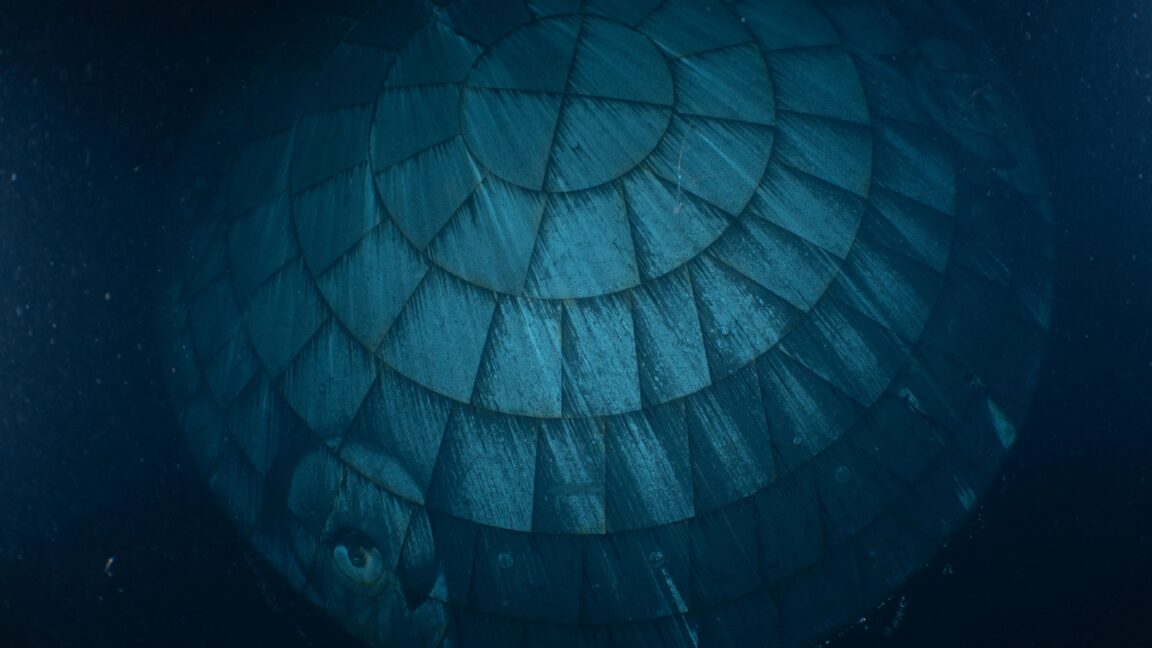
Perhaps the biggest question going into the Artemis II mission this spring was how the heat shield at the base of the spacecraft would perform during reentry through Earth's atmosphere.
The ablative heat shield, designed to char upon reentry while keeping the crew safe, had experienced unexpected losses of large chunks during a test flight in late 2022. After much deliberation, and not without controversy, NASA decided to fly the Artemis II heat shield as is but modify the spacecraft's reentry trajectory.
Obviously, the heat shield worked. The crew of Artemis II, led by commander Reid Wiseman, safely splashed down in the Pacific Ocean after a triumphant trip around the Moon. Afterward, they and other NASA officials offered general comments, saying the heat shield looked good.

© US Navy
Exclusive: anonymous flagging service says cases have surged, as watchdog says AI is making sexualised or ‘nudified’ content easier to produce
Children in the UK have reported a surge in explicit deepfake images featuring their likenesses, as a safety watchdog warned AI is making such content easier to produce.
The Report Remove service, which blocks intimate images from appearing online, said there had been a rapid increase in imagery that had been digitally manipulated or “faked” in some way, including with AI and nudification tools.
Continue reading...
© Photograph: Peter Dazeley/Getty Images

© Photograph: Peter Dazeley/Getty Images

© Photograph: Peter Dazeley/Getty Images
On Wednesday, August 12, the Moon’s shadow will sweep across a narrow stretch of the Northern Hemisphere. Greenland, Iceland, northern Russia, the Atlantic, Spain and a small corner of Portugal lie in the path of totality. Much of Europe, northwestern Africa, Canada and parts of the United States will see a partial eclipse. It is […]
The post The August 12 Total Solar Eclipse: Where to See It—and Why NASA Is Flying Through Its Shadow appeared first on Curiosmos.


After a gunman opened fire at a Twin Falls, Idaho, In-N-Out with an attached Tesla Supercharger last week, EV owners flooded social media with the same suggestion: buy an EVject.
The breakaway charging connector lets you drive off while still plugged in. It sounds like an obvious fix for a horrifying scenario — but it’s a controversial device that doesn’t actually solve the problem, and it points to something Tesla and every other automaker should be building instead.
One of the first schools to shut down after students were found making AI nudes of female classmates is now asking a court to toss a lawsuit filed by victims who claimed that the school stayed silent for months while the emboldened boys targeted many more girls.
In a motion to dismiss this week, Lancaster Country Day School (LCDS)—a private K-12 school in Pennsylvania with fewer than 600 students—argued that it was false to say the school never reported the harm to law enforcement. The tip that the school received came from the Pennsylvania Office of the Attorney General, which is itself a law enforcement agency, the filing said.
It’s also false to say the school knew that girls were being targeted, the school argued, because the tip did not mention any specific student victims.


© uniquepixel | iStock / Getty Images Plus
