❌

Reading view

Researchers Unveil Complete Fruit Fly Connectome

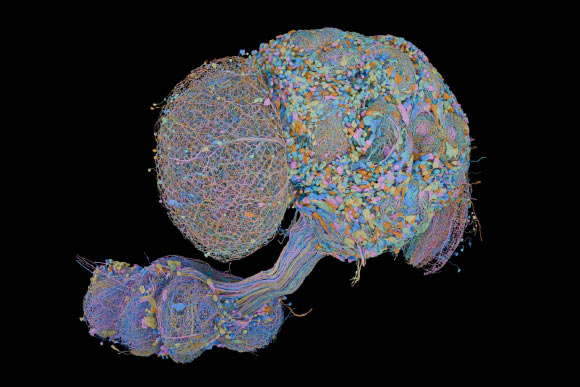
The wiring diagram of the central nervous system of an adult male fruit fly will help researchers better understand how the brain enables complex action, from sensory perception to behavior. Image credit: FlyEM Project Team, HHMI’s Janelia Research Campus / Cambridge Connectomics Group / Google Research / Philip Hubbard, HHMI Janelia Research Campus.

After nearly two decades of work, scientists have completed a wiring diagram of the central nervous system of an adult male fruit fly (Drosophila melanogaster).

The post Researchers Unveil Complete Fruit Fly Connectome appeared first on Sci.News: Breaking Science News.

  •  

Un nuovo allarme sul futuro dell’intelligenza artificiale arriva da Jacob C…

Un nuovo allarme sul futuro dell’intelligenza artificiale arriva da Jacob Coxon, ex ricercatore di Anthropic, che in un messaggio pubblicato su X ha sostenuto che i sistemi di IA potrebbero diventare presto così potenti da rappresentare un rischio per l’umanità.Secondo Coxon, le aziende tecnologiche stanno sviluppando sistemi sempre più avanzati, capaci in futuro di migliorarsi […]
  •  

Apple Unveils A20 Pro as First 2nm Smartphone Chip

Apple today revealed the A20 Pro chip in the iPhone 18 Pro and ‌iPhone 18 Pro‌ Max, built on a brand new architecture using 2nm process technology.


Apple described the A20 Pro as "an exceptional chip that sets a new bar for mobile computing." The chip has a 6-core CPU design with two new super cores that Apple says are up to 20% faster, calling them "desktop class" and "the fastest in any smartphone," alongside four new efficiency cores.

The GPU has also been redesigned with a 7-core layout that Apple says delivers up to 40% faster graphics performance and increased memory bandwidth. New neural accelerators built into the GPU offer twice the FP8 performance of the previous generation, which Apple said helps the chip run large language models locally on the device.

The A20 Pro features an additional Neural Engine, bringing the total core count to 32. The company says the redesigned Neural Engine delivers 2x the compute of its predecessor, is more efficient, and now supports 8-bit floating point math. Apple called the A20 Pro "the ultimate chip for running advanced on-device models," adding that it ships with "the widest memory interface we've ever shipped in an iPhone."

The company said effective thermal management in the ‌iPhone 18 Pro‌ is critical to unlocking the chip's maximum performance, since efficient heat dissipation determines how much of that performance can be sustained. To support this, Apple redesigned the chip's silicon packaging, describing it as "custom packaging inspired by our M-series chips" that connects the silicon and memory directly to the vapor chamber for improved thermal performance.

Apple compared sustained performance directly against previous generations, citing 40% more sustained performance in ‌iPhone 18 Pro‌'s A20 Pro compared with the A19 Pro in the iPhone 17 Pro, and twice the sustained performance compared with the A18 Pro in the iPhone 16 Pro.
Related Roundup: iPhone 18 Pro

This article, "Apple Unveils A20 Pro as First 2nm Smartphone Chip" first appeared on MacRumors.com

Discuss this article in our forums

  •  

Open-source software tracks wrist bone motion in 3D and 4D CT scans

In a development that could reshape how scientists study the mechanics of human movement, a team of biomedical engineers and computer scientists has unveiled an open-source software tool capable of tracking the tiny, intricate bones of the wrist as they glide and rotate during motion. The new tool, called Hierarchical 3D Registration, or 3DH, is a module within the SlicerAutoscoperM extension of the widely used 3DSlicer computing environment. Described in a study published in BioMedical Engineering OnLine, the software was validated against previously established methods using both sequential three-dimensional computed tomography, or 3DCT, scans of living participants performing thumb tasks and dynamic four-dimensional CT, or 4DCT, images of cadaveric wrists moving through flexion and extension. The results demonstrate that the open-source approach can match the accuracy of independent, previously published methodologies while offering researchers everywhere a free and reproducible path to quantifying skeletal kinematics.

The wrist has long been one of the most challenging joints for biomechanists to study. It contains eight small carpal bones, including the scaphoid and lunate, along with the radius of the forearm and the metacarpal bones of the hand, all articulating in a tightly packed arrangement that allows the remarkable range of motion humans rely on every day. Understanding how these bones move relative to one another, a field of study known as arthrokinematics, is essential for unraveling the causes of wrist instability, osteoarthritis, ligament injuries and the long-term outcomes of surgical repairs. Yet measuring those movements in living, moving joints has historically required either invasive techniques, labor-intensive manual analysis or proprietary software that few laboratories can access or verify.

Quantitative tracking of skeletal structures in vivo, with both efficiency and high temporal resolution, matters to a wide range of questions in biomechanical research, and the authors of the new study argue that the field has been held back by a shortage of accessible, semi-automated registration tools. Image registration, the computational process of aligning one three-dimensional image volume to another, lies at the heart of motion tracking from CT data. When a bone moves between two scans, its position and orientation change, and a registration algorithm must find the transformation that best overlays the bone’s image from one time point onto the next. Done well, this yields precise measurements of rotation and translation. Done poorly or inconsistently, it introduces errors that can swamp the small movements of carpal bones, which may shift by only a few millimeters and a few degrees during normal function.

The new 3DH module addresses this problem with a hierarchical strategy for registering bones across sequences of image volumes. The researchers presented and evaluated the software using two distinct classes of data drawn from previous studies. The first consisted of sequential 3DCT datasets of human participants performing various thumb tasks, in which the radius, the first metacarpal and the trapezium were the target bones. The second consisted of dynamic 4DCT datasets capturing simulated flexion-extension motion in cadaveric wrists, providing time-resolved, three-dimensional image volumes of the scaphoid and lunate in motion. By testing the tool on both static sequential scans and true dynamic imaging, the team was able to demonstrate that 3DH is not limited to a single imaging paradigm but can serve as a unified tracking solution across modalities.

To determine whether the new open-source tool could be trusted, the investigators compared the arthrokinematics computed with 3DH against values that had been previously calculated using independent approaches for the same 3DCT and 4DCT datasets. The statistical framework for this comparison was the Bland-Altman analysis, a standard method for assessing agreement between two measurement techniques. Rather than simply correlating the two sets of results, Bland-Altman analysis quantifies the mean bias, the systematic difference between methods, and the 95 percent limits of agreement, the range within which most individual differences between the methods are expected to fall. This approach is particularly well suited to method-comparison studies because it reveals whether a new technique introduces systematic error and how widely individual measurements might deviate from those of the established gold standard.

The performance figures reported in the study are striking. For the 3DCT data, in which the radius, first metacarpal and trapezium were tracked, the mean bias for the helical angle, a single-axis description of three-dimensional rotation, was just minus 0.06 degrees, with 95 percent limits of agreement ranging between minus 1.87 degrees and 1.74 degrees. Translation measurements fared nearly as well: the mean bias was 0.12 millimeters, with limits of agreement spanning from minus 2.23 millimeters to 2.00 millimeters. In practical terms, the open-source tool reproduced the rotational and translational measurements of the earlier methods to within roughly two degrees and two millimeters at the extremes, differences small enough to preserve the biological signal in most wrist kinematics experiments.

The dynamic 4DCT results told a similar story for the carpal bones. Tracking the scaphoid and lunate through simulated flexion-extension, 3DH produced mean biases of the Euler angle rotations, which decompose three-dimensional rotation into three orthogonal components, of less than 0.77 degrees about any direction. The widest 95 percent limits of agreement ranged between minus 7.11 degrees and 8.65 degrees. For translations, mean biases were less than 0.5 millimeters in any direction, with the widest limits of agreement ranging between minus 2.36 millimeters and 1.43 millimeters. The wider limits of agreement for rotations in the dynamic data likely reflect the added challenges of time-resolved imaging, including motion blur and the smaller, more complexly shaped carpal bones, but the near-zero mean biases indicate that the tool does not systematically drift away from established values.

Crucially, all target bones were successfully tracked in both the 3DCT and 4DCT datasets, meaning the hierarchical registration algorithm converged on correct solutions in every case tested. This robustness matters because registration algorithms can occasionally fail, locking onto incorrect alignments or diverging entirely, and such failures typically demand time-consuming manual intervention. A semi-automated tool that reliably succeeds across diverse bones, motion tasks and imaging protocols removes a significant bottleneck. Manual bone tracking in CT volume sequences can take hours per bone per trial, and the labor multiplies rapidly in studies involving multiple participants, multiple bones and dozens of motion cycles. By automating this process within a validated framework, 3DH promises to accelerate the pace at which wrist biomechanics data can be collected and analyzed.

The choice to build the module inside 3DSlicer, and specifically within the SlicerAutoscoperM extension, is a deliberate strategic decision with implications well beyond the wrist. 3DSlicer is a free, open-source platform for medical image computing and visualization with a large international user base spanning research, clinical and educational communities. By embedding 3DH in this ecosystem, the developers have made the tool immediately available to any laboratory already working with 3DSlicer, complete with the platform’s established infrastructure for loading DICOM data, segmenting anatomical structures and visualizing results. The authors note that the ability to track bones from both 3DCT and 4DCT data sources, with agreement to prior methodologies, demonstrates that the 3DH approach is a capable tool that could promote collaboration and consistency of results through open-source software.

Consistency is a quietly urgent issue in biomechanics. When different laboratories use different proprietary tools with undisclosed algorithms, it becomes difficult to distinguish true biological differences between study populations from mere methodological discrepancies. Open-source registration changes that calculus: the code can be inspected, verified, extended and reused, and results from different institutions become directly comparable because they are produced by identical algorithms. This transparency also lowers the barrier to entry for research groups in settings that cannot afford commercial licenses, potentially broadening the global community capable of conducting rigorous skeletal kinematics research.

The study itself emerged from a collaboration spanning several institutions. The team included Joseph J. Crisco, Amy M. Morton and John D. Holtgrewe of the Department of Orthopedics at The Warren Alpert Medical School of Brown University and Rhode Island Hospital; Cesar Lopez, Andrew Thoreson and Kristin D. Zhao of the Assistive and Restorative Technology Laboratory and the Department of Physical Medicine and Rehabilitation at the Mayo Clinic in Rochester, Minnesota; and Jean-Christophe Fillion-Robin and Beatriz Paniagua of Kitware Inc. in Clifton Park, New York. The involvement of Kitware, a company known for its leadership in open-source scientific computing, underscores the blend of academic rigor and software engineering expertise required to produce a research tool robust enough for widespread distribution. Funding was provided by the National Institute of Arthritis and Musculoskeletal and Skin Diseases of the National Institutes of Health under award numbers AR059185, AR078924 and AR071338.

The implications of this work extend naturally to the future of musculoskeletal imaging. As newer CT technologies, including photon-counting detector systems, deliver ever-finer spatial resolution and as dynamic 4DCT becomes more widely available, the volume of image data available for kinematic analysis will grow dramatically. Tools like 3DH, which are fast, semi-automated and validated across modalities, will be essential for converting that imaging bounty into quantitative biomechanical knowledge. For patients with wrist disorders, the downstream promise is equally tangible: better measurements of how carpal bones actually move in living joints can inform more accurate diagnoses, improved surgical planning, more realistic computational models of joint loading and ultimately better-designed treatments for conditions ranging from scapholunate instability to thumb-base arthritis. With the tool now openly available in the 3DSlicer environment, researchers around the world can begin putting it to work.

Subject of Research: Open-source kinematic tracking of the small bones of the wrist in sequential 3DCT and dynamic 4DCT images using Hierarchical 3D Registration

Article Title: Kinematic tracking of the small bones of the wrist in sequential 3DCT and dynamic 4DCT volume images using open-source Hierarchical 3D Registration, a module within SlicerAutoscoperM

Article References: Crisco, J. J., Morton, A. M., Lopez, C., Thoreson, A., Zhao, K. D., Holtgrewe, J. D., Fillion-Robin, J.-C., & Paniagua, B. (2026). Kinematic tracking of the small bones of the wrist in sequential 3DCT and dynamic 4DCT volume images using open-source Hierarchical 3D Registration, a module within SlicerAutoscoperM. BioMedical Engineering OnLine. https://doi.org/10.1186/s12938-026-01601-x

Image Credits: AI Generated

DOI: 10.1186/s12938-026-01601-x

Keywords: Computed tomography, 3DCT, 4DCT, Bone tracking, 3DH, 3DSlicer, Image registration, Wrist kinematics, Arthrokinematics, Open-source software, SlicerAutoscoperM, Bland-Altman analysis

  •  

iPhone 18 Pro e Pro Max ufficiali: nuovi colori, Siri AI e tanto altro

Apple parte a razzo durante il suo nuovo evento, annunciando iPhone 18 Pro e 18 Pro Max. Esteticamente è molto simile a quanto visto nella precedente generazione, ma spiccano soprattutto i nuovi colori: un nero molto profondo, il Burgundy sul rosso / viola / ciliegia, argento e il Glacier Blue che è un azzurro ghiaccio molto tendente al bianco. Le novità più di sostanza di cui si è parlato prima riguardano la piattaforma hardware: Apple parla soprattutto di intelligenza artificiale (naturalmente chiamata Apple Intelligence), nello specifico Siri AI, finalmente al debutto, ma anche CPU e GPU, più potenti che mai.

Il SoC è l'Apple A20 Pro, con CPU a 6 core (2 super core, fino a +20% veloci), realizzato su nodo produttivo di classe 2 nm (non è stato specificato espressamente ma è praticamente certo che si parli del nodo produttivo TSMC). La GPU è a 7 core, e può essere più veloce fino al 40%. La nuova NPU, il coprocessore AI, arriva a 32 core, con il doppio della potenza di elaborazione. Apple promette un'efficienza termica radicalmente migliore grazie a una tecnologia di packaging che connette direttamente il processore e la memoria alla vapor chamber, che tra l'altro è stata ampliata fino a 3 volte rispetto a quanto visto nella precedente generazione.

Grazie al nuovo chip Apple è riuscita a migliorare radicalmente anche l'autonomia: il colosso di Cupertino promette che l'autonomia del più compatto iPhone 18 Pro sarà superiore a quella di iPhone 17 Pro Max dell'anno scorso, con 36 ore di riproduzione locale continuativa di video, mentre il Pro Max arriverà addirittura a 45 ore. Per un uso tipico "misto", Apple dichiara rispettivamente 24 e 30 ore. Non ha specificato la capacità della batteria, ma sospettiamo che sia uguale all'anno scorso. La ricarica cablata è anche più rapida: l'iPhone può raggiungere il 50% di carica in circa 15 minuti, e 5 minuti di ricarica via cavo garantiscono 6 ore di riproduzione video.


Il TOP più piccolo e completo del mercato? Samsung Galaxy S25, compralo al miglior prezzo da Rimediashop.it a 444 euro.

CLICCA QUI PER CONTINUARE A LEGGERE

  •  

Windows 11 otimizado vai a ligar mais rápido e rodar melhor com apenas 8 GB de RAM

A Microsoft reforçou a promessa de melhorar o desempenho do Windows 11 durante a feira IFA 2026, na Alemanha. A empresa destacou que a inicialização do sistema será mais rápida com atualizações futuras e muitas mudanças vão otimizar os computadores com 8 GB de RAM, de acordo com o site PC World.

O chefe de Windows e Dispositivos na Microsoft, Mark Linton, confirmou durante a IFA que a empresa já teve avanços significativos para diminuir o tempo ao ligar o PC e deixou o Windows Hello mais responsivo para autenticar as contas. 

Aos poucos, o sistema fica mais rápido para algumas de suas tarefas básicas. A Microsoft já liberou uma função para acelerar a abertura de apps e do Menu Iniciar e testa remover as janelas repetitivas de backup ao ligar o PC.

Melhorias de olho nos 8 GB de RAM

Linton também destacou que a MS segue com o objetivo de otimizar computadores com 8 GB de RAM, algo mencionado pela empresa no começo do ano diante da crise mundial que encareceu o componente.

Windows notebook home office Teams


A Big Tech ainda não trouxe mais detalhes, mas a expectativa é de que os ajustes de velocidade tragam um ganho de performance para PCs mais simples com menos travamentos e maior velocidade para tarefas simples. 

Quer deixar o computador com visual transparente similar ao da Apple? Confira como aplicar o efeito Liquid Glass no Windows.


{{WHATSAPP_CHANNEL}}

  •  

Preço derreteu: Monitor Samsung Odyssey G40 240Hz por menos de R$ 1000!

Se você está cansado de perder partidas porque a imagem da sua tela engasga nos momentos cruciais, essa oferta foi feita para você. O Mercado Livre derrubou o preço do Monitor Gamer Samsung Odyssey G40 de 27", e essa é a sua oportunidade de resolver a lentidão gráfica de uma vez por todas.

Com uma promoção agressiva, o valor caiu de indigestos R$ 1.819,00 para apenas R$ 972,25 no Pix com cupom. É uma janela de compra curtíssima para garantir uma enorme vantagem competitiva pagando muito pouco.

🛒 Compre o Monitor Samsung Odyssey G40 27" por R$ 972 no Mercado Livre

Como é o Monitor Gamer Samsung Odyssey G40

Esqueça os rastros na tela e a imagem borrada durante a ação. A grande força deste equipamento está na taxa de atualização ultrarrápida de 240 Hz combinada ao tempo de resposta de 1ms. Na prática, isso significa que você vai reagir muito mais rápido que seus adversários em jogos de tiro ou corrida, enxergando cada movimento com uma clareza impressionante e livre de atrasos.

Monitor Gamer Samsung Odyssey G40 27

Além da velocidade extrema, o modelo entrega uma qualidade de imagem excelente em Full HD, preenchendo muito bem o painel espaçoso de 27 polegadas. As cores são vivas e o nível de contraste ajuda você a localizar adversários escondidos pelo mapa. O design moderno também inclui ajuste de altura, garantindo que você jogue ou trabalhe por horas a fio mantendo a postura correta e evitando as temidas dores no pescoço.

Para quem busca desempenho liso, o suporte às tecnologias G-Sync e FreeSync elimina aquelas quebras de quadro irritantes. Sendo bem transparente, vale notar que a troca de sinal entre dispositivos nas portas HDMI precisa ser feita manualmente, e suportes de braço mecânico de terceiros podem exigir adaptações. Detalhes pequenos se colocados lado a lado com a performance bruta e a fluidez que a tela entrega no dia a dia.

Vale a pena comprar o Monitor Gamer Samsung Odyssey G40?

Sim, a compra é uma decisão inteligente para quem precisa de um equipamento rápido e focado em desempenho. Os próprios compradores destacam o excelente custo-benefício e a experiência visual impecável que os 240 Hz proporcionam, mudando completamente a forma como você joga.

Levar uma tela com essa ficha técnica e de uma marca consolidada por menos de mil reais é algo muito raro. A oferta no Mercado Livre simplesmente esmaga o valor original e transforma esse monitor na escolha perfeita para atualizar o seu setup hoje mesmo. Não deixe para depois, pois o estoque promocional a esse preço pode acabar a qualquer segundo.

🛒 Garanta seu Monitor Samsung Odyssey G40 com desconto antes que acabe

{{WHATSAPP_CHANNEL}}

  •  

Air pollution and lack of green space linked to substance use disorders

Long-term exposure to common air pollutants may significantly raise the risk of developing substance use disorders, while living surrounded by greenery appears to offer a measure of protection, according to a large new population-based study drawing on nearly a quarter of a million participants from the UK Biobank.

The research, published in BMC Psychiatry, analyzed data from 247,138 UK Biobank participants who were free of substance use disorders at baseline, tracking them over a median follow-up period of 10.9 years. During that time, 4,982 participants went on to develop a substance use disorder, providing the researchers with a robust dataset to examine the relationship between environmental exposures and mental health outcomes.

The study, led by Huan Liu and Bolun Cheng of Xi’an Jiaotong University in China, along with colleagues including Feng Zhang, represents one of the most comprehensive investigations to date into how the air people breathe and the greenness of their neighborhoods may influence vulnerability to addiction. The findings arrive at a moment when urban planners and public health officials are increasingly recognizing that the built and natural environments shape health in ways that extend well beyond respiratory and cardiovascular disease.

To assess air pollution exposure, the team employed Land Use Regression modeling to estimate concentrations of five pollutants at each participant’s residential address: fine particulate matter known as PM2.5, coarse particulate matter classified as PM2.5−10, the larger particulate fraction PM10, nitrogen dioxide (NO2), and nitrogen oxides (NOX). These pollutants, produced primarily by traffic, industry, and combustion sources, have long been associated with a range of physical health problems, but their role in psychiatric and behavioral conditions has remained far less certain.

For residential greenness, the researchers turned to the 2005–2007 Land Cover Map, measuring three distinct aspects of the environment within a 300-meter buffer around each home: the proportion of green space, the presence of a domestic garden, and the extent of natural environment. This tripartite approach allowed the investigators to distinguish between different types of vegetation and their potentially different effects on health.

Using Cox proportional hazards models, the team calculated hazard ratios with 95 percent confidence intervals to quantify the association between each exposure and the risk of developing a substance use disorder. The results were striking in their consistency. All five air pollutants were positively associated with incident SUD in fully adjusted models that controlled for a wide range of potential confounders.

Fine particulate matter, or PM2.5, showed the strongest effect, with a hazard ratio of 1.111 (95 percent CI: 1.081–1.142), followed by PM10 with a hazard ratio of 1.070 (95 percent CI: 1.054–1.086). These figures indicate that higher exposure to particulate pollution was associated with a measurable increase in the likelihood of developing a substance use disorder over the follow-up period, even after accounting for demographic, socioeconomic, and behavioral factors.

On the protective side of the ledger, two of the three greenness measures emerged as significant. Green space was inversely associated with SUD risk, showing a hazard ratio of 0.997 (95 percent CI: 0.996–0.998), and the natural environment measure produced an identical finding, with a hazard ratio of 0.997 (95 percent CI: 0.995–0.998). While these effect sizes appear modest on a per-unit basis, they represent population-level signals across a very large cohort, suggesting that even incremental increases in neighborhood greenness may contribute to reduced vulnerability.

Perhaps the most intriguing finding of the study concerns the interaction between pollution and greenery. The researchers tested whether residential greenness modified the association between air pollutants and SUD risk by introducing cross-product terms into their models and evaluating them with likelihood-ratio tests. The results pointed to a buffering role for domestic gardens specifically. Among participants in the high-exposure subgroup, the presence of a domestic garden attenuated the positive associations between pollutants and SUD, with cross-product terms of 0.979 (95 percent CI: 0.963–0.996) for PM2.5 and 0.987 (95 percent CI: 0.980–0.995) for PM10.

In practical terms, this suggests that having access to a private garden may partially offset some of the harm associated with living in areas of elevated particulate pollution, offering a form of environmental resilience that public health advocates have long hypothesized but rarely demonstrated with prospective cohort data.

The associations were not uniform across the population. The positive relationships between air pollution and substance use disorder risk were most pronounced among males, participants aged 65 and older, and individuals with a history of smoking. These findings highlight the importance of considering demographic and behavioral modifiers when assessing the health consequences of environmental exposures, and they suggest that certain subgroups may benefit disproportionately from interventions aimed at reducing pollution or increasing green cover.

To ensure the robustness of their findings, the team conducted a series of sensitivity analyses. These included restricting the sample to long-term residents to minimize exposure misclassification from relocation, using alternative outcome definitions based on ICD-10 codes F10-F19 and F11-F19 to capture different ranges of substance-related diagnoses, and recomputing greenness measures at a wider 1000-meter buffer around each residence. The core conclusions held across these variations, strengthening confidence in the results.

The study was performed in accordance with the ethical principles of the Declaration of Helsinki and was registered with the UK Biobank under application number 46478. Ethical approval for the UK Biobank was granted by the North West Multi-centre Research Ethics Committee under approval reference 11/NW/0382. All participants provided written informed consent before any study-related procedures were initiated.

The work was supported by the China Postdoctoral Science Foundation, the Natural Science Basic Research Plan in Shaanxi Province of China, and the Fundamental Research Funds for the Central Universities. Corresponding authors are Bolun Cheng and Feng Zhang, both affiliated with Xi’an Jiaotong University, with Zhang also holding a position in the Department of Psychiatry at the First Affiliated Hospital of Xi’an Jiaotong University.

The findings come amid growing scientific interest in the neurological and psychiatric consequences of air pollution. Particulate matter, particularly PM2.5, is small enough to cross the blood-brain barrier and has been implicated in neuroinflammation, oxidative stress, and alterations in brain structure and function. These biological mechanisms could plausibly influence reward processing, impulse control, and stress reactivity, all of which are central to the development and perpetuation of substance use disorders.

Conversely, greenness has been associated with stress reduction, improved mental well-being, greater opportunities for physical activity and social interaction, and lower levels of psychological distress, each of which may buffer against the onset of addictive behaviors. The current study adds a significant piece of evidence to this emerging picture by demonstrating the relationship prospectively in one of the world’s largest and most deeply phenotyped biobanks.

The authors conclude that long-term exposure to ambient air pollutants was associated with a higher risk of incident substance use disorders and that residential greenness showed protective associations, with the most pronounced patterns observed among older males and individuals with a smoking history. They argue that the findings support integrating greenness exposure into environmental frameworks for the prevention of substance use disorders, a recommendation that carries implications for urban design, housing policy, and environmental regulation.

As cities around the world continue to grapple with the twin challenges of air quality and mental health, studies of this scale provide an evidence base for interventions that address both simultaneously. The prospect that something as tangible as a garden could offer measurable protection against the psychiatric consequences of polluted air adds a compelling dimension to ongoing debates about how the environments we build shape the minds that inhabit them.

The article is published open access under a Creative Commons Attribution 4.0 International License, permitting broad sharing and adaptation with appropriate credit to the original authors and source. It was received on 08 December 2025, accepted on 28 August 2026, and published on 09 September 2026.

Subject of Research: The association between long-term exposure to ambient air pollutants (PM2.5, PM2.5−10, PM10, NO2, NOX), residential greenness, and the risk of incident substance use disorders in a prospective UK Biobank cohort.

Article Title: Various ambient air pollutants, residential greenness, and risk of substance use disorders: a population-based cohort study

Article References: Liu, H., Cheng, B., Wei, W., Qin, L., & Zhang, F. (2026). Various ambient air pollutants, residential greenness, and risk of substance use disorders: a population-based cohort study. BMC Psychiatry. https://doi.org/10.1186/s12888-026-08588-8

Image Credits: AI Generated

DOI: 10.1186/s12888-026-08588-8

Keywords: air pollution, residential greenness, substance use disorders, PM2.5, PM10, nitrogen dioxide, UK Biobank, prospective cohort, environmental health, domestic garden, mental health

  •  

Apple Announces iPhone 18 Pro and iPhone 18 Pro Max

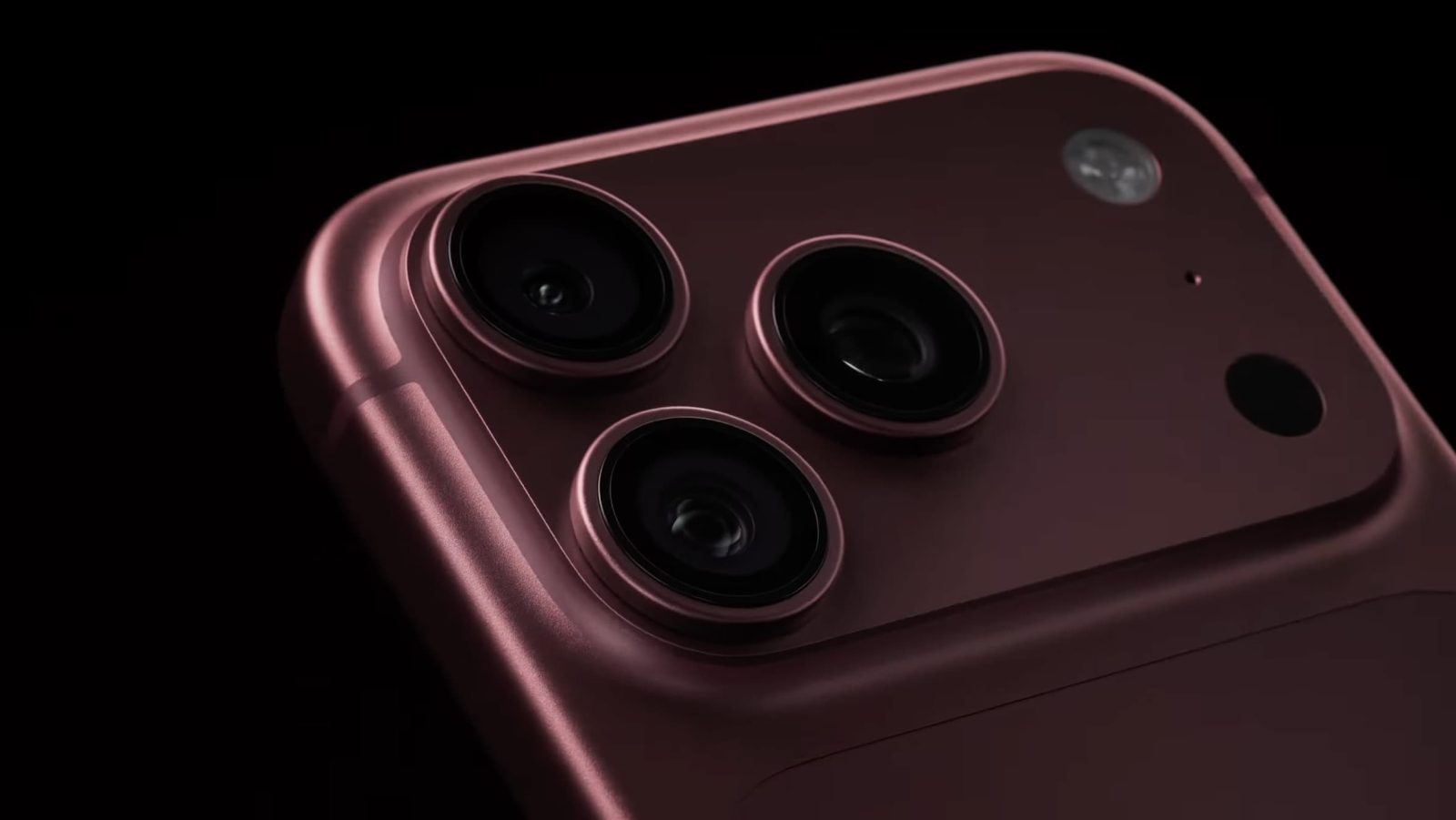
Apple today unveiled the iPhone 18 Pro and iPhone 18 Pro Max, which look very similar to the iPhone 17 Pro models but have several upgrades.


The devices are equipped with the A20 Pro chip and feature longer battery life compared to the previous-generation models. Apple says the iPhone 18 Pro matches the battery life of the iPhone 17 Pro Max, while the iPhone 18 Pro Max has the biggest generational leap in battery life ever with up to 30 hours of usage per full charge.

A20 Pro has a 6-core GPU, a 7-core GPU, and a 32-core Neural Engine. Apple says sustained performance is up to 40% faster compared to the A19 Pro chip.

The vapor chamber cooling system is three times as large in the iPhone 18 Pro models as it is in the iPhone 17 Pro models for improved thermal management.

The main 48-megapixel Fusion camera on both the iPhone 18 Pro and iPhone 18 Pro Max has variable aperture, allowing for greater control of depth of field. In a darker environment, for example, the lens opens wider to let in more light.

Color options include Black, Silver, Glacier, and Burgundy, and the rear aluminum and Ceramic Shield glass area are now more color matched.
Related Roundup: iPhone 18 Pro

This article, "Apple Announces iPhone 18 Pro and iPhone 18 Pro Max" first appeared on MacRumors.com

Discuss this article in our forums

  •  

Al largo della costa della California, le Channel Islands stanno offrendo a…

Al largo della costa della California, le Channel Islands stanno offrendo agli archeologi importanti testimonianze sul passato del Nord America. Tra le scoperte più significative ci sono i resti dell’Uomo di Arlington Springs, risalenti a circa 13.000 anni fa e considerati tra le più antiche testimonianze di un adulto presenti nel continente.I resti furono scoperti […]
  •  

Honor's Magic 9 Pro Max debuts at Venice Film Festival: ARRI partnership will continue

What you need to know

  • Honor was featured at the 83rd Venice International Film Festival, and it brought the Robot Phone with it to highlight its cinematic capabilities with ARRI.
  • What truly captivated users was another appearance: the Magic 9 Pro Max in moss green, which consumers saw for the first time.
  • Honor announced that it will continue its huge ARRI partnership with the Magic 9 Pro Max, bringing many features you'd find on the Robot Phone.
  • The Magic 9 Pro Max will debut in China on September 28.

Honor paraded at the 83rd Venice International Film Festival with its cinematic devices. However, the Robot Phone's presence at the festival wasn't the only big thing Honor had in store.

Earlier this morning (Sept 9), Honor revealed that it brought the Robot Phone's cinematic videography capabilities to the 83rd Venice International Film Festival. The company recognizes the attention the phone has received for its "innovative mechanical gimbal design and professional-grade cinematic imaging capabilities." The Robot Phone was crafted in collaboration with ARRI for professional camera-grade features.

While this has captivated consumers, Honor says it plans to extend its partnership with ARRI for its next flagships.

At the festival, Honor revealed its upcoming Magic 9 Pro Max in moss green—the first time consumers have witnessed it. Another exciting tidbit is that the phone features ARRI's logo on the back by its cameras. Honor states the device even features "the lens layout follows the design language of one of the most iconic ARRI cinema cameras." Creators will find ARRI's LogC3 to help preserve highlights and shadows for post-production. Additionally, ARRI Wide Gamut 3 delivers a broader, more distinct color space, with ARRI Looks handling controlled cinematic color styles.

The Honor Magic 9 Pro Max will debut on September 28 in China.

Honor and ARRI continue

The Honor Magic 9 Pro Max in moss green, shown off for the first time at the 83rd Venice International Film Festival.

(Image credit: Honor)
Android Central's Take

I'm a big fan of photography and, more recently, recording better videos. Bringing that sort of "professional-grade" software and tech into a phone is huge. To have the ability right in your pocket makes it easier for people who care about that kind of thing. For creators, I'm sure it's a major win. They can streamline their devices and purchases a little more—if they prefer, of course. I still love photography on a traditional, more powerful camera, but a phone is up there.

Cinematic styles and vibes played a key role in Honor's Robot Phone debut in August. The phone features an automatic gimbal that is just as curious as a little robot. Honor states it combined its technology with ARRI Image Science and professional cinema workflows. The Robot Phone is equipped with two 200MP lenses. The gimbal hosts one of these 200MP cameras with an f/1.6 aperture on a 1/1.28-inch sensor. The periscope telephoto lens arrives at 200MP with 2.7x optical zoom.

Several features such as ARRI LogC3, ARRI Wide Gamut 3, and ARRI Looks with its in-house H1 Image Chip help solidify Honor's "cinematography" position with the Robot Phone. AI is woven in to help reduce strenuous noises and to optimize your video's high dynamic range.

The Honor Magic 9 Pro Max launch is a few weeks away. It'll be interesting to see if Honor takes any of these features up a notch for the traditional slab phone form factor.

  •  

AI predicts prolonged air leak after lung surgery in elderly patients

When surgeons remove a portion of a cancerous lung, one of the most frustrating complications they can face is air. A persistent leak from the lung’s cut surface or staple lines — known as prolonged air leak — keeps chest tubes in place far longer than anyone would like, extends hospital stays, inflates costs, and elevates the risk of infection and other downstream problems. Now, a research team in China has developed a machine learning tool that predicts, with striking accuracy, which older lung cancer patients are most likely to develop this complication before it ever occurs. The study, published in BMC Cancer, combines cardiopulmonary exercise testing data with an interpretable artificial intelligence model and could reshape how thoracic surgical teams prepare for and manage one of the most common postoperative challenges in lung surgery.

The research was led by Zixiao Wang, Jiabao Ding, Huagang Liang and colleagues at the First Hospital of Qinhuangdao, in collaboration with Kai Wang of Tianjin Chest Hospital. It addressed a well-recognized gap in thoracic surgical practice. While prolonged air leak — typically defined as air leaking from the chest drainage system for more than five days after surgery — is among the most frequent complications following video-assisted thoracoscopic anatomical lung resection, the prediction models available to clinicians have historically lacked rigorous external validation and, critically, interpretability. Surgeons have been asked to trust risk scores without understanding where those risks come from, a barrier that has limited clinical uptake of computational tools in the operating room planning process.

To build their model, the investigators enrolled patients aged 60 and older with lung cancer who underwent thoracoscopic anatomical lung resection — either lobectomy, the removal of an entire lung lobe, or segmentectomy, the removal of a smaller anatomical segment. The study was designed as a dual-centre cohort investigation with both retrospective and prospective components. A total of 471 patients treated at Qinhuangdao First Hospital between January 2024 and June 2025 formed the model development cohort. A separate group of 140 patients from Tianjin Chest Hospital, enrolled prospectively between June and August 2025, provided the external validation set — a crucial test of whether the model generalized beyond the institution where it was built.

The methodology followed the emerging best-practice playbook for clinical machine learning. After preliminary data processing, the development cohort was randomly split into a training set containing 70 percent of patients and an internal validation set holding the remaining 30 percent. Because prolonged air leak affects only a minority of surgical patients, the training data were inherently imbalanced, with far more non-leak cases than leak cases — a condition that can fool machine learning algorithms into simply predicting that no one is at risk. The researchers countered this with SMOTE, the Synthetic Minority Over-sampling Technique, which generates synthetic examples of the underrepresented class to rebalance the dataset and force the algorithms to learn the genuine signature of risk.

Feature selection was performed using LASSO regression — least absolute shrinkage and selection operator — a statistical technique that penalizes model complexity and drives the coefficients of irrelevant variables to zero, effectively filtering a large panel of candidate variables down to the most predictive few. From this process, four predictors of prolonged air leak emerged: a history of emphysema, the smoking index, a previous history of thoracic surgery or chest trauma, and the ventilatory equivalent for carbon dioxide, abbreviated VE/VCO₂. This last variable is drawn directly from cardiopulmonary exercise testing, a stress test performed on a bicycle or treadmill that measures how the heart, lungs, and circulatory system respond together to increasing exertion. VE/VCO₂ reflects the efficiency of ventilation during exercise — how much air a patient must move to eliminate a given amount of carbon dioxide — and elevated values signal impaired pulmonary gas exchange and often underlying parenchymal lung disease.

With the four features in hand, the team constructed six competing machine learning models: logistic regression, support vector machine, decision tree, extreme gradient boosting, and artificial neural networks, among others. Each was evaluated using a battery of metrics including the area under the receiver operating characteristic curve, or AUC, the F1 score, and the Brier score, which measures the accuracy of probabilistic predictions. The winner was XGBoost, an ensemble method that builds a sequence of decision trees, with each new tree trained to correct the residual errors of its predecessors. In internal validation, XGBoost achieved an AUC of 0.903 (95 percent confidence interval, 0.834 to 0.960) — well within the range conventionally considered excellent discrimination — along with the highest F1 score of 0.717 and the lowest Brier score of 0.092 among all six candidates.

The external validation was arguably the study’s most important test. A model can memorize the quirks of its home institution’s patient population, equipment, and surgical practices, only to falter elsewhere. Yet when applied to the 140 previously unseen patients from Tianjin Chest Hospital, the XGBoost model maintained an AUC of 0.800 (95 percent confidence interval, 0.656 to 0.913), with a sensitivity of 0.700, a specificity of 0.833, and a Brier score of 0.133. In practical terms, the model correctly flagged seven out of ten patients who went on to develop prolonged air leak while correctly reassuring more than eight out of ten of those who did not — performance that, if replicated in routine practice, would give surgeons a meaningful window to intervene preemptively.

Interpretability was treated not as an afterthought but as a core design requirement. The researchers applied SHAP — Shapley Additive Explanations — a technique borrowed from cooperative game theory that assigns each feature a contribution value for every individual prediction. Rather than presenting clinicians with an opaque probability, SHAP reveals how much each of the four variables pushed a given patient’s risk up or down, and in which direction. Through this analysis, VE/VCO₂ emerged as the single most influential feature, followed by the other three predictors ranked by correlation. The finding is physiologically plausible: patients whose lungs ventilate inefficiently under the stress of exercise are precisely those whose lung tissue is most fragile and least likely to seal spontaneously after surgical manipulation. A history of emphysema, a heavy smoking history, and prior chest surgery or trauma each independently compound this tissue vulnerability.

The clinical utility of the work extends beyond prediction to prevention. Armed with a preoperative risk estimate, surgical teams can tailor their approach for high-risk patients. Options include more meticulous staple-line reinforcement, the use of sealants or pledgeted sutures on fragile lung tissue, choosing segmentectomy over lobectomy where oncologically appropriate, planning for ambulatory drainage systems on discharge, or scheduling earlier follow-up to catch and manage leaks before they become complicated. To lower the barrier to bedside use, the team built a web-based risk calculator that allows clinicians to enter a patient’s four variables and receive an individualized probability of prolonged air leak — no programming expertise required.

The significance of incorporating cardiopulmonary exercise testing into a surgical prediction model deserves particular emphasis. Traditional preoperative pulmonary assessment in lung cancer surgery has relied on static spirometric measures such as forced expiratory volume in one second, or FEV1, and the diffusing capacity for carbon monoxide, DLCO. These tests measure lung function at rest and provide only a partial picture of cardiopulmonary reserve. CPET, by contrast, captures the integrated response of multiple organ systems under physiological stress, and the VE/VCO₂ slope in particular has gained recognition as a sensitive marker of ventilatory inefficiency in chronic obstructive pulmonary disease and heart failure. The present study suggests that this dynamic measure carries prognostic information for surgical outcomes that static tests do not fully capture — a finding with implications well beyond air leak prediction.

Several caveats frame the work appropriately. The study population was limited to Chinese patients aged 60 and above undergoing video-assisted thoracoscopic resection, and generalization to younger patients, other surgical techniques such as robotic-assisted resection, or different health care systems remains to be demonstrated. The external validation cohort, while methodologically essential, comprised 140 patients, and wider multicenter prospective trials would strengthen confidence in the model’s performance. The published article is an accepted, peer-reviewed author manuscript shared early ahead of the final version of record. The study was funded by the Beijing Kechuang Medical Development Foundation, with the funder playing no role in study design, analysis, or manuscript preparation, and the authors declare no competing interests.

Even so, the study stands as a compelling example of where predictive medicine is heading. By pairing a rigorous dual-centre validation strategy with explainable artificial intelligence and a physiologically grounded predictor, the researchers have moved machine learning in thoracic surgery closer to genuine clinical utility rather than proof-of-concept novelty. For the growing population of older patients facing lung cancer surgery, a simple preoperative test and a few clicks in a web calculator may soon determine who needs extra surgical vigilance — and spare many of them the days of tethered chest drainage that have long been an accepted, if unwelcome, part of recovery.

Subject of Research: Machine learning-based prediction of prolonged air leak after video-assisted thoracoscopic anatomical lung resection in older lung cancer patients using cardiopulmonary exercise testing

Article Title: Machine learning-based prediction of prolonged air leak after video-assisted thoracoscopic anatomical lung resection in older patients using cardiopulmonary exercise testing: a dual-centre development and validation study

Article References: Wang, Z., Wang, K., Zhu, N., liu, H., Li, J., Liang, H., & Ding, J. (2026). Machine learning-based prediction of prolonged air leak after video-assisted thoracoscopic anatomical lung resection in older patients using cardiopulmonary exercise testing: a dual-centre development and validation study. BMC Cancer. https://doi.org/10.1186/s12885-026-16933-z

Image Credits: AI Generated

DOI: 10.1186/s12885-026-16933-z

Keywords: Machine learning, Prolonged air leak, Cardiopulmonary exercise testing, XGBoost, Lung cancer surgery, Video-assisted thoracoscopic surgery, Prediction models, VE/VCO₂, SHAP interpretability, Thoracic surgery, Predictive medicine, COPD

  •  

Microsoft has new AI privacy rules for schools

Photo illustration of pixels coming out of a locker.

Microsoft agreed to a set of safety and privacy principles for AI in schools a week after two major school systems announced a ban on student-facing AI.

In a new agreement with the American Federation of Teachers (AFT), the second-largest teachers union in the US, and its New York City affiliate the United Federation of Teachers (UFT), Microsoft committed to ten principles that can be contractually enforced by school districts that adopt them. The terms include pledging not to train AI models on student or educator data, limiting the amount of data Microsoft collects in the first place and disclosing to families how its tools work in plain …

Read the full story at The Verge.

  •  

Top NFL Receiver Insists There’s “Another Civilization” Living Deep Under Antarctica

After an ego-bruising stint with the New York Jets, it seems like seasoned quarterback and chief NFL conspiracy crank Aaron Rodgers is finally in good company with the Pittsburgh Steelers.

In a recent interview with the Athletic, the team’s veteran wide receiver DK Metcalf admitted that he’s a “big conspiracy theorist.”

“Shout out to my quarterback,” the two-time pro bowler said, referring to Rodgers, whose infamous conspiracy takes range from 9/11 skepticism to belief in a hollow Earth. That latter idea — known in conspiratorial Facebook groups as the “Inner Earth theory” — evidently has a supporter not only in Rodgers, but also in his receiver.

“I think there is another civilization inside of Earth,” Metcalf told the Athletic. “I think it’s another world.”

Following the basic outline of the Inner Earth theory, Metcalf outlined his concept of a civilization thriving deep beneath the crust, which can only be accessed via passageways in Antarctica.

“You can go to Alaska. You could go to the North Pole,” the wide receiver continued. “But why not Antarctica? Why can’t you just book a trip to Antarctica? Why is there a secret meeting — well, it’s not secret, but why is there a meeting between every world leader of every country in Antarctica, specifically?”

While it shouldn’t take an expert to tell you that this scenario is impossible, the Athletic asked one anyway. As Brent Christner, a rabid Steelers fan and associate professor of microbiology at the University of Florida told the publication, one can easily book a trip to Antarctica (in fact, Antarctic tourism is growing faster than environmental monitors can realistically keep up with, resulting in a notable rise in pollution on the white continent.)

As for any sort of UN-style meeting-of-the-minds at McMurdo Station, Christner says forget it.

“There are definitely some distinguished visitors that come down to Antarctica,” the researcher told the Athletic. “When they would come down, they would get the royal treatment and get thrown in helicopters and shown all the excellent sites. But there’s not like a G7 that occurs down there.”

More on conspiracy theories: Conspiracy Theorists Are Creating Special AIs to Agree With Their Bizarre Delusions

The post Top NFL Receiver Insists There’s “Another Civilization” Living Deep Under Antarctica appeared first on Futurism.

  •  
❌