❌

Reading view

Apple announces the iPhone 18 Pro and 18 Pro Max

Apple announced the iPhone 18 Pro and iPhone 18 Pro Max at its event on Wednesday. The 18 Pro and Pro Max come in deep black, silver, "glacier," and burgundy, with color-matched back glass. They also have a new A20 Pro chip and purportedly the longest battery in an iPhone.

During Wednesday's presentation, Apple highlighted how the new phones are well-equipped to work with Apple Intelligence and Siri AI, including Siri AI's more expressive voices.

The A20 Pro has a "brand new architecture" built on 2nm technology, like the M6 chips. It has a 6 core CPU with 2 "desktop-class" super cores and 4 efficiency cores. It also has a "significantly a …

Read the full story at The Verge.

  •  

Microsoft has new AI privacy rules for schools

Photo illustration of pixels coming out of a locker.

Microsoft agreed to a set of safety and privacy principles for AI in schools a week after two major school systems announced a ban on student-facing AI.

In a new agreement with the American Federation of Teachers (AFT), the second-largest teachers union in the US, and its New York City affiliate the United Federation of Teachers (UFT), Microsoft committed to ten principles that can be contractually enforced by school districts that adopt them. The terms include pledging not to train AI models on student or educator data, limiting the amount of data Microsoft collects in the first place and disclosing to families how its tools work in plain …

Read the full story at The Verge.

  •  

Apple’s John Ternus era begins: ‘It is great to be here’

Apple's latest product event began with something the company hasn't seen in more than a decade: a new CEO at the helm. And he got a standing ovation.

"First of all, thank you, it is great to be here," John Ternus said as he opened Wednesday's event excited about Apple's future in what is his first product launch since succeeding Tim Cook as chief executive. "I think you're gonna like what you're gonna see," he said.

The remarks offer an early glimpse at how Ternus plans to present himself as he settles into a role long defined by his predecessor and steers one of the world's most closely watched companies.

Ternus is a seasoned product ex …

Read the full story at The Verge.

  •  

Some of Dyson’s $500 toothbrushes are breaking

The CameraJet is an AI-powered toothbrush with a camera that detects gaps between your teeth and shoots mouthwash into them. | Photo by Jennifer Pattison Tuohy / The Verge

Early users of Dyson's CameraJet are reporting that water is getting into the battery compartment of the newly launched $499.99 electric toothbrush. One user posted on the r/Dyson subreddit that their model "broke within 30 seconds."

The problem appears to stem from the device getting wet, which is a big issue for a toothbrush. In a post earlier this week, a Reddit user in the UK wrote that his unit appeared faulty and then discovered water in the battery compartment. Several responses to both posts indicate the issue is affecting multiple units.

"… a small number of early batches of Dyson CameraJet products may have experienced a componen …

Read the full story at The Verge.

  •  

Xbox is bringing back startup animations from its console history

Vector collage of the Xbox logo.

Microsoft is starting to test some new Xbox console features with Insiders. Testers will be able to try out custom Xbox boot animations from the past, more personalization options for badges, a new local search feature, improved Remote Play quality, the ability to download while you play on cloud, and clearer voice chat.

Xbox testers will be able to pick between the original Xbox One boot screen, the Xbox One X startup animation, the original Xbox Series X / S boot, and the new "we are Xbox" boot animation. Unfortunately you won't be able to select the original Xbox or Xbox 360 boot animations, it's only Xbox One onwards.

The new local sea …

Read the full story at The Verge.

  •  

All the news from Apple’s ‘Surprise and shine’ event

Glowing prismatic version of the Apple logo, from a screenshot from an upcoming Apple event.

Apple’s hosting its “Surprise and shine” launch event on September 9th at 1PM ET / 10AM PT, where it’s expected to announce the first phones in its iPhone 18 lineup — including Apple’s first foldable, the rumored “iPhone Duo.”

This event will also be John Ternus’ first as Apple’s CEO after taking over for Tim Cook on September 1st. Ternus was previously Apple’s head of hardware engineering, and he spotlighted upcoming hardware launches in his first staff memo as CEO. All eyes will be on Ternus for a big first announcement to kick off the new leadership era at Apple.

Aside from new iPhones, the September 9th event could also include new Apple Watches and AirPods, and we’re keeping our eyes peeled for other possible surprises, like an updated Apple TV or new smart home hardware. 

Follow along here for all the latest news and updates.

  •  

iPhone 18 live blog: On the ground at Apple’s biggest event

John Ternus, now Apple’s CEO, at WWDC in 2019 as the company’s VP of hardware engineering. | Photo by Brittany Hosea-Small / AFP via Getty Images

It's not just time for any old Apple event, but one that's expected to usher in a new era for the company. This is the first iPhone keynote to be led by Apple's newly anointed CEO John Ternus, and all signs and rumors have been pointing to it being the one that also debuts a foldable iPhone. Ternus has already billed this as "a huge launch . . . that's going to be phenomenal." What bigger and flashier way to step into the limelight than with a new halo product of an iPhone?

We're also likely to hear about OS updates, Apple Watches, and possibly some AirPods. But this might be an unconventional event in more ways than one. It's also possible …

Read the full story at The Verge.

  •  

Google search embraces live NFL football

Go, go escargots! | Image: Google

Google is introducing a new Live Game Feed to keep you updated on NFL games as the regular season kicks off tonight. Look for the red "Live" icon and you'll see a recap of the ongoing game, play-by-play updates, top commentary on social, video highlights, and "AI-powered insights." It's available now on mobile in English, with support for college games and more languages coming later this month.

Search on mobile is also getting a new carousel that lets you flip through scores for other games currently in progress. Stats are improving too, now showing which players lead in categories like passing touchdowns and rushing yards, as well as impr …

Read the full story at The Verge.

  •  

Garmin Drive GPS gets ultra-wide redesign — with EV routing, live traffic and voice controls for your older car

  • Garmin has redesigned its Drive sat-nav with a new display
  • EV drivers are now catered for
  • Optional Truck and Camper Pack adds specialist routing

Despite the seemingly unending rise in the use of Android Auto and Apple CarPlay, as well as smartphone apps like Waze and Here WeGo for navigation, Garmin has seen fit to completely redesigned its Drive automotive GPS unit. It's just given the traditional dashboard navigation device a much-needed modern makeover with an ultra-wide display, more connected features and dedicated tools for EV drivers.

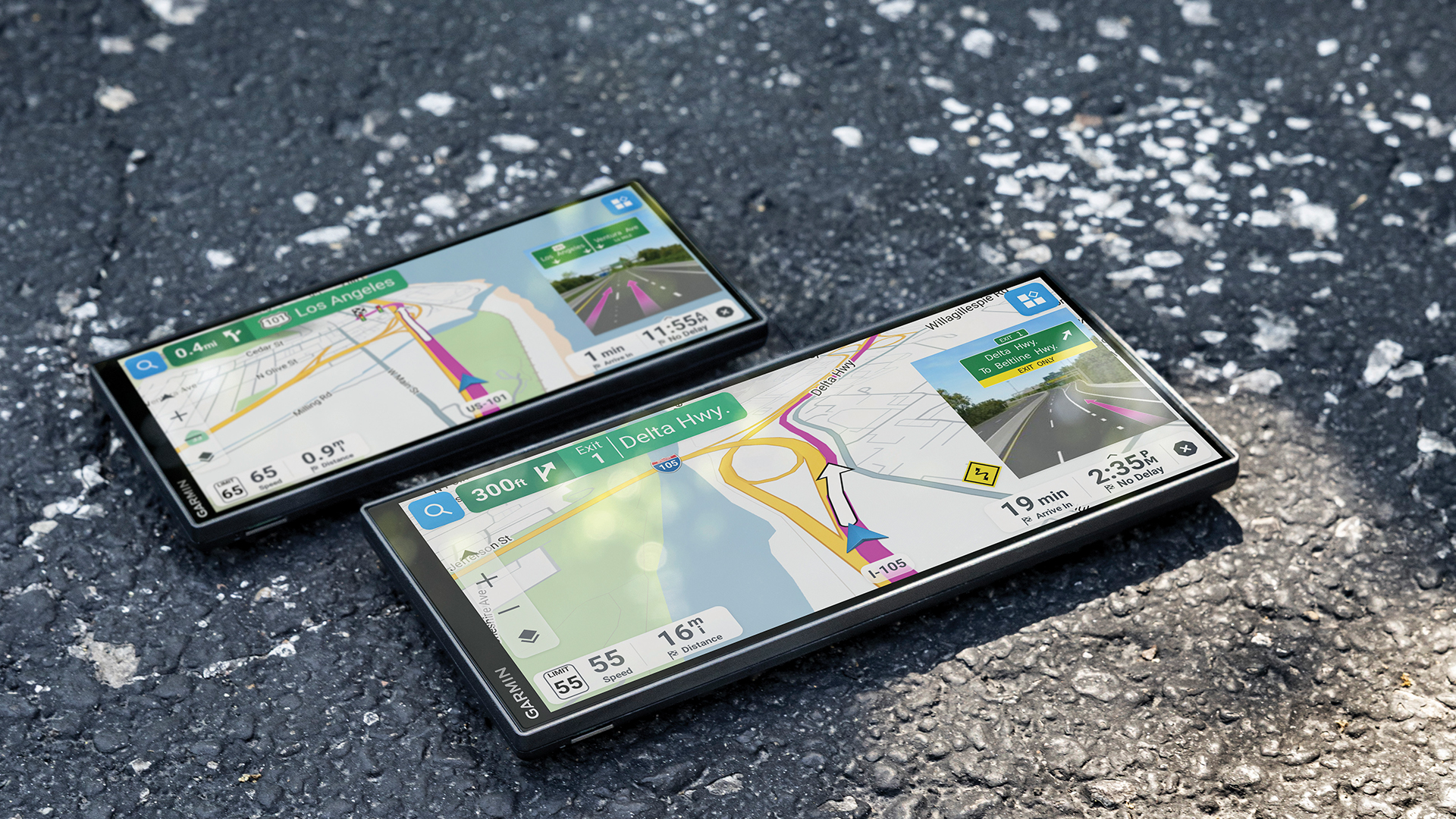
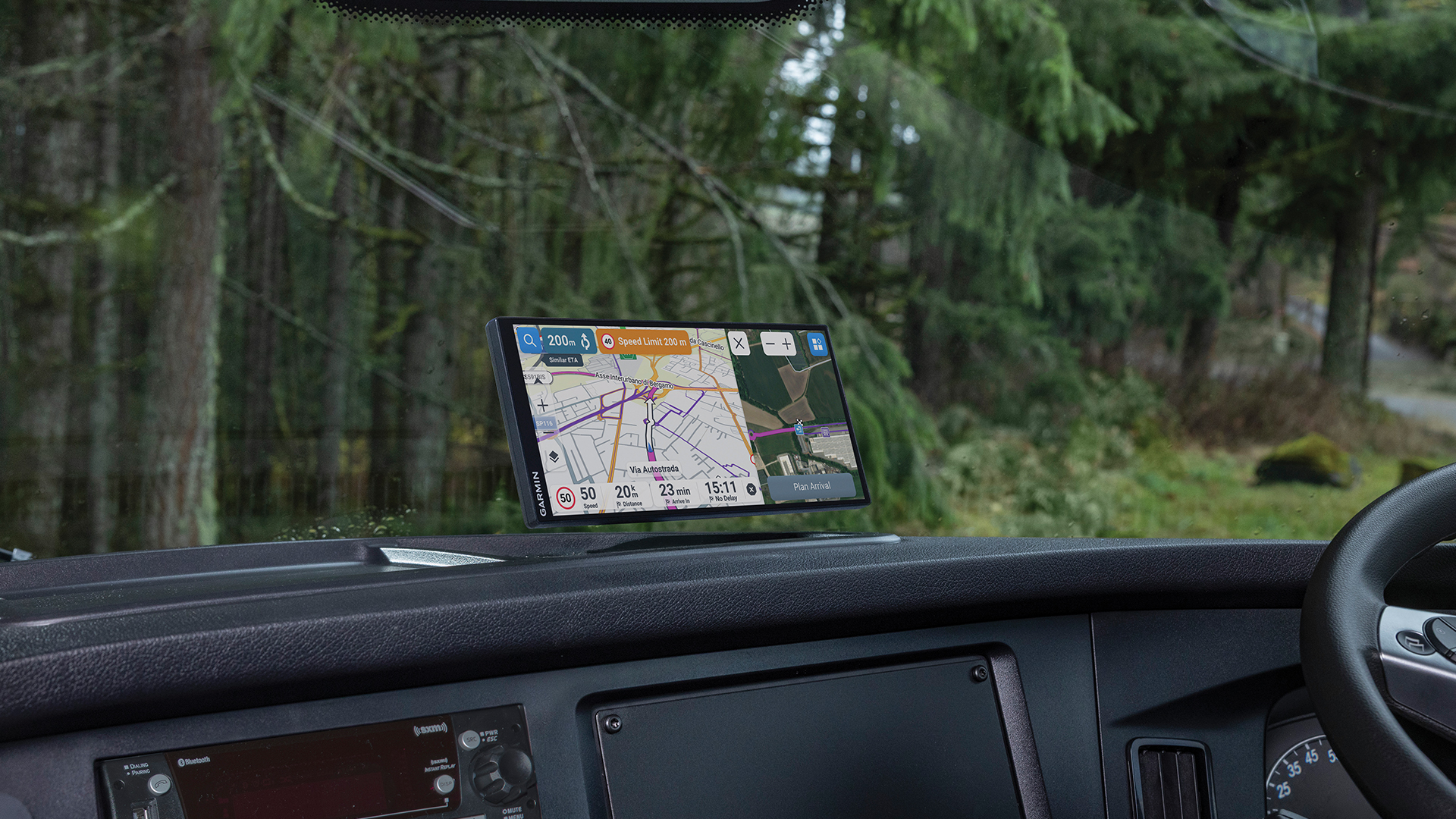
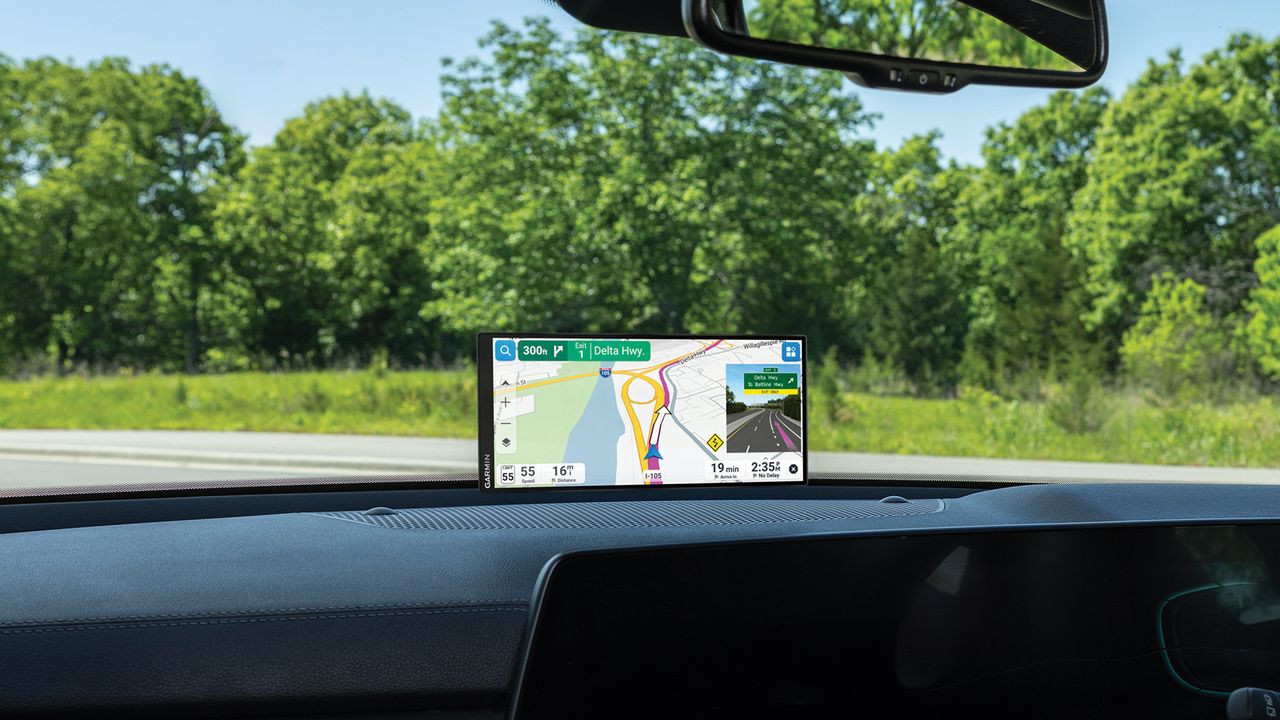
The new device comes in 7.1-inch and 8.8-inch versions, both using a high-resolution ultra-wide display with edge-to-edge glass. Garmin says the low-profile design is intended to be "unobtrusive to the driver’s line of sight", while making it easier to see the route and upcoming road information at a glance.

It is sleeker, crisper and generally nicer to look at than Garmin’s existing car navigation range, which includes devices such as the 5-inch Garmin Drive 53 and the 6-inch DriveSmart 66.

The new Drive models are designed to put considerably more information into the driver’s eye line without making the device taller or bulkier. The new Drive is also considerably more connected than the basic satellite navigation systems of old, which often required a SIM card to receive the latest traffic data.

Garmin Drive GPS

(Image credit: Garmin)

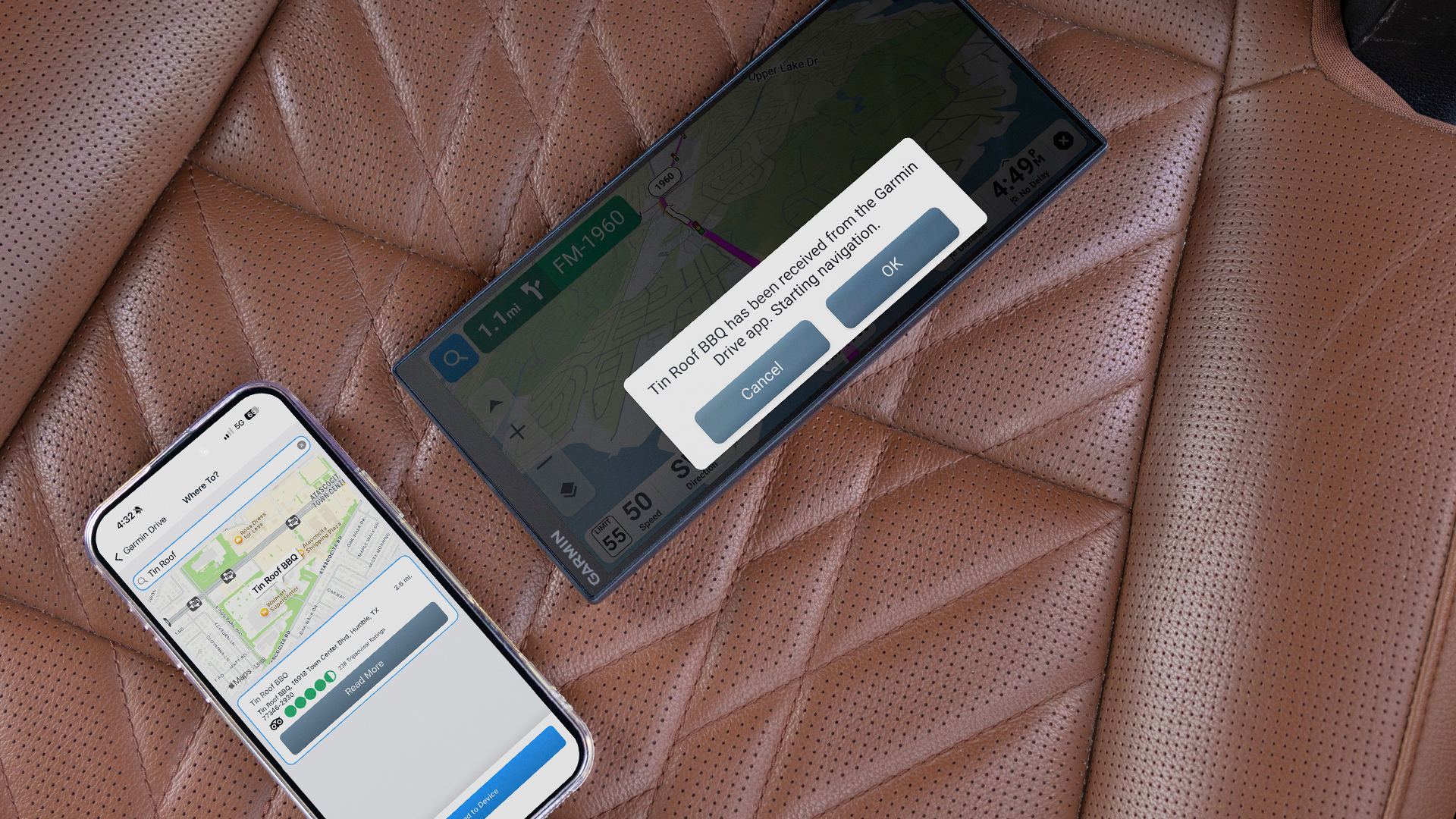
Now, Garmin says drivers can select routes and destinations directly from the map, with voice commands and touch controls available for navigation via a connected smartphone (with data) and the Garmin Drive app.

The device can also highlight upcoming traffic lights and stop signs, while also warning about sharp curves in the road, changes in speed limits, school zones and other potential hazards.

There’s live traffic and weather information, as well as the ability to search for and share points of interest. TripAdvisor ratings are on board for hotels, restaurants and attractions, and the maps and software can be updated over Wi-Fi, too.

Garmin Drive GPS

(Image credit: Garmin)

The biggest change for EV drivers, though, is the addition of more detailed charging information.

Garmin Drive can locate EV charging stations along a route, with the ability to filter them by charging power and see live availability. For drivers of gasoline-powered cars, meanwhile, the connected Garmin Drive app can provide dynamic fuel prices.

The Garmin Drive units are available in both 8.8-inch and 7.1-inch sizes and suggested retail prices start from $299.99 / £249.99 (or around AU$415).

Keep on truckin'

Garmin Drive GPS

(Image credit: Garmin)

Garmin has increased the breadth of the Drive’s capabilities with optional packs that are aimed at professional drivers and more specialist motoring requirements.

Owners can purchase the optional Truck and Camper Pack for a one-time $149.99 / £129.99 / (around AU$208) fee, unlocking features aimed at professional truck drivers and people traveling in campers, motorhomes and caravans.

The pack adds routing based on a vehicle's height, weight, length and load, as well as warnings for steep grades, sharp curves and weight restrictions. It also adds high-resolution satellite imagery that can help drivers identify loading docks, truck entrances, security gates and campsites before they arrive.

There's a dedicated directory of motorhome and caravan parks and services, plus a wind-speed overlay that can warn about potentially hazardous crosswind conditions. Truck drivers can also access Dēzl Community ratings to find preferred truck stops and parking locations.

While the standard Google Maps app doesn’t account for large vehicles, the tech company does offer software developer kits that cater for this sort of thing, while there are several dedicated route-planners online for oversized vehicles.

Plus, there’s an argument that says Google Maps, Apple Maps and Waze all offer the same — if not more — functionality than Garmin’s Drive unit.

But for those with older vehicles, or drivers that simply want a dedicated sat-nav or GPS device, the new Garmin Drive represents a sizable leap forward in design and technology.

  •  

Framework is giving some customers a RAM refund

In a "rare, positive update" amid the ongoing component shortage, Framework is lowering its RAM prices for some buyers of the Laptop 13 Pro - at least, for now. After increasing the laptop's memory pricing in July, Framework says it "secured a limited quantity of Micron 32GB and 64GB LPCAMM2 memory modules at lower cost," and plans to share the savings:

We are committed to passing on savings whenever we can and keeping computers as accessible as possible in the current environment, so we are rolling out price reductions across both already shipped and a subset of currently pending pre-orders. While these new costs remain above our origina …

Read the full story at The Verge.

  •  

Designing plastic containers for easier recycling with terahertz technology

Plastic packaging is designed around appearance, convenience and function, but what happens after disposal is often considered separately—yet managing this waste is key to building a circular economy, since good recycling requires sorting plastics correctly by type. Transparent polyethylene terephthalate and polystyrene, for example, can be difficult to distinguish visually, making accurate separation challenging.

  •  

Data centre component revenue surges in Q2

A report by Dell’Oro Group found worldwide data centre IT semiconductor and component revenue for servers and storage systems surged 182% in Q2 2026, driven by rising memory prices and continued AI infrastructure investment.

DRAM and storage drive revenue grew at a triple-digit pace, as average selling prices per bit more than doubled year-over-year while continued AI infrastructure investment fuelled broad-based demand across accelerators and complementary server and storage components.

“Data centre component growth accelerated sharply in the second quarter, driven by higher memory and storage prices and continued growth in server demand,” stated Baron Fung, VP of research at Dell’Oro.

He also said Nvidia’s Blackwell platform and custom accelerators from Google and Amazon continued to gain momentum.

Fung added agentic AI is emerging as a meaningful growth driver for general-purpose servers, broadening component demand beyond accelerated computing hardware.

Going forward, Fung stated Dell’Oro expects component revenue growth to maintain momentum through the remainder of 2026, supported by elevated component prices and strong AI infrastructure investment, though supply constraints could limit hyperscaler capital expenditure plans.

The report found accelerated server deployments drove strong demand for complementary components, including high-bandwidth memory (HBM), CPUs, memory and high-speed back-end network interface cards.

General-purpose server demand remained strong across cloud service providers, supported by continued infrastructure expansion alongside emerging agentic AI workloads.

The post Data centre component revenue surges in Q2 appeared first on Mobile World Live.

  •  

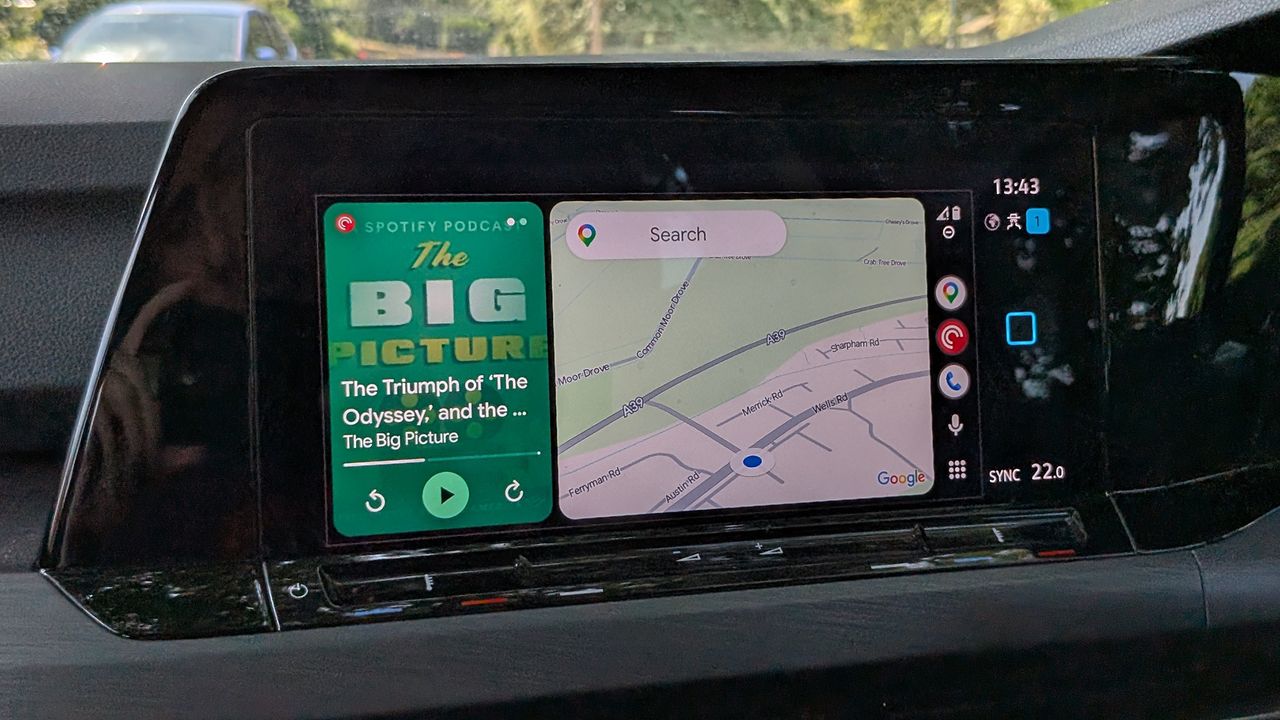
The Google Maps speedometer has started disappearing on Android Auto — and some users are also missing traffic data

  • Some Android Auto users are missing the Google Maps speedometer
  • The feature only recently rolled out to a wider group of people
  • Real-time traffic data on the map has also vanished for a number of users

Google Maps has only recently started showing speed limit information on Android Auto screens — so recently that it hasn't reached everyone yet — but now users are reporting that the speedometer has started disappearing unexpectedly, together with real-time traffic data in some cases.

Reports appearing on Reddit (via 9to5Google) suggest the problem isn't affecting everyone, and comes and goes intermittently, but is definitely a real issue. Stop signs and traffic signals also appear to be affected by the same bug.

Some commenters on Reddit are saying that the speedometer shows up in Android Auto when connected to the phones of some family members but not others. That might indicate the problem is related to a specific Android or app version somehow.

Other users say the bug is connected to switching to or from the beta versions of Android Auto and Google Maps, which could be another explanation of what's happening. For now though, Google hasn't officially acknowledged that there's an issue.

Affecting some but not all

Google Maps: feature loss
 from r/AndroidAuto

The problem of real-time traffic information not showing up has actually been going on for longer, and seems to be sticking around. Again, it doesn't look like a vast number of users are affected, but the bug is definitely having an impact for some.

With so many different Android device models, software versions (including betas), and vehicle types involved, it's perhaps no surprise that annoyances like this crop up from time to time — but that doesn't make the experience any less frustrating for users.

At least one Redditor in the main complaints thread has already quit Google Maps over the decision to rename Lake Ontario as Lake America in the app, under the direction of the White House, which does mean no need to worry any more about these bugs.

The good news for everyone who's sticking around is that Google regularly rolls out updates for Android, Google Maps, and Android Auto, and so we're hoping that these problems are sorted sooner rather than later. In the meantime, if you're seeing these issues, you'll just have to sit tight and wait for a fix to appear.

  •  

LG strongly denies TV spying claims, says tracking and snooping concerns 'not true' — online investigation claims 216,000,000 TVs spy and record audio

In a statement to Tom's Hardware, TV manufacturer LG has strongly denied recent claims that its smart TVs constantly log and upload data, record audio while in standby, while confirming they scan local area networks for other devices, a feature common in smart TVs and media devices. The statement follows an investigation published online by Gamers Nexus, which claims LG is operating "216,000,000" spy TVs.

Earlier this week, Gamers Nexus published a video on YouTube claiming that LG smart TVs have several security and privacy concerns. The two-hour video claims, among other things, that LG's smart TVs constantly log and upload user data, even when offline or in standby mode. The TVs were also purported to be found scanning Wi-Fi networks, recording audio logs, and sampling inputs for audio and video to identify what users were watching.

The testing was done in collaboration with two security researchers, MrBruh and uturn, and includes packet capture and firmware analysis. The TVs were reportedly seen identifying other devices on local networks, including phones, printers, and more. Perhaps the most significant claim regards the capturing of audio through TV microphones, even when the devices were off, with the report claiming the TVs stored data when offline for retrieval later on.

"The claims made in the recently published video are not true," LG told Tom's Hardware in a statement. "LG TVs process voice data only when the voice button on the remote control is pressed and held, or when a wake word such as 'Hi LG' is recognized after the user has activated the Far-Field voice recognition feature."

LG went on to say that beyond the aforementioned instances, "the TVs do not collect or record ambient conversations." The company further stated that if the wake word is not recognized, then no voice data is transmitted from the TV to the server, and said audio processing for the wake word is done on-device.

The company did admit its smart TV functionality includes scanning for devices on the same network. However, as many observers have been quick to point out, LG says this is a standard function of all smart TVs and other smart home devices.

Automatic content recognition (ACR) is an opt-in feature according to LG, which delivers personalized content recommendations, as well as services and advertisements. The company says that, as standard, ACR data isn't used for advertising purposes without consent.

Addressing some of the claims in more detail, LG stated that its smart TVs don't collect, record, or transmit ambient conversations in the home unless voice functionality has been activated by a user. It further stated that its far-field voice recognition tech (Hi LG) must be activated by a user before the TV starts listening, much like Apple's "Hey Siri" mechanism for iPhone.

LG did confirm that its TVs monitor for Hi LG's wake word while in standby mode, but says that unless the wake word is detected, the audio is only processed locally before being deleted. The company didn't address some of the other claims and vulnerabilities pointed out in the video, such as the storing of transcripts in plain text.

Tom's Hardware has not independently verified either the claims made by Gamers Nexus in its documentary or LG's counterclaims regarding the issue. LG's full statement follows:

LG Statement:

This is to provide LG's position regarding the claims recently raised by the Gamers Nexus YouTube channel.

The claims made in the recently published video are not true. LG TVs process voice data only when the voice button on the remote control is pressed and held, or when a wake word such as 'Hi LG' is recognized after the user has activated the Far-Field voice recognition feature. Other than these instances, the TVs do not collect or record ambient conversations. (If the wake word is not recognized, no voice data is transmitted to the server; the audio processing for wake word detection is performed locally on the device and is immediately deleted.)


Additionally, to provide smart TV functionalities, LG TVs feature the ability to scan for and connect to nearby devices on the same network. This is a standard function commonly provided by smart TVs and smart home devices.


The ACR (Automatic Content Recognition) feature is provided on an opt-in basis to deliver personalized content recommendation, services, and advertisements. If a user does not consent to the applicable optional agreement, ACR data is not used for advertising purposes.

Topic by topic breakdown:

At LG Electronics, we are committed to transparency and secure user experience. To clarify recent concerns and reiterate our commitment, we would like to emphasize the following points:

  • Protecting Voice Privacy: We ensure that your LG TV does not collect, record or transmit ambient conversations in your home, unless voice functionality has been intentionally activated by the user.
  • Far-Field Voice Recognition ("Hi LG"): This feature must be manually activated by the user before the TV begins listening for the specific wake word. Audio processing occurs only when voice functionality has been activated by the user and a wake work (such as “Hi LG”) is detected.
  • Standby Mode Operation: When the TV is in standby mode and appears to be turned off, it only monitors for the wake word if you have previously enabled the Far-Field feature. If no wake word is detected, the audio used for wake word detection is processed locally on the TV, promptly deleted, and is not transmitted to LG servers.
  • Transparent and Useful Connectivity: LG TVs can identify compatible devices on the same network to enable features such as device connectivity, content sharing or smart home functionality.
  • Proactive and Continuous Security: Data security is a top priority for LG. We continuously monitor our platform and partner with independent security experts to identify vulnerabilities and deliver timely security updates.
  • Full Control Over Data and Terms: LG Electronics is committed to providing transparency and rejecting deceptive practices (dark patterns), ensuring users can choose their preferred privacy and consent options directly through their TV settings.
  • Consent-Based Activation: To provide a more tailored and convenient experience, LG TVs offer Automatic Content Recognition (ACR) to enhance viewing experiences, Voice Recognition for hands-free control, and Interest-Based Advertising to deliver relevant advertisements. Each feature requires separate explicit user opt-in consent and can be disabled at any time through the TV settings.

  •  

Coway Life Solution Partners With Wellcare Station on Long-Term Care

Coway Life Solution CEO Kim Myung-gon, left, and Wellcare Station CEO Kook Kyung-min pose for a photo at a memorandum of understanding signing ceremony at G-Tower in Guro, Seoul, on Sept. 8. (Photo: Coway)

Coway Life Solution is partnering with integrated home care provider Wellcare Station to expand care services for customers with dementia and long-term care needs.

Coway Life Solution said Sept. 9 it signed a memorandum of understanding with Wellcare Station to support home care services for senior customers who need care and their families.

Wellcare Station is an integrated home care provider where doctors, nurses and care workers collaborate to provide home nursing and home care services. It also offers in-home care services including hospital accompaniment and support for using South Korea’s long-term care family leave program.

Under the agreement, Coway Life Solution customers with family members who require continuous care due to dementia or other conditions can receive support for long-term care services.

The service covers checking eligibility for the long-term care family leave program, connecting customers with care workers and coordinating schedules. For customers without a long-term care grade, it also handles related administrative procedures, including preparing documents needed to apply for a grade and filing applications with the National Health Insurance Service.

Wellcare Station will operate a dedicated service channel for Coway Life Solution customers. Customers using home care services will also receive priority assignment of care workers on their preferred dates.

Coway Life Solution is also expanding dementia care and caregiving support for senior customers. In partnership with digital healthcare company Silvia Health, it provides cognitive function assessments and personalized cognitive training. It also has partnerships with caregiving and long-term care providers Caring and Caredoc.

“We will help Coway Life Solution customers access long-term care-related services more conveniently,” Wellcare Station CEO Kook Kyung-min said.

  •  

Huawei Watch D3 pumps up its health-monitoring credentials

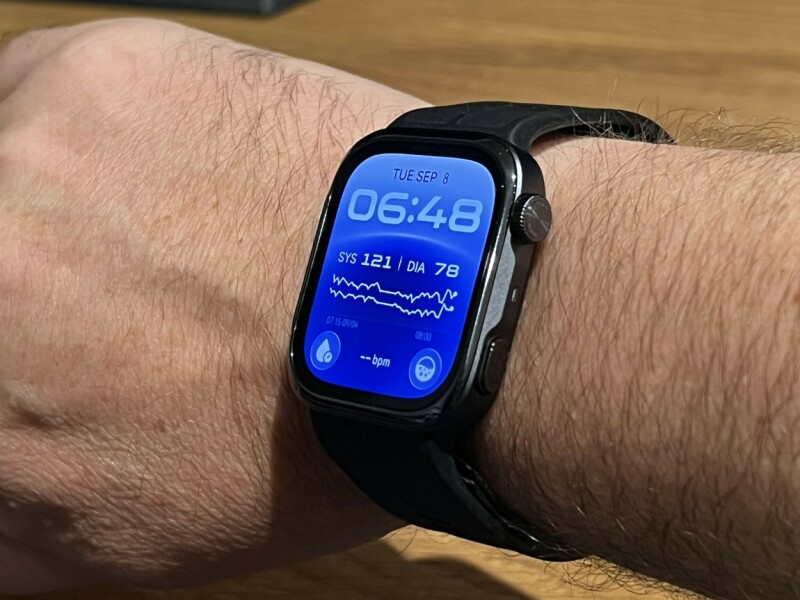
Huawei has released the Watch D3, the third generation of its blood-pressure-measuring wearable, as the company continues plowing a relatively lonely furrow in cuff-based technology. The D3 is an intriguing device for anyone seeking more credible blood pressure readings than many smartwatches claim to provide. Where many brands use optical technology to estimate blood pressure, the D series uses a pump built into the watch and an inflatable airbag inside the strap. The D3 is CE-certified as a medical device under the EU Medical Device Regulation (MDR). This is hardly Huawei's first rodeo: two predecessors have refined the formula and made the device feel less like clinical equipment and more like an ordinary piece of consumer technology. That said, it remains chunky compared with other wearables sold by Huawei and its rivals – the watch body weighs 40 g and is 11.3 mm thick. It's a noticeable improvement over the D2, but still feels like a large device. As it should. It includes a pump, and the removable strap (two sizes come in the box) has a built-in airbag. The Register was given a pair of these watches for a long-term test, and there is a noticeable physical difference between the D2 and D3. Subjectively, it was difficult not to be aware of the D2, but the D3, despite being only a few grams lighter and a few millimeters thinner, is far less obtrusive. Until, of course, it measures your blood pressure, when the tightening strap makes its presence obvious. Although virtually silent, the strap noticeably tightens as the watch measures blood pressure, and the software recommends sitting still, not talking, and placing a hand over your chest while the measurement takes place. The process takes barely a minute and produced plausible, consistent readings during our test. The device supports ambulatory blood pressure monitoring (ABPM), taking readings at intervals over 24 hours to provide a broader picture of how blood pressure changes during the day and night. A gentle nudge from the watch signals it's time to measure, and away it goes. It also supports blood pressure measurements before and after exercise, and can issue reminders following changes in altitude or temperature. Huawei's Health Community feature allows users to share health information and alerts with family members. Other metrics, such as pulse and blood oxygen, are tracked, but blood pressure measurements are the watch's party trick. Other functionality, such as phone notifications (we paired ours with an iPhone, and calls, messages, and other alerts appeared without drama), is present. However, you will need to install the Huawei Health app to use the device, which might cause some users concern about where their health data is going. We spoke to Rico Zhang, Huawei's president for the product line, via a translator during a launch event in Munich about concerns regarding privacy and data protection. He acknowledged the concern, saying Huawei follows all local policies on personal data and user privacy, and noted that the issue is fundamental "if we want to remain a wearable business in Europe in the future." Zhang gave a similar answer on repairability, saying Huawei followed local regulations. In the EU, battery replacement by consumers is not currently a requirement for wearables sold in the region. Probably also a good idea not to launch a Chinese wearable in Europe with a huge wooden metaphor parked outside. In day-to-day usage, the D3 feels like a slightly larger smartwatch, although we'd contend the user interface is slightly busier than, say, an Apple Watch. The screen is bright (a 1.92-inch display with narrower bezels and 3,000-nit peak brightness), and in our usage we got about five days of battery life. Huawei claims up to six days under typical use, although it says battery life falls to about one day with ABPM enabled. Aside from the user interface, which mainly requires learning new muscle memory, the water resistance is also an issue. Huawei told us the device has an IP68 rating but should not be worn in the shower or submerged for swimming. The company also says it is not water-resistant while taking a blood pressure measurement. Those restrictions are understandable given the inflatable mechanism, but still disappointing. Any water that does get on it also needs to be wiped off to avoid interfering with measurement accuracy. The D3 is a useful device for people who want cuff-based blood pressure readings without carrying a separate upper-arm monitor that sounds like a lawnmower. Its certification as a medical device gives it more credibility than many smartwatch-based alternatives, despite the great strides made with optics over the years, and its styling and size make it feel more like a normal wearable than a health device. The downsides are a busy interface outside the health functions and a design that remains chunkier than other wearables, including Huawei's own, despite efforts to slim it down. The Huawei Watch D3 launches in the UK on September 23 at £399.99. It comes in Black, the version we tested, plus Gold and Mocha Gold. ®

  •  

AT&T taps Amazon Leo for business satellite play

AT&T Business and Amazon Leo reached a deal to bring satellite broadband to enterprise and public sector customers, with the company becoming the first major US operator to employ the low Earth orbit (LEO) network in a bundled set-up including fibre and 5G.

The operator plans to offer the connectivity as a fully managed service on top of its existing terrestrial networks. Customers would get one bill, one point of contact and round-the-clock customer service.

AT&T is to provide the equipment to connect to the satellites.

Shawn Hakl, AT&T Business SVP and head of product, said enterprise and public sector customers need a platform which delivers reliable connectivity across fibre, 5G and satellite in a single managed architecture.

Chris Weber, VP of Amazon Leo Business and Product, said the satellite network adds resilience to the network.

AT&T stated the companies are “moving through a structured, phased deployment designed to ensure business-grade reliability before broad availability”.

It plans to issue pricing and configuration details in the coming months.

The explosion of a Blue Origin New Glenn rocket in May could put the timeline for the launch of the AT&T Business closer to 2027: the rocket company is repairing damage to a launchpad and aims to restore operations by the end of the year.

Amazon Leo is simultaneously pushing into direct-to-device (D2D) connectivity, seeking regulatory approval to deploy up to 5,105 satellites, with deployment scheduled to begin in 2028.

All three major US operators are involved in various D2D moves through deals with Amazon Leo, SpaceX and AST SpaceMobile, along with collaborating to close coverage gaps.

AT&T Business is bidding to differentiate by bundling the connectivity option.

The post AT&T taps Amazon Leo for business satellite play appeared first on Mobile World Live.

  •  

FCC eyes spectrum vote for space-based services

The US Federal Communications Commission (FCC) will vote later this month on two items intended to free up spectrum for next-generation connectivity, according to chair Brendan Carr (pictured).

The first is a satellite spectrum abundance order, which would allow the FCC to unlock more than 1,000 MHz of spectrum across the 12GHz and 42GHz bands. The FCC stated the freed-up airwaves could support a range of connectivity services, including faster satellite broadband.

The second item is a proposal to seek comment on modernising the FCC’s rules governing ultra-wideband (UWB) technology, an unlicensed spectrum category used across IoT, automotive and consumer devices. Carr noted the rules have not been comprehensively updated since their adoption in 2002.

“The FCC’s work to free up more spectrum continues apace this month,” Carr said. “Today, I shared two items with my colleagues that will push more commercial spectrum into the marketplace than ever before. By unlocking these bands, the FCC will give a big boost to American innovation and promote economic growth across a wide range of industries.”

On the satellite order, Carr said the move is designed to ensure consumers continue benefiting from competitive, high-speed internet delivered from next-generation satellite systems.

On the UWB proposal, he said the rule changes would unlock further opportunities for unlicensed devices across a wide swath of spectrum, pointing to UWB’s role in applications from vehicle safety systems to package tracking.

He stated the technology is so deeply embedded in everyday life that most people are unaware of its role, and that the proposal represents the FCC’s first comprehensive modernisation of the rules in over two decades.

Both items are scheduled for a vote at the FCC’s 30 September open meeting. The satellite spectrum move comes as regulators globally weigh how to balance growing demand for satellite broadband capacity, driven by operators including Amazon Leo, SpaceX’s Starlink and others, against existing terrestrial and federal spectrum users. The 12GHz band in particular has been the subject of a long-running dispute between satellite operators and terrestrial 5G proponents over interference risks and competing use cases.

The meeting items build on Carr’s broader push to release more spectrum since taking the chair, which has included restarting the agency’s first spectrum auction in four years. Auction 113, covering AWS-3 licences in the 1695-1710MHz, 1755-1780MHz and 2155-2180MHz bands, forms part of the FCC’s Build America Agenda, targeting 800MHz of new spectrum by 2034.

The post FCC eyes spectrum vote for space-based services appeared first on Mobile World Live.

  •  

Digital energy scheduler cuts marginal carbon-reduction costs

A digital scheduling framework combining machine learning, optimization and blockchain technology could reduce carbon emissions at a lower cost in regional energy systems, according to research in the International Journal of Environment and Pollution. The system cut the marginal emission-reduction cost—the additional expense of removing one more ton of carbon—by about 12% when the carbon quota was restricted to half the system's baseline emissions.

  •  
❌