Le code de macOS Tahoe 26.7 révèle une impressionnante liste de produits Apple encore inédits : iPhone 18, iPhone pliant Ultra, AirPods équipés de caméras, MacBook Pro M6, iPad mini OLED et nouveaux appareils pour la maison. Futura fait le point sur les modèles les plus innovants qui dévoilent...
Apple is still moving ahead with a major glass-focused redesign of the iPhone to mark the device’s 20th anniversary next year, Mark Gurman reports for Bloomberg News, citing people familiar with the matter. This direct counters a recent Jefferies report that claimed the project had been canceled based on “supply-chain checks.”
The company plans to introduce the new look on its iPhone Pro models in 2027, Gurman reports. Those devices, known internally as V73 and V74, will feature glass on both the front and back that curves into the sides, sandwiching a thin metal band in the middle. The result is a significantly glassier aesthetic than current iPhones.
Apple’s design team had explored an even more ambitious concept that relied on still more glass in place of metal. That version was abandoned early in development after engineers ran into difficulties joining the glass panels and determined the design could not be manufactured reliably at high volumes.
The confirmation comes after Jefferies analyst Edison Lee reported, based on supply-chain checks, that Apple had scrapped the all-glass plans. Bloomberg News’ sources said the overall product roadmap has not changed, and the glass-centric overhaul for the anniversary Pro models remains intact.
The redesign would represent one of the most significant visual updates to the iPhone since the iPhone X, aligning with long-standing rumors of a near “slab of glass” design for the milestone year.
MacDailyNews Take: You know how America runs on Dunkin’? Jefferies runs on bullshit.
Please help support MacDailyNews — and enjoy subscriber-only articles, comments, chat, and more — by subscribing to our Substack: macdailynews.substack.com. Thank you!
In 2027 the iPhone will celebrate its 20th birthday, and this has raised expectations of a momentous launch. In 2017, for comparison, we got the iPhone X, an almost all-screen handset and Apple’s first phone without a Home button. What’s in store next year? That depends on who you ask.
For some time pundits have predicted that the 20th-anniversary iPhone will be a major redesign. Rumors have pointed to a very large“quad-curved screen”, with glass making up the majority of the chassis, both front and back. But this vision was put in doubt earlier this week when Jefferies analyst Edison Lee claimed the project had been canceled as a result of “low yield” or a lack of projected return on investment.
This news was such a disappointment to investors that shares in the company promptly dropped by almost 3 percent.
But Mark Gurman, one of the foremost leakers pushing the quad-curved theory, has now published a new report insisting that Lee is mistaken. In the Bloomberg article, Gurman claims Apple “is still planning to offer a glass-centric overhaul of the iPhone for the device’s 20th anniversary,” citing anonymous sources familiar with the matter and specifically calling out the Jefferies report as incorrect.
Gurman does concede that changes have been made to the project as a result of scaling difficulties. Originally the design was going to be almost entirely glass, but Apple “encountered problems connecting the glass panels together… when [the company] had to figure out how to produce it at large volumes.” The current plan involves a metal band connecting the front and back glass panels.
But it’s still an ambitious and groundbreaking design, according to Gurman’s sources, with curves on all four sides. And we’re getting to the point where plans are starting to firm up. In the leaker’s words, the 2027 plans “are already in advanced testing and mostly locked in,” barring unexpected problems.
That sounds good. But if I have one tip for those following iPhone leaks, it’s that you should expect unexpected problems. The glass-centric iPhone isn’t completely locked in until we see it on stage in September 2027.
And of course, before then we’ve got the iPhone 18 Pro and iPhone Ultra to look forward to next month, so there’s no need to get ahead of ourselves.
Wir berichten schon seit Jahren über Gerüchte, die ein faltbares iPhone behandeln, das Apple in Arbeit habe und bald auf den Markt bringe. Bereits 2018 hieß es, ein faltbares iPhone komme schon in zwei Jahren. Damals berichteten zuverlässige Sender wie CNBC, dass Apple im Jahr 2020 ein faltbares iPhone auf den Markt bringen würde.
Das Jahr 2020 zog vorbei und bescherte ganz andere Dinge, die vermeintliche Premiere des iPhone Fold verschob sich auf die Jahre 2021, 2022, 2024, 2025 … und jetzt heißt es, dass es 2026 auf den Markt kommt – frühestens.
Während sich die Spekulationen und Berichte von Zulieferern und Analysten verdichten und solider denn je zu sein scheinen, raten wir zu noch mehr Vorsicht und Skepsis als sonst bei Apple-Gerüchten. Wir haben hier die wichtigsten Gerüchte gesammelt und eingeordnet.
Faltbares iPhone – Gerüchte im Überblick
Voraussichtliches Veröffentlichungsdatum: September 2026, möglicherweise in geringen Stückzahlen
Voraussichtlicher Name: iPhone Ultra
Format: wie ein (Notiz-)Buch, aufgeklappt wie ein iPad Mini
Viele Fans und auch Experten nennen das faltbare Gerät gern „iFold“, was in erster Linie angenehm kurz ist. Doch es gibt keinen triftigen Grund, warum es so heißen sollte. Gerüchte und Leaks vom Frühjahr 2026 deuten inzwischen vermehrt darauf hin, dass es iPhone Ultra heißen wird.
Im März hat Mark Gurman von Bloomberg berichtet, dass das faltbare iPhone dieses Jahr eins von mehreren „Ultra“-Geräten sein wird. Selbst wenn am Ende nicht alle das „Ultra“-Branding tragen werden, ist es beim faltbaren iPhone am wahrscheinlichsten.
Im April hat dann der Weibo-Account „Digital Chat Station“ (historisch mit einer durchwachsenen Trefferquote) ebenfalls behauptet, dass Apple den Namen „iPhone Ultra“ verwenden wird.
Wann erscheint das faltbare iPhone?
Wahrscheinlich September 2026
Man geht davon aus, dass Apple das iPhone im neuen Format im September 2026 vorstellt, zusammen mit dem iPhone 18 Pro und Pro Max (aber nicht dem normalen iPhone 18, das erst Anfang 2027 erscheinen soll).
Nachdem ein Bericht von Nikkei Asia nahegelegt hatte, dass Apple mit der Produktion im Verzug ist, widersprach Mark Gurman, merkte aber an, dass es zunächst in begrenzter Stückzahl verfügbar sein würde. Ihm zufolge soll das faltbare iPhone zusammen mit dem iPhone 18 Pro erscheinen – oder „etwas später“.
Laut Macrumors rechnet der Barclays-Analyst Tim Long in einer Studie damit, dass das faltbare iPhone erst im Dezember erscheint, einige Monate nach dem Start des iPhone 18 Pro und Pro Max.
Während Apples letztem Quartalsbericht warnte Tim Cook, dass „der Einfluss von Lieferengpässen signifikant steigen“ würde. Daraus könnte folgen, dass das iPhone 18 Pro und Pro Max zunächst nur eine beschränkte Verfügbarkeit aufweisen können, ähnlich wie es beim iPhone 12 Pro im Corona-Jahr 2020 der Fall war.
Was sind die größten Nachteile des faltbaren iPhone Ultra?
Trotz des „Ultra“-Brandings wird es wegen des faltbaren Designs einige Kompromisse geben:
Kein Unibody-Design: Wegen des Scharniers wird das Gerät aus mehreren Teilen besehen
Einschränkungen bei kabellosem Laden: Möglicherweise kommt das Gerät ohne die typische gläserne Rückseite, was Magsafe und kabelloses Laden behindern könnte.
iOS-basiertes Betriebssystem: Statt iPadOS soll auf dem Gerät eine angepasste Version von iOS laufen, die über mehr Produktivitätsfunktionen verfügt, aber weniger als iPadOS.
Kein Face-ID: Weil das faltbare iPhone so dünn ist und verschiedene Frontkameras benötigt, wenn es geöffnet oder geschlossen ist, wird das iPhone Ultra voraussichtlich kein Face-ID bekommen. Stattdessen soll Apple auf Touch-ID in der Seitentaste setzen, wie beim iPad Air.
Kein Teleobjektiv: Aus Platzgründen soll das faltbare iPhone kein Teleobjektiv erhalten, das für guten optischen Zoom benötigt wird, was angesichts des voraussichtlich hohen Preises einen großen Kompromiss bedeutet.
Das faltbare iPhone soll angeblich Touch-ID in der Seitentaste bekommen statt Face-ID.
IDG
Wie wird das faltbare iPhone aussehen? Wie wird es gefaltet?
(Notiz-)Buchformat mit vertikalem Falz
Soll ein iPhone-iPad-Hybrid sein
Nachdem das Design weitestgehend finalisiert worden ist, geht das iPhone Ultra angeblich auf die Massenproduktion zu. Das sagen aktuelle Leaks und Gerüchte darüber, wie das faltbare iPhone aussehen wird und wie das Scharnier und das Display funktionieren werden.
Buchformat, iPad-Hybrid, Design
Mehrere Leaks deuten darauf hin, dass es sich um ein faltbares Gerät im Buchformat mit einem tablet-ähnlichen inneren Bildschirm handeln wird, statt eines Klapphandy-Designs.
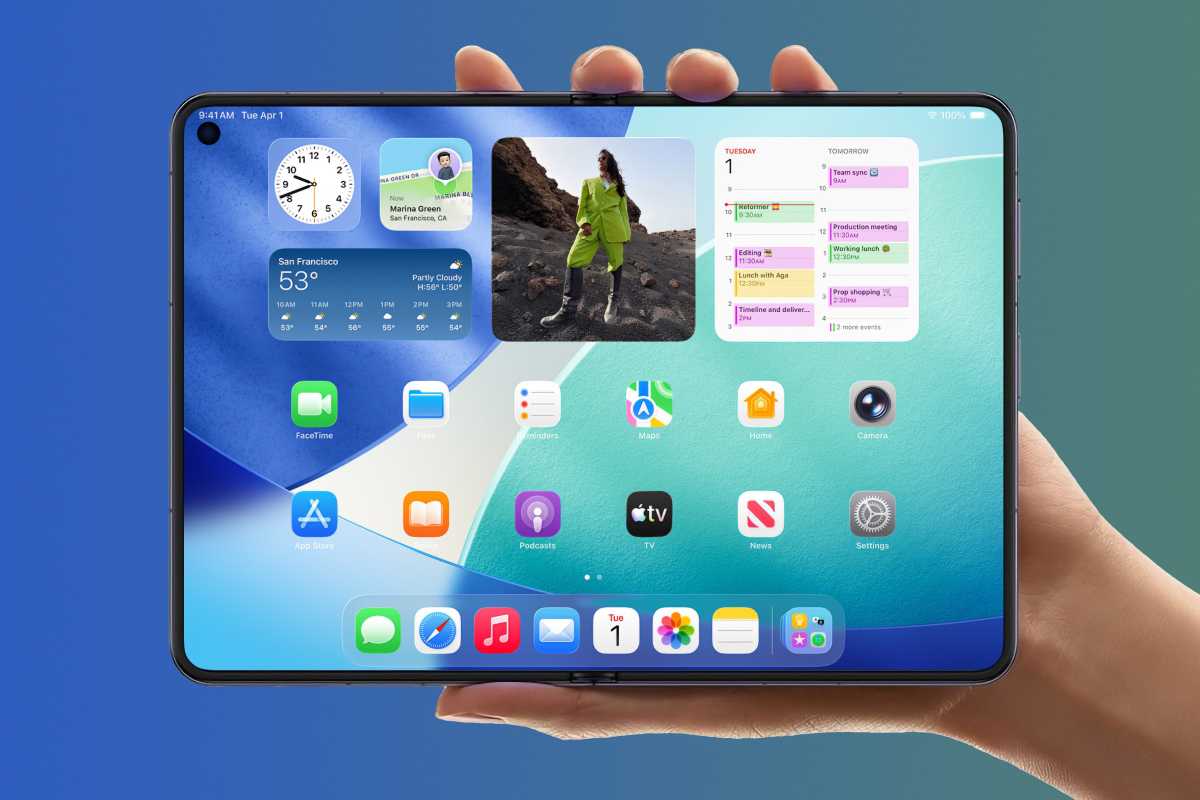
Wegen dieses „Pass-Formats“ wird das iPhone Ultra deutlich quadratischer sein als traditionelle iPhones. Aufgeklappt soll es einem iPad Mini ähneln, mit einem Seitenverhältnis von 4:3 für mehr Bildschirmfläche.
Der Analyst Ming-Chi Kuo berichtete bereits 2025, dass Apple auf eine Konstruktion aus zwei Bildschirmen und einem möglichst unsichtbaren Falz setzen würde.
Andere Leaks von 2025, darunter Berichte von Digital Chat Station auf Weibo, deuten außerdem auf eine vertikale Anordnung der Bildschirme hin, bei der die linke und die rechte Seite aufeinander gefaltet werden – ähnlich wie bei Geräten wie dem Google Pixel 9 Pro Fold und dem Samsung Galaxy Z Fold.
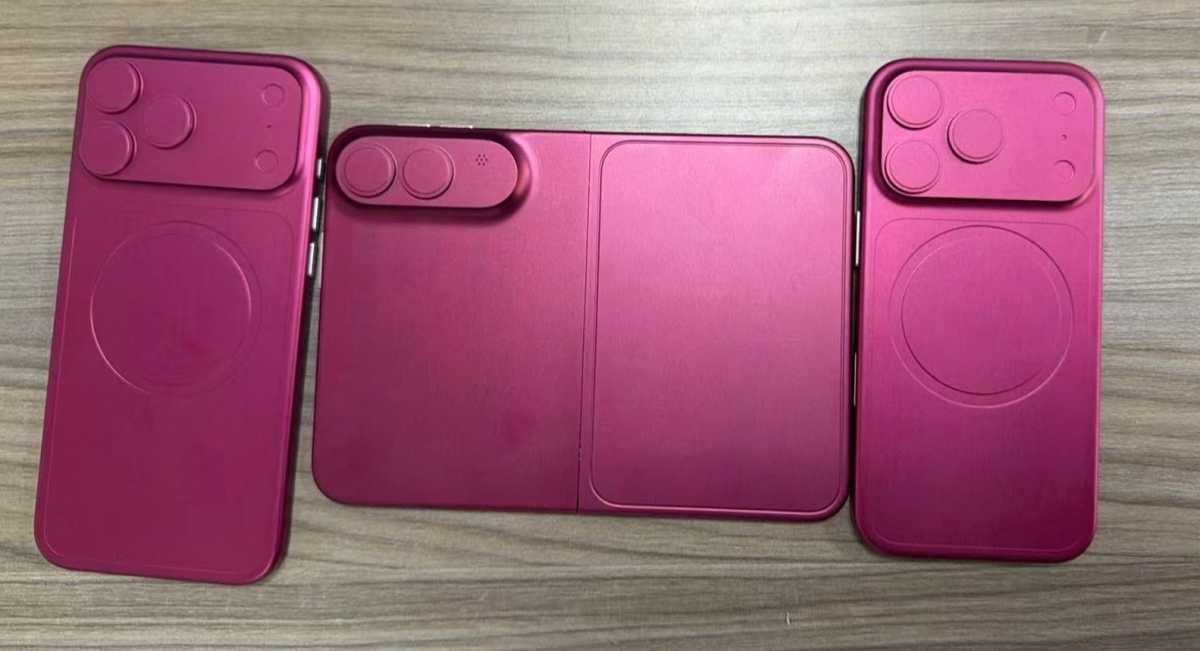
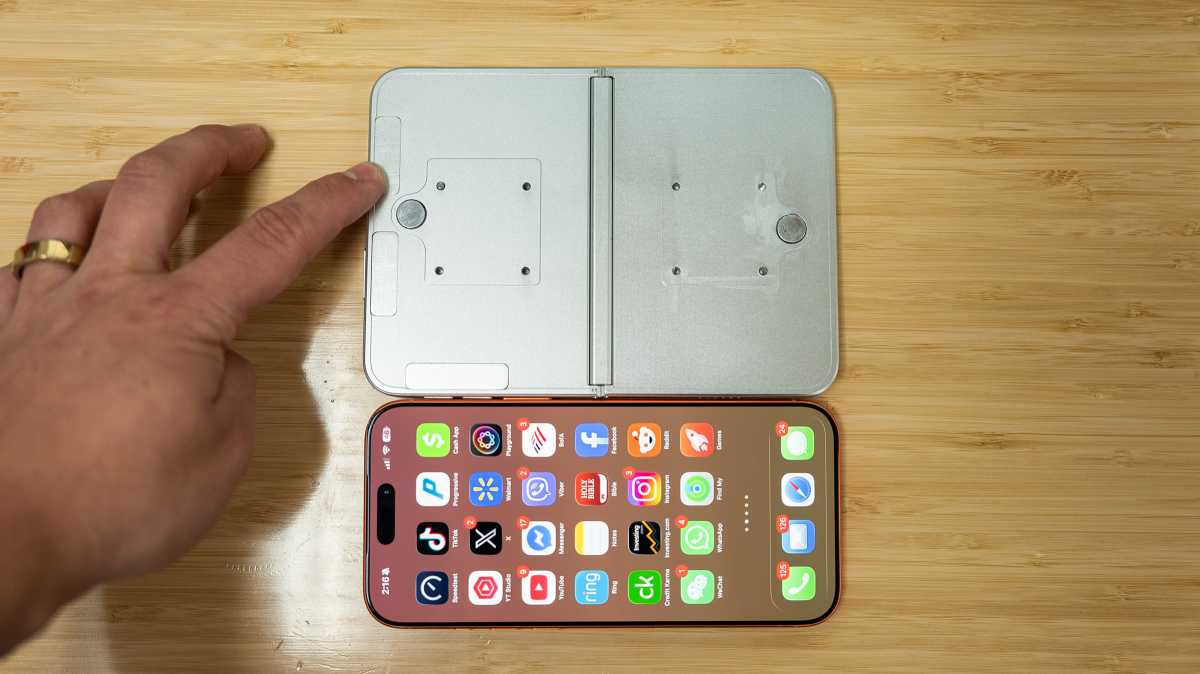
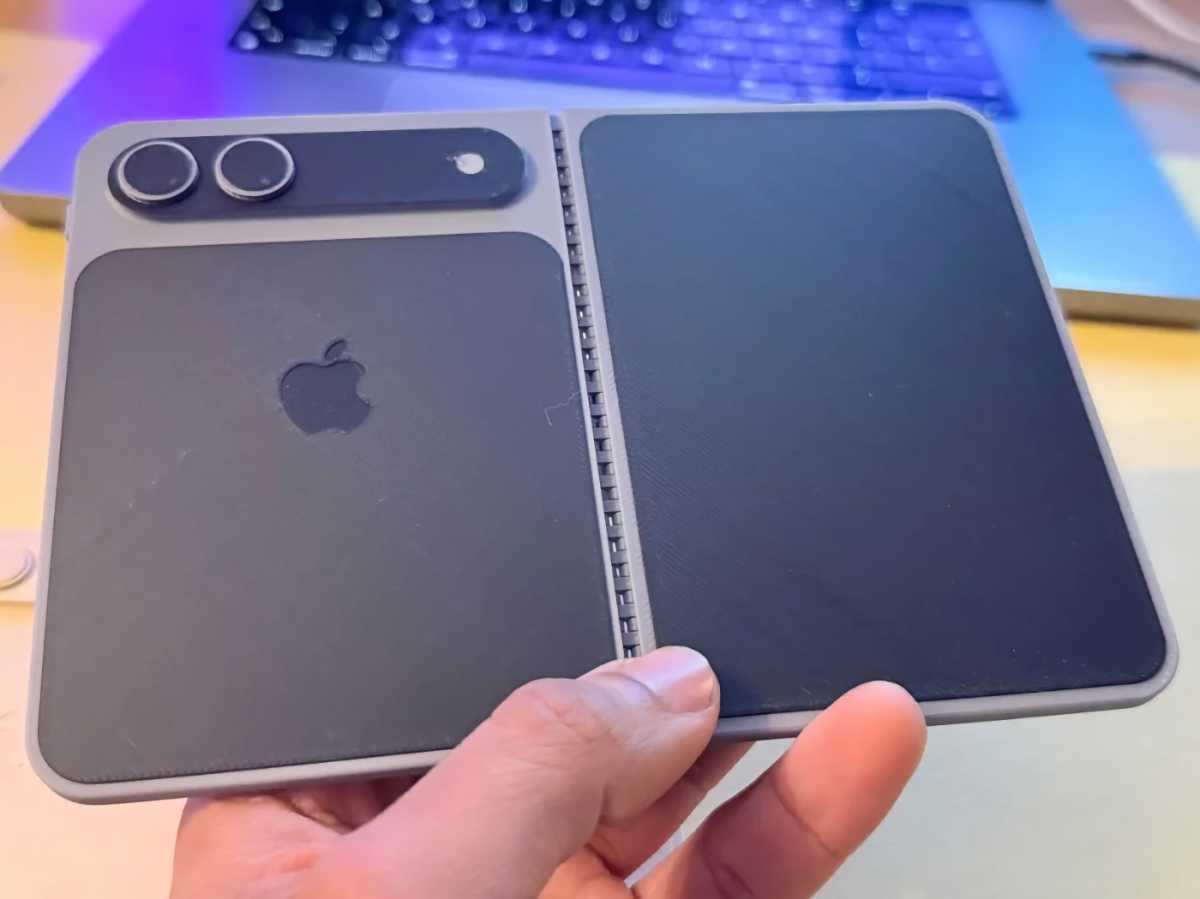
Attrappen, die Sonny Dickson im April 2026 auf X geteilt hat, demonstrieren dieses Format.
Im Dezember 2025 wurde ein Entwurf, basierend auf geleakten CAD‑Dateien, auf Makerworld geteilt (und inzwischen wieder heruntergenommen), der ebenfalls auf dieses Format hindeutet.
Es existierten jedoch auch andere Konzepte. 2024 berichtete The Information, dass Apple einige Prototypen von faltbaren Smartphones hergestellt hat, bei denen sich die Ober- und Unterseiten zusammenklappen lassen, wie bei einem Klapphandy.
Diese Designentscheidung schlägt wohl bereits Wellen. Unsere US-Kollegen von Tech Advisor berichten, dass Samsung an einem „Galaxy Z Fold 8 Wide“ mit einem ähnlichen 4:3-Format arbeitet, das vermutlich in direkter Konkurrenz zu Apples September-2026-Launch positioniert werden soll.
Farben
Unsere Schwesterseite „Macworld“ hat im April berichtet, dass das iPhone Ultra in Blau und Silber (oder Weiß) kommen wird. Ein jüngerer Leak von Mitte August bestätigt diese Farben: Er zeigt vermeintlich Schutzabdeckungen für die Kamera des iPhone Ultra in den Farben Silber bzw. Grau und Dunkelblau.
Wie Apple das Scharnier und den sichtbaren Falz gelöst hat
Apple hat Jahre daran gearbeitet, ein zufriedenstellendes Scharnier für ein faltbares iPhone zu entwickeln. Während die Konkurrenz bereits mehrere Generationen faltbarer Geräte auf den Markt gebracht hat, wird Apples späterer Einstieg in dieses Segment der Entwicklung dieses Scharniers angerechnet.
Die größte technische Herausforderung ist der sichtbare und spürbare Falz in der Falte des Bildschirms. Apple hat es sich zur Priorität gemacht, ihn so unsichtbar und unspürbar wie möglich zu machen.
Daher geht man davon aus, dass das Scharnier das Kernstück des iPhone Ultra sein und fortschrittliche Materialien und überragende Ingenieurskunst vereinen wird, um das Falten möglichst flüssig und langlebig zu machen.
Damit das Gerät sowohl dünn als auch langlebig ist, experimentiert Apple beim Scharnier angeblich mit Hightech-Materialien:
Eine Titanlegierung (für Stabilität)
Liquid Metal, Ming-Chi Kuo (2025) zufolge für höhere Langlebigkeit, einen flacheren Bildschirm und eine kleinere Falte
Im Juli 2025 berichtete Kuo, dass Apple eine Methode entwickelt hätte, um die Sichtbarkeit der Falte mithilfe von Stützplatten aus Metall zu reduzieren, die die Belastung durchs Verbiegen besser verteilen und kontrollieren. Apple soll diese Technologie mit „lasergebohrten Metallplatten“ statt traditioneller Ätzung einsetzen, um eine genauere Mikrostruktur zu erzielen.
Apple hält außerdem diverse Patente für Faltmechanismen, die zum Einsatz kommen könnten – zusammen mit anderen Technologien:
Glas mit variabler Dicke: Ein wesentlicher Bestandteil von Apples Ansatz soll ein Displayglas mit variabler Dicke sein, das an der Falzstelle dünner ist, um die Belastung bei wiederholtem Gebrauch zu verringern. In Kombination mit einer durchsichtigen Klebeschicht, die die Belastung weiter minimiert, sollen sie dabei helfen, die sichtbare Falte zu verhindern, die bei faltbaren Geräten im Laufe der Zeit häufig entsteht.
Ultra-dünnes Profil: Das faltbare iPhone soll aufgeklappt 4,5 Millimeter dünn sein, zugeklappt 9,5 Millimeter.
Interne Stützen: Metallplatten unter dem Display sollen für eine glatte Oberfläche sorgen, wenn das Gerät aufgeklappt ist.
Berichte von März 2026 deuten darauf hin, dass Samsung Display – Apples primärer Displaylieferant – ein beinahe faltenfreies OLED-Panel speziell entwickelt hat, das auf Apple-Standards zugeschnitten und auf der CES 2026 vorgestellt worden ist.
Wie groß wird das iPhone Ultra sein?
Ca. 9,5 Millimeter gefaltet
Ca. 4,5 Millimeter geöffnet
Im Dezember 2025 hat Jon Prosser berichtet, dass das faltbare iPhone im geschlossenen Zustand 9,5 Millimeter und im geöffneten 4,5 Millimeter dick sein soll. Zum Vergleich: Ein iPhone 17 Pro Max ist 8,75 Millimeter dick, und das dünnste iPhone aller Zeiten ist das iPhone Air mit 5,6 Millimetern.
Wenn das stimmen sollte, wäre das iPhone Ultra eins der dünnsten Foldables und würde beweisen, dass Apple trotz des Scharniers Ballast abwerfen kann.
Als jedoch der Youtuber Vadim Yuryev im April 2026 nach der Dicke des iPhone Ultra gefragt wurde, antwortete dieser: „Genau 11 Millimeter“, also mehr als Jon Prosser behauptet hatte. Yuryev zufolge soll das iPhone Ultra außerdem 0,36 Millimeter länger und 0,39 Millimeter breiter sein als das iPhone 17 Pro.
Andere Designmerkmale
Einem Leak vom Weibo-Account „Instant Digital“ von Anfang Februar zufolge sollen sich die Lautstärketasten an der rechten Ecke der Oberkante befinden.
Wie groß werden die Bildschirme des iPhone Ultra sein?
Das iPhone Ultra soll folgende Bildschirme besitzen:
Ca. 7,7–7,8 Zoll innen
Ca. 5,3–5,5 Zoll außen
Der Analyst Ming-Chi Kuo (März 2025) und Trendforce (Juli 2025) haben beide behauptet, dass das iPhone Ultra einen 7,8 Zoll großen Bildschirm innen und einen 5,5 Zoll großen Bildschirm außen haben wird. „The Information“ hingegen schätzt die Bildschirmgröße auf 7,7 Zoll innen und 5,3 Zoll außen. Das deutet möglicherweise darauf hin, dass Apple sich bei den finalen Spezifikationen noch unsicher ist.
Aufgeklappt soll das Gerät ein Seitenverhältnis von 4:3 haben, was eher einem iPad entspricht und auf ein hybrides Produktivitätsgerät hindeutet. Das Format würde sich von langen, schmalen Displays wie denen der Galaxy-Z-Fold-Reihe von Samsung abheben. Apple wäre nicht der erste Hersteller, der sich für solch ein Format entscheidet: 2020 hatte Microsoft das Surface Duo auf den Markt gebracht und zwei Jahre später erneuert.
Das breite Layout soll …
Multitasking verbessern,
das Lesen von Dokumenten und Webbrowsen verbessern
und ein Erlebnis vergleichbar mit dem iPad Mini bieten.
Welche technischen Eigenschaften wird das iPhone Ultra haben?
Wahrscheinlich A20-Chip, 12 GB RAM, C2-Modem
Noch ist unbekannt, welcher Chip im iPhone Ultra stecken wird, aber ausgehend von Apples Release-Zyklus wird es ein A20 oder ein A20 Pro sein – eine Variante des Chips, den Apple auch im iPhone 18 Pro einsetzen wird. Jüngsten Berichten zufolge soll zur Kühlung eine Vapor Chamber zum Einsatz kommen, wie bereits beim iPhone 17 Pro und Pro Max.
Wir gehen davon aus, dass die meisten iPhones Apples eigene Mobilfunk-, WLAN- und Bluetooth-Chips verwenden werden, konkret also den C2 für Mobilfunk und den N1 für WLAN und Bluetooth.
Das iPhone Ultra soll mit 5.500–5.500 mAh außerdem den bisher größten in einem iPhone verbauten Akku bekommen, wenn man dem Bericht des Leakers Fixed Focus Digital von Februar 2026 glauben kann.
Welche Kameras wird das iPhone Ultra haben?
Das faltbare iPhone soll Gerüchten zufolge zwei 48-MP-Kameras besitzen, wahrscheinlich mit einem normalen Weitwinkelobjektiv und einem Ultra-Weitwinkelobjektiv, und zwei Frontkameras – eine innen und eine außen.
Ein Teleobjektiv hingegen wird jedoch voraussichtlich wegen Platzmangels fehlen, was einen merklichen Kompromiss für ein teures „Ultra“-iPhone darstellen dürfte.
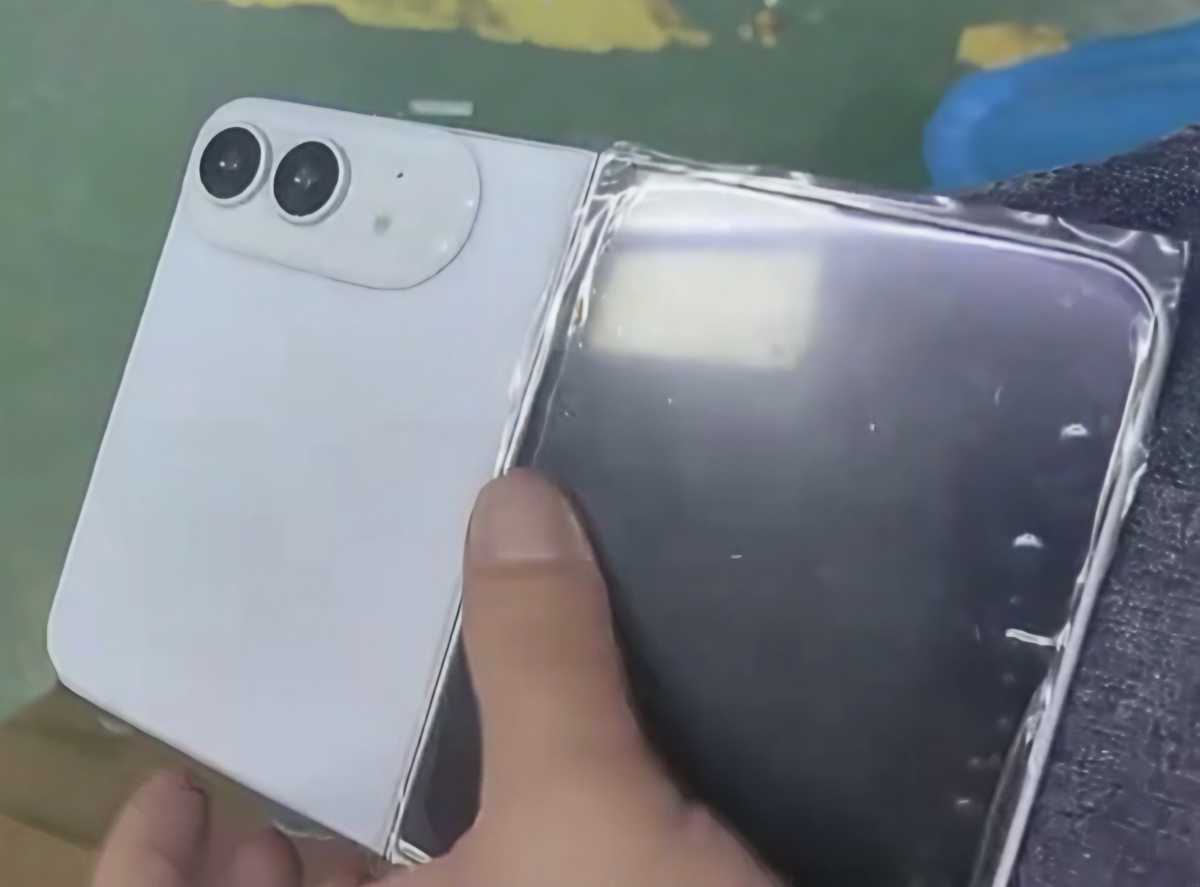
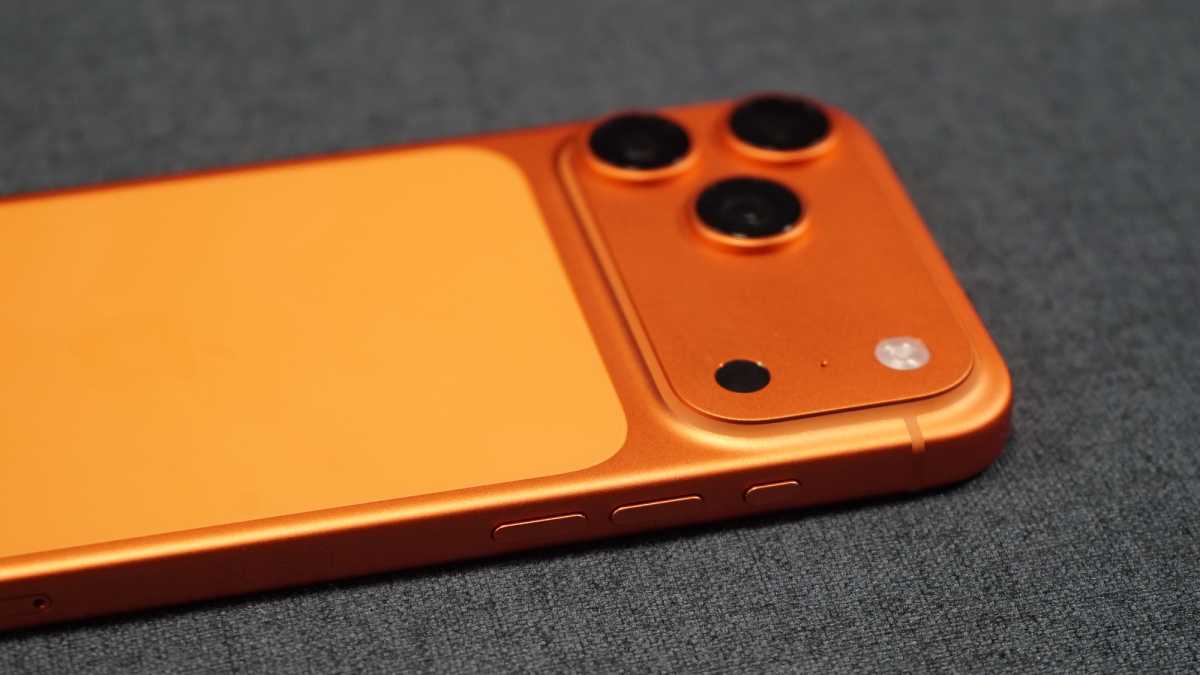
Die Kameras auf der Rückseite werden wahrscheinlich in einem Plateau sitzen, wie beim iPhone Air, das allerdings in Schwarz und nicht in der Gehäusefarbe kommen soll. Ein neuerer Leak auf Weibo legt hingegen nahe, dass das Kameraplateau in derselben Farbe kommen wird wie die restliche Rückseite, genau wie beim iPhone Air.
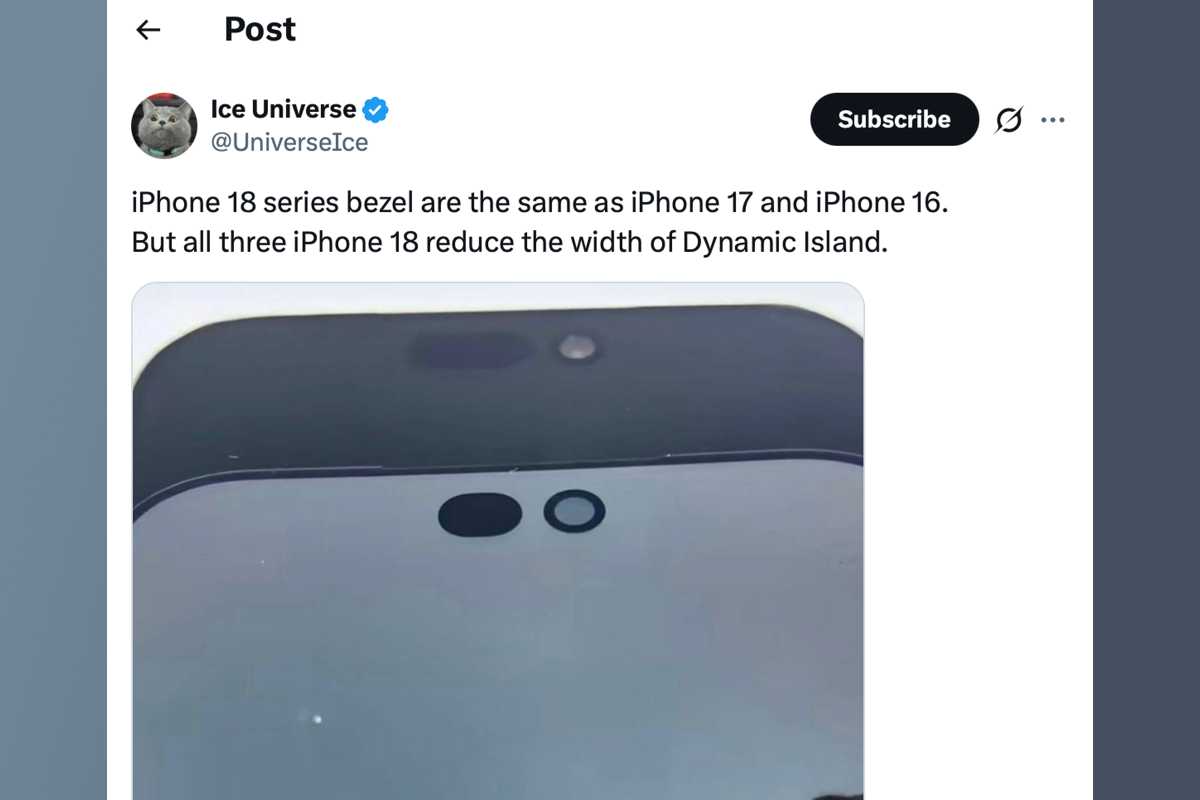
Ice Universe
Bei der Frontkamera soll es zwei geben: eine Under-Display-Kamera und eine Punch-Hole-Kamera (vergleichbar mit der Dynamic Island, nur so klein, dass sie ein Kreis ist – wie bei vielen Android-Smartphones). Einem Bericht von J.P. Morgan vom November 2025 zufolge soll Apple angeblich auf den Lidar-Sensor und die optische Bildstabilisierung verzichten, was bisher jedoch keine andere Quelle wiederholt hat.
Doch nicht alle Gerüchte deuten Kompromisse an: Der Tech-Youtuber Vadim Yuryev behauptete im April 2026, dass die Kameras größer ausfallen als beim iPhone 17 Pro.
Wie viel wird das iPhone Ultra kosten?
Hoher Preis von 2.000 Euro oder mehr erwartet
Sie sollten davon ausgehen, dass das faltbare iPhone über 2.000 Euro kosten wird – möglicherweise sogar Richtung 2.500 Euro. Damit rechnet zumindest der Analyst Arthur Liao auf Grundlage der Materialkosten, insbesondere des Panels und des Scharniers, und Apples Margen.
Die jüngsten Gerüchte unter Weibo-Leakern gehen davon aus, dass der Preis des Basismodells mit 256 GB Speicher in China bei 15.999 Yuan, des Modells mit 1 TB bei 19.000 Yuan liegen wird – umgerechnet also 2.000 bis 2.500 Euro.
On Monday, Apple released iOS 27 beta 5 to developers on Monday after a weeklong delay, bringing another round of changes and refinements ahead of the update’s public release next month. But hidden inside the software are also some interesting clues about what Apple has planned for the iPhone over the coming months.
Macworld has found references to six unreleased iPhone models in the latest iOS 27 beta, including the entire iPhone 18 family, iPhone 18e, iPhone Air 2, and iPhone Ultra. While none of these products have been officially announced by Apple, the references provide perhaps the clearest evidence yet of what the company has planned for the next generation of iPhone.
Six new iPhones hidden in iOS 27
The references were found in system files related to the iPhone’s battery drivers and Battery Intelligence features. Alongside existing iPhone models, iOS 27 beta 5 explicitly lists six unreleased devices using Apple’s internal codenames:
V62: iPhone Air 2
V63: iPhone 18 Pro
V64: iPhone 18 Pro Max
V67: iPhone 18
V68: iPhone Ultra
V69: iPhone 18e
Although this isn’t the first time a beta version of iOS has revealed details about upcoming hardware, this appears to be the first time the entire iPhone 18 lineup has been explicitly mentioned in the internal code of the iOS 27 beta. The codenames also align with previous leaks and reports from other sources about the next generation of the iPhone.
The folding iPhone Ultra is expected to debut at Apple’s fall iPhone event.
Foundry
The references don’t reveal specifications or other details about the new devices. However, their presence inside battery-related system components makes sense, as Apple needs to prepare iOS for the various new configurations and power-management characteristics of new hardware before those products reach customers.
Unlike previous years, Apple isn’t expected to introduce its entire next-generation iPhone lineup at once.
Rumors suggest the company will focus on its premium models this fall, with the iPhone 18 Pro and iPhone 18 Pro Max arriving alongside Apple’s first foldable iPhone. Macworldpreviously reported that Apple will likely call this new foldable device the “iPhone Ultra,” and the latest iOS 27 beta once again uses that name internally.
Neither the regular iPhone 18 nor the entry-level iPhone 18e is expected to be released until early 2027. A second-generation iPhone Air is also in the works, but is unlikely to be announced this fall. Still, today’s leak confirms that Apple has been actively working on these devices.
Apple is expected to announce its fall event in just a couple of weeks, so this could be one of the last betas before iOS 27 arrives in mid-September. Of course, Apple’s plans can always change, but seeing a product’s codename listed in beta software is usually a strong indication that it’s almost ready for release.
Das iPhone 18 Pro und das Pro Max kommen voraussichtlich im September 2026 auf den Markt und sollen mehrere bahnbrechende Hardware-Neuerungen bieten, darunter die Einführung des C2-Modems von Apple sowie die Umstellung auf einen 2-nm-Fertigungsprozess für den A20 Pro-Chip.
Zu den weiteren Gerüchten über wichtige Neuerungen zählen eine kleinere Dynamic Island mit Face-ID-Komponenten unter dem Display sowie Verbesserungen bei der Kamera, darunter möglicherweise eine variable Blende beim Pro Max und verbesserte Sensoren.
Erfahrungsgemäß steigen nach der Preissteigerung auch die Preise für Vorgängermodelle oder diese werden schnell ausverkauft.
Der Generationenunterschied zwischen einem iPhone 17 Pro und einem iPhone 18 Pro ist verhältnismäßig gering, Sie sparen dabei noch ordentlich Geld.
Aktuell gibt es das iPhone 17 Pro auf Amazon mit einer Ermäßigung von 12 Prozent für 1.099 Euro. Preisnachlässe von mehr als zehn Prozent für neue iPhones sind auf dem Markt recht selten.
Neben dem iPhone 18 Pro und Pro Max soll Apple die Einführung eines faltbaren iPhones in der Premiumklasse planen. Abweichend vom üblichen Zeitplan wird jedoch erwartet, dass das Unternehmen die Markteinführung des iPhone 18 auf das Frühjahr 2027 verschiebt, um die Pro-Reihe während des traditionellen Septembertermins ins Rampenlicht zu stellen.
Hier ist eine kurze Zusammenfassung dessen, was Sie laut Gerüchten und Leaks von den iPhone-18-Modellen erwarten können.
iPhone 18 Pro & Pro Max: Die wichtigsten Upgrades
Kleinere Dynamic Island mit Face-ID-Komponenten unter dem Display
Variable Kamerablende (wahrscheinlich nur Pro Max)
Neuer A20-Chip (2 nm) für bessere Performance und Effizienz
Apple C2-Modem
Möglicherweise Unterstützung für Internet über Satellit, nicht nur für den Notfall
Wie unterscheiden sich iPhone 18 Pro & Pro Max vom iPhone 17 Pro & Pro Max?
Vergleich der Gerüchte zum iPhone 18 Pro/Max mit dem iPhone 17 Pro/Max.
Wann erscheint das iPhone 18 Pro/Max?
Seit einiger Zeit gibt es immer wieder Berichte darüber, dass Apple seinen Veröffentlichungszeitplan ändern wird. So soll Apple im September 2026 nur die High-End-Modelle auf den Markt bringen: das iPhone 18 Pro und das Pro Max, das neue faltbare iPhone und vielleicht ein neues iPhone Air.
Eine gestaffelte Markteinführung würde Apple ermöglichen, den Fokus des Weihnachtsgeschäfts auf die Pro-Modelle zu legen und im Frühjahr 2027 eine zweite Neuheit präsentieren zu können.
Wie immer gibt es keine offiziellen Informationen zu etwaigen Veränderungen im Release-Plan, und die Pläne könnten sich auch noch ändern.
Während Apples letztem Quartalsbericht warnte Tim Cook, dass „der Einfluss von Lieferengpässen signifikant steigen“ würde. Daraus könnte folgen, dass das iPhone 18 Pro und Pro Max zunächst nur eine beschränkte Verfügbarkeit aufweisen können, ähnlich wie es beim iPhone 12 Pro im Corona-Jahr 2020 der Fall war.
Modell
Voraussichtlicher Erscheinungstermin
iPhone 18 Pro/Max
September 2026
iPhone Fold
September 2026
iPhone Air (2. Gen.)
Frühjahr 2027
iPhone 18
Frühjahr 2027
iPhone 18e
Frühjahr 2027
Die erwarteten Erscheinungszeiträume der 2026er- und 2027er-iPhones.
Wie wird das iPhone 18 Pro/Max aussehen und welche Farben werden zur Wahl stehen?
Das Design des iPhone 18 Pro und Pro Max soll dem iPhone 17 Pro und Pro Max ähneln, aber kleine Änderungen erhalten.
Eine mögliche Designänderung betrifft laut einem Weibo-Leaker den Ladebereich auf der Rückseite der iPhone-18-Pro-Modelle. Angeblich soll das Ceramic Shield „leicht transparent“ sein, wobei nicht ganz klar ist, was das bedeutet.
In jüngsten Gerüchten wurde behauptet, dass die neuen Geräte deutlich dicker sein sollen als die 2026er-Modelle, doch bisher deutet alles darauf hin, dass das nicht der Fall sein soll. Stattdessen gehen wir davon aus, dass die neuen Geräte ähnlich dick sein werden wie das iPhone 17 Pro/Max, möglicherweise mit einem dickeren Kameraplateau.
Eine jüngste Ransomware-Attacke gegen einen Lieferanten von Apple beinhaltet Bilder von Sturztests des iPhone 18 Pro und anderer Teile, und bekräftigt bisherige Gerüchte zum allgemeinen Aussehen und Design des Geräts, da es sich weitestgehend mit dem des iPhone 17 Pro deckt.
Macworld-Autor Filipe Esposito berichtet, dass das iPhone 18 Pro in Dark Cherry kommen soll, was das Cosmic Orange des iPhone 17 Pro als Aushängeschild ersetzen soll. Zu den anderen Farben sollen Hellblau, Dunkelgrau und Silber gehören. Ende Mai wurden auf Twitter/X erstmals Bilder von Produktionsmustern mit diesen Farben veröffentlicht, in denen Dunkelgrau offensichtlich durch Schwarz ersetzt worden ist, obwohl andere Leaker zuvor behauptet hatten, dass es keine schwarze Variante geben soll.
Die Bildschirmgröße wird voraussichtlich bei 6,7 und 6,9 Zoll bleiben und die beiden Pro-Modelle sollen das breite Kameraplateau behalten.
Sehr wahrscheinlich: Die Designänderungen werden eher gering ausfallen und auf Unterschiede bei der Farbe und in kleinen Details beschränkt sein.
Was gibt es Neues bei der Kamera des iPhone 18 Pro/Max?
Eugen Wegmann
Möglicherweise spendiert Apple der 48-MP-Hauptkamera auf der Rückseite des Phone 18 Pro und Pro Max (oder auch nur dem Pro Max) eine variable Blende, um mechanische Kontrolle über den Lichteinfall und die Tiefenschärfe zu geben. Diese Funktionen waren bisher professionellen Kameras vorbehalten.
Wenn sich das Gerücht vom Leaker Digital Chat Station auf Weibo bewahrheitet, werden iPhone-Nutzer erstmals mechanisch steuern können, wie viel Licht auf den Sensor fällt, und so mehr Kontrolle über die Tiefenschärfe erhalten. Dadurch könnten insbesondere Porträtfotos deutlich verbessert und Überbelichtungen reduziert werden.
Verbesserte Blendenwerte beim Teleobjektiv könnten bei den Pro-Modellen auch die Performance bei schlechten Lichtverhältnissen verbessern.
Lange Zeit (seit Januar 2025) hieß es, dass Samsung an einem neuen, dreilagigen Kamerasensor namens „PD-TR-Logic“ arbeiten soll, und dieser könnte in der iPhone-18-Reihe Einzug halten. Dieser Bildsensor soll die Reaktionszeit der Kamera verbessern und gleichzeitig Rauschen minimieren und den Dynamikbereich erhöhen.
Die Frontkamera könnte auch Upgrades erhalten, abgesehen von einem neuen Gehäuse (s. unten). Die iPhone-17-Generation hat 18-MP-Sensoren erhalten, und dem Leaker WhyLab auf Weibo zufolge könnte sie bei der nächsten Generation auf 24 MP erhöht werden.
Mehr Megapixel würden Videotelefonie und die Bildqualität bei schlechten Lichtverhältnissen verbessern.
Sehr wahrscheinlich: Geringfügige Verbesserungen und eine variable Blende beim Pro Max.
Wird es beim iPhone 18 Pro/Max Änderungen an der Dynamic Island und der Frontkamera geben?
Britta O’Boyle
Apple hat die Größe oder Form der Dynamic Island seit ihrer Einführung beim iPhone 14 Pro nicht verändert, aber einige Berichte deuten darauf hin, dass es nächstes Jahr endlich so weit sein könnte.
Einige Quellen haben behauptet, dass das gesamte Face-ID-System hinter dem Display verschwinden und die Dynamic Island dadurch schrumpfen soll. Einem Bericht von Dezember 2025 des Weibo-Accounts „Smart Pikachu“ zufolge testet Apple bei manchen Face-ID-Sensoren ein „mikrotransparentes Glaspanel“ unter dem Display, was beim iPhone 18 Pro eine kleinere Dynamic Island ermöglichen würde.
Der stets zuverlässige Mark Gurman von Bloomberg behauptet, dass Apple die Dynamic Island bei den iPhone-18-Modellen „schrumpfen“ lässt. Das deutet darauf hin, dass einige der verschiedenen Sensoren, die für Face-ID erforderlich sind, unter dem Display verschwinden oder zusammengelegt werden.
Darüber hinaus gibt es widersprüchliche Behauptungen, die besagen, dass die Position der Frontkamera sich ändern könnte:
Im Dezember 2025 hat „The Information“ behauptet, dass Apple die Face-ID-Sensoren unter das Display und die Frontkamera in die obere linke Ecke verlegen könnte. Damit wären das iPhone 18 Pro und Pro Max die ersten iPhones mit einer Kamera in der Ecke.
Der Leaker „Instant Digital“ widersprach auf Weibo diesem Bericht und erklärte, dass es sich dabei um eine Fehlübersetzung handelt. Nur der Infrarotsensor soll unter das Display wandern. Der Leaker „Shrimp Apple Pro“ und Ross Young von DSCC stützten diese Behauptung.
Sehr wahrscheinlich: Eine kleinere Dynamic Island mit einigen Face-ID-Komponenten unter dem Display. Eine kleinere Pille für den Kameraausschnitt in der Mitte des Displays.
Wird sich das Display des iPhone 18 Pro/Max ändern?
Stephan Wiesend
Die Bildschirmdiagonalen sollten bei 6,3 und 6,9 Zoll bleiben, wie bei der aktuellen Generation. Doch Berichten zufolge soll es bei der Displayhelligkeit einen gewaltigen Sprung von 1.600 cd/m² auf 3.000 cd/m² in der Spitze geben.
Dem Weibo-Leaker „Instant Digital“ zufolge hat der chinesische Lieferant BOE preisgegeben, dass Apple ungewöhnlich hohe Anforderungen an die Displayhelligkeit stellt. The Elec hat dies bestätigt und behauptet, dass BOE deswegen Probleme bei der Produktion von OLED-Panels fürs iPhone hat und Apple sie deshalb bei Samsung Display bestellt.
Sehr wahrscheinlich: Höhere Displayhelligkeit, aber Details sind unbekannt.
Wie leistungsstark wird der A20-Chip im iPhone 18 Pro/Max sein?
Die iPhone-18-Reihe wird mit einem neuen A20-Prozessor ausgestattet sein, der wahrscheinlich mit dem neuen 2-nm-Fertigungsprozess von TSMC hergestellt wird. Das wird einen signifikanten Architekturwechsel für Apple Silicon darstellen, da es sich um einen fortschrittlicheren Herstellungsprozess handelt.
Der Wechsel zu einem kleineren Prozess ermöglicht komplexere Chips auf der gleichen Fläche, was bis zu 15 Prozent höhere Leistung und 30 Prozent bessere Energieeffizienz im Vergleich zum A19 bieten dürfte.
Das iPhone 18 Pro und Pro Max werden die A20-Pro-Variante des Chips erhalten und sich dadurch stärker von den übrigen Modellen absetzen. Die höhere Leistung wird voraussichtlich fortschrittliche Funktionen ermöglichen.
Außerdem könnte der A20 in die Fußstapfen von Apples M-Chips treten und „Superkerne“ erhalten, wie der M5.
Es wird gemunkelt, dass der A20 ein neues Verfahren namens Wafer-Level Multi-Chip Module (WMCM) verwendet, um den Arbeitsspeicher in das Gehäuse des SoC zu integrieren. Es ist nicht klar, welche Vorteile es konkret mit sich bringt, aber ein enger integrierter Arbeitsspeicher könnte mehr Speicherbandbreite und geringere RAM-Latenz oder eine bessere Energieeffizienz bedeuten. Die Preise des iPhones könnten aber steigen.
Sehr wahrscheinlich: Ein typischer Sprung in Effizienz und Geschwindigkeit und weitere Änderungen im Hintergrund, aber keine sichtbaren Unterschiede für Nutzer.
Wird sich die Akkulaufzeit des iPhone 17 Pro/Max verbessern?
Apple arbeitet jedes Jahr daran, die Akkulaufzeit zu verbessern, besonders bei den Pro-Modellen des iPhones. Ein Bericht von Juli 2026 deutet darauf hin, dass die Akkukapazität beim iPhone 18 Pro Max mit Nano-SIM 5.567 mAh betragen wird, beim Modell ohne Nano-SIM 5.391 mAh – oder 21,751 Wh respektive 21,063 Wh. Ein Leak von Mitte August zeigt angeblich Fotos vom iPhone 18 Pro Max mit SIM-Slot, in dem dieselbe Akkukapazität angegeben ist. Das würde einem Zuwachs von etwa 12 Prozent entsprechen.
Beim iPhone 17 Pro soll die Akkukapazität 4.288 mAh bzw. 16,758 Wh beim Modell ohne SIM-Tray und 4.056 mAh bzw. 15,855 Wh beim Modell mit SIM-Tray betragen – beim Modell mit SIM-Tray, das für den europäischen Markt relevant ist, ein Zuwachs von lediglich 2 Prozent.
Doch die Akkulaufzeit hängt von mehr ab als nur der Kapazität. Auch der Energieverbrauch des Prozessors, des Bildschirms und der Funkverbindungen spielt eine große Rolle. Gerade die neuen KI-Funktionen können sehr viel Energie verbrauchen, also wird die tatsächliche Akkulaufzeit stark davon abhängig sein, wie häufig Sie diese verwenden. Gerade beim iPhone 18 Pro Max sind wir jedoch zuversichtlich, dass sich die Akkulaufzeit merklich verbessert.
Wird sich die Verbindung beim iPhone 18 Pro/Max verbessern? (5G, WLAN, Satellit)
Die Pro-Modelle der iPhone-18-Reihe werden wahrscheinlich die zweite Generation von Apples eigenem 5G-Modem erhalten, den C2-Chip.
Das C2-Modem soll Qualcomm in allen Geräten der Generation ersetzen und Folgendes verbessern:
Die Effizienz,
die Leistung
und die Unterstützung für mmWave.
Überdies gibt es Berichte über volle Satellitenunterstützung, die über Notfälle hinausgeht. Bereits im Oktober 2025 hat „The Information“ behauptet, dass Apple an der Unterstützung von 5G-Netzwerken arbeitet, die von Satelliten bedient werden.
Seit April 2026 sieht es so aus, als würde Amazon diesen Dienst bereitstellen. Anfang April hat Amazon die Übernahme von Globalstar bekannt gegeben, auf dessen Satellitennetzwerk sich das iPhone und die Apple Watch bisher gestützt haben. Diese Geräte verwenden jetzt also Amazon Leo, das Satellitennetzwerk von Amazon.
Der WLAN- und Bluetooth-Chip (N1) wird wahrscheinlich unverändert bleiben. In der iPhone-17-Reihe hat Apple seinen Netzwerkchip für lokale Netzwerke vorgestellt; der N1 unterstützt Wi-Fi 7, Bluetooth 6 und Thread-Netzwerke. Wir haben noch nichts von einem N2 gehört, und wahrscheinlich kommt ein N2 auch nicht so bald. Könnte Apple einen „N1X“ auf Lager haben, so wie es mit dem C1X der Fall war? Möglich, aber bisher geht die Gerüchteküche davon aus, dass Apple bei der iPhone-18-Reihe den gleichen N1-Chip verwenden wird wie im iPhone 17.
Sehr wahrscheinlich: Eine nennenswerte Verbesserung der Konnektivität, besonders wenn sich die Berichte über die Satellitenunterstützung bewahrheiten.
Wie viel wird das iPhone 18 Pro/Max kosten?
Nachdem Apple Ende Juni die Preise für Macs, iPads und viele andere Produkte erhöht hat, teils um bis zu 300 Euro, gehen Analysten davon aus, dass auch das iPhone nicht ungeschoren davonkommen wird.
Mitte Juli schätzte das Marktforschungsunternehmen Counterpoint Research, dass Apple für die Komponenten des iPhone 18 Pro ungefähr 300 Dollar mehr zahlen müsste, was sich selbstverständlich im Endpreis widerspiegeln wird. Zuvor hat auch das Wall Street Journal eine ähnliche Rechnung aufgestellt. Zuletzt ging Jeff Pu von GF Securities in einer Investorennotiz davon aus, dass das Phone 18 Pro 250–300 US-Dollar teurer ausfallen könnte als das iPhone 17 Pro.
So kann die Basisvariante des iPhone 18 Pro mit 1 TB Speicher bis zu 1.599 Euro kosten. Die anderen Varianten werden entsprechend noch teurer.
Die Preise für die aktuellen iPhones lauten wie folgt:
In case you haven’t heard, there’s a new iPhone coming at Apple’s September event and that means two things: You want a new iPhone and you need to sell your old one. If you buy your iPhone outright every year or so, you can usually recoup a good amount of the new cost by selling your old model every time you upgrade to a new one. With prices for components so high these days, the trade-in prices have actually risen!
Even if you’re in the Apple’s Upgrade Program, you might have an older iPhone languishing in a drawer somewhere unused. Here’s what you need to know about selling or trading in your old iPhone for top dollar.
This probably goes without saying, but your iPhone’s condition plays a huge part in its value. So keep it in a case, use a screen protector, and generally try to keep it in great shape. If your phone shows some wear and tear, you’ll still be able to sell it, you’ll just get a little less money back. Also, holding onto the original box and including the charger (if it came with one) and cable also helps squeeze a little more value out of your sale.
2) Save your data
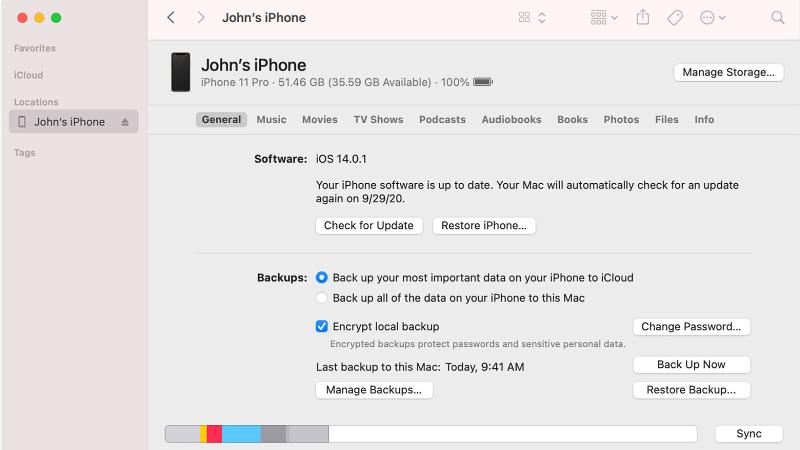
Before you get rid of your old iPhone, make sure all the data is backed up and ready to transfer to your new one. A backup to iCloud or the Finder (or the Music app if you are on a PC) is the most convenient way to sync all the data to your new iPhone, and another option is to sync directly from the old to the new iPhone. But because an iPhone backup is pretty self-contained, you may also want to separately make sure your photos are synced to Google Photos, iCloud Photos, or another cloud storage solution.
Michael Simon/IDG
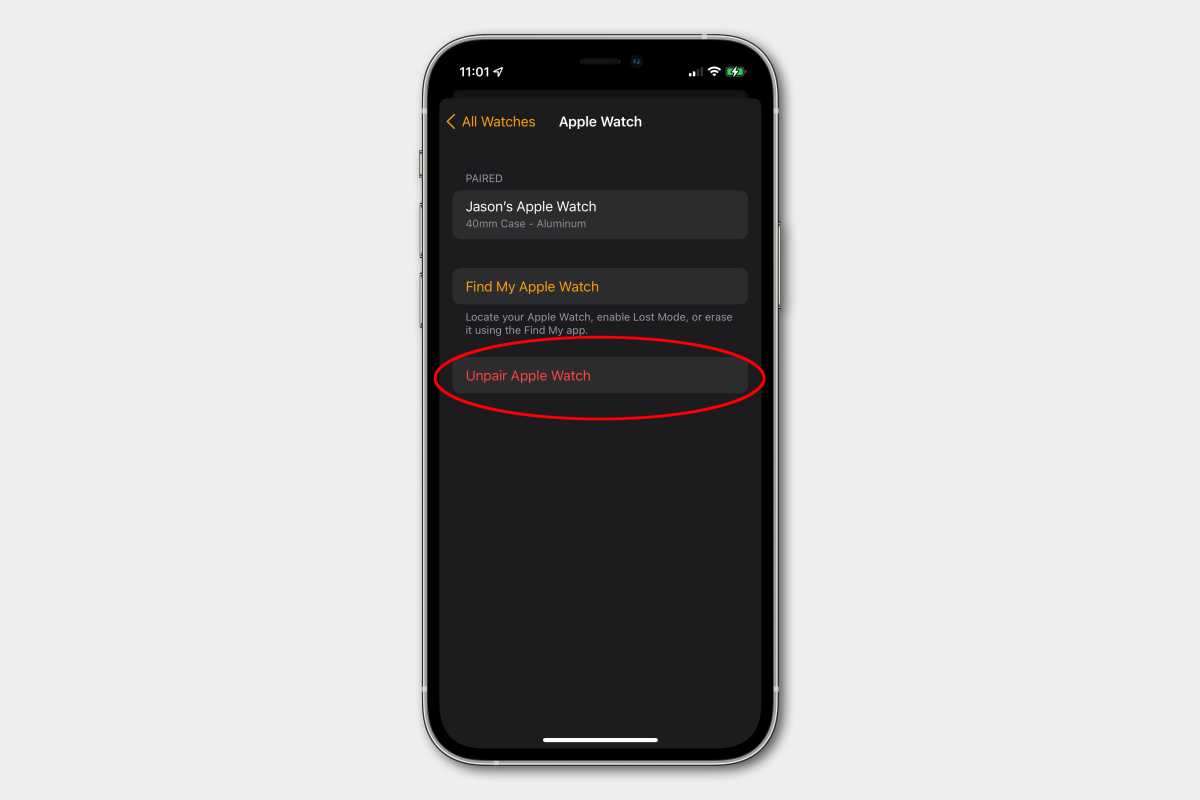
3) Unpair your Apple Watch
If you have an Apple Watch, you should make sure it’s backed up, unpair it from your old iPhone, and sync it with your new one. You can do this in the Watch app on the phone.
Tap the My Watch tab.
Tap All Watches at the top of the screen.
You’ll see all your Apple Watches paired to this iPhone.
Tap the (i) button next to your watch.
Tap Unpair Apple Watch.
If you have more than one Apple Watch paired to this iPhone, repeat this process for all of them.
IDG
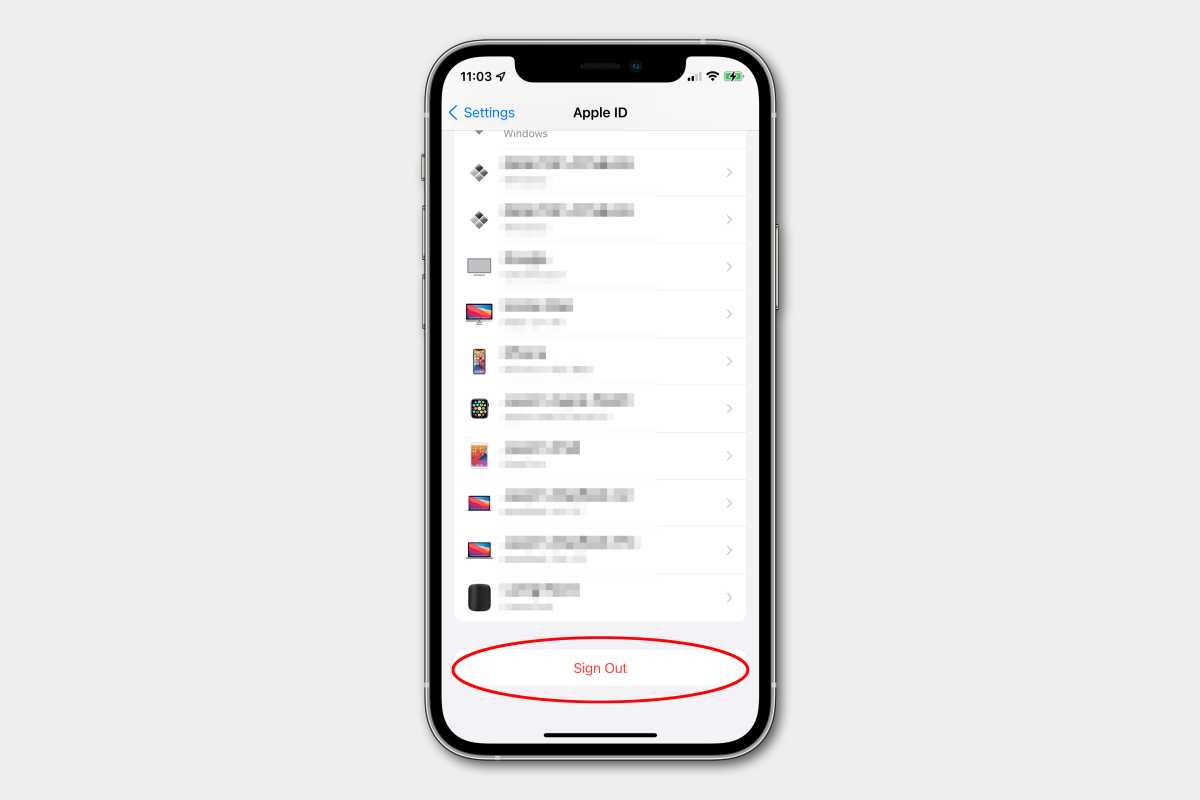
4) Sign out of your Apple account
Sign out of your iCloud and Music accounts, too. This is a crucial step: If you erase your phone without signing out first, it will still have Activation Lock enabled and the buyer won’t be able to set it up!
You should be prompted when you erase it (see below) but in case you’re not, here’s how to sign out:
Head to the top of the Settings app.
Tap your Apple ID and then scroll to the bottom of the next screen and tap Sign Out.
You’ll probably be asked to confirm your Apple ID and password.
IDG
5) Reset your iPhone
Once you’re sure your iPhone is all backed up and ready to be fully erased, head to the Settings app and tap General > Transfer or Reset iPhone (in earlier iOS versions the option says Reset). The nuclear option here is Erase All Content and Settings; if you’re selling or giving away your phone, this is what you want to do.
You may be prompted to turn off Find My iPhone and sign out of iCloud if you haven’t already—otherwise iOS’s Activation Lock will prevent the phone’s next owner from activating it. Confirm that you want to erase all the data, and your phone will be securely wiped and restored to factory settings. It’ll go through an update and you’ll be met with a “Hello” screen just like you were when you first set it up. Turn it off and say goodbye.
The next step is deciding where you are going to sell your iPhone. You should start your research at third-party buyback sites. You’ll get an idea of what your phone in its current condition is worth, and then can either take that offer or try to directly sell your phone to another person yourself on Craigslist or eBay. You might want to mention you’re selling your phone on social media like Twitter, Facebook, or Instagram first, to see if a friend or associate wants it—you’ll feel better dealing with someone you know.
Buyback sites almost never give you as much money as a direct sale to another person would, but they’re much safer and easier. Sometimes the hassle of a direct sale to another person isn’t worth a little extra money, and you just want to quickly, easily, and safely get a reasonable price for your old phone. That’s where these sites come in. There are lots of buyback sites, but these are some of the biggest and most highly recommended:
BackMarket
BackMarket buys and sells used iPhones and other products. You can get up to $600 for an iPhone 16 Pro Max 512GB unlocked in Good (not even Flawless) condition, for example. A prepaid shipping label is provided so you can ship your iPhone off to them within 21 days of your quote. The quote is dependent on the iPhone matching the description you have given.
If you are in the U.K. BackMarket will also offer you money for your used iPhone. In this case, an iPhone 16 Pro Max 512GB unlocked in good condition but a few scratches could get you £340.
Compare and Recycle
This trade-in service that assesses the different recyclers to offer you the best price on offer if you trade-in your iPhone. A search on Compare and Recycle suggested an iPhone 15 Pro Max could be worth $690 with TheWhizCells.
The same search on Compare and Recycle in the U.K. suggested an iPhone 15 Pro Max could be worth £676 with Sell your fone.
Music Magpie
In the U.K. Music Magpie will buy used equipment from you (they were acquired by AO.com in 2024). Here our Good-condition iPhone 16 Pro Max 512GB unlocked could make us £594. You can lock in that price for up to 28 days. If you want to sell you just print out your free label. Once they get the phone and inspect it to make sure it’s in the condition you stated, they pay you the following day. If the condition is not as described, they will make a new offer. If that offer isn’t acceptable, they will return the phone free of charge.
Music Magpie used to trade as Decluttr in the U.S. but that site closed when the U.K. arm was bought.
Gazelle buys and sells preowned smartphones, tablets, laptops, and other gadgets. They’ll give you an online quote for your item, and then send you a box to ship it to them for free. You can receive payment as a check, via PayPal, or in the form of an Amazon gift card.
The offer is good for 30 days, and Gazelle will make you a new offer if the item is in worse condition than you described. If you decide not to take the new offer, they’ll send your gadget back, but you pay for the return shipping.
Swappa
Swappa works a little differently than most other buyback sites. It’s actually a marketplace where you sell directly to other customers—Swappa just verifies the listings, handles the payments (using PayPal), and organizes the shipping to reduce fraud. Swappa collects its fees from the buyer’s end, but the price the buyer actually sees has that fee as well as shipping included. The seller pays for shipping, and you’re on your own to package the item securely, too.
Swappa lists a price range for what has sold recently on its site. You’ll sometimes be able to get more from a sale on Swappa, but selling directly to other people, even with Swappa’s protections in place, always assumes a little more risk. iPhone 15 Pro Max models have gone for around $605 here.
Another convenient approach is to turn in your old iPhone to the Apple Store, Amazon, Best Buy, or Walmart, where they’ll give you a gift card. You might not get quite as much, but these stores also take phones in worse condition than your typical buyer would expect. The big-box stores, for example, will give you a small gift card for an iPhone with a broken screen, while an Apple store will generally just recycle it for you. Sometimes these stores have preorder or launch-day deals as well, so keep your eyes open for that.
Apple
The Apple store’s online quote service is simple, fast, and generally offers pretty good prices for your used Apple gear. The downside is that you can only get an Apple gift card or credit toward the purchase of a new Apple product.
Amazon Trade-In lets you sell certain products directly to Amazon in exchange for an Amazon gift card. It’s a very simple process, though it can take a couple of weeks before your item gets to Amazon and is inspected, so don’t expect a credit in your Amazon account immediately. The prices are often a little lower than other buyback sites, and you only get Amazon credit, but it’s very easy and safe.
Best Buy
Best Buy offers pretty good prices on trade-ins, and you can take your iPhone to a Best Buy location to drop it off, which might be more convenient than shipping it.
Walmart
Walmart contracts with CExchange to let you trade in smartphones, tablets, video games, and wearables for a Walmart gift card. You get a prepaid FedEx Ground shipping label, but you have to pack the item yourself. Then you get an eGift Card to spend at Walmart.
In the U.K. stores like Argos, Currys and John Lewis will allow you to trade in an old iPhone.
Sell your iPhone back to your carrier
Not to be outdone, your carrier will accept trade-ins too. If you cringe at your phone bill each month, unloading old devices to your carrier might be tempting, since you can use the credit for new devices or to pay your bill. During the first couple months of an iPhone’s release, there may be special trade-in offers, so keep an eye out for that.
AT&T
For AT&T’s trade-in program, you can bring your device to an AT&T Store to get instant credit, or get a quote online and receive a kit to mail your device in for free. Then you’ll get a promotional card in the mail you can use to credit your bill or buy new stuff.
Verizon
Verizon lets you trade in devices with a prepaid shipping box. Credits can be applied to your bill, or you can opt for a gift card to use for new devices.
T-Mobile
T-Mobile’s trade-in program is geared at people who want a new phone. Once you get a quoted price (for a phone in good condition), you’re taken to the store page to shop for a new device. You can also ship your phone or bring it to a T-Mobile store.
In the U.K. Carphone Warehouse will allow you to trade in an old iPhone, as will EE and Vodafone. However, U.K. based service Compare and Recycle warns that iPhone owners can lose out on £100s if they trade in with their phone network.
Sell your phone directly to someone else
You can usually get the most money for your iPhone by selling it directly to someone else. Prepare your iPhone for sale, clean it, and take some good well-lit photos, then post it on eBay, Craigslist, OfferUp, or Facebook Marketplace (or all of the above). While this can be the most profitable route, it also could be the biggest headache and assumes the most risk. Scammers are everywhere! Follow these tips to help you sell your iPhone to someone else directly:
Only sell locally, never ship your iPhone to the buyer.
Only accept cash. Do not take a check, money order, Western Union, or any other form of payment. PayPal is not safe for individual sellers—buyers can dispute the transaction and PayPal almost always sides with them.
Check out the buyer. Is this a one-off account with no other purchases or ratings? Do they have a social media presence? Are they trying to take the conversation off FaceBook or OfferUp to text messaging right away? These are all red flags!
Meet somewhere public and safe. Many police stations have “Safe Trade Zones” or “Internet Exchange Locations” specifically set up for buyers and sellers to meet. Banks are also a good option. Go inside, don’t handle your business out in the parking lot.
See and inspect the buyer’s money before you hand over your phone. Check for counterfeit bills or the old “stack of paper in a bank envelope” trick.
Es wird allgemein erwartet, dass Apple bei der iPhone-Veranstaltung im nächsten Monat sein erstes Falt-Smartphone vorstellen wird, und es tauchen immer wieder neue Informationen auf. Die neuesten stammen von Sonny Dickson auf Bluesky, der zwei Fotos veröffentlicht hat, die einen Einblick in die von Apple gewählten Farben geben.
These iPhone Fold camera protectors give us a look at two of the colors planned for the device: silver and dark blue.
Dickson teilt zwei Fotos, die angeblich den Kameraschutz für das iPhone Ultra zeigen. Die Form stimmt mit den bisherigen Leaks überein: ein horizontaler, abgerundeter Streifen mit Aussparungen für zwei Kameras, ein Mikrofon und den Blitz. Auf der Verpackung heißt es, das Teil sei fingerabdruckabweisend, stoßfest, kratzfest und wasserabweisend sowie für entspiegelte Linsen und Autofokus-Objektive geeignet. Auf der Verpackung wird das iPhone Ultra nicht namentlich genannt, sondern es wird lediglich angegeben, dass es für „IP 2026“ bestimmt ist.
Interessanter sind die vermuteten Farben der Teile. Eine ist Silber, was auf ein weißes Modell hindeutet, doch bei der anderen handelt es sich um einen tiefen Blauton – entweder „Dark Blue“ wie beim iPhone 17 Pro oder „Midnight“ wie beim Macbook Air. Bereits im April berichtete unsere Schwesterseite „Macworld“, dass Apple an einer Indigo-Variante für sein Falt-Smartphone arbeite, ähnlich wie beim Macbook Neo. Anhand des Fotos lässt sich nur schwer sagen, welchem Blauton das iPhone Ultra genau entsprechen wird, doch dies ist der bislang deutlichste Anhaltspunkt dafür, dass es blau statt schwarz sein könnte.
Apples erstes dunkelblaues Smartphone war das iPhone 13 in der Farbe „Mitternacht“ von 2021, das laut Evans Hankey – dem damaligen Vizepräsidenten für Industriedesign bei Apple, der das Unternehmen inzwischen verlassen hat – vom Vulkangestein Basalt inspiriert war. Die Farbe wurde seitdem auch bei Macs, Homepods und Airpods Max verwendet.
Premium-Smartphones gehören zu den wenigen Technikprodukten, deren Preise oft über viele Monate vergleichsweise stabil bleiben. Besonders bei Apples Pro-Modellen sind größere Preisnachlässe selbst lange nach dem Marktstart eher selten.
Wer mit dem Gedanken spielt, auf das aktuelle Topmodell von Apple umzusteigen, findet derzeit jedoch ein vergleichsweise attraktives Angebot. Das iPhone 17 Pro Max mit 256 GB Speicher ist bei Amazon aktuell für 1.269 Euro erhältlich. Gegenüber der UVP von 1.449 Euro entspricht das einer Ersparnis von 180 Euro beziehungsweise rund 12 Prozent.
Mit 4,6 von 5 Sternen aus mehr als 1.000 Bewertungen kommt das Smartphone bei Nutzern überwiegend gut an. Zudem wurden laut Amazon in den vergangenen vier Wochen mehr als 500 Geräte verkauft. Das Modell zählt damit weiterhin zu den gefragtesten Premium-Smartphones auf der Plattform und ist derzeit Bestseller Nummer 4 bei Amazon.
Was das iPhone 17 Pro Max zu bieten hat
Das iPhone 17 Pro Max ist Apples größtes und leistungsstärkstes Smartphone der aktuellen iPhone-Reihe. Es verfügt über ein 6,9 Zoll großes Super Retina XDR OLED-Display mit einer Auflösung von 2.868 × 1.320 Pixeln. Unterstützt werden eine adaptive Bildwiederholrate bis 120 Hertz, Always-on-Display, Dynamic Island, HDR und True Tone.
Für den Schutz des Geräts setzt Apple auf Ceramic Shield auf Vorder- und Rückseite. Laut Hersteller soll die Rückseite einen bis zu vierfach höheren Bruchschutz bieten, während Ceramic Shield 2 auf der Vorderseite die Kratzfestigkeit verbessert. Zusätzlich ist das Smartphone nach IP68 gegen Wasser und Staub geschützt.
Britta O’Boyle
Innen arbeitet der neue A19 Pro Chip mit 6-Core-CPU, 6-Core-GPU und 16-Core Neural Engine. Apple spricht von einer deutlich höheren dauerhaft verfügbaren Leistung gegenüber dem Vorgänger.
Ein Schwerpunkt des Pro-Max-Modells bleibt das Kamerasystem. Verbaut sind drei 48-Megapixel-Kameras mit Fusion-Hauptkamera, Ultraweitwinkel und Telekamera. Möglich sind bis zu achtfacher Zoom in optischer Qualität, ein optischer Zoombereich von 16-facher Vergrößerung sowie bis zu 40-facher Digitalzoom. Hinzu kommen ProRes-Videoaufnahmen bis 4K mit 120 Bildern pro Sekunde, Dolby Vision, Apple Log 2 sowie weitere Funktionen für Foto- und Videoproduktionen.
Die neue 18-Megapixel-Center-Stage-Frontkamera passt den Bildausschnitt automatisch an und eignet sich dadurch besonders für Videoanrufe, Gruppenaufnahmen oder Inhalte für soziale Netzwerke. Außerdem unterstützt sie die gleichzeitige Aufnahme mit Front- und Rückkamera.
Apple spricht beim 17 Pro Max von der längsten Laufzeit, die es bislang in einem iPhone gegeben hat. Laut Hersteller sind bis zu 37 Stunden Videowiedergabe möglich. Geladen wird über USB-C, Magsafe oder Qi2. Mit einem kompatiblen Netzteil sollen bis zu 50 Prozent Akkuladung in etwa 20 Minuten erreicht werden.
Zur weiteren Ausstattung gehören 5G, WLAN 7, Bluetooth 6, NFC, Face ID, Notruf SOS über Satellit, Unfallerkennung sowie Apple Intelligence. Ferner unterstützt das Pro-Modell USB 3 mit Datenraten von bis zu 10 Gbit/s, was insbesondere für Nutzer interessant sein kann, die große Foto- oder Videodateien übertragen.
Auch in unserem Test hinterließ das Gerät einen guten Eindruck. Gelobt wurden unter anderem die hohe Leistung, die verbesserte Kühlung, das helle Display, die neue Center-Stage-Frontkamera sowie die Telekamera mit erweitertem Zoombereich.
Warum sich das Angebot lohnt
Mit 1.269 Euro erreicht das iPhone 17 Pro Max aktuell seinen bisherigen Bestpreis. Nachdem das Modell Ende Juli noch 1.329 Euro kostete und Ende Juni lediglich kurzzeitig auf 1.299 Euro gefallen war, ist das aktuelle Angebot die bislang günstigste Gelegenheit für Käufer, die das Flaggschiff-Modell im Blick haben.
Besonders interessant ist das Smartphone für Nutzer älterer iPhone-Generationen, die Wert auf eine lange Akkulaufzeit, hohe Leistung und ein vielseitiges Kamerasystem legen. Auch wer regelmäßig fotografiert, Videos aufnimmt oder das Smartphone beruflich nutzt, profitiert von den zusätzlichen Funktionen der Pro-Serie.
Die Bewertungen fallen überwiegend positiv aus. Käufer loben vor allem die Verarbeitungsqualität, die hohe Zuverlässigkeit, die starke Akkulaufzeit sowie die Kamera mit ihrer natürlichen Farbwiedergabe und hohen Detailtiefe. Ebenfalls positiv erwähnt werden das Design und die allgemeine Performance im Alltag.
Kritik gibt es vor allem beim Preis. Trotz des aktuellen Rabatts bleibt das iPhone 17 Pro Max eines der teuersten Smartphones auf dem Markt. Zudem bringt das Gerät mit 231 Gramm vergleichsweise viel Gewicht auf die Waage. Wer ein möglichst leichtes Smartphone sucht oder die erweiterten Kamera- und Pro-Funktionen nicht benötigt, findet in günstigeren Modellen oftmals die wirtschaftlichere Wahl.
Für alle, die gezielt das derzeit leistungsstärkste iPhone mit der längsten Akkulaufzeit und dem umfangreichsten Kamerasystem suchen, ist der aktuelle Tiefstpreis aber eine der bislang attraktivsten Kaufgelegenheiten seit Marktstart.
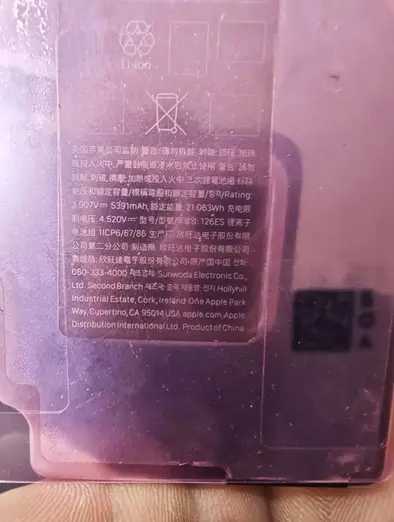
Der Leaker „yeux1122“ hat auf der koreanischen Plattform „Naver“ vor Kurzem Fotos eines Akkus hochgeladen, der vom iPhone 18 Pro Max stammen soll.
Gut zu sehen ist der Sticker mit den üblichen Regularien, auf dem auch die Kapazität zu erkennen ist: Sie beträgt 5.391 mAh bzw. 21,063 Wh und deckt sich damit mit einem Leak vom Juli 2026. Dort hatte der Weibo-Leaker „Digital Chat Station“ berichtet, dass das iPhone 18 Pro Max mit SIM-Slot ebendiese Kapazität haben würde. Auch diese Fotos sollen ursprünglich von Weibo stammen und dementsprechend den Akku eines chinesischen iPhones zeigen, das nach wie vor auf physische SIM-Karten setzt.
yeux1122
Sollten die Informationen korrekt sein – und mit zwei unabhängigen Quellen steigt die Wahrscheinlichkeit –, erhält das iPhone 18 Pro Max den bisher größten Akku, den Apple je in einem iPhone verbaut hat: ganze 12,3 Prozent mehr Energie im Vergleich zum iPhone 17 Pro Max. Interessanterweise ist nicht nur die elektrische Ladung des Akkus gestiegen (von 4.823 auf 5.391 mAh), sondern auch seine Spannung (von 3,88 V auf 3,907 V).
Dennoch würden wir diese Informationen weiterhin mit Vorsicht genießen, da yeux1122 nicht die allerbeste Trefferquote hat, was Leaks angeht. Bei diesem sind wir aber zuversichtlich, dass es zumindest im Ansatz authentisch ist, da langsam die heiße Phase der Produktion beginnt und immer mehr Fotos echter Bauteile der neuen iPhones auftauchen.
If your iPhone or iPad is misbehaving and initial solutions are not working, a full reset may be necessary. Taking your device back to how it was out of the box can often help resolve issues like constant crashing, freezing or other serious problems.
It’s something of a nuclear option, though, so before you take this route we’d recommend restarting or force-restarting your iPhone or iPad, as that will leave your data and settings intact. Another option is to ensure that the version of iOS or iPadOS on your device is up to date, as the problem might be caused by an issue that has since been patched by Apple. We explain how to do this in our how to update iOS guide.
Of course, if you’re selling your iPhone (or passing it down to a family member or friend) it’s absolutely vital that you delete all the sensitive data stored on it. If not, an unscrupulous buyer could gain access to your social media profiles, financial information and even your personal photos and videos.
As with any activity that deletes data, we’d recommend that you back up your iPhone or iPad before you attempt resetting the device. After your device has been wiped you will be able to download your data from your backup.
How to wipe an iPhone or iPad
We’ll concentrate on iPhone for this tutorial, but the steps will be more or less the same for iPad. There are two ways to erase your iPhone or iPad, one is useful if you just want to erase everything and then recover the data from a backup, the other is useful if you are moving to a new device and selling or passing on the one you are erasing. There’s also a basic Reset option that might be all you need to do in order to fix a troublesome issue.
Foundry
To factory-reset an iPhone follow these steps (after backing up your device).
You may need to remove your device from Find My before you begin. You will also need to be connected to Wi-Fi or cellular for this process to work.
Go to Settings.
Tap on General.
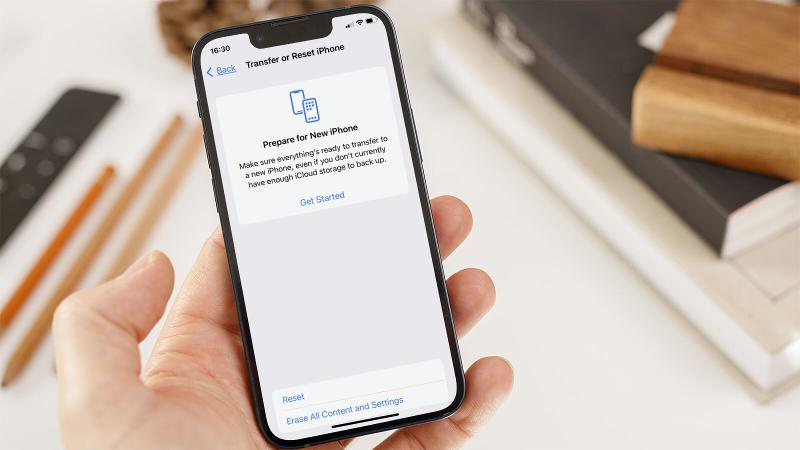
Choose Transfer or Reset iPhone.
You now have the options Prepare for New iPhone, Reset, and Erase All Content and Settings:
Choose Reset if you just want to reset your settings. There are also options to reset network settings, reset the keyboard dictionary, reset the home screen layout, and reset location and privacy. These options may be enough to fix a problem with your iPhone without wiping it.
Choose Prepare for New iPhone to backup and wipe your iPhone for sale, or so you can pass it on to someone else.
Choose Erase All Content and Settings to completely wipe your iPhone and reinstall the operating system and everything else.
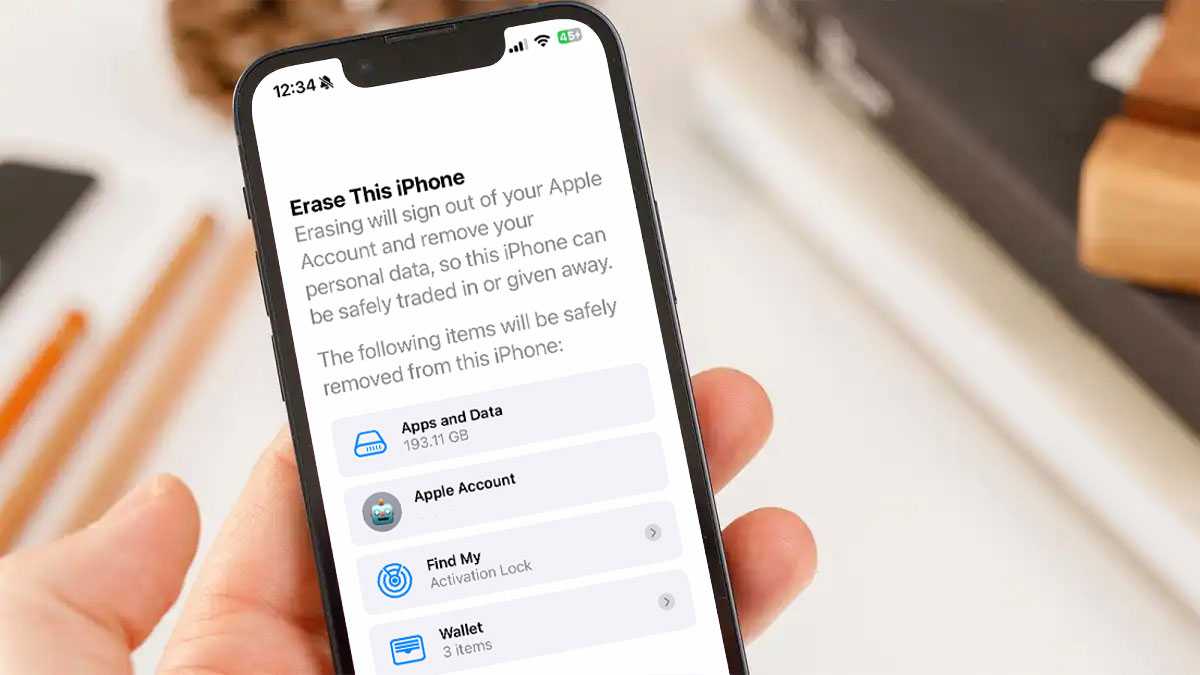
The iPhone will alert you to what will be deleted, including Apps and Data and your Apple ID. Find My will no longer be connected to the device, and all your Apple Wallet details will be removed. This is your cue to back up any of this data (if you don’t have a backup we run through how to do that here: How to back up an iPhone or iPad.) You will also find options for backing up this information if you follow the Prepare for New iPhone steps below.
If you are happy that you have a backup, or don’t need the data being referred to, either select Erase All Content and Settings or the Prepare for New iPhone option.
Tap Continue.
Enter the Passcode for the iPhone and the process will begin.
If you want help backing your data up to iCloud and want to make sure you cover all the important steps that you should make when selling your old device, you can make use of the Prepare for New iPhone instructions, which will walk you through the process.
How to reset an iPhone if you’ve forgotten the password or passcode
During the process for resetting you iPhone your passcode will be requested, you may also need to use the password associated with your Apple ID. This is a problem if you have forgotten it.
There is a workaround if you have forgotten your passcode but remember your Apple ID password:
On the Lock Screen, enter a passcode several times until you get a Security Lockout with a warning to try again later.
You’ll see Erase iPhone (or iPad) at the bottom of the screen. Tap on that.
Tap Erase iPhone/iPad and then tap it again to confirm.
You’ll be prompted to enter your Apple ID password to sign out of your Apple ID on this device. This will allow you to reset the device and turn off Activation Lock.
Tap Erase iPhone/iPad when prompted again to permanently delete all your apps and data and reset the device.
After a few minutes, your iPhone or iPad will restart and you’ll be at the setup screen, as if it was a new device you just took out of the box. For obvious security reasons, there’s no way to reset your iPhone after a lost passcode without erasing all your apps and data. It would provide an exploitable loop for bad actors to get around the passcode timeouts and such. But as long as you back up your iPhone regularly (either via iCloud or with a connection to your computer) it shouldn’t be too onerous to start over.
Resetting without a password used to require plugging into a computer via USB, entering iPhone recovery mode…it was a whole process. The good news is, Apple made this a lot easier as of iOS 15.2 (and iPadOS 15.2). So, if your device is running that version or later you can follow the steps below (otherwise click on the link above to reset via a computer). If you have forgotten your Apple ID password read this for help: How to reset Apple ID if you forgot the password.
How to restore an iPhone
If, having erased the content of the phone, you intend to keep using it, you can restore the content to your phone from your backup – assuming you have one, if not check out the section below. Here’s to recover your iPhone or iPad data:
From an iCloud backup
With the factory reset completed you’ll need to go through the setup of your iPhone again from the beginning:
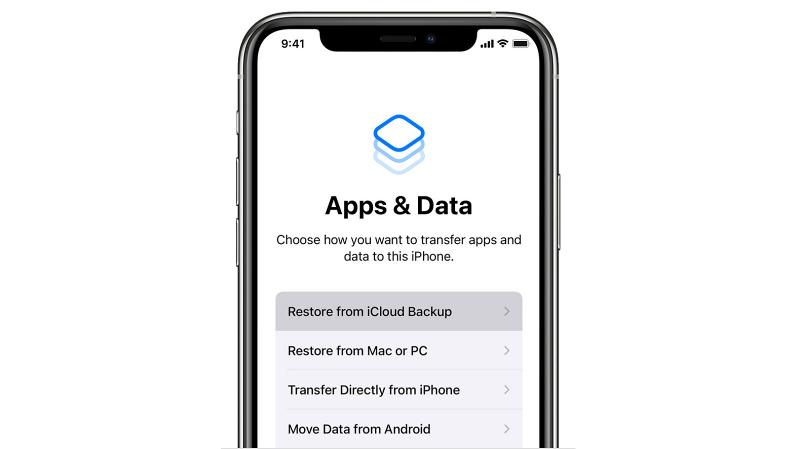
Follow the onscreen instructions until you reach the page with the headings ‘Apps & Data’.
Here you’ll see four different options from which you should select Restore from iCloud Backup.Sign into your iCloud account then select the backup you want to restore.
You may be prompted to sign into various apps that you’ve already purchased, but other than that the process should now be pretty much automatic.
Obviously, this could take a while if you have large backups or a slow internet connection, so don’t attempt this if you’re in a hurry. When the backup is completed your iPhone will reboot, and then it will start the larger job of downloading all of your apps.
From a Finder or iTunes backup
Depending on the version of macOS you’re running, you’ll either be able to use Finder (macOS Mojave and later) or iTunes (macOS Catalina or earlier) to restore a backup.
Connect your iPhone to the Mac or PC.
In the Finder window (or iTunes) you should see your device listed in the left column. Select it, then click on Restore Backup.
Choose the backup you want to use, then click Restore.
The process should now automatically install the backup on your device.
What to do if you didn’t back up your iPhone before you wiped it
If you didn’t backup your iPhone or iPad first, it’s likely that you won’t be able to retrieve data once you have deleted it.
The data on an iOS device is automatically encrypted, and wiping the device destroys the encryption key, making it more or less impossible to get anything back when it’s been fully erased and reset without access to a backup.
In an emergency you could try speaking to someone at an Apple Genius Bar, but it’s a long shot to say the least. (This applies to a full erase/reset, mind you – in other circumstances, such as data corruption, a malfunctioning device and so on, the experts may be able to help.) This also reinforces our frequent advice to back up regularly.
If you’re worried that your iPhone or iPad wasn’t backed up, don’t give up hope: there’s a chance there may be a backup of which you’re unaware.
To find out if you’re backing up to iCloud follow these steps:
Open Settings.
Tap on your name at the top of the screen.
Choose iCloud.
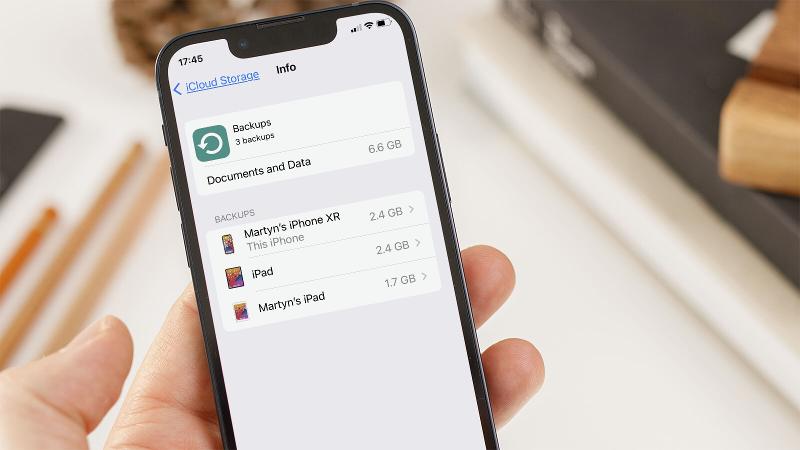
Now tap on Manage Storage or just Storage, depending on the version of iOS. Here you should see an entry called Backups with the amount of data it’s taking up displayed to the right of the name.
Tap this and you’ll see all of the various backups for your iOS/iPadOS devices.
Find the most recent backup you have and tap on it.
One of the backups should say that it is This iPhone or This iPad. Tap on that and you can see what is, and isn’t being backed up. You can basically turn things on and off so that they don’t take up your full free 5GB iCloud allocation, or you can pay a few dollars/pounds a month for more storage.
If you don’t see a backup from the device you were hoping to recover, but you do have backups of other devices (perhaps you have an iPad backup, but not an iPhone backup) you should be able to recover some of your data simply because once you link your iPhone to your iCloud account the shared data should be available on your iPhone.
If you weren’t backing you iPhone up to iCloud we suggest you do! Read How to back up an iPhone or iPad or follow the steps below.
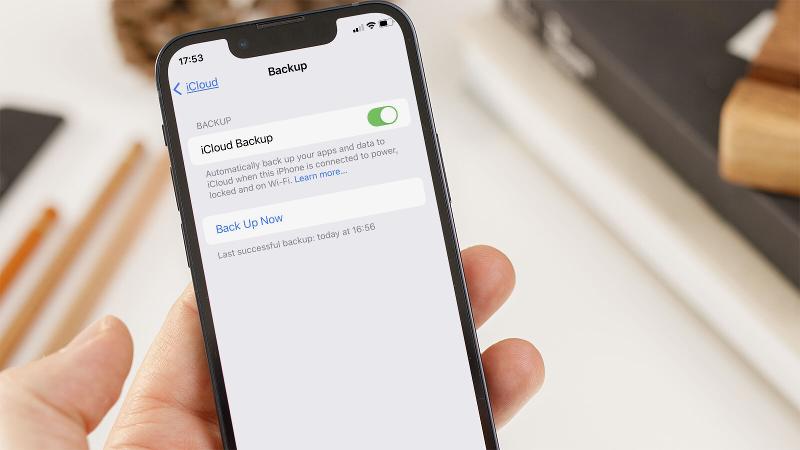
Open Settings.
Tap on iCloud.
Find iCloud Backup and tap on it.
Now switch the slider beside iCloud Backup to on (green).
Tap Back Up Now. It may take a while, so bear in mind that your iPhone needs to be plugged in for the whole time.
If the backup is going to take ages you can reduce the amount of data being backed up. For example, you may think that some of the apps don’t need to be backed up; after all, you will be able to download them again from the App Store as you already own them. But note that the data may include saved data for games, and other settings and preferences you would prefer not to lose.
There you have it. A quick guide on resetting your iPhone and then restoring it once more. Of course, if you’re moving on from that older device and fancy something newer, be sure to read our best iPhone deals roundup to see if you can save some money in the process.
Während andere Smartphones nach Marktstart recht schnell im Preis sinken, bleiben iPhones lange stabil im Preis. Fast ein Jahr nach Release erlebt das Flaggschiff iPhone 17 Pro nun seinen ersten richtigen Preissturz auf seinen neuen Tiefstpreis.
Bei Amazon kostet das iPhone 17 Pro mit 256 GB in der Farbe Cosmic Orange aktuell nämlich nur 1.099 Euro statt 1.299 Euro UVP. Das entspricht einer Ersparnis von 200 Euro beziehungsweise 15 Prozent.
Gleichzeitig markiert das Angebot den neuen Tiefstpreis: Keine Version war bislang günstiger erhältlich. Zuletzt bewegte sich der Preis überwiegend zwischen 1.199 Euro und der UVP, im Juni fiel er kurzzeitig auf 1.169 Euro.
Nicht nur die Variante in Orange ist reduziert: Auch die iPhone-17-Pro-Modelle in blau und weiß kosten derzeit 1.099 Euro und erreichen damit ihren bisherigen Bestpreis. Wer mehr Speicherplatz benötigt, erhält die Ausführungen mit512 GB aktuell für 1.399 Euro– ebenfalls zum niedrigsten Preis seit Marktstart.
Mit 4,6 von 5 Sternen aus knapp 1.300 Bewertungen kommt das iPhone 17 Pro bei den Nutzern überwiegend gut an. In den Amazon-Verkaufscharts belegt es derzeit Platz 2 der Bestseller-Smartphones – direkt hinter dem Standardmodell iPhone 17, das aktuell für 849 Euro erhältlich istund damit rund 11 Prozent unter seiner UVP liegt.
Was das iPhone 17 Pro zu bieten hat
Das iPhone 17 Pro besitzt ein 6,3 Zoll großes Super Retina XDR OLED-Display mit einer Auflösung von 2.622 × 1.206 Pixeln. Es unterstützt ProMotion mit adaptiver Bildwiederholrate bis 120 Hertz, Always-on-Display, Dynamic Island, HDR, True Tone sowie den großen P3-Farbraum. Das Display soll laut Apple zudem augenschonender sein als bei früheren Generationen.
Vorder- und Rückseite werden durch Ceramic Shield geschützt. Laut Hersteller bietet die Rückseite einen bis zu vierfach höheren Bruchschutz, während Ceramic Shield 2 auf der Vorderseite eine dreifach höhere Kratzfestigkeit erreichen soll. Das Apple-Handy ist außerdem nach IP68 gegen Wasser und Staub geschützt.
Unter der Haube arbeitet der neue A19 Pro-Chip mit 6-Core-CPU, 6-Core-GPU und 16-Core Neural Engine. Apple verspricht gegenüber der Vorgängergeneration eine bis zu 40 Prozent höhere dauerhaft verfügbare Leistung. Unterstützt wird dies durch eine Dampfkühlung, die die Performance auch unter längerer Last stabil halten soll. Hardwarebeschleunigtes Raytracing gehört ebenfalls zur Ausstattung.
Zu den größten Neuerungen zählt das Kamerasystem. Das iPhone 17 Pro verfügt über drei 48-Megapixel-Kameras mit Fusion-Hauptkamera, Ultraweitwinkel und Telekamera. Möglich sind bis zu achtfacher Zoom in optischer Qualität, ein optischer Zoombereich von 16-facher Vergrößerung sowie bis zu 40-facher Digitalzoom. Hinzu kommen ProRes-Videoaufnahmen bis 4K mit 120 Bildern pro Sekunde, Dolby Vision, Apple Log 2 und einige Profifunktionen für Foto- und Videografie.
Die Frontkamera löst mit 18 Megapixeln auf und unterstützt Center Stage. Dadurch passt sich der Bildausschnitt automatisch an und eignet sich sowohl für Videoanrufe als auch für Gruppenaufnahmen. Zusätzlich sind Funktionen wie doppelte Aufnahme mit Front- und Rückkamera, Autofokus und ultrastabilisierte Videos integriert.
Apple spricht von einer deutlich verbesserten Akkulaufzeit. Bis zu 31 Stunden Videowiedergabe sollen mit einer Akkuladung möglich sein. Sie laden das Handy per USB-C oder Magsafe. Mit einem separat erhältlichen 40-Watt-Netzteil sind bis zu 50 Prozent Akkuladung in rund 20 Minuten möglich.
Zur Ausstattung gehören 5G, WLAN 7, Bluetooth 6, NFC sowie eSIM-Unterstützung. Notruf-SOS über Satellit und die Unfallerkennung stehen ebenfalls zur Verfügung und können in Situationen ohne Mobilfunk- oder WLAN-Verbindung hilfreich sein.
Warum sich das Angebot lohnt
Der aktuelle Preis von 1.099 Euro macht das iPhone 17 Pro erstmals so günstig wie nie zuvor. Nachdem das Smartphone bislang meist zwischen 1.199 Euro und der UVP von 1.299 Euro lag und selbst der bisherige Bestpreis bei 1.169 Euro lag, fällt der Preis nun erstmals deutlich darunter.
Nutzer bei Amazon bewerten das Smartphone überwiegend positiv. Sie loben vor allem die hohe Leistung, die ausgezeichnete Kameraqualität, das hochwertige Design, die angenehme Handhabung sowie die Akkulaufzeit. Ebenfalls positiv erwähnt werden die neue Farbpalette und die Verarbeitungsqualität. Beim Preis gehen die Meinungen hingegen auseinander: Während einige Käufer den Preis als angemessen ansehen, empfinden andere die Kosten trotz der technischen Verbesserungen als hoch.
Auch unser Testfazit fällt insgesamt positiv aus. Besonders die hohe Leistung des A19 Pro Chips, die verbesserte Kühlung, die neue Telekamera, die Center-Stage-Frontkamera sowie das augenfreundlichere Display haben uns überzeugt. Kritik gab es dagegen am weiterhin hohen Preis und am vergleichsweise hohen Gewicht.
Im Fazit kamen wir dennoch zu dem Schluss, dass das iPhone 17 Pro und das größere 17 Pro Max das insgesamt ausgewogenste Gesamtpaket der aktuellen iPhone-Generation bieten. Ein Wechsel lohnt sich vor allem für Nutzer älterer Modelle sowie für alle, die viel fotografieren oder Videos aufnehmen.
Recovery mode can be used to return your iPhone to factory settings. During the process your iPhone will be wiped and the newest version of iOS will be installed on it.
You might want to do this because you are experiencing problems with your iPhone and want to wipe it and start again, you might need to wipe an iPhone that you don’t have the password for, or you could use Recovery Mode to remove an iOS beta. Note that this is not quite the same as wiping your iPhone so that you can prepare it for sale, in that case, you need to follow a different process that will remove all your data and unlink the iPhone from your Apple ID.
Once you have restored your iPhone using Recovery mode your iPhone will be running the newest full version of iOS (i.e. not a beta). You will then be able to restore your iPhone settings and apps from an iCloud backup from before the time the troubles started, or before the time you installed the beta.
Note that if you are turning to this option because you have been unable to erase an iPhone using the Erase all content and settings option in Settings > General on an iPhone check that your iPhone is connected to a WiFi network before giving up on that method.
You will need to be connected to a network, either Wi-Fi or via a Sim.
How to put your iPhone into Recovery mode
You will need the Finder on the Mac or iTunes on a PC to enter Recovery mode.
Follow these steps to put your iPhone into recovery mode:
Plug your iPhone into your computer using a cable that supports data.
Open the Finder (if you are on a PC it’s iTunes you need).
Locate the iPhone in the column on the left-hand side of the Finder or in iTunes and click on it.
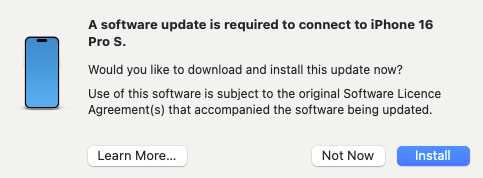
You may see a message that indicates you need to download an update to access the iPhone. Sometimes the said software is unavailable from the software update server, so don’t worry about this. But if you can, install the update.
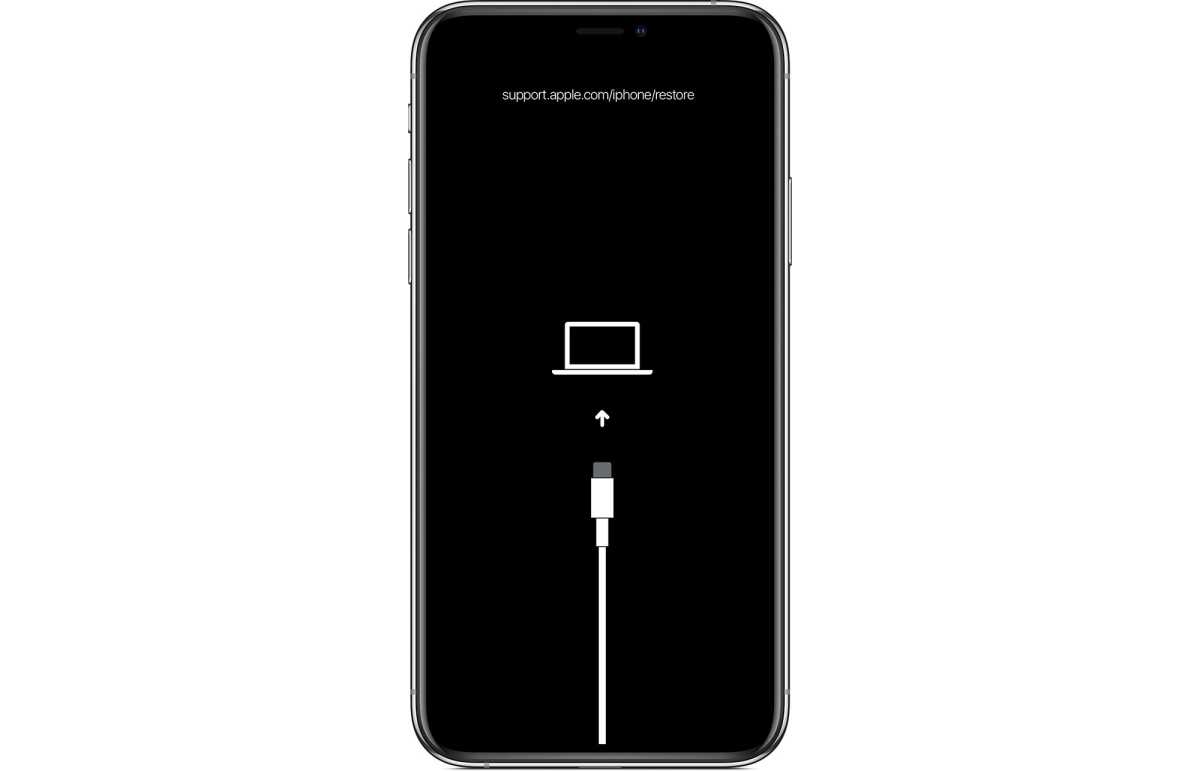
Shut down your iPhone by pressing volume up, volume down, and then press and hold the side button. Unlike a usual restart keep pressing and holding the side button while the phone shuts down and starts up again—this means you must keep holding the side button even when it gives you the option to turn the phone off and even when the Apple logo appears. Wait till the Recovery Mode screen is in place before releasing the side button. The image of a Mac and a connector on your iPhone that indicates it is in recovery mode.
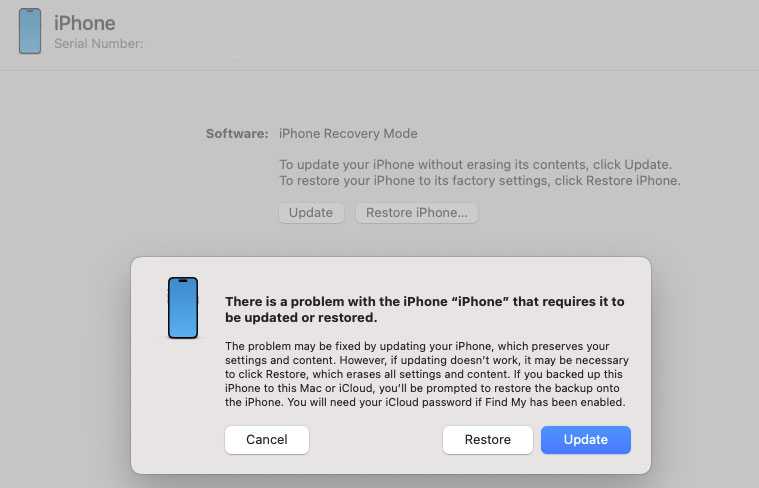
On your Mac you should now see a message indicating that there is a problem with the iPhone that requires it to be updated or restored. You need to click on Restore.
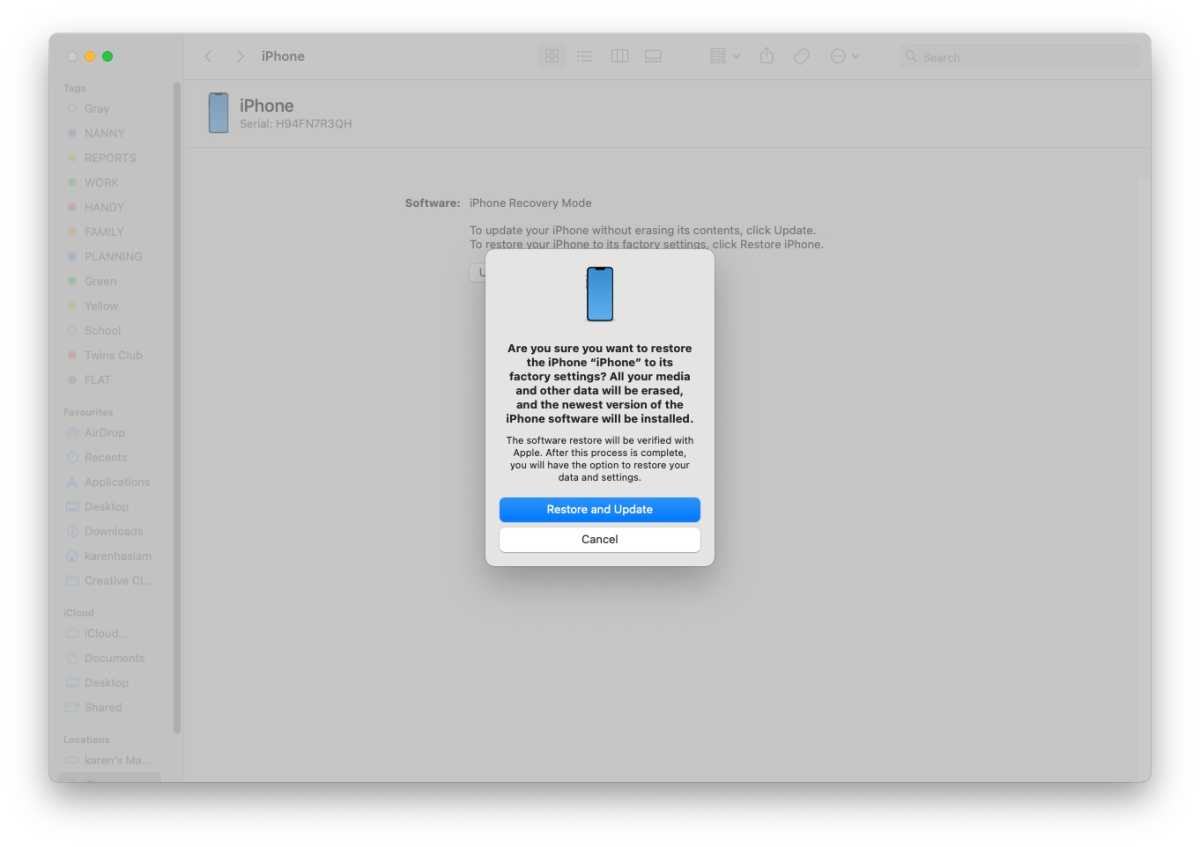
You will see a warning: “Are you sure you want to restore the iPhone…” Click on Restore and Update.
Click Agree on the next screen that details the license agreement.
Just note that there’s only about 15 minutes before your iPhone will exit recovery mode, at which point you will have to enter recovery mode again.
Your iPhone should restart with the Welcome screen if this process has worked.
Now you can either set up your iPhone as new, or restore it from an iCloud backup from before you started to experience problems.
Sometimes the Mac will require a software update to connect to your iPhone. It’s pretty painless to download and install as you are walked through the process.
Simon Jary
Keeping holding the side button until you see this screen on your iPhone.
Simon Jary
Simon Jary
Foundry
Another option is DFU mode, which is more drastic and used for tinkering with firmware and the like.
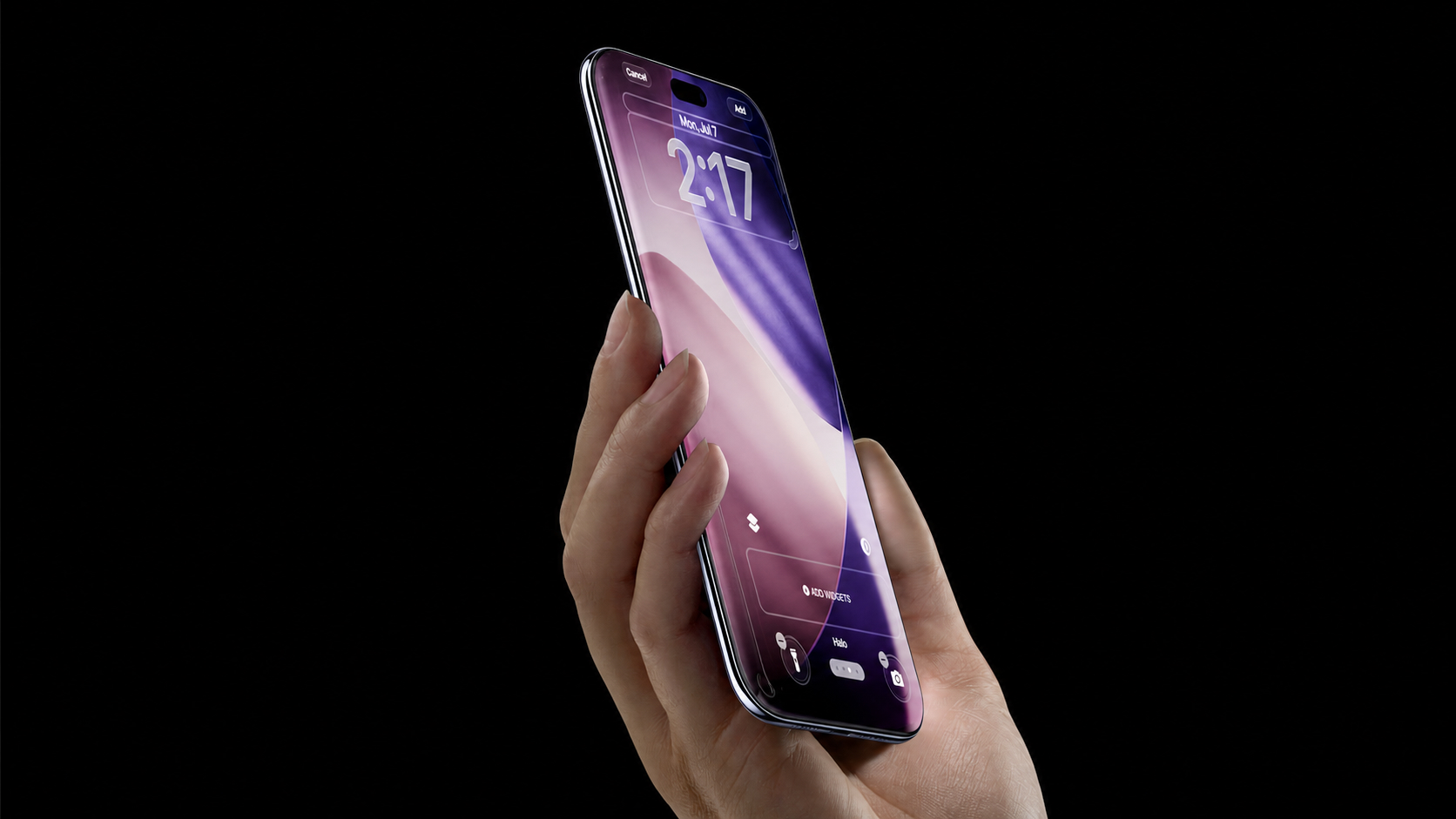
Gurman says that the 20th-anniversary iPhone will make heavy use of glass, with the front and rear wrapping around the edges to sandwich a thin metal band.
The company expects to launch iPhone Pro models next year that will make use of a new glassy look, according to the people, who asked not to be identified because the work is confidential. Glass is used on the front and back of the phones — known internally as V73 and V74 — and the material will curve into the sides of the devices, with a metal band in the middle.
Gurman does mention a "more aspirational version" that "used even more glass," but says that design "was scrapped early on" in the development cycle.
It's possible that this more ambitious design is the one Lee was referring to in today's report, but Gurman implies that it was discarded some time ago, rather than being a more recent development as Lee had suggested.
Lee's report also appeared to suggest that the all-glass design would have been for an all-new model, saying the Jefferies analysts believed Apple's plan was to "extend the all-glass features to future iPhone Pro and Pro Max models," but we have not heard anything about such a potential additional model in quite some time. All recent rumors have been pointing toward the glass-heavy design already being for the Pro and Pro Max models in next year's lineup.
Apple has released iOS 27 beta 5 for iPhone, along with iPadOS 27 beta 5 for iPad. If you’re currently running the developer beta you will find the latest update available right away, and typically public beta testers find the same build version available soon after as well. The emphasis of iOS 27 and iPadOS ... Read More
In just a few weeks, Apple will unveil its latest iPhones, including the iPhone 18 Pro and Pro Max, and the iPhone Ultra, its first folding phone. However, reports had claimed for months that Apple is planning something even bigger for next year to mark the iPhone’s 20th anniversary. Now, a new report throws a bucket of cold water on those plans.
According to Jefferies analyst Edison Lee, Apple’s has scrapped its plans for the 20th anniversary phone, which has been rumored to have a “quad-curved” display. Reports have described a phone as having “a display where the bezel nearly disappears from sight, while edge viewing remains natural and undisturbed” that adopts Apple’s Liquid Glass branding in hardware form.
However, now Lee says the phone might never arrive. Citing “supply chain checks” and “soaring memory costs,” the analyst says Apple’s plans for “all-glass features” on future iPhones have been canceled “due to low yield” or not enough return on investment. Presumably, the phone would have cost too much to produce.
In response, he downgraded Apple’s rating to Underperform (Sell) on the basis that the move is “a major setback to efforts to bring in higher-priced iPhones.” AAPL dropped more than 2 percent on the advice.
We’ve been getting regular reports about the so-called 20th anniversary iPhone for more than a year, as Apple gears up to mark the milestone with a special-edition model, much as it did with the iPhone X in 2017.

 Login