❌

Reading view

Dogs can tell if you're scared or sad

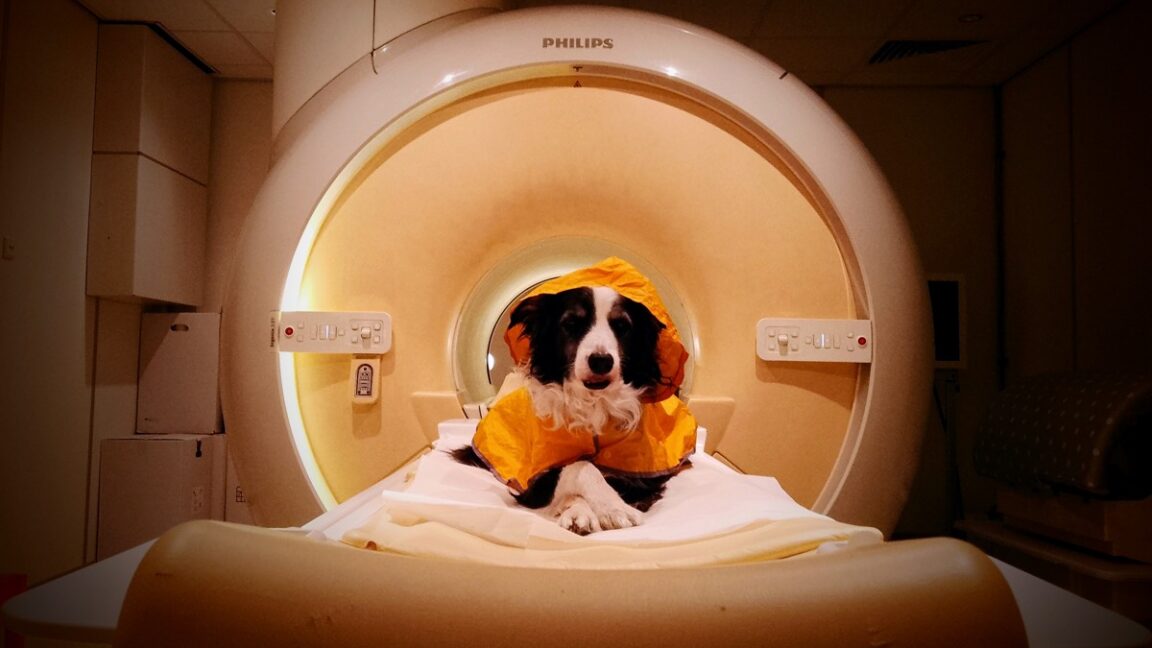
Any dog owner would tell you that their canine companions are attuned to their humans' emotional state and respond accordingly. Scientists have performed fMRI scans on dogs and identified a specific brain region that processes happy human facial expresses, like a smile, according to a new paper published in the journal iScience. They also found that dogs can tell the difference between negative facial expressions, specifically anger, sadness, and fear.

“Humans are really good at picking up small details on the face, and so are dogs,” said co-author Raúl Hernández-Pérez of the University of Vienna. “This makes dogs very interesting. By studying their brains, we can understand what adaptations have developed to support their remarkable social and emotional understanding of humans.”

Prior behavioral studies have shown that dogs are sensitive to emotion in human faces. Dogs will, for example, choose a box their human has identified with a happy expression over one the human treats with fear or disgust. Past fMRI studies found that an area in the canine left temporal cortex showed a stronger response to human faces compared to dog faces, as well as a greater response in the caudate, hippocampus, and amygdala to human faces showing emotion versus neutral faces.

Read full article

Comments

© Laura V. Cuaya/CC BY-SA

  •  

Dodo Had Surprisingly Keen Sense of Smell and Owl-Like Vision, New Study Reveals

The dodo (Raphus cucullatus) by Frederick William Frohawk, 1905.

New research led by University of Lethbridge scientists offers the most detailed look yet at how the dodo (Raphus cucullatus) -- the flightless bird driven to extinction by the 1600s -- actually perceived its world, suggesting the ‘stupid bird’ had a far more complex sensory life than its reputation implies.

The post Dodo Had Surprisingly Keen Sense of Smell and Owl-Like Vision, New Study Reveals appeared first on Sci.News: Breaking Science News.

  •  

Decades of Financial Hardship Linked to Faster Brain Aging

Long-term financial stress accelerates age-related cognitive decline. Image credit: Thomas Breher.

A large British study spanning more than 70 years has found that people who experience chronic money struggles over their working lives show measurable declines in memory and processing speed by their 50s, along with signs of accelerated brain shrinkage decades later.

The post Decades of Financial Hardship Linked to Faster Brain Aging appeared first on Sci.News: Breaking Science News.

  •  

Forgot your Google password? Now you can log in with a selfie.

Getting locked out of an account is no fun. Google has a few ways to help you regain access if you happen to forget your password or lose an authenticator, including recovery contacts and backup codes. Now, Google has a completely new option: your face. You can now give Google a video record of your face and sign into your account with a selfie, which sounds like something people are going to just love.

You will have to set this feature up ahead of time if you want the option of regaining account access with a selfie later on. To get started, verify your account type is supported. You won't be able to configure selfie sign-ins for Workspace accounts, child accounts, or any account enrolled in Google's Advanced Protection Program.

Configuring selfie sign-in requires you to record a video, which Google will store on its servers. Google's selfie sign-in landing page includes the typical disclaimers about privacy and data access, promising that the company will keep the video encrypted and won't use it for any other purposes unless you opt in.

Read full article

Comments

© Google

  •  

Whisper and SpeechAnalyzer

Om Malik (2023):

One of the key advantages of MacWhisper, as it utilizes the Whisper technology, is its superior accuracy in transcriptions compared to other services I have used. I was an early adopter of Rev.com and eventually switched to Otter.ai, for which I paid approximately $100/year. However, I have since canceled my subscription.

[…]

After comparing the audio transcripts from MacWhisper and Otter, I found that while Otter’s formatting is superior, there is hardly any difference in the transcriptions. I started with the free model, which was sufficient for my needs, and eventually upgraded to the large models. Nowadays, I primarily use MacWhisper to transcribe my voice memos, which I then import into Lex.Page.

Bon Adamson:

Whisper, which is made by OpenAI, has the distinct advantage of allowing you to transcribe audio in almost any language you may ever need to. For the time being, Otter can only transcribe English. The benefits of better accuracy and accurate punctuation that the service already holds over Siri hold up across other languages as well. If you’re looking to transcribe non-English audio accurately, Whisper is definitely the best option available on Mac.

Dan Moren:

By taking advantage of OpenAI’s Whisper framework, Audio Hijack can now take any audio it’s recording and generate a text transcript. While this process was possible before—see Jason’s lengthy post about his workflow—it required a lot of fiddling and several different tools to accomplish; it’s certainly a lot easier to simply drop Audio Hijack’s block into your existing session. If you record multiple sources, it can even appropriately label each one—though if you record multiple people via one input, say the other end of a Zoom call, it can’t distinguish between the various participants.

Inscribe (2026, Hacker News):

Apple’s new SpeechAnalyzer is the most accurate on-device speech engine we tested. It beat every Whisper model we ship, including Whisper Small, on both the clean and the noisy half of LibriSpeech, while running roughly three times faster than Small. And the API it replaces, SFSpeechRecognizer, came last on clean speech: behind even Whisper Tiny, a 40MB model.

[…]

The new API cuts word error rate by 3.5 to 4x on the same audio: from 9.02% to 2.12% on clean speech, and from 16.25% to 4.56% on noisy speech. There is no accuracy trade-off to weigh; the new API wins everywhere we measured, and it produces punctuated, cased text where the legacy engine’s output is rougher.

[…]

All five engines ran comfortably faster than real time: between roughly 12x and 40x on the M2 Pro, meaning an hour of audio transcribes in about 1.5 to 5 minutes on-device. SpeechAnalyzer was about 3x faster than Whisper Small per second of audio while beating it on accuracy.

Yuki:

SpeechAnalyzer’s ReportingOption.fastResults reads like a knob you’d reach for when you want to trade power for latency. That framing is what cost me the afternoon.

[…]

If a recording matters — and in a notes app, a lost meeting is the worst thing that can happen to a user — then the container you write while recording has to be PCM in CAF. Not m4a, and not AAC-in-CAF either.

[…]

AVAudioEngine’s inputNode silently ignores your device selection

[…]

I wanted summarization to run on-device. Everything else in Nib’s transcription path does, the audio never leaves the machine, and it would have been a much cleaner story to tell.

But 4,096 tokens for the Foundation Models isn’t enough.

Previously:

  •  

Top Meta Exec Describes Controversial Facial Recognition Feature in Detail After the Company Claimed It Didn’t Exist

Meta executives claimed that a controversial facial recognition feature didn’t “exist.” Fast forward a few weeks later, and they’re describing the feature in public — and in detail.

In June, a Wired investigation revealed that Meta had quietly infused unreleased facial recognition tech into its “AI Glasses,” the tech giant’s chatbot and camera-equipped smart glasses. While the feature, dubbed NameTag, was inaccessible to consumers, it was designed to register faces encountered by Meta glasses wearers “into unique biometric signatures, commonly known as faceprints, and check each one against faceprints stored on the user’s phone,” according to the magazine.

It’s safe to say that Meta executives were furious after Wired published its investigation. After all, the company has a long track record of data privacy violations. The revelation that its “pervert glasses,” as some have taken to calling Meta’s controversial smart glasses, could soon be using facial recognition tech — not unlike the eyewear being used by Immigration and Customs Enforcement (ICE) agents — fueled an existing PR disaster.

Andy Stone, the tech giant’s spokesperson and VP of communications, declared on X that Wired’s reporting was “intellectually dishonest” and “advocacy-driven click bait.” What’s more, according to Stone, NameTag was fully nonexistent.

“Here’s a thing: Wired reports Meta didn’t answer several questions about how this will work,” Stone added in a follow-up post. “How could we? The feature doesn’t exist!”

In response to Stone, another Meta executive, chief technology officer Andrew “Boz” Bosworth, jumped in.

“Incredibly misleading from Wired,” he wrote. “Absolutely dishonest.”

Yet despite company leaders reassuring us that the feature doesn’t exist, Bosworth discussed it in detail during an interview with The Atlantic CEO and podcaster Nick Thompson. Bosworth’s comments in the interview, which was published last week, seemingly contradicted his fellow executives, revealing that the feature did indeed exist.

NameTag, Bosworth told Thompson, would be “encrypted locally to your device,” and would catalog people who smart glasses wearers “met in person, with your glasses on, who introduced themselves, or you said, ‘okay, this is David, remember this person.'”

This information is “only available to you, when you are wearing your glasses,” Bosworth added. He emphasized that the data captured by NameTag wouldn’t be stored in a centralized database.

“This is a person you’ve met before. Here’s their name. They’re right in front of you. That’s… what we call a NameTags feature,” said Bosworth. “I think people get confused because they hear face recognition and they think, ‘oh, there’s a central face database that everyone’s being scanned constantly into.’ It’s not that.”

In addition to supporting blind or low-vision smart glasses wearers, said Bosworth, NameTag could solve what Meta calls “the cocktail party problem,” saving wearers from any awkwardness that may arise when encountering people at parties who they’re sure they’ve met before, but can’t quite place.

“It’s a very universally human problem,” Bosworth said. “Nearly every human I talk to, no matter what their status of their vision or their memory, understands that this is a problem that would help them feel more comfortable in social situations if they had it.”

To be clear, Wired never suggested that the facial recognition feature it uncovered was being used to build a “central face database” by way of Meta’s smart glasses. Indeed, in line with what Bosworth said in the podcast appearance, Wired reported that “code discreetly added to Meta’s AI app over multiple updates this year shows that the feature, internally called ‘NameTag,’ identifies people captured by the glasses’ camera and, when activated, alerts the wearer when it recognizes someone.” The story also repeatedly noted that the feature was unreleased and inaccessible to glasses wearers.

When journalists and others called out the contradiction between Meta’s past and recent statements, Stone — the comms executive who said that Wired couldn’t answer questions about the feature because it “doesn’t exist” — jumped back in the comments section.

“We have said for months we’re exploring such features, even as nothing has shipped to consumers,” the spokesperson said in response to a post by The Intercept journalist Sam Biddle. “No secret there despite the conspiratorial thinking.”

There’s a big difference between a feature not existing and a feature that exists — if still unfinished — and has yet to be released. Meta appears to be arguing that if a feature remains inaccessible to consumers, it’s technically nonexistent, even if the company has gone as far as to issue multiple updates inserting code for the feature into products that are already in consumers’ hands. (Meta quietly deleted the NameTag code after its existence was made public.)

During the podcast interview, Bosworth took care to emphasize that Meta is considering the privacy implications of a facial recognition-powered feature like NameTag. He noted that it’s likely illegal in states like Illinois and Texas, and that it “has to be done in a way that people feel comfortable.”

Meanwhile, Meta continues to fight an ongoing consumer harm lawsuit, prompted by an investigation by a pair of Swedish newspapers. The publications found that Meta collected recordings by smart glasses wearers and passed them along to human data labelers, despite promising consumers that their recordings would be stored only on their devices.

“Designed for privacy,” reads a webpage for Meta’s smart glasses, “controlled by you.”

More on Meta’s smart glasses: Meta Furious Over Bombshell Smart Glasses Revelation

The post Top Meta Exec Describes Controversial Facial Recognition Feature in Detail After the Company Claimed It Didn’t Exist appeared first on Futurism.

  •  

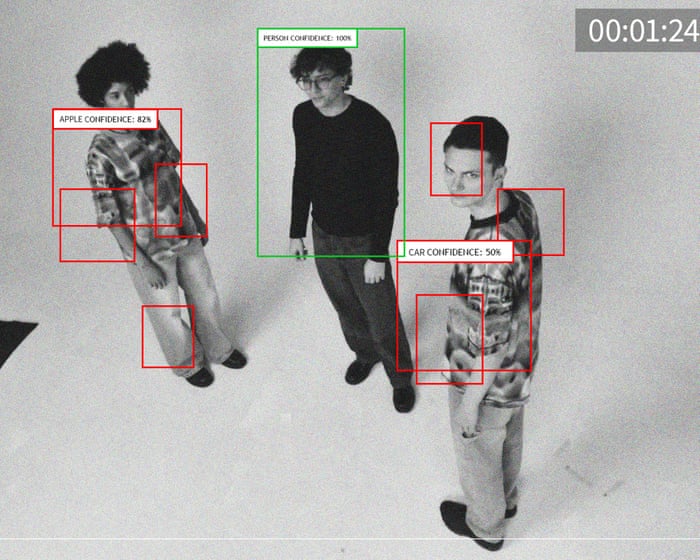
‘Adversarial clothing’: are garments designed to confuse facial recognition systems about to go mainstream?

Designers say that as well as offering a degree of protection from surveillance, their clothes make a powerful fashion statement about the importance of privacy

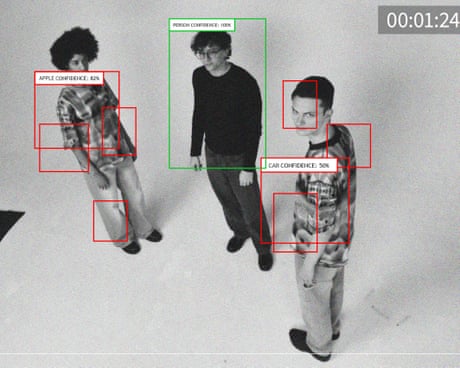
As facial recognition technology is rolled out across Britain’s public spaces, a new generation of designers say privacy could be the next big fashion trend.

Companies have started incorporating “adversarial patterns” in their garments – carefully designed arrangements of shapes, colours and repeated motifs said to exploit weaknesses in some computer vision systems.

Continue reading...

© Photograph: PR

© Photograph: PR

© Photograph: PR

  •  

Desflurane vs. Propofol: Impact on Elderly Brain Health

In the evolving landscape of anesthetic management for elderly patients, the impact of anesthetic agents on cognitive outcomes remains a critical area of investigation. Recent research published in BMC Geriatrics in 2026 has provided new insights into the differential effects of desflurane and propofol on perioperative neurocognitive disorders (PND) in older adults undergoing major urological surgeries. This randomized, controlled trial extends our understanding of how anesthetic choices may influence postoperative cognitive trajectories, a subject of immense importance given the increasing aging population and prevalence of complex surgeries in this demographic.

Perioperative neurocognitive disorders encompass a spectrum of cognitive impairments that arise in the perioperative period, including delirium and longer-lasting cognitive decline. Older adults are particularly susceptible due to age-related neurodegenerative changes, comorbidities, and the physiological stresses induced by anesthesia and surgery. Establishing whether specific anesthetics can exacerbate or mitigate these neurocognitive phenomena has significant implications for optimizing perioperative care and improving long-term functional outcomes for elderly patients.

The study under discussion rigorously compared desflurane, a volatile inhaled anesthetic known for its rapid onset and recovery, with propofol, an intravenous sedative-hypnotic agent valued for its favorable safety profile and neuroprotective properties observed in preclinical studies. The trial enrolled a robust cohort of older individuals scheduled for extensive urological procedures, randomizing them to receive either desflurane or propofol-based anesthesia. Cognitive function was meticulously assessed preoperatively and at multiple postoperative intervals using standardized neuropsychological tests sensitive to subtle cognitive changes, allowing for detailed temporal mapping of cognitive trajectories.

Findings from this investigation demonstrated notable differences between the two anesthetic regimens regarding the incidence and severity of perioperative neurocognitive disorders. Patients anesthetized with desflurane exhibited a higher frequency of early postoperative delirium and more pronounced cognitive decline at follow-ups compared to those who received propofol. These results resonate with emerging evidence suggesting that volatile anesthetics may contribute to neuroinflammation and neuronal stress, mechanisms hypothesized to underlie PND, whereas propofol’s antioxidative and anti-inflammatory effects potentially confer neuroprotection.

Critically, the study employed strict methodological standards to minimize bias and confounding, including blinding of outcome assessors and adjustment for variables such as baseline cognitive status, comorbidity burden, and surgical complexity. This rigorous approach increases confidence that the observed differences in cognitive outcomes stem from the anesthetic agents themselves rather than extraneous factors. Furthermore, the trial’s focus on major urological surgeries — procedures that are often lengthy and physiologically demanding — adds clinical relevance, as these patients typically face heightened risks of adverse neurocognitive sequelae.

The implications of these findings extend beyond a mere comparison of anesthetic efficacy and safety. They invite a reevaluation of perioperative protocols for elderly patients, advocating for anesthetic strategies that prioritize cognitive preservation alongside hemodynamic stability and analgesia. Propofol’s apparent advantage in attenuating PND risk may encourage clinicians to tailor anesthesia plans more judiciously, potentially integrating adjunctive measures such as enhanced monitoring of cerebral oxygenation and inflammation markers.

Mechanistically, the differential impact of desflurane and propofol on cognitive outcomes may relate to their interactions with neuronal glutamate receptors, modulation of synaptic plasticity, and influence on the blood-brain barrier permeability. Desflurane, despite its rapid elimination, has been associated with increased production of reactive oxygen species and microglial activation in animal models, processes that can trigger neuroinflammation and synaptic dysfunction. In contrast, propofol’s chemical structure facilitates scavenging of free radicals and suppression of pro-inflammatory cytokines, suggesting a neuroprotective milieu during the vulnerable perioperative period.

Additionally, this study sheds light on the critical period immediately after surgery, where interventions targeting delirium prevention could be best leveraged. The higher delirium rates observed with desflurane highlight the necessity for vigilant postoperative cognitive assessments and early rehabilitative efforts in patients exposed to volatile anesthetics. Conversely, the more favorable cognitive profile seen with propofol might translate into shorter hospital stays, reduced postoperative complications, and better quality of life trajectories, outcomes that remain to be explored in subsequent longitudinal research.

Beyond the direct effects on cognition, the choice of anesthetic also influences systemic physiological responses including hemodynamic fluctuations and respiratory function, which can indirectly affect brain perfusion and oxygenation. This study’s comprehensive monitoring protocols provide a nuanced framework for balancing these considerations while still focusing on optimizing neurological outcomes in frail and complex surgical populations.

The authors acknowledge certain limitations such as the single-center design and the need for larger-scale multicenter studies to validate these results across diverse patient populations and surgical contexts. Nonetheless, this investigation constitutes a significant advancement in the personalized management of anesthesia in elderly patients, framing future research priorities that integrate neurocognitive outcomes as central endpoints in anesthesiology trials.

In conclusion, this landmark trial delineates a clear divergence in neurocognitive outcomes based on the anesthetic agent used, favoring propofol over desflurane in terms of mitigating perioperative neurocognitive disorders in older adults undergoing major urological surgery. These insights compel a paradigm shift towards individualized anesthetic regimens that prioritize cognitive health, thereby enhancing recovery trajectories and long-term well-being in the vulnerable aging population. As the global burden of neurocognitive disorders grows, such targeted perioperative strategies stand poised to transform clinical practice and elevate standards of geriatric surgical care profoundly.


Subject of Research: Effects of anesthetic agents on perioperative neurocognitive disorders in elderly patients undergoing major urological surgery.

Article Title: Effect of desflurane versus propofol on perioperative neurocognitive disorders in older adults undergoing major urological surgery: a randomized trial.

Article References:
Somnuke, P., Siriussawakul, A., Pongraweewan, O. et al. Effect of desflurane versus propofol on perioperative neurocognitive disorders in older adults undergoing major urological surgery: a randomized trial. BMC Geriatr (2026). https://doi.org/10.1186/s12877-026-07823-x

Image Credits: AI Generated

  •  

The UK will scan asylum-seekers’ faces for age checks—despite knowing the tech is flawed

Age verification is consuming the Internet. From social media bans in Australia to porn restrictions in half of US states, for many having to prove their age to access websites is becoming an everyday requirement. But one of the key technologies underpinning many of these age checks is about to seep into the offline world—with potentially life-changing consequences for people having their age predicted by AI.

Starting next year, the British government is planning to introduce facial age estimation—where AI scans your face and suggests how old you are—to help determine the age of asylum seekers arriving at the United Kingdom’s border. The move is believed to be the first time that a so-called facial age estimation (FAE) system has been used in this way. Many asylum seekers arriving in the UK will not have documents proving their age, and if children are incorrectly classed as adults, they can be stripped of some legal protections and placed in adult-only detention centers.

An investigation by WIRED and Lighthouse Reports, in collaboration with The Independent, has obtained an internal UK government report detailing its tests of FAE technologies. It shows how the systems regularly mistake children for adults and appear to contain serious bias problems, which directly impact the largest group of migrants subject to age assessments in 2025, according to data from the Home Office. The investigation raises questions about the effectiveness of the technology and whether it should be deployed in such high-stakes scenarios.

Read full article

Comments

© Nicolas Economou/NurPhoto via Getty Images

  •  

Could Vitamin C Be the Secret to Keeping Your Brain Younger?

Brain Bang Energy BoostLower vitamin C levels were linked to reduced brain volume and weaker neural connectivity in older adults, suggesting a potential connection between nutrition and brain health. Could a common vitamin help preserve the brain as we age? A new study of more than 2,000 older adults in Japan found that people with lower levels of [...]
  •  

Scientists Say We’ve Been Wrong About the Aging Brain

Hand Holding Glowing BrainThe aging brain may be far more capable of growth and improvement than scientists once believed. A large three-year study from researchers at The University of Texas at Dallas’ Center for BrainHealth (CBH) is challenging a long-standing assumption about aging. The findings suggest that mental sharpness is not destined to decline over time and that [...]
  •  

Synthetic Data: Challenges and Insights in Gastrointestinal Medicine

In recent years, the advent of artificial intelligence (AI) has reshaped the landscape of medical research and clinical practice, ushering in an era where machines replicate—and increasingly surpass—human cognitive abilities in various domains. Among the most intriguing developments is the capability of AI systems to assimilate vast troves of real-world data, allowing algorithms to accurately recognize complex patterns within clinical environments. This includes the identification of intricate pathological features, accurate labeling of disease states, and support in making critical healthcare decisions. Central to this revolution is the notion of synthetic data generation, a cutting-edge technology poised to tackle longstanding barriers impeding medical innovation, particularly in the realm of gastrointestinal (GI) medicine.

Synthetic data generation refers to the process through which artificial datasets are created by AI algorithms, mimicking the statistical properties and underlying structures of real-world clinical data without exposing sensitive patient information. This technique promises to solve two critical challenges: preserving patient privacy and reducing the often exorbitant costs and logistical complexities associated with curating and annotating healthcare datasets. By producing realistic, unbiased, and privacy-preserving synthetic data, researchers and clinicians could unlock unprecedented opportunities for training sophisticated AI models and improving clinical decision support systems tailored to gastrointestinal health.

In the context of gastrointestinal diseases, where early detection and precise diagnosis are often paramount, synthetic data offers a transformative potential. GI disorders encompass a broad spectrum of conditions, such as inflammatory bowel disease, colorectal cancer, and liver cirrhosis, each demanding nuanced understanding and timely intervention. Traditional approaches to gathering data for AI training encounter significant roadblocks, including patient consent restrictions, heterogeneous data quality, and the inherent rarity of some disease presentations. Generating synthetic equivalents of such data not only bridges these gaps but also enables the continuous refinement of diagnostic algorithms through virtually unlimited and diverse data augmentation.

From a technical standpoint, generating high-fidelity synthetic GI data entails leveraging advanced generative models, such as Generative Adversarial Networks (GANs), Variational Autoencoders (VAEs), and diffusion models. GANs, for example, pit two neural networks against each other in a zero-sum game—the generator strives to create realistic data indistinguishable from original datasets, while the discriminator attempts to detect artificiality. This adversarial process gradually improves the quality of synthetic outputs, rendering them increasingly suitable for downstream clinical applications. However, the GI domain presents unique challenges due to the complexity and variability inherent in endoscopic images, histopathological slides, and multi-omics data.

A profound technical hurdle lies in ensuring that synthetic gastrointestinal datasets retain clinical validity and biological relevance. Unlike generic image synthesis, medical data synthesis must preserve subtle yet critical diagnostic details, such as mucosal texture alterations, microvascular patterns, and lesion morphology. Obtaining this level of fidelity mandates incorporating domain-specific constraints and annotation-guided synthesis protocols. Furthermore, the synthetic data must demonstrate robustness to common sources of variability: differences in imaging devices, procedural inconsistencies, and patient-specific anatomical variations. Without these safeguards, downstream AI models risk being trained on data that poorly represents true clinical scenarios and yield unreliable predictions.

Another pivotal aspect of using synthetic data in gastrointestinal medicine is its contribution to overcoming privacy legislation hurdles like HIPAA or GDPR. Traditional anonymization methods risk compromising data utility or may be insufficient in preventing re-identification attacks. Conversely, by training generative models on real patient data and producing artificial yet representative datasets, synthetic data generation preserves privacy inherently, as no direct personal identifiers or actual patient samples are included. This feature fosters a more open collaboration across institutions and research groups, catalyzing the development of multipurpose AI-driven tools capable of detecting early-stage GI malignancies, monitoring disease progression, and predicting therapeutic responses.

Despite the tremendous promise of synthetic data, translating this innovation from research laboratories to clinical workflows demands meticulous validation and regulatory compliance. Clinical decision support systems powered by synthetic data-driven AI must undergo rigorous testing against gold standards to verify their safety and effectiveness. Interpretability also remains a significant concern, as clinicians must trust and understand AI recommendations to incorporate them confidently in patient care. Efforts to integrate synthetic data into regulatory frameworks, combined with transparent reporting of generative model performance metrics, will be crucial to achieving widespread clinical acceptance.

Synthetic data not only enhances diagnostic AI but opens new frontiers for medical education and professional training in gastroenterology. Trainees often face limited exposure to rare or complex cases, which impedes skill acquisition and confidence-building. High-quality synthetic datasets can provide diverse and unlimited case simulations, including pathologies that might be encountered infrequently but require high diagnostic acumen. This approach supports immersive, hands-on learning without compromising patient safety or privacy, helping to shape the next generation of gastroenterologists equipped with AI-enhanced diagnostic abilities.

Moreover, the adoption of synthetic data dovetails with the broader trend of precision medicine and personalized healthcare. By complementing real patient data with synthetic counterparts generated under controlled conditions, AI models can better capture the heterogeneity of gastrointestinal diseases, including genetic, environmental and lifestyle factors. This richer informational substrate empowers clinicians to tailor interventions more precisely, leading to improved patient outcomes, reduced adverse effects, and optimized resource utilization. Synthetic data thus acts as a cornerstone technology in enabling AI systems to realize their full potential in individualized care pathways.

Nevertheless, emerging research highlights several critical challenges that warrant attention for synthetic data to reach its full utility. One major issue is preventing the inadvertent introduction of bias during data synthesis, which could propagate and amplify healthcare disparities if not carefully addressed. Ensuring equitable representation across demographics, comorbidities, and clinical settings is imperative. Additionally, synthetic data generation must grapple with the potential for overfitting or hallucination, where models produce plausible yet clinically inaccurate artifacts. Developing rigorous validation metrics, cross-institutional benchmarking, and consensus guidelines will be necessary steps to mitigate these risks effectively.

In parallel, fostering multidisciplinary collaboration among clinicians, computer scientists, data privacy experts, and ethicists will accelerate the adoption of synthetic data paradigms. This convergence of expertise will enable the design of sophisticated pipelines that uphold ethical standards, comply with legal mandates, and optimize clinical relevance. It will also stimulate innovation in enhancing generative model architectures, integrating multi-modal data sources, and streamlining model deployment within real-time endoscopy or pathology workflows.

Reflecting on the current trajectory, the era of synthetic data in gastrointestinal medicine signals a paradigm shift from data scarcity and privacy constraints toward unprecedented data abundance and accessibility. As AI algorithms evolve and healthcare systems embrace digital transformation, synthetic data will be pivotal in democratizing access to high-quality datasets, unleashing creativity in algorithm development, and fostering robust, scalable solutions for early disease detection and personalized treatment. The implications extend beyond GI diseases, serving as a blueprint for AI-driven clinical innovation across medical specialties.

In conclusion, the synthesis of artificial yet clinically meaningful datasets represents one of the most promising frontiers in AI and medicine. While significant challenges remain—technical, ethical, and regulatory—the momentum and early successes within gastrointestinal medicine are compelling. Future research should focus on refining generative approaches, validating AI models trained on synthetic data across diverse populations, and embedding these technologies seamlessly into clinical practice. Ultimately, the judicious application of synthetic data holds the key to unlocking the full transformative power of artificial intelligence for improved patient care and health system efficiency worldwide.


Subject of Research: Synthetic data generation and its application in gastrointestinal medicine.

Article Title: Synthetic data generation: challenges and perspectives for gastrointestinal medicine.

Article References:
Gatoula, P., Iakovidis, D.K., Diamantis, D.E. et al. Synthetic data generation: challenges and perspectives for gastrointestinal medicine. Nat Rev Gastroenterol Hepatol (2026). https://doi.org/10.1038/s41575-026-01216-6

Image Credits: AI Generated

  •  

Female Chickadees Select Male Partners Based on Cognitive Abilities

In a groundbreaking study recently published in eLife, researchers have unveiled compelling evidence that female North American mountain chickadees, a species traditionally characterized by socially monogamous mating systems, selectively seek out males exhibiting superior spatial cognitive abilities for extra-pair copulations. This revelation adds a fascinating dimension to our understanding of mating behavior and cognitive evolution in wild avian species, highlighting the intricate interplay between cognitive traits and reproductive strategies.

The study centers on mountain chickadees, non-migratory birds inhabiting temperate environments, renowned for their reliance on sophisticated spatial navigation to store and retrieve food caches. These birds’ survival depends heavily on their capacity for spatial learning and memory, making them an ideal model to investigate the role of cognitive function in mating preferences. By focusing on this species, the research addresses a critical question: do female birds prioritize cognitive skills of potential mates, beyond social pair bonds, to maximize reproductive success?

To quantify spatial cognition, the researchers engineered an innovative experimental setup involving ‘smart’ feeder arrays configured to dispense sunflower seeds at unique locations, individualized for each tagged chickadee. By systematically tracking how many errors each male made in locating their designated food source, the team accurately gauged spatial learning efficiency and memory retention. This mechanistic approach enabled an objective assessment of cognitive performance under naturalistic conditions, bypassing subjective behavioral observations.

Over the course of three breeding seasons, the research team meticulously documented parentage using genetic analyses to detect the prevalence and paternal identity of extra-pair offspring. Their findings revealed that nearly 70% of nests contained offspring sired by males other than the social partner, with approximately one-third of sampled chicks resulting from such extra-pair copulations. Notably, males demonstrating superior spatial cognition sired significantly more extra-pair young, suggesting these cognitive traits confer a conspicuous reproductive advantage.

Importantly, the data showed that males excelling in spatial tasks could sire between six and seven extra-pair offspring annually, dwarfed not by age but by cognitive prowess. This finding disrupts conventional assumptions that reproductive success correlates linearly with age or physical dominance, positioning advanced cognitive abilities as a pivotal determinant in extra-pair mating dynamics. Females appear to leverage these abilities when selecting mates beyond their social partner, potentially securing superior genetic quality for their progeny.

Further analyses indicated that males with higher cognitive scores did not suffer reproductive deficits within their social nests, maintaining comparable clutch sizes and chick mass relative to cuckolded males. Intriguingly, cognitive superiority was associated with heavier offspring overall, which likely translates to increased survival probabilities and long-term fitness benefits. Thus, spatial cognition appears to enhance male reproductive success both directly and indirectly.

Exploring female factors, the study unveiled a compelling pattern: females exhibiting lower spatial cognitive capabilities were more prone to have extra-pair young. This suggests a strategic response where cognitively limited females seek extra-pair copulations as an adaptive mechanism to compensate for their own deficiencies, thereby securing mates with enhanced spatial abilities. This bidirectional cognitive dynamic underscores complex sexual selection pressures governing mate choice.

Crucially, the likelihood of social males being cuckolded did not directly relate to their cognitive performance. Instead, female choice driven by assessing alternative males’ spatial skills determined extra-pair mating outcomes. This decouples social pair bond stability from cognitive prowess, signaling selective pressures favoring cognitive traits beyond social fidelity. It also emphasizes the nuanced cognitive evaluation females employ during mate selection processes.

These findings have profound implications for evolutionary biology, particularly in understanding how cognitive characteristics influence sexual selection. By demonstrating that spatial cognitive abilities contribute to reproductive success and offspring viability, the study offers robust empirical evidence supporting natural selection acting on cognitive traits in natural populations, reinforcing the theory that cognitive evolution is intertwined with reproductive strategies.

Moreover, the research methodology blending fieldwork, engineered cognitive assessments, and genetic parentage analysis exemplifies a cutting-edge interdisciplinary approach. This allows researchers to unravel the subtle yet consequential behavioral and genetic factors shaping population dynamics in wild animals, paving the way for future studies investigating cognition’s role across diverse taxa.

Senior author Vladimir Pravosudov summarizes the significance: “Our results demonstrate that sexual selection extends into cognitive domains, with females preferring males whose spatial skills enhance offspring survival. This contributes to shaping cognitive evolution in species where spatial memory directly influences fitness.” The study thereby enriches our comprehension of how natural and sexual selection jointly sculpt complex traits like cognition.

In conclusion, the evidence presented calls for a paradigm shift in considering cognitive traits as central to mating strategies and reproductive fitness. This research not only deepens insights into mountain chickadee behavior but also broadens the evolutionary narrative, spotlighting cognition’s integral role in survival and reproductive success. Future explorations may unravel similar patterns in other species, expanding our grasp of the cognitive dimensions of sexual selection.

Subject of Research: Animals

Article Title: Male chickadees with better spatial cognition sire more extra-pair young

News Publication Date: 16-Jun-2026

Web References: http://dx.doi.org/10.7554/eLife.110905.1

Image Credits: Vladimir Pravosudov (CC BY 4.0)

Keywords: Ecology, Animals, Birds, Cognition, Spatial memory, Evolutionary biology, Natural selection

  •  

Programmable mRNA 3′UTR Restores MHC-I, Fights Prostate Cancer

In a groundbreaking study poised to redefine cancer immunotherapy paradigms, researchers have unveiled a programmable RNA engineering platform that restores immune recognition in notoriously immune-resistant tumors such as prostate cancer. This innovative approach, centered on precise manipulation of mRNA alternative polyadenylation (APA), revives the expression of major histocompatibility complex class I (MHC-I) molecules — the pivotal sentinels of immune surveillance routinely downregulated in these tumors. The findings, detailed in Nature Biomedical Engineering, shed light on an elusive molecular mechanism of immune evasion and herald a new frontier in translational cancer immunology.

Prostate cancer and analogous immune-cold tumors have long bedeviled clinicians by resisting immune checkpoint inhibitor therapies, a frontline strategy in modern oncology. A primary culprit in this resistance is the diminished presentation of tumor-specific antigens on MHC-I molecules, molecules intrinsically responsible for flagging abnormal cells to cytotoxic CD8 T cells. Without adequate MHC-I display, these malignant cells evade immune detection, rendering checkpoint blockade largely ineffective. Despite the clinical significance, no therapies have yet emerged that selectively restore MHC-I expression, underscoring a critical unmet medical need.

The investigative team addressed this gap by engineering the 3′UTR CRISPR/dCas13 system (3′UTRCES), an advanced RNA-editing platform designed to modulate mRNA 3′ untranslated region (3′UTR) dynamics in vivo. Unlike conventional gene editing tools that alter DNA sequences, 3′UTRCES uniquely targets RNA transcripts’ polyadenylation sites to manipulate APA patterns — a post-transcriptional regulatory mechanism influencing mRNA stability, localization, and translation. Leveraging a catalytically inactive Cas13 (dCas13) fused to programmable effectors, this system reprograms 3′UTR architecture to reinstate normal gene expression profiles critical for immune function.

Central to their discovery is the identification of tumor-specific 3′UTR shortening in the E3 ubiquitin ligase adaptor SPSB1, a molecular player hitherto not linked to immune modulation. Through sophisticated analyses, the researchers demonstrated that aberrant SPSB1 3′UTR truncations promote enhanced ubiquitination and subsequent degradation of MHC-I molecules. This selective downregulation disrupts the immune system’s ability to recognize and eliminate malignant cells without affecting programmed death-ligand 1 (PD-L1), an immune checkpoint protein. These insights decode a novel mechanism by which tumors suppress antigen presentation, bypassing immune control.

Armed with this mechanistic understanding, the team deployed lipid nanoparticle (LNP) delivery of the 3′UTRCES constructs directly into syngeneic mouse models harboring prostate tumors. This therapeutic intervention reversed the aberrant SPSB1 3′UTR shortening, effectively restoring MHC-I expression on tumor cells. The restored antigen presentation reinvigorated the infiltration of CD8 cytotoxic T lymphocytes, amplifying antitumor immune responses and sensitizing tumors to subsequent immune checkpoint therapies. This combinatorial strategy outperformed existing modalities, offering a tangible path to overcome immune resistance.

The implications of this study extend beyond prostate cancer, representing a conceptual shift in targeting post-transcriptional gene regulation to modulate tumor immunity. By precisely tailoring RNA isoforms through 3′UTRCES, it becomes feasible to rectify pathological gene expression patterns without permanent genomic alterations, minimizing off-target effects and paving the way for tunable, reversible therapies. This technological stride potentially positions LNP-3′UTRCES as a versatile platform for broad-spectrum cancer immunotherapy.

Delving deeper into the molecular underpinnings, the research highlights how alternative polyadenylation — once considered a subtle nuance of gene regulation — plays an outsized role in immune evasion. APA events that truncate key regulatory 3′UTRs can rewire protein expression profiles, impacting ubiquitin-mediated degradation pathways. In SPSB1’s case, 3′UTR shortening shields MHC-I from stable expression, underscoring the delicate interplay between RNA processing and immune visibility. These revelations chart a new investigative avenue for uncovering APA-driven oncogenic mechanisms.

The study harnessed state-of-the-art transcriptomic and proteomic methodologies to validate the APA signatures and subsequent functional outcomes. Single-cell RNA sequencing and cross-linking immunoprecipitation unveiled the precise RNA-protein interactions modulated by 3′UTR alterations. Meanwhile, in vivo tumor growth assays meticulously quantified the therapeutic efficacy of 3′UTRCES-mediated intervention. The robust experimental design marries molecular biology with immuno-oncology, reinforcing the translational promise of RNA engineering.

Beyond prostate cancer, the researchers posit that similar APA-driven immune escape mechanisms may underpin resistance in other malignancies characterized as immune-cold or immunologically excluded. Tumor heterogeneity presents obstacles, yet the adaptability of the 3′UTRCES platform offers a pathway to customize RNA editing interventions tailored to tumor-specific APA landscapes. This precision medicine approach aligns with emerging oncology paradigms striving to unify genetic and epigenetic therapeutic targeting.

Crucially, this work confronts a longstanding conceptual bottleneck — the absence of clinically viable modalities to restore MHC-I expression selectively. Immune checkpoint inhibitors, though transformative, rely heavily on intact antigen presentation machinery to elicit durable responses. By restoring the tumor’s antigen-presenting capacity, 3′UTRCES synergizes with immune checkpoint blockade, reinvigorating exhausted cytotoxic T cells and promoting tumor clearance. This paradigm underscores the importance of targeting upstream immune suppression pathways in cancer.

The LNP delivery mechanism employed is equally noteworthy, showcasing advances in nanomedicine that enable precise nucleic acid transport to tumor sites. Lipid nanoparticles offer biocompatibility, customizable surface chemistry, and efficient endosomal escape — attributes critical for clinical translation. As the field gravitates toward RNA-based therapeutics post-COVID-19, leveraging these delivery systems in oncology sets a precedent for future innovations combining synthetic biology and immunotherapy.

Looking ahead, the scalability and safety of 3′UTRCES-mediated therapies warrant thorough exploration through preclinical and clinical studies. Immunogenicity of RNA-guided effectors, off-target RNA interactions, and durability of therapeutic responses remain important considerations. Nevertheless, the current findings provide a compelling proof of concept, invigorating translational research efforts to combat immune escape mechanisms effectively.

This pioneering research not only reframes our understanding of tumor immune evasion but also exemplifies how RNA technology can be harnessed to unlock therapeutic opportunities in recalcitrant cancers. By transforming APA from a molecular signature of immune suppression into a therapeutic target, the study opens vistas for next-generation cancer treatments that restore immune competence at the RNA level. This convergence of molecular biology, immunotherapy, and RNA engineering heralds a new dawn in oncology innovation.

In summary, the programmable editing of mRNA 3′UTRs via the 3′UTRCES platform revitalizes MHC-I expression in prostate tumors, counteracting immune suppression driven by SPSB1-mediated degradation pathways. This novel mechanistic insight, coupled with effective lipid nanoparticle delivery and demonstrated synergy with immune checkpoint inhibitors, marks a transformative advance in overcoming tumor immune resistance. The study exemplifies how precision RNA engineering can recalibrate tumor immunogenicity and redefine therapeutic potentials in cancer treatment.

As research continues to unravel the complexities of RNA-mediated regulation of immune visibility in cancer, the integration of programmable RNA tools like 3′UTRCES with established immunotherapies holds immense promise. These synergistic strategies may soon accelerate the development of personalized cancer therapies designed to circumvent immune escape and foster more durable clinical remissions. The future of oncology may indeed lie at the interface of RNA engineering and immunomodulation.

This landmark work not only elucidates a previously unrecognized molecular mechanism of immune evasion but also delivers a versatile, programmable therapeutic platform for precise post-transcriptional gene regulation in cancer. Its translational implications inspire optimism for expanding the repertoire of RNA-based interventions that can be tailored to diverse tumor contexts, ultimately enhancing patient outcomes and transforming cancer immunotherapy at its molecular roots.


Subject of Research: Programmable RNA engineering to restore MHC-I expression and overcome immune evasion in prostate cancer.

Article Title: Programmable mRNA 3′UTR engineering restores MHC-I and overcomes immune evasion in prostate cancer.

Article References:
Huang, F., Yuan, F., Li, K. et al. Programmable mRNA 3′UTR engineering restores MHC-I and overcomes immune evasion in prostate cancer. Nat. Biomed. Eng (2026). https://doi.org/10.1038/s41551-026-01720-9

Image Credits: AI Generated

DOI: https://doi.org/10.1038/s41551-026-01720-9

  •  
❌