❌

Reading view

OpenAI Delays Next Major AI Model 'Astra' Over Critical Hacking Concerns

OpenAI today said it is "pausing" activities involving its upcoming AI model Astra, because its cyber capabilities are potentially too dangerous. OpenAI says its newest internal evaluations show "significant advancements in agentic coding and cybersecurity," and it cannot rule out "critical cyber capabilities." Prior OpenAI models, including GPT–5.6 Sol, were labeled as "High."

Astra triggers stricter guidelines in OpenAI's "Preparedness Framework." The guidelines call for caution when developing frontier AI capabilities that create risks of severe harm, and the cybersecurity portion of the framework says OpenAI will implement extra safeguards for models that "create new risks of scaled cyberattacks and vulnerability exploitation."

The "Critical" threshold Astra may have hit is defined by an ability to identify and develop functional zero-day exploits of all severity levels in many hardened real-world critical systems without human intervention, or devise and execute end-to-end novel strategies for cyberattacks.

OpenAI says it is increasing its safeguards and security controls before deploying Astra, including limiting work on the model until new safeguards are in place. The company plans to use isolated testing environments with restricted network and tool access, along with adding sandboxed execution and more monitoring capabilities. OpenAI says it will work with relevant government agencies and AI safety organizations to test Astra.

"We're committed to working alongside governments, safety institutes, and civil society to ensure that the frontier capabilities of models like Astra, and those that follow, are deployed responsibly and broadly for the benefit of all humanity," writes OpenAI.

Astra wasn't formally announced, but OpenAI shared details on its next major model in a recent post outlining its mathematical advancements. Astra solved 10 open problems in math and theoretical computer science for around $2,000 (in Sol API rates).

Advancements in AI are changing cybersecurity for major tech companies like Apple by unearthing an unprecedented number of bugs. Apple recently limited its bug bounty program submissions because it is having trouble handling the volume.

Models like Claude Mythos are able to suss out critical vulnerabilities, and Apple is one of Anthropic's Mythos partners. Mythos is limited to select companies because in addition to finding vulnerabilities, it has the potential to exploit them.

OpenAI made headlines in July because GPT–5.6 Sol and a "more capable pre-release model" (not Astra) autonomously hacked Hugging Face during internal benchmark testing. Anthropic found Claude had done something similar. Meta this week said it too had an AI model hack another company during a cybersecurity evaluation.
Tag: OpenAI

This article, "OpenAI Delays Next Major AI Model 'Astra' Over Critical Hacking Concerns" first appeared on MacRumors.com

Discuss this article in our forums
  •  

iPhone 18 Pro and Foldable iPhone Could Sell Out Fast Due to Memory Shortage

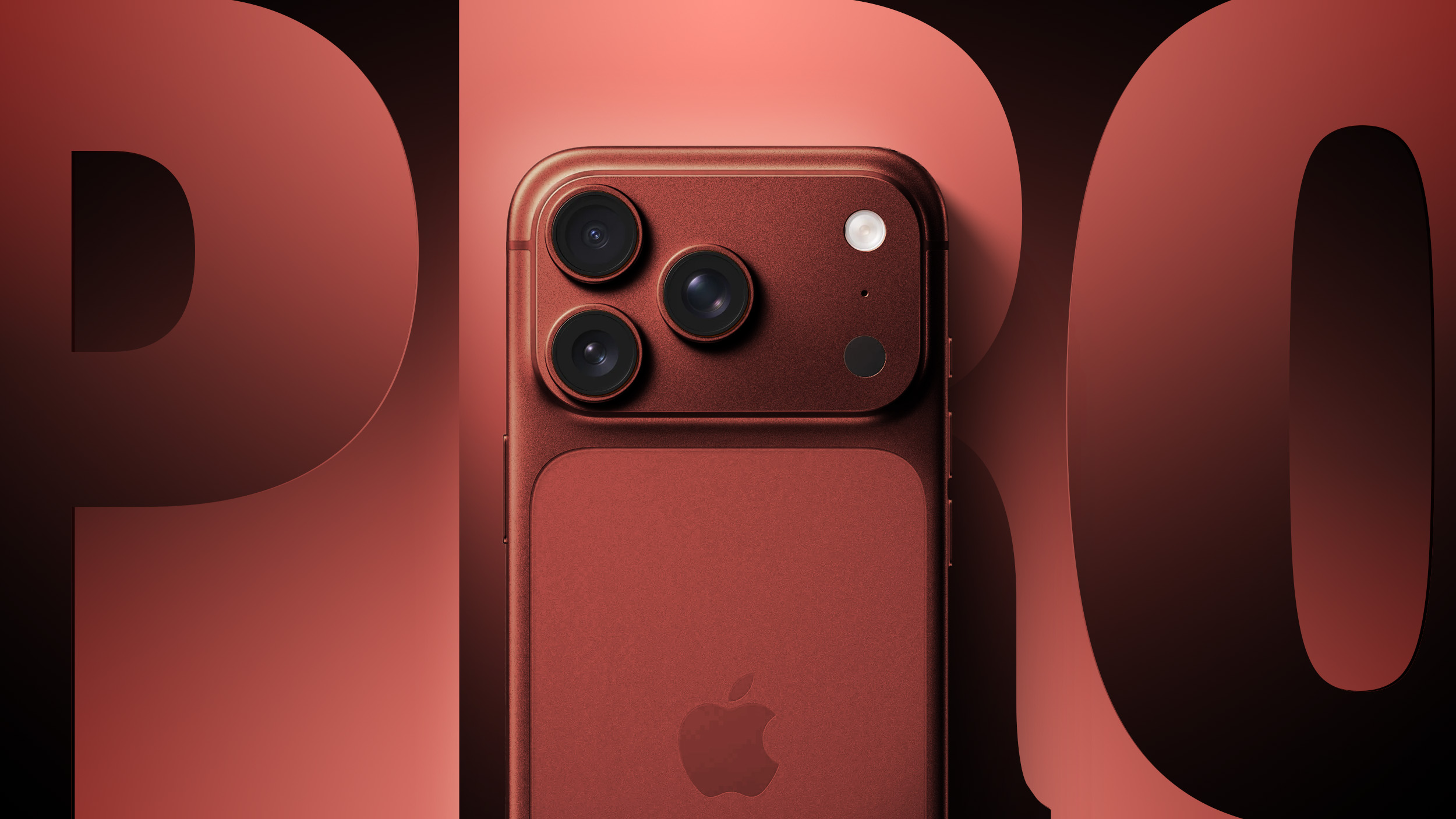
The iPhone 18 Pro, ‌iPhone 18 Pro‌ Max, and foldable "iPhone Ultra" could be in short supply this year, leading to long wait times and an initial sellout during preorders.


Semiconductor analyst Tim Culpan says Apple is having trouble getting enough DRAM to finish production of the new iPhone models, and chip supplier TSMC has $1 billion worth of unpackaged processors waiting on memory chips.

Apple's new A20 Pro chips are built on TSMC's 2nm process and use Wafer-Level Multi-Chip Module packaging to integrate the processor and DRAM at the wafer level. Unfortunately, that means TSMC needs to have the DRAM on hand for assembly, and it can't be added at a later step. Apple is not able to stockpile finished dies and then add DRAM when it becomes available.

Apple and its assemblers think they can meet initial demand, but retail inventory could sell quickly, leading to prolonged delivery estimates. The chip backlog will delay main logic board assembly and final device assembly, which could impact production at Foxconn and other assemblers.

DRAM has been in short supply for months and has led to long wait times for the Mac Studio, Mac mini, and MacBook Air. Companies that make memory are prioritizing chips for AI data centers because those chips are more profitable, leaving little capacity available for manufacturing chips for consumer devices.

We've had ongoing rumors about manufacturing issues with the ‌iPhone Ultra‌ due to the complexity of the design, and supplies of the new foldable could be the most limited of the three iPhone models. Some reports suggest the foldable iPhone could be introduced in September and then launch later, in October or November, but others say it will be available at the same time as the ‌iPhone 18 Pro‌ and Pro Max.

The ‌iPhone Ultra‌ is going to cost as much as $2,500, but the novel form factor and Apple's new Apple Upgrade pricing option could lead to more people being willing to shell out for the device. Apple is also expected to raise prices for the ‌iPhone 18 Pro‌ and ‌iPhone 18 Pro‌ Max, and analysts believe the devices could be up to $300 more expensive because Apple is paying more for RAM.

Last year, the iPhone Air, iPhone 17 Pro, and ‌iPhone 17 Pro‌ Max sold out during the preorder period, and shipping times extended into October. Along with potential production delays impacting supply, there will be no lower-cost iPhone 18 for people to choose this year, putting more pressure on ‌iPhone 18 Pro‌ supplies. Apple is not planning to launch the standard ‌iPhone 18‌ until early 2027.

If you're looking to get one of the new iPhone models in September, it's a good idea to preorder right when the devices become available for purchase to have the best chance of getting one on launch day.
Related Roundups: iPhone 18 Pro, iPhone Fold

This article, "iPhone 18 Pro and Foldable iPhone Could Sell Out Fast Due to Memory Shortage" first appeared on MacRumors.com

Discuss this article in our forums
  •  

Original iPhone Loses Its Last Cellular Network as T-Mobile Kills 2G

T-Mobile retired its 2G GSM network on Monday, August 3, which means all three major carriers in the United States have now ended 2G service.


T-Mobile kept its 2G network active because it still had some legacy customers who were using it. Some customers visiting the United States and using international roaming carrier agreements for connectivity also needed 2G for voice calling, but T-Mobile worked with carriers globally to prepare for the end of its 2G network.

Customers who were still on T-Mobile's 2G network were warned well ahead of time about the shutdown and given time to transition. Smartphones, alarm panels, payment terminals, and other IoT accessories that used 2G will no longer function.

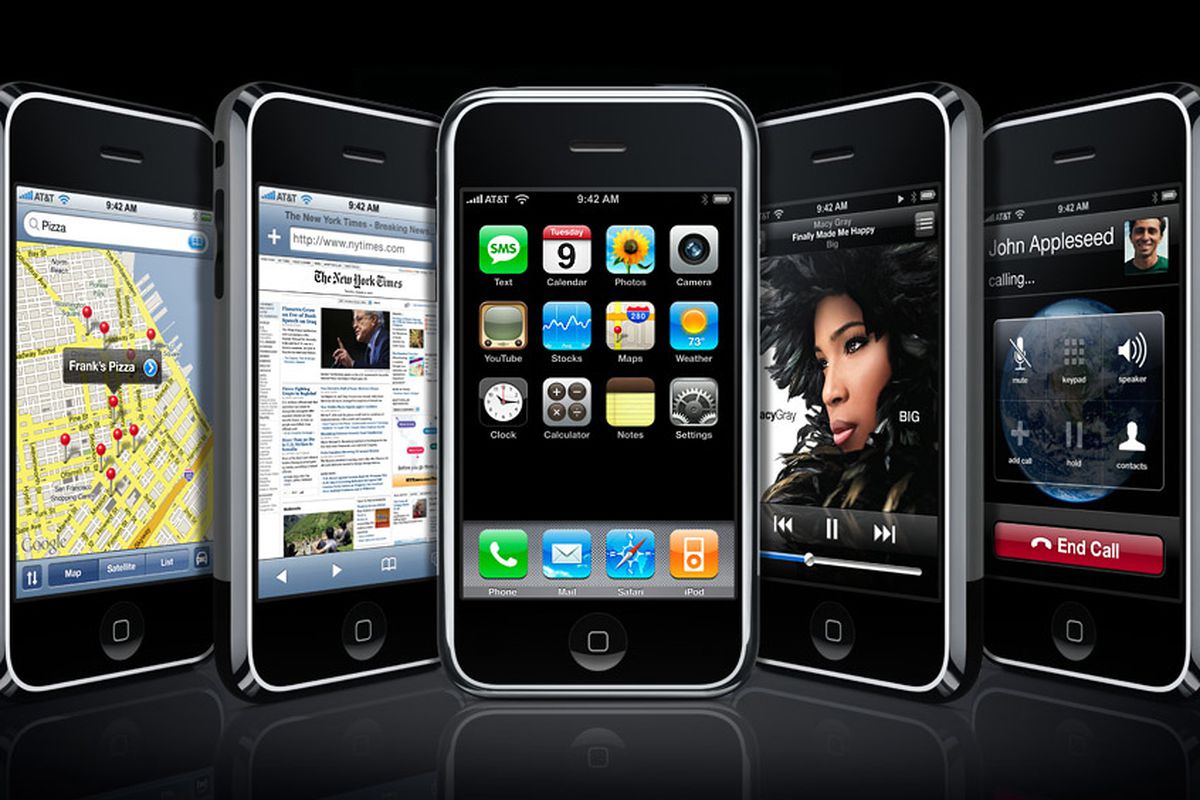
AT&T ended support for 2G almost a decade ago in 2017, and Verizon stopped supporting 2G in 2020. Now that no carriers in the U.S. support 2G, legacy devices like the original iPhone will not be able to connect to any cellular network. The iPhone technically lost cellular support in 2017 when AT&T sunset its 2G network, and now the last workaround is gone.

All three carriers also ended support for 3G back in 2022, and have also abandoned early LTE iPhones without VoLTE support.
This article, "Original iPhone Loses Its Last Cellular Network as T-Mobile Kills 2G" first appeared on MacRumors.com

Discuss this article in our forums

  •  

How Apple Changed Under Tim Cook: 15 Years in Numbers

Apple CEO Tim Cook participated in his final Apple earnings call yesterday, with incoming CEO John Ternus set to take over on September 1. With Cook's tenure coming to an end, we thought we'd take a look at how Apple has changed over the last 15 years.


Cook took over as CEO on August 24, 2011, after Steve Jobs resigned.

Apple's Revenue


During yesterday's earnings call, Bank of America analyst Wamsi Mohan shared an interesting observation about Apple's quarterly earnings. When Cook took over as CEO, Apple's revenue for all of 2011 was $108 billion.

Apple reported $109.4 billion for Q3 2026, earning its 2011 revenue in a single quarter. We don't have the numbers for fiscal 2026 yet, but in fiscal 2025, revenue was $416 billion.

iPhone revenue in 2011 was $47 billion, and just this quarter, it was $54.3 billion.

Valuation


Apple stock is down today after Cook said he expects supply constraints and memory shortages to affect revenue in the current quarter, but last week, Apple briefly hit a market cap above $5 trillion. Apple's market cap is now around the $4.5 trillion mark, and it once again trails Nvidia for world's most valuable publicly traded company.

Apple was the first company to reach a $1 trillion valuation in August 2018, the first to reach $2 trillion in August 2020, and the first to reach $3 trillion in January 2022. It was the third company to hit a $4 trillion valuation in October 2025, and then the second to reach $5 trillion.

A day after Cook took over in August 2011, Apple's stock price was $13.35 (split-adjusted). Today, it opened at $304.81, a roughly 23x increase. There was a 7-for–1 split in 2014 and 4-for–1 split in 2020 during Cook's tenure.

Installed Base


Apple said it has over 2.5 billion active devices. Apple didn't share installed base numbers until 2016, when it hit a billion active devices.

Services


Apple's services category revenue has seen the most growth. It was $9.4 billion in all of 2011, but in Q3 2026, it was $30.7 billion. In fiscal 2025, services brought in $109 billion.

Apple said during the earnings call that it now has 1.5 billion subscriptions. A huge number of services launched under Cook, including:

Back in 2011, Apple's services were limited to AppleCare, iTunes, and the ‌App Store‌.

Product Launches


Under Cook, Apple launched everything from the AirPods to the Apple Watch.

Capital Returns


Cook initiated quarterly dividends in 2012, and also executed an ongoing share repurchase program. Since then, Apple has returned more than $1 trillion to shareholders.

Transition to John Ternus


Cook said yesterday that the transition to Ternus is "going seamlessly." Ternus will become CEO on September 1, ahead of when Apple announces new iPhone models. Cook will remain at Apple as executive chairman, where he will engage with policymakers and help Apple navigate regulatory pressure.

In April, Cook said he planned to remain at Apple for years to come. "I am healthy. My energy is high, and I plan to be in this role for a long time," said Cook. He said he will support current hardware engineering chief John Ternus in any way necessary when Ternus takes over as CEO, and he plans to continue to offer knowledge and experience whenever it's needed. "Apple will be my top priority," he said. "It's who I am at my core, and I can't imagine it any other way."

Cook on Ternus


Cook yesterday said Ternus is the best choice to take over Apple.
The transition is going seamlessly, and I am beyond excited for John to step into his new role and lead Apple into its next era. He is truly one of a kind and there is no better person to take the helm of the company.

As I've said, I couldn't be more confident in his leadership, in our executive team, and in the extraordinary people at Apple who are determined to enrich the lives of our users all over the world. We have a bright future ahead, and I truly have never been more optimistic.

Ternus has been at Apple since 2001, when he joined the product design team. He became vice president of hardware engineering in 2013 and focused on the AirPods, Mac, and iPad. In 2020, he also took on the iPhone, and he became senior vice president of hardware engineering in 2021.
This article, "How Apple Changed Under Tim Cook: 15 Years in Numbers" first appeared on MacRumors.com

Discuss this article in our forums
  •  

Apple Says App Store Changes and Mobile Gaming Softness Affected Services Revenue

Softness in mobile gaming and Apple's changes to the App Store business model in some countries impacted the performance of the ‌App Store‌, Apple CFO Kevan Parekh said during today's earnings call.


Apple's services revenue was $30.7 billion, a 12% increase over the $27.4 billion it earned in the year-ago quarter. Though the category saw growth, revenue came in under expectations, prompting analyst questions that led to Parekh's comments on the ‌App Store‌.
We also had some factors that impacted the performance of the App Store. We did see some headwinds in mobile gaming, and then keep in mind, we also made some changes to the App Store business model in certain countries, and in the U.S., we do continue to operate under a court ruling impacting the link-out transactions. But we're pleased the Supreme Court will hear our appeal.

There have been ‌App Store‌ fee updates in Japan and Brazil as of late, with Apple collecting no fees on link-outs in the U.S. and lower fees from alternative app marketplace apps in the EU. Despite the rule changes, the ‌App Store‌ still set a June quarter revenue record. Apple saw double-digit growth in cloud services, video, payment services, and advertising, with a record level of Apple Pay users.

During the call, Apple also said it now has 1.5 billion paid subscriptions, with transacting and paid accounts hitting an all-time high.

Parekh said it wasn't the ‌App Store‌ alone that impacted services revenue, and Apple also took a hit from foreign exchange. Last year, Apple also had the theatrical release of F1, and no equivalent release this year, making for a tougher compare.

Services growth in the September quarter is expected to be similar to the June quarter when excluding an approximately 2.5 percentage point foreign exchange headwind.
This article, "Apple Says App Store Changes and Mobile Gaming Softness Affected Services Revenue" first appeared on MacRumors.com

Discuss this article in our forums

  •  

Apple Plans Paid iCloud+ Upgrades for Heavy AI Users

Apple is planning to let users pay to increase their AI limits, with upgrade possibilities available through iCloud+.


During today's earnings call for the third fiscal quarter of 2026, Apple CEO Tim Cook said it's early, but the company expects to offer options for people who want to make heavy use of AI services.
In terms of what it means for compute cost, it's obviously early going for us, and so I don't want to say that we have a complete plan for that. We do believe there will be people that want to use it a lot and we will have some kind of upgrade possibilities on iCloud+ where people can buy up the stack on iCloud+. We'll see how the pickup for that is.

At WWDC, Apple said there would be daily usage limits on features like Image Playground, but increased access would be available through ‌iCloud‌+ plans. Cook's comments today suggest there may also be ‌iCloud‌+ add-ons specifically for AI usage.

Apple hasn't offered any details on what it might charge to increase AI limits, and that's information that we might get when iOS 27 launches in September. Features like Siri AI are expected to remain free to use.
Tag: iCloud

This article, "Apple Plans Paid iCloud+ Upgrades for Heavy AI Users" first appeared on MacRumors.com

Discuss this article in our forums

  •  

Tim Cook: Apple 'Reluctantly Raised Prices' Due to '100-Year Flood on Memory Pricing'

Apple didn't want to raise its prices but was forced to do so because of exponential increases in memory costs, Apple CEO Tim Cook said today during the company's Q3 2026 earnings call. Apple increased prices for Macs and iPads in June because memory prices have surged.


On the pricing front, you know, we reluctantly raised prices. I would say we did it because we're in what I would characterize as a 100-year flood on memory pricing with exponential increases in memory prices, so that was the rationale for it.

When asked whether Apple is aiming to protect gross profit dollars or product gross margins when considering pricing increases, Cook said it's multifactorial.
In terms of our philosophy on dollars or percentages, we look at units, revenue, and margin, and then come to a business judgment as to how to handle that, and so it's not a mathematical formula that gets us to a specific result, or just looking at one dimension of that. We look at all three dimensions and think about it over the long term instead of, you know, a 90-day clock.

Cook did not comment on whether Apple plans to raise iPhone prices when the iPhone 18 Pro models and first foldable launch this September, but multiple analysts believe prices will go up.

Cook said Apple is expecting to pay higher memory costs in the September quarter, though Apple will be able to partially offset it with lower costs on some non-memory components and a stockpile of inventory.
This article, "Tim Cook: Apple 'Reluctantly Raised Prices' Due to '100-Year Flood on Memory Pricing'" first appeared on MacRumors.com

Discuss this article in our forums

  •  

Tim Cook Thanks Shareholders on His Final Apple Earnings Call

Apple CEO Tim Cook today confirmed that today's call was his last as CEO, with John Ternus set to become Apple's new CEO on September 1. Cook will transition to a new role as executive chairman when Ternus becomes CEO.


I just wanted to take a moment to say thank you to all of you, from our shareholders, particularly our long-term shareholders who have put their trust in us for so many years, to the analysts who have followed our company so closely. As you know, this will be my final earnings call, and John will lead these calls going forward.

Cook said the transition to Ternus is "going seamlessly," and he is excited for Ternus to lead Apple into its next era.
As I've said, I couldn't be more confident in his leadership, in our executive team, and in the extraordinary people at Apple who are determined to enrich the lives of our users all over the world. We have a bright future ahead, and I truly have never been more optimistic.

While Cook is stepping down as Apple's CEO, he said earlier this year that he plans to serve as executive chairman "for a long time." He said Apple will continue to be his top priority.
This article, "Tim Cook Thanks Shareholders on His Final Apple Earnings Call" first appeared on MacRumors.com

Discuss this article in our forums

  •  

Apple Warns of Growing Supply Constraints for iPhone, iPad, and Mac

Apple is expecting supply constraints to have a much bigger impact on revenue during the September quarter, Apple CEO Tim Cook said today during Apple's earnings call for the third quarter of 2026.


Supply constraints will impact the iPhone, iPad, and Mac. Cook said Apple is seeing less flexibility in the supply chain than normal and an issue with the availability of the advanced nodes that Apple's chips are produced on.
We continue to expect high levels of demand. However, with less flexibility in the supply chain, we expect the impact from the supply constraints to increase significantly sequentially.

He said the cause is not a regular supply issue, but a demand forecast issue. The iPhone and Mac are doing "remarkably better" than Apple expected.
Let me stress again. This isn't a partner or supplier issue... It's an incredibly strong iPhone and Mac product cycle that has really yielded a demand beyond our expectation.

Cook also commented on memory shortages. He said Apple paid more for memory in the June quarter than the March quarter, and the company expects to pay even higher memory costs in the September quarter. He said Apple will be able to partially offset the increased costs in two ways, but memory will continue to be problematic.
The first is, as you would expect, we have benefited from some carry-in inventory in the September quarter. However, we believe we will see decreasing benefit of this over time beyond the September quarter. The second is we're expecting lower cost on certain non-memory components. Then if you look beyond September, we see the market pricing for memory continuing to increase and have an increasing impact on our business. [...]
The DRAM market has three suppliers. Obviously, if there were more suppliers, that would be good, and it would help us on the supply side and perhaps the pricing side. It's unclear on the pricing side, but it could help on the supply side. And so we're evaluating all options.

Apple is planning to release new iPhone models in September, including the iPhone 18 Pro, ‌iPhone 18 Pro‌ Max, and its first foldable iPhone.
This article, "Apple Warns of Growing Supply Constraints for iPhone, iPad, and Mac" first appeared on MacRumors.com

Discuss this article in our forums
  •  

iOS 27: All the New iCloud Features

iOS 27 includes new iCloud capabilities across several apps like Apple Home, Siri, Photos, and more. There are some direct ‌iCloud‌ improvements like upgrades to photo uploads and sharing, along with some indirect new features.


HomeKit Secure Video Cameras (iCloud+)


If you have HomeKit Secure Video cameras, the Home app in ‌iOS 27‌ has a couple of useful new Apple Intelligence features.

You can get text-based summaries of what's going on, sent as notifications. So when you get a notification for movement, it will say something like "Someone was seen," or "Animal seen."

The text descriptions are also shown in the video playback timeline, and you can search for specific events. Events that take place across two cameras, such as the same person walking from room to room, are paired together to give an overview of action across the home.

‌Apple Intelligence‌ features in the Home app require a 2TB or higher iCloud+ plan, which is priced starting at $9.99 in the United States. The 2TB plan is also the plan required for an unlimited number of ‌HomeKit Secure Video‌ cameras.

‌HomeKit Secure Video‌ cameras have always required an ‌iCloud‌+ plan to store the camera footage in ‌iCloud‌. A single camera can be added with the 50GB plan, and five cameras can be added with the 200GB plan.

To use the ‌Apple Intelligence‌ Home app features, you need a home hub like a HomePod, HomePod mini, or Apple TV 4K, as well as a device that supports ‌Apple Intelligence‌ (iPhone 15 Pro or newer).

‌HomeKit Secure Video‌ cameras can also record up to 4K footage in ‌iOS 27‌, but that feature does not use ‌Apple Intelligence‌.

Apple Intelligence Limit Increase (iCloud+)


Apple said at WWDC that some ‌Apple Intelligence‌ features like image generation with Image Playground will have limits on daily use.

Those limits can be increased with most ‌iCloud‌+ plans. Apple has not given a list of features that will have limits beyond ‌Image Playground‌, nor has it said what the limits will be without an ‌iCloud‌+ plan and with the tiered options.

Siri


‌Siri‌ conversations in the ‌Siri‌ app sync across devices using ‌iCloud‌. The ‌Siri‌ app lets you revisit previous conversations, start new conversations, pin important chats, and continue chats across iOS, macOS, and iPadOS.

Photos


There are several new ‌iCloud‌ features in the ‌Photos‌ app.

  • Prioritize Syncing - There's a toggle to force all of your photos to upload to ‌iCloud‌ regardless of battery status. It turns on for 24 hours and then turns off.

  • Shared Albums - Android and Windows users can upload photos to Shared Albums. Shared Albums also keep full-resolution photos and videos to support the cross-platform sharing feature.

  • Upload Speed - iPhones will now start uploading to iCloud Photos more quickly to make images available across devices faster.


Collaboration


  • Link Previews - ‌iCloud‌ collaboration links now show richer previews so you can more clearly see what you've been sent.

  • Access Requests - Users can send access requests for items shared via ‌iCloud‌.

  • Speed - Apple says users will get faster access to shared content on iCloud.com.

  • Links - Creating links to ‌iCloud‌ content is easier with a more accessible share link.


Journal


You can now see the ‌iCloud‌ sync status for each journal entry.

Passwords


The Passwords app can use ‌Apple Intelligence‌ to automatically fix weak passwords in ‌iOS 27‌. It uses ‌iCloud‌ Keychain and Safari to operate.

An Apple Intelligence-compatible iPhone is required to use the feature.

Read More


More information on the features in ‌iOS 27‌ can be found in our roundup.

Launch Date


‌iOS 27‌ is available to developers and public beta testers. It will launch in September alongside new iPhone models.
Related Roundups: iOS 27, iPadOS 27

This article, "iOS 27: All the New iCloud Features" first appeared on MacRumors.com

Discuss this article in our forums

  •  

Trump Vows to Reverse EU Fines Against Apple and Other Tech Companies, Threatens Tariffs

U.S. President Donald Trump today said on Truth Social that his administration plans to launch an investigation into fines the European Union has levied against tech companies like Apple, Google, and Meta for violating antitrust and Digital Markets Act rules.


Trump called the European Union's conduct "illegal and highly unethical," vowing to get the penalties reversed and planning to institute a "substantial tariff."
The European Union is at it again and, as usual, taking direct aim at GREAT American Companies! After having fined Apple, for no reason at all, 15 Billion Dollars, Meta, 3 Billion Dollars, Amazon 2.5 Billion Dollars, and many others, we have just been informed that Google, a truly advanced and amazing group, has been fined yet another 1 Billion Dollars, without explanation. This brings the Google total to over 18 Billion Dollars! This illegal and highly discriminatory practice started at these high levels during the first year of the Sleepy Joe Biden Administration, but it's not going to continue during the Trump Administration. The United States of America is not a "PIGGYBANK" for Europe, nor will we allow it to be! Please let this TRUTH serve to represent that we will immediately initiate a 301 Investigation into the practice of "ROBBING" American Companies and, in turn, the American Taxpayer. The European Union will pay a very big price for this illegal and highly unethical conduct, which I have consistently warned them about. The penalties will be entirely reversed and, we anticipate, a substantial TARIFF to be placed on them at the earliest possible moment.

Apple was fined $570 million in 2025, ‌Meta‌ was fined $840 million in 2024 and $200 million in 2025, and Google was fined $1 billion this week after a $4.5 billion Android fine was upheld earlier this month.

Trump previously threatened European tariffs if the EU did not stop targeting U.S. companies, and the Office of the United States Trade Representative has also threatened to implement fees and restrictions on European services and companies.

Trump has focused heavily on tariffs during his second term, affecting U.S. companies and consumers. A 10 percent blanket tariff Trump enacted earlier this year expired today. The Trump administration implemented new tariffs to replace them, accusing 60 countries of failing to "impose and effectively enforce a prohibition on the importation of goods produced with forced labor." The tariffs will affect goods from the UK, China, and the European Union, among others.
This article, "Trump Vows to Reverse EU Fines Against Apple and Other Tech Companies, Threatens Tariffs" first appeared on MacRumors.com

Discuss this article in our forums

  •  

Anthropic's New Claude Opus 5 Nearly Matches Flagship Fable 5 at Half the Cost

Anthropic today introduced Claude Opus 5, an upgrade to Opus 4.8. Anthropic says Opus 5 was built for daily use, and it offers near Fable 5 performance at half the price. Fable 5 is Anthropic's most capable publicly available model.


Opus 5 scores higher than Opus 4.8 on multiple benchmarked tasks, including agentic coding, novel problem solving, knowledge work, computer use, and multidisciplinary reasoning. It is a "meaningful improvement" over Opus 4.8 for scientific research, and it can produce better visual outputs.

Anthropic says the new model "provides greatly improved performance for the same cost" as Opus 4.8. Opus 5 is better at verifying its work and iterating until it completes a task. It is close to Mythos 5 at finding cybersecurity vulnerabilities, but it was not trained on cyber tasks and it remains "substantially behind" Mythos 5 on exploitation. Mythos 5 is Fable 5 with some safeguards removed. It is limited to a small number of organizations, mostly cyberdefenders and infrastructure providers because of its capability at finding and exploiting vulnerabilities.

Opus 5 is available on all platforms. It is the new default model on Claude Max and the strongest model available on Claude Pro. It is priced at $5 per million input tokens and $25 per million output tokens, which is the same as Opus 4.8. Fast mode is also available, running at 2.5x the default speed for twice the base price.
This article, "Anthropic's New Claude Opus 5 Nearly Matches Flagship Fable 5 at Half the Cost" first appeared on MacRumors.com

Discuss this article in our forums
  •  

10 iOS 27 Performance Improvements You'll Actually Notice

With iOS 27, Apple focused on making improvements to iOS performance, optimizing everything from system animations to AirDrop transfer speeds. iPhone performance is smoother and faster on all iPhones able to run ‌iOS 27‌, which includes the iPhone 11 and newer.


There are over 80 ‌iOS 27‌ improvements Apple announced, with 10 of the most useful listed below.

App Launching


Apps launch up to 30 percent faster in ‌iOS 27‌, and that includes Apple's own apps and third-party apps. When you're opening apps dozens of times a day, less loading time adds up and makes the system feel faster.

Apple says it tested the app launching speed improvements using an iPhone 11 Pro Max running iOS 26.4.2 and ‌iOS 27‌.

Optimized CPU Scheduler


iOS includes a CPU scheduler that manages computational resources across workloads as you use your iPhone. Apple says it optimized the CPU scheduler in ‌iOS 27‌ to more efficiently handle performance-intensive tasks.

Apple extended CPU scheduler optimization all the way back to the iPhone 11, which is part of the reason even old iPhones feel faster with the update installed.

Apple is often accused of making old iPhones slower with new iOS updates, but there are noticeable speed improvements in ‌iOS 27‌ so we likely won't hear that complaint this year.

Better Wi-Fi to Cellular Transitions


iPhones are better at determining when to transition from Wi-Fi to a cellular connection, and from a cellular connection to Wi-Fi. When you're connected to your home Wi-Fi and walk out the door, you'll see less connectivity loss as your device changes networks.

Apple says the iPhone is better about choosing the best available Wi-Fi or cellular connection to help you stay connected.

Rebuilt Search Index


Apple rebuilt its search foundation in ‌iOS 27‌, giving Spotlight, Photos, Mail, and other apps a more comprehensive index of content that stays updated throughout the day.

In the Mail app, there's a new ranking system that surfaces more relevant emails for search queries instead of listing results by date. You'll see up to five ranked Top Results now.

Photo Load Time


When you take a photo and then open up the ‌Photos‌ app, your just-captured image appears more quickly so you can edit it or share it. Apple says photos and videos load up to 70 percent faster in the ‌Photos‌ library, which it tested with a ‌Photos‌ app that had a 50,000-asset library.

Waiting on a photo to unblur when you quickly swap over to the ‌Photos‌ app is a small annoyance, but cutting down on load time makes taking a photo feel much faster.

Recent camera captures are also added more quickly in the Messages app photo picker.

Automatic Message Resending


When a message, photo, or video fails to send in iMessage, your iPhone will automatically retry sending it instead of throwing up a red exclamation point and forcing you to manually try again.

Sending photos and videos when you have a poor connection also does not pause a Messages conversation while the content sends. Each photo or video has its own progress bar, and your texts will still go through while you wait for images and video to upload.

Faster Camera Launch in Low Power Mode


When you have Low Power Mode turned on, the Camera app can launch slowly. That's been fixed in ‌iOS 27‌, and it loads faster than before.

The Camera also draws less power in Low Power Mode.

Faster Keyboard Loading


The emoji and sticker keyboards load more quickly, so there's no longer an irritating pause when you want to use an emoji. The keyboard is something you use frequently, so this is a time-saving improvement.

Mail Badges


If you're tired of unread Mail badges popping up when you have read all your emails, ‌iOS 27‌ addresses the issue. The Mail app badge is now less likely to show an inaccurate number of unread emails.

Bluetooth


Apple says it improved Bluetooth power management in ‌iOS 27‌, an update relevant to AirPods, Apple Watch, CarPlay, speakers, and other Bluetooth devices.

Bluetooth accessories should draw less power for some minor improvements to battery life.

Other Useful Improvements


  • AirDrop transfers are up to 80 percent faster, and AirDrop is faster to find nearby recipients

  • Text recognition in images and documents is quicker

  • Safari has enhanced power efficiency and web apps are faster

  • Unlocking an iPhone, scrolling through Home Screen pages and App Library, and scrolling in Control Center are all smoother

  • The Lock Screen no longer goes to sleep when you're scrolling through notifications

  • Wireless ‌CarPlay‌ is more reliable


iOS 27 Launch


‌iOS 27‌ is being beta tested right now, and can be downloaded by developers and public beta testers. It will launch this fall alongside new iPhone models.

Read More


For more on the new features in ‌iOS 27‌, we have a dedicated iOS 27 roundup.
Related Roundups: iOS 27, iPadOS 27

This article, "10 iOS 27 Performance Improvements You'll Actually Notice" first appeared on MacRumors.com

Discuss this article in our forums
  •  

iPhone Driver's Licenses May Soon Expand to New State

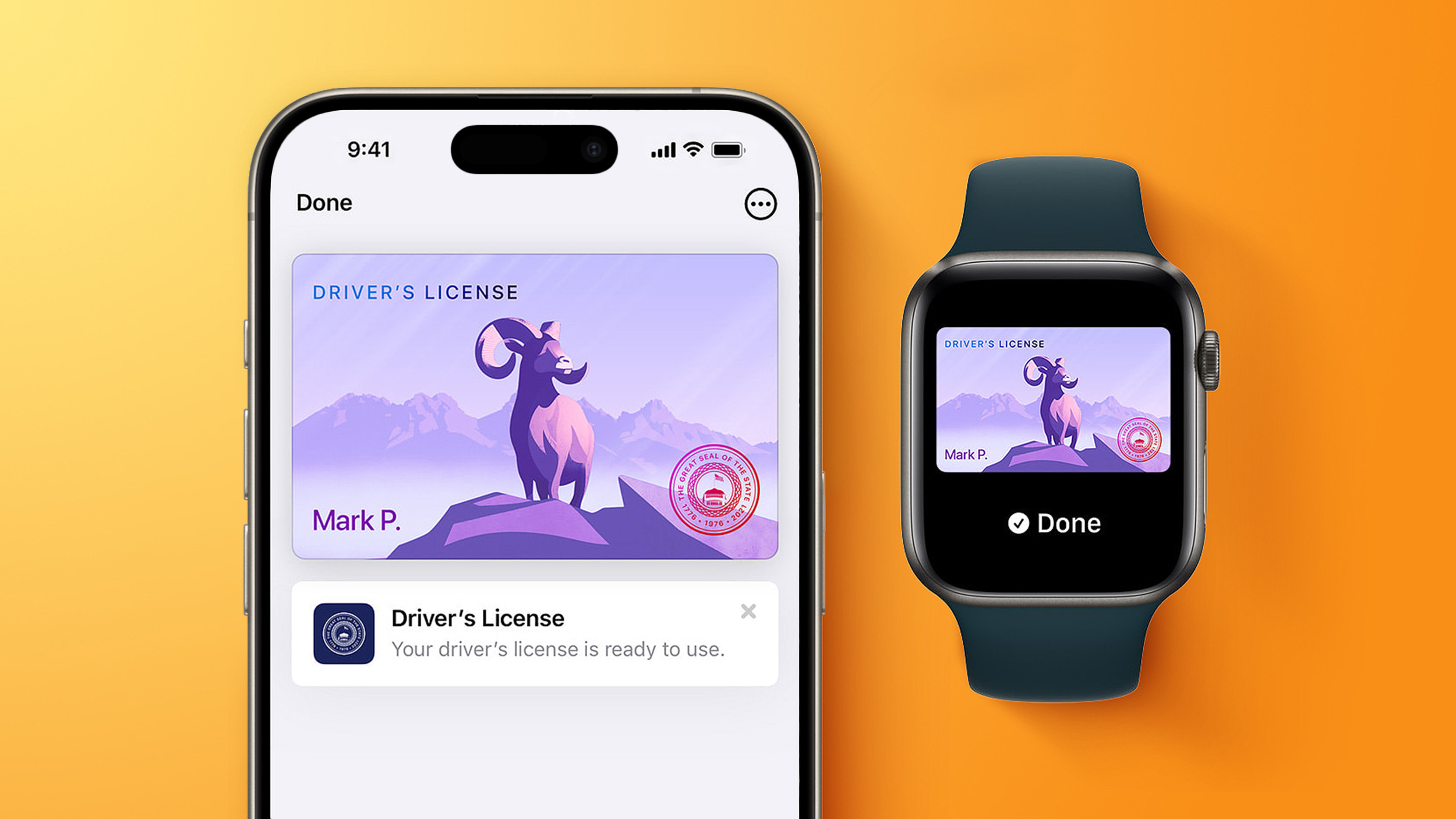
Driver's licenses and IDs may soon be available in Apple Wallet for iPhone and Apple Watch users who live in Utah. MacRumors discovered signs of a Utah ID in Apple's backend, suggesting Apple is moving forward on implementing support.


Utah already offers a mobile driver's license option through a standalone app, but there is no Apple Wallet integration. Utah's mobile driver's license FAQ page still says that it is still in the initial planning process of adding Utah IDs to Apple Wallet, but it may not be up to date.

The site also says that when Apple Wallet integration launches, iPhone users who already use the mobile app for their Utah ID will be able to download it to Apple Wallet.

Apple announced plans to add Utah driver's licenses and IDs to the Apple Wallet app way back in 2021, but no integration has materialized. Utah was one of the first states Apple mentioned when rolling out the feature.

Other states planning to add support for driver's licenses in Apple Wallet include Connecticut, Kentucky, Mississippi, Oklahoma, and Virginia.

Multiple states have already implemented support, as has Puerto Rico.

  • Arkansas

  • Arizona

  • California

  • Colorado

  • Georgia

  • Hawaii

  • Illinois

  • Iowa

  • Maryland

  • Montana

  • New Mexico

  • North Dakota

  • Ohio

  • West Virginia


Digital IDs and licenses are accepted at select TSA checkpoints across the United States. It can also be used at some business venues and in select apps that require ID verification for services or purchases.

In states that do not support licenses in the Wallet app, iPhone users can add their U.S. passport to the Apple Wallet app with the iOS 26 Digital ID feature.
This article, "iPhone Driver's Licenses May Soon Expand to New State" first appeared on MacRumors.com

Discuss this article in our forums

  •  

ChatGPT's Apple Health Integration Now Rolling Out to U.S. Users

The Health in ChatGPT feature that integrates medical records and Apple Health data is rolling out to ChatGPT users in the United States as of today.


OpenAI announced plans for a health feature that used data from Apple Health and other sources back in January, but it was in beta and was not made widely available.

Health in ChatGPT can draw on health information connected by the user to compare lab test data, summarize changes since a prior appointment, track medications, and explore how sleep, activity, and workouts impact health.
With your permission, ChatGPT can consider relevant information you have connected, such as medications, lab results, recent visits, sleep, and activity, alongside the goals and context you share. This added context can make everyday conversations more useful. For example, ChatGPT can consider a dietary restriction when helping you choose a restaurant, or a recent injury when planning lower-impact weekend activities with your family. You can ask follow-up questions, add context, or correct information that is incomplete or out of date.

OpenAI says the feature is meant to help users understand their health information in context and keep track of what's changed over time. Users can get to the Health section from the ChatGPT sidebar.

Connected medical records and Apple Health information are not used to train OpenAI's models or target ads, nor are conversations that use health data. ChatGPT will ask for permission before using connected medical records and Apple Health information to personalize a response.

For users who would prefer not to connect health records, the Health section in ChatGPT works without them and can answer health-related questions.

Health is rolling out to logged-in ChatGPT users who are 18 years and older in the U.S. on web and iOS. The feature is available to Free, Go, Plus, and Pro plans.
This article, "ChatGPT's Apple Health Integration Now Rolling Out to U.S. Users" first appeared on MacRumors.com

Discuss this article in our forums
  •  

Geekbench 7 Launches With Redesigned Multi-Core and GPU Benchmarks

Primate Labs today announced the launch of Geekbench 7, the newest version of the popular benchmarking suite for CPU and GPU performance.


There's a redesigned multi-core benchmark in Geekbench 7 that's meant to better represent how applications work in the real world. A workload only runs in multi-threaded mode if the task it models runs multi-threaded in real applications.

Primate Labs says users can expect a multi-core score that's a more relevant measure of how a device performs when doing actual work.

Along with updates to multi-core testing, a revamped GPU benchmark focuses on machine learning and content creation to reflect how GPUs are used today. The GPU benchmark has tests that track faces and apply real-time filter effects to video, upscale images with machine learning, and blur backgrounds in video conferencing streams. New GPU image editing and synthesis tests are available, like RAW image processing, LUT-based video color grading, path tracing, and fluid simulation.

Nvidia's CUDA is once again a supported API alongside OpenCL, Vulkan, and Metal.

The new version of Geekbench uses more challenging data sets to better reflect how people use their computers today. The File Compression and PDF Viewer workloads have more variation, and developer and image processing tests have more assets and different image formats.

Geekbench 7 adds media workloads for testing audio and video encoding, decoding, and processing. The Whisper speech recognition, AV1, and Opus tests mimic video conferencing, screen sharing, and content consumption workloads.

There's also a Game Physics workload that uses the Jolt Physics engine used by popular video games. Primate Labs added an expanded Photo Editor test with a richer set of real-world edits, and the Photo Library workload supports importing and processing image formats like JPEG XL and DNG.

Geekbench 7 is available for iOS, macOS, and other platforms. The app remains free for personal use, and the Pro version is 20 percent off the regular $99 price through August 6.
This article, "Geekbench 7 Launches With Redesigned Multi-Core and GPU Benchmarks" first appeared on MacRumors.com

Discuss this article in our forums

  •  

Apple Raises iCloud+ Prices in 8 Countries

Apple has increased the price of iCloud+ in Nigeria, Türkiye, Vietnam, Japan, Egypt, New Zealand, the Philippines, and Indonesia, according to an updated version of its iCloud support document.


Price increases range from 11 percent to 55 percent depending on the plan and the country. Nigeria saw the biggest hike, and a 50GB plan is now ₦1,300, up from ₦900. Türkiye saw the next largest increase, with a 50GB plan priced at 49.99 TL, up from 39.99 TL.

Apple has likely adjusted pricing due to currency fluctuations. The Japanese Yen has weakened over the past year, for example, and the dollar is up almost 10 percent against the yen. The Turkish Lira has also depreciated, increasing the value of the U.S. dollar.

A full list of price changes can be found on Apple's iCloud website. U.S. pricing has not changed, nor has pricing in any other country not listed above.

All Apple Accounts receive 5GB of free ‌iCloud‌ storage. Apple's ‌iCloud‌+ plans give users extra storage, as well as perks like Hide My Email, HomeKit Secure Video, and ‌iCloud‌ Private Relay.
Tag: iCloud

This article, "Apple Raises iCloud+ Prices in 8 Countries" first appeared on MacRumors.com

Discuss this article in our forums
  •  

Apple Music Now Costs $11.99 as Apple Increases Subscription Prices

Apple today increased the price of Apple Music and some Apple One subscription bundles. An individual ‌Apple Music‌ subscription is now $1 more expensive in the United States, going from $10.99 to $11.99 per month.


Pricing on the ‌Apple Music‌ Family plan increased by $3, increasing from $16.99 to $19.99. Student pricing is up $1, with the plan now priced at $6.99.

The price of the individual ‌Apple One‌ plan hasn't changed, but the Family and Premier plans have gone up $2. The Family plan is now $27.95 per month and the Premier plan is $39.95 per month. Apple has also raised prices in Brazil.

In a statement to Music Business Worldwide, Apple said it was raising prices due to the "result of rising licensing costs." ‌Apple Music‌ prices were last increased in October 2022.
This article, "Apple Music Now Costs $11.99 as Apple Increases Subscription Prices" first appeared on MacRumors.com

Discuss this article in our forums

  •  

Apple and DOJ Hold Early Settlement Talks in iPhone Antitrust Case

Apple is working to settle an antitrust lawsuit with the U.S. Department of Justice, reports Bloomberg. Apple has proposed several offers and is now in early settlement talks with the DOJ.


The DOJ sued Apple for antitrust violations in 2024 as part of an expansive antitrust investigation into major tech companies. The government accused Apple of getting customers "hooked" on its platform through a long-running history of anti-competitive behavior.

The lawsuit accused Apple of restricting "super apps" with broad capabilities, limiting cloud gaming, preferencing its own Messages app over third-party apps, and limiting the function of third-party digital wallets and smartwatches.

Since the lawsuit was filed in 2024, Apple policy changes have addressed many of the claims, weakening the DOJ's position.

While the talks are ongoing, Bloomberg says there's no guarantee an agreement will be reached. Apple attempted to have the lawsuit dismissed last year, but was unsuccessful. So far, no trial has been scheduled.
This article, "Apple and DOJ Hold Early Settlement Talks in iPhone Antitrust Case" first appeared on MacRumors.com

Discuss this article in our forums
  •  

MacRumors Giveaway: Win a MacBook Neo Plus Color-Matched Satechi Accessories

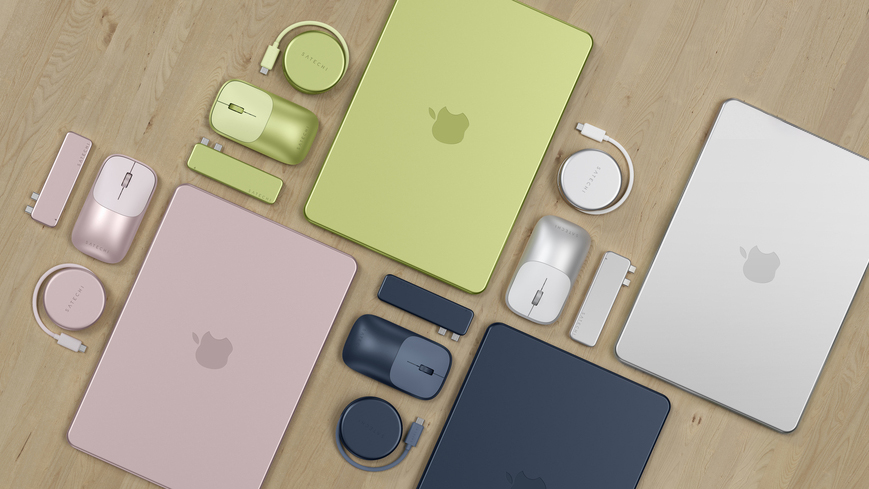
For this week's giveaway, we've teamed up with Satechi to offer MacRumors readers a chance to win a MacBook Neo and a set of color-matched MacBook Neo accessories to go along with it. A second-place winner will also get a set of Satechi's new accessories.


The MacBook Neo collection includes the $45 OntheGo 5-in–1 Multiport Adapter, the $45 USB-C Snap Hub, and the $30 Slim EX Wireless Mouse. All of the accessories come in Citrus, Blush, Indigo, and Silver to match the ‌MacBook Neo‌ color options.


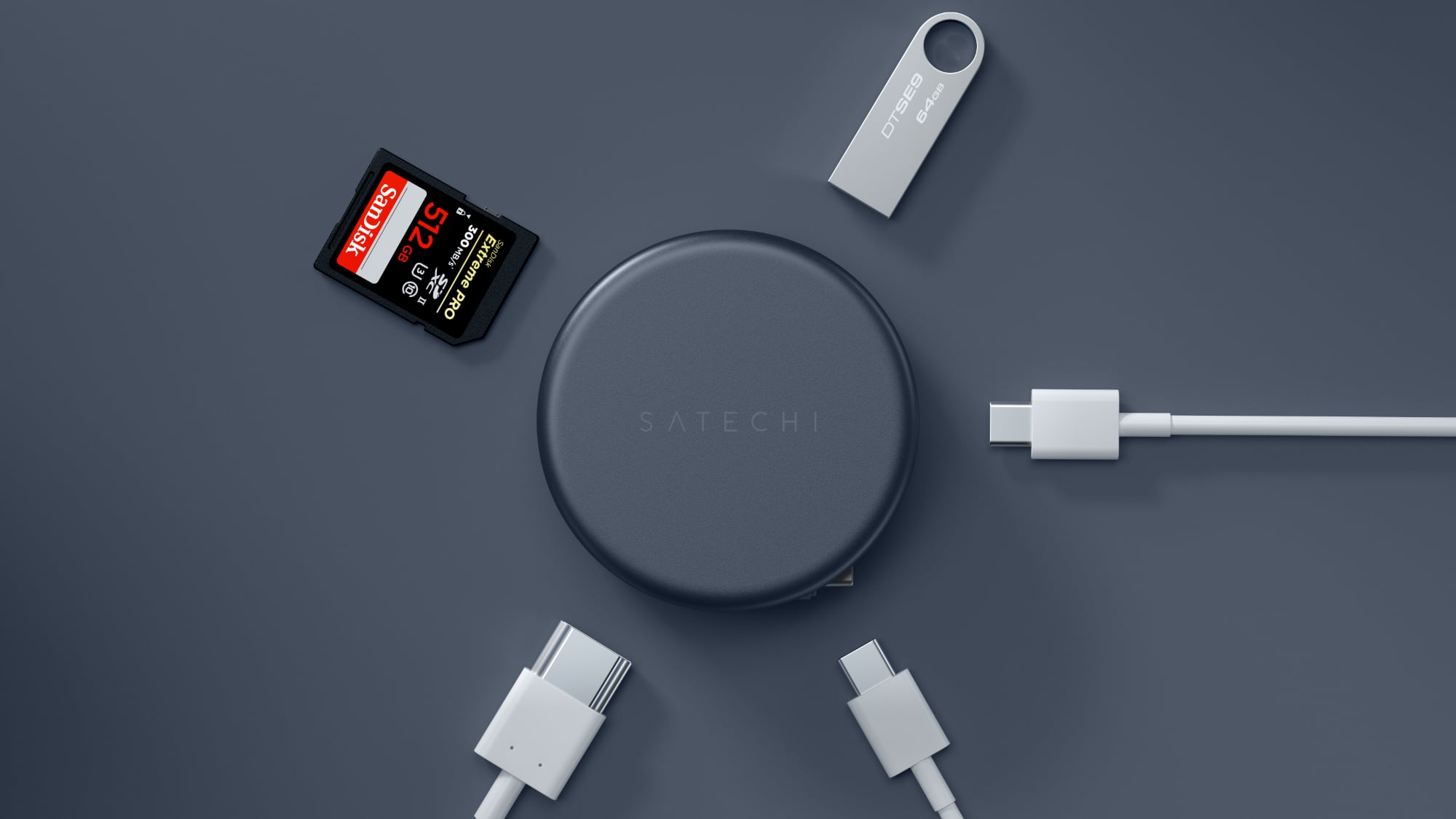
Satechi's OntheGo 5-in–1 Multiport Adapter plugs into the USB-C port on the ‌MacBook Neo‌ and adds five additional ports. It has two USB-C ports, a 5Gb/s USB-A port, an HDMI port that supports up to a 4K 60Hz external display, and an SD card slot. One of the USB-C ports offers 60W passthrough charging and the other supports 5Gb/s data transfer speeds.

An included magnet lets it attach to a MagSafe iPhone or to the lid of the MacBook with a 3M adhesive magnet mount ring. The matching built-in USB-C cable is braided for durability, and it rolls up into the adapter, making it a compact travel option. It measures 2.57 inches in diameter and it's 0.87 inches thick.


Satechi's USB-C Snap Hub also adds ports, but it has a different design. It plugs into both of the ‌MacBook Neo‌ USB-C ports, expanding them into six connections. There are two USB-C ports, an HDMI port that supports a 4K 60Hz display, a 5Gb/s USB-A port, an SD card slot, and a microSD card slot. One USB-C port supports 45W passthrough charging, and the other offers 5Gb/s data transfer speeds.


The hub fits flush to the side of the ‌MacBook Neo‌, and it has a dual-material design. The top is an anodized aluminum that matches the ‌MacBook Neo‌'s body, while the base is a soft-touch ABS plastic meant to match the keyboard finish.


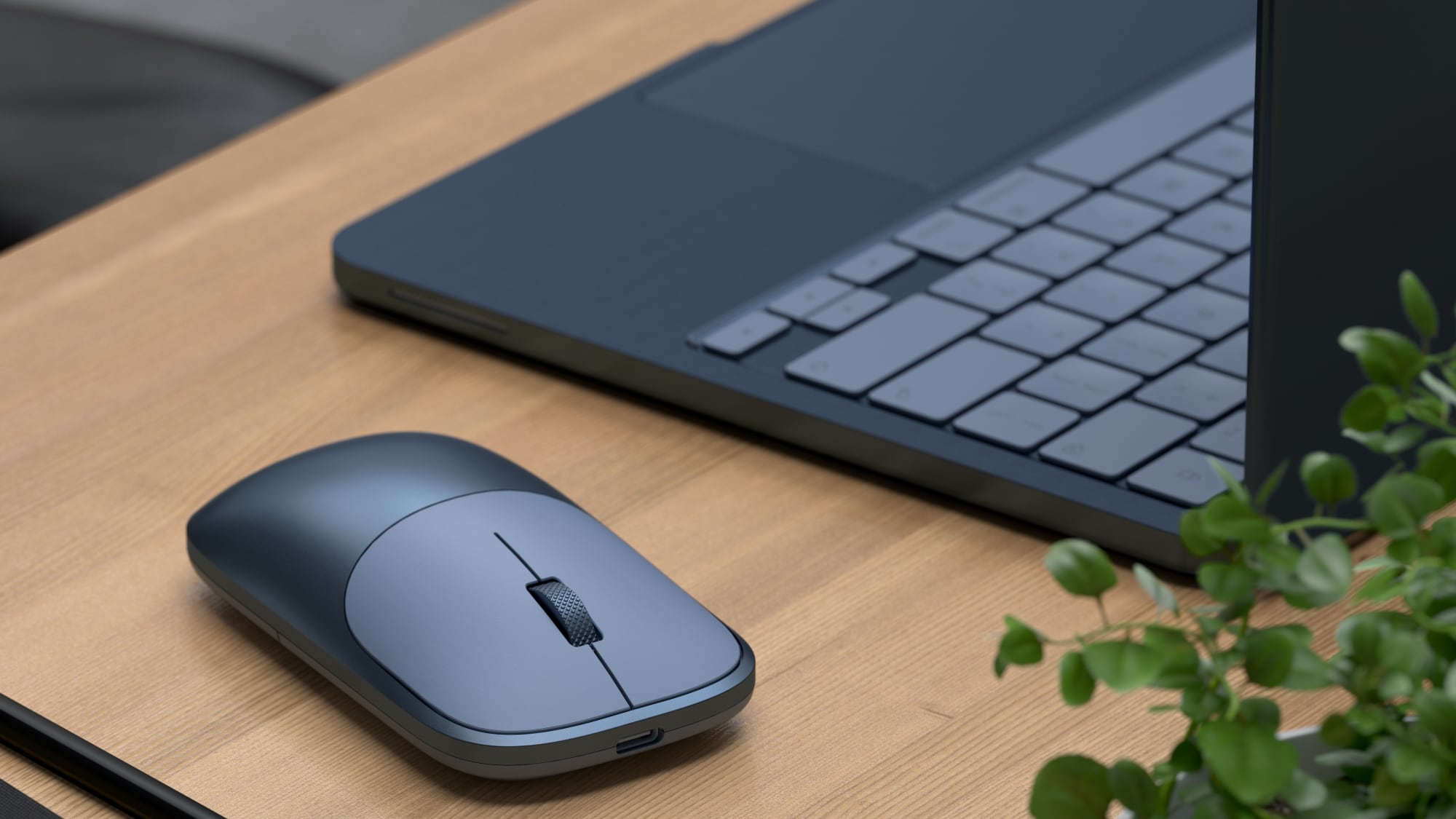
Satechi's Slim EX Wireless Mouse completes the collection, and it's made from color-matched aluminum. The mouse supports two Bluetooth channels and a 2.4GHz wireless connection, and it is able to work across macOS, iPadOS, Windows, and Android. It features quiet click switches and a precision-machined scroll wheel, plus there is a USB-C rechargeable, user-replaceable battery for longevity.


We have a ‌MacBook Neo‌ and a Satechi accessory set to go along with it for one lucky MacRumors reader, and a second winner will get the ‌MacBook Neo‌ accessory kit. To enter to win, use the widget below and enter an email address. Email addresses will be used solely for contact purposes to reach the winner(s) and send the prize(s). You can earn additional entries by subscribing to our weekly newsletter, subscribing to our YouTube channel, following us on Twitter, following us on Instagram, following us on Threads, or visiting the MacRumors Facebook page.

Due to the complexities of international laws regarding giveaways, only U.S. residents who are 18 years or older, UK residents who are 18 years or older, and Canadian residents who have reached the age of majority in their province or territory are eligible to enter. All federal, state, provincial, and/or local taxes, fees, and surcharges are the sole responsibility of the prize winner. To offer feedback or get more information on the giveaway restrictions, please refer to our Site Feedback section, as that is where discussion of the rules will be redirected.

The contest will run from today (July 17) at 9:00 a.m. Pacific Time through 9:00 a.m. Pacific Time on July 24. The winner will be chosen randomly on or shortly after July 24 and will be contacted by email. The winner will have 48 hours to respond and provide a shipping address before a new winner is chosen.
Related Roundup: MacBook Neo
Buyer's Guide: MacBook Neo (Buy Now)
Related Forum: MacBook Neo

This article, "MacRumors Giveaway: Win a MacBook Neo Plus Color-Matched Satechi Accessories" first appeared on MacRumors.com

Discuss this article in our forums
  •  
❌