On today’s brain-addled episode of Quick Charge, President Trump says electric car drivers have a disease, Full Self Driving won’t stop earning Tesla drivers tickets, and Waymo’s CEO spends over forty minutes explaining why Tesla’s tech won’t ever beat a human driver.
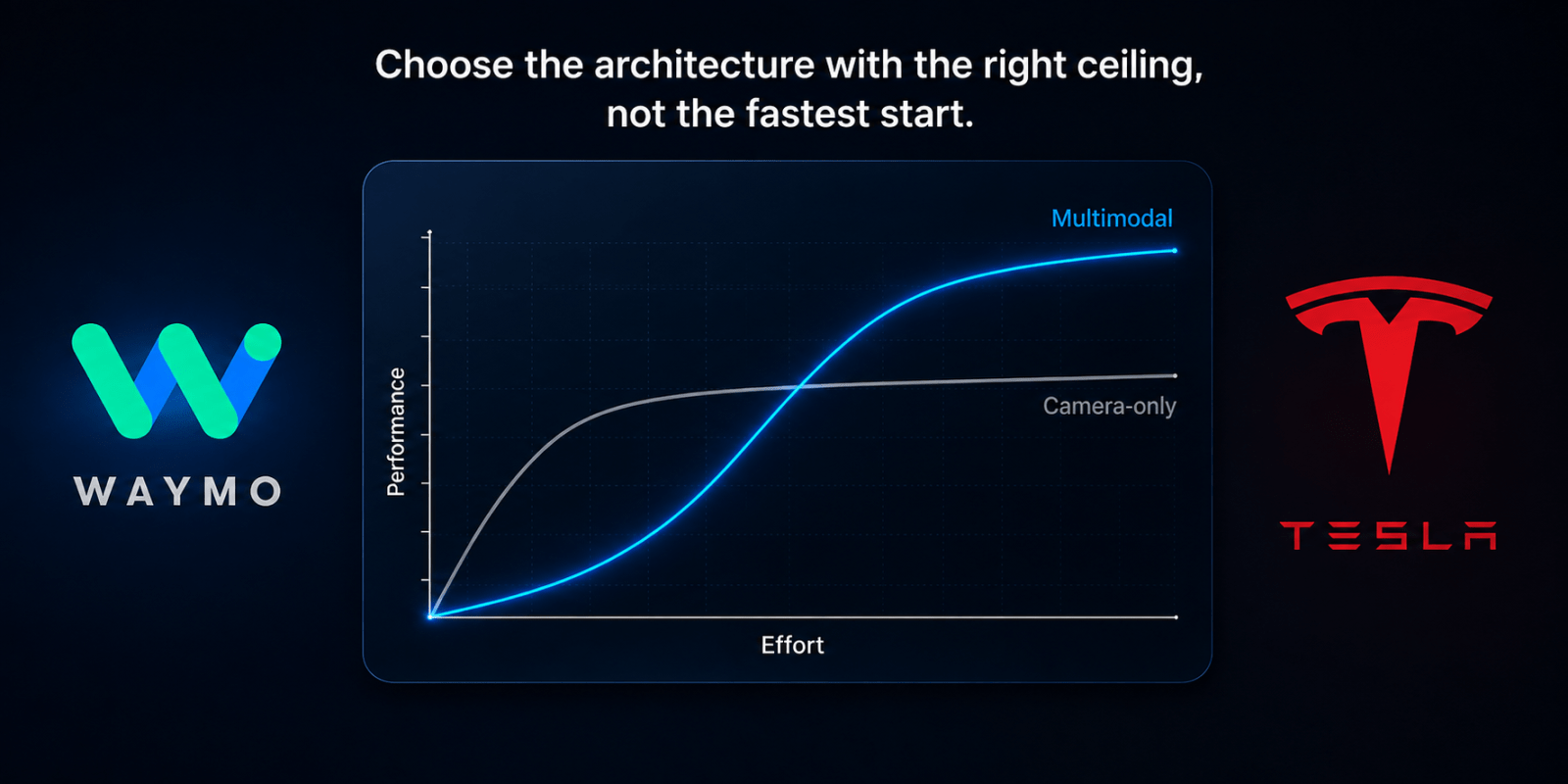
Waymo co-CEO Dmitri Dolgov laid out the clearest technical case yet for why cameras alone can’t take a self-driving system to full autonomy, arguing that “weak sensing” hits a safety ceiling long before it reaches superhuman performance.
He never said the word Tesla. But camera-only is Tesla’s entire bet, and this was a direct shot at it.
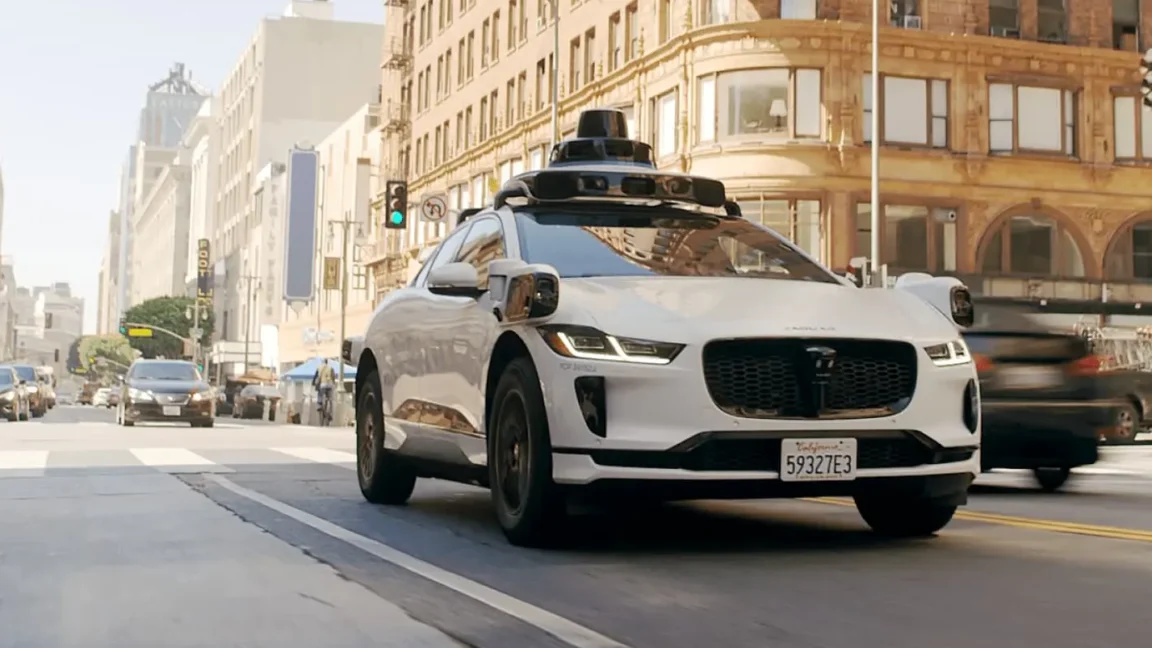
A local judge has ruled that Waymo can no longer use its side-by-side charging facilities overnight in Santa Monica, California, as these may pose a “public nuisance.”
Los Angeles Superior Court Judge Bradley S. Phillips granted this week the City of Santa Monica’s motion for a preliminary injunction in the city’s ongoing public nuisance lawsuit against the autonomous vehicle giant.
City officials and neighbors assert that the constant stream of vehicles at the charging stations create light and sound pollution and cause undue traffic congestion on the streets and nearby alleys, creating a collective bother and disruption.
Waymo is putting Google’s Gemini AI assistant inside its robotaxis for the first time, alongside the first major redesign of its rider interface in years.
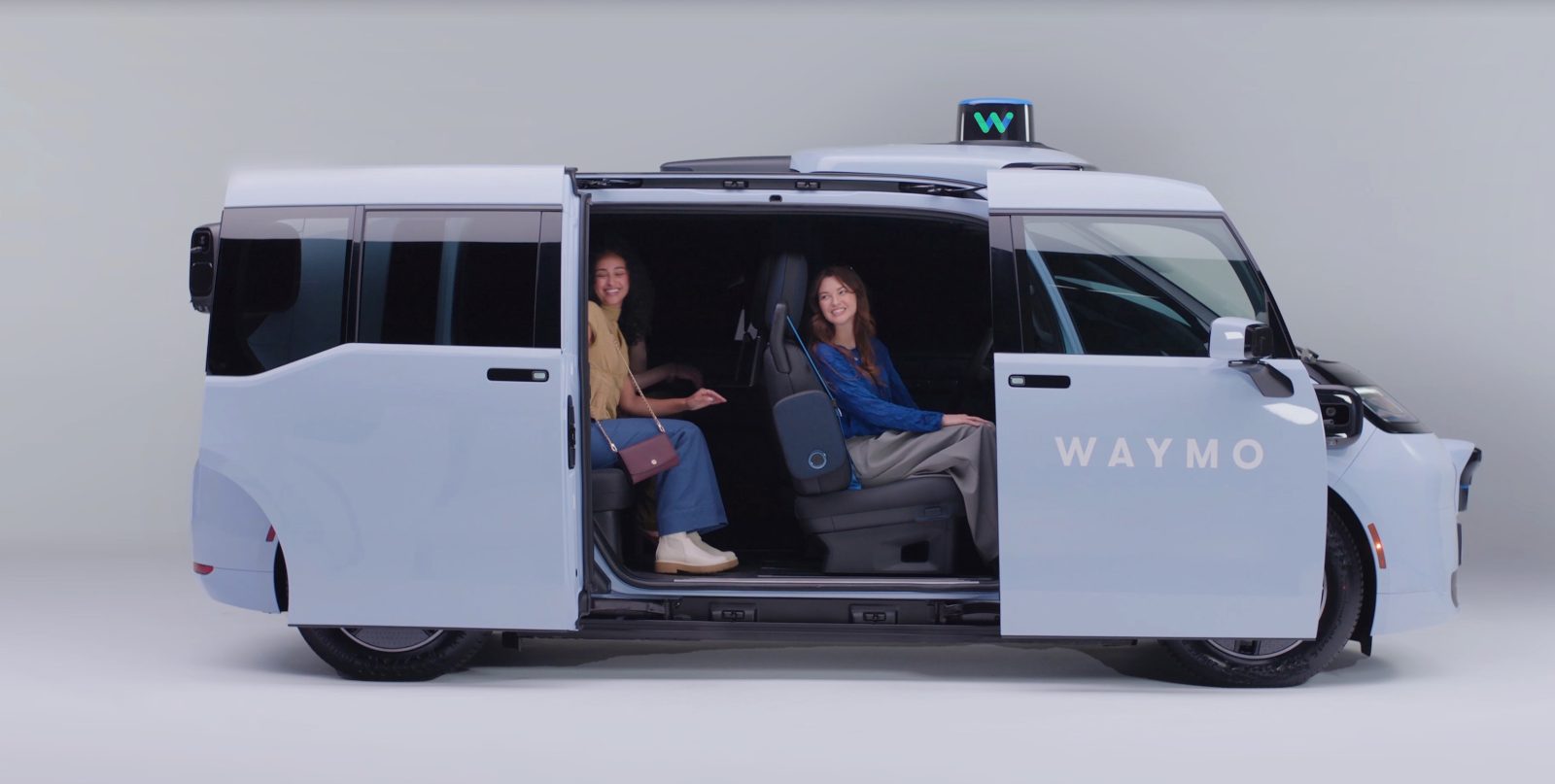
Both features are launching in the Ojai, Waymo’s purpose-built vehicle, as the company gets ready to open the car up to more public riders.
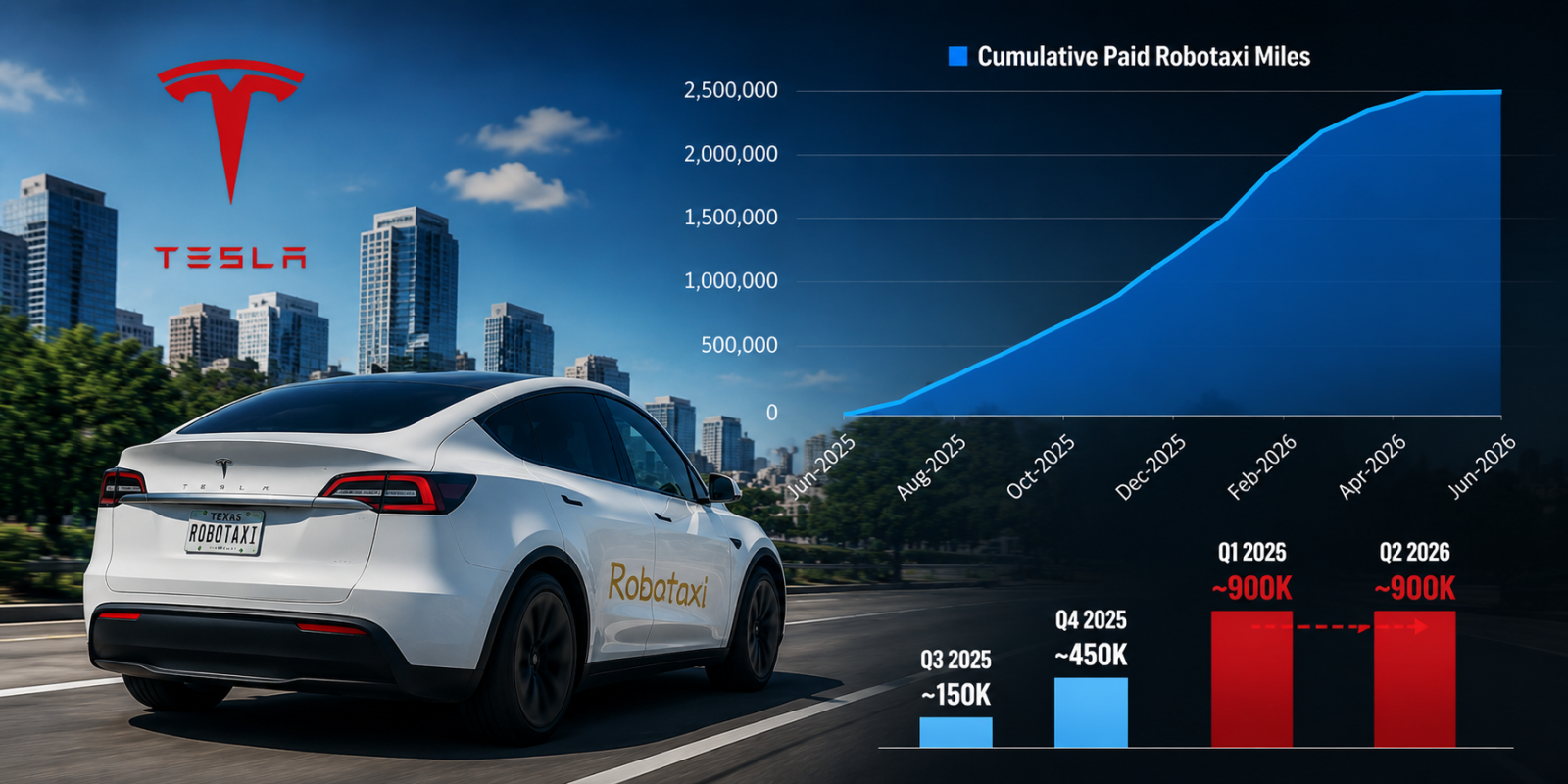
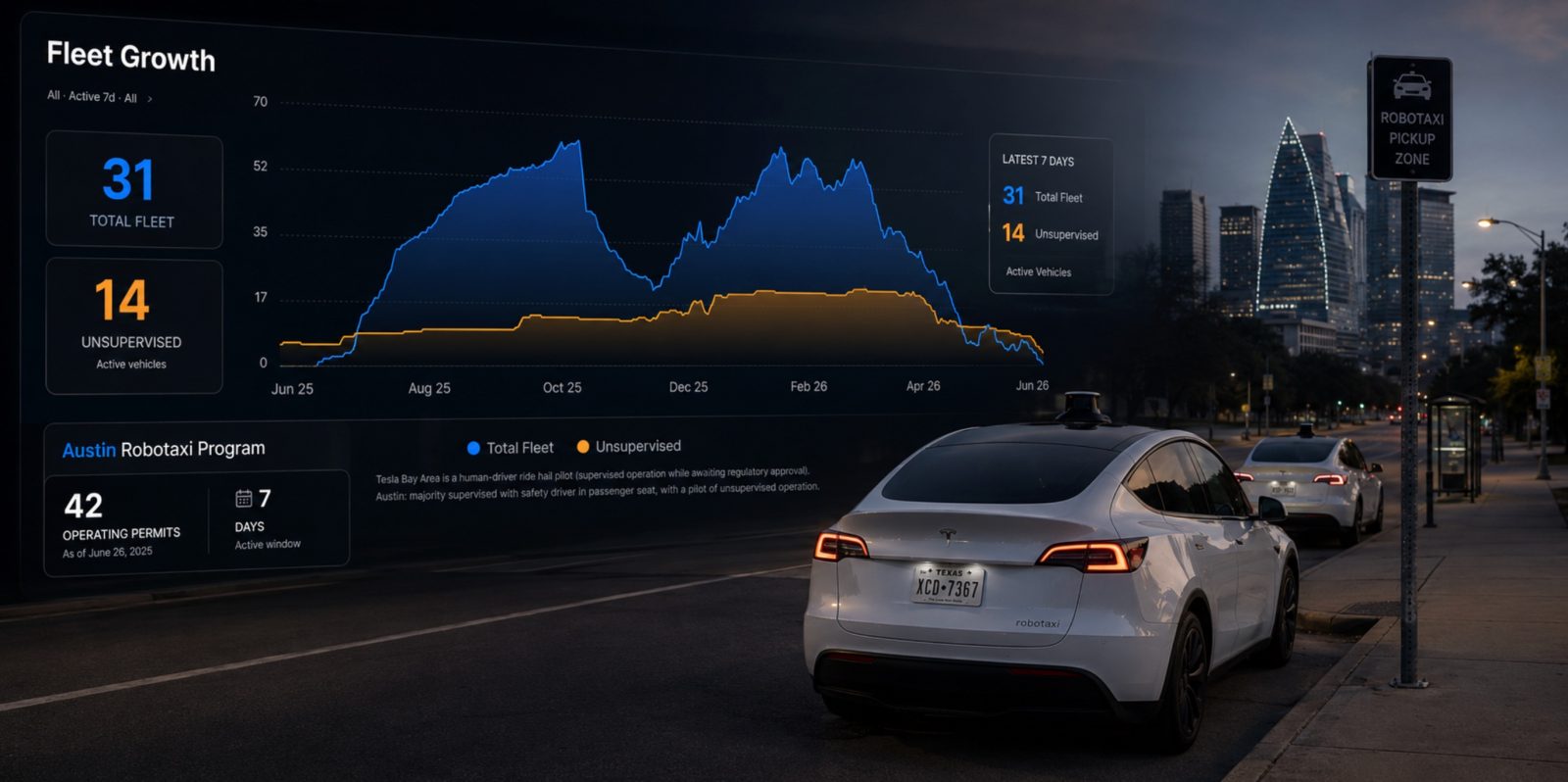
Tesla told shareholders this week that its Robotaxi service is expanding. The company’s own chart proves it isn’t.
In its Q2 2026 update, Tesla leaned on a cumulative “paid Robotaxi miles” chart climbing past 2.4 million miles as its headline proof of momentum. But break that curve into quarters and the growth flatlines: Robotaxi added roughly 900,000 paid miles in Q2 2026, the same as it did in Q1.
Tesla switched on its “Robotaxi” service in Tampa and Orlando on Monday, adding two Florida cities to a driverless network that still runs on a couple dozen cars. The company’s @robotaxi account announced it in a four-word post: “Robotaxi now in Tampa & Orlando!”
The timing isn’t subtle. Tesla reports second-quarter earnings on Wednesday, and Robotaxi is the story Elon Musk keeps selling to investors. Two new city names the day before make for a nice slide. The fleet behind them tells a different story.
Tesla has filed four new “Robotaxi” crash reports with NHTSA, and the most revealing one involves a Tesla remote operator driving the vehicle into a tree stump in Houston.
It’s the third crash Tesla has now reported involving a human operating the car remotely caused the collision — and the first one Tesla has formally coded as remote operation in its filing.
New Jersey lawmakers are advancing a bill that would require driverless commercial vehicles to carry cameras plus two additional sensor types — a mandate Tesla’s camera-only Robotaxi can’t meet.
The proposed law, S1677, would effectively lock Tesla out of the most densely populated US state unless it adds the radar and lidar hardware that Elon Musk has spent years insisting his cars don’t need.
Waymo has activated fully driverless operations in Las Vegas, its riders will now see vehicles with no human at the wheel, and the Alphabet unit says Denver, San Diego, and Tampa are next in line.
The move adds four new markets to Waymo’s driverless footprint and pushes the company deeper into its target of 1 million paid rides per week by the end of 2026.
Tesla didn’t report a single at-fault “Robotaxi” crash in the latest NHTSA autonomous-vehicle data — its only fresh incident was a Model Y getting rear-ended while stopped, clearly the other driver’s fault.
That sounds like good news for Tesla’s safety record. But live fleet data points to the real reason the crashes have dried up: Tesla’s robotaxis are barely running, and the active fleet is shrinking a year into the program.
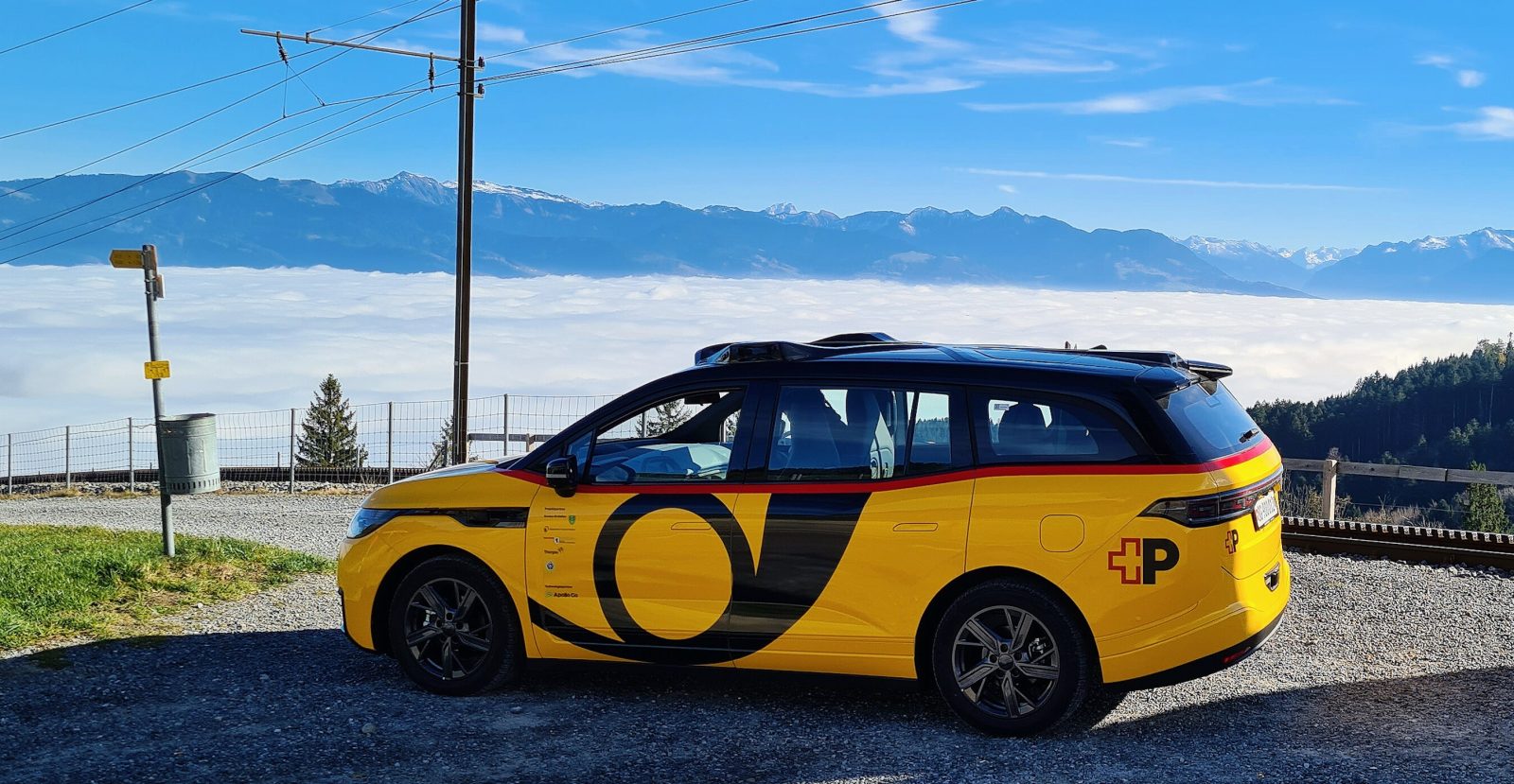
Baidu’s Apollo Go has received a Level 4 autonomous driving permit in Switzerland for AmiGo, a robotaxi service it is running with Swiss Post’s PostBus, putting the Chinese tech giant ahead of Waymo and Tesla in deploying driverless vehicles into European public transport.
The Federal Roads Office (FEDRO) special permit covers an 80 km² service area across three eastern cantons, and Baidu says the project is on track to become the largest planned automated public transport operation of its kind in Europe.
The IPO market is back, and it’s not the same companies leading the charge. FAANG had a good run, but a new acronym is taking over: MANGOS — Meta (or Microsoft, depending on who you ask), Anthropic, Nvidia, Google, OpenAI, and SpaceX. Half of that bunch is heading to public markets in the same window, and it’s a stress test for investors, for valuations, and for […]
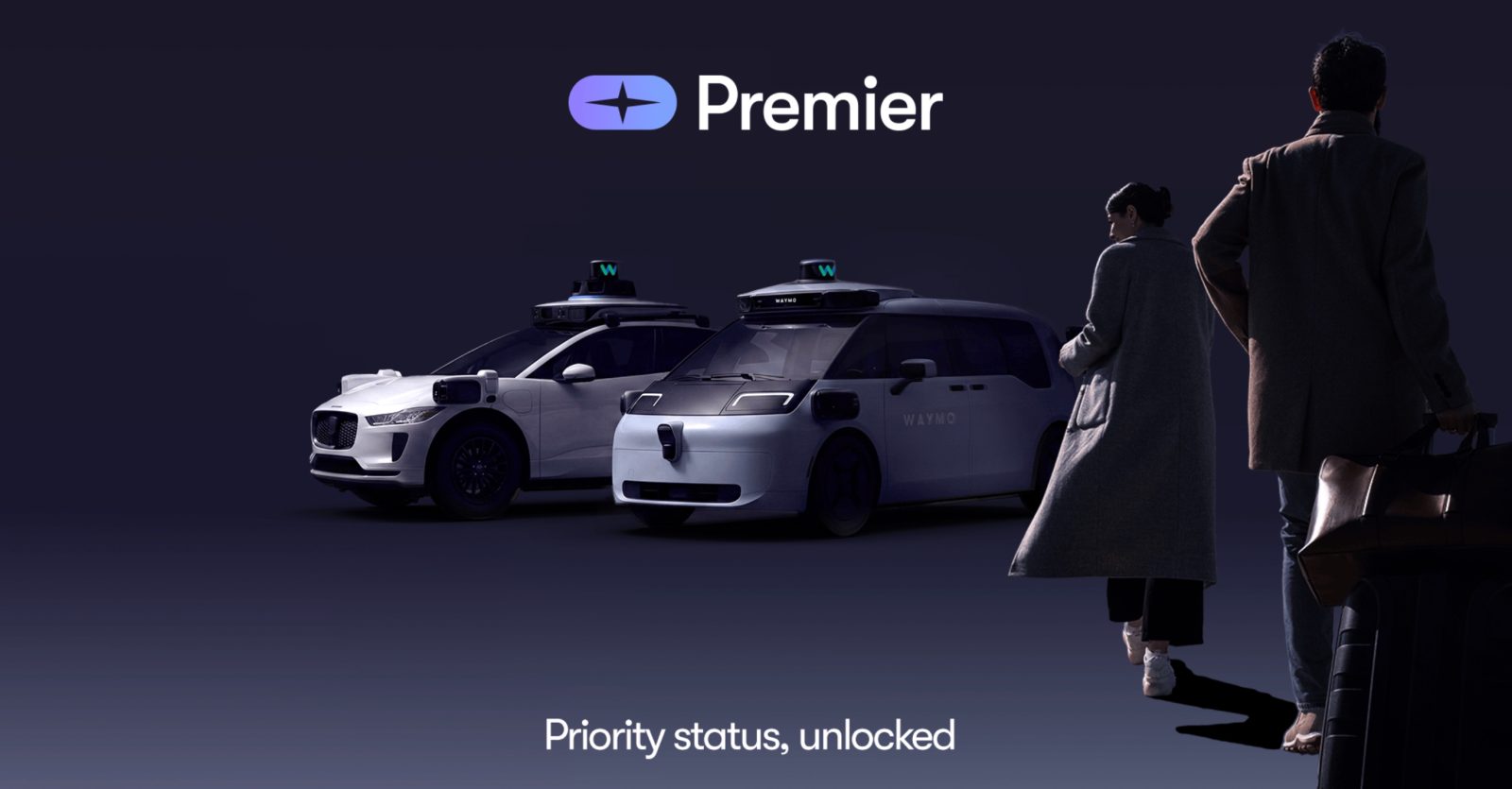
Waymo is launching its first-ever membership program, “Waymo Premier,” offering its most frequent riders priority pickups, 10% cashback, and early access to new cities for $29.99 per month.
The invite-only program marks a significant step in Waymo’s effort to build rider loyalty as it scales toward 1 million weekly rides and expands into 20+ cities.

 Login