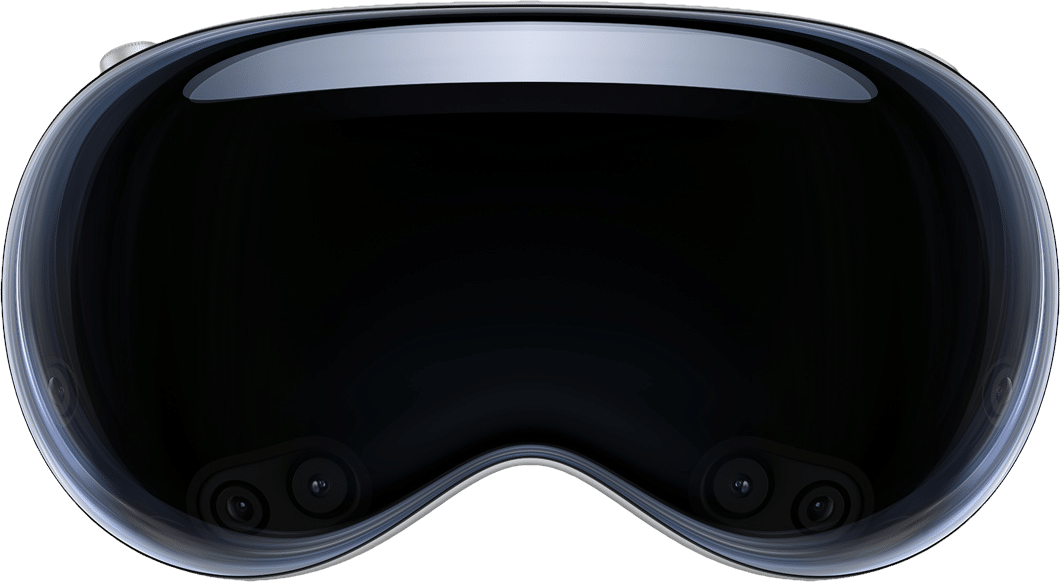
Pela primeira vez, o Friday Night Baseball será transmitido ao vivo no formato Apple Immersive, permitindo que usuários do Apple Vision Pro assistam às partidas em 3D. O primeiro jogo transmitido no formato será entre o Boston Red Sox e o New York Yankees, no dia 28 de agosto (uma sexta-feira).
A Apple informou em um comunicado que as escalações das equipes e as estatísticas aparecerão flutuando na tela e que haverá uma vista do estádio com Áudio Espacial durante as pausas na partida.
Os espectadores com Vision Pro vivenciarão a icônica rivalidade entre Red Sox e Yankees a partir de ângulos de câmera exclusivos que os colocam dentro do jogo, imersos na tensão de cada duelo entre rebatedor e arremessador, nas comemorações no banco de reservas após uma grande rebatida, nas jogadas decisivas junto ao muro do campo externo e muito mais.
Quatro das sete partidas do Friday Night Baseball até setembro serão transmitidas em Apple Immersive; a programação completa pode ser conferida abaixo.
Divulgação/Apple
Naturalmente, o Friday Night Baseball em formato Apple Immersive estará disponível no Apple Vision Pro (M5) e no Vision Pro (M2), nos países onde o headset está disponível, para usuários com uma assinatura ativa do Apple TV.
ComprarApple Vision Prode Apple 🇺🇸Preço: a partir de US$3.699 Armazenamento: 256GB, 512GB ou 1TB
NOTA DE TRANSPARÊNCIA: O MacMagazine recebe uma pequena comissão sobre vendas concluídas por meio de links deste post, mas você, como consumidor, não paga nada mais pelos produtos/serviços usando os nossos links de afiliado.
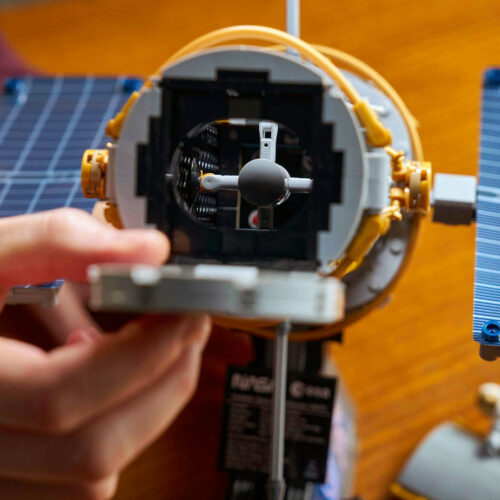
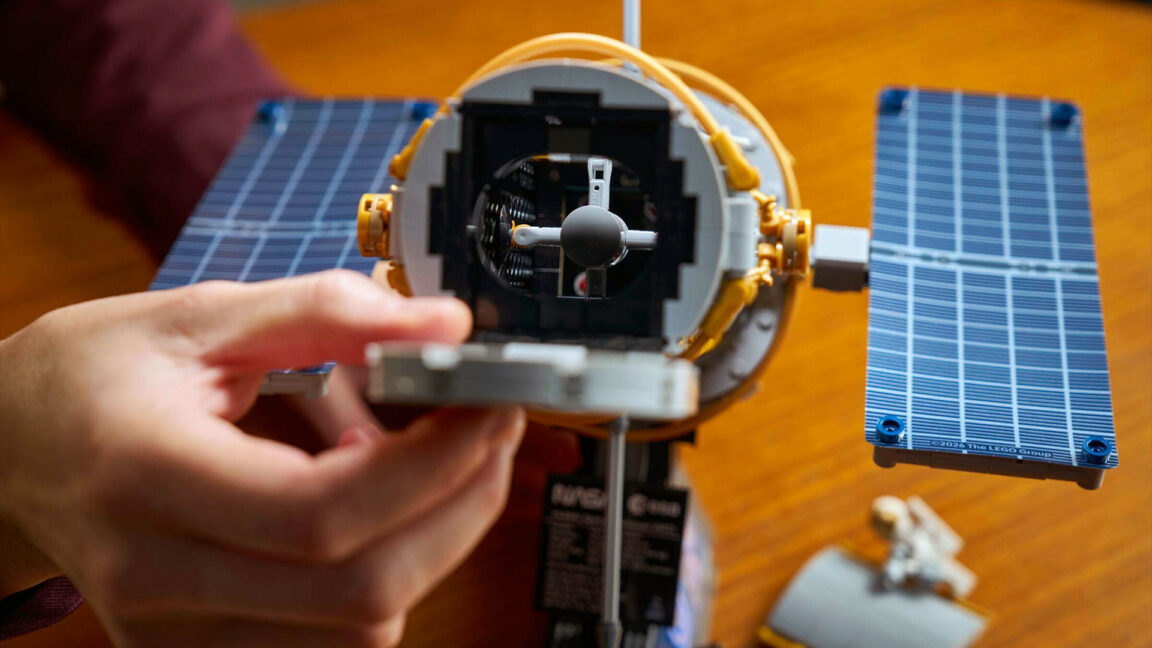
For 35 years, the Hubble Space Telescope has looked out into the Universe. Now, Lego is inviting builders to look inward with its latest model of the orbiting observatory.
The new Lego Icons Hubble Space Telescope (set no. 11382) was released on August 1 for $140 at the toy company's stores and its online shop. The 1,252-piece kit builds a 15-inch-long (38-cm) desktop model that is about twice as large as the previously released Lego Hubble models.
The Icons Hubble is the first to be sized in comparison to a Lego minifigure, such that the included astronaut provides a sense of scale for the telescope.
A Nomad liberou uma nova oferta feita para você que quer acumular pontos no Clube Azul (programa de fidelidade que permite juntar pontos e trocá-los por passagens aéreas), na qual você pode ganhar até 15.000 pontosabrindo a sua conta e efetuando sua primeira operação de câmbio.
Funciona assim: você pode ganhar 10.000 pontos (caso não participe do programa Clube Azul) na sua primeira conversão ou 15.000 pontos (se for assinante Clube Azul). Portanto, certifique-se de que você possui um cadastro no Clube Azul — para realizar a adesão, é necessário ter uma conta Azul e estar logado nela.
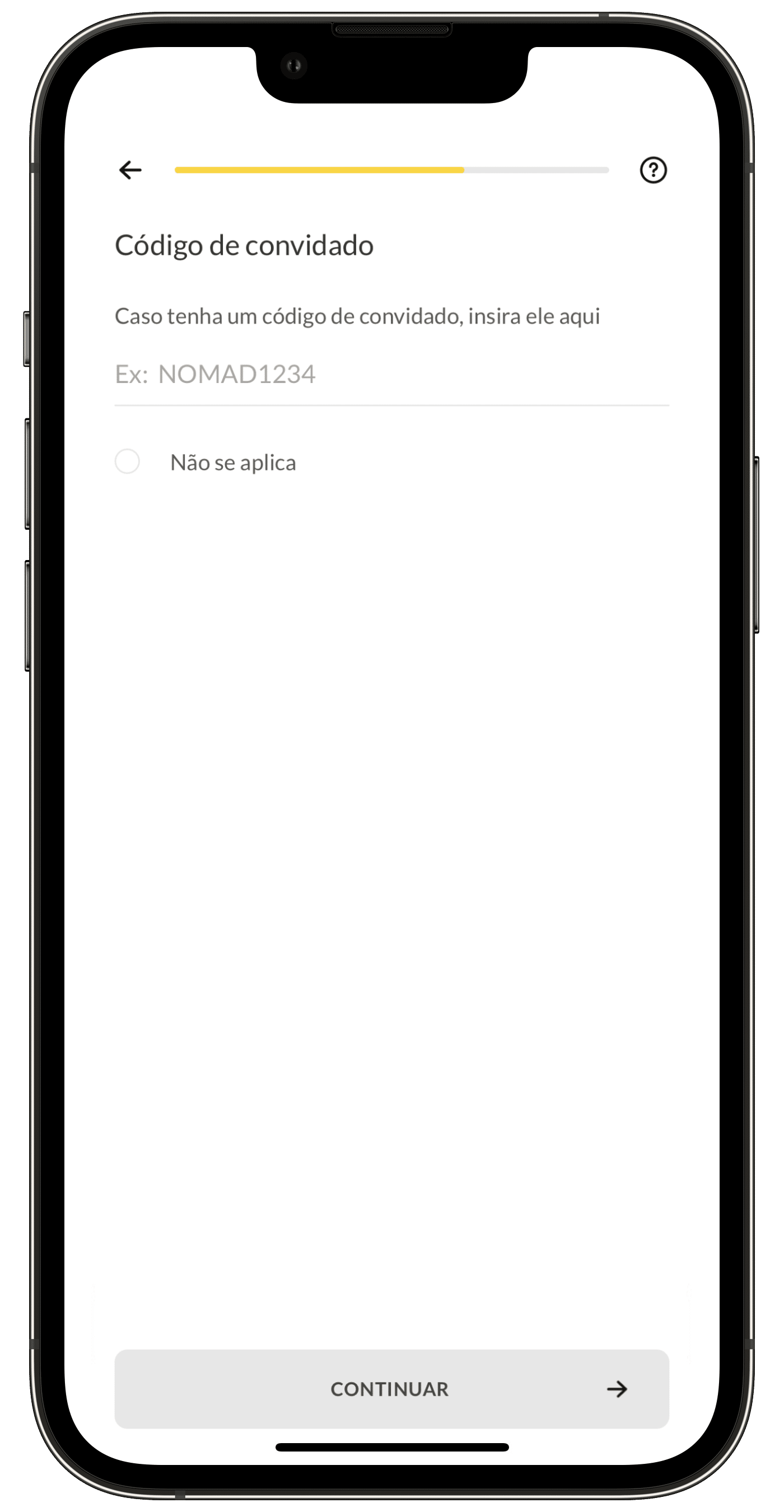
Nesta tela, digite o cupom MAC15AZUL para ganhar até 15.000 pontos no Clube Azul!
Pronto! Você receberá 10.000 pontos para usar como quiser. Como dito, assinantes do Clube Azul receberão 15.000 pontos.
Os pontos serão disponibilizados em até 30 dias úteis, mas é necessário que você se atente ao prazo de até 15 dias após a aprovação da sua conta (e a operação de câmbio mínima) para garantir o seu benefício.
Sobre a Nomad
A Nomad foi a primeira a oferecer uma conta em dólar sediada nos Estados Unidos, sem nenhuma taxa de abertura, anuidade ou manutenção. O cartão da empresa é aceito em mais de 180 países, oferecendo taxas bastante menores que as dos cartões de crédito internacionais.
Além de poder fazer compras, com ela você pode investir nas bolsas de valores americanas (NYSE e Nasdaq), comprar ações, ETFs, ETFs de renda fixa e REITs… tudo a partir de US$1 e sem taxa de corretagem. A conta de banking da Nomad é assegurada em até US$250 mil pelo Community Federal Savings Bank, membro do fundo garantidor dos EUA (FDIC), para cada tipo de conta por titular. Já a conta de investimentos, aberta em parceria com a Drive Wealth — membro do FINRA —, é assegurada pelo SIPC em até US$500 mil, sendo US$250 mil em solicitações em dinheiro.
E não para por aí: com a sua conta Nomad você tem acesso a descontos em lojas parceiras e ainda pode aproveitar o Nomad Lounge, que concede acesso a uma das melhores salas VIP do Terminal 3 do Aeroporto Internacional de Guarulhos (SP).
Só na Nomad você tem uma conta internacional sem taxas mensais de manutenção, até 10% de economia em compras e IOF de 1,1% para a conta de banking e de apenas 0,38% para a conta de investimentos.
NOTA DE TRANSPARÊNCIA: O MacMagazine recebe uma pequena comissão sobre vendas concluídas por meio de links deste post, mas você, como consumidor, não paga nada mais pelos produtos/serviços usando os nossos links de afiliado.
The nature of the surveys to which Phil Halper appeals is that they measure what physicists believe. They cannot measure what the evidence actually supports.
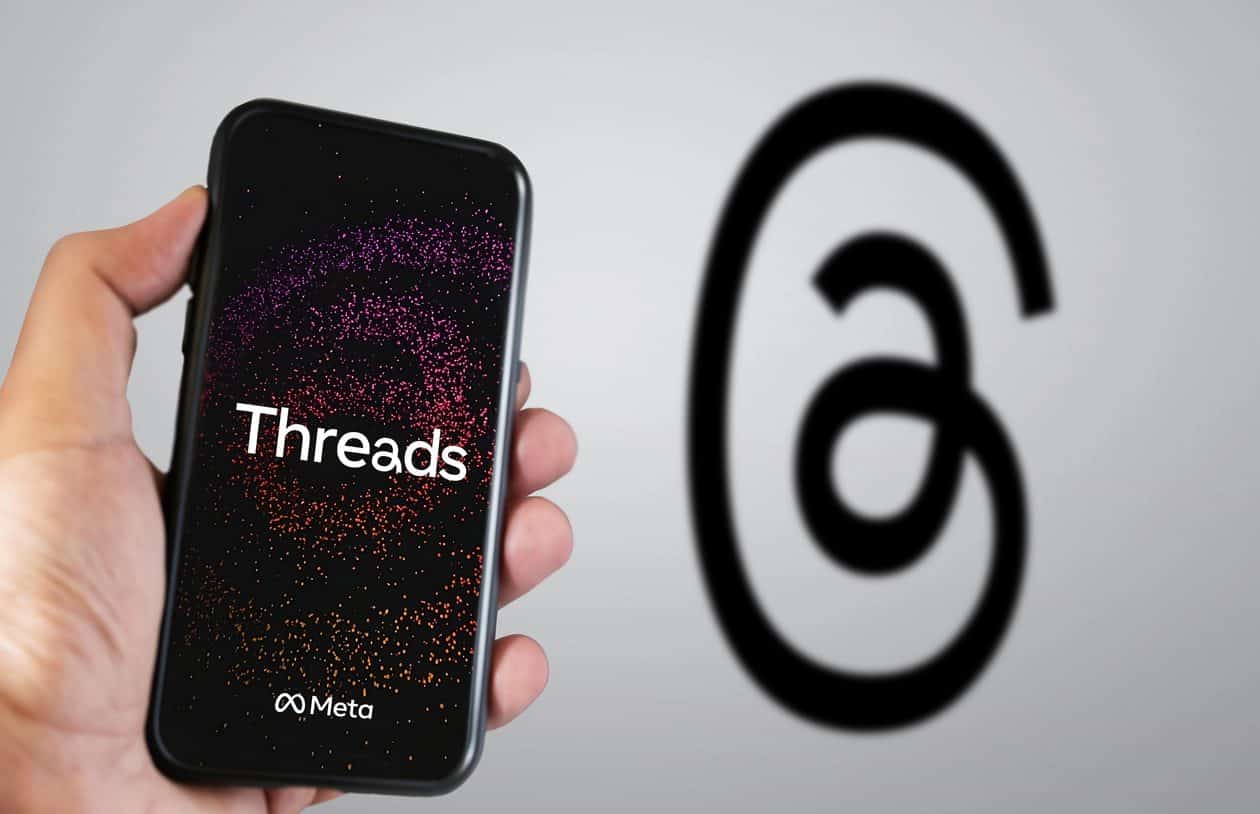
Com o Threads, é possível conversar com os milhões de usuários que utilizam a rede social diariamente para falar sobre os mais diversos assuntos.
A Meta introduziu, há um tempo, uma função dedicada para quem curte escrever bastante: a possibilidade de realizar uma publicação com até 10.000 caracteres — inclusive com ferramentas de formatação de texto, como negrito, itálico e tachado, por exemplo.
Abra o app ou o site do Threads e toque/clique no ícone de “+” ou “Nova thread“.
Selecione o ícone representado por uma folha de papel (no iPhone, é preciso tocar primeiramente no botão com três pontinhos para que ele apareça).
Digite ou anexe o texto desejado no campo e use as ferramentas de formatação (negrito, itálico, sublinhado, tachado e destaque com cor) na parte inferior, se assim desejar.
Quando quiser publicar o texto, toque/clique em “Concluir”.
O popular jogo Wolfenstein 3D (um dos primeiros games de tiro em primeira pessoa do mercado) foi reconstruído do zero como parte de um novo projeto para modernizá-lo.
O objetivo dessa empreitada, denominada Wolfenshine, foi superar as limitações técnicas da época em que o jogo foi lançado e que o impediam de ter coisas como sombras, luzes coloridas, neblinas e outros efeitos.
O novo projeto, por sua vez, faz uso dos arquivos de mapas, inimigos, armas, sons e gráficos do jogo original — que não são distribuídos junto do Wolfenshine, mas lidos a partir de uma cópia própria do usuário (seja a versão shareware gratuita ou a completa, com as seis fases) — e acrescenta uma camada de efeitos modernos por cima, levando um pouco da tecnologia atual para o game.
Com isso, salas que teoricamente deveriam ser iluminadas por uma lâmpada passam a realmente contar com iluminação, corredores passam a exibir a luz originada por uma porta aberta, dentre outras coisas bem legais.
A jogabilidade, cabe destacar, continua exatamente a mesma. Como o game usa os mesmos arquivos da versão original, basta apertar F2 no teclado para alternar entre o visual clássico e o do Wolfenshine, num passe de mágica.
O Wolfenshine é um projeto de código aberto. O código-fonte e todos os detalhes técnicos (incluindo o passo a passo para a sua instalação) estão disponíveis no repositório oficial no GitHub, onde ele pode ser baixado em versões para macOS, Windows e Linux.
Como sabemos, o então vice-presidente sênior de engenharia de hardware da Apple, John Ternus, assumirá o cargo de CEO1Chief executive officer, ou diretor executivo. no dia 1º de setembro — e ele trará de volta para a empresa uma antiga colega.
De acordo com o jornalista Mark Gurman (da Bloomberg), a Apple recontratará Laura Legros, que atuou como vice-presidente de engenharia de hardware até se aposentar em 2022. Ainda segundo as informações, Legros assumirá o cargo de vice-presidente e trabalhará de forma integrada em diferentes áreas da empresa.
Naturalmente, a recontratação da executiva é um caso raro na Apple, principalmente considerando que Legros já havia se aposentado. Durante sua carreira, ela ajudou a gerenciar a entrega de produtos, os cronogramas de desenvolvimento e a coordenação entre as equipes de engenharia.
Além de nomear Legros para sua nova equipe, Ternus também busca promover mudanças na equipe de design da Apple, segundo Gurman. Além disso, alguns outros executivos da empresa estão se aproximando da idade de aposentadoria e já confirmaram suas saídas nos próximos anos.
As Pokémon Go celebrates its 10th anniversary, its devoted players explain how the game has created a vibrant intergenerational community spanning the globe
Most Pokémon obsessives count rare, absurdly expensive playing cards or pristine, fully boxed game cartridges that have survived decades in the attic among their most prized possessions. But for Mairead Ralph, her Pokémon-related crown jewel is a bit different. “Technically, it’s my husband!” she says.
The pair first locked eyes amid decks of Pokémon playing cards and Pokéballs at a fan event 16 years ago and the rest is history.Ralph was among hundreds of Pokémon fans who flocked to Shoreditch, east London, on Saturday afternoon for a pop-up celebrating the 10th anniversary of Pokémon Go, the massively successful augmented reality smartphone game that has seen millions of players physically venture to all corners of the earth to catch ’em all in person. In that spirit, the surrounding area was full of Pokéheads wandering the streets, their heads in their phones, seeking to catch exclusive Pokémon that had been released.
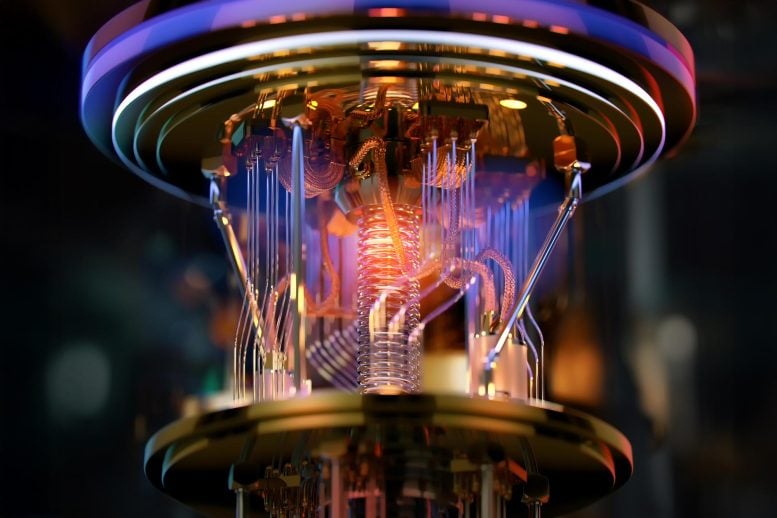
Researchers demonstrated that braiding and fusing particles known as non-Abelian anyons can perform every operation required by a quantum computer. A quantum computer becomes broadly useful only when it can perform any computation rather than a limited set of specialized tasks. Physicists have now demonstrated that unusual quantum objects called non-Abelian anyons can provide that [...]
Playmobil is known for crafting imaginative playsets, taking kids (and adults) on big adventures from the comfort of their homes. When it comes to the exploration of space, they've got a lot to offer. Not only has Playmobil created two mega Star Trek sets, releasing the Playmobil USS Enterprise long before LEGO released its own version and the Playmobil Klingon Bird of Prey back in 2023 (both of which we've reviewed and loved), but they've even collaborated with the real-life European Space Agency (ESA).
As Nadia Lüders, ESA's partnership and brand licensing officer, said ina statement: “This partnership ensures that the curiosity and wonder of space continue to spark young imaginations — nurturing a new generation ready to explore, innovate and shape the Europe of tomorrow.”
Playmobil's dedication to weaving space exploration and learning into imaginative play is demonstrated in the sheer amount of space and sci-fi sets they have to offer, of which we'll jump into all 13 of them below. Ranging in price from the Playmobil Space Ranger for $15 to the Star Trek USS Enterprise for $354, there are playsets for a range of ages, interests, and budgets.
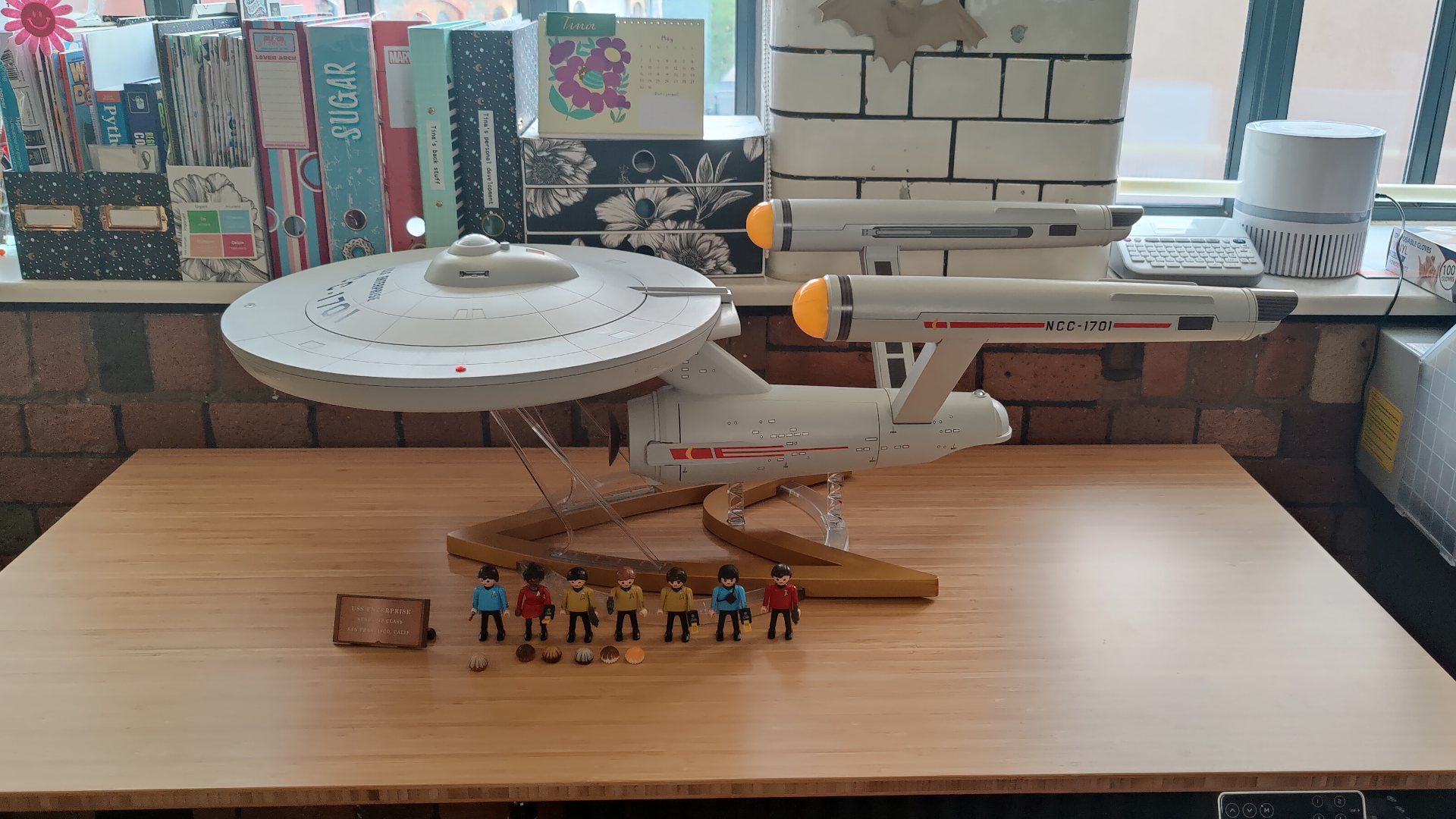
A sizeable Playmobil model of the original Enterprise, a treat for TOS fans.
Age rating: 10+ | Pieces: 150 | Figures: 6 | Dimensions: 39.4 x 18.9 x 13.4 in (100 x 48 x 34 cm) | Weight: 4.72 kg (10.4 lbs)
Gorgeous replica
Authentic lights and sounds
Easy to build
Expensive
Lots of stickers
Playmobil launched the Star Trek USS Enterprise years ahead of LEGO’s November 2025 release date, and it made us ask the question: Playmobil versus Lego, which is the best USS Enterprise set? For starters, the Playmobil set comes in cheaper. And while it’s got 150 pieces in comparison to Lego’s 3,600, it’s still a lot bigger, measuring over 3 feet (1 meter) in length.
When our expert testers gave the Playmobil Star Trek USS Enterprise a full review, it earned a whopping 4 ½ stars, delighting with its authentic light and sounds, and an ease of build that results in a gorgeous replica. Yes, it’s expensive and it has a lot of stickers, but if you’re a fan of both Star Trek and Playmobil, it’s an excellent model you can keep in your home forever. Recommended for ages 10 years and up.
This set is considered a collectable but it's worth tracking down
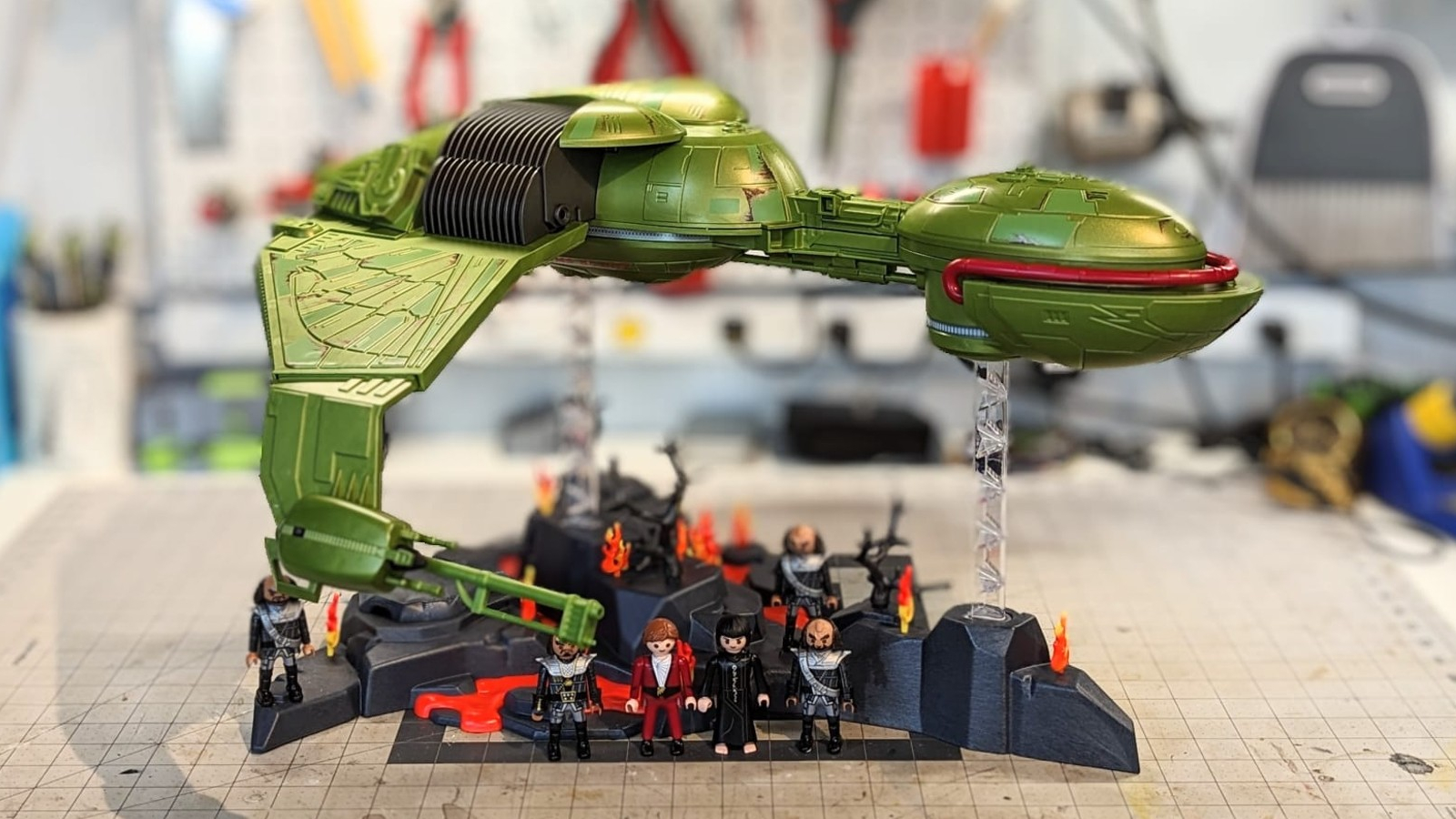
Age rating: 10+ | Pieces: 94 | Figures: 6 | Dimensions: 19.5 x 23 x 7.25 in (49.5 x 58 x 18 cm) | Weight: 4.4 lbs (2 kg)
Impressively detailed
Great lights and sounds
Figurines are loads of fun
Expensive
Some stickers are tiny
Playmobil followed up its Star Trek USS Enterprise with another impressive model, the Klingon Bird of Prey. Now considered a collectible, it’s a little harder to get your hands on, though we found it at an online toy store for $350.
If you’re wondering whether it’s worth the investment, in our expert Playmobil Klingon Bird of Prey review, we called this set “among the most impressive toys and models Space.com has had the pleasure of reviewing.” Impressive detail, great lights and sounds, and figurines that are a lot of fun are just some of the reasons we gave it 4.5/5 stars. And after the build is done, it looks fantastic on its included display.
It’s on the larger side, though (19.5 x 23 x 7.25 inches / 50 x 58 x 18 cm), so make sure you have room to display it before you buy. Recommended for ages 10 years and up.
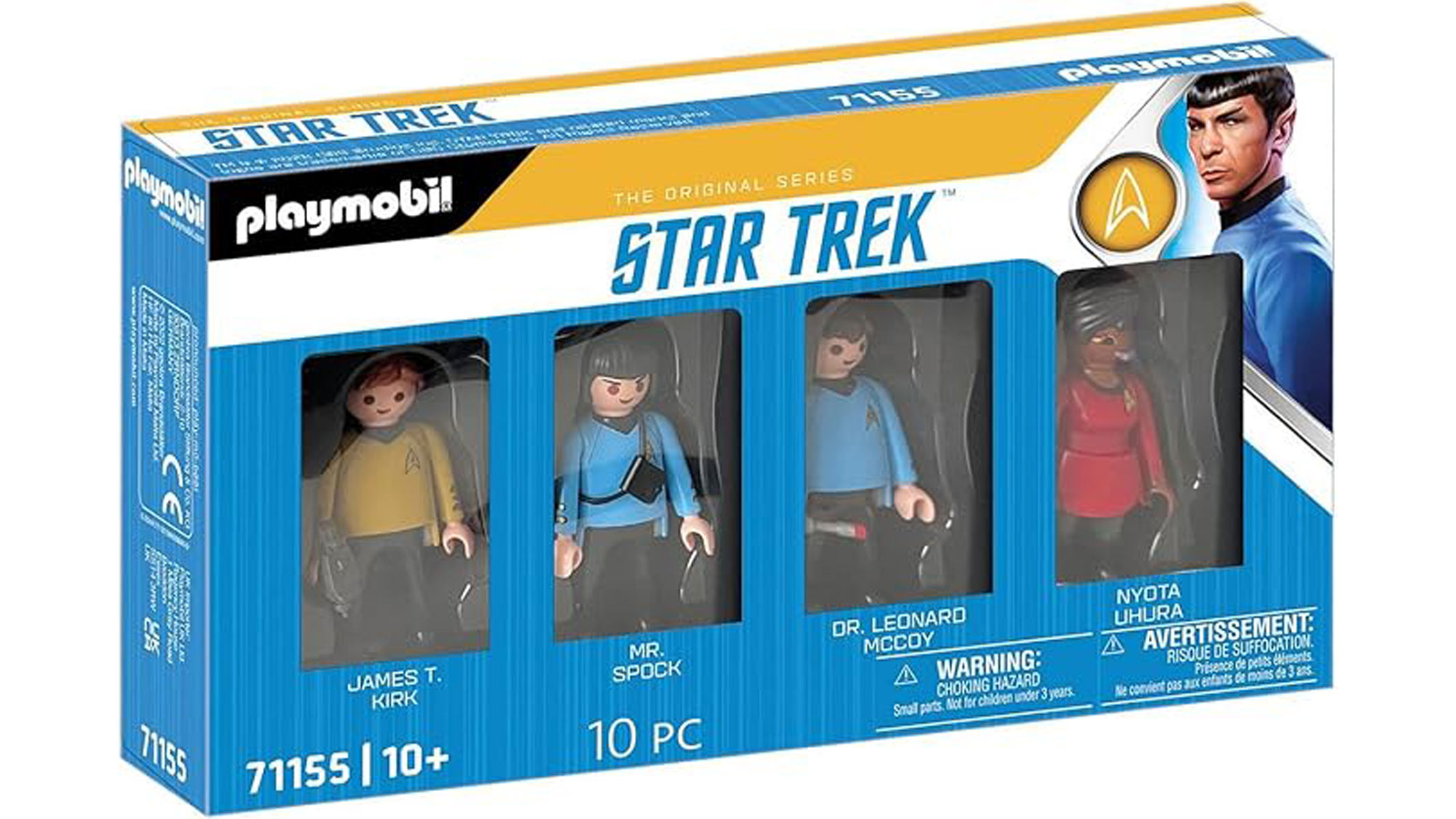
Playmobil Star Trek figures
(Image credit: Playmobil)
Playmobil Star Trek figures
This set is handy if you just want your own Playmobil away team.
Age rating: 10+ | Pieces: 10 | Figures: 4 | Dimensions: 9.76 x 5.59 x 1.81 in (24.79 x 14.20 x 4.60 cm) | Weight: 0.26 lbs (120 g)
To accompany your Star Trek investments, or just to have as part of a wider Playmobil space collection, you can also secure the four Playmobil Star Trek figurines. James T. Kirk, Mr. Spock, Dr. Leonard McCoy and Nyota Uhura all come in this pack alongside individual accessories.
Kirk comes with his phaser, Spock a tricorder disguised as a bag, McCoy with a so-called hypospray and Uhura with a skirt to change outfits. For any Trekkies, it's an affordable addition for any ultimate fan's collection. This one's recommended for ages 10 and up.
The best space ESA-collaborated Playmobil sets we recommend 2026
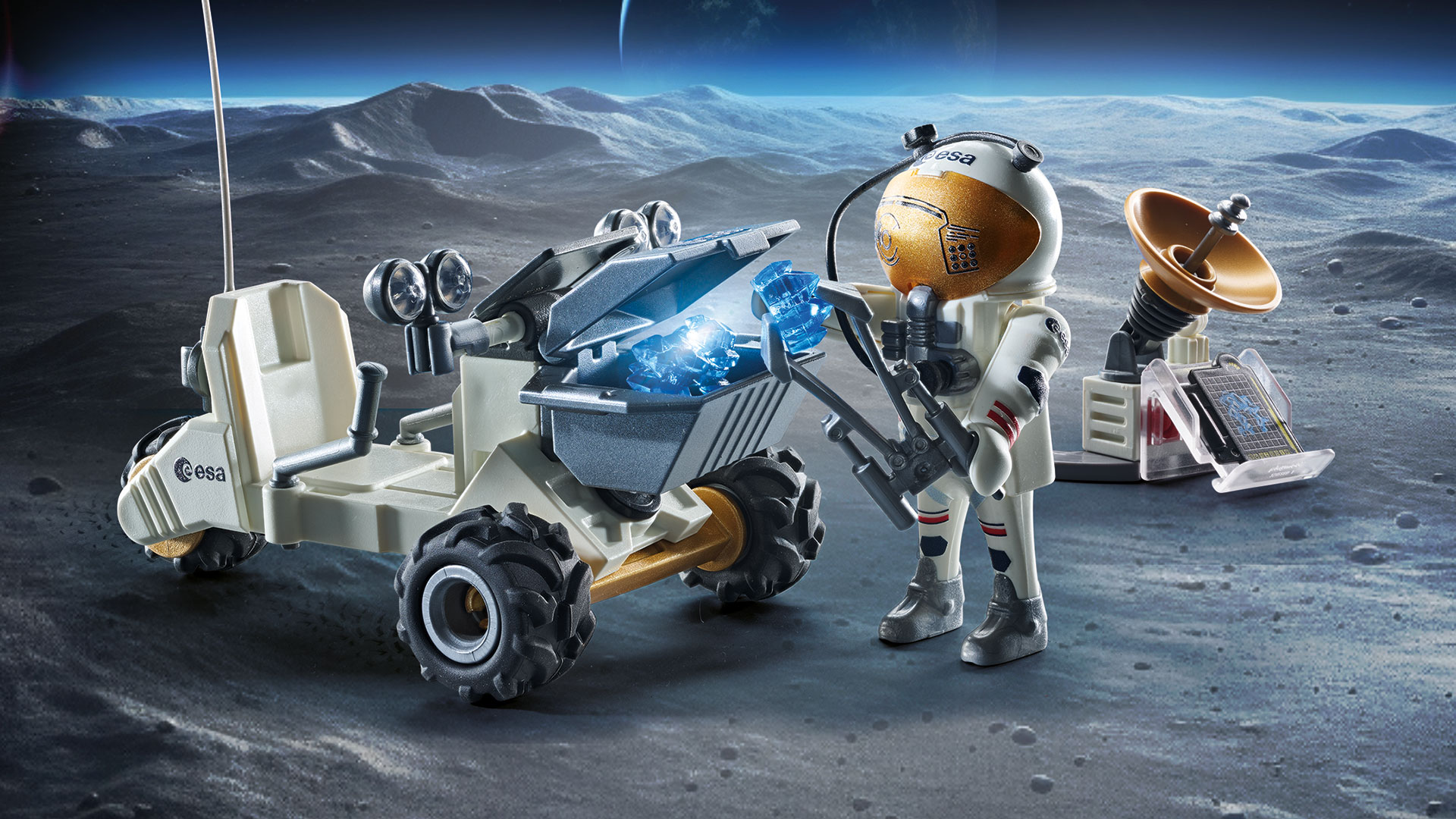
Playmobil ESA Starter Pack Space Mission
(Image credit: Playmobil)
ESA Space Mission
Roam the lunar surface with this Playmobil rover
Age rating: 4+ | Pieces: 57 | Figures: 1 | Dimensions: 9.76 x 7.36 x 2.84 in (24.79 x 18.69 x 7.21 cm) | Weight: 0.48 lbs (216 g)
Playmobil and ESA have built a partnership, and an accompanying six different play sets, to inspire a love of intergalactic exploration. And the Starter Pack Space Mission is a great introduction to building out a Playmobil collection dedicated to all things space, especially as the sets can be mixed, matched and expanded.
In the pack, you get an astronaut figure, lunar rover with two lights, antenna, solar panel, satellite dish, rock samples and other accessories. Recommended for ages 4 years old and up, it's a gift for any space lover, whether they're a kid or adult.
There's also a nod to the ESA with the organization's logo emblazoned on both the rover and astronaut's spacesuit. As the production description states: "The astronaut discovered unusual soil samples during a tour with the lunar vehicle. The samples now have to be analyzed very quickly in the mobile station and the results transmitted via satellite. What will the results be?"
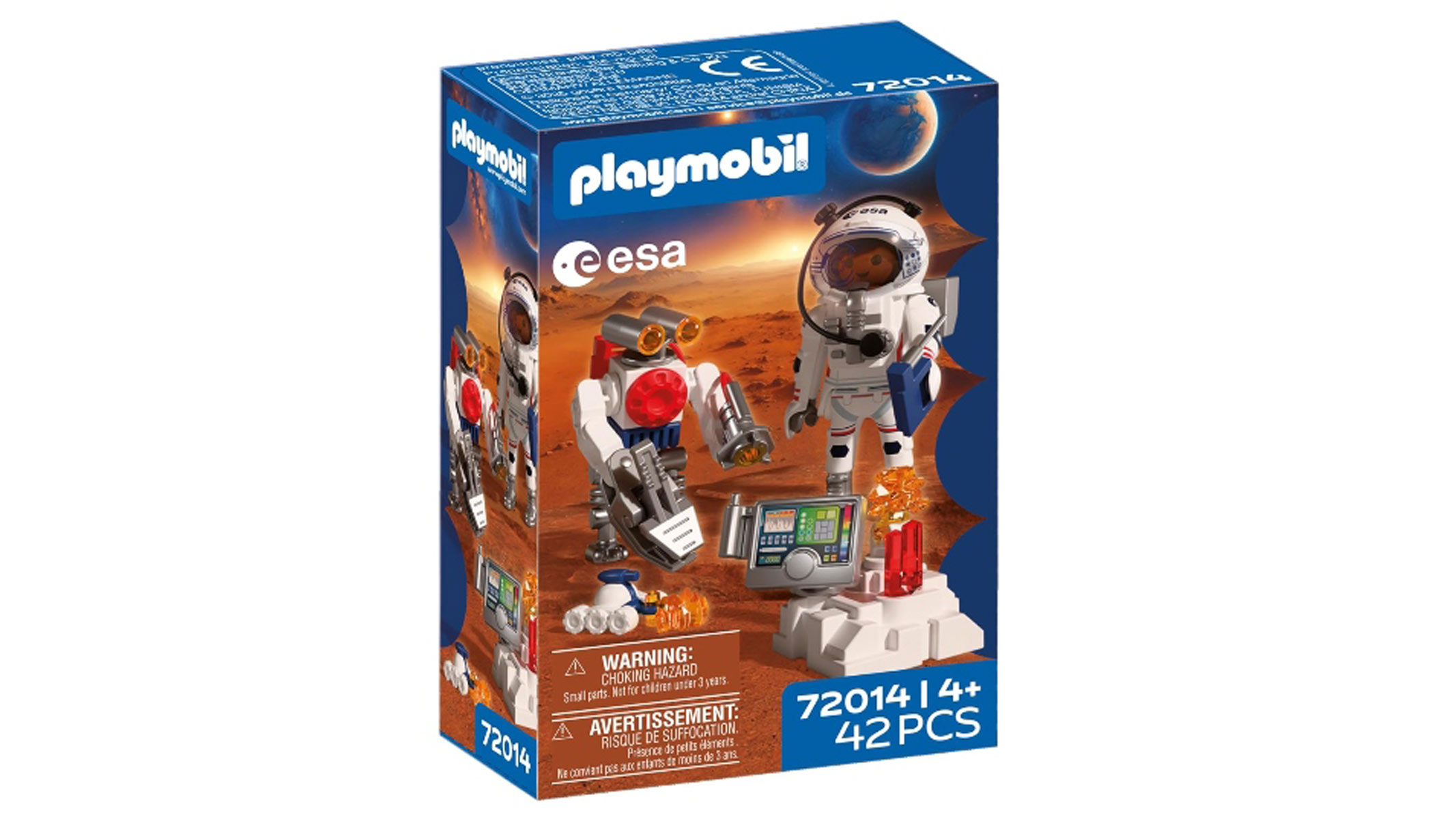
Playmobil ESA Astronaut with Robot
(Image credit: Playmobil)
ESA Astronaut with Robot
A small, pocket-friendly Mars set with plenty of play value
Age rating: 4+ | Pieces: 42 | Figures: 1 | Dimensions: 3.66 x 5.59 x 1.77 in (9.30 x 14.20 x 4.50 cm) | Weight: 0.20 lbs (90 g)
A smaller set that works alongside the others in the Playmobil/ESA range, the Astronaut with Robot is a two-figure build consisting of 42 pieces. As the pack explains: “Together with his reliable companion robot and a nimble Mars crawler, the astronaut collects fascinating soil samples on the Red Planet.”
And you don’t only get a robot and astronaut (able to sit and stand) with the set, but a backpack, ground scanner analysis station, rock samples, base plate, gripper arm and more, too. Suitable for young explorers from age 4 years and up, it's an excellent addition to the larger Mars mission, working alongside the rest of the themed Playmobil sets.
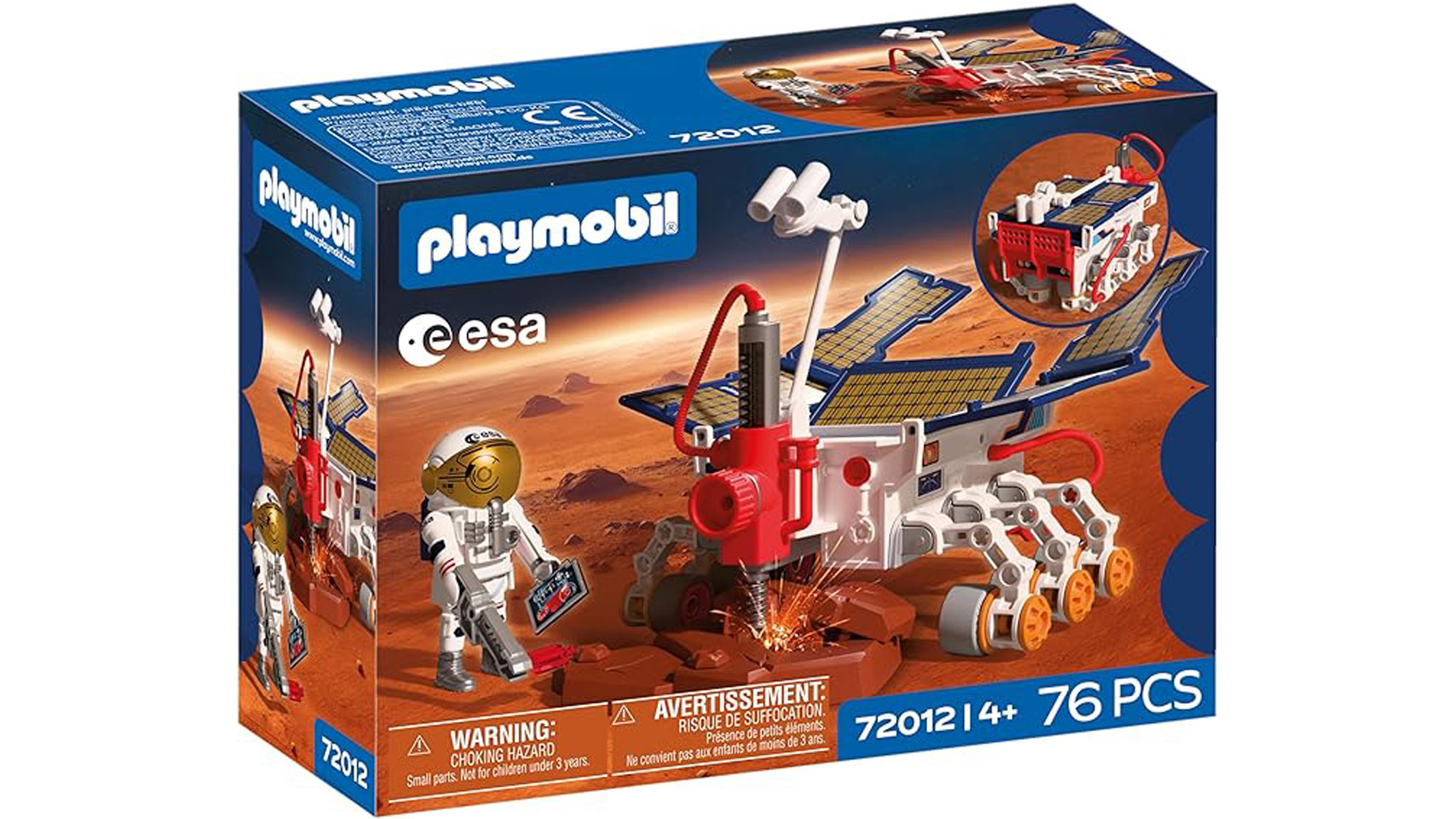
Playmobil ESA Mars Exploration Rover
(Image credit: Playmobil)
ESA Mars Exploration Rover
Playmobil's own version of the Mars Pathfinder, with astronaut friend
Age rating: 4+ | Pieces: 76 | Figures: 1 | Dimensions: 7.36 x 5.59 x 2.84 in (18.69 x 14.20 x 7.21 cm) | Weight: 0.64 lbs (290 g)
With the Playmobil ESA Mars Rover, you can launch your own mission to Mars in this 76-piece set. It comes with drill, cameras and high-tech sensors, as well as rock samples and other accessories to build your great space exploration adventure. And it's also focused on the types of powerful scientific instruments you'd find on the actual Mars Rover, as well as reenacting the way you'd store and analyze the samples.
As with any of these sets, imagination is key, but that's helped along with the inclusion of everything you need to bring authentic space exploration to life. The Playmobil ESA set is perfect for fans and includes rotating drills, movable cameras and a sturdy six-wheel drive to make discovery possible.
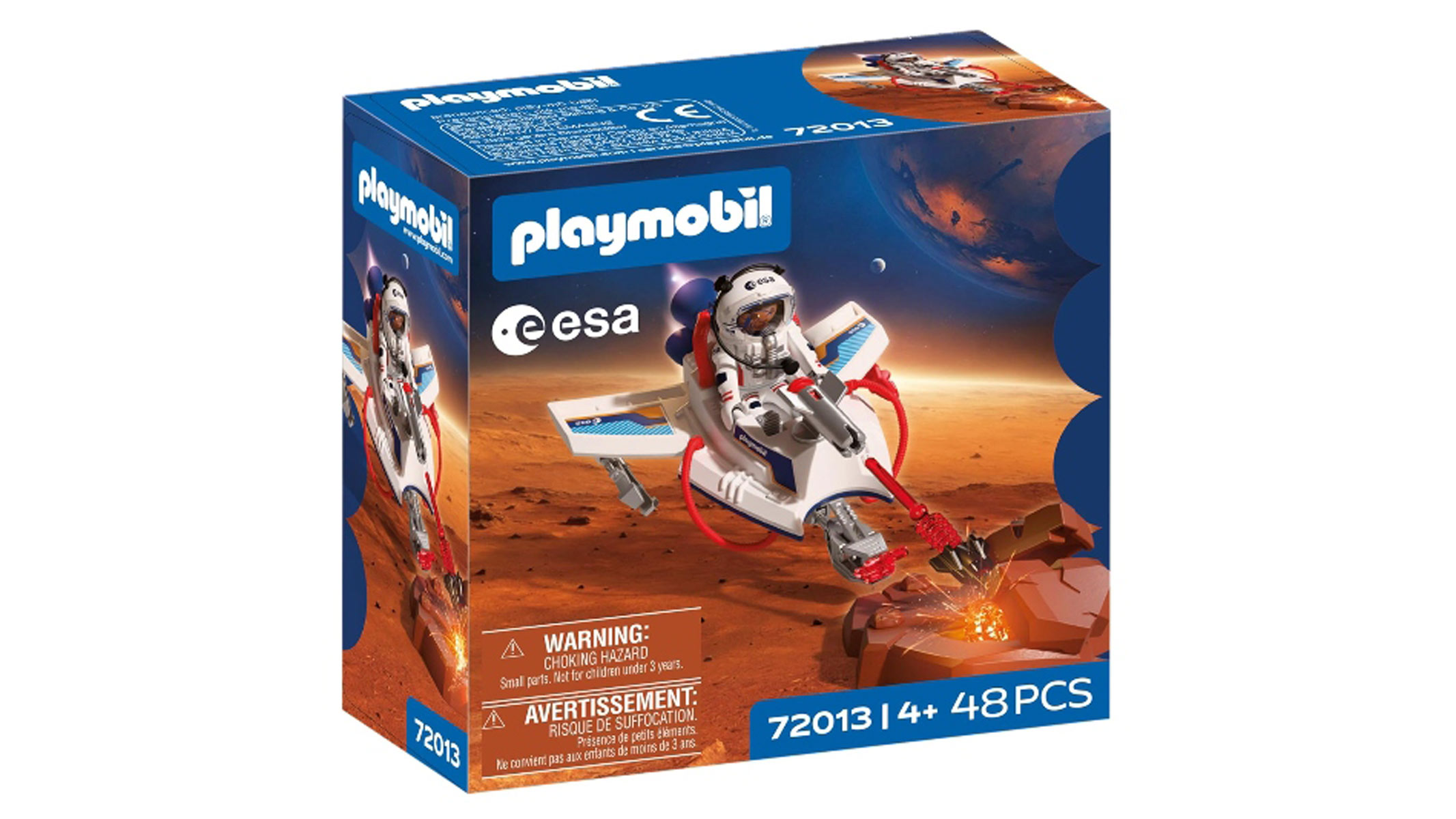
Playmobil ESA Space Glider
(Image credit: Playmobil)
ESA Space Glider
A cool little space vehicle that offers a lot of fun for its pricetag
Age rating: 4+ | Pieces: 48 | Figures: 1 | Dimensions: 5.59 x 5.59 x 2.6 in (14.20 x 14.20 x 6.60 cm) | Weight: 0.40 lbs (180 g)
This speedy space glider is the perfect way to zip around on the surface of Mars, using its in-built claw to retrieve rock samples and even crystals. With a rotating turret and powerful blasters, there's a lot of fun to be had at only $25.
The set comes with a female astronaut, accessories, tools, projectiles, a gripper arm and glowing rock samples to dream up your own adventure. One of the smaller Playmobil ESA collaboration playsets, it has 48 pieces and is recommended for ages 4 years and up.
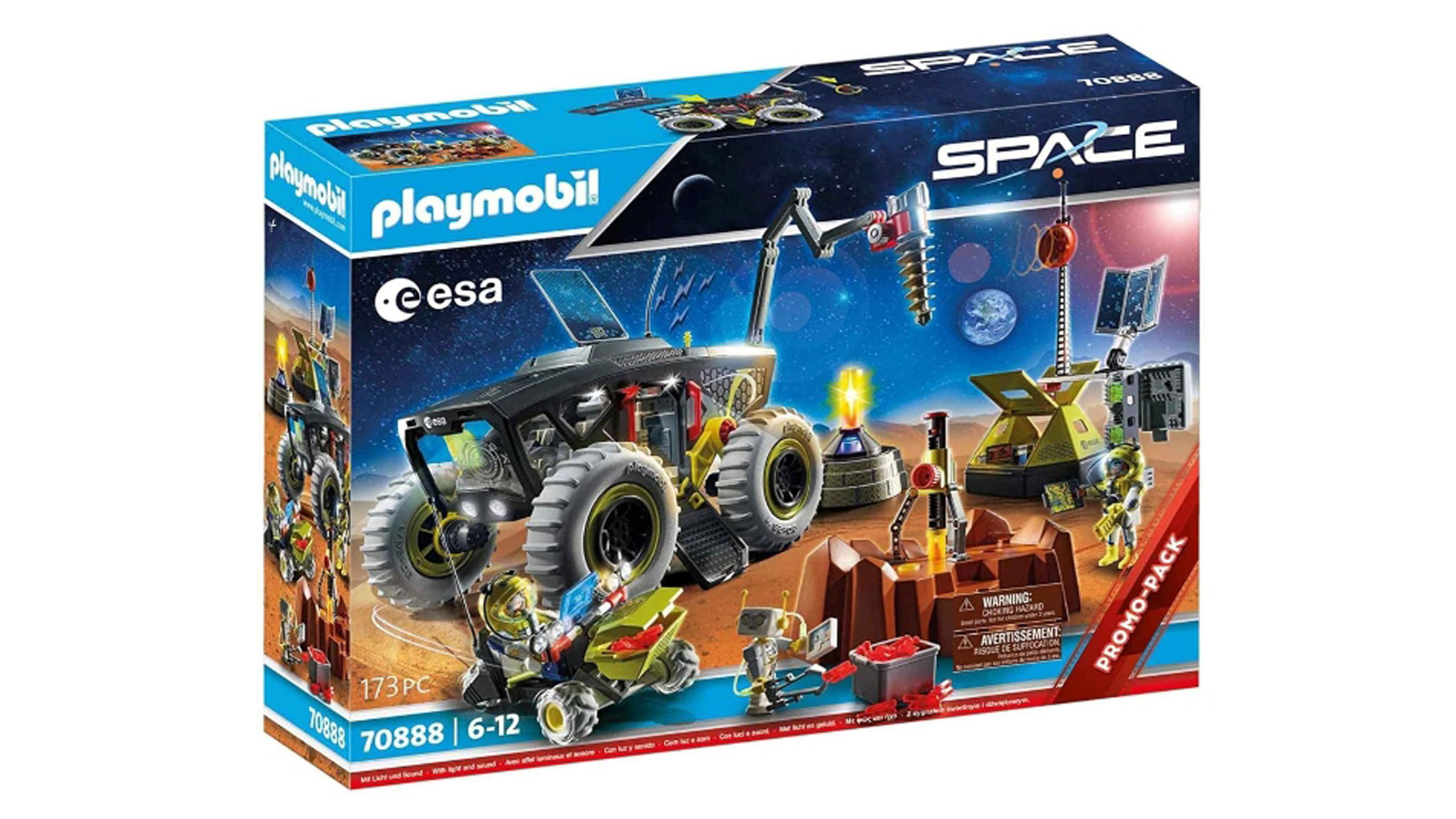
Playmobil ESA Mars Expedition
(Image credit: Playmobil)
ESA Mars Expedition
An older playset but loaded with things to do
Age rating: 6+ | Pieces: 173 | Figures: 2 | Dimensions: 20.28 x 15.16 x 4.92 in (51.51 x 38.51 x 12.50 cm) | Weight: 3.50 lbs (1.59 kgs)
Less widely available is the Playmobil Mars Expedition playset. Recommended for ages 6 and up, it's an older playset with plenty to do, with 173 pieces and a whole lot of accessories.
Inside the playset, you get a full Mars Rover with drill attachment and various other tool attachments, including an extendable, moveable arm, gripper and blaster. The rover also includes functioning light and sound effects, as well as gripper arm action, driving sounds and an alarm.
The best space Playmobil sets we recommend 2026
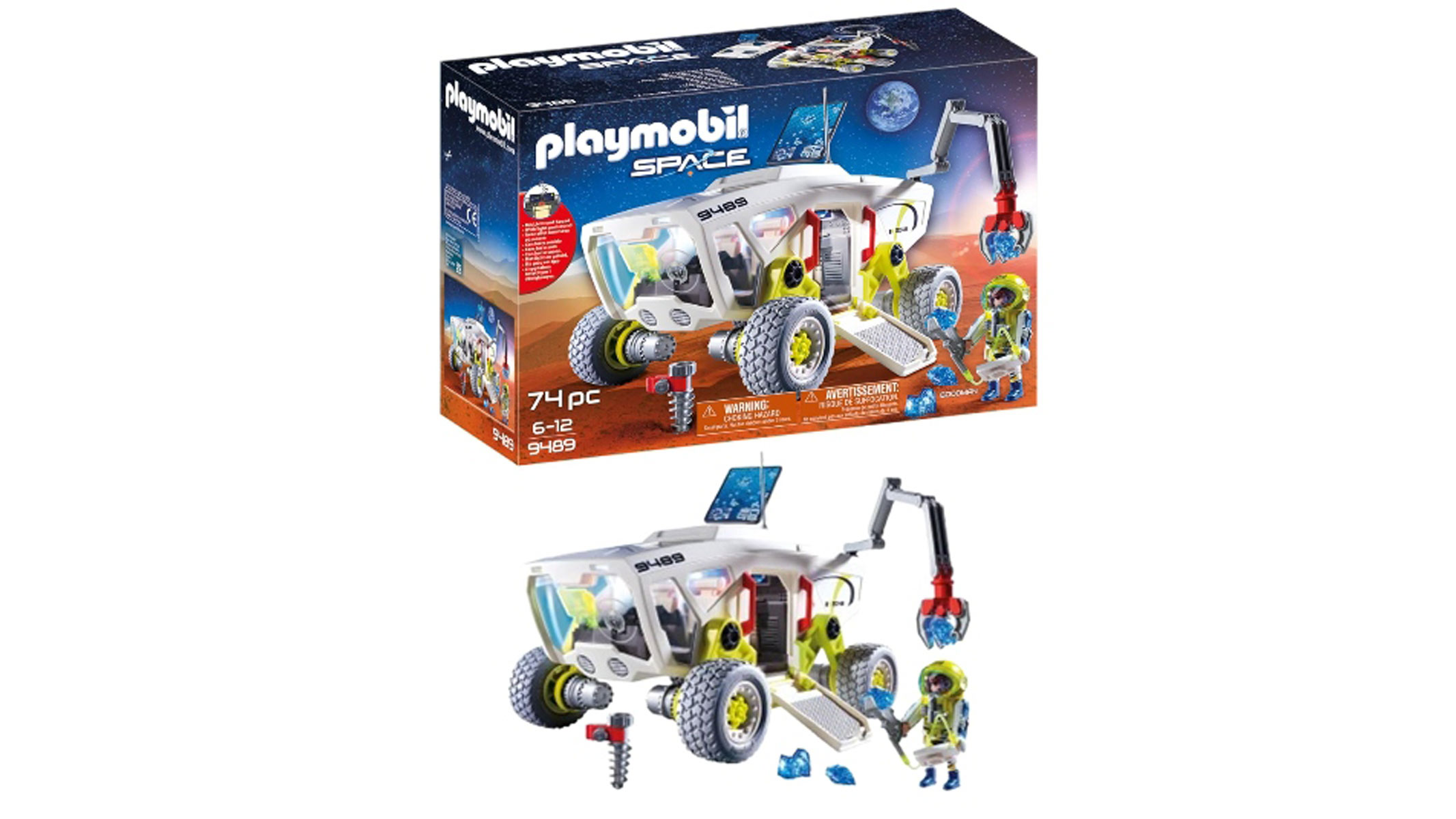
Playmobil Mars Research Vehicle
(Image credit: Playmobil)
Mars Research Vehicle
A play-friendly vehicle with space for up to four Playmobil figures
Age rating: 6+ | Pieces: 74 | Figures: 1 | Dimensions: 13.7 x 9.76 x 4.92 in (34.80 x 24.79 x 12.50 cm) | Weight: 1.85 lbs (840 g)
Alongside Playmobil's ESA collaboration and the Star Trek playsets, Playmobil also has its own themed collection dedicated to space, including their own Mars Research Vehicle. Thanks to a removable roof, you can get inside the vehicle with space for four adult figures. You can also enter and exit the side via the ramp, and the movable arm can hold three different attachments, including a claw gripper, drill and laser gun.
Recommended for ages six and up, there are 74 pieces to build, as well as the opportunity to enjoy the functioning lights and sound effects (though you'll need to buy 2 x AAA batteries separately).
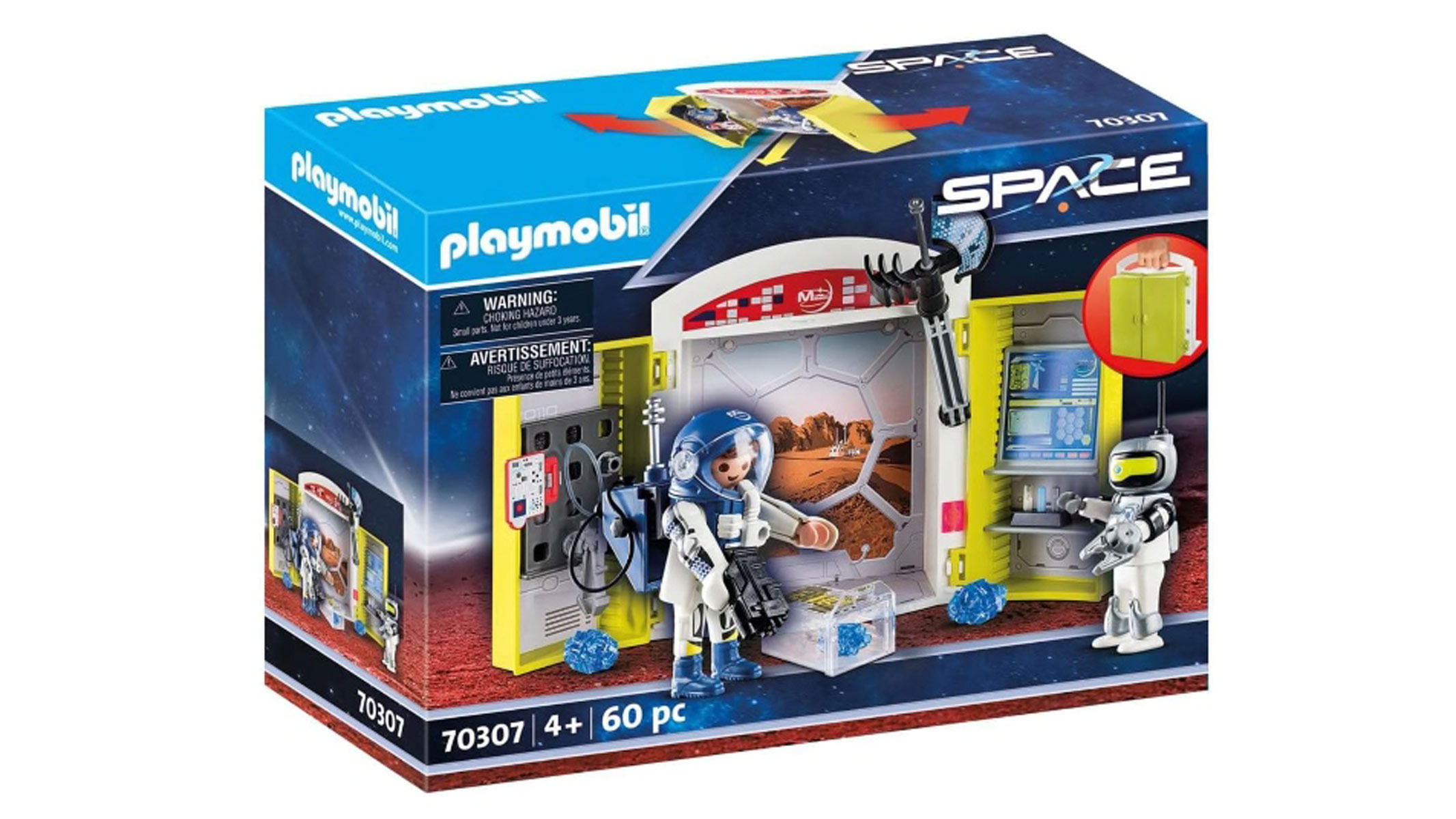
Playmobil Mars Mission Play Box
(Image credit: Playmobil)
Mars Mission Play Box
A fun, accessory-packed set for fans of the red planet
Age rating: 4+ | Pieces: 60 | Figures: 1 | Dimensions: 9.8 x 2.6 x 6.3 in (24.89 x 6.60 x 16 cm) | Weight: 0.89 lbs (404 g)
Not to be confused with the ESA Space Mission set, the Mars Mission Play Box comes with a large research station that can be opened via two front panels, with an accompanying astronaut and robot who work together to study the water crystals found on Mars.
The beauty of this playset is that it’s ready for on-the-go play as all the pieces can be stored inside the research station, while the top can be used as a handle. As well as the figures, it also comes with a satellite, walkie-talkie and other accessories. Recommended for ages 4 years and up.
Playmobil Mission Space Drone
(Image credit: Playmobil)
Mission Space Drone
Head off into the cosmos with this mini set
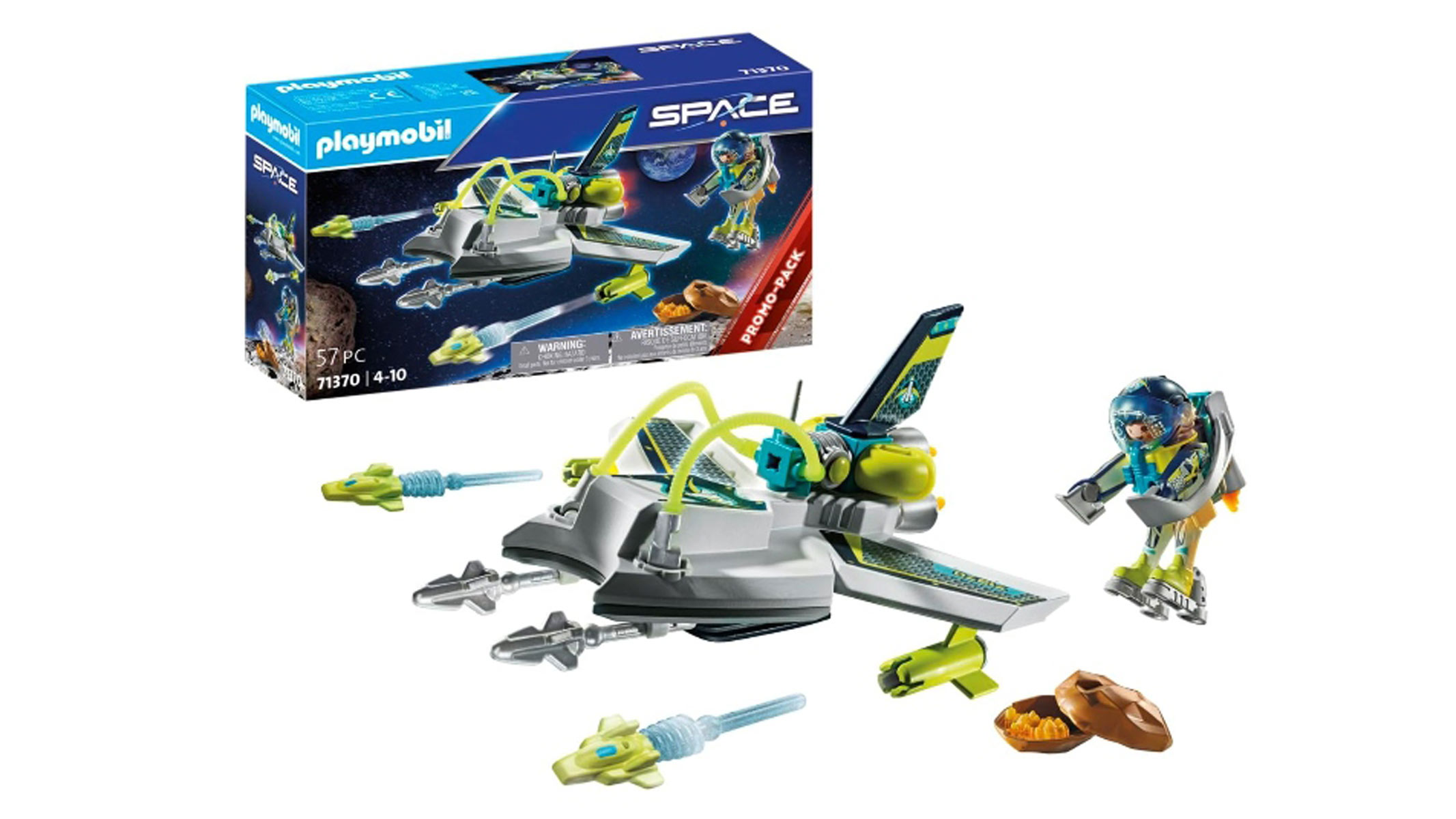
Age rating: 4+ | Pieces: 57 | Figures: 1 | Dimensions: 9.76 x 5.59 x 2.76 in (24.79 x 14.20 x 7.01 cm) | Weight: 0.47 lbs (213 g)
The Mission Space Drone set comes with a space drone, astronaut figure with spacesuit and space shoes, space rock and other accessories for a full space flight adventure. Even better, under the drone are two fully-functioning cannons which shoot out launch missiles.
Create your own space mission by exploring alien planets with your astronaut and space drone at the ready. With 57 pieces, it's recommended for ages 4 years and up, meaning space exploration can start early. Right now, it's on offer at Amazon, but at time of writing, there were only 4 left in stock.
Playmobil Satellite Meteoroid Laser
(Image credit: Playmobil)
Satellite Meteoroid Laser
Worried about Playmobil asteroids? This set has the answer
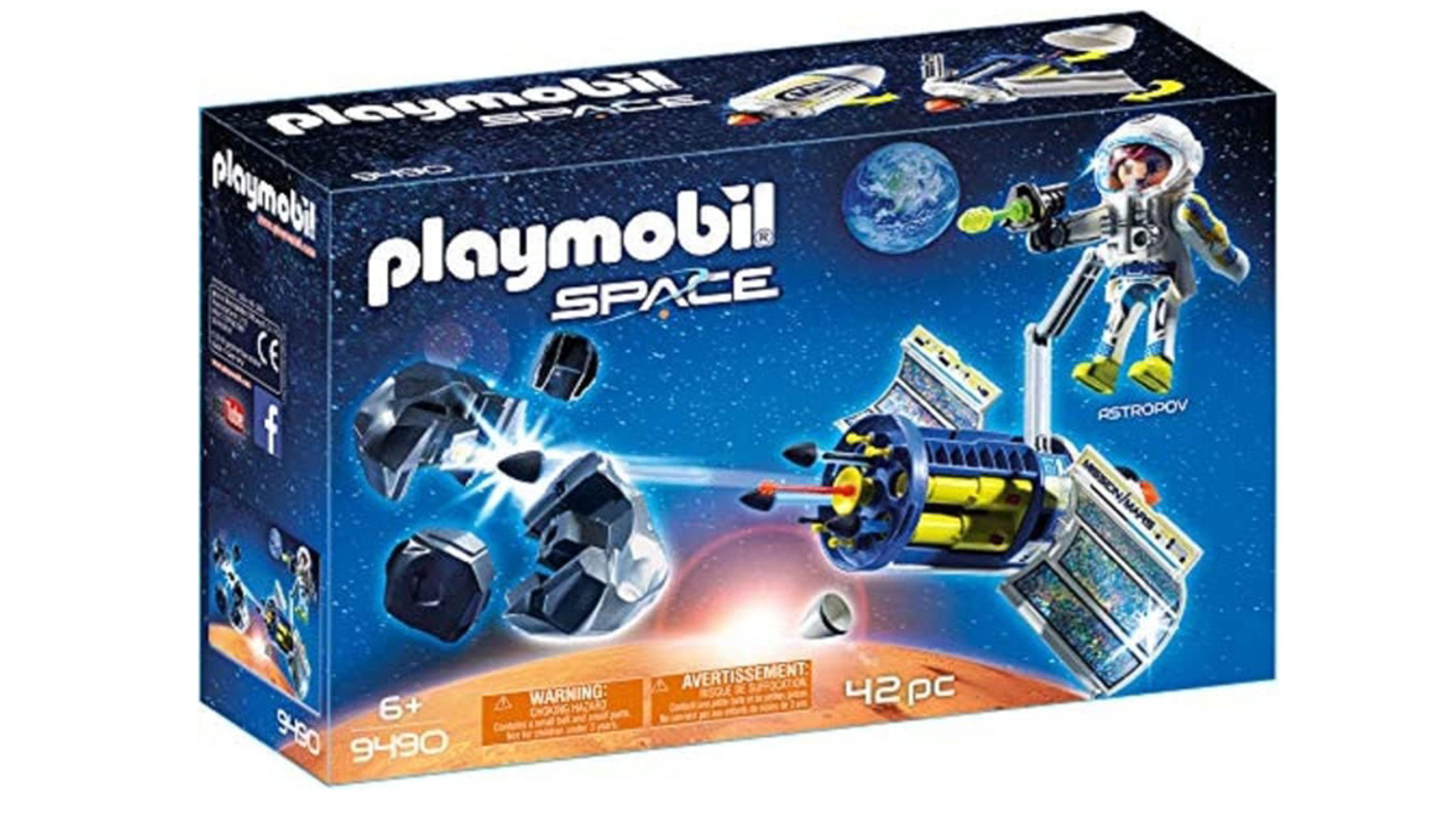
Age rating: 6+ | Pieces: 42 | Figures: 1 | Dimensions: 11.18 x 7.36 x 3.66 in (28.40 x 18.69 x 9.30 cm) | Weight: 0.90 lbs (410 g)
With an astronaut quite similar to the Mission Space Drone set, instead of a drone, you're equipped with a functioning meteoroid laser. As the pack says: “Keep the mission on track and destroy any space debris that blocks your way with the satellite meteoroid laser!”
To use, you lay the meteoroid in front of the laser, simultaneously pressing in the center on both sides to shatter it into pieces. You can even connect your astronaut straight to the vessel with a connected arm attachment. The set includes an astronaut, satellite, break-apart meteoroid, laser darts and other accessories. Recommended for ages 4 years and up.
Playmobil Space Ranger
(Image credit: Playmobil)
Satellite Meteoroid Laser
A streamlined space vehicle you can even personalize
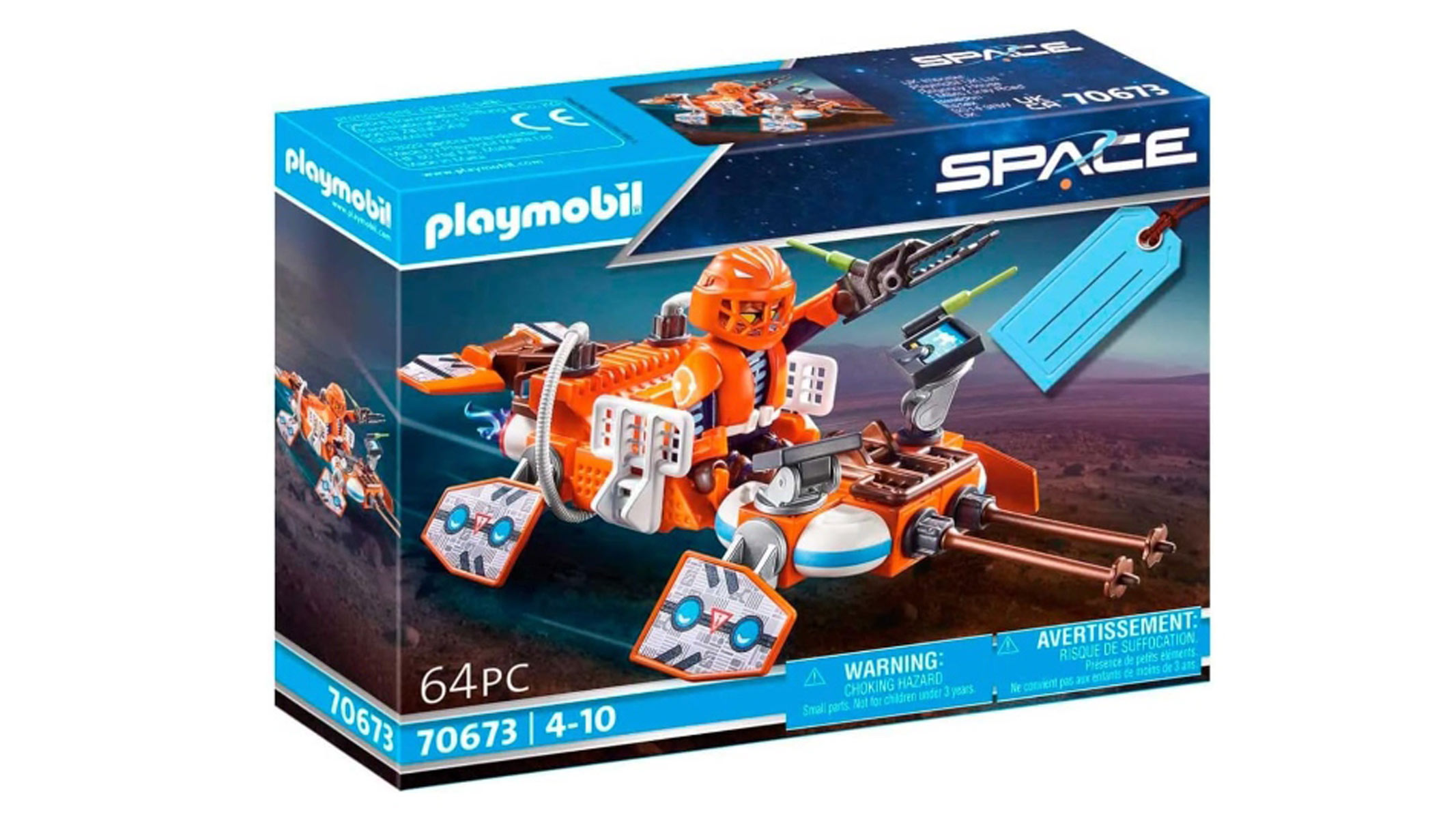
Age rating: 4+ | Pieces: 64 | Figures: 2 | Distance: 7.36 x 5.59 x 1.85 in (18.69 x 14.20 x 4.70 cm) | Weight: 0.33 lbs (150 g)
Expand your Playmobil space sets with this affordable Space Ranger kit, consisting of 64 pieces and recommended for ages 4 years and up. The set includes one figure, speedster, helmet, vest and lots of other space gear for your other figures to wear and play with.
When you're ready to fly the speedster, Playmobil has even designed it so the landing feet fold up, ready to make it as streamlined as possible for flight. As a gift set, it has a label that can even be personalized to the space fan in your life.
A recent Focus Issue of the Astrophysical Journal Letters describes the fourth version of the catalog of gravitational wave events (GWTC-4.0) from the Laser Interferometer Gravitational Wave Observatory (LIGO), the Virgo interferometer, and the Kamioka Gravitational Wave Detector (KAGRA).
This catalog contains transient gravitational wave events recorded through January 2024, during the observatories’ fourth observing run, which concluded in November 2025. GWTC-4.0 displays the results of significant improvements to our suite of gravitational wave detectors, including higher-powered lasers and reduced quantum noise. A fifth catalog of gravitational wave events was released in Spring 2026, with the accompanying scientific articles being submitted to the Astrophysical Journal and the Astrophysical Journal Letters.
This Monthly Roundup consists of short descriptions of each of the currently published research articles in the LIGO–Virgo–KAGRA Gravitational Wave Transient Catalog (GWTC): Release 4 Focus Issue. Each snippet links to the corresponding research article, and the Focus Issue landing page is linked at the bottom of this post. Be sure to revisit the landing page to catch new articles as they’re published!
Introducing GWTC-4.0
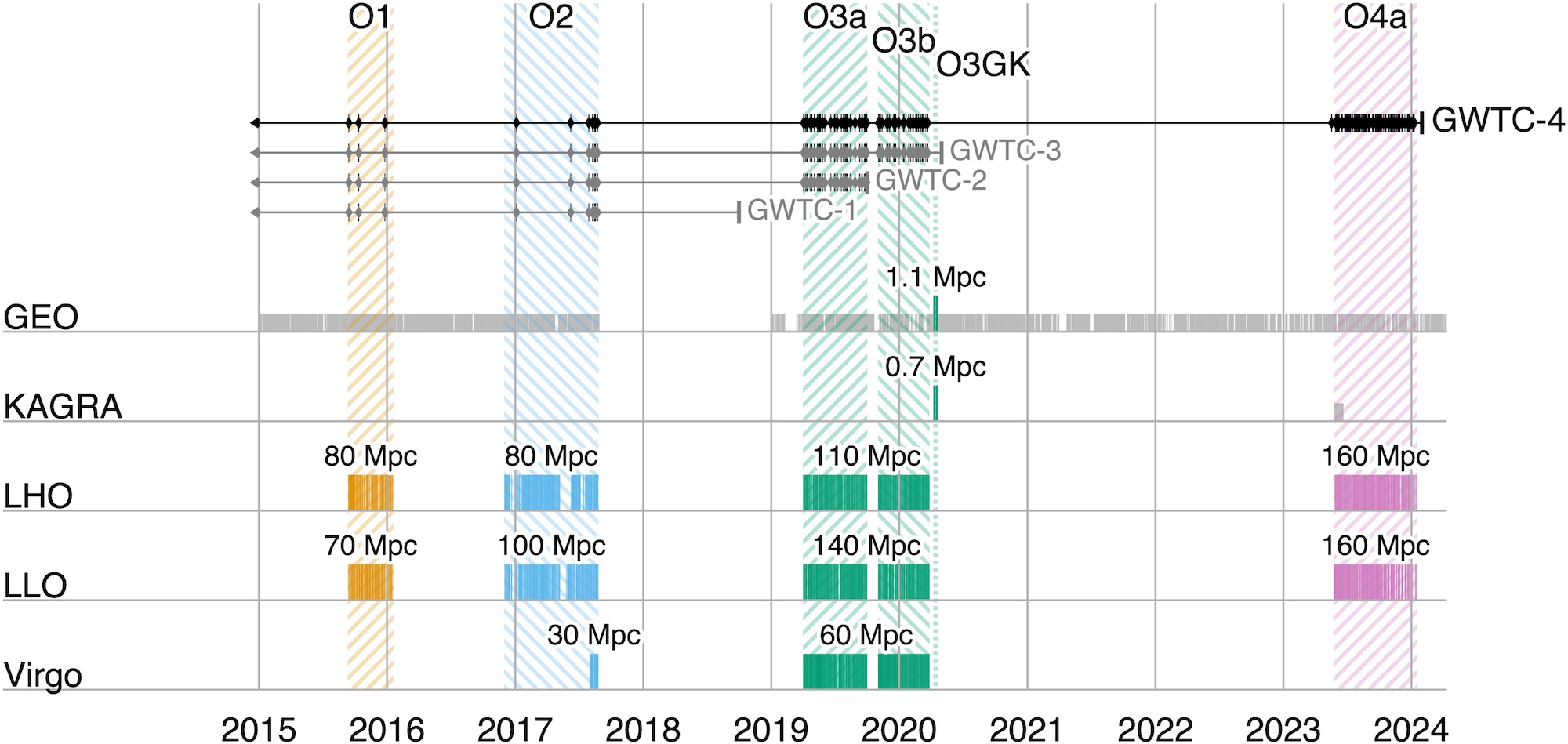
A timeline showing observing runs between 2015 and 2024. Click to enlarge. [LVK Collaboration 2025]
First up, the collaboration orients the reader to many important aspects of the catalog and the articles contained in the Focus Issue. This article describes how four detectors, each with two arms 3–4 kilometers long, monitor gravitational waves from Hanford, Washington; Livingston, Louisiana; Santo Stefano a Macerata, Italy; and Hida, Japan. These detectors work in concert, ready to receive signals from the universe during coordinated observing runs separated by periods of downtime for construction and commissioning. During these pauses, a smaller instrument, the German–British GEO600 gravitational wave detector, has kept an ear out for signals and will continue to do so until the end of 2026.
After these detectors record subtle spacetime squiggles from compact objects colliding millions to billions of light-years away, the collaboration converts the raw signals into the data contained in catalogs like GWTC-4.0. This process involves modeling the gravitational wave signals, filtering them to identify candidate transients, and pinpointing the most significant events.
After collecting and cleaning the signals, the collaboration undertakes a critical step: making their data accessible to researchers and the public. The data are available through the Gravitational Wave Open Science Center, and the Focus Issue article on open data describes how to navigate the online portal, how the datasets archived online are structured, and how the data were calibrated.
Science Results
This fourth version of the gravitational wave transient catalog greatly expands the sample of gravitational wave transients recorded by detectors across the globe. Including events from previous catalogs, GWTC-4.0 brings us to 218 events for which the probability of the source being astrophysical in nature is more than 50% and for which there is little chance of the signal being an instrumental artifact. This represents a more than 100% increase in the number of recorded gravitational wave events fulfilling this criterion, broadening our understanding of colliding compact object pairs. This release also includes some superlative signals, such as the most massive black hole binary with a low false-alarm rate and the highest signal-to-noise ratio for a gravitational wave event thus far.
Detected in November 2023 by both LIGO Hanford and LIGO Livingston, GW231123 is in many ways an exceptional gravitational wave transient. The total mass of the merging components appears to be between 190 and 265 solar masses, and the false-alarm rate for this signal is less than one per year. This makes it the most massive merger event with such a low false-alarm probability. The two components also appear to have high spins, which complicates the interpretation of the signal with existing models. A binary black hole merger in which one or more components lies within the pair-instability mass gap is the likeliest explanation for this signal, but the authors also present alternative scenarios, such as a core-collapse supernova or a gravitationally lensed gravitational wave signal.
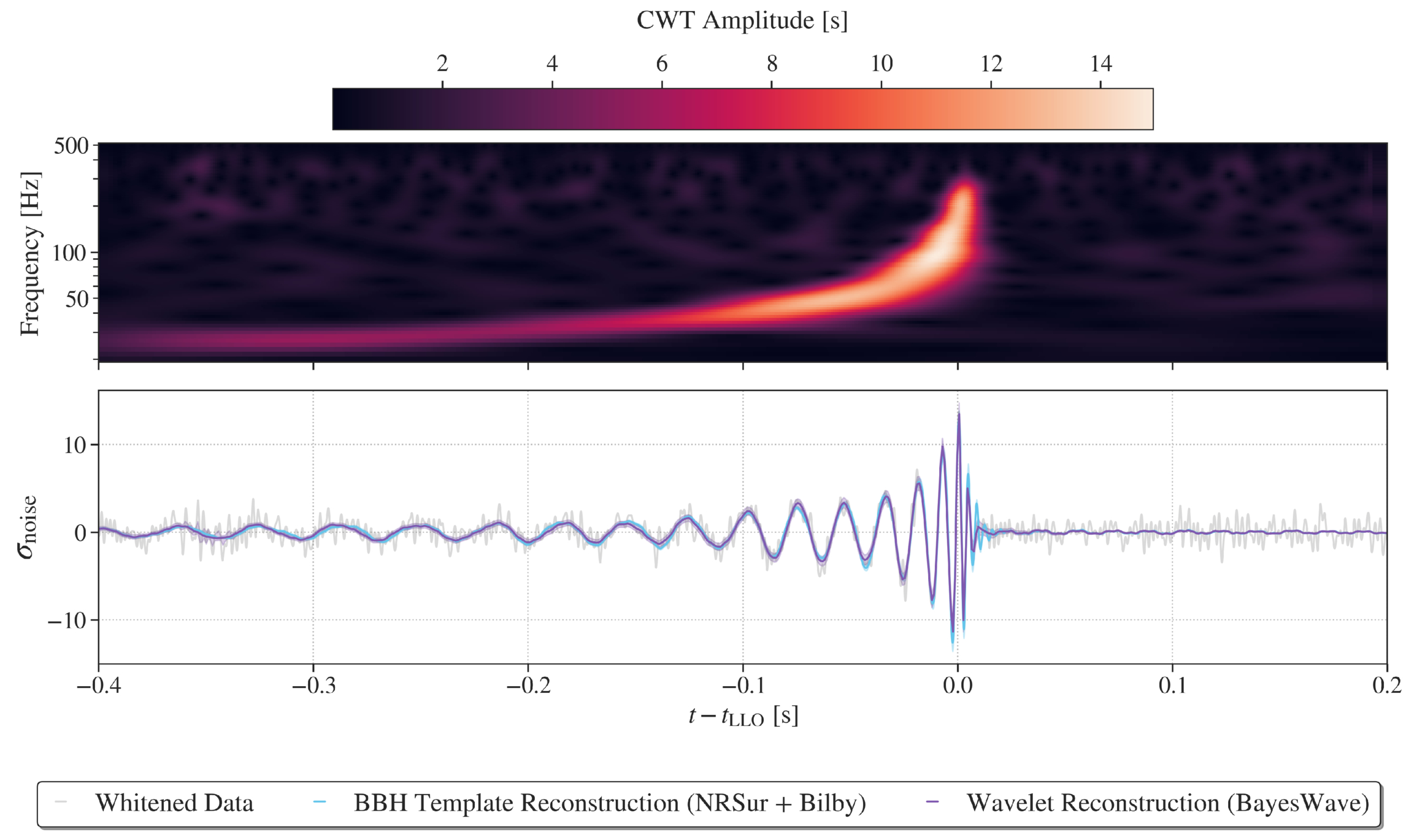
Representations of the GW230814 gravitational wave signal. Click to enlarge. [LVK Collaboration 2026]
GW230814, which was detected only by LIGO Livingston, is the loudest signal in the catalog. This signal is consistent with the collision of two black holes, each of roughly 30 solar masses. During the analysis of this signal, the team discovered potential deviations from the predictions of general relativity in the ringdown phase, when the remnant black hole settles into its final shape. Without a detection from another facility to corroborate this finding, it’s difficult to pinpoint the cause of the deviation, but the team could not rule out statistical noise fluctuations as the source.
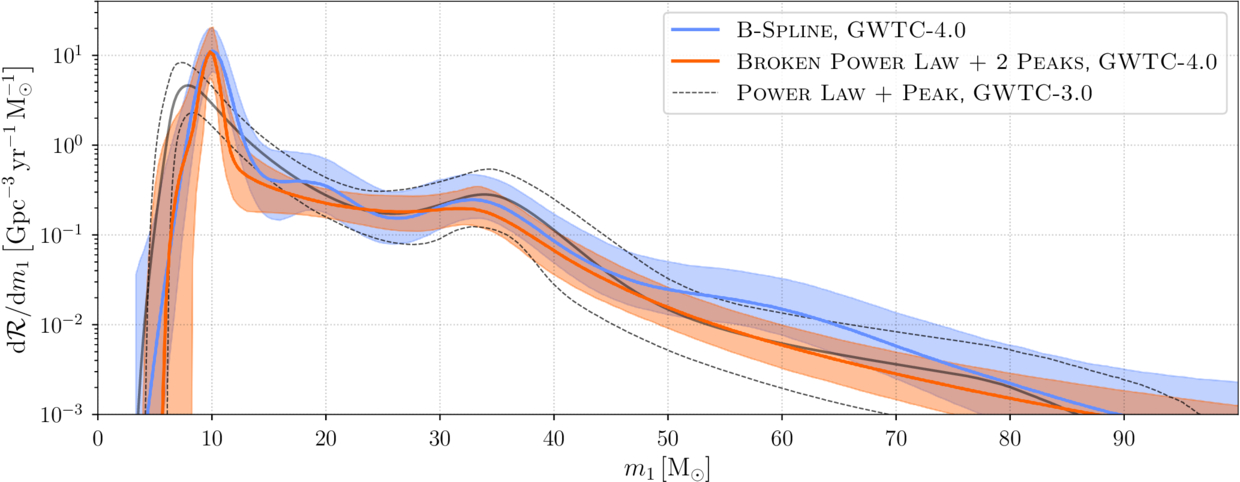
Plot of the differential merger rate as a function of the mass of the more massive of the two merger components. This shows overdensities at 10, 35, and possibly 20 solar masses. Click to enlarge. [LVK Collaboration 2026]
Surveying merging black holes and neutron stars on the population level, the team analyzed 158 gravitational wave signals from the current catalog. This analysis supported findings from previous transient catalogs, including multiple overdensities in the distribution of merging black hole masses, broadly distributed neutron star masses, and an increase in the merger rate with redshift. The new data strengthened certain previously identified trends, such as an increase in the width of the effective spin distribution with redshift, and weakened others.
“GWTC-4.0: An Introduction to Version 4.0 of the Gravitational-Wave Transient Catalog,” A. G. Abac et al 2025 ApJL995 L18. doi:10.3847/2041-8213/ae0c06
“GWTC-4.0: Methods for Identifying and Characterizing Gravitational-Wave Transients,” A. G. Abac et al 2026 ApJL1004 L21. doi:10.3847/2041-8213/ae447b
“Open Data from LIGO, Virgo, and KAGRA Through the First Part of the Fourth Observing Run,” A. G. Abac et al 2026 ApJ1004 232. doi:10.3847/1538-4357/ae211e
“GWTC-4.0: Updating the Gravitational-Wave Transient Catalog with Observations from the First Part of the Fourth LIGO–Virgo–KAGRA Observing Run,” A. G. Abac et al 2026 ApJL1004 L22. doi:10.3847/2041-8213/ae2c74
“GW231123: A Binary Black Hole Merger with Total Mass 190–265 M⊙,” A. G. Abac et al 2025 ApJL993 L25. doi:10.3847/2041-8213/ae0c9c
“GW230814: Investigation of a Loud Gravitational-Wave Signal Observed with a Single Detector,” A. G. Abac et al 2026 ApJL1004 L23. doi:10.3847/2041-8213/ae2ad3
“GWTC-4.0: Population Properties of Merging Compact Binaries,” A. G. Abac et al 2026 ApJL1005 L51. doi:10.3847/2041-8213/ae771e
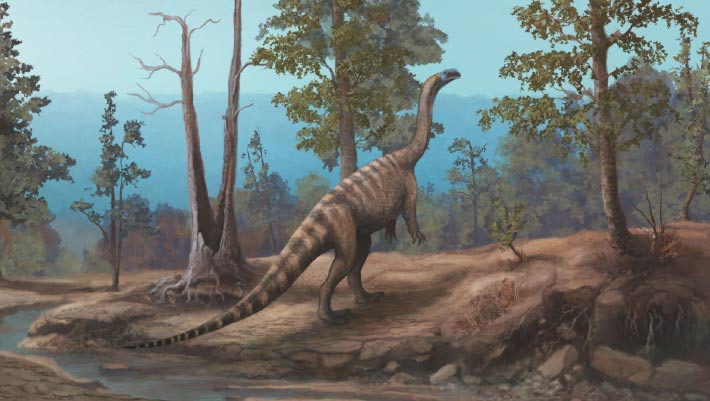
An international team of paleontologists has identified a new species of early sauropodomorph dinosaur in Zimbabwe, adding to growing evidence that southern Africa hosted a richer diversity of dinosaurs during the Late Triassic epoch than previously recognized.
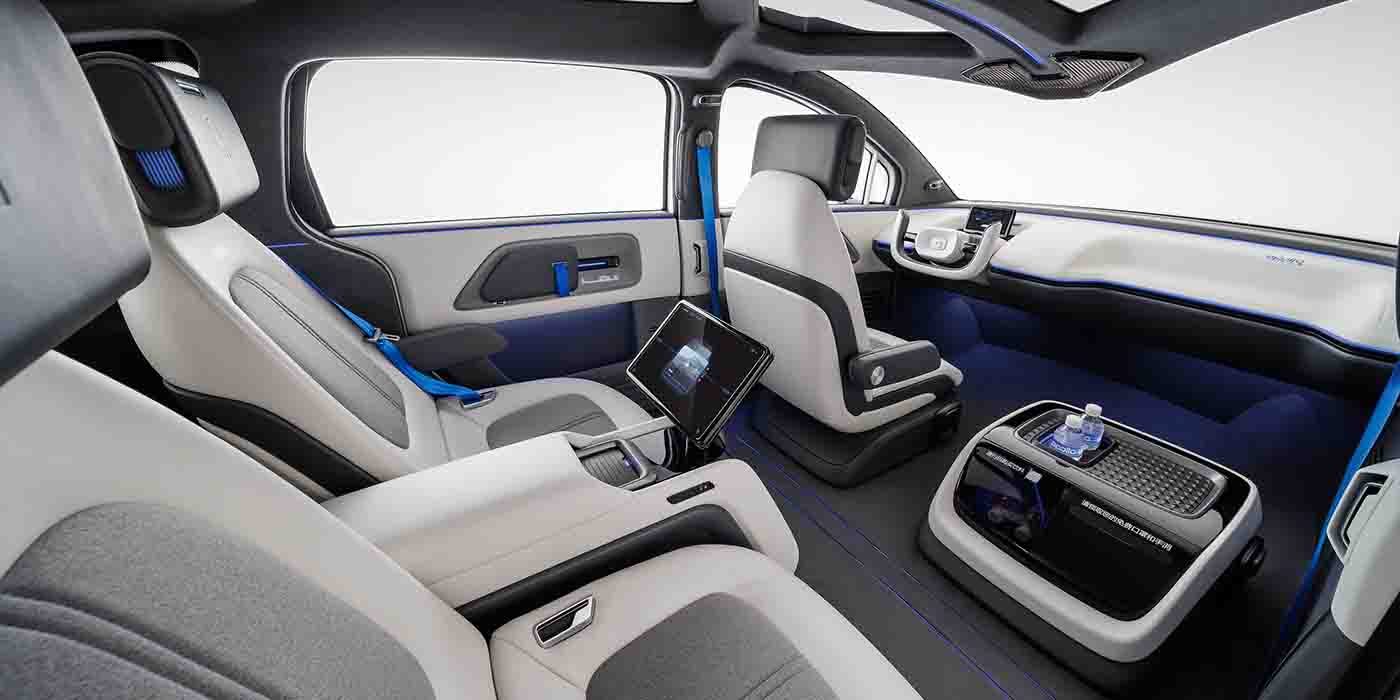
Baidu’s Apollo Go started robotaxi road testing in London today, and it’s doing it with both of ride-hailing’s biggest names at once — Uber and Freenow by Lyft.
The launch lands days after Apollo Go ran the first fully driverless trial in any right-hand-drive market, in Hong Kong. Two milestones in one week, on opposite ends of the world.
Um dos jogos mais cultuados de todos os tempos, The Legend of Zelda: Ocarina of Time — lançado originalmente em 1998 para o console Nintendo 64 —, agora pode ser jogado nativamente em iPhones e iPads.
Essa opção se tornou uma realidade graças ao projeto de código aberto HarkinianPad, do desenvolvedor Karis [@chrissotraidis]. Criado com a ajuda do Codex 5.6 Sol, ele é baseado em outro projeto que ganhou certa notoriedade há alguns anos: Ship of Harkinian — versão decompilada de Ocarina of Time capaz de rodar em dispositivos com macOS, Windows, Linux e Android — bem como os consoles Nintendo Switch e Nintendo Wii U.
Ocarina of Time, running natively on iOS and iPadOS for the first time.
Not an emulator. Ship of Harkinian has run on Windows, Linux, macOS, Switch, Wii U, and Android. Never iOS. Now it runs on iPad, with iPhone in the build too.
Segundo Karis, o jogo foi decompilado para a linguagem de programação C e, então, reconstruído como uma aplicação ARM64 (a arquitetura dos processadores da Apple) nativa. Ele também garante que nenhum elemento do hardware do Nintendo 64 é simulado pelo seu projeto, que renderiza o game via Metal — framework proprietário da Maçã.
Por se tratar de uma versão nativa, é possível colocar Ocarina of Time para rodar em widescreen, na resolução completa do iPhone/iPad e a 60 quadros por segundo. Para efeito de comparação, o console da Nintendo roda o game a 240p e com uma taxa de quadros de aproximadamente 20qps.
Configurar tudo no seu smartphone ou tablet, no entanto, não é exatamente simples, já que, para rodar, o HarkinianPad precisa, primeiro, ser assinado por uma Conta Apple ou por um time de desenvolvimento. A página do projeto no GitHub, no entanto, oferece um passo a passo (em inglês) bem completo com várias opções de instalação.
Você também vai precisar extrair a ROM 1Read-only memory, ou memória somente de leitura. de uma edição física do jogo para rodá-lo no seu dispositivo, já que o projeto não vem com uma cópia por questões legais.
Uma vez que tudo for configurado, no entanto, é possível aproveitar Ocarina of Time em sua completude, embora seja possível que você esbarre em alguns problemas de áudio dependendo do dispositivo escolhido. O HarkinianPad também conta com suporte a controles de videogame, teclados e mouses — além dos controles adaptados para a tela sensível ao toque.

 Login