When Microsoft announced its latest round of Xbox price bumps in June, it only gave US pricing. Now we know the pricing increases for the EU and UK, and they're dramatic. Depending on the model, Xbox prices are increasing by up to €200 or £170. The 1TB Xbox Series X with a disc drive is going up by over 30 percent from £499.99 / €599.99 to £669.99 / €799.99. The 512GB Xbox Series S is getting a price increase of over 43 percent, jumping from £299.99 / €349.99 to £429.99 / €499.99.
While other consoles have received price bumps as RAM and storage prices skyrocket due to demand from the AI industry, none have been quite as dramatic as Microso …
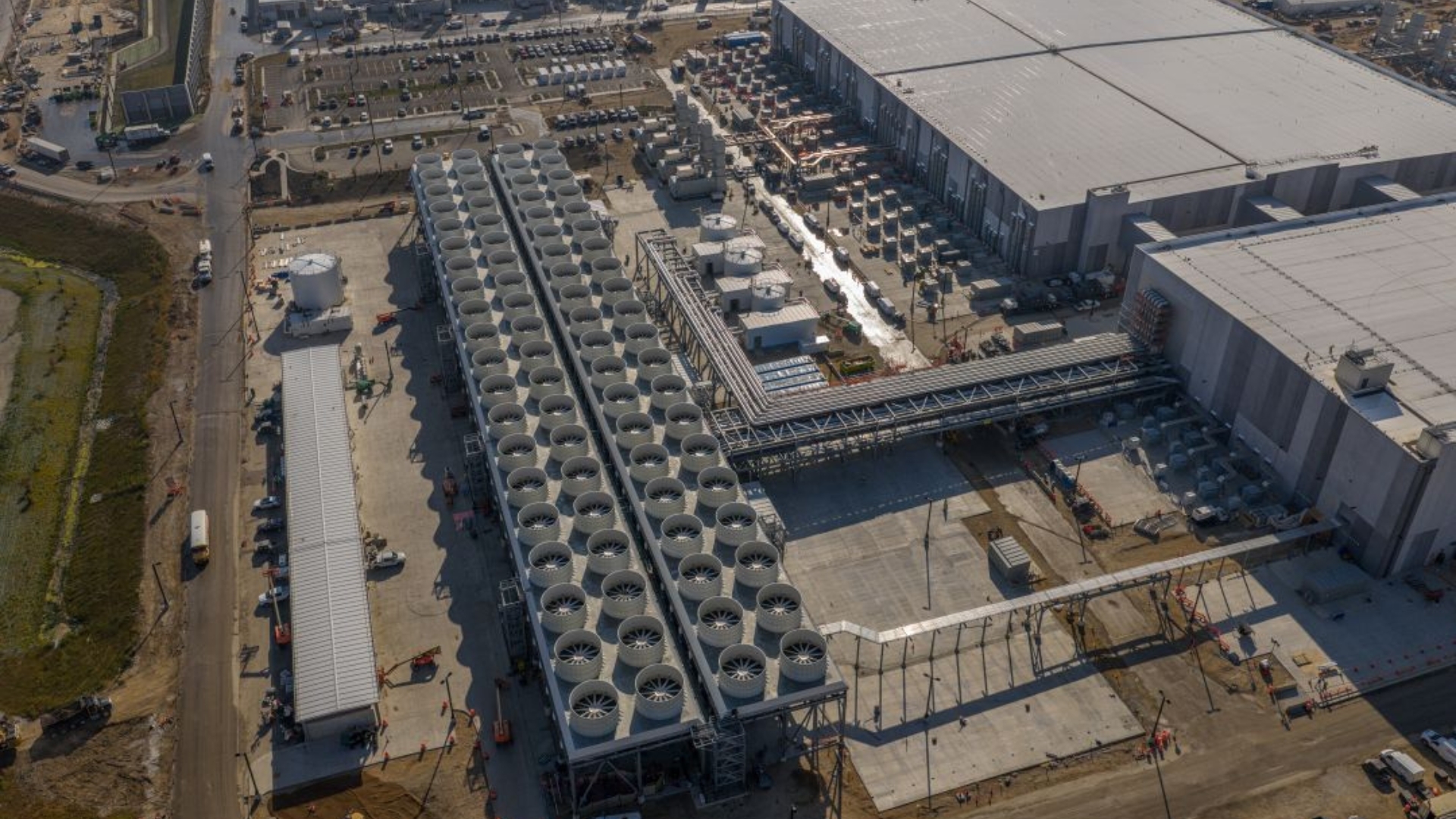
When people picture a data center, they often imagine something remote: a huge warehouse humming quietly far from the city. New research from NYU Tandon School of Engineering shows that assumption is largely wrong.
The 15-inch Skylight Calendar 2 can stand on a table or mounted to the wall. | Image: Skylight
The start of a new school year can feel hectic, as parents juggle their kids’ classes, extracurriculars and sports on top of work, appointments, and other responsibilities. It’s easy for things to slip through the cracks, but Skylight’s shared smart calendars can help keep everyone on track, and from August 2nd through August 9th they’re up to $90 off.
The sale includes the 10-inch Skylight Calendar for $119.99 ($50 off), the 15-inch Skylight Calendar 2 for $259.99 ($20 off), and the 27-inch Skylight Calendar Max for $479.99 ($90 off). The 10-inch model takes up the least amount of space, though the newer, larger 15-inch Calendar 2 features faster performance, a brighter display, and swappable magnetic frames. The 27-inch Calendar Max, meanwhile, offers the sharpest and largest screen and must be mounted to the wall (the other models can stand on a table or be mounted), making it the easiest option for large families to view from across the room.
Regardless of which model you choose, every Skylight Calendar includes the same set of organizational features. Each member of your household can have their own color-coded profile, and each can sync events from Google, Outlook, Apple, Cozi, or Yahoo calendars. You can also create shared lists for groceries, chores, and other to-dos that everyone can access from the calendar or the companion mobile app, and even send your grocery list to Instacart with a couple of taps. Built-in weather forecasts also can help you plan around upcoming events, and you can also share calendar access with family members and trusted contacts.
You get even more perks if you subscribe to the $79 per year Plus Plan (the first month of the service is free to try). Skylight uses AI to automatically turn emails, photos, flyers, and spreadsheets into calendar entries. It also adds meal planning, tools for assigning and rewarding completed chores, and a mode that displays your photos like a digital picture frame.
Tough sell. | Photo: Antonio G. Di Benedetto / The Verge
The HP HyperX Omen 15, which I first saw at CES, replaces the HP Victus 15, a longtime bestselling budget gaming laptop. The Victus cost just $800, or less when on sale, and was a good entry point to decent laptop gaming.
The Omen 15 has nice little upgrades over the Victus. Its RTX 5050 Laptop GPU can play 2026's latest games, albeit on low-ish settings. But it's also got a brighter 16:10 aspect ratio display with higher refresh rate, and a 1080p webcam to make it a little better for non-gaming stuff.
I'd call it a working-class gaming laptop, but thanks to RAMageddon, the Omen 15 starts at $1,200 - a far cry from the $800 that made its …
This is The Stepback, a weekly newsletter breaking down one essential story from the tech world. For more on smartphones and Android, follow Dominic Preston. The Stepback arrives in our subscribers' inboxes on Sunday at 8AM ET. Opt in for The Stepbackhere.
How it started
Believe it or not, it didn't all start with Samsung. Royole, a now-bankrupt manufacturer of flexible displays, was the first to release a commercial folding phone, the "charmingly awful" FlexPai. Samsung's first Galaxy Fold followed a year later, plagued by a variety of faults that saw review units break within days. That launch went so badly that it prompted Chinese riva …
Elon Musk’s Colossus data centers that sit near the border between Tennessee and Mississippi will finally be removed starting this month. According to the company, the 69 temporary mobile turbines, which have been the subject of a lawsuit that claims they have been causing pollution, are going to be completely removed by July 2027, meaning it will take the company 12 months to withdraw the trailer-mounted generators from its premises. This may sound confusing, as they’re “portable” generators, after all, but it seems that SpaceXAI is removing them in phases as its 1.2GW power plant slowly comes online.
SpaceXAI achieved one of the fastest data center deployments ever after it set up 100,000 Nvidia H200 GPUs in 19 days — something that Nvidia CEO Jensen Huang said usually takes four years or more. Musk achieved this by bringing in his own power instead of waiting to get connected to the grid, which was considered a novel idea at that time. Today, a few data center operators, like OpenAI, are following Musk’s footsteps and deploying their own turbines to power their servers without relying on other providers.
But even though the idea feels innovative, the community surrounding the Colossus 1 and Colossus 2 data centers has been complaining about the pollution that these mobile turbines bring. They say that these turbines didn’t have the required permits to operate, although the company argued that the mobile and temporary nature of these units exempted them. The EPA said earlier this year that these units aren’t exempt from permits, but SpaceXAI continued to operate them anyway. It has even got to the point that the NAACP filed a case over these unpermitted turbines, although the DOJ weighed in, saying that removing them would put national security at risk as Colossus 2 “supports mission-critical operations.”
Despite that, it seems that SpaceXAI has finally settled into an agreement with the Mississippi Department of Environmental Quality. It’s if the 1.2GW power plant replacing these mobile turbines is the same one that Musk is importing from overseas, but the important part is that it’s approved under a Clean Air Act permit. Aside from that, the company also said that it’s equipping all its mobile turbines with “advanced emission control technologies,” which should reduce the environmental impact of its power sources.
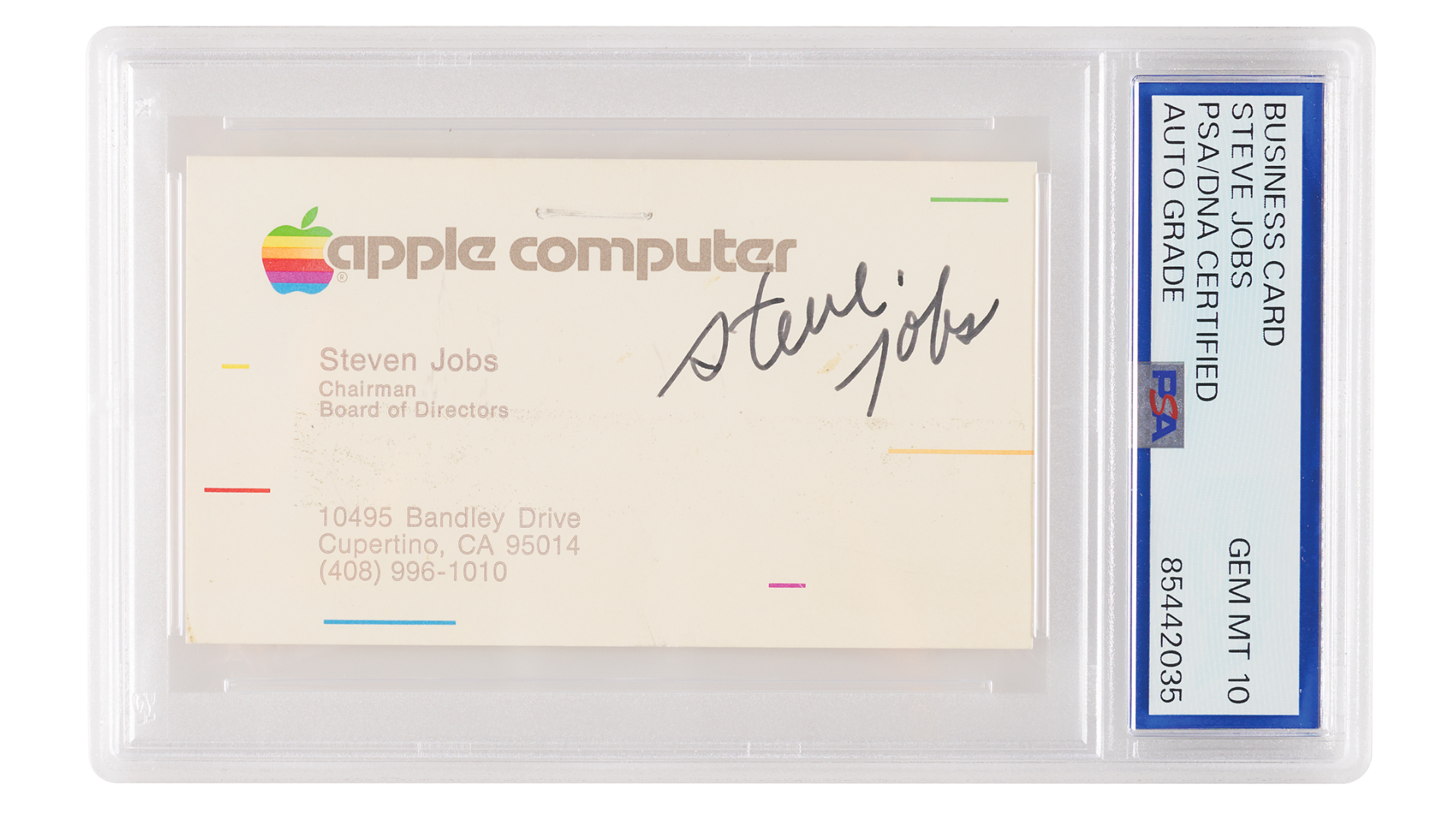
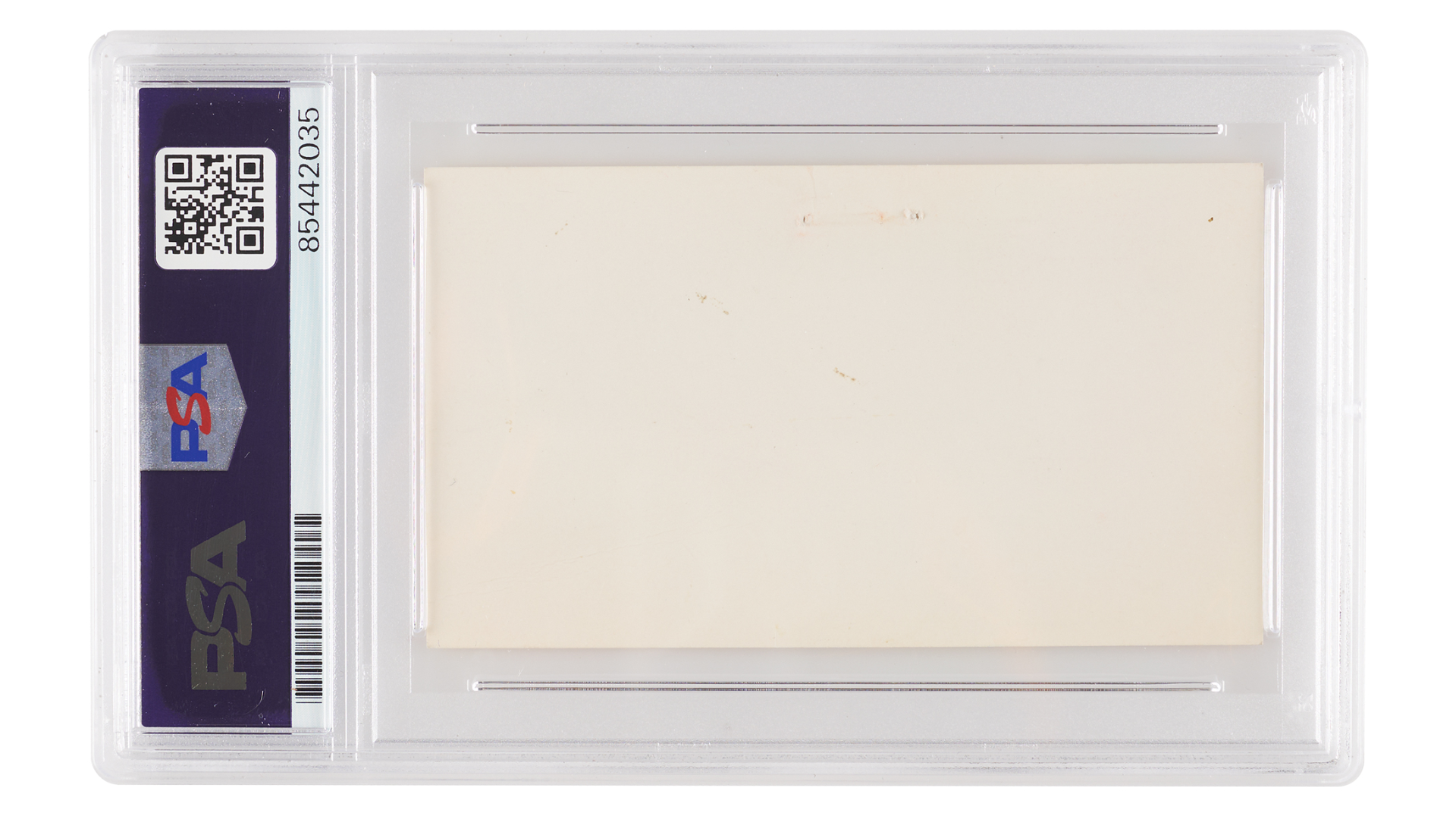
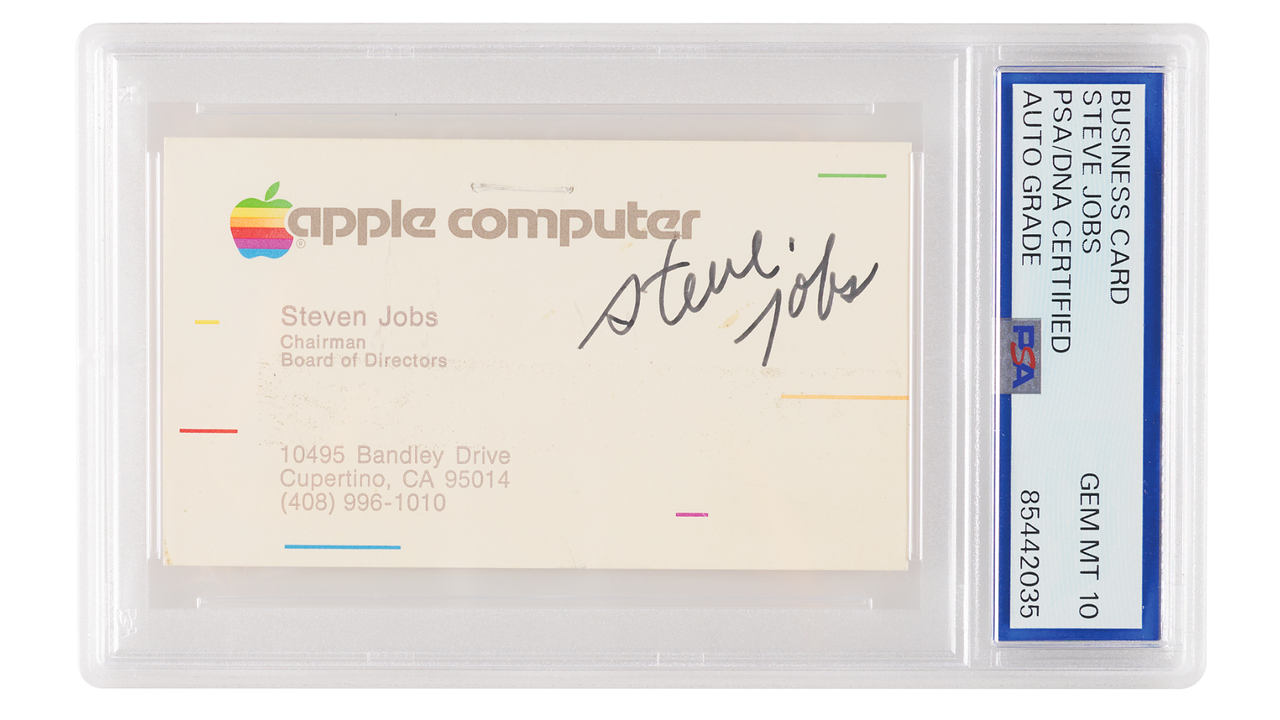
Tech enthusiasts are a passionate bunch, and the rich ones among them are willing to put their money where their mouth is. This is exactly what we see with a signed Steve Jobs business card from 1983, which is posted on RR Auction and is going for $70,741 at the time of writing. What made this relic special is that Job’s business cards from 1983 are a rare commodity and remain in high demand from collectors. It also received a Gem Mint 10 grade — the highest possible rating from PSA/DNA and is certified to be authentic.
RR AuctionRR Auction
RR Auction says that it has auctioned off 15 Steve Jobs business cards in its history, but only four of those come from 1983. This is also only the second one to bear the signature of Apple’s founder, which was put on the auction block in 2024 and fetched an eye-watering $180,000. The card on auction right now isn’t exactly perfect, with the website describing it as “In fine condition, with light soiling and staple holes to the upper section, none of which affect the bold signature.” Still, there’s at least 16 bids on the item, and the next bid is currently listed at $77, 816.
This isn’t the first time that an item related to an iconic founder has fetched thousands of dollars on the auction block. Just last month, Sotheby’s estimated that Nvidia CEO Jensen Huang’s iconic Tom Ford leather jacket, which costs $9,000 if you buy it new, would get up to $60,000. However, when the hammer finally closed the auction, the winning bid hit $960,000, which, we believe, is driven by Jensanity.
Unfortunately, if you’re not into the personal effects of CEOs and want something more substantial, you’ll probably have to fork out a lot more money. One example we have is the Apple-1 ‘Prototype Board #0,’ which sold for $2,750,000. Aside from costing a lot of money, these are rare finds, and you’ll have to wait years, if not decades, to get a chance at owning something so exceptional. But if you have a hole burning in your pocket and want to start a tech-related collection, but find the Steve Jobs business card a bit above your budget, an unreleased batch of 97 Duck Hunt and Super Mario Bros. NES cartridges has recently been discovered at a retro shop, most of which are graded 9.6 or higher by PSA. Three examples are about to enter auction on August 12, and they’re estimated to start at four figures, which might make it more “attainable” to fledgling collections.
Anyone with a keen interest in the European car market will know that Cupra parted ways with its sister company Seat way back in 2018 to become the high-performance, funky standalone brand to attract the attention of a more youthful buyer.
The gamble paid off, as Cupra now outsells Seat in most regions, thanks to its heady line-up of handsomely styled SUVs and sporty hatchbacks, all with a fine selection of electrified powertrains.
This latest edition to the family, the relatively diminutive Raval, is the first of its kind to sit on parent company VW’s MEB+ platform, which will also underpin the upcoming and equally spicy ID Polo (including the GTI), the ID Cross and Skoda’s more crossover focused Epiq.
(Image credit: Cupra)
But Cupra being Cupra has seen fit to endow the Raval with almost comically sporty proportions, a fabulously appointed interior and the sort of electric powertrain that is designed to have true driving fans won over.
Having driven the top spec VZ models out on the beautifully flowing roads of northeastern Spain, it’s clear that there is still room for the compact, agile hot hatch in the often soulless world of modern EVs.
Seriously styled
(Image credit: Cupra)
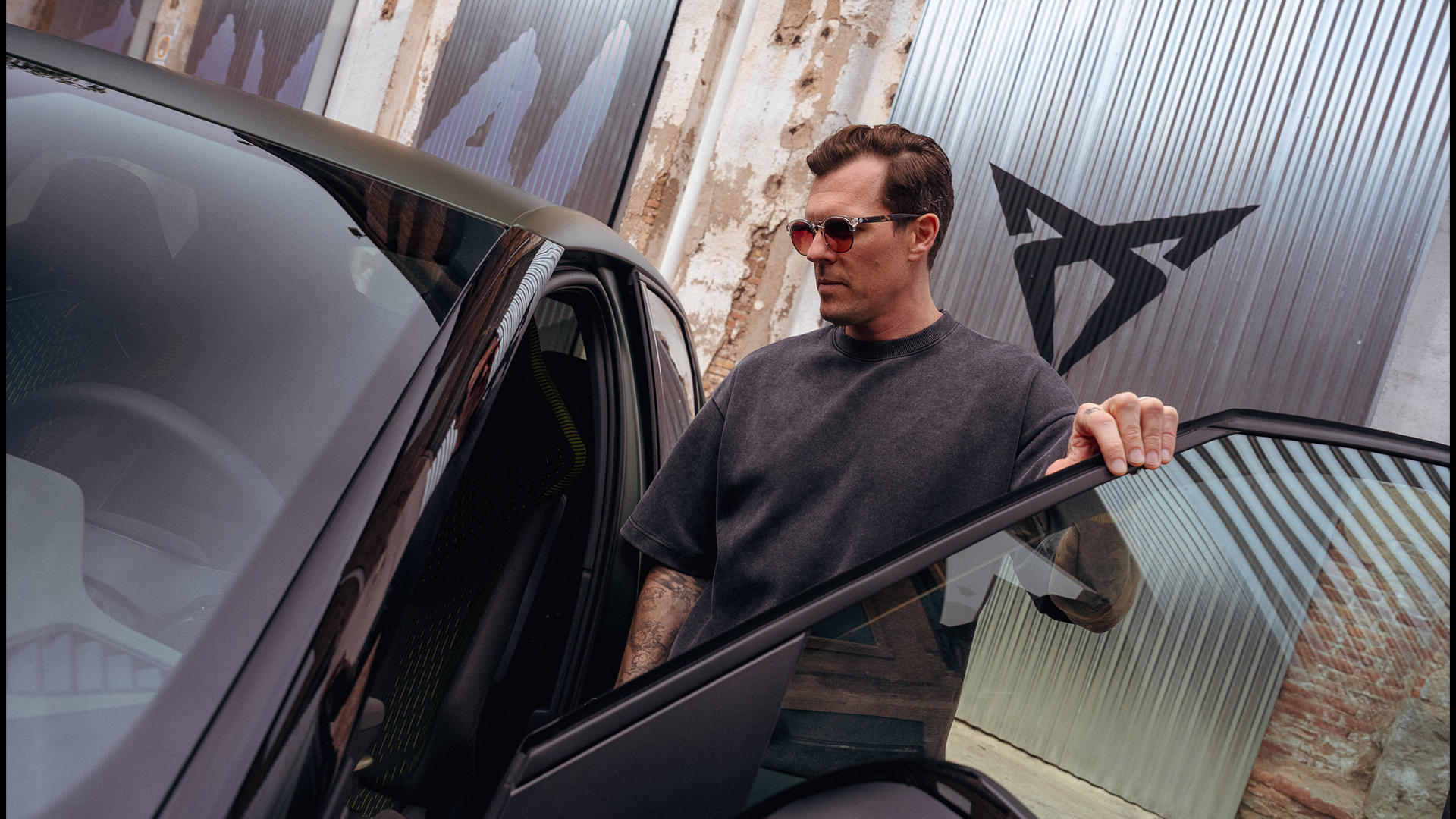
You only have to take a look at one of the many recent Cupra events to realize that the company approaches new product launches a little differently.
These shindigs are typically held in warehouses and other industrial settings, often involve world-class DJs and incorporate faces from fashion, sports and culture.
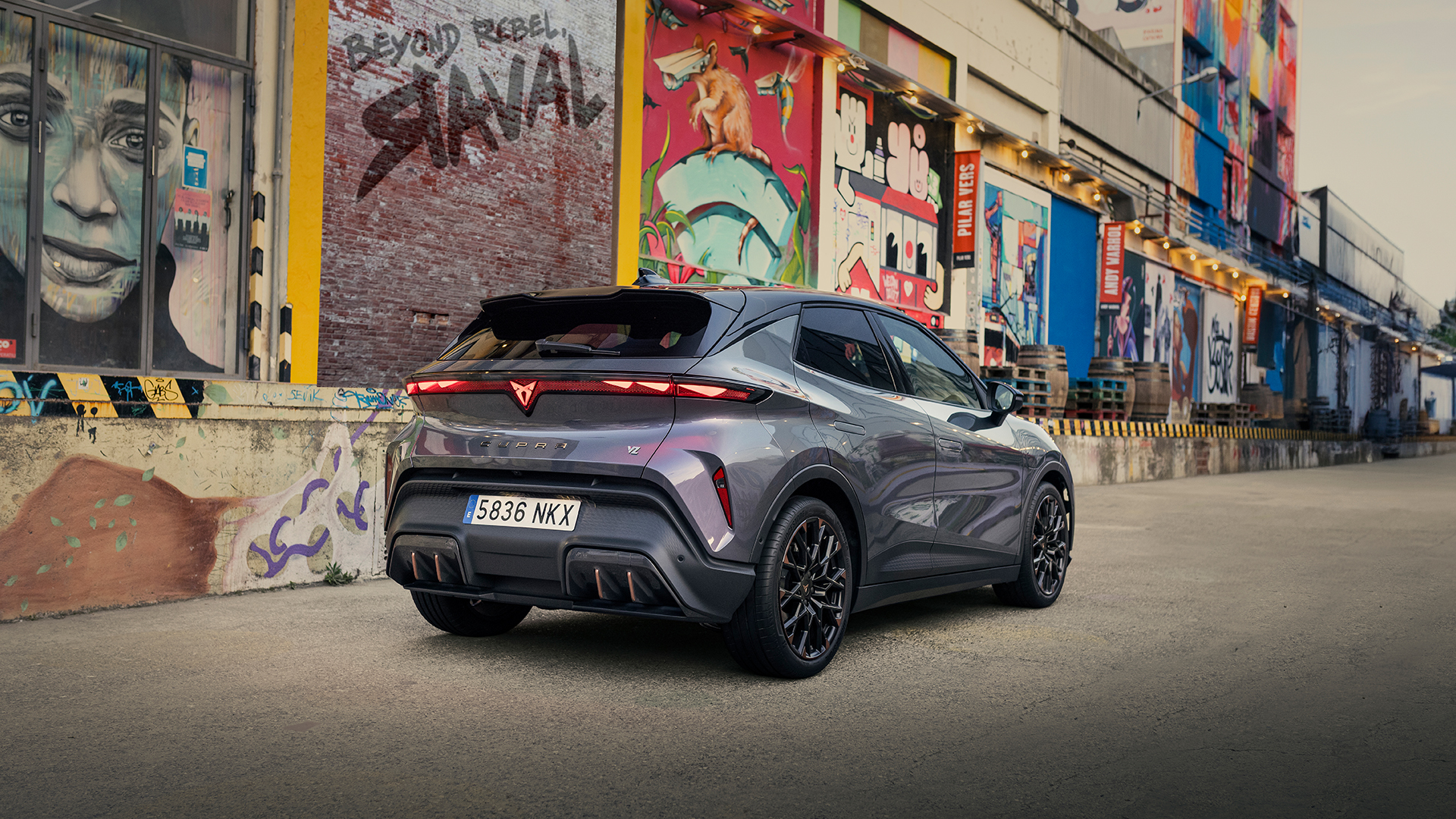
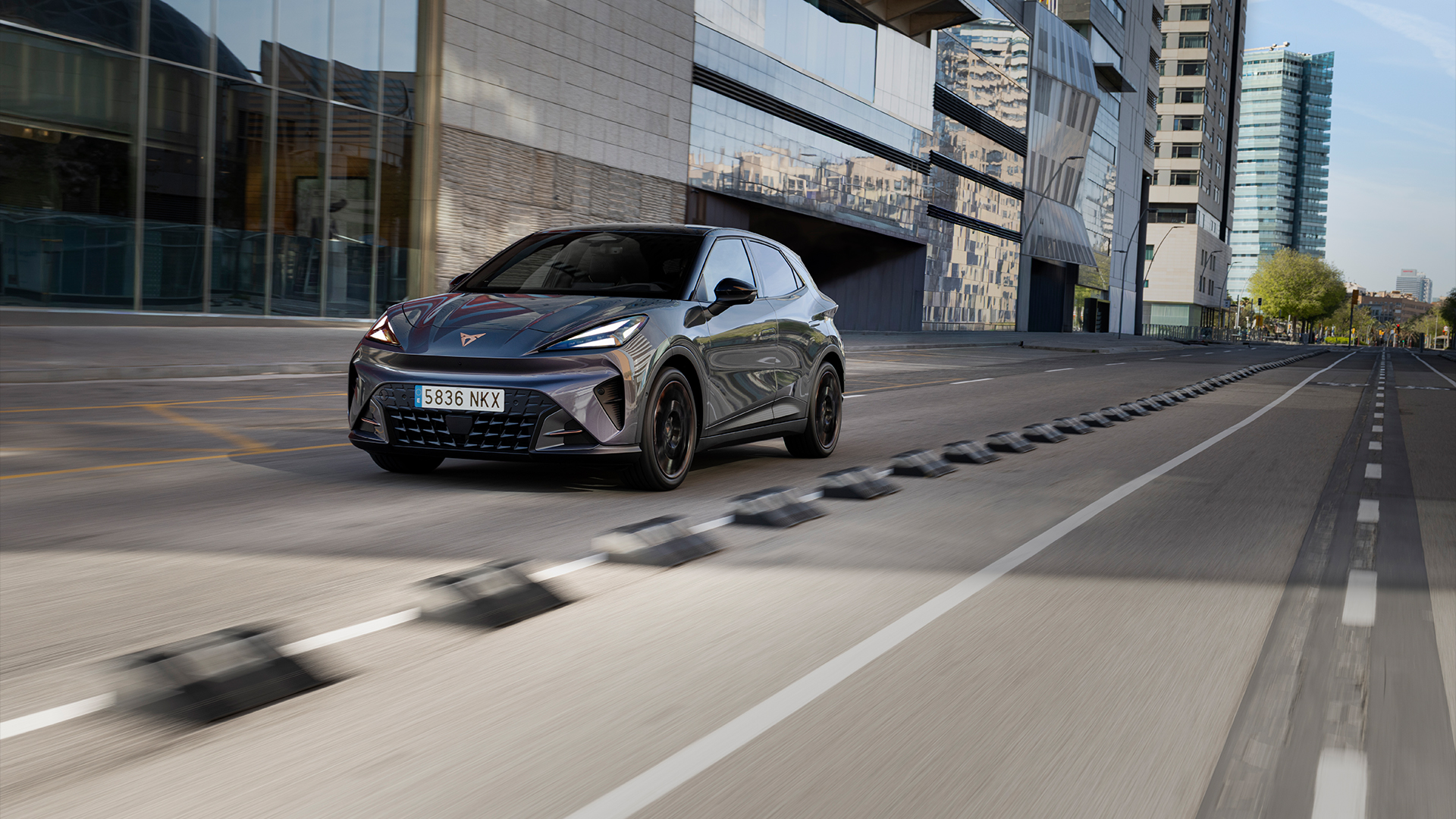
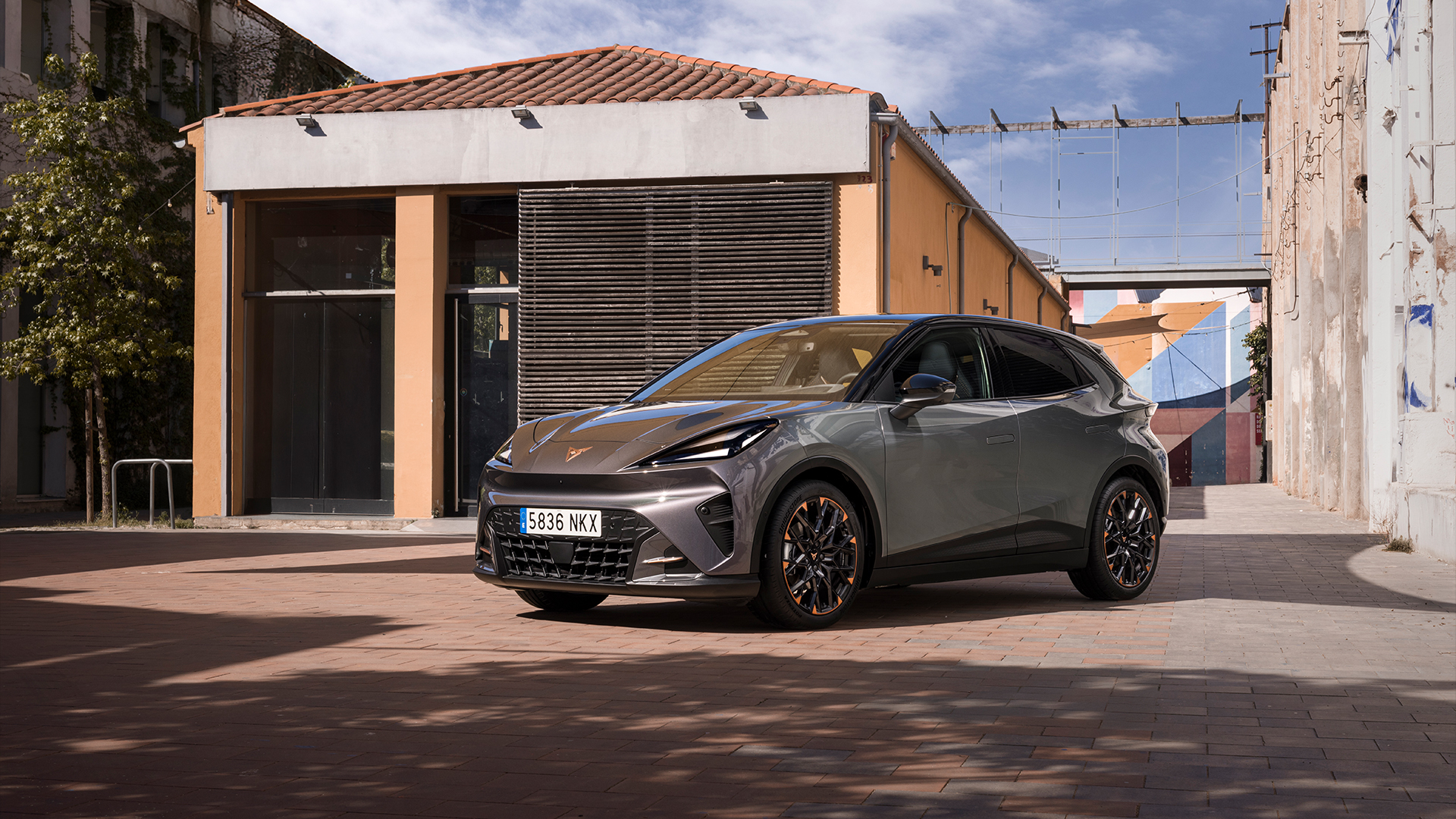
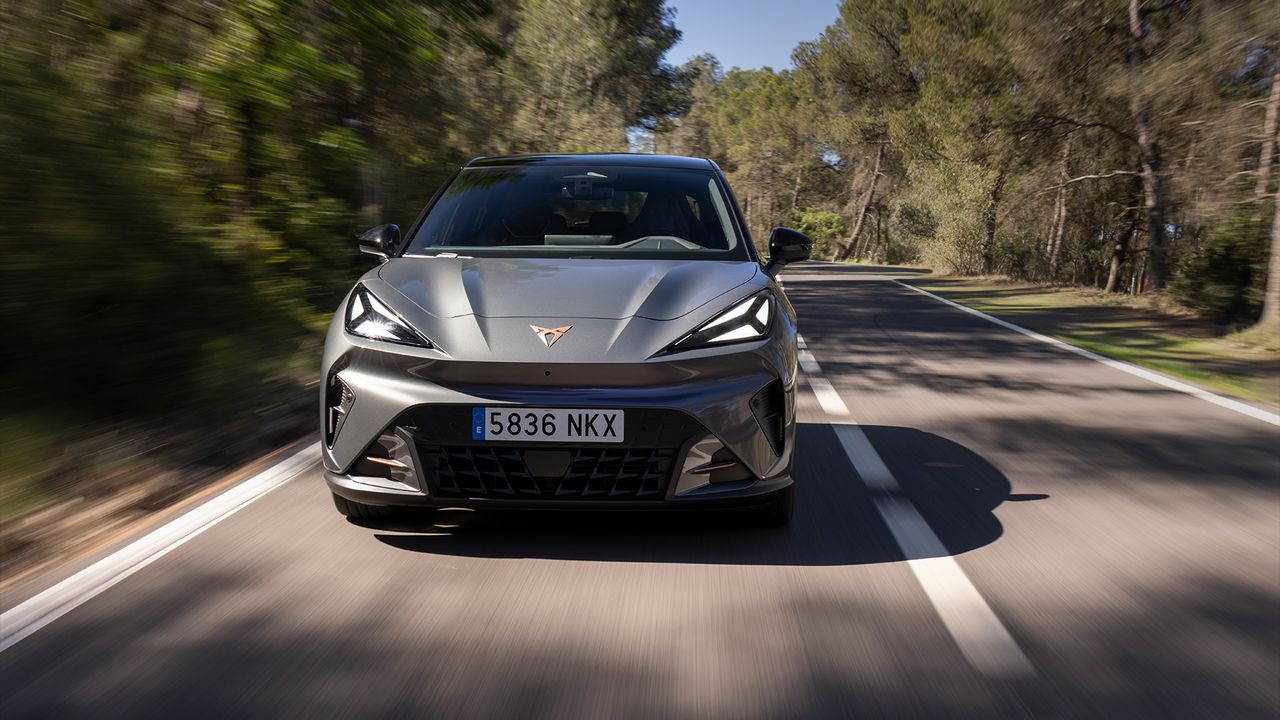
The overemphasized creases on the bonnet, super aggressive front lamps and chunky rear diffuser on this VZ model signal its racy intentions.
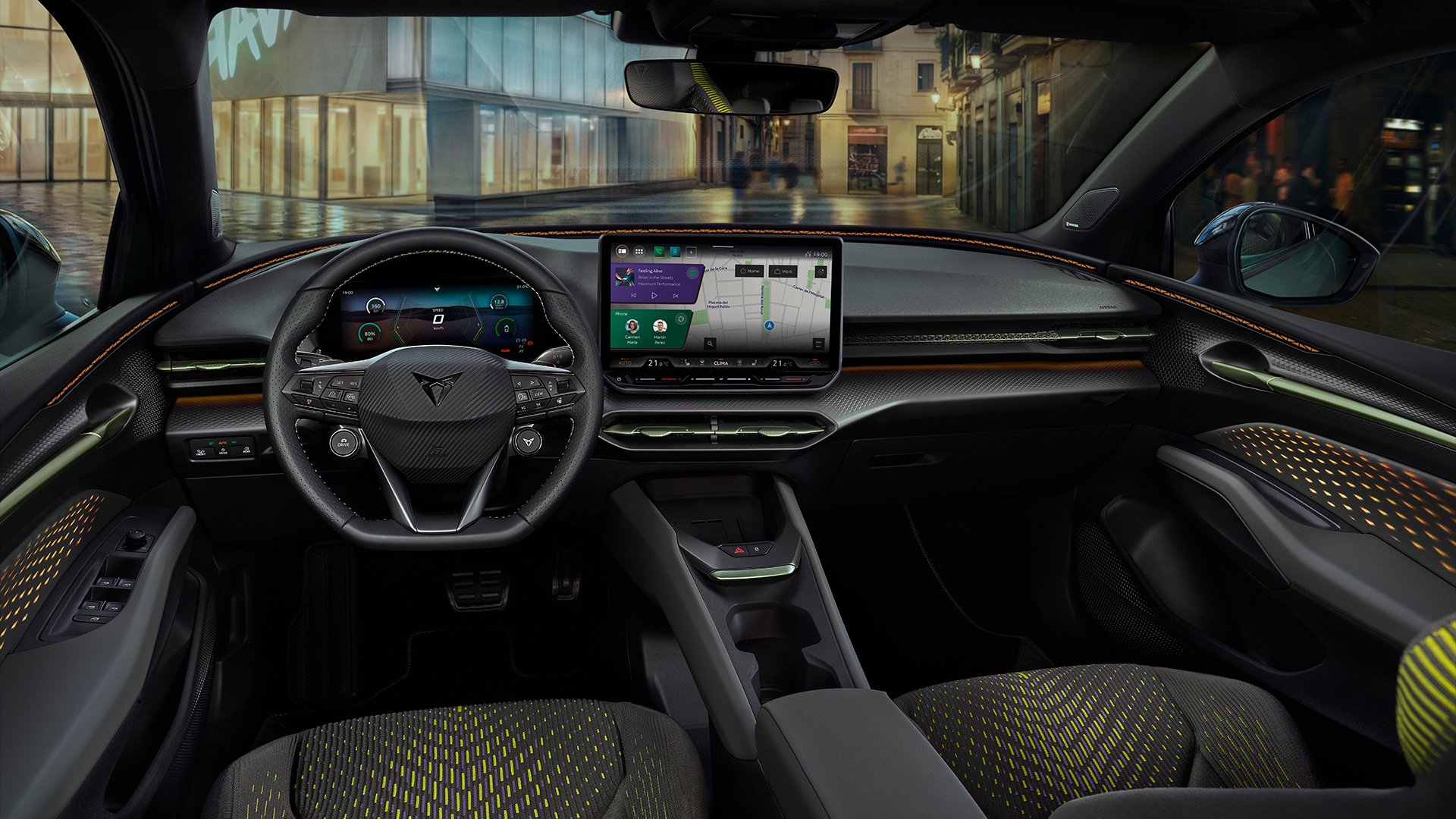
The Raval is all of this stuff distilled into a diminutive hatchback, with copper accents and contrast flourishes on the outside, myriad on-trend materials throughout the cockpit and the latest technology taking care of infotainment duties.
On the outside, the Raval rides low to the ground (well, as low as any modern EV can) and wears its squat proportions with pride.
The over-emphasized creases on the bonnet, super aggressive front lamps and chunky rear diffuser on this VZ model signal its racy intentions.
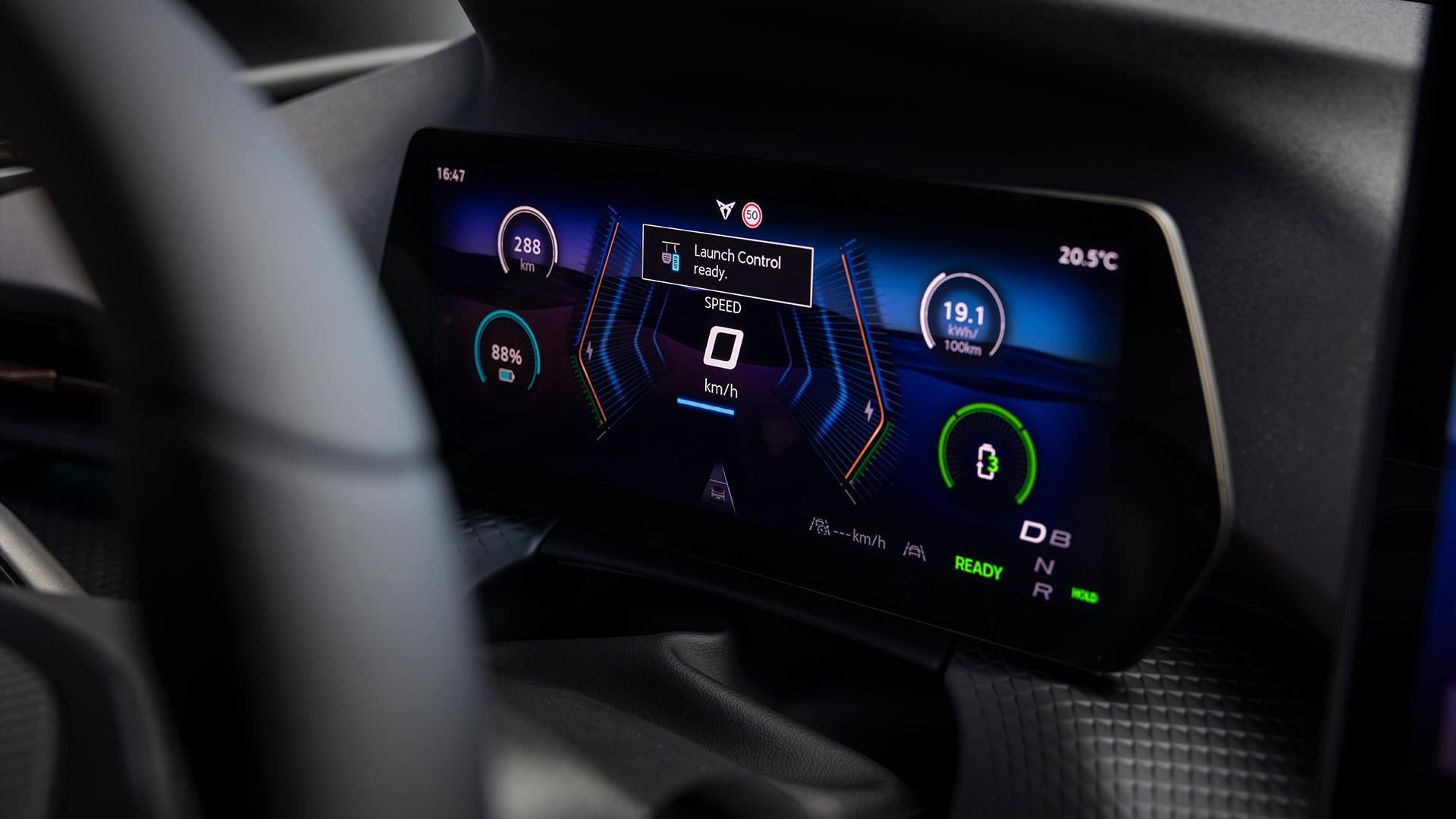
It also rides on 19-inch ‘Rebel’ rims and crams vegan leather bucket seats into the cockpit, as well as a 12.9-inch Android Automotive central display and a separate 10.25-inch digital cockpit that takes care of speed and whatnot.
(Image credit: Cupra)
Considering the Raval VZ starts at £34,9995 in the UK (that’s around $47,000 / AU$65,000), it feels like a generous dose of premium car for the money.
But for those happy with the smaller wheels and smaller battery pack (more on that later), the range actually starts from £23,785 (around $32,000 / AU$45,000) for the 115hp, 37kWh models.
Nice and spicy
(Image credit: Cupra)
Clearly, the VZ version driven here is a little ‘spicier’ when it comes its performance credentials, as it features the larger 52kWh battery pack and a powertrain that delivers 222bhp and 214lb ft to the front wheels in proper hot hatch fashion.
Prod the accelerator and the little Raval wants to move, whisking drivers and passengers from rest to 62mph in a respectable 6.8 seconds.
It even has a quasi launch control mode that sends little shudders and vibrations through the seat to make the process of accelerating feel more exciting.
Prod the accelerator and the little Raval wants to move, whisking drivers and passengers from rest to 62mph in a respectable 6.8 seconds.
Granted, it feels a little gimmicky but Cupra has done an excellent job of making the Raval feel as sprightly as its exterior lines would suggest.
Flick it into Cupra mode via a dedicated button on the steering wheel and, alongside a growling synthesized soundtrack, you’re treated to massive levels of grip.
This results in the ability to round corners with all the thrills of a go-kart, while the dynamic chassis control fitted to this VZ model keeps things flat and firm when the mood takes. Thankfully, it is adjustable through 15 stages, so you can easily get a set up that suits.
But when settling back down into Eco of Comfort modes, the Cupra does its best impression of a sensible, grown-up VW Group product, proving almost perfectly quiet and comfortable when cruising along the highway. The ride quality really is excellent.
Fuel for thought
(Image credit: Cupra)
Having driven almost too many EVs to remember, I have got into the habit of always checking battery efficiency after an event like this.
It’s a great indication of real-world driving, often taking in faster, flowing sections of road (where the regen will help top-up batteries), slower city driving and battery-sapping highway miles.
The Cupra Raval revealed that we averaged around 4.5 miles per kWh after a day of driving, which means we could have happily racked up over 200-miles from a single charge of the relatively small 52kWh NMC battery packs.
Cupra’s official WLTP rating has this pegged at 239-miles, which feels honest and achievable if driving sensibly… which I wasn’t during this particular test.
(Image credit: Cupra)
Raval’s recharging game is strong too, with a 10-80% session taking just 24-minutes from a 105kW DC public charger. It’s slightly longer than close rivals, such as the recent Renault 5 and Kia EV2, but neither of those cars can really be described as feisty.
But perhaps the most striking thing to note from the small, sporty hatchback is that there’s a decent amount of room inside. Two adults can very comfortably sit up front and there’s just enough room in the back for a few friends.
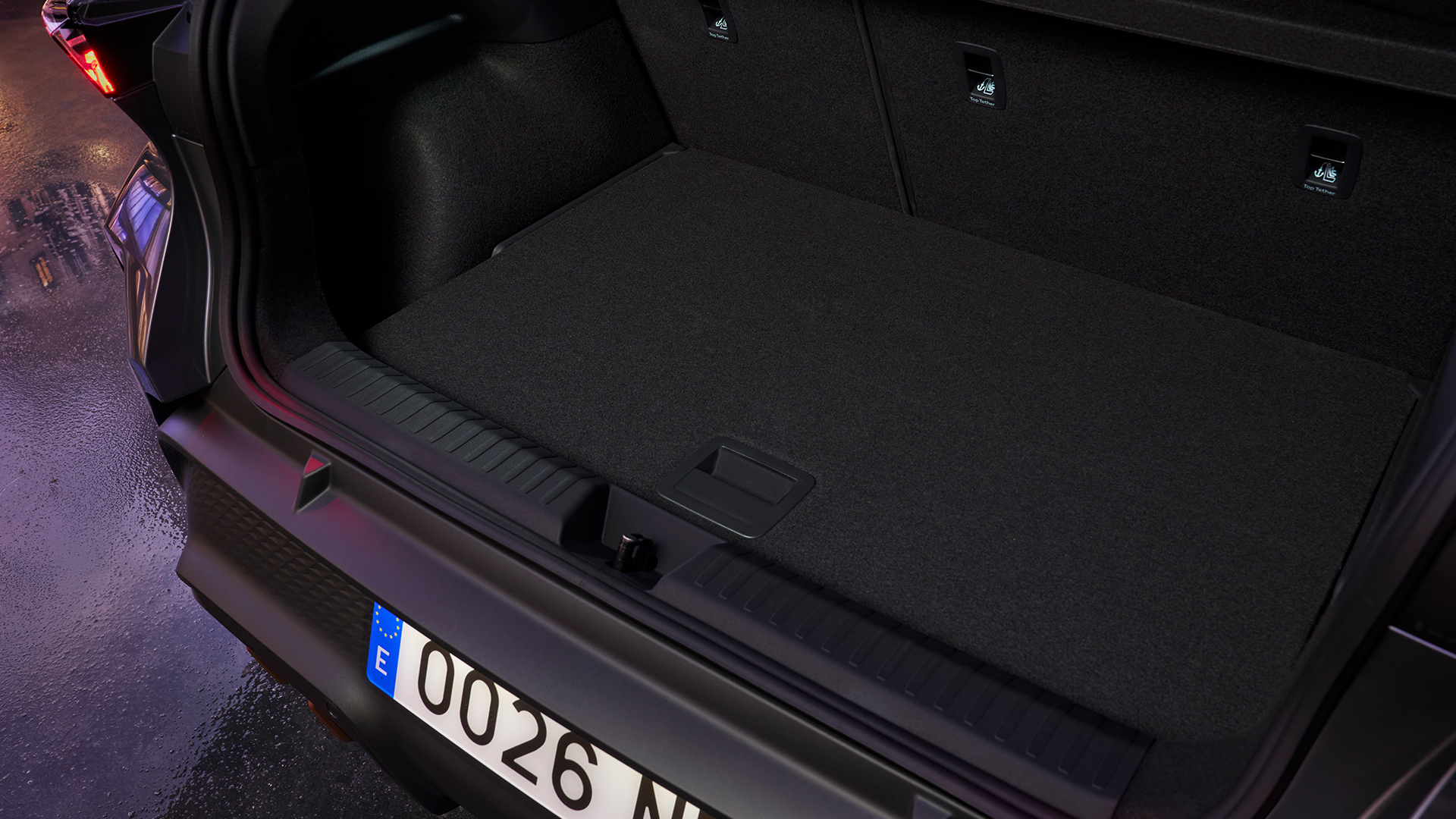
Admittedly, leg room in the rear isn’t exactly generous, but it’s very good in this segment, while the rear trunk is positively cavernous. Mounting the motor at the front results in an impressive amount of space to store bulkier items.
(Image credit: Cupra)
There’s even a clever folding floor that can be set at various levels, making it easier to throw in shopping when space isn’t required or free up a deeper hole for those weekend trips away.
The Cupra Raval offers a beguiling mix of sensible, grown up elements — such as the responsive Android Automotive-based infotainment system, practical interior space and premium-feeling fabrics — and laces it with a hefty dose of fun.
Granted, this isn’t the all-out hot hatch that we might be used to from the ICE era, but it gets very close.
Plus, with VW set to unleash an ID Polo GTI later this year with eerily similar performance figures, it makes you wonder if it’s worth holding out for that revered badge when the Raval VZ is this good.
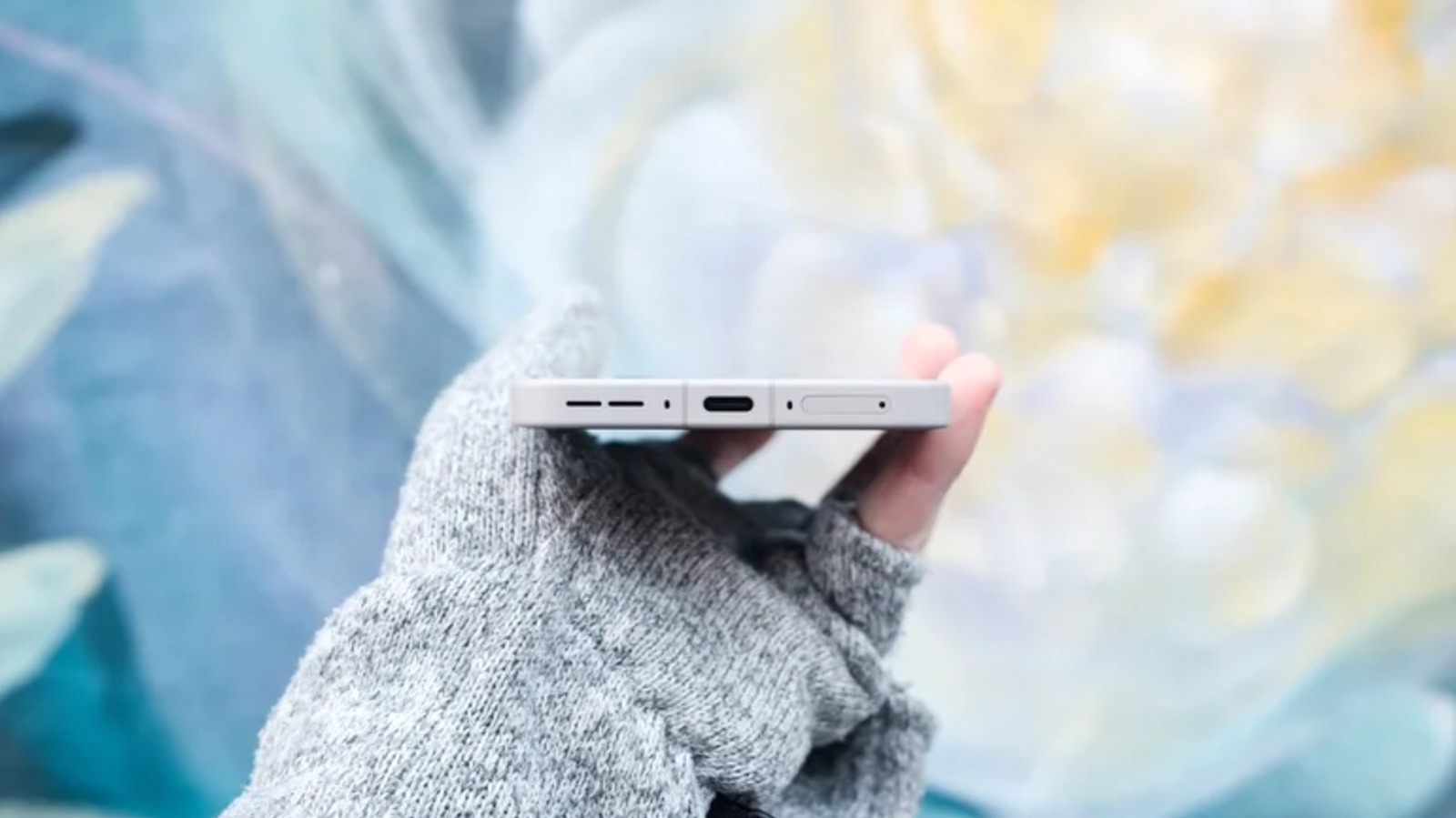
Android Headlines claims to have the specs and price for the entire Pixel 11 lineup. What the site shared basically lines up with everything else that we've heard in the lead-up to the August 12th event. The Pixel 11 is expected to get a $100 price hike, starting at $899, but will come with 256GB of storage instead of 128GB in the base model. While the entire lineup will sport the new Tensor G6 and Titan M3 chips, the base model Pixel 11 Pro and Pixel 11 Pro XL are both getting that rumored RAM cut to just 12GB, along with price increases to $1,099 and $1,299, respectively.
The Pixel 11 will supposedly ditch the telephoto lens and settle fo …
I bought my first Tesla Model 3 in June 2019. It was my dream car. The promise of getting in, selecting a destination, and the car taking care of the rest was one I bought into.
I originally bought the Model 3 without Full Self Driving (FSD), which at the time cost $6,000. Then about a month later, Elon Musk announced the cost would start going up by $1,000 every few months. So, I bought FSD outright before that happened. I even ordered custom license plates to make it very clear to other drivers my car was driving itself.
A couple of years later, the first beta arrived, and during the next few years, after many updates, it got good. Really good.
I know headlines love to point out when an accident happens during FSD use — and rightfully so — but my overall experience with it as of a year ago was that I felt safe when using it. I could get in, tell it where to take me, and the majority of the time, I only had to babysit.
I used FSD probably 95% of the time; I was behind the wheel. I no longer hated driving.
Goodbye FSD, hello Comma 4
(Image credit: Jason Cipriani/Future)
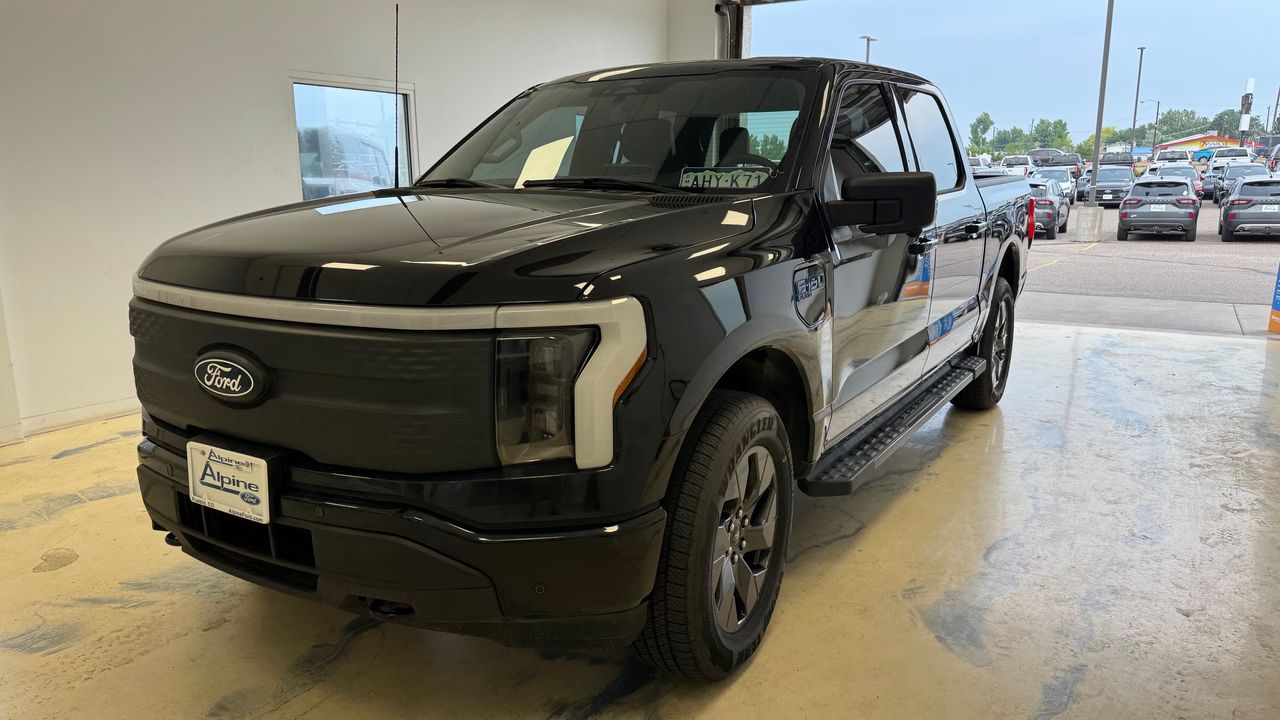
Then, life changed. My wife and I decided to open a pizza food truck, and we quickly learned the truck we planned on using wasn't up for the job of towing our trailer. So, I traded in my Model 3 for a 2025 Ford F-150 Lightning Flash. Bye-bye FSD.
My Lightning came with three free months of BlueCruise, Ford's hands-free driver-assist system that only works on highways. When you're on standard roads, Ford has a basic lane-keeping feature that keeps you within the lines, and that's about it.
After my BlueCruise trial ended, I opted not to pay the $50 a month/$500 a year subscription fee, mainly because it's limited to highways and I wasn't doing a lot of highway driving at the time. In town, I was still able to use lane keep and deal with the super annoying "Keep Your Hands on The Wheel" nag that goes off all the time.
I didn't miss the more advanced self-driving-like features of BlueCruise at all. I got by.
Then, in January, I had shoulder surgery. The extended recovery process meant driving an hour away for physical therapy at least once a week, and I'm still making that same drive. So, I decided to turn my Ford Rewards points into a couple of free months of BlueCruise to help me get back and forth.
Only this time, I loved it. I could cruise up and down the highway at 80 miles per hour, tap the blinker to start an automatic lane change and just relax — all hands free.
With a few weeks left in my extended trial, I decided to sign up for the $500-per-year subscription. While I waited for the charge to hit my credit card, a friend reminded me about Comma.ai, the small dash cam-like device that helps control your vehicle.
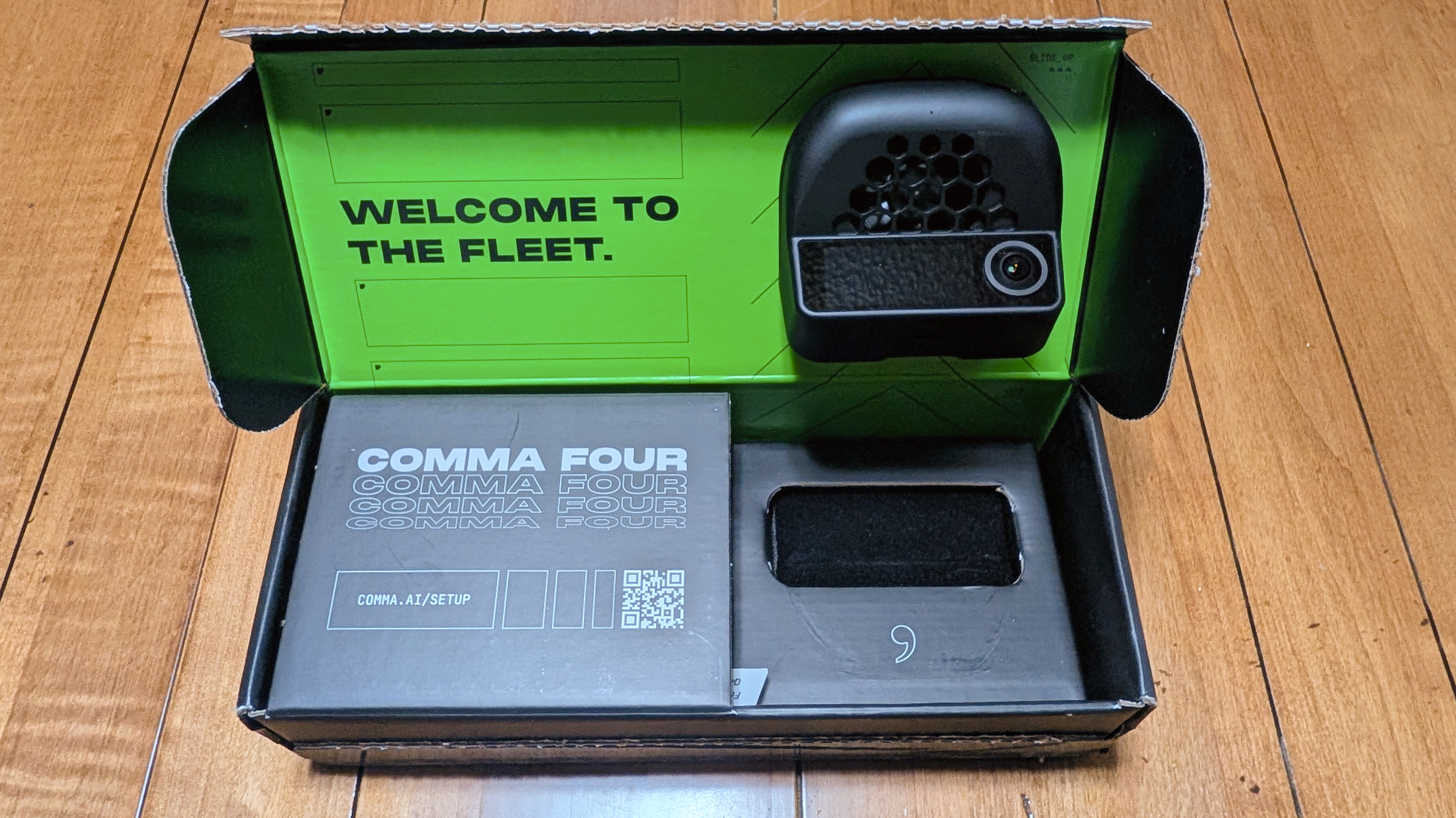
In Comma's own words: "It's upgraded active driver assistance for your Toyota, Hyundai, Ford, and more." Comma states it supports over 300 different vehicles.
Knowing I was about to commit to $500 per year for BlueCruise, curiosity got the best of me, and I spent over a week reading everything I possibly could about Comma and how it works.
The overly simplified explanation is that you need to install the device and a wire harness specific to your vehicle. The two components then intercept and send driver assistance commands to your vehicle, enabling hands-free driving on any marked road — not just highways.
I also spent more than a few days reading through and asking far too many questions in the Ford-specific Discord channel. The group there was amazing and patiently answered every single one.
I'll admit I felt very uneasy about random people on the internet writing software that can control my car. I still do, to an extent, but eventually I felt comfortable and curious enough to order the $1,000 gadget.
Install, setup and daily use
(Image credit: Comma)
A few weeks later, a small box arrived with the camera, the Ford-specific wiring harness, and zero instructions.
Thankfully, there are quite a few YouTube videos detailing the installation process. That process requires installing the wiring harness under the dash, where my truck's Image Processing Module A (IPMA) is located. I had to remove some paneling to get to it, then route the included OBD-C cable from under the dash to my rear-view mirror where the Comma 4 is mounted.
The install process took about an hour, with the most difficult part being connecting the wiring harness to the IPMA — it's such a tiny space and hard to get to, but eventually I got it.
With the harness connected, the Comma 4 mounted, and the cable run, the next thing I needed to do was install an operating system.
The Comma 4 comes with a bare-bones operating system installed, able to do just enough to help facilitate whatever version of driving software — commonly referred to as forks — you want to use.
OpenPilot is Comma's own driving software, but it's not optimized for every vehicle. For my Ford Lightning, I have to use BluePilot, a Ford-specific fork that's customized and optimized to handle quirks in driver-assistance commands, for the best experience.
I went through the software setup process in about 10 minutes, and then it was ready for me to take a short calibration drive. Once that was done, I had my very own self-driving assistant, ready to begin driving me around.
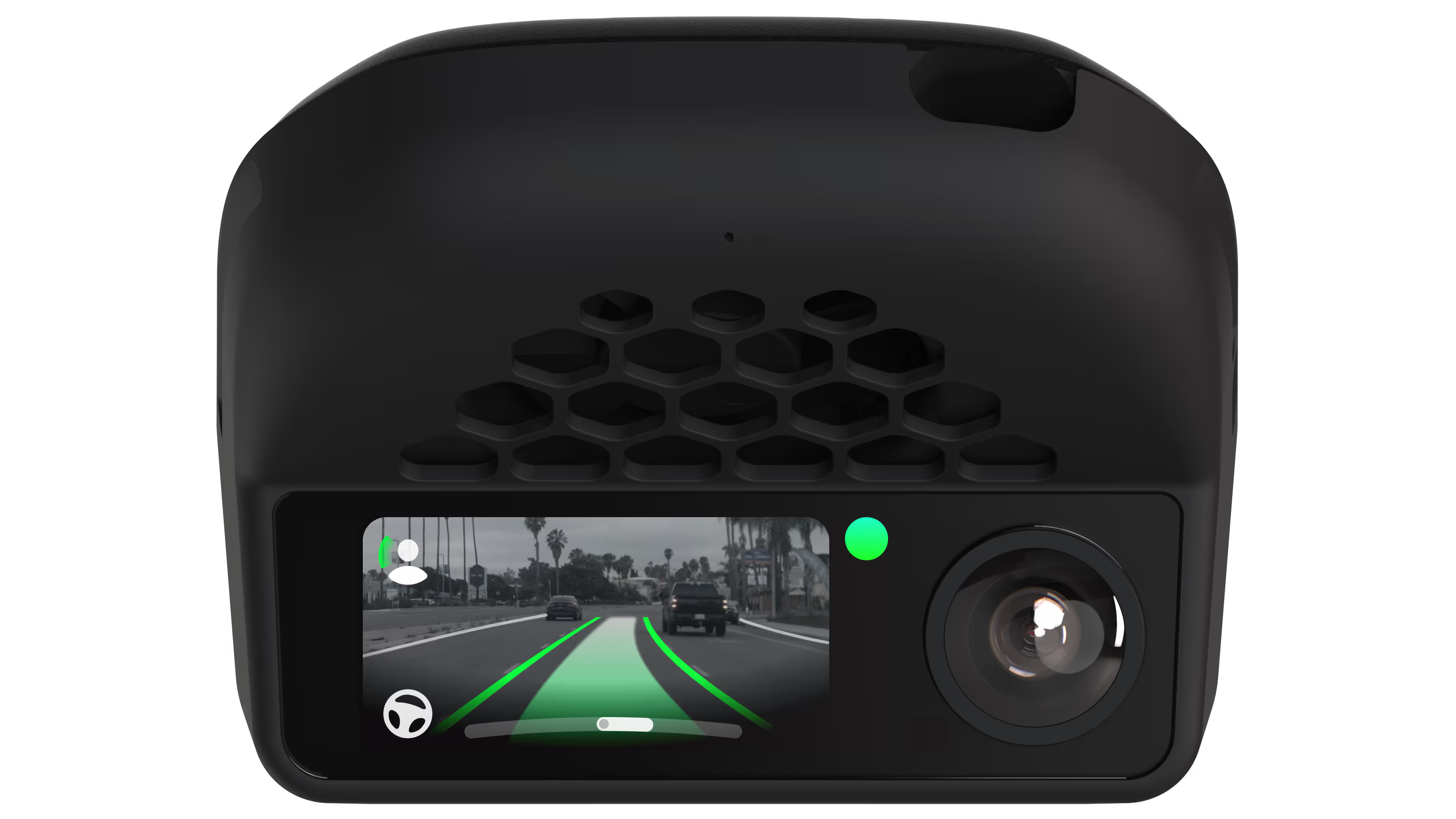
Activating Comma is done using the same buttons I would use to turn on BlueCruise or Ford's lane-keeping features. I can see when Comma is active by looking at the Comma 4's screen for green border indicators where the edges of the lane are, and a solid green line in the middle showing that path the truck is going to take.
It took me a few days of tweaking features and settings to fine-tune how the Comma controls my truck. For instance, out of the box it doesn't handle lane changes for you. You have to enable lane changes, and even then it'll only perform a change when you activate your blinker — it won't do it on its own.
You can even customize how aggressive it is during the lane change, how long it will wait after activating the blinker before changing, so you need to confirm the change by nudging the wheel in that direction before it fully commits. It's really cool stuff.
What's taken me the longest to get just right is adjusting my truck's alignment in a lane. With default settings, my truck was consistently riding the left side of every lane I was in. It wouldn't go over it, but it was too close for my comfort. I spent some more time figuring out the proper setting to adjust and started tweaking. A few minutes later, my truck is almost perfectly centered.
I'm still tweaking different settings, but for the most part it drives just like I want. I continue to experience some very slow ping-ponging — when the car goes from one side of the lane to the other and then back — but it's easily remedied if I just place my hand on the wheel. From what I understand, I may never get fully rid of it.
I've learned a lot along the way, too. In my Ford, the Comma 4 only controls lateral movements to keep you centered in the lane, not longitudinal controls such as speeding up and braking. Ford's ACC system still handles the latter feature – something I found reassuring.
(Image credit: Jason Cipriani/Future)
A couple of disclaimers you need to know
There are a few things I want to make clear, should you decide to get a Comma 4 (or one of the older models).
First, you, as the driver, are responsible for your vehicle at all times. The Comma 4 is an assistance device, not a fully-take-over-all-controls device. It hasn't tried to steer me unexpectedly into another lane, but I've seen reports and feedback about a recent update doing just that.
Second, Comma 4 will never offer a Full Self Driving-like point-to-point experience. There are just too many variables to how a third-party device can interact with and control various vehicles. In a Ford, for example, Comma 4 has limits in how aggressively it can steer, which makes tight corners difficult if not downright impossible. A recent update to BluePilot has made progress in this regard, but a 90-degree turn is all but out of the question.
1,000 miles and no regrets
My original intent was to take full advantage of the 30-day no-questions-asked return policy and send the Comma 4 back if I had any reservations after testing it. And, well, that window closed a few weeks ago.
All told, I'm nearing 1,000 miles over 97 driving sessions and 26 total hours since installing the Comma 4 in my truck. Not all of that is with it activated, but I'd wager that 75% or more of those miles were driven by Comma.
It's earning my trust with every drive and scenario I throw at it. The system has built enough confidence that I'm now going fully hands-free on longer drives.
Even with its quirks and limitations, the trade-off is a no-brainer for me. The Comma 4 handles backroads and standard city streets where BlueCruise simply gives up.
Best of all, I don't have to pay Ford $500 a year for a highway-only feature on top of what I already pay for premium connectivity. For a one-time $1,000 hardware investment, I got a sliver of my FSD experience back, saved money in the long run, and gained a system that continuously gets better thanks to an active community.
A number of major Chinese smartphone makers have adopted silicon carbon batteries in their handsets, and now Samsung has embraced it in the new Fold lineup.
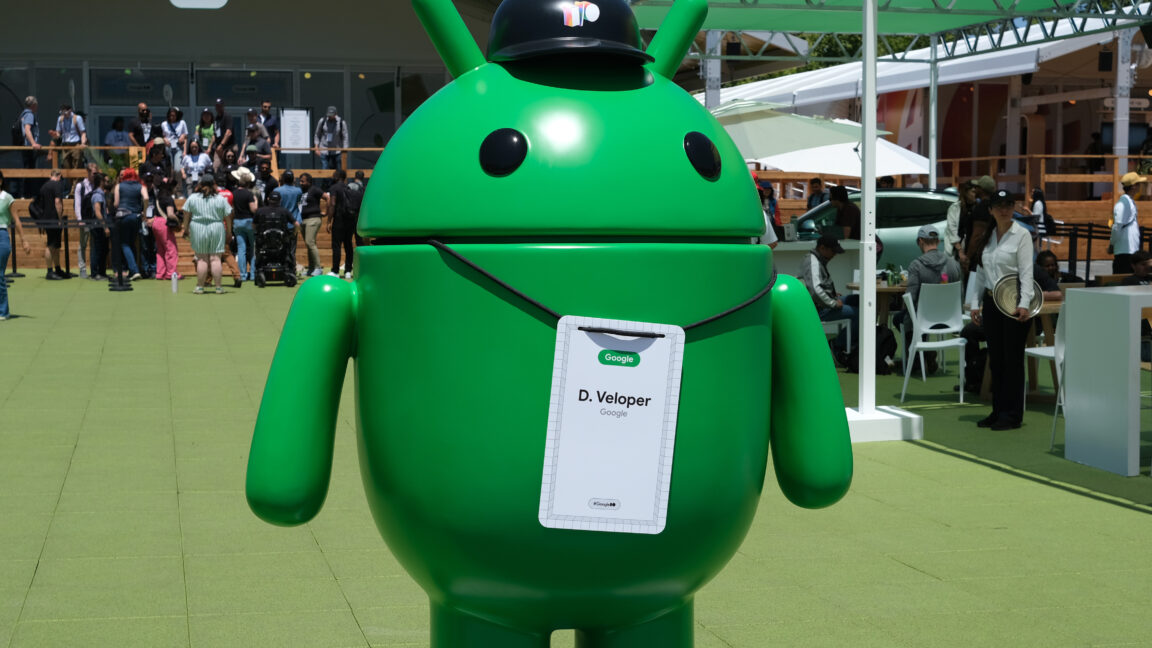
We are a month away from the initial rollout of Google's Android developer verification system, and the company contends this policy does not impinge on the platform's open nature. Still, the restrictions will be a big change, and there are still some unanswered questions. An issue that has come up repeatedly in the run-up to verification is what will happen to devs who can't verify because of where they live. It turns out that Google has a cryptic answer for that buried in an FAQ.
Developer verification will soon block the installation of apps from unverified developers on any Android device running Google services, which is functionally all Android phones outside Russia and China. Developers who want to keep releasing software, even if it's not in the Play Store, have to provide Google with their ID and pay a small fee.
But what if you're an Android developer living in a sanctioned nation? Currently, the US sanction list includes Iran, Cuba, North Korea, and occupied areas of Ukraine. Given the current uncertain state of US foreign policy, that list could change in the future. Google doing any business with developers in those places is a thorny issue, and it seems like the company has decided to just leave them hanging.
We are a month away from the initial rollout of Google's Android developer verification system, which requires developers outside the Play Store to verify their identities, just like it does for devs publishing on its platform. The company contends this policy does not impinge on the platform's open nature. Still, the restrictions will be a big change, and there are still some unanswered questions. An issue that has come up repeatedly in the run-up to verification is what will happen to devs who can't verify because of where they live. It turns out that Google has a cryptic answer for that buried in an FAQ.
Developer verification will soon block the installation of apps from unverified developers on any Android device running Google services, which is functionally all Android phones outside Russia and China. Developers who want to keep releasing software, even if it's not in the Play Store, have to provide Google with their ID and pay a small fee.
But what if you're an Android developer living in a sanctioned nation? Currently, the US sanction list includes Iran, Cuba, North Korea, and occupied areas of Ukraine. Given the current uncertain state of US foreign policy, that list could change in the future. Google doing any business with developers in those places is a thorny issue, and it seems like the company has decided to just leave them hanging.
Hydrogen is increasingly viewed as a promising energy carrier because it stores large amounts of energy per unit mass and can support low-carbon energy systems when produced through low-emission pathways. Large-scale use, however, depends on storing and transporting it efficiently.
Amazon, Google, Meta, and Microsoft have spent more than a trillion dollars on AI infrastructure, including data centers, the chips inside them, and the power needed to run the facilities, since 2023. The Financial Timessaid that these four big companies have already hit $1.1 trillion in capital expenditure based on their latest earnings reports, and that an additional $745 billion is expected to be added to this figure just this year.
“There is basically no end in sight for the growth in capex,” RBC Capital analyst Rishi Jaluria told the publication. “Investors need these companies to toe the tight line between investing in AI and not compromising the things that have made them successful.” This massive investment has upended several other industries — namely electricity prices and memory and storage chips. The massive power demand that data centers have put on the power grid has forced many U.S. utility companies to spend billions of dollars to upgrade their respective infrastructure, which they then passed on to all consumers, not just the big ones that forced the upgrade.
This, alongside other environmental issues, has caused many Americans to push back against data center projects near their communities. The White House instituted the “ratepayer protection pledge” and made AI hyperscalers, utility operators, data center companies, and individual states promise that they will protect the average consumer from electricity cost increases. But so far, no state has taken a step to codify this pledge into law. Oregon actually enacted the POWER Act, which resulted in a 30% increase in the power bill of users that consumed more than 20MW while slashing the bills of residents by 1.3%, but the state did this in 2025, way before President Donald Trump called the tech giants into the White House and told them to “pay their own way.”
The mountains of cash that these tech giants are pouring into AI are also affecting the memory and storage chip industry. Since these AI hyperscalers have a lot of liquidity from investors, they are willing to pay top dollar for the HBM they need to run their data centers. Because of this, it made sense for Micron, Samsung, and SK hynix to prioritize them over DRAM, especially as they can charge a premium for these chips and there are customers who are willing to pay at those prices. This resulted in a shortage of consumer memory that started in 2025 — while this initially affected PC builders and enthusiasts, it has started to affect other industries that require memory as well, including cars and smartphones. Even Apple, which historically had huge sway over its suppliers, was forced to increase prices because of the shortages.
Aside from skewing other industries, the massive CAPEX the big four are going into is alarming some experts, warning that the promises and contracts they’re making are leading to “hidden debt” not listed in their balance sheets. The amount, worth around $1.65 trillion, is annotated in their quarterly financial statements as future obligations that will only come into play as the related asset or service comes online. The current value is 122% of the actual debt reflected on their balance sheets, which could give investors the wrong impression that they have fewer obligations than they actually have.
While the amount of money that the big four are spending on AI might seem dizzyingly high, we must note that these companies are raking in massive amounts of cash quarterly themselves. Microsoft’s latest quarterly revenue is $90 billion, while Meta made $60 billion in the same period. Alphabet (Google) announced revenue of nearly $120 billion, while Amazon made $200 billion. That is a total of nearly $470 billion for these companies in just the last quarter.
Still, that does not mean that they can just keep on spending on AI. For example, even though Google’s cloud business had a revenue of $11 billion last year, its price dropped after it announced that it spent more than it made last quarter — the first time this happened in the 20 years since it went public. Meta is also planning to rent out its AI compute, apparently following in the footsteps of Amazon, Google, and Microsoft, which have growing cloud businesses. However, this announcement caused a drop in its stock price. “They are a bit all over the place,” SLC Management managing director Dec Mullarkey told FT. “For investors it’s no longer growth at any cost; they want to see the spending flowing through to results, like at the Big Three.”
ANSTO researchers have developed a novel wasteform capable of safely immobilizing sulfate-bearing radioactive wastes, addressing a long-standing challenge in radioactive waste management and opening new opportunities for treating similar wastes internationally.
Mobile World Live brings you our top three picks of the week as Apple unveiled its device leasing programme, Orange struck a data centre JV deal and Amazon Leo plotted expansion.
Amazon Leo readies 5K satellites for D2D plan
What happened: Amazon Leo applied to the US Federal Communications Commission (FCC) to deploy up to 5,105 direct-to-device (D2D) satellites, advancing its ambition to deliver voice, messaging, data and emergency connectivity services to standard mobile devices.
Why it matters: In its FCC filing, Jeff Bezos-backed Amazon Leo explained its D2D system would communicate directly with existing mobile hardware using dedicated L-band and S-band spectrum links, potentially setting the stage to better compete against SpaceX’s Starlink service, among others.
“The newly filed application for Amazon’s next-generation LEO D2D constellation is massive,” said independent consultant Carlos Placido. “Although the system is planned to deploy 5,105 satellites beginning in 2028, the filing defines a total of 11,045 orbital positions.”
What happened: Apple fleshed out Apple Upgrade, a direct-to-consumer hardware leasing programme backed by Klarna Group, offering US customers monthly payment options across its iPhone, Apple Watch, Mac, and iPad product lines.
Why it matters: Apple confirmed the programme offers dual tenure options per category. iPhone and Apple Watch plans offer 12- and 24-month lease terms starting at $17.99 and $11.99 per month, respectively. CEO and marketing director of PP Foresight Paolo Pescatore stated the arrangement responds to rising device prices and longer consumer ownership cycles by shifting focus from high upfront costs to manageable monthly payments, making premium devices feel more accessible and encouraging regular upgrades.
“However, this is more than another payment option,” he said. “It marks a significant shift from owning devices to accessing them through an ongoing leasing relationship. This gives Apple another way to stimulate demand without resorting to aggressive discounting, while keeping customers within its family of products and exerting greater control over the upgrade, trade-in and return cycle.”
On the consumer front, he explained lower monthly payments will be attractive, but the apparent flexibility carries important trade-offs. Customers do not own the product during the lease, AppleCare costs extra, damaged devices can incur charges, and upgrading or leaving early could require them to pay the remaining lease payments.
“The total cost and end-of-term choices must therefore be made crystal clear,” he said. “Otherwise, consumers could find themselves locked into a perpetual cycle of monthly payments without building any ownership or resale value.”
What happened: Orange agreed a deal with global infrastructure investor Morrison to create a jointly controlled data centre company in France, a move designed to meet rising demand for AI services in the country.
Why it matters: Orange said the 50:50 JV will support the development of its existing French data centre portfolio and target 400MW of capacity, almost 10 times its current level. To boost the entity, the operator said it will contribute five major data centres across four campuses in France, along with its operational expertise and commercial reach. The duo anticipate an investment of around €3 billion, utilising Orange’s existing assets, while Morrison will make an equity contribution.
“Orange Business will leverage this platform for its customers to accelerate its trusted AI and trusted cloud business ambitions,” Orange CEO Christel Heydemann explained on an investor call. “The value creation for Orange will therefore materialise through revenue upsides and dividends inflows.”
The U.S. Department of Energy is harnessing the artificial intelligence boom in its bid to convert another Cold War-era uranium enrichment site, tapping private equity to fund a $100 billion data center complex that will include its own new natural gas and battery storage power plant in Kentucky.
Apple saw an excellent and better-than-anticipated Q3 2026 in terms of iPhone sales, but its revenue for services—like Apple TV, Apple Music, AppleCare, or iCloud—slipped downward, disappointing experts who were hoping for more. Further, fears about memory prices and supply constraints slightly soured reception to what could have otherwise been a slightly positive but business-as-usual quarter.
That's the key takeaway from the company's Q3 2026 earnings call today.
Using neutrons at the Department of Energy's Oak Ridge National Laboratory, researchers from The Ohio State University are studying residual stress caused by friction stir welding (FSW) to reveal how to strengthen armor steel welds, like those used in military vehicles. Their findings were published in the Journal of Materials Processing Technology.

 Login