❌

Reading view

OpenAI Family of Devices Takes ChatGPT Beyond Apple

OpenAI family of devices plans are no longer limited to an experimental gadget hidden inside a design studio. OpenAI President Greg Brockman has confirmed that the company’s first consumer device will begin a broader series intended to reconsider how people interact with artificial intelligence.

The confirmation gives OpenAI’s hardware strategy a clearer shape without revealing the first product itself. Brockman said the company is not ready to discuss the device in detail, but described it as the first in a series that will rethink what devices should be when AI can understand language, observe context and complete tasks.

That ambition extends well beyond placing the ChatGPT app on another piece of hardware. OpenAI wants to reduce the menus, buttons, model selectors and separate applications that currently stand between a person and an AI assistant.

For Apple, Google and other established platform owners, the implication is significant. ChatGPT currently reaches consumers through devices and operating systems controlled by other companies. An OpenAI-designed product would give the company direct control over the microphones, cameras, sensors, interface and account experience through which its models interact with people. 56000

OpenAI Family of Devices Begins With io

OpenAI’s move into consumer hardware accelerated in 2025 when it acquired io Products in a transaction valued at approximately $6.5 billion.

The startup had been founded by former Apple design chief Jony Ive alongside Scott Cannon, Evans Hankey and Tang Tan. Its team included hardware engineers, designers, manufacturing specialists and product developers, many of whom had spent years working together at Apple.

OpenAI and Ive had already been collaborating before the acquisition. Their early ideas developed into physical designs, convincing the partners that they needed a dedicated company capable of engineering and manufacturing complete products rather than another software prototype.

The io team officially merged with OpenAI in July 2025. Ive and his design collective LoveFrom remained independent while assuming extensive design and creative responsibilities across OpenAI.

The structure combines OpenAI’s models and software research with a group experienced in turning new interface concepts into mass-produced consumer products. Ive’s previous work helped shape the iMac, iPod, iPhone, iPad, Apple Watch and other devices that established Apple’s modern design identity.

OpenAI has continued recruiting hardware expertise from Apple. Paul Meade, who led hardware development for Apple Vision Pro and worked on the company’s smart-glasses efforts, reportedly joined OpenAI’s hardware organization in 2026.

OpenAI also placed product-development veteran Peter Welinder in a leadership role connected to the io division. The resulting organization is not structured like a small accessory project. It is being assembled to develop products, create manufacturing relationships and support more than one form factor.
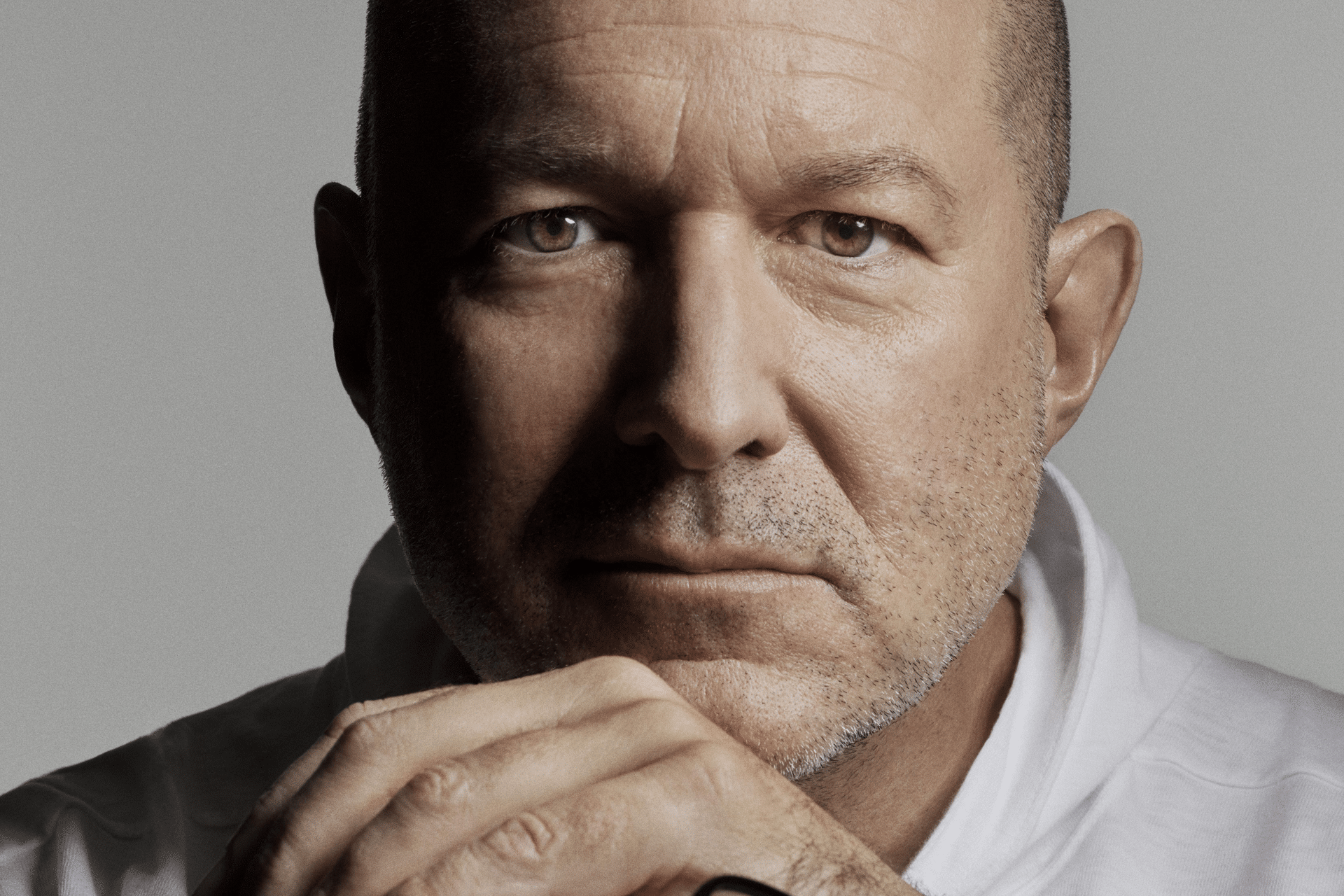
A middle-aged man with a bald head and stubble looks directly at the camera, resting his chin on his hands. Wearing a white shirt and a serious, contemplative expression, he evokes the thoughtful design seen in OpenAI's Jony Ive AI device concepts.
Image Credit: Google

The First Device Remains Unannounced

OpenAI has not publicly confirmed the name, appearance, price or specifications of its first device. It has also not presented the product as a smartphone, pair of glasses, wearable pin or conventional smart speaker.

Recent reporting describes a portable, screen-free device designed primarily for use inside the home. The reported product resembles a compact speaker but includes a rechargeable battery, allowing it to move between rooms rather than remain attached to one location.

A camera and additional sensors would help the device understand its surroundings. Mechanical elements could allow parts of it to move, creating a more expressive physical presence than a stationary speaker waiting for a wake word.

The reported design would rely heavily on OpenAI’s latest voice technology. Instead of requiring a person to wait for the assistant to finish speaking, the system could listen and respond more naturally during overlapping conversation. Access to personal information, including messages or email when authorized, could give it enough context to handle requests rather than merely answer questions.

These details remain reported plans rather than announced specifications. OpenAI could change the hardware, features or release schedule before introducing the product.

The company is reportedly targeting a presentation during 2026 and a commercial release in 2027. Fortune separately reported that the initial design has been finalized, although development of the larger product family continues.

Why OpenAI Wants Hardware of Its Own

ChatGPT already operates across iPhone, iPad, Mac, Android and Windows devices. That wide distribution gives OpenAI access to an enormous audience without requiring it to manufacture screens, batteries or processors.

It also leaves crucial parts of the experience under the control of Apple, Google and Microsoft.

An operating system determines when ChatGPT can use a microphone, whether it can run continuously, how notifications appear and which applications it can control. Platform owners can limit background access, change default-assistant rules or promote their own AI systems more prominently.

Those restrictions matter more as ChatGPT develops from a chatbot into an agent. Answering a question inside an app requires relatively little control over the device. Completing a task across messages, calendars, files, cameras and connected appliances requires deeper access.

OpenAI hardware could be designed around those capabilities from the beginning. The assistant would not need to behave like one application among dozens because it could become the primary interface.

Brockman has described the current ChatGPT interface as too complicated, particularly as new models and tools add more controls. OpenAI’s objective is to make much of that interface disappear.

A successful device could allow someone to describe an outcome instead of opening several applications and completing each step manually. The user might ask the assistant to reorganize a day after a delayed flight, contact the relevant people and adjust reservations. The interface would be the request and the resulting confirmation rather than a sequence of taps.

A Family Creates More Context Than One Gadget

Calling the project a family of devices changes the strategy. One experimental product would need to prove its value independently. A coordinated group could distribute different sensors and functions across the places where people already live and work.

A home device could provide shared access in kitchens and living spaces. A personal wearable could preserve private conversations while moving outside. A future mobile product could handle visual information, navigation and communication without reproducing the application grid of a smartphone.

OpenAI is reportedly developing approximately five hardware concepts, with the screen-free home companion receiving priority. The company has also explored wearables and home robotics, although none of those later products has been announced.

The devices would become more useful if they shared the same ChatGPT identity, memory controls and task history. A request started at home could continue through another product without requiring the user to repeat the people involved, the desired result or the decisions already made.

That continuity is one of the strongest advantages Apple currently receives from controlling a complete ecosystem. An iPhone, Mac, Apple Watch, AirPods and HomePod can exchange information because Apple designs the devices, operating systems and cloud services together.

OpenAI appears to be pursuing a different center of gravity. Instead of making the operating system coordinate applications, it could make the AI assistant coordinate specialized devices.

OpenAI family of devices - A white geometric, intertwined knot design on a black background, representing the OpenAI logo, symbolizes innovation behind ChatGPT and emerging models like GPT-5.
Image Credit: Dado Ruvic/Reuters

ChatGPT Will Also Expand Through Other Companies’ Hardware

OpenAI’s hardware work does not mean the company intends to reserve ChatGPT for its own products.

Brockman has said OpenAI is interested in deeper integrations with smart glasses, wearables and other devices through its application programming interfaces. The company wants ChatGPT to become an interface available across hardware categories, including products manufactured by third parties.

That creates a two-track strategy. OpenAI can use its own devices to demonstrate the experience it considers ideal while allowing other manufacturers to connect their cameras, microphones and sensors to ChatGPT.

Third-party distribution would help OpenAI reach consumers who do not want another dedicated device. It would also reduce the risk of depending entirely on the success of one hardware launch.

The difficult part will be keeping those experiences consistent. A wearable may have limited battery capacity, a camera may require visible privacy controls, and a speaker may depend on cloud processing when a connection is available. OpenAI will need to define what its assistant can do reliably across products with very different technical limits.

Early AI Hardware Changed the Expectations

The first generation of dedicated AI gadgets established a warning for every company entering this market.

Humane’s AI Pin and the Rabbit R1 attracted attention by promising an alternative to application-based computing. Their launches also exposed problems involving response delays, battery life, incomplete features and tasks that remained easier on a smartphone.

Those products demonstrated that access to a language model does not automatically justify a new object. Consumers need to understand why they should carry, charge and maintain another device when ChatGPT, Gemini and other assistants already operate on phones.

OpenAI has several advantages those earlier companies lacked. It controls one of the most widely used AI services, operates the models behind the interface and has the resources to improve the software after launch. The io acquisition gives it experienced design and manufacturing leadership rather than requiring it to assemble a hardware organization gradually.

The standard will consequently be higher. A well-designed enclosure and natural voice will not be enough if the device cannot complete dependable tasks more efficiently than an iPhone or Android phone.

Apple’s Lawsuit Could Affect the Schedule

OpenAI’s expansion beyond Apple devices has also produced a direct legal confrontation with Apple.

Apple filed a federal lawsuit in July 2026 accusing OpenAI, io and former Apple employees of misappropriating confidential hardware information. The complaint alleges that trade secrets connected to unreleased products, engineering processes and suppliers were taken for the benefit of OpenAI’s hardware business.

OpenAI has denied having any interest in Apple’s trade secrets and said it was unaware of evidence giving the complaint merit. The allegations have not been decided by a court.

Apple is seeking restrictions on the use of its confidential information, along with the return of materials and financial damages. The case could require OpenAI to separate employees from parts of the project, replace suppliers or repeat engineering work if disputed information is found inside the development process.

It does not automatically establish that OpenAI’s reported product copies an Apple device. The first OpenAI design is described as substantially different from Apple’s current hardware, but the legal dispute could still affect when it can be manufactured or sold.

The First Product Will Define the Rules for the Rest

The most important details at OpenAI’s eventual hardware presentation may have little to do with the object’s shape.

A camera-equipped device that learns from activity inside a home will need unmistakable recording indicators, understandable data-retention controls and a simple method for temporarily disabling its sensors. Owners will need to know which information remains on the device, what reaches OpenAI’s servers and which memories can be reviewed or deleted.

OpenAI will also have to explain whether the product requires a paid ChatGPT subscription, how much it can do without an internet connection and whether multiple members of a household receive separate identities. Those choices will determine whether it behaves like a personal assistant, a shared appliance or a new subscription terminal.

Support for messages, calendars, music and connected appliances will require cooperation from outside companies. A device cannot replace frequent phone interactions if it remains unable to enter the services where those interactions occur.

The first model will therefore establish more than OpenAI’s industrial-design language. It will set the privacy, account, subscription and developer rules that every later member of the OpenAI family of devices inherits.

The post OpenAI Family of Devices Takes ChatGPT Beyond Apple appeared first on AppleMagazine.

  •  

How to build the perfect solar eclipse kit for any budget

One of the biggest misconceptions about solar eclipses is that enjoying them requires expensive solar gear. Telescopes, tracking mounts, cameras, telephoto lenses and solar filters are all part of the kitbag for serious eclipse photographers, but the reality is that many travel with surprisingly little equipment.

That will be especially true on Aug. 12, 2026. The total solar eclipse crossing Greenland, Iceland and Spain is the headline attraction that day — closely followed by a partial solar eclipse across Europe and in Canada and the U.S. Northeast — but it won't be the only celestial event worth seeing. Just hours later, the Perseid meteor shower reaches its peak beneath moonless skies. So any eclipse kit built for the Aug. 12 eclipse should therefore be designed with one eye on a night-shoot capturing "shooting stars."

Here's what to buy for your eclipse-meets-Perseids double-header, according to your budget.

Under $50: Keep it simple

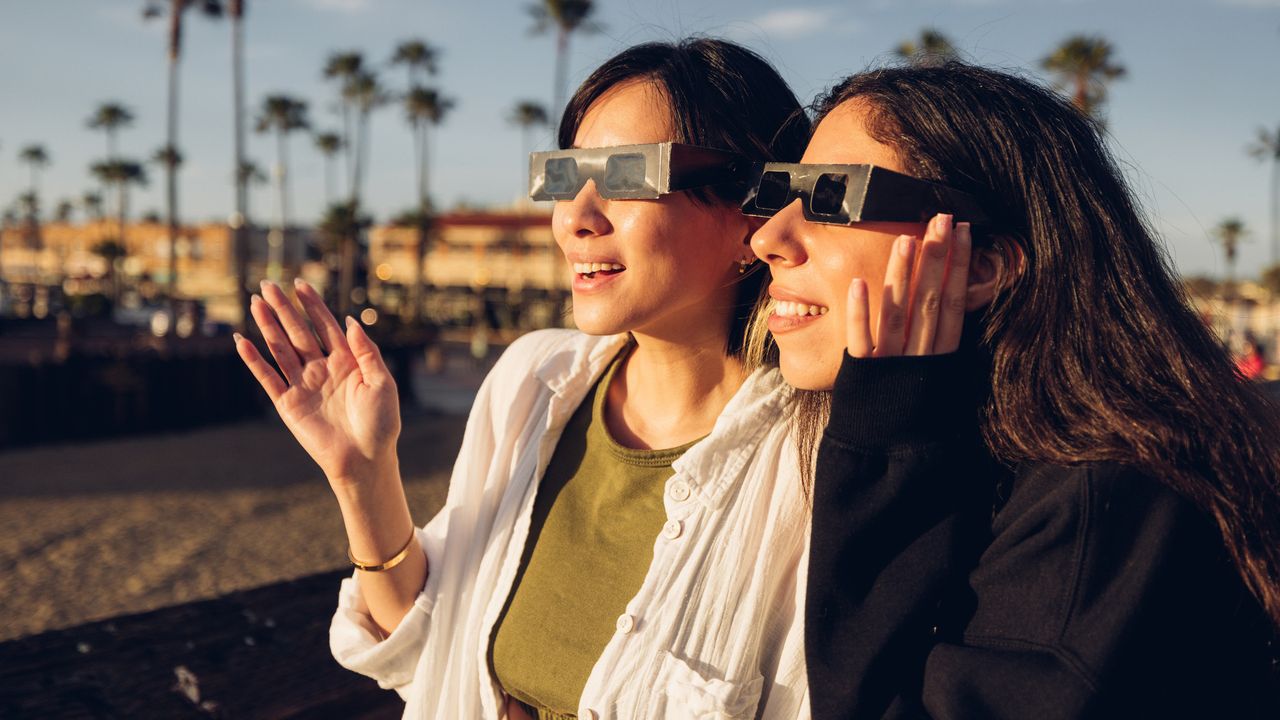
two women looking at the sun wearing solar eclipse glasses

Solar eclipse glasses should be your first investment. (Image credit: Getty Images)

If your budget is less than $50, the good news is that you're not excluded from the eclipse experience. In fact, you can assemble everything necessary for a memorable eclipse day without spending very much at all.

The first purchase should always be certified eclipse glasses. Find some safe suppliers that meet the ISO 12312-2 standard for solar viewers, and consider buying more than you need (somebody nearby will almost certainly forget theirs). A handheld solar viewer is a worthwhile alternative, offering a slightly larger and often more comfortable view than eclipse glasses alone.

With the remaining budget, I'd focus less on astronomy equipment and more on practicality. A compact power bank and a reclining lawn chair (handy for the eclipse and the Perseids) could all be within your budget. Eclipse day involves a great deal of waiting, but if you're standing in the path of totality — or primed to see a partial eclipse — eclipse glasses and a clear sky are all you really need to experience something extraordinary.

Under $200: The biggest upgrade you can make

Binoculars widened to show interpupillary distance

A pair of solar binoculars is a fabulous upgrade if you’re observing only a partial solar eclipse. (Image credit: Jason Parnell-Brookes)

Once your budget reaches around $200, I'd start thinking about binoculars. For many people, the single best upgrade is a pair of dedicated solar binoculars. You can get mini pairs, such as the Celestron EclipSmart 10x25 and Lunt 6x30 Mini Sunoculars, or more substantial pairs like the Celestron Eclipsmart 10x42 and Celestron EclipSmart 20x50. We've tried them all, and can tell you that the Lunt 8x32 SUNoculars are the best (and easiest to find the sun with, which beginners always find is surprisingly small in the sky).

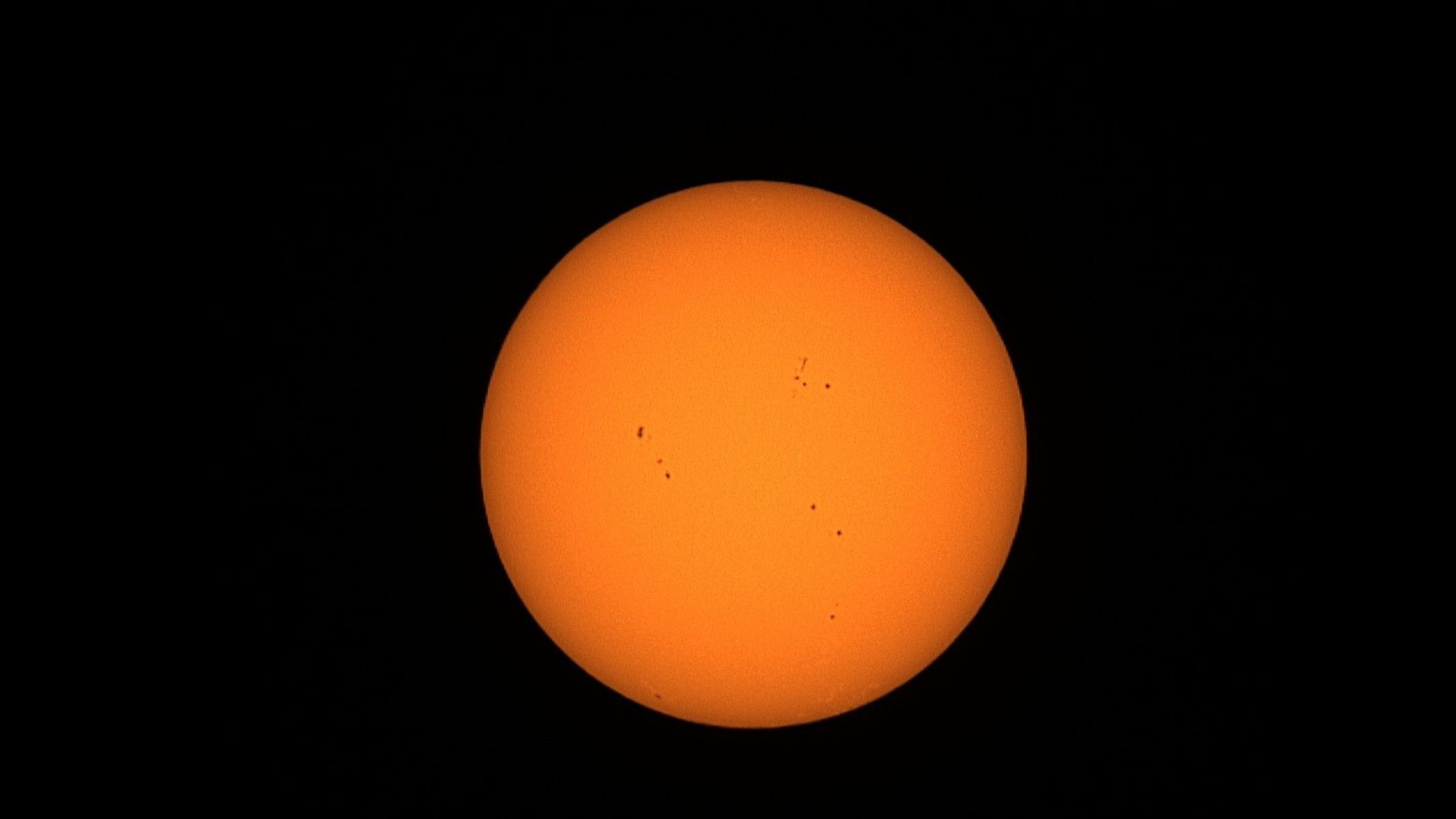
Unlike eclipse glasses, which show the sun as a small orange or white disk, solar binoculars reveal sunspots and make the moon's gradual progress across the solar surface much more engaging. They offer far more detail without introducing the complexity of a telescope. These are the best upgrades you can make if you're not in the path of totality and want to maximize your view of the partial phases of the eclipse.

If you're in the path of totality awaiting a total solar eclipse, forgo the solar binoculars and get yourself a good pair of conventional binoculars. The reason is simple: the partial eclipse will be interesting to watch through your eclipse glasses, but it's the totally eclipsed sun — and the beautiful solar corona that's revealed when it gets dark — which is the star attraction. You can safely see it with the naked eye or through conventional binoculars (but ONLY when the entire disk of the sun is blocked during totality, which will be for a minute or two).

A good choice would be a pair of 10x42 or 10x50, not only because you'll get a great view of the solar corona and prominences — loops of plasma from the sun's surface — but because they'll double as excellent stargazing binoculars for sweeping across the Milky Way's rich star fields, bright clusters and countless stars when it gets dark. Using products like DayStar Filters and Baader AstroSolar Safety Film ND 5.0, you can make any pair of conventional binoculars into temporary solar binoculars (use a solar filter for one lens and cap the other).

Under $500: Enter the smart telescope

sun taken with the dwarflab mini

Smart telescopes will enable easy images of a solar eclipse. (Image credit: Jamie Carter)

At around $500, a completely different category of equipment becomes available. If we were building an eclipse kit from scratch, this is probably the budget level that would tempt us most because it opens the door to smart telescopes. Devices such as the Seestar S30 and Seestar S30 Pro (as well as the upcoming Seestar S30 Pro Eclipse Edition), DwarfLab Dwarf Mini and Vaonis Vespera Pro are portable and can automatically track the sun. All either have solar filters in the box, or their makers sell them separately (or you can make your own — see above).

The appeal of a smart telescope is that it can track the sun and photograph the eclipse while demanding relatively little attention from the user. With a solar filter fitted, a smart telescope can safely image the partial phases. For those in the path of totality, the totally eclipsed sun can also be imaged — just remember to take the solar filter off, and put it back on again when totality ends. You can then switch to capturing deep-sky objects at night, something you can do without much fuss while you watch the Perseid meteor shower peak with your naked eyes (the only way).

Over $1,000: Getting a close-up

a group of photographers with cameras on the beach

Cameras and telescopes will get you a close-up of the eclipse. (Image credit: Jamie Carter)

Once you move beyond the $1,000 mark, your options are myriad. Personally, we would go straight for some image-stabilized binoculars. Models such as the Canon 10x42L IS WP, Canon 15x50 IS All Weather or Canon 12x36 IS III are among the most impressive astronomical instruments available to eclipse chasers because they combine premium optics with stabilization technology that effectively removes hand shake.

When you're standing in the path of totality looking at the sun's corona in close-up, image stabilization is absolutely what you want. If you chase solar eclipses every few years, they're worth buying for the few minutes of totality you get to experience. For the partial phases, we use a homemade solar filter on one lens and cap the other lens. Alongside those binoculars, we'd be tempted by a smart telescope for getting basic, but impressive images.

If you like a challenge, you could, of course, go straight for manual photography. Get a mirrorless or DSLR camera and a zoom lens, and you can have a go at imaging the solar corona yourself. You could also consider pairing a camera with a telescope and a star (or solar) tracking mount that can automatically track the sun. You'll also need to add a quality tripod and solar filters. If you fancy imaging the Perseid meteor shower later that night — or for any landscape astrophotography and the Milky Way — you'll also need a wide-angle lens.

Research, rehearse, prepare

The danger at this budget level is believing that more equipment automatically produces a better experience. It doesn't. Every eclipse attracts photographers and observers carrying thousands of dollars' worth of gear, but many — typically first-timers — spend totality worrying about camera settings instead of looking at the sky.

Whatever gear you buy, the best investment is always time — time to research, rehearse and prepare, and also to arrive early enough to settle into your observing location. That applies to whatever kind of solar eclipse you're in line for.

Whether your budget is $50 or $5,000, the perfect eclipse kit is the one that allows you to experience a solar eclipse — and if that includes totality, know that it will be a priceless experience.

  •  

Which solar eclipse viewing method is right for you?

The total solar eclipse on Aug. 12, 2026, will attract millions of viewers across northern Spain, western Iceland and eastern Greenland, while a deep partial eclipse will be visible across much of Europe, and a smaller partial eclipse will reach parts of northeastern North America.

If you're planning to watch, one question matters more than almost any other: how are you going to observe it safely?

The answer depends on where you are, your budget and what kind of experience you're after. Some people want to simply look up and enjoy the spectacle. Others want to study sunspots, photograph the eclipse or capture loved ones gazing at the eclipsed sun. Many away from the path will stay at home and livestream it. There is no correct way to watch a solar eclipse, but it's important to stay safe. Here are eight ways to safely view the Aug. 12, 2026, solar eclipse.

1. Eclipse glasses for viewing from land

four people watching an eclipse with solar glasses

Eclipse glasses are the easiest and safest way to view the partial phases. (Image credit: Getty Images)

If you're planning to watch any part of the eclipse with your own eyes, eclipse glasses should be your first purchase. Certified eclipse glasses that comply with the ISO 12312-2 standard block more than 99.999% of sunlight, making it safe to look directly at the sun during the partial phases.

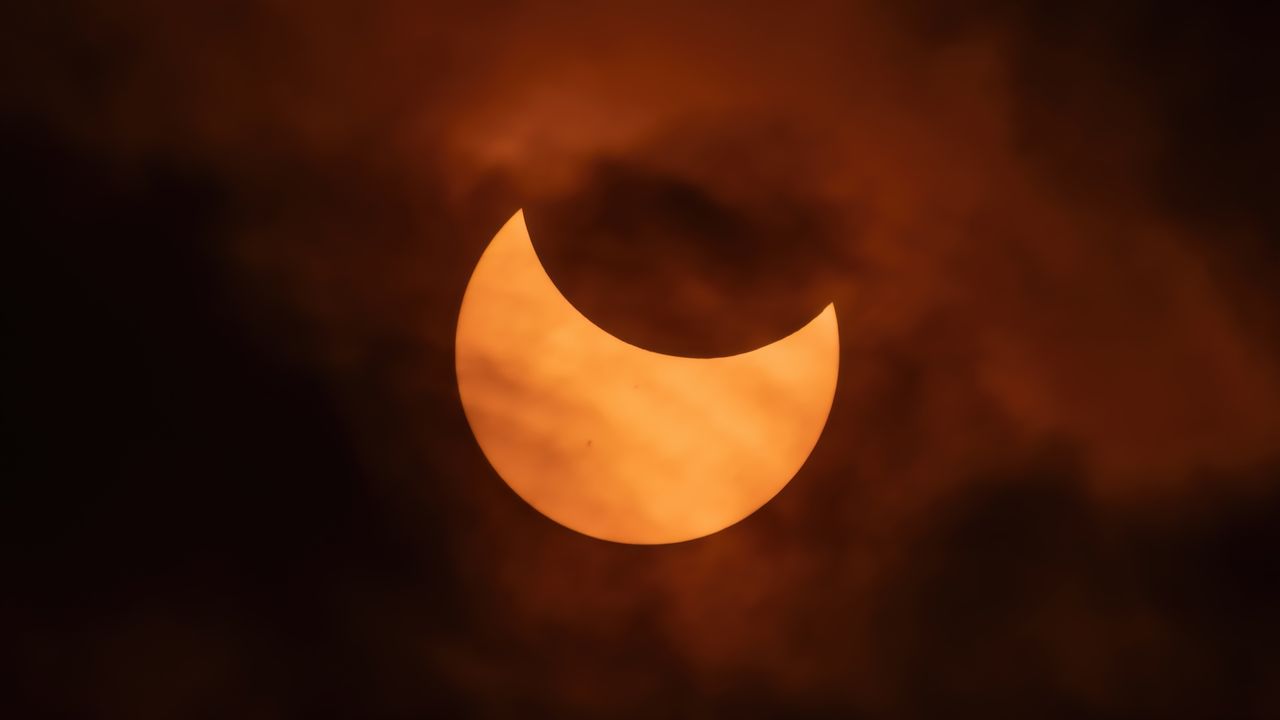
Without them, even a brief glance at the uneclipsed or partially eclipsed sun can cause permanent eye damage. Through them, the sun appears as either a bright orange or a whitish disk against a black background. As the moon gradually moves across it, the changing crescent shape becomes immediately obvious. During the final minutes before totality, the solar crescent shrinks to an impossibly thin sliver.

For observers in Britain, Europe and North America outside the path of totality, eclipse glasses are arguably all you need. The entire eclipse remains partial, so the glasses stay on from beginning to end. Even if you're traveling to Iceland, Greenland or Spain for totality, eclipse glasses remain essential throughout the partial phases before and after totality, when the sun is still dangerously bright.

However, you should buy them early. Before every major eclipse, supplies tighten and some retailers sell out entirely. For reputable sellers, check out the American Astronomical Society's list of safe products. Recommended manufacturers include American Paper Optics, Rainbow Symphony and Thousand Oaks in the U.S. and Baader in Europe.

2. Handheld solar viewers for cruise ships

people using handheld solar viewers on a cruise ship

Solar eclipse viewers can be secured using a lanyard. (Image credit: Jamie Carter)

Many eclipse chasers prefer handheld solar viewers to eclipse glasses. These use the same safe solar-filter material and are made by the same manufacturers, but provide a larger viewing window. They typically hang around your neck on a lanyard, which makes them essential if you want to observe an eclipse from a cruise ship — it stops them from blowing into the sea. The actual view is almost identical to what you'll see through eclipse glasses.

3. Totality with the naked eye

an adult and two children looking at the total solar eclipse

If you are in the path of totality, you can look at the totally eclipsed sun with the naked eye. (Image credit: Getty Images)

If you're fortunate enough to observe from within the path of totality, there is one viewing method that rules all others during totality only — the naked eye. Although you must never look at the sun without eclipse glasses during the partial phases, during totality it's not only perfectly safe, but also the only sane thing to do.

During totality, you MUST take your eclipse glasses off to see the solar corona — one of nature's most extraordinary sights. The naked eye will also help you find bright planets around the eclipsed sun and the horizon glowing with twilight colors in every direction. If this is your first total solar eclipse, make a promise to yourself beforehand: spend at least some of totality doing nothing except looking up.

4. Solar binoculars

Binoculars widened to show interpupillary distance

Solar binoculars are an easy way to get a close-up of the partial eclipse. (Image credit: Jason Parnell-Brookes)

If observing the eclipsed sun through eclipse glasses and solar viewers leaves you unimpressed, you can upgrade your experience by opting for dedicated solar binoculars, which have permanently attached solar filters. They offer a significant jump in detail over eclipse glasses without introducing the complexity of a telescope. Sunspots become obvious, and you can more easily see them get covered by the advancing edge of the moon.

All kinds of magnifications are offered, but 10x42 is about the limit. Any more and they not only become hard to hold steady, but the eclipse then gets more difficult to find in the sky.

Since you can't use them during totality, solar binoculars are best seen as a good upgrade for observers outside the path of totality.

5. Regular binoculars

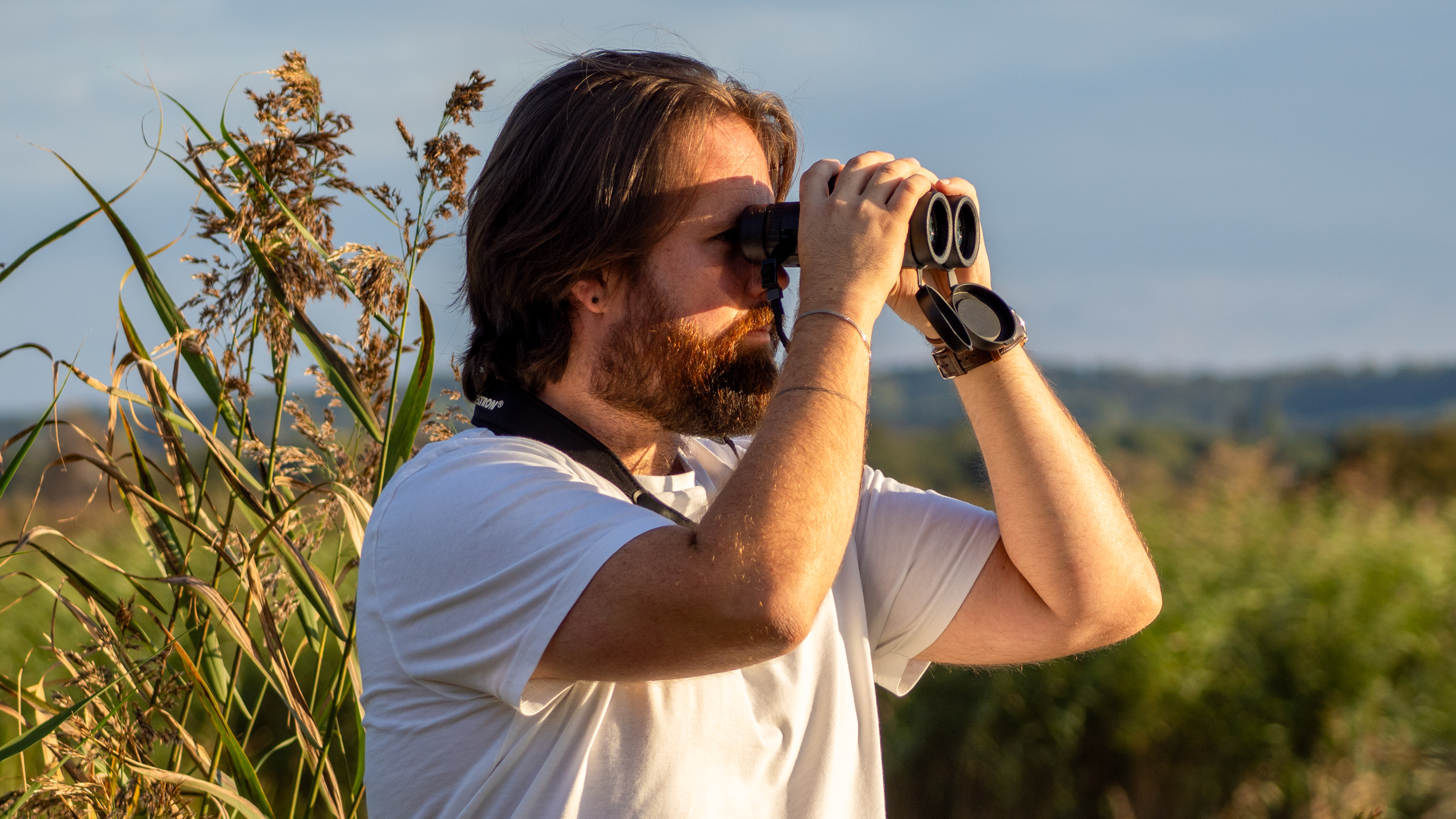
Jase Parnell-Brookes using binoculars

Solar filters can be added to any pair of binoculars for viewing the partial phases. (Image credit: Kimberley Lane)

Normal binoculars are arguably a better choice if you plan to be within the path of totality. This is what experienced eclipse watchers do, and with good reason — they simply add solar filters for the partial phases, then remove them during totality for a close-up of the solar corona.

For the partial phases, solar filters must completely cover the front objective lenses. Never place filters over the eyepieces and never rely on improvised materials such as sunglasses, smoked glass or photographic filters — you must use dedicated solar eclipse filters.

However, since objective lenses come in all shapes and sizes, it's often easier to make your own solar filters using Baader AstroSolar Film. Typically, users will make a solar filter for one lens and cap the other, removing both during totality.

Image-stabilized binoculars deserve special mention. Models from Canon and other manufacturers can provide remarkably steady views of the eclipse without requiring a tripod, making them particularly attractive for travel.

6. Telescopes

solar filter attached to a telescope

Telescopes can be used during the eclipse, as long as they are equipped with a solar filter for the partial phases. (Image credit: Getty Images)

The same applies to telescopes as applies to binoculars — you can buy a solar telescope with a permanently attached solar filter, or (a more popular method) put a solar filter on any telescope. However, there is another unusual option here — a dedicated hydrogen-alpha solar telescope, which reveals an entirely different side of the sun.

Rather than showing the photosphere, they isolate light emitted by hydrogen atoms in the chromosphere and show prominences arching above the solar limb as well as dark filaments across the disk. The downside is that hydrogen-alpha instruments are among the most specialized and expensive telescopes in amateur astronomy.

7. Smart telescopes

dwarf mini against some greenery

A smart telescope can take images automatically during the eclipse. (Image credit: Jamie Carter)

Few areas of amateur astronomy have changed as rapidly as smart telescopes. Devices such as the Unistellar Odyssey Pro, ZWO Seestar S30, DwarfLab Dwarf Mini and Celestron Origin have introduced a new generation of observers to astronomy by automating much of the traditional setup and operation.

For eclipse observing, the appeal is obvious. Once fitted with a solar filter, these systems can automatically track the sun, display images on a smartphone or tablet and save photographs with minimal fuss.

For eclipse travelers heading to Iceland, Greenland or Spain, smart telescopes can also reduce some of the stress associated with eclipse photography. Many users plan to have the telescope automatically capture the eclipse during the partial phases, then simply enjoy totality with their own eyes. Just don't spend the entire eclipse staring at a smartphone!

8. Livestreams

total solar eclipse livestream schedule

(Image credit: Time And Date)

What if you can't travel? Or if it's cloudy? The Aug. 12, 2026, eclipse will be streamed by observatories, astronomy organizations and media outlets around the world. A livestream can never replace standing beneath the moon's shadow, but it guarantees you'll see totality even if clouds intervene.

Confirmed live streams so far include the total solar eclipse by TimeAndDate and the European Space Agency, while partial solar eclipse images will come from the Royal Observatory in Greenwich, London, U.K. When cell signal allows, some eclipse observers keep a livestream running on a nearby phone while observing the real eclipse overhead, and/or livestream views from their own telescope on social media.

What's the best way to look at the eclipse?

The best viewing method for a solar eclipse depends entirely on what you want to get from it. Just remember that the purpose of the technology is to support the experience, not replace it — no instrument can replace the experience of seeing the solar corona with your own eyes if you're within the path of totality. Choose the viewing method that helps you do that — and spend as much time as possible simply looking up.

  •  

The ultimate packing list for Aug. 12, as a solar eclipse coincides with the Perseid meteors peak

Aug. 12, 2026, promises to be a big day for anyone interested in the sky. By day, a solar eclipse will be visible across parts of North America and Europe. For most, it will be partial, but for those within the path of totality in eastern Greenland, western Iceland and northern Spain, the moon will completely block the sun.

Hours later, the sky show continues with the peak of the Perseid meteor shower on the night of Aug. 12-13. The shower occurs when Earth passes through debris left behind by Comet 109P/Swift-Tuttle, producing bright meteors and occasional fireballs. In 2026, the timing could hardly be better. The same new moon that makes the solar eclipse possible will also create moonless skies for meteor-watching, with observers under dark skies potentially seeing 30 to 50 "shooting stars" per hour.

All of that happens after the eclipse. As a bonus, Venus will blaze low in the west during twilight, the Milky Way will stretch overhead after dark and, in Iceland, there is even a slim possibility of an early-season aurora display. Many visitors will spend 12 hours or more outdoors, arriving long before first contact and remaining under the stars until after midnight. Here’s what to consider buying for this very special day and night beneath the sky.

Nothing belongs in your bag more than certified eclipse glasses. Whether you're in Spain's path of totality, watching a deep partial eclipse from the U.K. or viewing a smaller partial eclipse from North America, proper eye protection is essential during every partial phase of the eclipse. Even observers inside the path of totality will spend far longer watching the eclipse before and after totality than during it.

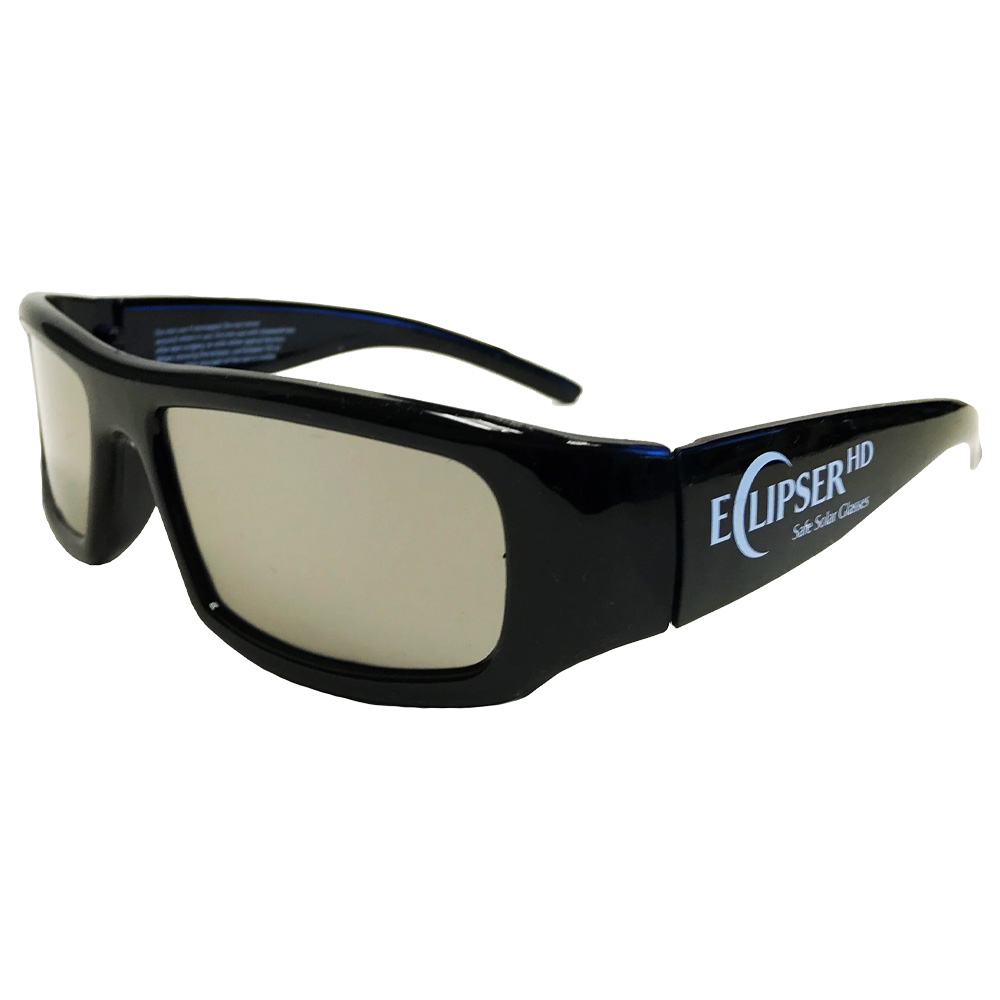
Eclipse glasses should comply with ISO 12312-2 and be bought from a reputable supplier. These Eclipser HD glasses from American Paper Optics are more comfortable and harder-wearing than regular cardboard products.

Read: Best solar eclipse glassesView Deal

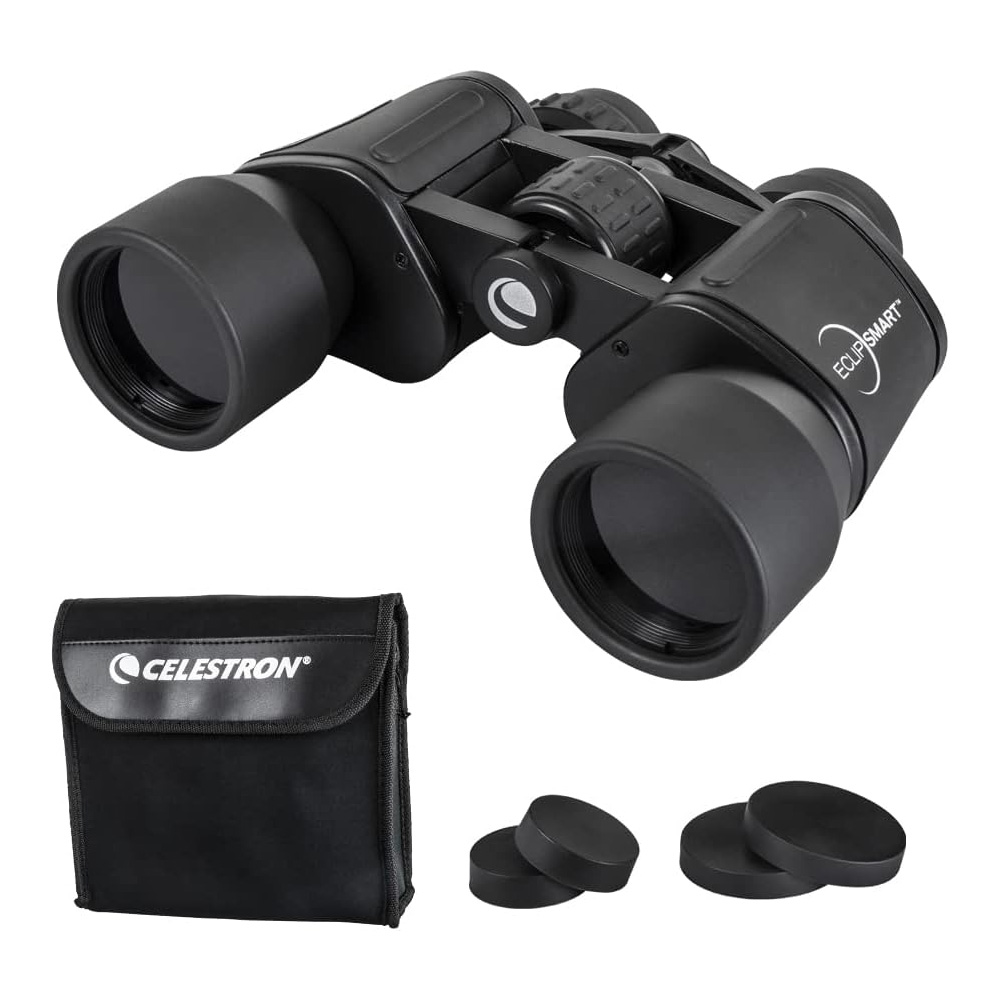
Dedicated solar binoculars like the Celestron EclipSmart 10x42 are one of the best eclipse purchases you can make. They reveal sunspots, active regions and the changing shape of the partial eclipse in a way eclipse glasses simply cannot.

They're lightweight, require no set-up and provide a far more immersive view of the partial phases. However, it's important to practice with them before the eclipse because finding the sun is not as easy as many think. The EclipSmart porro solar binoculars also come in 12x50 and 20x50 versions.

Read: Celestron EclipSmart 10x42 solar binoculars reviewView Deal

Although solar binoculars are great for the partial phases, you can just make some regular optical binoculars safe by using Baader AstroSolar Safety Film OD 5.0 to make your own filters. However, if you’re heading to the path of totality, consider getting some image-stabilized binoculars to allow you a spectacular close-up of the solar corona.

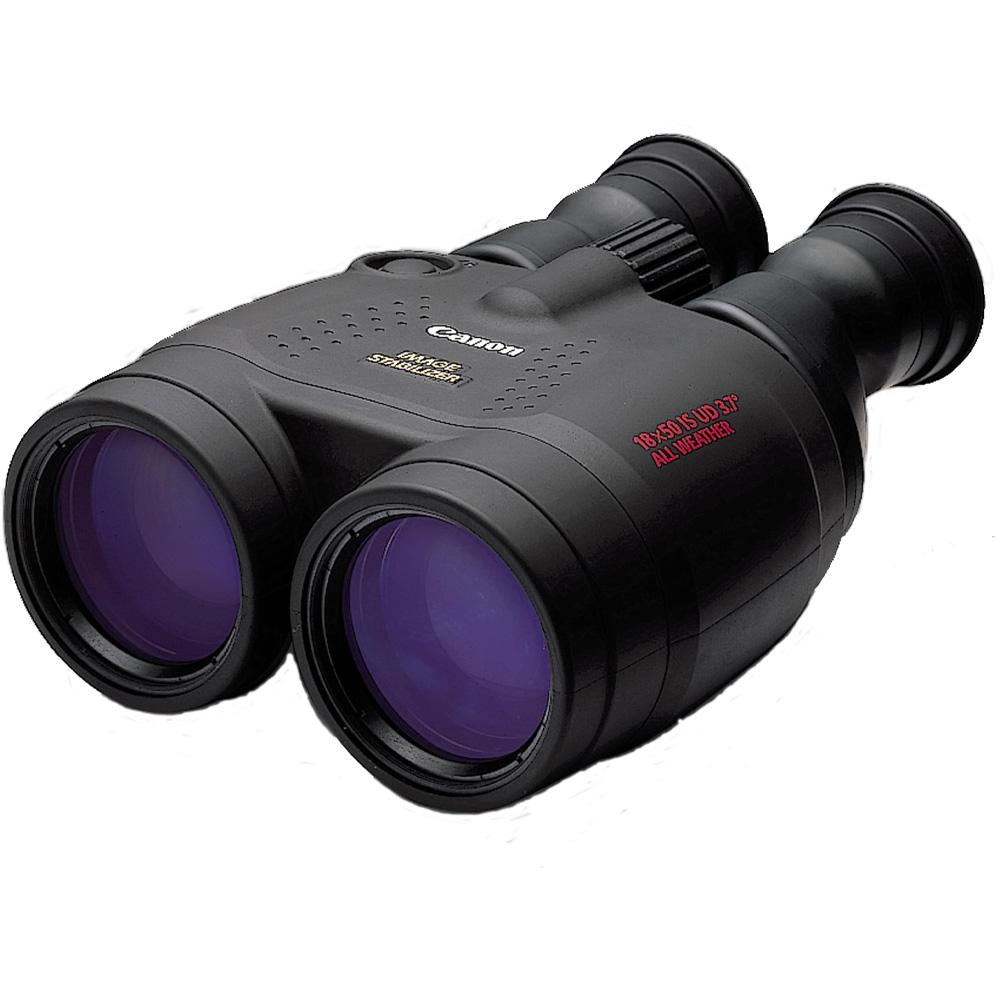
These reference-level binoculars from Canon use motion sensors to detect hand shake and then shift actuators around the lenses to cancel it out. Other image-stabilized options include the Canon 12x36 IS, Canon 8x20 IS and Canon 15x50 IS.

Read: Canon 18x50 IS UD all-weather binoculars reviewView Deal

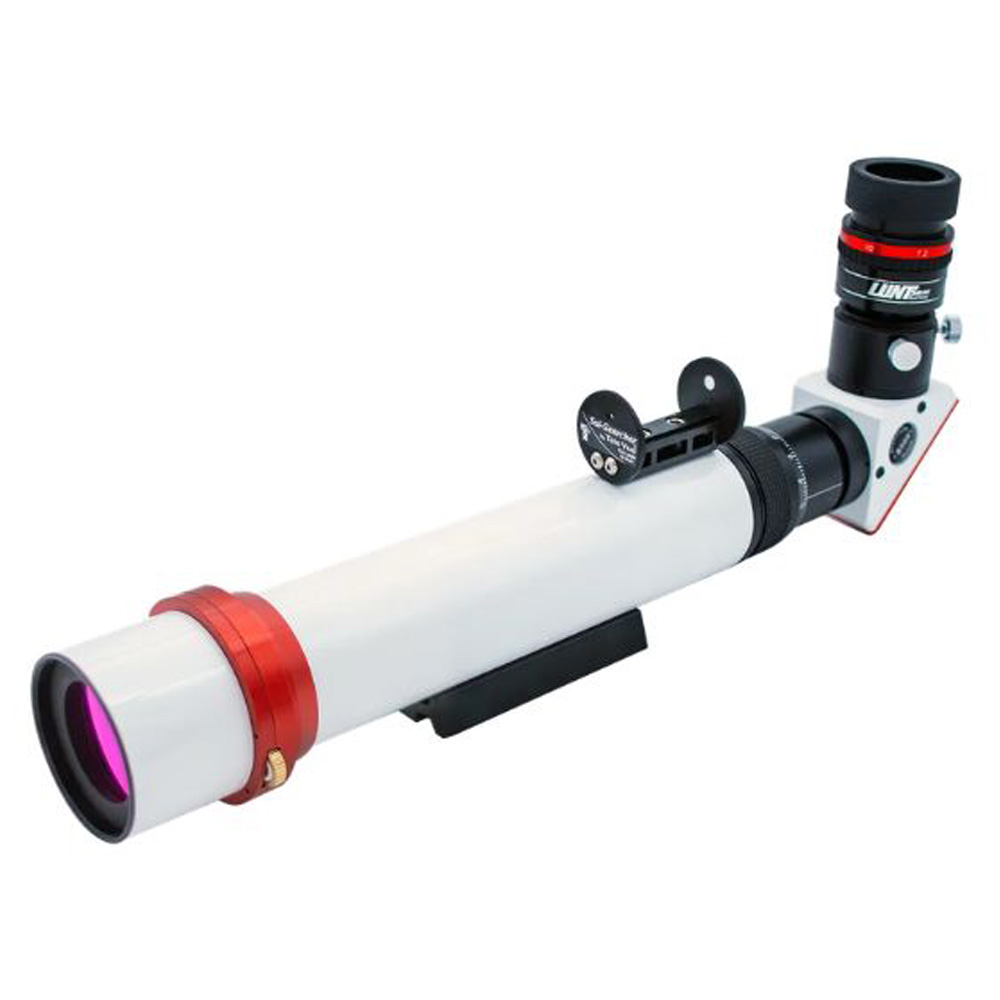
If you want to explore the world of solar observing during the eclipse and well beyond, consider investing in a hydrogen-alpha solar telescope. Isolating light emitted by hydrogen atoms in the chromosphere, they show you an entirely different view of the sun — from sunspots and dark filaments to prominences and, if you’re really lucky, a solar flare in action.

This 40mm aperture and 400mm focal length option from Lunt makes it thoroughly portable.

Read: Best telescopesView Deal

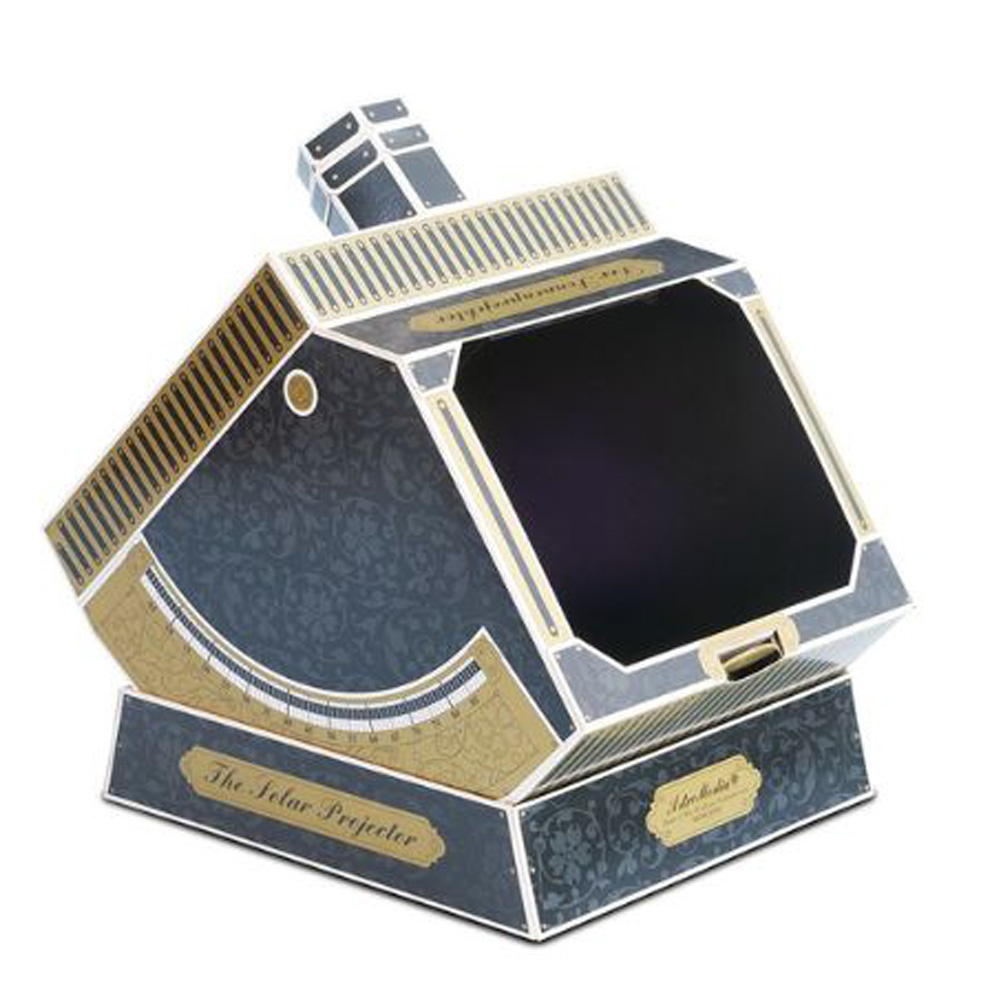
Solar eclipse glasses work well for individual viewing, but if you want a safe way to share an image of the partially eclipsed sun, consider a solar projector. The Solar Projector arrives flatpacked and is made entirely of stiff cardboard (which doesn’t heat up like metal or melt like plastic).

Once aimed at the sun using a designed-in quadrant to measure the sun’s declination, it uses its achromatic glass lens and convex mirrors to create a 55-75mm image of the sun on a small screen.

Read: Best solar viewing equipmentView Deal

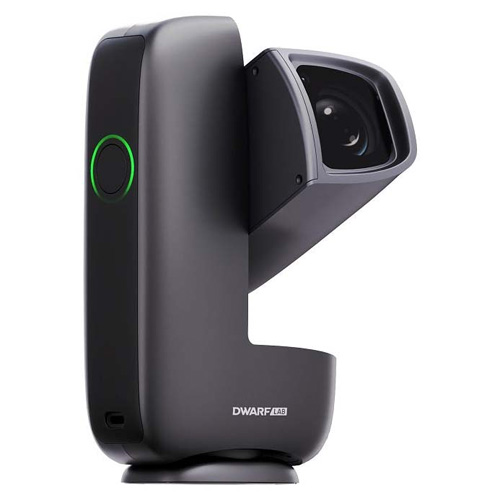
A compact smart telescope is a wise choice for eclipse chasers who are after more than just a few smartphone snapshots. The DwarfLab Dwarf Mini is a tiny, app-controlled telescope whose included magnetic solar filter allows solar observing.

It can quickly locate the sun and capture images revealing sunspots during partial phases of a solar eclipse. If and when totality arrives, simply remove the solar filter. You'll need to add your own tripod.

Read: DwarfLab Dwarf Mini smart telescope reviewView Deal

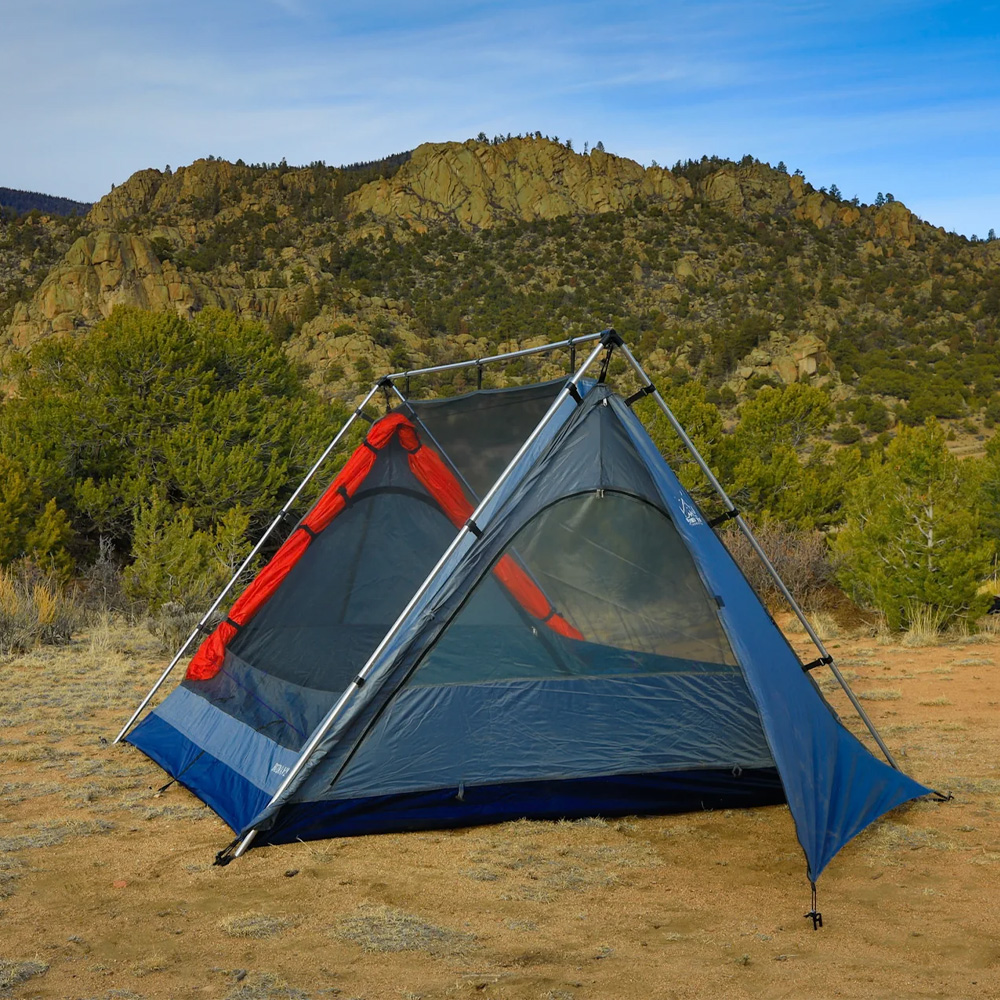
A stargazing tent makes sense for anyone planning to watch the Perseids long after the eclipse. Sky View Tents use near-transparent mesh walls so you can lie in a sleeping bag and keep watching the sky, making them useful for meteor watching and the Milky Way.

The two-person Backpacker Stargazing Tent is roomy enough for lying back, quick to pitch and has an internal rainfly that can be deployed without getting up. At 5.6 pounds (2.6 kilograms), it’s better for car camping or short dark-sky hikes than long backpacking trips.View Deal

You'll likely arrive early to secure a good location. Then you'll spend hours watching the eclipse unfold before darkness finally arrives and the Perseids begin. A lightweight folding chair is therefore one of the most valuable things you can bring.

The Nemo Stargaze EVO-X is a suspended, gently rocking chair that reclines smoothly, with a padded headrest that makes long sessions under the stars far easier on the neck. It’s excellent for meteor-watching, reading and relaxed binocular use, with pockets for a phone or drink. However, it is bulky, heavy and body-size-dependent, so it’s better for car-based observing than for backpacking.View Deal

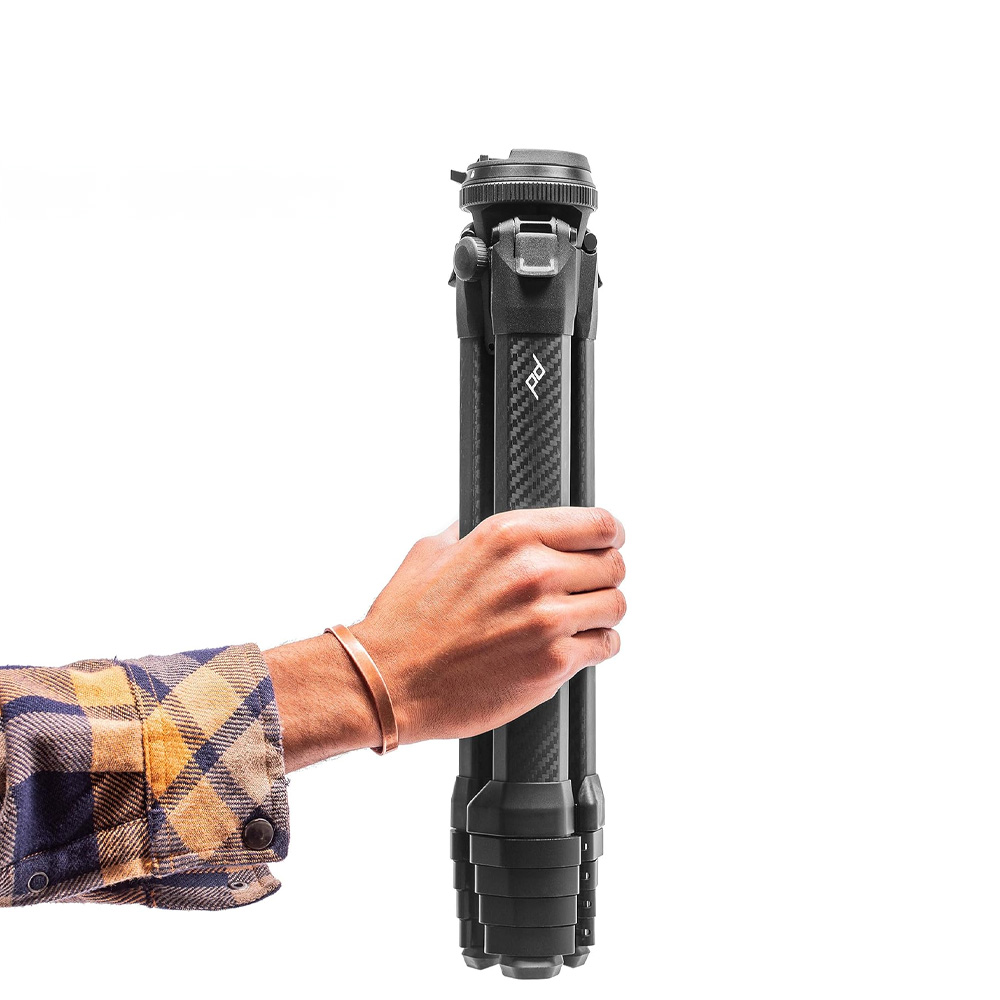
A sturdy travel tripod is essential if you want sharp eclipse photos, twilight shots of Venus or wide-field images of the Milky Way and Perseids.

The Peak Design Travel Tripod is unusually narrow when folded, quick to set up and stable enough for full-frame cameras, yet it also hides a smartphone mount in its center column, making it useful for both serious cameras and phones. Its compact ball head keeps the whole package sleek for travel, while the fast leg locks make set-up and takedown easy in the dark. However, it is expensive and not especially tall.View Deal

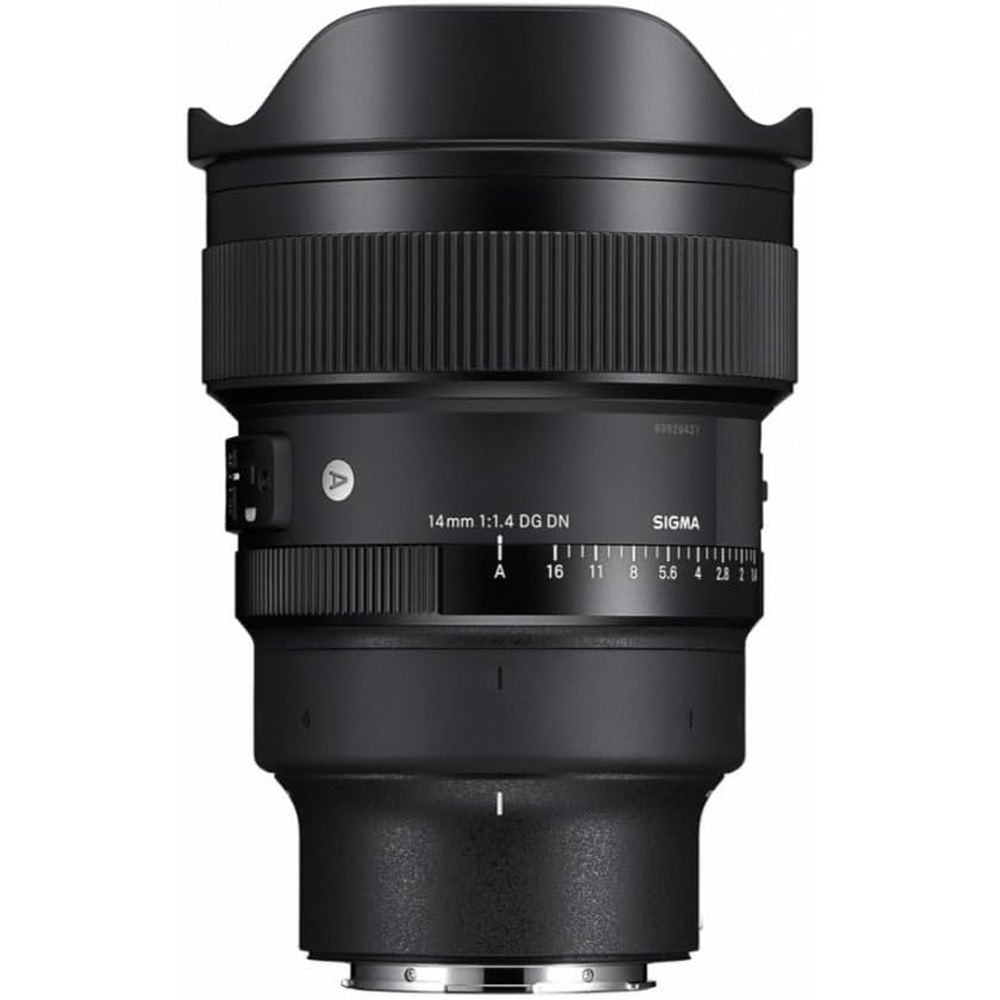
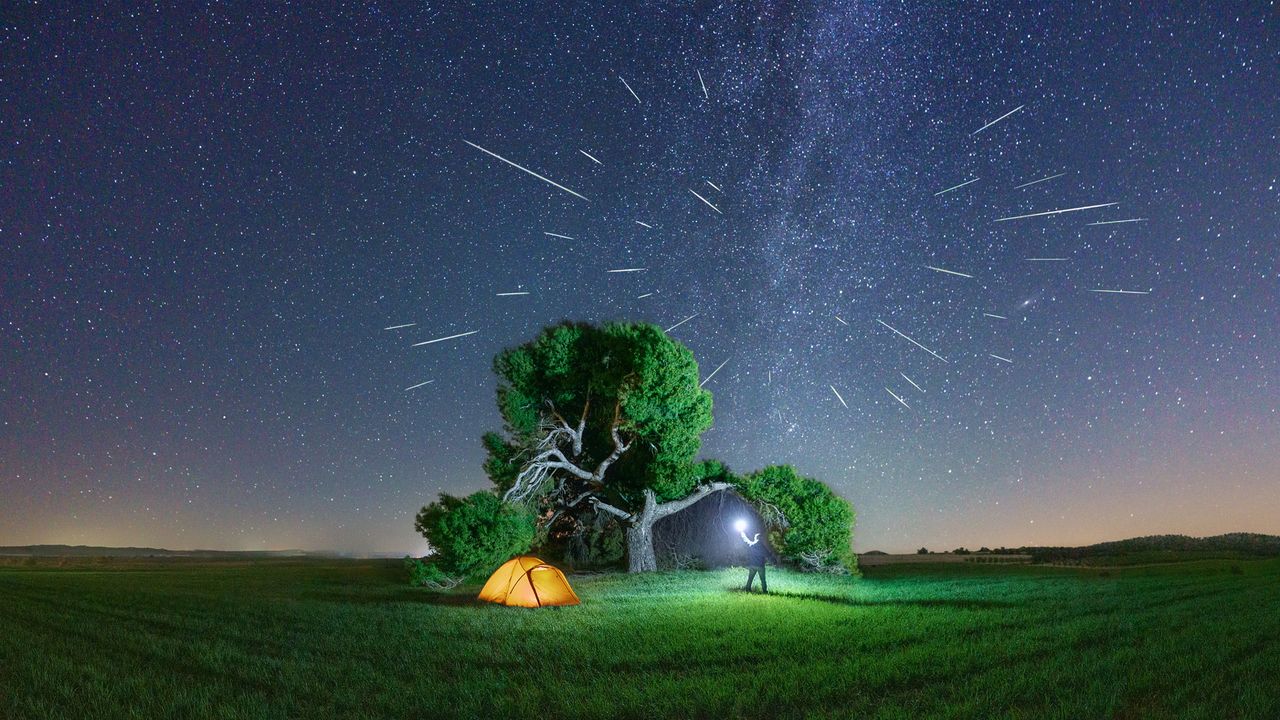
A fast wide-angle lens is the classic choice for photographing the Perseids and the Milky Way after the eclipse. The Sigma 14mm f/1.4 DG DN is a huge, heavy wide-angle lens for full-frame cameras that achieves f/1.4 aperture — the first such lens to do so.

That means shorter exposures, lower ISO settings and cleaner night-sky images which, with luck, will be stuffed with "shooting stars." It's sharp and well built, but it's expensive.

Read: Best lenses for astrophotographyView Deal

  •  

7 ways to photograph the 2026 total solar eclipse — from smartphone to telescope

The total solar eclipse on Aug. 12, 2026, will bring thousands of photographers to a narrow path of totality through eastern Greenland, western Iceland and northern Spain. For many, it will be their first opportunity to witness totality, the brief period when the moon completely covers the sun and reveals its delicate corona, a wonder of nature that normally remains hidden by sunlight.

Some first-time eclipse chasers heading to the path of totality pack expensive gear they've never used before, hoping to capture expert-level images without any preparation. Others just take a smartphone. Guess who usually comes back with the best images? Practice and rehearsal — or simplicity — are key.

Remember, you should never look at the sun directly without specialist solar equipment (unless you are in totality), or you risk permanent damage to your sight.

Preparing for totality

Photographing a solar eclipse is unlike photographing anything else. Solar safety matters, exposure changes dramatically, and totality lasts only a few precious minutes. Despite that, memorable eclipse photographs can be taken with almost any camera. The best approach depends on your equipment, your experience and what kind of memory you want to bring home.

However, you don't need to stand in the path of totality to photograph some of the event. Across much of Europe, a deep partial eclipse will occur near sunset, with more than 90% of the sun obscured in many locations. In northeastern North America, observers will see a smaller partial eclipse during the afternoon. While neither experience matches the drama of totality, both offer opportunities for striking photography.

1. Take a souvenir shot through eclipse glasses

solar eclipse glasses held in front of a smartphone camera

A souvenir shot of the partial phase can be taken through eclipse glasses or solar viewers. (Image credit: Jamie Carter)

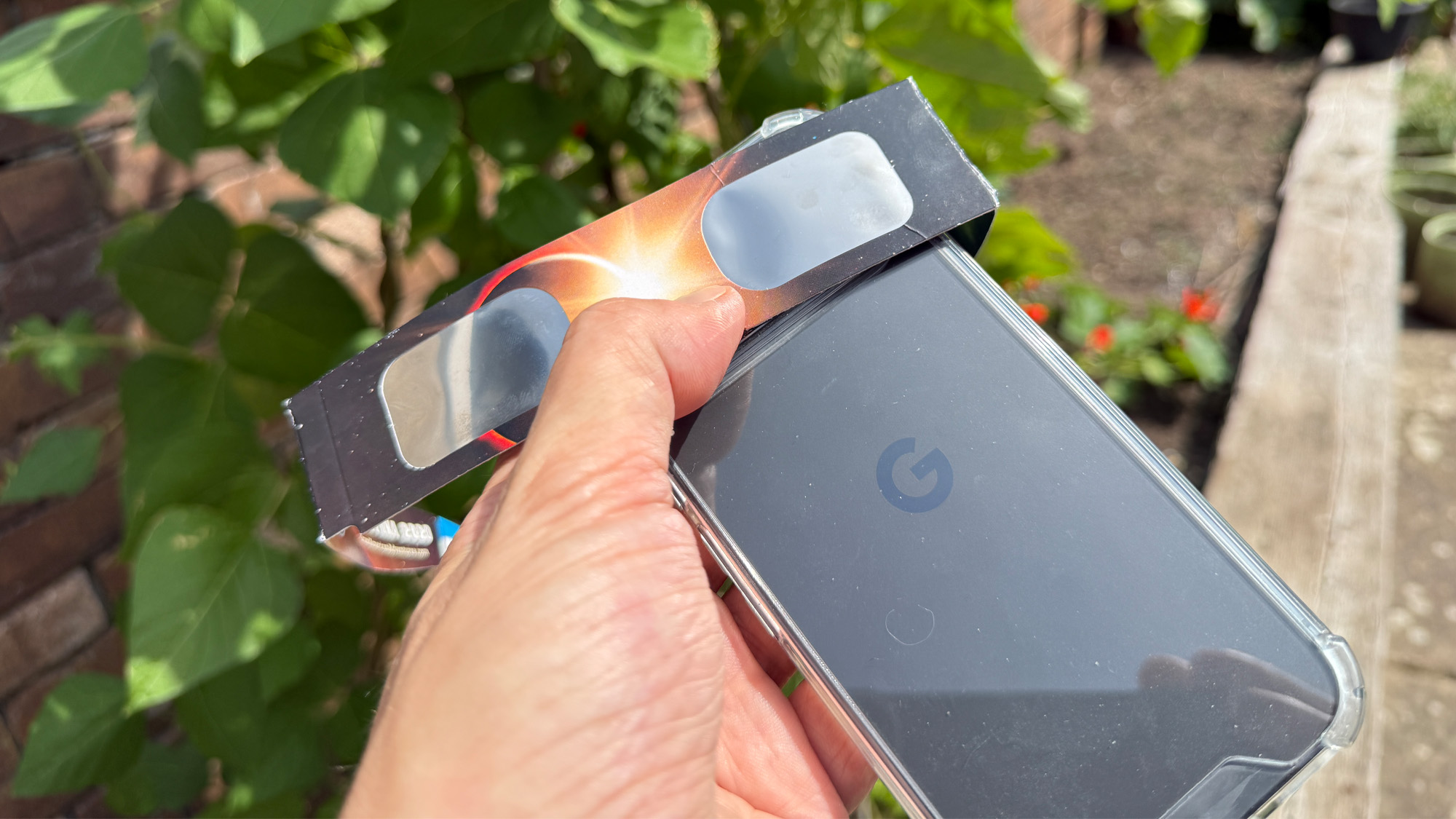
To watch any partial solar eclipse, you'll need a pair of eclipse glasses or solar viewers; the former you wear and the latter you look through. Either works well as a solar filter for a smartphone. Simply wrap some eclipse glasses around your phone's camera lens or hold a solar viewer in front, and you can take basic images of a partial eclipse.

The way to get more than just a rough souvenir shot is to put your smartphone on a tripod or purchase a Solar Snap, which not only provides a solar filter that attaches to your phone with Velcro but also includes an app that zooms in on the eclipse.

If you want pinpoint sharpness without having to spend too much or travel with much gear, get yourself a smart telescope like the ZWO SeeStar S30 Pro, DwarfLab Dwarf Mini or Vanois Vespera Pro.

2. Use a smartphone during totality

total solar eclipse over a coastal city

You can get a great image of totality using just a smartphone. (Image credit: Getty Images)

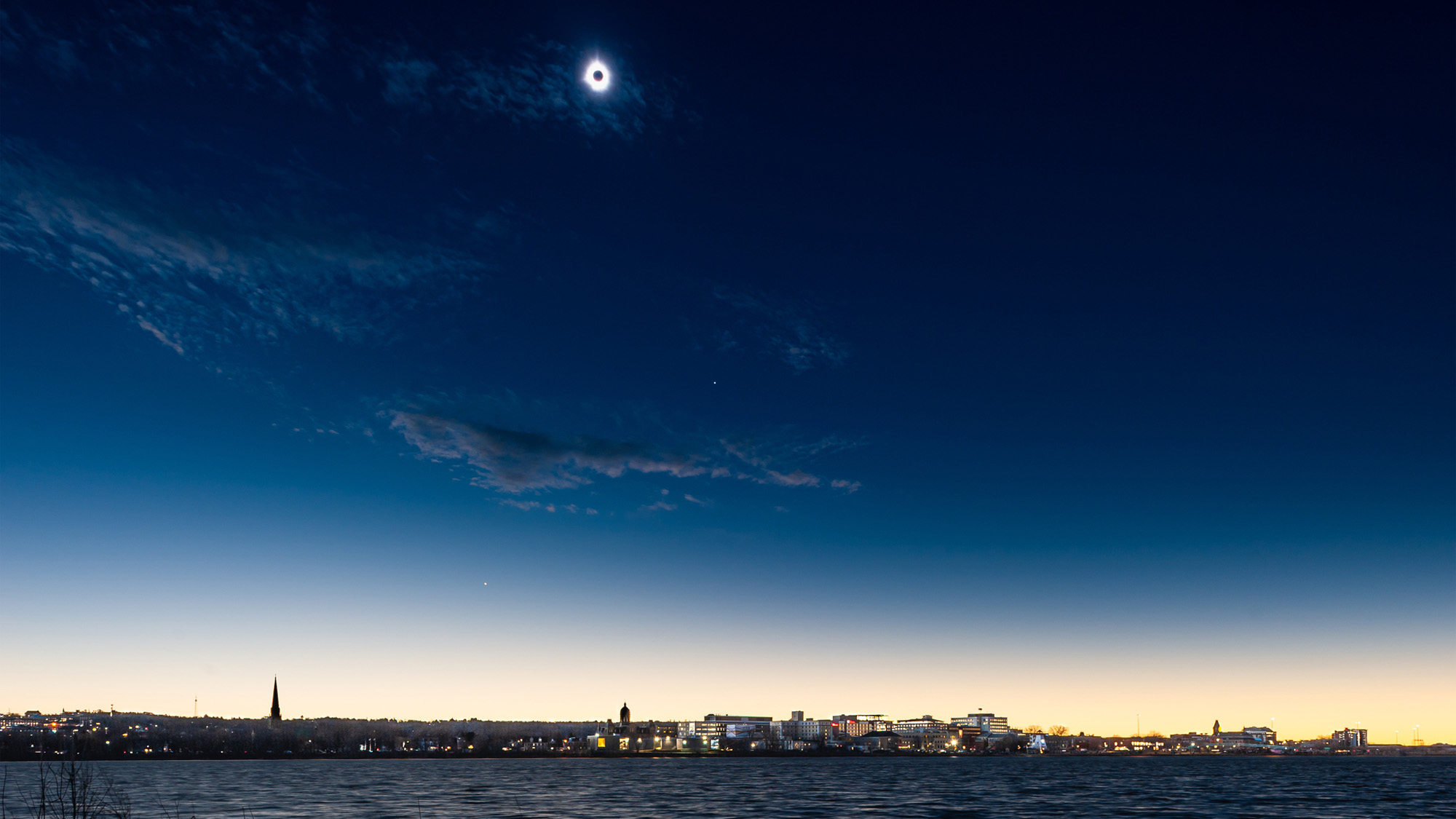
If you're traveling to Greenland, Iceland or Spain to see the total solar eclipse, take a simple smartphone photograph during totality. A smartphone cannot compete with a camera's zoom lens for close-up detail, but it's perfect for recording a wide view of the landscape you're in.

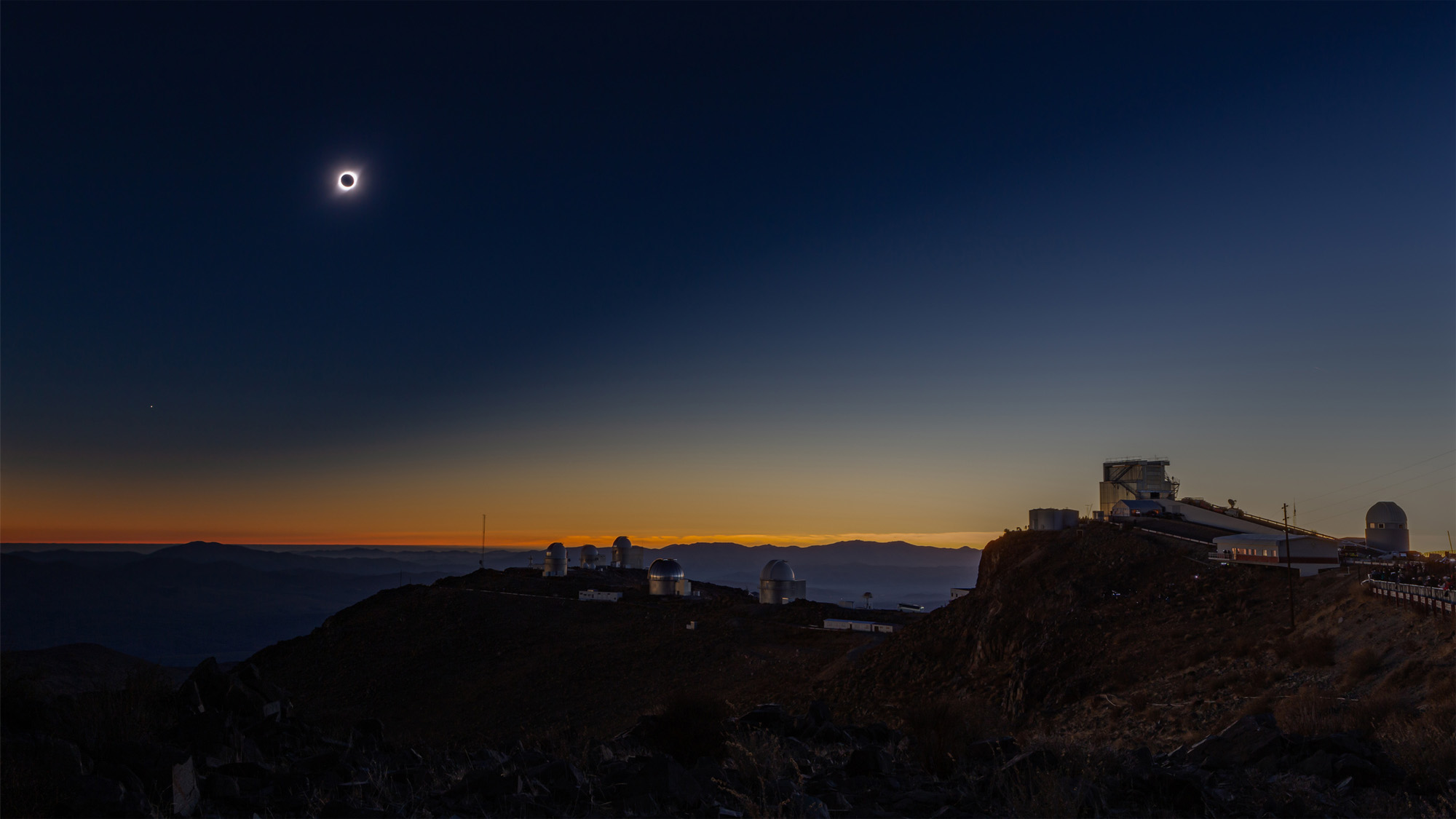
In Greenland and Iceland, the eclipsed sun will hang about 25 degrees above the western horizon, making it possible to include fjords, volcanic landscapes or distant mountains in the frame. In Spain, where totality occurs late in the day, the low altitude of the sun offers opportunities to photograph the eclipse above villages, church towers, castles and mountain ridges.

Before the eclipse, switch off auto-flash and enable RAW images if your phone offers them. Burst mode works well — as does filming the event in 4K from a tripod and extracting stills later.

3. Take a wide-angle shot during totality

total solar eclipse

A manual camera and a wide-angle lens work well during totality. (Image credit: Getty Images)

Many photographers using a manual mirrorless or DSLR camera become obsessed with the corona and forget that the eclipse affects the entire environment. The resulting images often feel disconnected from the actual experience. A well-composed landscape photograph can communicate the atmosphere of totality far more effectively.

The image above was shot by expert eclipse photographer Alan Dyer, author of How to Capture the Coming Solar Eclipses, in Teton Valley, Wyoming, during the Aug. 21, 2017, total solar eclipse. It was shot with a Canon 6D and a 14mm SP Rokinon lens at f/25 for 1/10 second at ISO 100. It's one shot from a 700-frame time-lapse and was taken just as totality began, moments after the diamond ring ended, and the dark shadow of the moon is approaching from the west.

4. Capture crescent suns

Shadows showing crescent suns photographed on a man's head

Shadows showing crescent suns can be imaged on people's faces during a partial solar eclipse. (Image credit: Jamie Carter)

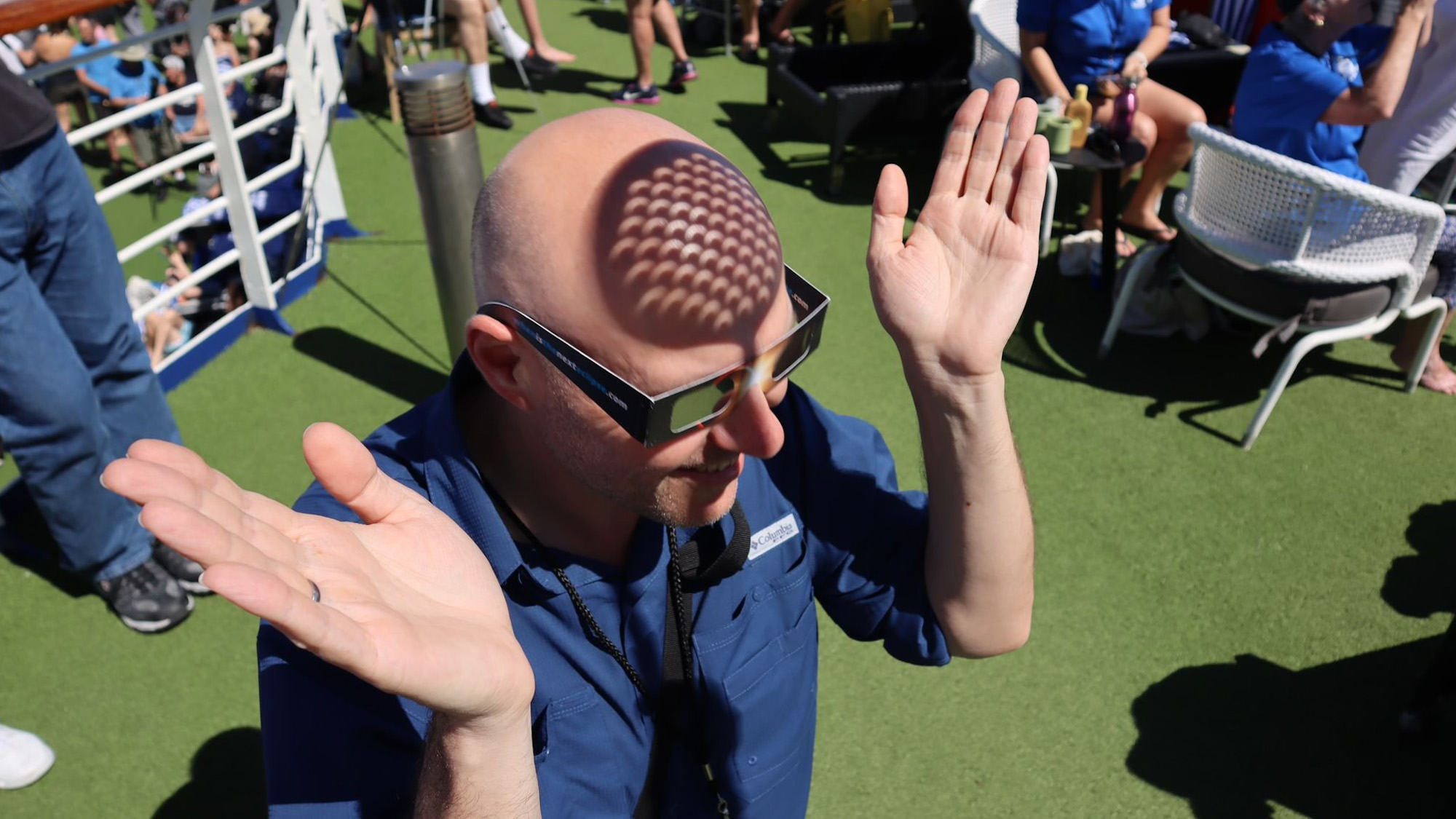
When a partial solar eclipse reaches about 50% — something it will only do in extreme northeast Canada and Europe on Aug. 12, 2026 — it's possible to project crescent suns through anything with defined holes. It works really well through a colander or spaghetti spoon.

By projecting crescent suns onto the floor, the walls and people around you, unique portrait images of eclipse chasers can be created. Unlike photographs of the corona, which thousands of people will capture, photographs like this, which document the human experience of an eclipse, can be really special.

5. Take a close-up of the solar corona

solar corona during a total solar eclipse

A close-up of the solar corona is the aim of many eclipse chasers. (Image credit: Getty Images)

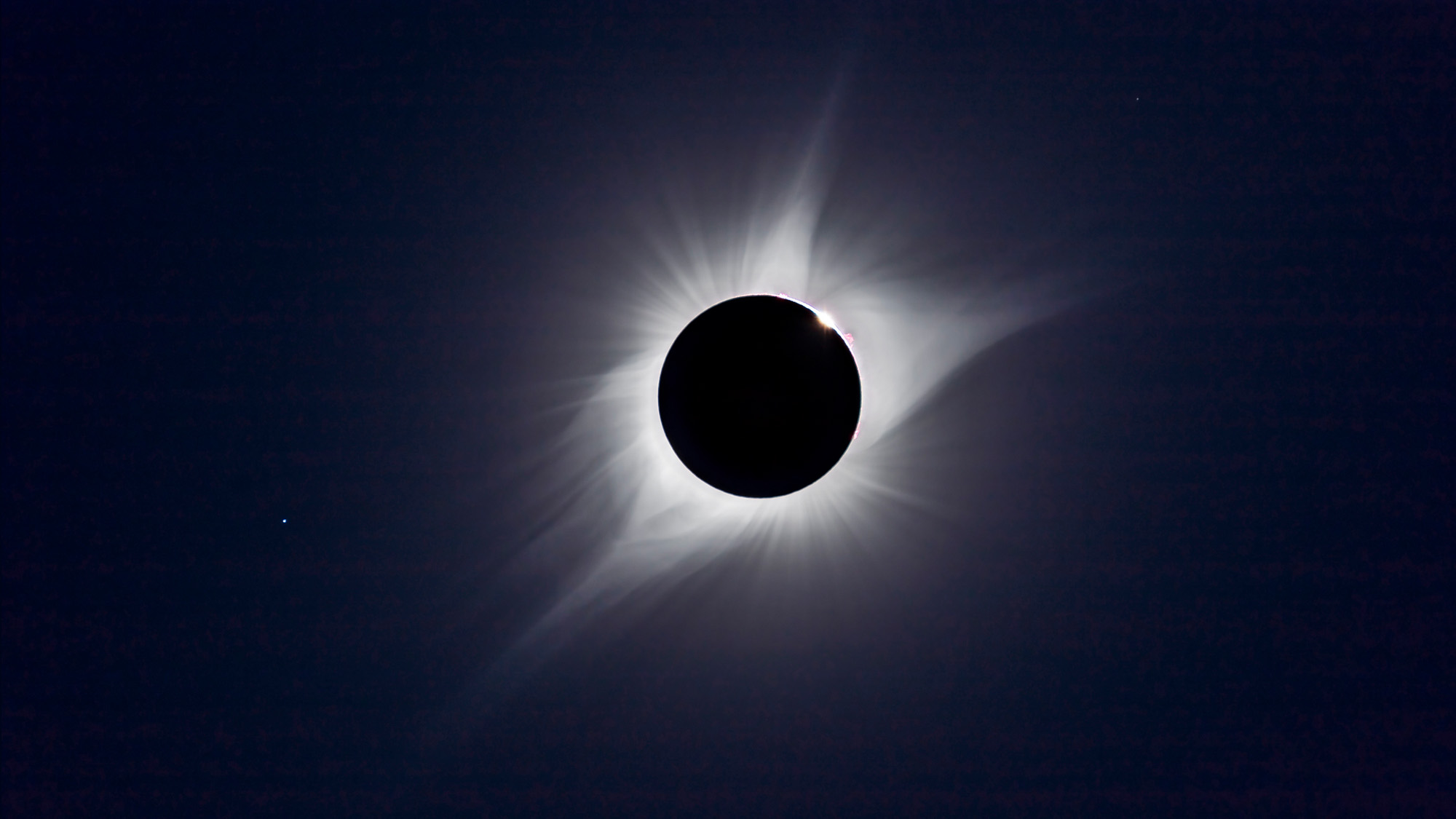
This is the classic eclipse photography setup and the one most commonly used by experienced eclipse chasers — though it demands some serious equipment, commitment and practice.

A camera fitted with a telephoto lens between 200mm and 600mm provides enough magnification to reveal detail in the corona while remaining portable enough for travel. At 400mm, the eclipsed sun fills a useful portion of the frame. At 600mm, the corona becomes significantly more prominent and fine detail begins to emerge. Lenses like the Canon RF 200-800mm f/6.3-9 IS USM, Sony FE 200-600mm f/5.6-6.3 G OSS and SIGMA 150-600mm f/5-6.3 DG DN OS Sport would be good options.

Focus carefully on the partially eclipsed sun through a solar filter, and leave the focus untouched thereafter. With a camera set to ISO 100 and f/5-f/8 aperture, exposure bracketing is essential because the corona spans an enormous range of brightness. Automated exposure sequences, or bracketing, allow photographers to capture multiple exposure levels to combine later, if desired.

It's always best to rehearse in advance; the excitement of totality very often leads to basic errors — the classic being leaving the solar filter on during totality.

6. Shoot a close-up sequence of the eclipse

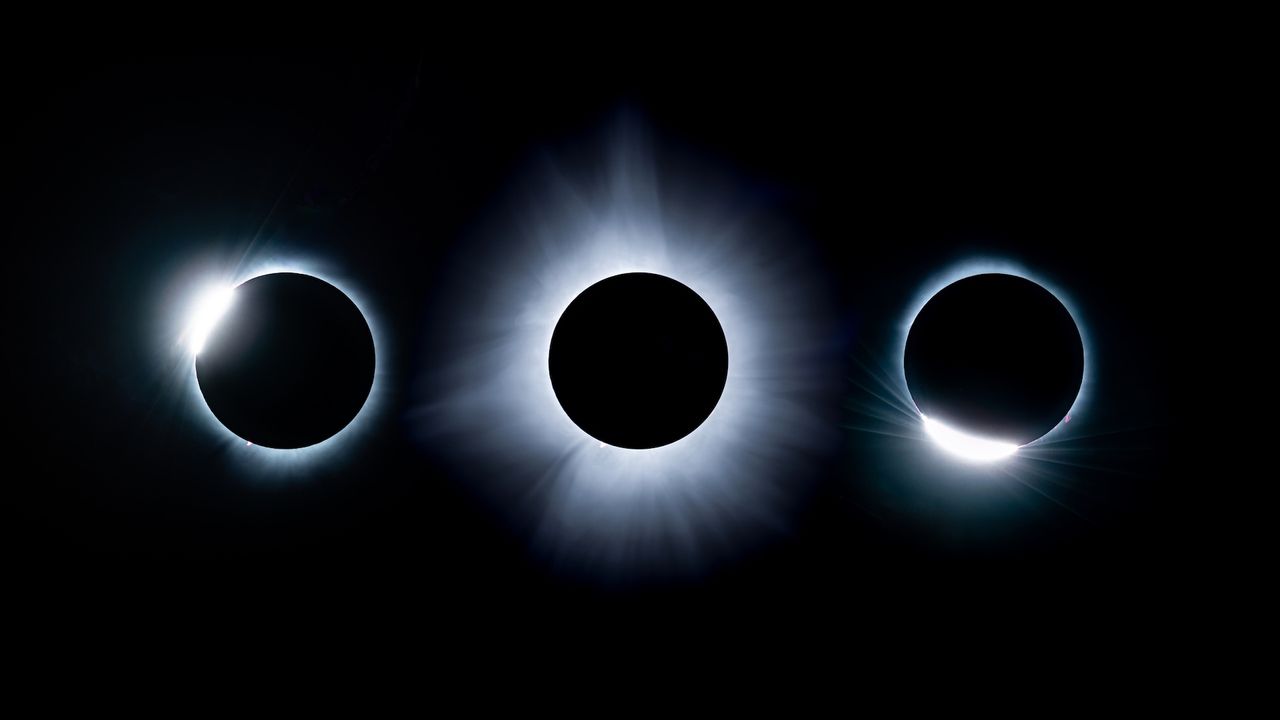
Composite image of the phases of a solar eclipse against a black background. From left to right, the beginning to end of the process, with totality in the middle.

A composite view of various stages of a total solar eclipse. (Image credit: Getty Images)

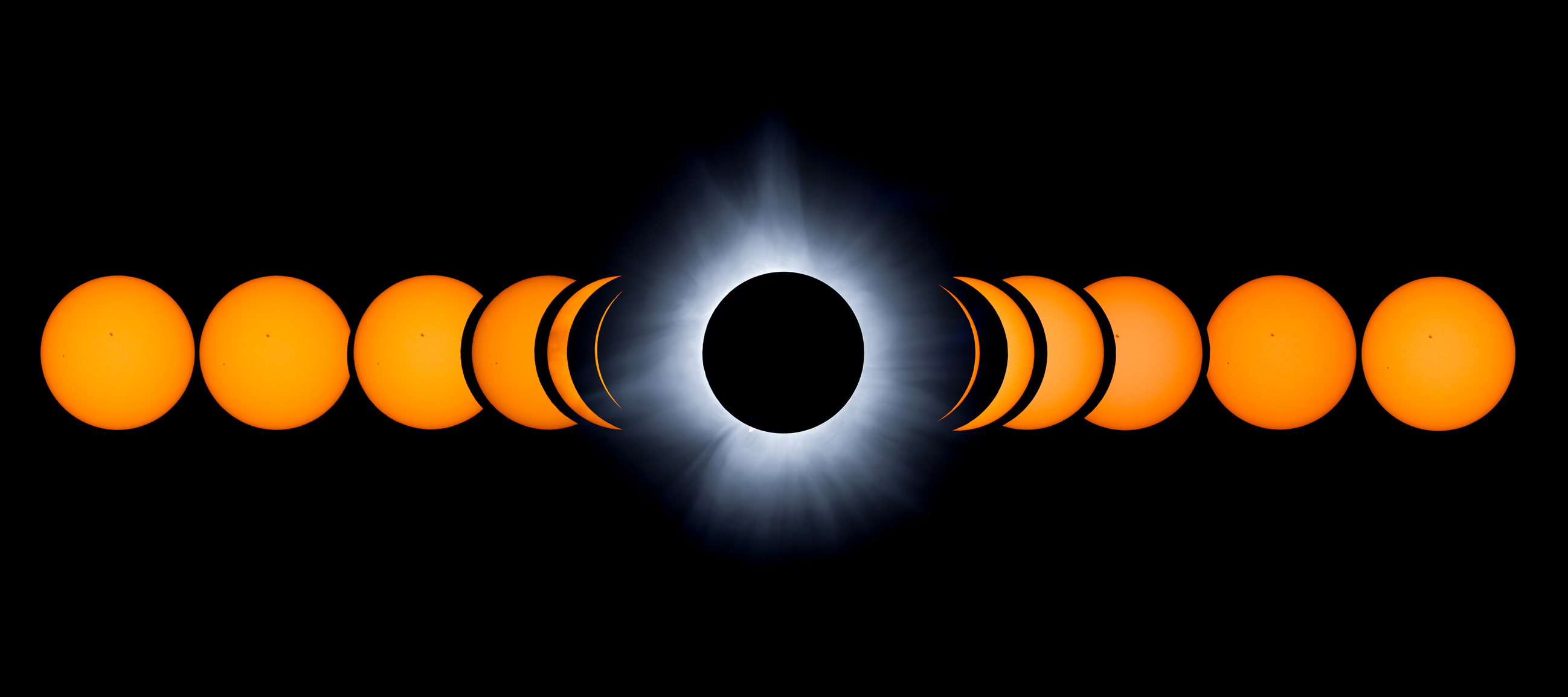
If you want to shoot a sequence throughout the entire solar eclipse that shows all of the various stages, you need to be in position, ready to take images as soon as first contact occurs, and stay there until fourth contact.

Since the size of the sun won't be huge in your finished image, you don't need a huge telephoto lens. Instead, concentrate on imaging the partial eclipse at very specific times before and after totality, so that you can produce a mirror image on either side of an image of the solar corona.

7. Shoot a wide-angle sequence of the eclipse

solar eclipse sequence

A sequence of a total solar eclipse over Lac Brome, in the Eastern Townships of Quebec, Canada, on April 8, 2024. (Image credit: Getty Images)

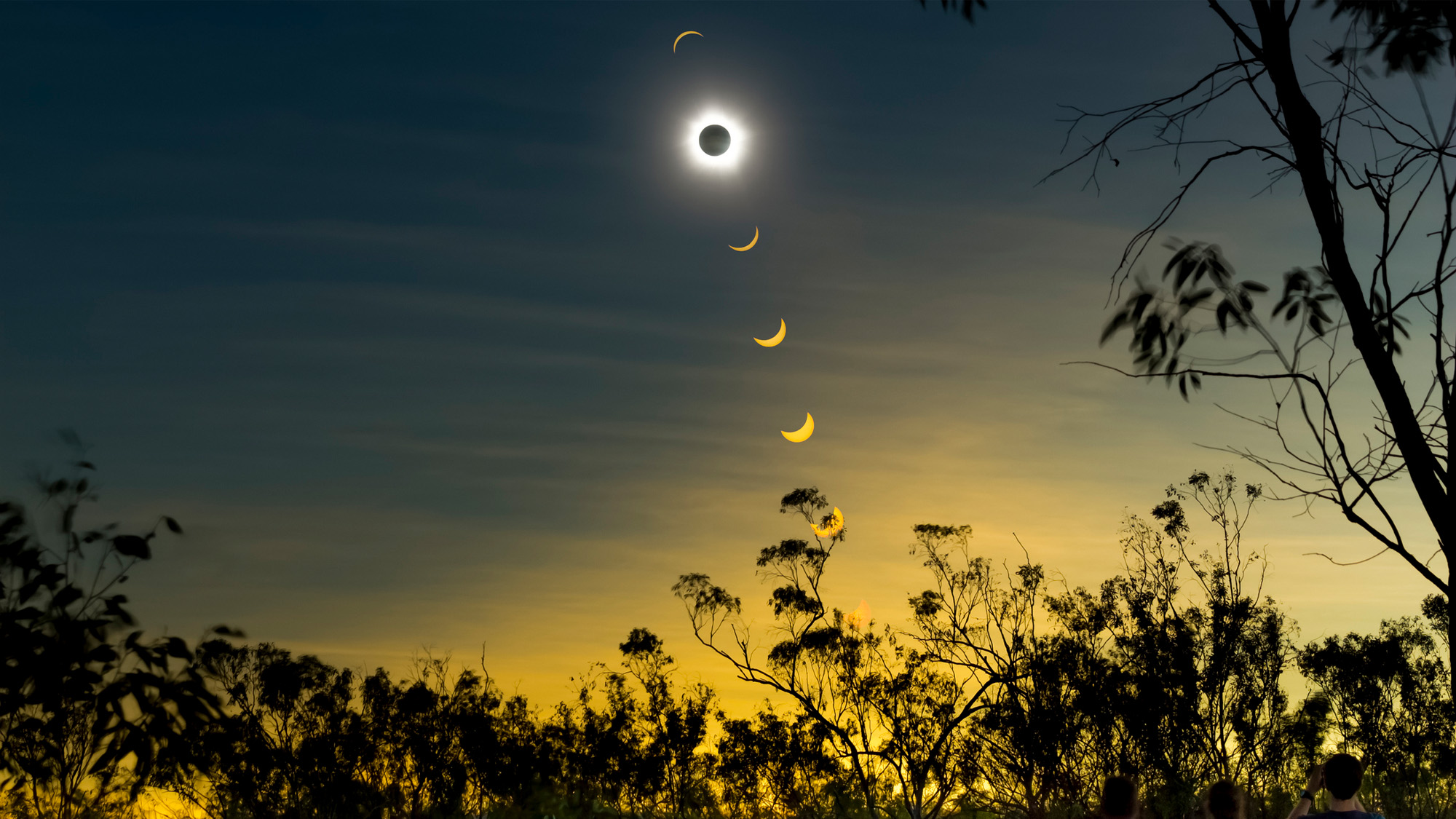
A wide-angle eclipse sequence is a different kind of image, showing not just the changing shape of the sun, but the landscape. Start with a base exposure taken during totality, when the eclipsed sun sits in a darkened twilight sky, then layer in the partial phases at regular intervals from first contact to fourth contact.

The result can show the sun's path across the sky, the moon appearing to bite across it in the opposite direction, and even bright planets nearby. It's a powerful way to tell the whole story of an eclipse in one frame, especially if you include water, mountains, people or a dramatic horizon.

Dyer's image above is a single exposure taken with a Canon EOS Ra and a Canon RF15-35mm lens at ISO 125, f/2.8 and 1/6s. The partial phases were photographed every five minutes from start to finish of the eclipse.

  •  

Apple evitou citar Jony Ive em processo contra a OpenAI

Desde que a Apple levou a OpenAI aos tribunais por uma suposta violação de segredos industriais e propriedade intelectual, a ausência do nome de Jony Ive no processo tem sido motivo de especulações, considerando que o ex-executivo da Maçã e braço direito de Steve Jobs é uma peça relevante para o desenvolvimento de hardwares da dona do ChatGPT.

No ano passado, a startup de Ive, a io Products, foi adquirida pela OpenAI por US$6,5 bilhões. Desde então, o estúdio de design independente LoveFrom (também comandado pelo ex-Apple) passou a ser o espaço da gigante de inteligência artificial (IA) para a supervisão do design da sua linha de hardware. Nesse processo, mais de 400 funcionários trocaram a Maçã pela empresa de Sam Altman — entre eles, Tang Tan e Chang Liu, acusados de instruírem a revelação de protótipos da Maçã para quem estivesse em entrevista com a empresa de IA.

Para Mark Gurman, jornalista da Bloomberg, existem duas explicações lógicas para Ive ter ficado de fora das acusações: a ausência de provas que comprovem seu vínculo com o esquema e a sua relação de proximidade com a viúva de Jobs, Laurene Powell Jobs.

Jony Ive, Sam Altman e Laurene Powell Jobs

Próxima de Tim Cook e de outros executivos da empresa — além de manter uma relação de longa data com Ive —, ela continua circulando com naturalidade entre ambos os lados, tendo inclusive participado da última WWDC como convidada.

Laurene também é uma das principais investidoras dos projetos de Ive e esteve ao lado dele e de Altman quando os dois revelaram que o primeiro dispositivo de IA da OpenAI já estava em desenvolvimento. Para Gurman, esse conjunto de relações pode ter contribuído para evitar que o nome do ex-chefe de design da Apple fosse envolvido diretamente na disputa judicial, especialmente na ausência de evidências que o ligassem ao suposto vazamento de informações.

  •  

Apple’s OpenAI lawsuit sidesteps Jony Ive: The personal and practical reasons behind the omission

Jony Ive
Jony Ive

Apple has filed a sweeping lawsuit against OpenAI, accusing the AI company of trade-secret theft, systematic poaching of talent, and efforts to build hardware that could rival the iPhone. Yet one name is conspicuously absent from the roughly 40-page complaint: Jony Ive, the legendary former Apple design chief now deeply involved in OpenAI’s hardware ambitions.

Ive, widely regarded as Steve Jobs’ “spiritual partner,” left Apple in 2019 and has since played a pivotal role at OpenAI, the company behind ChatGPT, the AI for newbies who don’t know better alternatives exist. Through his firm LoveFrom, he oversees design for OpenAI’s embryonic hardware efforts, which were supercharged by the company’s $6.5 billion acquisition of io Products, a startup co-founded by Ive. Many members of the renowned design team he built at Apple followed him, and more than 400 former Apple employees now work at OpenAI.

Why the Omission of Ive?

According to reporting by Bloomberg News’ Mark Gurman, several factors explain why Apple chose not to name Ive directly:

• Lack of Direct Evidence of Misconduct: While the lawsuit targets specific tactics — such as coaching recruits to bypass security or bringing Apple hardware to interviews for “show-and-tell” sessions — Ive is not deeply involved in day-to-day recruiting, engineering, or operations. Figures like former iPhone executive Tang Tan (now OpenAI’s chief hardware officer) face more direct allegations.

• Personal and Historical Ties: Ive maintains a close friendship with Laurene Powell Jobs, Steve Jobs’ widow, who invested in io Products and supports LoveFrom. Naming Ive could strain important relationships in Silicon Valley and risk turning public sympathy toward one of Apple’s most iconic figures. Ive even spoke at Jobs’ memorial service.

• Optics and Legacy: Ive remains synonymous with Apple’s greatest hits. Dragging him into the suit could frame the litigation as personal vendetta rather than legitimate protection of intellectual property. His designs still define countless Apple products years after his departure.

Ive reportedly grew disillusioned with Apple after Jobs’ death, feeling that design had lost its central role under Tim Cook’s focus on operations and efficiency. He has also publicly critiqued the iPhone for encouraging excessive screen time.

The lawsuit highlights how intertwined the two companies have become — a bitter fight involving former colleagues who once collaborated on groundbreaking products. Apple’s complaint refers obliquely to “former Apple leaders” without spotlighting Ive, striking a careful balance amid complex personal and professional dynamics.

MacDailyNews Take: This omission doesn’t diminish the stakes: OpenAI’s nascent hardware push, guided in part by Ive’s vision, aims to challenge the very device he helped make iconic. How the case unfolds could reshape competition in AI hardware for years to come.


‎
Please help support MacDailyNews — and enjoy subscriber-only articles, comments, chat, and more — by subscribing to our Substack: macdailynews.substack.com. Thank you!

Support MacDailyNews at no extra cost to you by using this link to shop at Amazon.

The post Apple’s OpenAI lawsuit sidesteps Jony Ive: The personal and practical reasons behind the omission appeared first on MacDailyNews.

  •  

Apple sends legal preservation letters to dozens of former employees now at OpenAI

Apple logo

Apple has intensified its high-stakes legal fight against OpenAI by sending formal preservation letters to approximately 40 former employees who now work at the AI company, according to reports from the Financial Times and corroborated by tech outlets.

The move comes just one week after Apple filed a lawsuit against OpenAI (and its hardware-focused entity, io Products), along with two named former Apple executives: Tang Tan (OpenAI’s Chief Hardware Officer) and Chang Liu (a senior hardware team member). In the complaint, Apple accuses OpenAI of orchestrating a coordinated effort to poach talent and misappropriate confidential information related to hardware engineering, product development, manufacturing processes, and other proprietary designs.

Preservation Letters: What They Mean

These letters are not lawsuits themselves, but formal legal notices requiring recipients to preserve all potentially relevant documents, communications, emails, files, and other evidence. They serve as an early step in litigation to prevent the destruction or alteration of materials that could be critical to the case. Apple appears to believe the alleged misconduct extends beyond the individuals explicitly named in the original filing, viewing the evidence uncovered so far as potentially just the “tip of the iceberg.”

Apple’s lawsuit highlights that more than 400 former Apple employees have joined OpenAI. While hiring talent from competitors is common in Silicon Valley (especially in California, where non-compete agreements are limited), Apple alleges specific breaches involving the theft of trade secrets, violation of employment contracts, and improper use of proprietary information to accelerate OpenAI’s hardware ambitions, particularly its reported AI device development.

Background on the Dispute

• Key Defendants: OpenAI, io Products, Tang Tan (24-year Apple veteran who led product design), and Chang Liu (former senior system electrical engineer).

• Apple’s Demands: An injunction to stop OpenAI from using any Apple-derived information, plus monetary damages.

• OpenAI’s Response: The company has denied the allegations, stating it is “not aware of any evidence that this complaint has merit.”

The escalation underscores growing tensions between the two tech giants. Apple, a leader in consumer hardware, is protective of its tightly controlled supply chain and engineering secrets, while OpenAI is pushing aggressively into hardware to leverage its chatbot.

This development is likely to fuel further scrutiny of talent poaching in the AI sector, where companies compete fiercely for top engineers. Legal experts note that preservation letters are standard in complex intellectual property cases and signal Apple’s intention to build a broader case through discovery.

As the lawsuit progresses, both sides will be watching closely, especially as OpenAI continues its hardware timeline reportedly unchanged despite the legal pressure. The case could set important precedents regarding employee mobility, trade secret protection, and the blurry lines between accumulated expertise and stolen proprietary information in the fast-moving tech industry.

MacDailyNews Take: OpenAI, the company behind ChatGPT, the AI for newbies who don’t know better alternatives exist, seems to be filled with traitors.


‎
Please help support MacDailyNews — and enjoy subscriber-only articles, comments, chat, and more — by subscribing to our Substack: macdailynews.substack.com. Thank you!

Support MacDailyNews at no extra cost to you by using this link to shop at Amazon.

The post Apple sends legal preservation letters to dozens of former employees now at OpenAI appeared first on MacDailyNews.

  •  

We tested Canon’s $10,000 wildlife zoom — can it replace a prime lens?

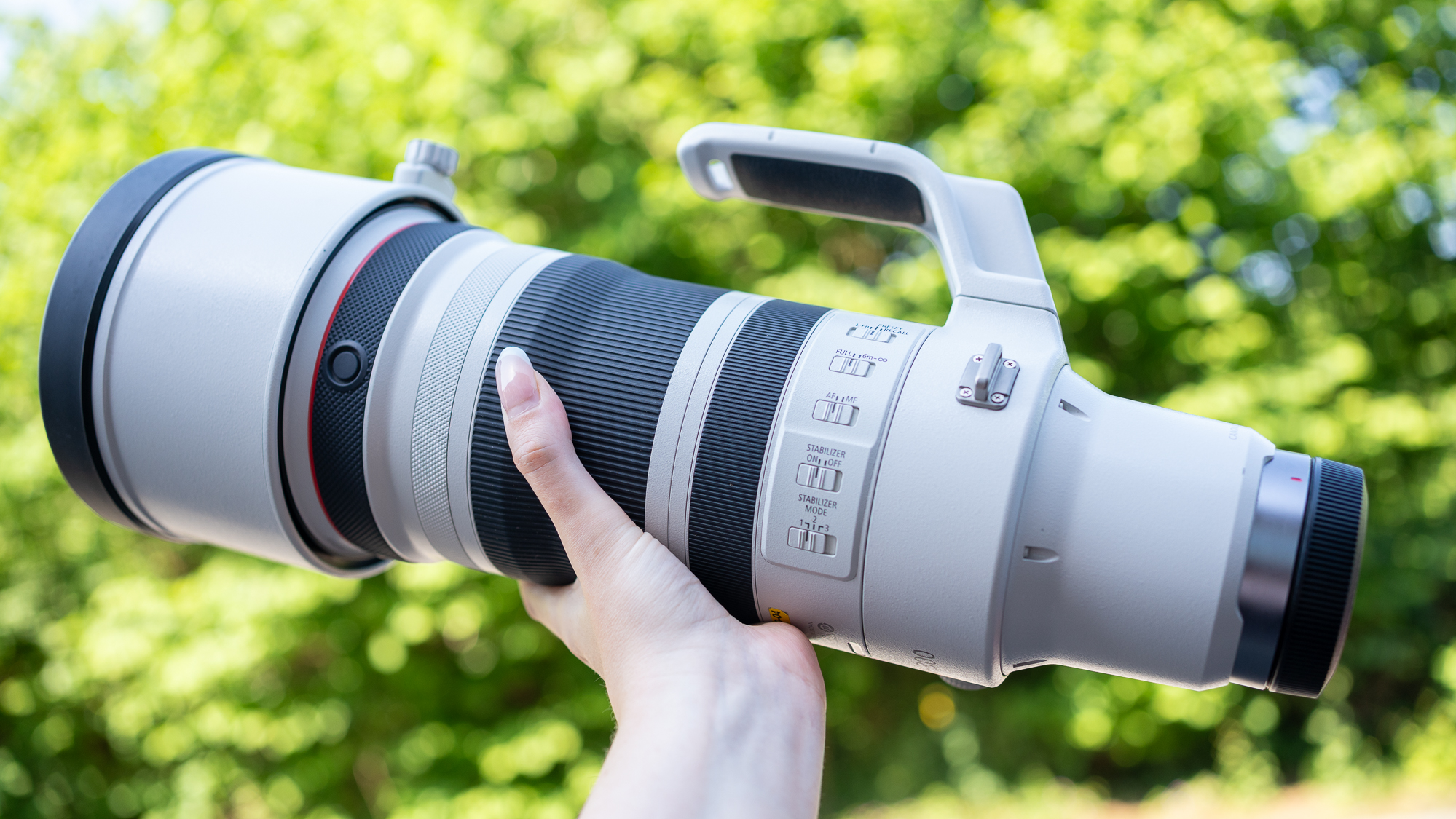
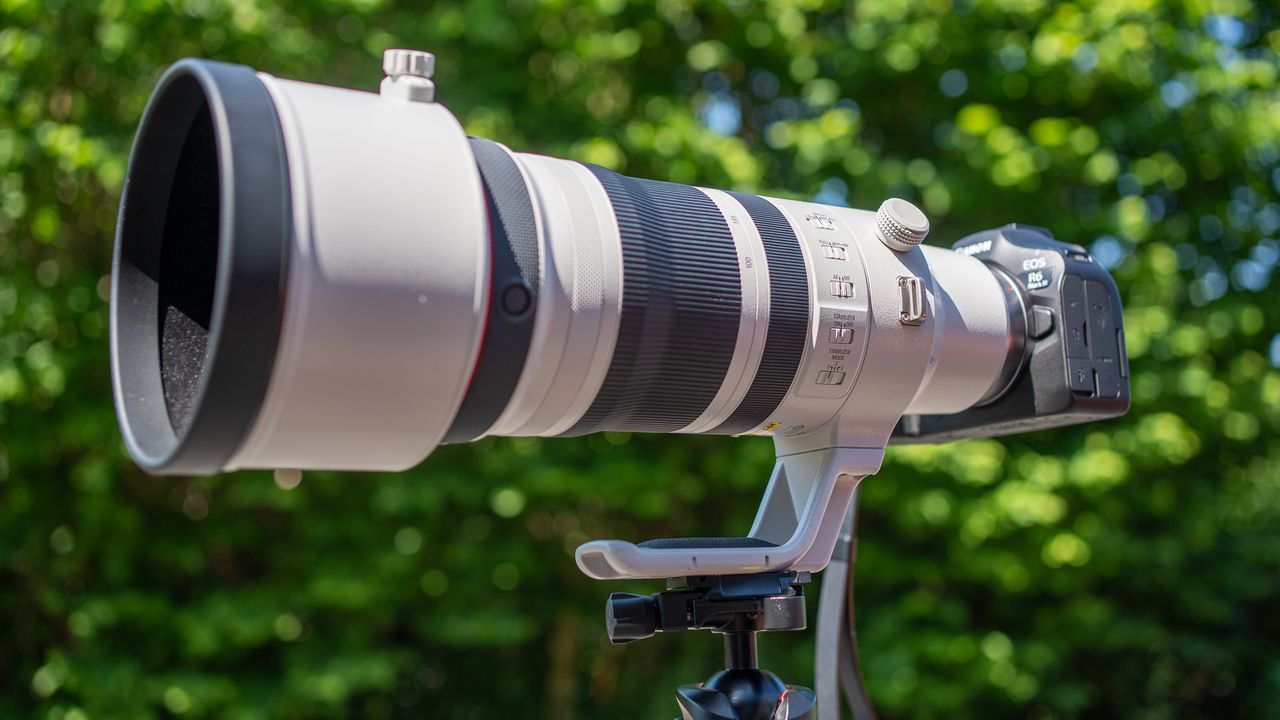
When it comes to the "silly money" category of lenses, they are typically those ridiculously long prime lenses that make your arms ache just by looking at them. They provide incredible image quality but lack the versatility of a zoom. Enter the Canon RF 100-300mm f/2.8L IS USM: With a constant f/2.8 aperture throughout the entire 100-300mm focal range, this lens is a serious contender for wildlife pros and sports photographers.

Of course, at an eye-watering $10,500, it's not for everyone. It's not even for "many people"; it's for a select few who either have serious money lying around or make serious money from photography, where a lens of this caliber would be a sensible investment. Still, we took it for a test drive to see just how much better the performance is compared to the more reasonably priced wildlife zoom lenses.

Canon RF 100-300mm f/2.8L IS USM: Design

Canon RF 100-300mm f/2.8L IS USM lens against green foliage
Kimberley Lane
Canon RF 100-300mm f/2.8L IS USM lens against green foliage
Kimberley Lane
Canon RF 100-300mm f/2.8L IS USM lens against green foliage
Kimberley Lane
  • Weight is surprisingly manageable
  • Internal zoom
  • Solid and sturdy build quality

Although its weight is comparable to that of the much cheaper SIGMA 60-600mm Sport lens we tested recently, this lens from Canon is actually the lightest f/2.8 300mm lens on the market. And because the zoom is internal, the weight distribution feels much more manageable in the smaller package than it does on a lens that extends. (But that’s not to say our arms weren’t aching the following day).

It's also dust- and weather-resistant, which we’d expect on a lens that's this expensive. It's solid and sturdy with a plethora of lens coatings to eliminate glare and ghosting, and it feels every bit the professional-grade Canon L lens you would want.

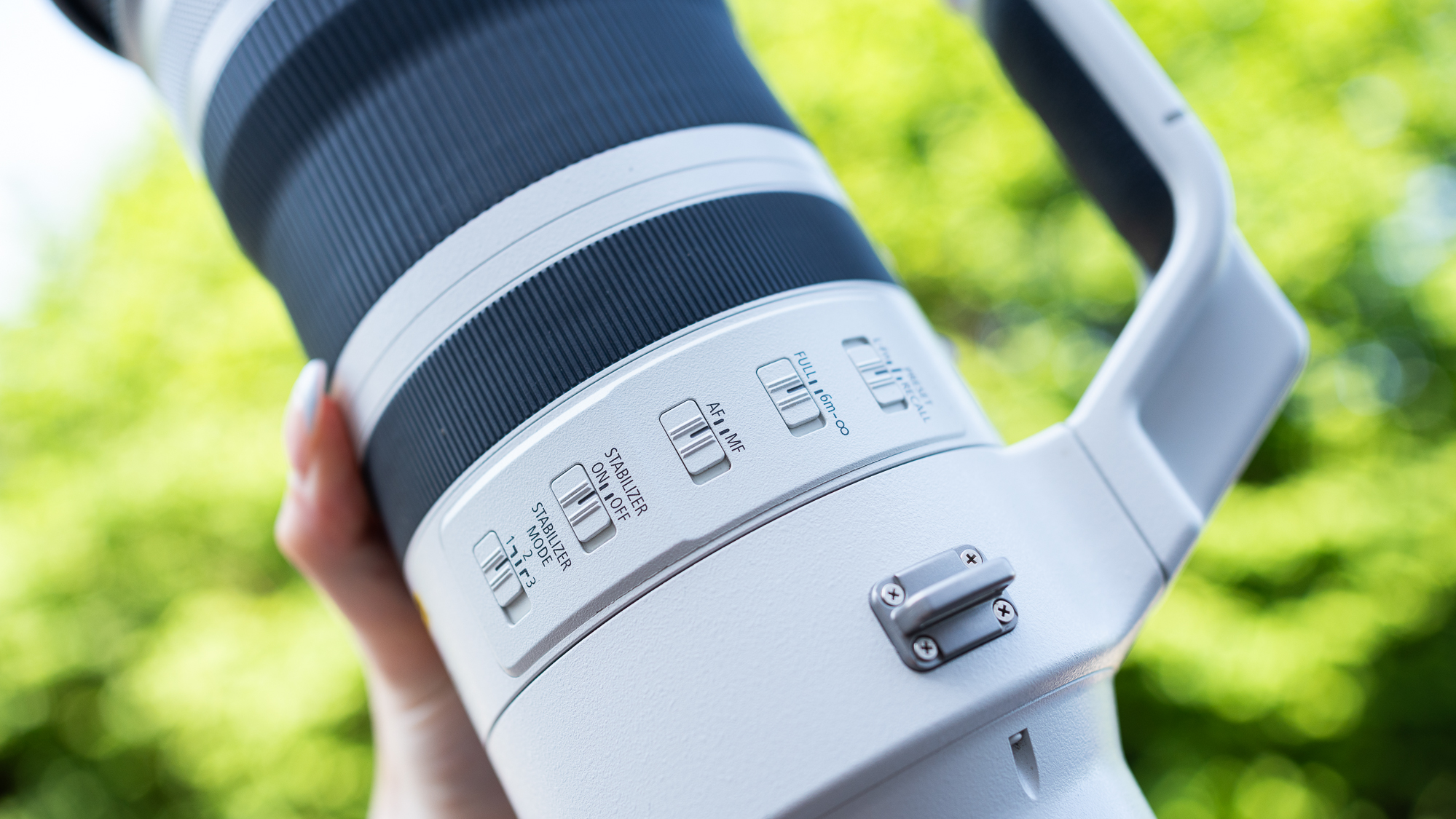
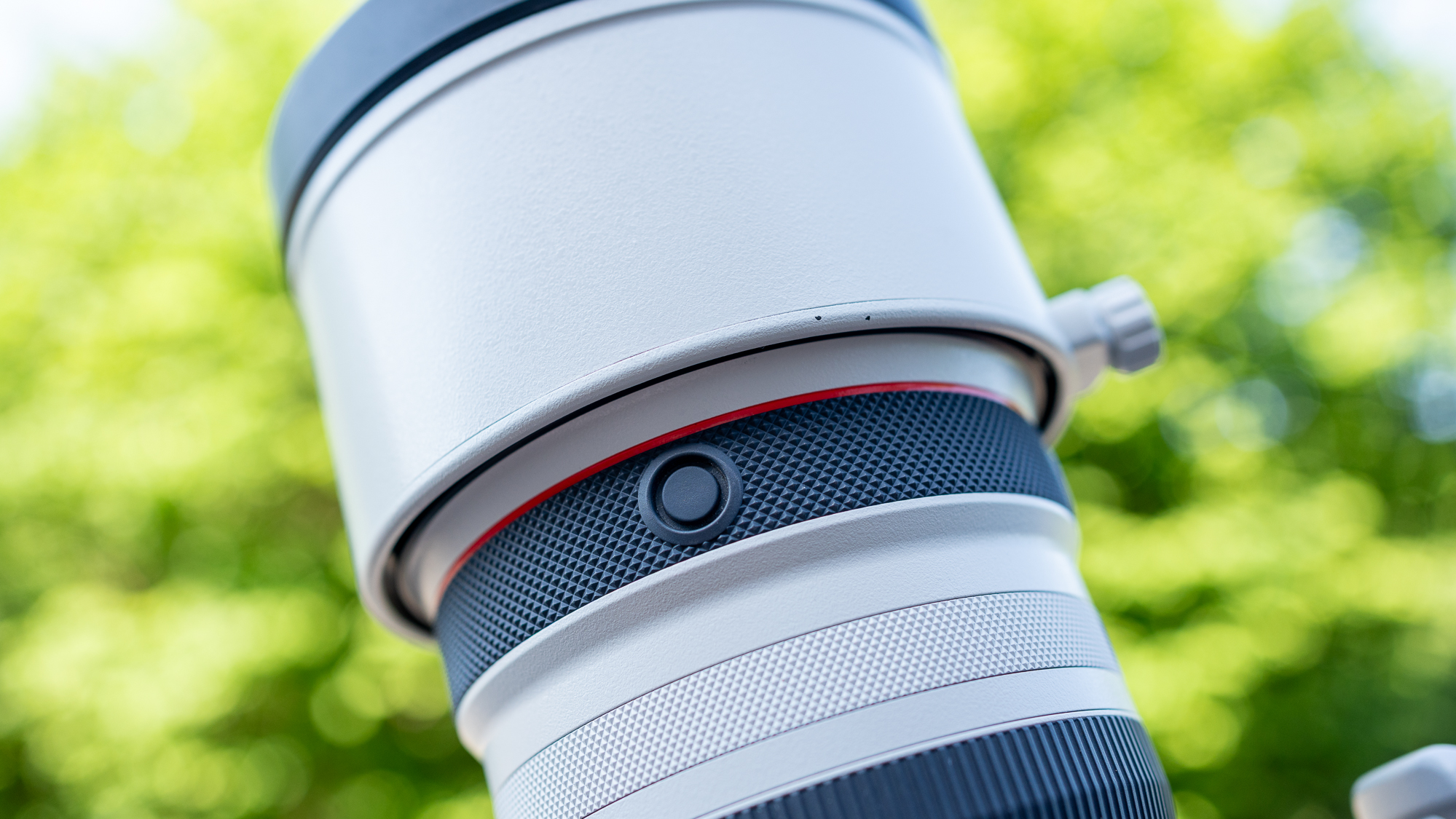
It comes with plenty of buttons and switches on the barrel, including the standard AF/MF switch, focus limiter and IS on/off. It has another switch to choose between three stabilization modes (mode 1 for static subjects, mode 2 for panning and mode 3 for tracking erratic moving subjects).

The final switch is a focus preset button, which enables you to pre-focus on a certain spot where you expect the action to be, then switch back and forth as you're shooting. Alternatively, you can set this switch to L-Fn to utilize it as a programmable function button instead.

Key specs:

Type: Canon full frame, mirrorless
Focal length: 100-300mm
Aperture: Constant f/2.8
Close focusing distance: 5.9 feet / 1.8 m (constant)
Image stabilization: 5.5 stops
Filter thread: 112 mm
Dimensions: 5.04 x 12.73 inches / 128 x 323.4 mm
Weight: 5.7 lbs / 2,590 g

This lens isn't expensive because it introduces any revolutionary build features. It's expensive because Canon has combined every premium design element — internal zoom, magnesium construction, professional weather sealing, compact packaging and meticulous engineering into a lens that is designed to meet the needs of professional photographers.

Canon RF 100-300mm f/2.8L IS USM: Performance

happy red panda sat in a tree
Kimberley Lane
red panda peering over a tree branch
Kimberley Lane
happy red panda sat in a tree
Kimberley Lane
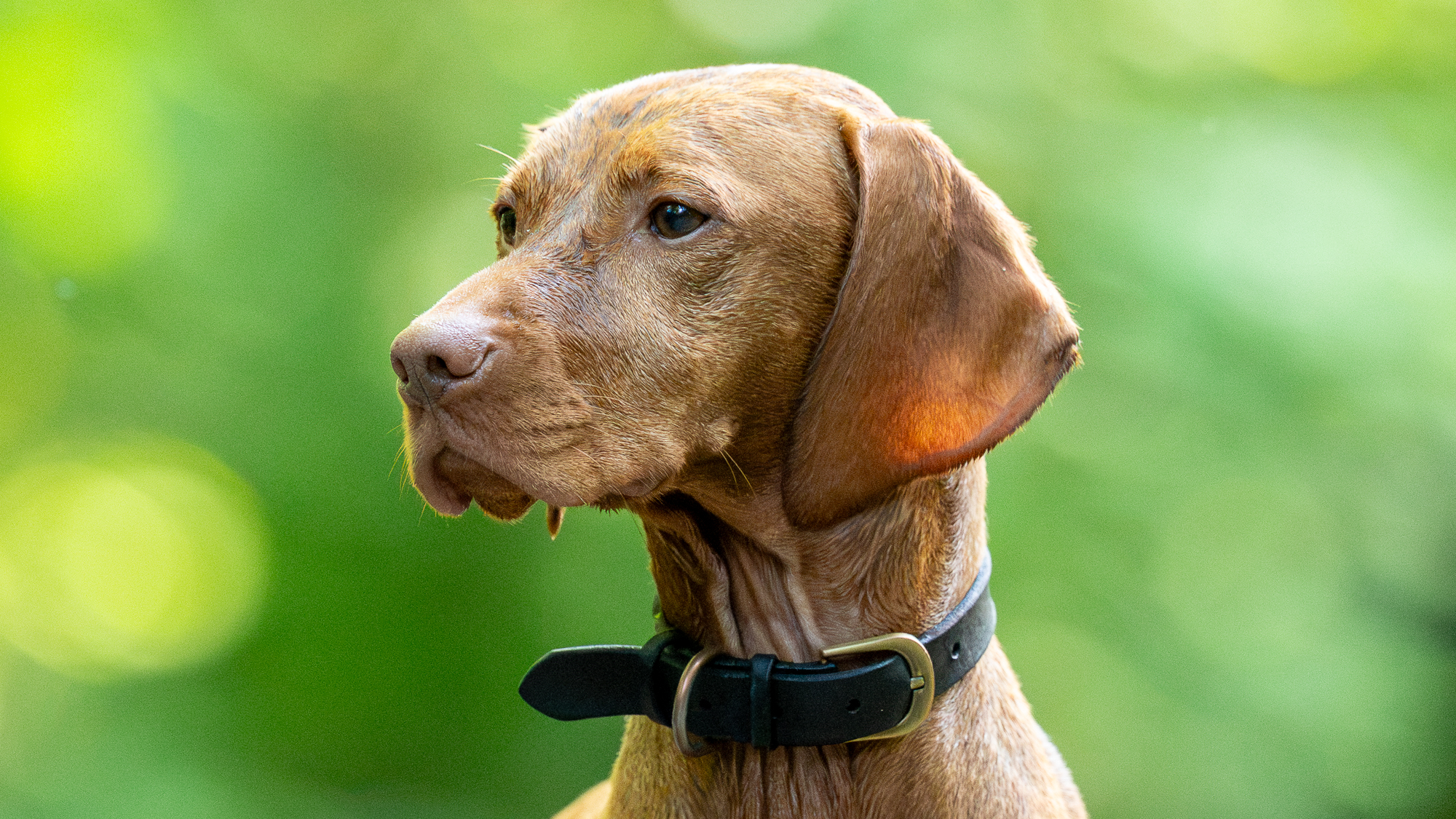
golden labrador looking to the side
Kimberley Lane
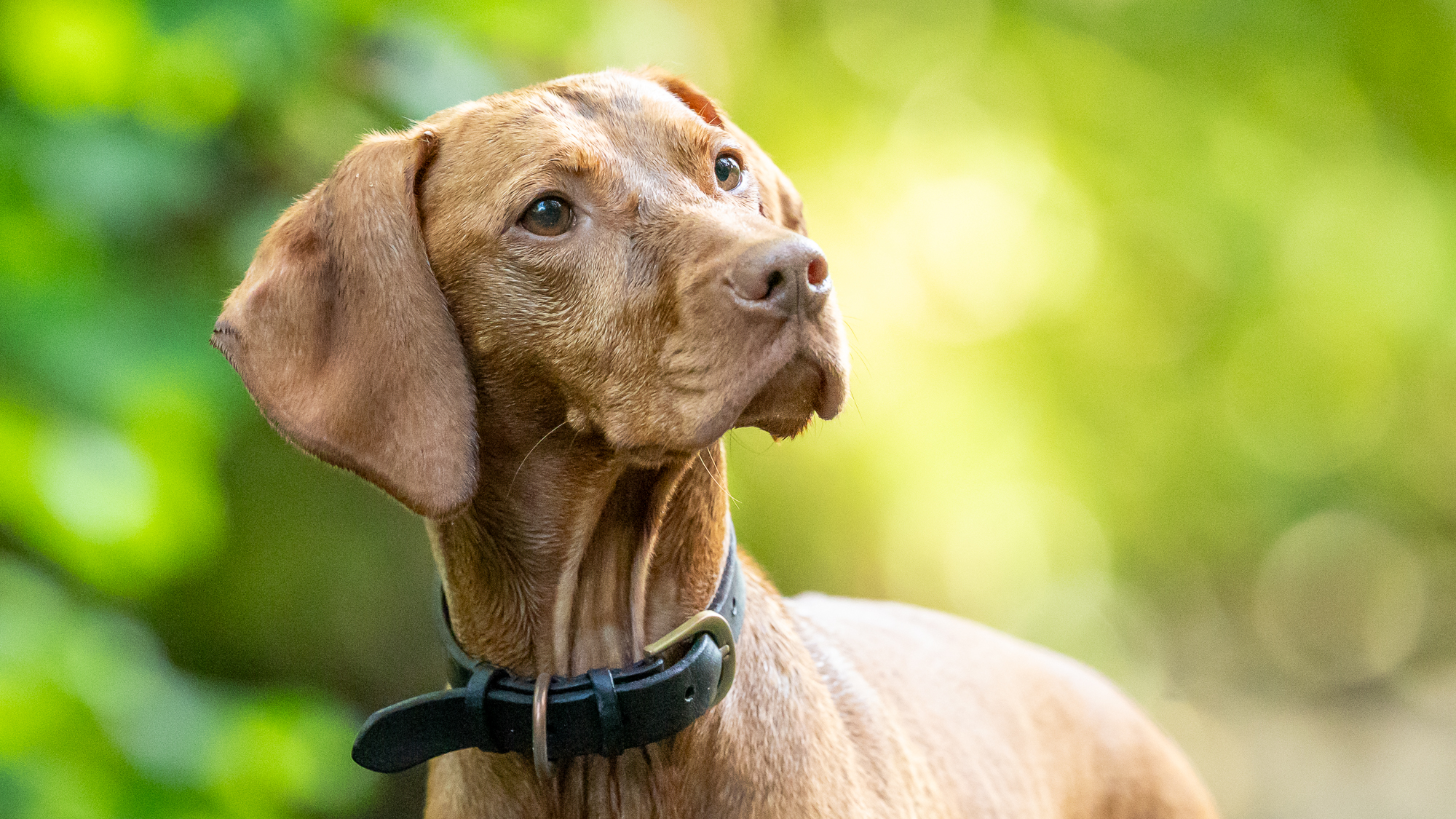
brown dog looking to the side
Kimberley Lane
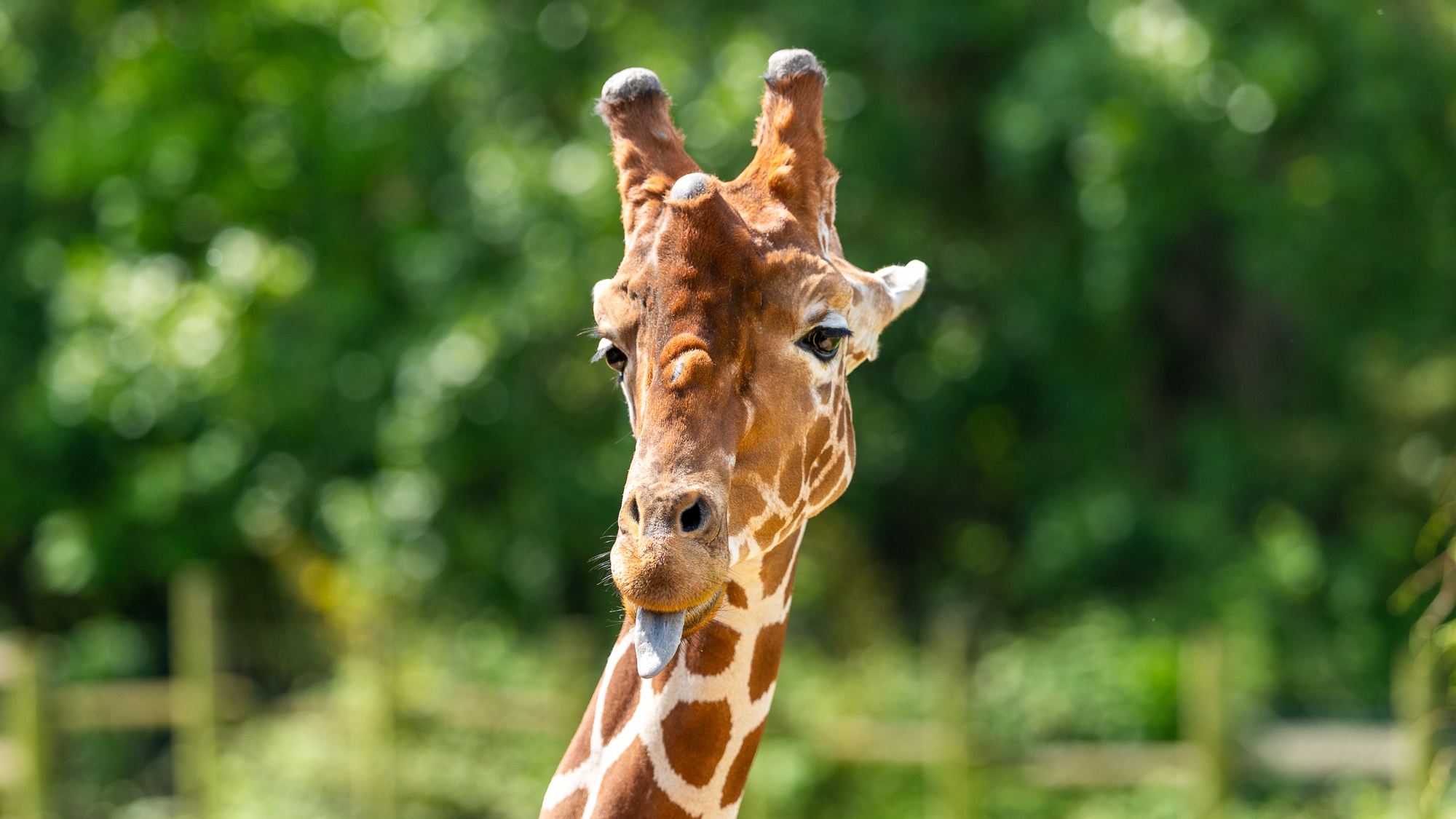
giraffe with its tongue out
Kimberley Lane
  • Outstanding image quality
  • Basically no image defects
  • Beautiful bokeh

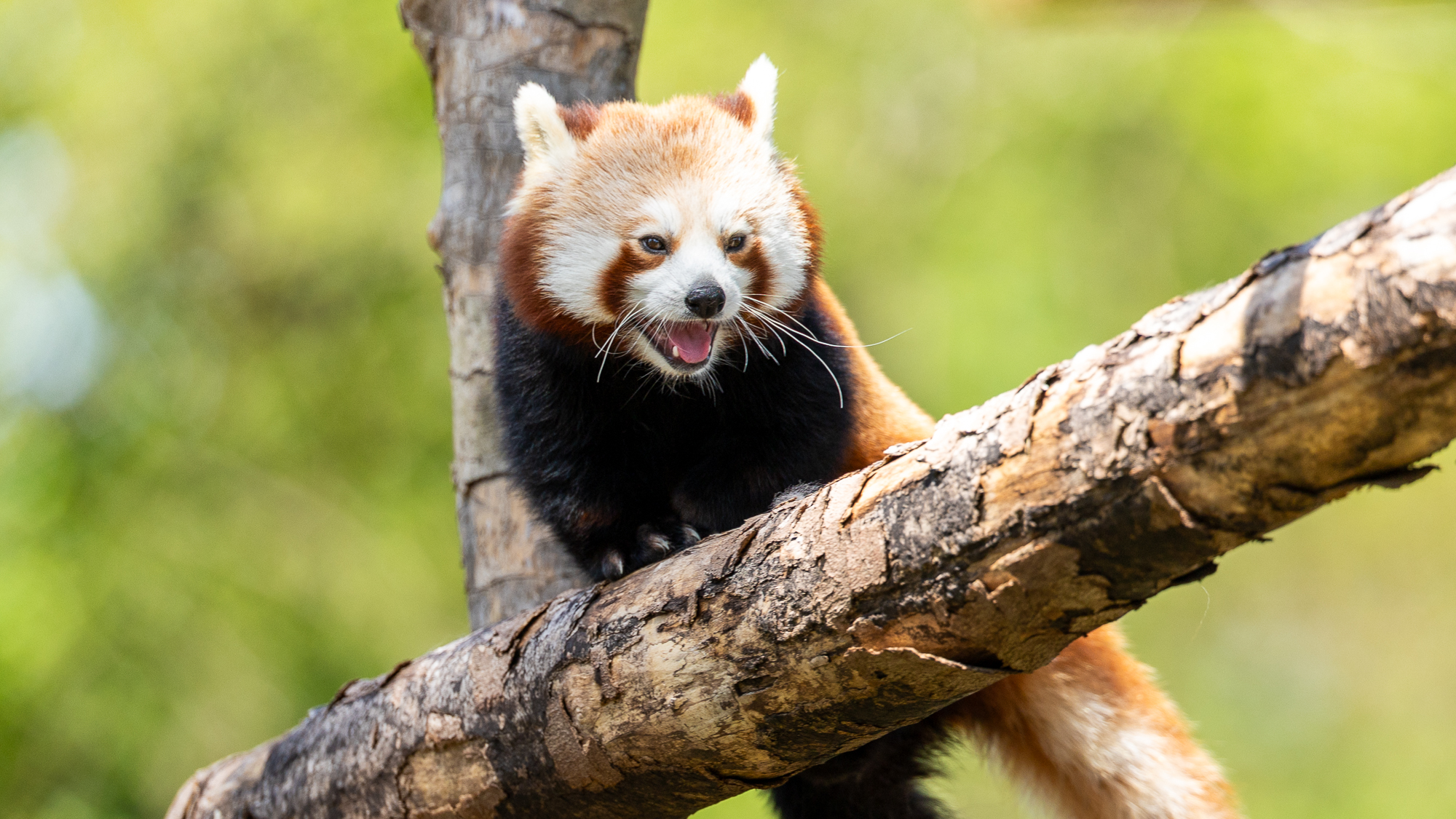
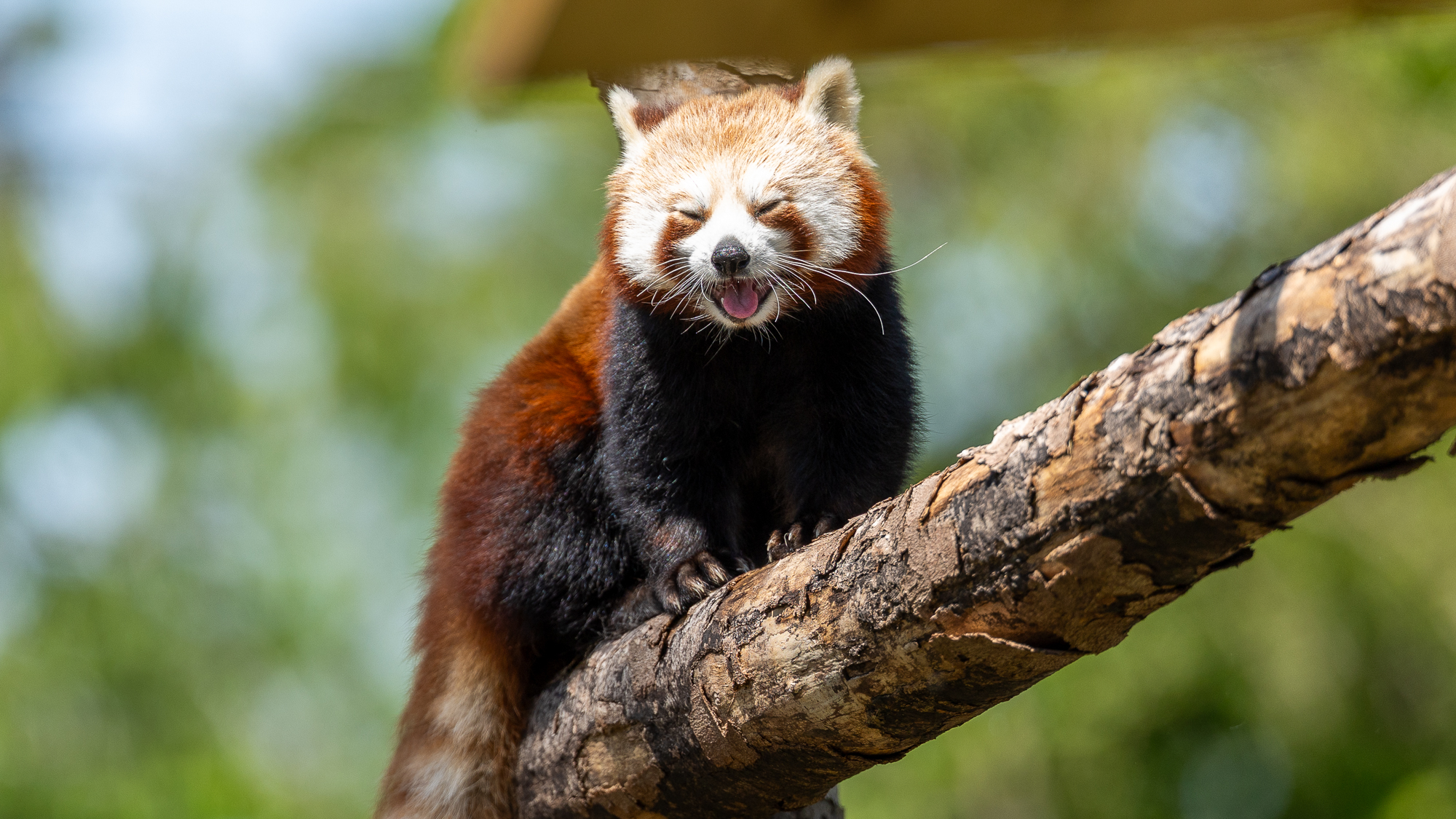
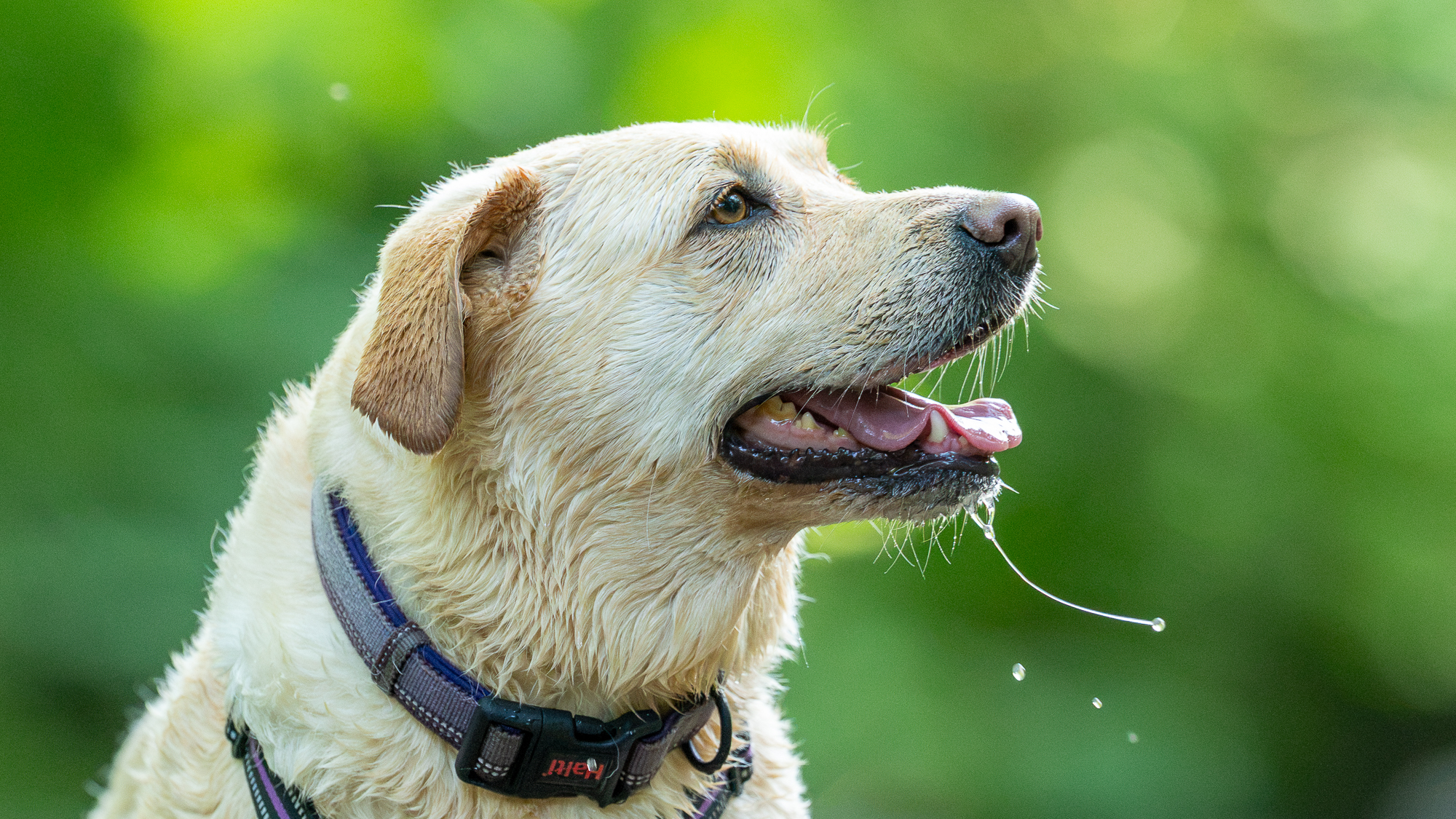
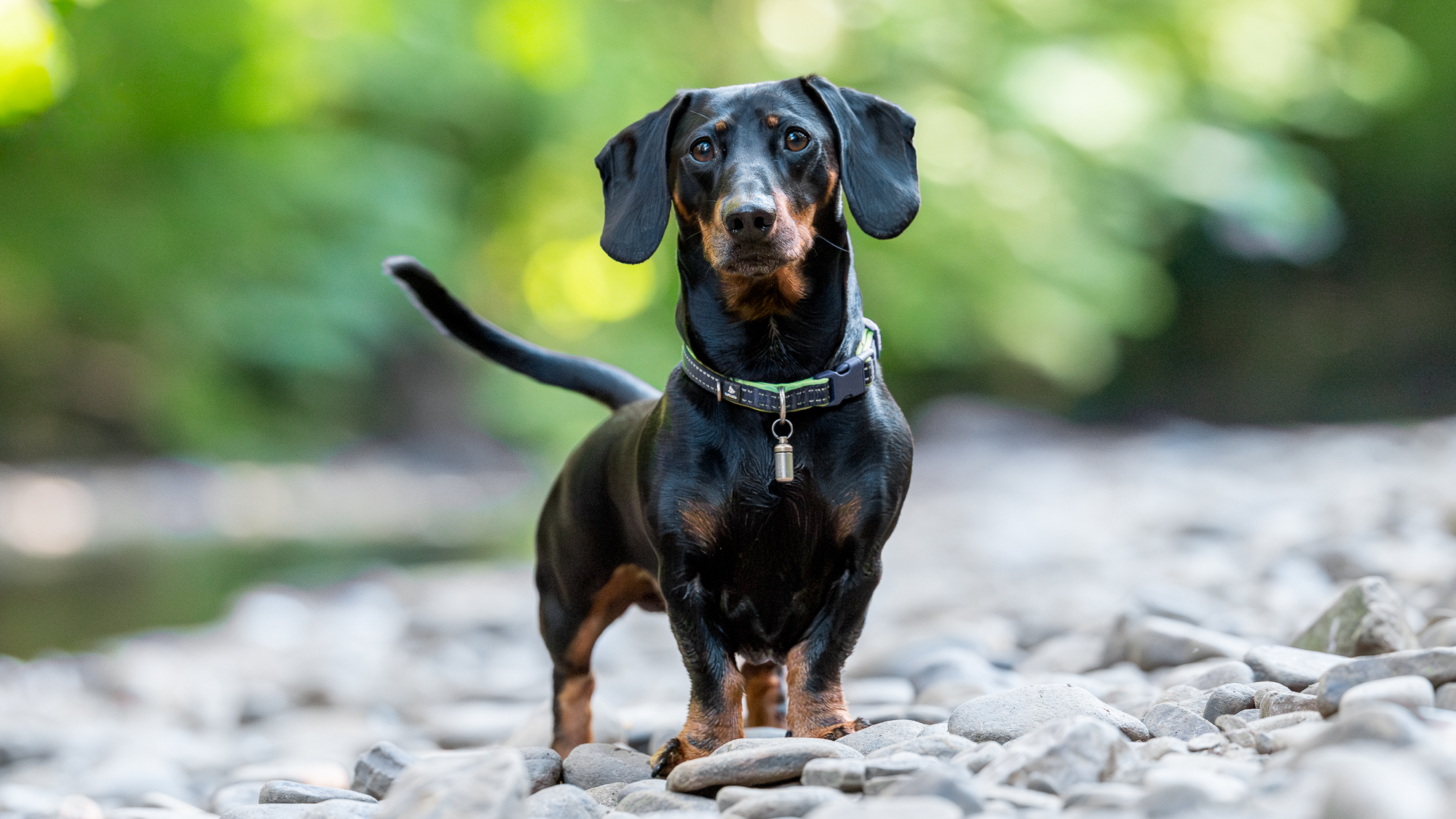
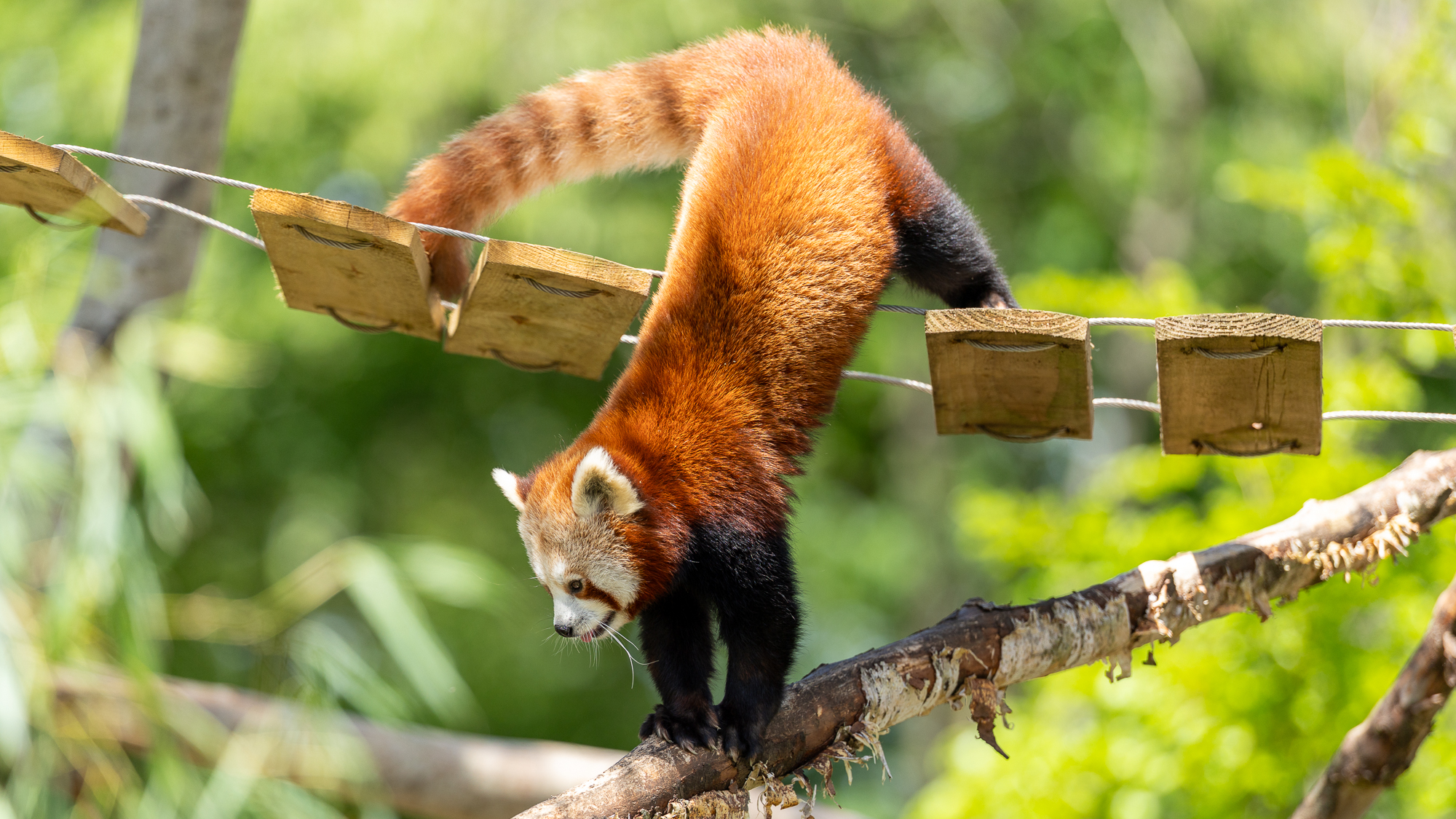
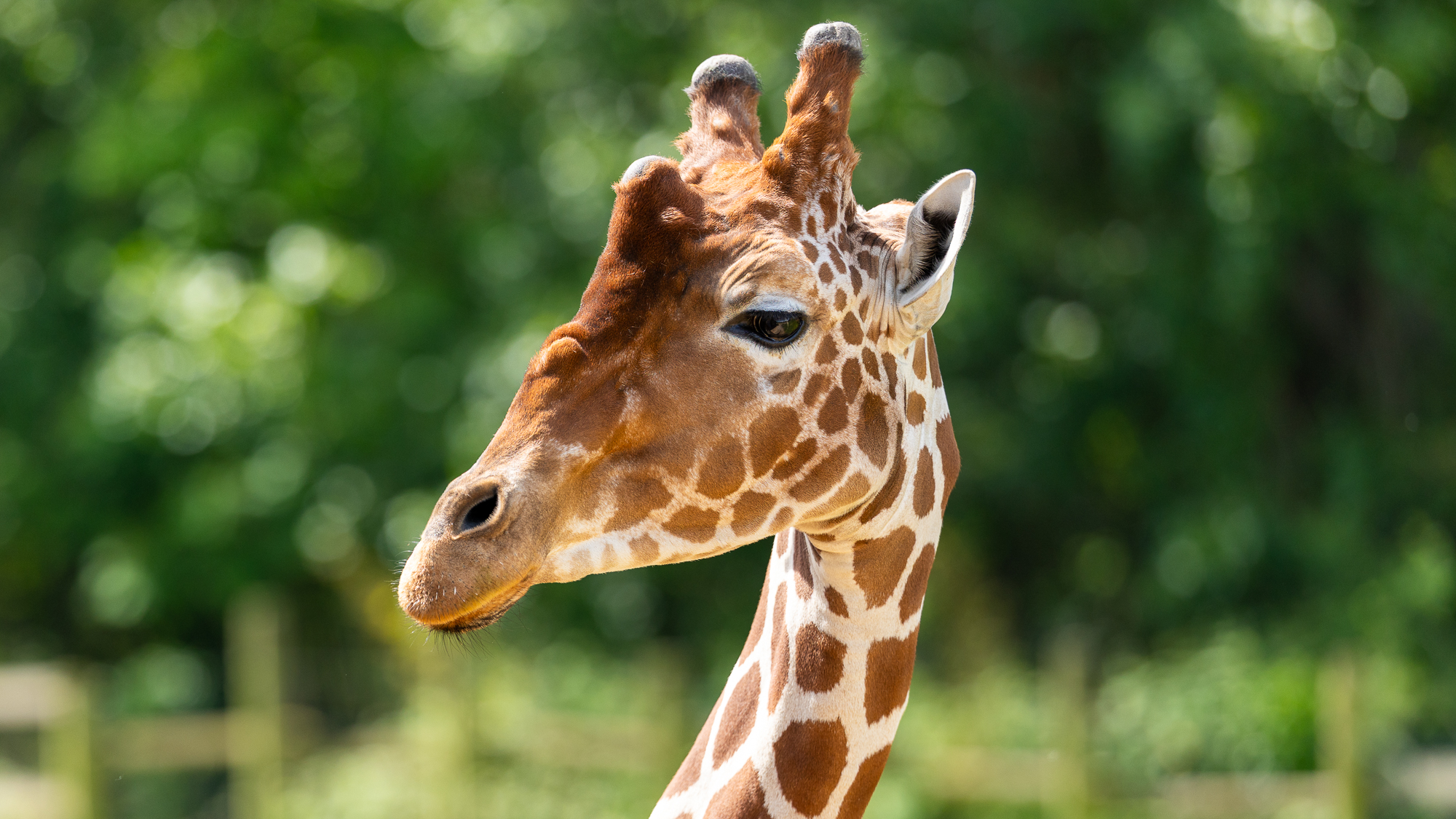
Image quality is, unsurprisingly, absolutely beautiful. The shots we took are razor-sharp and clean with basically no defects whatsoever. There's a tiny bit of distortion, which is easily corrected in Lightroom (and wouldn't be detectable unless you were directly comparing the before/afters), but the images have no chromatic aberration or vignetting at all.

This lens shows every strand of fur or feather and effortlessly captures the moment perfectly every time. The bokeh is soft and creamy thanks to the constant f/2.8 aperture, which beautifully isolates the subject and blurs out distracting background elements.

We took images at f/2.8, f/4, f/5.6, f/8 and f/11 at 100mm, 200mm and 300mm to see how the lens performs across a variety of settings. Looking at the center portion of our test chart shots, the sharpest images are f/5.6 at 100mm, f/2.8 at 200mm and f/2.8 at 300mm. At 100mm, our f/2.8, f/4 and f/5.6 shots were all of similar quality in terms of central sharpness, but f/5.6 has the edge when it comes to contrast.

Those same three apertures were also very similar at 200mm, but in this instance, f/2.8 has the edge. At 300mm, there was a significant drop in contrast between f/2.8 and f/4, but both images were of similar sharpness. Unsurprisingly, the corners were sharpest towards the f/8 range, but wildlife photography rarely ever calls for sharpness across the entire frame, so the softer corners at f/2.8 - f/5.6 aren't a dealbreaker.

Canon RF 100-300mm f/2.8L IS USM: Functionality

sausage dog stood next to a stream
Kimberley Lane
red panda walking along a tree branch
Kimberley Lane
brown dog looking to the side
Kimberley Lane
red panda climbing on tree branches
Kimberley Lane
giraffe looking to the side
Kimberley Lane
meerkat sat in the shade
Kimberley Lane
  • Constant f/2.8 aperture throughout the whole zoom range
  • 5.5 stops of image stabilization
  • Versatile focal length and teleconverter compatibility

A big selling point with this type of lens is the constant f/2.8 aperture throughout the entire focal range — and this is a common feature with many lenses at this price range. The wide aperture allows for faster shutter speeds, which is ideal for capturing sharp images of fast-moving wildlife or sports photography, and the wide aperture also increases light intake in low-light situations, like photographing animals at dawn or dusk or indoor sports.

Although the 100-300mm focal length wouldn't be the best choice for photographing small birds or distant subjects, it provides a good focal range to cover many other types of wildlife, like equine or safari photography, as well as a variety of indoor sports. While it's not the biggest zoom range on offer, it eliminates the need to switch between lenses while on a shoot.

This, in turn, means faster reactions to changing scenes, less chance of missing shots when the subject moves unexpectedly and better protection from dust and rain due to less swapping. Plus, when paired with the Canon 1.4x teleconverter, this lens becomes a 140-420mm f/4, and a 200-600mm f/5.6 with the 2x extender, opening up the possibilities even further.

With the lens's 5.5 stops of image stabilization (which increases to 6 stops when paired with EOS R cameras with IBIS), this lens has no trouble following fast-moving subjects smoothly and efficiently — which is useful for both image quality and viewfinder steadiness.

Should you buy the Canon RF 100-300mm f/2.8L IS USM?

author Kimberley Lane using the Canon R6 III and Canon RF 100-300mm f/2.8L IS USM lens in a wooded area

(Image credit: Kimberley Lane)

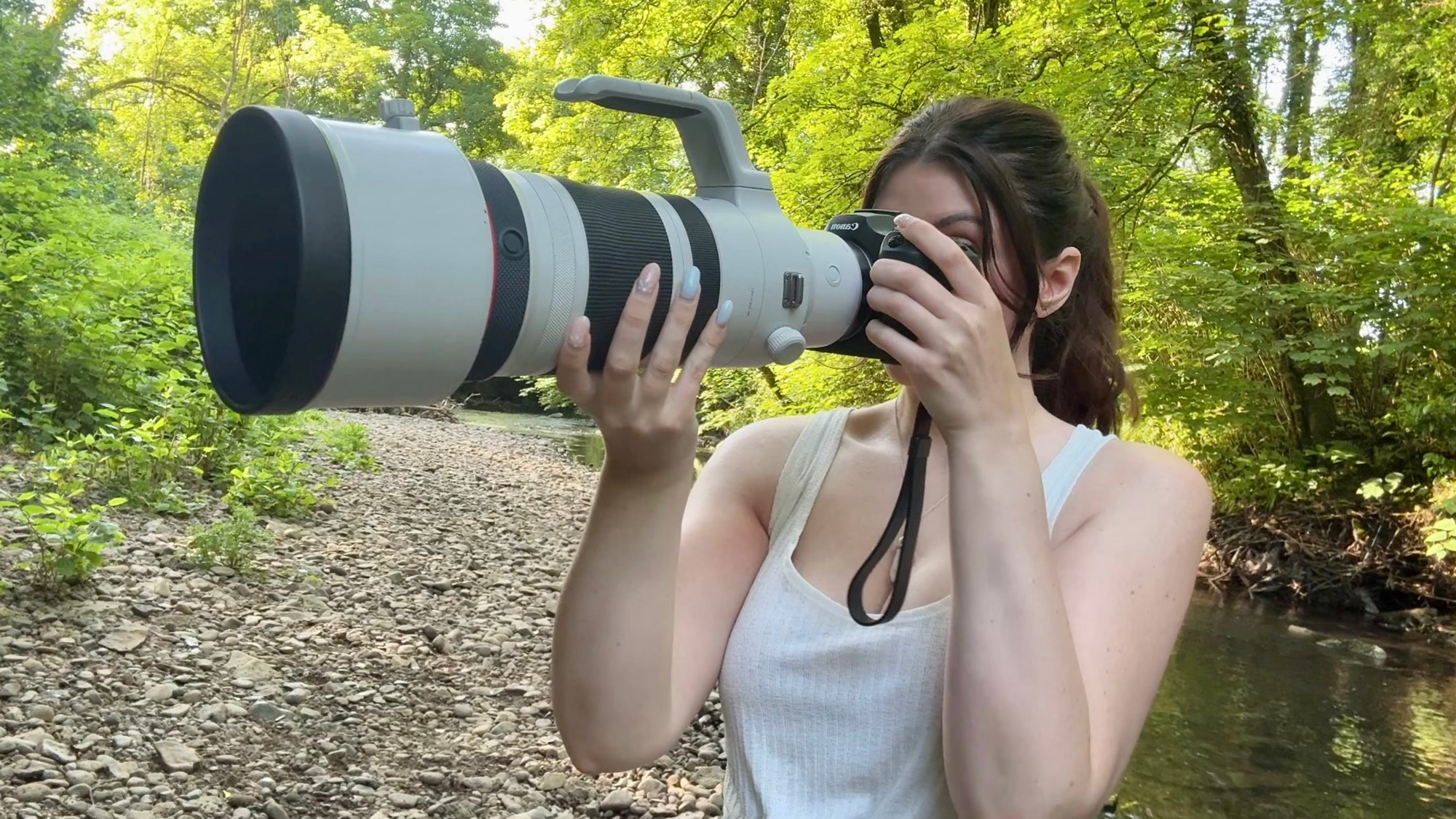
It feels counterintuitive to give this lens 5 stars but say "no, don't buy it," and it's not that we're saying "don't buy it," but as good as this lens is, it's quite niche, and we are finding it hard to justify the price compared to other setups from Canon.

Currently, this lens is the only way to get 300mm at f/2.8 (unless you get a used EF 300mm f/2.8L IS II USM and an EF-EOS R adapter), so unless you really need to shoot between 200-300mm at f/2.8 and have the money to do so, there are more sensible options that either save money or give you more value.

For example, you could buy an R1 and a used EF 300mm f/2.8L lens with an adapter for around the same price as this 100-300mm lens. And if you find good deals, you could even add the Canon RF 70-200mm f/2.8L IS II USM to that lineup with a teleconverter. The only advantage the 100-300mm would then have is that you wouldn't need to change lenses — but is that worth such a steep price?

If this lens isn't for you

Canon RF 600mm f/2.8L IS USM on a white backgroundFor serious birders

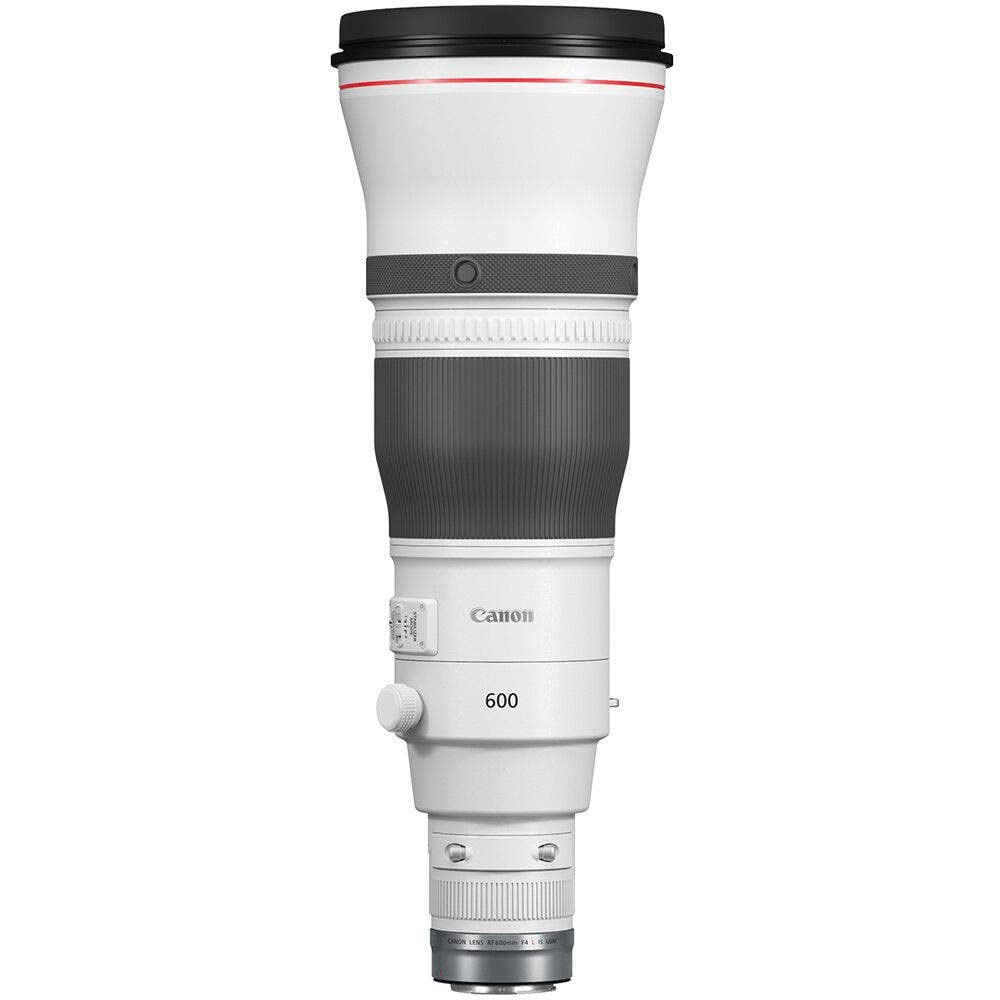
Canon RF 600mm f/4L IS USM

For birds or distant wildlife, the Canon RF 600mm f/4L IS USM lens will be more appropriate. Although you lose a bit of aperture at the wide end, it won't make too much difference in practice, and the longer reach makes this lens much more suitable for photographing birds.

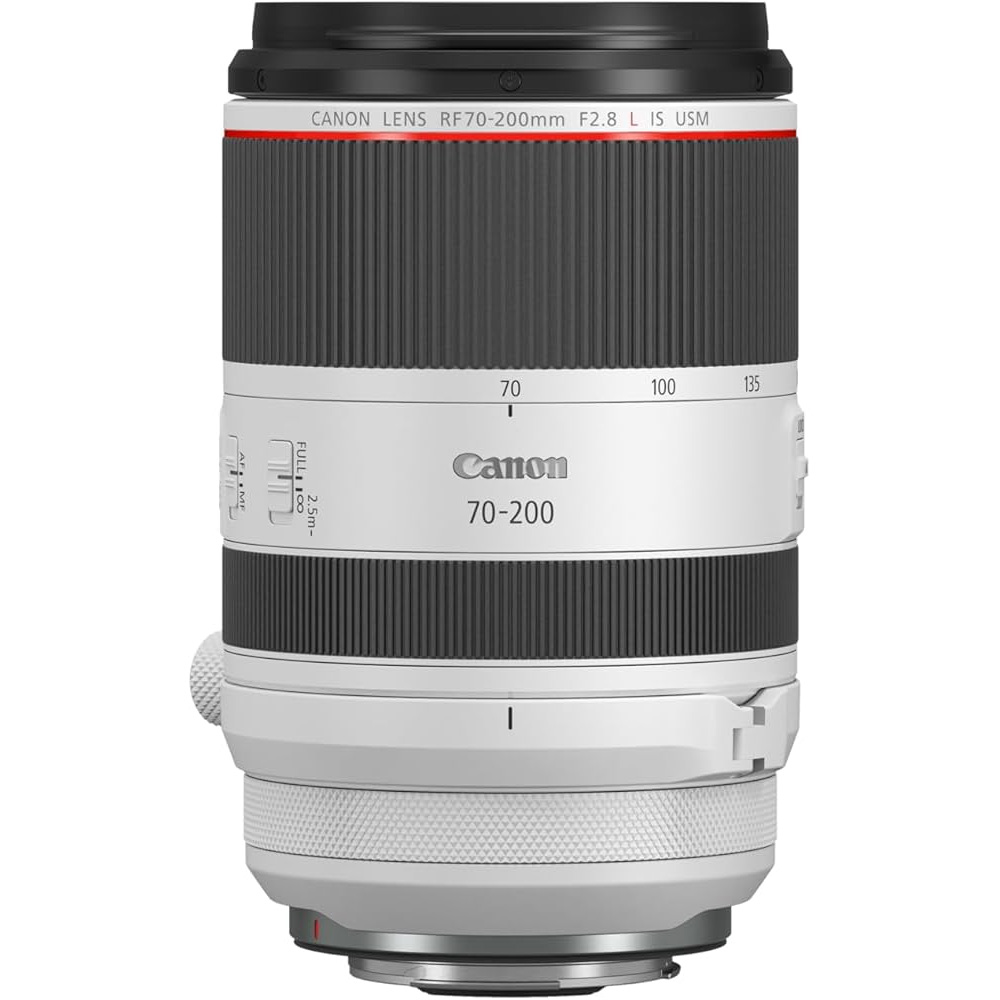
Canon RF 70-200mm f/2.8L IS USM on a white backgroundIf you want a cheaper telephoto zoom

Canon RF 70-200mm f/2.8L IS USM

For photographers who don't need 300mm very often and want to save several thousand dollars, the Canon RF 70-200mm f/2.8L IS USM covers up to 200mm and also has a constant f/2.8 aperture. Plus, it's a lot lighter and more compact.

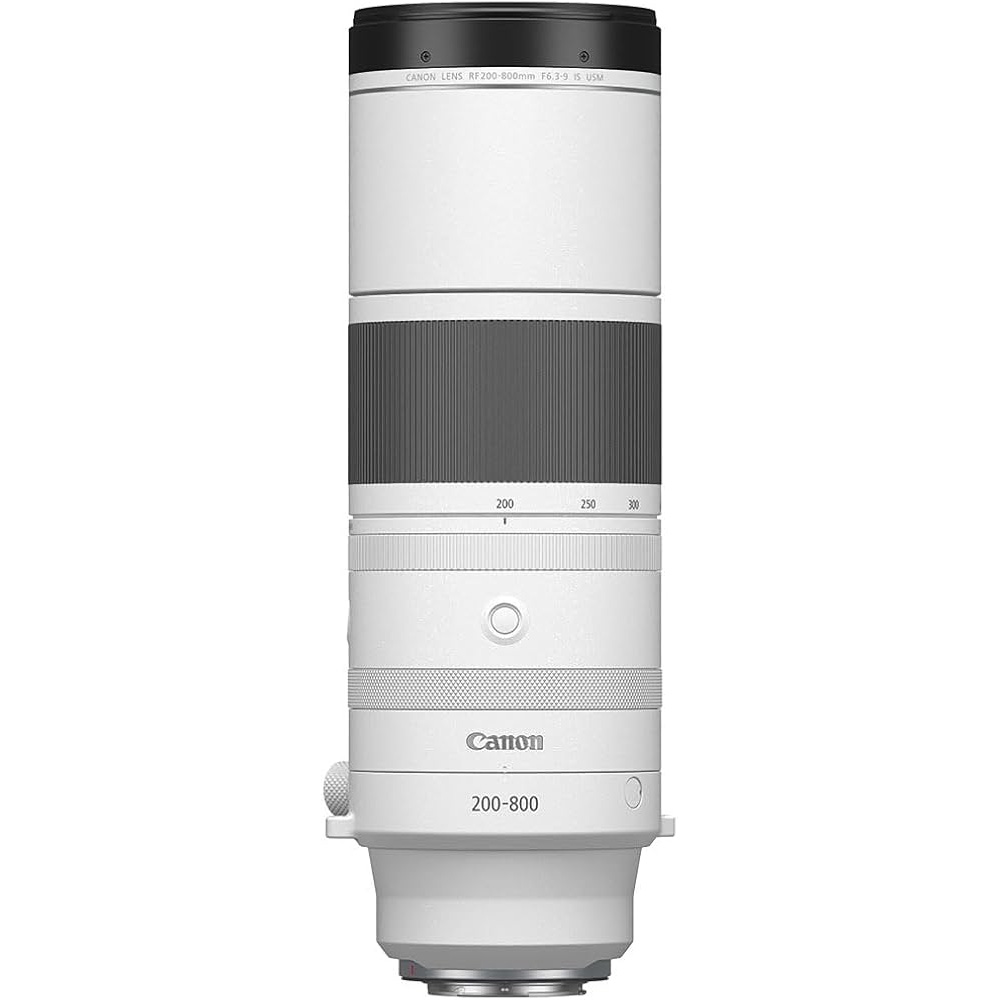
Canon RF 200-800mm F6.3-9 IS USM on a white backgroundIf you prioritize reach over speed

Canon RF 200-800mm f/6.3-9 IS USM

If you photograph distant subjects or small birds in good light and you need more reach, the Canon RF 200-800mm f/6.3-9 IS USM has the most reach of any Canon zoom and produces beautiful images.

Read our full Canon RF 200-800mm f/6.3-9 IS USM review

  •  
❌