Depois de semanas de teasers, a Xiaomi mostrou finalmente os seus primeiros veículos elétricos de autonomia estendida (EREV), construídos sobre uma nova plataforma, pensada de raiz para maximizar o espaço interior. Os preços de pré-venda arrancam nos 259.900 yuans (cerca de 33 mil euros), bem abaixo da concorrência.
Ford Apple Maps integration will place the navigation service directly inside a new family of affordable electric vehicles, beginning with a midsize pickup expected to start at approximately $30,000 in 2027.
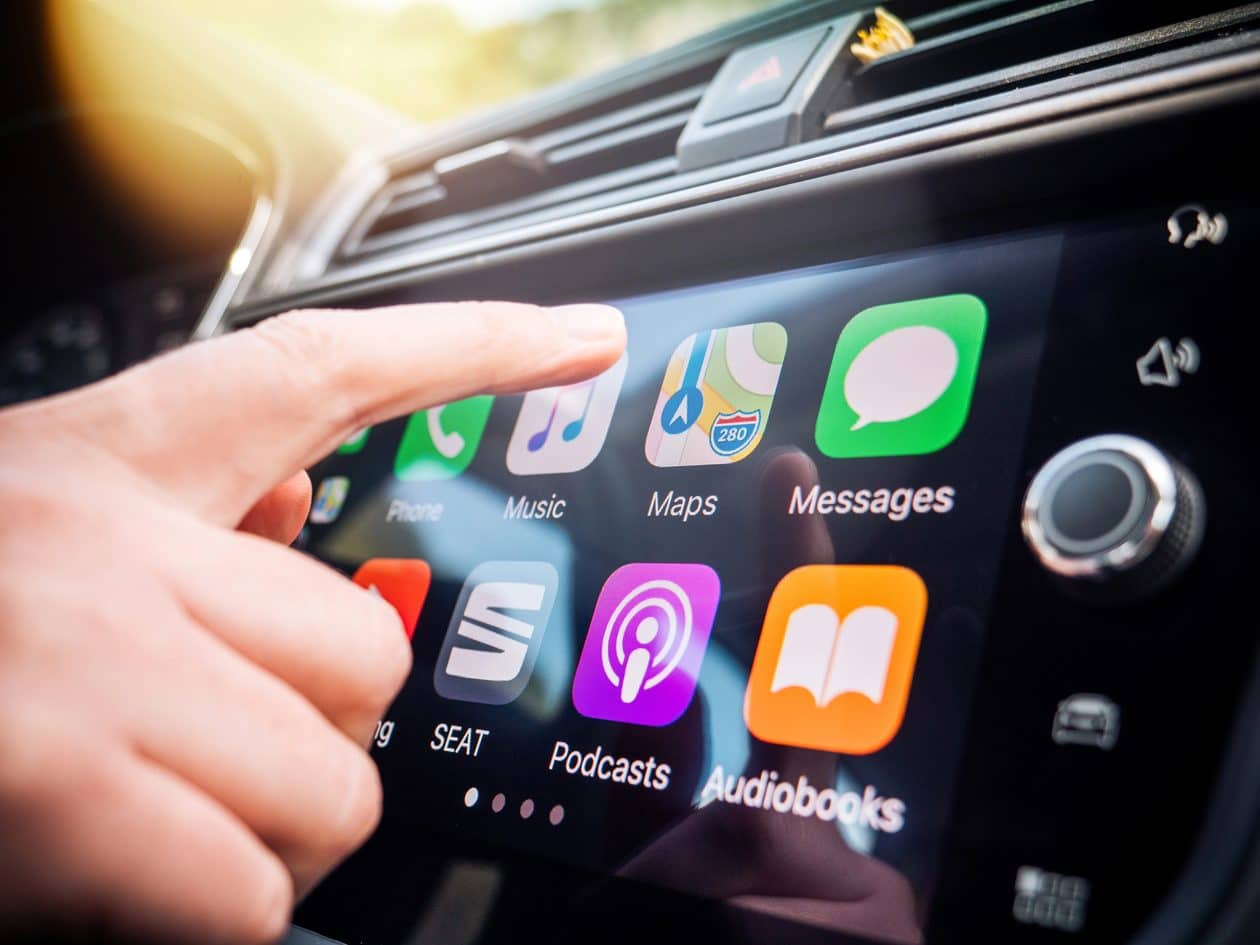
The truck will not depend on CarPlay or a connected iPhone to access Apple Maps. Ford plans to embed the service through MapKit for Automotive, allowing the automaker to incorporate Apple navigation into its own displays, controls and software environment.
CarPlay will remain available for drivers who want to use iPhone apps, messages, calls and media. The native integration, however, means Apple Maps can continue providing directions when no phone is connected or when the driver uses a device from another manufacturer.
The partnership extends beyond dashboard navigation. Ford also intends to use road-level information from Apple Maps while developing future versions of BlueCruise, connecting Apple mapping data with the driver-assistance technology planned for its Universal Electric Vehicle Platform.
Ford Apple Maps Moves Beyond CarPlay
Ford Apple Maps represents a different approach from the familiar relationship between an iPhone and a vehicle.
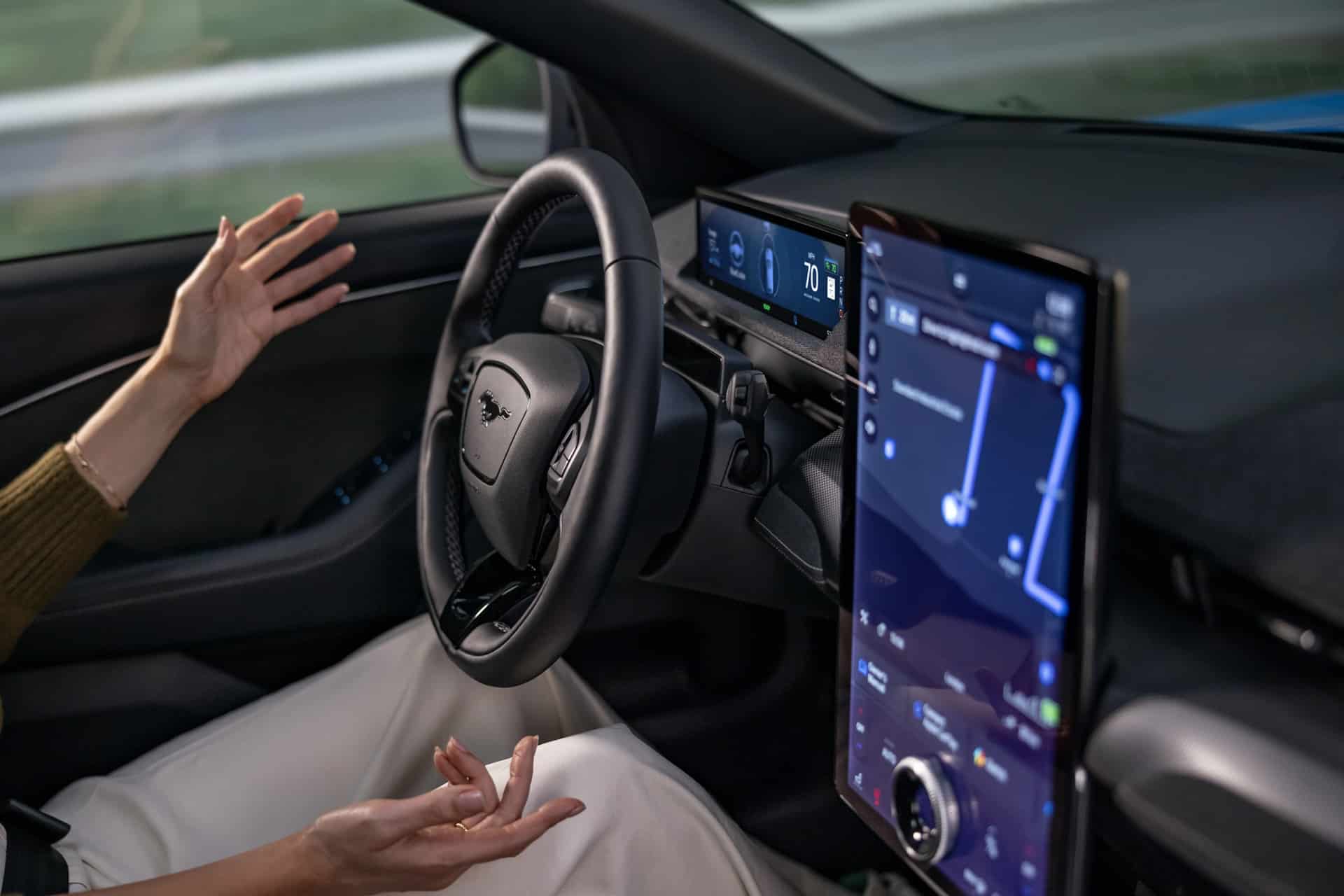
CarPlay runs from the phone and presents selected apps through the dashboard. The embedded version of Apple Maps will operate as part of the truck software, giving Ford greater control over how directions, charging information and vehicle data appear across its displays.
Drivers can expect turn-by-turn guidance, live traffic conditions, incident reports and detailed destination information. Ford will be able to adapt the visual experience to match the interface created for its new electric platform rather than reproducing the standard CarPlay layout.
EV routing may become the most practical benefit. The system can consider available range, charging locations and route conditions before recommending where a driver should stop.
When supported by the vehicle, navigation can also trigger battery preconditioning before arriving at a fast charger. Bringing the battery toward an appropriate temperature can reduce charging time, particularly during cold or extremely hot conditions.
Integrating those functions removes part of the planning burden from longer electric trips. Drivers will not need to move constantly between a navigation app, charging network software and separate vehicle menus to understand whether a station is suitable.
The native experience also gives Ford an alternative to building a complete mapping platform internally. Apple already maintains search, traffic, routing and place information across a large geographic network, while Ford can concentrate on vehicle-specific functions.
Apple, meanwhile, gains a route into factory-installed automotive software without needing to produce its own car.
A Different Strategy From CarPlay Ultra
The Ford arrangement should not be confused with CarPlay Ultra.
CarPlay Ultra expands the iPhone experience across multiple vehicle screens and can combine phone content with information supplied by the car, including speed, fuel or battery levels and climate controls.
Ford is taking a more selective path. Apple Maps becomes a native service, but the broader dashboard remains a Ford environment.
That distinction may appeal to automakers reluctant to hand control of the cabin interface to another company. Ford can use Apple technology for navigation while preserving its own identity, subscription services and software architecture.
Drivers still receive a recognizable Apple product, but the vehicle manufacturer determines where it appears and how it interacts with charging, driver assistance and other functions.
The arrangement could provide a model for other automakers that want access to individual Apple services without adopting the complete CarPlay Ultra experience.
Image Credit: Ford
A $30,000 Electric Truck Needs More Than a Low Price
The targeted price of approximately $30,000 would place it below many electric pickups currently available in the United States. Ford is aiming at drivers interested in an EV but unwilling or unable to spend the amounts associated with large premium trucks.
The company says the vehicle will provide more passenger space than a recent Toyota RAV4 while including a front storage compartment and a conventional truck bed. Performance is expected to compare with a Mustang EcoBoost, giving the pickup a stronger argument than affordability alone.
Reaching the price target requires changes throughout the vehicle rather than a smaller battery placed inside an existing truck design.
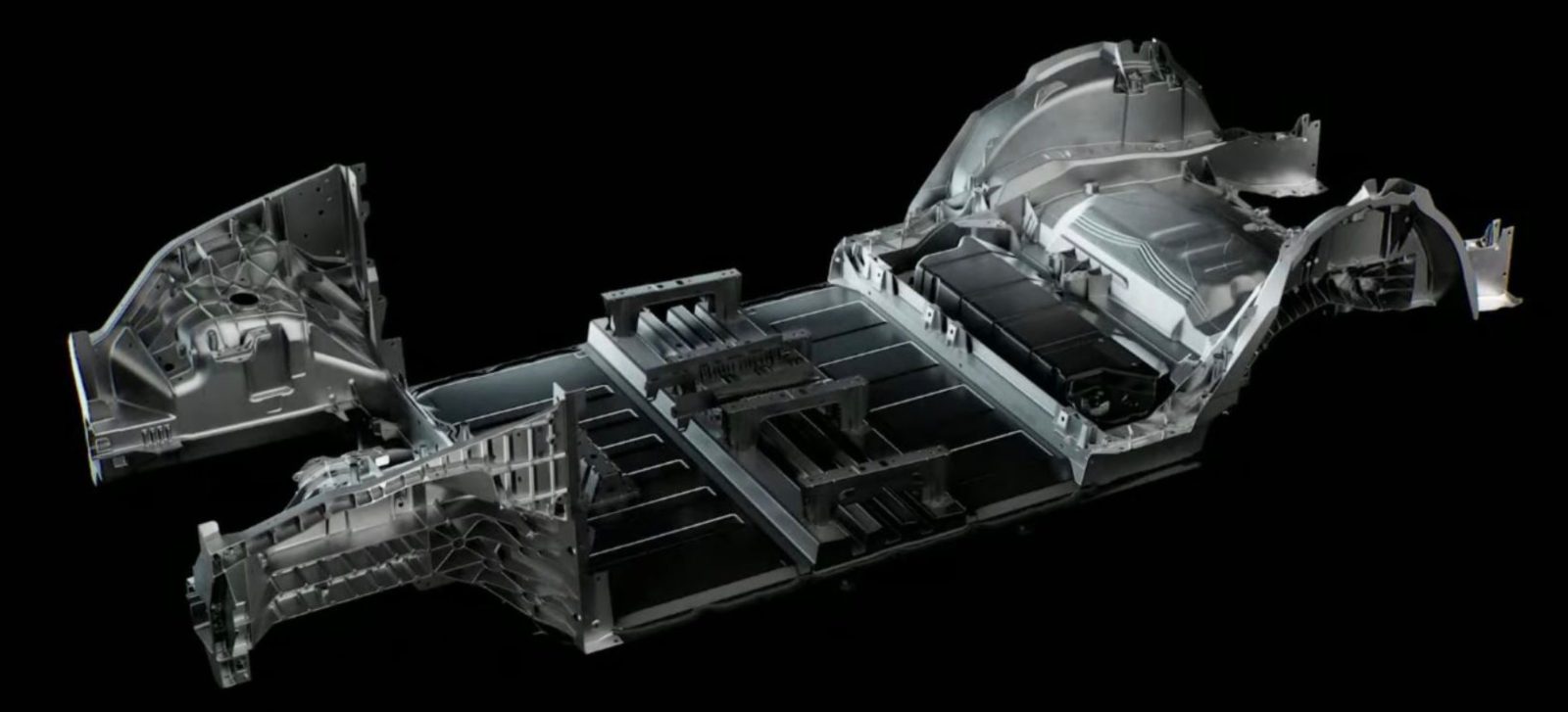
Ford has reduced the number of components, fasteners and assembly operations involved in the new platform. Its zonal electrical architecture is intended to shorten wiring and simplify how software-controlled systems connect across the vehicle.
Lithium iron phosphate batteries will form part of the structural floor. The chemistry avoids nickel and cobalt, generally costs less than alternatives focused on maximum energy density and can offer strong durability for repeated charging.
Production is planned for the Louisville Assembly Plant in Kentucky, where Ford is introducing a manufacturing process that separates major vehicle sections before bringing them together later in assembly.
Apple Maps supports the same cost-conscious strategy. Ford can offer a mature navigation experience without financing the creation of every mapping layer from the beginning.
Apple Maps Will Support BlueCruise Development
The partnership becomes more significant when mapping information begins supporting driver assistance.
Ford Latitude AI plans to use road-level Apple Maps data while developing future BlueCruise capabilities. The objective is to create smoother hands-free travel from a highway entrance ramp through the eventual exit.
Apple Maps can provide advance knowledge of road layouts, interchanges, curves and exits. Ford sensors and onboard systems must still identify vehicles, pedestrians, construction and unexpected changes in real time.
Apple is not developing or controlling BlueCruise. Ford remains responsible for the cameras, sensors, processors and driving decisions used by the system.
The maps provide another layer of context. A vehicle that understands the route in advance can prepare for lane changes, merges and exits before its sensors reach them.
Ford is also developing a large driving model through Latitude AI using extensive road data. Combining that work with detailed maps could allow the company to improve assistance without depending entirely on moment-to-moment visual detection.
The Universal Electric Vehicle Platform is expected to support more capable automated driving in later models. Ford has discussed eyes-off operation from 2028, although final hardware, pricing and regulatory approval remain unresolved.
Introducing that technology through an affordable platform would represent a departure from the usual industry pattern. Advanced driver assistance often begins in expensive vehicles where premium pricing absorbs the cost of sensors and computing.
Ford wants to distribute the development expense across a larger family of electric products.
Image Credit: Ford
Apple Maps Gives the Truck a Familiar Entry Point
The Apple Maps name may make the new truck feel less unfamiliar to customers buying an electric vehicle for the first time.
Charging behavior, range estimation and route planning can create hesitation among drivers accustomed to gasoline vehicles. Presenting those functions through a navigation service already used on millions of iPhones reduces the number of unfamiliar interfaces introduced at once.
Existing Apple Maps users may also recognize saved locations, search behavior and visual guidance, although Ford has not explained which personal features will require an Apple Account or connected iPhone.
The embedded service will still need reliable integration with vehicle range, charger availability and battery temperature. A familiar logo alone cannot compensate for inaccurate charging information or route estimates.
Ford has not yet announced the truck name, final driving range, battery capacity, production specifications or confirmed base price. Those details will determine whether the pickup can combine its promised affordability with enough capability for everyday work and travel.
The first production model is scheduled for 2027, leaving Ford time to refine the software and reveal how Apple Maps will appear across the dashboard before the Louisville assembly line begins building customer vehicles.
A Apple anunciou hoje uma parceria com a Ford para que o Apple Maps seja integrado à Universal Electric Vehicle Platform (UEV) da montadora até 2027, por meio do seu kit de desenvolvimento MapKit for Automotive.
A Maçã ainda afirmou que as informações cartográficas em nível de via serão utilizadas pela equipe Latitude AI da Ford para desenvolver um sistema de condução hands-free.
Com o novo SDK 1Software development kit, ou kit de desenvolvimento de software., a plataforma UEV da Ford permitirá navegação curva a curva a partir de instruções em linguagem natural, informações de trânsito e incidentes em tempo real, busca intuitiva com cartões detalhados de locais e opções de rotas inteligentes.
A Ford deverá utilizar os dados viários dos Mapas da Apple para aprimorar a próxima geração do BlueCruise, seu sistema de condução sem as mãos para rodovias. A experiência da plataforma UEV poderá se assemelhar à dos Mapas no CarPlay, oferecendo um roteamento inteligente para elétricos e pré-condicionamento de bateria — nesse caso, integrados diretamente ao sistema de navegação do veículo.
O CEO 2Chief executive officer, ou diretor executivo. da Ford, Jim Farley, comentou a parceria:
Nossos novos carros de porte médio terão um preço por volta de US$30.000 e redefinirão o que a tecnologia avançada pode ser — simples, útil e realmente acessível para mais consumidores. […] Nós temos o orgulho de incorporar a navegação e a tecnologia de navegação de mapas do Apple Maps diretamente na nossa Universal Electric Vehicle Platform, dando aos consumidores uma experiência definitiva de navegação junto com o nosso app da Ford, uma suíte completa de software e a próxima geração do BlueCruise, tudo habilitado para uma nova arquitetura zonal. O Apple Maps entregou um produto de classe mundial, e estamos honrados em ser um dos primeiros a incorporá-lo diretamente em um veículo, ajudando a definir uma condução mais intuitiva e capaz.
Para os proprietários de carros da Ford, a Apple confirmou a continuidade do suporte ao CarPlay, embora a colaboração permita que até mesmo quem não utiliza um iPhone possua os Mapas da Apple com todos os seus recursos. Com o kit de desenvolvimento MapKit for Automotive, a expectativa da Apple é que mais montadoras incorporem os Mapas aos seus próprios sistemas.
Notas de rodapé
1
Software development kit, ou kit de desenvolvimento de software.
O EX30 é o Volvo mais pequeno e mais acessível da gama, e um dos SUV elétricos compactos mais interessantes do mercado. Testámos a versão P5 Plus, com bateria de 55 kWh, e ficámos rendidos ao bom ambiente a bordo, e com a eficiência superior à anunciada. Mas não conseguimos ignorar algumas decisões de design que dão que pensar numa marca com o histórico de segurança da Volvo.
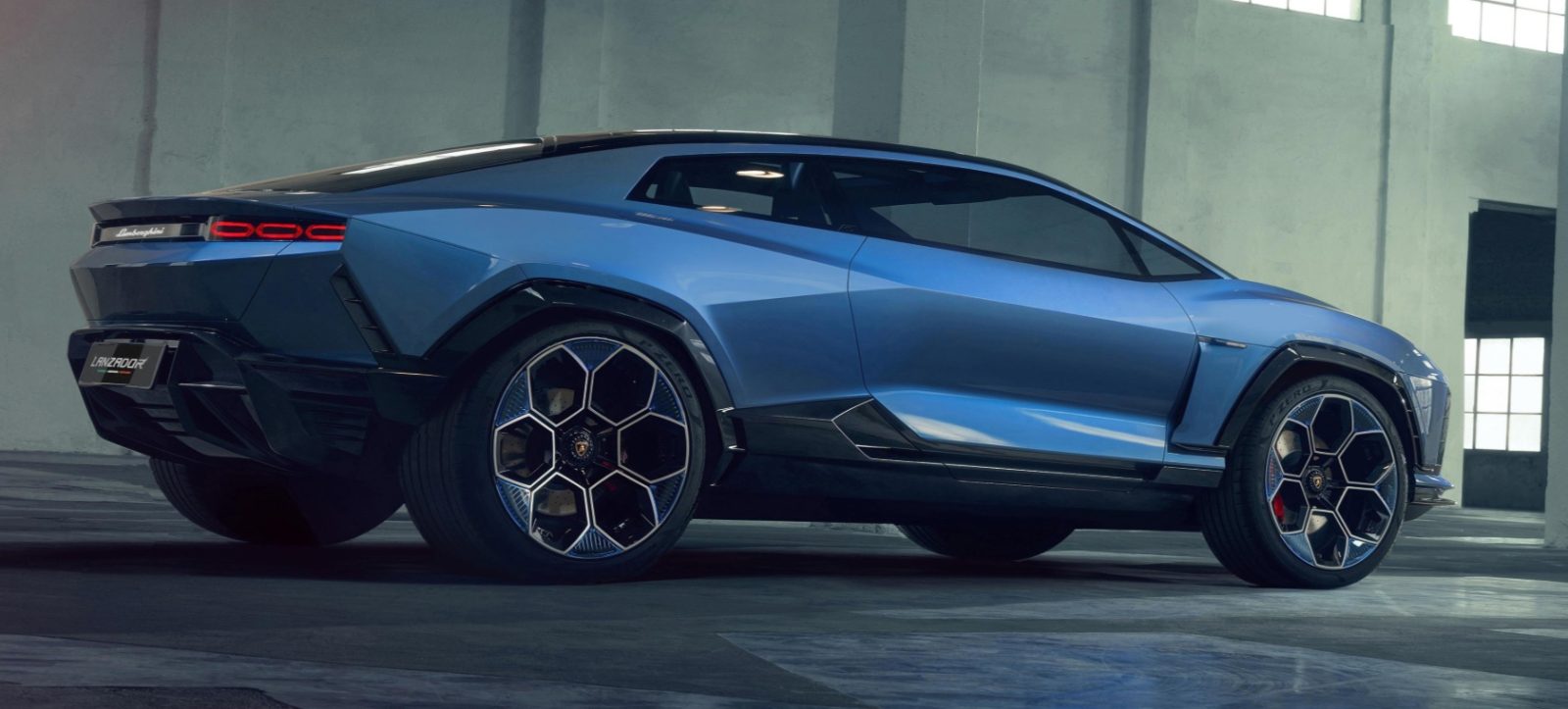
Lamborghini has doubled down on backing away from electric vehicles. A second executive now confirms the Lanzador will launch as a plug-in hybrid rather than an EV, and that the brand’s first fully electric car won’t arrive until after 2030.
The reason, according to the company, is that its customers “were not willing to buy an electric car” and that the “technology is not mature enough.”
A new analysis of nearly 10,000 real-world EV battery tests found that the same Tesla Model 3 holds up very differently depending on which battery it was built with — and the cheaper LFP version comes out on top.
The Model 3 with CATL’s lithium iron phosphate (LFP) pack averaged 93.3% battery health among cars that had driven more than 62,000 miles, beating every nickel-based version of the car in the dataset.
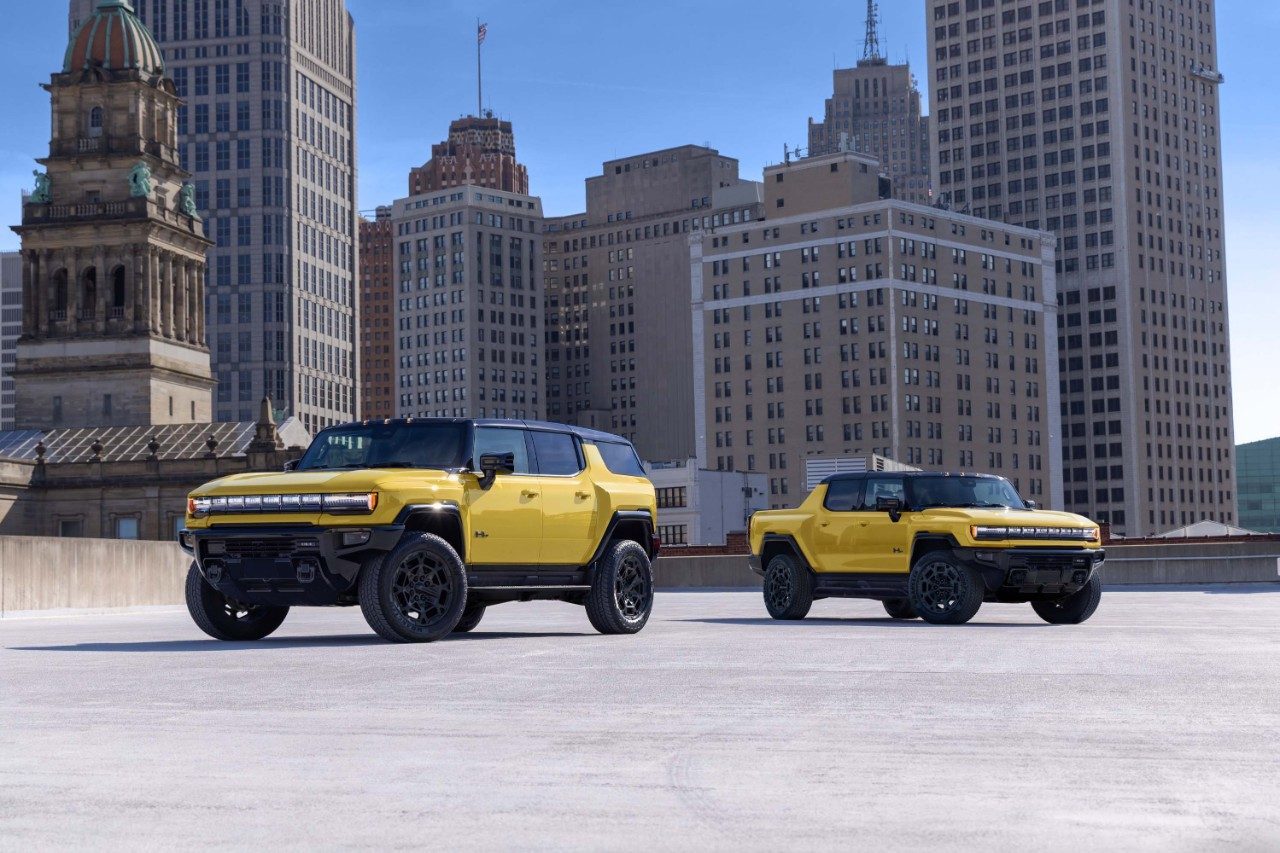
GMC is marking 25 years of the Hummer nameplate with the Hummer EV ICON | 25, a limited-run edition of its all-electric supertruck that revives the yellow paint of the original H2.
The tribute arrives at an awkward moment: Hummer EV sales fell nearly 55% in the first half of 2026 as demand for pricey electric trucks cooled.
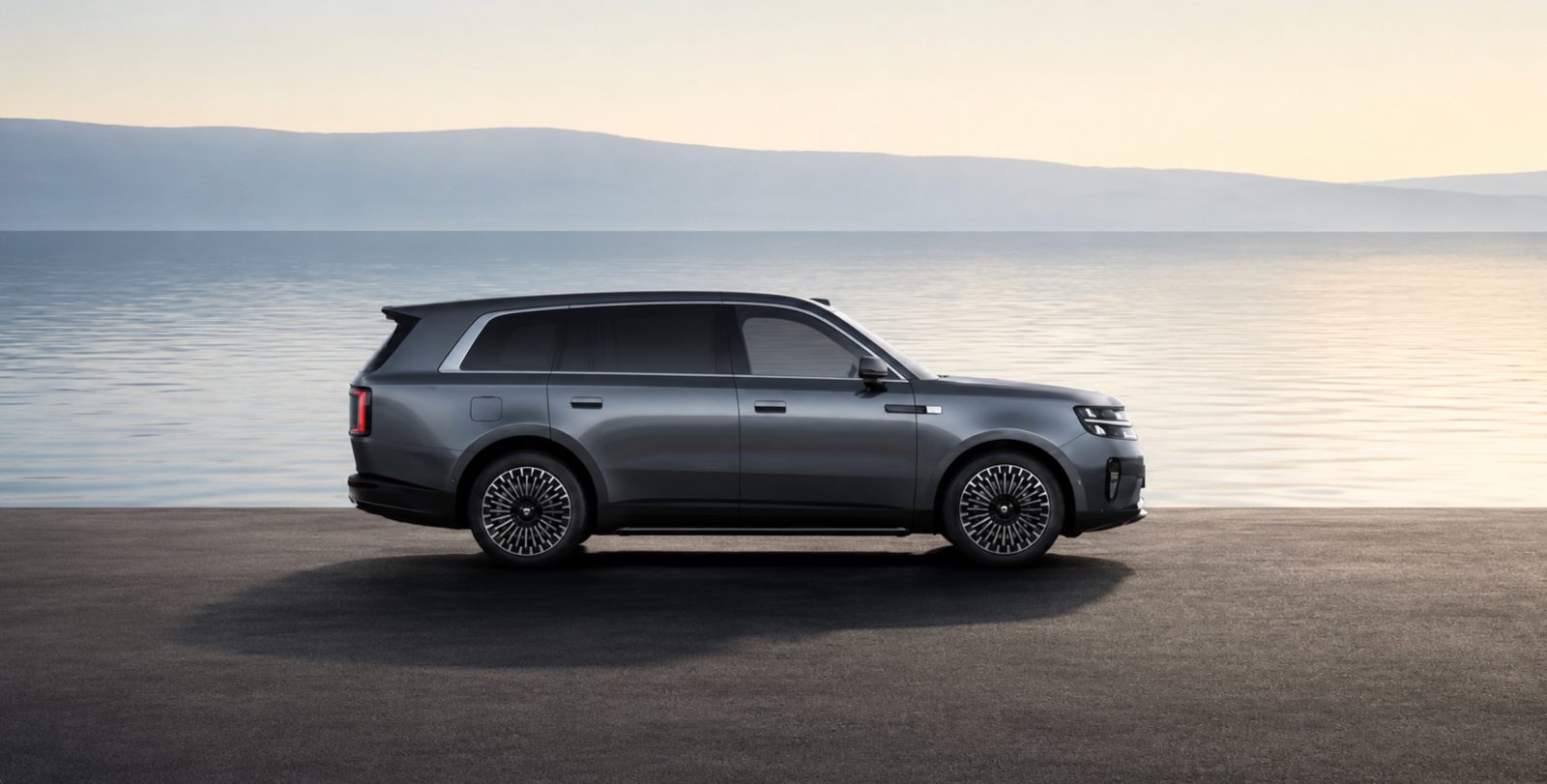
Xiaomi has revealed the SkyNomad N90, the first model in its new SkyNomad series and the company’s first extended-range electric vehicle. CEO Lei Jun posted the first official exterior images today, and a new regulatory filing confirmed the full specs.
The N90 is a full-size, three-row SUV with a claimed combined range of more than 1,500 km (932 miles), aimed squarely at Li Auto and Huawei-backed Aito in China’s fast-growing EREV market.
Xiaomi has answered the biggest open question about Sky Nomad: it’s a second product series under Xiaomi EV, not the standalone sub-brand that had been rumored for months.
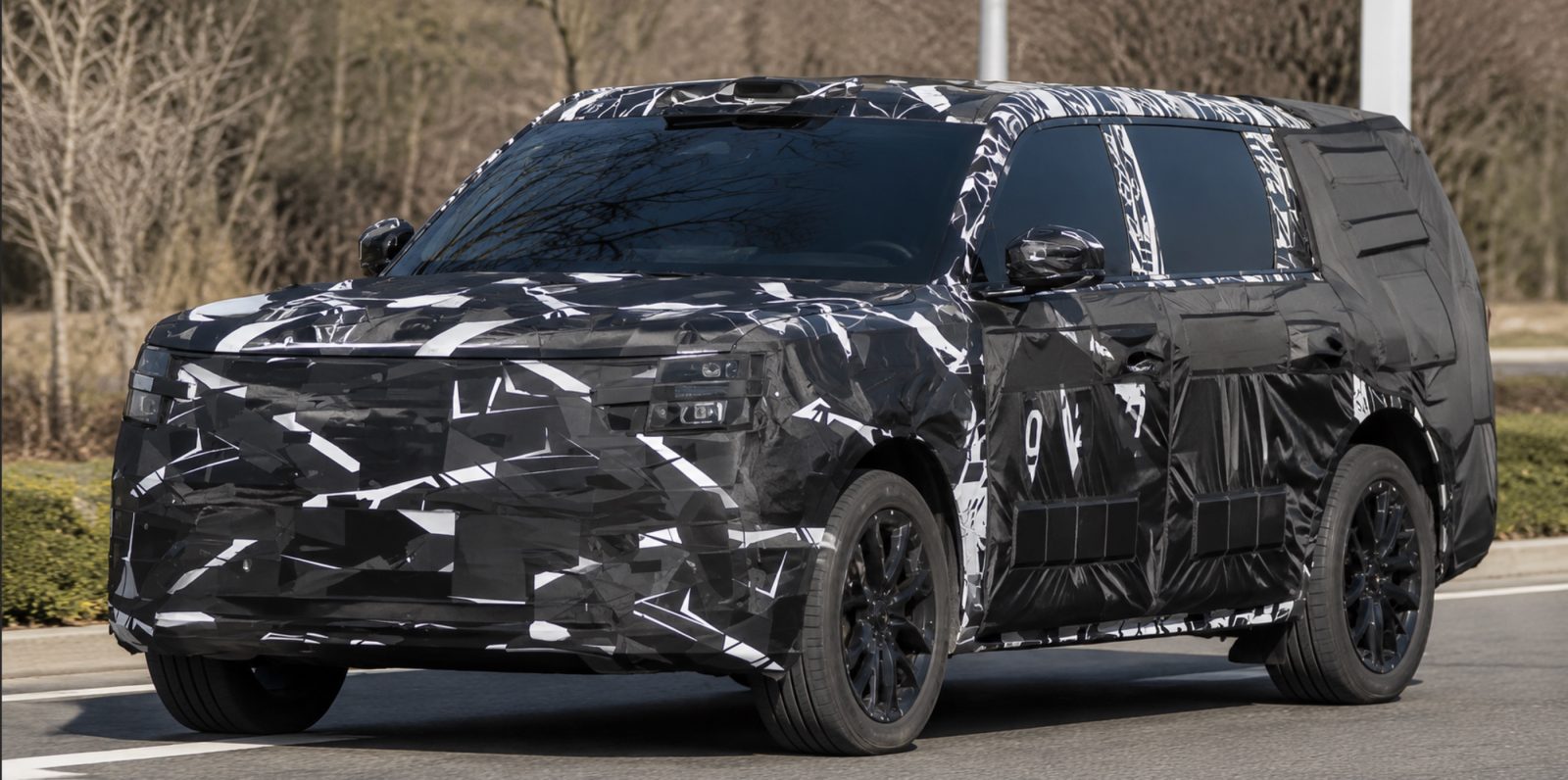
The company also revealed the first clear look at the lineup’s debut model — a rugged, boxy extended-range SUV — in a set of official teaser posters.
Xiaomi officially confirmed “Sky Nomad,” the name of its new extended-range electric vehicle (EREV) effort, after months of rumors. The first model is a full-size SUV expected to deliver over 1,500 km (932 miles) of combined range.
The announcement puts China’s hottest EV newcomer on a collision course with Li Auto and Huawei-backed Aito, which dominate the country’s lucrative family SUV segment.
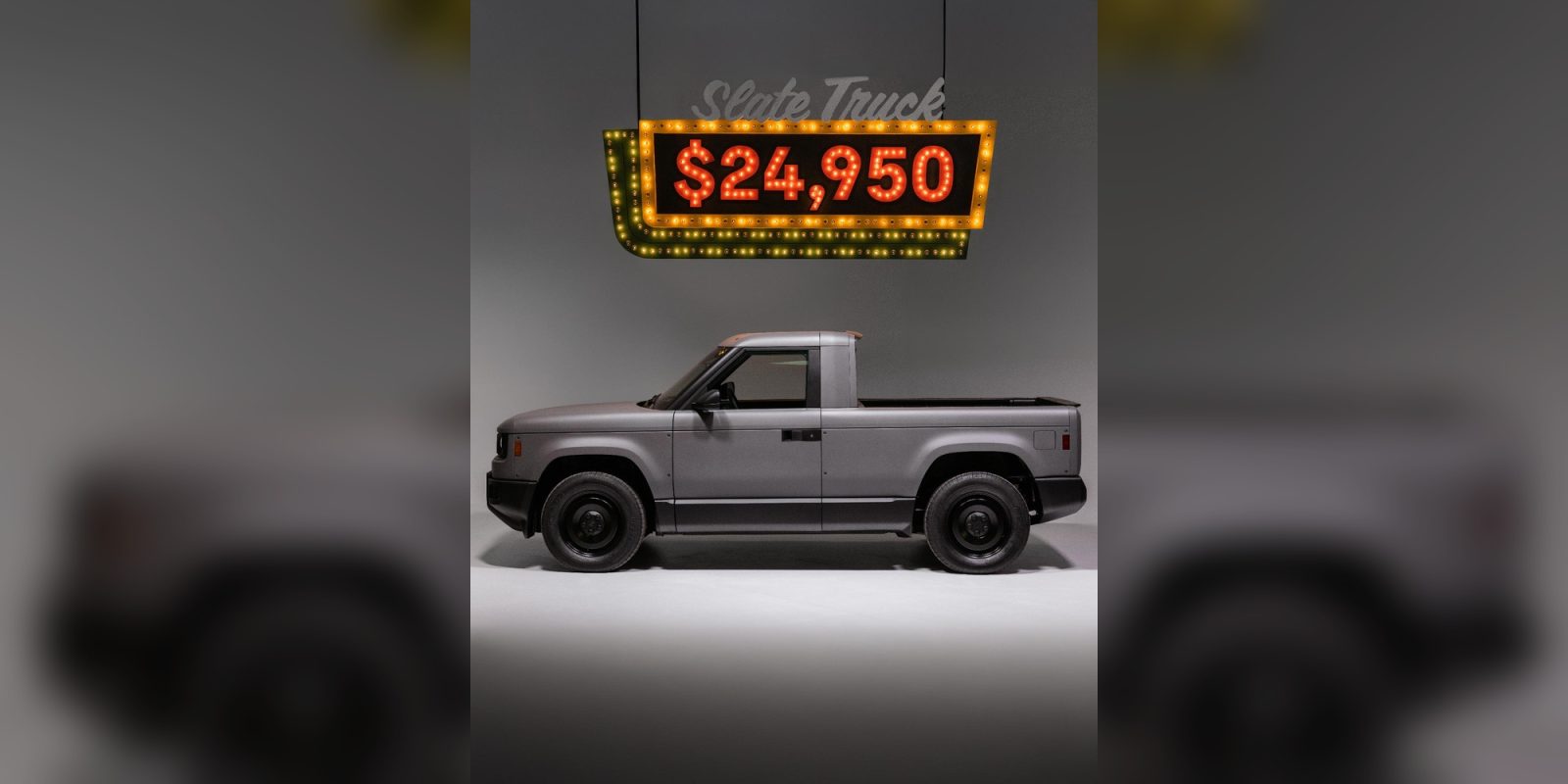
Slate Auto, the EV startup backed by Jeff Bezos, finally revealed pricing for its bare-bones electric truck today: $24,950 to start. The company opened preorders the same day.
Slate also boosted the base model’s estimated range from 150 miles to around 205 miles, making the price look even better against a US new-car market where almost nothing starts under $30,000.
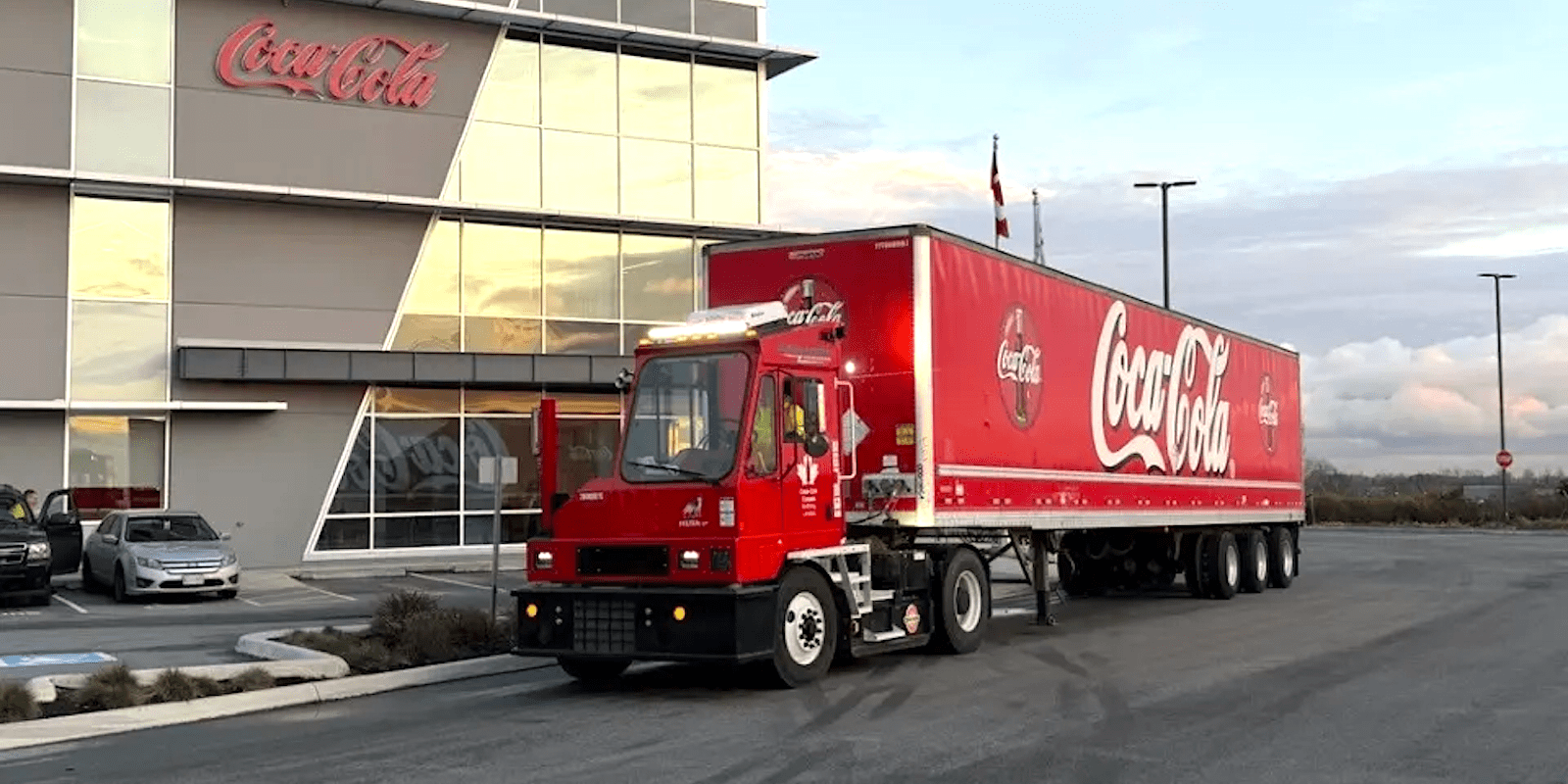
It’s been a big month for Orange EV – the all electric terminal truck brand followed news of its record-setting 600-unit order with not one but two major milestone announcements: 2,000 yard hostlers delivered to customers, and 33 million electric miles driven!
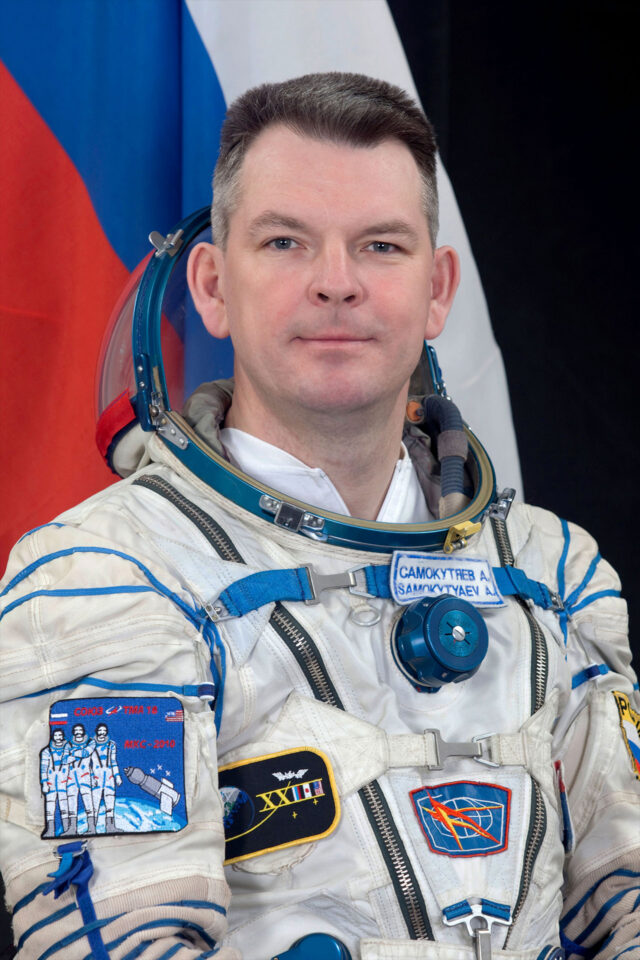
Russian cosmonaut Aleksandr Samokutyaev, who served twice as a crew member aboard the International Space Station (ISS), including during the final US space shuttle mission in 2011, has died at the age of 56.
With Samokutyaev's death on Wednesday, he becomes the first former ISS long-duration resident to die in the 26 years that the space station has been a home to 155 other cosmonauts and astronauts as expedition crew members. The cause of his death is unknown.
Portrait of cosmonaut Aleksandr Samokutyaev.
Credit:
Roscosmos
"The leadership and staff of the Roscosmos State Corporation extend their sincere condolences to the family and loved ones of Aleksandr Mikhailovich," officials with Russia's space agency said in a statement.
How do we know EVs are here to stay? Electric terminal brand Orange EV just announced a new, record single order that includes 600 new electric Class 8 trucks, proving that there’s a genuine market for HDEVs even without Federal incentives.

 Login



 Portrait of cosmonaut Aleksandr Samokutyaev.
Credit:
Roscosmos