❌

Reading view

Apple TV adquire direitos da trilogia “Harlem”, de Colson Whitehead

De acordo com informações da Variety, o Apple TV adquiriu os direitos para adaptar a trilogia “Harlem” — que inclui os romances populares “Harlem Shuffle” (2021), “Crook Manifesto” (2023) e “Cool Machine” (2026) — em uma nova série.

Os romances serão adaptados por Graham Yost e Aric Avelino, que serão produtores executivos do projeto ao lado de Barry Jenkins, Adele Romanski, Mark Ceryak, Melissa Bernstein e Colson Whitehead, que é o escritor das histórias originais.

Ambientada na cidade de Nova York entre as décadas de 1950 e 1980, a trilogia — que mistura ficção policial com sátira social — acompanha Ray Carney, um vendedor de móveis que é atraído para o submundo criminoso do Harlem (famoso bairro de Manhattan, em Nova York).

O primeiro livro mostra as grandes mudanças econômicas e culturais do bairro na década de 1950; já o segundo mostra a ascensão da cultura de exploração nas décadas de 1960 e 1970; o terceiro, por fim, acompanha a história de Carney na década de 1980.

Ainda não há informações sobre o elenco ou mesmo quando a produção deverá estrear no Apple TV.

O Apple TV está disponível no aplicativo Apple TV em mais de 100 países e regiões, seja em iPhones, iPads, Apple TVs, Macs, dispositivos Android, smart TVs ou online — além de também estar em aparelhos como Roku, Amazon Fire TV, Chromecast com Google TV, consoles PlayStation e Xbox. O serviço custa R$29,90 por mês, com um período de teste gratuito de 7 dias. Por tempo limitado, quem comprar e ativar um novo iPhone, iPad, Apple TV ou Mac ganha 3 meses do Apple TV. Ele também faz parte do pacote de assinaturas da empresa, o Apple One.

NOTA DE TRANSPARÊNCIA: O MacMagazine recebe uma pequena comissão sobre vendas concluídas por meio de links deste post, mas você, como consumidor, não paga nada mais pelos produtos/serviços usando os nossos links de afiliado.

  •  

Sunsetting CoreStorage

Apple:

In macOS 28 and later, the Mac OS Extended file system format will be supported only for volumes (disks and other storage devices) that aren’t encrypted. For future macOS compatibility, either decrypt or reformat any encrypted Mac OS Extended volumes.

I think Apple removed the user interface for creating such volumes way back in Big Sur. It’s not really surprising that they’re going away, although only offering a year of warnings seems rather aggressive. Many people delay updating to major OS versions or wait until they get a new Mac. There will be users that switch to a Mac that can only run macOS 28 and get rid of their old one before realizing that some drive they haven’t connected in a while won’t mount.

The other surprising part is that Apple’s options—reformat or decrypt—are not great. During the initial transition to APFS, macOS would transparently convert an encrypted HFS+ boot volume to encrypted APFS without rewriting any data. This functionality is nominally still available via the diskutil apfs convert command, but Apple hasn’t mentioned this or built an automatic upgrader GUI.

[Decrypting] doesn’t apply to encrypted Time Machine backup disks.

It’s obvious why. The old Time Machine format with hard links is totally different from the new one based on APFS snapshots. But this means that you’ll either need to buy a new Time Machine drive for use with macOS 28 or delete your backup history. Even if you keep the old drive, you’ll need an older boot drive or an old Mac in order to be able to access it.

Previously:

Update (2026-07-24): Marcus Mendes:

Apple has now revised the page to add a third option, allowing users to convert an encrypted HFS+ volume directly to encrypted APFS without decrypting it first.

[…]

The company has also removed its previous instructions for decrypting the volume first, converting it to APFS without erasing it, and then optionally re-encrypting it.

Hammer:

Ignore Apple’s guidance and do not use Convert to APFS in Disk Utility for disk images.

The first encrypted HFS+ disk image I tried to convert that way failed and left me with an unusable disk image. If I didn’t have backups I’d have lost its contents.

It didn’t corrupt the disk images that I tried, but it didn’t work, either, instead failing with an error about expecting a GPT partitioning scheme.

Update (2026-07-28): Howard Oakley:

As encrypted disk images have never used CoreStorage, withdrawal of support for that has no impact on the continued use of any form of encrypted disk image, including those using HFS+ as their virtual file system.

This is a good point. Apple’s support page refers to “encrypted Mac OS Extended disks,” but the developer release notes refer to CoreStorage specifically. So this shouldn’t affect most encrypted disk images, which show up in Finder as unencrypted after mounting. The encryption is at the disk image level rather than at the file system level. However, I’m not sure that all encrypted disk images are safe. Presumably, a device image, which directly copies the blocks rather than the files, would still use CoreStorage.

  •  

Searching Time Machine Backups and Versions

Howard Oakley:

Spotlight doesn’t currently appear able to search Time Machine backups reliably, at least not in Sequoia or Tahoe, although this may not be universal.

[…]

If I now step back through my backups to reach one that I know contains that file, I can restore it. But if I type anything into the search field, nothing is found. If I change the scope of the search to that backup, the window title changes but its contents remain blank, and there isn’t even a busy spinner to indicate a search is in progress.

[…]

As I can’t disable Spotlight indexing on that volume without macOS telling me that it’s required to be indexed by Spotlight, neither can I force that volume to be reindexed.

[…]

My conclusion is that using Spotlight to search Time Machine backups no longer works, and the instructions given by Apple are also broken.

That has been my experience, too. As I see it, there are four separate problems:

  1. I want to be able to search all my backup snapshots, because I don’t know which one might contain the file I want to restore. Time Machine only lets you search one at a time.
  2. Searching an individual snapshot doesn’t actually work.
  3. Spotlight indexing is invasive, using lots of CPU time, and with spinning hard drives causes wear and tear and creates lots of noise. If search doesn’t work anyway, I’d like to turn it off, but macOS won’t let me.
  4. If the problem is with the index, there’s no way to reset it without deleting your backup.

Howard Oakley:

Unfortunately, all those saved versions in the version database fall outside the scope of Spotlight indexing, and Spotlight search can’t look inside any of the old versions saved in a volume’s version database. Surprisingly, the version browser doesn’t offer any search facilities either, as that’s presumably another feature intended for a future that never came.

[…]

One way around this is to save each document version as a separate file, allow Spotlight to extract their contents and add those to its indexes for that volume, then to search those files. This is quick and simple using my free utility Versatility.

Previously:

  •  

La Chine prépare un réseau géant pour l’IA : le plan qui pourrait changer l’équilibre mondial

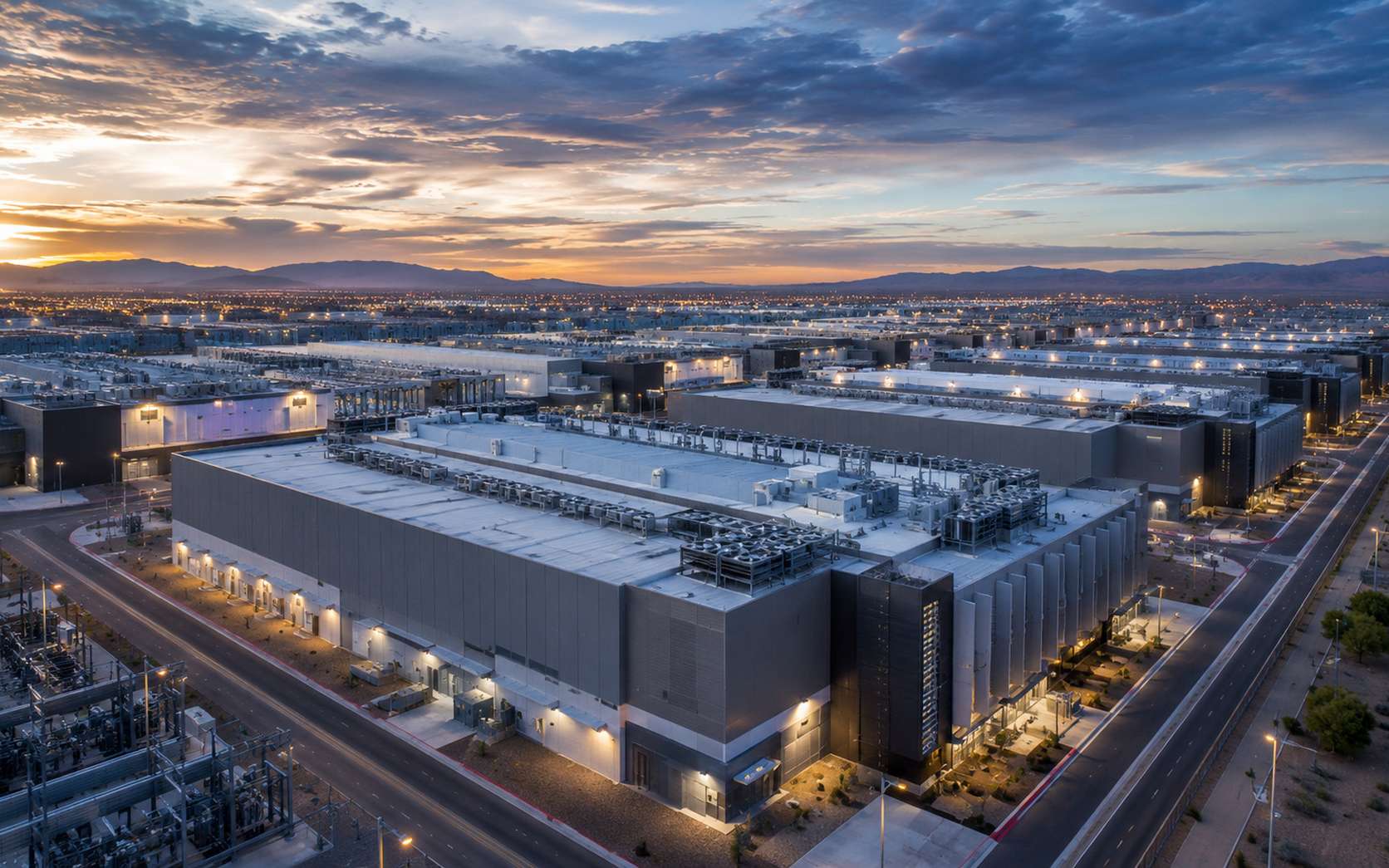
Pékin travaille à un vaste programme d’investissement estimé à 2 000 milliards de yuans, soit environ 295 milliards de dollars, destiné à développer un réseau national de centres de données consacrés à l’intelligence artificielle.

  •  

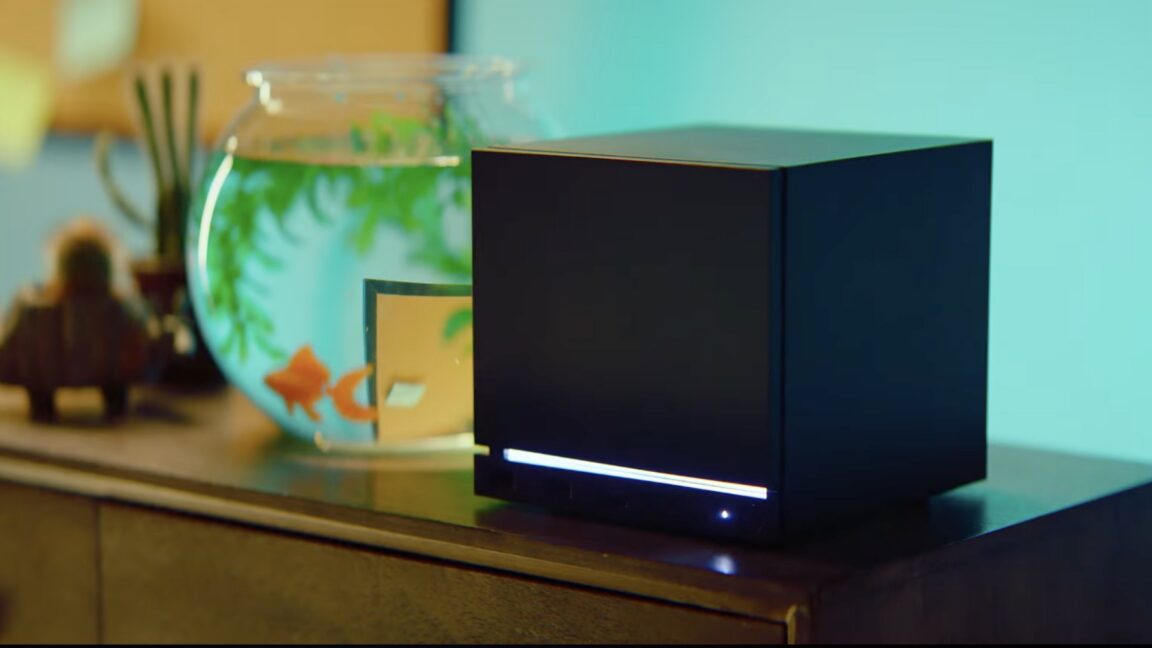
Valve's Steam Machine ships June 29 for $1,049, but you probably won't be able to buy one yet

The Steam Machine is almost here. Valve chose possibly the worst time to announce new PC gaming hardware in late 2025, just as the AI boom sent storage and RAM prices through the roof. The upheaval delayed its new Steam Machine release, but Valve has announced its TV-friendly gaming PC will go on sale June 29 with a reservation-based system and a starting price of $1,049.

The Steam Machine will come in two variations: one with 512GB of storage and a more expensive one with 2TB. They'll retail for $1,049 and $1,349, respectively, and you'll be able to bundle a Steam Controller with either for an additional $79. Buying the 2TB model also gets you a pair of exclusive faceplates with red fabric and walnut finishes. Like the Steam Deck, the machine ships with the Linux-based SteamOS.

Both versions of the Steam Machine will run on a custom six-core AMD Zen 4 CPU with a peak clock speed of 4.8GHz. The integrated AMD RDNA3 GPU will feature 28 compute units and 8GB of dedicated DDR6 VRAM soldered to the board. The system will have its own 16GB allotment of DDR5 on the board. This should provide enough oomph (with upscaling tech) to play moderately demanding PC games on your TV.

Read full article

Comments

© Valve

  •  

La plante de la semaine : cet « arbre de la chance » venu d’Asie donne au jardin une couleur presque irréelle

Les Français sont de vrais « jardinophiles » ! Et vous ? Avec cette chronique, (re)découvrez une plante, un fruit, un légume. Si certaines plantes séduisent par leur feuillage, leurs fleurs ou leurs fruits, rares sont les espèces capables de surprendre à chaque saison. Le Clerodendrum...

  •  

En Chine, des robots entrent chez les particuliers : ce qu’ils apprennent peut tout changer

À Pékin et à Shenzhen, des robots humanoïdes dopés à l’intelligence artificielle sont testés dans des logements privés. Encore lents, maladroits et accompagnés par des humains, ces assistants mécaniques servent autant à nettoyer qu’à collecter les données indispensables à la prochaine génération...

  •  

La science le confirme : le thé peut aider à vivre plus longtemps, mais tout dépend de sa préparation

Et si une simple tasse de thé contribuait à vieillir en meilleure santé ? Selon une nouvelle revue scientifique, cette boisson pourrait aider à protéger le cœur, le cerveau et même les muscles. À condition toutefois de choisir le bon type de thé et d'éviter certains produits qui pourraient en...

  •  

Face à la soif d’énergie de l’IA, la Chine mise sur des serveurs immergés en mer

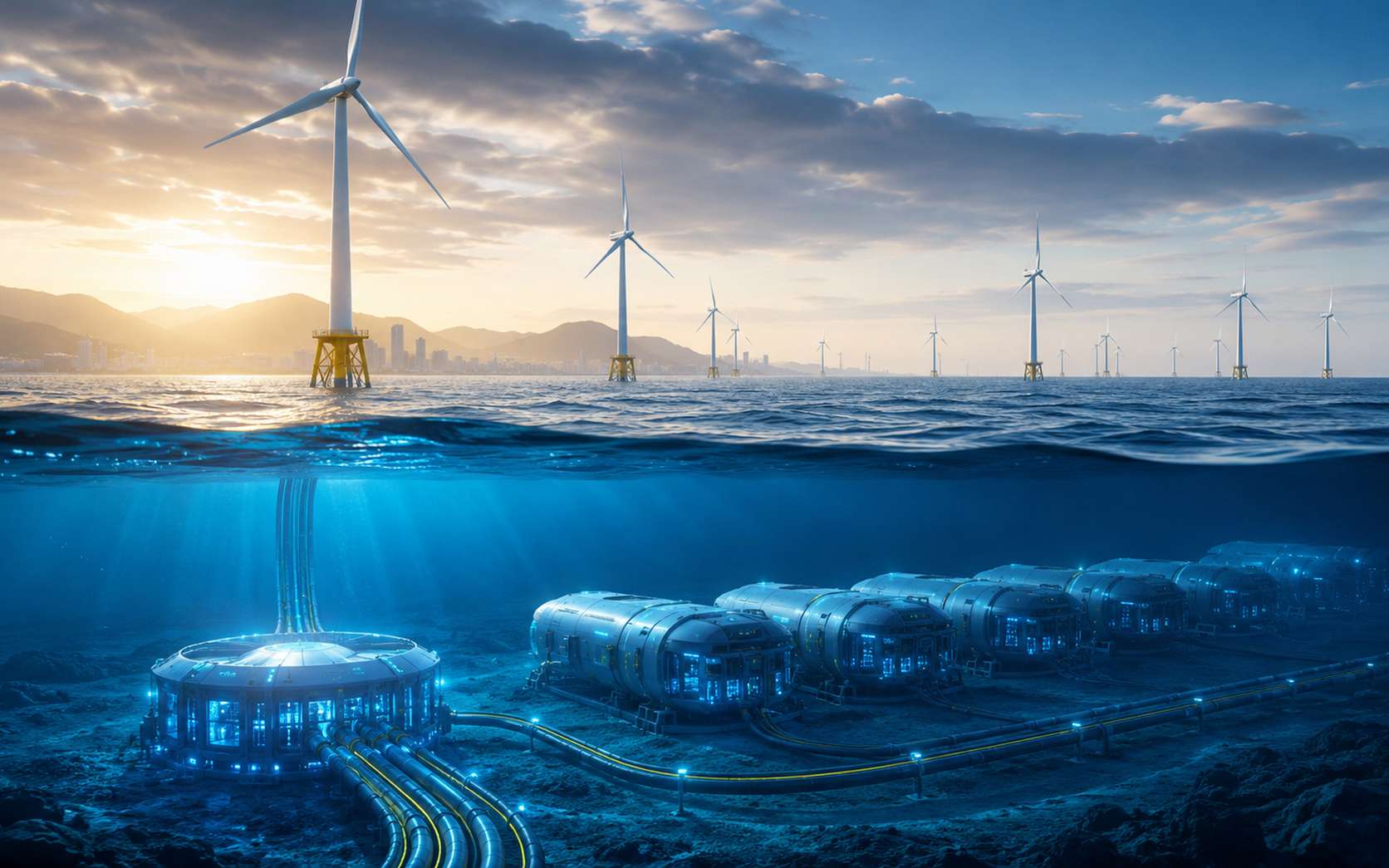
Face à l’explosion des besoins de calcul liés à l’intelligence artificielle, la Chine a mis en exploitation un data center sous-marin présenté comme le premier au monde à être alimenté par un parc éolien offshore, ce qui réduit la dépendance à l'eau douce et aux énergies fossiles.

  •  

Un satellite révèle un sous-marin chinois au design étrange dans un chantier naval

L’expansion navale chinoise continue à un rythme soutenu, portée par une multiplication de nouveaux bâtiments souvent découverts grâce aux images satellites. Cette fois, c’est un appareil à la silhouette inhabituelle qui attire l’attention des observateurs et soulève de nombreuses questions sur...

  •  
❌