❌

Reading view

Estudo avalia uso do Apple Vision Pro como monitor principal em cirurgia

Na medicina, a computação espacial e os headsets de realidade aumentada/virtual — incluindo o Apple Vision Pro — têm sido aplicados em uma gama crescente de ambientes clínicos e cirúrgicos.

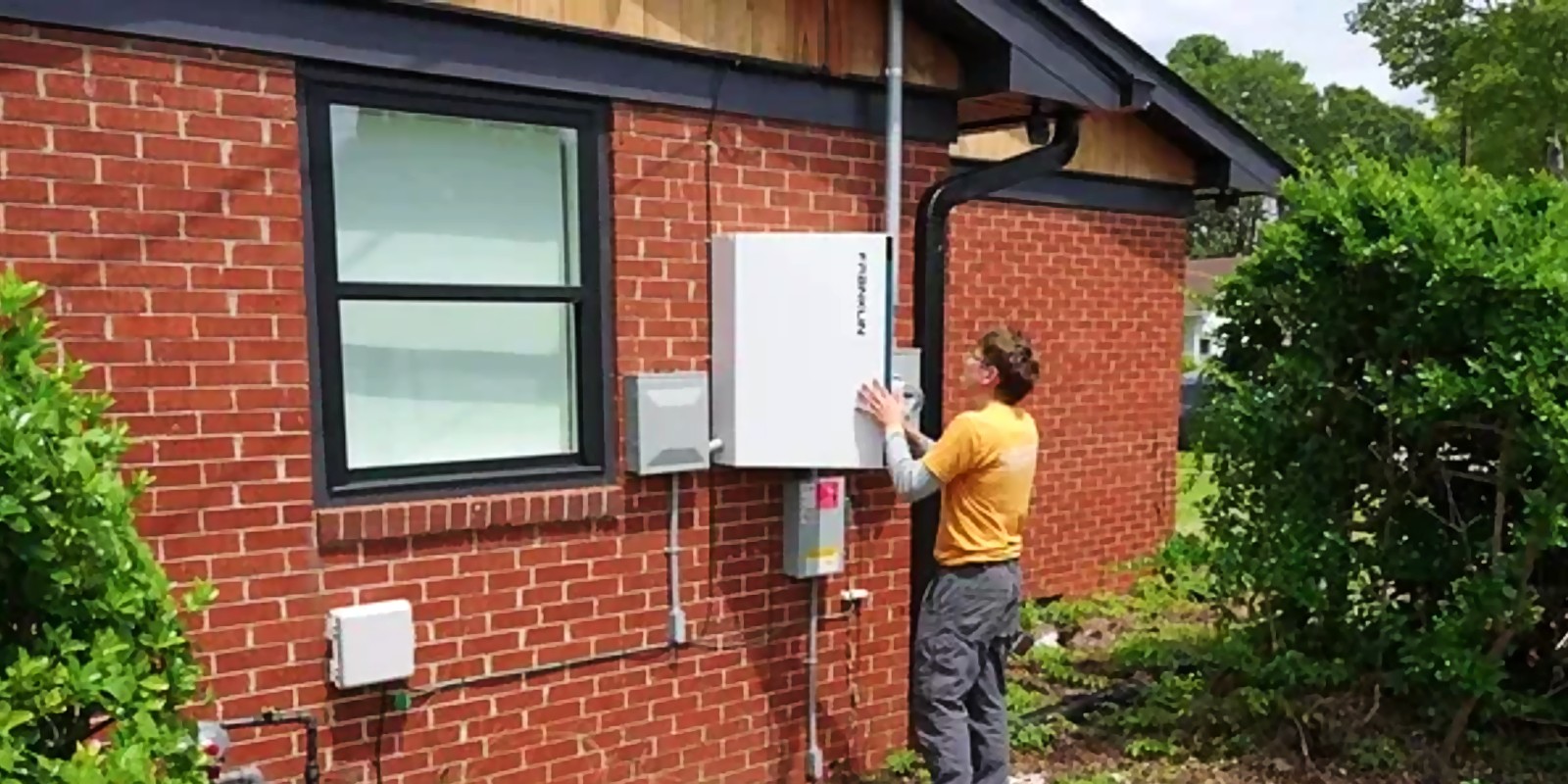
Inclusive, um novo estudo divulgado pelo Asymco, realizado por pesquisadores do Shiley Eye Institute (vinculado à Universidade da Califórnia em San Diego), está entre os primeiros a avaliar o uso do Apple Vision Pro como a tela principal de visualização intraoperatória para cirurgia lacrimal endoscópica.

Intitulado “Apple Vision Pro as a Wearable Display for Endoscopic Dacryocystorhinostomy: Surgical Experience, Efficiency, and Cost” (“Apple Vision Pro como display vestível para dacriocistorrinostomia endoscópica: experiência cirúrgica, eficiência e custo”, na tradução direta), o estudo compara o uso do headset com a abordagem tradicional baseada em monitores, concentrando-se na eficiência cirúrgica, na carga de trabalho do cirurgião, na ergonomia e no custo.

Entre os achados do estudo, o uso do Vision Pro foi associado a tempos operatórios mais curtos e a uma menor carga de trabalho relatada pelo cirurgião — ocupando, ao mesmo tempo, um espaço mínimo. Por ser uma das primeiras avaliações do dispositivo para a cirurgia em questão, esses resultados sugerem vantagens ergonômicas e de fluxo de trabalho, mas requerem confirmação em estudos maiores e controlados.

Por outro lado, o Vision Pro é criticado por dois aspectos: ser grande/pesado demais e ser muito caro. Segundo o estudo, mesmo para um hospital, o custo do Vision Pro não é “insignificante” — ainda assim, ele levou em conta o que o dispositivo é capaz de fazer e, sob essa ótica, aponta-se que o headset representa um excelente custo-benefício.

A quem interessar possa, os detalhes do estudo estão disponíveis aqui.
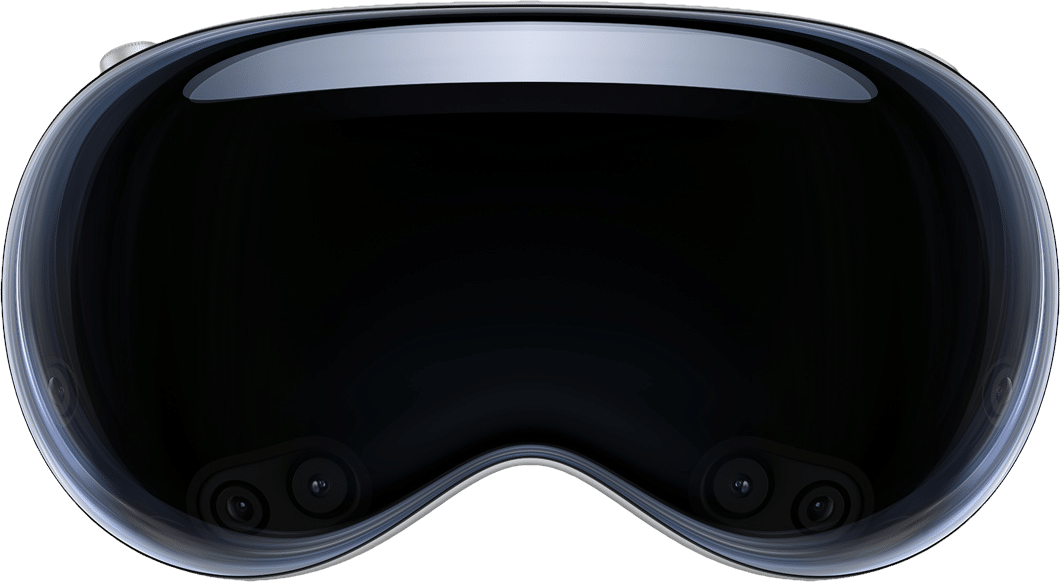

Apple Vision Pro (miniatura)
Comprar Apple Vision Pro de Apple 🇺🇸 Preço: a partir de US$3.699
Armazenamento: 256GB, 512GB ou 1TB

NOTA DE TRANSPARÊNCIA: O MacMagazine recebe uma pequena comissão sobre vendas concluídas por meio de links deste post, mas você, como consumidor, não paga nada mais pelos produtos/serviços usando os nossos links de afiliado.

  •  

U.S. Raises Threat of Steep Water Cuts in Lower Colorado River Basin

A federal plan would impose drastic water cuts on Arizona, California and Nevada in dry years over the next decade. A legal battle could follow.

© Rebecca Noble/Reuters

Water from the Colorado River flowing through an irrigation canal in Arizona earlier this month.
  •  
  •  

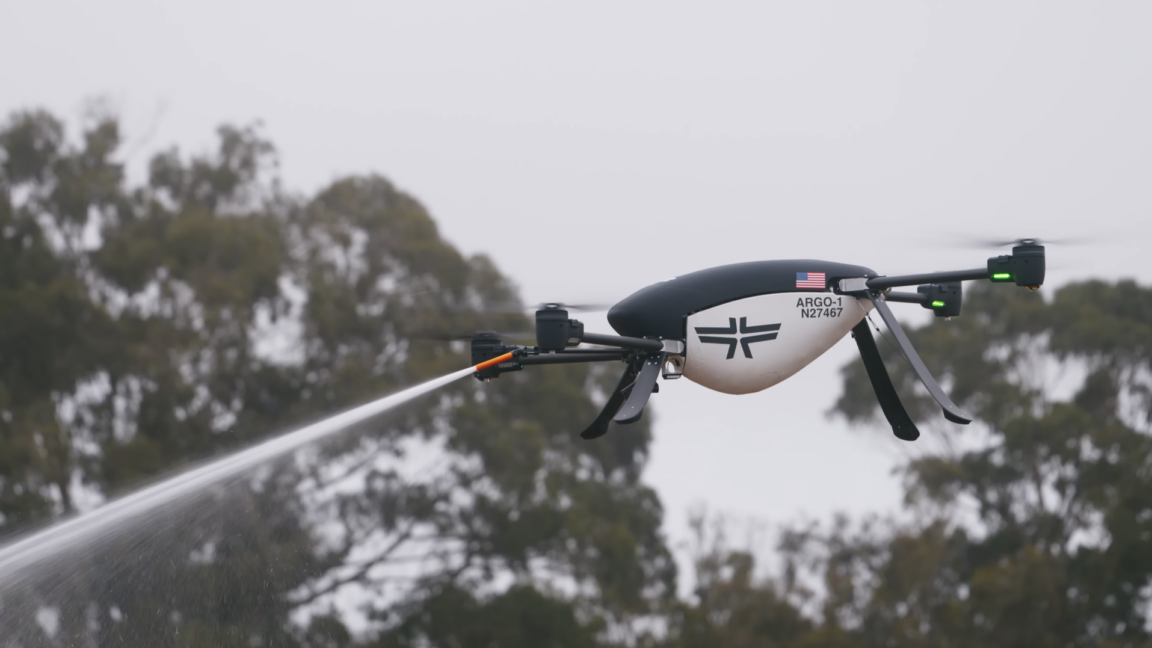
Firefighting drones in the works as wildfires plague US nearly year-round

Drones capable of spraying water and fire retardants have been practicing how to snuff out wildfires early in California and Alaska this summer—demonstrating a possible rapid-response tool for firefighting as climate change transforms wildfire season into a nearly year-round risk for much of the United States.

Most drones are significantly smaller than crewed aircraft and have shorter flight ranges, meaning they cannot replace large airtankers in delivering massive payloads of water or other fire-suppressing payloads to remote wildfires. But companies and fire agencies—along with organizers of the $11 million XPRIZE competition—are testing whether drones can help firefighting crews respond more quickly to small fires and put them out before they become more destructive.

The California Department of Forestry and Fire Protection, also known as CAL FIRE, ran its own field test involving five autonomous drones that worked together to deploy between 500 and 1,000 gallons of foam combined for suppressing fires on July 15, according to the TV station KPMH. The demonstration was organized with the help of the nonprofit FireWERX and the California-based company Seneca, which is making the drones commercially available starting in 2026.

Read full article

Comments

© Seneca

  •  

San Francisco Demands Removal of Nudify Apps

Matt Burgess (MacRumors, ArsTechnica):

On Thursday, San Francisco city attorney David Chiu sent legal notices to Apple and Google demanding that they remove from their app stores 13 face-swapping apps, which allow users to create AI-generated nonconsensual nude images. The letters say the Silicon Valley giants should stop “aiding and abetting” the sale of explicit deepfake images and “sever” business relationships with the app developers.

[…]

Researchers have repeatedly found and reported apps in Apple’s App Store and Google’s Play Store that allow people to generate sexual images using AI—including some apps being rated as suitable for use by children. While new laws and bans aim to tackle the scourge of explicit deepfakes online, technology and social media companies consistently direct millions of people toward the harmful tech.

Both Apple and Google have developer policies that prohibit pornography, abuse, and harassment on their platforms.

Burgess gives the impression, which is my base assumption, that these 13 apps were clear about what they do, so App Review has no excuse for missing them. But I’m sure it’s keeping us all safe in other regards.

Meanwhile, in a preprint research paper published in May, researchers from Cornell University and Georgetown University identified 420 apps offering general face-swapping capabilities on Google’s and Apple’s app stores. They tested 155 to see if they could be used to create face swaps with nude images; in 70 percent of cases, it was possible, with the apps not including safety measures to prevent this.

Previously:

Update (2026-07-21): Danny Bradbury:

Chiu isn’t arguing that hosting an app automatically makes a platform liable for what it does. Platform operators already won that battle with Section 230 of the Communications Decency Act. That 30-year-old law says websites generally aren’t responsible for content posted by users, allowing platforms to host user-generated content without getting sued every time someone defames someone in a comment thread.

Courts have often extended those protections to cover app stores too. Apple and Google are treated as distributors of whatever a third-party developer uploads, rather than publishers.

Chiu is attempting to sidestep that argument by focusing on the companies’ payment systems, noting that Apple and Google collect a cut of every in-app purchase. According to the Tech Transparency Project (TTP), that means they profit from apps that generate revenue by creating non-consensual intimate imagery.

  •  

Apple aluga novo prédio em Sunnyvale, com mais de 11 mil metros quadrados

A Apple está expandindo sua presença em Sunnyvale, no condado de Santa Clara (na Califórnia, Estados Unidos), desta vez com o aluguel de um prédio comercial de aproximadamente 11.700 metros quadrados.

De acordo com o Mercury News, o imóvel está localizado no número 580 da North Mary Avenue. O valor do acordo não foi divulgado até o momento.

Embora a Apple esteja apenas alugando o imóvel no momento, ela tem a possibilidade de comprá-lo posteriormente — uma prática que tem se tornado comum. Isso porque, um ano após alugar um prédio comercial em Peery Park, também em Sunnyvale, a empresa oficializou a compra do empreendimento.

O acordo marca a primeira grande movimentação imobiliária da Apple na região em 2026, após investir mais de US$1 bilhão em 2025 com a expansão da sua presença na região sul da baía de San Francisco.

via AppleInsider

  •  

As Natural Disasters Expand, a Disaster-Tracking App Is Booming

Known for tracking California wildfires, Watch Duty is moving beyond that mission. Millions of people are turning to it for help.

© Joel Angel Juarez/Associated Press

An emergency vehicle at the flooding Guadalupe River in Comfort, Texas, on Thursday.
  •  

California’s new $3,500 EV rebate favors Rivian and Lucid over Tesla

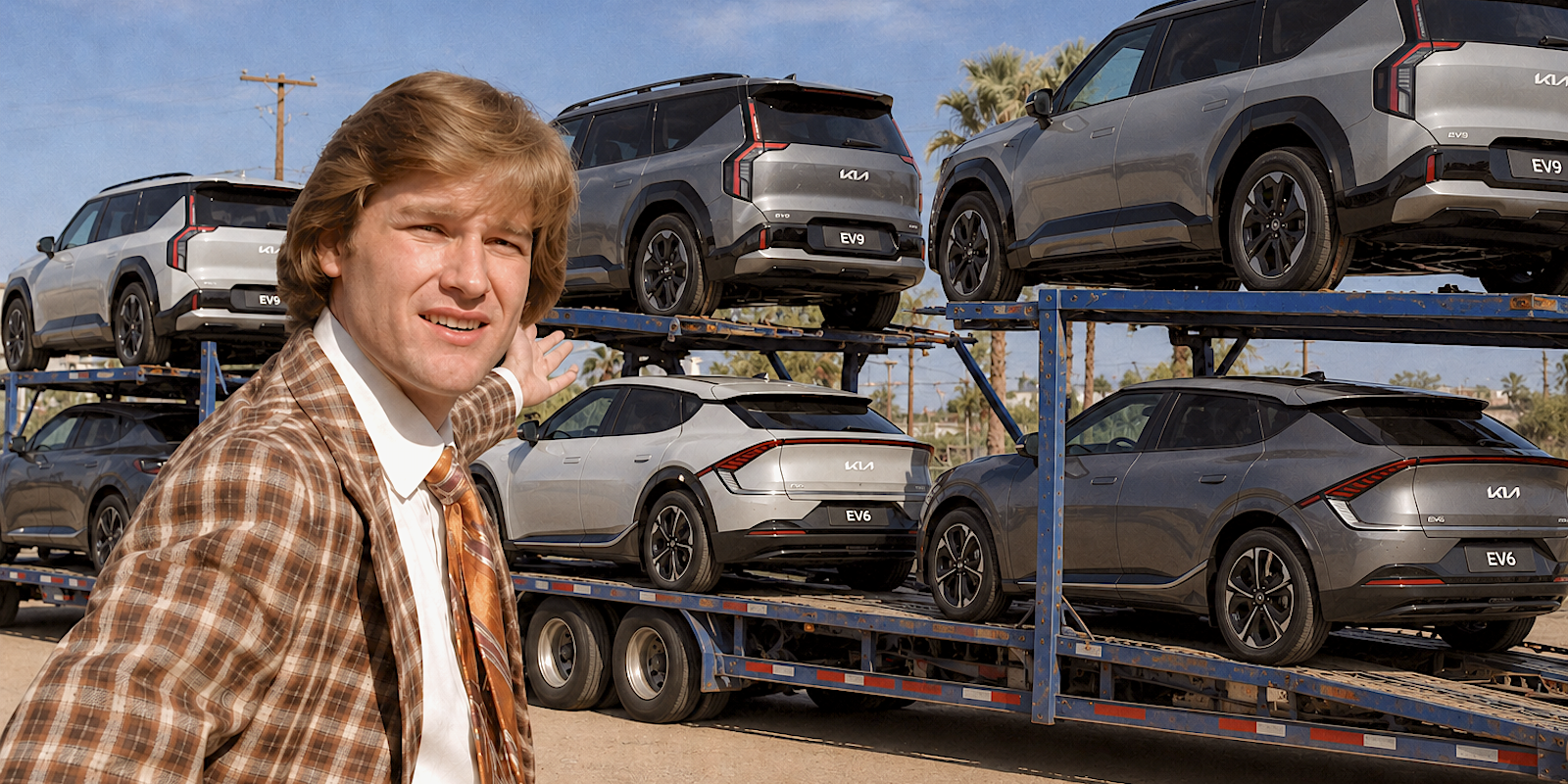
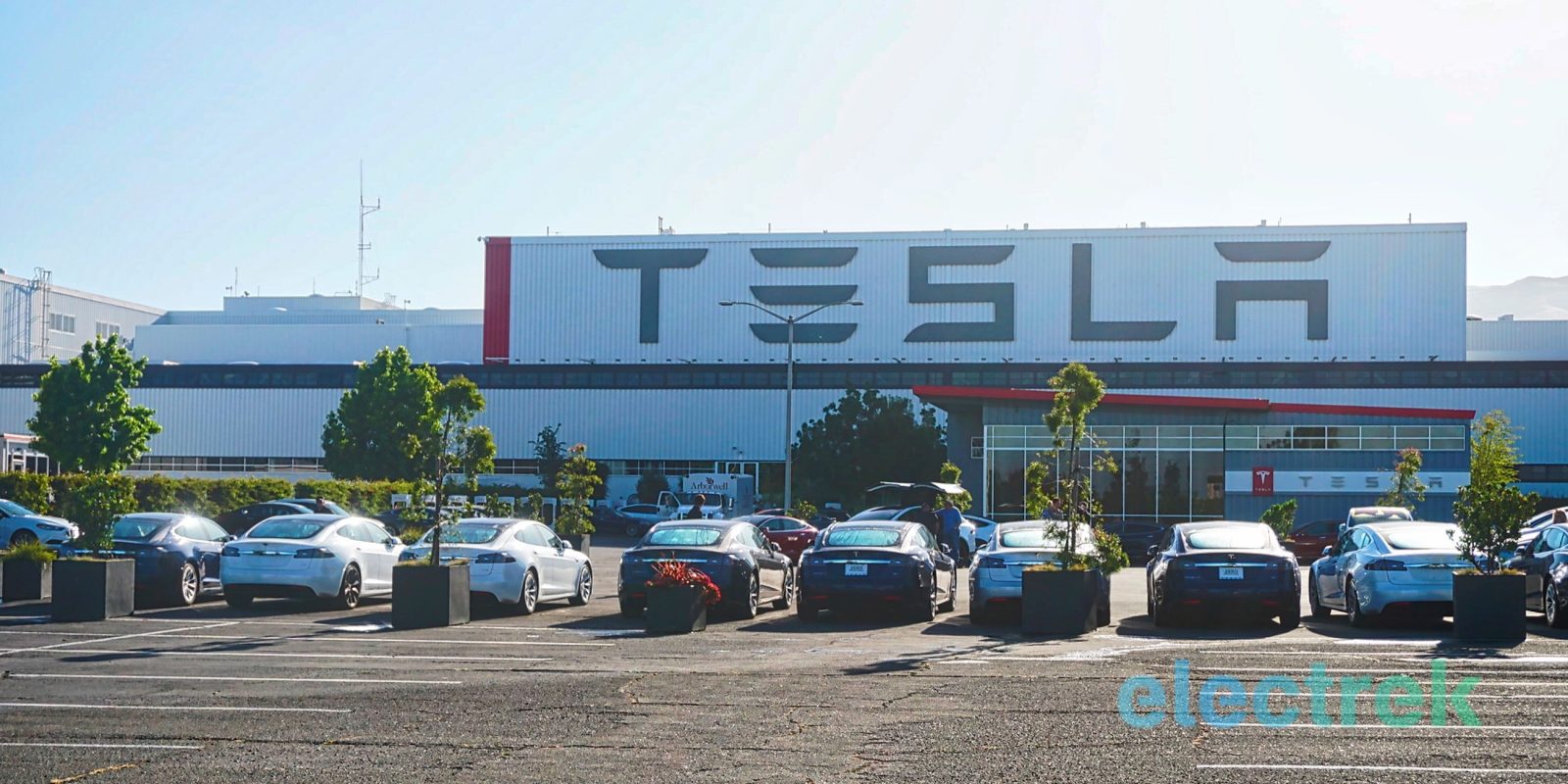
California Governor Gavin Newsom signed SB 168 today, creating a new “MyFirstEV” program that gives first-time electric vehicle buyers a $3,500 instant rebate at the dealership starting later this summer.

The point-of-sale discount is backed by $135.5 million in state funding, matched dollar-for-dollar by participating automakers — and a California-headquarters rule makes Rivian and Lucid the biggest winners, while Tesla qualifies only on its cheapest models.

  •  

California ‘billionaire tax’ makes ballot despite opposition from tech moguls

Wealth tax criticized by billionaires and Gavin Newsom would levy a one-time 5% tax on residents worth over $1bn

A popular proposal in California to impose a wealth tax on billionaires has gained enough signatures to qualify for the ballot in November, state officials announced on Wednesday.

The news is set to intensify an already heated debate around the tax, which has pitted tech moguls and the state’s governor, Gavin Newsom, against the labor union backing the measure.

Continue reading...

© Photograph: Jae C Hong/AP

© Photograph: Jae C Hong/AP

© Photograph: Jae C Hong/AP

  •  

California says AT&T lied to FCC in attempt to shut off old phone network

California state regulators say AT&T lied to the Federal Communications Commission in an attempt to shut off its old copper phone network without providing an adequate replacement.

"AT&T asserts that California seeks to prohibit or hinder wireline carriers from discontinuing copper facilities and investing in fiber," said a June 15 filing by the state of California and the California Public Utilities Commission. "Indeed, AT&T has been making this argument for years. It is not and has never been true."

As we reported last month, AT&T sued California over the state’s refusal to let it stop providing phone service to all potential customers in its wireline network territory. AT&T also petitioned the Federal Communications Commission to declare that California cannot enforce its rules and to let AT&T stop providing service to about 199,000 phone customers.

Read full article

Comments

© Getty Images | KoldoyChris

  •  
❌