❌

Reading view

Is Sparkling Water Bad for Your Teeth? A New Study Has Answers

Young Happy Woman Pointing at Smile TeethA study found that unsweetened sparkling water lowers oral pH less than soda sweetened with sugar. A sip of sparkling water briefly makes the mouth more acidic, but not nearly as much as sugar-sweetened soda, according to a comparison of several common beverages. The findings suggest that choosing an unsweetened carbonated drink instead of soda [...]
  •  

Researchers Warn Women About Viral Exercise Myths

Happy Smiling Young Woman Sports Exercise Fitness BeachWomen may benefit more from simple, evidence-based exercise and nutrition habits than from rigid social media advice. Social media is filled with detailed rules telling women when to eat protein, how much water to drink, and whether exercising without food is harmful. Researchers at the University of Otago – Ōtākou Whakaihu Waka argue that most [...]
  •  

Researchers Warn Rising CO₂ May Already Be Changing Human Blood Chemistry

Red Blood DropletsA population study suggests the human body may already be responding to changes in the composition of the atmosphere. The air outside may be leaving a subtle signature in human blood. Researchers have identified gradual changes in a key carbon dioxide-related blood marker and warn that it could approach the upper limit of its healthy [...]
  •  

Global Cancer Cases Could Surge 67% by 2050, New Report Warns

Biological Cancer Cells RenderingNew data reveal major geographic disparities and highlight the urgent need for global action on prevention, early detection, and equitable access to treatment. For roughly one in five people worldwide, cancer will become part of their lifetime. Global Cancer Statistics, 2026 estimates that nearly 21 million people were diagnosed with cancer in 2024 and 9.8 [...]
  •  

A Deadly Ebola-Like Virus Is Spreading. Are We Ready?

Ebola Virus Artist's ConceptBU virologist Nancy Sullivan says the Bundibugyo outbreak in the Democratic Republic of the Congo underscores the need for broader outbreak preparedness. The death of a nurse marked the moment health officials recognized that something dangerous was spreading. The illness was Bundibugyo virus, a rare but potentially deadly infection now driving a growing outbreak in [...]
  •  

Two Drinks a Day May Be Riskier Than Many Americans Think

Doctor Rejecting Wine AlcoholAlcohol risk appears to increase beyond one drink per day, even at levels often described as moderate. Alcohol is often treated as a routine part of social life, but a new analysis suggests that even levels many Americans consider moderate carry measurable health risks. The study links drinking with a higher chance of death, disability, [...]
  •  

A Troubling Breast Cancer Trend Is Emerging in Asian American Communities

Breast Cancer Cells Dividing IllustrationBreast cancer patterns are shifting rapidly in several Asian American communities. Breast cancer has long been considered less common among Asian American women than among white women in the United States. A new UC San Francisco-led study suggests that this pattern is changing quickly, especially among younger women and in some aggressive forms of the [...]
  •  

8 Science-Backed Ways To Sleep Better in Hot Weather

Young Woman Good SleepStruggling to sleep in the heat? The good news is that a handful of easy cooling tricks can help your body stay comfortable and make hot nights far more bearable. When temperatures rise, sleep often suffers. Hot nights can make it harder to fall asleep, increase waking during the night, and leave people feeling less [...]
  •  

Popular Childhood Drinks Linked to Higher Blood Pressure Later in Life

Toddler Boy Finishing DrinkNot all sources of dietary sugar appear to affect cardiovascular health in the same way, and one common drink may be less harmless than many assume. A child’s everyday drink choices may leave a cardiovascular imprint that lasts for decades. A long-term study of more than 25,000 people found that frequent consumption of sugar-sweetened beverages [...]
  •  

Sunscreen Misinformation Attracts High Engagement on TikTok, Study Finds

New findings published in PLOS Digital Health highlight the challenges public health experts face in combating misleading health information on social media, particularly amid ongoing debates over whether sunscreen is truly beneficial.

To investigate how sunscreen is portrayed online, researchers at the University of Alberta analyzed 971 of the most-viewed TikTok videos associated with five popular sunscreen-related hashtags: #sunscreen, #sunscreenviral, #spf, #sunscreenreview, and #sunprotection.

The researchers examined how sunscreen was represented in the videos and measured audience engagement through views, likes, shares, and comments.

“Sunscreen misinformation may attract disproportionate attention,” says Alessandro Marcon of the University of Alberta, Canada, and colleagues in a statement.

The findings showed that most of the TikTok videos analyzed promoted sunscreen use, accounting for 86.8% of the content. Only 6% contained health-related criticism, including claims that sunscreen is harmful (1.5%) or that it interferes with the benefits of sun exposure, such as vitamin D production (1.2%). Despite representing only a small fraction of the content, these videos attracted disproportionately high levels of engagement, receiving more likes, shares, and comments on average than pro-sunscreen videos.

“Sunscreen misinformation on TikTok constitutes an area of concern not for the total sum of overarching influence in terms of content production but rather in how strongly some sunscreen misinformation ideas resonated among particular audiences,” adds Marcon.

The researchers suggest that the elevated engagement may be driven by the controversial and attention-grabbing nature of the content, which can help videos spread more widely on social media platforms.

They also found that even videos promoting sunscreen often omitted key public health messaging. Most focused on beauty and skincare benefits rather than health outcomes, with only 6% specifically mentioning sunscreen’s role in reducing skin cancer risk.

“Our analysis showed TikTok is not necessarily flooded with sunscreen misinformation, but TikToks that dangerously claim that sunscreen is harmful or unnecessary receive comparatively high levels of audience engagement. TikTok content creators commonly promoted sunscreen as part of skincare regimens where sunscreen benefits were more commonly related to beauty rather than health,” said Marcon.

“It was surprising to see so many TikToks promoting sunscreen use without specifically mentioning the important role it plays in cancer prevention. Only 6% of the TikToks analyzed explicitly mentioned the benefits of reducing the risk of skin cancer.”

The study suggests that misinformation can spread widely not because it is more common, but because it is often more controversial and attention-grabbing. It also highlights a broader communication gap, as many creators emphasize sunscreen’s cosmetic benefits while overlooking its well-established role in preventing skin cancer.

Chrissy Newton is a PR professional and the founder of VOCAB Communications. She currently appears on The Discovery Channel and Max and hosts the Rebelliously Curious podcast, which can be found on YouTube and on all audio podcast streaming platforms. Follow her on X: @ChrissyNewton, Instagram: @BeingChrissyNewton, and chrissynewton.com. To contact Chrissy with a story, please email chrissy @ thedebrief.org.

  •  

Scientists Discover Troubling Link Between Processed Foods and Preschool Behavior

Young Child Eating Fast FoodEarly childhood diets higher in ultra-processed foods were associated with more behavioral and emotional challenges two years later. The preschool years are a critical period for both brain development and the formation of lifelong eating habits. New research led by the University of Toronto suggests that what children eat during this window may be associated [...]
  •  

Daily Cannabis Use May Greatly Harm Mental Health

Cannabis has become more widely accepted in many parts of the world in recent years. Some countries and regions have legalized its use for medical or recreational purposes, and many young people believe it is a relatively harmless drug. Social media often portrays cannabis as a natural way to relax, improve sleep, or deal with […]

The post Daily Cannabis Use May Greatly Harm Mental Health appeared first on Knowridge Science Report.

  •  

The Surprising Reason Swimming Could Be Better for Your Heart Than Running

Obese Man Exercise Heart Attack IllustrationSwimming matched running for fitness gains but delivered greater heart growth and more favorable molecular changes, making it potentially more beneficial for cardiovascular health. For decades, swimming and running have been considered two of the best forms of aerobic exercise for cardiovascular health. But new research suggests they may not strengthen the heart in exactly [...]
  •  

Huge Study Links E-Cigarettes to Higher Lung Cancer Risk

For many years, e-cigarettes and vapes have been promoted as a safer alternative to traditional cigarettes. Because they do not burn tobacco, many people assumed they were far less harmful than smoking. Their fruity flavors, modern designs, and marketing campaigns reinforced the idea that vaping was a cleaner and healthier choice. Some health experts even […]

The post Huge Study Links E-Cigarettes to Higher Lung Cancer Risk appeared first on Knowridge Science Report.

  •  

Can Family Conversations Reduce Teen Alcohol Use?

A groundbreaking study at The University of Texas at Arlington is poised to transform how families address adolescent alcohol use through innovative, technology-enhanced communication strategies. With a new five-year, $3.33 million federal grant, researchers are expanding their efforts to develop a family-based intervention program targeting early discussions between parents and teens about alcohol consumption and its social media influences.

Underage alcohol use remains a pressing public health issue in the United States, with nationwide surveys indicating that over 12 million individuals aged 12 to 20 have consumed alcohol at least once. Despite decades of research and intervention programs, the persistence of early alcohol experimentation underscores the need for novel approaches that account for the evolving digital landscape. Social media platforms profoundly shape adolescents’ perceptions and attitudes toward alcohol, often normalizing its consumption through peer influences and targeted advertising.

The UT Arlington project, led by the Studying Alcohol and Related Risks (STARR) Lab, harnesses multidisciplinary expertise spanning adolescent behavioral health, web-based intervention design, social work, and digital media studies. Principal investigator Dana Litt highlights that the initiative integrates years of collaborative research to craft a robust community resource that tackles the complex interplay between adolescent substance use and online social environments. By engaging families in effective communication, the program aims to instill critical thinking and awareness about alcohol-related risks before youths initiate use.

Previous intervention models often focused on older adolescents already experimenting with alcohol, but this study innovatively targets younger teens aged 12 to 17. This demographic shift is grounded in recent findings that pre-exposure attitudes toward substances significantly predict future use patterns. Early intervention that fosters open dialogue about alcohol and its portrayal on social media can disrupt these trajectories by equipping families with tools for informed conversations well before exposure escalates.

Co-principal investigator Melissa Lewis elaborates on the urgency of addressing alcohol use factors earlier in adolescent development due to the omnipresence of alcohol content on platforms such as Instagram, TikTok, and Snapchat. Studies reveal that repeated exposure to alcohol-related visuals and narratives subtly shapes normative beliefs, leading teens to underestimate the risks and overestimate peer approval. By facilitating early parent-teen discussions, the program leverages critical windows of neurocognitive development to build resilience against these influences.

An integral feature of the intervention is its bilingual accessibility, offering both English and Spanish versions tailored to the diverse communities in the Dallas-Fort Worth area. This linguistic inclusivity acknowledges the demographic realities and aims to bridge cultural gaps that often hinder engagement with prevention programs. By customizing content to resonate with multiple communities, the project enhances its potential for implementation and scalability.

The research team emphasizes the program’s flexibility as a dynamic communication tool that parents can adapt to address not only alcohol use but also emerging concerns such as vaping and other substance-related behaviors. This adaptability responds to the multifaceted nature of adolescent risk factors and the rapidly evolving social media landscape, promising long-term relevance and utility across different contexts and substances.

In developing this intervention, the STARR Lab collaborates with several local organizations, including Challenge of Tarrant County, SMART Arlington, Lena Pope, Recovery Resource Council, and JPS Health Network. These partnerships ensure that the tool is grounded in community needs and practical realities, facilitating its adoption as a trusted, no-cost resource for families. This community-engaged research model exemplifies a bidirectional flow between academic inquiry and real-world application.

The effort aligns with UTA’s broader mission to produce high-impact research that transcends academia and delivers tangible societal benefits. By positioning the university as a central hub for reliable information and support around adolescent health issues and social media influences, the project fosters a sustained infrastructure for preventive interventions that can evolve with technological trends and public health priorities.

Beyond its immediate aims, the research holds promise for significantly reducing underage drinking rates by addressing the root mechanisms through family dialogue and critical media literacy. This preventive focus contrasts with traditional approaches that often intervene post-initiation, offering a proactive paradigm shift. If effective, these models could also be adapted to mitigate other behavioral health challenges driven by digital media exposure.

The scientists behind the study bring methodological rigor by integrating behavioral theories, communication science, and digital evaluation metrics to assess intervention efficacy. The multidisciplinary team, including colleagues from UTHealth Houston School of Public Health, the University of Washington, and the University of North Texas Health Science Center, exemplifies comprehensive expertise essential to tackling a complex public health issue at multiple ecological levels.

Ultimately, this study represents a strategic nexus of research innovation, community partnership, and public health advocacy aimed at empowering families to navigate the often opaque and pernicious world of adolescent substance use amplified by digital media. Its success could redefine prevention frameworks nationwide, offering scalable, culturally sensitive tools for healthier youth development amid an increasingly interconnected social landscape.

Subject of Research: Adolescent alcohol use prevention through family-based communication interventions addressing social media influences

Article Title:
[Not provided in the original content]

News Publication Date:
[Not provided in the original content]

Web References:
[Not provided in the original content]

References:
[Not provided in the original content]

Image Credits:
[Not provided in the original content]

Keywords:
Social work, adolescent substance use, underage drinking, alcohol prevention, social media influence, family-based intervention, digital health, public health, bilingual program, adolescent behavior, substance use research, community partnership

  •  

New Study Finds GLP-1 Medications May Reduce Risk of Violent Behavior

In recent years, glucagon-like peptide-1 (GLP-1) receptor agonists have emerged primarily as breakthrough medications targeting metabolic disorders such as type 2 diabetes and obesity. Medications like Ozempic and Wegovy have revolutionized treatment protocols by improving glycemic control and promoting weight loss through mechanisms involving appetite regulation and insulin modulation. However, intriguing new research spearheaded by scientists at Rutgers University suggests that the influence of GLP-1 receptor agonists may extend well beyond metabolic pathways, potentially modulating complex behaviors associated with violence and aggression.

The Rutgers study, published in the esteemed journal Criminology, delves into the behavioral ramifications of GLP-1 receptor agonist usage among adults in the United States. This groundbreaking investigation focused on whether these medications could attenuate the well-documented links between impulsivity, alcohol consumption, and violent behavior—an intersection of psychological and physiological domains rarely explored in pharmacological research. Given the increasing prevalence of GLP-1 usage, understanding these potential secondary effects holds substantial public health significance.

Researchers employed data gathered from a 2025 nationwide survey encompassing over 7,500 U.S. adults, narrowing their primary analysis to a subgroup of 821 individuals who had a history of GLP-1 medication use. This cohort was meticulously categorized into current versus former users to discern if ongoing GLP-1 receptor activity correlates with measurable differences in violent behavior frequency. Violent behavior metrics were derived from validated self-reported scales encompassing acts ranging from physical fights and assaults to more severe offenses like robbery, allowing for a comprehensive behavioral profile aligned with criminological standards.

A pivotal discovery from the analysis was the pronounced moderation of the relationship between impulsivity and violent conduct among current GLP-1 users. The data revealed that the association strength between impulsivity—a critical psychological trait linked to poor decision-making and aggression—and violent actions was reduced by approximately 62% in active GLP-1 users compared to those who had discontinued use. Such a substantial attenuation suggests that GLP-1 receptor agonists may exert neurobehavioral effects that temper impulsive drives which frequently precipitate violent acts.

Complementing these results, the study also examined the interplay between alcohol consumption, impulsivity, and violence. Alcohol’s role as a disinhibitor and amplifier of aggressive tendencies is well established. Among current GLP-1 medication users, the correlation between alcohol intake and violent behavior was notably diminished, showing around a 52% reduction in association strength relative to former users. While these findings were somewhat less consistent across different analytic models, they broadly indicate that GLP-1 receptor agonists might mitigate alcohol’s exacerbation of violent impulses, potentially via neurochemical or systemic pathways that modulate inhibitory control.

The underlying neural mechanisms posited by researchers revolve around the interplay of GLP-1 receptor activation within the central nervous system. GLP-1 receptors are expressed not only peripherally but also in brain regions implicated in impulse control, reward processing, and executive functions, such as the prefrontal cortex and limbic structures. Activation of these receptors could conceivably influence neurotransmitter systems including dopamine and serotonin pathways, which are integral to regulating mood, impulse control, and aggression. This neuropharmacological modulation may resemble cognitive behavioral therapy in effect — attenuating the translation of impulsive urges into violent actions without necessarily eradicating impulsivity itself.

Daniel Semenza, lead author and director of research at the New Jersey Gun Violence Research Center, underscored the public safety implications of these findings. With GLP-1 drugs increasingly prescribed globally, it is paramount to deepen scientific understanding of their broader psychobehavioral consequences. Exploring how these medications might serve dual roles in metabolic regulation and behavioral modulation opens new vistas in the multidisciplinary fields of medicine, psychology, and criminology. Such knowledge could inform clinical decisions and policies aimed at reducing violence, a persistent societal challenge with profound public health ramifications.

Nevertheless, the authors caution that the study’s observational, cross-sectional nature precludes definitive causal inferences. While associations are compelling, longitudinal and experimental research designs are essential to elucidate temporal dynamics and confirm whether GLP-1 receptor agonists actively reduce violence risk or if the observed correlations reflect confounding factors. Future studies integrating neuroimaging, pharmacokinetics, and behavioral assessments could unravel the precise biological and psychological pathways mediating these effects.

Christopher Thomas, coauthor and assistant professor at Rutgers University-Camden, highlighted the similarity between the behavioral influences observed and therapeutic interventions like cognitive behavioral therapy. Such parallels suggest that GLP-1 receptor agonists may have untapped potential as adjunctive treatments for impulse control disorders or behavioral problems characterized by aggression. Their dual metabolic and psychobehavioral actions could redefine therapeutic strategies for complex patients with overlapping physiological and psychiatric needs.

Moreover, understanding these effects could broaden the scope of violence prevention frameworks. If GLP-1 receptor agonists contribute to weaker links between impulsivity, substance use, and violent behavior, integrating pharmacotherapy with social and psychological interventions might amplify public safety outcomes. This intersection of neurobiology and criminology exemplifies the innovative, interdisciplinary research needed to address entrenched societal issues.

In summary, the Rutgers study furnishes compelling preliminary evidence that GLP-1 receptor agonist medications, beyond their established metabolic benefits, may significantly dampen the behavioral pathways leading from impulsivity and alcohol consumption to violence. These findings urge a paradigm shift toward holistic evaluation of drug effects encompassing neural, behavioral, and social domains. As the prescribing landscape for GLP-1 medications continues to expand, vigilant research and nuanced understanding will be critical to harnessing their full therapeutic potential while safeguarding public health.


Subject of Research: People
Article Title: GLP-1 receptor agonist use and violent crime among US adults
News Publication Date: 17-Jun-2026
Keywords: Violence, Drug therapy, Weight loss, Mental health

  •  

Even secondhand smoke can fill your body with a cancer-causing metal, study finds

You do not have to smoke cigarettes to be exposed to dangerous chemicals from tobacco. A new study has found that simply breathing in secondhand smoke can significantly increase levels of cadmium, a toxic metal linked to cancer and other serious health problems. Researchers at Texas A&M University discovered that adults exposed to secondhand cigarette […]

The post Even secondhand smoke can fill your body with a cancer-causing metal, study finds appeared first on Knowridge Science Report.

  •  

Rising Aircraft Emissions Threaten Air Quality, Health

As the world continues to witness unprecedented growth in air travel, a groundbreaking study published in Communications Earth & Environment reveals alarming insights into the global repercussions of accelerating aircraft emissions on air quality and human health. This landmark research meticulously quantifies how expanding aviation activities contribute to deteriorating atmospheric conditions and exacerbate public health crises worldwide, underscoring an urgent need for global policy interventions and technological innovation.

The aviation sector, responsible for a substantial portion of anthropogenic greenhouse gas and pollutant outputs, has long been scrutinized for its environmental footprint. Yet, the intricate dynamics linking aircraft emissions to widespread air quality degradation and subsequent health implications have remained largely underexplored until now. Quadros, Nelen, Snellen, and colleagues harnessed sophisticated atmospheric modeling techniques combined with epidemiological data to elucidate these complex pathways with unprecedented precision.

Aircraft engines emit a cocktail of pollutants, including nitrogen oxides (NOx), particulate matter (PM), volatile organic compounds (VOCs), and carbon dioxide (CO2). These emissions initiate a cascade of atmospheric chemical reactions, creating secondary pollutants such as ozone and fine particulate matter, which profoundly impair air quality. The study’s simulation results reveal that aircraft emissions alone contribute significantly to elevated ground-level ozone concentrations, particularly in densely populated and heavily trafficked air corridors.

One of the study’s pivotal findings focuses on the spatial distribution of pollution burdens. Regions adjacent to major airports and common flight routes exhibit air quality dips notably beyond local vehicular and industrial contributions. The researchers found that the transboundary nature of aircraft emissions facilitates the transport of chemically reactive species across continents, linking aviation activities not only to local but also to regional and global air pollution episodes.

In terms of human health, the implications are disturbing. The researchers applied integrated exposure-response functions to estimate the morbidity and mortality attributable to aviation-induced pollution. Their assessments suggest a substantial increase in respiratory ailments, cardiovascular diseases, and premature deaths attributable to aircraft emissions. Particularly vulnerable populations, such as urban dwellers, children, elderly individuals, and those with preexisting conditions, face disproportionate risks.

Moreover, the study highlights the synergistic effects of aircraft emissions with other urban pollutants, exacerbating harmful synergistic interactions that amplify health risks. For instance, the NOx and VOCs emitted interact under sunlight to generate ozone, a potent respiratory irritant, and exacerbate asthma symptoms. The authors stress the importance of recognizing these nonlinear effects for robust public health policy formulation.

Climate feedback mechanisms linked to aviation emissions emerge as a critical concern in the report. The authors delineate how nitrogen oxides released at high altitudes not only affect surface-level ozone but also perturb the radiative balance of the atmosphere. This creates complex feedback loops that potentially accelerate climate warming, indicating that the environmental cost of aviation extends beyond conventional pollutants to include broader climatic impacts.

Technology advances and mitigation strategies receive thorough evaluation in the study. The authors discuss current emission reduction technologies such as lean-burn engines, sustainable aviation fuels (SAFs), and operational measures like optimized flight paths and altitude adjustments. Despite their promise, the research cautions that without comprehensive adoption and scaling, these technologies alone may fall short of offsetting the forecasted growth in emissions.

The aviation sector is projected to expand considerably over the coming decades, driven by economic growth and increasing globalization. The study’s projections indicate that without stringent regulatory frameworks and aggressive emission reduction commitments, the global burden of aviation-induced air pollution and related health impacts will escalate dramatically, particularly in emerging economies with rapidly growing air traffic.

Policy recommendations form a cornerstone of the researchers’ conclusions. They advocate for coordinated international efforts to tighten emission standards, mandate SAF usage, and invest in next-generation propulsion technologies such as electric and hydrogen-powered aircraft. Furthermore, integrating aviation sector goals into broader air quality management and climate policies is deemed essential to maximize health and environmental benefits.

In addition to technological and regulatory measures, the report emphasizes the role of real-time monitoring networks and data-sharing frameworks. Enhanced surveillance of aircraft emissions and their atmospheric transformations can enable dynamic policy responses, better inform public health advisories, and foster transparency and accountability among stakeholders ranging from airlines to regulators.

The health economics dimension discussed in the study reveals enormous societal costs tied to aviation-related air pollution. Hospitalizations, lost productivity, and long-term healthcare expenditures attributed to pollution-induced diseases impose substantial financial burdens on governments and communities alike, reinforcing the public health imperative for aggressive mitigation.

Further research priorities identified in the report call for improved characterization of ultrafine particles emitted by aircraft engines, nuanced understanding of population exposure patterns near airports, and exploration of co-benefits arising from simultaneous air quality and climate interventions. Interdisciplinary collaboration combining atmospheric science, epidemiology, engineering, and policy studies is championed as the pathway to innovative solutions.

In light of this new research, the aviation industry stands at a crossroads. Balancing the undeniable economic and social advantages of air travel with its adverse environmental and health externalities necessitates transformative thinking and collaborative global action. The study’s revelations provide an indispensable scientific foundation for stakeholders to forge a sustainable aviation future.

This comprehensive investigation serves as a clarion call for urgent recognition of the aviation sector’s hidden consequences, urging policymakers, industry players, and the public to engage in proactive, science-informed strategies that safeguard air quality and human health on a planetary scale.

Subject of Research:
The study focuses on evaluating the global impact of increasing aircraft emissions on air quality and related human health outcomes, analyzing both direct and indirect effects through sophisticated atmospheric and epidemiological modeling.

Article Title:
Global air quality and human health impacts of growing aircraft emissions

Article References:
Quadros, F.D.A., Nelen, R., Snellen, M. et al. Global air quality and human health impacts of growing aircraft emissions. Commun Earth Environ (2026). https://doi.org/10.1038/s43247-026-03732-4

Image Credits: AI Generated

DOI: 10.1038/s43247-026-03732-4

Keywords:
Aircraft emissions, air quality, human health, nitrogen oxides, particulate matter, ozone formation, aviation pollution, atmospheric modeling, public health impact, sustainable aviation fuels

  •  

Researchers Warn Widely Prescribed Blood Pressure Drugs Could Be Harming Diabetic Kidneys

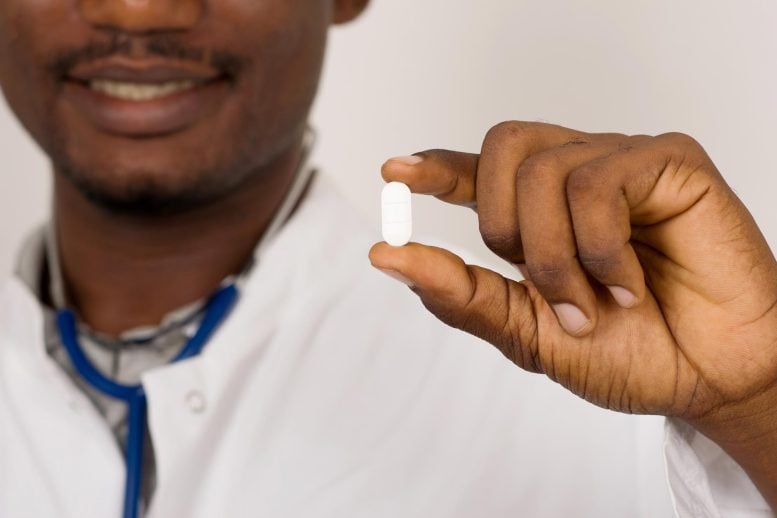
Doctor With Stethoscope Holding White Pill MedicineNew research suggests that a common second-line blood pressure treatment may not be as kidney-friendly as previously assumed for some people with diabetic kidney disease. Blood pressure control is one of the most important ways to slow kidney damage in people with type 2 diabetes. But new research suggests that one of the most commonly [...]
  •  

Follow the Money: Pandemic Fearmongering is a Growth Industry

From Ebola to Nipah, the combined death toll since Covid is under 1,000 worldwide. So why the endless panic? Follow the money – pandemic fearmongering is a growth industry, says Dr David Bell.

The post Follow the Money: Pandemic Fearmongering is a Growth Industry appeared first on The Daily Sceptic.

  •  
❌