 Login

Cowboys Fringants Bassist Is Named Quebec’s Chief Scientist
Jérôme Dupras is a member of one of Quebec’s most popular folk rock bands. Now, as the province’s chief scientist, he will help shape its environmental destiny.

Bentham Science Launches Two New Journals to Accelerate Research in Wireless Communications and Engineering
Bentham Science Publishers has announced the launch of two new peer-reviewed journals designed to capture the rapid transformation of modern technology: Wireless and Communication Letters and Current Engineering Letters and Reviews. Both publications are now open for manuscript submissions, offering researchers an international platform to share emerging discoveries in communication systems, engineering technologies, and interdisciplinary innovation. The launches arrive as advances in artificial intelligence, sixth-generation wireless networks, satellite systems, advanced materials, and sustainable engineering continue to reshape scientific research and industrial development.
Wireless and Communication Letters is focused on the technologies that enable today’s increasingly connected world. The journal will publish original letters, full-length research articles, comprehensive reviews, mini-reviews, and guest-edited thematic issues addressing both theoretical developments and practical applications. Its scope covers the complete communication chain, from antennas and radio-frequency hardware to signal processing, network architecture, cybersecurity, and intelligent software. By emphasizing the efficient dissemination of research, the journal aims to provide a rapid channel for findings that could influence the next generation of wireless infrastructure.
The technical challenges addressed by the journal are central to the future of digital connectivity. Fifth-generation networks have already introduced high-speed mobile broadband, ultra-reliable low-latency communication, and massive machine-type connectivity, but researchers are now investigating 6G systems capable of supporting even greater data rates, extremely precise sensing, and seamless integration with artificial intelligence. These systems may combine terahertz frequencies, reconfigurable intelligent surfaces, distributed antennas, edge computing, and advanced machine-learning algorithms. Such technologies require new approaches to spectrum allocation, energy efficiency, network coordination, and data security.
The journal also welcomes research on the Internet of Things and machine-to-machine communication, areas in which billions of sensors and devices are expected to exchange data with minimal human intervention. In these environments, communication protocols must operate reliably despite limited power, unpredictable radio conditions, and enormous numbers of connected nodes. Research into low-power wide-area networks, intelligent scheduling, network virtualization, and secure device authentication could help support applications ranging from industrial automation and smart cities to remote healthcare and environmental monitoring.
A further component of the journal’s scope involves the physical science of communication. Antenna design, electromagnetic propagation, microwave engineering, optical links, and satellite communication determine how information travels through real environments. Engineers must account for obstacles, atmospheric conditions, interference, polarization, bandwidth limitations, and the movement of users or spacecraft. Developments in compact antennas, beamforming, optical wireless communication, and satellite-terrestrial integration could improve connectivity in rural regions, disaster zones, transportation systems, and future space missions.
Wireless and Communication Letters is led by Editor-in-Chief Dr. Nasimuddin of the Antenna and Optical Department at the Institute for Infocomm Research in Singapore. Supported by an international editorial board, the journal states that it will apply a rigorous and objective peer-review process. This is particularly important in a field where theoretical claims must often be tested through simulations, prototypes, channel measurements, or performance comparisons. Research involving modulation, coding, information theory, cognitive radio, software-defined networking, artificial intelligence, privacy, and communication protocols will be considered within the journal’s broad technological remit.
Alongside the communications title, Bentham Science has introduced Current Engineering Letters and Reviews, an interdisciplinary journal intended to connect research across the full spectrum of engineering sciences. Announced on 3 August 2026, the journal will publish research articles, short communications, comprehensive reviews, mini-reviews, and thematic issues. Its mission is to bring together discoveries that are often separated into specialist fields, reflecting the reality that many modern technologies emerge from collaboration among mechanical, electrical, materials, chemical, biomedical, environmental, and computer engineers.
The new engineering journal will cover aerospace, civil, structural, transportation, manufacturing, energy, robotics, automation, nanotechnology, artificial intelligence, and digital engineering. It will also address sustainable engineering, renewable energy systems, smart materials, advanced manufacturing, and biomedical technologies. These subjects are increasingly connected: an electric vehicle, for example, depends simultaneously on materials science, power electronics, software, communications, manufacturing, and transportation engineering. An interdisciplinary publication can provide a forum for examining such systems as integrated technological platforms rather than isolated components.
The scientific importance of this approach is becoming more visible as engineers confront challenges involving climate change, resource efficiency, resilient infrastructure, and automation. Renewable energy systems require improved storage, power conversion, and grid management; smart materials can respond to changes in temperature, pressure, or electromagnetic fields; and artificial intelligence can optimize industrial processes by identifying patterns in large streams of sensor data. At the same time, engineering research must demonstrate reliability, scalability, safety, and economic feasibility if laboratory innovations are to produce measurable benefits in society and industry.
Both journals invite contributions from researchers, engineers, scientists, academics, and industry professionals worldwide. Bentham Science says that information about open-access policies, article processing charges, waiver eligibility, editorial policies, and complaints and appeals procedures is available through the respective journal websites. With their emphasis on rapid communication, technical rigor, and interdisciplinary exchange, the two publications seek to become new hubs for research at the intersection of connectivity, intelligent systems, sustainable technology, and engineering innovation.
Subject of Research: Wireless communications, communication engineering, interdisciplinary engineering research, emerging technologies, artificial intelligence, sustainable engineering, and advanced technological systems.
Article Title: Bentham Science Launches Two New Journals to Accelerate Research in Wireless Communications and Engineering
News Publication Date: 3 August 2026 (for the announcement of Current Engineering Letters and Reviews; no publication date is provided for Wireless and Communication Letters).
Wireless communications, 5G, 6G, Internet of Things, satellite communications, antenna design, signal processing, artificial intelligence, engineering research, sustainable engineering, robotics, renewable energy, smart materials, advanced manufacturing.
A common complication of early birth is being thrust into a medical debate that reaches far beyond the neonatal intensive-care unit: how low is too low when a late preterm baby’s blood glucose falls, and what—if anything—does that episode mean years later? A new article in Pediatric Research examines late preterm hypoglycemia through the lens of long-term evidence, highlighting why a seemingly brief metabolic disturbance has become one of neonatology’s most closely watched questions.
Late preterm infants are typically born between 34 weeks and 36 weeks plus six days of gestation. They often appear stronger and more mature than very preterm babies, but their brains, hormone systems and feeding abilities are still developing. After birth, glucose levels can drop as the infant transitions from a constant placental supply to intermittent feeding. Immature glycogen stores, limited fat reserves, difficulty coordinating sucking and swallowing, and illness-related stress can all increase the risk of hypoglycemia.
Glucose is the brain’s primary energy source during early life, making neonatal hypoglycemia biologically concerning. When glucose delivery falls, the brain may initially compensate by using alternative fuels, including lactate and ketone bodies. If the shortage is severe, prolonged or repeatedly missed, however, energy production can become insufficient. This may interfere with neuronal signaling and, in extreme cases, contribute to cellular injury. The challenge is that many affected newborns show no obvious symptoms, while symptomatic infants may display only subtle signs such as jitteriness, poor feeding, lethargy, temperature instability or apnea.
The article by U. Felderhoff-Müser focuses attention on a crucial gap between immediate treatment and long-term certainty. Hospitals commonly screen infants considered vulnerable to hypoglycemia, including late preterm newborns, and intervene with feeding, buccal dextrose gel or intravenous glucose when indicated. These measures are designed to restore glucose quickly and prevent neurological stress. Yet the threshold used to define hypoglycemia is not a universal biological line. It is a clinical value shaped by gestational age, postnatal age, symptoms, measurement method and the balance between avoiding harm and preventing unnecessary intervention.
That uncertainty has made long-term follow-up essential. Researchers have investigated whether neonatal hypoglycemia is associated with later problems involving cognition, executive function, attention, language, motor coordination and school performance. Some studies have reported higher risks after severe, recurrent or prolonged episodes, while others have found limited or inconsistent effects, particularly when low glucose was detected and treated promptly. The differences may reflect more than glucose itself: prematurity, fetal growth restriction, maternal diabetes, infection, respiratory illness and socioeconomic conditions can independently influence neurodevelopment.
This is one reason the evidence remains difficult to interpret. Most long-term studies are observational, meaning researchers cannot randomly assign infants to experience different glucose levels. Instead, they compare children who had hypoglycemia with those who did not, while attempting to account for other medical and social factors. Even sophisticated statistical adjustments may not eliminate hidden confounding. In addition, studies use different definitions of hypoglycemia, different monitoring schedules and different ages or tools for developmental testing, making direct comparisons challenging.
The timing and pattern of low glucose may be as important as the lowest recorded number. A single short episode may carry a different biological significance from repeated episodes or an extended period below a treatment threshold. Continuous glucose monitoring has raised further questions by revealing fluctuations that intermittent heel-stick testing can miss, although sensor accuracy in newborns and the clinical meaning of every detected dip are still being evaluated. The emerging picture is therefore more complex than a simple division between “normal” and “abnormal.”
For clinicians and families, the practical message is not to dismiss hypoglycemia or to assume that every low reading predicts disability. Instead, the long-term evidence supports careful surveillance of infants at risk, rapid confirmation of abnormal results, and treatment strategies that protect the brain without disrupting feeding or exposing babies to unnecessary interventions. Developmental follow-up may be particularly important for infants with severe or recurrent episodes, neurological symptoms, or multiple additional risk factors. Such monitoring can identify difficulties early, when speech, occupational or educational support may have the greatest effect.
The discussion also underscores the need for better research. Future studies will need standardized glucose definitions, precise records of duration and recurrence, improved measurement technologies and follow-up extending into school age and adolescence. Researchers must also distinguish the effects of hypoglycemia from the conditions that caused it and examine outcomes beyond a single global developmental score. Felderhoff-Müser’s review places late preterm hypoglycemia in that broader scientific context: a common neonatal event whose immediate management is well established, but whose long-term consequences still demand careful, nuanced investigation.
Subject of Research: Late preterm hypoglycemia and its long-term neurodevelopmental evidence
Article Title: Late preterm hypoglycemia through the lens of long-term evidence
Article References: Felderhoff-Müser, U. “Late preterm hypoglycemia through the lens of long-term evidence.” Pediatric Research (2026). https://doi.org/10.1038/s41390-026-05316-6
Image Credits: AI Generated
DOI: https://doi.org/10.1038/s41390-026-05316-6
Keywords: late preterm infants, neonatal hypoglycemia, blood glucose, neurodevelopment, brain health, newborn care, long-term outcomes
 Curiosity stumbled onto something we've never seen before.
Explorer for Artemis Geology, Lunar, and Earth — a NASA satellite program to study surface biology and geology on Earth, with technologies that could support future missions to the Moon and Mars.

NASA’s EAGLE program — Explorer for Artemis Geology, Lunar, and Earth — will be a series of satellite missions studying surface properties using technologies for Earth observation that will also benefit future missions to the Moon and Mars, where they could identify critical resources and safe landing sites.
The satellites making up the first two EAGLE missions will study biology and geology on Earth’s surface to support agriculture, disaster response, and other needs. Each mission will carry a different instrument with capabilities that complement each other. The first mission (EAGLE-VSWIR) is scheduled to take flight in 2028.
Mission Type
Target
Launch
Objective
EAGLE-VSWIR (Visible to Shortwave Infrared) will observe the Earth’s surface every 16 days with a high-resolution imaging spectrometer, which measures light reflected from the planet’s surface, separating wavelengths across the visual and into the infrared spectrum. The patterns created by light being reflected or absorbed across this spectral range act like fingerprints, letting scientists identify the composition of the surface.
A similar instrument, NASA’s EMIT (Earth Surface Mineral Dust Source Investigation), has been monitoring Earth from the International Space Station since July 2022, characterizing the surface mineral composition of Earth’s arid lands, monitoring ecosystem status, and tracking health and safety hazards — such as methane leaks and acid mine drainage — among other applications.
EAGLE-VSWIR will have 25 times more capability than EMIT has today. This technological leap will allow scientists to map surface deposits of critical and rare-earth minerals, strengthen food security, and aid wildfire prevention and recovery. It can also highlight environmental hazards such as oil spills or landslide risks, and monitor water quality and availability.
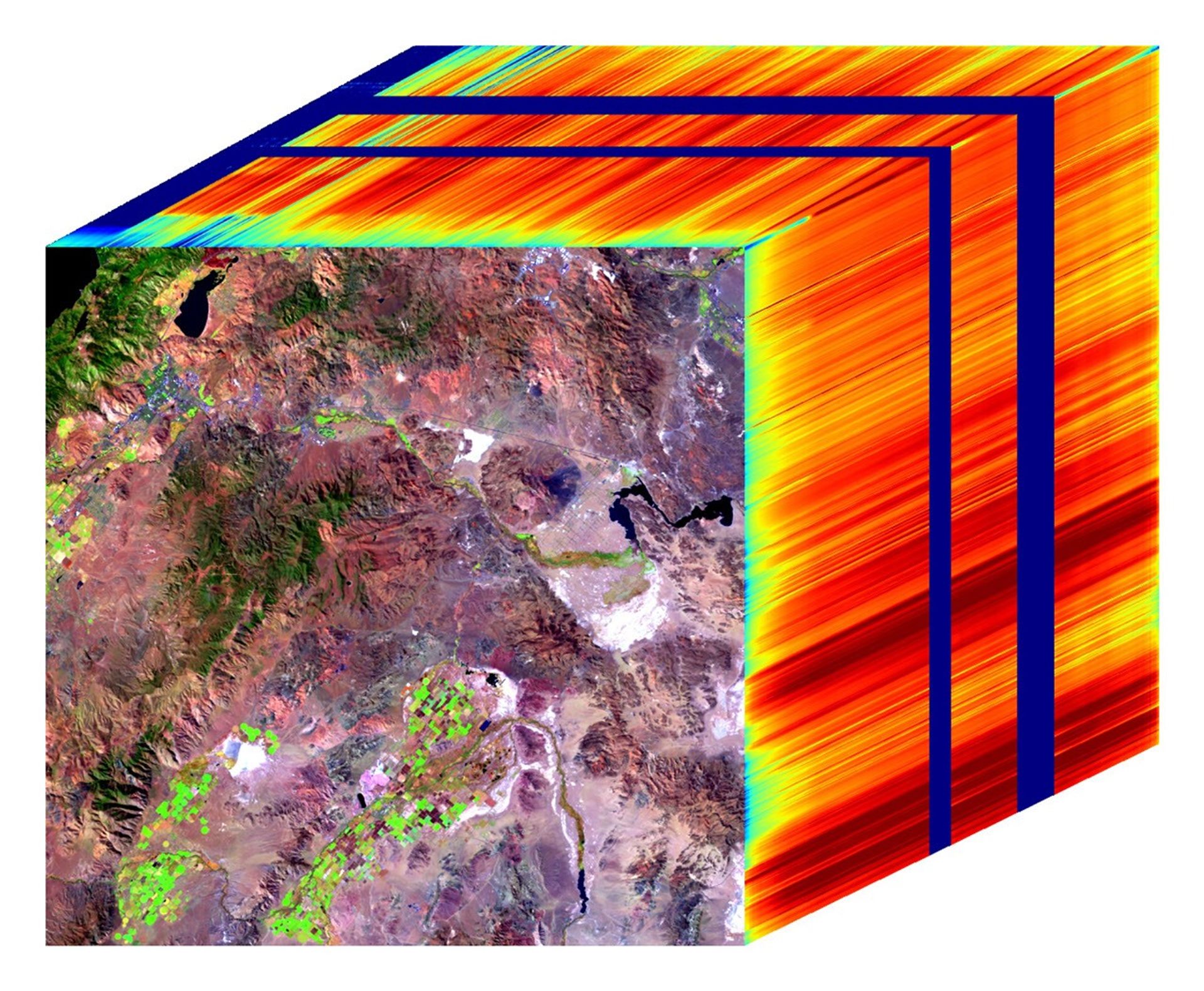
The EAGLE-TIR mission will provide Thermal InfraRed (TIR) imagery when it launches two to three years after EAGLE-VSWIR, measuring energy emitted from the surface and producing data that scientists can use to map temperature, composition, and critical mineral deposits. On Earth that would let researchers monitor wildfires and volcanic activity, track drought and water use by crops, study urban heat islands, observe the rates that snow or ice accumulates or melts, and better understand Earth’s resilient ecosystems.
EAGLE-TIR follows on from ECOSTRESS (ECOsystem Spaceborne Thermal Radiometer Experiment on Space Station), which has been observing Earth from the International Space Station since 2018. ECOSTRESS was designed to study how different ecosystems respond to drought and water stress, and the data has provided a vital understanding of how plants’ water use changes throughout the day. Since ECOSTRESS also measures emitted energy in the thermal infrared, its surface-temperature products have also been used for urban planning and wildfire monitoring.
Further innovation and lessons learned from ECOSTRESS has led to EAGLE-TIR, which will carry a multi-band thermal radiometer. EAGLE-TIR’s great strength compared to existing missions is that it provides detailed imagery of the entire globe every two days, day and night, at multiple wavelengths not available from other instruments.

By advancing vital techniques for measuring our planet’s surface composition, resources, and hazards, the EAGLE program addresses critical needs in Earth observation, with technologies that can also transfer to planetary exploration, where they’ll serve as pathfinders for future missions to the Moon and Mars.
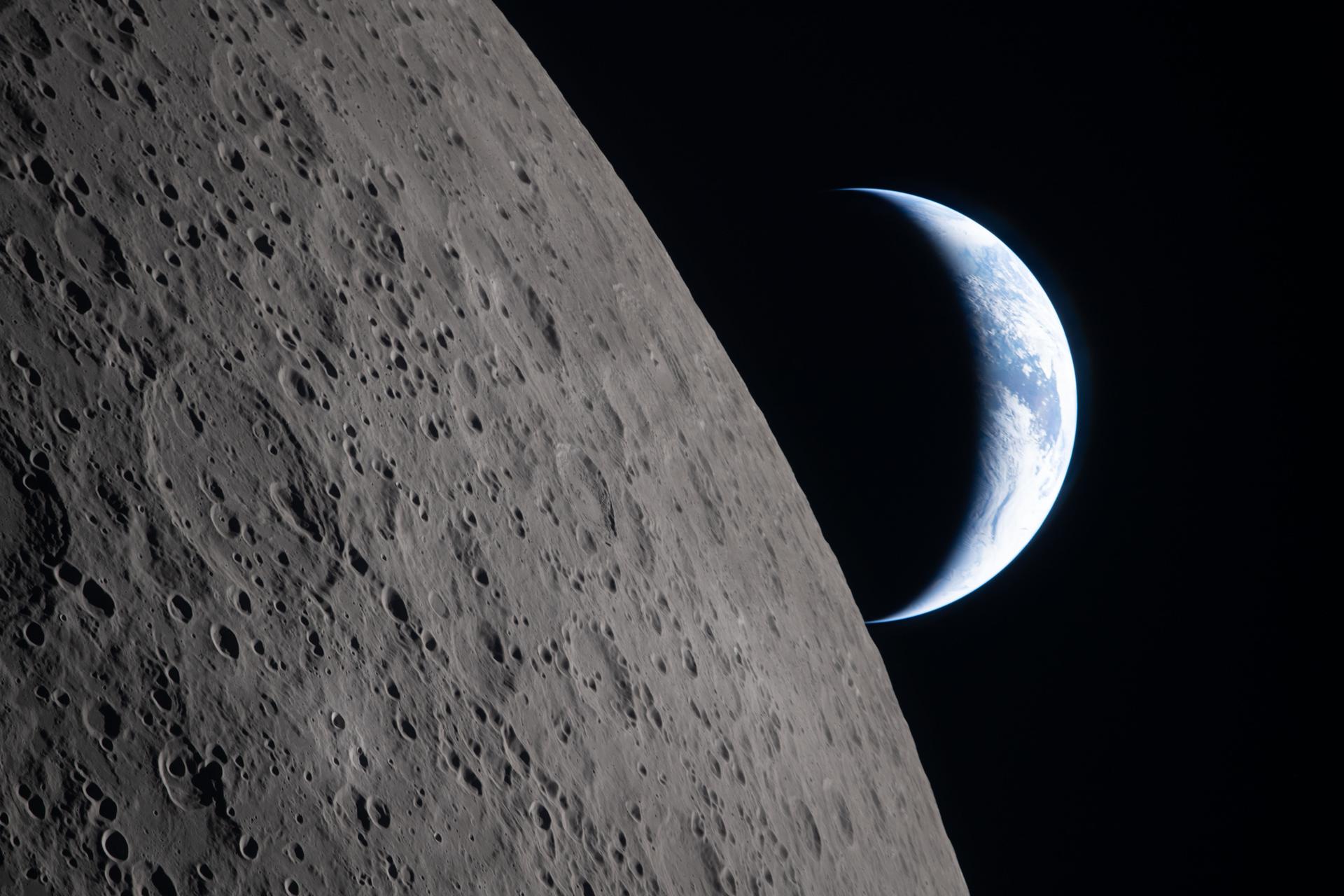
NASA unveiled the EAGLE program as one part of its “Ignition” event on March 24, 2026, when it announced a wide-ranging series of transformative agencywide initiatives. With EAGLE (the Explorer for Artemis Geology, Lunar, and Earth missions), NASA will deploy breakthrough hyperspectral images across Earth with later missions anticipated for the Moon and Mars in rapid succession. On Earth they’ll identify critical minerals for national security, enable precision agriculture, and support disaster response. On Earth and at Mars they will locate critical minerals and resources such as ice for propellants, rare-earth elements for technology, and construction materials for habitats.
EMIT (Earth Surface Mineral Dust Source Investigation) measures the mineral composition of Earth’s dust source regions, to help scientists understand how they heat or cool our planet.
Learn More About EMIT
ECOSTRESS (ECOsystem Spaceborne Thermal Radiometer Experiment on Space Station) is accurately measuring the temperature of plants on Earth.
Learn More About ECOSTRESS
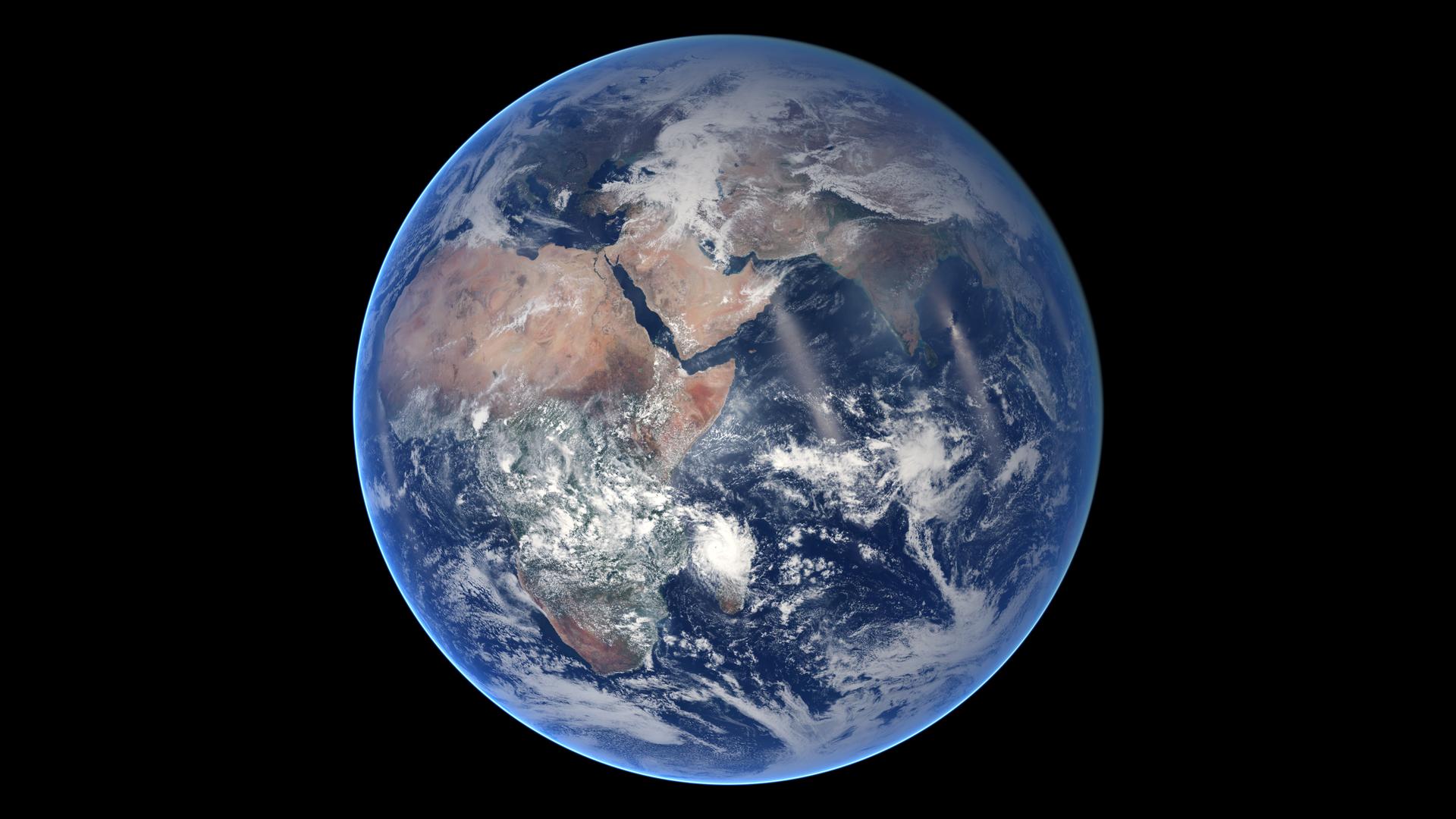
Your home. Our Mission. And the one planet that NASA studies more than any other.
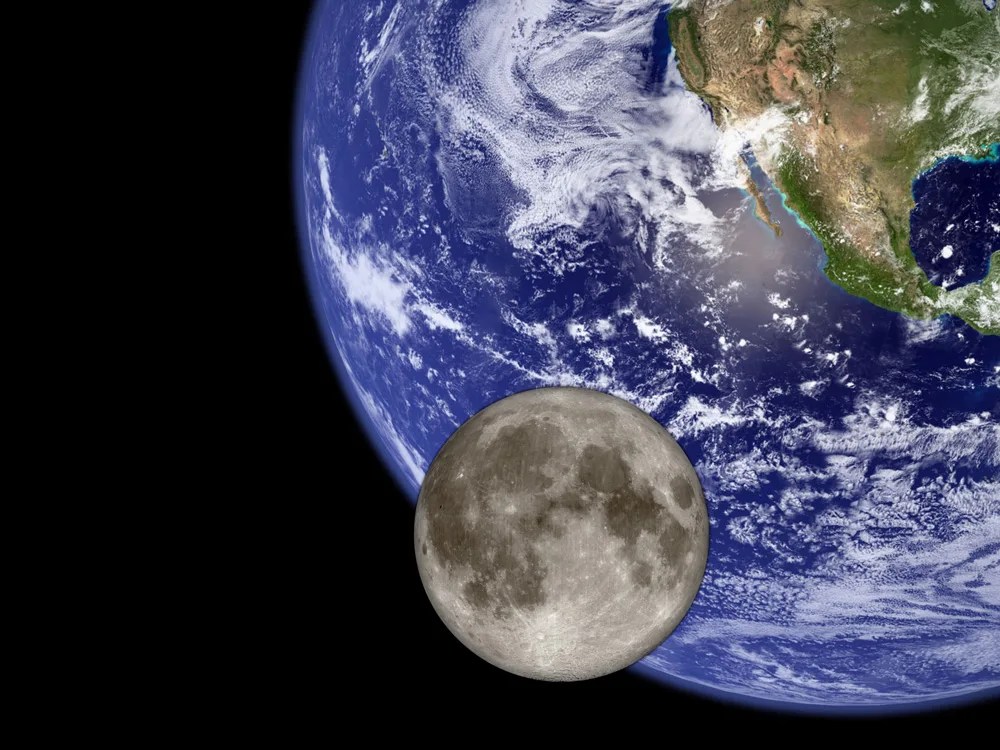
The Moon makes Earth more livable, sets the rhythm of ocean tides, and keeps a record of our solar system's…
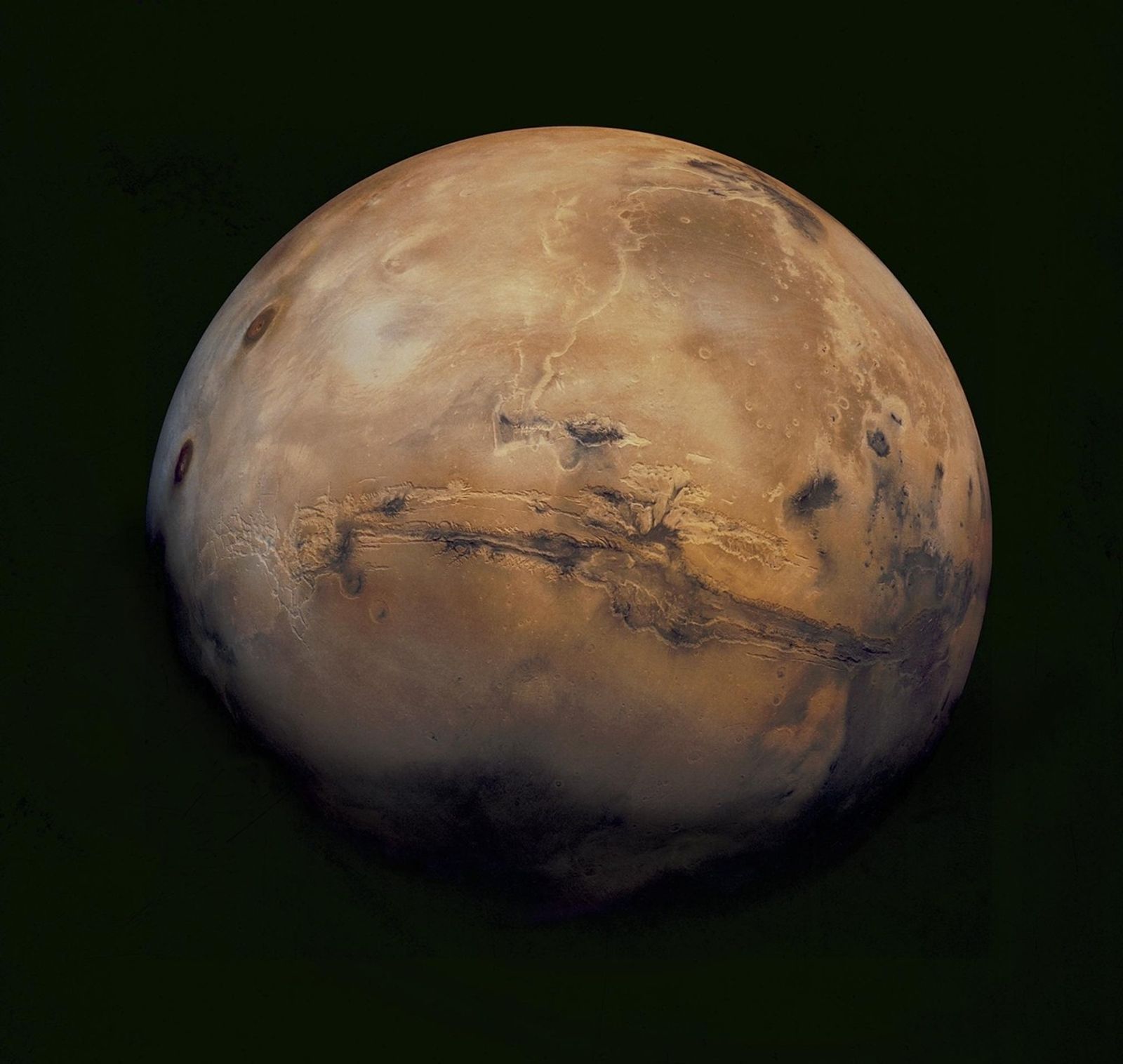
Mars is the fourth planet from the Sun, and the seventh largest. It’s the only planet we know of inhabited…
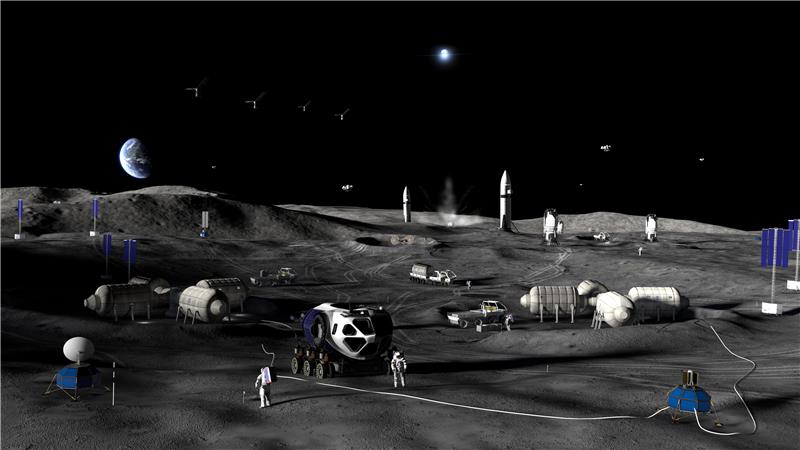
Media Resources Enabling Commercial Lunar Transportation to Support a Sustained Lunar Base NASA is seeking information from established commercial providers…
The post EAGLE appeared first on NASA Science.
Age-related remodeling of the immune system leaves older adults increasingly susceptible to sudden infections and cancer, while also promoting chronic, misdirected inflammation and impaired wound repair. These effects help drive a wide spectrum of long-term diseases. Yet despite rapid progress in immunology and gerontology, key mechanistic links—how specific immune-cell programs degrade over time and how that degradation shapes early response decisions—remain incompletely understood.
A major obstacle has been the limited availability of immune-aging models that are both predictive and experimentally tractable. Conventional in vitro systems often fail to capture the tissue context, cellular crosstalk, and microenvironmental cues that govern when and how immune responses ignite. As a result, “aging phenotypes” can be difficult to reproduce across laboratories and difficult to connect to causal pathways.
In a 2026 Nature Aging discussion, Nikolich and colleagues argue that the field needs a shift from descriptive comparisons toward engineered, mechanistically grounded platforms. They propose multidisciplinary strategies spanning immunology, gerontology, and engineering to interrogate immune aging at the point of initiation—when innate sensors, tissue barriers, and early signaling networks collectively determine the trajectory of downstream immunity.
The authors highlight drug delivery technologies as a route to more precise interventions. By tuning where, when, and at what dose immunomodulatory agents act, researchers could better test how age-altered signaling thresholds change the balance between protective responses and harmful inflammation.
They also emphasize extracellular matrix (ECM) and biomaterials, noting that aging reshapes the physical and biochemical scaffold surrounding immune cells. Biomaterials that recapitulate age-associated stiffness, ligand density, and degradation dynamics could reveal how microenvironmental cues reprogram immune recruitment, activation, and effector function.
Microphysiological systems and organoid-like models are presented as complementary engines for causality. These platforms can integrate multiple cell types, enable controlled perturbations, and better mimic tissue architecture than traditional culture formats.
Together, these approaches aim to deliver validated in vitro tools for immune-aging research—tools designed not only to measure differences, but to reproduce them reliably and connect them to specific upstream drivers.
The ultimate ambition is precision diagnostics and therapies that can “reprogram and rejuvenate” immune function in older adults, extending both lifespan and healthspan. By targeting immune-response initiation with engineered models, the field may finally bridge the gap between observational aging biology and interventions that work.
Subject of Research: Aging immune system; immune response initiation models and modulation
Article Title: Bioengineering strategies to interrogate and modulate the aging immune system
Article References: Nikolich, J.Ž., Wolf, M.T., Pompano, R.R. et al. Bioengineering strategies to interrogate and modulate the aging immune system. Nat Aging (2026). https://doi.org/10.1038/s43587-026-01187-y
Image Credits: AI Generated
DOI: https://doi.org/10.1038/s43587-026-01187-y
Glenview, Illinois—CHEST, the American College of Chest Physicians’ flagship journal portfolio, has reported a major milestone for its open-access publication CHEST® Critical Care: the journal has earned its first Journal Impact Factor of 2.7. Released annually by Clarivate through the Journal Citation Reports, the metric reflects the average number of citations received by articles published in a journal, serving as a widely used proxy for scholarly influence.
In practical terms, an Impact Factor offers more than prestige. It functions as a signal to authors, clinicians, and research teams that the work circulating in a journal is being engaged by the wider scientific and medical community—particularly important in time-sensitive domains like intensive care medicine, where findings can influence protocols and bedside decision-making.
Hayley Gershengorn, MD, FCCP, Editor in Chief of CHEST Critical Care, emphasized that the achievement is rooted in the ecosystem around the journal. Authors contribute original and reproducible studies; reviewers help refine rigor and clarity; editorial leadership maintains standards; and readers ensure the research travels beyond publication.
The journal was designed to accelerate dissemination of high-quality critical care research while keeping access frictionless. Because CHEST Critical Care is fully open access, its content can be read by practitioners, investigators, and policymakers worldwide without subscription barriers—an element that can broaden citation pathways and facilitate adoption of evidence-based practices.
Beyond original studies, the journal publishes a range of formats, including reviews and case reports, as well as “How I Do It” clinical education articles. This blend supports both scientific discovery and translational learning, which can be critical for managing complex syndromes such as sepsis, respiratory failure, and septic shock.
For biomedical audiences, open-access visibility plus peer-reviewed credibility creates a compelling combination: findings are discoverable, accessible, and citable. That coupling helps explain why emerging journals can gain momentum quickly when their content resonates with urgent clinical needs.
To follow updates across the CHEST journal ecosystem, readers can visit the CHEST website and track news via the journal’s social channels. The organization frames the Impact Factor as a validation of community effort—and as motivation to keep publishing research that improves outcomes in critical care.
Subject of Research: Critical care medicine; scholarly publishing metrics
Article Title: CHEST Critical Care Achieves First Journal Impact Factor of 2.7
News Publication Date: Not provided
Web References: https://www.chestnet.org/guidelines-and-topic-collections/publications ; https://www.twitter.com/journal_chest
References: Clarivate Journal Citation Reports (Journal Impact Factor methodology)
Image Credits: Not provided
Keywords: CHEST Critical Care, Journal Impact Factor, Clarivate, open access publishing, critical care medicine, citations, peer review, intensive care research
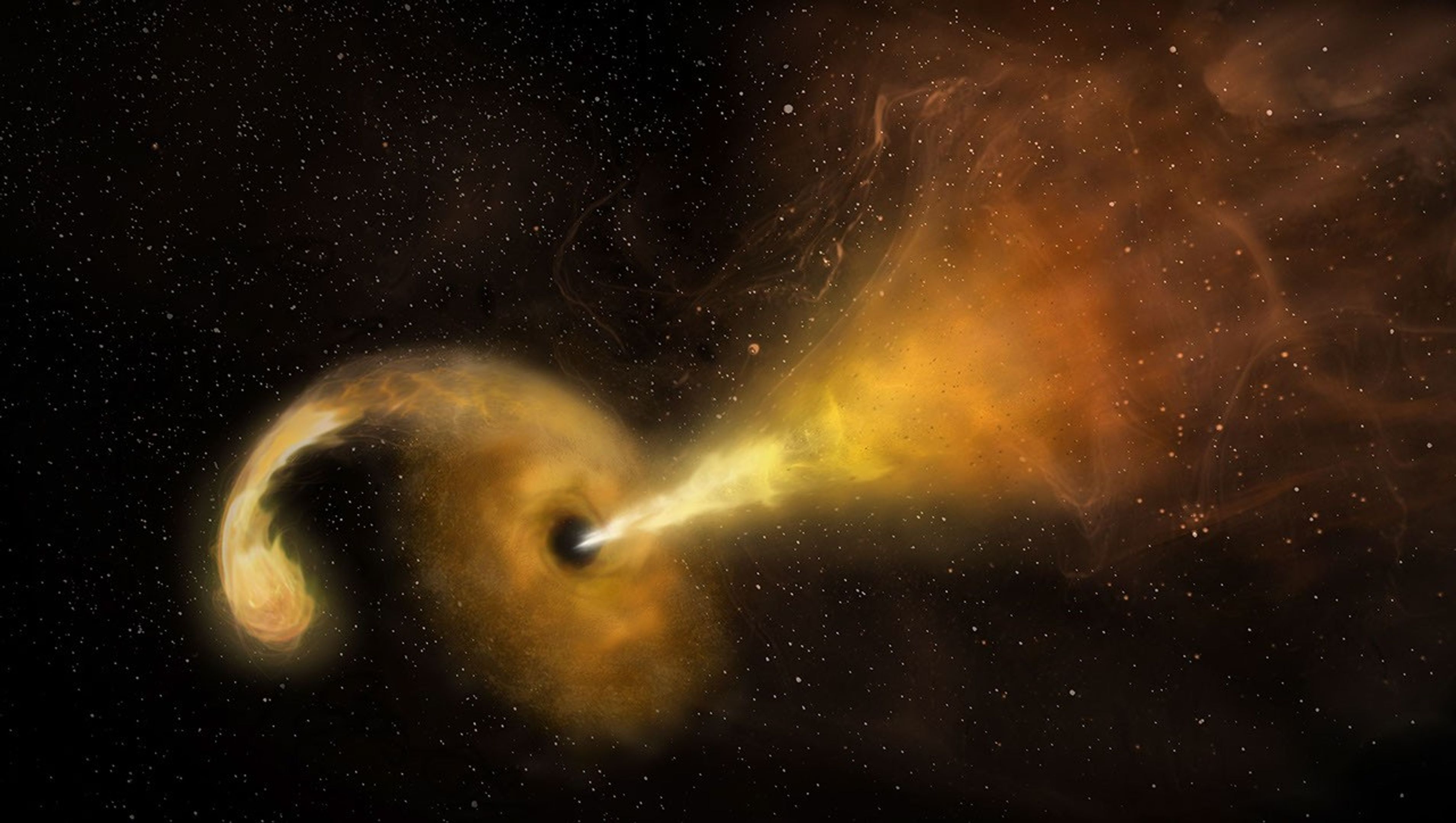
NASA’s Neil Gehrels Swift Observatory captured an “orphan” black hole lighting up as it devoured a star on the outskirts of a faraway galaxy. These phenomena are rare to begin with, and none had ever before been seen so far outside of a galaxy’s core.
“We were looking for these star-shredding events as a way to find otherwise invisible supermassive black holes wandering away from the galactic cores where they usually reside,” said Robert Stein, a research fellow at The University of Maryland, College Park and NASA’s Goddard Space Flight Center in Greenbelt, Maryland. “With this discovery, which is one of just a couple that have been confirmed so far, we’ve validated a new technique and can use it to hunt for more.”
A paper describing the results, led by Stein, was published Monday in The Astrophysical Journal Letters.
Researchers saw an ultrabright flare unleashed by a star being torn apart by extreme gravitational forces after drifting too close to a monster black hole — a phenomenon called a tidal disruption event. The black hole behind the blast weighs in at about a million times the Sun’s mass. Its existence was first flagged in November 2025 as an unusual brightening in a galaxy about 750 million light-years away by ZTF (Zwicky Transient Facility), a survey conducted by the Palomar Observatory in Southern California.
“Out of the half million flashes ZTF detects each night, our new artificial intelligence algorithm automatically recognized a flare that looked a lot like a tidal disruption event, despite its unusual location in the outskirts of a galaxy,” Stein said. For a few months, the tidal disruption event outshone its entire host galaxy in ultraviolet wavelengths, temporarily radiating with the light of about 10 billion suns.
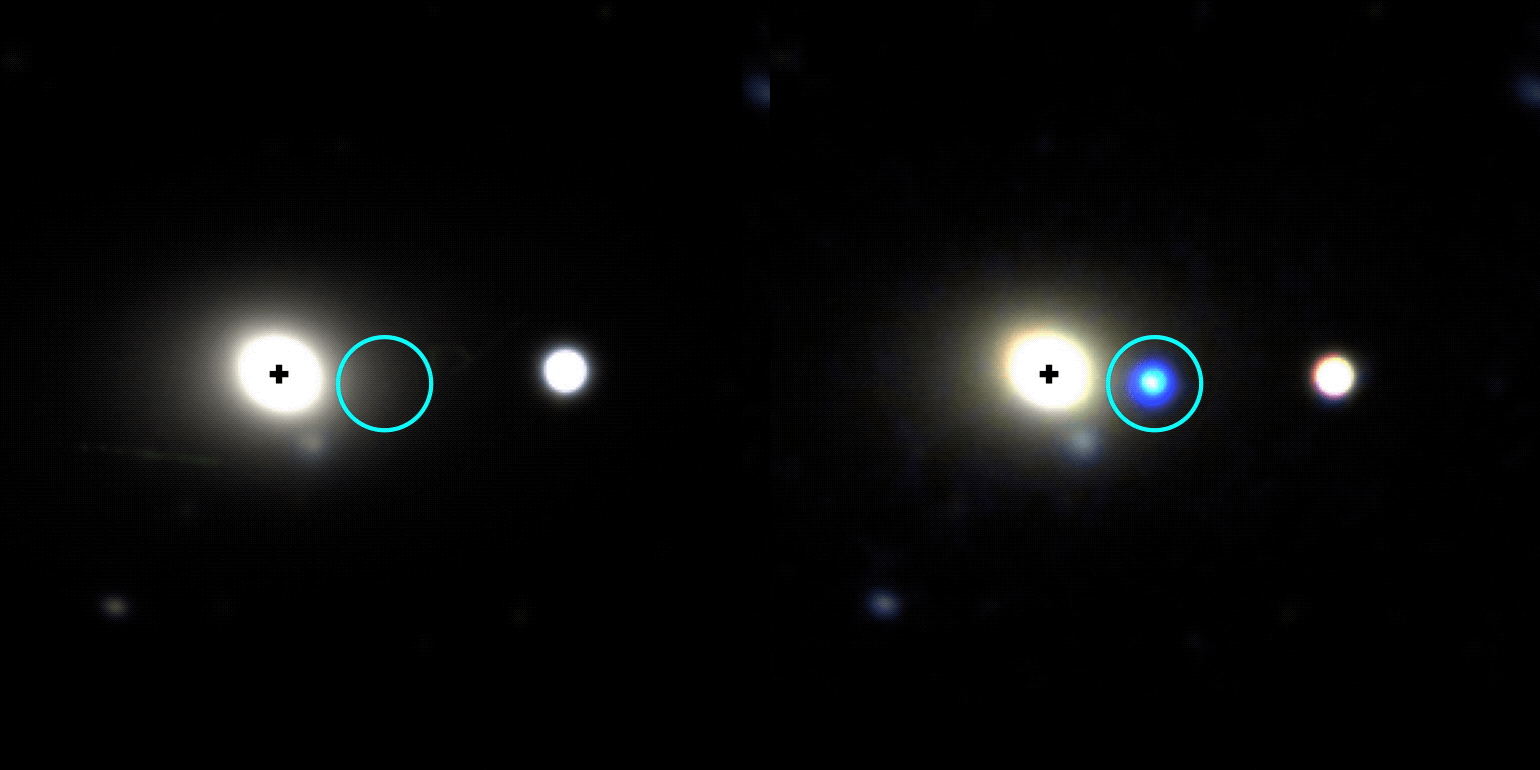
Other telescopes, including the SOAR (Southern Astrophysical Research) telescope in Chile, followed up on the ZTF source to look at the event’s spectrum, which revealed features supporting that it was likely a tidal disruption event. Astronomers then used NASA’s Swift to look at wavelengths they can’t detect with ground-based telescopes to uncover new information. For example, Swift’s UVOT (Ultraviolet/Optical Telescope) took the blip’s temperature and found that it had quite a fever at about 54,000 degrees Fahrenheit (30,000 degrees Celsius).
“The combination of all this data helped us rule out other explanations and confidently say it’s a tidal disruption event, despite its strange location,” said Jonathan Carney, a doctoral student at the University of North Carolina at Chapel Hill, who took the first spectra that supported the flare’s interpretation as a tidal disruption event.
Nearly every galaxy in the universe is anchored by a supermassive black hole sitting right in the center. About once every 100,000 years, a star will drift too close to this invisible heavyweight and trigger a tidal disruption event.
While they’re rather rare in any given galaxy, scientists scour millions of galaxies for them. Each year, astronomical surveys typically spot about 30 tidal disruption events occurring somewhere in the universe.
Prior to 2024, they’d only been seen in galaxy cores. That’s partly because astronomers mainly looked for them there; after all, it’s where all the known supermassive black holes were, and you can’t get a tidal disruption event without one (the gravitational pull of lighter black holes isn’t strong enough).
Then scientists saw the telltale signs of a star being shredded 2,600 light-years from the center of its host galaxy. That inspired more astronomers to look beyond galaxy cores for similar events, and now a team has identified one more than 30,000 light-years away from a galaxy’s center.
So how did the newfound black hole become so off-kilter?
“It must have originated in a galaxy’s center, but not the one it’s in the outskirts of now,” Stein said. “We think the host galaxy’s supermassive black hole is still at its core, but the one eating the star could have started off in a small galaxy that merged with the big one we see today.”
The researchers have outlined two possibilities. Three or more galaxies may have merged together, and the gravitational tug-of-war between their central supermassive black holes may have flung the lightest black hole out to the galaxy’s edge.
Or a dwarf galaxy could be midway through a merger. As the dwarf’s stars fell into the larger galaxy, one may have passed too close to the dwarf’s supermassive black hole.
“Further discoveries could reveal the origin of this apparent ‘orphan’ black hole,” Stein said. “The key science question we want to answer is: How common are wandering black holes?”
The answer may soon be within reach. “Pointed science observations with Swift’s UVOT and XRT (X-Ray Telescope) instruments are temporarily suspended as the mission awaits an orbit boost, which is planned for this summer,” said co-author S. Bradley Cenko, Swift’s principal investigator at NASA Goddard. The spacecraft, whose primary mission ran from 2004 to 2006, is slowly sinking toward Earth due to atmospheric drag after more than 20 years of observations of the changing universe. Nudging it to a higher orbit could extend its lifetime even longer. “Once it resumes normal operations, Swift could continue searching for more examples of out-of-place black holes.”
In the coming years, scientists will use the new technique to search for disintegrating stars in observations from the newly operational Vera C. Rubin Observatory, jointly funded by the U.S. Department of Energy and National Science Foundation, in Chile and NASA’s upcoming Nancy Grace Roman Space Telescope.
“Rubin’s wide, deep surveys will reveal a much larger sample of tidal disruption events than current observatories are capable of collecting, including ones that are off-center,” Carney said. “And Roman’s space-based surveys will extend the current search zone by seeing ones that are farther away, looking back through 9 billion years of cosmic history.” Adding their observations to Swift’s and those from ground-based observatories will bring astronomers closer than ever before to completing a census of the universe’s behemoth black holes.
To learn more about the Swift mission, visit:
By Ashley Balzer
NASA’s Goddard Space Flight Center, Greenbelt, Md.
Media contact:
Claire Andreoli
NASA’s Goddard Space Flight Center, Greenbelt, Md.
301-286-1940
In the final weeks before Romania’s presidential vote in November 2024, TikTok accounts that had previously spent years posting about manicures or fashion suddenly started promoting a little-known politician named Calin Georgescu.
His posts, espousing hard-line views on immigration and anti-Semitic tropes, were viewed 120 million times before the vote. Georgescu, who had previously been polling in the single digits, stunned observers by winning the election’s first round with 23 percent of the vote.
In the Netherlands, Adriana Iamnitchi was watching closely. As chair of computational social sciences at Maastricht University, she leads the research into disinformation campaigns. She wanted to know how pro-Georgescu content was being monetized on TikTok through hidden influencer marketing and livestreamed political content.


© Getty Images | Photographer is my life
In addition to model development, the Mars Climate Modeling Center (MCMC) conducts cutting-edge scientific research on the past and present atmosphere and climate of Mars.
The Mars Climate Modeling Center (MCMC) conducts atmospheric and climate science research using the NASA Ames Mars Global Climate Models (MGCMs), advancing our understanding of Mars’ climate today, in its ancient past, and as a target for future exploration.
Mars’ climate is governed by three interacting cycles — dust, water, and carbon dioxide (CO₂) — that vary across seasons and from year to year. MCMC scientists use the MGCMs to study these cycles and the processes that drive them, including:
This research is carried out by a team of civil servant and contractor scientists, postdoctoral researchers, and students, often in collaboration with universities and other NASA centers. You can read more about individual MCMC team members and their science on the Group Members page. A full list of MCMC research papers, conference presentations, and technical reports is available on the Publications page.
The post MCMC Science appeared first on NASA Science.

Apple is poised to make one of the most impressive debuts in recent smartphone history. According to Counterpoint Research’s latest forecast, the company’s first foldable iPhone is expected to capture a remarkable 25% share of global foldable smartphone shipments in 2026 — its very first year (really, quarter) in the category — while helping propel the overall market to robust 21% year-over-year growth.
This is no ordinary product launch. In a segment long dominated by a handful of Android players, Apple is projected to debut in a clear second place, ahead of Huawei (24%) and closing the gap dramatically on market leader Samsung, whose share is forecast to decline from 40% in 2025 to 32%. Motorola and HONOR are expected to see further erosion of their positions, underscoring how Apple’s entry is poised to reshape the competitive landscape overnight.
Global Foldable Smartphone Shipment Share by OEM, 2025 vs 2026F

What makes this projection especially powerful is the nature of the demand Apple is expected to unlock. Counterpoint notes that Apple’s arrival will intensify competition specifically in the premium book-type foldable segment—the form factor that prioritizes productivity, multitasking, and expansive screen real estate over pure novelty. As AI features evolve beyond simple chat into everyday workflows such as document summarization, content editing, schedule management, and seamless cross-app information movement, a wider, more flexible canvas becomes essential. Apple’s anticipated design approach aligns perfectly with this shift, positioning the foldable iPhone as a natural extension of the company’s longstanding focus on refined user experience, seamless ecosystem integration, and premium craftsmanship.
Samsung is set to retain the overall lead for now, but the narrowing of its advantage to just seven percentage points over Apple highlights the disruptive force of Cupertino’s entry. Other brands that once held meaningful shares are projected to lose ground, illustrating how a single, highly anticipated Apple product can redefine market dynamics and accelerate category maturation.
The 21% growth forecast for the global foldable market in 2026 is itself a vote of confidence in the category’s future, and Counterpoint explicitly ties much of that expansion to Apple’s influence. By bringing its massive, loyal customer base, rigorous attention to durability and software optimization, and unmatched brand prestige into the foldable arena, Apple is expected to expand the total addressable market rather than merely redistribute existing demand. Premium book-style devices stand to benefit most, moving foldables further from experimental gadgets toward mainstream productivity tools.
For years, observers have waited for Apple’s carefully timed move into foldables. The Counterpoint numbers suggest that timing was deliberate and strategic. Rather than rushing to market, Apple appears positioned to enter with a product that not only claims a quarter of all foldable shipments in its first quarter, but also elevates the entire segment—raising expectations for design excellence, software polish, and real-world utility.
In short, 2026 is shaping up as the year the foldable smartphone market comes of age, and Apple is set to be one of its primary architects. Capturing 25% share on debut is more than a strong start; it is a clear signal that when Apple decides a category is ready, the industry—and consumers — take notice.
MacDailyNews Take: And, in 2027, if they don’t actually exceed Counterpoint’s projection and claim the crown straight off in Q226, after a mere three months on the market, Apple’s iPhone will be No.1 in foldable smartphones. Apple’s well-heeled customer base guarantees it.
As with fingerprint and facial recognition, when Apple debuts a foldable iPhone, then foldable smartphones will have been done right. – MacDailyNews, January 17, 2019
Please help support MacDailyNews — and enjoy subscriber-only articles, comments, chat, and more — by subscribing to our Substack: macdailynews.substack.com. Thank you!
Support MacDailyNews at no extra cost to you by using this link to shop at Amazon.
The post Apple’s foldable iPhone to grab 25% of foldable smartphone sales this year – Counterpoint Research appeared first on MacDailyNews.
