Un trou noir supermassif a été surpris en pleine action… loin de chez lui. Pour la première fois, des astronomes ont observé un de ces monstres « orphelins » dévorer une étoile en périphérie d’une galaxie. Une découverte inédite qui ouvre la voie à une chasse aux trous noirs errants dans tout...
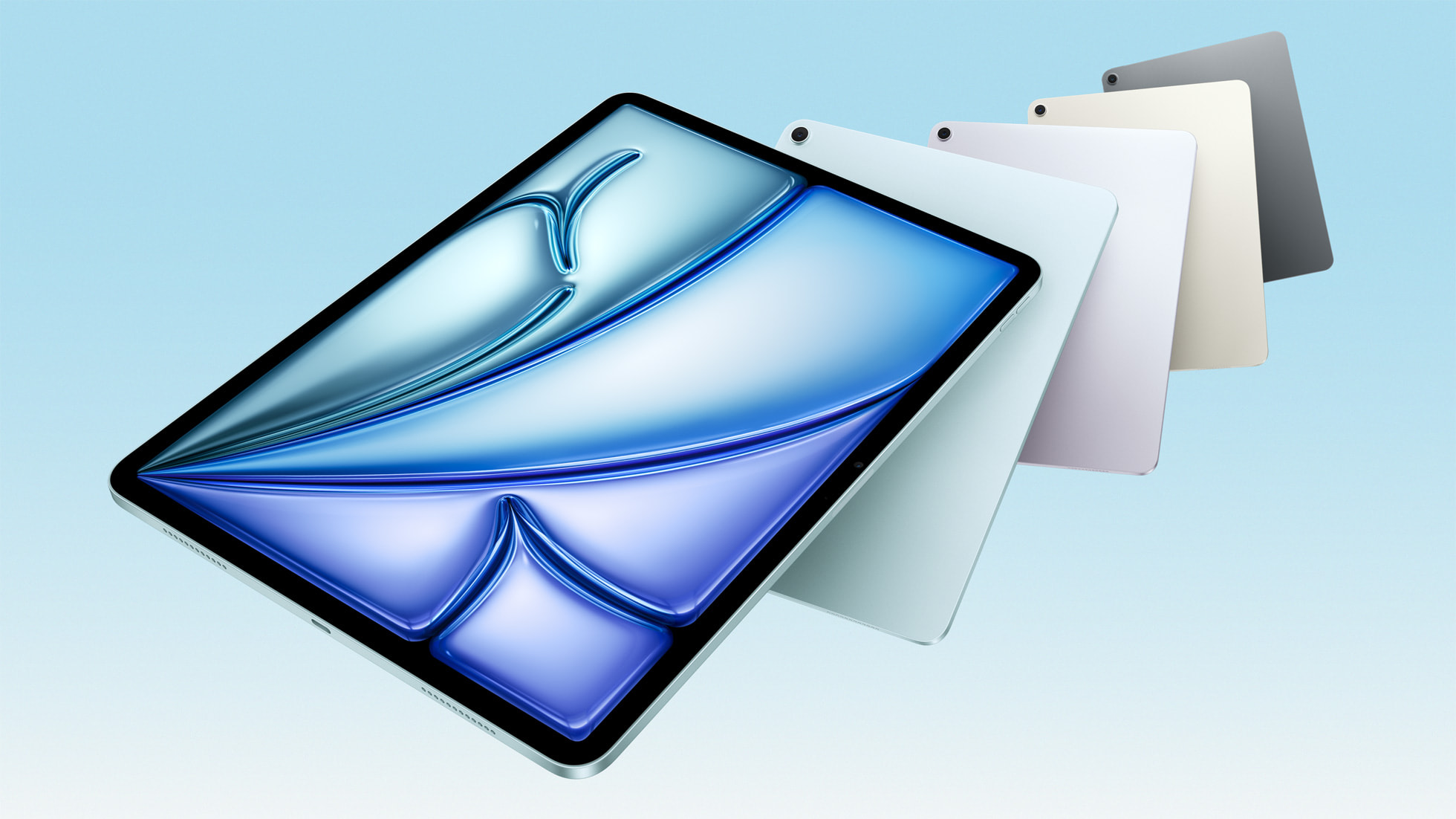
The iPad Air has looked the same since 2020, making it the longest-running design in Apple's tablet lineup. There is a reasonable case that 2027 could be when that comes to an end.
Apple last gave the iPad Air a new enclosure in 2020, when the fourth-generation model introduced flat sides, an all-screen front, and Touch ID in the top button. The subsequent M1, M2, M3, and M4 updates were all internal with no design changes.
The substantial upgrade would be a suitable candidate for a complete redesign. When the iPad Pro moved to OLED in 2024, Apple completely redesigned the device for the first time since 2018, introducing a substantially thinner chassis.
The iPad Air and iPad mini have shared their design language since their introduction, with the mini most recently adopting the Air's look in 2021 and holding it through to the iPad mini 7. If the mini receives a new enclosure this year, the Air is the obvious candidate to bring over the same one next. It could be much like how the original iPad mini from 2012 set the design standard for the iPad Air just a year later.
There have been no specific rumors about an iPad Air redesign for next year, but if it does mirror the iPad mini, the device could gain the same vibration-based speaker system, water-resistance, and more.
Explorer for Artemis Geology, Lunar, and Earth — a NASA satellite program to study surface biology and geology on Earth, with technologies that could support future missions to the Moon and Mars.
Future Mission
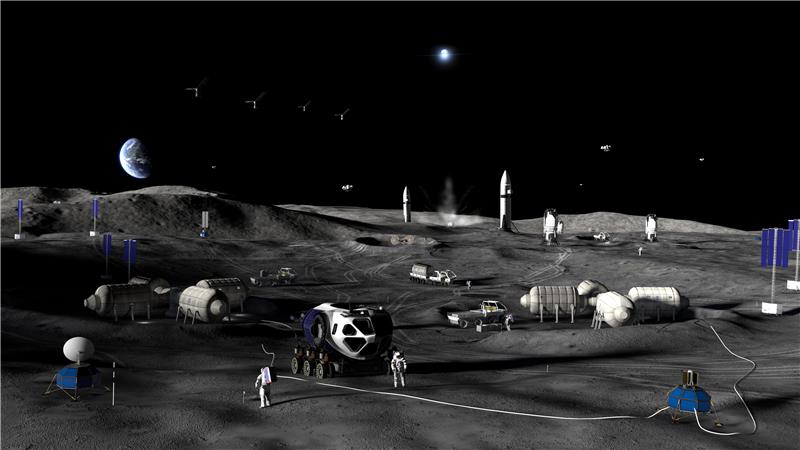
NASA’s EAGLE program — Explorer for Artemis Geology, Lunar, and Earth — will be a series of satellite missions studying surface properties using technologies for Earth observation that will also benefit future missions to the Moon and Mars, where they could identify critical resources and safe landing sites.
The satellites making up the first two EAGLE missions will study biology and geology on Earth’s surface to support agriculture, disaster response, and other needs. Each mission will carry a different instrument with capabilities that complement each other. The first mission (EAGLE-VSWIR) is scheduled to take flight in 2028.
Mission Type
Orbiter
Target
Earth, Moon, Mars
Launch
No earlier than 2028
Objective
Study surface composition and changes
EAGLE-VSWIR
EAGLE-VSWIR (Visible to Shortwave Infrared) will observe the Earth’s surface every 16 days with a high-resolution imaging spectrometer, which measures light reflected from the planet’s surface, separating wavelengths across the visual and into the infrared spectrum. The patterns created by light being reflected or absorbed across this spectral range act like fingerprints, letting scientists identify the composition of the surface.
A similar instrument, NASA’s EMIT (Earth Surface Mineral Dust Source Investigation), has been monitoring Earth from the International Space Station since July 2022, characterizing the surface mineral composition of Earth’s arid lands, monitoring ecosystem status, and tracking health and safety hazards — such as methane leaks and acid mine drainage — among other applications.
EAGLE-VSWIR will have 25 times more capability than EMIT has today. This technological leap will allow scientists to map surface deposits of critical and rare-earth minerals, strengthen food security, and aid wildfire prevention and recovery. It can also highlight environmental hazards such as oil spills or landslide risks, and monitor water quality and availability.
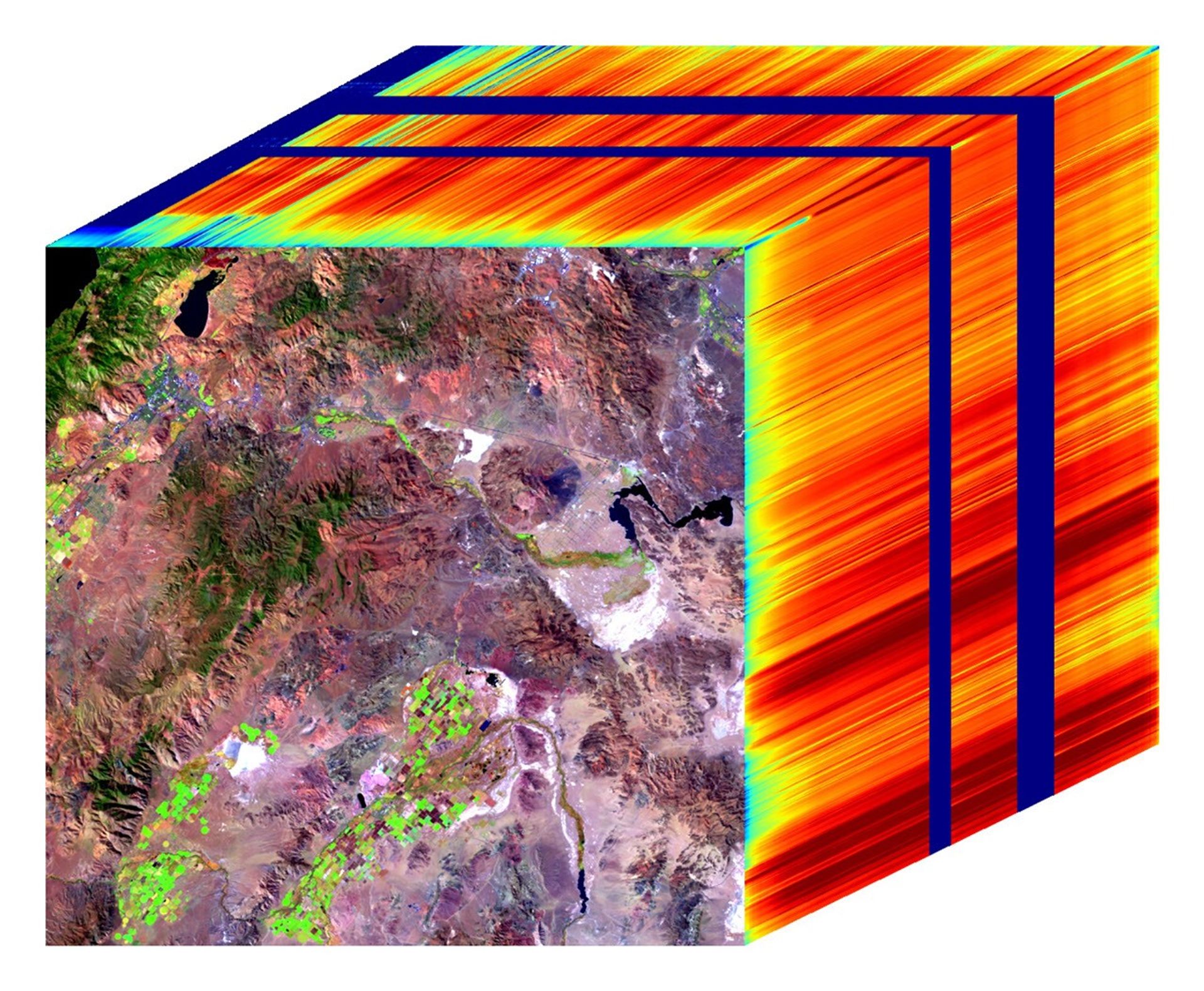
The front of this image cube shows a region in Nevada observed by NASA’s EMIT imaging spectrometer; the cube’s sides show the spectral fingerprint for every point in the image and can be used to discover mineral resources. EAGLE-VSWIR will have 25 times greater performance beyond NASA’s current state-of-the-art EMIT.
NASA/JPL-Caltech
EAGLE-TIR
The EAGLE-TIR mission will provide Thermal InfraRed (TIR) imagery when it launches two to three years after EAGLE-VSWIR, measuring energy emitted from the surface and producing data that scientists can use to map temperature, composition, and critical mineral deposits. On Earth that would let researchers monitor wildfires and volcanic activity, track drought and water use by crops, study urban heat islands, observe the rates that snow or ice accumulates or melts, and better understand Earth’s resilient ecosystems.
EAGLE-TIR follows on from ECOSTRESS (ECOsystem Spaceborne Thermal Radiometer Experiment on Space Station), which has been observing Earth from the International Space Station since 2018. ECOSTRESS was designed to study how different ecosystems respond to drought and water stress, and the data has provided a vital understanding of how plants’ water use changes throughout the day. Since ECOSTRESS also measures emitted energy in the thermal infrared, its surface-temperature products have also been used for urban planning and wildfire monitoring.
Further innovation and lessons learned from ECOSTRESS has led to EAGLE-TIR, which will carry a multi-band thermal radiometer. EAGLE-TIR’s great strength compared to existing missions is that it provides detailed imagery of the entire globe every two days, day and night, at multiple wavelengths not available from other instruments.
This image shows the minerals contained in Namibian dunes using ECOSTRESS data. EAGLE-TIR will have more spectral channels to enable even better mineral discrimination.
NASA/JPL-Caltech
EAGLE Program
By advancing vital techniques for measuring our planet’s surface composition, resources, and hazards, the EAGLE program addresses critical needs in Earth observation, with technologies that can also transfer to planetary exploration, where they’ll serve as pathfinders for future missions to the Moon and Mars.
As the Artemis II crew came close to passing behind the Moon and experiencing a planned loss of signal, they captured this image of a crescent Earth setting on the Moon’s limb on April 6, 2026.
NASA
Featured Video
EAGLE
NASA unveiled the EAGLE program as one part of its “Ignition” event on March 24, 2026, when it announced a wide-ranging series of transformative agencywide initiatives. With EAGLE (the Explorer for Artemis Geology, Lunar, and Earth missions), NASA will deploy breakthrough hyperspectral images across Earth with later missions anticipated for the Moon and Mars in rapid succession. On Earth they’ll identify critical minerals for national security, enable precision agriculture, and support disaster response. On Earth and at Mars they will locate critical minerals and resources such as ice for propellants, rare-earth elements for technology, and construction materials for habitats.
EMIT
EMIT (Earth Surface Mineral Dust Source Investigation) measures the mineral composition of Earth’s dust source regions, to help scientists understand how they heat or cool our planet.
Join us for continuing coverage as our leaders discuss the agency's implementation of the National Space Policy and our plans to advance science and discover...
Les trous noirs supermassifs qui font évoluer les galaxies nous réservent sans aucun doute des surprises. La dernière en date concerne maintenant les amas de galaxies et leurs interactions avec ces astres compacts géants.
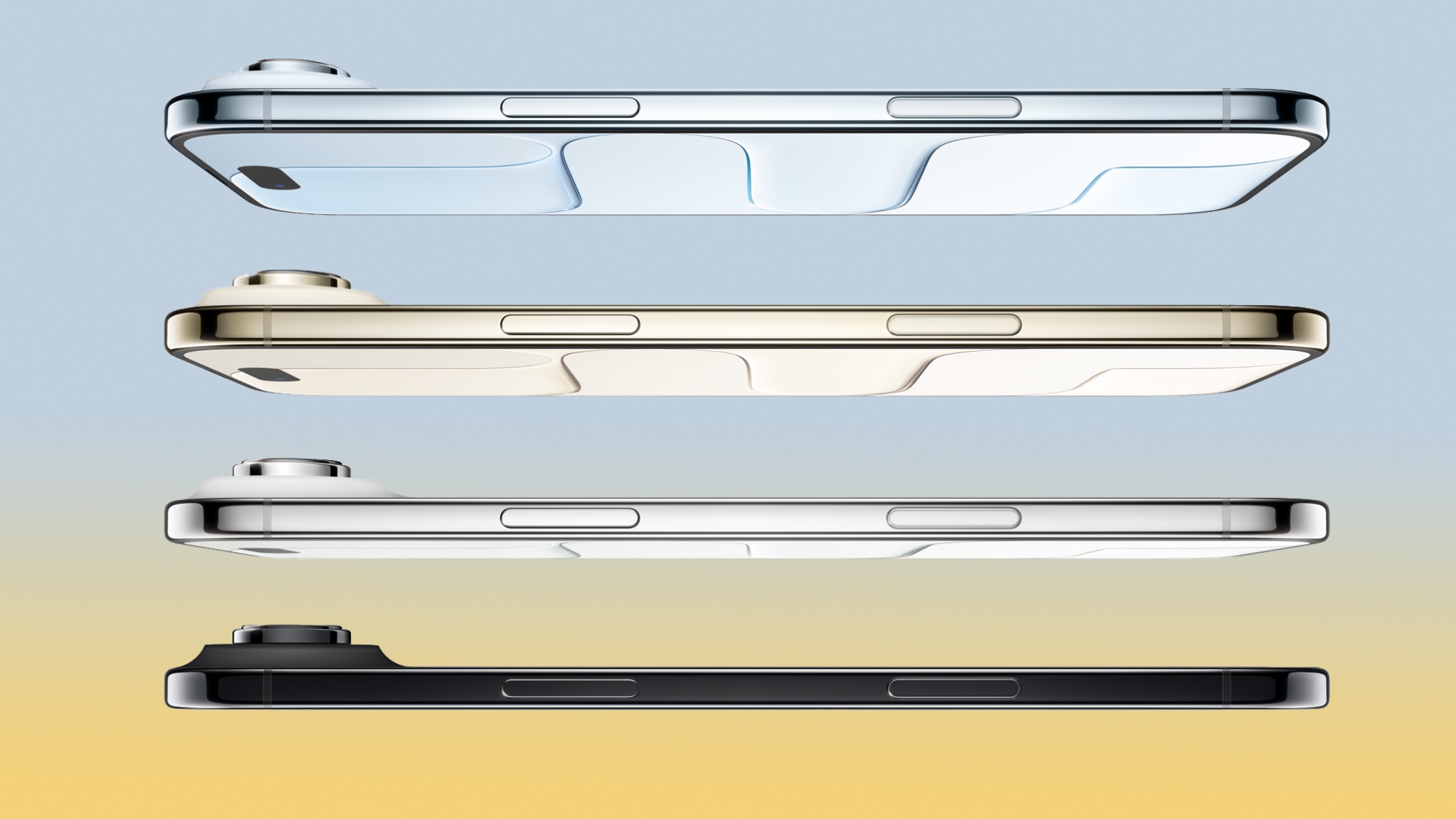
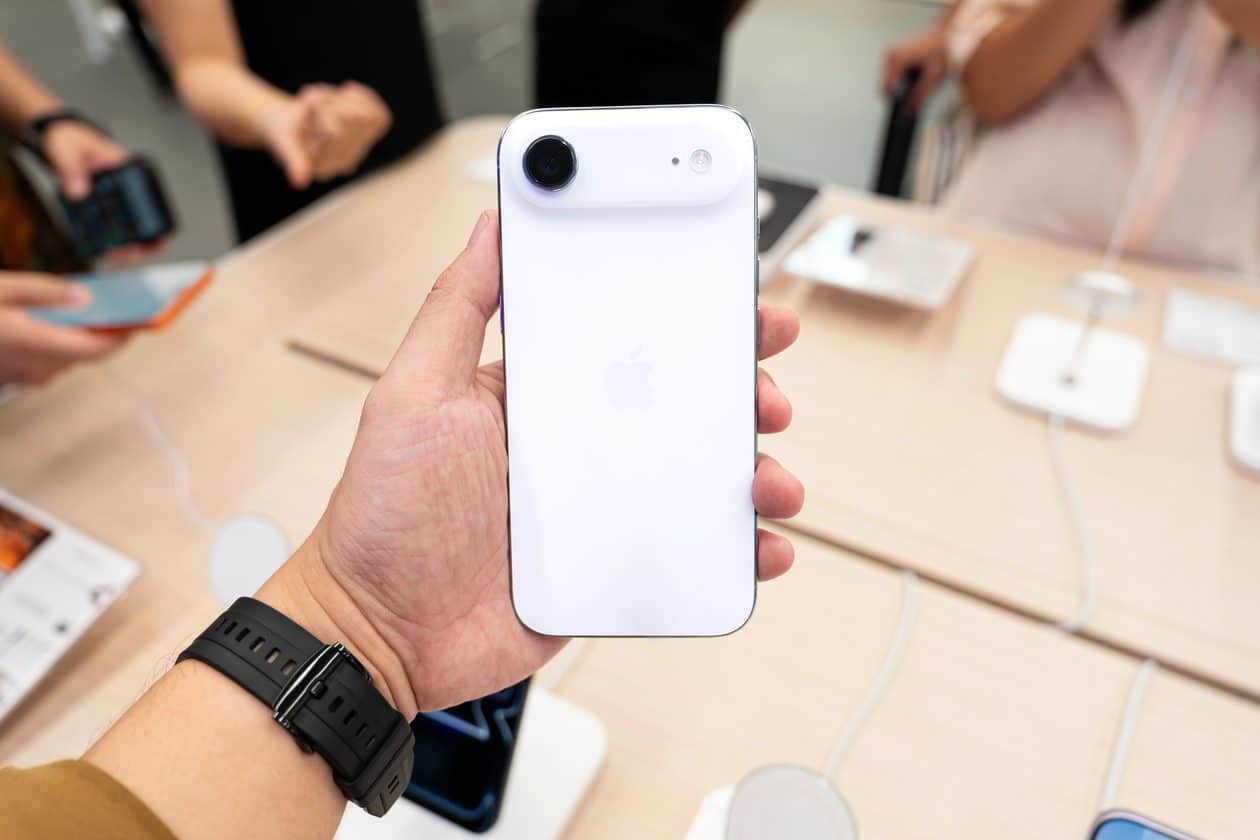
Apple plans to release a second-generation iPhone Air in the first quarter of 2027, according to Jeff Pu, an investment analyst who covers Apple.
In a research note with GF Securities today, Pu said the iPhone Air 2 will have the following five new features compared to the current model:
The addition of a second 48-megapixel rear camera — an Ultra Wide lens to complement the existing Fusion lens.
A slightly smaller Dynamic Island.
A faster and more power-efficient A20 Pro chip manufactured with TSMC's advanced 2nm process. The current iPhone Air has a 3nm A19 Pro chip.
Apple's second-generation N2 chip for wireless networking. In the existing iPhone Air, the N1 chip is an Apple-designed wireless networking chip that enables Wi-Fi 7, Bluetooth 6, and Thread. The chip also improves the overall performance and reliability of features like AirDrop and Personal Hotspot.
Apple's second-generation C2 chip for 5G. Apple says the current C1X chip is already the most power-efficient modem in an iPhone ever.
He expects the next iPhone Air to stick with a 6.5-inch display, 12GB of RAM, and an 18-megapixel Center Stage front camera.
Apple reportedly plans to release the iPhone Air 2 alongside the regular iPhone 18 and a lower-end iPhone 18e around March 2027. The higher-end iPhone 18 Pro, iPhone 18 Pro Max, and foldable "iPhone Ultra" are expected to launch this September, with the devices in the lineup rolling out at different times as part of a new strategy.
On a commencé à comprendre la nature des explosions d'étoiles, que nous appelons des supernovae, seulement au début des années 1930. Elles détiennent toujours des secrets et l'on soupçonne aujourd'hui qu'un type exotique et nouveau de supernova existe dans la Voie lactée avec des naines...
Many MacBook Air, MacBook Pro, and MacBook Neo owners have noticed something curious; their MacBook battery stops charging at 80% when plugged in. To add to the confusion, even if they leave their MacBook plugged in overnight, the battery seems to be stuck at 80% and will not charge any further. Because this is not ... Read More
DARPA officials said the successful flight of an aircraft category that is still in use for combat operations advances the state-of-the-art technological infrastructure needed to meet the challenges of a rapidly evolving aerial environment and will enable rapid, scalable combat AI pilot development across the broader U.S. military forces.
“These groundbreaking flight tests of VENOM-modified F-16s advance the infrastructure needed to develop trusted, autonomous air combat capabilities,” said Brig. Gen. James “Fangs” Valpiani, Ph.D., DARPA program manager.
AI-Controlled F-16 Test Flights Part of VENOM Program
According to a statement announcing the successful AI-controlled flights, the F-16 used in the tests was specifically converted to an AI testbed under the agency’s joint venture with the U.S. Air Force, the Viper Experimentation and Next-generation Operations Model (VENOM) program. The specific AI pilot installed in the F-16 is known as the VENOM Autonomy Kit, or VAK.
DARPA said VAK utilizes a “novel interface with the aircraft’s flight controls and mission systems.” This component allows an on-board human pilot to toggle between their traditional control systems and VAK “with the flip of a switch,” ensuring pilot safety during the testing phase where a human is still in the loop.
An F-16 Fighting Falcon modified for the Viper Experimentation and Next-gen Operations Model – Autonomy Flying Testbed (VENOM) program conducts flight operations during autonomous systems testing in June 2026 at Eglin Air Force Base. The VENOM F-16s serve as modified airborne test platforms equipped with specialized hardware, software, and instrumentation designed to enable artificial intelligence agents to pilot the aircraft while human pilots remain in the cockpit to monitor the AI agents and ensure flight and mission systems test objectives are met to rapidly evolve autonomous capabilities. Image Credit: U.S. Air Force | Samuel King Jr., 96th Test Wing
Valpiani said that the VENOM team installed the AI-controlled VAK interface, which successfully automated the F-16’s sensors and flight controls “without changing the jet’s core software.”
“This enables an efficient pipeline for developing dominant AI for aerial combat, allowing us to rapidly innovate for the warfighter,” the program manager explained.
Creating Dominant Autonomy Beyond Visual Range
When discussing the significance of the successful AI-controlled test flights, Valpiani once again highlighted the “emerging threat environment” in relation to aerial combat, including its increasing complexity.
“AI has tremendous potential to help humans manage this complexity in beyond-visual-range combat, but many hard questions remain concerning the performance and trustworthiness of combat AI in the extreme fog and friction of modern warfare,” explained the project leader, who was due to conclude his tenure as a DARPA program manager in the weeks after the announcement. “The AIR program aims to apply cutting-edge combat agents to operationally relevant scenarios to address these questions and field war-deterring, war-winning capabilities to our warfighters.”
Incoming program manager, Lt. Col. Patrick “Dice” Highland, Ph.D., highlighted the milestone’s role in “advancing our nation’s combat autonomy,” while also offering an eye toward the program’s future.
“We now have the opportunity to create dominant autonomy for beyond-visual-range, multi-ship combat,” Lt. Col Highland said. “These flights give us an early glimpse of how AI agents may begin actively transforming air warfare.”
Moving VAK’s Capabilities “Out of Simulation and Into the Sky”
Following the successful AI-piloted F-16 tests, the specially designed VENOM aircraft will join DARPA as it moves the entire venture under the umbrella of the agency’s Artificial Intelligence Reinforcements (AIR) program. According to the agency, this new program will use the aircraft in the VENOM fleet to “test multiple AI agents in live-flight scenarios.” If successful, DARPA said the program will “pave the way for human pilots to seamlessly command and orchestrate teams of autonomous, uncrewed aircraft.”
Current deputy program manager Terry Wilson, Ph.D., who will remain with the program, highlighted AIR’s longer-term goals of future joint force operations, including Collaborative Combat Aircraft programs. DARPA said that these efforts will focus on improving the speed and predictive ability of AI model development and “scale in-flight testing to multi-ship operations with increased complexity to unlock novel and robust AI-driven autonomy.”
“I share Gen. Valpiani’s deep appreciation for the incredible dedication of our DARPA and industry teammates, joint engineers, the System Program Office, Eglin’s test and maintenance crews, and the entire AIR and VENOM ecosystem which has made this milestone possible,” said Wilson. “I look forward to unleashing the VENOM platform and moving these capabilities out of simulation and into the sky.”
Christopher Plain is a Science Fiction and Fantasy novelist and has spent the last six years as Associate News Editor and Head Science Writer at The Debrief. Follow and connect with him on X, learn about his books at plainfiction.com, or email him at christopher@thedebrief.org
Mesmo não sendo o modelo mais popular da mais recente safra de telefones da Apple, o iPhone Air certamente foi o modelo que roubou as atenções.
Com um design ultrafino de 5,64mm de espessura, ele traz vários recursos poderosos, como o processador A19 Pro (com uma GPU 1Graphics processing unit, ou unidade de processamento gráfico. de 5 núcleos), uma câmera 2-em-1 Fusion de 48 megapixels, o botão de Ação (Action Button) e o Controle da Câmera (Camera Control).
Se você está atrás desse modelo, hoje a Amazon está com uma promoção excelente. Trata-se da versão com a maior capacidade disponível (1TB), nas cores branco-nuvem ou dourado-claro. Ele está saindo por R$8.499, parceláveis em até 12x no cartão de crédito!
iPhone Air de 1TB
Parcelado: de R$13.499,00 por R$8.499,00 em até 12x À vista no Pix: de R$12.149,10 por R$7.609,10
🛍️ Produto vendido pela Amazon; o preço aparece na finalização do pedido💰https://t.co/PFQtc7pgoC
Considerando que o preço tabelado desse modelo aqui no Brasil é de R$13.499, estamos diante de um desconto de incríveis 37%!
Para quem preferir pagar à vista no Pix, o valor fica ainda melhor: ele cai para R$7.609,10 — também um desconto de 37% em comparação com o valor cobrado pela Apple na mesma modalidade de pagamento, de R$12.149,10.
Para chegar a esses valores, basta adicionar o iPhone Air no carrinho para garantir mais R$400 de desconto sobre o preço anunciado.
Todos os descontos de promoções divulgadas pelo MacMagazine são calculados com base nos preços sugeridos pela Apple ou por outras fabricantes. Pode ser que um determinado produto seja comumente encontrado por valores inferiores em redes varejistas, mas a nossa base de comparação é sempre em cima das tabelas oficiais.
Se você não é louco, é claro que gosta de economizar. E, para isso, o MacMagazine tem diversas opções para ajudar você a conseguir comprar o seu produto Apple pagando menos!
NOTA DE TRANSPARÊNCIA: O MacMagazine recebe uma pequena comissão sobre vendas concluídas por meio de links deste post, mas você, como consumidor, não paga nada mais pelos produtos/serviços usando os nossos links de afiliado.
Notas de rodapé
1
Graphics processing unit, ou unidade de processamento gráfico.
Avec une flotte de douze Canadair vieillissants, dont le renouvellement ne débutera pas avant 2028 avec l'arrivée de deux premiers nouveaux modèles, la France transforme un A400M militaire en bombardier d'eau expérimental, tandis que les start-up françaises Hynaero et Positive Aviation...
Les PFAS ont des propriétés chimiques exceptionnelles qui ont trouvé de nombreuses applications industrielles et sont devenus indispensables dans la lutte contre les incendies. Si ces substances ont renforcé la sécurité des interventions, leur persistance dans l'environnement et leurs effets...
MacBook Air Flexgate is an unofficial name increasingly used for screen problems that appear when the laptop lid reaches a particular angle. The display may flicker, lose its backlight, show colored lines or turn completely black even though the computer continues running.
The term can be misleading. The original Flexgate controversy involved certain 13-inch MacBook Pro models from 2016, not MacBook Air. Apple later created a display backlight service program for eligible MacBook Pro units after determining that a small percentage could develop uneven lighting or lose the backlight entirely.
No equivalent MacBook Air repair program currently appears among Apple active service programs. Individual Air models can still experience failures involving display cables, connectors, backlight components or the LCD panel, but that does not establish one confirmed defect affecting every generation.
Owners therefore need to identify the symptom before assuming the screen has the same problem associated with the earlier MacBook Pro.
MacBook Air Flexgate Is Not the Original Flexgate
MacBook Air Flexgate usually refers to damage or wear affecting the thin cables carrying display information and power between the computer body and the screen.
These cables must flex every time the lid opens or closes. When a cable, connector or bonded section begins failing, the problem may initially appear only at certain screen angles. Moving the lid can restore the image temporarily, followed by another blackout when the display opens farther.
The original MacBook Pro issue became associated with a short backlight cable integrated into the display assembly. Repeated movement could place stress on the cable, producing a stage-light effect along the bottom of the screen before the backlight eventually stopped working.
MacBook Air designs also use compact display connections routed through the hinge area, but the internal construction differs across generations. A cable-related Air failure should not automatically be treated as evidence that Apple reused the exact defective MacBook Pro component.
The distinction matters during repair. A technician may use “Flexgate” as convenient shorthand, while the written diagnosis may identify a damaged display cable, backlight circuit, panel connection or complete display assembly.
Customers should ask which component has failed and how the conclusion was reached rather than accepting the nickname as the diagnosis.
Image Source: Google
Which MacBook Air Models Are Mentioned Most
Reports of angle-dependent MacBook Air display failures most commonly involve Retina models introduced from 2018 onward.
The 2018 and 2019 Intel MacBook Air share a thin Retina design with display connections running through the hinge area. The early 2020 Intel version and late 2020 M1 MacBook Air use closely related chassis designs, making symptoms across these machines look similar even when the failed component is not identical.
Owners describe displays that work when opened slightly but flicker, develop lines or turn black when moved toward a normal viewing position. Some units recover after the lid is partly closed, strongly suggesting a physical connection affected by movement.
The M1 MacBook Air receives particular attention because it sold in large numbers and remained available for several years. A greater number of public complaints does not necessarily mean it has a higher failure rate, but many of these computers are now old enough for wear, accidental pressure and repeated hinge movement to become relevant.
The redesigned M2 MacBook Air introduced in 2022 uses a different enclosure and display assembly. M3 and later versions continue that flatter design. Individual screen and cable failures can occur, but there is no established evidence of a single Flexgate defect covering those generations.
Older wedge-shaped MacBook Air models released before the 2018 Retina redesign can also develop display cable problems. They are not normally included in the Flexgate discussion because their screen architecture predates the MacBook Pro controversy and their failures follow different repair patterns.
The exact model can be checked through:
Apple menu > About This Mac
The model year and screen size are more useful than the date the Mac was purchased. Retailers may sell an earlier generation long after its original release.
How to Recognize a Display Cable Failure
A strong Flexgate-style symptom is a display that changes immediately when the lid moves.
The screen may operate normally below a particular angle, then flicker or disappear as it opens farther. Returning the lid to the previous position restores the picture without restarting the Mac.
Uneven illumination along the bottom edge can point toward a backlight connection. Several bright or dark patches resembling stage lights are especially associated with cable or backlight distribution problems.
A completely dark screen may still contain a faint image. Shining a flashlight toward the display in a dark room can sometimes reveal the desktop beneath the failed backlight. This test should be performed gently without pressing against the panel.
Colored vertical lines, black bands or duplicated images can involve the display data connection, but they may also indicate panel damage. Lines that remain unchanged at every lid angle are less characteristic of a flex-related failure.
Cracks do not always appear on the outer glass. Pressure from a webcam cover, keyboard protector, plug, pen or other object left between the keyboard and display can damage the internal LCD while leaving the surface relatively smooth.
Liquid exposure may create lines, discoloration or intermittent operation around the hinge and display connectors. In those cases, repeatedly opening the lid can spread contamination or worsen damaged connections.
An external monitor provides one of the most useful tests. When the external image remains normal while the built-in screen fails, the graphics processor is probably still generating the picture correctly. Attention then moves toward the internal display assembly, cable or connector.
A screenshot can provide another distinction. Capture the screen while the fault is visible, then inspect the file on another device or external monitor. When the screenshot looks normal, the problem is likely occurring after macOS generates the image.
What Owners Should Do Before Paying for Repair
Back up the Mac as soon as an intermittent display problem begins. A screen that works at one angle today may become completely unusable after another cable movement.
Avoid repeatedly opening and closing the lid to demonstrate the fault. Each movement can place further stress on an already damaged connection.
Record a short video showing the display at different angles. Intermittent failures can disappear when a Mac reaches a repair counter, and clear documentation helps the technician reproduce the condition.
Apple Diagnostics may identify some hardware problems, although a clean result does not rule out a damaged display cable. Testing in macOS Recovery or during startup can help exclude an ordinary application problem.
Apple and authorized providers commonly replace the complete display assembly when the cable is integrated with the screen. That approach can make an out-of-warranty repair expensive even when the visible fault involves a small cable.
Independent repair specialists may offer component-level cable work for certain models. The quality and durability of those repairs vary considerably, and newer Air displays can require specialized equipment, adhesives and calibration.
Before authorizing work, request a written estimate identifying the model, suspected component, warranty on the repair and whether the replacement display is new, used, refurbished or genuine.
AppleCare+ may reduce the cost when coverage remains active, particularly if the screen shows accidental damage. Standard warranty coverage depends on the diagnosis and whether Apple determines that impact, liquid or external pressure caused the failure.
The current Apple service-program list should also be checked before paying. A MacBook Air display program could be introduced or changed later, while consumer-protection laws may provide additional rights in some countries even after the limited warranty ends.
Owners using the Mac with an external monitor can often continue working while evaluating repair options. FileVault credentials, backups and any essential recovery codes should be confirmed before service because a technician may need to erase, reset or retain the computer during inspection.
A Receita Federal disponibilizou mais um edital (0900100/000009/2026) para leilão com produtos apreendidos, nesta ocasião em Curitiba (PR). De um total de 178 lotes disponíveis, pelo menos 13 deles contam com produtos da Apple, como iPhones, MacBooks, iPads e acessórios.
As propostas poderão ser enviadas a partir do dia 17 de agosto, às 8h, com o encerramento previsto para o dia 24/8, às 21h. Aquelas que forem selecionadas serão convidadas a participar do pregão online previsto para o dia 25/8, às 10h.
Relembramos que esses produtos podem vir acompanhados de itens de outras empresas, além de possivelmente não contarem com garantia ou acessórios e de apresentarem estados de conservação dos mais variados.
Vamos aos lotes?
Lote
Produto(s) da Apple
Lance mínimo
2
12x iPad (9ª geração) 8x iPad mini (6ª geração) 3x iPad (11ª geração) 3x iPad (10ª geração) 1x iPad Air (M3) 1x iPad Air (M2) 5x iPad Air (5ª geração) 2x Magic Trackpad (USB-C) 2x Apple Pencil Pro 4x Apple Watch SE (2ª geração) de 40mm 1x Apple Watch Ultra (1ª geração) de 49mm 2x Apple Watch Series 9 de 41mm 1x MacBook Air (modelo não informado) 1x MacBook Air (M2) 1x MacBook (modelo não informado)
R$150.000
3
1x iPad (modelo não especificado) 2x Mac mini (M4) 1x iPad mini (11ª geração) 2x Magic Mouse
R$152.000
5
13x Apple Pencil Pro
R$126.000
6
1x MacBook Air (M3)
R$112.000
16
48x iPhone 17 Pro Max 2x iPhone 17 1x iPhone 16 Pro Max 16x iPhone 16 5x iPhone 15
R$745.000
17
84x iPhone 17 Pro Max 25x iPhone 17 Pro 66x iPhone 17 87x iPhone 16 40x iPhone 15
R$485.000
20
16x iPhone 17 Pro Max 8x iPhone 17 Pro 17x iPhone 17 16x iPhone 16
R$230.000
21
46x iPad (A16) 10x iPad Air (M3) 5x iPad mini (A17 Pro) 30x Apple Watch Series 11 de 42mm 7x Apple Watch Series 11 de 46mm 2x Apple Watch Series 10 de 46mm 2x Apple Watch SE (3ª geração) de 40mm 2x Apple Watch SE (2ª geração) de 44mm 3x Apple Watch SE de 44mm 2x Apple Watch SE de 40mm 4x iPad (modelo não especificado) 1x iPad Air (M3)
R$75.000
24
3x Mac mini (M4) 3x Mac mini (modelo não especificado) 1x Mac mini (M2)
R$27.000
139
2x iPad (A16) 17x iPad (10ª geração) 1x iPad Air (5ª geração) 6x MacBook Air (M1) 4x MacBook Air (M2) 2x MacBook Air (M3) 1x MacBook Air (M4) 6x MacBook Air (modelo não especificado) 1x Apple Watch (modelo não especificado) 1x AirPods Max 1x MacBook de 13” (modelo não especificado) 1x MacBook Pro 14” (modelo não especificado) 1x MacBook Pro 16” (modelo não especificado) 1x MacBook Pro (M4 Pro) 1x AirPods Pro (2ª geração) 17x Apple Watch Series 9 de 45mm 8x iPad (9ª geração) 1x Apple Watch Series 10 de 46mm 1x Apple Watch SE (2ª geração) de 44mm 2x Apple Watch SE (2ª geração, GPS) de 40mm 2x Apple Watch SE (2ª geração, GPS) de 44mm 4x Apple Watch Series 8 de 41mm 5x Apple Watch Series 8 de 45mm 2x Apple Watch SE de 44mm 1x Apple Watch Ultra 2 (GPS + Cellular) de 49mm 1x Apple Watch Ultra 2 de 49mm 1x Apple Watch Ultra de 49mm 2x Magic Mouse 2x MacBook Pro (M3) de 14” 1x MacBook Pro (modelo não especificado) 1x iPad Pro (6ª geração) 1x iPad Air (modelo não especificado) 2x iPad Pro de 11” (modelo não especificado) 1x iPad (modelo não especificado) 2x Apple Pencil (modelo não especificado) 1x Apple Watch Ultra (GPS + Cellular) de 49 mm 2x Mac mini (modelo não especificado) 1x Magic Keyboard para o iPad Pro de 13”
R$80.000
145
2x tela LCD para o MacBook Air (M1)
R$55.000
148
4x AirTags (pacote de 4 unidades) 3x Apple Pencil (USB-C)
R$48.000
175
1x cabo USB
R$135.000
Como participar do leilão?
Se algum desses lotes lhe interessou, para participar é necessário possuir um CPF válido e um certificado digital válido obtido pelo acesso ao Centro Virtual de Atendimento ao Contribuinte (e-CAC).
Os lotes estão disponíveis para lances tanto de pessoas físicas quanto de pessoas jurídicas.
The European Commission yesterday adopted new exemptions to its Batteries Regulation that free the Apple Watch and AirPods from having to offer user-removable and replaceable batteries.
[…]
The reasoning largely mirrors why devices like electric toothbrushes were already exempt: Opening a compact, sealed enclosure and failing to reseal it properly could let water in and create a safety risk. Products can also qualify for exemption if their construction makes battery removal inherently dangerous, or if there is no realistic way to build in user access given current manufacturing methods.
[…]
The iPhone was already exempt from the removability rule under the original regulation, thanks to its battery cycle life and water resistance rating.
This is one of those exceedingly rare cases where EU legislation has produced an unambiguously good outcome: from February 2027, Logitech’s European wireless devices will ship with hard-pack, user-replaceable batteries, and Logitech will sell certified replacements.
Apple plans to raise the prices of its products as the cost of the memory chips it uses has surged, the technology giant’s boss has said.
Tim Cook, Apple’s outgoing chief executive, told the Wall Street Journal (WSJ) that price increases were “unavoidable” as the situation around memory chips had become “unsustainable”.
During its holiday quarter, Apple’s profit margin on hardware was 40.7%; in its most recent quarter, that dropped to 38.7% — a remarkable figure for physical products. It is these high margins that led to analysts like Ming-Chi Kuo to claim Apple would keep prices more-or-less stable and offset the additional costs through its even higher-margin — 76.7% — services business.
Winkler suggests in his summary that Apple has absorbed the cost increases so far because it has always treated memory and storage upgrades as profit centers. That’s no surprise to the Apple community, which has long chafed at Apple’s premium prices for memory and storage. But now, for instance, the price of standalone internal flash storage is closer to and sometimes even higher than Apple’s upgrade prices.
[…]
Obviously, Apple could absorb such costs and more if it were to accept dramatically lower gross margins. But as high-minded and customer-focused as Apple is, the company is still in business to maximize profit.
I was recently looking to add another SSD and a few hard drives to my setup. Normally, prices go down over time, but currently it SSDs are about double the price I paid last year, and large hard drives are almost triple.
Apple, to my recollection, has never before issued a warning about price increases. Keep in mind that Apple deals with prices in a very different way from its competitors. For Apple, prices are part of a product’s brand, so they don’t fluctuate with component costs.
Apple has raised prices across the board for many of its products today. MacBook Neo now starts at $699 (up from $599), while MacBook Air now starts at $1299 (up from $1099). Other impacted products include MacBook Pro, iPad, iPad Air, and many more.
iPhone, Apple Watch, and AirPods pricing is unchanged.
Earlier this week, I outlined three reasons for agreeing with Mark Gurman that the Apple price increases could be imminent, and that indeed proved to be the case.
iPhones have escaped the increases, but they are otherwise both broad-reaching and pretty dramatic. But perhaps the most surprising thing is that the MacBook Neo has been included …
Apple today increased the starting price of the Mac mini with M4 Pro chip by $200, taking the higher-tier model up to $1,599 on its online store.
[…]
Apple had already raised the Mac mini’s effective starting price in May by discontinuing the $599 configuration with 16GB of RAM and a 256GB SSD, leaving the $799 model with a 512GB SSD as the new entry-level option. Interestingly, the 16GB RAM / 256GB storage option has now been reinstated, but the $799 starting price remains.
Pre-announce it with a small delay, thus giving you a temporary sales boost as people scramble to get their orders in at current prices, and to soften the blow when the increases hit.
I also can’t help but see that “we need to begin raising prices on a number of products, including today’s increases for iPad and Mac,” statement as implying more increases are coming. The iPhone price increase seems inevitable, and my money is on it starting with the new models in September.
Micron CEO, president and chairman Sanjay Mehrotra explained the SCAs in prepared remarks delivered during the company’s Q3 earnings call. He explained that Micron has signed 16 SCAs, most of them covering 2026 to 2030, and that they involve a commitment to buy a certain quantity of product and pay for it in a pricing band that has a floor and a ceiling price. The floor price covers the historically high gross margins mentioned above, and the ceiling price means those who commit to an SCA are insulated if memory prices go even higher.
Micron’s chief business officer has hinted, without calling it out by name, that Apple’s tough supplier negotiations contributed to the conditions behind the global memory shortage.
For years, Apple has been able to dominate and dictate to their suppliers thanks to their scale. But the Asian operations which Tim Cook so famously set up, have been upended, like most everything else, by AI. From TSMC on down, Apple is no longer the customer dictating terms for the entire industry, it’s now the company which has taken over the mantle as the most valuable one in the world: NVIDIA.
Here’s a table with most of the base models whose prices increased[…]
[…]
iPad prices mostly went up 20–25%, but the hardest hit was the no-adjective base model, which rose almost 30%, from $350 to $450. That’s a big increase for a product meant to appeal to buyers for whom price is obviously their biggest concern.
Anyone who purchased a MacBook Neo for $600 (or $500 with education discount) between March and this morning purchased the lowest-price MacBook Apple has ever sold — and perhaps the lowest-price MacBook they ever will sell.
The consumer electronics industry is facing an unprecedented challenge. The rapid expansion of AI data centers has created an extraordinary surge in demand for memory and storage. We have never seen a component price increase this much, this quickly. We have shielded our customers from these increases so far, but we have now reached a point where we need to begin raising prices on a number of products, including today’s increases for iPad and Mac. We know this is not welcome news, and we are working tirelessly to find solutions.
[…]
Apple indicating that it needs to “begin” raising prices suggests that additional price increases might occur later.
“and we are working tirelessly to find solutions.”
I find this to be the most confusing part. Do we believe this to be a genuine effort? Even if so, how would a “solution” actually work? Would they actually lower prices if a solution were to be found?
They also just said they “will continue working” on bringing Siri AI to the EU right before saying in a different venue that they’d stopped working on it.
But even setting aside the prices of competing devices, it just feels wrong to hike prices this much for four-year-old hardware running five-year-old pre-AI silicon. The higher-end model’s price went up 67 percent!
The only way this makes sense is if these prices are really meant for the upcoming new hardware, and those new models are more ambitious home hubs that warrant $200–250 prices.
The Financial Times reports that Apple is seeking clearance from the Trump administration to purchase memory chips from a blacklisted Chinese company. The move would help it meet demand for product manufacturing during the ongoing global memory supply shortage.
Perhaps this is the “working tirelessly” that Apple was referring to.
Apple previously sought permission from the Biden administration to do the same thing back in 2022, and that did not go well – despite promising to use the chips only for iPhones sold in China …
Something happens — outside the company’s control — that causes those essential components to rise in price significantly.
[…]
What you cannot do is hold a philosophically consistent logically coherent view where your answer to how a company should respond in such a scenario is contingent on what the “something happens” is that caused component prices to rise.
Maybe—but that’s only relevant if you accept the premise that it was out of Apple’s control. I don’t know the details of the deals, but there’s an argument that the rising costs to Apple are to some extent Apple’s “fault.” If Tim Cook gets credit for helping suppliers expand capacity and locking in contracts for memory at low prices over the past two decades, doesn’t the same logic apply in reverse? The AI-driven shortages were foreseeable—and publicly discussed years ago. If you believe Micron that Apple chose to prioritize its own past numbers rather than securing its future supply, doesn’t that make today’s situation different from, say, a tsunami that unexpectedly wiped out a bunch of factories? I don’t know exactly how the increased costs should be apportioned, but I think the reasons for the costs are relevant, and I don’t think they’re fully exogenous.
But while tech giants like Apple
and Microsoft, which both announced price hikes this week, have a hefty cash cushion, supply chain leverage and customers numbering in the millions or billions, a much wider swath of businesses face potentially dire straits. Most consumer electronics companies have little margin to spare and can’t confidently raise prices in an economy already grappling with inflationary pressures.
GoPro, the struggling maker of action cameras, warned this month that it might go out of business after memory costs shot up between 80% and 115% at the end of the first quarter. And shares of speaker maker Sonos
are down 23% this year as memory prices pressure margins.

 Login