❌

Reading view

Apple Upgrade: programa de leasing é lançado com iPhones, iPads, Macs e Apple Watches

Confirmando rumores, a Apple anunciou hoje, nos Estados Unidos, a chegada do Apple Upgrade, seu programa de leasing de iPhones, iPads, Macs e Apple Watches feito em parceria com a Klarna.

Exclusivo das Apple Stores (inclusive a Online), ele permite alugar iPhones e Apple Watches por 12 ou 24 meses. iPads e Macs, por sua vez, podem ser utilizados por 24 ou 36 meses.

Na Apple, colocamos o cliente no centro de tudo o que fazemos e estamos muito satisfeitos que o Apple Upgrade ofereça aos nossos clientes — tanto online quanto nas lojas — uma maneira mais flexível de pagar pelos produtos que eles adoram.

—Karen Rasmussen, vice-presidente da Apple Store online

Antes de completar o seu pedido, o usuário passa por uma rápida avaliação de crédito conduzida pela Klarna, que também mantém um app com todas as informações do Apple Upgrade. Caso aprovado, ele está liberado para escolher o dispositivo desejado.

Segundo a Maçã, o programa avisará o usuário quando ele estiver apto a fazer um upgrade sem pagar qualquer tipo de taxa. A Apple também permite acelerar a troca mediante um pagamento adicional e oferece instruções sobre como devolver o aparelho antigo.

Alerta de upgrade do Apple Upgrade
Divulgação/Apple

Também é possível continuar com o dispositivo que o usuário já está utilizando ao final do período de leasing ou simplesmente devolvê-lo para a Apple. Caso ele escolha a primeira opção, no entanto, será necessário realizar um pagamento único para mantê-lo.

A Apple alerta que, caso o contrato de leasing seja encerrado antes do fim do prazo estipulado, “taxas substanciais” poderão ser cobradas. Além disso, se o usuário não tomar nenhuma ação após o fim do contrato, sua assinatura será convertida em um contrato de leasing mensal que durará até seis meses. Se o usuário continuar sem tomar uma decisão após o fim desse período extra, ele terá que pagar a taxa de compra integral.

O Apple Upgrade também permite adicionar as coberturas do AppleCare aos dispositivos no momento da assinatura do serviço, dando aos usuários um pouco mais de tranquilidade na hora de investir em um novo iPhone/iPad/Mac/Apple Watch.

Eis os dispositivos oferecidos pelo Apple Upgrade, começando pelos iPhones:

  • iPhone 17e: a partir de US$25/mês por 12 meses ou US$18/mês por 24 meses;
  • iPhone 17: a partir de US$33/mês por 12 meses ou US$23/mês por 24 meses;
  • iPhone Air: a partir de US$42/mês por 12 meses ou US$29/mês por 24 meses;
  • iPhone 17 Pro: a partir de US$46/mês por 12 meses ou US$32/mês por 24 meses;
  • iPhone 17 Pro Max: a partir de US$49/mês por 12 meses ou US$35/mês por 24 meses.

Vale notar que, embora o iPhone venha desbloqueado, é preciso selecionar uma das operadoras cobertas pelo Apple Upgrade (AT&T, T-Mobile ou Verizon). Também não é possível utilizar um plano pré-pago.

Agora, os iPads:

  • iPad mini (A17 Pro): a partir de US$16/mês por 24 meses ou US$12/mês por 36 meses;
  • iPad Air (M4) de 11 polegadas: a partir de US$20/mês por 24 meses ou US$16/mês por 36 meses;
  • iPad Air (M4) de 13″: a partir de US$26/mês por 24 meses ou US$20/mês por 36 meses;
  • iPad Pro (M5) de 11″: a partir de US$32/mês por 24 meses ou US$25/mês por 36 meses;
  • iPad Pro (M5) de 13″: a partir de US$41/mês por 24 meses ou US$31/mês por 36 meses.

Os Macs:

  • MacBook Air (M5) de 13″: a partir de US$35/mês por 24 meses ou US$25/mês por 36 meses;
  • MacBook Air (M5) de 15″: a partir de US$41/mês por 24 meses ou US$29/mês por 36 meses;
  • MacBook Pro de 14″ (linha M5): a partir de US$54/mês por 24 meses ou US$39/mês por 36 meses;
  • MacBook Pro de 16″ (linha M5): a partir de US$81/mês por 24 meses ou US$58/mês por 36 meses;
  • iMac (M4): a partir de US$41/mês por 24 meses ou US$29/mês por 36 meses;
  • Mac Studio (M4 Max /M3 Ultra): a partir de US$68/mês por 24 meses ou US$49/mês por 36 meses.

Por fim, os Apple Watches:

  • Apple Watch Series 11: a partir de US$22/mês por 12 meses ou US$12/mês por 24 meses;
  • Apple Watch Hermès Series 11: a partir de US$76,04/mês por 12 meses ou US$40,78/mês por 24 meses;
  • Apple Watch Ultra 3: a partir de US$45/mês por 12 meses ou US$25/mês por 24 meses;
  • Apple Watch Hermès Ultra 3: a partir de US$87,28/mês por 12 meses ou US$47,03/mês por 24 meses.

Clientes têm ainda a opção de entregar o seu dispositivo antigo para receber um desconto no pagamento do novo, assim como já acontecia em compras tradicionais.

Além disso, como era esperado, a Apple aproveitou o lançamento do seu novo serviço para descontinuar o antigo iPhone Upgrade Program, que estava no ar há mais de uma década.

  •  

iOS 27 code suggests Apple could restrict apps and services on leased devices due to missed payments

iOS 27 public beta
iOS 27

Apple is preparing for a major expansion of device financing with the upcoming “Apple Upgrade” leasing program — and iOS 27 already contains the tools to enforce it. Code discovered in the beta reveals a new “Restricted Mode” that can limit access to most apps and services on leased iPhones if payments fall behind, while preserving essential functions like Phone, Settings, and Health. Paired with a new “Partner Finance Lock,” this system gives financing partners powerful remote controls without handing over location data.

As Apple partners with Klarna to make iPhones and other devices more affordable through longer-term leases, these findings show exactly how the company plans to protect itself from defaults.

Marcus Mendes for 9to5Mac:
‎

9to5Mac can now confirm that code found in the iOS 27 beta appears to reveal a broader system for managing a financed iPhone, including the ability to restrict apps and services when payments are missed…

If the contract is no longer in good standing, Apple’s system services can place the iPhone in “Restricted Mode,” which blocks access to most apps until the payment or contract issue is resolved, while keeping a small set of apps available…

The code does not appear to cancel, suspend, or otherwise modify App Store subscriptions associated with blocked apps. As a result, a subscription could continue billing even while access to its app is restricted.

Additionally, there isn’t a fixed number of missed payments that automatically triggers the restrictions. The financing provider’s app decides when to lock the device based on its own policies.

Finally, the new framework also introduces a new type of activation lock called “Partner Finance Lock,” which is meant to prevent users from erasing, reselling, or stripping a restricted device for parts.

‎
MacDailyNews Take: It makes perfect sense for Apple to have digital repossession capabilities for leased devices which, after all, users do not own until they are fully paid off.

If you don’t like this financing setup, buy your Apple hardware outright like normal people with basic financial sense.


‎
Please help support MacDailyNews — and enjoy subscriber-only articles, comments, chat, and more — by subscribing to our Substack: macdailynews.substack.com. Thank you!

Support MacDailyNews at no extra cost to you by using this link to shop at Amazon.

The post iOS 27 code suggests Apple could restrict apps and services on leased devices due to missed payments appeared first on MacDailyNews.

  •  

Apple looks to turn Mac and iPad purchases into monthly subscriptions

Apple looks to turn Mac and iPad purchases into monthly subscriptions

In what marks one of its most significant retail model overhauls in years, Apple is preparing to roll out a broad new device leasing initiative called “Apple Upgrade” on July 28th.

Partnering with Swedish financial tech company Klarna Group Plc, the tech giant will allow U.S. customers to lease most models of iPhones, Macs, iPads, and Apple Watches with low monthly installments, expanding hardware subscriptions far beyond its traditional phone-only offerings.

Key Details of the ‘Apple Upgrade’ Program

• Partner Bank: Klarna Group Plc (soft credit check required)

• Supported Hardware: Select iPhones, Macs, iPads, and Apple Watches

• Lease Durations
– 24 months: iPhones & Apple Watches
– 36 months: Macs & iPads

• End-of-Term Options: Upgrade early, pay off balance to own, continue monthly payments, or return device

• Notable Exclusions: Apple Watch SE, entry-level iPad, iPhone 16, MacBook Neo

• Protection Plan: AppleCare+ not bundled (available as an optional add-on)

A Broader Reach Across Apple’s Hardware Ecosystem

For over a decade, Apple’s hardware installment options were anchored by its legacy iPhone Upgrade Program, launched in September 2015 in partnership with Citizens Bank. However, that program was restricted strictly to iPhones and bundled AppleCare+ into every plan.

Under the new arrangement with Klarna, Apple aims to address softening hardware demand and recent supply-chain cost spikes by softening the upfront price tag across almost its entire lineup. Customers will no longer be limited to mobile devices; for the first time, high-end MacBooks and iPads can be structured as multi-year leases directly through Apple Stores and the Apple Online Store.

Trade-Offs and Exclusions

While the new leasing options make expensive hardware more accessible, the service is said to come with a few notable catches:

• No Bundled AppleCare+: Unlike the legacy iPhone Upgrade Program, base monthly payments on Apple Upgrade will only cover the hardware cost. Users wanting theft, loss, or damage coverage must purchase AppleCare+ separately.

• Entry-Level Exclusion: According to reports, Apple is intentionally excluding lower-priced budget devices—such as the Apple Watch SE, base-model iPad, older-generation iPhone 16, and MacBook Neo—to encourage buyers toward mid- and high-tier hardware.

• Sunsetting the Old Guard: With Apple Upgrade launching, Apple plans to stop accepting new enrollments for the original iPhone Upgrade Program, though existing members will be permitted to complete their current terms.

MacDailyNews Take: The new program arrives at a critical moment as average selling prices for consumer tech continue to rise. By framing flagship hardware purchases as digestible monthly subscriptions, Apple hopes to keep ecosystem upgrades steady despite broader macroeconomic pressures. Shifting the financing backend to a third-party partner like Klarna allows Apple to expand leasing across nearly its entire hardware portfolio without taking the credit risk directly onto its own balance sheet.


‎
Please help support MacDailyNews — and enjoy subscriber-only articles, comments, chat, and more — by subscribing to our Substack: macdailynews.substack.com. Thank you!

Support MacDailyNews at no extra cost to you by using this link to shop at Amazon.

The post Apple looks to turn Mac and iPad purchases into monthly subscriptions appeared first on MacDailyNews.

  •  

Apple to launch ‘Apple Upgrade’ device leasing program with Klarna on July 28th

Apple logo

Apple is set to roll out a major new device financing program called “Apple Upgrade,” partnering with Swedish fintech Klarna Group Plc, in a significant new option for Apple hardware customers.

The program, scheduled to launch on July 28th, will allow U.S. customers to lease most models of iPhones, Macs, iPads, and Apple Watches through Apple Stores and online. It requires only a simple credit check and is designed to address softening demand and higher device prices by offering more affordable monthly payments.

Bloomberg News reports that according to people familiar with the matter, Apple Upgrade marks one of the biggest changes to the company’s sales model in years. Lease terms will be 24 months for iPhones and Apple Watches, and 36 months for Macs and iPads. Customers will have flexibility at the end of the term: upgrade to a newer device early, pay off the balance to own it outright, keep making payments, or return the device.

The initiative builds on — and in many ways replaces — Apple’s existing iPhone Upgrade Program. By working with Klarna as the financial backer, Apple aims to spur sales without directly shouldering the full credit risk, while making premium devices more attainable as average selling prices continue to climb.

Notable details and limitations include:

• AppleCare+ is not included in the base lease (customers can add it separately).

• Certain newer models, such as the iPhone 16 series, may initially be excluded.

• Availability is currently limited to the U.S. market.

Consumer reactions have been mixed. Proponents see it as a convenient way to stay on the cutting edge of Apple’s ecosystem with lower upfront costs, while critics worry it could encourage perpetual leasing over ownership and increase long-term spending for users who frequently upgrade.

This move comes as Apple faces pressure to innovate its services and hardware sales amid a competitive landscape and macroeconomic challenges. The partnership with Klarna, known for its “buy now, pay later” services, could also expand into broader financing options in the future.
‎
MacDailyNews Take: The program comes on the heels of recent price increases across iPad and Mac lines driven by component cost inflation, aiming to keep monthly friction low for consumers even as average selling prices rise. Shifting the financing backend to Klarna allows Apple to expand leasing across nearly its entire hardware portfolio without carrying credit risk on its own balance sheet.

The news has boosted AAPL shares into the green.


‎
Please help support MacDailyNews — and enjoy subscriber-only articles, comments, chat, and more — by subscribing to our Substack: macdailynews.substack.com. Thank you!

Support MacDailyNews at no extra cost to you by using this link to shop at Amazon.

The post Apple to launch ‘Apple Upgrade’ device leasing program with Klarna on July 28th appeared first on MacDailyNews.

  •  

“Apple Upgrade”: empresa poderá bloquear apps por pagamentos atrasados

Ontem, falamos aqui sobre o rumor de que a Apple estaria prestes a lançar, nos Estados Unidos, um programa de assinatura de iPhones, iPads, Macs e Apple Watches, dando aos consumidores mais formas de acessar seus dispositivos.

Logo depois, o 9to5Mac encontrou, no código da beta do iOS 27, menções a um novo framework que serviria para gerenciar dispositivos alugados por meio de assinaturas como essa.

Chamado App Managed Features, ele permitirá, ao que tudo indica, que um aplicativo autorizado de financiamento ou de prestação de serviços — e não apenas o “Apple Upgrade”, como a solução proprietária está sendo chamada — registre um iPhone e realize verificações contínuas de status.

Caso haja algum problema com o registro (como pagamentos atrasados), o iPhone será colocado automaticamente em um estado intitulado “Restricted Mode” (“Modo Restrito”, em tradução livre), que bloqueia o acesso a uma série de apps do iOS, incluindo:

  • Leitor de Acessibilidade (Accessibility Reader)
  • App Store
  • Saúde (Health)
  • Lupa (Magnifier)
  • Telefone (Phone)
  • Relógio (Clock)
  • Ajustes (Settings)
  • Carteira (Wallet)
  • Senhas (Passwords)
  • A interface do “Restricted Mode” em si

Como é possível notar, alguns apps mais “críticos”, como o Mensagens (Messages) e o Casa (Home), poderão continuar disponíveis mesmo quando esse bloqueio estiver ativo. Segundo o 9to5Mac, no entanto, o provedor do aparelho será capaz de escolher quais apps ficarão (ou não) de fora dessa lista.

Embora restrinja o acesso aos apps do aparelho, o recurso não parece modificar assinaturas da App Store, o que significa que o usuário continuará sendo cobrado pelos seus apps e serviços mesmo após ter sido colocado no “Restricted Mode”.

Além disso, o código do iOS 27 não lista um número limite de pagamentos atrasados como condição para o bloqueio dos apps, o que significa que ficará a cargo dos serviços de assinatura decidir quando impor essas restrições de acordo com os seus termos e condições.

Há, no entanto, menções a um novo tipo de Bloqueio de Ativação (Activation Lock) chamado “Partner Finance Lock”, criado com o objetivo de impedir que usuários apaguem, vendam ou desmontem um aparelho alugado para revender suas peças.

Ainda segundo as informações, o App Managed Features faz parte do app Buscar (Find My), embora o provedor não tenha acesso à localização do dispositivo. Ao que tudo indica, essa integração existe apenas para garantir que o bloqueio continue de pé mesmo que o usuário apague ou redefina o aparelho.

Embora essas referências não tenham sido encontradas na versão Release Candidate (RC) do iOS 26.6, é possível que elas sejam adicionadas à versão final do sistema, já que, segundo a Bloomberg, o “Apple Upgrade” será anunciado na semana que vem.

  •  

Apple poderá lançar programa de assinatura de iPhones, iPads, Macs e Apple Watches em breve

De acordo com informações da Bloomberg, a Apple lançará na próxima semana o “Apple Upgrade”, um serviço de assinatura que incluirá iPhones, iPads, Macs e até mesmo Apple Watches.

Desenvolvida em parceria com a empresa financeira Klarna Group Plc, a iniciativa será disponibilizada primeiro apenas nos Estados Unidos — tanto em lojas físicas da Maçã quanto na Apple Store Online.

Assim como outros programas do tipo, o “Apple Upgrade” permitirá que os usuários quitem o dispositivo antecipadamente durante o contrato, façam um upgrade para um modelo mais recente antes do fim da assinatura ou fiquem com o aparelho ao final do período de locação. Ainda segundo as informações, é possível que taxas adicionais sejam cobradas em casos específicos.

Mais precisamente, aluguéis de iPhones e Apple Watches terão uma duração de 24 meses, enquanto Macs e iPads poderão ser usados por 36 meses. Sujeito a uma análise de crédito antes da contratação do serviço, o usuário sempre poderá devolver o seu aparelho ao final do período de locação.

A Bloomberg disse ainda que o plano da Maçã é divulgar o “Apple Upgrade” como uma forma de realizar pagamentos menores do que os oferecidos por programas de financiamento tradicionais. Além disso, ela estaria se preparando para descontinuar o iPhone Upgrade Program e a modalidade de financiamento tradicional para abrir espaço para a nova oferta.

Ao contrário do iPhone Upgrade Program, no entanto, o “Apple Upgrade” não incluirá o AppleCare; dispositivos de entrada — como o Apple Watch SE 3, o iPad (A16 Bionic), o iPhone 16 e o MacBook Neo — não estarão disponíveis no novo programa; por fim, usuários corporativos e estudantes também ficarão de fora da brincadeira.

Rumorado há alguns anos — e supostamente cancelado internamente pela companhia no final de 2024 — o “Apple Upgrade” chegará pouco tempo depois de a Apple aumentar os preços de vários de seus produtos em decorrência da crise de DRAM 1Dynamic random access memory, ou memória dinâmica de acesso aleatório., provocada pela alta demanda por chips de memória no mercado de inteligência artificial.

Notas de rodapé

  • 1
    Dynamic random access memory, ou memória dinâmica de acesso aleatório.

  •  

iPad Lineup Refresh Could Start This Fall

Apple’s next iPad lineup refresh could begin this fall with a new iPad mini, followed by updates across the rest of the tablet family during 2027. The reported schedule would give Apple a rolling series of launches rather than one event covering every iPad at once.

Bloomberg’s Mark Gurman reports that Apple is preparing replacements for the iPad mini, entry-level iPad, iPad Air and iPad Pro. The compact model is expected to arrive first, potentially as early as October, while the remaining tablets would follow over the next several months.

Apple has not announced any of the devices, and release timing can change. The report nevertheless gives prospective buyers a clearer picture of where each current model sits in its cycle. The first update could also bring one of the most requested display improvements to Apple’s smallest tablet.

iPad Lineup Refresh Starts With the Mini

The iPad lineup refresh is expected to begin with the iPad mini, which has received fewer updates than Apple’s larger tablets. The current design remains popular because it offers an 8.3-inch screen in a device small enough to hold comfortably with one hand, place in a small bag or use as a portable reading and note-taking tool.

The next model is reportedly moving to an OLED display. That would give the iPad mini deeper black levels, stronger contrast and more vivid color than its current LCD panel. OLED would be particularly noticeable when reading in dark environments, watching video or working with images.

The new display is expected to measure approximately 8.4 inches without producing a major change to the overall design. Apple may retain a 60Hz refresh rate rather than bringing the 120Hz ProMotion technology used by the iPad Pro. That could disappoint buyers hoping the mini would become a compact Pro model, but OLED alone would represent a visible upgrade.

Reports have also pointed to an A19 Pro chip. That would give the smaller tablet more performance for games, creative apps, Apple Intelligence and longer-term software support. The current iPad mini already occupies an unusual position between a reading device and a compact professional tool. A stronger chip and OLED screen would push it further toward the second category.

Price may become the less attractive part of the update. Apple could raise the starting cost as display and memory expenses increase. Buyers interested mainly in portability may accept a higher price, but the iPad mini would need to avoid moving too close to the iPad Air.

The Entry-Level iPad May Stay Familiar

Apple’s least expensive iPad is expected to receive a more modest update in early 2027. The company reportedly plans to preserve the current design while replacing the processor with a newer chip.

That would fit the role of the entry-level model. Apple uses it for education, families, basic productivity, streaming, games and first-time tablet buyers. A dramatic redesign could increase the cost without improving the tasks most customers use it for.

The processor update could bring Apple Intelligence compatibility, depending on the chip and memory configuration Apple chooses. The current model’s position outside some advanced AI features creates an increasingly visible separation from the rest of the lineup.

A newer chip would also extend the useful life of the device. Entry-level iPads are often kept for several years, passed between family members or deployed in schools and businesses. Long software support can be more valuable in that segment than a thinner body or new camera arrangement.

Anyone considering the current base iPad should decide whether price or longevity has greater value. The current model remains suitable for ordinary use, particularly when discounted. Buyers who want the longest possible support window may prefer to wait.

iPad Air Could Receive the Larger Display Upgrade

The iPad Air is also expected to receive an update in 2027, with OLED display technology reportedly planned for the range. That would narrow one of the most obvious visual differences between the Air and the iPad Pro.

Apple currently positions the Air as the balanced choice: stronger than the entry model, less expensive than the Pro and available in 11-inch and 13-inch sizes. It supports Apple Pencil Pro and Magic Keyboard while offering M-series performance for demanding apps.

An OLED display would make that value proposition more aggressive. The Air could offer improved contrast and image quality without requiring buyers to move to the Pro tier. Apple would still have several ways to distinguish the Pro, including ProMotion, brighter displays, thinner hardware, advanced cameras and newer processors.

The processor is likely to receive another M-series upgrade as well, though the exact chip remains uncertain. For most users, the Air already has far more processing power than routine tablet work demands. The screen may provide the stronger reason to wait.

The risk for Apple is pricing. OLED panels could push the Air upward, especially in the 13-inch configuration. If the gap between Air and Pro becomes too narrow, buyers may move directly to the flagship. Apple will need to preserve a convincing middle tier.

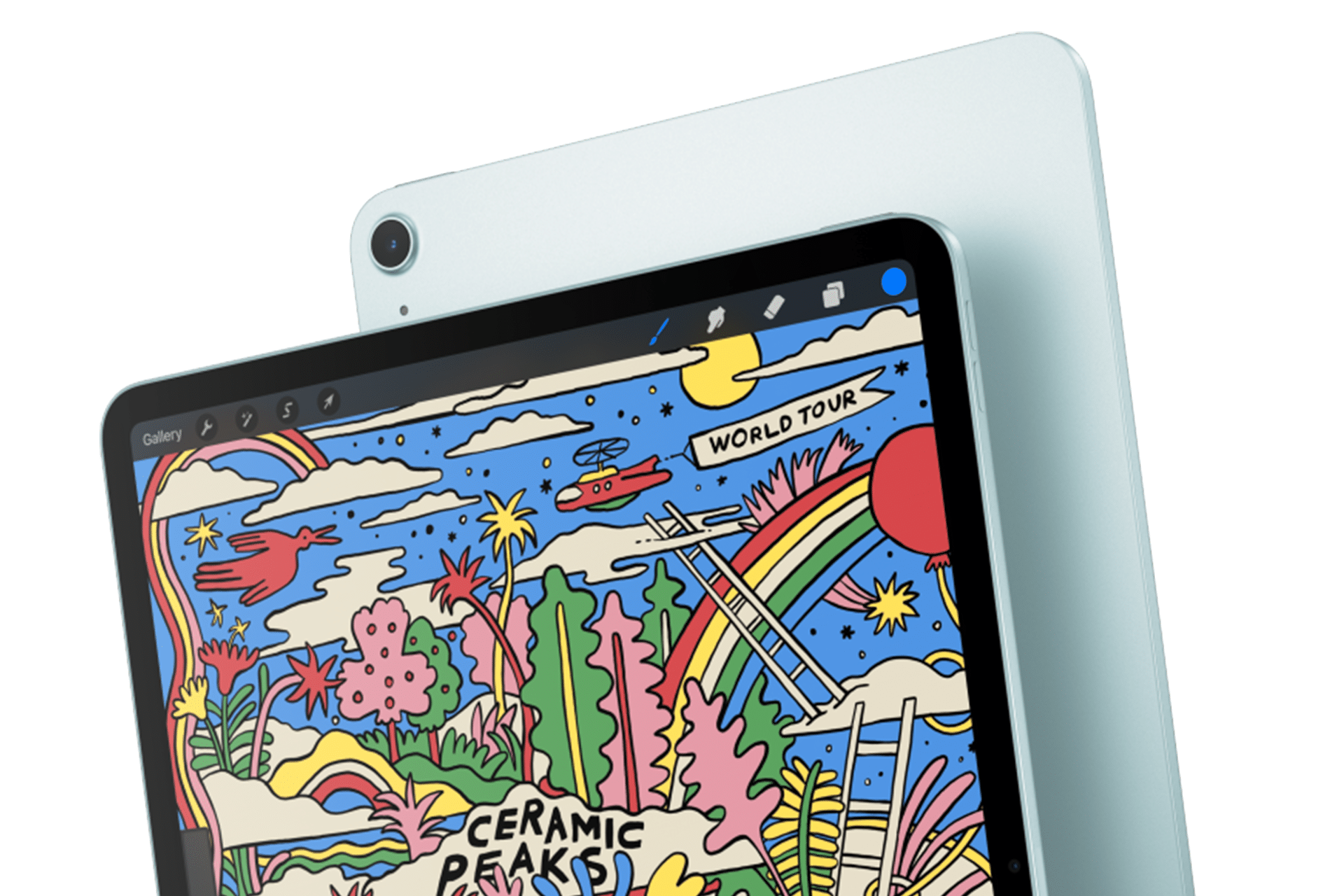
An iPad Air 2025 displays a stylized drawing with rainbows, clouds, plants, and a red sun. The vibrant illustration features "Ceramic Peaks" and "World Tour." The tablet is showcased from the front angle, slightly overlapping its sleek back.

iPad Pro May Focus on Power and Accessories

The next iPad Pro is reportedly planned for spring 2027. Apple may use a new M-series processor while leaving the current thin design largely intact.

That would make the Pro refresh more evolutionary than transformative. The current generation already includes OLED displays, high-end performance, Face ID, ProMotion and support for Apple Pencil Pro and Magic Keyboard.

Apple is also reportedly preparing two updated Apple Pencil models. Those accessories could arrive alongside the next iPad Pro, with changes potentially related to battery design and regulatory requirements.

The larger question is what additional processor power will do for the tablet. iPadOS 27 has expanded multitasking and window management, but buyers continue to evaluate the Pro against MacBook models at similar prices. A faster chip alone will not settle that comparison.

Apple may rely more heavily on AI, professional applications and accessory integration to justify the update. The Pro has become a platform for illustration, video editing, music production, 3D work and specialized enterprise apps. New hardware needs to strengthen those uses rather than simply win another benchmark.

Should Buyers Wait?

The answer depends on the model. Prospective iPad mini buyers have the strongest reason to pause because the reported fall update could introduce a substantially better display within months.

Entry-level buyers can still consider the current iPad when pricing is attractive. Its expected replacement appears focused on performance rather than design. Waiting becomes more sensible for anyone who wants Apple Intelligence support or maximum longevity.

The current iPad Air remains a capable option, particularly for users who need a tablet now. OLED would improve the experience, but a 2027 release leaves a longer wait. The same logic applies to the iPad Pro. Its successor may be faster, though the existing model already covers demanding work comfortably.

Apple’s gradual schedule could keep the iPad in the hardware conversation from fall through spring. It also means there will be no single perfect moment when every model is equally new.

The iPad mini may open the cycle because it has the most obvious opportunity for visible improvement. After that, Apple can use the base iPad for reach, the Air for broader OLED adoption and the Pro for its latest silicon and accessories.

The tablet lineup is not expected to change all at once. It may instead evolve model by model, giving buyers repeated reasons to reconsider which iPad fits their needs.

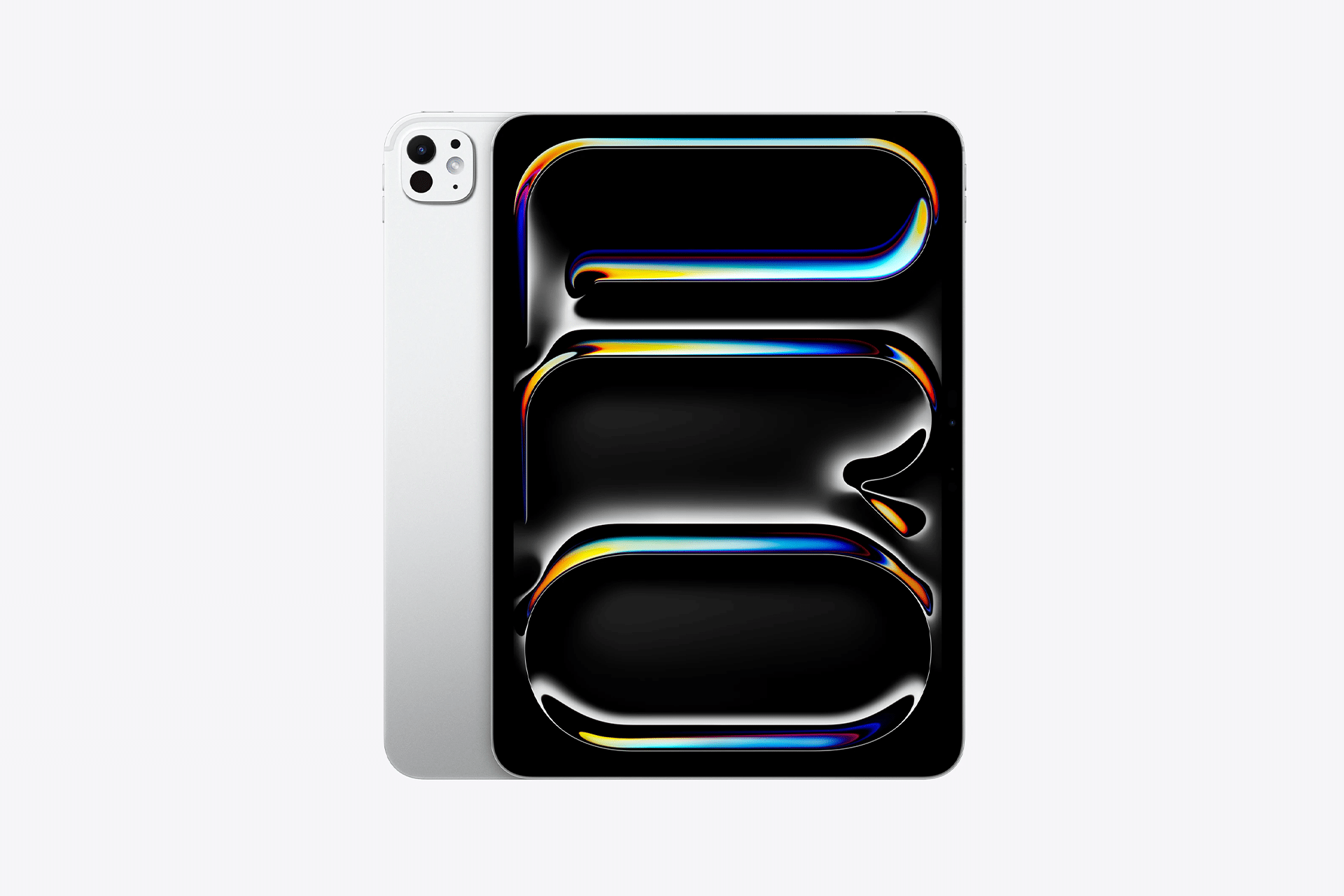
A silver tablet from the M5 lineup with a black screen displaying colorful, abstract, glossy shapes in blue, yellow, and orange hues sits on a plain white background. The tablet’s rear camera is visible, showcasing modern iPad innovation.
Image Credit: Apple Inc.

The post iPad Lineup Refresh Could Start This Fall appeared first on AppleMagazine.

  •  
❌