Toutes les vitamines D ne se valent pas. Une vaste analyse révèle même que l'une des deux formes pourrait faire baisser les niveaux de l'autre, celle qui protège le mieux notre immunité. De quoi interroger le choix des compléments alimentaires, très prisés à la saison sombre.
Rheumatoid arthritis is a long-term autoimmune disease in which the immune system mistakenly attacks healthy joints. This causes pain, swelling, stiffness, and gradual damage that can make everyday activities difficult. Although modern medicines help many people, some patients do not respond well or develop unwanted side effects, creating a need for better treatments. A new […]
In a six-month study, people with obesity who ate an avocado each day lowered their blood levels of “bad” cholesterol particles. Adding one avocado to a person’s daily diet may modestly improve a blood marker linked to heart disease. In a study of adults with obesity, researchers at the Penn State Department of Nutritional Sciences [...]
Riches en fibres, vitamines et antioxydants, les légumes restent les meilleurs alliés de notre santé. Mais leur prix s’envole : courgettes, tomates, haricots verts… En un an, certains affichent des hausses de plus de 30 %, au point de mettre en péril les recommandations nutritionnelles et le...
Women may benefit more from simple, evidence-based exercise and nutrition habits than from rigid social media advice. Social media is filled with detailed rules telling women when to eat protein, how much water to drink, and whether exercising without food is harmful. Researchers at the University of Otago – Ōtākou Whakaihu Waka argue that most [...]
Water and spice influenced eating in opposite and unexpected ways during controlled meal experiments. A glass of water beside a meal is often treated as an easy way to eat less. The usual explanation is that the water stretches the stomach and creates a sense of fullness before too much food is consumed. A Cornell [...]
A widely used food thickener may have more complex effects on the gut than previously recognized. Xanthan gum helps give ice cream, yogurt, sauces, cakes, and gluten-free pasta their familiar texture. Valued for its thickening, stabilizing, and gelling properties, it is among the food industry’s most widely used additives. It also helps make liquids safer [...]
In a new review paper, Dr. Gregory Marcus from the University of California, San Francisco and colleagues analyzed decades of research on how caffeine -- most often consumed as coffee -- affects the heart and its risk factors.
During the Covid-19 pandemic, wastewater testing became a virus warning system. Now, scientists are using the approach to understand how communities eat.
New research examines how antioxidants may influence the risk of cancers linked to digestion. Vitamin C may do more than support the immune system. It could also help block chemical reactions in the stomach that are linked to cancer risk. New mathematical modeling from the University of Waterloo suggests the vitamin may help explain why [...]
Researchers found that smelling chocolate before and during resistance exercise may subtly change how the brain responds to effort and appetite. Halfway through a difficult leg workout, most people would not expect the smell of chocolate to help them complete more repetitions. Yet a study published in Frontiers in Physiology suggests that exposure to dark [...]
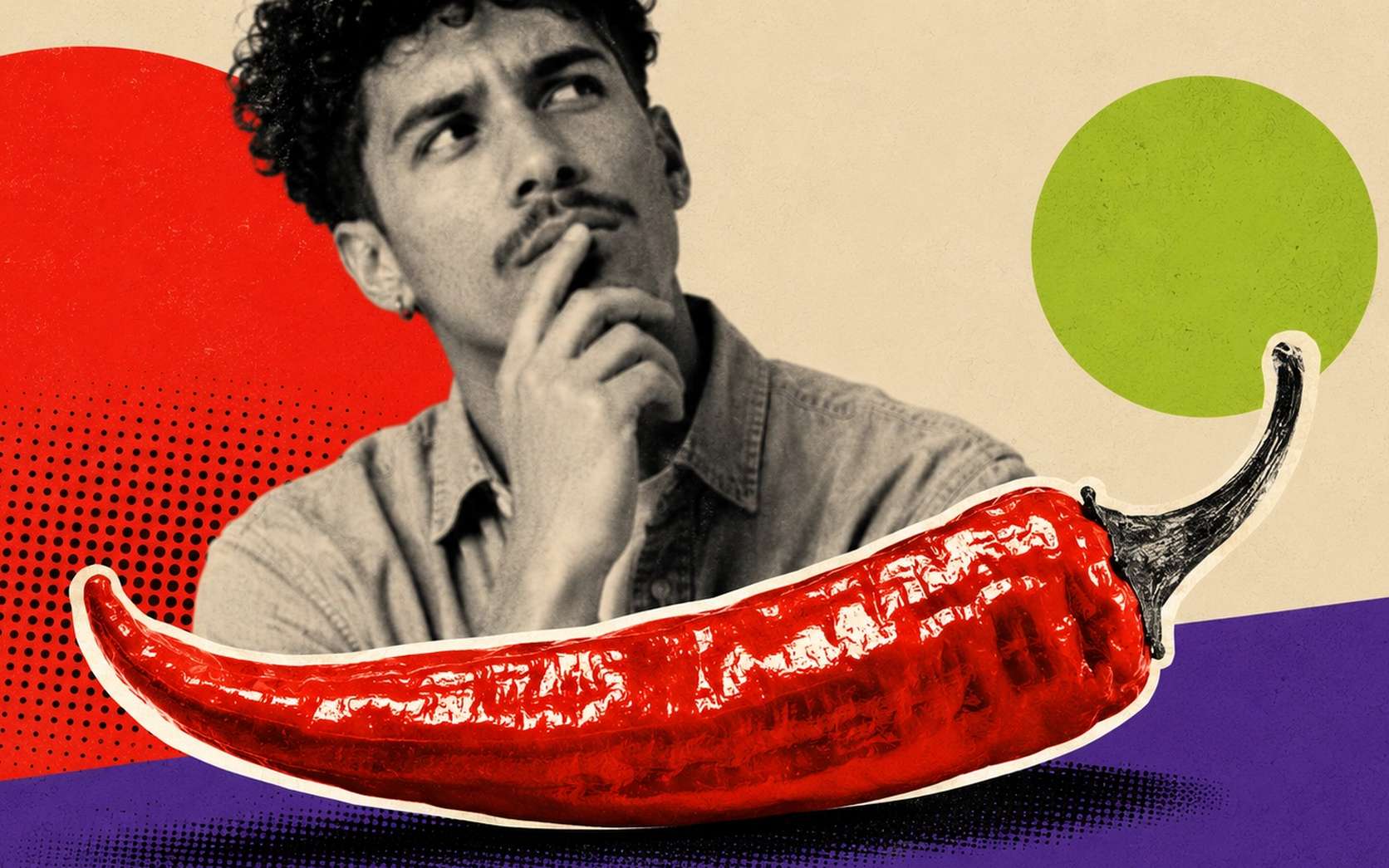
Le piment est-il un allié santé ou un ennemi silencieux ? Une vaste étude révèle que les plus gros consommateurs présentent un risque non négligeable de cancer gastro-intestinal, avec une association particulièrement forte pour un cancer grave. Pourtant, d’autres études prêtent à cette épice des...
Many people believe they need a strict diet to improve heart health, but new research suggests that one small daily habit may still make a difference. Scientists from Penn State examined whether eating one avocado every day could improve markers linked to heart disease in adults with obesity. Their findings, published in the Journal of […]
New research from Columbia University found that adults who cut their sleep by about 80 minutes for six weeks packed on a pound (0.45 kg) and moved less during the day.
Bryan Johnson, multimillionnaire américain de 47 ans, a investi 2,5 millions de dollars dans une quête anti-âge révolutionnaire. Sa transformation physique spectaculaire intrigue autant qu'elle enchante. Mais à quoi ressemblait cet entrepreneur avant de se lancer corps et âme dans cette odyssée...
Not all sources of dietary sugar appear to affect cardiovascular health in the same way, and one common drink may be less harmless than many assume. A child’s everyday drink choices may leave a cardiovascular imprint that lasts for decades. A long-term study of more than 25,000 people found that frequent consumption of sugar-sweetened beverages [...]
A new analysis of data from the Western Australian-based Raine Study suggests that two humble vegetable groups -- legumes and cruciferous vegetables -- may play an outsize role in protecting young adults from early cardiometabolic risk, though the benefits appear to diverge sharply between men and women.
The foods people eat every day may have a bigger impact on digestive health than many realize. A large international study has found that eating high amounts of ultraprocessed grain products may increase the risk of developing inflammatory bowel disease, a serious condition that affects millions of people worldwide. The findings were published in the […]
Scientists are increasingly discovering that mental health may be influenced by much more than the brain alone. One surprising area of research focuses on the digestive system and the tiny organisms that live inside it. These microorganisms may help shape mood, behavior, and emotional well-being. Depression is one of the most common mental health conditions […]

 Login