❌

Reading view

MacBook Neo Defies the Global PC Slump

MacBook Neo helped Apple move against the global PC market in the second quarter of 2026, delivering double-digit Mac shipment growth while most leading computer manufacturers sold fewer units than a year earlier.

Preliminary data from IDC estimates that Apple shipped 6.7 million Macs during the quarter, up 10.1% from 6.1 million in Q2 2025. Its worldwide market share rose from 8.5% to 9.9%, placing the company within a fraction of the 10% threshold.

The rest of the industry moved in the opposite direction. Global shipments fell 4.9% year over year to 68.2 million units, ending nine consecutive quarters of growth. A separate Omdia estimate placed the decline at 3.6% and Apple growth at 15.9%, but both research groups identified the same pattern: the Mac gained ground while established Windows PC vendors contracted or remained flat.

IDC directly connected the Apple increase with the arrival of its lowest-priced notebook. MacBook Neo began shipping in March, giving the model its first complete quarter of retail availability between April and June.

MacBook Neo Drives Mac Shipment Growth

MacBook Neo entered the market as an alternative for buyers previously priced out of the Mac lineup.

The 13-inch notebook launched at $599 with an A18 Pro chip, 8GB of unified memory, a Liquid Retina display and up to 16 hours of video playback. It also brought macOS, Apple Intelligence and integration with the iPhone ecosystem into a price range commonly occupied by mainstream Windows laptops and Chromebooks.

That positioning attracted students, families and first-time Mac customers who did not need the performance or display technology of a MacBook Air or MacBook Pro. The four-color aluminum design also gave the entry model a more recognizable identity than the older Mac notebooks that frequently remained on sale through discounts.

IDC had already identified the computer as an unusual source of strength when it revised its notebook forecast earlier in 2026. Demand exceeded initial expectations in several markets, and reported inventory shortages appeared shortly after the March launch.

The effect became much more visible in Q2. MacBook Neo was available for the entire three-month period, allowing Apple to increase production, expand retail distribution and serve customers who could not obtain the computer during its first weeks.

The entry model also widened the Mac lineup without replacing the MacBook Air. Buyers seeking more memory, faster ports, longer wireless web use or additional external-display support could continue moving toward the M5-powered Air, while the less expensive machine handled education, office work, web browsing and communication.

That separation allowed Apple to reach lower price points without reducing the value of its premium notebooks.

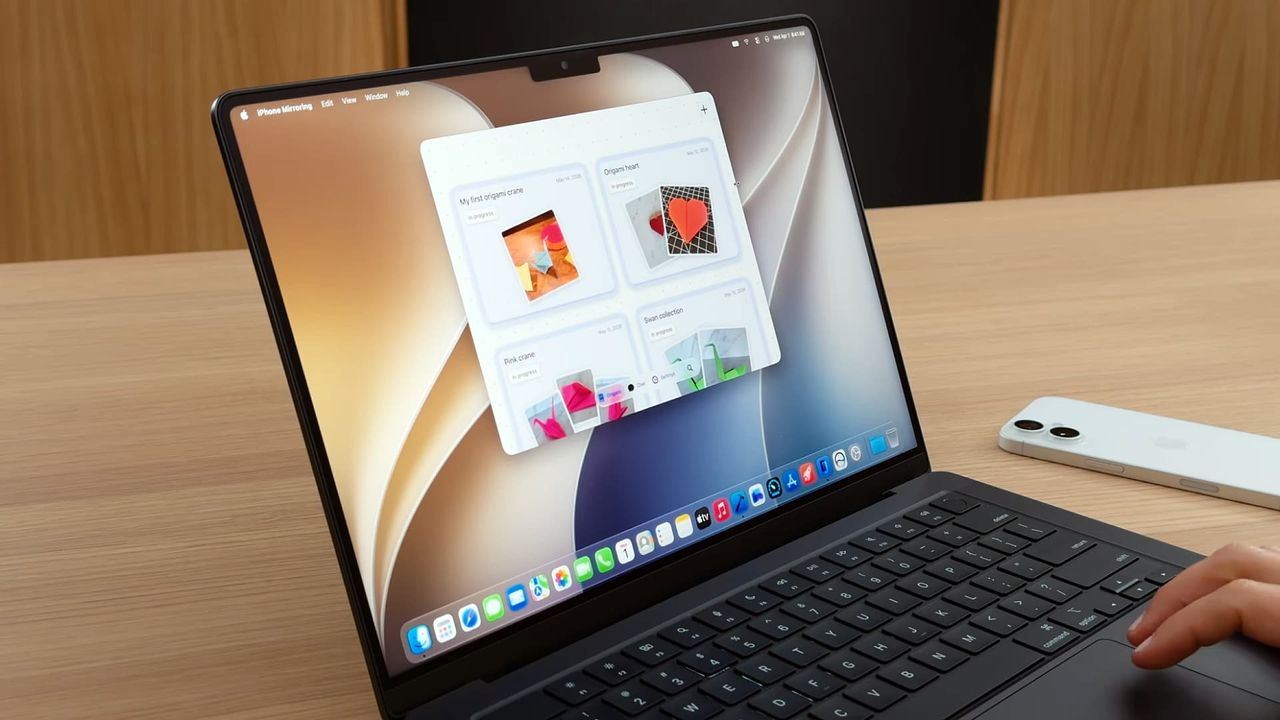
A laptop screen displays multiple colorful open windows, including a chemistry diagram, a drawing of an artichoke with a chemical structure, a chat with an AI image generator, and a grapefruit photo, with various app icons along the bottom.
Image Credit: Apple Inc.

Lenovo, HP and Dell Lose Shipments

Apple remained the fourth-largest traditional PC vendor, but its performance contrasted sharply with the companies above it.

Lenovo retained first place with 16.6 million units and 24.4% market share. Its shipments declined 2.1% from the previous year.

HP experienced the steepest drop among the top five, falling 9% to 13 million units. Dell shipped 9.3 million computers, representing a 5% decline. Asus remained nearly flat at 5 million units, up only 0.2%.

Manufacturers outside the five largest brands collectively suffered a 10.5% contraction, indicating that weaker demand and component inflation placed even more pressure on smaller companies.

The figures measure shipments into distribution channels or directly to end users, not confirmed retail purchases by individual consumers. A manufacturer can therefore record shipment growth while some inventory remains unsold in stores or warehouses.

MacBook Neo demand appears to have been strong enough to support Apple production increases rather than simply filling channels. The company reportedly doubled its annual production target after the initial response, although later quarters will reveal how much of Q2 reflected lasting demand rather than launch-period enthusiasm.

Apple also benefits from operating at a scale that provides leverage with memory, storage and semiconductor suppliers. Smaller PC brands face greater difficulty securing components at competitive prices when shortages intensify.

Memory Costs Reverse the PC Recovery

The Q2 contraction arrived after manufacturers and commercial customers accelerated purchases during late 2025 and early 2026.

Buyers expected memory and storage prices to rise, encouraging some businesses to replace computers earlier than planned. Vendors also increased inventories while components remained available.

That activity supported nine quarters of market growth but borrowed demand from later periods. Once the early purchases were completed, the industry faced a more difficult combination of expensive components, cautious consumers and elevated retail prices.

The memory shortage is closely connected to the AI infrastructure boom. Chipmakers are dedicating more production capacity to high-bandwidth memory used by data center accelerators, limiting the supply of conventional DRAM needed for personal computers.

IDC expects little relief before the end of 2027 or early 2028. The research company forecasts an 11.3% decline in worldwide PC shipments across 2026, with the fourth quarter potentially falling 20% from the previous year.

Computer revenue may not decline at the same pace. Manufacturers have raised prices faster than shipments have fallen, allowing them to collect more money from fewer units.

That strategy creates another problem. Retailers and distributors can become trapped with expensive inventory if customers refuse the new prices, forcing promotions or production reductions later.

MacBook Neo initially softened that pressure by giving Apple a new product near the bottom of the notebook market. Its original $599 price made the Mac competitive with midrange Windows machines at the moment many rivals were becoming more expensive.
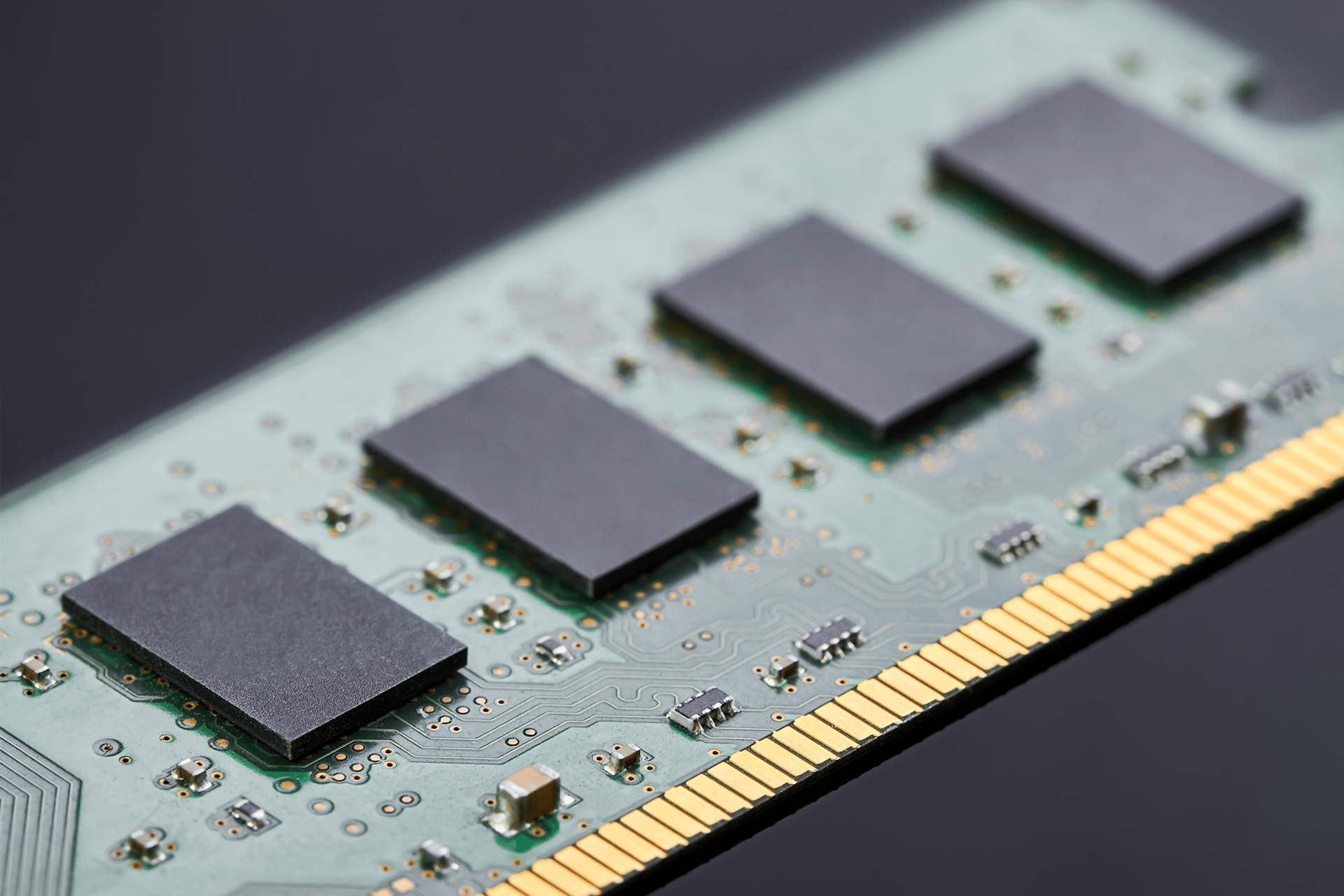
A close-up view of a computer RAM module, highlighting four black memory chips on a green circuit board with gold connector pins—an example of hardware impacted by the recent RAM price surge.
Image Credit: Freepik

The Price Increase Creates the Next Test

The strongest Q2 MacBook Neo shipments were recorded while most customers could still buy the computer at its introductory price.

Apple raised the U.S. starting price to $699 in late June as memory and storage costs affected the Mac and iPad lineups. The education price remained at $599, preserving the original offer for eligible students and educators.

A $100 increase changes the comparison with discounted Windows notebooks and places the entry model closer to older MacBook Air configurations available through third-party retailers.

Apple must now determine whether the appeal came primarily from the low launch price or from the combination of macOS, battery life, design and iPhone integration.

The company remains better positioned than many rivals to absorb supply disruption, negotiate long-term component agreements and promote several notebooks at different prices. MacBook Neo also uses an iPhone-class A18 Pro processor rather than an M-series chip, providing another way to manage silicon costs and production capacity.

IDC expects the full PC market to deteriorate during the second half of 2026. Apple will enter that period with almost 10% worldwide share, but the September quarter will be the first to measure MacBook Neo demand almost entirely at the higher $699 retail price.

The post MacBook Neo Defies the Global PC Slump appeared first on AppleMagazine.
  •  

Experts claim to have found more weaknesses in Apple's Gatekeeper tool — but it doesn't seem too bothered

  • Researchers show Gatekeeper can be bypassed by replacing a previously run legitimate macOS app with malware
  • Attack requires prior user‑level code execution, then swaps in a malicious app that Gatekeeper won’t re‑verify
  • Apple dismissed the issue, saying locally rebuilt bundles fall outside Gatekeeper’s scope, leaving risk to social engineering

A pair of researchers claims to have found a way around Gatekeeper, a built-in macOS security feature that helps protect users from running malicious or untrusted software. However Apple doesn’t really see it that way and has seemingly decided not to pursue the issue further.

Gatekeeper’s modus operandi is rather simple - when a user downloads an app from outside the App Store, it verifies the product comes from an identified developer and is notarized by Apple. If it can’t verify it - it won’t allow it to run on the machine.

Now, security researchers Talal Haj Barky and Tommy Mysk claim that, as long as a legitimate app was run at least once on a macOS device, it can be replaced with a malicious version, and Gatekeeper won’t even blink its virtual eye.

Locally built

That also means the attack is not that straightforward to pull off. The threat actor needs to have a way to execute user-level code (for example, a malicious app, a compromised software package installed through a package manager, or a prompt injection attack that tricks an AI agent).

Once that is obtained, they can archive a legitimate app, remove the original, then replace it with malware, and Gatekeeper will not try to re-authorize it. That malicious version can then trick the victim into compromising the device even further, since a certain level of trust was already established.

After reporting the issue to Apple, the company apparently just closed it.

"Apple doesn't consider this attack to be 'modifying' the signed executable," Mysk said. "Instead, Apple says that by archiving/restoring the app bundle, the proof-of-concept code overwrites the entire app bundle, making it locally built. Locally built app bundles are not covered by macOS guards. And this is why access to Keychain or TCC protected directories require system authorization prompts. And for users to accept those is a matter of social engineering attacks that Apple considers out of scope."

Via The Register

  •  
  •  

YH Toys YH18001 PRO Review: A 70km/h 1/18 Brushless RC Monster Truck Built for Speed and Off-Road Fun

YH Toys YH18001 PRO is a compact yet powerful 1/18-scale brushless RC monster truck designed for enthusiasts who want high-speed performance without stepping up to a larger and more expensive platform. Featuring a 4300KV brushless motor, 4WD drivetrain, metal drivetrain components, and a claimed top speed of 70km/h, the YH18001 PRO promises an exciting driving experience on a wide variety of terrains.

Whether you’re new to the RC hobby or looking for a portable off-road basher, the YH18001 PRO packs impressive specifications into a rugged pickup-style body.

Compact Size, Serious Performance

Despite its 1/18 scale, the YH18001 PRO is engineered for performance rather than being a simple toy.

The truck measures 277 × 202 × 120mm and weighs approximately 758g, making it easy to transport while remaining stable at higher speeds. Its aggressive pickup truck body is complemented by LED headlights, realistic wheel arches, and a durable PVC shell that gives it an authentic off-road appearance.

4300KV Brushless Power System

The biggest highlight is its 2435 4300KV brushless motor, paired with a 35A integrated brushless ESC and receiver.

This setup enables the truck to reach speeds of up to 70km/h under ideal conditions, providing rapid acceleration and smooth throttle response. Compared to brushed RC vehicles, the brushless system delivers:

  • Higher efficiency
  • Greater reliability
  • Lower maintenance
  • Stronger acceleration
  • Longer motor lifespan

The truck supports proportional throttle and steering control, allowing drivers to precisely manage speed instead of operating at only full throttle or full brake.

Full-Time 4WD for All Terrains

The YH18001 PRO uses a shaft-driven four-wheel-drive system designed to maintain traction across challenging surfaces.

It performs well on:

  • Dirt trails
  • Gravel roads
  • Sand
  • Grass
  • Hard-packed surfaces

The drivetrain also includes numerous upgraded metal components such as:

  • Metal differentials
  • Metal center driveshaft
  • Metal CVD front driveshafts
  • Metal steering knuckles
  • Metal suspension mounts
  • Metal wheel cups

These upgrades improve durability during aggressive driving and repeated jumps.

Independent Suspension

Handling is enhanced by a double wishbone independent suspension system with front and rear spring shock absorbers.

This setup helps the truck absorb bumps while maintaining tire contact over uneven terrain, improving both stability and cornering performance.

Large off-road tires with deep tread patterns provide strong grip on loose surfaces, making the truck suitable for recreational bashing as well as casual racing.

Ready-to-Run Convenience

The YH18001 PRO arrives in RTR (Ready-to-Run) configuration.

Inside the box you’ll find:

  • YH18001 PRO RC truck
  • 2.4GHz transmitter
  • 7.4V Li-ion battery
  • USB charging cable
  • Wheelie bar
  • Screwdriver
  • Metal body clips
  • User manual

Only three AA batteries for the transmitter need to be purchased separately.

Battery Life

Power comes from a 7.4V 1600mAh 20C Li-ion battery.

Expected performance includes:

  • Approximately 18 minutes of driving time
  • Charging time of around 3–3.5 hours

While runtime is typical for a high-speed brushless RC vehicle, enthusiasts planning extended sessions may wish to purchase an additional battery pack.

2.4GHz Radio System

The included 4-channel 2.4GHz transmitter provides:

  • Full proportional steering
  • Proportional throttle
  • Stable signal
  • Approximately 80 meters of operating range

The 2.4GHz system also minimizes interference when multiple RC vehicles are operated nearby.

Key Specifications

  • Scale: 1/18
  • Drive System: 4WD shaft drive
  • Motor: 2435 4300KV brushless
  • ESC: 35A waterproof integrated ESC/receiver
  • Top Speed: Up to 70km/h
  • Servo: 9g metal gear servo
  • Battery: 7.4V 1600mAh 20C Li-ion
  • Runtime: Around 18 minutes
  • Charging Time: 3–3.5 hours
  • Remote Control: 2.4GHz 4-channel
  • Remote Range: Approximately 80m
  • Suspension: Double wishbone independent suspension
  • LED Headlights: Yes
  • Metal Drivetrain Components: Yes

Pros

  • Powerful 4300KV brushless motor
  • Claimed top speed of 70km/h
  • Durable metal drivetrain components
  • Full 4WD shaft-drive system
  • Independent suspension for better handling
  • LED headlights included
  • Ready-to-run package with battery included
  • Compact size that’s easy to transport

Final Verdict

YH Toys YH18001 PRO delivers an impressive balance of speed, durability, and value in the increasingly competitive 1/18-scale RC market. Its 70km/h brushless powertrain, metal drivetrain upgrades, independent suspension, and full-time 4WD make it a capable off-road performer that is equally enjoyable for beginners looking to step into the hobby and experienced drivers wanting a compact high-speed basher.

For RC enthusiasts seeking a portable monster truck with genuine hobby-grade performance, the YH18001 PRO stands out as an exciting option that offers far more capability than its compact dimensions might suggest.

The post YH Toys YH18001 PRO Review: A 70km/h 1/18 Brushless RC Monster Truck Built for Speed and Off-Road Fun appeared first on IGeeKphone China Phone, Tablet PC, VR, RC Drone News, Reviews.

  •  
  •  

Il nobile scopo di una famosissima hit anni ‘90: prevenire gli scontri stradali

Gli<strong> anni '90</strong> portano con sé il ricordo di <strong>brani dance iconici e indimenticabili</strong>, ma anche l'ombra di un fenomeno tragico che segnò profondamente le strade italiane in quel decennio: le <strong>"stragi del sabato sera"</strong>.<h2>Una strage ogni fine settimana</h2><img class="alignnone size-full wp-image-279681" src="https://www.hdmotori.it/app/uploads/2026/07/scontri-stradali-2-1.jpg" alt="" width="1566" height="1065" />In quegli anni, molto più di oggi, nel fine settimana <strong>migliaia di giovani</strong> facevano trasferte anche fuori regione per andare a ballare nei migliori locali e, a fine serata, si mettevano al volante per affrontare lunghi viaggi di ritorno verso casa. La stanchezza dopo ore di ballo, l’adrenalina accumulata e purtroppo anche l'uso di sostanze e alcol, si trasformavano in <strong>una combinazione letale alla guida</strong>. Le conseguenze furono drammatiche: a metà del 1996, le stime parlavano di circa<strong> 2.000 vittime di scontri stradali </strong>dall'inizio del decennio, di cui una buona parte durante i fine settimana.<h2>La prevenzione attraverso un brano</h2>Proprio in questo difficile contesto, l’indimenticato DJ e compositore italiano <strong>Robert Miles</strong>, pseudonimo di Roberto Concina, decise di usare il suo talento alla console con un obiettivo chiaro: provare a<strong> salvare la vita dei giovani frequentatori dei club</strong>, italiani e non solo. Nel 1995 rilasciò "Children", un brano composto come strumento pratico di prevenzione degli scontri stradali a fine serata. di Miles fu geniale: creare un brano che potesse essere utilizzato dai DJ <strong>come chiusura delle serate </strong>in discoteca con il fine di <strong>calmare i ragazzi </strong>prima che si mettessero al volante della loro auto per il rientro a casa. Pioniere del genere "dream trance", il brano abbandonava il beat aggressivo in favore di un ritmo morbido e di una <strong>melodia al pianoforte</strong> ipnotica e malinconica, capace di <strong>indurre riflessione e un senso di pace</strong>. Abbassando i livelli di adrenalina, la musica <strong>preparava i giovani a un viaggio in auto più lucido e tranquillo</strong>, contrastando la spregiudicatezza e le condotte azzardate al volante.<h2>L'origine del titolo</h2>Oltre al nobile scopo di aumentare la sicurezza stradale, l’ispirazione del brano venne anche da<strong> un episodio della vita personale</strong> dell’artista. Di rientro da una missione umanitaria nei territori della ex-Jugoslavia, il padre di Robert Miles mostrò al figlio delle <strong>foto di bambini vittime innocenti</strong> della guerra nei Balcani, che si combatteva in quegli anni. Quelle immagini scossero profondamente il compositore, che decise di scrivere un pezzo intitolato appunto “Children”.<h2>Il ringraziamento dei genitori delle vittime</h2>All’epoca, l'iniziativa di prevenire le stragi del sabato sera attraverso un brano fu<strong> accolta positivamente</strong> dalle autorità e dalle associazioni dei genitori delle giovani vittime di scontri stradali. Oggi, ascoltare "Children" in auto significa non solo apprezzare una pietra miliare dell'eurodance anni ‘90, ma anche viaggiare con un sottofondo musicale nato per proteggere chi guida.

Il TOP Android senza compromessi? Samsung Galaxy S25 Ultra, compralo al miglior prezzo da Nuovetecnologie.eu a 696 euro.

CLICCA QUI PER CONTINUARE A LEGGERE

  •  

Redmi K100 Pro Reportedly Launching Next Month with Snapdragon 8 Elite 5, 200MP Camera, and 185Hz Display

Xiaomi sub-brand REDMI is reportedly preparing to unveil its next-generation flagship K100 series as early as next month. According to information shared by Chinese tipster Smart Pikachu, the lineup will debut ahead of Qualcomm’s next flagship chipset announcement by utilizing the current-generation Snapdragon 8 Elite 5 (Snapdragon 8E5) platform.

The leak also suggests the return of the REDMI K100 Pro, bringing substantial upgrades in display technology, camera hardware, charging capabilities, and overall design.

REDMI K100 Pro Returns to the Lineup

Following its absence in the previous generation, the K100 Pro is expected to make a comeback as one of the flagship models in the K100 series.

According to the latest leak, the device will feature a 185Hz ultra-high refresh rate display, making it one of the fastest smartphone screens currently reported. The panel is also said to continue using Xiaomi’s Super Pixel display technology, combining a full RGB pixel arrangement with improved power efficiency.

The display is claimed to deliver 2K-level image clarity while consuming power comparable to a conventional 1K panel, offering sharper visuals without significantly impacting battery life.

200MP Triple Camera with Telephoto Lens

Photography is expected to receive a major upgrade on the K100 Pro.

The smartphone is rumored to feature a 200MP triple-camera system, housed in REDMI’s signature oversized rear camera module.

The camera setup is expected to include:

  • 200MP primary camera
  • Dedicated telephoto camera for long-range photography
  • Ultra-wide camera

The addition of a telephoto lens would significantly expand the device’s photographic versatility, enabling higher-quality portrait shots and improved optical zoom performance compared with previous generations.

Flagship Charging Features

Charging capabilities are also expected to move further into flagship territory.

According to the report, the REDMI K100 Pro will support:

  • 100W wired fast charging (expected)
  • 50W wireless fast charging
  • 100W PPS fast-charging compatibility

These specifications would align the K100 Pro with Xiaomi’s latest premium smartphones, offering rapid charging across both wired and wireless solutions.

Premium Audio Experience

REDMI is also expected to retain its collaboration with Bose for audio tuning across the K100 lineup.

All models are reportedly equipped with Bose-tuned stereo speakers, while the top-tier K100 Pro Max is expected to feature an exclusive three-speaker 2.1-channel audio system, delivering a more immersive multimedia experience.

Refined Premium Design

Beyond internal hardware, the K100 series is rumored to receive notable improvements in industrial design.

Previous reports indicate that REDMI has adopted a more premium construction, featuring:

  • Metal frame
  • Glass rear panel
  • Color-matched frame and back panel for a seamless appearance

The unified color treatment is said to create a cleaner, more refined aesthetic while improving the overall premium feel of the device, although it is also expected to increase manufacturing costs.

Pricing Expected to Rise

Like many flagship smartphones launching this year, the REDMI K100 series is expected to see a modest price increase due to rising component costs across the industry.

However, industry sources suggest that Xiaomi intends to keep the price adjustment more conservative than competing flagship brands, allowing the K100 series to maintain its reputation for delivering strong value in the premium Android segment.

Outlook

Although Xiaomi has yet to officially announce the REDMI K100 series, the latest leaks point to a compelling flagship lineup led by the returning REDMI K100 Pro. With its reported Snapdragon 8 Elite 5 processor, 185Hz Super Pixel display, 200MP triple-camera system, wireless charging, and upgraded premium design, the device appears positioned to compete aggressively in the flagship smartphone market.

As with all pre-release information, these specifications should be treated as unofficial until Xiaomi confirms the details during the product’s expected launch next month.

The post Redmi K100 Pro Reportedly Launching Next Month with Snapdragon 8 Elite 5, 200MP Camera, and 185Hz Display appeared first on IGeeKphone China Phone, Tablet PC, VR, RC Drone News, Reviews.

  •  

Xiaomi 18 Pro Series Global Variant Certified: Dual-Screen Flagship Reportedly Set for International Launch

Xiaomi’s next-generation premium smartphones are reportedly preparing for a wider global debut. According to information shared by well-known tipster Digital Chat Station, the international versions of the Xiaomi 18 Pro series have received certification, suggesting that Xiaomi plans to bring its dual-screen flagship lineup to overseas markets.

If the report proves accurate, it would mark a significant change in Xiaomi’s flagship strategy. While the Xiaomi 17 Pro remained exclusive to China, with only the Xiaomi 17 and Xiaomi 17 Ultra launching internationally, the upcoming Xiaomi 18 Pro family is expected to make its global debut.

Dual-Screen Design Returns with Expanded Functionality

One of the defining features of the Xiaomi 18 Pro series is its rear secondary display, a concept Xiaomi is said to be refining for this generation.

According to the leak, the new rear screen offers broader app compatibility, allowing more applications to take advantage of the secondary display. Xiaomi is also reportedly developing additional interactive features and customization options to make the rear display more practical for photography, notifications, widgets, and other everyday tasks.

Two Models Planned

The Xiaomi 18 Pro lineup is expected to include two models:

  • Xiaomi 18 Pro
  • Xiaomi 18 Pro Max

Both devices are rumored to target the ultra-premium smartphone segment while offering different screen sizes and camera configurations.

Snapdragon 8 Elite Gen6 Pro Built on 2nm Process

Powering both models is expected to be Qualcomm’s upcoming Snapdragon 8 Elite Gen6 Pro platform, reportedly manufactured using TSMC’s advanced 2nm process.

The new chipset is said to deliver approximately 30% higher transistor density than the previous 3nm generation, enabling notable improvements in both performance and energy efficiency.

Leaked specifications also suggest the processor will feature:

  • Third-generation Oryon CPU architecture
  • 2+3+3 octa-core CPU configuration
  • 16MB L2 cache
  • Adreno 850 GPU
  • 18MB dedicated graphics cache
  • Support for LPDDR6 memory

The platform is also expected to significantly enhance on-device AI processing, hardware-accelerated ray tracing, and the ability to run increasingly sophisticated local AI models.

New “Super Pixel” 2K Displays

Both smartphones are rumored to feature Xiaomi’s latest Super Pixel flat display technology.

According to the report, the panels are designed to provide 2K-level visual clarity while consuming power comparable to a conventional 1K display, helping improve battery efficiency without sacrificing image quality.

The displays are also expected to feature:

  • Ultra-narrow bezels
  • Large-radius rounded corners
  • Symmetrical four-sided design

Upgraded Camera Systems

Photography remains a major focus for the Xiaomi 18 Pro series, with the two models offering different camera hardware.

Xiaomi 18 Pro Max

The larger flagship is rumored to include:

  • 200MP main camera featuring a LOFIC ultra-large image sensor
  • 200MP telephoto macro camera with a large sensor
  • Ultra-wide camera

This would create a triple-camera system highlighted by dual 200MP sensors, making it one of Xiaomi’s most ambitious imaging systems to date.

Xiaomi 18 Pro

The standard Pro model is expected to feature:

  • 200MP large-sensor main camera
  • 200MP large-sensor telephoto macro camera
  • Ultra-wide camera

Unlike the Pro Max, however, the main camera is not expected to incorporate LOFIC sensor technology.

Massive Batteries with Fast Charging

Battery capacity is another area where Xiaomi appears to be pushing new boundaries.

According to the leak:

  • Xiaomi 18 Pro: approximately 7,000mAh battery
  • Xiaomi 18 Pro Max: approximately 8,000mAh battery

Despite their large capacities, both models are rumored to support:

  • 100W wired fast charging
  • Wireless charging

These specifications could place the Xiaomi 18 Pro series among the highest-capacity flagship smartphones currently available.

Outlook

Although Xiaomi has yet to officially announce the Xiaomi 18 Pro lineup, the latest certification leak suggests the company is preparing to expand its premium flagship strategy beyond China. The reported arrival of the international Xiaomi 18 Pro series, combined with a refined rear display, next-generation Snapdragon platform, upgraded cameras, and exceptionally large batteries, indicates that Xiaomi is aiming to compete more aggressively in the global high-end smartphone market.

As with all pre-release reports, these specifications should be regarded as preliminary until Xiaomi formally unveils the devices. More details, including pricing, regional availability, and launch timing, are expected to emerge in the months ahead.

The post Xiaomi 18 Pro Series Global Variant Certified: Dual-Screen Flagship Reportedly Set for International Launch appeared first on IGeeKphone China Phone, Tablet PC, VR, RC Drone News, Reviews.

  •  

International version of Xiaomi 18 Pro smartphone Unveiled: Not launching in the Indian market

Igeekphone reported on July 25th that the technology media XiaomiTime published a blog post yesterday (July 24th). By mining the GSMA IMEI database, they discovered relevant information about the international version of the Xiaomi 18 Pro smartphone.

The source of the information stated that the international version of the Xiaomi 18 Pro mobile phone (internally known as VENICE) has the model number 26122PN61G. The suffix “G” represents “Global”, which means it is the international version, while the model for the Chinese version is M261DB.
The report indicates that the “Smart Back Screen” feature of Xiaomi 17 Pro has received significant attention in the Chinese market, but it is not available in the international market. However, from the international version that has been exposed this time, users outside China can also experience the “Smart Back Screen”, which can display dynamic wallpapers, customize time styles, cartoon characters and virtual pets, etc.

In terms of the distribution market, it is reported that the Xiaomi 18 Pro will not be available in the Indian market. Instead, it will be launched and sold in markets such as Turkey, the European Economic Area (EEA), Russia and Japan.

In terms of specifications, current reports indicate that this device is equipped with an ultra-clear custom small straight screen, featuring a large R-corner with extremely narrow bezels, a 2nm flagship processor, a 200Mp ultra-large sensor main camera + 200Mp large sensor telephoto macro camera, an internal 7000mAh large battery, support for 100W fast charging + wireless charging, and may upgrade to dual speakers + relatively large-sized motor.

The post International version of Xiaomi 18 Pro smartphone Unveiled: Not launching in the Indian market appeared first on IGeeKphone China Phone, Tablet PC, VR, RC Drone News, Reviews.

  •  

Samsung Galaxy S27 Pro and S27 Ultra Camera Specs Leak: Sony IMX855 Ultra-Wide Sensor and Upgraded Selfie Camera Tipped

Samsung’s next-generation flagship smartphones are beginning to take shape as new leaks reveal key camera specifications for the upcoming Galaxy S27 series. According to a recent report from WinFuture, Samsung is preparing significant imaging upgrades for its 2027 flagship lineup, particularly for the Galaxy S27 Pro and Galaxy S27 Ultra.

Samsung Galaxy S27 Series Codenames Revealed

The leaked internal database suggests that the Galaxy S27 family will consist of four models, each carrying the “Next Miracle” (NM) codename:

  • NM1 – Samsung Galaxy S27
  • NM2 – Samsung Galaxy S27+
  • NM3 – Samsung Galaxy S27 Pro
  • NM4 – Samsung Galaxy S27 Ultra

The “NM” designation reportedly stands for “Next Miracle,” succeeding the “Miracle” (M) codename used internally for the Galaxy S26 series.

Sony IMX855 to Power the Ultra-Wide Cameras

One of the biggest highlights of the leak is Samsung’s reported decision to adopt the Sony IMX855 sensor for the ultra-wide cameras on both the Galaxy S27 Pro and Galaxy S27 Ultra.

According to the leaked specifications, the Sony IMX855 features:

  • 1/2.55-inch sensor size
  • 0.7μm pixel size
  • Designed for improved ultra-wide image quality and low-light performance

Although the megapixel count has not been confirmed in the report, the sensor represents a notable shift as Samsung continues to incorporate Sony imaging technology into its premium smartphones.

New 16MP Autofocus Selfie Camera

Samsung is also expected to introduce a completely redesigned front-facing camera for its flagship models.

Both the Galaxy S27 Pro and Galaxy S27 Ultra are rumored to feature:

  • 16MP front camera
  • Samsung-developed image sensor
  • Autofocus support

Interestingly, the internal database reportedly indicates that the Galaxy S27 Pro’s selfie camera may even include optical image stabilization (OIS)—a feature rarely seen on front-facing smartphone cameras. If implemented, this would significantly improve selfie photography and video recording stability.

Galaxy S26 Ultra Camera Setup for Comparison

For reference, the current Galaxy S26 Ultra reportedly features the following camera configuration:

  • 200MP Samsung ISOCELL HP2 main camera with upgraded f/1.4 aperture
  • 50MP Samsung ISOCELL JN3 ultra-wide camera
  • 50MP Sony IMX854 5× periscope telephoto camera
  • 12MP Sony IMX874 front-facing camera

Compared with its predecessor, the Galaxy S27 flagship models appear set to receive both a new ultra-wide sensor and a higher-resolution autofocus selfie camera.

Galaxy S27 and Galaxy S27+ Expected Camera Configuration

The leak also provides preliminary details for the standard Galaxy S27 models.

The Galaxy S27 and Galaxy S27+ are expected to feature:

  • 50MP primary camera with optical image stabilization (OIS)
  • 12MP ultra-wide camera
  • A dedicated telephoto camera with currently unknown resolution and optical zoom capability

Additional specifications are expected to emerge as Samsung moves closer to the official launch.

Early Outlook

While Samsung has yet to confirm any details regarding the Galaxy S27 lineup, the latest leak suggests the company is continuing to refine its camera hardware rather than pursuing dramatic specification increases. The introduction of the Sony IMX855 ultra-wide sensor, a 16MP autofocus selfie camera, and the possibility of OIS on the front camera could represent meaningful upgrades for users who prioritize mobile photography and content creation.

As with all pre-release information, these specifications should be treated as rumors until Samsung officially unveils the Galaxy S27 series. More details about the devices’ processors, displays, batteries, and launch timeline are expected to surface in the coming months.

The post Samsung Galaxy S27 Pro and S27 Ultra Camera Specs Leak: Sony IMX855 Ultra-Wide Sensor and Upgraded Selfie Camera Tipped appeared first on IGeeKphone China Phone, Tablet PC, VR, RC Drone News, Reviews.

  •  

Neuralink avança nos testes com implantes cerebrais e mostra como é possível controlar uma cadeira de rodas com a mente

Num novo vídeo, a Neuralink de Elon Musk mostra como a sua tecnologia de implantes cerebrais já permite que participantes com paralisia controlem cadeiras de rodas elétricas com a mente. 

The post Neuralink avança nos testes com implantes cerebrais e mostra como é possível controlar uma cadeira de rodas com a mente appeared first on Tek Notícias.

  •  

Vodafone is testing an AI robotic mast, but the future belongs to adjustable internal antenna components

  • Vodafone gives mobile masts autonomous antenna adjustment using artificial intelligence
  • AI now rotates mobile antennas without waiting for engineering teams
  • Robotic mast completes network optimisation in under thirty minutes

Vodafone has begun trialing a mobile mast fitted with an AI system and a robotic arm capable of adjusting radio antennas automatically.

The technology combines AI analysis with automated hardware movement to reduce manual intervention across 4G and 5G networks.

An algorithm developed internally by Vodafone first evaluates network demand and local conditions before directing the robotic arm's movements.

Robotic arm handles physical adjustments

The robotic component itself comes from Humax Networks, a South Korean equipment supplier working alongside Vodafone on this trial.

Once the AI algorithm identifies where coverage or capacity needs shift, it instructs the arm to rotate or tilt the antenna accordingly.

This process reportedly takes between 20 and 30 minutes to complete while optimising for energy efficiency across the network.

Manual antenna reconfigurations, by comparison, often take days or weeks once planning approvals, site access, and road closures are factored in.

Physical engineering works are typically required as well, adding further delay to any conventional antenna adjustment process.

The system adapts coverage based on environmental patterns, pushing more signal outdoors during clear weather and boosting indoor coverage when conditions turn poor.

Self-organising algorithms also respond to shifts in local traffic congestion, allowing antennas across several sites to reposition ahead of anticipated demand peaks.

Vodafone is currently testing this setup at a site overlooking a shopping centre in Tirana, Albania.

There, coverage automatically shifts between retail and residential zones as usage patterns change throughout the day, tracking real consumer movement.

Francisco Pignatelli, director of mobile access engineering at Vodafone, described the trial as an early example of physical AI within telecoms infrastructure.

“By analysing network demand and making autonomous decisions, the AI algorithm can adjust radio antennas to optimise coverage and capacity without human intervention,” Pignatelli said.

Internal antenna components signal the next shift

Despite the current trial's reliance on physically moving robotic hardware, Vodafone already anticipates a different approach becoming standard soon.

The company expects autonomous antenna technologies capable of adjusting internal components, rather than repositioning entire units, to reach the market within the coming months.

This shift toward internal adjustment is expected to reduce energy consumption further compared with moving an entire antenna assembly outdoors.

Vodafone stated that combining antenna digitalisation with AI-powered automation is a major step toward fully self-adapting wireless networks.

Whether internal antenna adjustment can match the physical precision achieved through robotic arm movement remains an open technical question for now.

Vodafone has not yet detailed how internal components alone will replicate the directional control that robotic rotation currently provides across varying environmental and traffic conditions.

Via Mobile World Live

Google logo on a black background next to text reading 'Click to follow TechRadar'

  •  

Las plagas, la rebelión y el cambio climático ayudaron a crear el primer imperio de la historia hace 2.700 años, según un nuevo estudio

Plagas, sequías y rebeliones: la crisis que estuvo a punto de acabar con Asiria terminó dando origen al primer imperio de la historia. Una tablilla dañada del Museo Británico reescribe un episodio clave de la historia mesopotámica.
  •  

La pista oculta que podría cambiar para siempre el misterio de Amelia Earhart

Una expedición internacional viajará a una aislada isla del Pacífico para investigar una extraña anomalía detectada en imágenes satelitales. La misión buscará determinar si este hallazgo está relacionado con la desaparición de Amelia Earhart, un caso que sigue generando debates y nuevas teorías casi 90 años después.

  •  

Il gigante delle batterie Varta dichiara fallimento in Germania

Crolla un altro pezzo dell’industria europea.<strong> Varta</strong>, lo storico produttore tedesco di batterie per auto e non solo, ha ufficialmente presentato quattro <strong>istanze di insolvenza in amministrazione controllata</strong> presso il tribunale di Stoccarda. Questa azione rappresenta il culmine di una <strong>profonda crisi</strong> per il marchio tedesco, fondato nel 1887, e si inserisce in un contesto europeo già scosso dal recente <strong>collasso della svedese NorthVolt</strong>.<h2>Il rifiuto degli azionisti</h2><img class="alignnone size-full wp-image-279631" src="https://www.hdmotori.it/app/uploads/2026/07/varta-2.png" alt="" width="950" height="530" />La decisione di ricorrere al tribunale è giunta dopo il<strong> rifiuto da parte degli azionisti di riferimento</strong> (tra cui <strong>Porsche,</strong> che aveva <a href="https://www.hdmotori.it/porsche-articoli-n611371-porsche-rafforza-legame-varta-compra-v4drive/">acquisito la maggioranza della divisione V4Drive</a> e l'imprenditore Michael Tojner) di<strong> conferire nuova liquidità</strong> nelle casse dell’azienda – le stime parlano di decine di milioni di euro – per salvare il gruppo ed evitare il fallimento. Nonostante una precedente ristrutturazione aziendale nel 2024, i conti hanno continuato a essere negativi: l'ultimo esercizio ha registrato un fatturato di circa <strong>793 milioni di euro e perdite nette per 64,5 milioni</strong>.<h2>Le cause della crisi</h2>Sono diversi i fattori che hanno portato al tracollo finanziario di <a href="https://www.hdmotori.it/porsche-articoli-n540113-v4drive-varta-porsche-celle-batterie-auto/">Varta</a>. Negli ultimi anni l'azienda ha subito pesantemente la <strong>concorrenza asiatica</strong>, capace di commercializzare volumi elevati a costi notevolmente inferiori. Il fattore precipitante è però arrivato dall'<strong>interruzione di importanti commesse</strong> nel settore tecnologico: <strong>Apple </strong>ha infatti deciso di non acquistare più le celle a bottone "Coin Power" destinate agli AirPods, scegliendo di rivolgersi a fornitori asiatici.<h2>Futuro incerto per 3.400 dipendenti</h2><img class="alignnone size-full wp-image-279632" src="https://www.hdmotori.it/app/uploads/2026/07/varta-3.png" alt="" width="1125" height="675" />Una conseguenza diretta del fallimento è che <strong>lo stabilimento di Nördlingen in Baviera chiuderà</strong> le attività operative<strong> in autunno</strong>, lasciando a casa circa 350 dipendenti. La dirigenza ha inoltre ammesso <strong>errori di valutazione strategici</strong>, per aver spinto troppo l'espansione produttiva in settori rivelatisi di nicchia. Attualmente, il futuro per i circa <strong>3.260 dipendenti</strong> (molti impiegati nella sede di Ellwangen) è incerto. L'ultima speranza potrebbe arrivare da un pool di creditori, guidato da Deutsche Bank, che sarebbe intenzionato a scorporare l’azienda e<strong> rilevare la divisione delle batterie per uso domestico</strong>, che è in attivo ed è stimata da sola in circa 240 milioni di euro.

Il TOP Android senza compromessi? Samsung Galaxy S25 Ultra, compralo al miglior prezzo da Nuovetecnologie.eu a 696 euro.

CLICCA QUI PER CONTINUARE A LEGGERE

  •  
❌