 Login

Librarians are hosting viral ‘Avoiding AI’ workshops for people who are fed up with Big Tech
At libraries around the country, "Avoiding AI" workshops have elicited unprecedented demand.

O aplicativo Atalhos (Shortcuts) facilita a vida de muita gente que usa iPhones, iPads e Macs diariamente. Com ele, você pode realizar ações e automatizar tarefas com múltiplos passos, bastando apenas um toque ou o uso da Siri.
Caso queira, é possível renomear um atalho que tenha sido criado anteriormente usando esse app — seja para refletir o seu propósito ou para facilitar a busca quando precisar usá-lo.
Veja como fazer isso nos seus dispositivos! 😃
Posts relacionados
Com o app aberto, toque/clique na aba “Biblioteca” ou “Todos os atalhos”. Mantenha o dedo pressionado em cima do atalho desejado ou clique com o botão direito do mouse. Depois, vá até “Renomear” e digite o novo nome.

Opcionalmente, selecione os três pontinhos ou dê dois cliques em cima do atalho, vá até o nome do atalho e renomeie-o.

MacBook Neo helped Apple move against the global PC market in the second quarter of 2026, delivering double-digit Mac shipment growth while most leading computer manufacturers sold fewer units than a year earlier.
Preliminary data from IDC estimates that Apple shipped 6.7 million Macs during the quarter, up 10.1% from 6.1 million in Q2 2025. Its worldwide market share rose from 8.5% to 9.9%, placing the company within a fraction of the 10% threshold.
The rest of the industry moved in the opposite direction. Global shipments fell 4.9% year over year to 68.2 million units, ending nine consecutive quarters of growth. A separate Omdia estimate placed the decline at 3.6% and Apple growth at 15.9%, but both research groups identified the same pattern: the Mac gained ground while established Windows PC vendors contracted or remained flat.
IDC directly connected the Apple increase with the arrival of its lowest-priced notebook. MacBook Neo began shipping in March, giving the model its first complete quarter of retail availability between April and June.
MacBook Neo entered the market as an alternative for buyers previously priced out of the Mac lineup.
The 13-inch notebook launched at $599 with an A18 Pro chip, 8GB of unified memory, a Liquid Retina display and up to 16 hours of video playback. It also brought macOS, Apple Intelligence and integration with the iPhone ecosystem into a price range commonly occupied by mainstream Windows laptops and Chromebooks.
That positioning attracted students, families and first-time Mac customers who did not need the performance or display technology of a MacBook Air or MacBook Pro. The four-color aluminum design also gave the entry model a more recognizable identity than the older Mac notebooks that frequently remained on sale through discounts.
IDC had already identified the computer as an unusual source of strength when it revised its notebook forecast earlier in 2026. Demand exceeded initial expectations in several markets, and reported inventory shortages appeared shortly after the March launch.
The effect became much more visible in Q2. MacBook Neo was available for the entire three-month period, allowing Apple to increase production, expand retail distribution and serve customers who could not obtain the computer during its first weeks.
The entry model also widened the Mac lineup without replacing the MacBook Air. Buyers seeking more memory, faster ports, longer wireless web use or additional external-display support could continue moving toward the M5-powered Air, while the less expensive machine handled education, office work, web browsing and communication.
That separation allowed Apple to reach lower price points without reducing the value of its premium notebooks.

Apple remained the fourth-largest traditional PC vendor, but its performance contrasted sharply with the companies above it.
Lenovo retained first place with 16.6 million units and 24.4% market share. Its shipments declined 2.1% from the previous year.
HP experienced the steepest drop among the top five, falling 9% to 13 million units. Dell shipped 9.3 million computers, representing a 5% decline. Asus remained nearly flat at 5 million units, up only 0.2%.
Manufacturers outside the five largest brands collectively suffered a 10.5% contraction, indicating that weaker demand and component inflation placed even more pressure on smaller companies.
The figures measure shipments into distribution channels or directly to end users, not confirmed retail purchases by individual consumers. A manufacturer can therefore record shipment growth while some inventory remains unsold in stores or warehouses.
MacBook Neo demand appears to have been strong enough to support Apple production increases rather than simply filling channels. The company reportedly doubled its annual production target after the initial response, although later quarters will reveal how much of Q2 reflected lasting demand rather than launch-period enthusiasm.
Apple also benefits from operating at a scale that provides leverage with memory, storage and semiconductor suppliers. Smaller PC brands face greater difficulty securing components at competitive prices when shortages intensify.
The Q2 contraction arrived after manufacturers and commercial customers accelerated purchases during late 2025 and early 2026.
Buyers expected memory and storage prices to rise, encouraging some businesses to replace computers earlier than planned. Vendors also increased inventories while components remained available.
That activity supported nine quarters of market growth but borrowed demand from later periods. Once the early purchases were completed, the industry faced a more difficult combination of expensive components, cautious consumers and elevated retail prices.
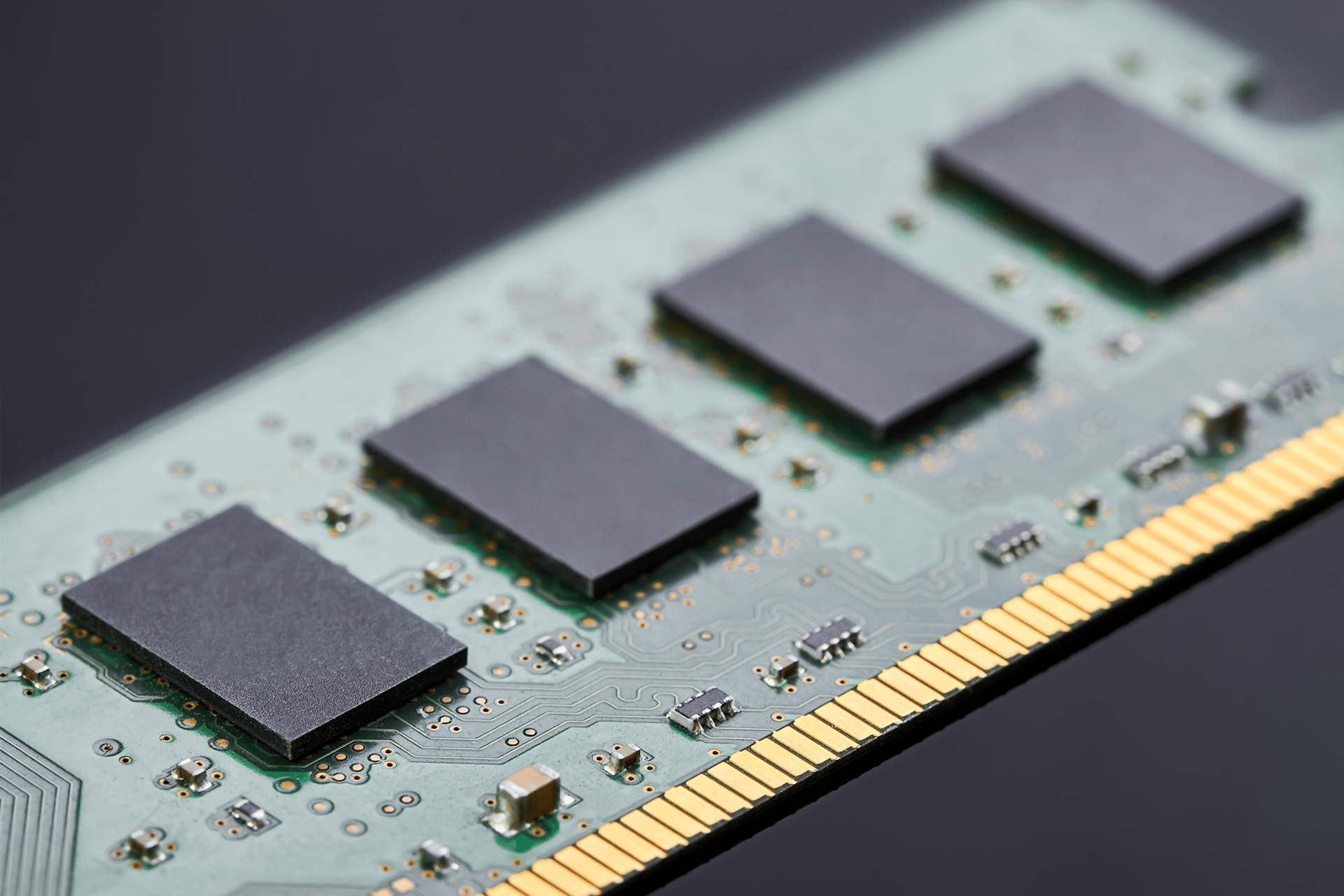
The memory shortage is closely connected to the AI infrastructure boom. Chipmakers are dedicating more production capacity to high-bandwidth memory used by data center accelerators, limiting the supply of conventional DRAM needed for personal computers.
IDC expects little relief before the end of 2027 or early 2028. The research company forecasts an 11.3% decline in worldwide PC shipments across 2026, with the fourth quarter potentially falling 20% from the previous year.
Computer revenue may not decline at the same pace. Manufacturers have raised prices faster than shipments have fallen, allowing them to collect more money from fewer units.
That strategy creates another problem. Retailers and distributors can become trapped with expensive inventory if customers refuse the new prices, forcing promotions or production reductions later.
MacBook Neo initially softened that pressure by giving Apple a new product near the bottom of the notebook market. Its original $599 price made the Mac competitive with midrange Windows machines at the moment many rivals were becoming more expensive.
The strongest Q2 MacBook Neo shipments were recorded while most customers could still buy the computer at its introductory price.
Apple raised the U.S. starting price to $699 in late June as memory and storage costs affected the Mac and iPad lineups. The education price remained at $599, preserving the original offer for eligible students and educators.
A $100 increase changes the comparison with discounted Windows notebooks and places the entry model closer to older MacBook Air configurations available through third-party retailers.
Apple must now determine whether the appeal came primarily from the low launch price or from the combination of macOS, battery life, design and iPhone integration.
The company remains better positioned than many rivals to absorb supply disruption, negotiate long-term component agreements and promote several notebooks at different prices. MacBook Neo also uses an iPhone-class A18 Pro processor rather than an M-series chip, providing another way to manage silicon costs and production capacity.
IDC expects the full PC market to deteriorate during the second half of 2026. Apple will enter that period with almost 10% worldwide share, but the September quarter will be the first to measure MacBook Neo demand almost entirely at the higher $699 retail price.
The post MacBook Neo Defies the Global PC Slump appeared first on AppleMagazine.
Está precisando ter um controle mais rígido do tempo que seus filhos usam o computador? Então instale a ferramenta de controle parental TIMEKPR no Ubuntu e resolva seu problema.
Leia o restante do texto "Instale a ferramenta de controle parental TIMEKPR no Ubuntu"
O post Instale a ferramenta de controle parental TIMEKPR no Ubuntu apareceu primeiro em Blog do Edivaldo - Informações e Notícias sobre Linux.
Artificial intelligence may not deliver on its promise of vast economic opportunity at a price that humanity is willing to pay
In March, Anthropic, the cutting-edge artificial intelligence business that gave us the chatbot Claude, published an analysis on the impact of AI on employment, to help us assess the claim that intelligent robots were about to redefine human existence, ending demand for human labor.
Last year in May, Anthropic’s co-founder, Dario Amodei, claimed AI could wipe out half of all entry-level jobs in one to five years. Last January, he told us AI would probably become a “general labor substitute for humans”. In June he said we risk “a world where the economic trade-off dial is stuck on the hypergrowth, hyper-inequality setting”.
Continue reading...
© Photograph: DragonImages/Getty Images
© Photograph: DragonImages/Getty Images
© Photograph: DragonImages/Getty Images
Conheça o Claude Opus 5, modelo que entrega mais poder e eficiência por preço semelhante, focado em inteligência artificial.
O post Claude Opus 5: mais potência pelo mesmo preço, mas com custos ocultos apareceu primeiro em Blog do Edivaldo - Informações e Notícias sobre Linux.
The EHRC has released new trans schools guidance on how to comply with the Equality Act. But from changing rooms to pronoun use it puts children at risk, says Caroline Ffiske.
The post The EHRC’s New Trans Schools Guidance Puts Children at Risk appeared first on The Daily Sceptic.
Se você pretende programar em C, C++ e Fortran e ainda não encontrou a ferramenta certa, veja como instalar a IDE CodeBlocks no Ubuntu e sistemas derivados.
Leia o restante do texto "Como instalar a IDE CodeBlocks no Ubuntu"
O post Como instalar a IDE CodeBlocks no Ubuntu e derivados apareceu primeiro em Blog do Edivaldo - Informações e Notícias sobre Linux.
Se você pretende desenvolver aplicativos para as plataformas mobile iOS e Android, conheça e veja como instalar o Ionic Framework no CentOS e comece a criar seus apps.
Leia o restante do texto "Como instalar o Ionic Framework no CentOS e começar a usá-lo"
O post Como instalar o Ionic Framework no CentOS e começar a usá-lo apareceu primeiro em Blog do Edivaldo - Informações e Notícias sobre Linux.
Hat sich Apple in den vergangenen Jahren zu sehr auf KI konzentriert – oder nicht genug? Das hängt davon ab, wen man fragt. Einerseits ist das Thema ein Modetrend, allgegenwärtig und hat etwas leicht Apokalyptisches an sich, und ich werde regelrecht deprimiert, wenn ich mir bei Apple-Veranstaltungen die KI-Schlagworte anhören muss. Andererseits: Kann das Unternehmen es sich leisten, den Anschluss zu verpassen? Ja, ich weiß: Das Essen ist furchtbar, und die Portionen sind so klein.
Es stellt sich jedoch heraus, dass Apple in dieser Angelegenheit möglicherweise genau richtig gehandelt hat. Im Nachhinein betrachtet erscheint die merkwürdige Mischung aus enthusiastischen Lippenbekenntnissen und abwartender Zurückhaltung des Unternehmens als perfekt dosiert. Apple beteiligt sich an der KI-Debatte, bleibt dabei jedoch weitaus zurückhaltender als seine schneller agierenden, risikofreudigeren Konkurrenten. Das Unternehmen genießt die Vorteile, ohne die Konsequenzen tragen zu müssen.
Beginnen wir mit den Vorteilen: Nach Jahren unterdurchschnittlicher Leistung und Verzögerungen hat sich die neue, KI-gestützte Version von Siri als wirklich nützlicher Chatbot etabliert. Sie kann zwar noch nicht alles, was ChatGPT bietet, ist aber bei schnellen Fragen zuverlässig, kennt sich mit den iPhone-Daten wie kein anderer Chatbot aus und ist für eine Vielzahl von Aktionen ausgelegt. Sie ist datenschutzkonform, schnell und – ganz in Apple-Manier – gibt es noch Luft nach oben.
Für die überwiegende Mehrheit der iPhone-Besitzer hat sich das Warten auf Siri AI gelohnt. Die Sprachassistenz erfüllt alle erforderlichen Aufgaben und dürfte die negativen Stimmen zum Schweigen bringen, die lautstark über ihren Platz im KI-Ökosystem diskutieren. Der eigentliche Clou ist jedoch, dass Apple das erreicht hat, ohne sich den Schwierigkeiten auszusetzen, mit denen KI-orientiertere Konkurrenten derzeit zu kämpfen haben.
Nehmen wir OpenAI, den Entwickler von ChatGPT und wohl den größten Namen in diesem Bereich. Apple hat das Unternehmen kürzlich wegen Diebstahls von Geschäftsgeheimnissen verklagt, doch das war kaum ein Einzelfall. Allein im Jahr 2023 wurde das Unternehmen dreimal (eins, zwei, drei) wegen Urheberrechtsverletzung von insgesamt 21 Autoren und der „New York Times“ verklagt, während eine vierte Klage im selben Jahr, die 16 anonyme Kläger vertrat, „eine Reihe von Schäden, von Urheberrechtsverletzungen bis zu Abhörmaßnahmen“ geltend machte.
In den Jahren darauf folgten zahlreiche weitere Klagen. Diese betrafen (unter anderem) Stalking, Mord, Selbstmord und zwei separate Amokläufe (eins, zwei). Rechtliche Auseinandersetzungen werden auf absehbare Zeit wahrscheinlich anhalten, ebenso wie das große Interesse der Aufsichtsbehörden.
Was die öffentliche Wahrnehmung angeht, ist OpenAI, gelinde gesagt, umstritten. Das Unternehmen hat zwar einige leidenschaftliche Befürworter, wird jedoch in den Augen vieler mit geschmacklosen Videos und Bildern, Dürre, Arbeitslosigkeit und einer leichtfertigen Haltung gegenüber dem geistigen Eigentum anderer in Verbindung gebracht. Selbst Elon Musk, der selbst kein Unbekannter in Sachen weltweiter Unbeliebtheit ist, bezeichnet den CEO des Unternehmens als „Scam Altman“. Um fair zu sein: Dieser Herr tut sich damit keinen Gefallen.
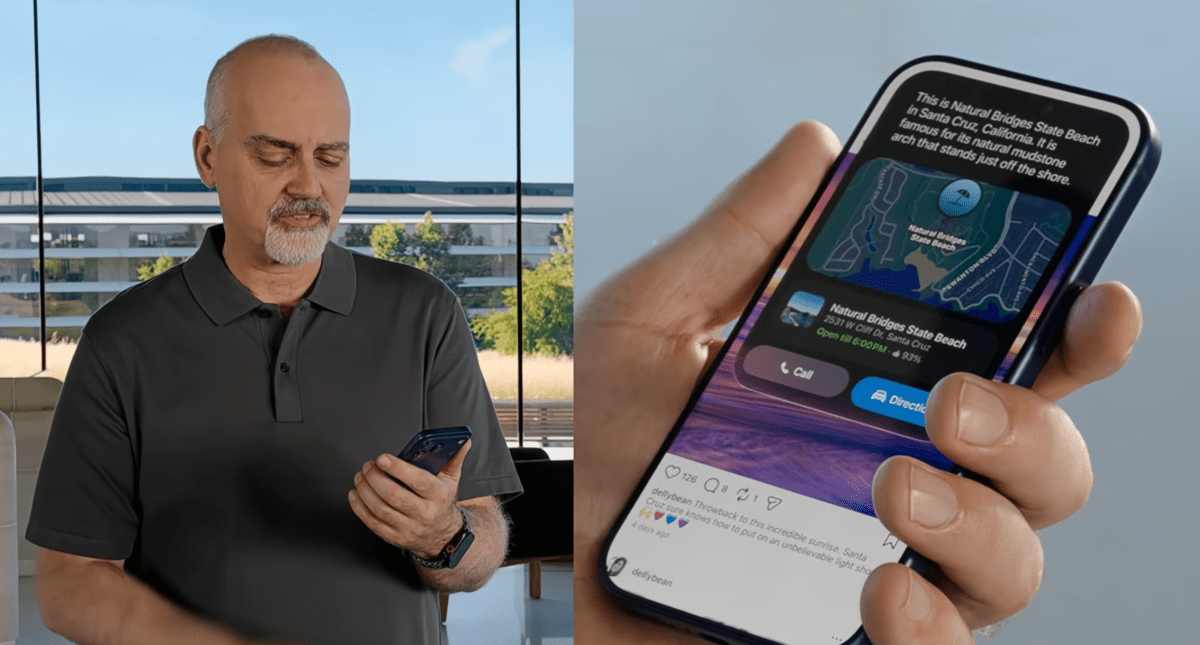
Apple
Es mag so aussehen, als würde ich OpenAI hart angehen, doch das ist wirklich nur ein Beispiel für die Gegenreaktion. Jedes Mal, wenn sich ein Unternehmen der KI widmet, riskiert es finanzielle Einbußen und Reputationsschäden. Wie Google mit seinen ethnisch vielfältigen Nazis, Samsung mit seinen verwirrenden Datenschutzbestimmungen und Microsoft mit seinen schädlichen Antworten. Wenn er nicht gerade seinen Besitzer auf urkomische Weise auf die Schippe nimmt, bringt Elon Musks Grok-Chatbot ihn in rechtliche Schwierigkeiten, weil er Deepfake-Pornografie erstellt und den Holocaust leugnet.
Im Gegensatz dazu ist Apple unglaublich glimpflich davongekommen: Die Kritik an seiner KI-Strategie drehte sich hauptsächlich darum, dass das Unternehmen nur langsam in die Gänge kommt. Der schlimmste Skandal war wahrscheinlich, dass die KI-Benachrichtigungen unter iOS manchmal verwirrend waren. Und doch ist es nun so weit: Ein funktionierender KI-Chatbot steht nur noch wenige Monate vor seinem Debüt auf Milliarden von Geräten. Und das ohne die erheblichen Investitionen in die KI-Infrastruktur, die es Konkurrenten erschweren, vom Gas zu gehen. Warum eigene, unpopuläre Rechenzentren errichten, wenn man die von Google nutzen kann?
Erfolg hängt nicht nur davon ab, was man gewinnt, sondern auch davon, was es einen kostet. Und unter diesen Gesichtspunkten sieht es so aus, als würde Apple im Bereich der KI die Oberhand gewinnen.

Se você quer um terminal moderno e rápido, conheça e veja como instalar o emulador de terminal Contour no Linux via Flatpak.
Leia o restante do texto "Como instalar o emulador de terminal Contour no Linux via Flatpak"
O post Como instalar o emulador de terminal Contour no Linux via Flatpak apareceu primeiro em Blog do Edivaldo - Informações e Notícias sobre Linux.
MacBook Ultra traz a primeira tela OLED e suporte a toque na linha Apple, com design leve e recursos avançados.
O post MacBook Ultra chega com design inovador, tela OLED e touch screen em 2026 apareceu primeiro em Blog do Edivaldo - Informações e Notícias sobre Linux.
Nesta sexta-feira, confira e aproveite a nossa seleção de promoções na App Store!
O Pawell é um aplicativo voltado ao bem-estar e à rotina de pets, oferecendo uma experiência simples e acessível para tutores que querem organizar cuidados diários.
A proposta do nosso destaque do dia é reunir, em um só lugar, informações como alimentação, passeios, vacinas e consultas veterinárias, criando uma espécie de agenda personalizada para cada animal, em uma interface limpa e intuitiva — que facilita o uso mesmo para quem não está acostumado com apps de gerenciamento.
O ponto negativo fica por conta da limitação de idiomas (só inglês). Registre hábitos e tenha as informações de seu pet na palma da mão! 🦮🐈
Abaixo outros jogos/apps que, juntos, somam mais de R$90 em descontos:
Jogo de estratégia.
Corrida aquática.
Xadrez.
Puzzles.
Utilitário para golfe.
Canais digitais.
Guia do céu.
Aproveite as ofertas e tenha um excelente final de semana! Vale lembrar que as ofertas são sempre por tempo limitado, então é bom correr. 🏎️


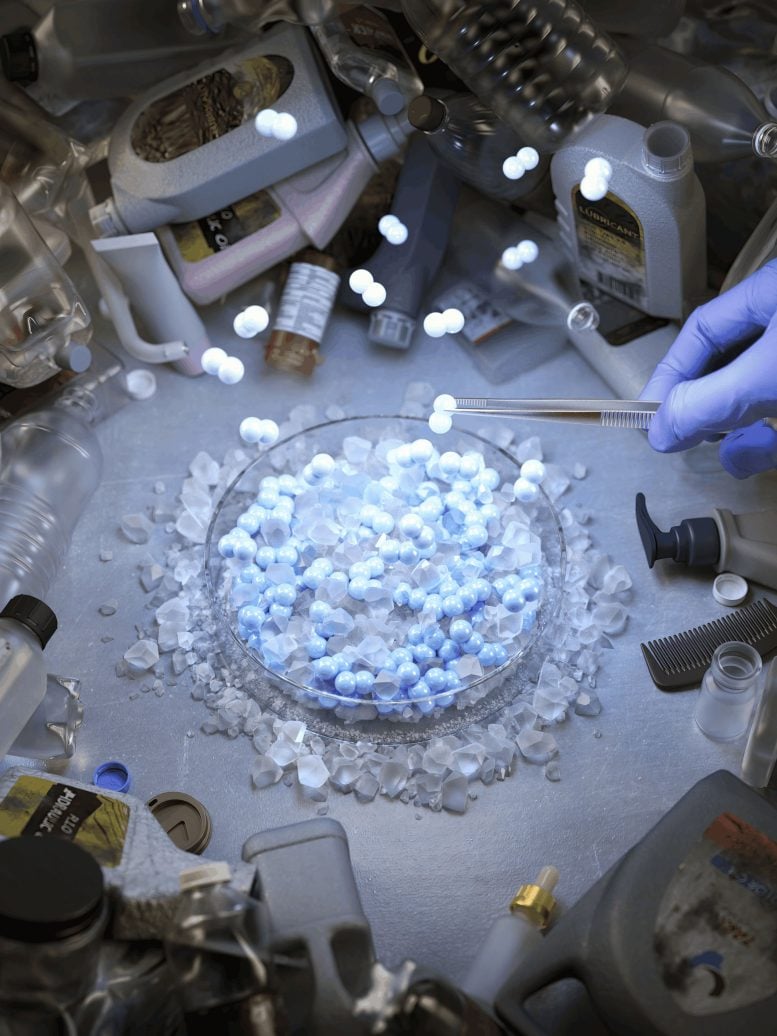 The advance could provide a scalable route to clean energy while making plastic recycling more effective. A discarded bottle, shopping bag or car part can remain in the waste stream long after its useful life ends. Although plastic is everywhere in modern society, recycling it remains difficult because most systems require different types to be [...]
Today, Anthropic rolled out Opus 5, the newest update for the model that has recently become a popular choice for coding and other software development tasks, among other things.
While this is a noteworthy bump for Opus, it doesn't seem to be an Opus 4.5-level breakthrough in agentic coding performance.


© Anthropic

Apple is developing an updated MacBook Neo featuring more memory, an upgraded A19 Pro chip, and additional color options as part of a wide-ranging refresh of its entire Mac lineup, according to a Bloomberg News report by Mark Gurman.
The original MacBook Neo, Apple’s budget-friendly entry-level laptop launched in March 2026, quickly became a huge hit. It debuted at $599 (as low as $499 with education pricing) before rising to a $699 starting price amid industry-wide memory cost pressures. Powered by the A18 Pro chip (the first Mac to use an A-series processor typically found in iPhones and iPads), it offered 8GB of unified memory, a 13-inch Liquid Retina display, and vibrant finishes including Silver, Blush, Citrus, and Indigo. Strong demand led to initial sell-outs, and it has been praised for bringing accessible Mac performance and Apple Intelligence features to a lower price point.
The next-generation Neo will address some of the original’s constraints by increasing unified memory — reports indicate a jump to 12GB — and switching to the A19 Pro chip (already used in recent iPhone models). Extra color options will expand on the fun, marketing-friendly palette that helped the first Neo stand out. These upgrades could help offset the recent price increase by delivering better performance and longevity, particularly for AI-related tasks.
This Neo update forms part of a much larger Mac pipeline. Gurman’s reporting indicates Apple plans new versions of nearly every Mac it sells over the next couple of years, driven by surging demand for AI-capable machines. Key elements include:
• An entry-level 14-inch MacBook Pro with the new M6 chip expected this fall (2026).
• Long-awaited iMac refreshes also targeted for fall 2026.
• High-end 14- and 16-inch MacBook Pros featuring OLED displays and touchscreens, powered by M5 Pro and Max chips, eyed for late 2026 or early 2027.
• A MacBook Air refresh that could include its first major redesign in over four years.
• Updated Mac mini models testing M5 Pro and M6 chips, plus Mac Studio variants with M5 Max and Ultra (or later M7 chips), though memory supply constraints tied to the broader AI boom may affect timing.
Industry observers note that ongoing global memory shortages exacerbated by AI server demand have already driven price increases across Apple’s lineup and could influence both availability and pricing of the new models. Apple has also been exploring ways to sustain sales momentum, including a new leasing program.
MacDailyNews Take: The MacBook Neo’s success showed Apple’s willingness to expand downward in the laptop market while defending premium margins higher up. An improved Neo with more memory and a newer chip would further strengthen that position, especially if it retains a competitive price relative to crappy Windows alternatives. Exact release timing for the updated Neo remains unspecified in the reports, but it fits into Apple’s broader push to modernize the Mac range for an AI-driven era.
Please help support MacDailyNews — and enjoy subscriber-only articles, comments, chat, and more — by subscribing to our Substack: macdailynews.substack.com. Thank you!
Support MacDailyNews at no extra cost to you by using this link to shop at Amazon.
The post Apple preps next-gen MacBook Neo with A19 Pro chip, more memory, and new colors amid broader Mac overhaul appeared first on MacDailyNews.
Os pesquisadores de segurança Talal Haj Bakry e Tommy Mysk descobriram uma vulnerabilidade no macOS a qual permite que apps confiáveis sejam substituídos por softwares maliciosos, mas o seu funcionamento é mais complexo do que parece à primeira vista.
A brecha é iniciada por arquivos de execução de aplicativos baixados pela internet, que são silenciosamente substituídos por malwares (provavelmente compactados no formato .tar). Há, porém, um grande asterisco para que o ataque seja bem sucedido, suficiente para aliviar a preocupação de muitos: ele exige que já exista um acesso prévio a esse Mac para funcionar corretamente.
A execução decorre da ausência de uma segunda verificação do Gatekeeper (sistema de defesa do macOS quanto aos arquivos de um determinado aplicativo), checando a segurança dos apps apenas durante a primeira execução. As modificações até podem condicionar a abertura de uma caixa de diálogo, mas essas permissões são solicitadas em nome do arquivo executável baixado originalmente pelo usuário, o que diminui descrenças sobre a segurança da ação.
A melhor forma de se prevenir é evitar o download de arquivos e executáveis por parte de fontes desconhecidas, inclusive nos casos em que o que foi baixado é associado a um software da sua confiança. A brecha, vale lembrar, não afeta nada baixado pela Mac App Store.
Os pesquisadores relataram o problema à Apple, que optou por encerrar o caso sem resolver a falha.
via AppleInsider


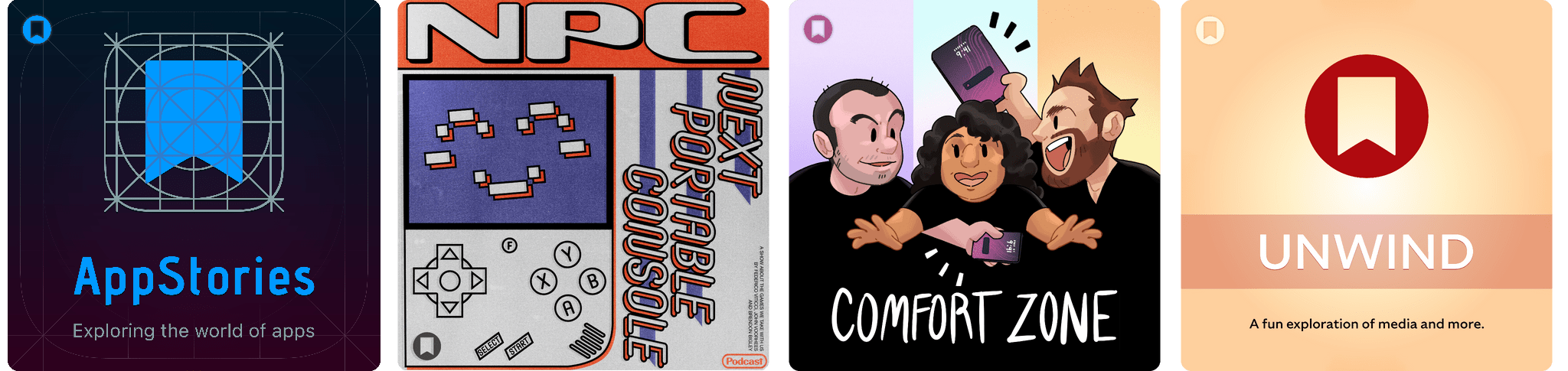
Enjoy the latest episodes from MacStories’ family of podcasts:
This week, Federico and John look at what Siri AI is good at, where it needs improvement, and where it might be heading.
On AppStories+, the conversation expands to Federico and John’s experiences with the betas of macOS Golden Gate, iOS 27, and iPadOS 27.
This week, AYANEO is chasing the classics again, teasing a Game Boy Advance clone, while Magmi is getting vertical – plus, a Mechanism desk stand for your handheld, 8BitDo’s FlipPad, and the GPD Win Max 3 blurs the lines between laptop and console.
On NPC XL, Brendon and John try Armada and report to listeners about whether it’s ready for prime time.
Niléane brings her newest fan (literally), Chris just assumed his co-hosts have installed the betas (they have), and they all tell each other how their respective apps could start earning millions.
This week’s Cozy Zone is a complete, and authoritative, tier listing of every Men’s World Cup logo ever.
This week, app launchers, universal truths about ISPs, and an epic movie.






This episode is sponsored by:
Visit AppStories.net to learn more about the extended, high bitrate audio version of AppStories that is delivered early each week and subscribe.
NPC XL is a weekly members-only version of NPC with extra content, available exclusively through our new Patreon for $5/month. Each week on NPC XL, Federico, Brendon, and John record a special segment or deep dive about a particular topic that is released alongside the “regular” NPC episodes. You can subscribe here.
For even more from the Comfort Zone crew, you can subscribe to Cozy Zone. Cozy Zone is a weekly bonus episode of Comfort Zone where Matt, Niléane, and Chris invite listeners to join them in the Cozy Zone where they’ll cover extra topics, invent wilder challenges and games, and share all their great (and not so great) takes on tech. You can subscribe to Cozy Zone for $5 per month here or $50 per year here.
We deliver MacStories Unwind+ to Club MacStories subscribers ad-free with high bitrate audio every week. To learn more about the benefits of a Club MacStories subscription, visit our Plans page.
MacStories launched its first podcast in 2017 with AppStories. Since then, the lineup has expanded to include a family of weekly shows that also includes MacStories Unwind, Magic Rays of Light, Comfort Zone, NPC: Next Portable Console, and First, Last, Everything that collectively, cover a broad range of the modern media world from Apple’s streaming service and videogame hardware to apps for a growing audience that appreciates our thoughtful, in-depth approach to media.
If you’re interested in advertising on our shows, you can learn more here or by contacting our Managing Editor, John Voorhees.

