A new study reported in BMC Geriatrics spotlights cognitive reserve—the brain’s lifelong ability to adapt—as a potential resilience factor for how older adults experience frailty. The research frames frailty not as a fixed state, but as a dynamic process that can worsen or improve over time, with cognition playing a key role in that trajectory.
Frailty affects mobility, independence, and health outcomes, and clinicians increasingly treat it as something that evolves. Yet, why some people regain strength after health setbacks while others decline remains an open question. Zhao, Liau, Ma and colleagues investigate whether individuals who build stronger cognitive reserve across their lifespan may be better protected.
The team examines frailty progression and recovery in later life using longitudinal data, allowing participants to move between clinical frailty states rather than being categorized once and followed as static cases. This design is crucial for capturing real-world resilience, where improvement can occur after hospitalization, illness, or functional decline.
Cognitive reserve is often linked to differences in brain structure and function, as well as to lifelong experiences such as education, complex work, and engagement in mentally demanding activities. In the study’s framing, higher cognitive reserve may support more efficient neural processing and compensatory mechanisms, even when aging-related changes begin to accumulate.
Technically, the analysis explores associations between cognitive reserve measures and the odds of frailty worsening or recovering across follow-up. By considering longitudinal changes, the authors aim to isolate whether cognitive reserve is correlated with healthier trajectories, not merely with baseline health.
If validated, these findings could reshape how risk is assessed in geriatrics. Instead of focusing solely on current impairments, clinicians may consider cognitive reserve as part of a broader resilience model that includes cognitive health alongside physical function.
The implications extend beyond individual prediction. Cognitive reserve is influenced by modifiable factors, suggesting that public health strategies promoting lifelong learning and cognitively stimulating environments might contribute to better aging outcomes.
With its 2026 publication in BMC Geriatrics, the study adds to a growing evidence base connecting cognitive aging with systemic vulnerability. The authors argue that resilience is not only physical—brain adaptability may also buffer older adults against the downward cycle of frailty.
Finally, the study offers a viral-science-friendly takeaway: your brain’s “practice” over decades may help determine whether frailty becomes a chronic decline or a condition with room for recovery.
Subject of Research: Frailty progression and recovery in later life; cognitive reserve as a resilience factor.
Article Title: Lifelong cognitive reserve as a resilience factor for frailty progression and recovery in later life.
Article References: Zhao, M., Liau, S.J., Ma, X. et al. Lifelong cognitive reserve as a resilience factor for frailty progression and recovery in later life.BMC Geriatrics (2026). https://doi.org/10.1186/s12877-026-07919-4
Even moderate amounts of walking may help protect brain function and slow changes linked to Alzheimer’s disease. New research reveals a modest amount of daily movement may help protect the brain from Alzheimer’s disease, but the apparent benefit does not involve the biological target researchers expected. Using pedometers, researchers followed nearly 300 older adults with [...]
A negative scan does not always mean recurrent prostate cancer is nowhere to be found. Sometimes, the disease may simply be too small or too faint to appear yet. New research suggests that repeating a PSMA PET scan later can reveal cancer that was missed the first time. Among patients with rising prostate-specific antigen (PSA) [...]
Aging appears to alter how key cerebellar neurons fire, with measurable effects on movement and coordination. Aging often brings slower movement, weaker balance, and reduced agility, but the brain changes behind these losses have been difficult to identify. McGill University researchers have now directly linked declining activity in Purkinje cells, an important type of neuron [...]
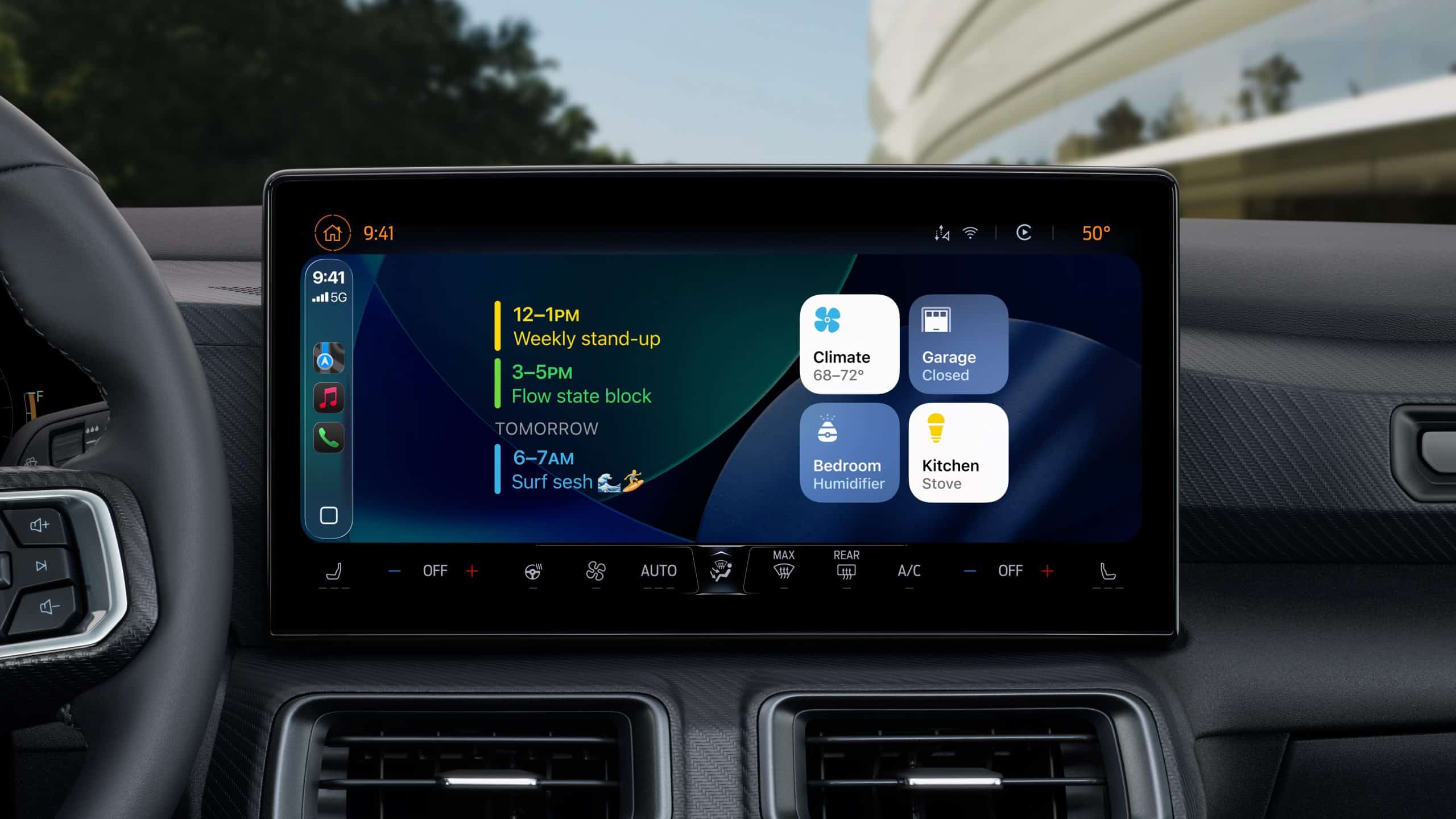
CarPlay apps have grown far beyond maps, music and basic messaging. More than 120 popular iPhone apps now offer some form of support for Apple’s in-car platform, giving drivers access to navigation, podcasts, audiobooks, sports, communication, electric vehicle charging, parking, food ordering and newer AI assistants.
Not every compatible app places its full iPhone interface on the dashboard. CarPlay uses simplified layouts, voice controls and restricted features designed to reduce distractions. Some apps show lists and buttons, while others operate mainly through Siri or audio playback.
The larger catalog nevertheless changes what CarPlay can do. It is becoming a controlled extension of the iPhone rather than a small collection of driving utilities.
CarPlay Apps Cover More of the Journey
The first generations of CarPlay concentrated on a small set of familiar activities: choosing a route, making a call, sending a message and playing audio. Those functions remain central, but Apple has gradually opened additional categories to developers.
CarPlay apps can now help drivers find parking, locate fuel, identify EV charging stations, order food for collection and complete certain driving-related tasks. Automakers can also build apps that control supported vehicle features without forcing the driver to leave the CarPlay interface.
Apple continues to limit which app categories qualify. A social network, game or ordinary shopping app cannot simply reproduce its iPhone screen on the dashboard. Developers must use Apple’s CarPlay frameworks and present only functions considered suitable for the car.
The approach explains why the available catalog can feel both extensive and restrained. More than 120 apps may be compatible, but the dashboard does not become a crowded copy of the App Store.
Image Credit: Apple Inc.
Navigation Remains the Starting Point
Apple Maps is built directly into CarPlay and provides turn-by-turn guidance, traffic information, estimated arrival times and destination suggestions based on information from the iPhone.
Drivers can also choose popular alternatives including Google Maps and Waze. Each service brings a different combination of traffic data, route preferences, incident reporting and familiar saved locations.
Other navigation and travel options include HERE WeGo, TomTom GO Navigation, Sygic GPS Navigation, Gaia GPS and specialist apps designed for trucks, motorcycles or outdoor routes.
The strongest choice usually comes down to habit and regional coverage. A driver already using Google Maps or Waze on iPhone can continue using saved destinations and preferences inside the car. Apple Maps benefits from tighter system integration, including Siri requests, Calendar suggestions and Apple Watch directions.
CarPlay allows several navigation apps to appear in the Dashboard layout, where mapping can share the screen with media controls and other useful information.
Music, Radio and Podcasts Dominate the Catalog
Audio remains the largest CarPlay app category because it suits an environment where users should spend as little time as possible looking at the screen.
Apple Music, Spotify, YouTube Music, Amazon Music, Deezer, Tidal and Pandora provide access to large music libraries. Radio services such as TuneIn, iHeartRadio and SiriusXM add live stations, news, sports and talk programming.
Podcast listeners can use Apple Podcasts, Overcast, Pocket Casts, Castro and Spotify. Audiobook options include Apple Books, Audible, Audiobooks.com and Bookmate.
The CarPlay versions usually emphasize large buttons, recent listening, saved libraries and voice search. More detailed account management remains on the iPhone.
Siri can start playback without requiring users to browse through several menus. The experience is safer and often faster when the request includes the service and content, such as asking Siri to play a specific playlist through Apple Music or Spotify.
Messaging Is Becoming More Visual
Messages has long allowed CarPlay users to hear incoming texts and dictate replies through Siri. Third-party messaging services have expanded the same general idea.
WhatsApp now offers a fuller CarPlay experience that can display recent chats, calls and favorite contacts while keeping message composition centered on voice. Other supported communication apps include Telegram and selected business messaging services, depending on region and app version.
CarPlay does not display long text conversations like an iPhone. Siri reads messages aloud, and users can dictate a response. Visual elements remain limited so the dashboard does not become a scrolling chat screen.
Phone and supported calling apps also provide simplified access to contacts, recent calls and favorites. Meeting services can support audio participation, but video remains unavailable while driving.
AI Assistants Enter CarPlay
AI assistants represent one of the newest CarPlay app categories. ChatGPT, Perplexity and Grok have introduced CarPlay support, allowing drivers to interact through voice without handling the iPhone.
These apps can answer general questions, explain subjects, brainstorm ideas or continue voice conversations. Their usefulness in a car is different from navigation or music. They provide a hands-free knowledge interface during a commute or long trip.
Google Meet and other communication apps have also expanded their in-car presence, emphasizing audio conversations rather than video.
AI responses should not replace directions, emergency information or vehicle warnings. They can also produce inaccurate answers, particularly when asked about rapidly changing road conditions. Apple Maps, official traffic services and the vehicle’s own systems remain the appropriate sources for driving decisions.
The arrival of AI assistants still marks a meaningful expansion. CarPlay is no longer limited to commands with predefined outcomes. Drivers can now hold longer spoken interactions through supported services.
Parking, Fuel and EV Charging Become Easier
Practical travel apps can reduce the need to handle an iPhone after arriving near a destination.
Parking services can help locate garages, compare availability or start a parking session. Availability varies by city, but apps from services such as SpotHero, EasyPark and ParkWhiz may offer CarPlay functions in supported markets.
Fueling apps can guide drivers to compatible stations and, in some cases, prepare or authorize payments. EV charging apps can locate chargers, show connector availability and begin navigation to a selected station.
ChargePoint, PlugShare, Electrify America and other charging networks provide different levels of CarPlay integration. Drivers should confirm that their preferred service supports the platform in their country and app version.
Food-ordering support is more restricted. Compatible apps are designed around quick pickup tasks rather than browsing complete menus while the vehicle is moving.
Sports and Driving Information Join the Dashboard
Sports apps are also finding a place in the car. Apple Sports and selected third-party services can provide scores or spoken updates without requiring drivers to follow a live visual feed.
Audio broadcasters already make sports a major part of CarPlay through radio and podcast services. Dedicated sports support makes it easier to reach a favorite team or competition directly.
Driving-task apps can handle functions such as recording mileage, managing road trips or communicating with fleet systems. These experiences are generally built for narrow purposes and use simplified controls.
Automaker apps form another category. Depending on the vehicle, they can expose controls for radio stations, climate functions, drive modes or other systems through CarPlay. Support is determined by the manufacturer and may differ between models.
How to Find CarPlay Apps on an iPhone
Compatible apps installed on the iPhone normally appear in CarPlay automatically. Users can decide which ones remain visible and change their order.
To organize CarPlay apps:
Settings > General > CarPlay > select the vehicle > Customize
Apps can be added, removed or rearranged from this screen. Removing an app from the CarPlay layout does not uninstall it from the iPhone.
An app may not appear when its developer has not enabled CarPlay support, the feature is unavailable in the region or the app needs to be updated. Some services also require an active subscription or account.
The safest layout keeps frequently used navigation and audio apps near the first page. Less essential services can remain farther back or be removed to reduce dashboard clutter.
More Apps Do Not Mean More Screen Time
The value of 120 CarPlay apps is not having 120 icons inside the car. It is having a useful service available when a particular trip requires it.
A daily commute may involve only Maps, Music and Messages. A road trip may add charging, parking, audiobooks and weather information. A workday could involve audio meetings and mileage tracking.
CarPlay’s restrictions remain part of its appeal. Apps are expected to simplify their interfaces, support voice interaction and limit detailed visual tasks. The system should reduce the temptation to use the iPhone rather than reproduce every distraction on a larger screen.
As iOS 27 expands capabilities for audio, communication, navigation and driving-task apps, the catalog is likely to keep growing. The more useful evolution will be deeper integration with the Dashboard, Siri and vehicle controls—not simply another row of icons.
Naked mole-rats have long puzzled biologists with their striking eusocial structure, where most adults remain reproductively suppressed while a queen controls the colony’s future. Now, a new study identifies a chemical “queen odour” that links social status to endocrine control, revealing a mammalian analogue to insect queen pheromones.
The molecule, termed IPM, is enriched by the queen and acts as the key mediator of reproductive suppression in non-breeding females. When IPM is present, circulating prolactin rises while progesterone is suppressed, locking the colony into a stable reproductive hierarchy characterized by reduced conflict and maintained group cohesion.
Crucially, the team connects this behavioural outcome to the brain. Using multiple approaches—including non-invasive functional ultrasound imaging (fUSI)—they show that IPM provokes strong activation of olfactory neurons and central neural circuits. This provides a neural substrate for how a chemical cue can trigger colony-wide physiological change, rather than relying on social learning or passive association.
The experiments also clarify sensory routing. Ablating olfaction abolishes aggression initiation and lowers prolactin levels, directly tying IPM detection to reproductive suppression. While the findings are consistent with sensing through the main olfactory epithelium, the authors note that the vomeronasal system may still contribute.
Queen removal normally destabilizes colonies, leading to aggression, reproductive competition, prolactin decline, and, in extreme cases, mortality. Yet when IPM is added to queenless bedding, the colony remains stable for months. During this period, fecal progesterone metabolite levels stay low, indicating sustained ovarian quiescence alongside elevated prolactin.
The study also addresses a longstanding paradox: transferring soiled bedding and urine from parent colonies fails to maintain suppression in isolated individuals. The authors propose that IPM’s chemistry helps explain this discrepancy. As a long-chain fatty acid ester with low volatility, IPM may persist within the colony environment but fail to travel effectively over distance or survive transfer pathways that preferentially carry other chemicals.
Comparative work extends beyond naked mole-rats. IPM is detected in breeding females of four additional Fukomys species. Although reproductive suppression mechanisms may differ across species, the presence of a similar queen-linked odorant suggests convergent chemical strategies for managing reproductive skew in eusocial mammals.
Overall, the research reframes reproduction control as a chemosensory-to-endocrine pathway: IPM activates olfactory–hypothalamic signalling, elevating prolactin and inhibiting GnRH release. This “social hormone” model offers a new principle for social evolution—chemical cues can synchronize behaviour and physiology at the scale of an entire mammal colony.
Subject of Research: Reproductive suppression and social hierarchy in eusocial mammals (naked mole-rats and related Fukomys species)
Article Title: A queen odour mediates reproductive suppression in a eusocial mammal
Article References:
Khallaf, M.A., Hart, D.W., Luo, W. et al. A queen odour mediates reproductive suppression in a eusocial mammal. Nature (2026). https://doi.org/10.1038/s41586-026-10772-5
Researchers have found that the natural compound spermidine can help improve vaccine responses in older adults by reducing molecular markers of immune system aging. A vaccine shot can look the same from one arm to the next, but the immune system beneath the skin may not respond with the same force. In older adults, that [...]
A newly identified protein pathway may link blood-brain barrier deterioration to age-related cognitive decline. The aging brain depends on a microscopic border that works every second to keep danger out and support the nerve cells inside. When that barrier begins to fail, memory, mood, and thinking may suffer. Andrew A. Pieper, MD, PhD, and colleagues [...]
Neuroscientists have long believed that language processing was only found in regions of the brain’s left hemisphere, including the well-known Broca’s area. However, new evidence suggests the brain’s language network is far more widespread than previously thought.
Researchers at the Massachusetts Institute of Technology (MIT) analyzed functional magnetic resonance imaging (fMRI) scans from 772 participants and identified 17 additional brain regions involved in language comprehension. These newly discovered areas are distributed across the brain, including the cerebellum, hippocampus, amygdala, and several regions of the cerebral cortex. In total, this accounts for five percent of the adult brain volume (roughly the size of a large strawberry).
“Even though there are all these distant components, it’s pretty restricted in terms of volume. You don’t need that much of the brain to do language,” says senior author Evelina Fedorenko, an MIT associate professor of brain and cognitive sciences and a member of MIT’s McGovern Institute for Brain Research, in a statement.
Locating the Brain’s Hidden Language Centers
To find these hidden language-related regions in the brain, the researchers revisited years of brain imaging data collected since 2013. Additionally, participants completed a standard “language localizer” task, during which they read or listened to meaningful sentences and sequences of meaningless nonwords. By comparing brain activity between these two conditions, the research team identified regions that responded more strongly to language.
“When we initially started looking at language, in the first couple of papers, I tried to be comprehensive and include anything that seemed consistent across participants, and there was a huge amount of resistance,” said Fedorenko. “People would say things like, ‘Well, we know those are not language areas, so please focus on the language areas.’”
The team decided to adopt a more flexible statistical approach to detect weaker signals and identify previously overlooked language-sensitive regions beyond the classical language areas. They then compared these regions’ responses during a spatial working memory task to distinguish language-specific areas from those involved in what would be considered general cognitive functions.
Cerebellum Discoveries
Interestingly, five of the newly identified language regions are located in the cerebellum, a structure traditionally associated with movement and coordination. Some of these cerebellar regions were also active during non-language tasks, suggesting they may help integrate information across different brain systems rather than process language alone.
“It’s a very simple paradigm that lets you identify this core language system in individual brains,” says MIT postdoc Agata Wolna, the lead author of the paper.
Additional language-sensitive regions were identified in the hippocampus and amygdala, areas better known for their roles in memory and emotion. Their involvement suggests that understanding language may rely more on integrating memory, emotional context, and higher-order cognitive functions than previously understood in science.
“We always see this frontal temporal network, but there’s quite a lot of evidence that there are other regions that are also critical for language processing,” said Wolna. “By using a laxer threshold and zooming in on areas with weak MRI signal, we tried to maximize the chances of finding small and weakly responsive regions outside of this left frontal temporal system.”
The findings challenge long-held assumptions about the brain’s organization and can open new avenues for research into how language processing is understood in neuroscience.
Chrissy Newton is a PR professional and the founder of VOCAB Communications. She currently appears on The Discovery Channel and Max and hosts the Rebelliously Curious podcast, which can be found on YouTube and on all audio podcast streaming platforms. Follow her on X: @ChrissyNewton, Instagram: @BeingChrissyNewton, and chrissynewton.com. To contact Chrissy with a story, please email chrissy @ thedebrief.org.
Heliconius butterflies inhabit the rainforests of Central and South America, where most adult butterflies live only a few weeks. In the study, Heliconius hewitsoni reached a maximum lifespan of 348 days, while a related species, Dione juno, only survived about 14 days under observed conditions. This represents a 25-fold difference in maximum lifespan between two closely related species.
Old Age Without the Decline
Heliconius butterflies not only live longer than their relatives, but also show slower physical decline with age. The team, in collaboration with the Smithsonian Tropical Research Institute in Panama, measured grip strength in aging butterflies to assess physical decline. Older Heliconius hecale performed as well as the younger individuals tested, showing no detectable age-related decline in grip strength.
The team combined butterfly house data, mark–recapture field studies, and controlled lab experiments. In these cases, Heliconius butterflies consistently showed longer lifespans, lower mortality rates, and slower rates of aging than closely related species that do not feed on pollen.
The Pollen Connection
One hypothesis for their extended lifespan focuses on their unusual adult diet. While most butterflies feed only on nectar, Heliconius also consumes pollen, which was thought to provide the nutritional basis for its extended lifespan.
To test this idea, researchers compared pollen-feeding Heliconius hecale with its non-pollen-feeding relative, Dryas iulia. H. hecale maintained body mass and muscle performance longer than D. iulia. Even without pollen in its diet, H. hecale still outlived its relative by a wide margin. This suggests that diet alone does not explain Heliconius’s extended lifespan.
Dr. Jessica Foley, the study’s lead author from the University of Bristol’s School of Biological Sciences, explained that insects already show a huge range of lifespans. Some, like mayflies, live only a few days, while ant and termite queens can survive for decades. “This represents a roughly 5,000-fold difference within the class, compared with around a 100-fold difference in lifespan observed in mammals.”
Heliconius butterflies are notable because they have evolved both longer lifespans and slower rates of aging, allowing them to outlive close relatives from which they diverged only recently in evolutionary history.
A New Model for an Old Problem
Most aging research uses a limited set of laboratory organisms, such as mice, worms, and fruit flies, to study biological aging mechanisms. The heliconius butterfly provides a unique opportunity to study a long-lived species closely related to short-lived species, allowing for direct comparison in a natural context. Foley noted that comparing these two groups “can help reveal how lifespan is extended, making them a highly promising new model for research into the biology of aging and longevity.”
If pollen feeding and longevity evolved together but are not entirely dependent on each other, the next step is to identify the genetic and physiological changes responsible for both traits. Understanding these mechanisms in Heliconius butterflies could provide insight into how aging evolves across species.
Austin Burgess is a writer and researcher with a background in sales, marketing, and data analytics. He holds an MBA, a Bachelor of Science in Business Administration, and a data analytics certification. His work focuses on breaking scientific developments, with an emphasis on emerging biology, cognitive neuroscience, and archaeological discoveries.
A groundbreaking imaging technology developed by researchers at the University of Oklahoma promises to revolutionize liver transplant evaluations by enabling more comprehensive and rapid assessments of donor organ health. With thousands of patients awaiting liver transplants nationwide, transplant teams urgently need tools that can deliver swift, accurate insights without invasive procedures. The team, led by Dr. Qinggong Tang, has adapted polarization-sensitive optical coherence tomography (PS-OCT)—an advanced imaging modality originally utilized in retinal scans—to noninvasively evaluate donor livers at high resolution.
Traditional liver assessments rely heavily on biopsies, where small tissue samples are extracted and examined for signs of disease or damage. While considered the gold standard, biopsies are inherently limited, providing only a microscopic snapshot of a vast organ that may vary in condition. This narrow sampling can cause uncertainty, sometimes leading to the discard of viable organs. The OU team sought to overcome these limitations by employing PS-OCT, which not only captures detailed cross-sectional images of liver tissue but also measures its polarization properties, revealing subtle structural and biochemical features linked to liver health.
The engineers designed a portable PS-OCT system optimized for clinical and operating room environments, allowing transplant teams to scan liver surfaces quickly and noninvasively. The imaging data are then analyzed using advanced artificial intelligence algorithms, co-developed with Dr. Chongle Pan’s computer science lab. These AI tools quantify critical parameters indicative of hepatic steatosis (fat accumulation) and inflammation, two primary factors influencing liver viability. By training their models on datasets from over thirty clinical cases—comparing PS-OCT results with biopsy outcomes and post-transplant organ function—the researchers demonstrated strong correlations between imaging biomarkers and actual clinical metrics.
Beyond providing a more holistic view of donor liver condition, PS-OCT could enhance decision-making speed, potentially expanding the pool of organs deemed suitable for transplantation by identifying healthy tissue regions missed by biopsy. Such improvements may reduce organ discard rates and improve transplant success. Encouraged by initial findings, the OU team plans a large multisite clinical trial involving institutions like UT Southwestern and the Cleveland Clinic to validate and refine this approach across diverse patient populations.
This work exemplifies OU’s interdisciplinary innovation platform that integrates optical bioimaging, machine learning, pathology, and organ perfusion technology to translate engineering advances directly into clinical practice. The researchers also intend to extend PS-OCT evaluation methods to other organs, including kidneys and lungs, widening the impact of this technology.
Supported by National Science Foundation grants and institutional partnerships, the team’s efforts mark a significant step toward redefining how transplanted organs are assessed. Dr. Tang emphasizes that this is just the beginning, envisioning a future where noninvasive, AI-enhanced imaging facilitates safer, faster, and more effective organ transplantation worldwide.
Subject of Research: Donor liver evaluation using advanced imaging techniques Article Title: Human donor liver viability evaluation with polarization-sensitive optical coherence tomography News Publication Date: 24-Jun-2026 Web References: http://dx.doi.org/10.1126/scitranslmed.adv7124 Image Credits: University of Oklahoma / Ellie Pinter
Keywords
Organ transplantation, Optical coherence tomography, Polarization-sensitive imaging, Liver viability, Artificial intelligence, Biomedical imaging, Noninvasive diagnostics, Medical innovation
In the realm of modern ophthalmology, Optical Coherence Tomography (OCT) has revolutionized the way eye diseases are diagnosed and monitored. This non-invasive imaging technology allows clinicians to peer through the layers of the retina, producing detailed cross-sectional images that reveal the structural integrity of this delicate tissue without the need for surgical intervention. However, despite OCT’s widespread adoption and profound clinical impact, the technology is inherently limited by physical constraints that occasionally obscure or degrade the crucial information contained within these images. The newly developed Spatio-Temporal Optical Coherence Tomography (STOC-T) promises to address these limitations by fundamentally altering data acquisition methods, thereby enhancing image quality and diagnostic precision at the earliest possible stage.
OCT functions by directing light into the eye and interpreting the backscattered photons to construct images of internal structures like the retina and choroid. But the journey of photons through tissue is fraught with challenges. When light encounters complex biological matrices, it scatters unpredictably, producing signals that blend with those carrying useful information. This phenomenon, known scientifically as “optical crosstalk,” causes image blur and loss of contrast, making it difficult to discern fine detail that could be critical for early disease detection. Optical crosstalk is essentially a breakdown of coherence within the returning light, as photons from a single spatial point arrive dispersed across multiple detector pixels. For ophthalmologists and patients alike, this translates to potentially missed or delayed diagnosis of conditions where subtle changes herald disease onset.
The breakthrough reported by Professor Maciej Wojtkowski and his team from the International Centre for Translational Eye Research (ICTER) introduces STOC-T, an innovative approach that goes beyond conventional image enhancement techniques. Unlike software filters applied post-hoc to clean up images, STOC-T reforms the optics of data collection itself—imposing controlled, repetitive phase modulations onto the illuminating light during scanning. By employing distinct spatial phase masks that alter the wavefront of the illuminating beam, the system captures a series of images, each with a differently patterned illumination. Scattered photons, which respond chaotically to these phase shifts, become decorrelated and diminish upon averaging multiple frames. Conversely, photons faithfully reflecting true tissue architecture maintain coherent behavior, thus strengthening their visibility in the final reconstructed image.
This methodology can be likened to differentiating a single voice in a bustling crowd. Just as a consistent voice can be isolated amid random background chatter using adaptive recording strategies, STOC-T distinguishes meaningful optical signals from noise in real-time. This preemptive discrimination obviates the need for computational post-processing to “clean” images after data acquisition, which historically cannot fully recover information lost to scattering. Defensive design of the imaging process ensures that interfering signals are suppressed from the outset, preserving delicate cellular-level details of the retina and choroid that are indispensable for early diagnosis.
STOC-T’s performance has been rigorously tested both in laboratory settings and on living tissue. In one compelling demonstration, a standard imaging target obscured by a highly scattering artificial medium and even by rat skin rendered virtually invisible under conventional OCT. Upon integrating STOC-T’s phase modulation technique, the obscured structural features resurfaced with remarkable clarity. This experiment underscores the scale of the optical crosstalk problem and the potency of STOC-T, since the objects remained physically present but were previously hidden by noise.
The true clinical significance comes from STOC-T’s application to human retinal imaging, where it achieves a lateral resolution near five micrometers—a scale sufficiently fine to resolve individual photoreceptors and ganglion cells as well as intricate vasculature within the choroid. This extraordinary level of detail enables prospective monitoring of microscopic disease processes with an acuity far surpassing existing OCT methods. Additionally, STOC-T provides new insights through optoretinography (ORG), capturing functional responses of photoreceptors to flickering light stimuli at frequencies up to 45 Hz. These functional measurements resemble electrophysiological studies conducted via invasive patch-clamp techniques, suggesting that STOC-T could non-invasively monitor cellular function—a significant leap for early detection of retinal dysfunction before structural damage occurs.
The potential clinical impact of this technology cannot be overstated. Visual impairment affects more than 2.2 billion individuals worldwide, with over a billion cases attributable to conditions amenable to early diagnosis and intervention. Diseases such as glaucoma, diabetic retinopathy, and age-related macular degeneration often become irreversibly severe due to delayed detection. STOC-T’s capacity to enhance diagnostic accuracy at the cellular and functional levels augments the ophthalmologist’s ability to initiate timely therapies, potentially halting or reversing vision loss before clinical symptoms manifest.
Despite these promises, STOC-T remains an experimental technique, currently limited by technical demands. The system requires cutting-edge hardware, including a high-speed CMOS camera capable of capturing quarter-million frames per second and a tunable near-infrared laser source spanning 800 to 870 nanometers in wavelength. The immense data volume generated—exceeding 8.5 gigabytes per acquisition—also presents significant computational challenges for real-time processing and analysis. These hurdles explain why STOC-T is not yet in widespread clinical use, although ongoing advances in photonic hardware and data science are likely to mitigate these barriers.
Looking forward, the research team envisions enhancing the system’s flexibility using multimode optical fibers for phase modulation. Such fibers, with diameters around 50 micrometers and lengths extending to hundreds of meters, support hundreds of propagation modes. They offer the theoretical potential to reduce optical crosstalk noise by a factor approaching 30 without complex electronic controls, simplifying implementation while preserving image quality improvements.
Professor Wojtkowski emphasizes that STOC-T represents a transformative conceptual advance rather than a final product. The roadmap to widespread application involves optimizing speed, minimizing data volume, refining phase encoding strategies, and automating image reconstruction workflows. The foundational principle—shaping the acquisition process to preempt noise contamination—opens avenues not only for ophthalmology but also for diverse biomedical imaging fields where light scattering impairs image fidelity. This innovation exemplifies how deep physical understanding combined with technical ingenuity can reshape diagnostic imaging, making previously invisible biological details accessible and advancing patient care.
In summary, STOC-T addresses a critical bottleneck in OCT imaging by employing spatio-temporal phase modulation to separate meaningful tissue signals from scattered noise at the data collection stage. This technique enhances resolution, contrast, and functional imaging capability, holding significant promise for earlier and more accurate diagnosis of a broad spectrum of vision-threatening diseases. Although currently laboratory-bound due to technical demands, STOC-T’s theoretical and experimental foundations herald a new era in optical imaging, where noise is never blindly accepted but actively prevented from degrading our view of living tissue.
Subject of Research: Human tissue samples
Article Title: Spatio-temporal optical coherence imaging and tomography for in vivo applications
WASHINGTON — Vantor has chosen BAE Systems to build its next generation of high-resolution imaging satellites. The selection reunites Vantor with the former Ball Aerospace business that helped develop DigitalGlobe’s […]
Domestic cats (Felis catus) develop the same patterns of brain shrinkage and neurological decline as aging humans, and scientists think that makes them an ideal window into dementia and aging.
Falling birth rates reveal a deeper social problem: many people who want children feel blocked by economic, housing, gender, and climate pressures. Birth rates have been falling around the world since the height of the baby boom that followed the Second World War. In many places, including Australia, they are now below replacement level. In [...]
Older adults who knowingly took placebo pills showed significant gains in memory, physical performance, and stress reduction, highlighting the mind’s role in healthy aging. Can the mind help slow some of the effects of aging? A new study suggests it can. Researchers at Università Cattolica in Milan found that older adults who took a placebo [...]
Entomologists have compiled decades of data from butterfly houses, wild field studies, and lab experiments to build the most comprehensive picture yet of how long Heliconius butterflies live and how slowly they age.
Researchers have identified a gene that appears to balance a powerful evolutionary trade-off, boosting growth and reproductive success early in life while carrying hidden costs later on. The biological processes that help build a healthy young body may also sow the seeds of aging and cancer. Researchers have now identified a gene that appears to [...]
In the rapidly aging global population, mild cognitive impairment (MCI) has emerged as a critical area of focus for researchers dedicated to understanding and mitigating the progression of cognitive decline in older adults. Recent groundbreaking research has illuminated promising interventions, and among the most compelling is the application of Cognitive Control and Reasoning Training (CCRT). The latest study, conducted by Tan, Ping, Zhang, and colleagues, presents robust evidence that CCRT can notably improve cognitive function and modulate blood biomarkers in community-dwelling older adults experiencing MCI, offering a beacon of hope for preventative strategies in geriatric cognitive health.
At its core, Cognitive Control and Reasoning Training is a targeted, intensive cognitive exercise regimen designed to enhance executive functions—the brain’s system for managing attention, problem-solving, and flexible thinking. The new study rigorously quantifies the impact of CCRT through a multidimensional approach, combining neuropsychological assessments with advanced biomarker profiling from blood samples. This integrative methodology provides unprecedented insight into how cognitive training not only improves mental agility but also induces measurable physiological changes associated with brain health and neuroplasticity.
One of the most compelling aspects of this research is its focus on community-dwelling older adults rather than institutionalized populations, emphasizing real-world applicability and accessibility of CCRT interventions. By centering on MCI, a condition characterized by noticeable but not debilitating cognitive decline, the study targets a critical window of opportunity where intervention can potentially halt or even reverse the trajectory toward dementia. This shift in clinical focus is crucial, as it aligns with precision medicine’s broader goal of early detection and personalized intervention.
Methodologically, the study implemented a longitudinal design encompassing a sizeable cohort subjected to a structured CCRT protocol over several months. Participants underwent repeated evaluations using standardized cognitive batteries that assess memory, executive function, attention, and processing speed. Concurrently, blood samples were meticulously analyzed to detect variations in neuroinflammatory markers, neurotrophic factors such as brain-derived neurotrophic factor (BDNF), and markers indicative of oxidative stress. The dual assessment strategy enabled a holistic evaluation of both cognitive and systemic effects induced by the training.
The findings reveal statistically significant improvements in global cognitive scores among those exposed to CCRT, notably in domains linked to working memory and executive control—areas crucial for everyday function and independence. More intriguing, however, were the concomitant changes in blood biomarker profiles, suggesting that cognitive training may exert its benefits through systemic modulation of neurobiological processes. For example, elevated levels of BDNF, a key molecule involved in synaptic plasticity and neuronal survival, were observed post-intervention, signaling enhanced neuroadaptive capacity.
Another striking discovery was the reduction of pro-inflammatory cytokines in the participants’ blood samples following CCRT, underscoring the interplay between cognitive health and immune regulation. Chronic low-grade inflammation has been implicated in the pathogenesis of neurodegenerative diseases, and the ability of targeted cognitive training to attenuate these inflammatory pathways positions CCRT as a multidisciplinary therapeutic tool. Such biomolecular insights offer mechanistic explanations bridging behavioral improvements with underlying neurophysiology.
The implications of this study extend well beyond individual cognitive enhancement, challenging long-held notions about the irreversibility of age-related cognitive decline. The bi-directional relationship between brain function and peripheral biomarkers captured herein supports an emerging paradigm in neuroscience: that cognitive training is not merely a psychological exercise but a biologically rooted intervention capable of reshaping brain-body interactions. This realization paves the way for future integrated treatment strategies combining behavioral therapies with pharmacological approaches targeting neuroinflammation and neurotrophic support.
Importantly, the research team also addressed the sustainability of the cognitive and biological gains induced by CCRT. Follow-up assessments conducted several months post-intervention demonstrated that while some decline in measured benefits occurred, trained individuals retained significantly better cognitive functioning and biomarker profiles compared to control groups. This longevity suggests that CCRT programs may induce lasting neuroplastic changes, albeit emphasizing the need for continuous or booster sessions to maintain optimally enhanced cognitive states.
In parallel, the study highlights the feasibility of implementing CCRT in community settings, utilizing digital platforms and remotely supervised protocols, thereby overcoming traditional barriers such as mobility constraints and access to specialized care. By democratizing cognitive health interventions, this research heralds a new era where preventative cognitive maintenance can be integrated into routine elderly care, dramatically shifting public health strategies aimed at aging populations.
Moreover, the data illuminate potential predictive biomarkers that could be employed for precision targeting of cognitive interventions. Individuals who exhibited greater baseline neuroinflammatory markers and lower BDNF benefitted disproportionately from CCRT, suggesting that biomarker screening might inform patient selection and customization of training programs. Future clinical trials exploring dose-response relationships and personalized adjustments of training complexity are underway to optimize efficacy.
From a broader societal perspective, these findings carry substantial implications for reducing the global dementia burden. With populations aging rapidly worldwide, scalable interventions like CCRT could alleviate healthcare pressures by preserving functional independence and delaying institutionalization. Furthermore, the intersection of cognitive neuroscience and immunology as demonstrated here invites cross-disciplinary collaborations aimed at holistically addressing aging-related cognitive challenges.
While the study’s innovations are groundbreaking, the authors acknowledge several limitations requiring further exploration. The relatively short trial duration and modest sample size warrant larger, multicenter studies to validate and expand upon these results. Additionally, disentangling the specific cognitive components or mechanisms of CCRT responsible for biomarker modulation remains an open question, inviting sophisticated neuroimaging and molecular studies.
Nevertheless, this pioneering research reinforces the hopeful narrative that cognitive decline is not an inevitable consequence of aging but a modifiable condition amenable to targeted, science-backed interventions. The synthesis of behavioral training and biomarker tracking sets a new gold standard for developing interventions grounded in mechanistic understanding, moving cognitive health management toward a future where personalized, preventative care is the norm rather than the aspiration.
As public health systems grapple with the mounting challenges of neurodegenerative diseases, findings like these imbue the scientific community, clinicians, and caregivers with renewed optimism. By harnessing the brain’s inherent plasticity through methods like CCRT, we can envision a future in which older adults maintain cognitive vitality longer, enriching quality of life and sustaining autonomy well into advanced age.
This study by Tan et al. will undoubtedly spark extensive dialogue and inspire subsequent research into multifaceted cognitive therapies. As the field evolves, integrating cognitive training with nutritional, pharmacological, and lifestyle interventions could forge comprehensive, multimodal treatments. Such innovations promise to transform the landscape of brain aging, shifting the narrative from inevitability to empowerment.
In summary, the intersection of cognitive training and biomarker science elucidated by this study marks a monumental step in geriatric cognitive health. The compelling evidence for CCRT’s efficacy positions it as a cornerstone in emerging strategies designed to combat cognitive decline, offering scientific validation to a therapeutic approach that is accessible, scalable, and deeply rooted in our understanding of brain and body biology. The potential societal benefits underscore the urgency of expanding this research frontier to realize the promise of healthier cognitive aging for millions worldwide.
Subject of Research: Effects of Cognitive Control and Reasoning Training (CCRT) on cognitive function and blood biomarkers in community-dwelling older adults with Mild Cognitive Impairment (MCI).
Article Title: A study on the effects of CCRT on cognitive function and blood biomarkers in community-dwelling older adults with MCI.
Article References:
Tan, Z., Ping, J., Zhang, H. et al. A study on the effects of CCRT on cognitive function and blood biomarkers in community-dwelling older adults with MCI. BMC Geriatr (2026). https://doi.org/10.1186/s12877-026-07730-1

 Login