The AI music generation tool Suno scraped millions of songs and lyrics from YouTube Music, Deezer, and Genius, as well as from the stock music libraries Pond5, Jamendo, Freesound, the International Music Score Library Project, and podcasts via RSS feeds, according to a hacker who breached the company and shared data about Suno’s training libraries with 404 Media. The hacker was also able to access user information for hundreds of thousands of Suno’s customers, as well as Stripe payment information, they said.
[…]
As part of these legal proceedings, Suno previously admitted that it was trained on “essentially all music files of reasonable quality that are accessible on the open internet,” which included a total of “tens of millions of recordings.” Suno has been making the argument that it is allowed to train on copyrighted works as fair use in those cases, one of which has been settled.
Suno has long acknowledged that its AI music generator relied on the scraping of millions of songs available across the internet, but a new hack reveals just how the company pulled from streaming services and websites[…] all while user information remained vulnerable.
[…]
“Our goal has always been to help people create original new music, not replicate someone else’s. That’s why we build our models around what we call ‘Original Creation, By Design,’” the spokesperson said in a statement. “For example, we intentionally do not use artist names as a category of training metadata because we want our models to help people create brand new songs, not music that replicates other artists’ existing work. It’s also why we built Suno with detection filters that block or prevent a user from using specific artist, song, or album names as prompts, and prevent users from uploading lyrics or sound recordings that match existing works.”
The social media company Meta and the video streaming service YouTube harmed a young user with design features that were addictive and led to her mental health distress, a jury found on Wednesday, a landmark decision that could open social media companies to more lawsuits over users’ well-being.
[…]
Citing features like infinite scroll and algorithmic recommendations, K.G.M. sued Meta, which owns Instagram and Facebook, and Google’s YouTube, claiming they led to anxiety and depression.
For its part, the Wall Street Journal editorial board is standing up for beleaguered social media companies in an editorial today criticizing everything about these verdicts, including this specific means of liability, which it calls a “dodge” around Section 230.
[…]
Product design, though, is a different question. It would be a mistake, I think, to read Section 230 as a blanket allowance for any way platforms wish to use or display users’ posts. (Update: In part, that is because it is a free speech question.) From my entirely layman perspective, it has never struck me as entirely reasonable that the recommendations systems of these platforms should have no duty or expectation of care.
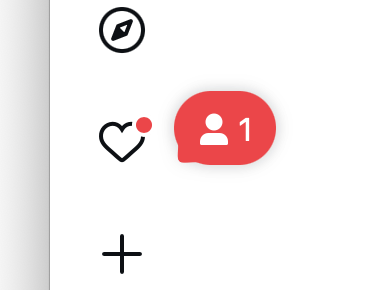
To me, a non-lawyer, much of the actual text of the ruling (PDF) explaining why this lawsuit was not immediately turfed on Section 230 grounds seems pretty reasonable. For example, the judge says “[u]nder the default settings, Meta enables approximately forty types of notifications” for the Instagram app, which the government alleges “is designed to overwhelm young users and compel them repeatedly to reopen Instagram”. We can argue whether this is a meaningful thing for a government to police or if it is just another example of Meta resorting to tacky growth-hacking techniques instead of trusting their product is sufficiently compelling on its own. (Most days when I open Instagram in my browser, it puts a red badge over the notifications tab and suggests I have one new follower. I do not; I never have. It lies to me every time, presumably because it knows most people, including me, will usually click on that, thereby increasing a number on a dashboard somewhere.)
couple weeks back, Jonathan Haidt published another entry in his ongoing campaign to convince the world that social media is inherently ruining kids’ lives. This one was a victory lap titled “Seven Lines of Evidence Against Social Media,” treating recent developments — including the social media addiction verdicts against Meta that most people are misunderstanding — as vindication of his thesis.
Indeed, the research repeatedly suggests that for the very small number of kids who are facing mental health problems and overrelying on social media in response, the answer is a targeted intervention to help those individuals — not a broad “ban kids from social media” program.
As novelas verticais já são um fenômeno à parte na América Latina, e a Apple parece estar ciente disso: brincando com o gênero, ela disponibilizou no seu canal do YouTube “Nido de Villanas”, uma micronovela mexicana dividida em 14 partes e filmada com o iPhone 17 Pro.
Cada um dos 14 episódios, com duração estimada de 2 minutos, faz uso dos principais recursos de gravação do iPhone, como o modo Ação (Action mode), o zoom óptico de 8x ou até mesmo o modo de câmera lenta do aparelho.
A Maçã compartilhou um vídeo apresentando a produção:
Com uma trama “repleta de ambição, segredos e traições, na qual quatro mulheres estão dispostas a fazer de tudo para ficar com a fortuna dos Iturribiaga”, “Nido de Villanas” oscila entre emular as novelas mexicanas — referência histórica do gênero — e apresentar as principais funcionalidades de vídeo disponíveis no iPhone 17 Pro.
Esse enquadramento em termos de formato, diga-se de passagem, proliferado especialmente por estúdios asiáticos em plataformas de vídeos curtos (como o TikTok ou o Kwai) movimenta uma indústria que disputa a longeva hegemonia das telenovelas.
Foi o suficiente para que conglomerados conhecidos por sua dominância no segmento, como a TV Globo (no Brasil) e a Televisa (no México), oferecessem suas contrapartidas na transformação pela qual as novelas passam diante da mudança de hábito de consumo na América Latina e em todo o mundo. A opção da Maçã, evidentemente, carrega menos desse peso, mas demarca um possível interesse de presença nesse mercado.
NOTA DE TRANSPARÊNCIA: O MacMagazine recebe uma pequena comissão sobre vendas concluídas por meio de links deste post, mas você, como consumidor, não paga nada mais pelos produtos/serviços usando os nossos links de afiliado.
Já compartilhamos muitos casos de vidas que foram salvas com a ajuda do Apple Watch, mas a maioria deles parte de relatos feitos pelos protagonistas (ou terceiros) nas redes sociais ou para publicações jornalísticas.
Desta vez, a própria Apple publicou em seu canal no YouTube o relato de um homem chamado Phil, que contou em um vídeo de pouco mais de meio minuto como o recurso SOS de Emergência do relógio salvou a sua vida.
Ele relatou estar pedalando em uma trilha com seus filhos pequenos quando calculou mal um salto e sofreu um acidente que o deixou desacordado — o que fez o Apple Watch detectar a queda e ligar imediatamente para a emergência.
“Só agradeço muito por estar usando o meu Apple Watch”, disse Phil, que foi resgatado pelos bombeiros e ficou internado por uma semana após quebrar a clavícula e sete costelas por causa do acidente.
Baita história, não?
Apple Watch Ultra 3
Cores: natural ou preto Pulseiras: loop Alpina, loop Trail, Oceano ou estilo milanês de titânio
Material: alumínio ou titânio Cores: cinza-espacial, prateado, ouro rosa, preto brilhante, natural, dourado ou ardósia Tamanho: 42mm ou 46mm Conectividade: GPS ou GPS + Cellular Pulseiras: esportiva ou estilo milanês
NOTA DE TRANSPARÊNCIA: O MacMagazine recebe uma pequena comissão sobre vendas concluídas por meio de links deste post, mas você, como consumidor, não paga nada mais pelos produtos/serviços usando os nossos links de afiliado.
Grande parte dos vídeos que consumimos hoje vai muito além do entretenimento. Tutoriais técnicos, palestras públicas, demonstrações de produtos, treinamentos corporativos, webinars, apresentações de eventos e materiais educativos fazem parte da rotina de estudantes, profissionais e empreendedores.
Em muitos momentos, ter acesso a esse conteúdo mesmo sem conexão com a internet pode fazer toda a diferença. Mas surge uma dúvida comum: vale mais a pena utilizar uma ferramenta que funciona diretamente no navegador ou um aplicativo dedicado?
A resposta depende principalmente da forma como cada pessoa utiliza seus dispositivos e organiza seu fluxo de trabalho.
Quando uma ferramenta baseada no navegador faz mais sentido
As soluções que funcionam diretamente no navegador conquistaram muitos usuários por eliminarem uma etapa importante: a instalação.
Em poucos segundos, é possível abrir a ferramenta, utilizar seus recursos e continuar trabalhando, independentemente do computador ou do dispositivo utilizado.
Essa praticidade costuma ser especialmente útil para quem precisa acessar conteúdos em diferentes dispositivos sem depender da instalação de programas.
Acompanhar palestras e conferências online;
Consultar tutoriais técnicos durante o trabalho;
Revisar treinamentos profissionais;
Utilizar computadores compartilhados;
Alternar frequentemente entre computador, tablet e smartphone.
Nesses casos, um baixador de vídeos do YouTube baseado no navegador permite abrir a ferramenta rapidamente e acessar conteúdos públicos de forma simples, independentemente do sistema operacional utilizado.
Outro benefício importante é a compatibilidade. Como o acesso acontece pelo navegador, a experiência permanece semelhante em diferentes sistemas operacionais, facilitando o uso em qualquer dispositivo.
Quando um aplicativo pode ser a melhor escolha
Embora as ferramentas baseadas no navegador sejam extremamente práticas, existem situações em que um aplicativo dedicado oferece uma experiência diferente.
Usuários que acessam frequentemente os mesmos materiais, organizam conteúdos por categorias ou preferem manter tudo disponível em um único ambiente costumam valorizar recursos adicionais de organização e gerenciamento.
Nesse contexto, soluções como a Muka representam uma alternativa interessante para quem prefere utilizar um aplicativo em vez do navegador. Dependendo da rotina de cada pessoa, esse tipo de abordagem pode tornar o acesso aos conteúdos mais conveniente.
Além disso, aplicativos costumam facilitar a organização de arquivos locais e oferecer acesso rápido aos materiais utilizados com maior frequência.
Não existe uma solução única
Na prática, o navegador e o aplicativo resolvem necessidades diferentes.
Imagine alguns exemplos:
Um estudante universitário utiliza o computador da biblioteca para revisar uma palestra antes de uma prova.
Um empresário salva uma apresentação sobre marketing digital para consultar durante uma viagem.
Um técnico acompanha demonstrações de equipamentos enquanto trabalha em locais onde a conexão nem sempre é estável.
Outro profissional prefere manter seus materiais organizados em um aplicativo para encontrá-los rapidamente sempre que necessário.
Todos possuem objetivos semelhantes, mas desenvolvem hábitos diferentes para acessar seus conteúdos de referência.
O fator mais importante é a praticidade
Ao escolher uma solução, muitas pessoas concentram a atenção apenas nas funcionalidades. Entretanto, a facilidade de acesso costuma ser igualmente importante.
Se o objetivo é consultar rapidamente um material de referência, quanto menos etapas existirem entre o usuário e o conteúdo, melhor será a experiência.
Por isso, ferramentas baseadas no navegador continuam sendo uma excelente opção para quem valoriza simplicidade e acesso imediato, enquanto aplicativos podem oferecer uma experiência mais organizada para quem consulta os mesmos conteúdos com frequência.
Conclusão
O crescimento dos conteúdos digitais mudou a forma como aprendemos, trabalhamos e compartilhamos conhecimento. Palestras, treinamentos, demonstrações técnicas, apresentações profissionais e outros materiais de referência tornaram-se recursos importantes para milhões de pessoas.
Escolher entre uma ferramenta baseada no navegador ou um aplicativo dedicado não significa decidir qual tecnologia é superior, mas identificar qual delas se adapta melhor ao seu dia a dia.
Quando a solução acompanha a maneira como utilizamos nossos dispositivos, acessar conteúdos importantes offline torna-se um processo mais simples, eficiente e conveniente.
Can’t stream a YouTube video on a plane? Worried that a rare concert recording will disappear? Need to edit a clip for a presentation? Here’s why TidBITS Talk readers download YouTube videos—and which apps they recommend.
Indulging in the “Dark Souls of synthesis.” | Image: Aleksander Stojanov / Hainbach
Stefan Paul Goetsch, better known as Hainbach, is a German experimental composer, artist, and YouTuber who is perhaps most famous for making music with laboratory equipment and scientific instruments. He describes it as being like the "Dark Souls of synthesis." Despite using "hard mode" production techniques that often rely on telephone line testing equipment and gear salvaged from nuclear testing facilities, Hainbach is also incredibly prolific, releasing six albums in 2025 alone, along with a handful of singles and EPs. His latest, Gentle Hum, is a collaboration with Ah! Kosmos (Turkish composer, Başak Günak). The album is a melancholic co …
Do Instagram ao YouTube, as gigantes tecnológicas antecipam as férias de verão para dar aos pais maior controlo e segurança das atividades dos seus filhos nas redes sociais.
Está a meio de uma tarefa no computador, mas não quer perder um vídeo do YouTube? A boa notícia é que não precisa de escolher. Os principais browsers já dispõem de uma funcionalidade integrada que abre uma janela flutuante para reproduzir vídeos do YouTube, enquanto trabalha noutras aplicações.
You have to be over 18 and already be connected with the person you want to chat with on other messaging platforms. | Illustration by Alex Castro / The Verge
YouTube is reintroducing private messaging after testing new ways for users to share videos and "have conversations about them" last year. In an announcement on its official blog, YouTube says it's now starting to expand the in-app video sharing and messaging feature to users in the US and "other global regions" who are 18 or older.
The video sharing platform had previously introduced private messaging in 2017, before discontinuing it just two years later to focus on public conversations like the Instagram-like Stories feature - which it also killed in 2023. When it started testing its latest in-app messaging capabilities in November 2025, …
A group of independent musicians is suing Google claiming it trained Lyria on their uploads. | Image: Cath Virginia / The Verge
If you've uploaded a song to YouTube, Google almost certainly considers your video fair game for training its Lyria music AI, it just won't admit it right now.
Their lawsuit is based on the unsupported hypothesis that Google trained on their specific works. Even accepting their untested allegations as fact, the Complaint cannot stand. Plaintiffs each granted YouTube, and Google - which provides the service-a broad license to use the uploaded con …
A mudança surge numa altura em que as ferramentas de geração de imagem e vídeo estão a tornar-se cada vez mais realistas, dificultando a distinção entre o que é verdadeiro e o que foi produzido por algoritmos.
AI content creation tools like Google's new Omni model threaten to make reality even harder to discern from AI fantasy, but YouTube is taking an important step toward verifying video origins. After debuting wishy-washy AI content labeling in 2024, Google will begin using more prominent labeling for AI videos, and the site will no longer rely entirely on uploaders to divulge when they use AI tools to create a video.
When YouTube first attempted to tackle the identification of AI videos in 2024, it was almost gratuitous. AI videos at the time nearly always outed themselves by looking bizarre or disjointed. In just a few years, AI models like Seedance, Runway, and Google's own Veo have raised the bar for realism and consistency in AI video—the spaghetti is more accurate than ever.
Recognizing that, YouTube is making the AI labels more prominent and automating part of the process. Creators are still required to indicate when uploading videos if they were created with the help of AI tools. However, uploaders didn't have any incentive to be honest about that before. Starting this month, YouTube will use "new internal signals" to flag AI content. This will apparently apply to videos that show "significant photorealistic AI use."

 Login