❌

Reading view

Como mudar a aparência do Pixelmator Pro no Mac

Além de alterar a cor do fundo da janela do aplicativo Pixelmator Pro dos Macs, a Apple também permite realizar outra forma de personalização visual.

Trata-se da possibilidade de alterar a aparência do app — que pode ou não corresponder à aparência que você já usa no macOS em geral: escura, clara ou automática, esta última variando de acordo com a hora do dia.

Veja como é simples escolher isso! 💻

Com o Pixelmator Pro aberto, vá até Pixelmator Pro » Ajustes… na barra de menus, ou utilize o atalho de teclado ⌘ command ,.

Com a aba “Geral” selecionada, escolha entre uma das três opções oferecidas: “Escura”, “Clara” ou “Automática”.

  •  

Como aumentar a resolução de uma imagem no Pixelmator Pro para Mac

Com o Pixelmator Pro e uma assinatura do Apple Creator Studio, o processo de edição de imagens fica muito mais fácil e eficaz, graças às ferramentas avançadas disponibilizadas.

Uma dessas ferramentas é a Super resolução (Super Resolution). Com ela, é possível ampliar qualquer foto, ao mesmo tempo que se tenta preservar a nitidez e os detalhes.

Veja como usar isso no Mac! 👨‍💻

Com o app aberto, selecione a imagem desejada. Em seguida, siga um dos procedimentos a seguir:

  • Clique nos três pontinhos (no canto superior direito) e vá até “Super resolução”;
  • Na barra de menus, vá até Imagem » Super resolução;
  • Use o atalho de teclado ⌥ option ⌘ command U.

  •  

Como alterar/personalizar o espaço de trabalho no Pixelmator Pro para Mac

Com o aplicativo Pixelmator Pro, donos de Macs podem editar as suas fotos usando as inúmeras ferramentas avançadas disponibilizadas.

Para que esse processo de edição seja o melhor possível, o app possibilita que você escolha um dos diversos layouts de trabalho disponibilizados — como os otimizados para fotografias, design e ilustração, por exemplo.

Mais do que isso, você pode configurar um layout de espaço de trabalho personalizado e salvá-lo como uma predefinição.

Veja como fazer isso a seguir! 👨‍💻

Com o Pixelmator Pro aberto, vá até Pixelmator Pro » Ajustes…, na barra de menus, ou utilize o atalho ⌘ command ,.

Vá até a aba “Espaço de trabalho” e escolha um dos layouts. Ou, se quiser criar um novo espaço, selecione o “+”, insira um nome para o espaço de trabalho e clique em “Renomear”.

Clique duas vezes na miniatura do novo espaço de trabalho, arraste os elementos delineados em azul para a nova posição e clique em “OK”.

  •  

Como alterar a cor de fundo da janela de edição no Pixelmator Pro para Mac

Depois de a sua desenvolvedora ser adquirida pela Apple em 2024, o Pixelmator Pro passou a integrar o pacote de aplicativos de criação Apple Creator Studio, que também traz o Final Cut Pro, o Logic Pro e outros.

Se você utiliza esse app para editar fotos, projetar e ilustrar, uma dica bem simples pode lhe interessar. Trata-se da possibilidade de alterar a cor do fundo da janela do Pixelmator Pro — podendo definir o quão clara ou escura ela será.

Veja como escolher! 😉

Com o app aberto no seu Mac, vá até Pixelmator Pro » Ajustes…, na barra de menus, ou use o atalho ⌘ command ,.

Clique na aba “Geral” e use o menu suspenso ao lado de “Fundo da janela” a fim de escolher uma das opções: “Padrão”, “Branco”, “Cinza claro”, “Cinza”, “Cinza médio”, “Cinza escuro” ou “Preto”.

Abaixo, um exemplo de como fica na opção “Cinza claro”:

Como você prefere usar aí? 😉

  •  
  •  

Wally Funk, last of Mercury 13 and oldest woman in space, dies at 87

Wally Funk, who in 2021 became the oldest woman to fly into space—60 years after she and 12 other women sought the same opportunity as NASA's original astronauts—died on Wednesday at 87 years old.

Funk was the last living member of the First Lady Astronaut Trainees (FLATs, or as they were later dubbed by the media, the Mercury 13), a group of women pilots who volunteered to go through the same physical and psychological tests as the United States' first spacemen.

Despite performing as well or better than their male counterparts, though, the Lovelace Woman in Space Program was conducted separately from NASA, and the space agency required that its astronauts be test pilots with jet time. The US military, however, did not accept women into its flight programs.

Read full article

Comments

© Blue Origin

  •  

Steamy Nights at the Galactic Equator

Here's an observing guide to both familiar and lesser-known deep-sky objects that inhabit our galaxy's equatorial zone.

The post Steamy Nights at the Galactic Equator appeared first on Sky & Telescope.

  •  

Scientists Used Water to Uncover a Strange, ‘Invisible’ Quantum Phenomenon That Remained Elusive for Decades

A team of physicists set out to recreate a 60-year-old quantum mystery using a large water tank. While their experiment produced the expected results, it also revealed an unexpected behavior in the water.

The experiment centered on the Aharonov–Bohm effect, a strange quantum phenomenon where electrons respond to a magnetic field even when they never actually pass through it. First predicted back in 1959, this effect has been notoriously difficult to confirm because the changes it causes in electron waves are incredibly subtle.

Instead of using electrons and a particle accelerator, researchers from the Okinawa Institute of Science and Technology (OIST), along with collaborators in Oslo and Chile, recreated the effect using water waves, making an otherwise invisible quantum effect visible in a tabletop experiment. The team reported their findings in Communications Physics.

A 1980 Idea Gets a Modern Upgrade

In 1980, physicist Michael Berry showed that classical systems could model the Aharonov–Bohm effect. In this analogy, a vortex at the center of a water tank replaces the solenoid that creates a magnetic field in the quantum experiment. Water waves take the place of electrons. When these waves travel around the vortex, rather than through it, they acquire a measurable distortion. This appears as a pitchfork-shaped pattern in the wave fronts, showing that the vortex changes the phase of the waves without direct contact. The OIST team extended the approach by testing a new scenario.

“With waves traveling the opposite direction, you see a mirror image pattern,” says Jonas Rønning, co- author and former postdoc in the OIST unit. “The question for us was, what happens if you send waves from both directions at the same time? We thought that the patterns might cancel each other out, or both pitchfork-like patterns would be visible, but our intuition was completely wrong.”

Two Waves Walk Into a Vortex

The researchers constructed a custom tank, created a vortex at its center, and sent waves from opposite sides to meet in the middle. They used a high-speed camera to observe how the waves interacted on the water’s surface.

Without a vortex, the peaks and troughs remain in place. When the vortex is there, the standing wave breaks down. The vortex shifts the phase of the waves as they travel around it, altering the standing-wave interference pattern and creating rotating nodal lines. These are lines of momentarily flat water that spiral outward and turn in the opposite direction of the vortex.

“This was something new and unexpected,” says Aditya Singh, a PhD student in the Nonlinear and Non-equilibrium Physics Unit and co-first author of the study. “That’s what makes this fluid analogue system so valuable. It reveals topological effects — wave behaviors that occur across the whole system — that can’t be seen in quantum experiments.”

At first, the team suspected their equipment was causing the rotating lines. However, the same pattern also appeared in their computer simulations.

“When we first saw these lines, we thought they were an experimental artifact,” Singh says. “But when we also saw them in our simulations, we dropped everything and quickly worked out the mathematics underlying how they arise.”

More Speed, More Lines

As the strength of the vortex increased, more rotating nodal lines appeared, always moving in the direction opposite to the vortex. The study showed that the number of lines is quantized, meaning it is fixed to whole-number values determined by the vortex’s circulation. In other words, the topology of the vortex determines how many rotating nodal lines appear. This effect was observed across the entire wave field, not just near the vortex core as earlier models suggested.

This finding differs from Berry’s original experiment, which observed changes only near the vortex. In this case, the researchers discovered a non-local effect, a pattern that covers the entire system and depends on the overall setup. Instead of being limited to the area near the vortex, the rotating nodal lines appeared throughout the whole standing-wave pattern.

Although the practical uses of these newly discovered nodal patterns are not yet clear, the study shows that simple classical systems can reveal behaviors that are challenging to observe in quantum experiments. By making these effects visible, the researchers plan to explore more complex wave systems that could offer new insights into superconductivity and other quantum phenomena.

“One direction is to make the system more complex by introducing multiple vortices and arranging them into a lattice,” senior author Mahesh Bandi says. “That setup would mirror conditions in some superconducting materials, with the water waves behaving like a supercurrent. We don’t yet know what we’ll see — and that’s exactly what makes it worth doing.”

Austin Burgess is a writer and researcher with a background in sales, marketing, and data analytics. He holds an MBA, a Bachelor of Science in Business Administration, and a data analytics certification. His work focuses on breaking scientific developments, with an emphasis on emerging biology, cognitive neuroscience, and archaeological discoveries.

  •  

Cytoskeletal Oscillator Drives Neuronal Polarity Formation Intrinsically

A groundbreaking study unveils how the ARP2/3 complex orchestrates the dynamic behavior of neurites, providing fresh insights into neuronal growth and polarity. Researchers utilized advanced optogenetic tools to manipulate RAC1, an upstream regulator of ARP2/3, revealing spatially distinct roles of actin assembly in neuronal morphology.

By employing photoactivatable RAC1 (PA-RAC1), the team demonstrated that ARP2/3-mediated actin assembly at neurite tips promotes growth cone activation and neurite extension. Local activation of PA-RAC1 triggered robust growth cone dynamics, driving neurite elongation. Conversely, activation of a dominant-negative RAC1 mutant led to collapse of the growth cone and neurite retraction, underscoring ARP2/3’s role in sustaining neurite advancement.

Intriguingly, PA-RAC1 activation at the soma induced lamellipodia formation reminiscent of nascent actin waves, which were associated with neurite retraction events. This phenomenon mirrored intrinsic cellular behaviors where somatic actin waves correspond with retracting neurites. The study elegantly showed that the emergence of these waves reduced somatic actin patch intensity, indicating a tightly regulated cytoskeletal oscillator mechanism.

The authors further explored the effects of ARP2/3 inhibition using CK-666 perfusion at distinct cellular locales. When applied over the soma and proximal neurites, CK-666 induced neurite retraction, whereas neurites outside this region continued growing unabated. Notably, actin waves were initiated in neurites outside the inhibited zone, propagating retrogradely toward the soma but dissipating upon entering CK-666-exposed areas. This highlights a spatial dependence of ARP2/3 activity for wave initiation and propagation.

Remarkably, simultaneous activation of PA-RAC1 at multiple growth cones revealed competitive dynamics in actin assembly, with enhanced growth cone activity limited to one or two sites. This suggests an intrinsic cellular mechanism balancing cytoskeletal resources and neurite growth across the complex neuronal arborization.

Together, these findings articulate a dual role for ARP2/3: driving actin wave initiation at the soma that triggers neurite retraction, and supporting growth cone expansion at neurite tips to promote extension. This oscillatory interplay mediated by ARP2/3 and RAC1 underscores the cytoskeleton’s fundamental role in establishing neuronal polarity.

This study not only provides a mechanistic framework for how neurons spatially regulate growth and retraction but also suggests that intrinsic cytoskeletal oscillators underpin the dynamic remodeling necessary for proper neuronal circuit formation. These insights pave the way for future investigations into cytoskeletal dysregulation in neurodevelopmental disorders and neuronal regeneration strategies.

The precise spatial control of actin dynamics mediated by ARP2/3 complex activity advances our understanding of neuronal development, highlighting how local cytoskeletal modulators can dictate overall neuronal architecture through oscillatory growth behaviors.


Subject of Research: Neuronal cytoskeletal dynamics and polarity establishment

Article Title: An intrinsic cytoskeletal oscillator establishes neuronal polarity

Article References:
Lin, Tc., Coles, C.H., Alfadil, E. et al. An intrinsic cytoskeletal oscillator establishes neuronal polarity. Nature (2026). https://doi.org/10.1038/s41586-026-10755-6

Image Credits: AI Generated

DOI: https://doi.org/10.1038/s41586-026-10755-6

  •  

Scientists turn wood into a super insulator that could strengthen the power grid

As demand for electricity continues to rise because of data centers, electric vehicles, and renewable energy, the world’s aging power grid is facing increasing pressure. One of the biggest concerns is the reliability of power transformers, the large devices that help move electricity around the grid. Now, an international team of researchers has developed a […]

The post Scientists turn wood into a super insulator that could strengthen the power grid appeared first on Knowridge Science Report.

  •  

Vibe-decoding the White House-Anthropic fight over Fable

CEO of Anthropic Dario Amodei attends a working lunch with G7 leaders, G7 outreach partners, and global tech CEOs on innovation and AI, during the G7 Summit on June 17th, 2026, in Evian-les-Bains, France. | Photo: Anna Moneymaker / Getty Images

Hello and welcome to Regulator, an email for Verge subscribers about technology, politics, and what happens when science crashes headlong into self-interest. Not a subscriber? Sign up here today! Got the scoop on a petty feud that's going to somehow fundamentally reshape the entire field of frontier AI development? Send 'em over to tina.nguyen+tips@theverge.com.

Back when I was covering Donald Trump's first presidency, it was incredibly common to read three different versions of the same story. His administration had split into several factions, all of which had different interests, and all of which hated each other. There was the Reince Pr …

Read the full story at The Verge.

  •  

Wireless, Light-Activated Bioresorbable Stimulation Device

In a groundbreaking advancement that could reshape the landscape of bioelectronic medicine, researchers have developed a wirelessly powered, bioresorbable electrical stimulation system with unprecedented programmable control over stimulation waveforms. This innovation integrates tissue-penetrating near-infrared (NIR) light to modulate electrical currents with precision, harnessing a novel bioresorbable silicon phototransistor as the cornerstone of its operation. Pioneering beyond earlier monophasic pulse devices, this technology allows for the delivery of monophasic, biphasic, and polyphasic stimulation patterns, significantly enhancing the versatility and therapeutic potential of implantable electrical stimulators designed to dissolve harmlessly after use.

Traditional electrical stimulators implanted in biological tissues have largely relied on wired connections or bulky batteries, impeding patient mobility and often necessitating additional surgeries for device removal. Bioresorbable devices emerged as a solution to these challenges by safely degrading in the body over time, eliminating the risks associated with permanent implants. However, these earlier systems primarily delivered monophasic pulses, limiting therapeutic precision and adaptability in complex treatments. The innovation reported by Kim, Seo, Wang, and colleagues introduces a new paradigm by integrating wireless power transfer via NIR light and programmable waveform control within a fully bioresorbable platform, thus extending the functional range and easing the clinical management of bioelectronic therapies.

Central to this system is the incorporation of bioresorbable silicon phototransistors engineered to serve as optoelectronic modulators within the electrical circuitry. When illuminated by externally applied near-infrared light that penetrates deep into biological tissues, these phototransistors effectively adjust current flows at critical circuit nodes. This optical modulation capability replaces conventional electronic control elements, which often rely on persistent power sources or invasive wiring, thereby enabling the device to operate autonomously while still allowing fine-tuning of stimulation parameters through non-contact optical inputs.

The adoption of near-infrared light as the wireless power and control mechanism is particularly significant. NIR light possesses the ability to penetrate through several centimeters of tissue without causing damage, providing a safe and efficient transmission channel between the external controller and the implanted device. This feature supports programmability in situ, empowering clinicians to tailor electrical stimulation waveforms dynamically after device implantation. Precisely controlling the shape, amplitude, and timing of the electrical pulses is crucial for optimizing therapeutic outcomes in applications such as neuroregeneration and cardiac pacing.

The research team demonstrated the remarkable versatility of their bioresorbable system by successfully delivering a variety of stimulation waveforms. Monophasic pulses, which are unidirectional current flows, serve as a baseline therapy. More complex biphasic and polyphasic waveforms, which alternate current direction and comprise multiple phases respectively, have been shown to minimize tissue damage and improve efficacy in various biosignaling contexts. The ability to generate these sophisticated patterns expands the therapeutic range of the device, potentially enabling treatments that were previously inaccessible using bioresorbable technologies.

In demonstrating practical utility, the device was tested in both small and large animal models, validating its capacity for clinically relevant electrical stimulation regimes. The system was effectively employed in single- and dual-chamber cardiac pacing, a critical intervention for managing arrhythmias and heart block. Through controlled electrical stimulation, the device could synchronize cardiac contractions, a feat crucial for restoring efficient cardiac output. These trials highlight the translational potential of the technology for future human applications, situating it as a promising alternative to current electronic pacemakers that require permanent implantation and battery replacements.

Further extending the functional scope, the researchers utilized the bioresorbable stimulator to activate phrenic neuromuscular pathways to either induce or block diaphragmatic movements. The phrenic nerve controls diaphragmatic excursion, essential for respiration, and its modulation has significant implications for respiratory therapies, such as in patients with spinal cord injuries or central hypoventilation syndromes. By enabling wireless, programmable neurostimulation of the phrenic nerve, the technology offers a minimally invasive approach to manage life-sustaining respiratory functions, with the added benefit of device degradation after the therapeutic window.

The bioresorbable nature of the silicon phototransistors and associated electronics assures that after fulfilling their therapeutic role, the devices gradually dissolve into biocompatible byproducts. This process circumvents the complications related to device explantation surgeries, reducing patient risk and healthcare costs. Moreover, the materials chosen minimize inflammatory responses and tissue irritation, facilitating seamless integration with host biology during the operational phase.

The engineering behind this system represents an intersection of materials science, optoelectronics, and biomedical engineering. The architecture leverages the semiconducting properties of silicon in thin-film, bioresorbable form, combined with circuit design optimized for minimal power consumption and maximal efficiency during NIR irradiation. These multidisciplinary innovations collectively overcome longstanding barriers in the fabrication of transient electronic implants capable of sophisticated programmable functionality.

Controlling the stimulation waveforms via light permits remote adjustment without physical connections, paving the way for real-time therapeutic modulation responsive to patient status or physiological signals. Future iterations could incorporate feedback mechanisms by integrating bioresorbable sensors that monitor tissue response, creating closed-loop systems for personalized medicine. This dynamic adaptability could be transformative in managing chronic conditions requiring variable and responsive electrical stimulation protocols.

This research also addresses one of the fundamental challenges of implantable devices: power delivery. The optical wireless power transfer circumvents the need for bulky batteries or explant procedures, offering renewed device miniaturization potential. Coupled with programmable phototransistors, these innovations enable multifunctional implants that conform to soft tissues and degrade harmlessly, a trifecta crucial for implantation in sensitive organs like the heart and nervous system.

The ability to deliver polyphasic waveforms through a single bioresorbable receiver unit is particularly noteworthy. Conventionally, generating these complex waveforms requires sophisticated circuitry and stable power sources, neither of which are trivial to implement in resorbable devices. The research showcases how optical control unlocks this capability without sacrificing bioresorbability or wireless operation, representing a paradigm shift in transient biomedical electronics.

The successful application of this device in large animal cardiac models bridges a critical gap toward clinical translation. Such models replicate human physiological scales and complexities far more closely than small animals, validating both the efficacy and safety of the system under conditions analogous to human therapies. This demonstration is an essential milestone on the path toward human clinical trials and eventual regulatory approval.

Moreover, the phrenic nerve stimulation experiments illustrate the broader applicability beyond cardiac pacing. Neuromuscular control via electrical stimulation has vast clinical relevance, from restoring motor function to modulating organ systems. The biodegradable, wireless nature of this system makes it especially suited for temporary therapeutic interventions, such as post-surgical recovery or transient disease states, where permanent implants would be unnecessary or undesirable.

While this work represents a major leap forward, ongoing challenges remain, including further optimization of device longevity relative to treatment durations, refinement of light delivery systems to maximize tissue penetration and minimize off-target effects, and integration with advanced biocompatible materials to tailor resorption timelines. Addressing these will be key to broadening the range of clinical applications and ensuring patient safety across diverse scenarios.

Overall, this wirelessly powered, light-controlled, bioresorbable stimulation system emerges as a versatile platform poised to transform bioelectronic therapies. Its elegant combination of programmable polyphasic waveform delivery, wireless operation via near-infrared light, and full bioresorbability addresses critical limitations of current implantable stimulators. By enabling sophisticated, minimally invasive, and transient electrical stimulation paradigms, this technology advances the frontiers of regenerative medicine, cardiac therapy, and neuromodulation, marking a significant milestone in the evolution of biomedical devices.

Subject of Research: Wireless bioresorbable electrical stimulation device with programmable waveform control using near-infrared light

Article Title: A wirelessly powered, light-controlled, bioresorbable stimulation system with programmable polyphasic waveforms

Article References:
Kim, J.U., Seo, S.G., Wang, H. et al. A wirelessly powered, light-controlled, bioresorbable stimulation system with programmable polyphasic waveforms. Nat Electron (2026). https://doi.org/10.1038/s41928-026-01655-8

Image Credits: AI Generated

DOI: https://doi.org/10.1038/s41928-026-01655-8

  •  

NASA’s X-59 Reaches Speed, Altitude for Future Quiet Supersonic Flights

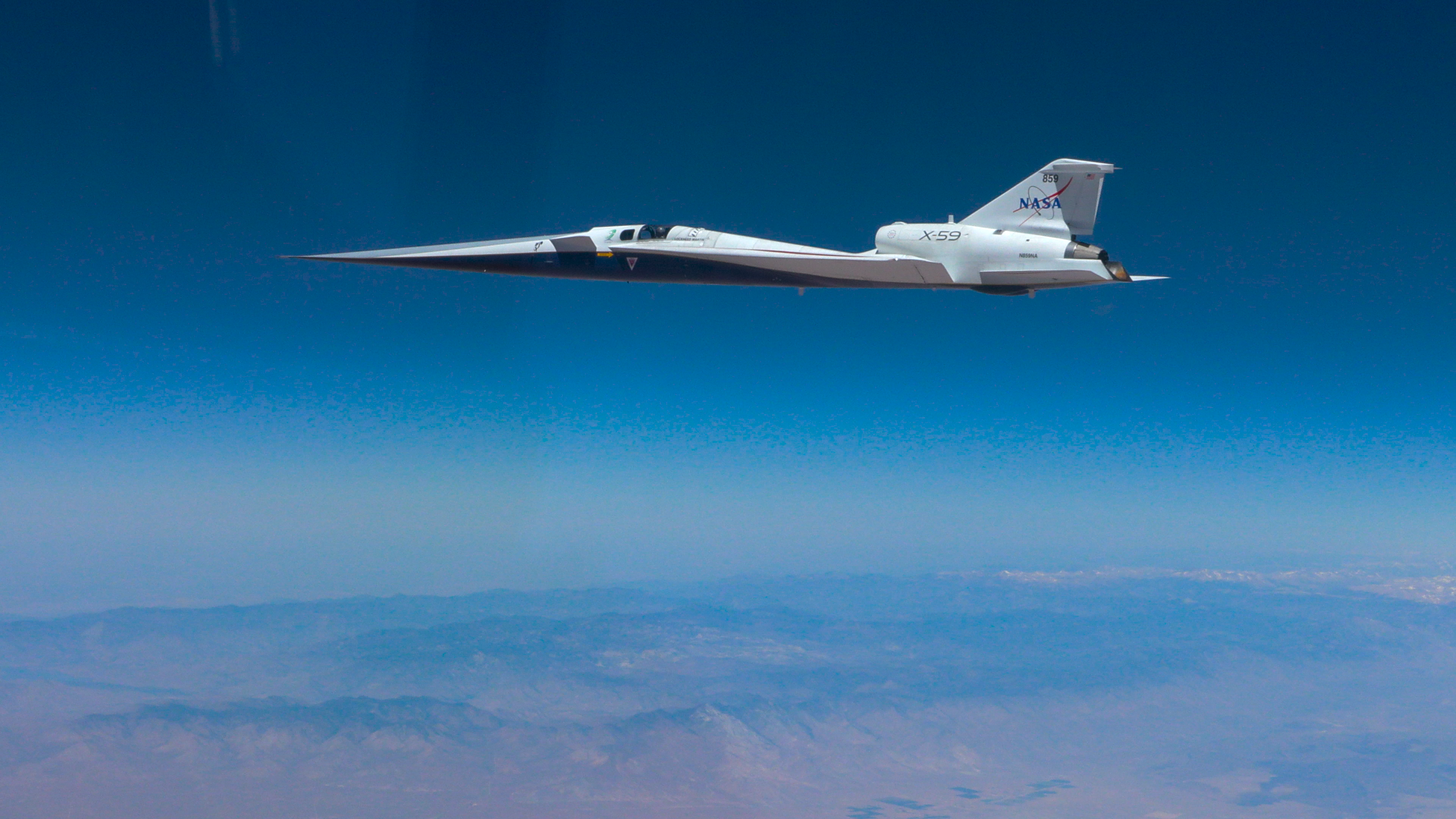
The X-59 in flight on June 12, 2026 against a blue sky.
NASA’s X-59 quiet supersonic research aircraft reached its target speed and altitude for future community overflights for the first time during a flight on Friday, June 12, 2026. The milestone marked the first time the aircraft flew at Mach 1.4 and 55,000 feet — conditions it will fly when gathering community response data to its quiet sonic thump.
NASA/Lori Losey

NASA’s X-59 experimental aircraft reached a major milestone Friday, June 12, flying Mach 1.4 (about 924 mph) and an altitude of 55,000 feet, the conditions required for the aircraft to make future flights critical to its mission.  

The X-59 still has months of performance testing ahead, but after those are complete, NASA’s Quesst mission will fly the aircraft over several U.S. communities to collect data on public perception of the quiet sonic thump it will make at supersonic speeds. Those community overflights will include flights at Mach 1.4 and 55,000 feet. 

The milestone comes just days after the X-59’s first supersonic flight. That flight showed the aircraft performed as expected at Mach 1.1, but Friday’s mission conditions flight was an even more critical step for NASA. 

The aircraft’s team has steadily expanded the aircraft’s flight envelope by evaluating its performance at a variety of speeds and altitudes, and having its pilots take on a battery of maneuvers.  

Photo of the XVS screen on the X-59 showing Mach 1.4 at 55,030 was achieved.
NASA’s X‑59 eXternal Vision System (XVS) shows Mach 1.4 at 55,030 feet on Friday, June 12, 2026 during the aircraft’s first mission conditions flight, the approximate conditions it will fly when gathering community response data to its quiet “sonic thump.” The milestone marks the first time the aircraft flew at its designed speed and altitude.
NASA/Lori Losey

The X-59 was designed to fly supersonic without causing a loud sonic boom. However, for these early supersonic flights it has been accompanied by a NASA F-15 research aircraft, a traditional supersonic jet that causes booms obscuring any noise the X-59 makes. During upcoming flights, a shock-sensing probe mounted to the F-15 will gather measurements of the X-59’s shock wave signature, an early measure of its supersonic performance. 

After the team conducts more tests at a variety of altitudes and conditions to complete envelope expansion, the X-59 will enter the acoustic validation phase of Quesst. During this phase, researchers will thoroughly measure the aircraft’s supersonic acoustic signature — the quiet thump it’s designed to make — to confirm it is performing as intended. 

Each flight brings NASA one step closer to flying the X-59 over communities and gathering feedback that could help shape the future of commercial supersonic flight over land. 

More X-59 to Explore

quesst-logo-horizontal-051826sm

Read more on the Quesst mission page.

The post NASA’s X-59 Reaches Speed, Altitude for Future Quiet Supersonic Flights appeared first on NASA Science.

  •  

The future of AI regulation is courting the strangest, most anxious bedfellows

(L-R) Sen. Mike Rounds, Pamela Brown, Chris Malachowsky, Kevin O'Leary, Gabriele Caccia, Tammy Haddad, Michele L. Jawando, Sen. Mark Warner, Michael Kelly and Major General Patrick Ellis attend the Second Annual AI Honors. | Getty Images for Washington AI N

Hello and welcome to Regulator, a newsletter for Verge subscribers about tech politics, tech influence, and tech shenanigans in Washington, DC. (If you're not a subscriber, you can get on board here.) We're back after a two-week hiatus, during most of which I was gallivanting in the Netherlands for a family wedding, and a trip to the Heineken Experience, which is, truly, an ~experience~.

Before I left, I asked everyone in Washington to please chill out while I was gone. This clearly did not happen, and I have returned to a political landscape that can be best described as that meme from Community where the room is on fire. Let's get into th …

Read the full story at The Verge.

  •  

NASA’s X-59 Flies Supersonic for First Time 

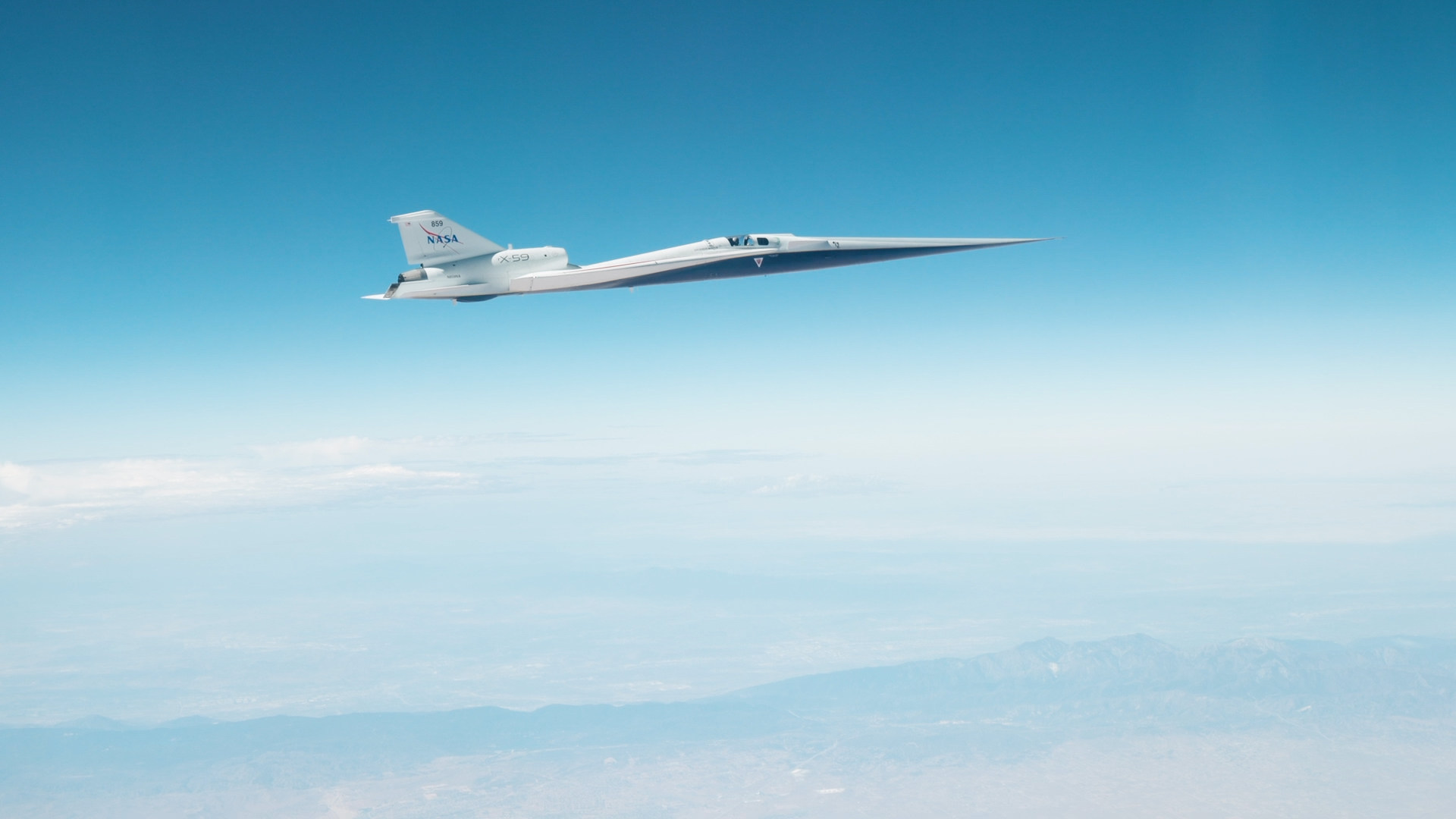
NASA’s X-59 quiet supersonic research aircraft flies above the clouds during its first supersonic flight. The aircraft is shown in side profile during level flight with desert and mountain terrain visible below.
NASA’s X-59 quiet supersonic research aircraft completed its first supersonic flight Friday, June 5, 2026, marking the first time the aircraft exceeded the speed of sound in support of NASA’s Quesst mission. The milestone represents a major step in flight testing as the aircraft expands into the supersonic portion of its flight envelope.
NASA/Lori Losey

NASA’s X-59 experimental aircraft reached a major milestone Friday, June 5, when it flew faster than the speed of sound for the first time.  

The 81-minute flight achieved a speed of Mach 1.1 (approximately 713 mph) at an altitude of 43,400 feet, with the X-59 performing as expected. For NASA test pilot Jim “Clue” Less, the plane’s instruments were the only indication of flying supersonic — exactly what the team wanted. 

“You know you are supersonic when gauges say you are supersonic. I didn’t feel anything,” Less said. “It went smoothly, and we easily got to Mach 1.1.” 

The X-59 is designed to fly at supersonic speeds while creating only a quiet thump instead of a loud sonic boom. For this flight, a NASA F‑15 chase plane flew nearby to monitor the test. Its loud sonic booms obscured any sound made by the X-59. The X-59 will conduct flights focused on its sound profile during a later phase of testing. 

Now that the X-59 has officially kicked off supersonic flight tests, the next big step is its first mission conditions flight. During this test, the X-59 will fly at the same speed and altitude planned for future tests, where the aircraft will fly over several U.S. communities to gather data from people on the ground about its noise levels: Mach 1.4 (925 mph) at 55,000 feet.  

“The plane wants to go faster, and we are looking forward to that,” Less said. 

The X-59 is the centerpiece of NASA’s Quesst mission, which aims to demonstrate quieter supersonic flight and to help enable commercial supersonic flight over land.  

This flight was also the first time the X‑59 appeared in NASA’s flight tracker.

More X-59 to Explore

quesst-logo-horizontal-051826sm

Read more on the Quesst mission page.

The post NASA’s X-59 Flies Supersonic for First Time  appeared first on NASA Science.

  •  
❌