❌

Reading view

Apple teria descartado dois modelos do Mac Pro, incluindo um com chip Intel

Na edição mais recente da sua newsletter “Power On”, o jornalista da Bloomberg Mark Gurman comentou sobre os planos da Apple envolvendo o Mac Pro antes de anunciar a sua descontinuação no início do ano — incluindo dois modelos descartados e variantes ainda mais poderosas dos chips Apple Silicon do que as da linha Ultra — e a implementação da inteligência artificial (IA) no atendimento do Genius Bar.

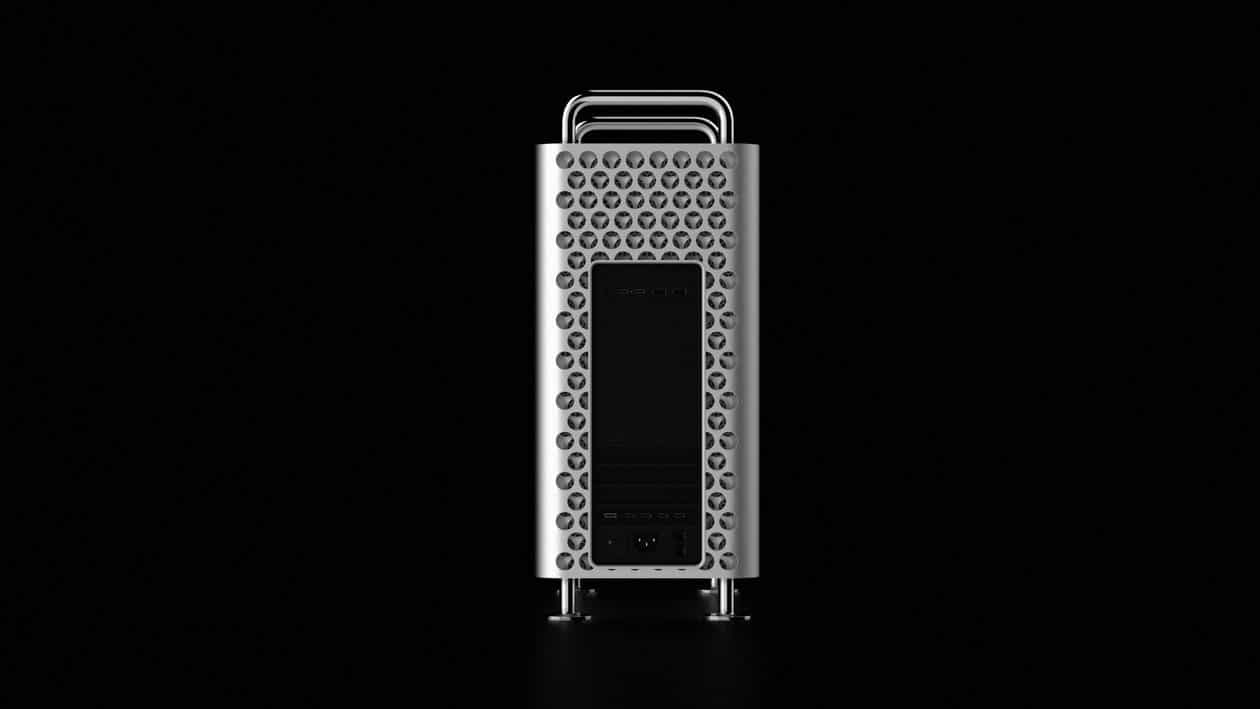
Segundo o Gurman, a Apple desenvolveu pelo menos dois modelos do Mac Pro que nunca viram a luz do dia: um com processador da Intel — mesmo depois do lançamento da linha M1, curiosamente —, de codinome J170, para atender casos específicos; e outro equipado com o M3 Ultra, chamado internamente de J190 e previsto para ser lançado junto da última leva do Mac Studio, que chegou ao mercado no começo do ano passado. 

Um caminho possível para a linha seria um suposto chip superior aos do sufixo Ultra; citado pelo jornalista como a variante “Extreme”, ele teria como objetivo oferecer o dobro de núcleos de CPU 1Central processing unit, ou unidade central de processamento. e GPU 2Graphics processing unit, ou unidade de processamento gráfico. em relação aos do Ultra, e o desenvolvimento do projeto chegou até o M3 antes de ser encerrado devido à preocupação com custos e demanda.

Genius Bar com IA?

Na mesma edição, o jornalista comentou que a Apple passou a testar a implementação de um sistema que utiliza IA para registrar conversas entre clientes e funcionários do Genius Bar.

Divulgação/Apple

Intitulado Live Notes, o recurso opcional testado em algumas Apple Stores permitiria que os funcionários do Genius Bar registrassem transcrições dos seus atendimentos com uma ferramenta capaz ainda de resumir as interações com os clientes. Ambas as partes deverão consentir com a gravação e o resultado final é passível de ajustes, sendo adicionado ao iPad do funcionário como parte do registro do atendimento ou reparo.

Ainda assim, o teste gerou preocupações entre os empregados, os quais temem que esses registros poderão ser usados para metrificar avaliações de desempenho e o trabalho dos colegas. A Apple teria descartado essa possibilidade, afirmando que as gravações não serão armazenadas e que nem mesmo os gerentes possuirão acesso às transcrições.

Notas de rodapé

  • 1
    Central processing unit, ou unidade central de processamento.
  • 2
    Graphics processing unit, ou unidade de processamento gráfico.
  •  

Apple ramps up vapor chamber orders for foldable iPhone Ultra and Twentieth Anniversary iPhone

iPhone 17 Pro and Pro Max feature a new thermal management system includes an Apple-designed vapor chamber, delivering exceptional performance.
iPhone 17 Pro and Pro Max feature a thermal management system that includes an Apple-designed vapor chamber, delivering exceptional performance.

Apple has significantly boosted its orders for vapor chamber cooling systems, primarily to support production of its highly anticipated first foldable iPhone, according to a Chinese supply chain leaker. The move also points to advanced thermal management in the company’s upcoming Twentieth Anniversary iPhone slated for 2027.

The information comes from the Weibo account “Fixed Focus Digital,” a source that has previously shared details about Apple’s foldable device. The increased orders will first go toward manufacturing the book-style foldable iPhone, internally referred to as the “iPhone Ultra,” which is on track for a September 2026 debut alongside the iPhone 18 Pro lineup.

Apple has reportedly instructed suppliers to prepare around 10 million units of the foldable iPhone for 2026, an increase from earlier projections of 7–8 million. This ramp-up signals strong confidence in the device’s production readiness despite the complexities of its folding mechanism.

Advanced Cooling for a Challenging Form Factor

Fixed Focus Digital previously indicated that the foldable iPhone would feature “impressive” vapor chamber cooling, with Apple “going all out” on its thermal design. This makes sense given the device’s expected thin profile when unfolded (rumored around 4.5–5mm) and the space constraints of a foldable chassis, which could limit traditional heat dissipation options.

Apple first introduced vapor chamber technology in the iPhone 17 Pro models last year. The system uses a small amount of deionized water to efficiently transfer heat away from the powerful A-series chip and spread it across the device’s aluminum frame, helping sustain high performance without thermal throttling.

The same cooling approach is now expected to extend to the foldable iPhone Ultra and potentially the 2027 anniversary iPhones, which are rumored to feature dramatic edge-to-edge displays with glass curving around all four sides for a nearly borderless look.

Broader Context and Timeline

The foldable iPhone is expected to include a 7.8-inch inner display, a 5.5-inch cover screen, an A20 chip, and a Touch ID power button, with pricing likely starting near $2,000. Recent reports confirm that mass production is underway, with key components like OLED panels already in production at Samsung Display.

Meanwhile, Apple’s 20th-anniversary iPhones are planned for two sizes similar to the iPhone 18 Pro models. These devices could mark a major redesign, potentially returning to an all-glass enclosure.

MacDailyNews Take: This latest leak aligns with Apple’s aggressive push into new form factors while maintaining the performance and reliability standards users expect from its flagship devices. As the September launch approaches, more details on the iPhone Ultra’s final specifications are likely to emerge from the supply chain.


‎
Please help support MacDailyNews — and enjoy subscriber-only articles, comments, chat, and more — by subscribing to our Substack: macdailynews.substack.com. Thank you!

Support MacDailyNews at no extra cost to you by using this link to shop at Amazon.

The post Apple ramps up vapor chamber orders for foldable iPhone Ultra and Twentieth Anniversary iPhone appeared first on MacDailyNews.

  •  

Apple skips M6 Pro/Max, fast-tracks AI-focused M7 chips; Touchscreen MacBook Pro looms

chips

According to Bloomberg News‘ Mark Gurman in his most recent Power On newsletter, Apple is making one of the biggest changes yet to its Apple Silicon roadmap for Macs. The company is prioritizing on-device AI performance and graphics capabilities over its traditional generational cadence, leading to a skipped generation of high-end chips and a faster push toward the M7 family.

Apple’s New Chip Roadmap: M6 (Base Only), Then Straight to M7

Apple plans to release a base M6 chip as early as late 2026 for entry-level Macs. This includes testing in a refreshed 14-inch MacBook Pro (internally codenamed J804). Key improvements expected in the M6 include:

• Memory bandwidth rising to around 200 GB/s (up from 153 GB/s on the M5)

• Enhanced GPU performance with up to 12 cores

• A stronger neural engine for better AI workloads

In a notable departure from past strategy, Apple will skip M6 Pro, M6 Max, and M6 Ultra variants entirely. This marks the first time the company has bypassed higher-end versions of a new chip generation.

Instead, Apple is fast-tracking the M7 series to deliver major advancements in on-device AI processing and graphics performance sooner. According to Gurman’s reporting:

• Base M7 — Expected in the first half of 2027

• M7 Pro and M7 Max — Targeted for late 2027

• M7 Ultra — Slated for 2028 (with support for up to 1.5 TB of memory in high-end configurations)

The M7 lineup (with codenames like Delos for the base and Andros for the higher variants) represents Apple’s effort to meet surging demand for AI features and more graphics-intensive software by accelerating technologies originally planned for later generations.

Gurman also notes that M8 chips are already in active development, with high-end variants expected around 2028 on an advanced manufacturing process.

First-Ever Touch MacBook Pro Coming Soon

Gurman’s newsletter also covers Apple’s long-rumored touchscreen MacBook Pro models (14-inch and 16-inch, codenamed K114 and K116). These represent the biggest hardware overhaul of the high-end MacBook Pro lineup since the transition away from Intel chips.

Key details:

• Expected launch window: Late 2026 or early 2027

• Initial models will use current-generation M5 Pro and M5 Max chips (aligning with the decision to skip high-end M6 variants)

• First MacBooks to feature OLED displays

• Adoption of an iPhone-style Dynamic Island interface (with a hole-punch camera cutout replacing the current notch)

• Touch support designed as a “bonus” feature rather than a primary input method — macOS updates will allow seamless switching between touch and traditional trackpad/keyboard use, with adaptive UI elements

Later follow-up models are expected to transition to the new M7 chips once available. The redesigned laptops are also described as potentially thinner and lighter, with reinforced components to handle touch input without screen bounce.

Why the Change? AI Is Reshaping Apple’s Priorities

Gurman explains that this unusual strategy shift allows Apple to focus engineering resources on the more significant architectural leap in the M7 generation. By skipping incremental high-end M6 chips, the company can deliver stronger on-device AI capabilities and graphics performance to its most powerful Macs faster.

This aligns with broader industry trends and Apple’s ongoing push into AI across its ecosystem (including new Apple Pencil models also mentioned in the newsletter).
‎
MacDailyNews Take: M6, we hardly knew ya!


‎
Please help support MacDailyNews — and enjoy subscriber-only articles, comments, chat, and more — by subscribing to our Substack: macdailynews.substack.com. Thank you!

Support MacDailyNews at no extra cost to you by using this link to shop at Amazon.

The post Apple skips M6 Pro/Max, fast-tracks AI-focused M7 chips; Touchscreen MacBook Pro looms appeared first on MacDailyNews.

  •  

Apple iPhone Ultra foldable to feature 4,883mAh dual-cell battery, new leak claims

3D render claiming to depict Apple's first foldable iPhone (image: Jon Prosser)
3D render claiming to depict Apple’s first foldable iPhone (image: Jon Prosser)

Apple’s highly anticipated iPhone Ultra — the company’s first foldable smartphone — is generating significant buzz as its expected September launch approaches. A fresh leak shared today provides new details on the device’s battery specifications, offering a clearer picture of how Apple plans to power its ambitious foldable design.

According to a Weibo post from well-known leaker Digital Chat Station, Apple’s battery supplier has submitted regulatory filings for two battery cells rated at 1,921mAh and 2,962mAh. Combined, these cells deliver a total capacity of 4,883mAh. This dual-cell configuration aligns with common designs in existing foldable phones, where separate batteries are typically placed in the two halves of the device to optimize weight distribution and space.

For context, this capacity positions the iPhone Ultra competitively against current foldables:

• Samsung Galaxy Z Fold7: 4,400mAh total

• Google Pixel 10 Pro Fold: 5,015mAh

• Previous-generation Pixel 9 Pro Fold: 4,650mAh

While the iPhone Ultra’s total capacity falls between the Galaxy Z Fold7 and the latest Pixel Fold, real-world battery life will depend on numerous factors beyond raw mAh ratings. These include the efficiency of Apple’s custom silicon, the power demands of the foldable display (both when folded and unfolded), software optimizations in iOS, and overall device thickness and weight.

How It Compares to the Rest of the iPhone 18 Lineup

The same leak ecosystem has also revealed projected battery sizes for the standard iPhone 18 models, giving a broader view of Apple’s 2026 iPhone strategy:

• iPhone 18 Pro: ~4,288mAh (eSIM) or 4,056mAh (physical SIM) — modest gains over the iPhone 17 Pro

• iPhone 18 Pro Max: ~5,567mAh (eSIM) or 5,391mAh (physical SIM) — significantly larger than previous Pro Max models

• iPhone Ultra: 4,883mAh

The iPhone Ultra’s battery is notably smaller than the Pro Max’s, which makes sense given the engineering constraints of a foldable chassis. Apple is expected to prioritize thinness, durability of the hinge, and balanced weight over maximizing capacity.

Battery capacity represents just one piece of the puzzle. The iPhone Ultra’s unique form factor — featuring a large unfolded display — could introduce new power-management challenges and opportunities. Apple has a strong track record of delivering excellent battery life through tight hardware-software integration, so the final endurance figures may outperform what the raw numbers suggest.

MacDailyNews Take: The iPhone Ultra is rumored to launch alongside the iPhone 18 series in September 2026. While leaks continue to provide tantalizing details, official confirmation of specs, pricing, and real-world performance will only come from Apple itself at the launch event. Until then, the iPhone Ultra remains one of the most exciting product developments in Apple’s recent history!


‎
Please help support MacDailyNews — and enjoy subscriber-only articles, comments, chat, and more — by subscribing to our Substack: macdailynews.substack.com. Thank you!

Support MacDailyNews at no extra cost to you by using this link to shop at Amazon.

The post Apple iPhone Ultra foldable to feature 4,883mAh dual-cell battery, new leak claims appeared first on MacDailyNews.

  •  

Apple Increases Vapor Chamber Orders for Upcoming Foldable iPhone

There is a lot of heat inside a modern smartphone. Apple knows this, and it is reportedly taking steps to cool things down for its future devices. Recent reports from the supply chain show the company is ordering a lot more vapor chambers. These cooling parts are essential for keeping high-end devices from overheating, and […]

The post Apple Increases Vapor Chamber Orders for Upcoming Foldable iPhone appeared first on The Mac Observer.

  •  

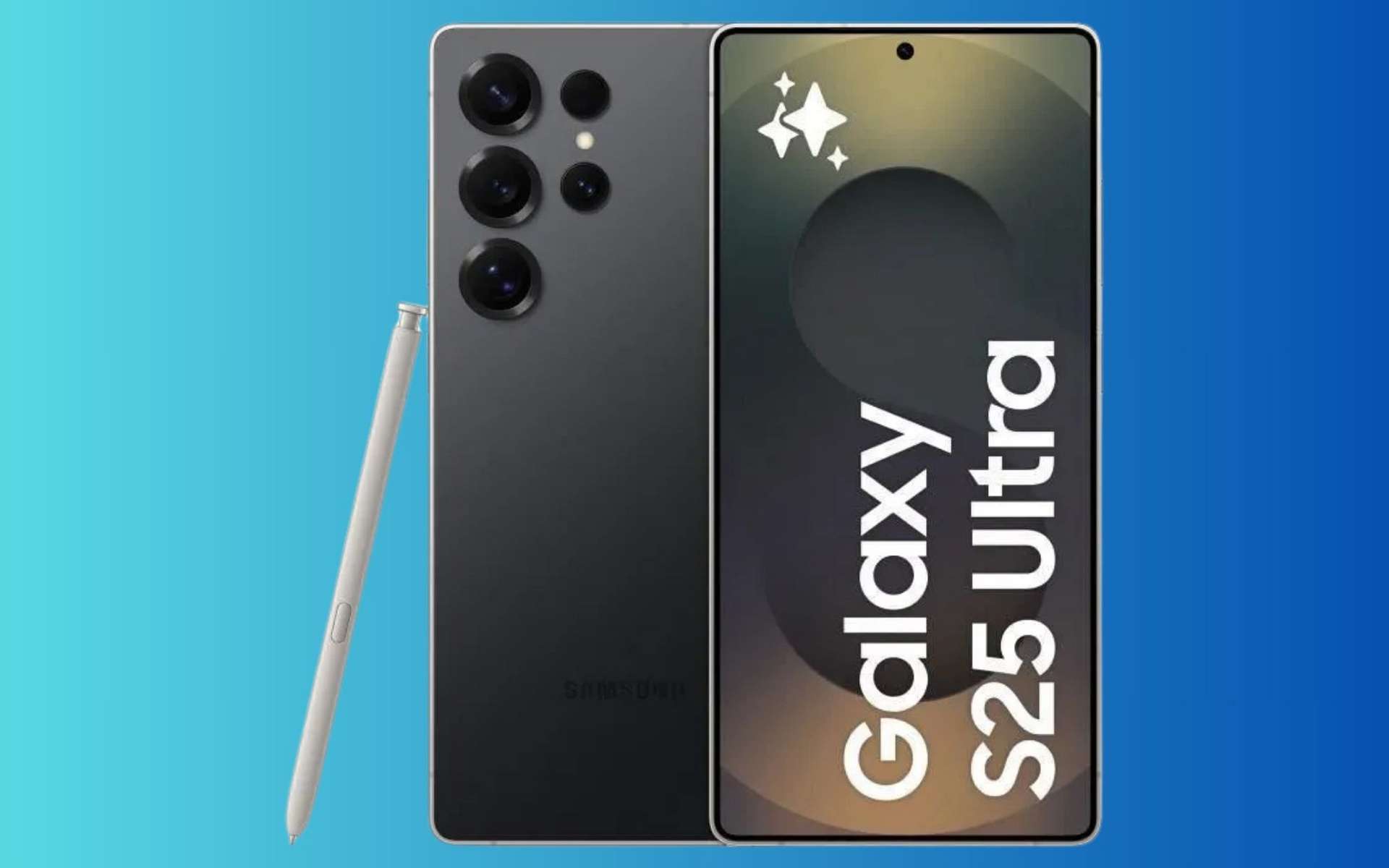
Le célèbre Samsung Galaxy S25 Ultra AI passe en mode soldes avec une remise monstre

Envie de passer à un smartphone haut de gamme sans payer le prix fort ? C'est le moment d'en profiter. Le Samsung Galaxy S25 Ultra AI, l'un des modèles les plus populaires de la marque, bénéficie actuellement d'une remise spectaculaire qui fait tomber son prix à seulement 684 € au lieu de 1...

  •  

Homen-Aranha “trocou” o seu smartphone Sony pelos novos dobráveis da Samsung

A Samsung associou o lançamento dos Galaxy Z Fold 8, Fold 8 Ultra e Flip 8 à estreia de Homen-Aranha: Um Novo Dia, prevista para 29 de julho. O anúncio revela pela primeira vez imagens reais dos novos dispositivos, e confirma que a tecnologia Flex Titanium pode finalmente resolver o maior problema dos dobráveis.

The post Homen-Aranha “trocou” o seu smartphone Sony pelos novos dobráveis da Samsung appeared first on Tek Notícias.

  •  
  •  

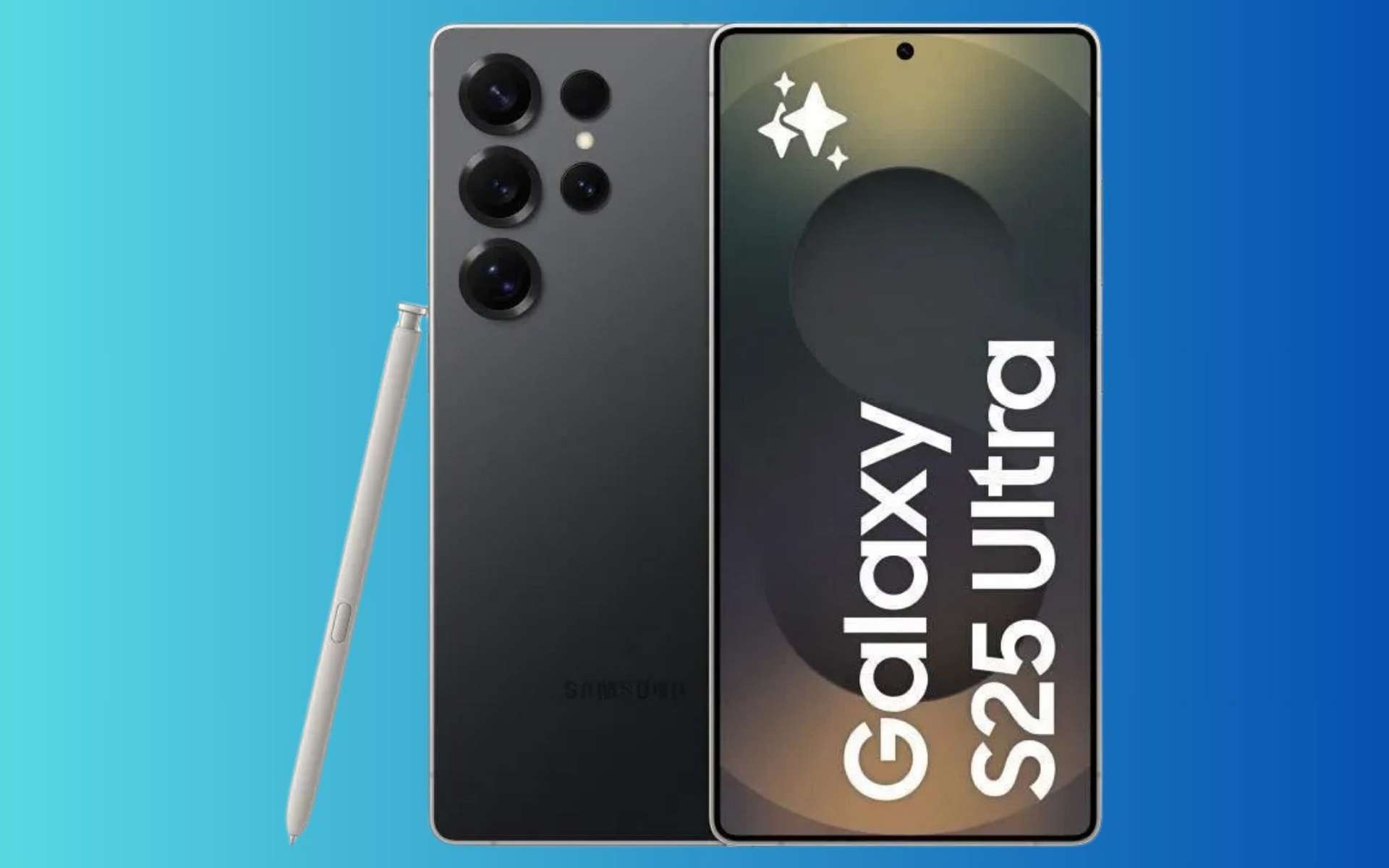
Samsung Galaxy S25 Ultra : cette offre sur ce smartphone haut de gamme mérite le détour

L'été approche et les repas en plein air reviennent sur le devant de la scène. Si vous envisagez d'investir dans un barbecue à charbon, Cdiscount met actuellement en avant le Weber Compact Kettle à prix réduit. Avec sa cuve en acier émaillé et son format adapté aux repas conviviaux, ce modèle...

  •  

Microsoft's Surface Laptop Ultra looks like its first true MacBook Pro competitor

Dell, Asus, Lenovo, HP, MSI, Acer, and Gigabyte are among the PC makers that are designing systems around Nvidia's RTX Spark, Nvidia's new Arm-based chip for Windows PCs. But the flagship RTX Spark PC may be from the same company that makes Windows: the new Microsoft Surface Laptop Ultra is a high-end RTX Spark system that will offer up to 128GB of unified memory for "creators, developers, and AI builders."

Microsoft says the Laptop Ultra will be available "later this year" but didn't discuss any specific pricing or configuration options.

The Laptop Ultra will slot in above the regular Qualcomm Snapdragon-based Surface Laptops in Microsoft's lineup. Microsoft has made high-end Surface devices with more powerful CPUs and GPUs before, but to date, they've also come with convertible designs that may have limited their appeal. The first was the old Surface Book, with its fully detachable screen and bendy-straw hinge that didn't close all the way; the second was the Surface Laptop Studio, with its chunky design and sliding screen. The Laptop Ultra is Microsoft's first attempt to follow the MacBook Pro formula: it's like the other Surface Laptops, just with more power.

Read full article

Comments

© Microsoft

  •  
❌