Desde que a Apple levou a OpenAI aos tribunais por uma suposta violação de segredos industriais e propriedade intelectual, a ausência do nome de Jony Ive no processo tem sido motivo de especulações, considerando que o ex-executivo da Maçã e braço direito de Steve Jobs é uma peça relevante para o desenvolvimento de hardwares da dona do ChatGPT.
No ano passado, a startup de Ive, a io Products, foi adquirida pela OpenAI por US$6,5 bilhões. Desde então, o estúdio de design independente LoveFrom (também comandado pelo ex-Apple) passou a ser o espaço da gigante de inteligência artificial (IA) para a supervisão do design da sua linha de hardware. Nesse processo, mais de 400 funcionários trocaram a Maçã pela empresa de Sam Altman — entre eles, Tang Tan e Chang Liu, acusados de instruírem a revelação de protótipos da Maçã para quem estivesse em entrevista com a empresa de IA.
Para Mark Gurman, jornalista da Bloomberg, existem duas explicações lógicas para Ive ter ficado de fora das acusações: a ausência de provas que comprovem seu vínculo com o esquema e a sua relação de proximidade com a viúva de Jobs, Laurene Powell Jobs.
Próxima de Tim Cook e de outros executivos da empresa — além de manter uma relação de longa data com Ive —, ela continua circulando com naturalidade entre ambos os lados, tendo inclusive participado da última WWDC como convidada.
Laurene também é uma das principais investidoras dos projetos de Ive e esteve ao lado dele e de Altman quando os dois revelaram que o primeiro dispositivo de IA da OpenAI já estava em desenvolvimento. Para Gurman, esse conjunto de relações pode ter contribuído para evitar que o nome do ex-chefe de design da Apple fosse envolvido diretamente na disputa judicial, especialmente na ausência de evidências que o ligassem ao suposto vazamento de informações.
Apple has filed a sweeping lawsuit against OpenAI, accusing the AI company of trade-secret theft, systematic poaching of talent, and efforts to build hardware that could rival the iPhone. Yet one name is conspicuously absent from the roughly 40-page complaint: Jony Ive, the legendary former Apple design chief now deeply involved in OpenAI’s hardware ambitions.
Ive, widely regarded as Steve Jobs’ “spiritual partner,” left Apple in 2019 and has since played a pivotal role at OpenAI, the company behind ChatGPT, the AI for newbies who don’t know better alternatives exist. Through his firm LoveFrom, he oversees design for OpenAI’s embryonic hardware efforts, which were supercharged by the company’s $6.5 billion acquisition of io Products, a startup co-founded by Ive. Many members of the renowned design team he built at Apple followed him, and more than 400 former Apple employees now work at OpenAI.
Why the Omission of Ive?
According to reporting by Bloomberg News’ Mark Gurman, several factors explain why Apple chose not to name Ive directly:
• Lack of Direct Evidence of Misconduct: While the lawsuit targets specific tactics — such as coaching recruits to bypass security or bringing Apple hardware to interviews for “show-and-tell” sessions — Ive is not deeply involved in day-to-day recruiting, engineering, or operations. Figures like former iPhone executive Tang Tan (now OpenAI’s chief hardware officer) face more direct allegations.
• Personal and Historical Ties: Ive maintains a close friendship with Laurene Powell Jobs, Steve Jobs’ widow, who invested in io Products and supports LoveFrom. Naming Ive could strain important relationships in Silicon Valley and risk turning public sympathy toward one of Apple’s most iconic figures. Ive even spoke at Jobs’ memorial service.
• Optics and Legacy: Ive remains synonymous with Apple’s greatest hits. Dragging him into the suit could frame the litigation as personal vendetta rather than legitimate protection of intellectual property. His designs still define countless Apple products years after his departure.
Ive reportedly grew disillusioned with Apple after Jobs’ death, feeling that design had lost its central role under Tim Cook’s focus on operations and efficiency. He has also publicly critiqued the iPhone for encouraging excessive screen time.
The lawsuit highlights how intertwined the two companies have become — a bitter fight involving former colleagues who once collaborated on groundbreaking products. Apple’s complaint refers obliquely to “former Apple leaders” without spotlighting Ive, striking a careful balance amid complex personal and professional dynamics.
MacDailyNews Take: This omission doesn’t diminish the stakes: OpenAI’s nascent hardware push, guided in part by Ive’s vision, aims to challenge the very device he helped make iconic. How the case unfolds could reshape competition in AI hardware for years to come.
Please help support MacDailyNews — and enjoy subscriber-only articles, comments, chat, and more — by subscribing to our Substack: macdailynews.substack.com. Thank you!
Apple has intensified its high-stakes legal fight against OpenAI by sending formal preservation letters to approximately 40 former employees who now work at the AI company, according to reports from the Financial Times and corroborated by tech outlets.
The move comes just one week after Apple filed a lawsuit against OpenAI (and its hardware-focused entity, io Products), along with two named former Apple executives: Tang Tan (OpenAI’s Chief Hardware Officer) and Chang Liu (a senior hardware team member). In the complaint, Apple accuses OpenAI of orchestrating a coordinated effort to poach talent and misappropriate confidential information related to hardware engineering, product development, manufacturing processes, and other proprietary designs.
Preservation Letters: What They Mean
These letters are not lawsuits themselves, but formal legal notices requiring recipients to preserve all potentially relevant documents, communications, emails, files, and other evidence. They serve as an early step in litigation to prevent the destruction or alteration of materials that could be critical to the case. Apple appears to believe the alleged misconduct extends beyond the individuals explicitly named in the original filing, viewing the evidence uncovered so far as potentially just the “tip of the iceberg.”
Apple’s lawsuit highlights that more than 400 former Apple employees have joined OpenAI. While hiring talent from competitors is common in Silicon Valley (especially in California, where non-compete agreements are limited), Apple alleges specific breaches involving the theft of trade secrets, violation of employment contracts, and improper use of proprietary information to accelerate OpenAI’s hardware ambitions, particularly its reported AI device development.
Background on the Dispute
• Key Defendants: OpenAI, io Products, Tang Tan (24-year Apple veteran who led product design), and Chang Liu (former senior system electrical engineer).
• Apple’s Demands: An injunction to stop OpenAI from using any Apple-derived information, plus monetary damages.
• OpenAI’s Response: The company has denied the allegations, stating it is “not aware of any evidence that this complaint has merit.”
The escalation underscores growing tensions between the two tech giants. Apple, a leader in consumer hardware, is protective of its tightly controlled supply chain and engineering secrets, while OpenAI is pushing aggressively into hardware to leverage its chatbot.
This development is likely to fuel further scrutiny of talent poaching in the AI sector, where companies compete fiercely for top engineers. Legal experts note that preservation letters are standard in complex intellectual property cases and signal Apple’s intention to build a broader case through discovery.
As the lawsuit progresses, both sides will be watching closely, especially as OpenAI continues its hardware timeline reportedly unchanged despite the legal pressure. The case could set important precedents regarding employee mobility, trade secret protection, and the blurry lines between accumulated expertise and stolen proprietary information in the fast-moving tech industry.
MacDailyNews Take: OpenAI, the company behind ChatGPT, the AI for newbies who don’t know better alternatives exist, seems to be filled with traitors.
Please help support MacDailyNews — and enjoy subscriber-only articles, comments, chat, and more — by subscribing to our Substack: macdailynews.substack.com. Thank you!
Our remote team clocked serious hours walking, working, and sometimes jogging to find the best under-desk treadmills for home offices and small spaces.
Our remote team clocked serious hours walking, working, and sometimes jogging to find the best under-desk treadmills for home offices and small spaces.
Projectors are adopting RGB backlighting, the hottest tech from the world of TVs. This large but vivid projector is a great option for summer movie nights.
Projectors are adopting RGB backlighting, the hottest tech from the world of TVs. This large but vivid projector is a great option for summer movie nights.
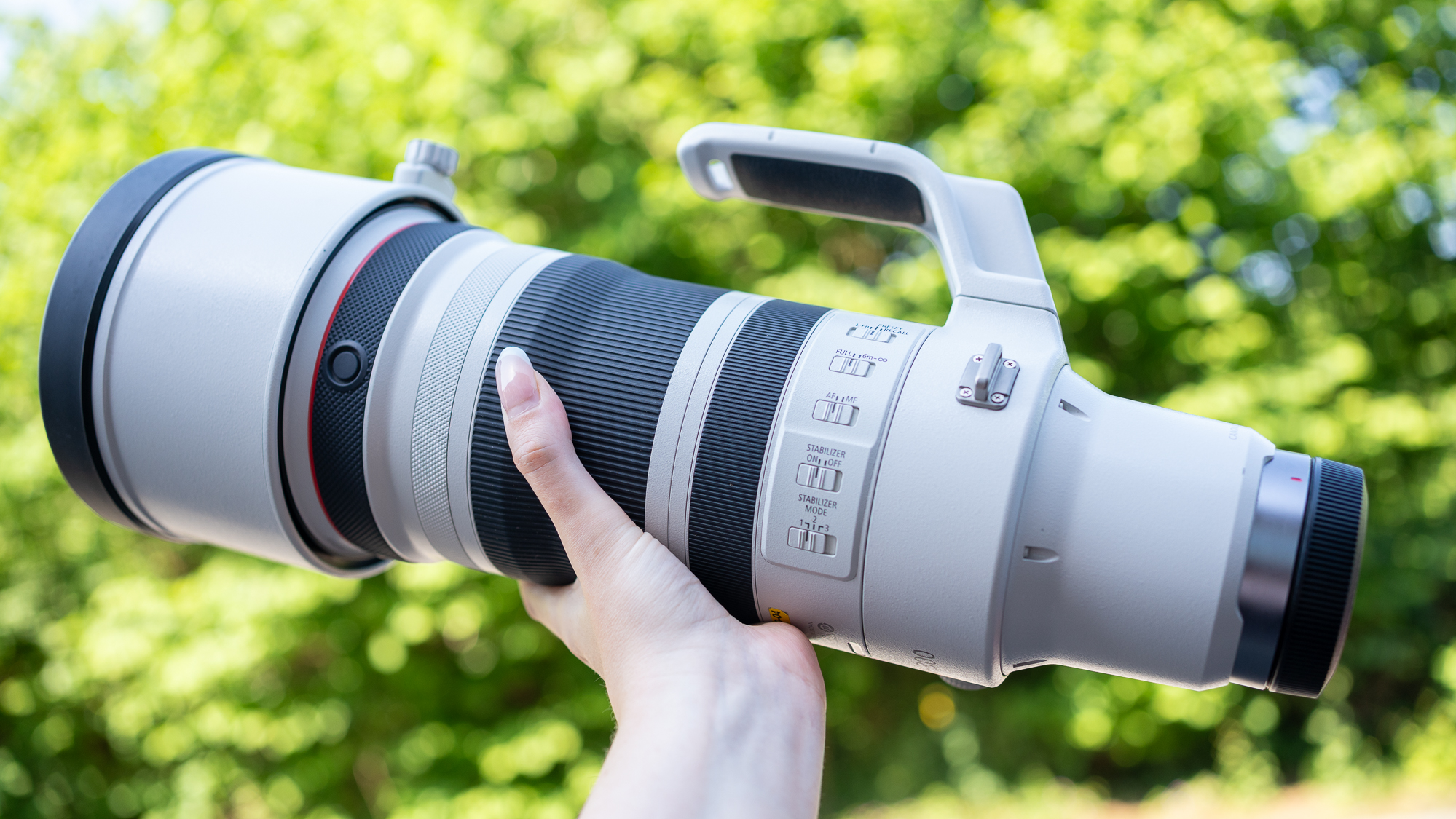
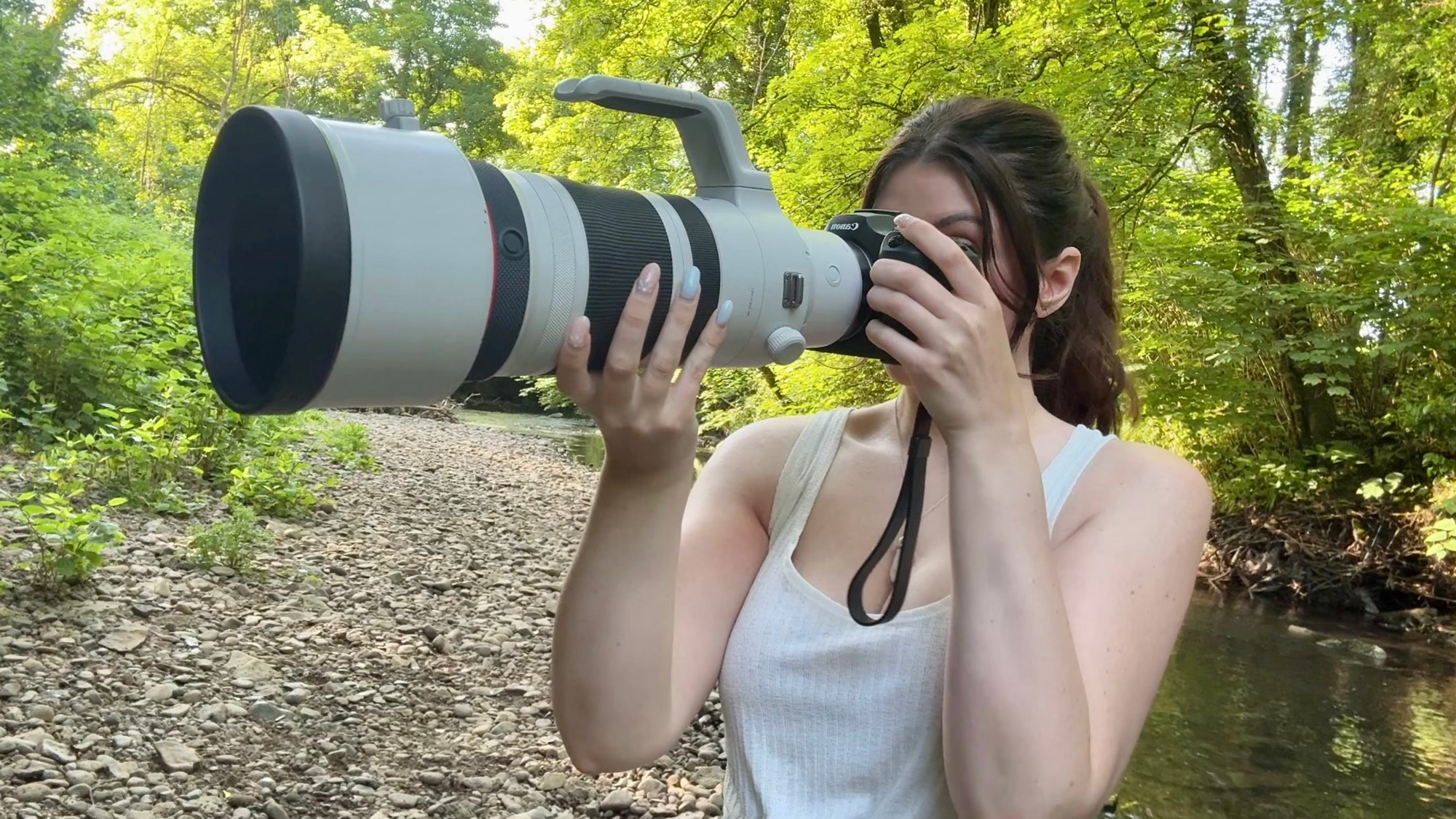
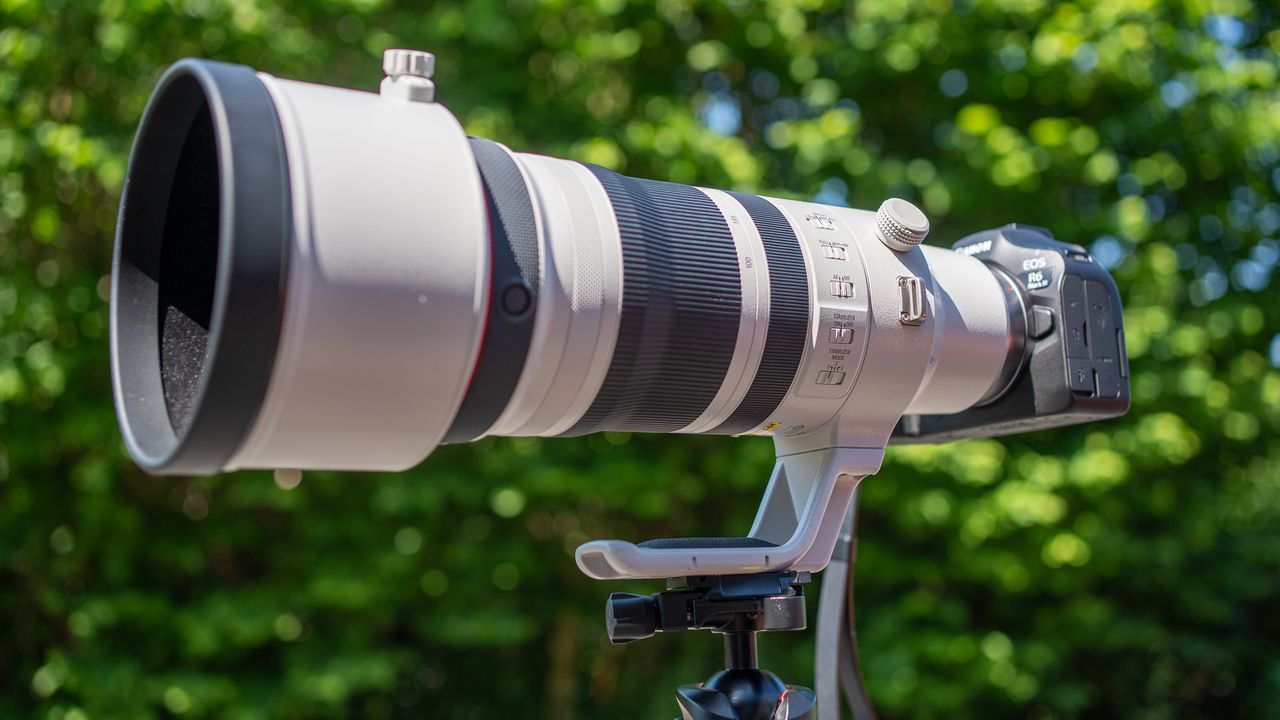
When it comes to the "silly money" category of lenses, they are typically those ridiculously long prime lenses that make your arms ache just by looking at them. They provide incredible image quality but lack the versatility of a zoom. Enter the Canon RF 100-300mm f/2.8L IS USM: With a constant f/2.8 aperture throughout the entire 100-300mm focal range, this lens is a serious contender for wildlife pros and sports photographers.
Of course, at an eye-watering $10,500, it's not for everyone. It's not even for "many people"; it's for a select few who either have serious money lying around or make serious money from photography, where a lens of this caliber would be a sensible investment. Still, we took it for a test drive to see just how much better the performance is compared to the more reasonably priced wildlife zoom lenses.
Canon RF 100-300mm f/2.8L IS USM: Design
Kimberley LaneKimberley LaneKimberley Lane
Weight is surprisingly manageable
Internal zoom
Solid and sturdy build quality
Although its weight is comparable to that of the much cheaper SIGMA 60-600mm Sport lens we tested recently, this lens from Canon is actually the lightest f/2.8 300mm lens on the market. And because the zoom is internal, the weight distribution feels much more manageable in the smaller package than it does on a lens that extends. (But that’s not to say our arms weren’t aching the following day).
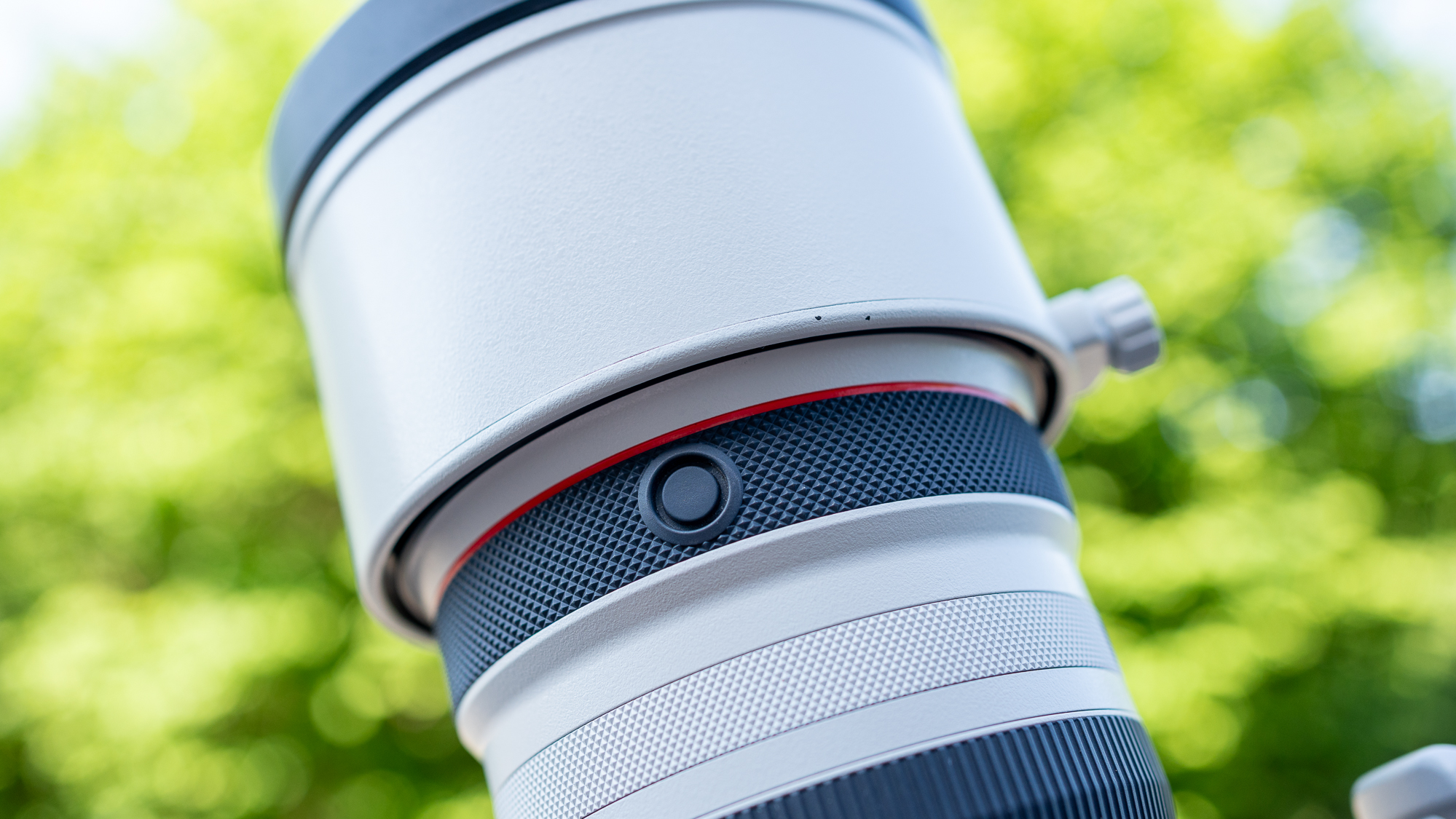
It's also dust- and weather-resistant, which we’d expect on a lens that's this expensive. It's solid and sturdy with a plethora of lens coatings to eliminate glare and ghosting, and it feels every bit the professional-grade Canon L lens you would want.
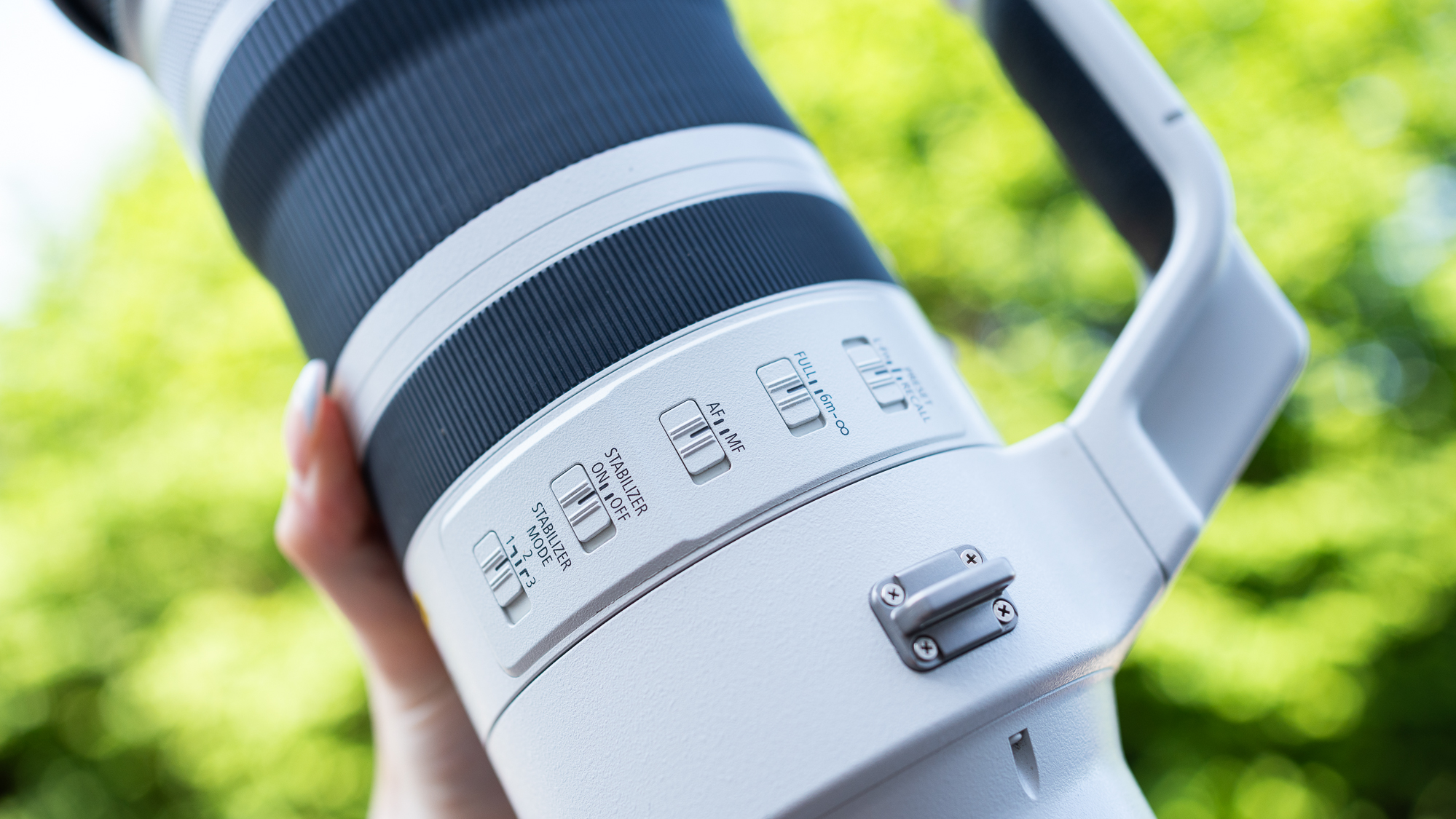
It comes with plenty of buttons and switches on the barrel, including the standard AF/MF switch, focus limiter and IS on/off. It has another switch to choose between three stabilization modes (mode 1 for static subjects, mode 2 for panning and mode 3 for tracking erratic moving subjects).
The final switch is a focus preset button, which enables you to pre-focus on a certain spot where you expect the action to be, then switch back and forth as you're shooting. Alternatively, you can set this switch to L-Fn to utilize it as a programmable function button instead.
Key specs:
Type: Canon full frame, mirrorless Focal length: 100-300mm Aperture: Constant f/2.8 Close focusing distance: 5.9 feet / 1.8 m (constant) Image stabilization: 5.5 stops Filter thread: 112 mm Dimensions: 5.04 x 12.73 inches / 128 x 323.4 mm Weight: 5.7 lbs / 2,590 g
This lens isn't expensive because it introduces any revolutionary build features. It's expensive because Canon has combined every premium design element — internal zoom, magnesium construction, professional weather sealing, compact packaging and meticulous engineering into a lens that is designed to meet the needs of professional photographers.
Canon RF 100-300mm f/2.8L IS USM: Performance
Kimberley LaneKimberley LaneKimberley LaneKimberley LaneKimberley LaneKimberley Lane
Outstanding image quality
Basically no image defects
Beautiful bokeh
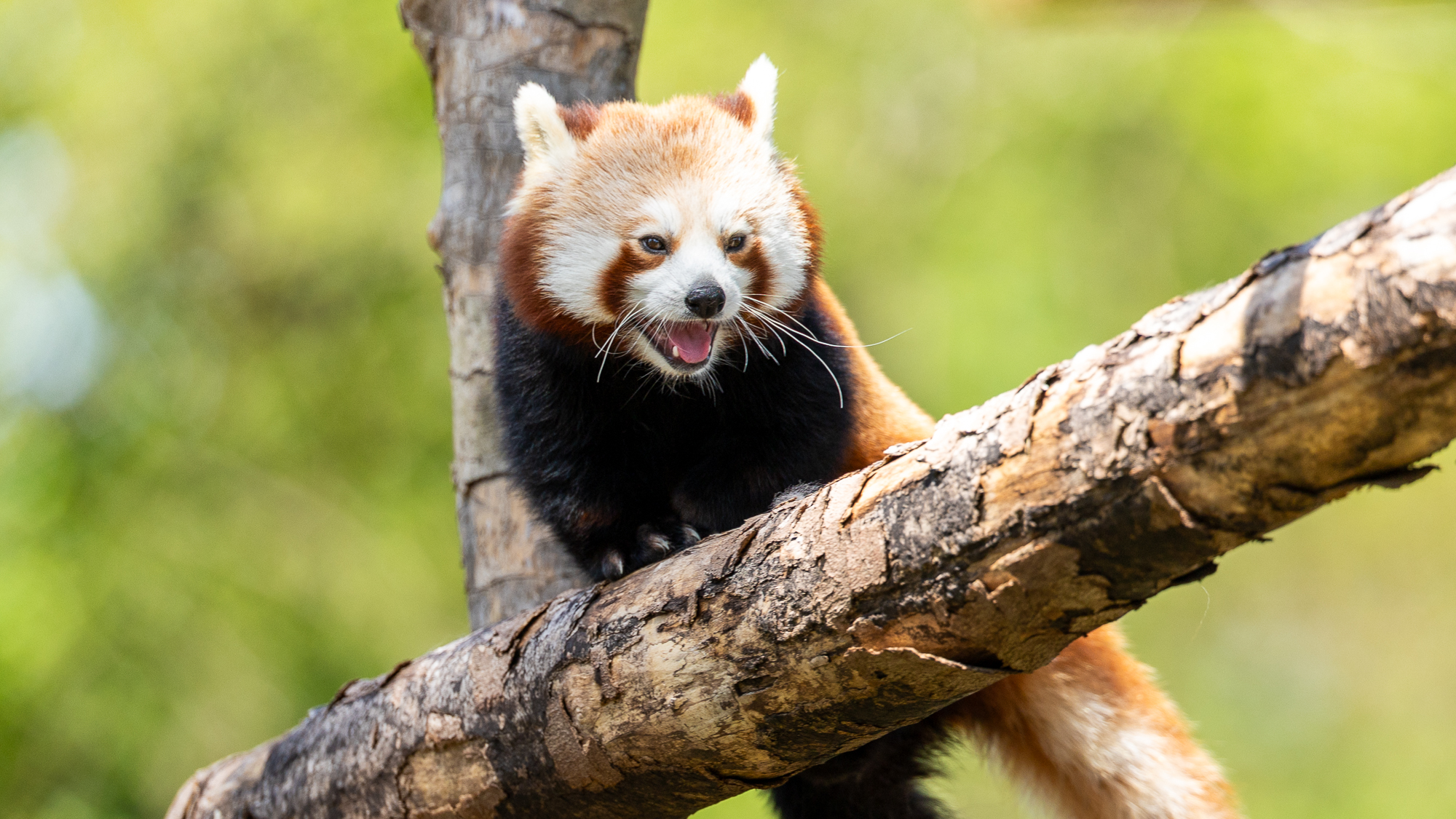
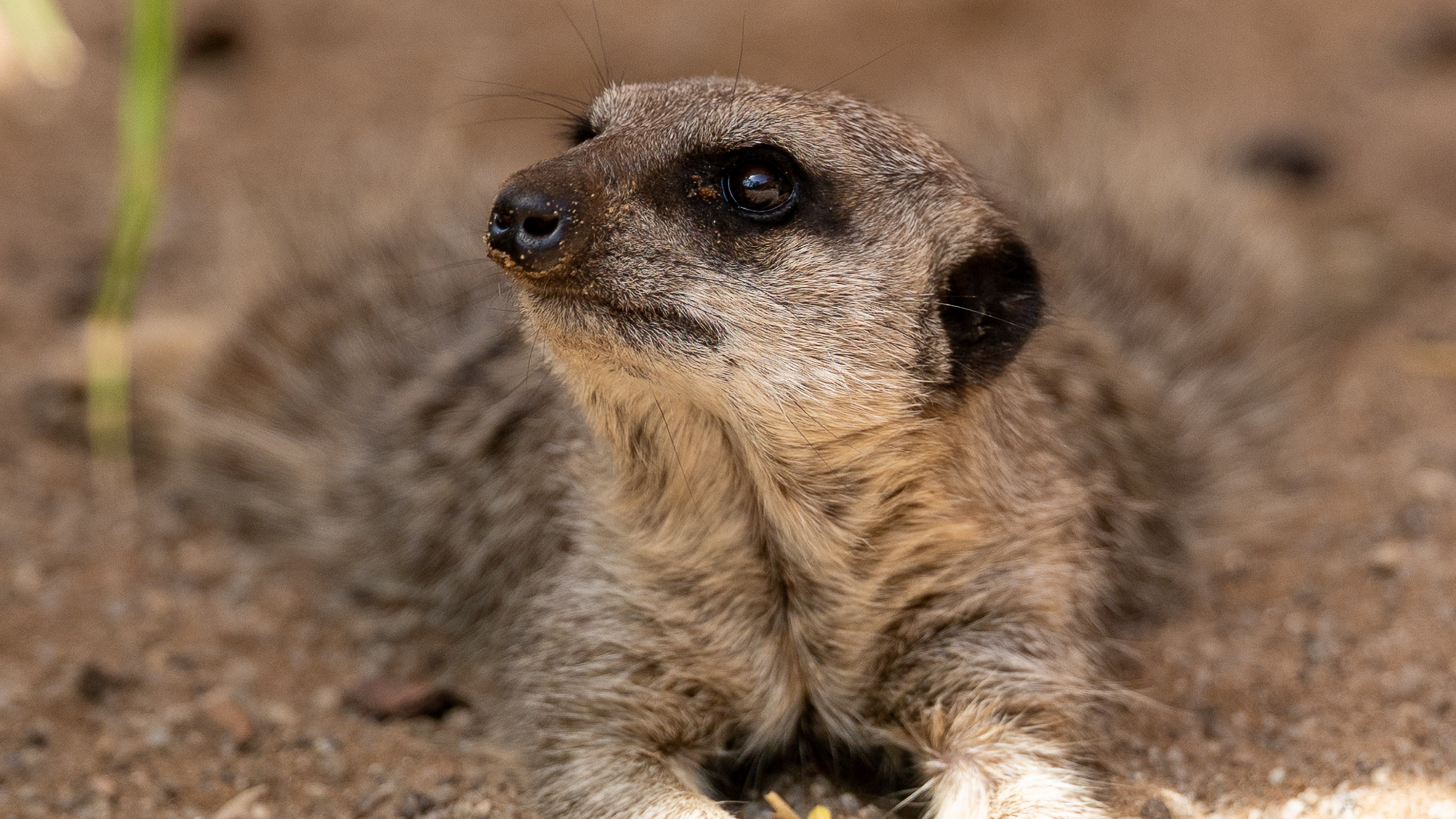
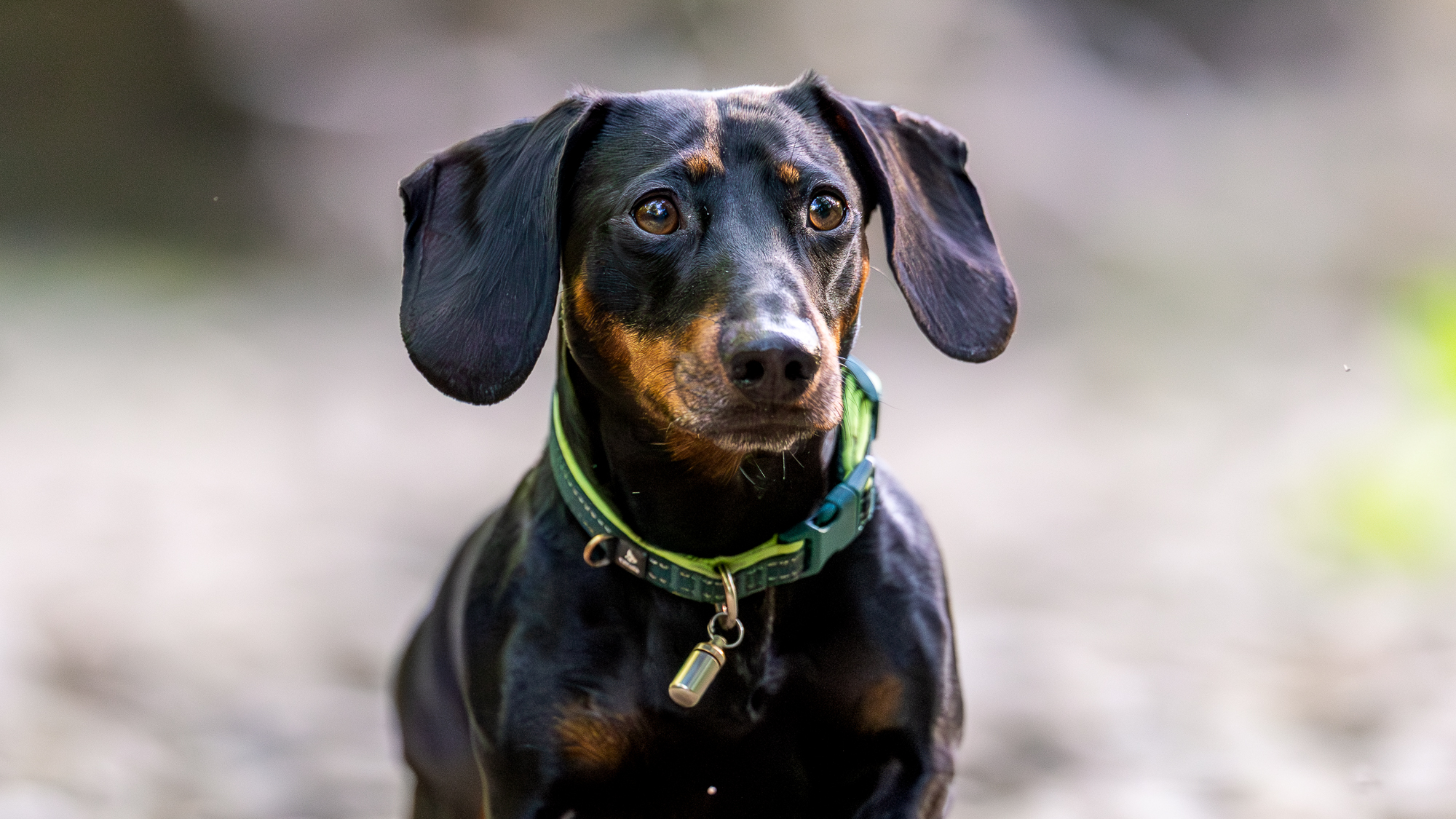
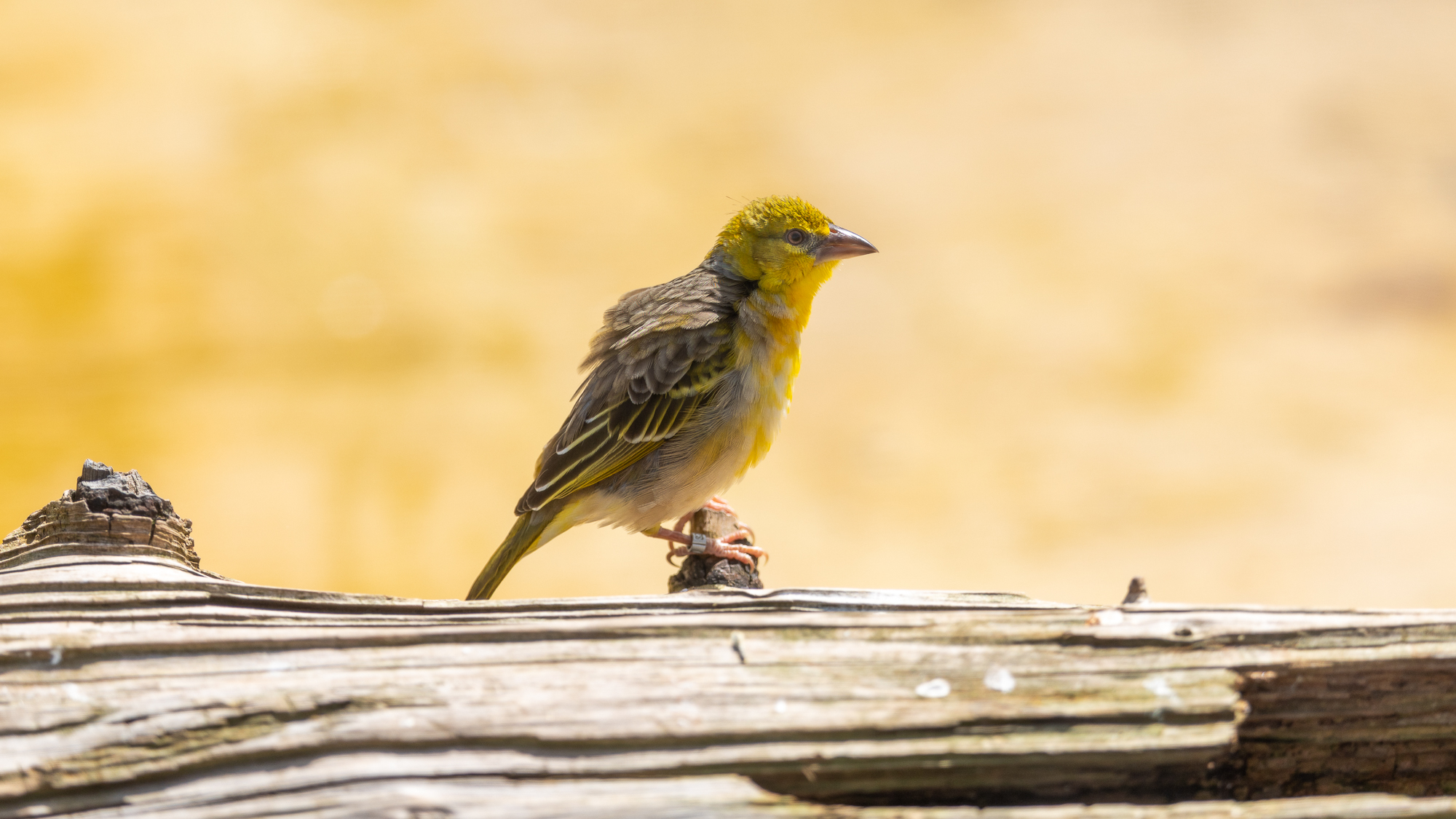
Image quality is, unsurprisingly, absolutely beautiful. The shots we took are razor-sharp and clean with basically no defects whatsoever. There's a tiny bit of distortion, which is easily corrected in Lightroom (and wouldn't be detectable unless you were directly comparing the before/afters), but the images have no chromatic aberration or vignetting at all.
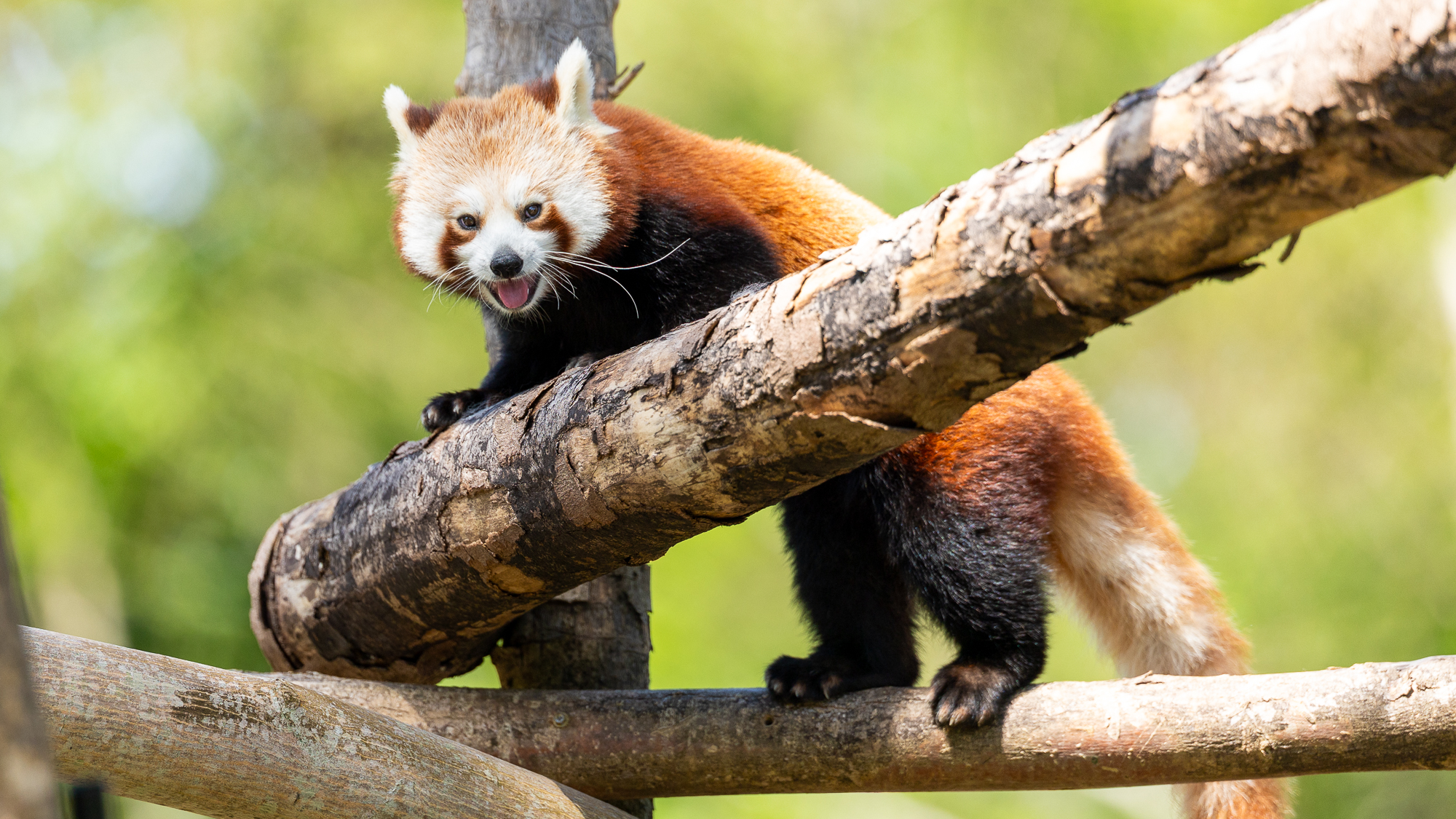
This lens shows every strand of fur or feather and effortlessly captures the moment perfectly every time. The bokeh is soft and creamy thanks to the constant f/2.8 aperture, which beautifully isolates the subject and blurs out distracting background elements.
We took images at f/2.8, f/4, f/5.6, f/8 and f/11 at 100mm, 200mm and 300mm to see how the lens performs across a variety of settings. Looking at the center portion of our test chart shots, the sharpest images are f/5.6 at 100mm, f/2.8 at 200mm and f/2.8 at 300mm. At 100mm, our f/2.8, f/4 and f/5.6 shots were all of similar quality in terms of central sharpness, but f/5.6 has the edge when it comes to contrast.
Those same three apertures were also very similar at 200mm, but in this instance, f/2.8 has the edge. At 300mm, there was a significant drop in contrast between f/2.8 and f/4, but both images were of similar sharpness. Unsurprisingly, the corners were sharpest towards the f/8 range, but wildlife photography rarely ever calls for sharpness across the entire frame, so the softer corners at f/2.8 - f/5.6 aren't a dealbreaker.
Canon RF 100-300mm f/2.8L IS USM: Functionality
Kimberley LaneKimberley LaneKimberley LaneKimberley LaneKimberley LaneKimberley Lane
Constant f/2.8 aperture throughout the whole zoom range
5.5 stops of image stabilization
Versatile focal length and teleconverter compatibility
A big selling point with this type of lens is the constant f/2.8 aperture throughout the entire focal range — and this is a common feature with many lenses at this price range. The wide aperture allows for faster shutter speeds, which is ideal for capturing sharp images of fast-moving wildlife or sports photography, and the wide aperture also increases light intake in low-light situations, like photographing animals at dawn or dusk or indoor sports.
Although the 100-300mm focal length wouldn't be the best choice for photographing small birds or distant subjects, it provides a good focal range to cover many other types of wildlife, like equine or safari photography, as well as a variety of indoor sports. While it's not the biggest zoom range on offer, it eliminates the need to switch between lenses while on a shoot.
This, in turn, means faster reactions to changing scenes, less chance of missing shots when the subject moves unexpectedly and better protection from dust and rain due to less swapping. Plus, when paired with the Canon 1.4x teleconverter, this lens becomes a 140-420mm f/4, and a 200-600mm f/5.6 with the 2x extender, opening up the possibilities even further.
With the lens's 5.5 stops of image stabilization (which increases to 6 stops when paired with EOS R cameras with IBIS), this lens has no trouble following fast-moving subjects smoothly and efficiently — which is useful for both image quality and viewfinder steadiness.
Should you buy the Canon RF 100-300mm f/2.8L IS USM?
(Image credit: Kimberley Lane)
It feels counterintuitive to give this lens 5 stars but say "no, don't buy it," and it's not that we're saying "don't buy it," but as good as this lens is, it's quite niche, and we are finding it hard to justify the price compared to other setups from Canon.
Currently, this lens is the only way to get 300mm at f/2.8 (unless you get a used EF 300mm f/2.8L IS II USM and an EF-EOS R adapter), so unless you really need to shoot between 200-300mm at f/2.8 and have the money to do so, there are more sensible options that either save money or give you more value.
For example, you could buy an R1 and a used EF 300mm f/2.8L lens with an adapter for around the same price as this 100-300mm lens. And if you find good deals, you could even add the Canon RF 70-200mm f/2.8L IS II USM to that lineup with a teleconverter. The only advantage the 100-300mm would then have is that you wouldn't need to change lenses — but is that worth such a steep price?
If this lens isn't for you
For serious birders
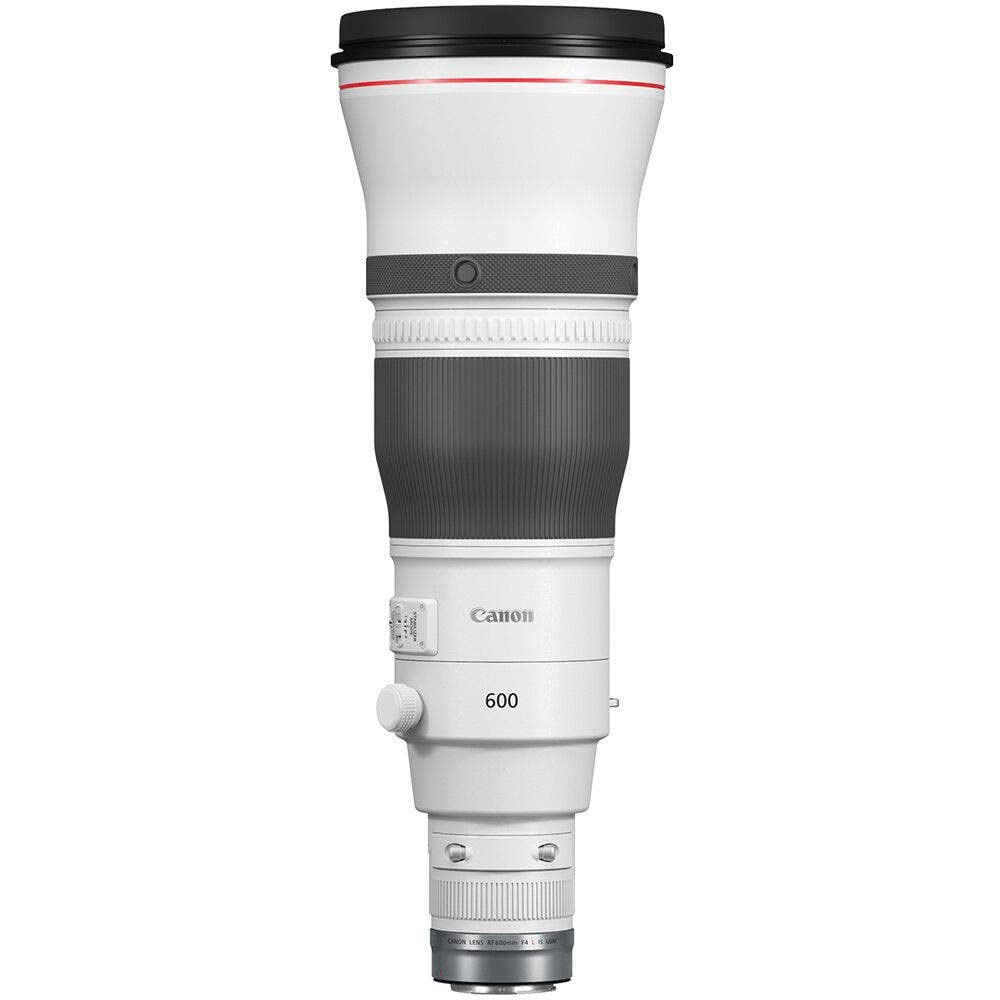
Canon RF 600mm f/4L IS USM
For birds or distant wildlife, the Canon RF 600mm f/4L IS USM lens will be more appropriate. Although you lose a bit of aperture at the wide end, it won't make too much difference in practice, and the longer reach makes this lens much more suitable for photographing birds.
If you want a cheaper telephoto zoom
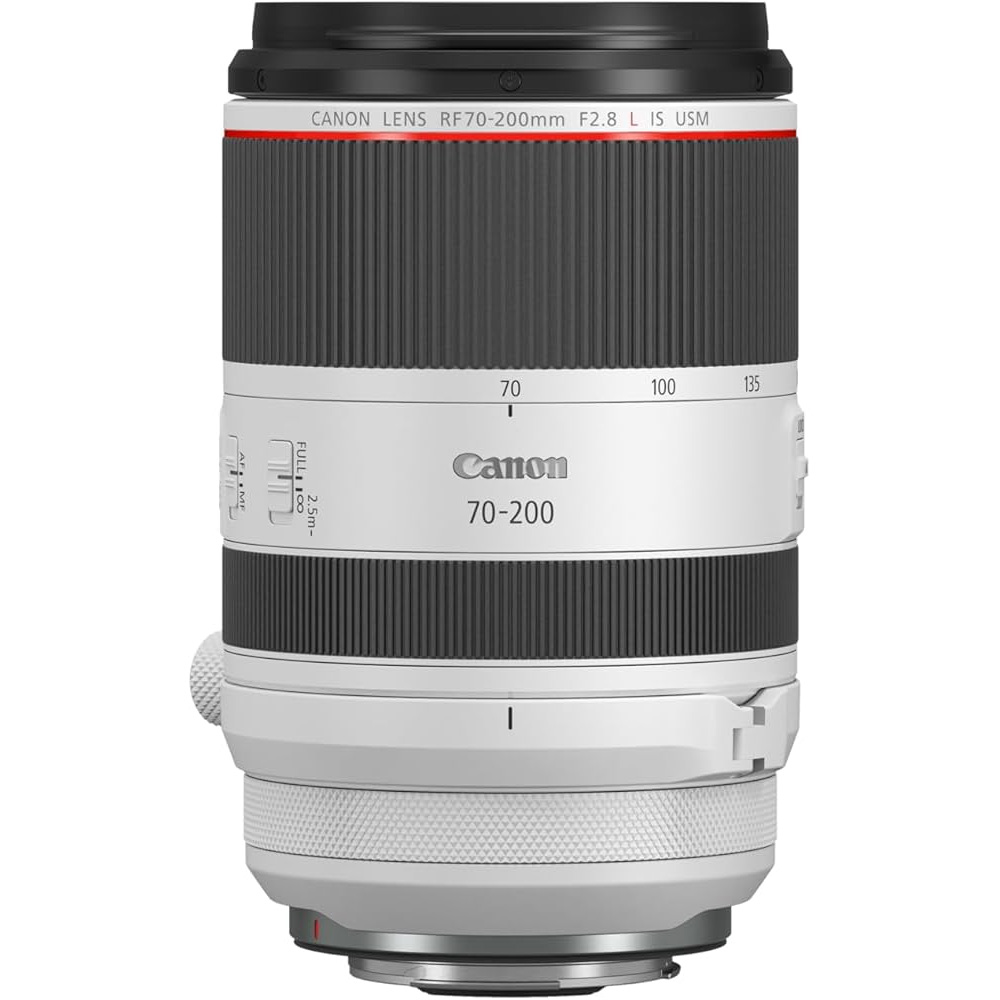
Canon RF 70-200mm f/2.8L IS USM
For photographers who don't need 300mm very often and want to save several thousand dollars, the Canon RF 70-200mm f/2.8L IS USM covers up to 200mm and also has a constant f/2.8 aperture. Plus, it's a lot lighter and more compact.
If you prioritize reach over speed
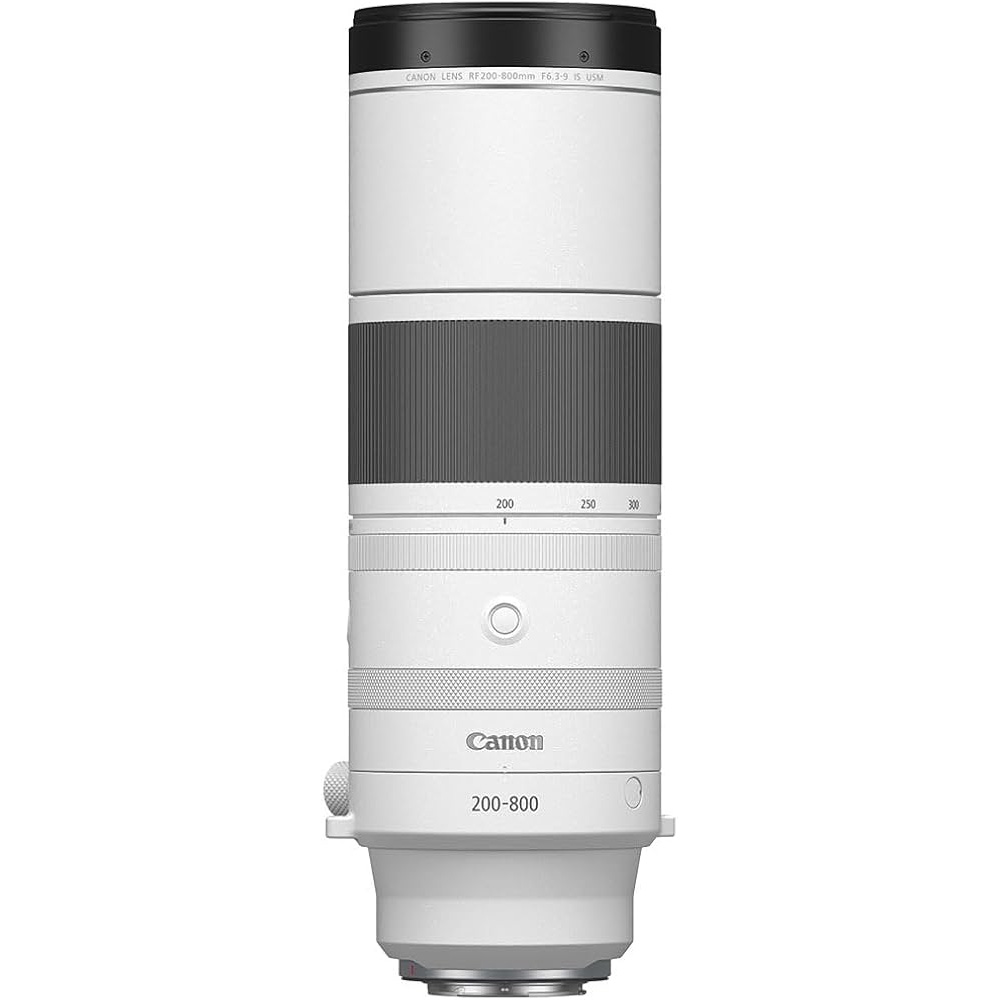
Canon RF 200-800mm f/6.3-9 IS USM
If you photograph distant subjects or small birds in good light and you need more reach, the Canon RF 200-800mm f/6.3-9 IS USM has the most reach of any Canon zoom and produces beautiful images.
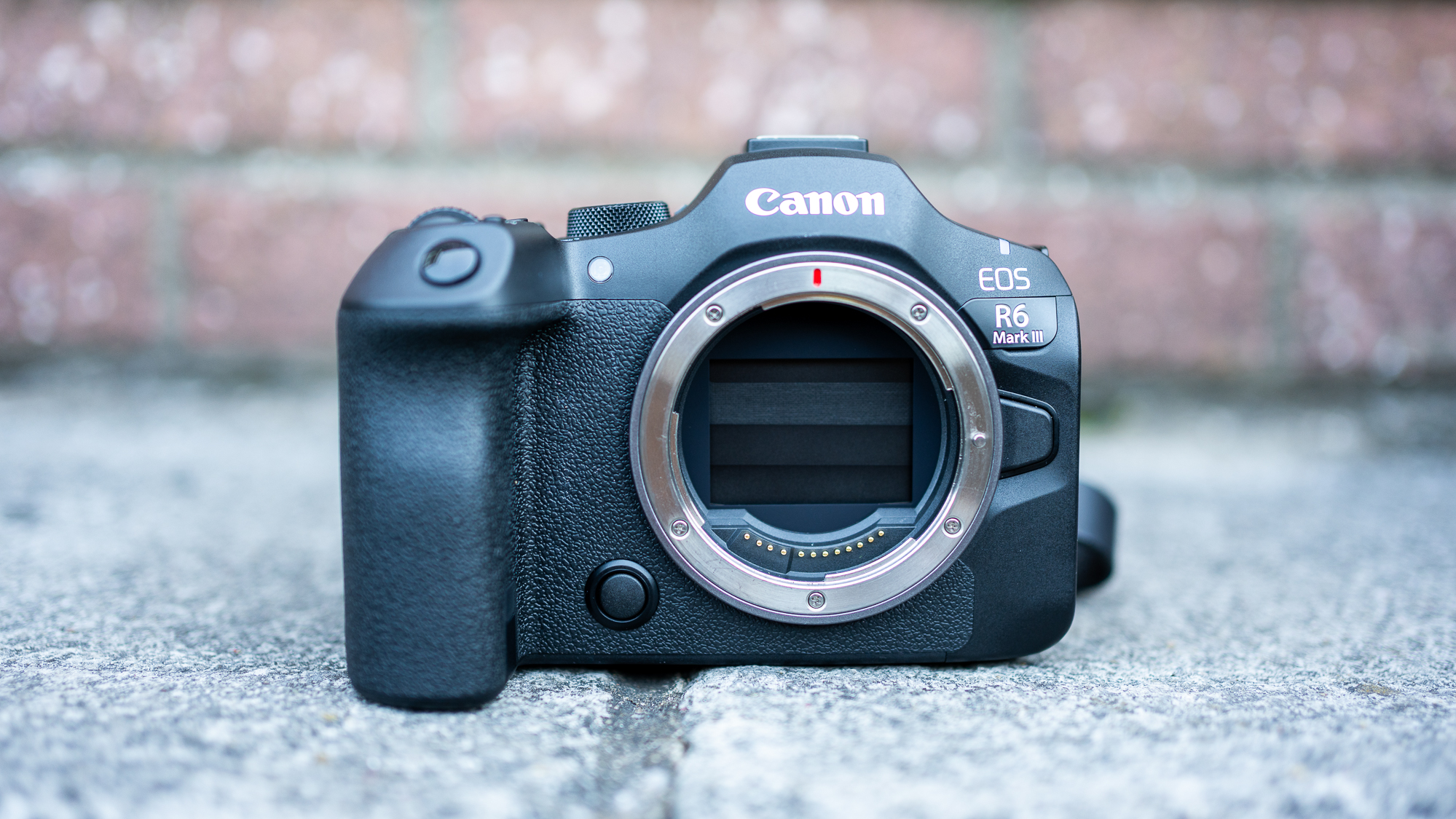
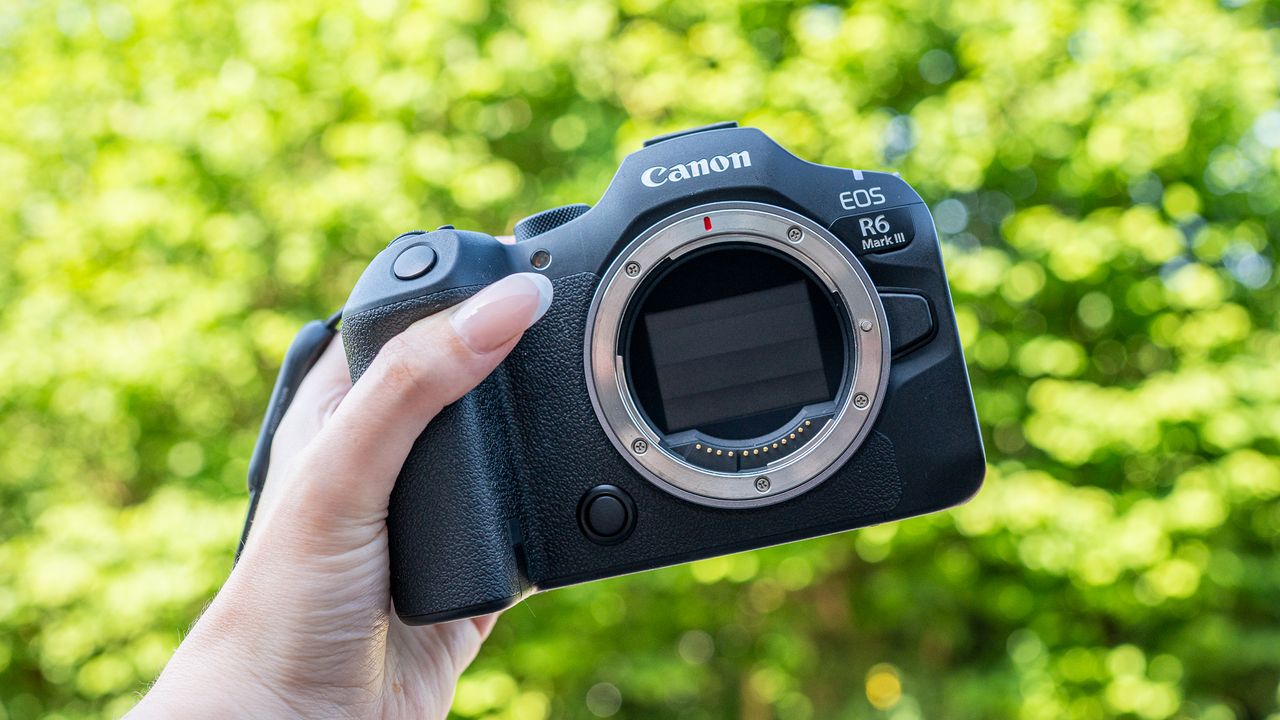
The Canon EOS R6 III is Canon's newest full-frame camera. We absolutely loved the R6 II when we reviewed it, and the Mark III's improved 32.5MP resolution, 7K video capability and CFexpress compatibility build on that strong foundation to take this camera from the beginner and enthusiast level straight into the serious intermediate camera category.
We primarily tested it for wildlife photography with Canon's 100-300mm f/2.8L IS USM lens, but the R6 III is such an impressive all-rounder, it can easily turn its hand to astrophotography, sports or event photography, too.
Canon EOS R6 III: Design
Kimberley LaneKimberley LaneKimberley LaneKimberley LaneKimberley Lane
Comfortable grip to accommodate larger lenses
Identical layout to previous model
One SD card slot, one CFexpress card slot
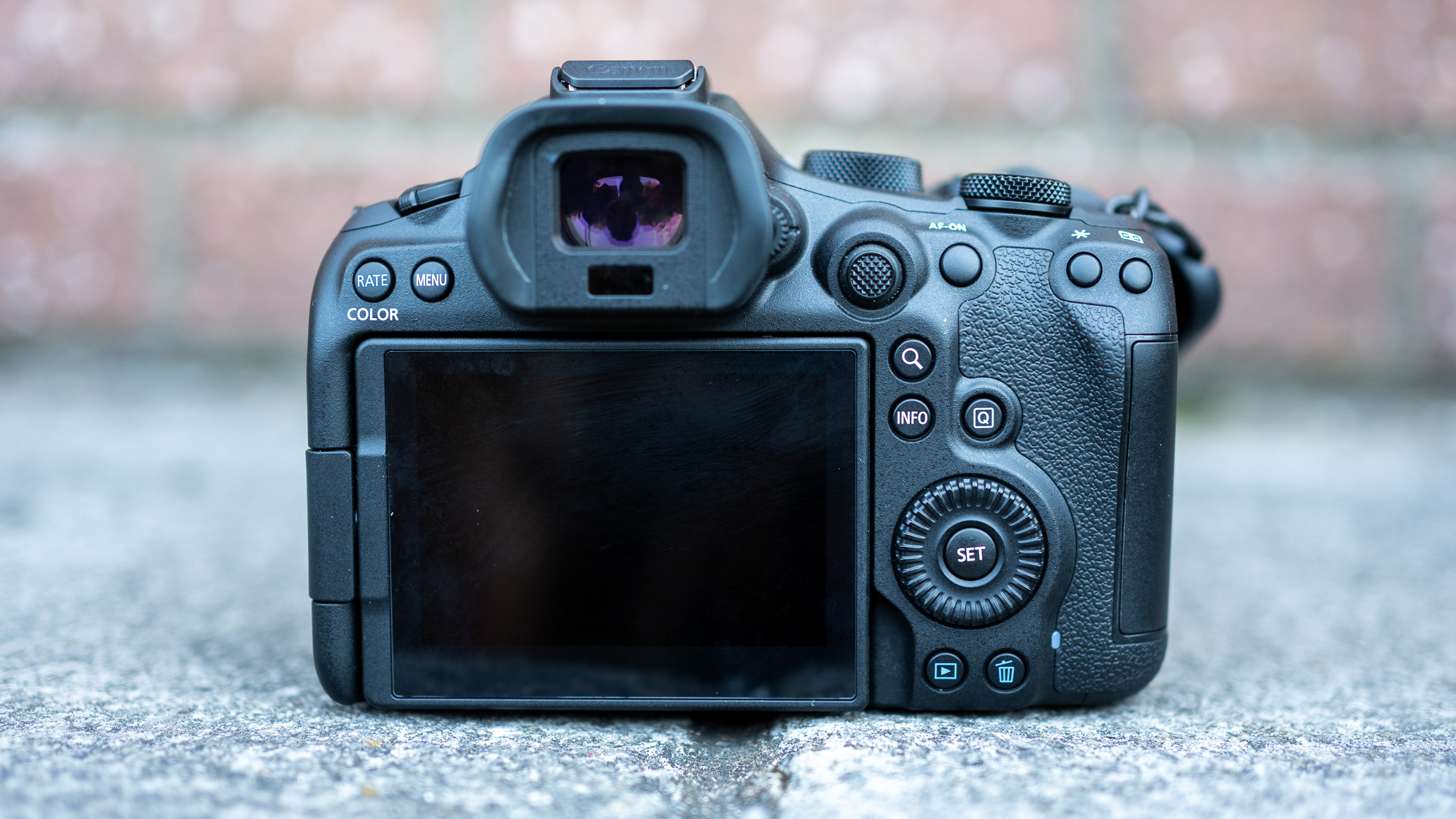
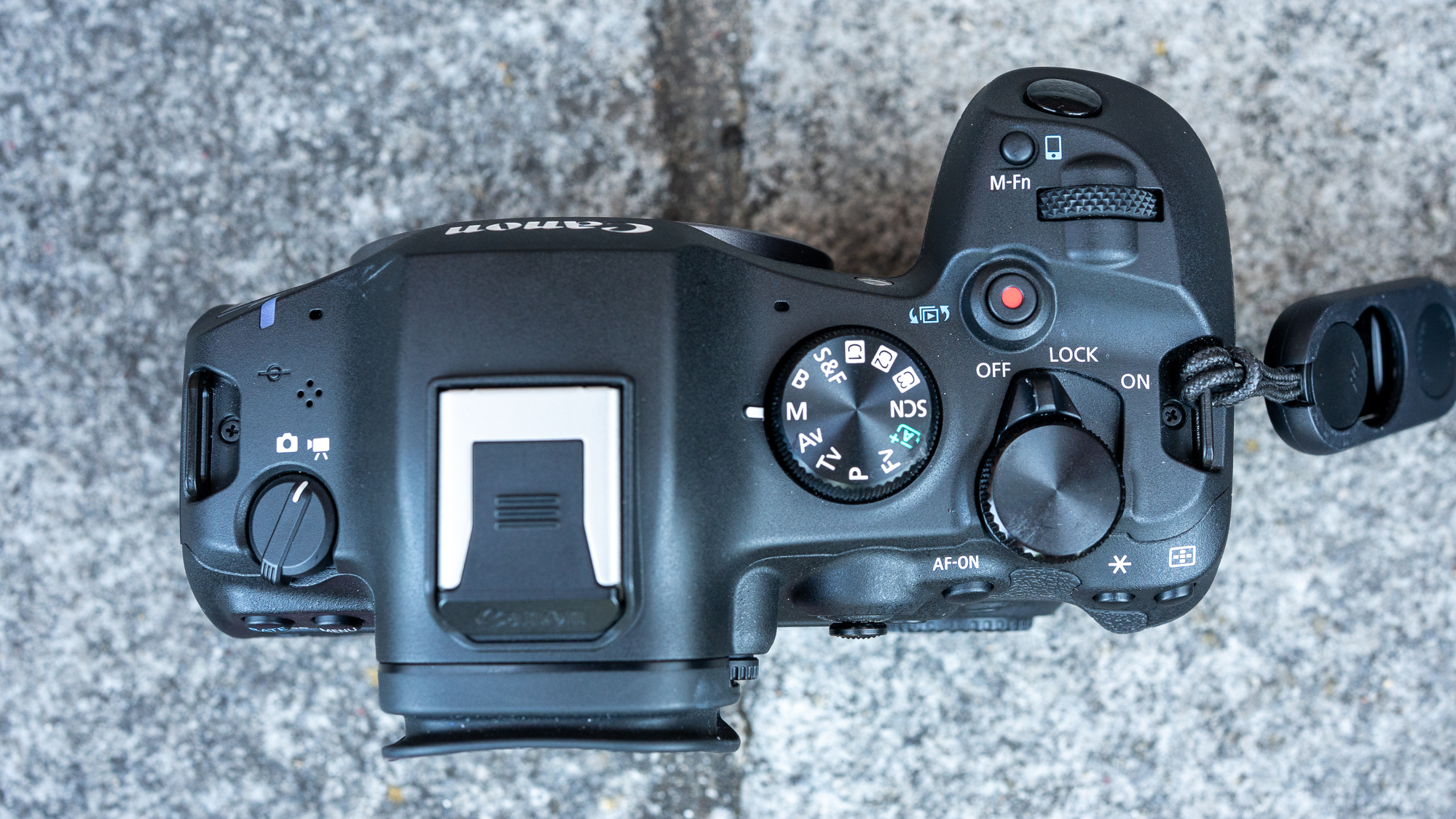
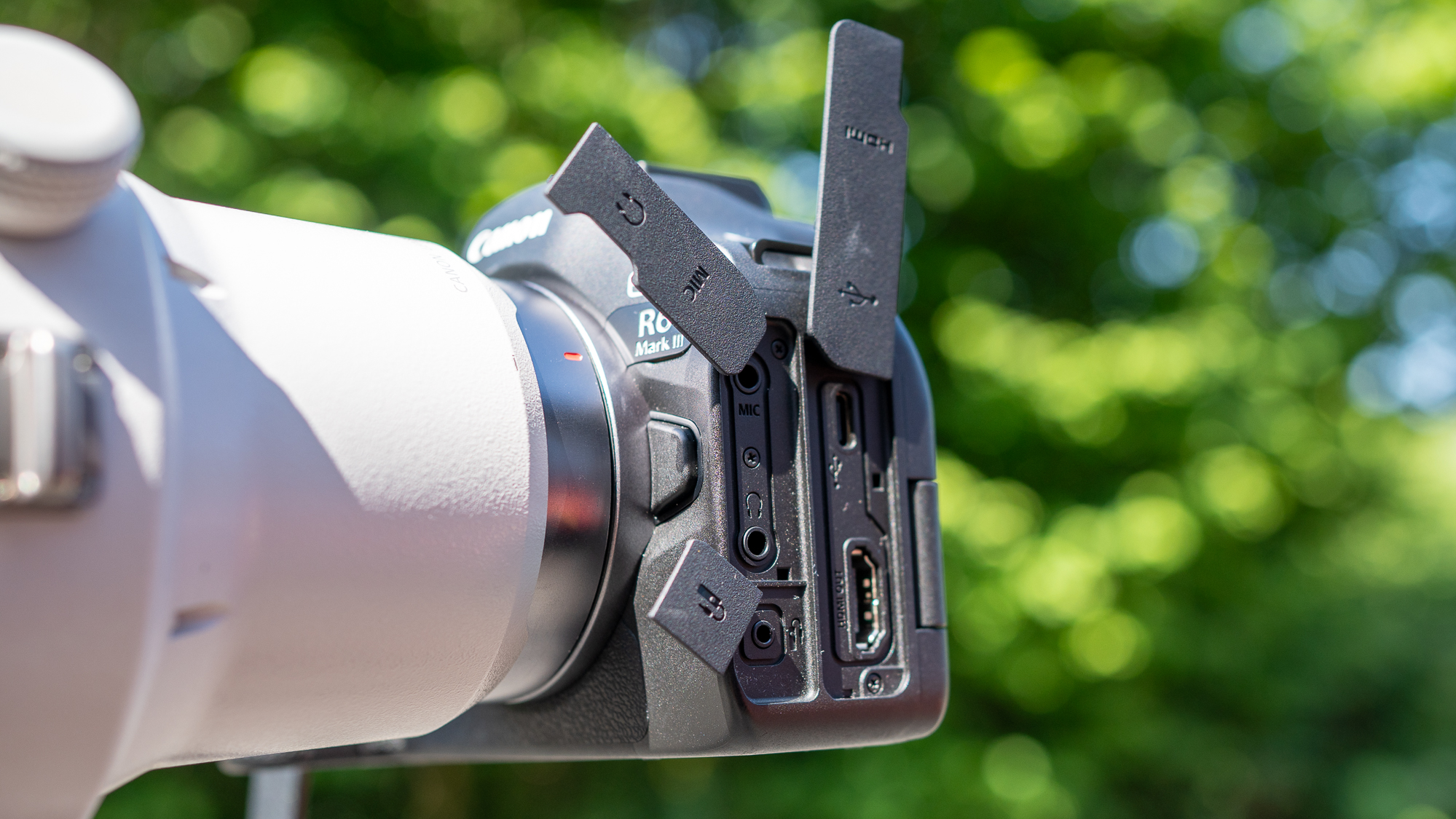
Existing Canon users will feel right at home with the Canon EOS R6 III, as the build and button layout are nearly identical to the R6 II, and similar to many other R-series bodies. We tested the R6 III with the Canon RF 100-300mm f/2.8L IS USM lens and found it comfortable to get a good grip on, and it feels satisfying in the hand, especially when paired with bigger lenses.
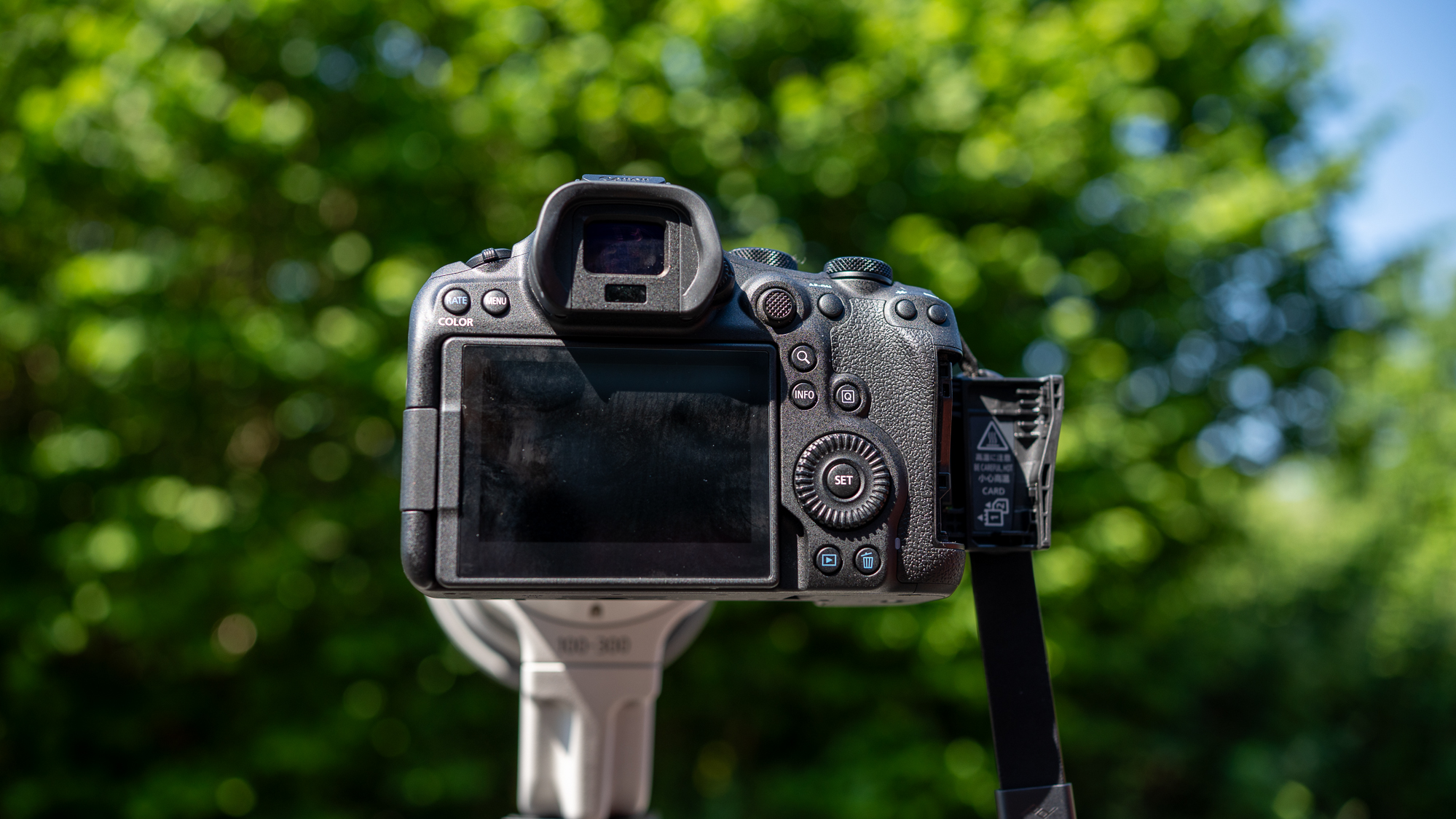
The LCD screen and viewfinder are exactly the same as the Mark II, but there are a couple of small differences elsewhere in the design. The R6 III now has a CFexpress Type B card slot as well as an SD card slot, allowing for faster workflows and data transfer. However, considering this camera sits in the more intermediate level, we have to question whether two SD slots would be more useful for the majority of users, especially because CFexpress cards are more expensive. Plus, we used fast SD cards during our tests and encountered no problems at all with the write speed or buffer.
Canon EOS R6 III: Performance
Kimberley LaneKimberley LaneKimberley LaneKimberley LaneKimberley LaneKimberley LaneKimberley LaneKimberley Lane
An absolute joy for wildlife photography
32.5MP sensor is a very welcome improvement over the Mark II
Autofocus and subject detection are accurate and sticky
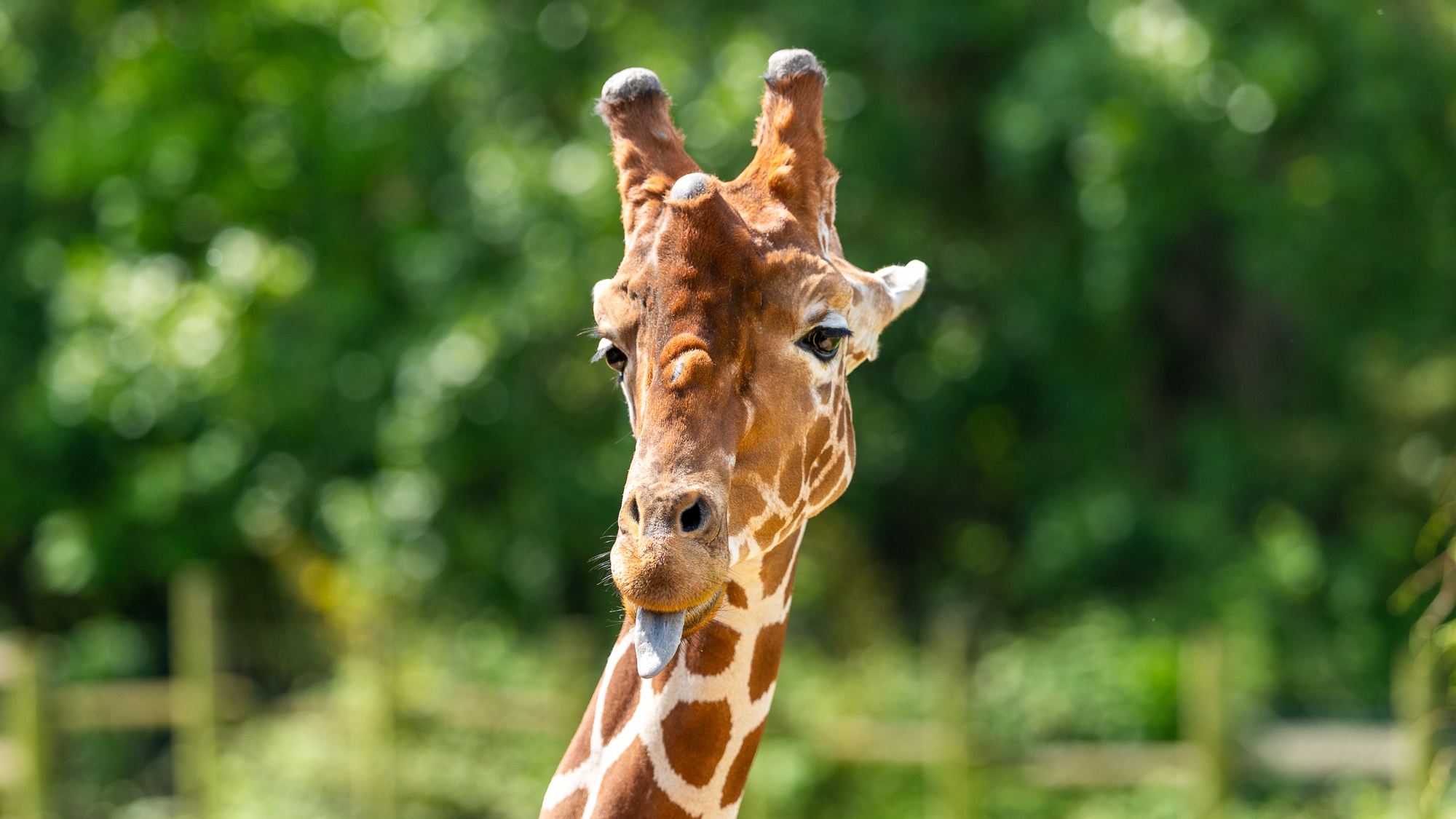
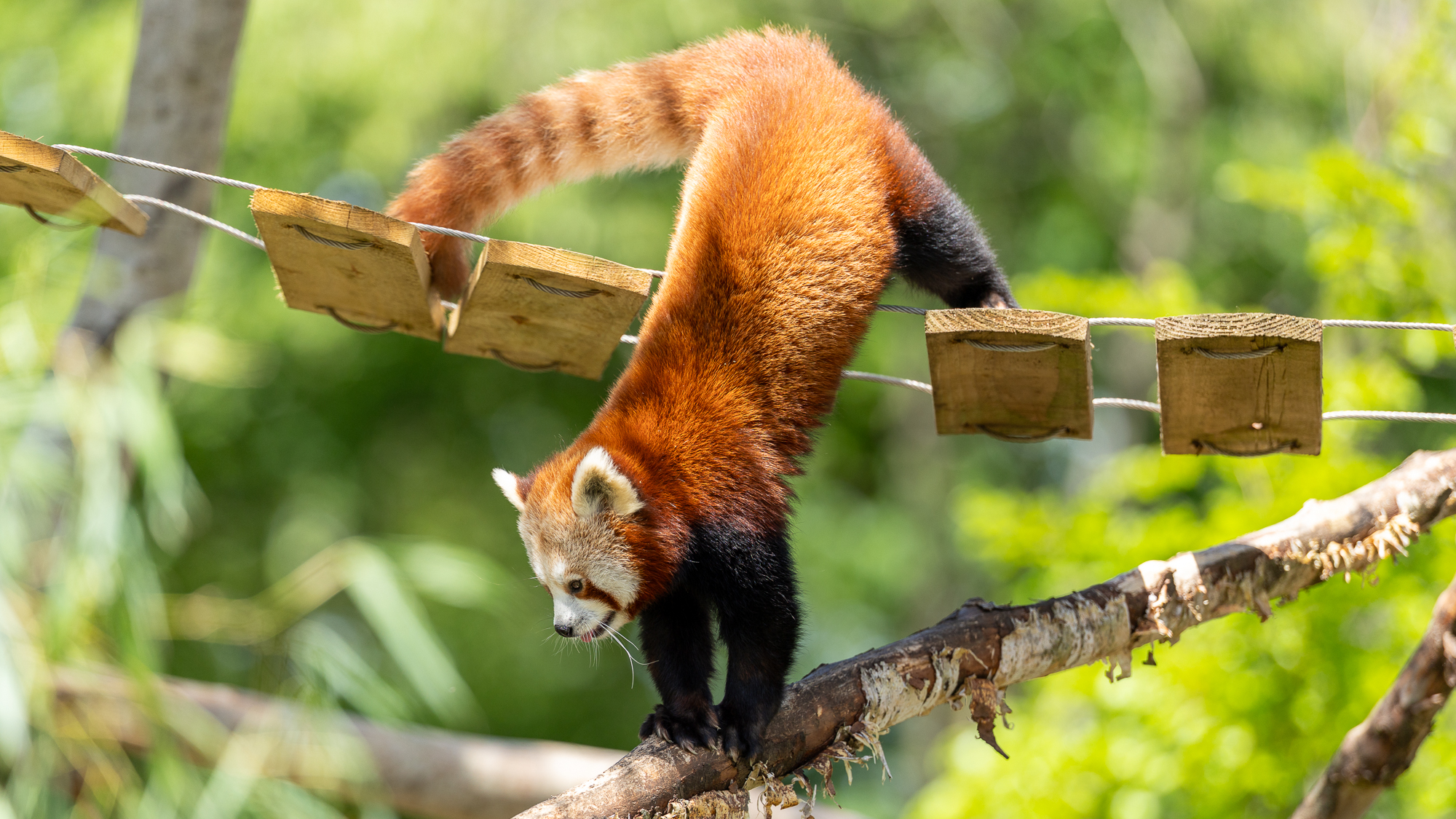
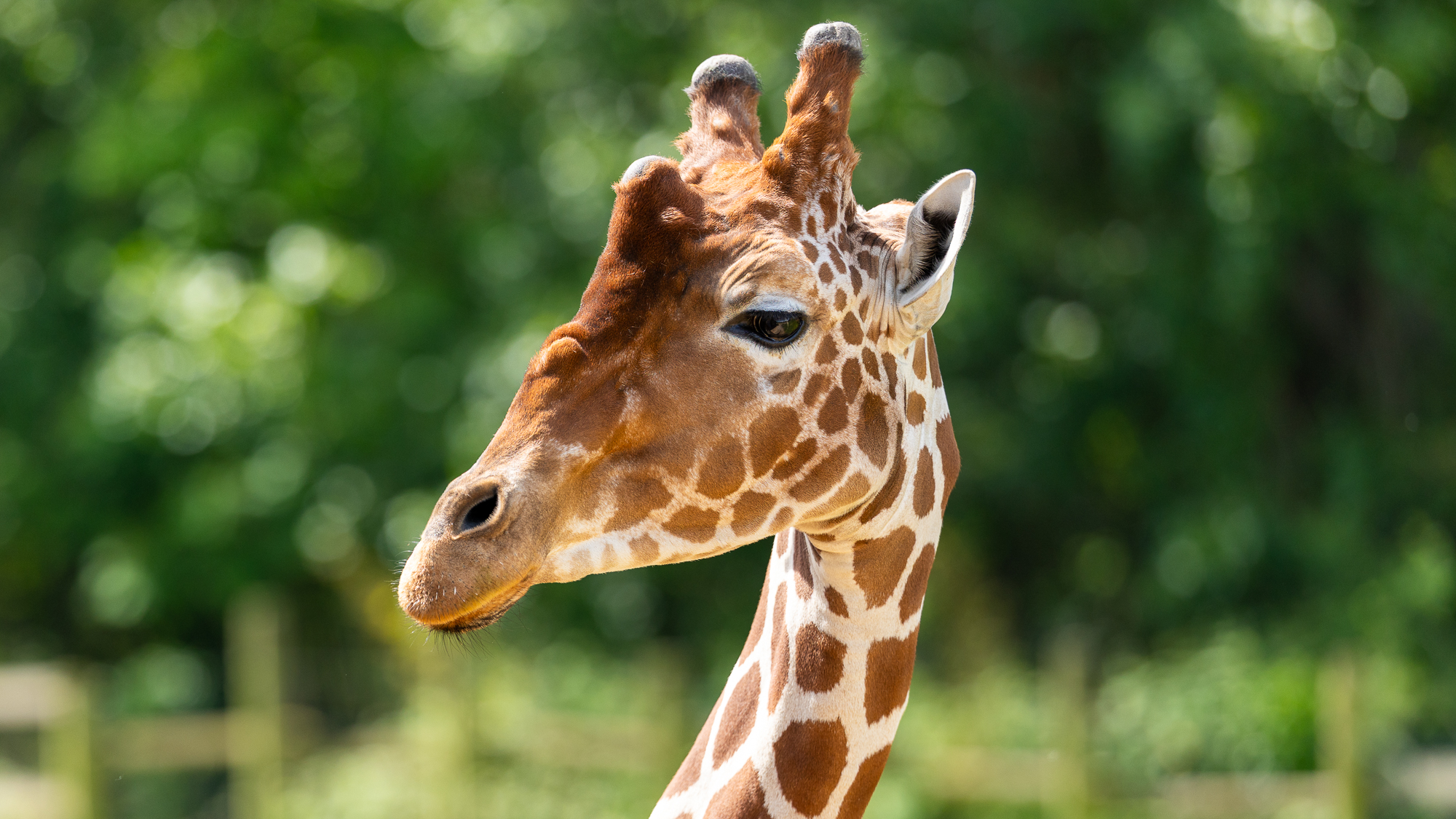
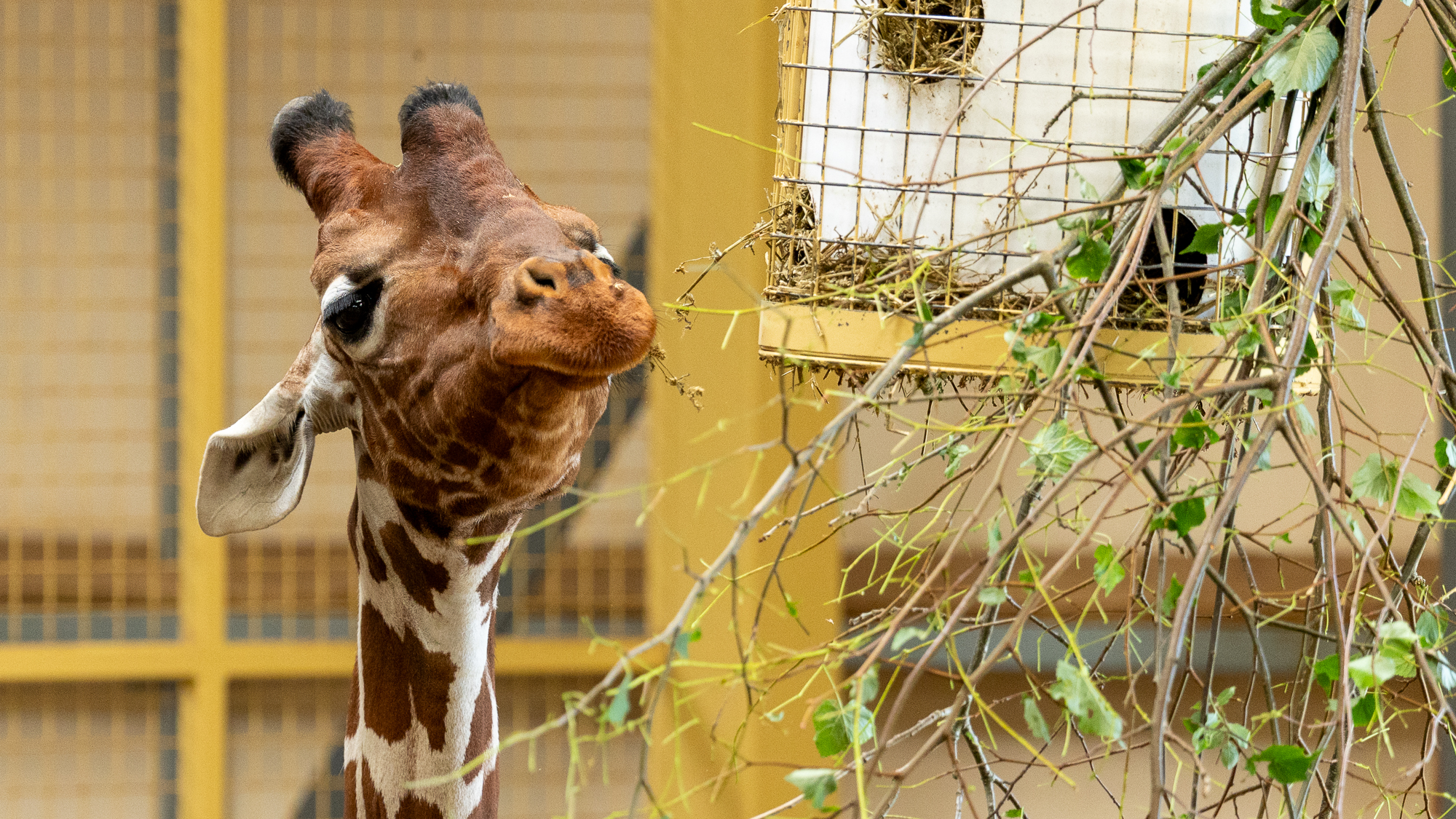
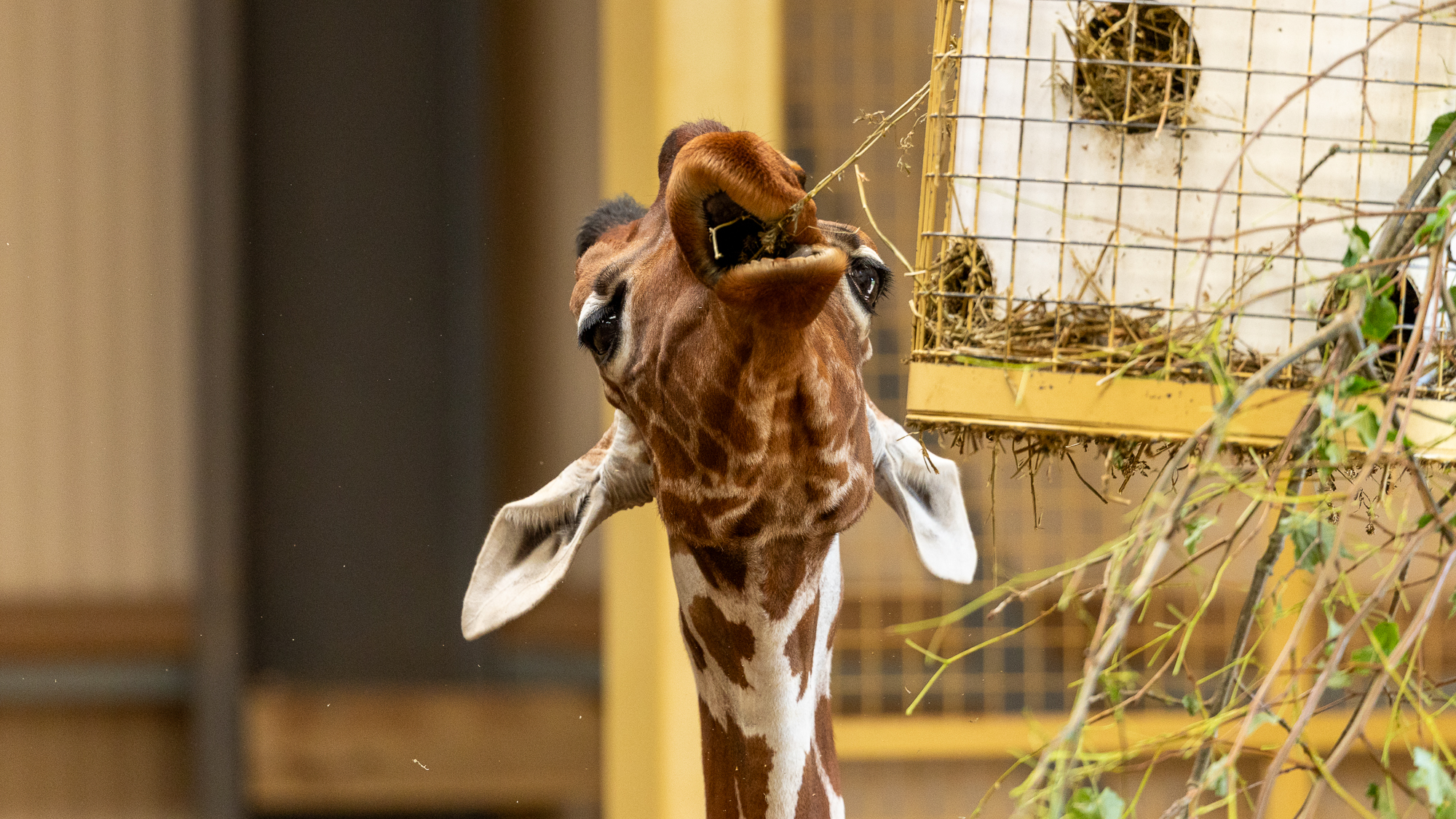
The Canon EOS R6 III features more advanced AI-powered autofocus, which enables it to track people, animals and vehicles more easily compared with the Mark II. When we were photographing animals at a zoo, the autofocus was generally very good, although there were a few occasions when the camera got confused. The focus jumped between the giraffe’s eyes, nostrils and ossicones, and the camera couldn’t quite figure out what to focus on, even when the animal was facing towards the camera with the eyes in view. There were also a few unfortunate occasions when the camera would find and track an "eye" on the — how do we put this — wrong end of the animal. Generally, though, it was fast and accurate.
In our review of the previous model, the Canon EOS R6 II, we said, "Considering it's the next step up from the Canon EOS R8, we'd hoped for a bump in resolution. Matching the 32.5MP resolution of the crop-sensor Canon R7 would have given the R6 II an even sweeter spot between the R8 and the 45MP powerhouse Canon EOS R5 II."It seems Canon was listening, as the 32.5MP sensor in the Canon EOS R6 III sits perfectly between the beginner and professional lineups. The images are clean, detailed and not too noisy, making this camera a compelling choice for photographic styles that require excellent resolution without excessive noise.
Canon EOS R6 III: Functionality
Kimberley LaneKimberley LaneKimberley LaneKimberley LaneKimberley LaneKimberley LaneKimberley Lane
Canon claims battery life allows for around 620 shots (CIPA) — we took around 6,000
Blackout-free burst shooting up to 40FPS
Pre-continuous shooting
For wildlife photography, blackout-free shooting enables you to follow the subject a lot easier as it's moving, to ensure you can keep the subject centered and maintain your composition. What's more, with the R6 III, you can shoot up to a massive 40 frames per second (FPS) blackout-free, which is perfect for fast-moving wildlife. (Keep in mind, this means you need to hone your timing to avoid the "spray and pray" method and end up with tons of photos of the exact same moment). This is one feature of a wildlife camera that makes a big difference.
The R6 III also features pre-continuous shooting, where it'll record up to 20 frames (approx 0.5 seconds) before the shutter is fully pressed — another useful feature for wildlife and sports photographers who need to capture fleeting moments.
The Mark III uses the upgraded LP-E6P battery, shared with the R5 II, which offers significantly more shots per charge than the LP-E6NH in the R6 II. That said, it means that if you're upgrading from a different Canon model, your current spare batteries won't work in the R6 III, so you'll need to invest in a few spares. However, we managed to get more than 6,000 photos without having to swap out the battery, so you won't need to worry about the battery running out unless you're shooting all day for multiple days.
Should you buy the Canon EOS R6 III?
We can confidently say: yes, you should buy it. It seems to tick all the boxes for a lot of shooting scenarios, whether it's your main wildlife camera or a backup body for weddings. The 32.5MP sensor produces beautiful images with minimal noise and accurate color reproduction; it's lightning fast with a 40FPS burst speed and can capture up to 7K 60p video. However, if you're looking for a more serious pro-level camera, perhaps opt for the R1 or R3 instead.
If this camera isn't for you
If you want to go pro
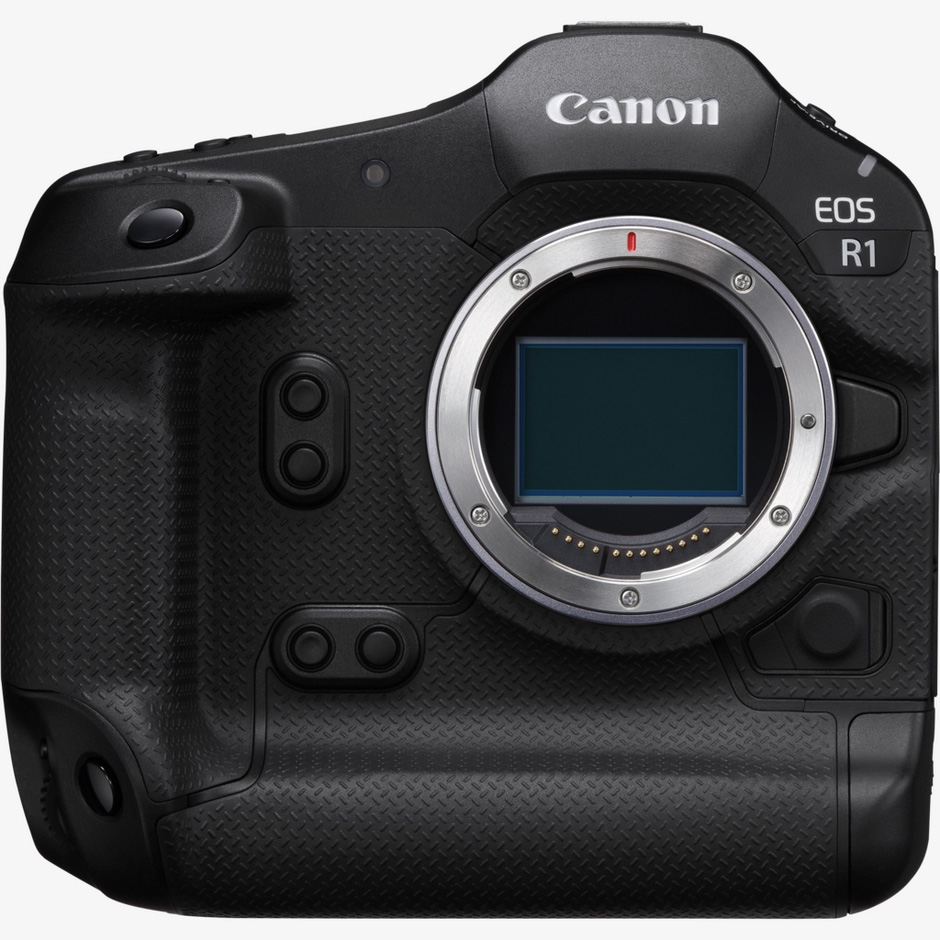
Canon EOS R1
If you're looking for a professional body with maximum reliability, professional-level handling and overall increased performance, look at the Canon EOS R1.
If you're a beginner
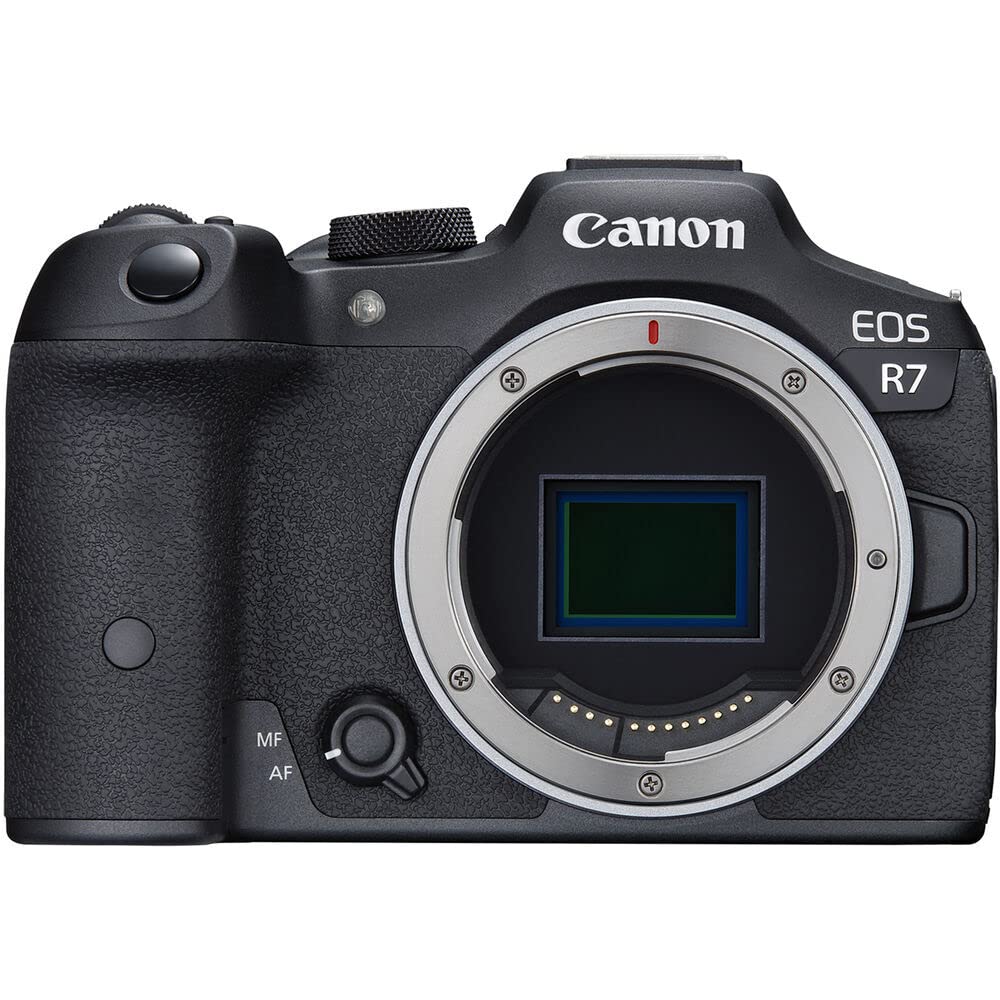
Canon EOS R7
Beginners or anyone on a budget should consider the Canon EOS R7. It has the same 32.5MP resolution, a 30FPS burst rate, and the APS-C sensor applies a 1.6x crop factor when paired with a full-frame lens to increase reach.
A Chemours plant in Fayetteville, N.C. Under a proposed settlement, Chemours would pay fines for discharging PFAS from plants in North Carolina, New Jersey and West Virginia.

 Login