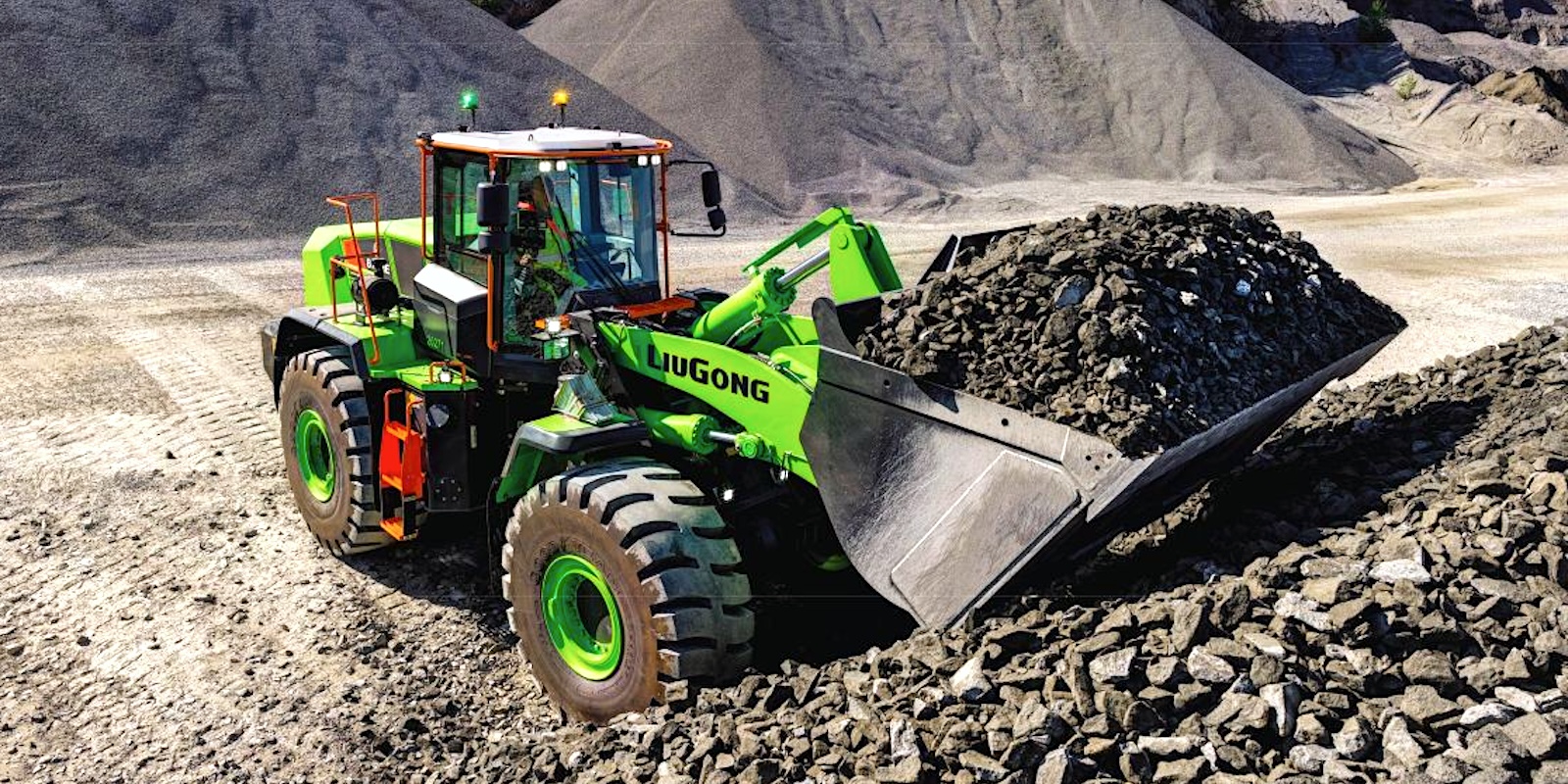
This week, Chinese equipment brand LiuGong officially launched its battery-electric equipment and material handling asset portfolio in the United States and Canada, making it easier than ever for construction and forestry crews to decarbonize their fleets.
Xi Jinping used his first appearance at China's World AI Conference to promote a vision of low-cost, broadly accessible AI and call for international cooperation rather than technological rivalry. "AI development should not be a solo performance by a single country, but a symphony of international cooperation," he said. Bloomberg reports: His presence at the gathering, attended by scores of tech and government leaders, conveys a potent signal of China's ambitions to dominate a technological sphere with the potential to revolutionize industry and economies -- an effort that's shot to the top of the nation's agenda. Chinese models are winning over companies worldwide, with their share of US firms' AI usage nearing a record 60% on the popular marketplace OpenRouter.
Behind the rhetoric, Beijing is grappling with the balance between openness and national security as models grow more capable. Chinese officials recently discussed with companies including Alibaba -- developer of the popular Qwen models -- how to mitigate the security risks posed by their increasingly powerful models, people familiar with the matter said. The talks are early, with no enforcement planned, but restricting foreign access to top models was among the options raised, the people said. Reuters previously reported that Beijing was weighing curbs on overseas access. Earlier today, the Beijing-based AI company "Moonshot" released a massive new model that reset the AI race overnight, immediately vaulting into the top tier of global AI, beating Anthropic's Fable 5 and OpenAI's GPT-5.6 Sol in front-end coding tests.
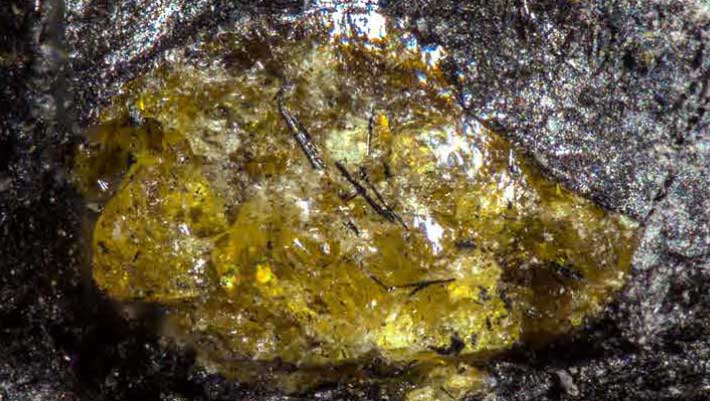
Paleontologists in China have discovered what they say is the earliest confirmed pieces of amber ever found, a fossilized resin roughly 385 million years old (Middle Devonian epoch) that predates the previous record-holder by about 65 million years.
China President Xi Jinping (pictured) set out his vision for the country to assume a leadership role in AI, calling for increased international cooperation and promotion of open-source technology while taking aim at the US over attempts to govern the sector.
Xi made the comments in a speech at the World AI Conference in Shanghai, where it was announced China, Brazil, Russia and Indonesia are among 30 countries to have joined the World Artificial Intelligence Cooperation Organisation.
Chinese state media describe the new group as an intergovernmental organisation headquartered in Shanghai to promote global AI governance.
Of the new group, Xi said AI should not be a “solo performance by one country, but rather a symphony of global cooperation”.
He said the initiative is a response to the call of the Global South to unite the international community in promoting development and governance of AI, “and it will become a major milestone in the history of artificial intelligence development”.
To further support this, Xi said China will provide 5,000 training opportunities in AI-related fields for developing countries, in addition to establishing AI application cooperation centres.
In his speech, Xi noted that as AI continues to develop at “staggering speed”, there was a greater need for positive direction.
“We must more precisely grasp the scale of oversight and governance, and more promptly refine measures to forestall loss of control.”
Overstretch While not naming the US directly, Xi said countries should oppose “overstretching the national security concept in the field of AI, or placing one country’s security over that of others”.
The US has notably placed several restrictions on China, impacting companies in the country from accessing high-end technology.
XI continued to state he was committed to promoting cooperation, bridging the digital divide, promoting sustainable development and avoiding “creating new historical injustices in the field of artificial intelligence”.
Finally, he called on the countries to “seize this rare historical opportunity, encourage open source and open collaboration”, in turn upgrading traditional industries and ensure AI can “empower all sectors”.
Ao longo dos anos a Neuralink de Elon Musk tem partilhado casos de sucesso nos testes dos seus implantes neurais. Mas foi a chinesa Neuracle que aplicou o primeiro chip cerebral comercial.
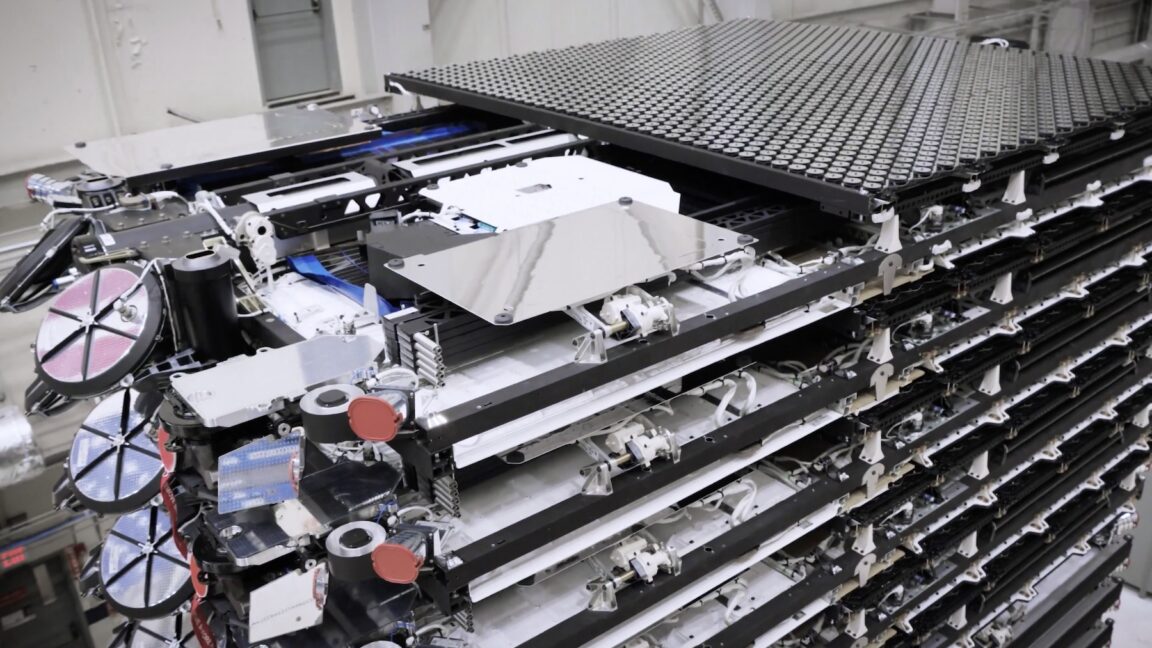
One week ago, three widely respected European news outlets published the results of an investigation into what they described as a "joint plan" by China and Russia to "defeat Elon Musk's Starlink."
The story was the product of a long-running inquiry by The Insider, Der Spiegel, and Le Monde. Reporters at those publications said they reviewed a cache of documents detailing growing military cooperation between China and Russia. The documents covered discussions between the nuclear powers on integrated air and missile defense systems, autonomous "swarm" loitering munitions, next-generation armored vehicles, and military aviation, the report said.
According to the papers, the investigation found evidence of a partnership between China and Russia in the field of space weapons far deeper than either country has acknowledged. One particular focus for China and Russia has been developing strategies to counter SpaceX's Starlink satellite broadband network.
For decades, OPEC influenced the market by how much oil it produced. But China, the largest importer, is demonstrating its remarkable power over prices.
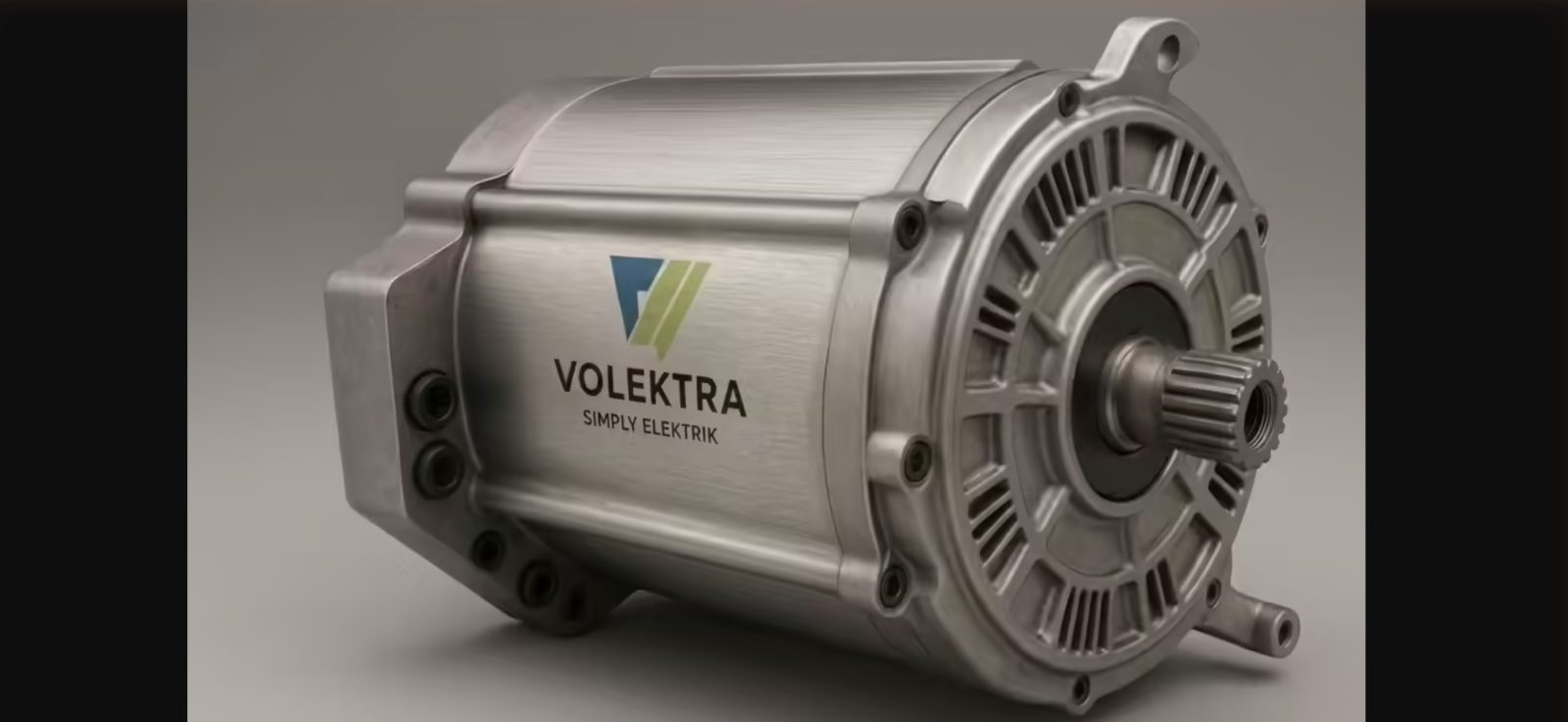
A Bengaluru startup called Vimag Labs just secured its fifth Indian patent for an electric motor that runs without any rare-earth magnets, using software and power electronics to generate its magnetic field instead.
It’s a small, $5-million company taking a swing at a problem that has stumped Tesla, GM, and every major automaker for years: how to build a competitive EV motor that doesn’t depend on China.
HELSINKI — China confirmed a methalox Long March 10C as its commercial workhorse following its first successful booster recovery, while injecting fresh capital into commercial rocket ventures. The China Academy […]
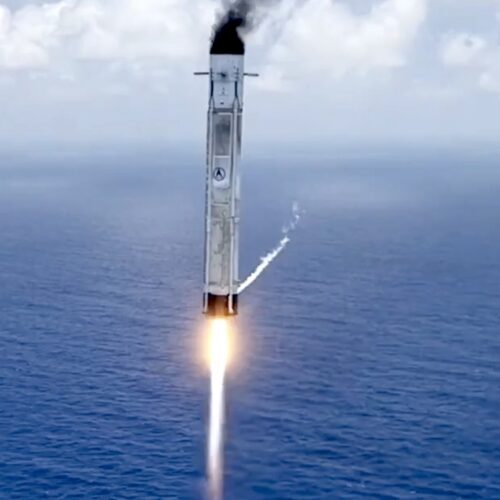
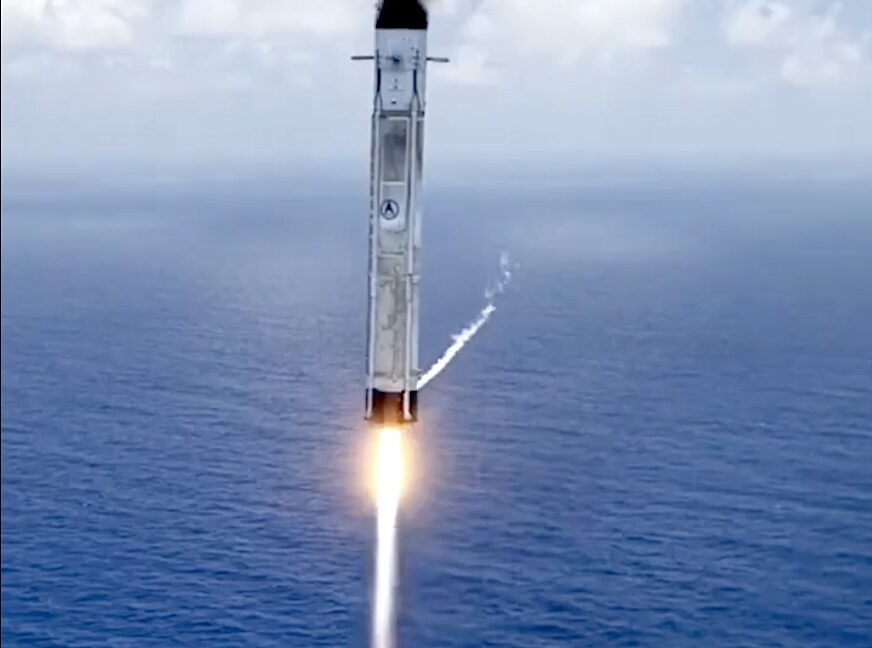
China's sprawling state-owned rocket developer, maker of the country's Long March rocket family, announced it recovered a reusable orbital-class booster for the first time Friday in the South China Sea.
The milestone mission began with the liftoff of a Long March 10B rocket from the Wenchang Commercial Space Launch Site on Hainan Island, China's southernmost province. Powered by seven kerosene-fueled engines, the approximately 209-foot-tall (63.6-meter) rocket took off at 12:15 am EDT (04:15 UTC), or 12:15 pm local time at the seaside spaceport at Wenchang.
About 10 minutes later, the Long March 10B booster descended from space and guided itself into a four-legged frame affixed to an offshore vessel. Tensioned cables stretched over the ship in a grid pattern captured the rocket as it shut down its landing engines, leaving the smoldering booster hanging in midair. The rocket's upper stage continued into orbit and deployed a payload known only as CX-26. Chinese officials hailed the flight as a "complete success."
On July 10, 2026, China’s new Long March 10B rocket lifted off from the Wenchang Space Launch Site on Hainan Island. Its upper stage successfully delivered a satellite into the planned orbit, while the first stage returned to Earth just six minutes after separation – not by landing on deployable legs like the Falcon 9, and not […]
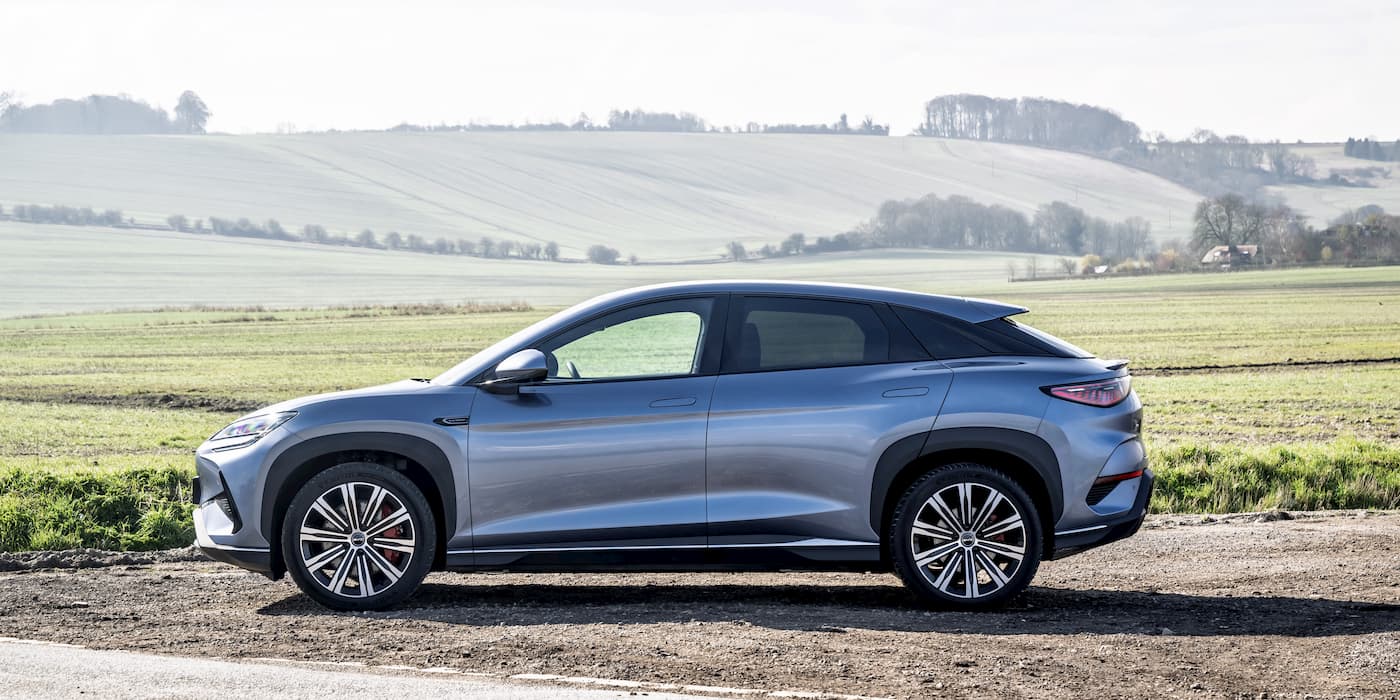
Australia just posted its biggest month ever for electric car sales, and for the first time seven different EVs each cleared 1,000 units in a single month.
Every one of them is either Chinese-owned or Chinese-built — and that includes the Tesla Model Y that topped the chart, which rolls off the line in Shanghai.
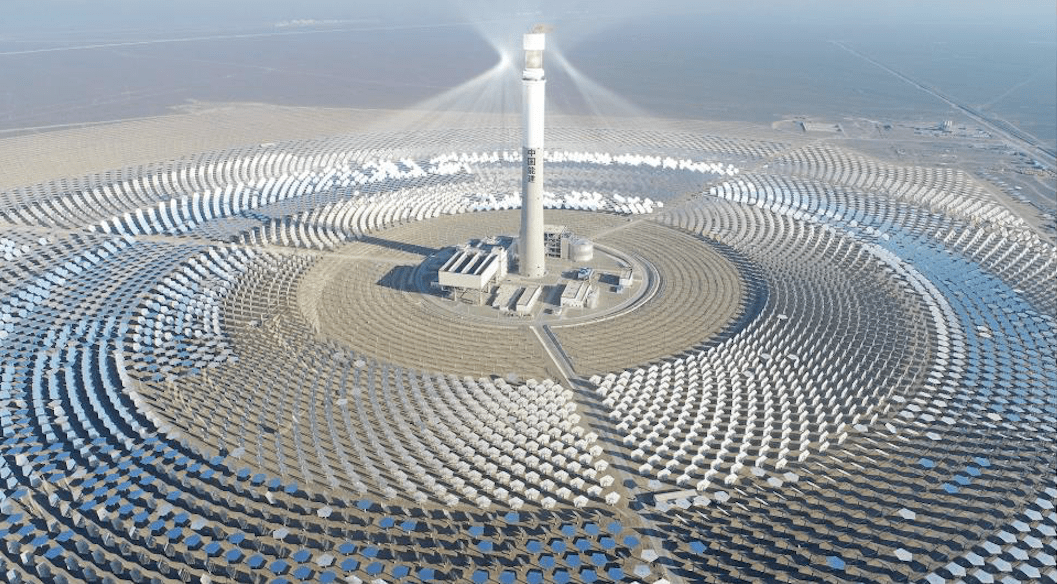
China Three Gorges Corporation (CTG) has put the world’s largest solar PV-plus-concentrated-solar hybrid into commercial trial operation in the Gobi Desert — and its headline trick is delivering power after sunset without a single lithium battery.
The 1-gigawatt Hami project in Xinjiang stores the sun’s energy as heat in molten salt, letting it keep generating for up to eight hours after dark.
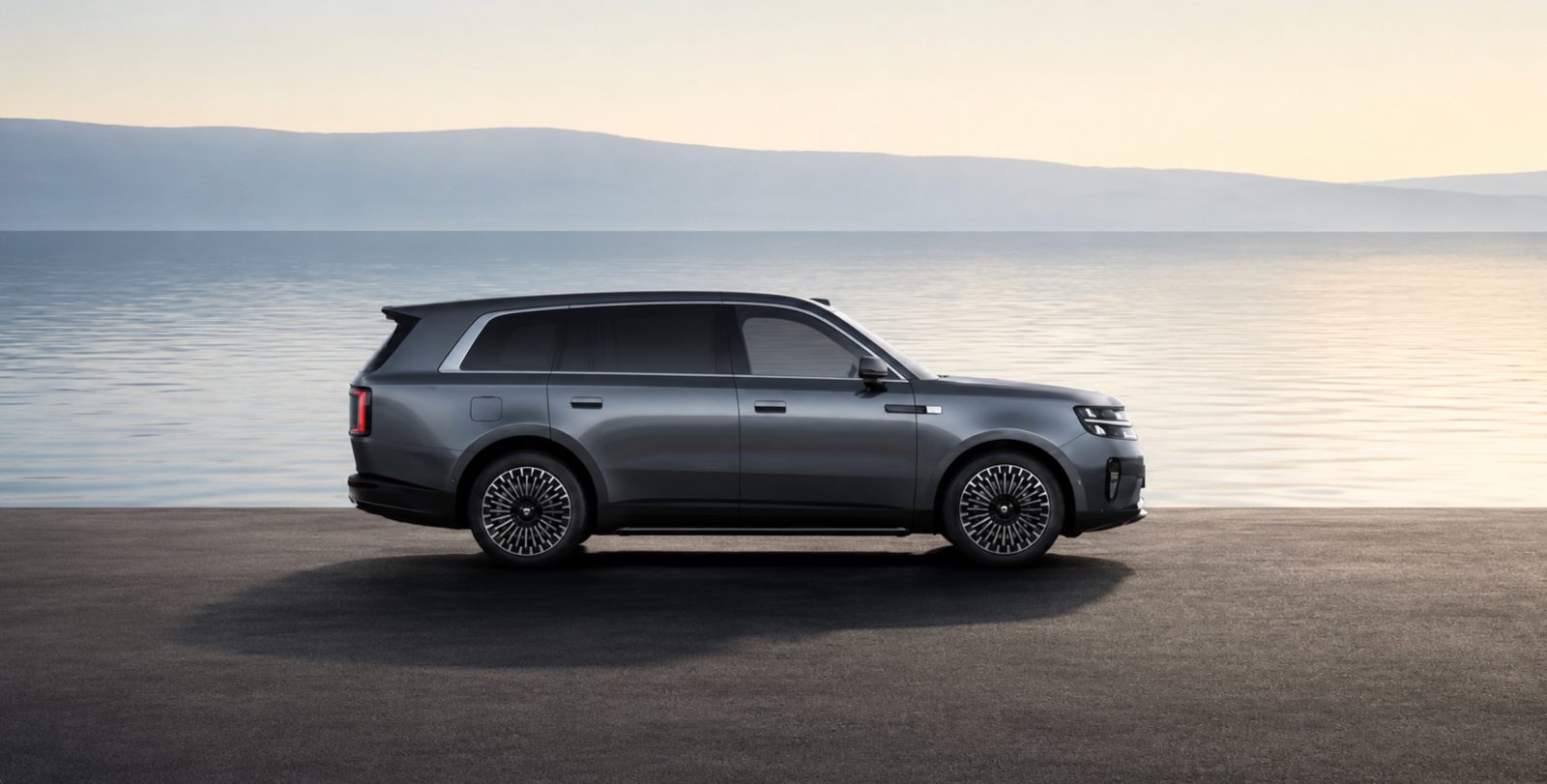
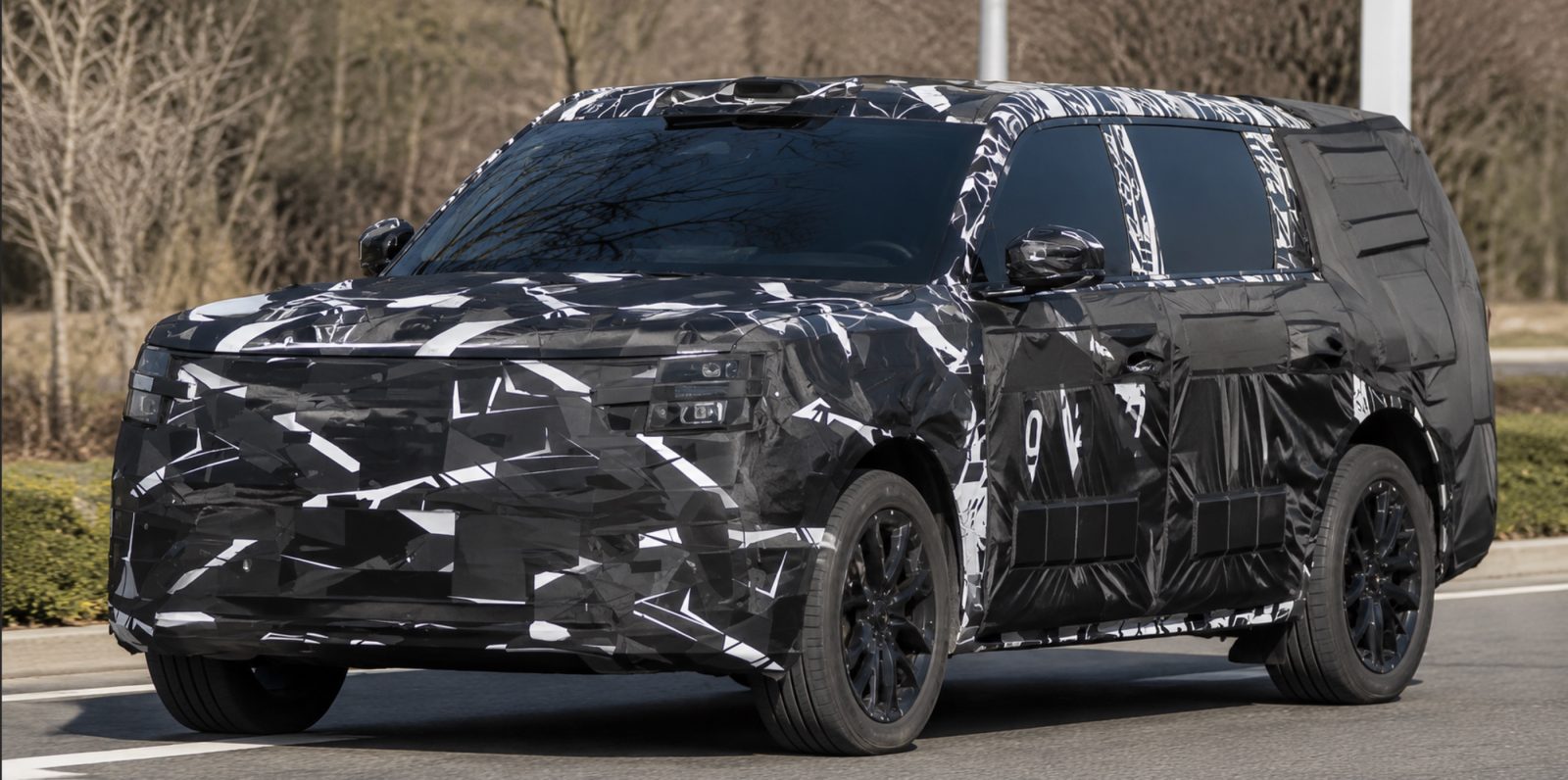
Xiaomi has answered the biggest open question about Sky Nomad: it’s a second product series under Xiaomi EV, not the standalone sub-brand that had been rumored for months.
The company also revealed the first clear look at the lineup’s debut model — a rugged, boxy extended-range SUV — in a set of official teaser posters.
Xiaomi officially confirmed “Sky Nomad,” the name of its new extended-range electric vehicle (EREV) effort, after months of rumors. The first model is a full-size SUV expected to deliver over 1,500 km (932 miles) of combined range.
The announcement puts China’s hottest EV newcomer on a collision course with Li Auto and Huawei-backed Aito, which dominate the country’s lucrative family SUV segment.
A 2,600-year-old discovery in China has revealed an archaeological enigma: why were dozens of bronze artifacts within an ancient tomb scattered and broken at the time of their placement?
The discoveries, made within the Zaoshulin Cemetery, a major archaeological site in Suizhou City, Hubei province, China, included several bronze bells that were dispersed throughout the lord’s final resting place, following the destruction of their wooden hanging components.
Now archaeologists think the unusual discovery wasn’t an accident, but instead could be evidence of the “deactivation” of these ancient objects as part of a widespread ritual phenomenon from the ancient world.
For Whom the Bells Toll
Archaeologist Chinglong Tse, who is presently a Ph.D. candidate at the University College London’s Institute of Archaeology, says the bells found within the tomb were more than just instruments used to create sonorous ringing: they were the implements of a world filled with belief in spirits of our ancestors and other supernatural presences.
“If archaeologists treat objects as tools, they risk projecting the image of a modern, rational, secular man onto the past,” Tse recently said of the discoveries, which he details in a new study featured in the Cambridge Archaeological Journal.
The bells, according to Tse, were likely crafted sometime in the early to mid 600s B.C., when Lord Qiu of the Zeng state commissioned them as implements for summoning the strength of his ancestors in combating an enemy state in the region. During Qiu’s time, known as the Spring and Autumn period, rival states in China’s Zhou dynasty waged war for power over the region, and the period is recognized as one of early China’s most turbulent.
The collection of bronze artifacts uncovered in Lord Qiu’s tomb comprise two sets of ornate bells, which archaeologists say were “deactivated” at the time of their entombment with the powerful State leader’s remains (Image Credit: Cambridge Archaeological Journal (2026). DOI: 10.1017/s0959774326100651)
Before the ancient Chinese lord’s death, peace was achieved between the Zeng state and its enemies in the state of Chu. As an act of ritual to prepare Lord Qiu’s changing role in the afterlife, the dismantling of the bells was a means of “deactivating” them, as their purpose had already been fulfilled.
With their powerful supernatural effects disabled, Lord Qiu’s own path into the afterlife to join his ancestors was prepared for.
The Dragon Bells of Lord Qiu
Qiu commissioned the crafting of these bronze bells as a charm to aid him during the period of unrest during which he reigned. The bells are magnificent artifacts, decorated in stylized dragons and featuring gemstones inlaid on their surfaces alongside inscriptions praising Qiu’s ancestors, all aimed at ensuring the protection of the Zeng territory.
According to history, Qiu would eventually wed the sister of the King of Chu, ending the rivalry between states, and thereby making these specially crafted bronze artifacts obsolete. Upon his death, the bells were intentionally “deactivated” with their wooden components removed, and the bells were scattered within Qiu’s tomb to prevent their intended function from carrying on into the afterlife.
Artifacts that Tell Stories
Appearing nearby within the tomb were a newer set of simpler bronze bells, which were neatly stacked and facing toward the southeast, bearing inscriptions that indicate their intended role had been for the afterlife, rather than to aid during times of regional conflict during Qiu’s lifetime.
“We still know very little about how bronze bells were produced in the Zeng state,” says Tse, adding that archaeologists may be able to discern a significant amount of information about the beliefs and capabilities of the people who lived during Qiu’s time if deeper knowledge about the bronze bells they constructed could be gleaned.
Fundamentally, Tse argues that while it is tempting to project a materialist, utilitarian mindset onto such ancient artifacts, doing so risks misunderstanding their actual purpose and their relationship to the worldview and belief systems of their ancient creators.
In that sense, the curious collection of dragon bells within lord Qiu’s tomb is more than merely artifacts—they are part of an ancient story of conflict, peace, and traditional views on the afterlife in the world of ancient China.
Tse’s findings were recently published in a study, “The Bells Are Harmonious and Resonant’: Numinous Ancestors, Resonant Bells and the Personhood of Lord Qiu of Zeng in Tomb M190 at Zaoshulin, Hubei,” which appeared in the Cambridge Archaeological Journal.
Micah Hanks is the Editor-in-Chief and Co-Founder of The Debrief. A longtime reporter on science, defense, and technology with a focus on space and astronomy, he can be reached atmicah@thedebrief.org. Follow him on X @MicahHanks, and at micahhanks.com.
As the United States of America celebrated its 250th birthday on terra firma with fireworks displays this weekend, two Asian countries made some splashes of their own farther from Earth.
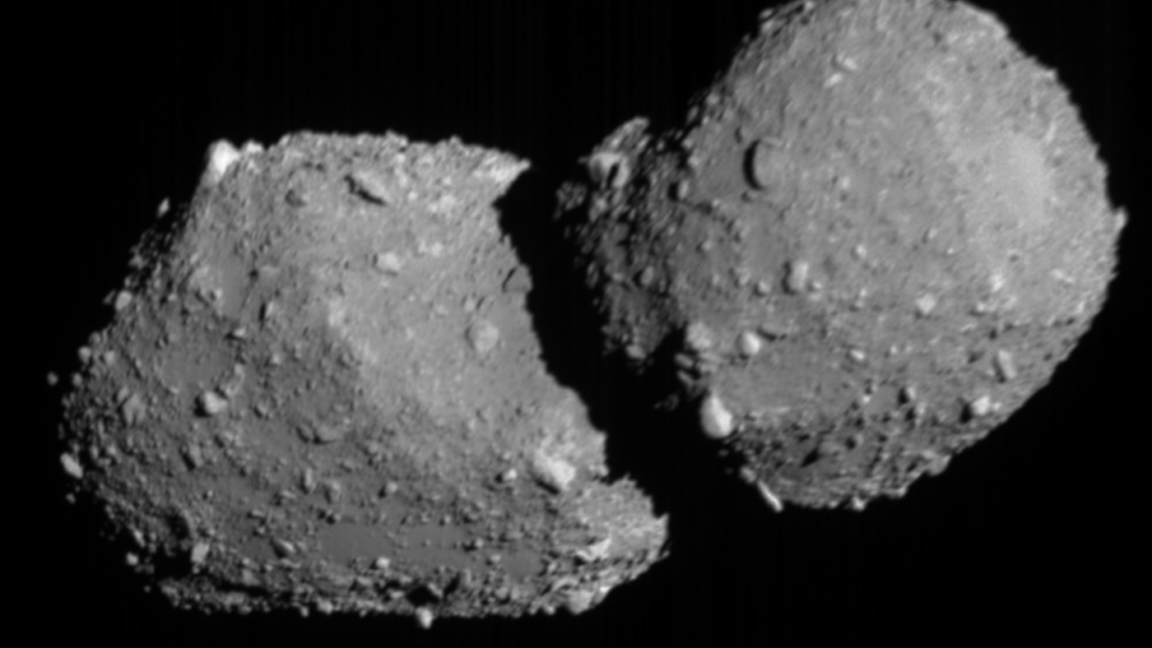
On Sunday, an aging Japanese spacecraft named Hayabusa2, which completed its initial sample-return objective more than half a decade ago, found success with an extended mission that saw the vehicle fly by a peanut-shaped asteroid named Torifune.
Hours later, the Chinese space agency released images from a spacecraft, Tianwen-2, arriving at its target asteroid following a journey of 1 billion km. At this small asteroid, the Chinese spacecraft will attempt to retrieve samples and return them to Earth late next year.

 Login