Semaglutide was linked to greater weight loss and a 15% lower fracture risk in people with type 2 diabetes, raising the possibility of an unexpected bone health benefit. People with type 2 diabetes who took semaglutide experienced greater weight loss and a lower risk of bone fractures than those using several other weight-loss medications, according [...]
People taking popular GLP-1 weight-loss drugs like Ozempic, Wegovy, Mounjaro, and Zepbound may be shedding pounds, but a new study suggests they are also moving less. People with obesity who lost weight while taking popular medications such as Ozempic, Wegovy, Zepbound, and similar drugs became significantly less physically active, according to research presented at ENDO [...]
Persecuted inside Pakistan, the Ahmadis continue to see the Nobel-winning physicist’s life as evidence that scientific excellence and spiritual conviction can coexist.
Heaven is at war and Satan is trying to destroy the true followers of Jesus Christ. Here I explore the idea that UFOs are real manifestations of angelic forces, both malevolent and benevolent, as seen in visions in the Bible. They are the ones currently engaged in battle.
A surprising study found that cutting out sugar completely may disrupt the gut microbiome and worsen metabolic health. Cutting sugar out of your diet entirely may not be as beneficial as many people assume. New research in mice suggests that completely eliminating sucrose could have unintended effects on gut health and metabolism. The findings were [...]
Researchers have identified a potential biological signature of sleep loss in saliva, bringing scientists closer to an objective test for detecting dangerous fatigue. A driver who has been awake for an entire day can be as impaired as someone who is legally intoxicated. Yet unlike alcohol, there is no roadside test that can objectively determine [...]
When Victoria Glynn was a teen living in Honduras, she enjoyed making art. But that wasn’t her only interest. “Growing up in Central America, I was just surrounded by all of this amazing biodiversity,” she says. So, when it came to college, Glynn opted to study environmental science.
For undergrad studies, Glynn moved to the United States to attend the University of California, Berkeley. While there, she worked in a lab that genetically engineered yeast to produce biofuel. But she had a problem: Glynn was struggling to find diagrams to accompany talks about her research. Her mom suggested that she use her skills in art and make her own. “At the time, I wasn’t seeing other people doing that,” Glynn says. “It felt like science was in one corner, and all the arts and humanities were in the other.”
Glynn soon found other ways to bridge science and art. As an undergrad, she taught refugees and children who had recently arrived in the United States. She sometimes worked in classrooms where the students spoke many different languages. Art became a “common language for all of us to be on the same page,” she says.
Now as a visiting researcher at the University of Connecticut, Avery Point, Glynn studies how plankton are adapting to high temperatures. In this interview, she shares her experiences and advice with Science News Explores. (This interview has been edited for content and readability.)
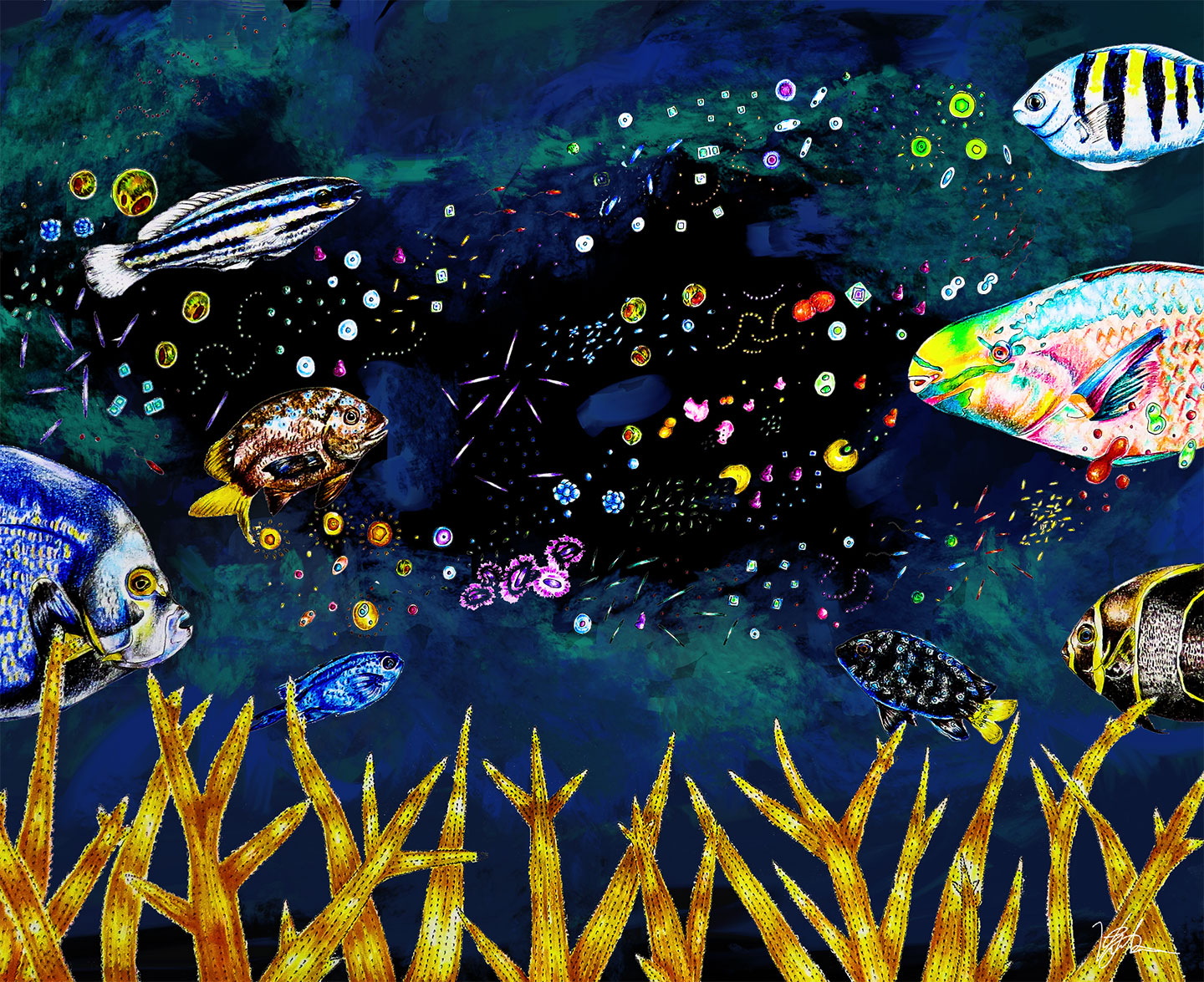
Glynn uses traditional media such as colored pencils and watercolor to create scientific illustrations.V. Glynn
What inspired your career?
I think what really inspired me was an undergrad class at Berkeley. One of my best friends recommended that I take this particular genetics course. I was unsure since the course wasn’t a requirement for my degree. The class seemed very removed from my interests at the time, but I still decided to enroll. I felt college was a time to explore and learn from various fields.
I remember something just clicking in my brain during one of the first lectures. Genetics and DNA felt so powerful. All organisms have DNA, which means you can track it and directly measure how it’s changing over time. Essentially, how it is evolving and mutating. After this class, I really wanted to dive into this topic more deeply.
How did you get to where you are today?
I didn’t do a lot of marine biology work until I was in my PhD. The lab I joined for my PhD at McGill University in Montreal, Canada, was looking for someone who did genetics work, preferably in marine invertebrates. I happened to fit the bill and was interested in the project. We would take corals from their home environment and bring them onto a boat to conduct temperature stress experiments. We were interested in seeing how they build up resistance to bleaching.
Corals are beautiful animals, but they’re very hard to rear in the lab. They’re very delicate animals that do not like being in tanks. They even struggle out on the reef. That unpredictability makes experiments very difficult.
For my post-doc, I switched to studying plankton to better understand how marine organisms are being affected by warming oceans. I needed an animal that could evolve quickly over multiple generations. Plankton are much easier to grow. In as little as 11 days, you can have adult plankton that lay eggs. Compare that to corals. Some species are so long-lived that they will not reproduce within our lifetime.
How did you decide to study science education?
I loved being an environmental science major, but I often missed that human connection when spending time in the lab. I also felt that sometimes the best researchers were not always the best at communicating their work with the general public. I wanted to share what I was learning with those who are the most affected.
Improved science communication leads to better science. In turn, embracing different backgrounds improves science education. It allows more people who are taking these courses to feel empowered and actually pursue STEM degrees. [STEM stands for science, technology, engineering and math.]
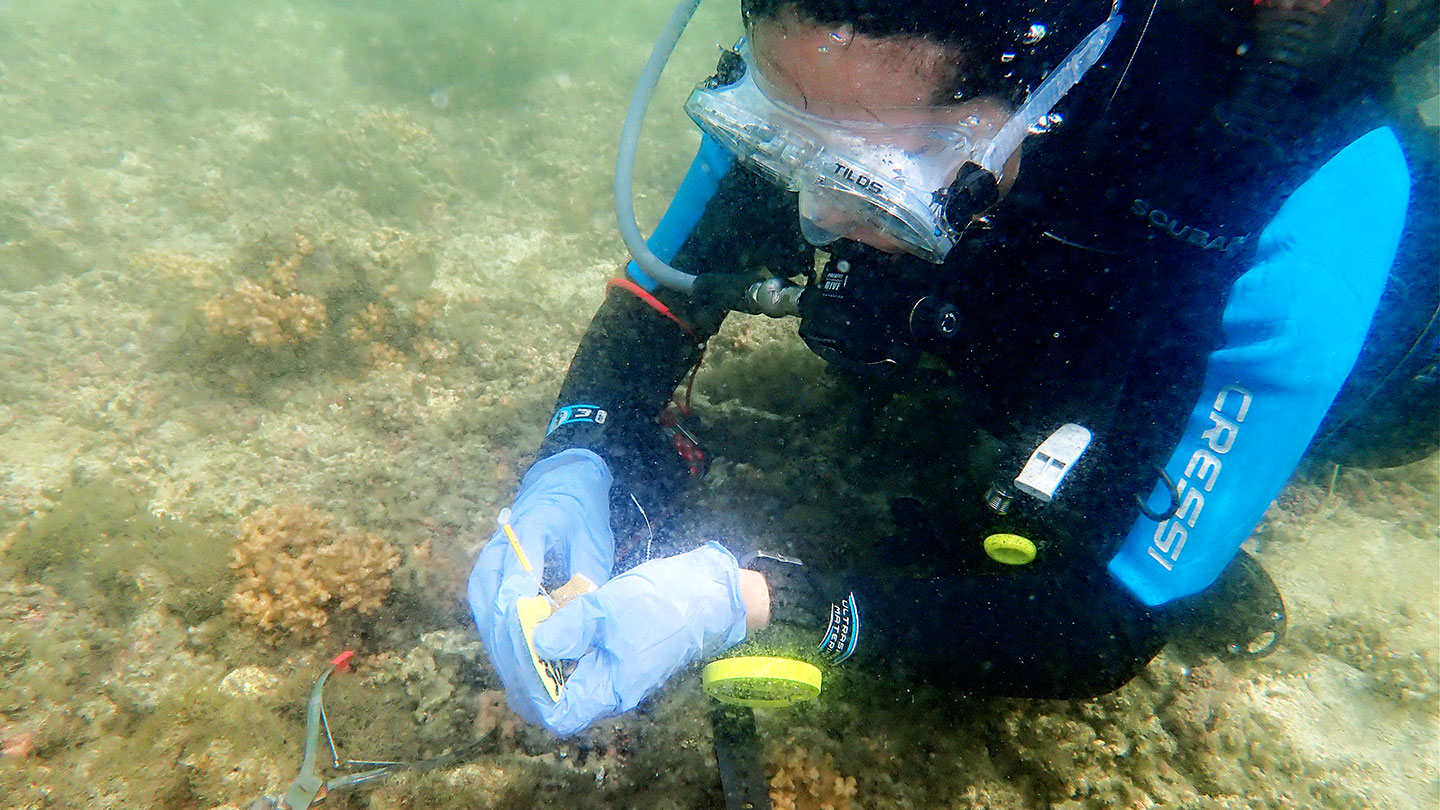
As an evolutionary biologist, Victoria Glynn has conducted field work underwater, such as sampling corals in Panama’s Las Perlas Archipelago.Michael Connelly
Scuba diving is both a hobby and part of your work. When did you pursue that?
Both of my parents are divers. When I was younger, they would always talk about it. Honduras is also one of the most affordable places to get dive certified. So when I turned 12, I decided to go for it.
As I was applying for my PhD, my mother suggested that I add diving onto my CV. [A CV, or curriculum vitae, is the academic version of a resume.] I doubted whether people were going to care but added it anyway. That was the one line out of my entire CV that my future PhD advisor picked out during our interview. He was looking for someone who could handle both diving in the field and doing molecular work in the lab.
That taught me that the experiences you may not see as valuable in professional settings may be what sets you apart. You don’t know where these experiences are going to lead.
What advice would you give those pursuing careers in STEM?
Oftentimes, you find the most unlikely mentors outside of your direct field of study. I think those can be the most important. Sometimes, those people gave me more powerful personal advice than my formal supervisors did. STEM degrees are difficult. But with a good support system, anything is possible.
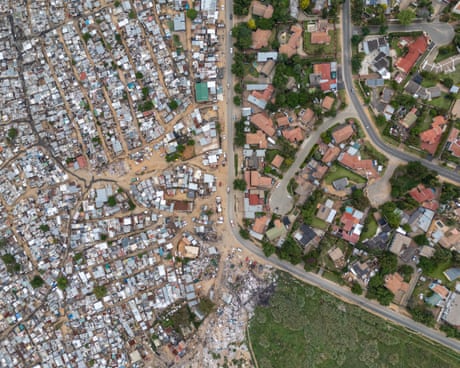
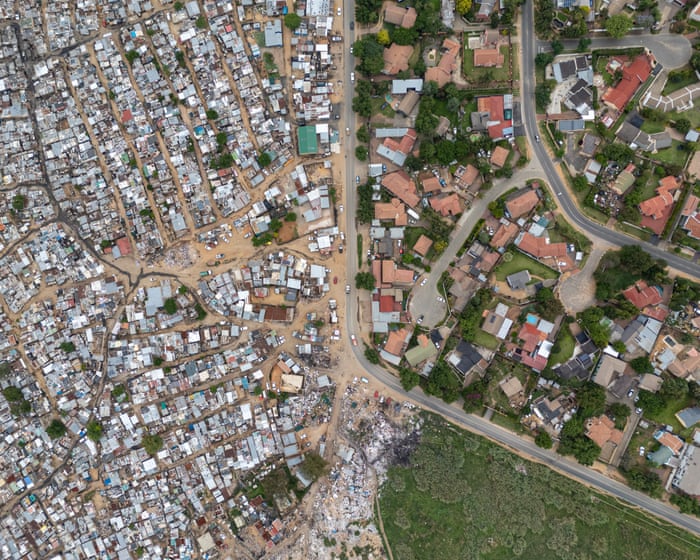
As temperatures rise, it is the poor who suffer most. The coping strategies of those living in informal settlements may hold lessons for cities of the future.
Experts say increased use of crops for fuel is ‘dangerous game’ that could send food price inflation soaring
Demand for biofuels is likely to leap by nearly a third this year, which could send food price inflation soaring further and push the world closer to a global food crisis.
More countries are opting to increase biofuel use as the price of oil has jumped to nearly $100 a barrel after the US-Israeli attacks on Iran and the closure of the strait of Hormuz.
In our increasingly dystopian world, who wouldn’t want to at least be open to a utopian antidote? The Global Justice Report, published on Thursday, outlines how to build a prosperous, equitable world within safe planetary boundaries. It’s a push from the modern eco-socialist left in a global battle for ideas that will shape the future.
Based on past social achievements and future energy transformation, it indicates that the overwhelming majority of people on the planet could, by the end of the century, work less and earn more – while keeping temperatures down and avoiding much of the current destruction of nature. It is an ambitious, comprehensive and upbeat plan, and a stronger argument around which to build a political campaign than abstract goals of net zero or decarbonisation.
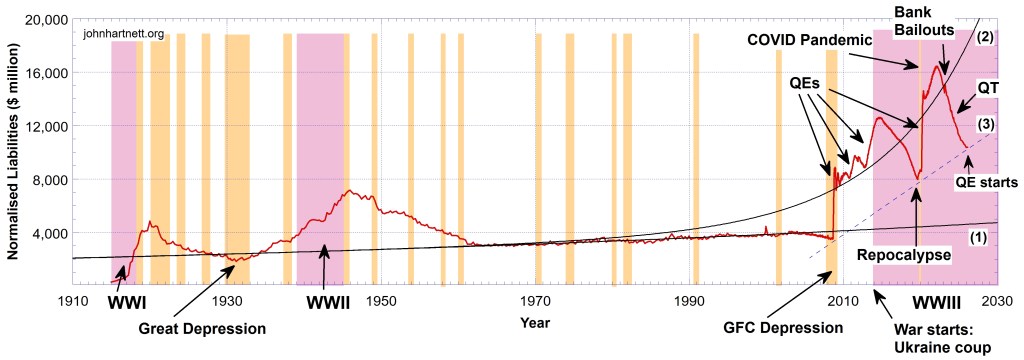
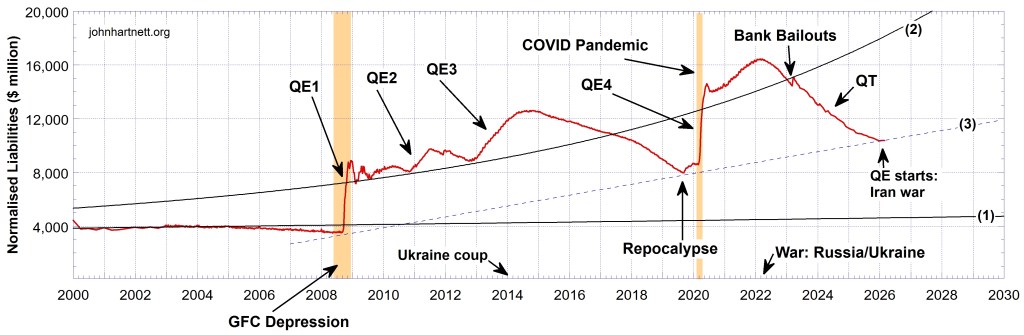
The Federal Reserve has now stopped quantitative tightening (QT), and moved to credit creation, quantitative easing (QE) once again. This signals global expansion of war as the only hope against the desperate condition of global finances, leading to a great depression.
Sin abounds in the world today and the majority of Christians do not recognise it. Satan is out in the world and his deceptions are in full sway over the nations especially the evangelicals in the US states supporting wars against innocent civilians who did nothing to America.
Dr. Daniel Nagase raises alarms about the dangers of COVID-19 mRNA vaccines, from DNA contaminants that could permanently alter the human genome. The rising cancer rates among Australians is due to these mRNA injections which are part of a coordinated effort to use bioweapons for global depopulation.
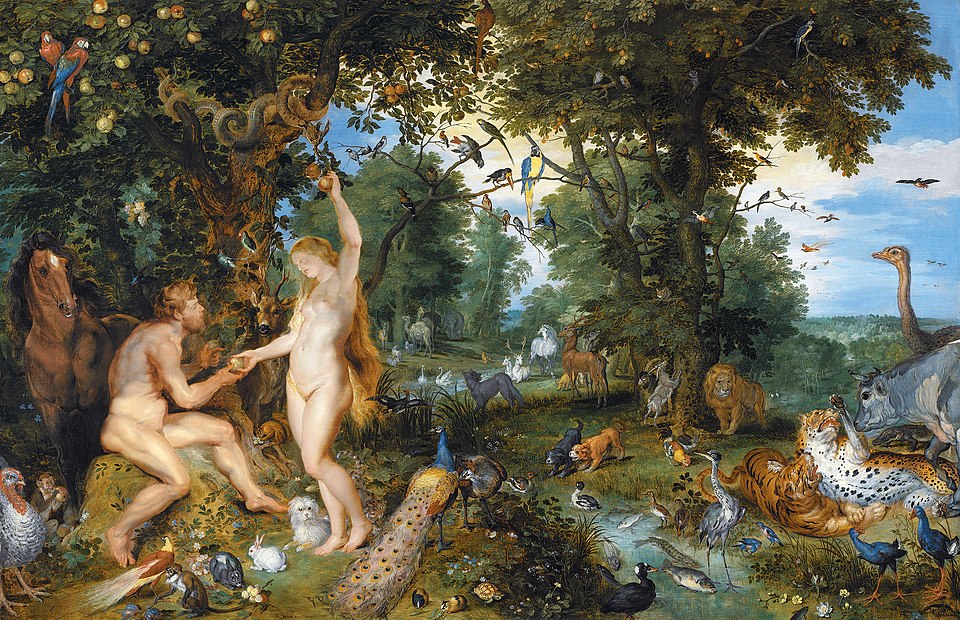
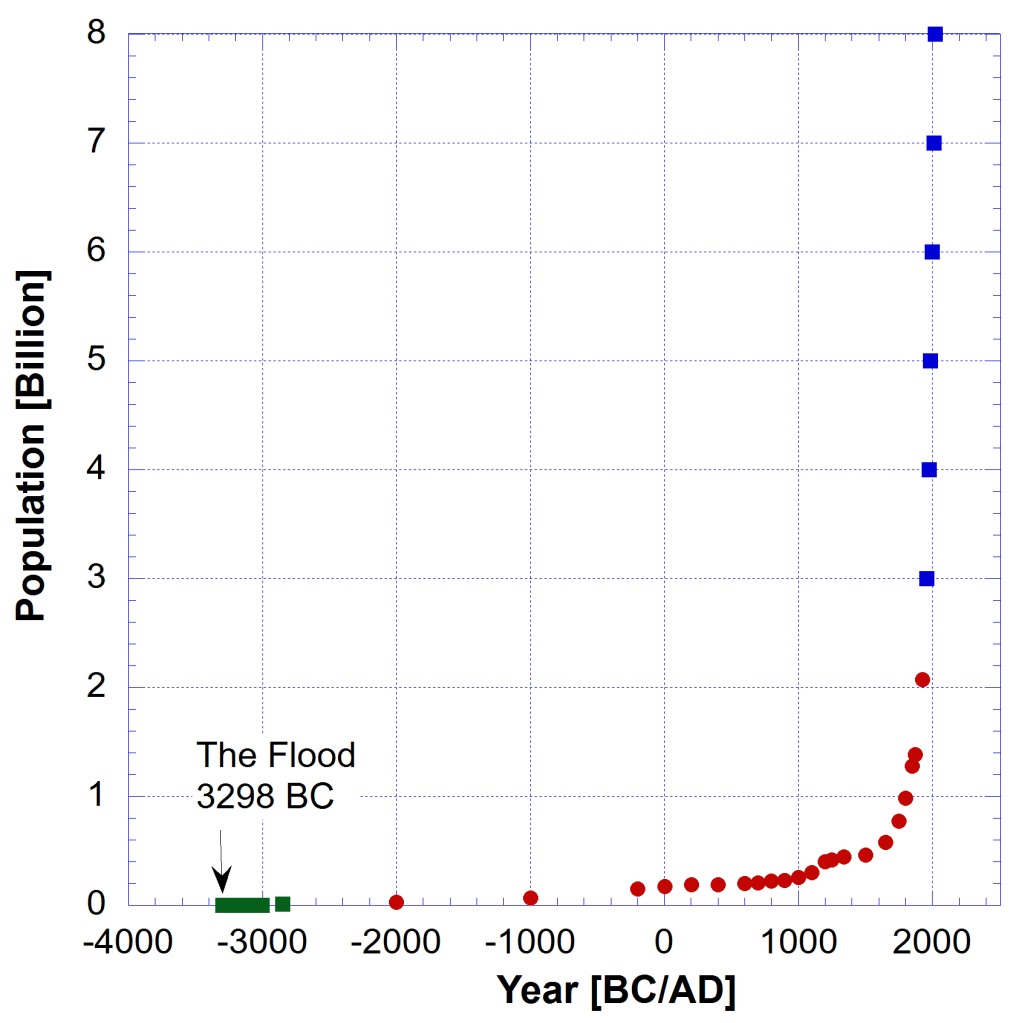
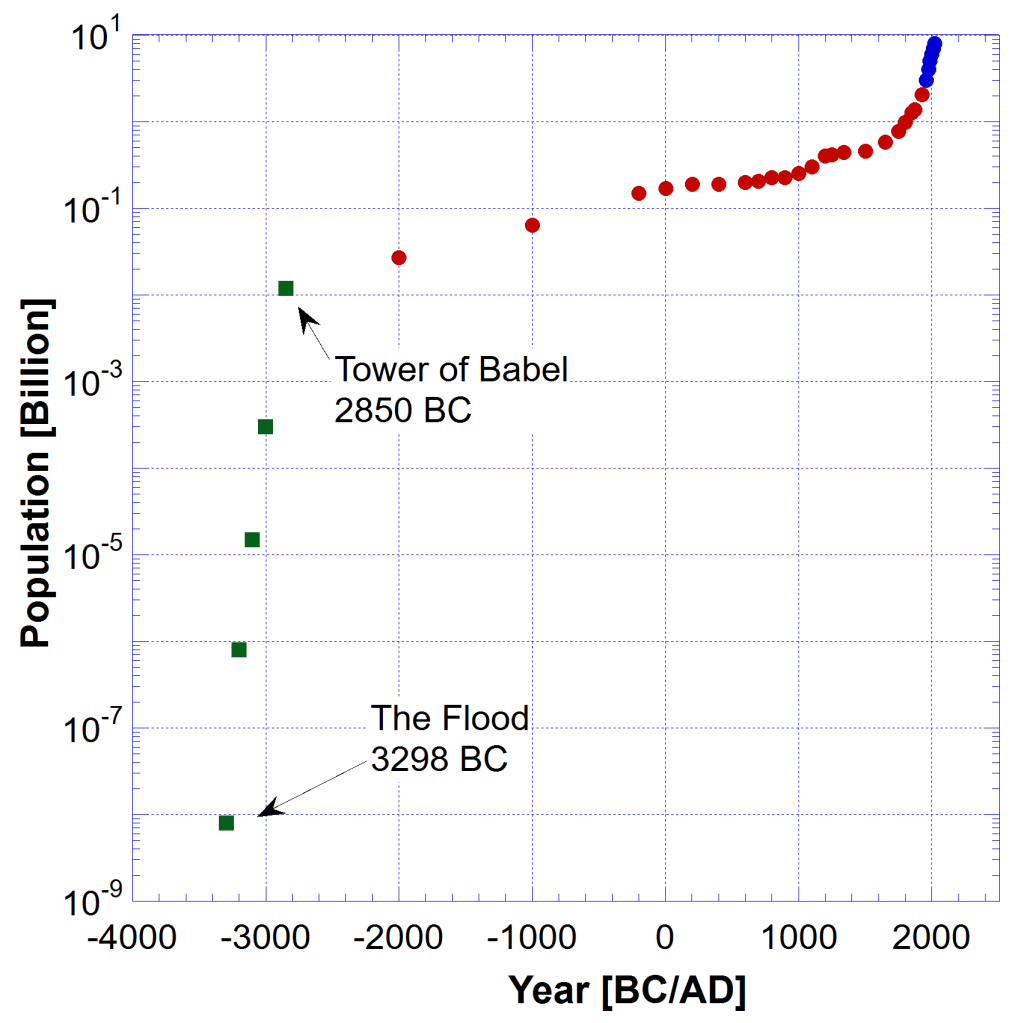
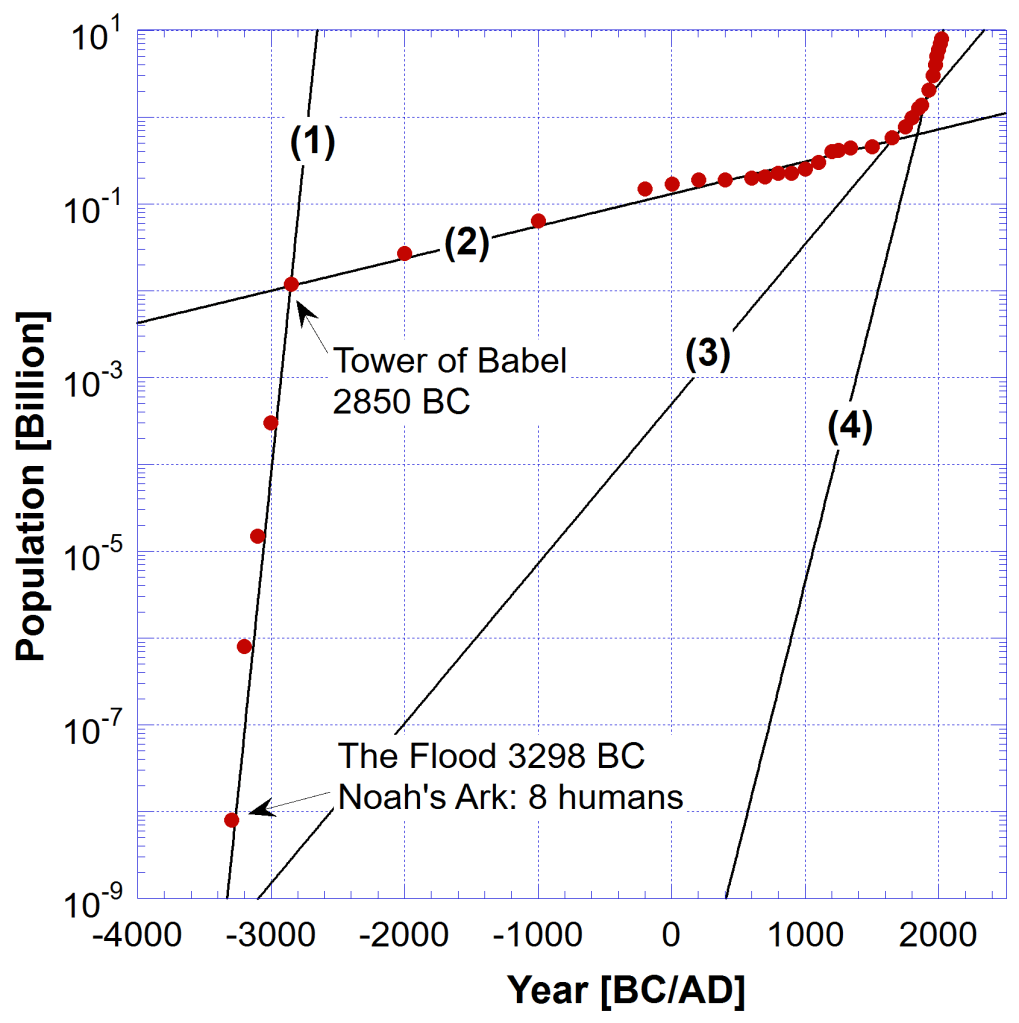
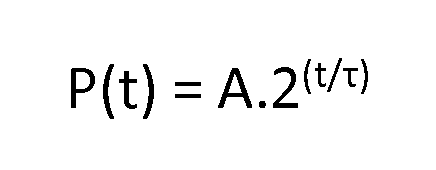
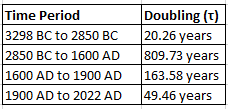
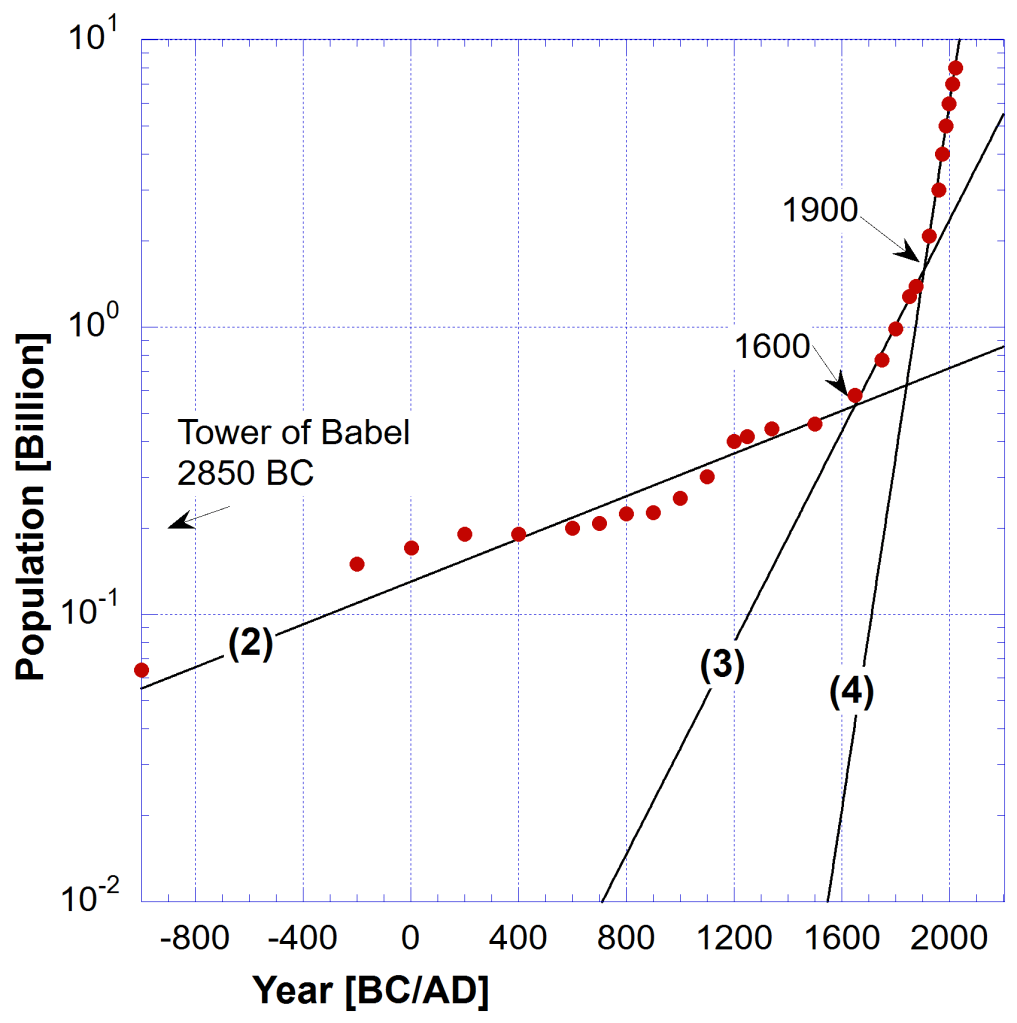
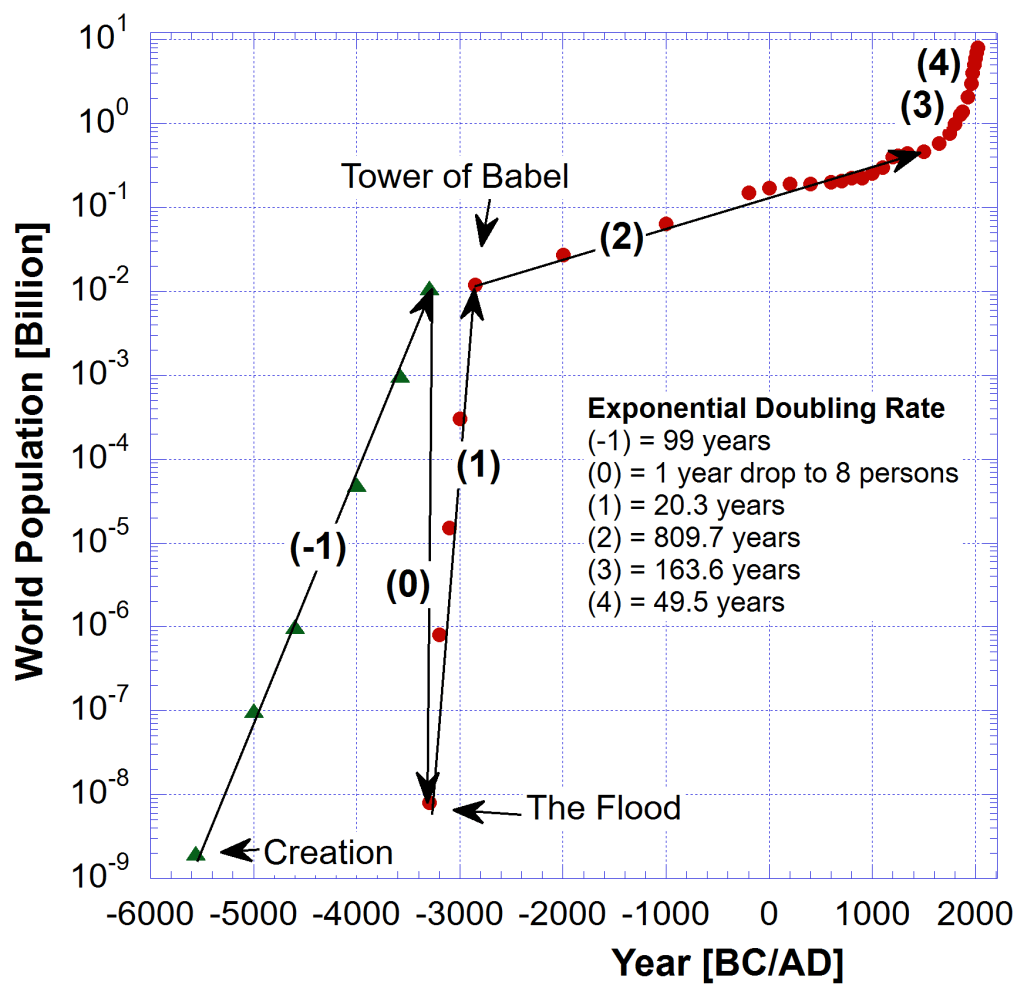
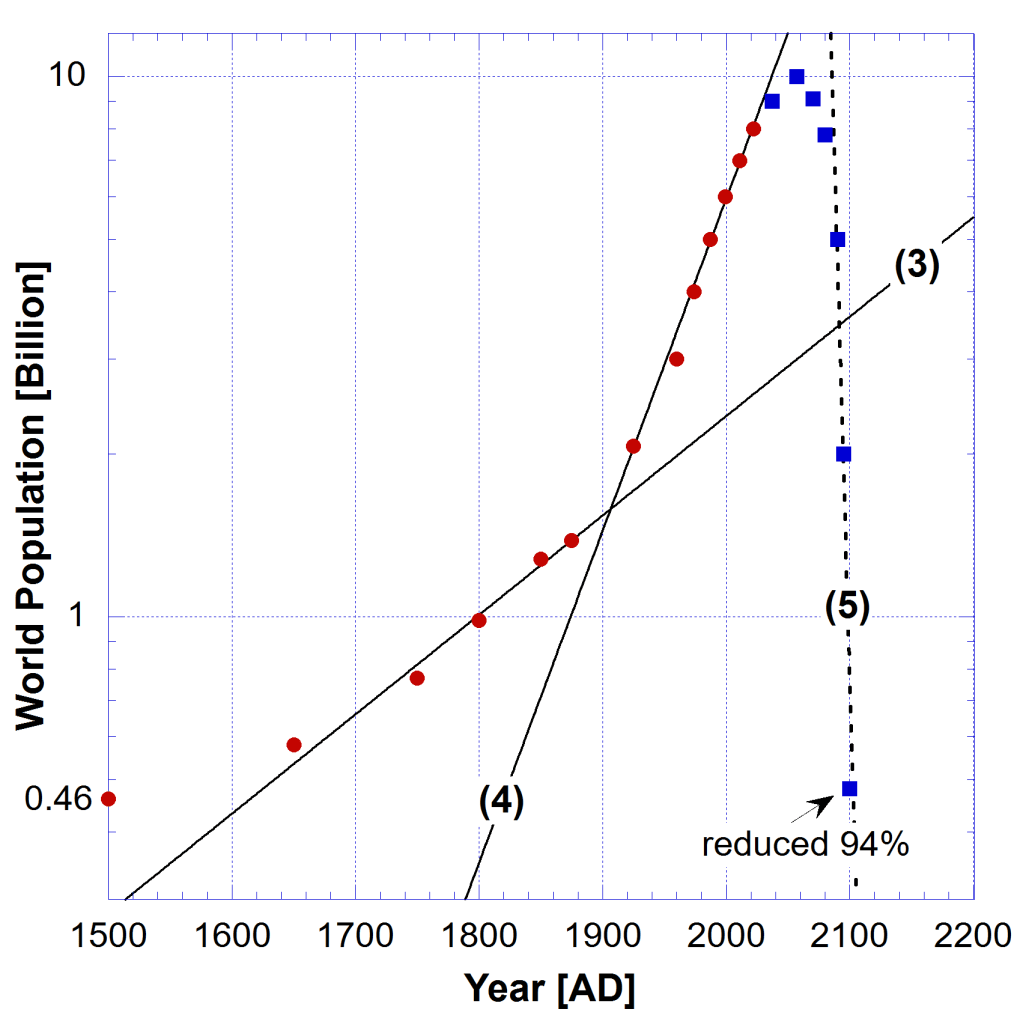
An historical investigation of global population growth, from Creation to the present, using secular and biblical texts. Significant changes in growth rates occurred after the global Flood, the Tower of Babel and pivotal developments from 1600 onward. A future population collapse may be seen again as resulting from God's judgments on the wicked.
Mikki Willis critiques the intertwining of Christian Zionism and U.S. military rhetoric concerning 'end times' wherein President Trump is falsely portrayed as divinely chosen to fight for God and Israel. He warns against the dangers of weaponized faith promoting violence and fear-based manipulation among believers.
Christian-Zionist deception has led to US commanders framing the Iran war as ‘God’s divine plan’. But that can only be the result of a perversion of biblical end-time prophecy, where Christians are told to support the 3rd Jewish Temple to bring on the return of Christ.

 Login

 Semaglutide was linked to greater weight loss and a 15% lower fracture risk in people with type 2 diabetes, raising the possibility of an unexpected bone health benefit. People with type 2 diabetes who took semaglutide experienced greater weight loss and a lower risk of bone fractures than those using several other weight-loss medications, according [...]